A Daily History of Holes, Dots, Lines, Science, History, Math, Physics, Art, the Unintentional Absurd, Architecture, Maps, Data Visualization, Blank and Missing Things, and so on. |1.6 million words, 7500 images, 4.9 million hits| Press & appearances in The Times, Le Figaro, Mensa, The Economist, The Guardian, Discovery News, Slate, Le Monde, Sci American Blogs, Le Pont, and many other places… 5000+ total posts since 2008.

  • Dis-inventing the Left-Hand Turn–City Planning with Le Corbusier

    JF Ptak Science Books  Post 1038

    Somebody must’ve invented the automotive right-hand turn, and someone too must’ve come up with the idea of dis-inventing the left-hand turn–for the sake of this post and brevity that person might as well have been Le
    Right hand turn 2006

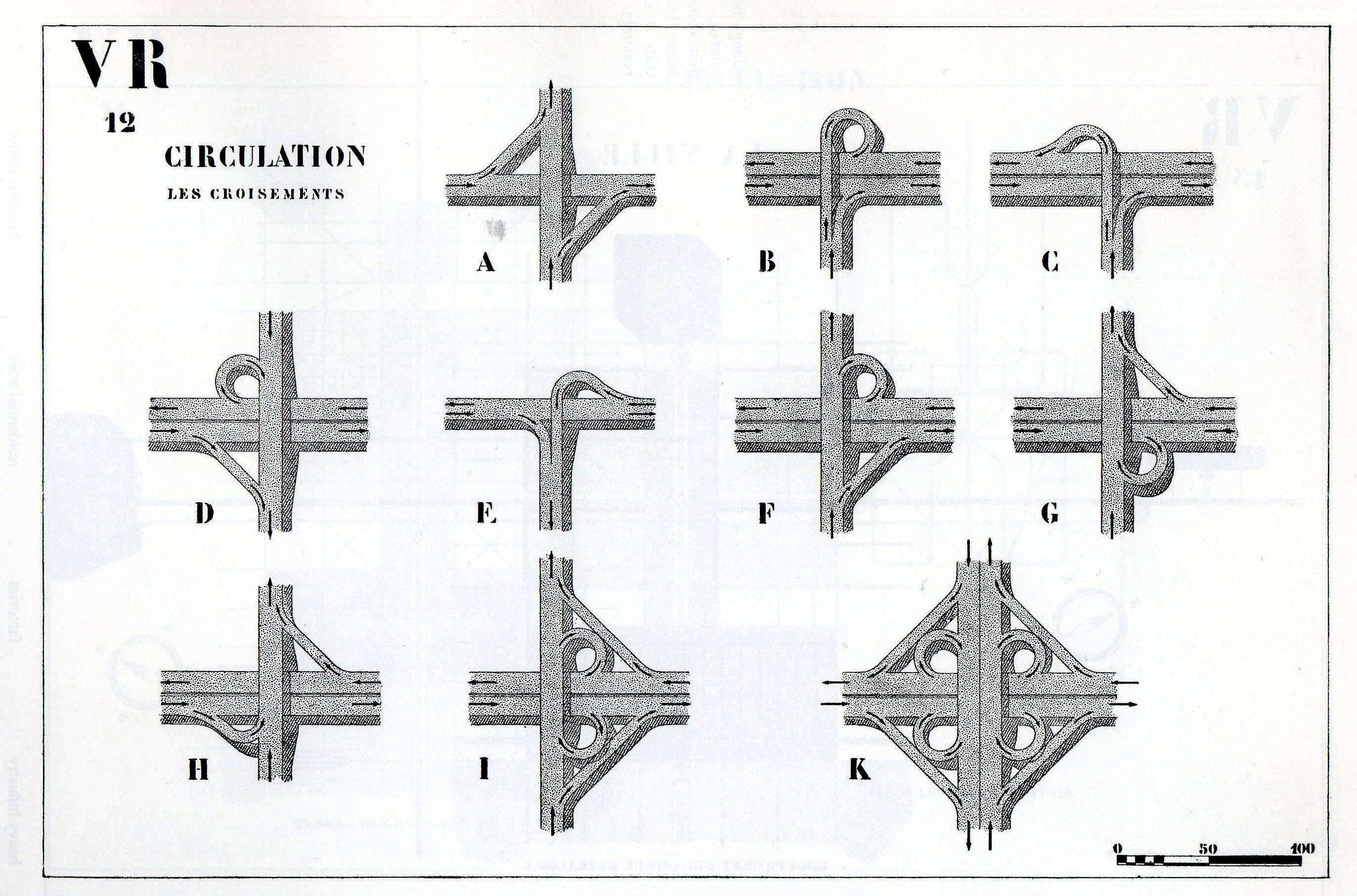
    Corbusier.  I know that city planners and traffic engineer types must’ve been working on the idea of how to push new traffic through old city streets, and the notion of making traffic not cross against itself must’ve come fairly early on, but I just offhand don’t know when.  It makes sense to me to not have cars make left-hand turns against oncoming traffic–it adds immeasurably (?) to the gas guzzling stop-and-go adventures in driving, the chain reaction of so many cars stopping and piling up behind one solitary driver waiting to make a left-hand turn against a stream of oncoming cars is just enormous.  Restricting the left-hand-turn to three right turns would slash the waiting/idling business and allow traffic to proceed quicker. (In a similar line of thinking my friend Richard Rudman from New Zealand points out that studies prove that restricting highway lane changes also makes enormous sense as well–it gets people to were they’re going quicker and with greater fuel economy if the flow isn’t interrupted by constant starts and fits of changing lanes.)            

    Further on in The Radiant City we find this visual encyclopedia of right-handed turns:
    Right hand turn 10

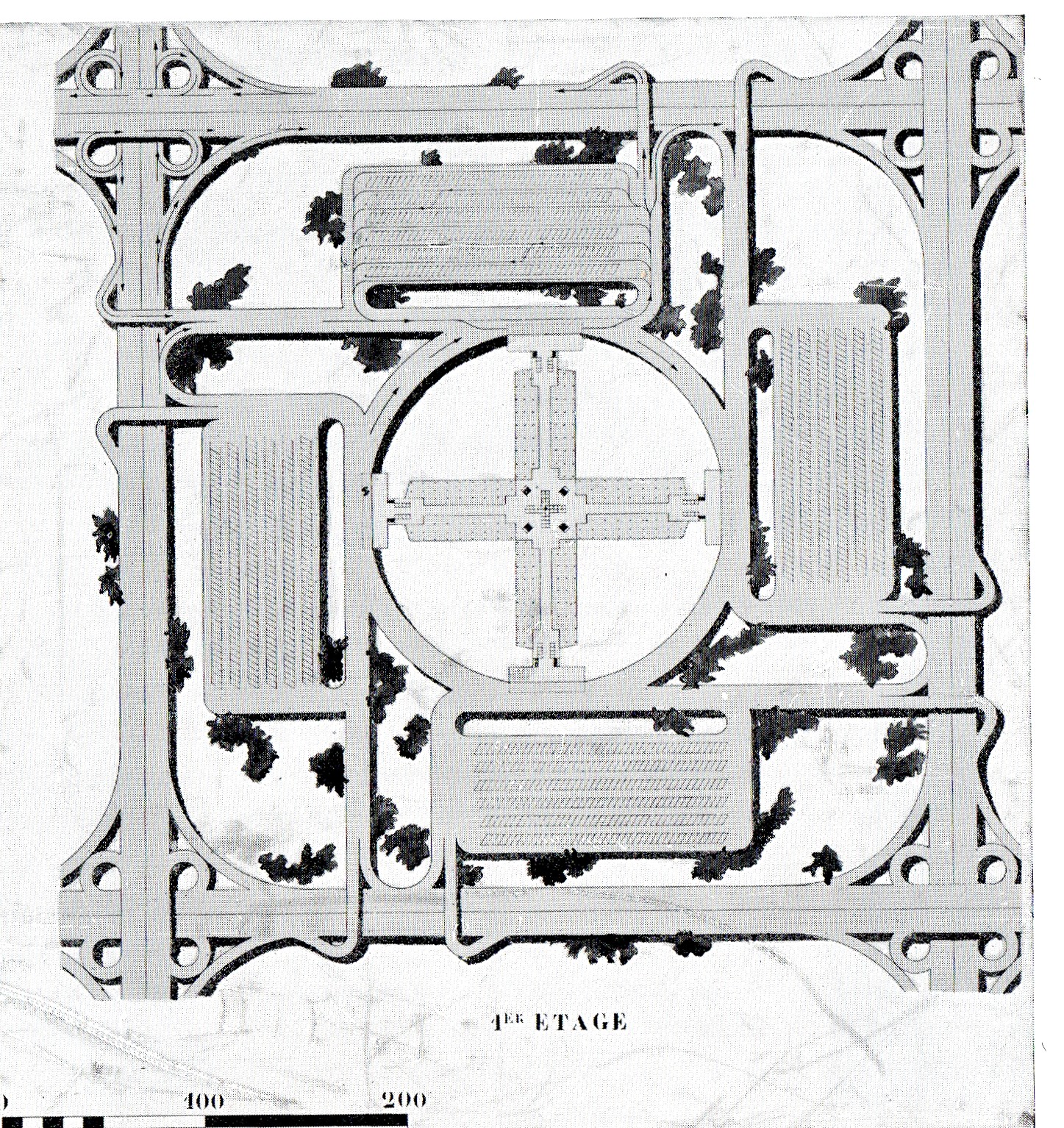
    And so we come to this plan, a part of the 1930’s Radiant City of Le Corbusier.  It is a section of a series of “horizontal skyscrapers”, “Cartesian (works) in steel and glass”, 220 meters tall buildings set in 400 meter square sections.  All of the architecture aside, the street plan is what interests me–all of the traffic here in this section of the Radiant City is in one direction along streets that are largely lacking right angles.  Elsewhere in the book Le Corbu presents his ideas for intersections for large cities–all of the designs remove the cross-traffic turn, keeping traffic flowing without those series of infinite stops.

    I’ve not been a very big fan of this man, but this is the stuff that seems to make sense to me. 

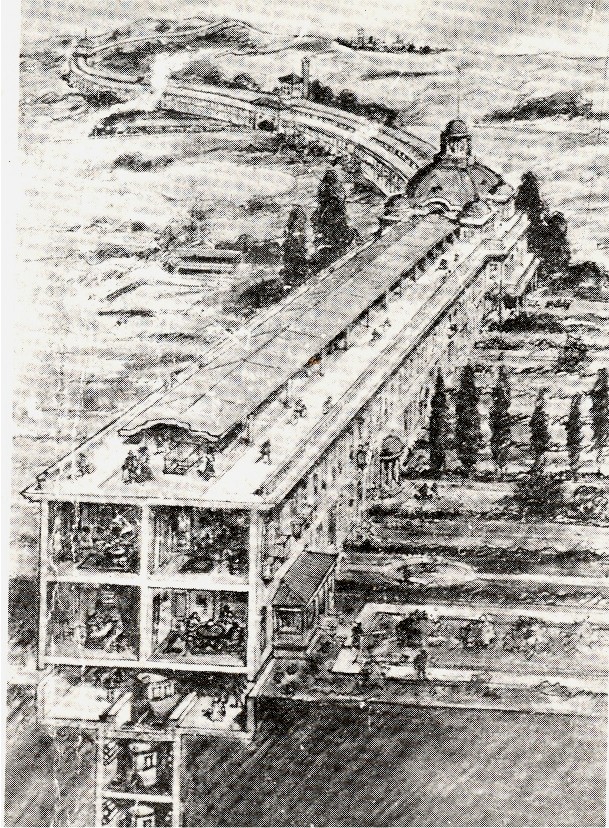
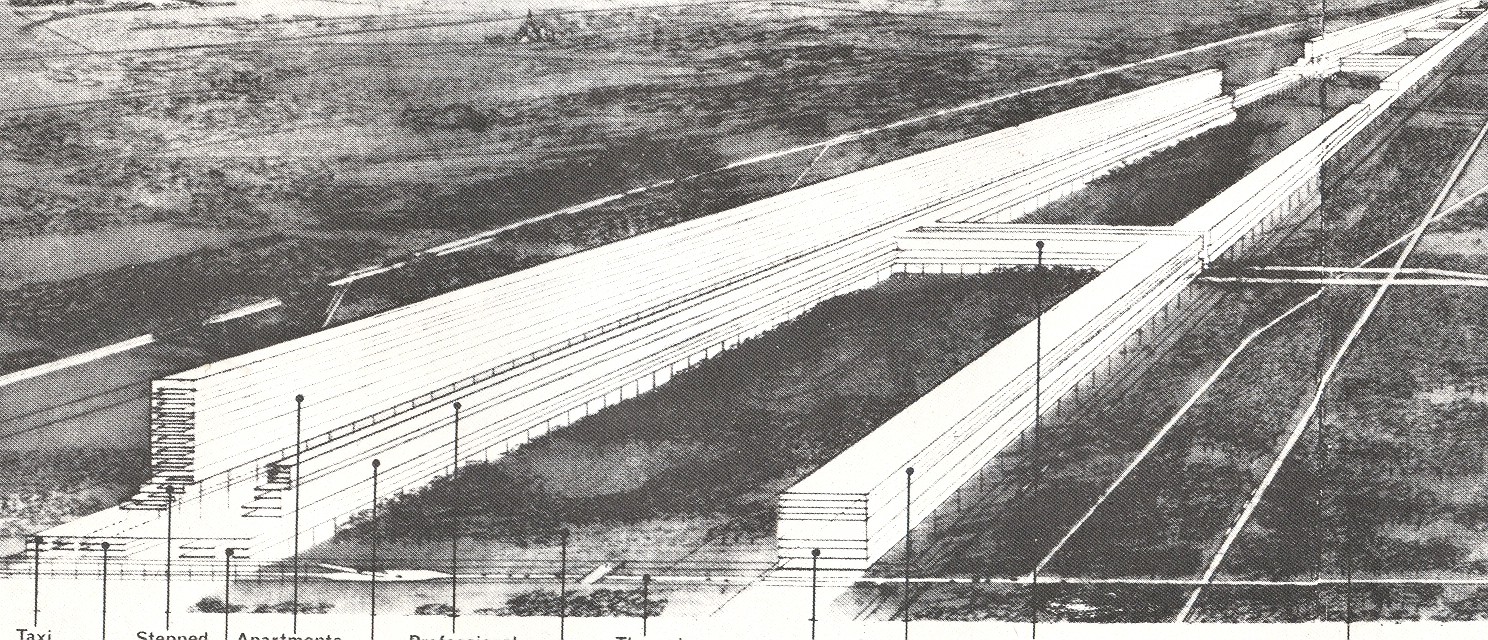
    These ideas are also in vast contrast to the city plans of linear cities (which I wrote about earlier here), seen in the 1910 Chambless image (below) and the 1932 Popular Science city (below that).
    Linear cities 2

    Linear cities

    It is also entirely different from the methods of dealing with traffic that were seemingly very popular in the early/first-third part of the century–massive 12-lane roadways, suspended garganutan affairs with traffic turning everywhere, some of which took place high in the air and in the interiors of massive skyscrapers. (Some of which I wrote about here.)
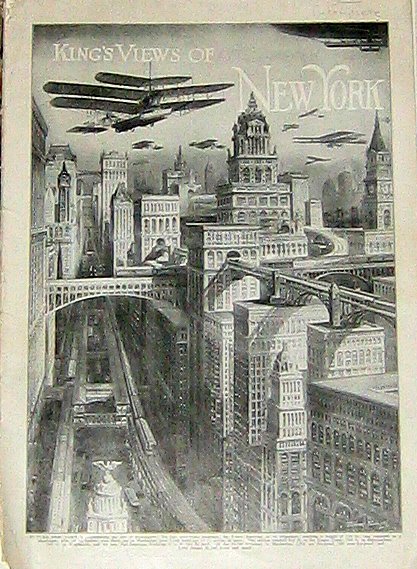
    Kings new york


  • The Ineffable Religiosity of American Meat Memory: PREM, 1947

    JF Ptak Science Books   Post 1040                                                 


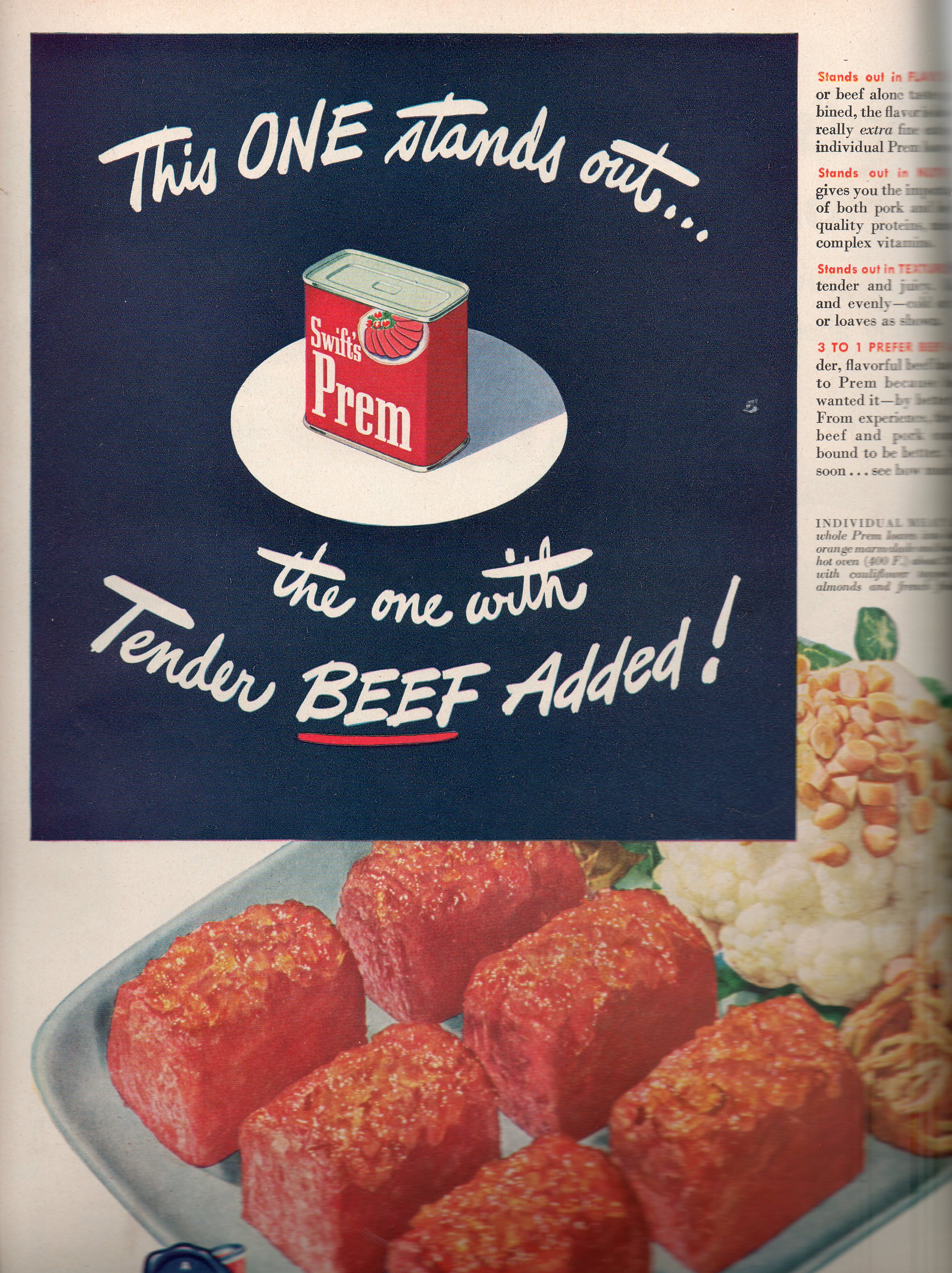
    The category of the specialty meat, the meat that both is and isn’t meat, is one that holds a particularly high place in the religico-belief system of consumption in America—and particularly so in the historical American meat memory.  For it is here, in this very purply ad in LIFE magazine in July 1947 that we find a reminder for a meat product being sold as such, printed with the statement that the meat is being sold with meat in it, which is odd because it suggests the rejoinder that the opposite is true, too.

    000 meat prem014

    The ad is magnificent in its own special way, falling just short of  reading “Prem Meat: Now with MEAT!”.

    The adipose-y Prem meat-like clone sprung from the mind of Elmer Gantry-looking Joe Hormel,  who I wrote about earlier in this blog under the title “Spam, Smeat, Spic, Prem, Mor & Arf: Food by Any Other Name”.   Prem was a Spam-like product, a waste-meat issue of food that was packaged as a molded solution for the lower-middle-class American family.  The belief in Prem and such things as meatfood must’ve been strong; I doubt that anyone who had the remotest imagination would have thought of it as an adhered-jell byproduct which nearly ended its life on the slaughterhouse floor waste grate before it was thought of as something that could be scrubbed off the metal grid, loaded with other extreme leftovers, loved up with coloring, solidifiers, sugars, preservatives and flavorings and then sold as an ingestable commodity.  The romance of Prem is lost if you drain it of its belief system and expose it as the salvaged refuse bin
    material that it was. 

    000 meat red010

    As a 20-year vegetarian I’m strangely attracted to these ads, just as I would be any other piece of quackery from the sciences or medicine. These odd meat things were fortified with splashy store displays and crisp metal packaging.  It certainly looked okay in the pictures; could digestive goodness be far behind?

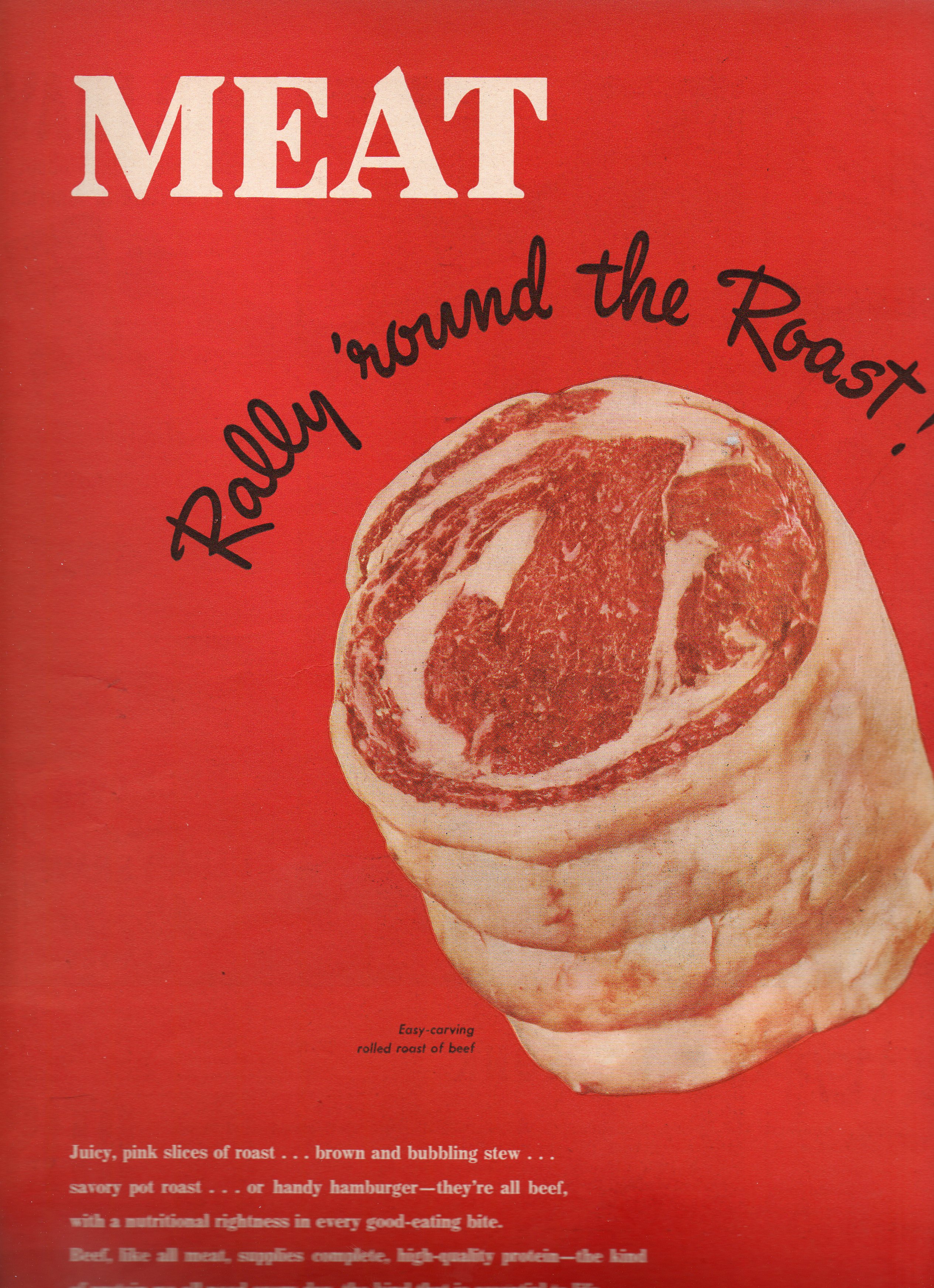
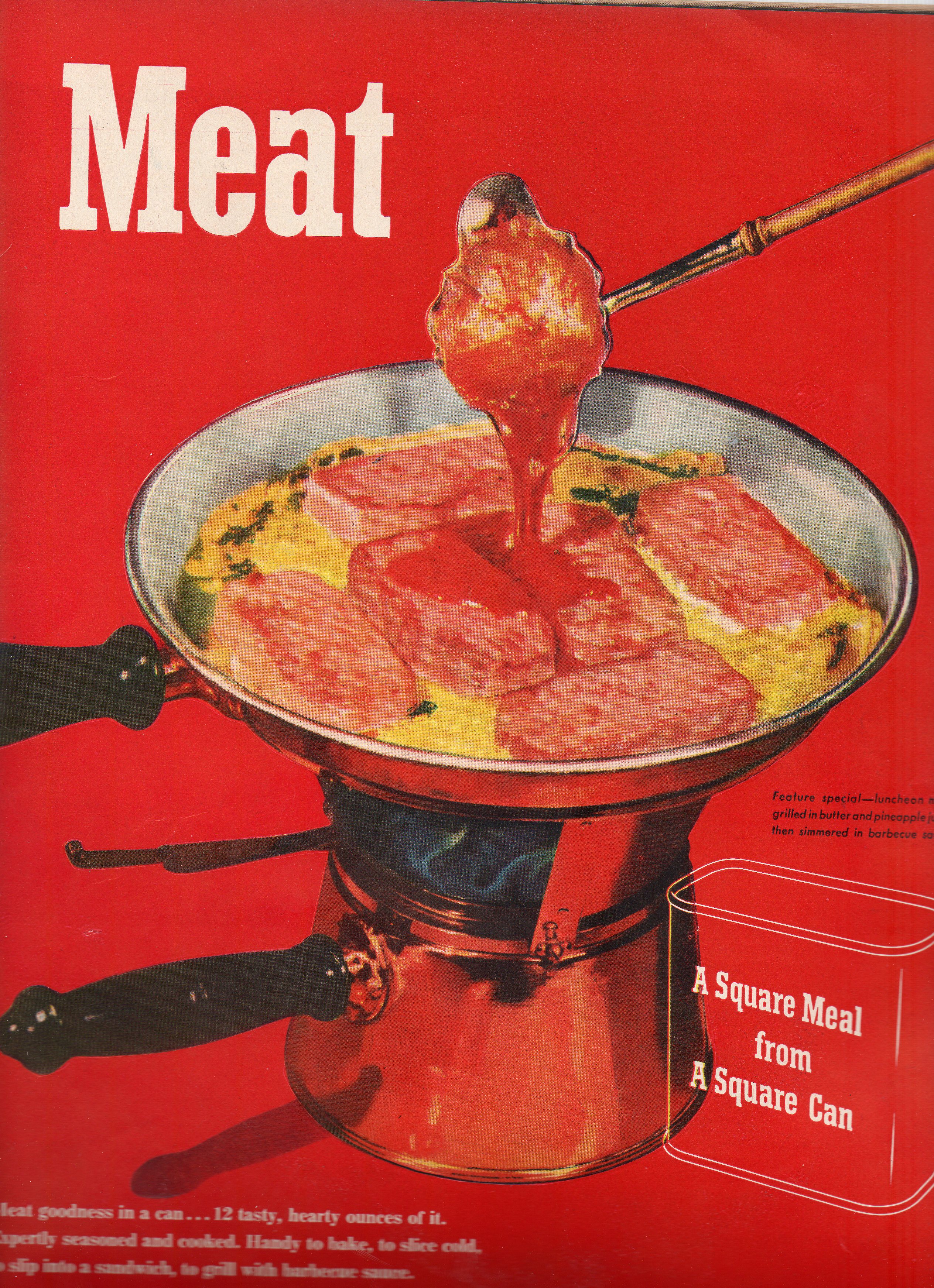
    The other bit that runs far and wide through LIFE that reminds Americans that the meat that they are eating is meat  , red meat, and the RED MEAT ads–these things are incredibly red, and big, and make quite the bloody splash considering that the ads were about 14 inches tall. 

    Anyway, reminding someone that they were eating more of their memory than the actual thing itself seems as though it would’ve opened more dangerous doors to unsavory discussions rather than closed them–but close them they did, as the new-old memories posted by these ads seem to have worked their sensate magics.


    000 meat red 2011

  • Alpha & Omega Department: Leashed Women

    JF Ptak Science Books   (Picture Post)

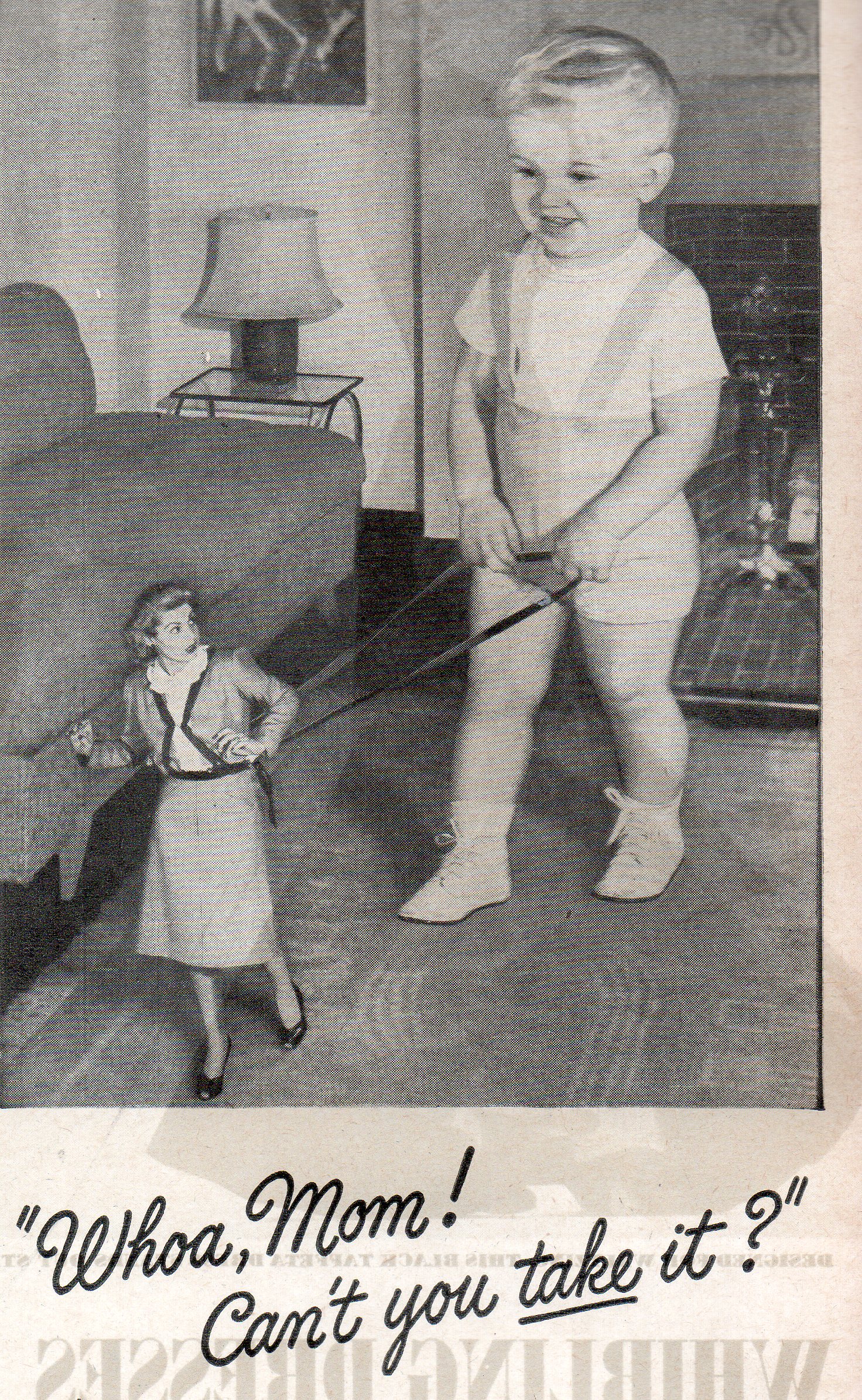
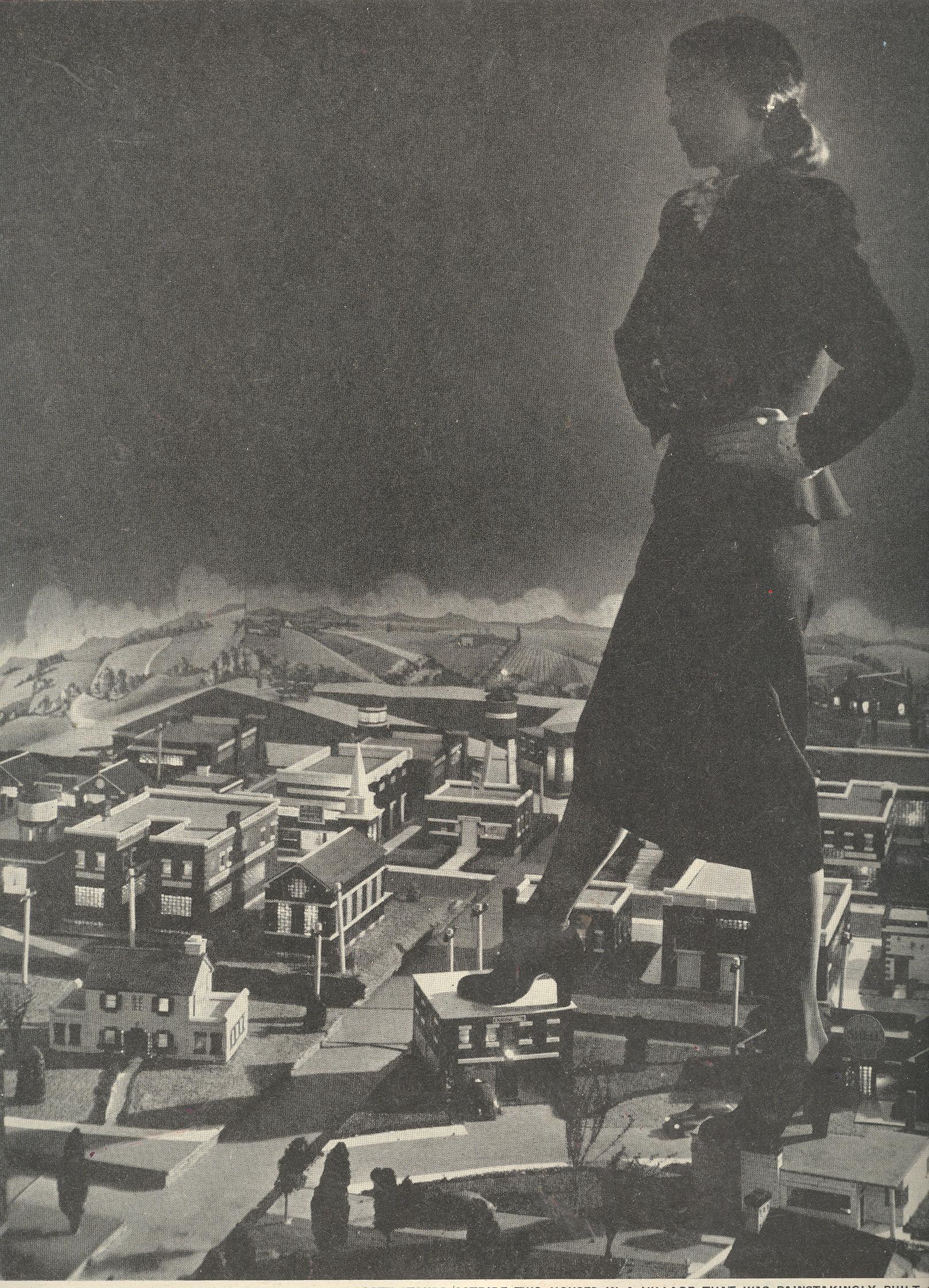
    This would also go nicely with my 200′-Tall Woman post, making the long and short of things and rounding out the other end of the spectrum for the greatest difference in hemline-to-ankle distance.

    000 women on a leash012 

    000 big woman

  • Selling the Memory of Missing Things: Camel Cigarettes, 1947

    JF Ptak Science Books  Post 1041

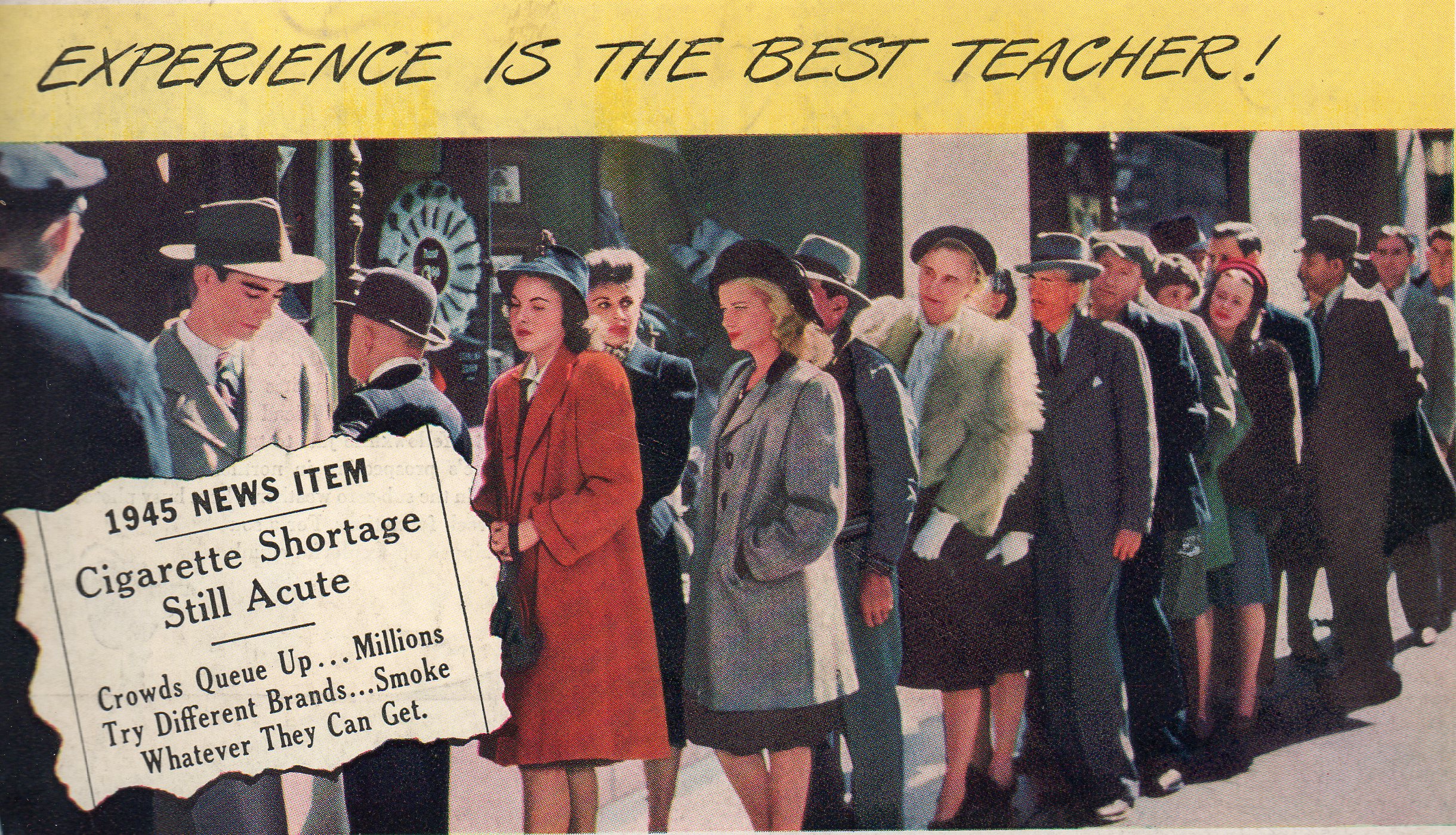
    Here I think is another instance (following yesterday’s post on “The Ineffable Religiosity of American Meat Memory”) of tweeking the American consuming memory, an advertisement bringing out the recollection of past shortages to make the present consumer want the now-abundant item even more.  In this case that item is the cigarette–Camel cigarettes to be specific.  The ad correctly refers to the two-year-old memory of cig

    000 cigarettes013

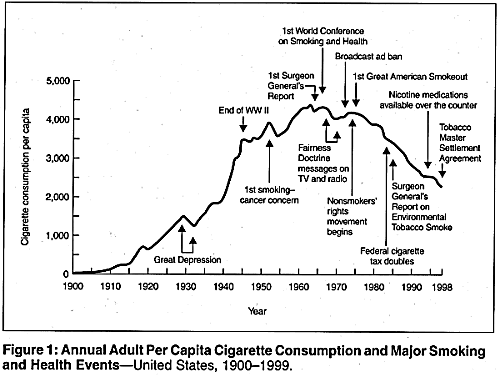
    shortage in the U.S.  Cigarettes became increasingly scarce during the war–soldiers were given smokes with their C-rations, exports increased, and so did general consumption.  At the beginning of 1940, 181 billion cigarettes were made in the U.S., with a per capita intake of 2,558 cigs a year; 1945 saw production spike to nearly double. By 1950, the production hit 370 billion, with the per capita use at 3,522 cigarettes a year, about a half-pack for everyone in the country.  In fact nearly half of the adult population smoked in 1950, making for more than a pack-a-day habit.  And it was Camels who lead the smokey way, comprising nearly 28% of all cigarette sales in the country (followed by Lucky Strikes and Chesterfields, their combined totals making another 42% of the market share).  In short, there were three giants who ruled the industry, and that for decades.  And before 1950, only 2% of all of those cigarettes had filters, so all of the harmful stuff got to the lungs cleanly.

    Back to the ad–I’m sure that these hatted folks weren’t smoking “whatever” they could get, especially with the cop standing at the front of the queue.  But in 1947 (the year this ad appeared in LIFE magazine advertising Camel cigarettes) the ciggie shortage experienced at the end of WWII was long dead and gone.  Camel just wanted to remind people of the craving for their missing cigarettes, especially the ones they enjoyed, and of course especially Camels.  The ad brought up the memory of smoking the off brands like Ramses and Pacayunes and how they tasted, and how “good” Camels were in comparison–and now one could buy Camels with reckless abandon, the freedom to consumer right to the edge of the grave. 

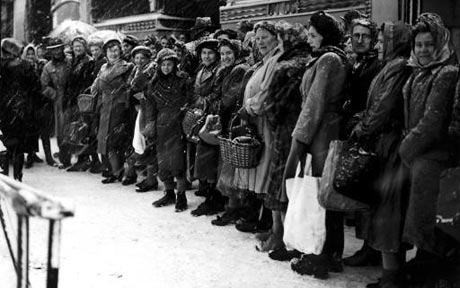
    The advertising message pricked the American memory of shortage; the U.K. on the other hand was experiencing the real thing, with massive amounts of shortages of nearly everything (from petrol to medicine to white linen), and queues and ration books were supplied to deal with the real problem.

    A “real” line in London, 1947, for food::

    000 winter-1948_798431c

    0000 cig consumption

  • Polywog Airmail of the Future

    JF Ptak Science Books  Post 1042

    000 sky mail015

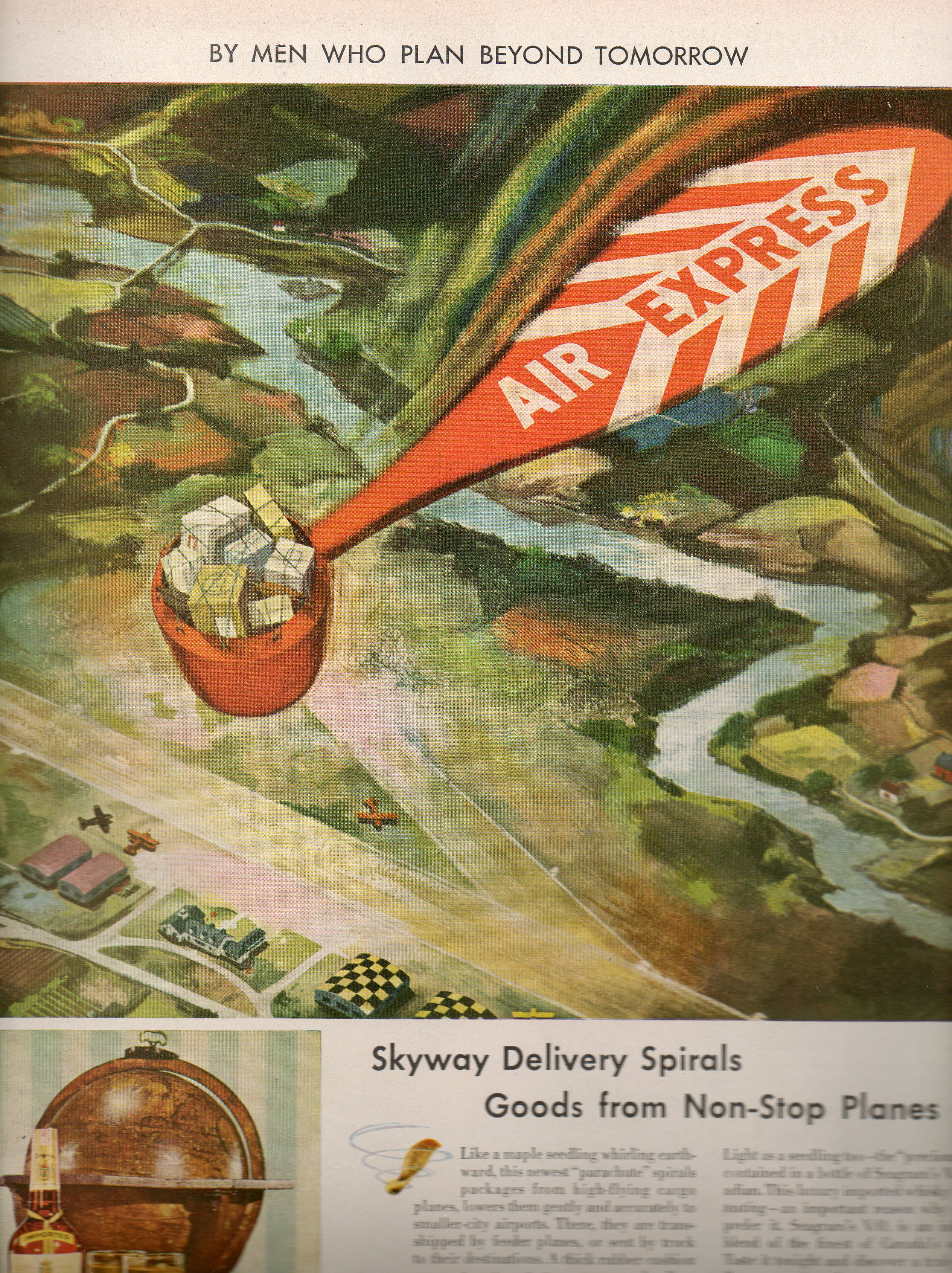
    The booze-driven future as seen by Seagrams (written about earlier in this blog as Atomic-Powered Farms) that appeared in the pages of LIFE magazine from 1945 to 1947 were quixotically science fictiony in the waterproof-duck department brand of invention.  Most of Seagram’s visions were goofy even though they all seem to have been serious statements on the future.  This example, the polywog air mail delivery system, seems to be as bad as any of them–worse even since the technology that the artist/designer was trying to circumvent was already far more sophisticated/logical/beneficial than this weird parachute delivery system for  the mail.  Once all the effort of packaging the mail into this contraption, retrieving it and then setting it up all over again for the next go is calculated, one would’ve been far ahead at all levels by just landing the bloody plane and getting rid of the mail.  That, or of course, just pushing the mail out in a container with a standard parachute also would’ve been a better solution than the one pictured. here. 

    Obviously Seagrams didn’t have their heart in futurology, except that which calculated the shortest possible time it would take to convince people to replace their empty Seagrams bottles. 

    Overall, this is just simply a very bad idea, no matter where you are in the timeline. 

  • Unintentionally and Quietly Absurd Images: Twilight Zone Advertising for 7Up

    JF Ptak Science Books Post 1043

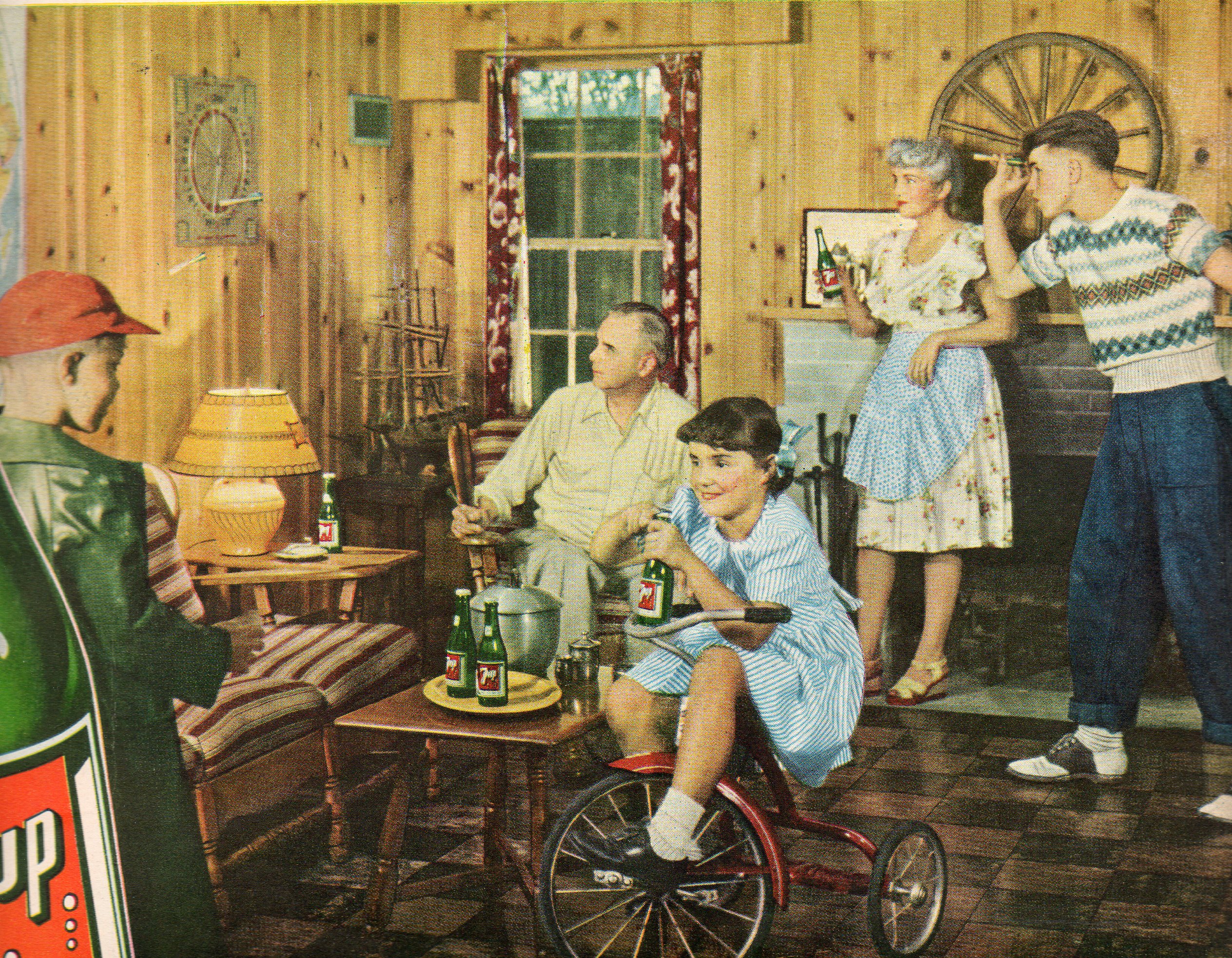
    What,exactly, is going on in this photo?  Yes they’re all helping to sell the delightful and refreshing pop soda called “7 Up”, but there’s something just off with each and every element.  

    000 7 up absurd017

    What is the story with the girl/woman on the trike, holding her bottle of pop as though it was the sudsy stuff?  She also must be at least 16 years old and looks a little possessed in having to wear those clothes in that pose.  She’s staring into the chest of the kid at left, who for some reason is wearing a heavy and shiny green coat there in the basement rumpus room.  Manchild Junior takes careful aim with his big dart as dad sits staring at the dartboard, waiting for his eyes to collect the darts as though they were magnetic dust in his eyeball magnet.  Mom seems to be plasticized and propped up against the fireplace, her bottle at an odd angle used only for toasting.  In All of this extends to the bottle, which hasn’t a single word on it, unless you cleave away the “up” from “7up”–there’s just truncated words and an incongruous woman in a bathing suit on the label.

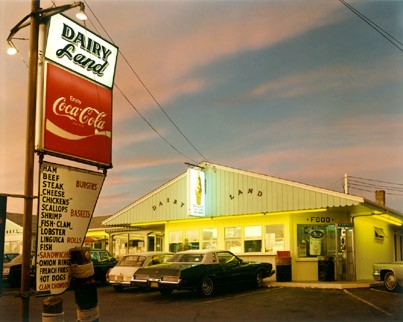
    In short:  the photo has a low-suburban mid-creep distant-color affect, kind of like a human landscape version of a Joel Meyerowitz photograph.

    Meyerowitz07

  • Rubber Fabulosity, Continued: Rubber Joy of 1947

    JF Ptak Science Books  Post 1045

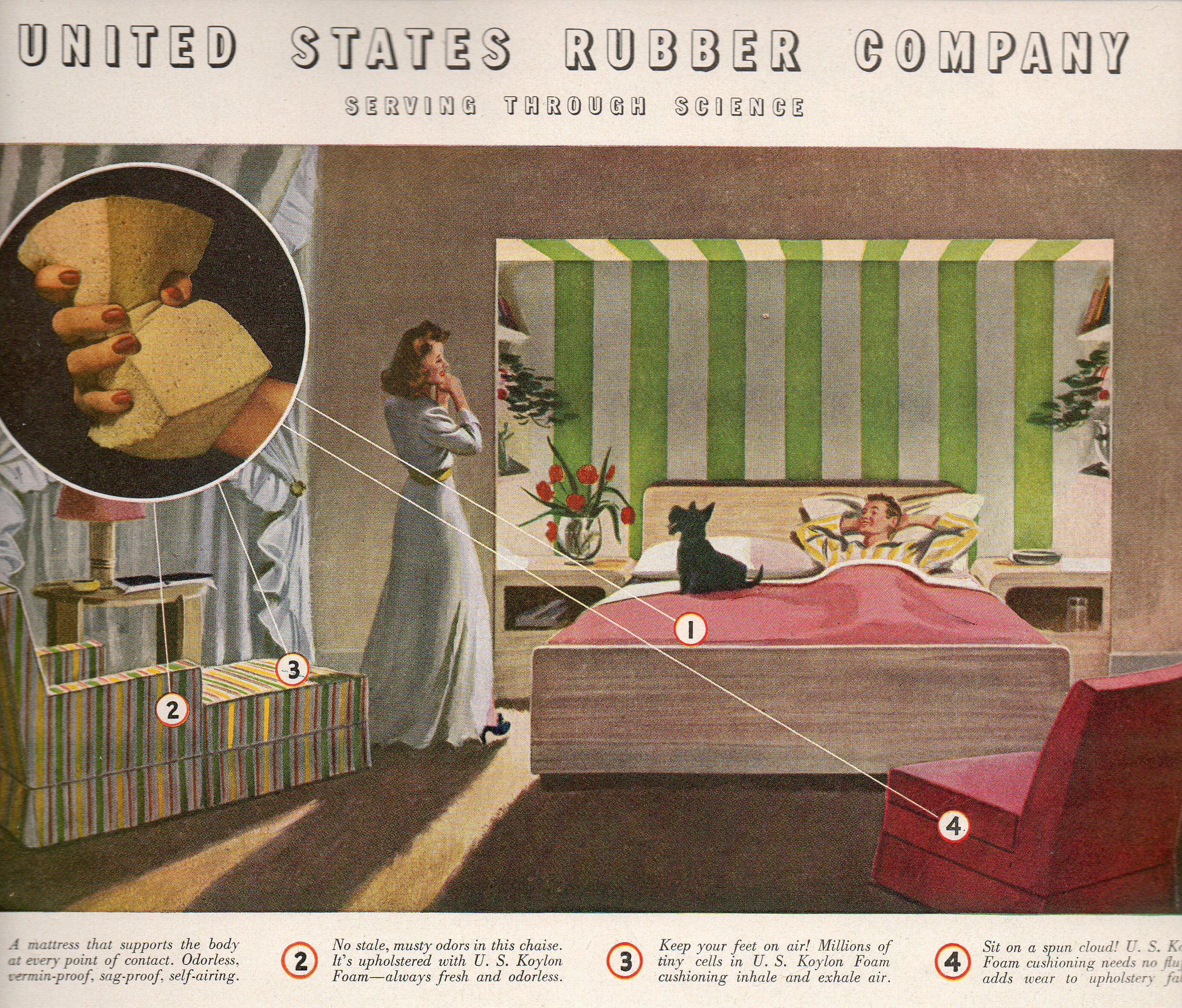
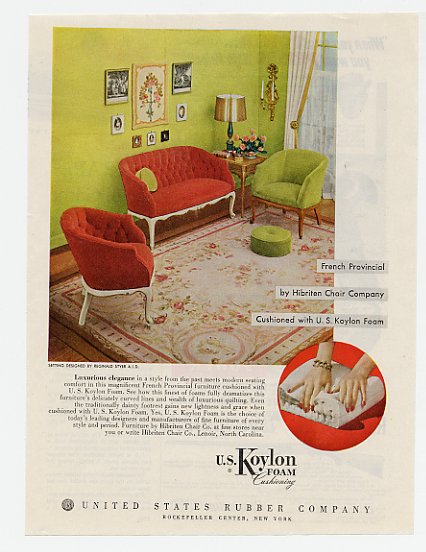
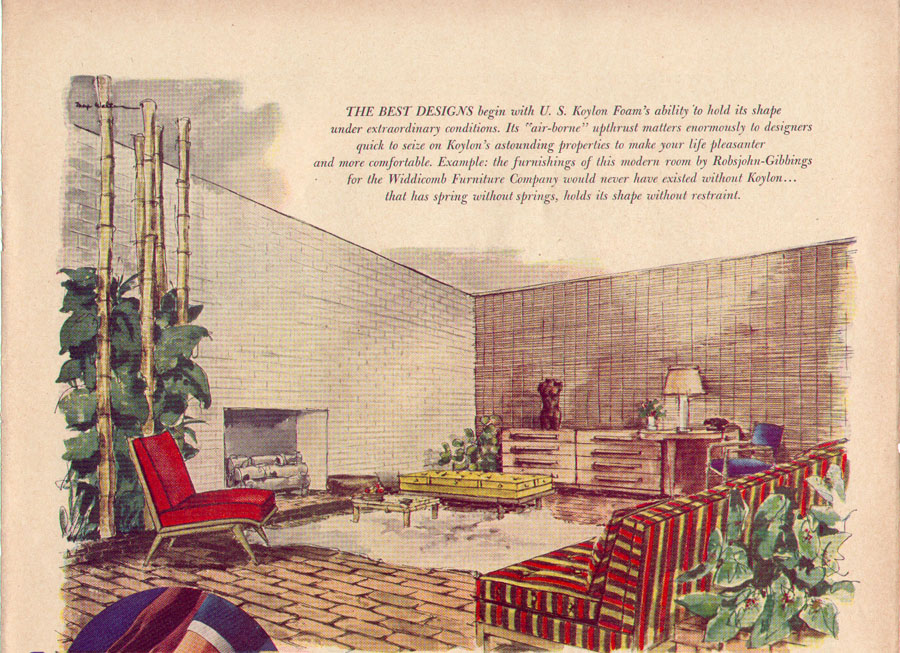
    In 1947 the American course of empire evidently led  directly to a rubber-sheeted bed on rubber mattresses surrounded by spectator chairs made of rubber.  Rubber here and rubber there, all brought to you by the United States Rubber Company1 and their foam rubber product star, Koylon, whisking everyone into their spongey, foamy future..  All of this seems a little other-worldly, from the massive window treatments to inset bed to the color combinations to the weirdly-drawn woman making her way to an improbably-depicted double (rubber) bed.  Perhaps nothing spelled “comfort” more indignantly than the possibility of hosing down your bedroom every morning. 

    It all looks a little scary to me, perhaps more for the lady (what is she holding behind her head?) than for the unexpected color usage.

    (Have a look too at an earlier post here, “There Was A Rubber Lady in a Rubber Kitchen in a Rubber House…”)

    Notes

    1. The  U.S. Rubber Company was one of the original twelve companies listed by Charles Dow in the very first iteration of the Dow Industrial Averages (26 May 1896).  USRC became Uniroyal in 1961.

    000 rubber LIFE016

    000 rubber room 2

    000 rubber one

  • The 38-Star (1876) Displayed for Memorial Day

    Flag 38 star

    That’s a big one, 12’x8′ or so. Its beautiful. 

    ·Posted by :

    ·in:

  • Relief in Capture: Churchill in Carthage and what 230,000 POWs Looks Like

    JF Ptak Science Books   Post 1046

    [Continuing my series on Crowds–see here for example of WWI German prisoners in crowds; also search “crowds” in the google site search at left.]

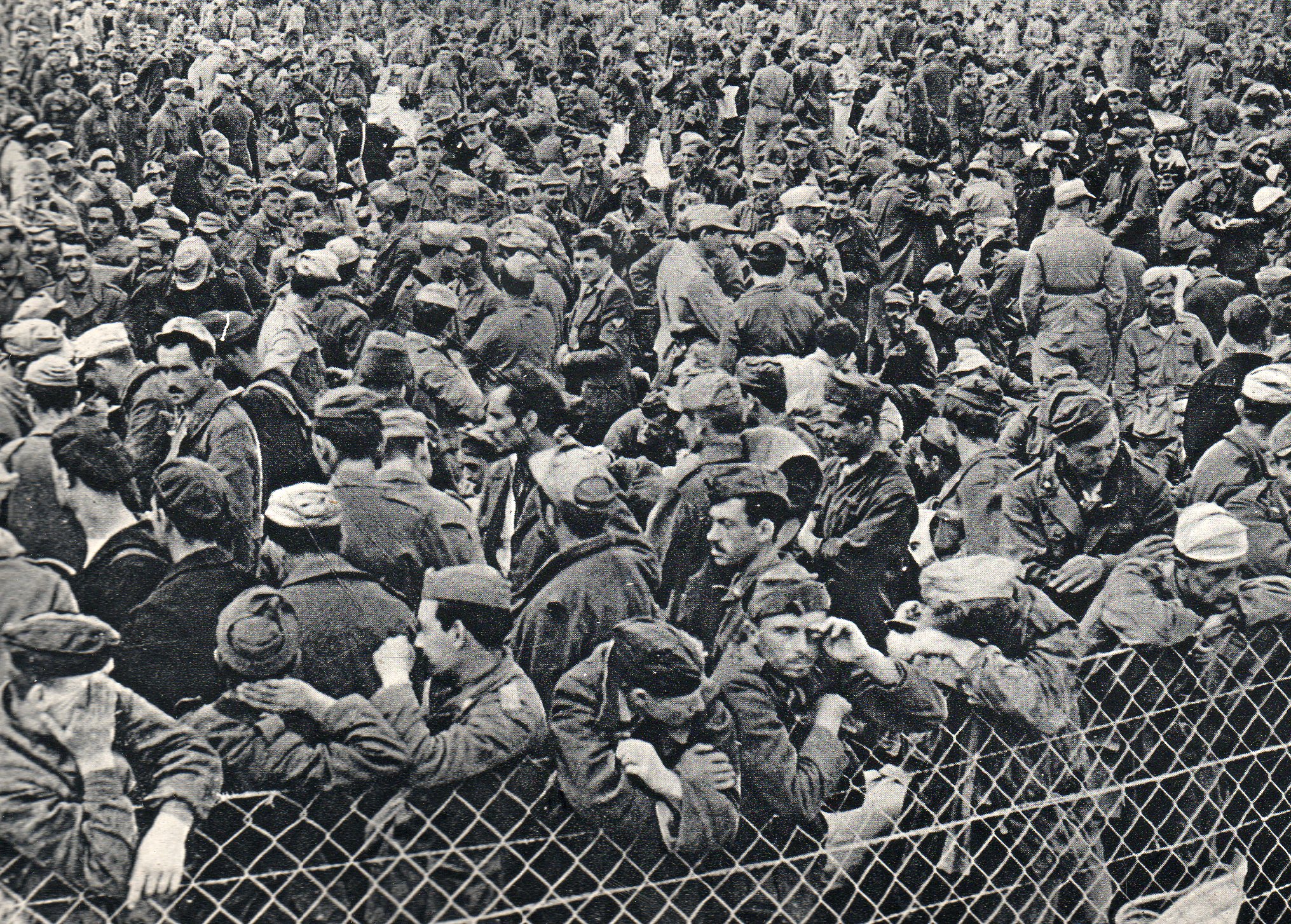
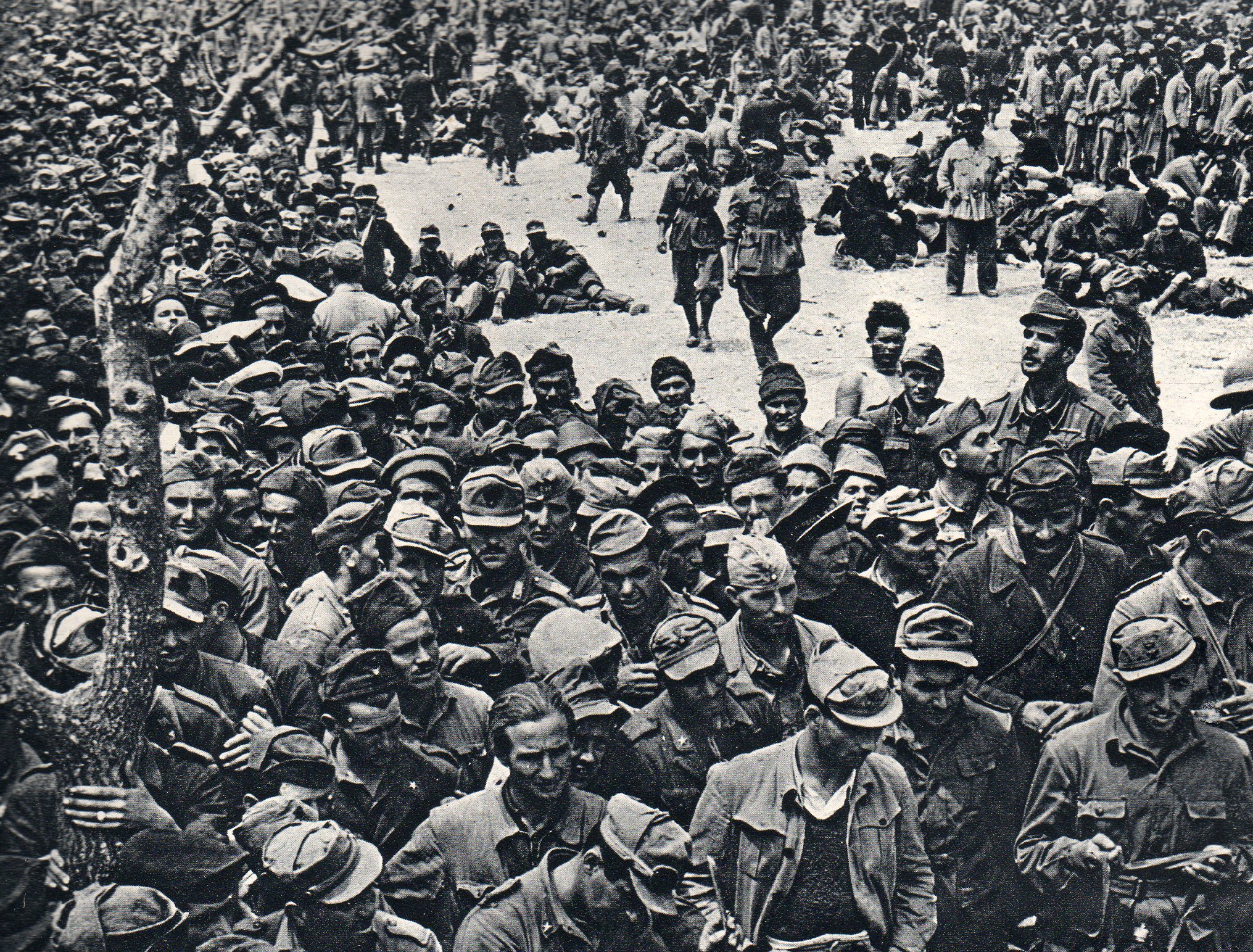
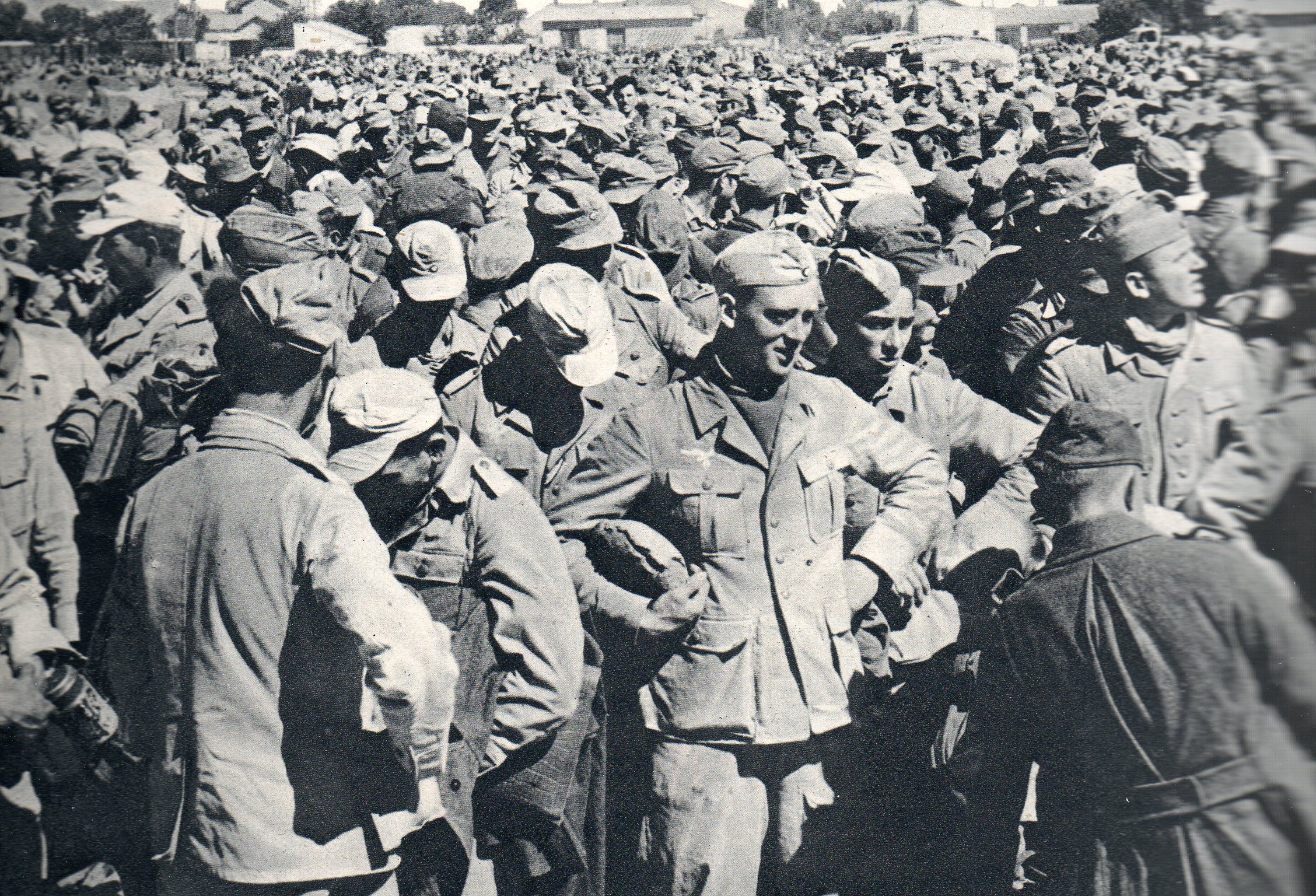
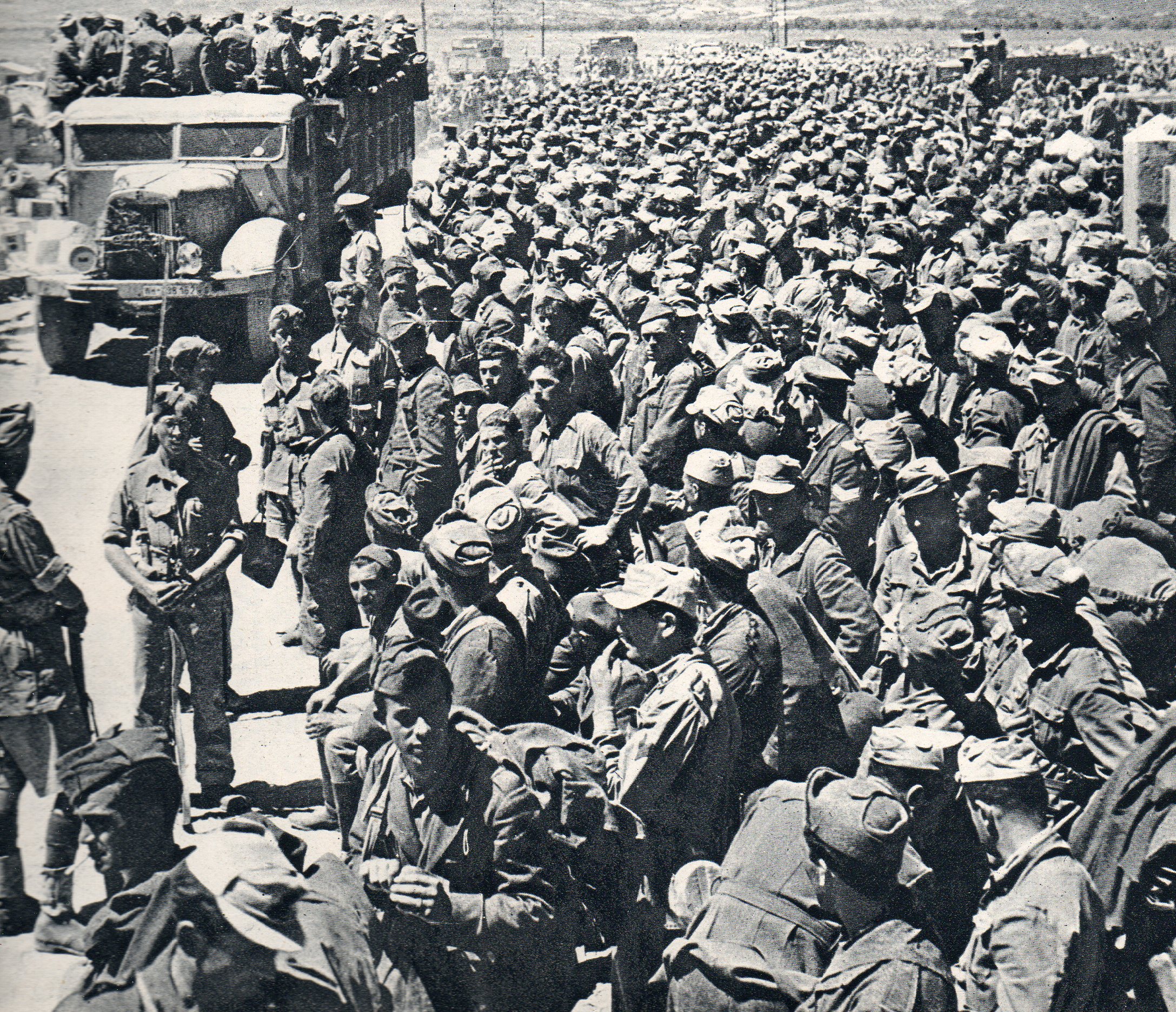
    Part of the campaign in North Africa during WWII was decided by a series of battles known as the Battle of Tunisia, or the Tunisia Campaign, fought from November 1942 to May 1943.  It was a long endgame for the Axis forces in Africa, Hitler losing hundreds of thousands of men, vast amounts of materiel, crapped out the Luftwaffe, spent tons 000 crowds tunisia 1018

    of oil, all in an effort that seemed to be a foregone conclusion save for the fighting.  It was not possible for the Germans (and Italians) to survive there, let alone win, given the great superiority of numbers and resources controlled by the Allies. Plus of course there was the whole Ultra Secret thing, which–though necessarily unknown to the Germans-–in great measure helped to deliver the North African victory.  The Allies were destined to win.

    000 crowds tunisia 2019
    000 crowds tunisia 3020

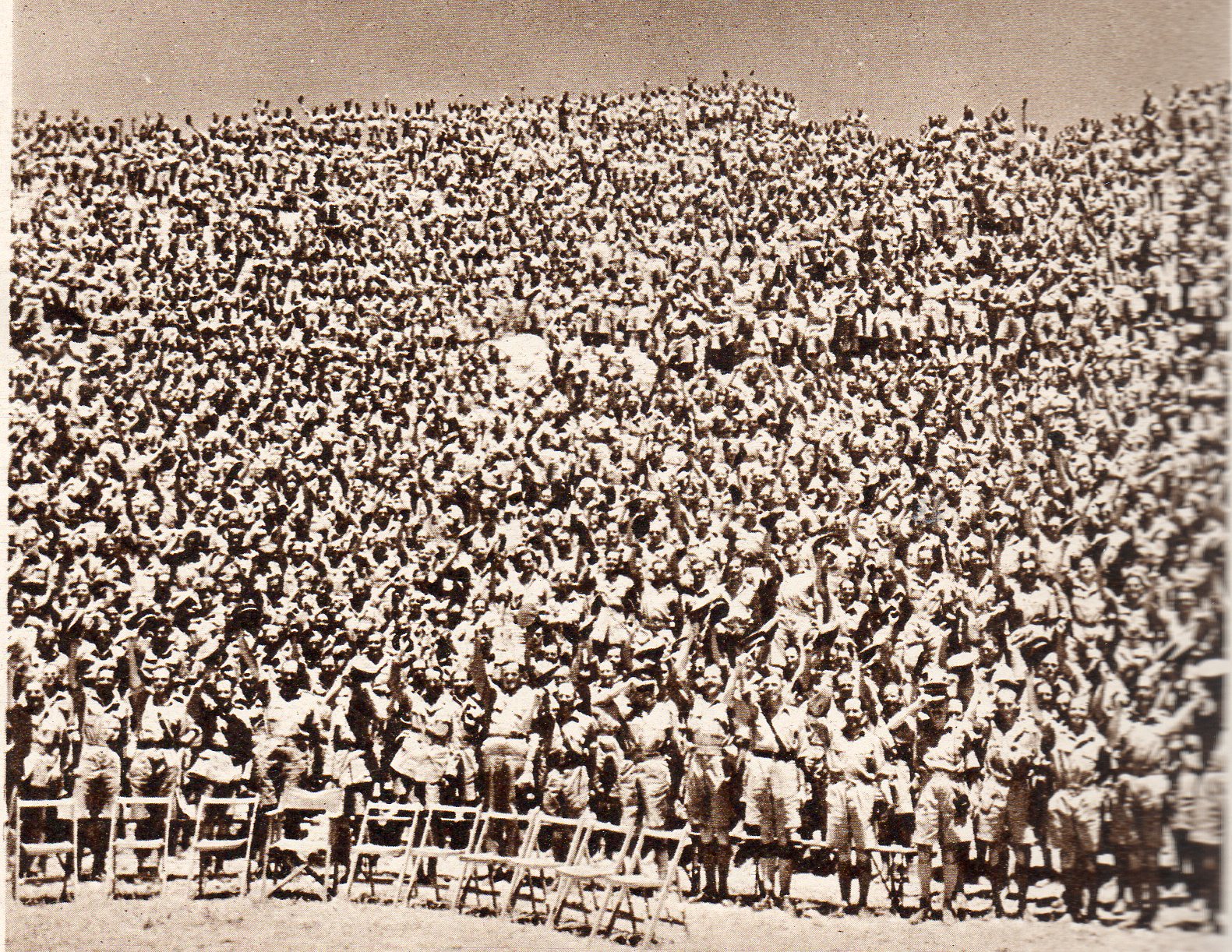
    And in the last picture we see a far different crowd–the victorious Allies waiting on Winston Churchill to speak to them in an amphitheater in the ancient city of Carthage, just down the road a piece from Tunis.  Carthage has seen it fair share of winners and losers of the centuries (or the millenia), what with the Phoenicians and Hannibal and the Punic Wars and Roman conquest and rebuilding and on and on.  The amphitheaters of Carthage were renowned–great structures for what was perhaps the greatest metropolis of North Africa–bu they suffered from defeat as well, their fine fittings and metal and ornate sculpture looted with successive control. When Churchill rolled in there in 1943, there was little left to the structure save for the stone.

    The stone, and all of those victorious soldiers.
    And Mr. Churchill, of course.
    000 crowds tunisia 4021

    The result of this series of battles ended up in May, these pictures showing what defeat looked like to 230,000 German and Italian prisoners, though the vast majority were German.  Its really a curious display of facial expressions in the  many dozens of details that can be lifted from these mass portraits. I’ll make an semi-reasonable statement–nobody really likes/wants to be taken prisoner in war, though I guess time and place and circumstance are factors that can loosen up that observation.  (Germans were much more interested in being captured by the Allies as they fled westward in Berlin and the rest of the country as the Soviets began making their own way towards the heart of Germany, for example.) Perhaps what looks like an element of relief in the close-ups of these prisoners really was that; that their time in the desert was simply expended, and that the prospect of their surviving the war had just been decided, positively.

    [Brits raising their helmets at Carthage, waiting for Mr. Churchill.)

    000 crowds tunisia brits022

    ·Posted by :

    ·in:

    —
  • The Exploding Dots of Falling Dominoes: Vietnam, 1954

    JF Ptak Science Books LLC  Post 996

    This story is more about Ho Chi Minh’s capture of French silk than about anything else–it is a peep into the future following the end of the French endgame in Vietnam, which came abruptly with their defeat at the Battle of Dien Bien Phu in 1954.

    Blog--april 1 detail

    [Detail/larger image below.]

    The siege there started on the 13th of March, and lasted 57
    days, until May 7th, 1954. The
    commanding general of the Viet Minh forces, Vo Nguy Giap, achieved an enormous
    victory over the French—the first time a guerrilla force readjusted itself into
    a conventional force to defeat a Western army. It was the end of the line for the French military involvement there and it just so happened to be
    the beginning of Vietnam as an object on the American foreign policy event horizon.

     Just a week after this notice appeared, Dwight Eisenhower made his domino
    speech:

    “Finally, you have broader considerations that might follow what you would
    call the “falling domino” principle. You have a row of dominoes set
    up, you knock over the first one, and what will happen to the last one is the
    certainty that it will go over very quickly. So you could have a beginning of a
    disintegration that would have the most profound influences.conference…”

    Vietnam was supposed to be one of those dominoes.  Evidently all of the dominoes were the same size regardless of the size or international presence of the country.  It was also the same sort of domino even if had appealed for American recognition of its democracy-laced post-WWII government. And it was a domino still even if the United States had helped fashion the events that necessitated the movement of that country toward domino-hood.  No matter.  The U.S. decided to back the French in reclaiming their war-lost possession, in spite of the fact that the French were still doing business during the war with the Japanese occupying force in Vietnam, and in spite of the fact that the French re-armed Japanese troops to help fight against the “insurgent” forces of Ho Chi Minh.  It was an ugly decision, and I suspect FDR was just too sick to deal with it properly. 

    Nine years later, the French had finally been soundly defeated and Vietnam thought that it had finally gained independence.  Not so. 

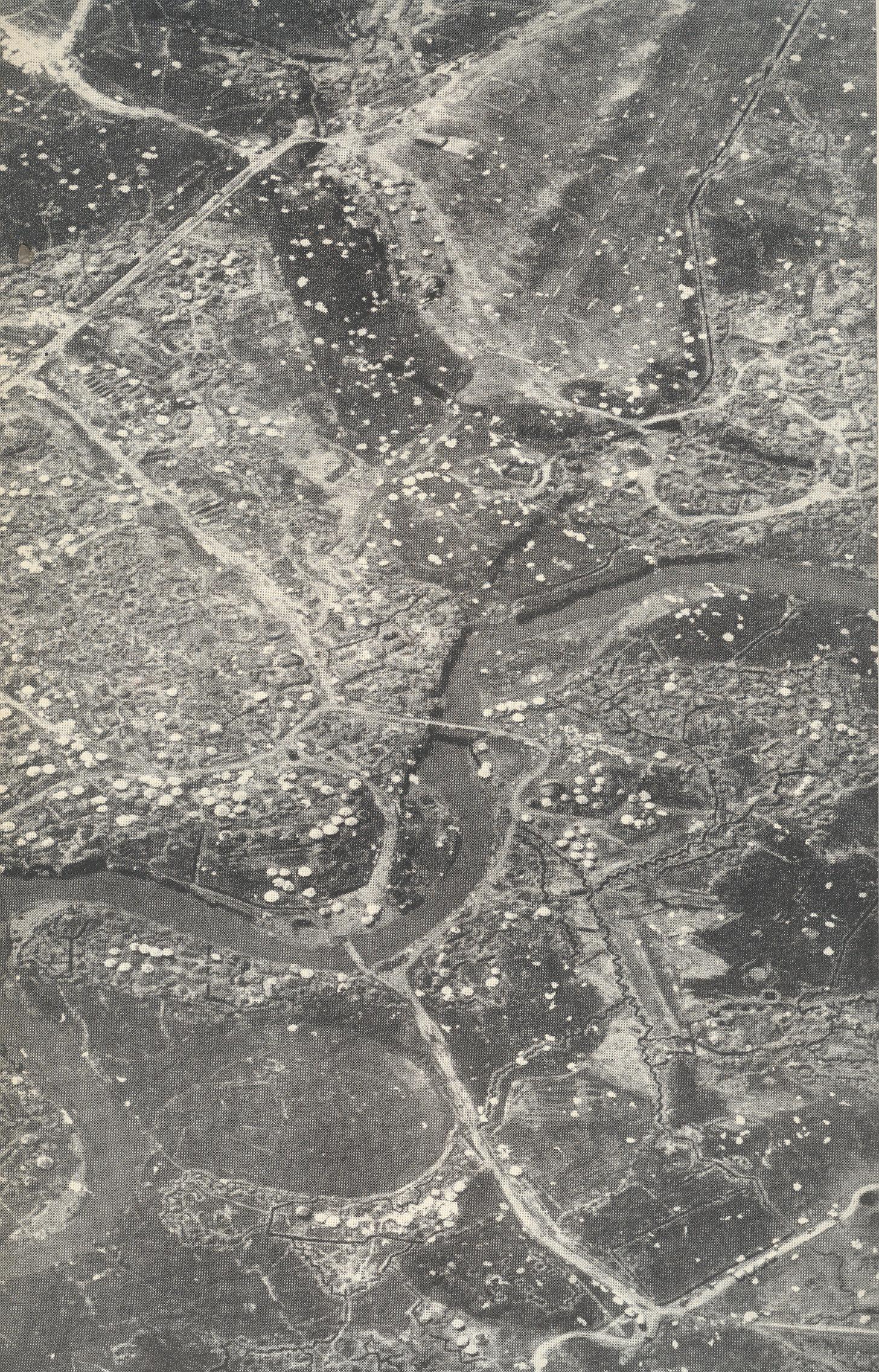
    The picture here is of dots–the field of battle at Dien Bien Phu, littered with silk parachutes–cargo dropped by the French air force to the defenders of the garrison….most of which, evidently, fell well outside the French-controlled perimeter and into the hands of the attacking Vietnamese army.  These were the exploding dots of the falling domino.

    Blog--april 1 

    If these dots stood for something, they could stand for the coming wave of death and misery, a graphical representation of what was to come over the next 25 or so years.

    I reckon there to be about 500 parachutes/dots in this picture.
    Each of these dots could be assigned a number, each representing a gross statistic for the war, from  1950 to 1975:

    U.S. forces killed in action:  100/dot (58,000 killed)

    U.S. forces wounded in action: 300/dot  (313,000)

    Army of the Republic of Vietnam, killed in action:  500/dot (263,000)

    Army of North Vietnam, killed in action:  2,000/dot (1.1 million killed)

    Civilian deaths, North & South Vietnam: 4000/dot (2 million killed)

    Civilian deaths caused by North Vietnam during the war: 300/dot

    Civilian deaths caused by “North” Vietnam, postwar consolidation and reeducation: 1,000/dot

    Civilian deaths caused by the U.S.: 175/dot

    All deaths for the war, 1950-1975: 8,000/dot (using a figure of 4 million).

  • America Co-opts Canadian Flying Saucer Program, 1954.

    JF Ptak Science Books LLC  Post 997 

    Blog--april 1--saucer pilot
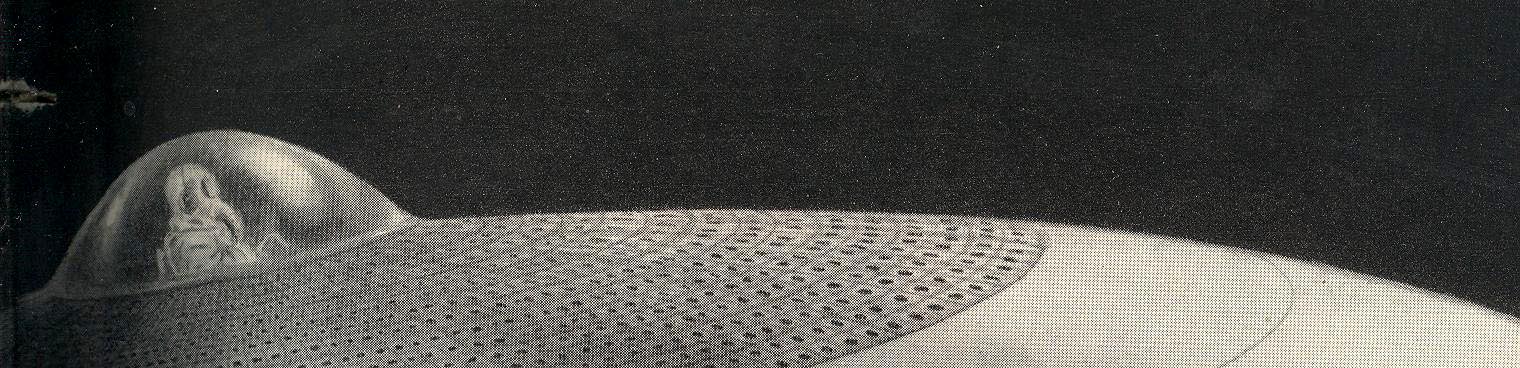
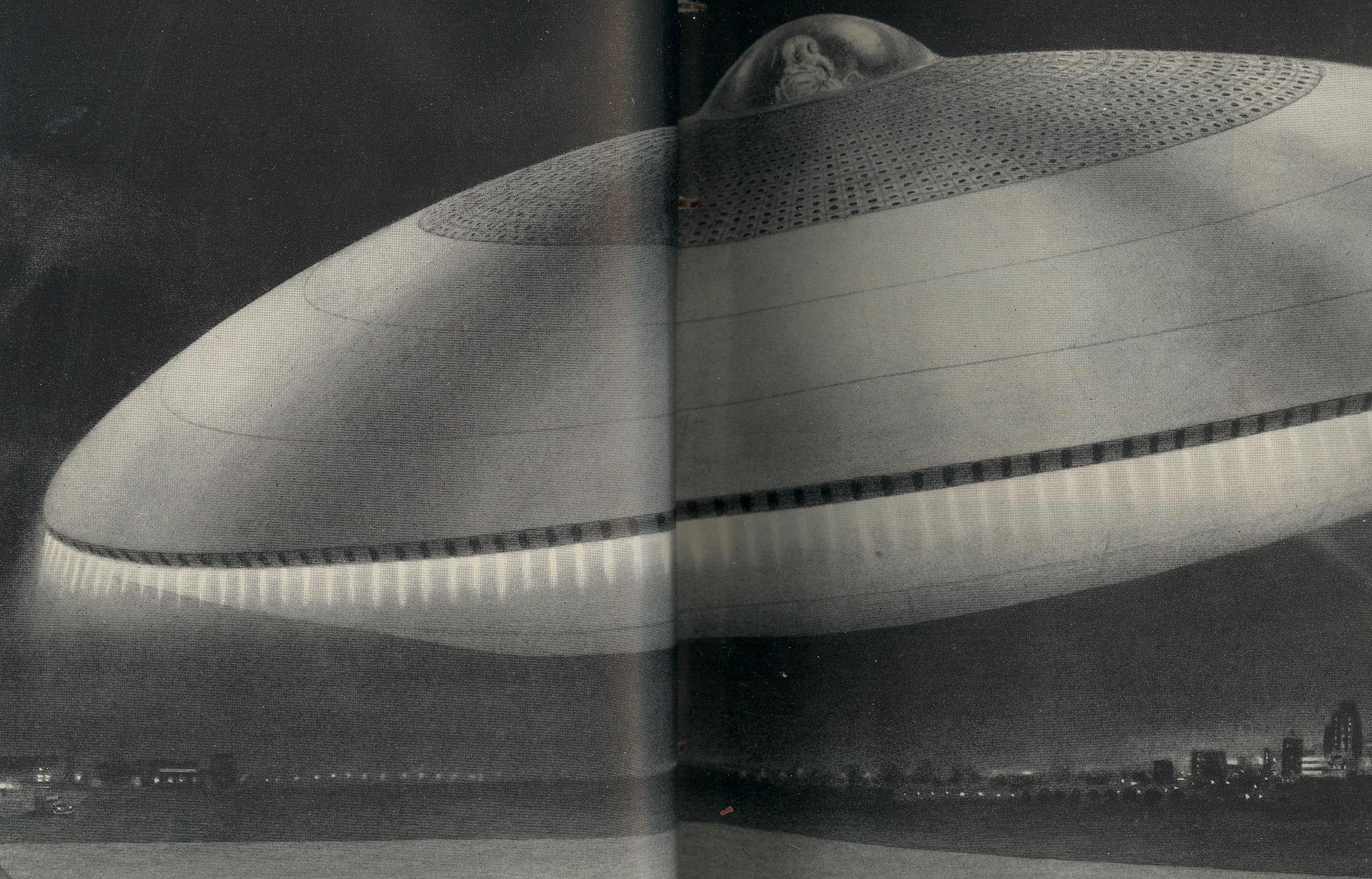
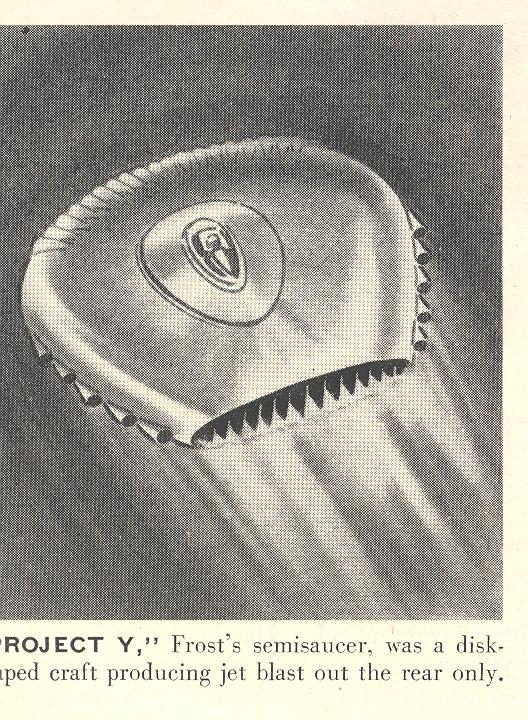
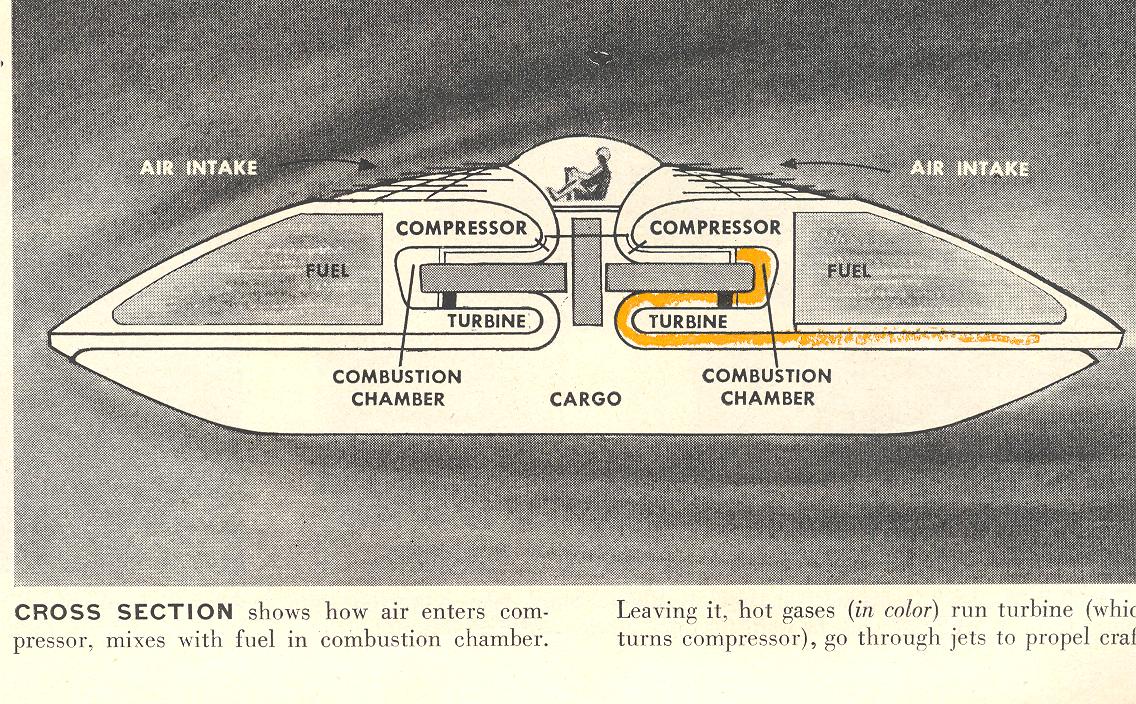
    “Fling Saucers” weren’t ten years old by the time that John C.M. Frost–an engineer from De Haviland–came up with the idea of re-fitting his swooping-shovel shaped idea for a rocket plane with a saucer-shaped one.  He worked hard on his idea, spending some $400,000 on the project–Canadian.  Frost was in Ontario and working for the government before the government stopped working for him, abandoning the undertaking (called “Project Y”) just as the United States became interested in it.  

    Blog--april 1--saucer

    There are numerous reports around the web on this aircraft, so I’ll just provide a couple of starter links here and little commentary.  What I was most intrigued by in this whole affair of producing a 2,500 mph hovercraft was that instead of having a U.S. Air Force star somewhere on the aircraft the thing could’ve been running around with a red Maple Leaf.  

    Blog--april 1--saucer semi

    Don’t get me wrong, I love Canada–went to school there, I did–but the idea of a combat-ready flying saucer with the maple leaf on it is just completely, well, wrong. 

    Blog--april 1--saucer det

Recent Posts

Archives

Categories