JF Ptak Science Books Post 1046
[Continuing my series on Crowds–see here for example of WWI German prisoners in crowds; also search “crowds” in the google site search at left.]
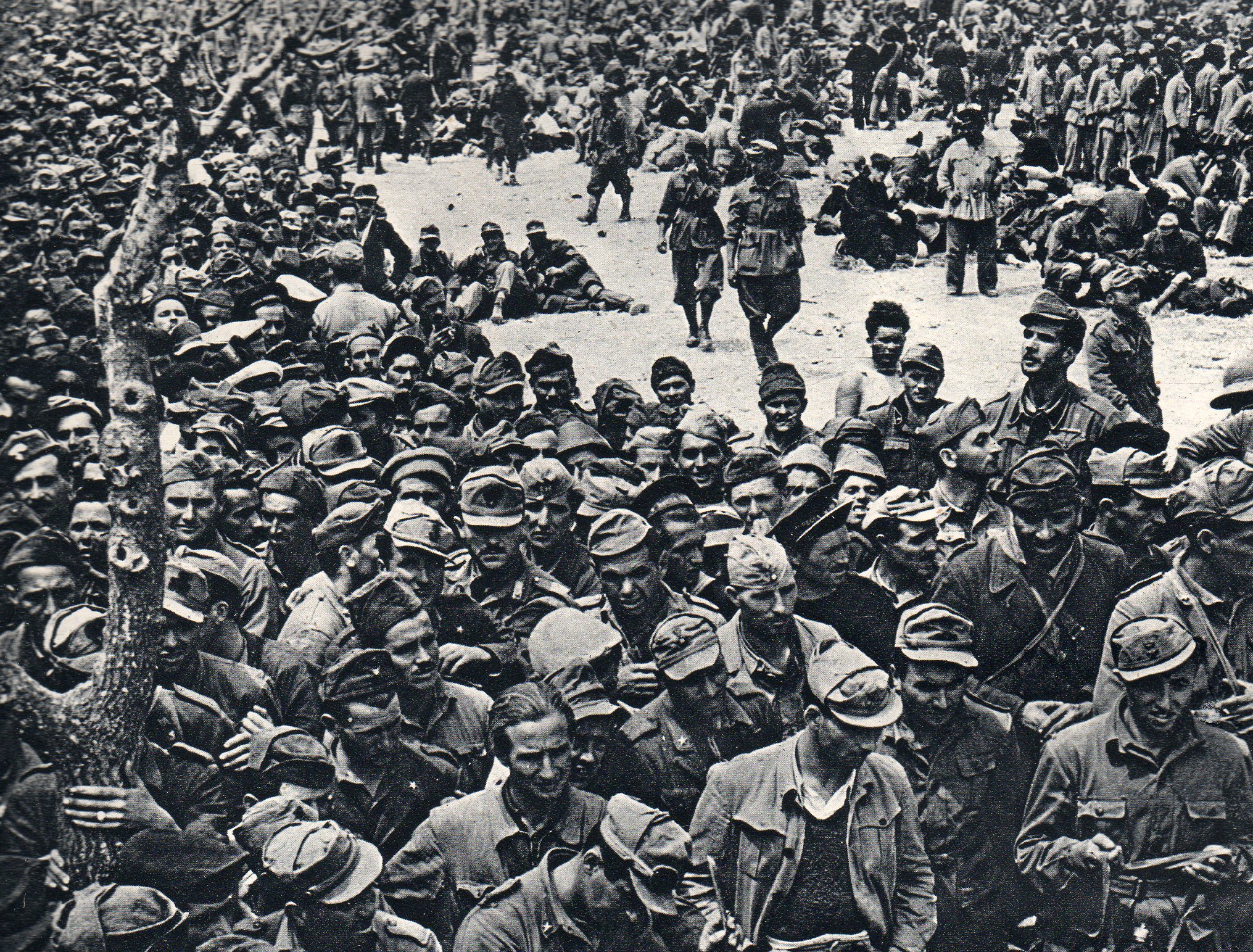
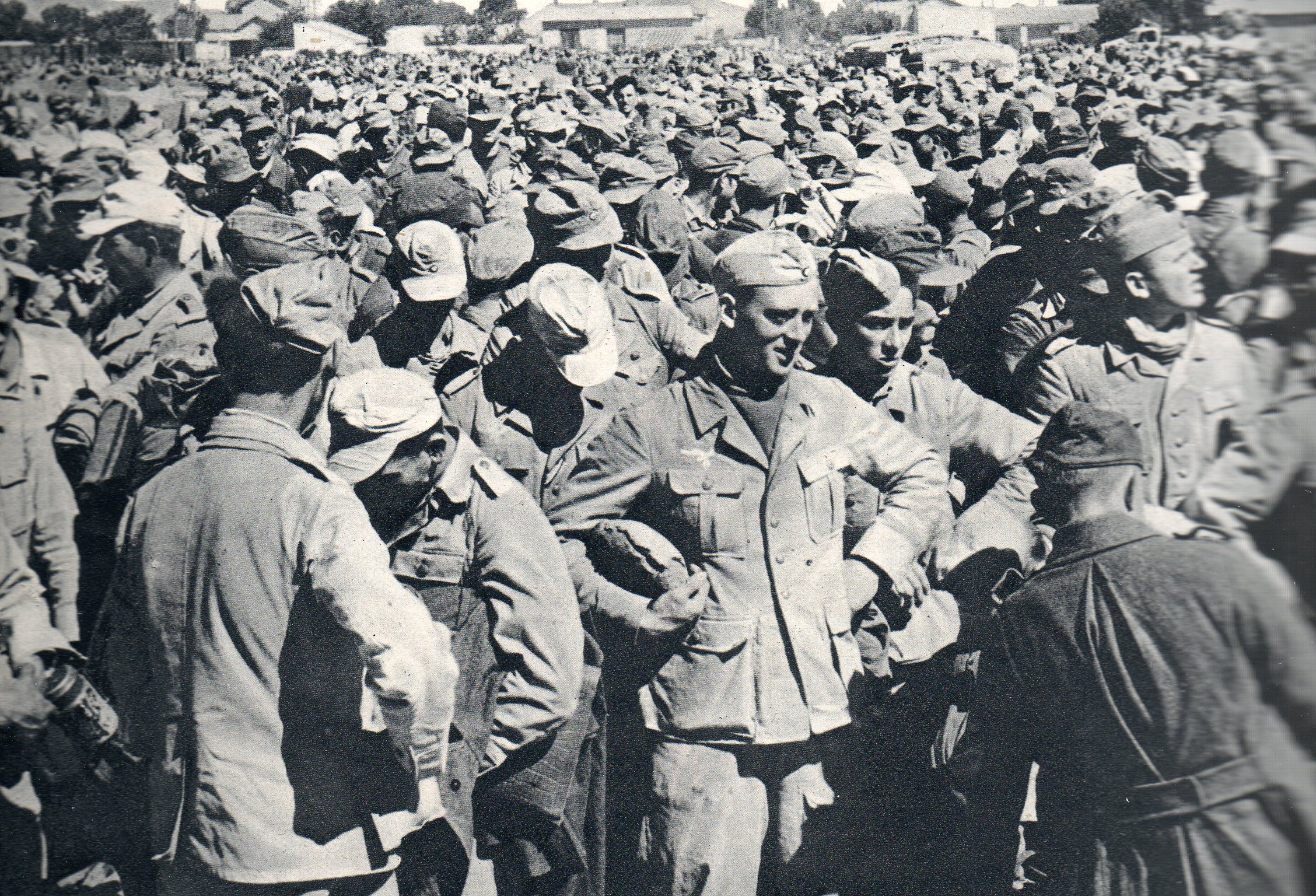
Part of the campaign in North Africa during WWII was decided by a series of battles known as the Battle of Tunisia, or the Tunisia Campaign, fought from November 1942 to May 1943. It was a long endgame for the Axis forces in Africa, Hitler losing hundreds of thousands of men, vast amounts of materiel, crapped out the Luftwaffe, spent tons 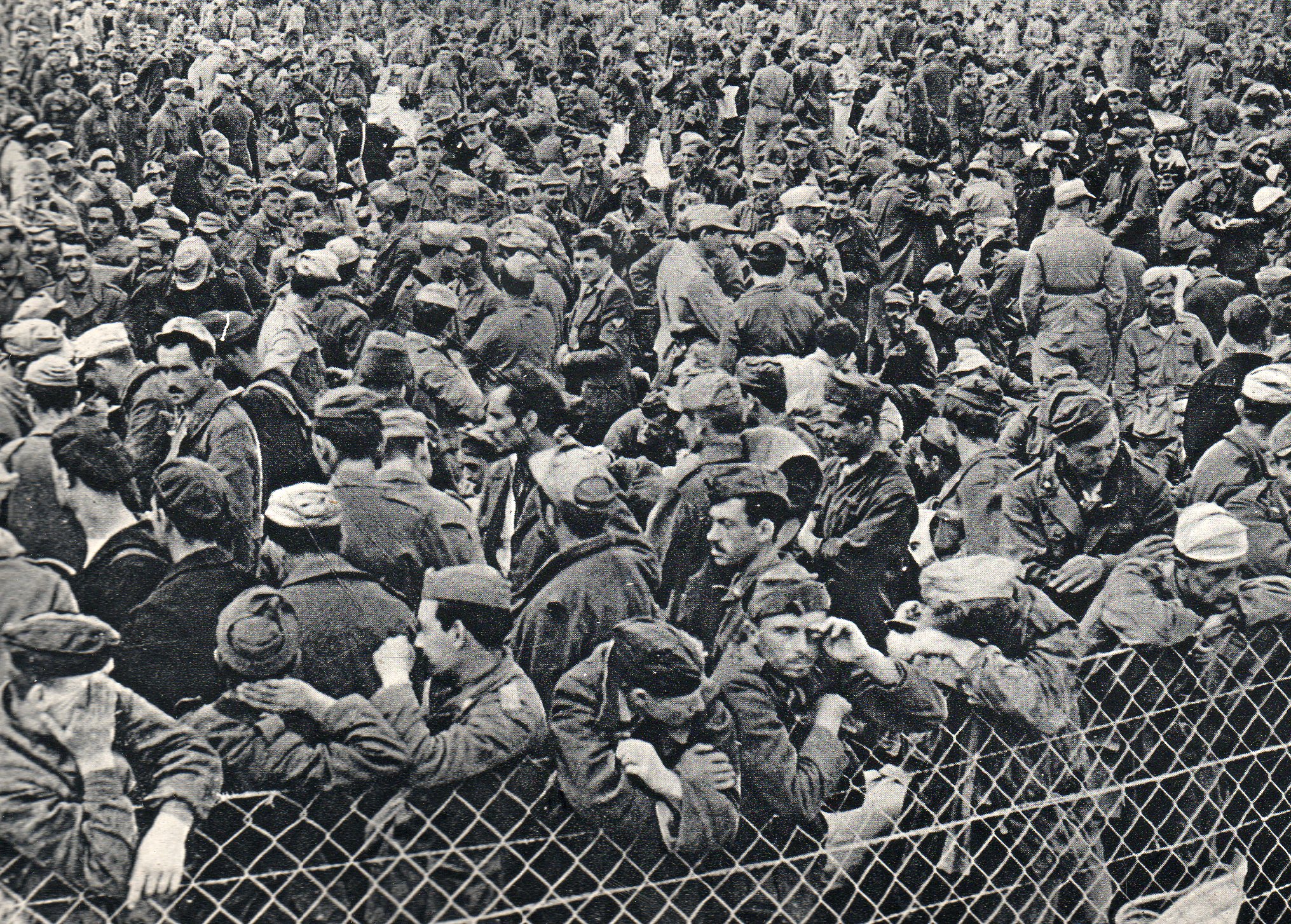
of oil, all in an effort that seemed to be a foregone conclusion save for the fighting. It was not possible for the Germans (and Italians) to survive there, let alone win, given the great superiority of numbers and resources controlled by the Allies. Plus of course there was the whole Ultra Secret thing, which–though necessarily unknown to the Germans-–in great measure helped to deliver the North African victory. The Allies were destined to win.
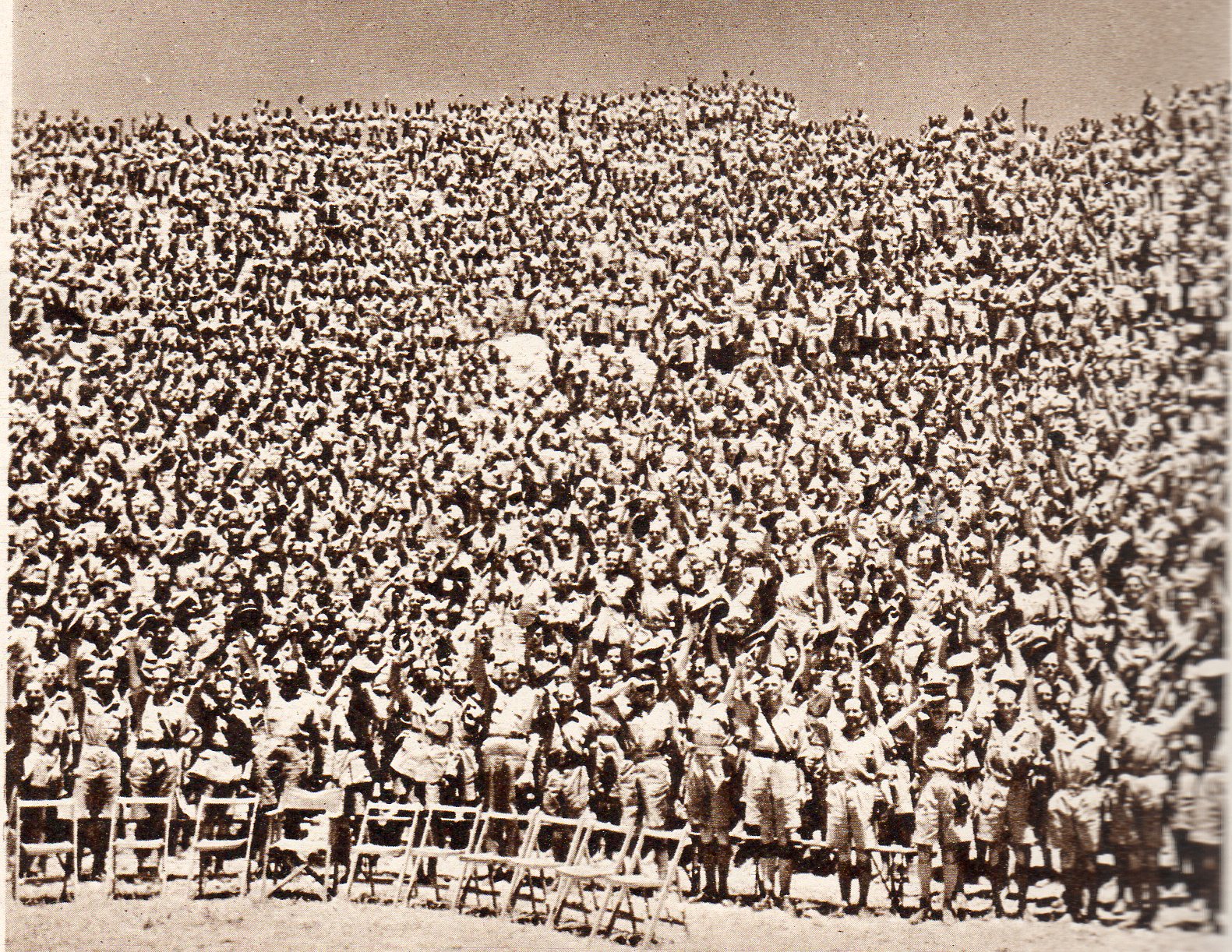
And in the last picture we see a far different crowd–the victorious Allies waiting on Winston Churchill to speak to them in an amphitheater in the ancient city of Carthage, just down the road a piece from Tunis. Carthage has seen it fair share of winners and losers of the centuries (or the millenia), what with the Phoenicians and Hannibal and the Punic Wars and Roman conquest and rebuilding and on and on. The amphitheaters of Carthage were renowned–great structures for what was perhaps the greatest metropolis of North Africa–bu they suffered from defeat as well, their fine fittings and metal and ornate sculpture looted with successive control. When Churchill rolled in there in 1943, there was little left to the structure save for the stone.
The stone, and all of those victorious soldiers.
And Mr. Churchill, of course.
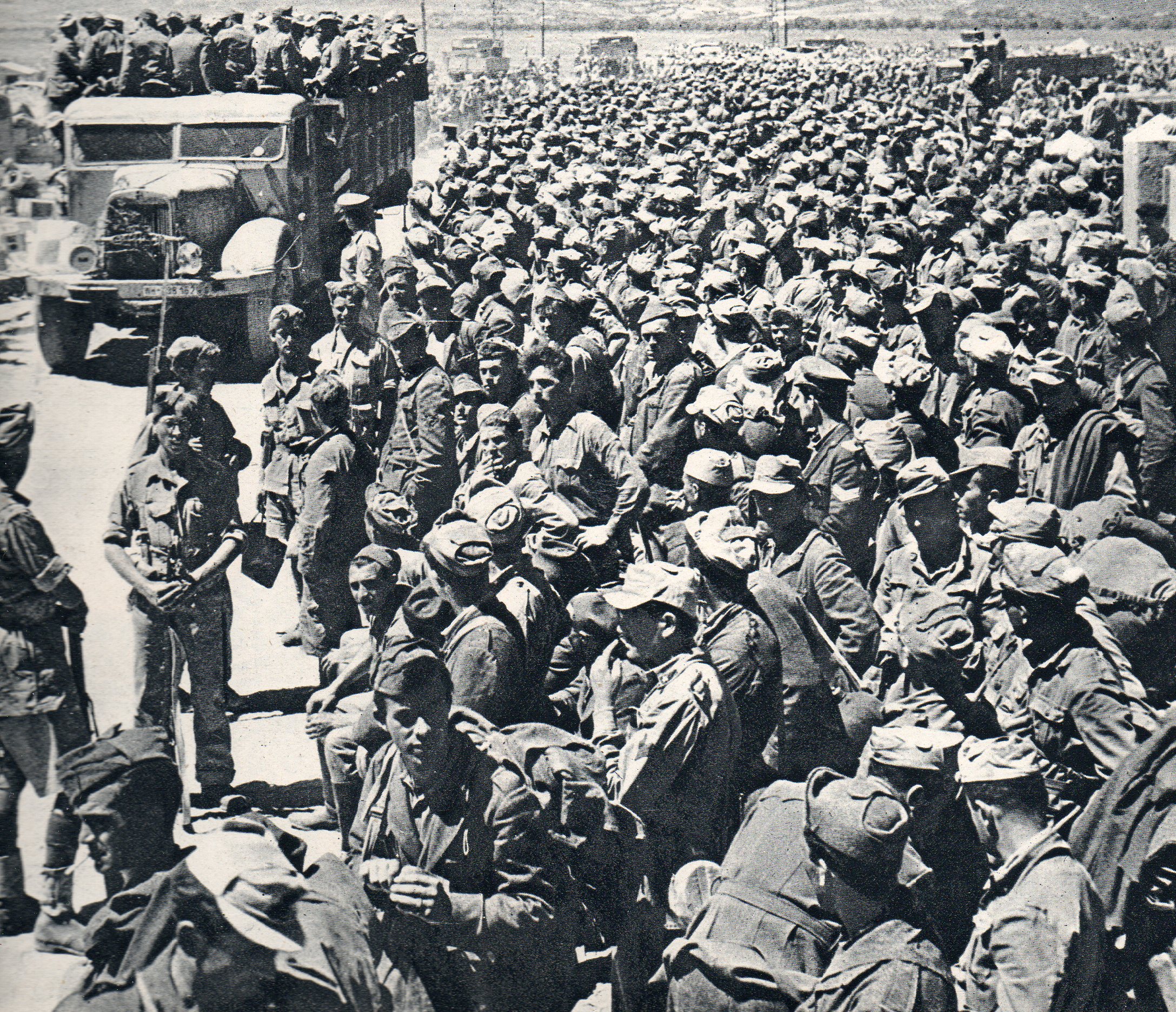
The result of this series of battles ended up in May, these pictures showing what defeat looked like to 230,000 German and Italian prisoners, though the vast majority were German. Its really a curious display of facial expressions in the many dozens of details that can be lifted from these mass portraits. I’ll make an semi-reasonable statement–nobody really likes/wants to be taken prisoner in war, though I guess time and place and circumstance are factors that can loosen up that observation. (Germans were much more interested in being captured by the Allies as they fled westward in Berlin and the rest of the country as the Soviets began making their own way towards the heart of Germany, for example.) Perhaps what looks like an element of relief in the close-ups of these prisoners really was that; that their time in the desert was simply expended, and that the prospect of their surviving the war had just been decided, positively.
[Brits raising their helmets at Carthage, waiting for Mr. Churchill.)