A Daily History of Holes, Dots, Lines, Science, History, Math, Physics, Art, the Unintentional Absurd, Architecture, Maps, Data Visualization, Blank and Missing Things, and so on. |1.6 million words, 7500 images, 4.9 million hits| Press & appearances in The Times, Le Figaro, Mensa, The Economist, The Guardian, Discovery News, Slate, Le Monde, Sci American Blogs, Le Pont, and many other places… 5000+ total posts since 2008.

Category: Literature

  • How Much Did Athanasius Kircher’s IQ Weigh? The Polymathic Genius Alphabet

    JF Ptak Science Books   Quick PostKircher
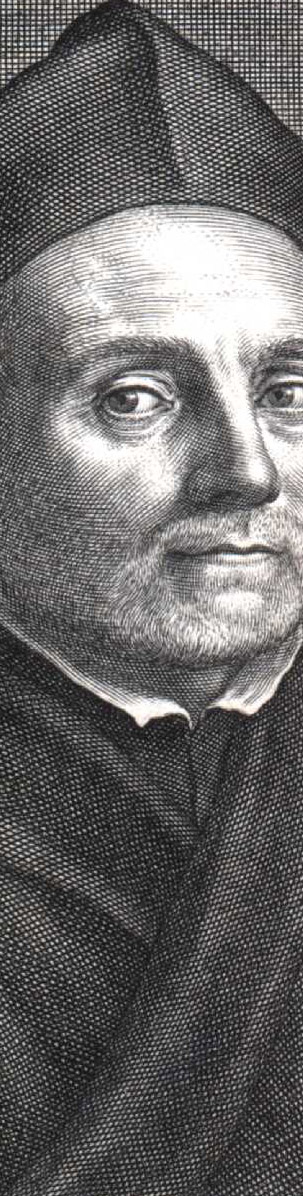
    It has been said elsewhere along the aethery intertubes in discussions of the intellectual value of the great and problematic Jesuit scientist/experimentalist/visionary/encyclopedist Athanasius Kircher that he may be the greatest polymath who has ever lived.  He certainly was a genius, and worked across a wide and occasionally invisible spectrum, inventing/describing/discovering/fabricating. The great semi-mystifying polymath  Kircher (1602-1680) lived
    for a long time and filled his life with ideas and words,  producing
    dozens of books during his time on Earth, some of which were never
    published even though written, some manuscripts lost forever. His was a
    massive output of extraordinary breadth, most of which was original to
    him, and a lot of which was original to others and not credited, as was
    often the case with some scholarship at this time in history.   He
    wasted little time what I can see, writing on a spectacular range of
    subjects, enlightening people, confusing people, generating great
    theories and some bad ideas

    He was often correct, and occasionally toweringly smart–but certainly not all of the time, and probably not enough of the time to earn him such high-altitude praise.

    But even with the great and lofty things he has accomplished, I am pretty certain that he would not make the first rank in the alphabet of great polymaths–not only are there other polymaths in general who are more, um, polymathical, there are also more “K” polymaths who would push him out of his alpha-order.

    Here’s one example of an alphabet of great polymaths:  Aristotle/Agricola, Boyle/Bartholin/Babbage, Carnot/Chandrasekhar, Descartes/Davy, Euler, Faraday, Gauss/Gilbert, Helmholtz/Huygens/Herschel, Jevons, Kepler/Klein, Leonardo/Lavoisier, Maxwell/Malppighi, Newton, Poincare/Priestly/Pasteur, Quetelet, Sommerfeld, Thomson, von Neumann/Vesalius, Young, Zeno. 

    Well.  There’s certainly a lot of room for debate on this quick list–perhaps it would be more interesting to assign chess pieces to these same names; and if this was so, I would have Fr. Kircher be a pawn.

    And so:  are there more dots on Kircher or squares behind him? 
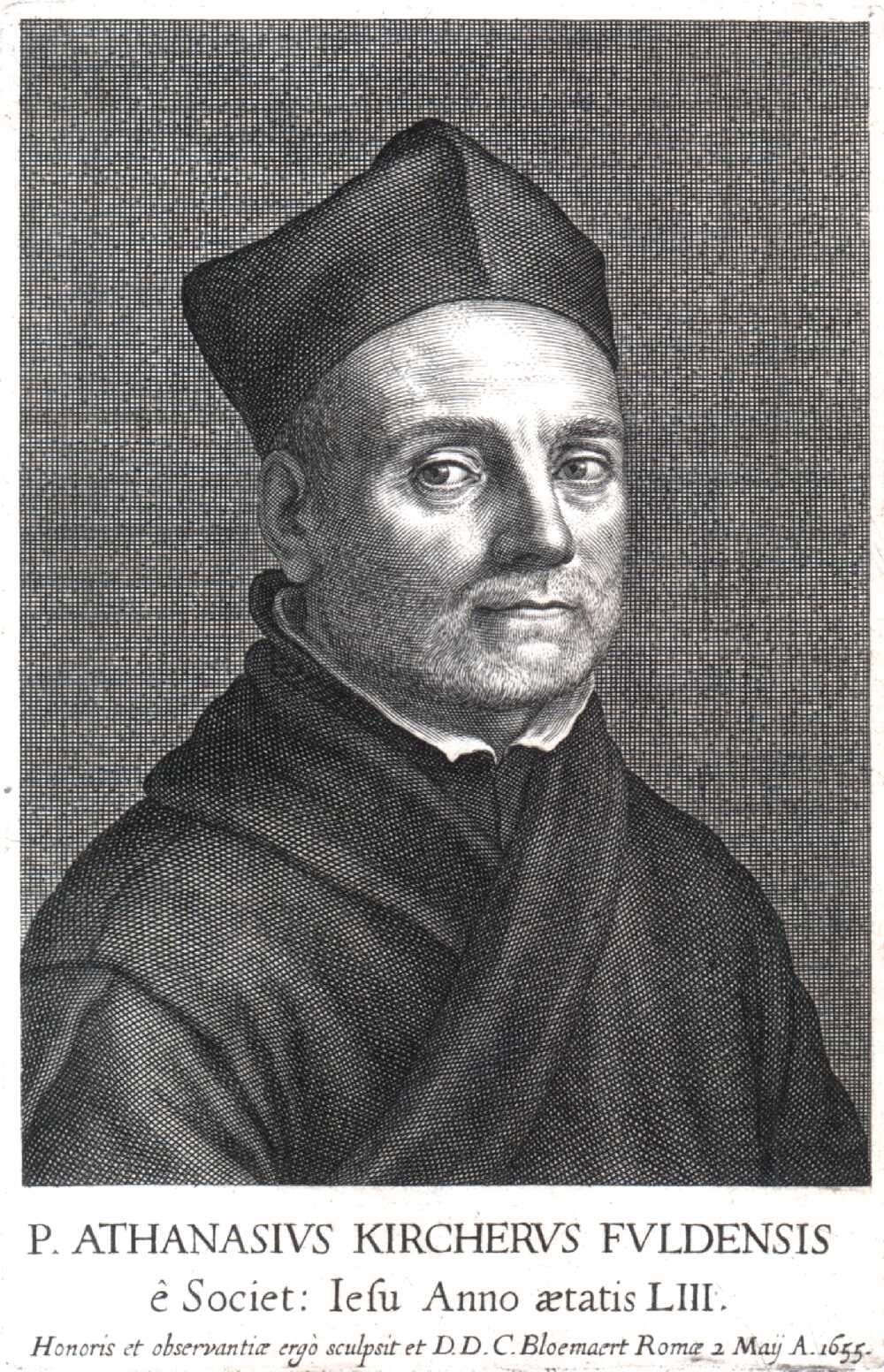
    Kircher squares


  • The Sense and Nonsense of Success–the Pulitzer Prize, A Saturday Mornng Quiz

    JF Ptak Sdcience Books   Post 1198

    Can you spot what the similarity is in these books–besides being published works?  It is a list of Pulitzer Prize winners, but what else?  One work got the prize, the other didn’t.  Can you tell the winner from the loser? 

    Here’s the hint–its not the title whose writer almost everyone can identify.         

    That’s correct–it is a list of famous losers.  All of the winners of the Pulitzer for that year are listed first; the losers (well, those not selected) are second. (Yes I’ve mixed drama in with the fiction–this is a very quick study.)

    1919.  The Magnificent Amerbersons and  My Antonia

    1921.  Age of Innocence and  This Side of Paradise.
                       
    1923   Icebound and The Hairy Ape.   

    1924  Hell-Bent Fer Heaven (by Hatcher Hughes) and No! No! Nanette.

    1926.  Arrowsmith and The Great Gatsby

    1927.  Early Autumn and The Sun Also Rises.

    1929.  Street Scene and Strange Interlude

    1930.  Laughing Boy and The Sound and the Fury and A Farewell to Arms and Sartoris

    1931. Years of Grace and As I Lay Dying

    1932.  Of Thee I Sing and Mourning Becomes Electra

    1933.  The Store and Light in August

    1935. Now in November and Tender is the Night

    1936. Honey in the Horn and Of Time and the River

    1938. The Late George Apley and Of Mice and Men

    1939.  Abe Lincoln in Illinois and Our Town

    1943.  Dragons Teeth and The Moon is Down

    1944. Journey in the Dark and A Tree Grows in Brooklyn

    1946. State of the Union and The Glass Menagerie.

    1952. The Shrike and Requiem for a Nun and Darkness at Noon and The Rose Tatoo and The King and I.

    1959 The Travels of James McPheeters and Lolita.       

    1965. The Keepers of the House and Herzog.

    And so on. 

    I’m not saying that the winners of the Pulitzer for that year are bad works–I’m just pointing out that they just might not be good.  In any case I think that if you were given the chance to be the writer of one or the other, my guess is that 99.9% of folks would chose the work in column #2.

    “The nature of winning and losing is not a win-win situation…” the opening line for one of these winners might have read.  The vagueries of success is a disorganized system but a system nonetheless, and sometimes it just makes no sense; and sometimes when it actually does make sense the sense it is is nonsense.  

    So it goes.

    ·Posted by :

    ·in:

    —