A Daily History of Holes, Dots, Lines, Science, History, Math, Physics, Art, the Unintentional Absurd, Architecture, Maps, Data Visualization, Blank and Missing Things, and so on. |1.6 million words, 7500 images, 4.9 million hits| Press & appearances in The Times, Le Figaro, Mensa, The Economist, The Guardian, Discovery News, Slate, Le Monde, Sci American Blogs, Le Pont, and many other places… 5000+ total posts since 2008.

Category: Prints–looking HARD/deeply at

  • Gliding Flight and The Seventh Seal (1897)

    JF Ptak Science Books  Quick Post (Overall Post 5123)

    Science heavyweight and Nature editor and founder J. Norman Lockyer wrote in 18971 a three-page summary of the recent experimental work of aviation pioneer Percy Pilcher. Mr. Pilcher (1866-1899) was rather more than a “pioneer”–he was an inventor and perhaps Great Britain’s premier experimentalist and visionary in flight at the end of the century—and made significant contributions towards understanding flight dynamics, though he would not live out the century, fatally crashing in a glider flight that was leading towards the launching of a powered glider of his own design.

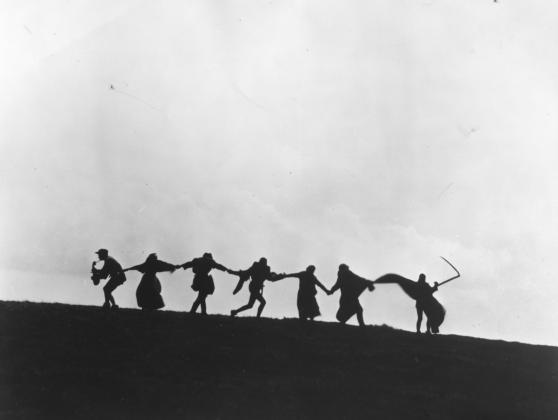
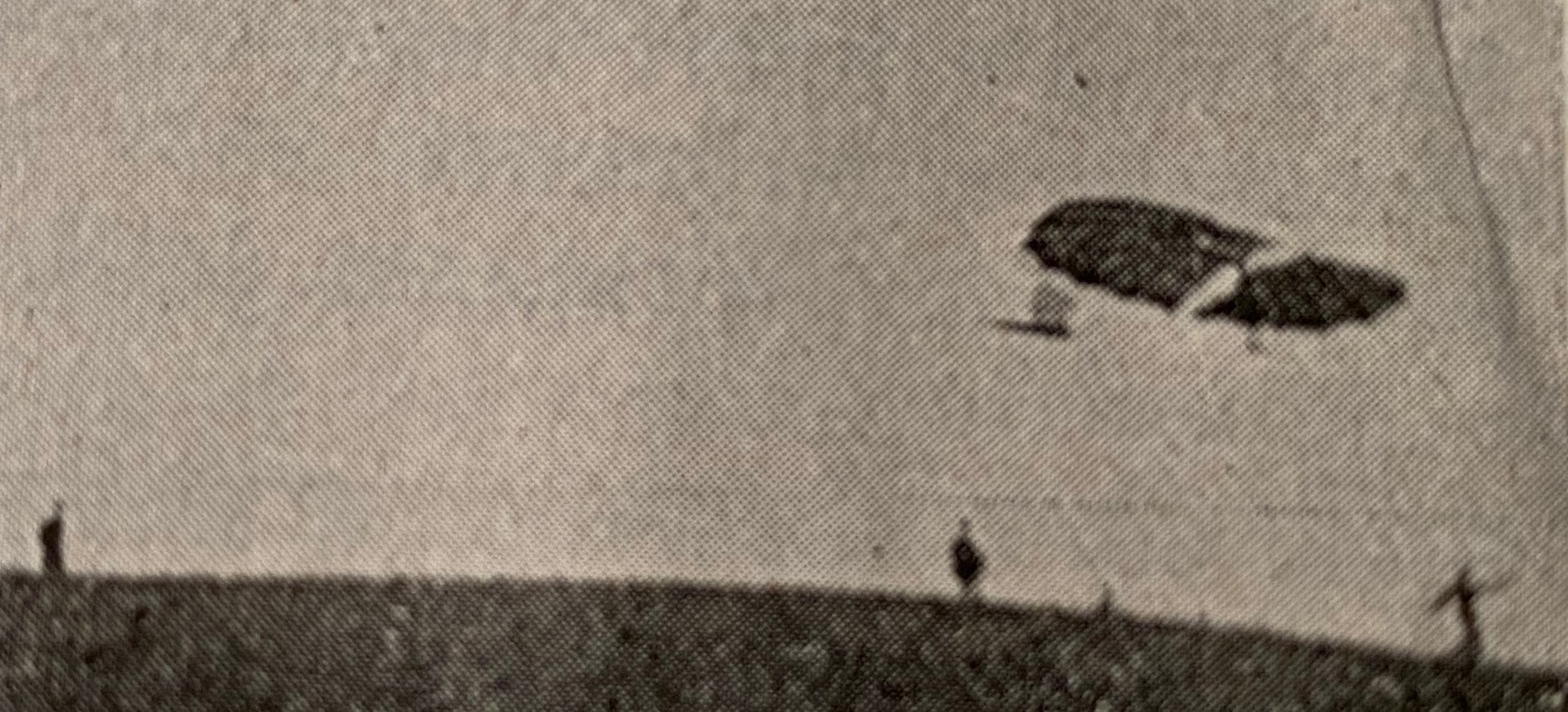
    The article was accompanied by a seven-part rapid-photo series of Pilcher in flight, and what caught my eye in this series were the small figures on the rolling hill under the glider. Enlarging the image quite a bit (the originals in Nature shows figures only 3mm tall) brings proto-post-Swedish-noir to mind, especially the very animated figure on the right and  particularly for a famous scene from Bergman’s Seventh Seal (1957):
    IMG_4836

    Bergman_Seventh-Seal_001_o3


    Notes:

    Sir J. Norman Lockyer (1836-1920), long-time experimentalist/instrumentalist/theoretician who worked in astronomy and spectroscopy and was co-discoverer of helium (found in the atmosphere of the Sun).

    1. (PILCHER, Percy.) Lockyer, William J. “Soaring Flight”, in Nature, a Weekly Illustrated Journal of Science, 12 August 1897, vol 56 no. 1450, pp 344-346 in the issue of pp 337-360.

    And the full series of photos:

  • “Found Art” in Generic Illustrations (1878)–When Artists Have a Moment of Time for Minor Mischief in their Daily Work

    JF Ptak Science Books   Quick Post

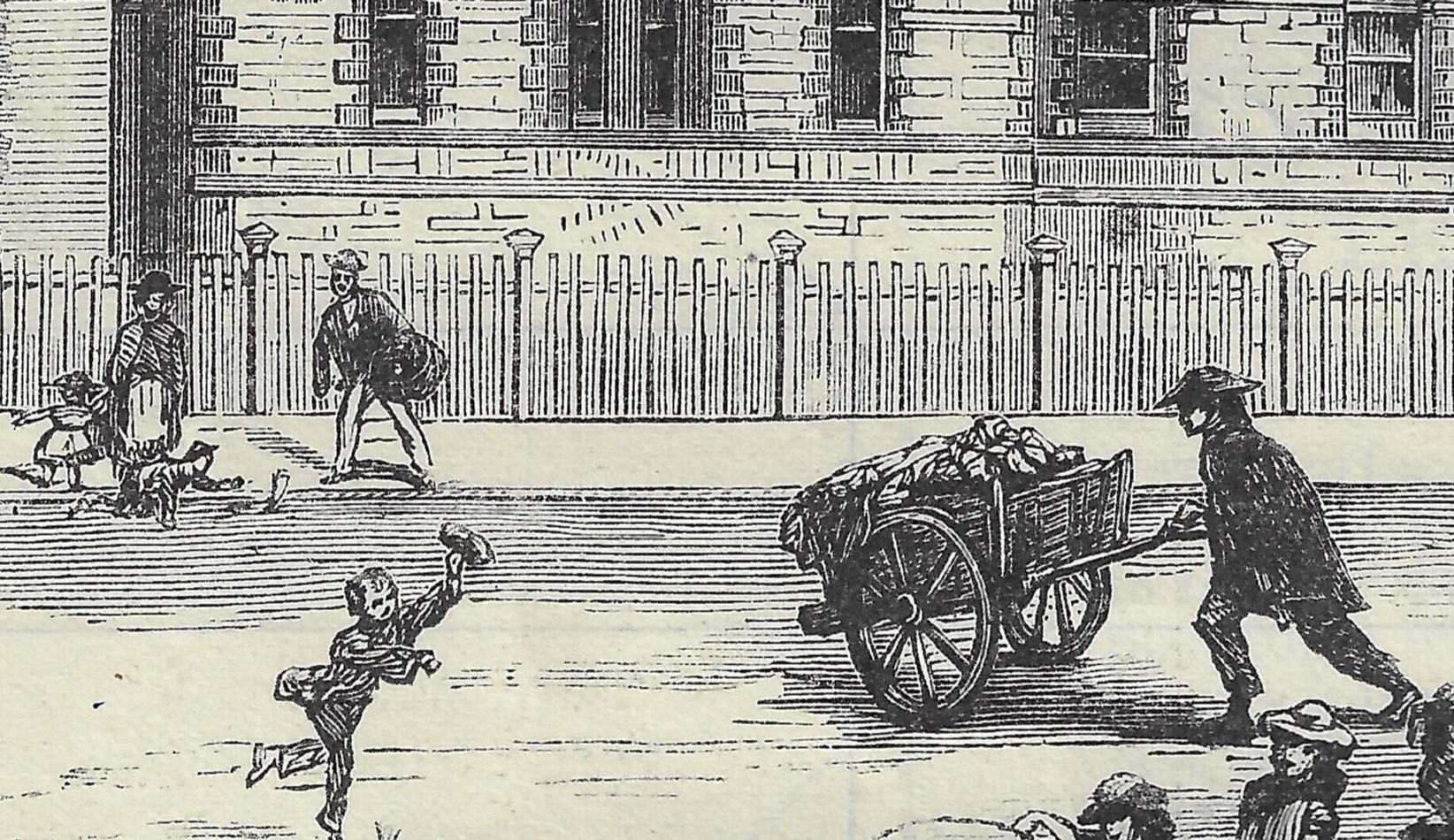
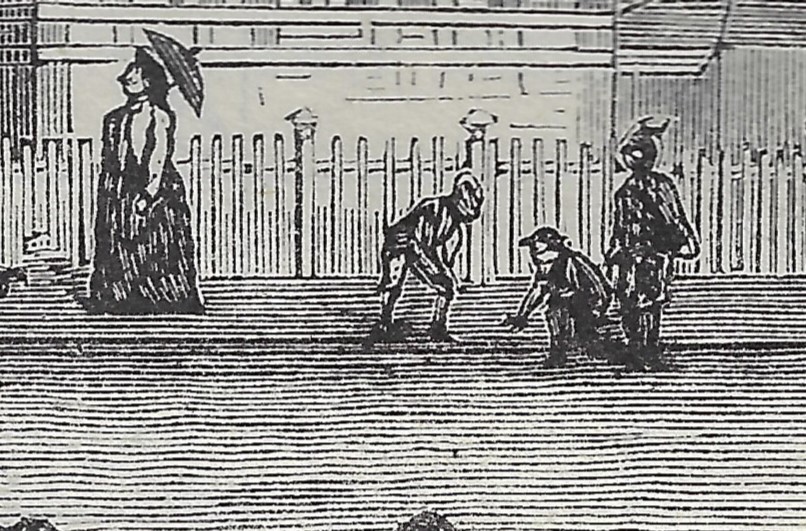
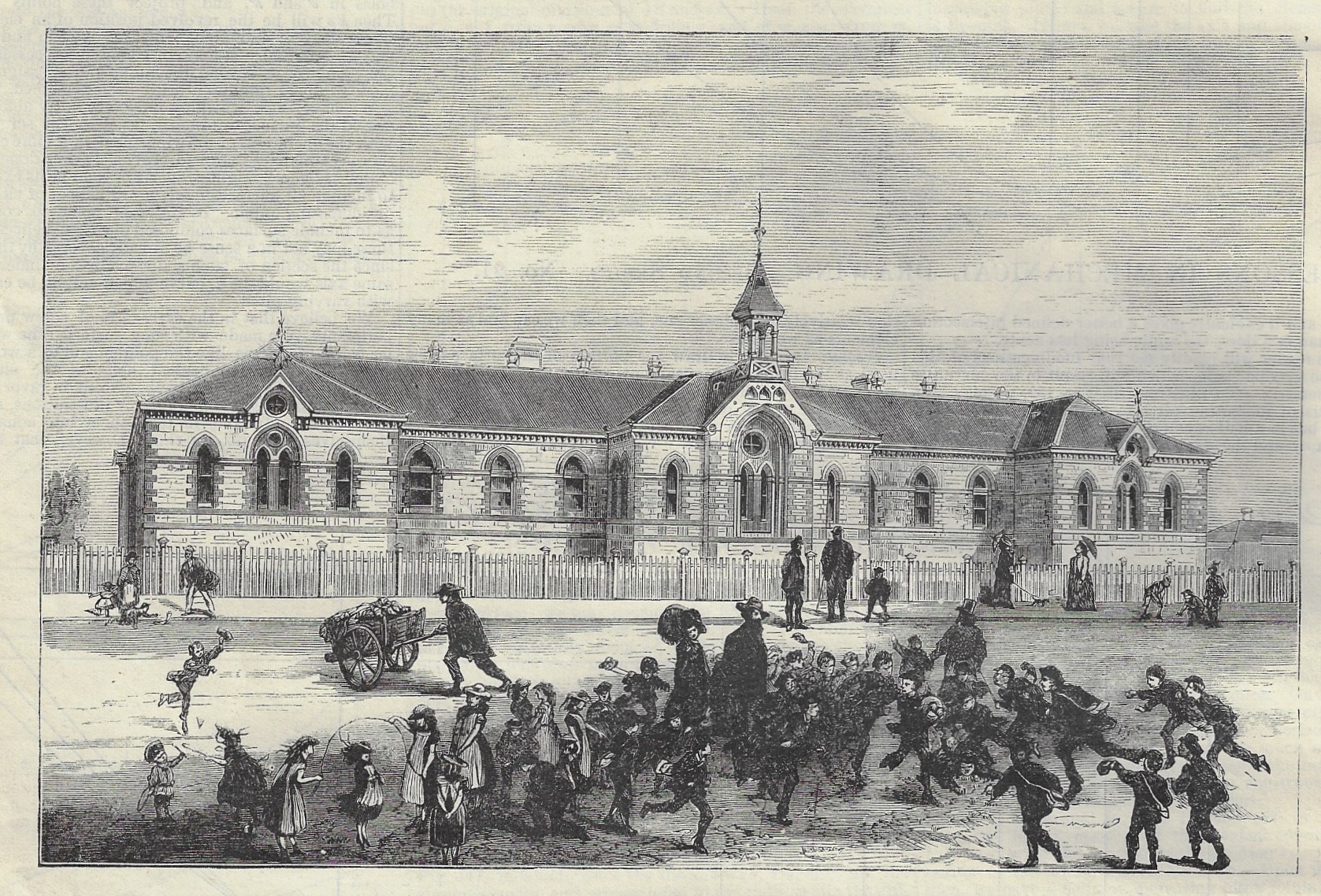
    Sci Am 1878 Prints looking deep school fullI noticed a couple of peculiar flourishes in this work-a-day illustration from the 26 January 1878 issue of the venerable Scientific American. It is a simple image of an “Australian Model School” in North Adelaide, Australia, one of a number of new schools opened that “exemplify the successful progress of the British Australian colonies”.  (It is a fine building, built of stone with brick facing, 142′ long, built on a site at Tynte Street, east of O’Connell St.–the school is still there.) In any event what I noticed in the background of very busy foreground of densely compacted children at play were two small groups of kids who were interested in…something. They are bending over, finding something in the street. They occupy only a centimeter or so of the viewing area, and have been included and shown doing something out of the ordinary. No doubt the contract-artist making the woodcut had a little fun with the scene of the children in the foreground once they had completed the mail task of illustrating the subject of the small article. And then, I think, the artist had a little fun by including some tiny expression of creativity beyond the necessary and incised a couple of small mysteries. I’ve seen this many times in relatively complex images like this–it really doesn’t take that much looking to pick those unexpected bits out.  

    So, here’s the first found bit–the child is reacting to or reaching out for something, some piece of paper, something-or-other that sort of looks like a snake…is the kid feeding this thing with a piece of fruit or veggie that is being peddled by the main with the pushcart?

    Sci Am 1878 prints looking deep detail 1

    And the other scene, the second bookend to the picture, seems to show a boy picking up/putting down some small creature. If you allow your attention to drift a little you can see-ish a small head with ears and a body in the child’s hand:


    Sci Am 1878 prints looking deep detail 1

    Whatever the case may be, I enjoy finding these artistic vacations, and over the years have found probably hundreds, though I’ve written on only a small number on this blog in the “Prints–looking hard/deeply at” category (found in the far right column).  


  • Found-Art in Scientific Journals–“Mechanical Engineers” and Endless Chain Haulage, 1870

    JF Ptak Science Books   Quick Post

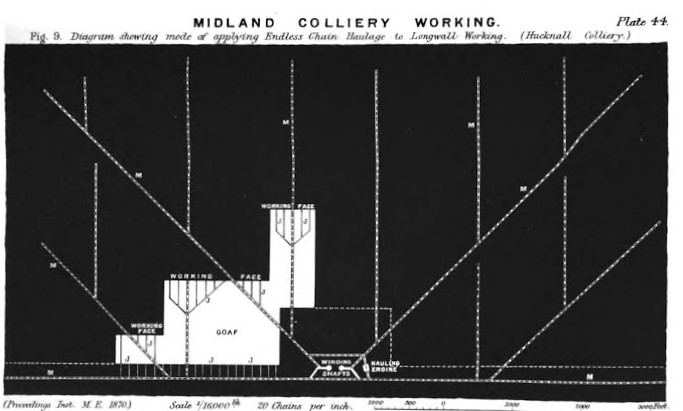
    I do believe that the engineering journals–particularly those from the 19th century–hold great promise for “Found-Art”:  these are images out-of-context whose whole or components are attractive from an artistic sense that was generally not regarded as “artful” until the creation of non-representational art in 1911. After all, art is the West spent a millennium or two trying to represent nature as closely as possible to what the eye perceived. (If you use 2000 years as a starting point for this discussion, it is remarkable, in a way, that perspective was (re-?) discovered in the West for fully two thirds of that time.) In any event I’m not going to get into a big discussion of all of that in this post, as the Found-Art business appears numerous times on this blog and I’ve chatted on about it there–so if you want to read that discussion just search “found-art” in the google box at right and have at it. For now, all I want to do is share the latest find, which comes from the Proceedings of the Institution of Mechanical Engineers, 1870, and published in Birmingham, in the article on hauling coal from Hucknall Colliery, Notinghamshire.  The seems like it might be a cross-section but I’m fairly well certain that it is a plan of some of the mine’s workings, the straight lines being the constructed and the future rail lines for the coal buckets that hauled out the chiseled-away coal. It is extraordinary, really, to think about all of this happening 600′ down, powered by steam, in the dangerous choking/exploding dark.

    [Note: this image becomes much sharper when you click and expand it.] 

    Mechanical Eingeers Proc 1870 Coal mine


  • On the Job in 1874

    JF Ptak Science Books  Quick Post

    NYC arch lonesome cop

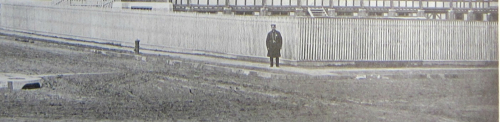
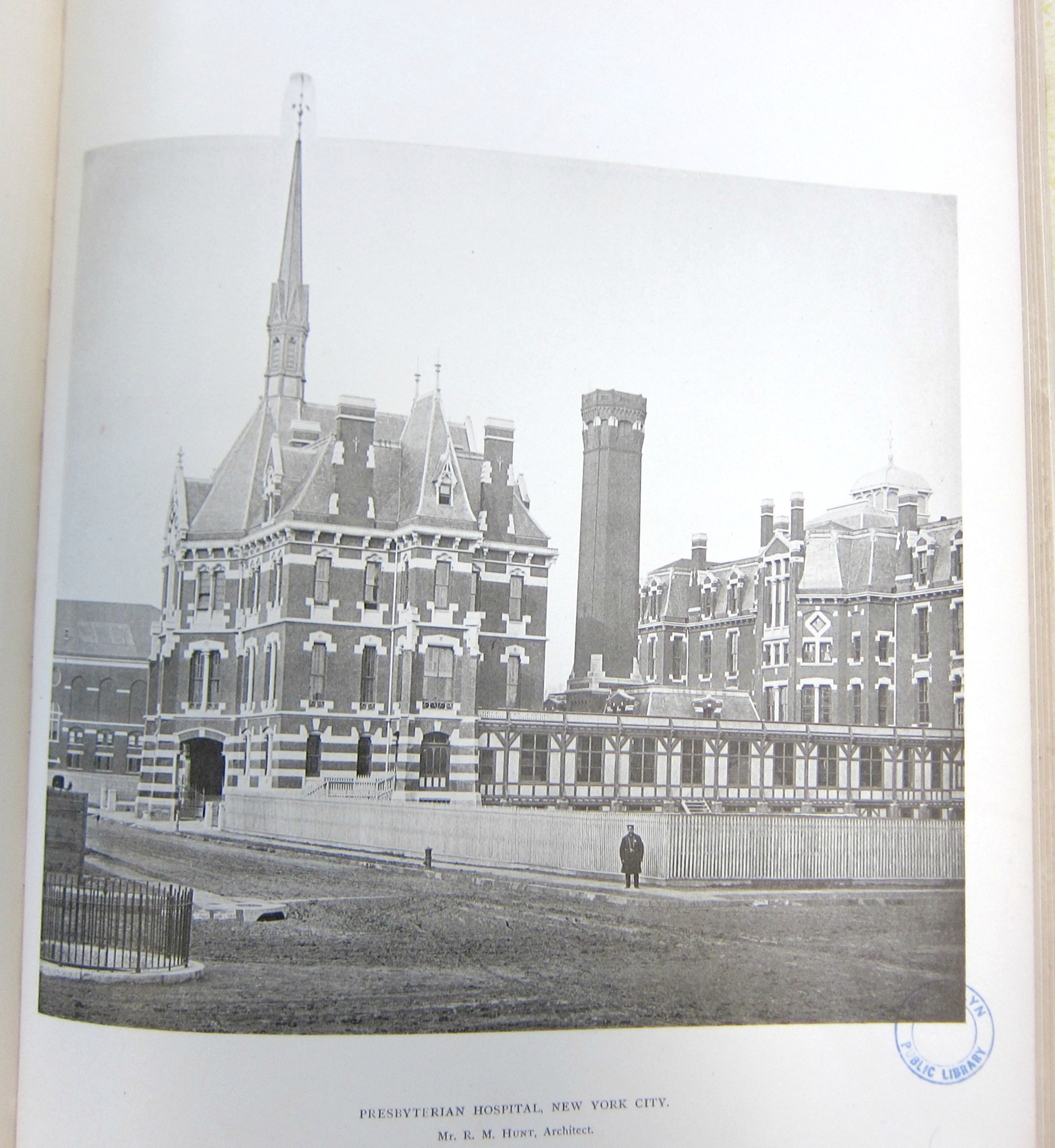
    This post really doesn’t have anything to do with anything–it is just an interesting image of a newly constructed building capturing a sense of  its solemn activity ornamented in heaviness, intersected by one guy (perhaps a watchman) who is standing there at the intersection of Nothing & Everything.  [Source: New York Sketchbook of Architecture, James Osgood, NY, 1874.]

    NYC architecture


  • Details in Electricity, 1814

    JF Ptak Science Books   Quick Post

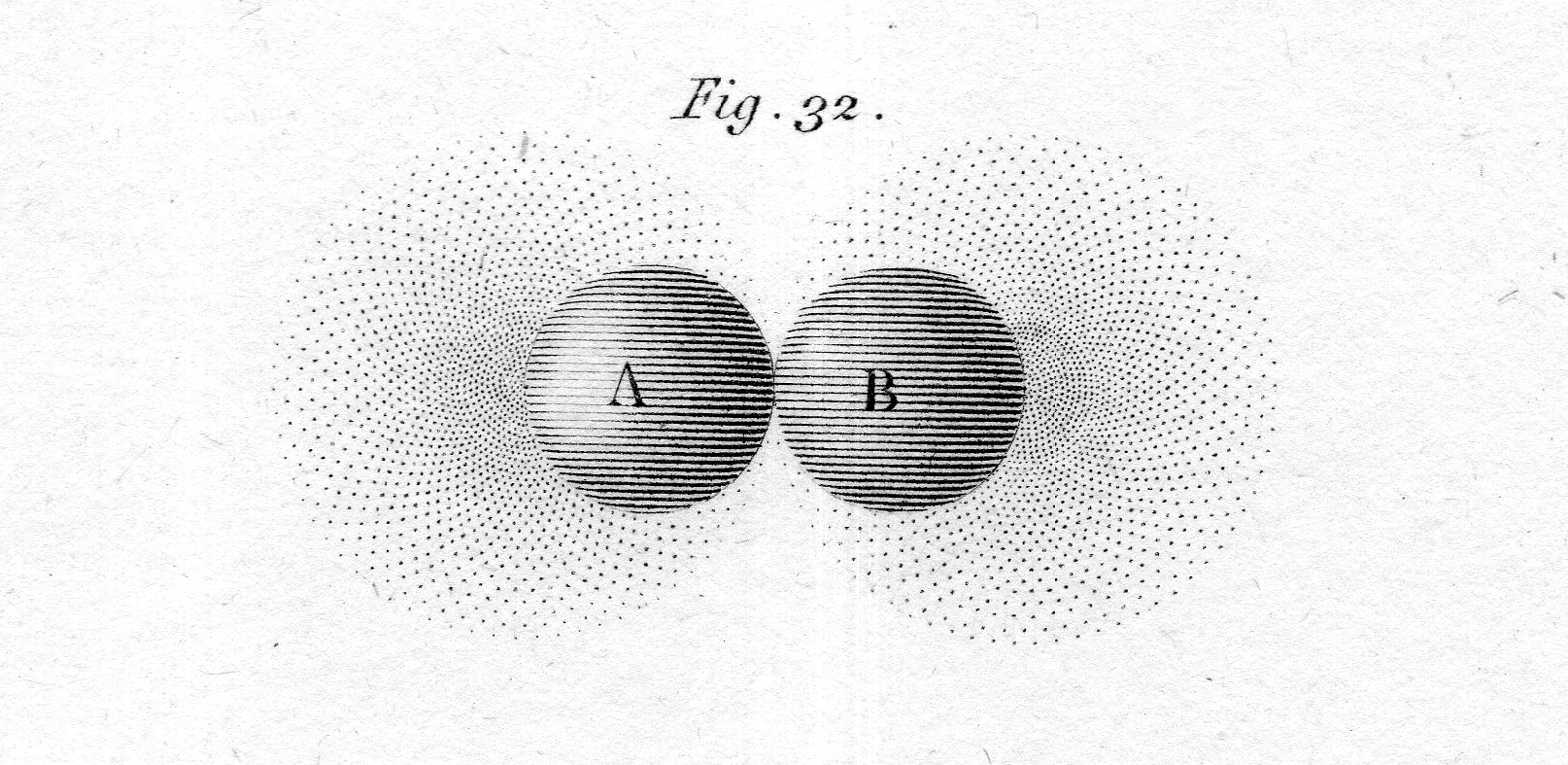
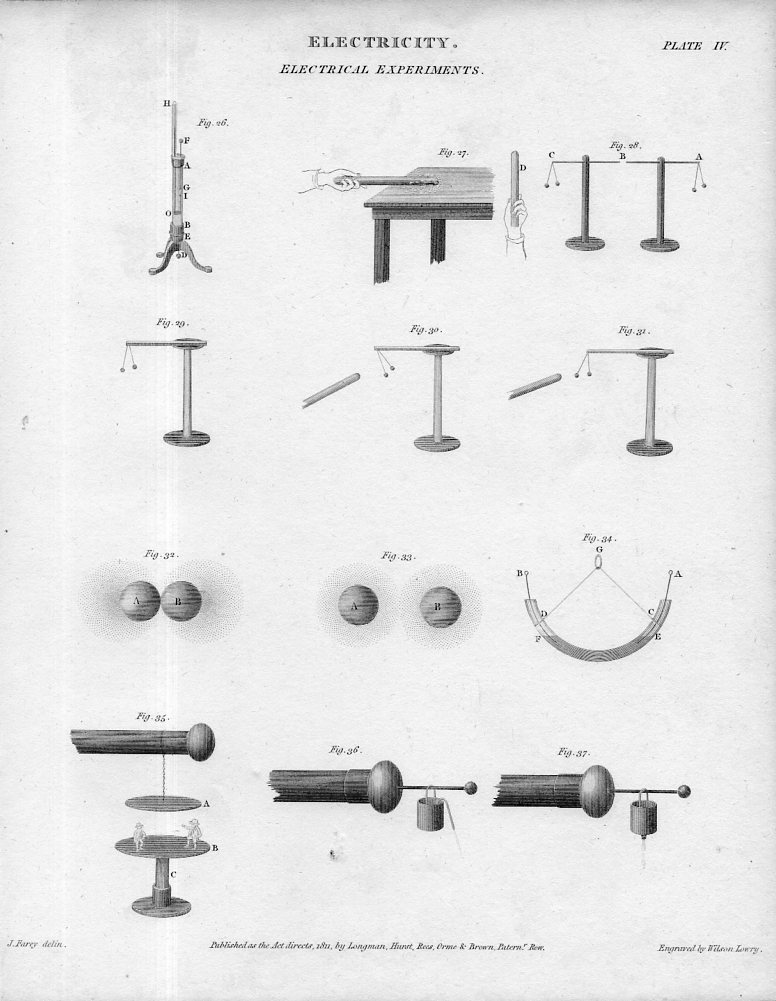
    The following images relating to chemistry were found in the illustration volumes of Abraham Rees’ (1743-1825) great work, Cyclopædia; or, Universal Dictionary of Arts, Sciences, and Literature. This was a massive undertaking for Rees, but his leadership and editorial skills were up to the task–in the end, 39 volumes were published containing nearly 40 million words, plus another six thick volumes contained the engraved illustrations to the monograph-length articles.  They are marvelous images, full of detail, and beautifully designed. This fine example on electricity contains several gorgeous tiny details, including the following:

    Electricity attraction489

    Which is a detail from:

    Electricity attraction488


  • A Simpler Explanation in a Complicated Print

    JF Ptak Science Books   Quick Post

    Pump017

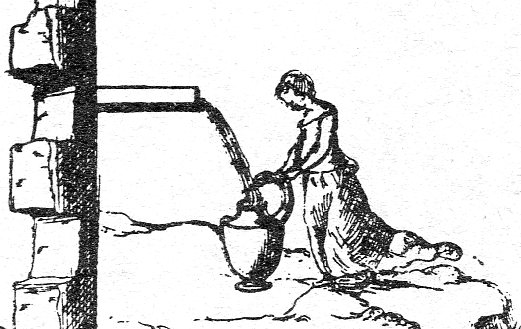
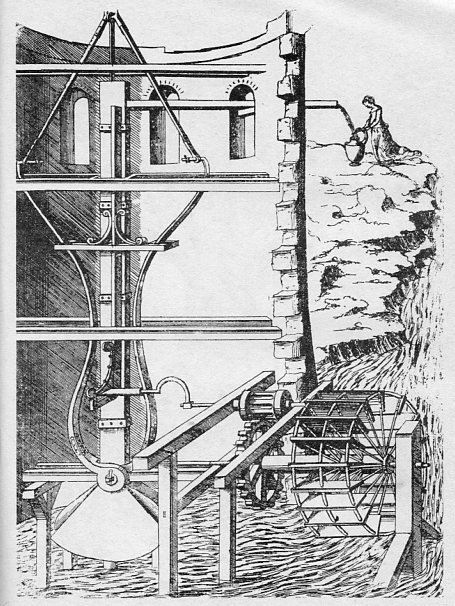
    I have long enjoyed Marie Boas (Hall) The Scientific Renaissance , 1450-1630–it is a very fine book that covers a lot of ground and material and time.  Skimming through it tonight I came upon an image of the wood engraving of the great pump designed by Jacques Besson (1540? – 1573, an inventor, mathematician, philosopher) that appeared in his Theatres des Instruments, published in 1579. Interestingly Boas writes in the description of the fabulous device that “the elaborate machinery seems unnecessarily complicated for the simple domestic task shown, and suggests the imaginative elements in many Renaissance engineering books”. Which is true–except that I think there is another, simpler explanation for the “simple task” shown: it is what fit on the page.  The image is already filled with the machine, with little space left for anything else. So, the simple display; the intention of the illustration is to show the mechanism, and not the result of its employment. I think. Far be it for me to criticize Boas, which I don’t think I’m actually doing–I just think that the display of such a simple result was an outcome of paper and ink. 

    (http://www.sil.si.edu/DigitalCollections/HST/Besson/besson-toc.htm)

    Pump016


    Other excellent works by Boas Hall include: 

    • Robert Boyle and Seventeenth-Century Chemistry. Cambridge: Cambridge University Press, 1958.
    • Robert Boyle on Natural Philosophy: An Essay, with Selections from His Writings. Bloomington: Indiana University Press, 1965.
    • Nature and Nature’s Laws. Documents of the Scientific Revolution. London: Macmillan, 1970.
    • The Mechanical Philosophy. New York: Arno Press, 1981.

  • The Floating Cemetery of Piet Mondrian

    JF Ptak Science Books   Quick Post

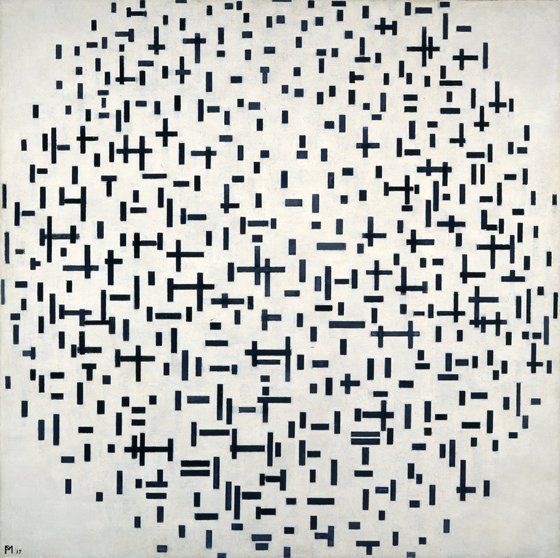
    Mondrian graveyard

    [Source: illustration from Piet Mondrian, Life and Work, edited by Cees W. de Jong, Abrams, 2015.]

    I just wanted to open up this idea–I mean, I’m not an art historian, and the title doesn’t intend to insert this speculation in Mondrian’s mind as he painted this, but his Composition in Line  (1916, oil on canvas, 42×42″)  does to me look like a military graveyard.  After he got stuck in the Netherlands following the beginning of WWI he entered into a very creative and morphing phase of his creative artistic life.  His very recognizable primary color geometries of art start to appear in his notebooks in 1909, and geometric forms begin to appear in the skies and backgrounds of his representational landscapes and portraits (outside his Cubist mode) beginning at least in 1908, so to say that the war influenced very much in his creative spirit directly is probably wrong–but it doesn’t stop me from seeing The End of the Battle in these works.  

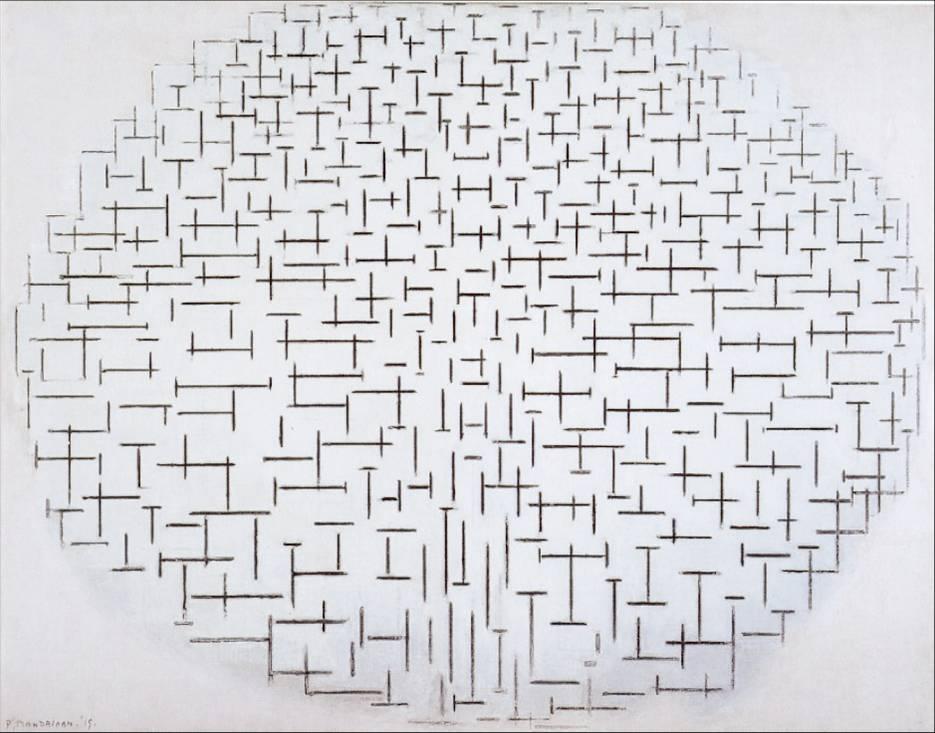
    Keeping to this theme, his Composition 10 in Black and White (1915, oil on canvas, 32×42″) looks a little like a trench map:

    Mondrian trenches

    [Source: illustration from Piet Mondrian, Life and Work, edited by Cees W. de Jong, Abrams, 2015.]

    Again, there’s no evidence to support these work as having anything to do with the war–they just suggest themselves to me, especially given the date.


  • A Foundscape Vermeer in as Sea of Hats, 1903

    JF Ptak Science Books  Quick Post

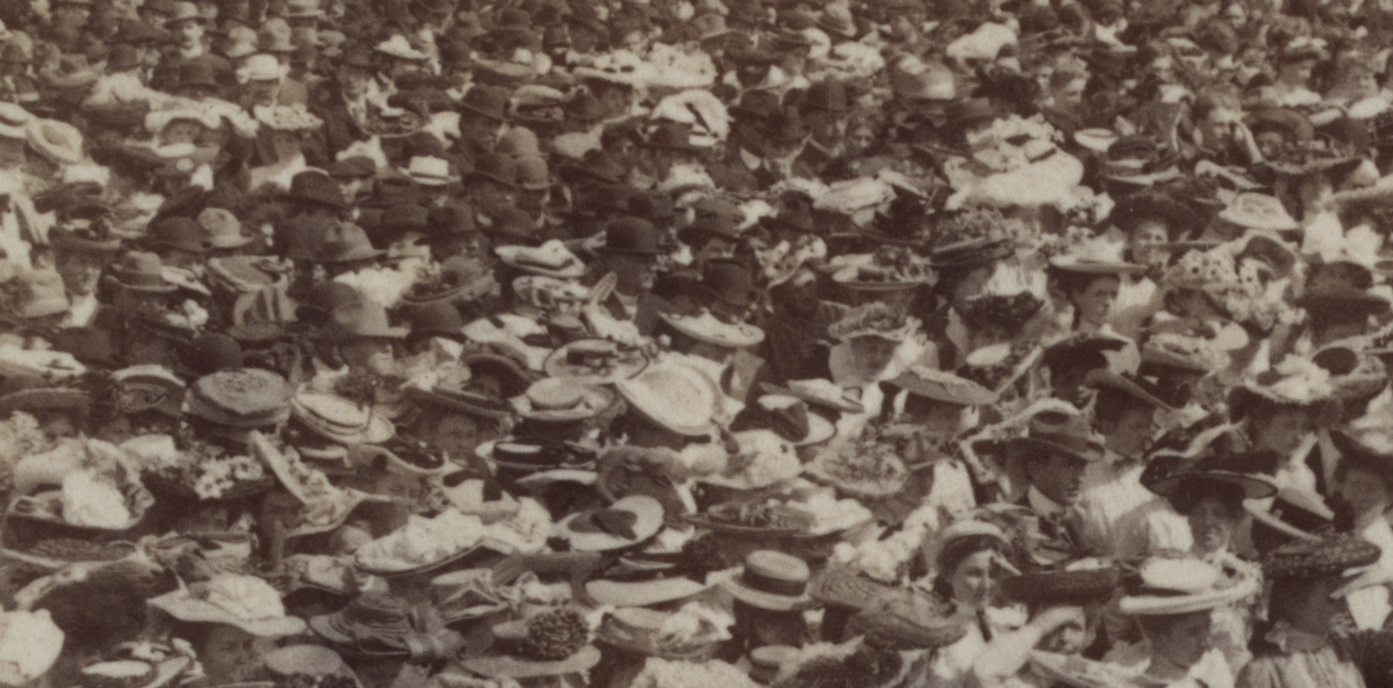
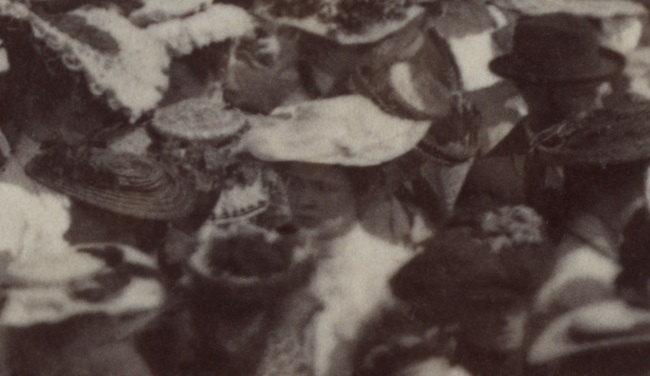
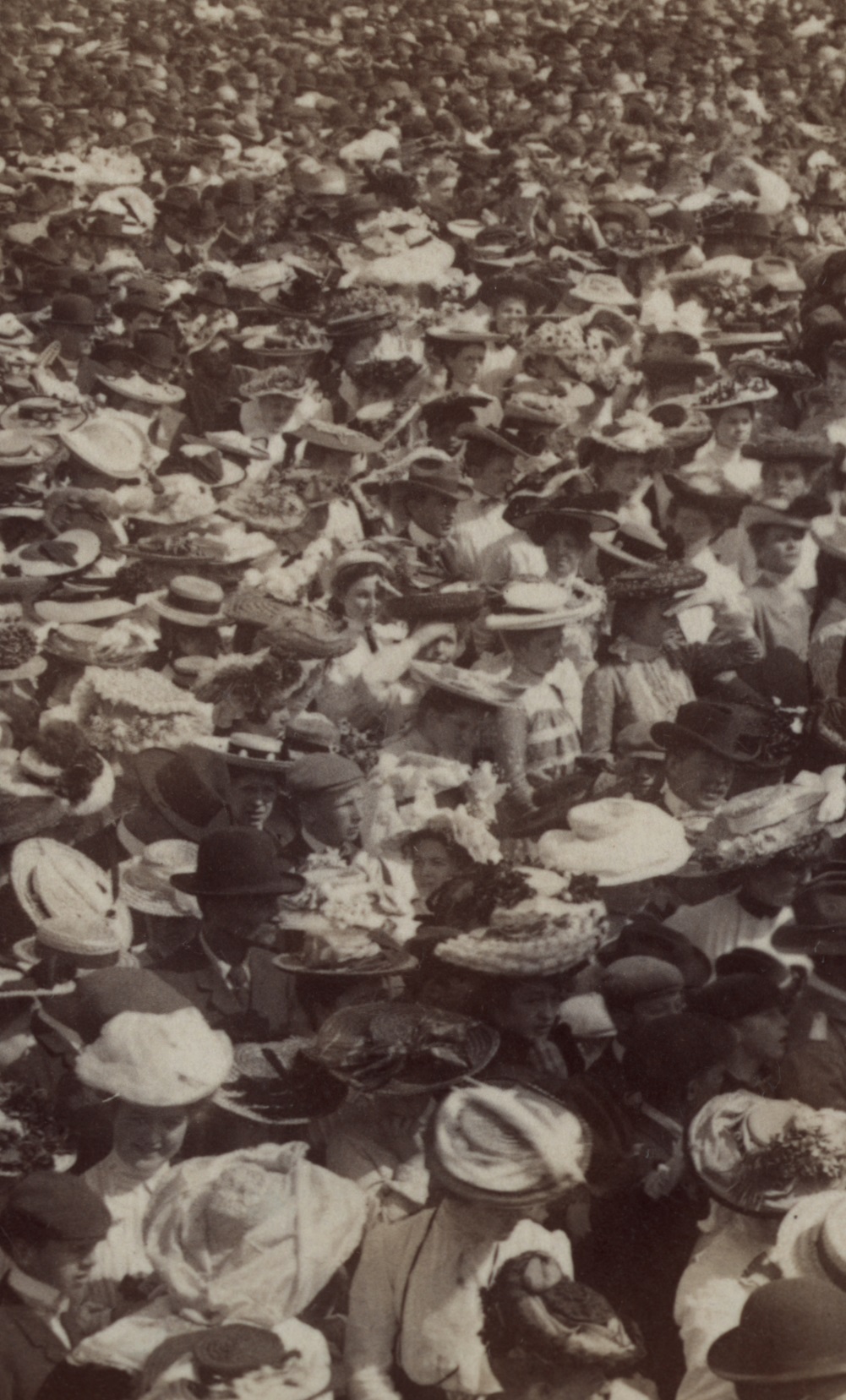
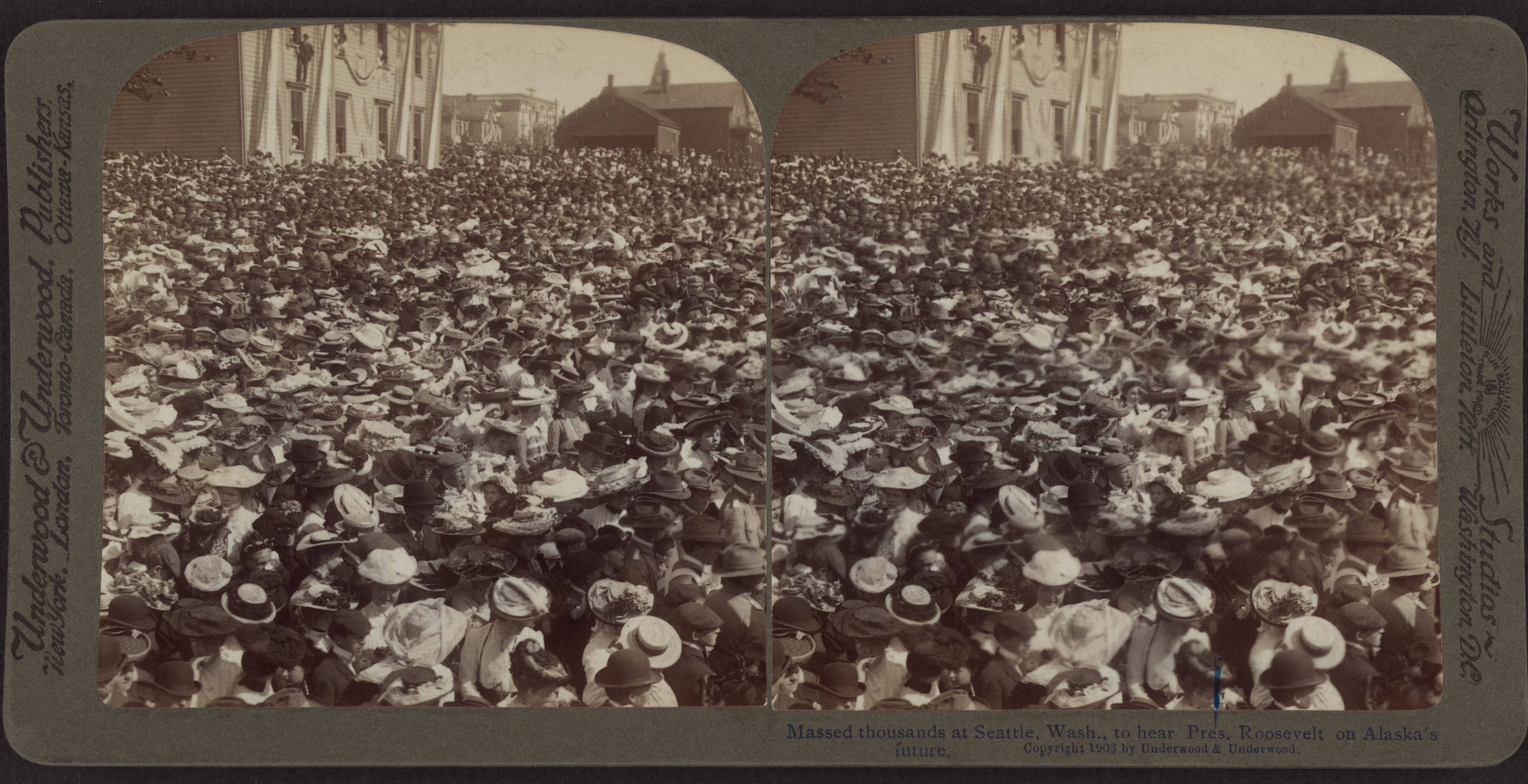
    I’ve written numerous posts to this blog on very dense crowd images (just google “crowds” in the search box at left), mainly because of the endlessly interesting vignettes and foundscapes that are located int eh buried sections. Int his stereocard of a large, massed crod waiting to hear President Theodore Roosevelt speak (1903) there are a number of such finds–including what seems to be included in just about every variety of massed images, a subject from a Vermeer painting.  

    A detail giving a real expression of the compactness of the crowd:

    Crowds hats roosevelt detail

    And our Vermeer:

    Crowds hats roosevelt detail Vermeer jaypeg


    Crowds hats roosevelt detail looking at cam

    …and the full image: 

    Crowds hats roosevelt overall


  • An Escher-Like Non-Escher Architectural Image

    JF Ptak Science Books  Quick Post

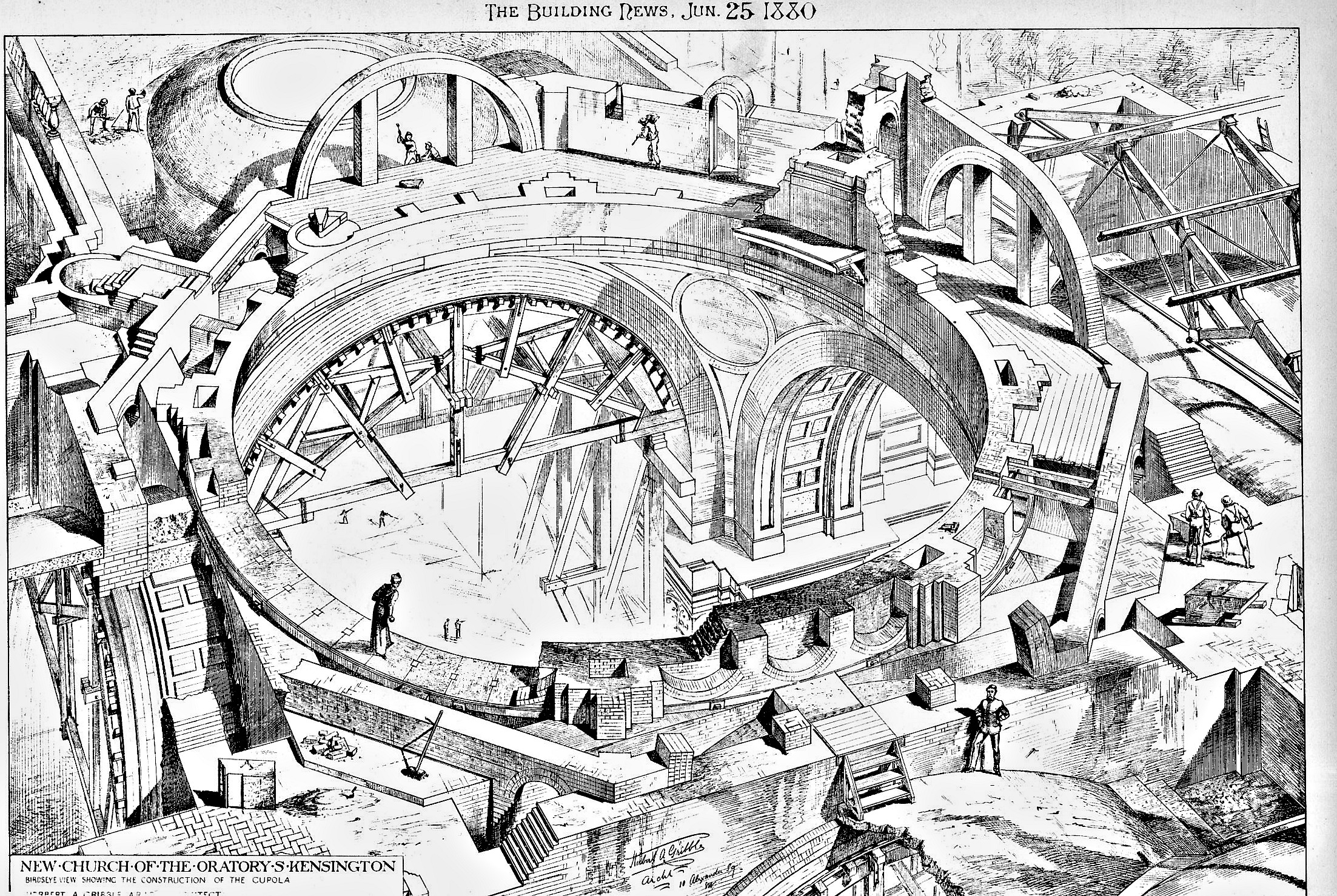
    This image really lifted itself from the page–it is from 1880 and has to me a very heavy scent of M.C. Escher to it.  This would be a very “found” aspect of pre-Escher (1898-1972), but it does have an indefinable quality to it that seems very 20th-century. What we are seeing here is a perspective of the construction of the “New Church of the Oratory of South Kensington” (known as the Brompton Oratory), but I think given the various stages of completion of the structure the whole of it takes on a spherical, three-dimensional quality, and has a somewhat impossible-looking aspect, as though from multiple viewpoints. I think we’re looking down through the naive, and though it is supposed to be representating a three-dimensional figure it seems profoundly not so. 


    Escher architecture463

    [Source: The Building News, June 25, 1880; Herbert Gribble, architect.]

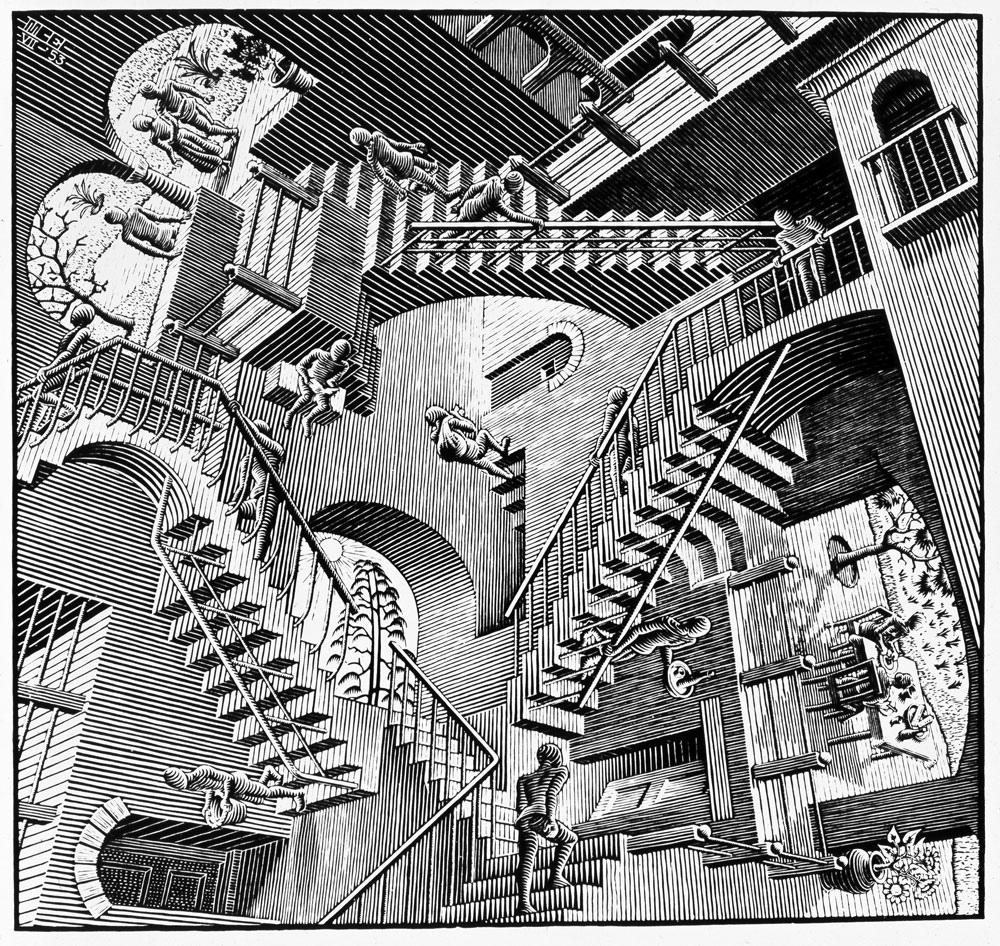
    What it reminds me of directly is Eshcer’s  relativity, from 1952:

    Escher relativity

    I know that what I’ve said about the Building News image is reaching, and it wasn’t dealing with unusual geometries, or tessellations, or the oddish curved perspectives of Escher, but, well, it does somehow have that quality.  

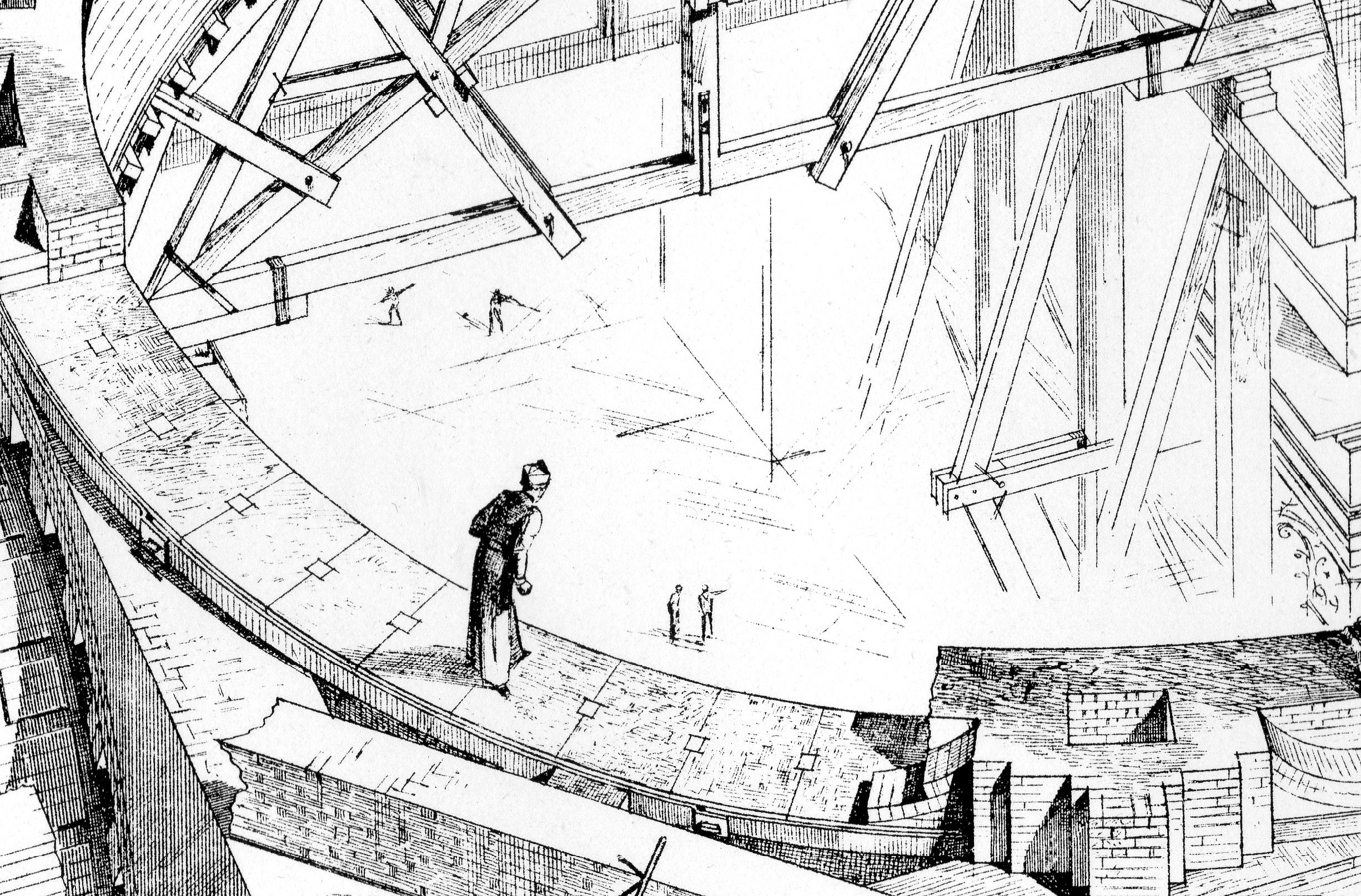
    And an interesting detail:

    Escher architecture464


  • Can You Find the Ancient Death Ray of Death? Symbolism in the Garden of Mathematical Sciences (ca. 1670)

    JF Ptak Science Books   Post 2689

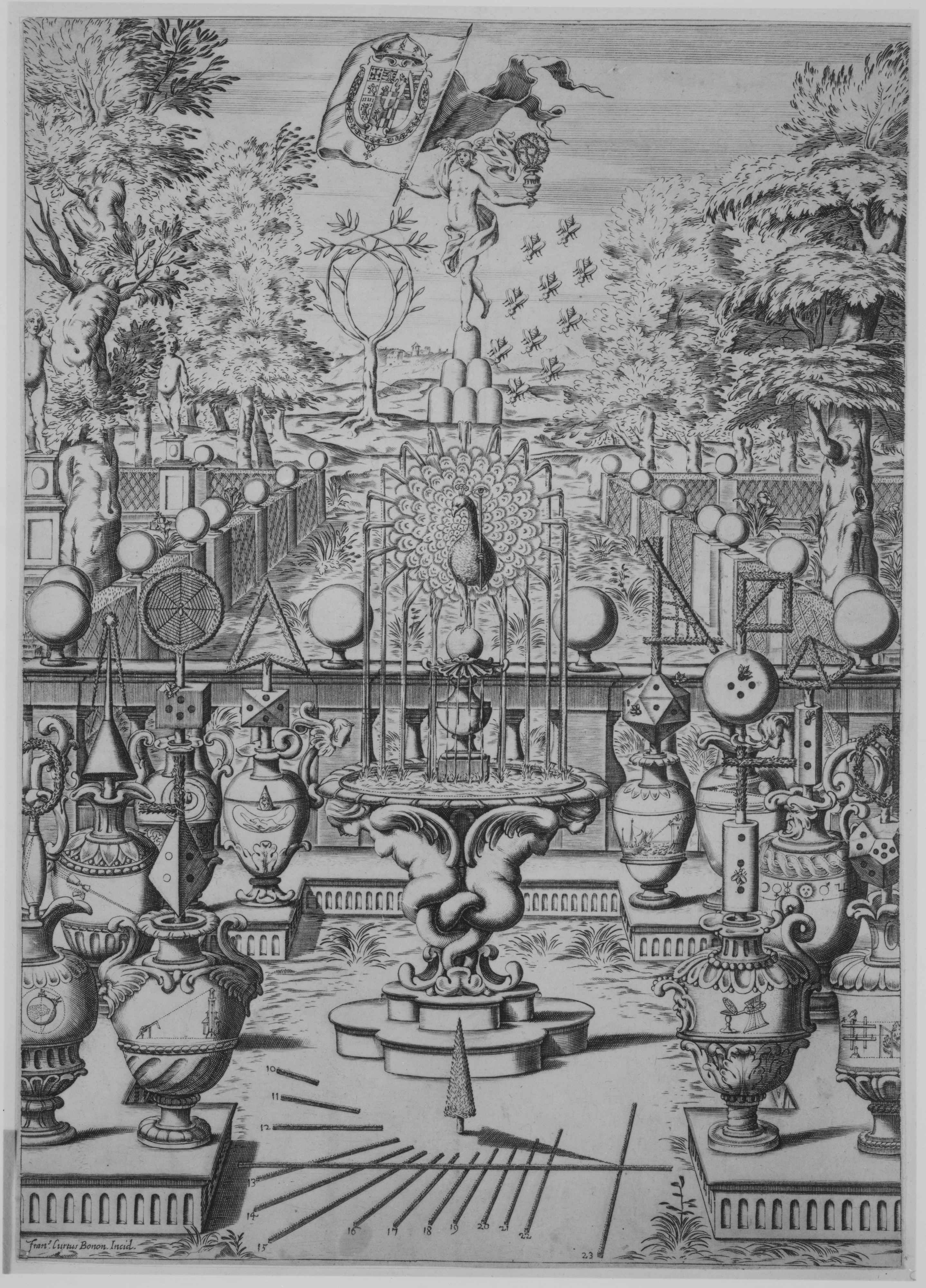
    Mathematical Garden Curti[Image: Metropolitan Museum of Art, http://www.metmuseum.org/collection/the-collection-online/search/359981?rpp=30&pg=1&ft=mathematics&pos=15]

    This fine allegorical image is the creation of Francesco Curti (1603-1670), and according to the Metropolitan Museum of Art it is called “The Garden of Mathematical Sciences”, and was printed ca. 1660.  There’s a lot of objects in this print, and it seems that perhaps most of them have a scientific application.  It is an interesting exercise to identify them–I’ve found quite a few, though not all, how many can you identify? 

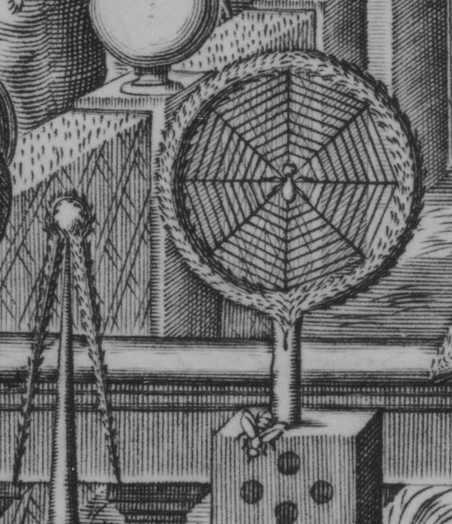
    In the garden there are a geometrical spider, bees, proportional dividers, sundials, anamorphic images, the eye of god in a peacock display, Mercury, Archimedes’ death-ray mirror, navigational instruments, and no doubt much more, displayed and semi-hidden. For example, I think this is the well-known “geometrical spider” (middle far left), as seen in Mario Bettino’s Apiarium philosophiae mathematicae (Bologna, 1645):

    MATHEMATICAL garden spider

    Then there’s this classic image of the peacock, which through the history of Christian art has come to represent the concept of activity, resurrection, immortality–it has been used as a representation of Christ (in paintings like Fra Angelico’s great circular nativity painting, for example).  In the Curti print, the peacock is holding a staff with an eye in it, which is probably that of god; the peacock stands on one leg, balanced with the eye staff, while the rest of the symbolism is filled by having an ever-flowing fountain flow from its feathers. 

    There are no doubt more to be found–there’s the timepiece in the foreground, numerous outlines of scientific instruments as garden plants, a demonstration of the optics of convex and concave lenses, and others.  Have a look!  Follow the link to the Metropolitan and open the very expandable image. (SOme answers, below)