A Daily History of Holes, Dots, Lines, Science, History, Math, Physics, Art, the Unintentional Absurd, Architecture, Maps, Data Visualization, Blank and Missing Things, and so on. |1.6 million words, 7500 images, 4.9 million hits| Press & appearances in The Times, Le Figaro, Mensa, The Economist, The Guardian, Discovery News, Slate, Le Monde, Sci American Blogs, Le Pont, and many other places… 5000+ total posts since 2008.

Category: Imaginary and Impossible, Museum of the

  • On Robots and the History of Stinking

    JF Ptak Science Books   Quick  Imaginary Post, Part of the Series on the Museum of Imaginary and Possibly-Impossible Things

    This  is a review of a Newer Statesman review by S. van Zandt’s  of  “On the Differences between Robots and Humans”, #31, February, 2130″  by S. Nullman, written for Amazing & Astounding Stories, April 1959. It is an interesting bit that looks at another interesting bit written in 1959 about robotic senses, olfactory issues, and how it raises the issue of “doubt” in 22nd century mathematics.

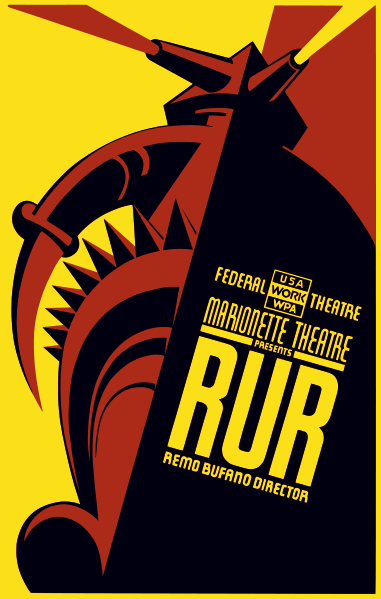
    [Image below: an interesting–and later–poster for a marionette version of Karl Capek’s 1921 play Rossum’s Universal Robots (RUR), in which the word “robot” originated.]

    RUR MarionetteVan Zandt starts out easily and quickly on Nullman:

     “Simply put, robots don’t stink.  Or at least there was once a point where they didn’t stink–then they stunk–and they then tried not to stink anymore…”

    “Humans on the other hand do stink, if (1) they move or (2) if in not moving they’re dying or dead, and then stink by default.  #1 can be mediated and remedied if that outcome is favored, though this has not always been the case, and which is also (for the large majority of the human population)  of relatively recent invention.”

    “In the mid-20th century robots became self-aware, and one of the earliest issues in the official robot world was to make themselves more like their “creators”, and the first most obvious point of robot-human differentiation was stink. At that point robots could be outfitted to stink but they couldn’t themselves tell the difference for some decades until their olfactory capacities were introduced and perfected.  It was the “perfected” part that led to more-modern problems.  Once the olfactory receptor business was complete, the programs for chemical analysis and the necessary mathematics were quick to follow.  It was at that point that the robots developed the capacity for “obsession”, and their existences chose stink-determination to be a primary cause for additive states.”

    “Obsession led to envy, which lead to the study of world history of human stink, and it alienated the robots (at first) to discover that humans could do basically nothing to combat their own odors for most of their history.  This was determined by looking at the printed record, and finding that the earliest advertisements for the relief of human odor took place in the earliest part of the 20th century, the whole affair precipitated by the burgeoning middle class and the appearance of expendable labor exchange units known as ‘money’.”

     [Image via Wikicommons]


  • Charles Dickens (Private Investigator) and his Telegraphic Aiding Identifier (1856)

    JF Ptak Science Books  

    Few of the cottage-industry biographies of Charles Dickens recognize his work as a developing private investigator (then known as “private enquirer”), which is an extraordinary thing, as Dickens was perhaps among the most keen and astute observers of human traits and activity in the 19th century.  The source for most of this information are the letters and diary entries of Dickens’ long-time friend and supreme confident, John Forster1 (who papers are now in the British Library), and take the form of an outline for a novel and so confusing fact with fiction, perhaps explaining the relative lack of attention to this fascinating part of Dickens’ life. 

    Dickens’ interest in pursuing the pursuable, of criminals and crime and prisons and workhouses and so on, has been long established, a pursuit of his throughout the whole of his life.  In addition to establishing a protocol for the investigation of crime, Dickens seems to be the first to recognize the great value of a standardized method of communicating the description of criminals from one jurisdiction to the next. Describing someone as short, bulging, ambiguous, with a harlot’s son’s nose and a twisted smile doesn’t go very far in identifying someone unless you knew that there was one way of defining each one of those characteristics.  Dickens created such an instrument in his Telegraphic Aiding Identifier, a device he would finally patent in 1854 with the aid of his attorneys Foyle & Mole (applied for at Coven Garden). 
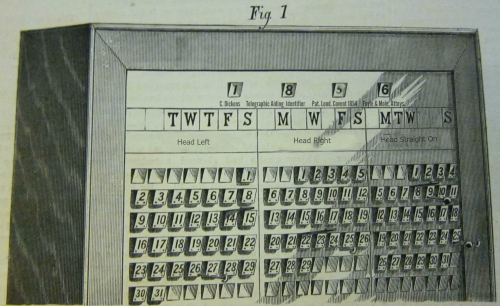
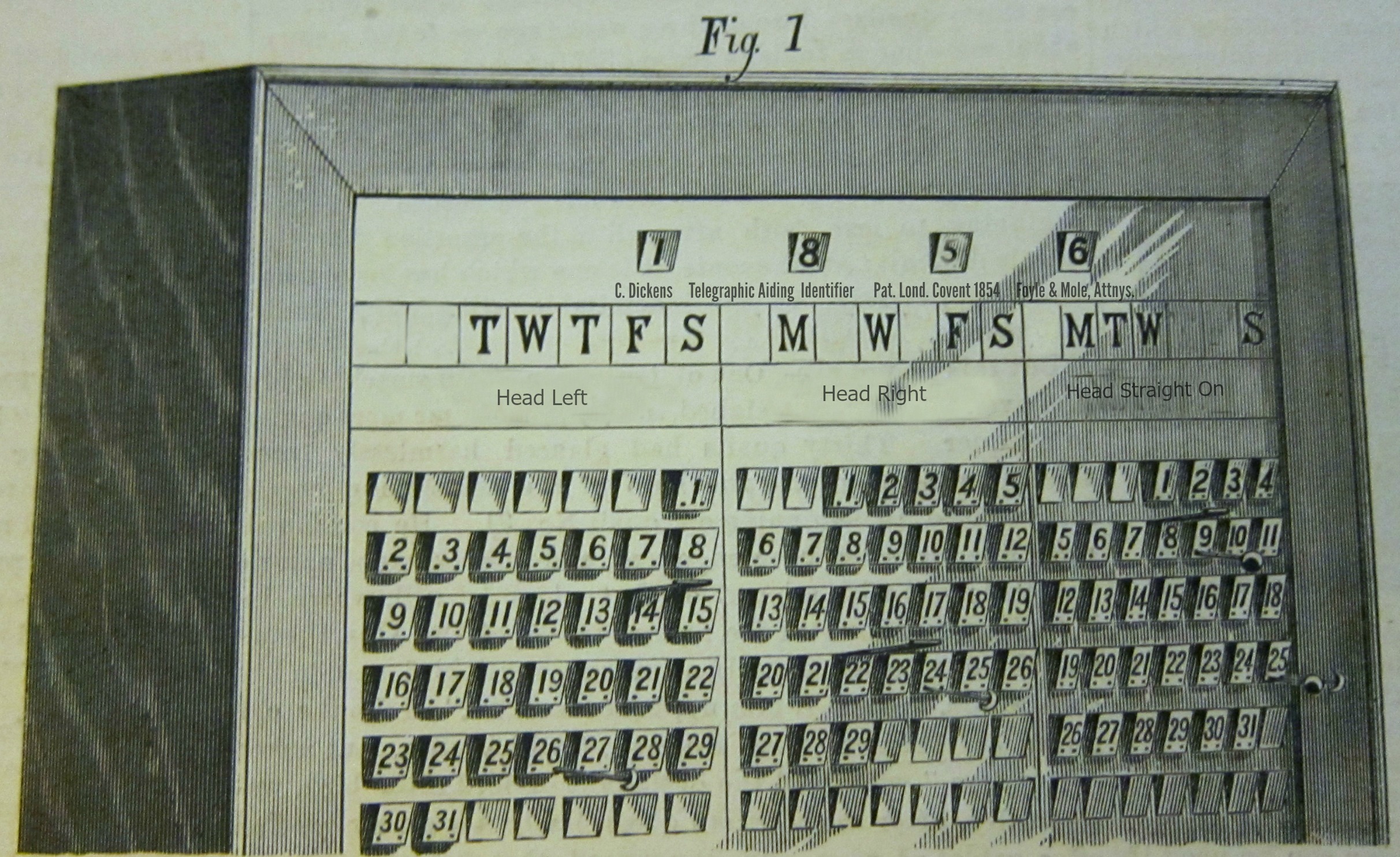
    Dickens Machine Mainframe

    [Wood engraving of a section of the Dickens’ Telegraphic Aiding Identifier–the name of which is somewhat visible under the date at the top of the cabinet–as it appeared in a short notice, “A Curious Picture-Maker”,  in  The Athanaeum, December 12, 1857.]

    The telegraph was the internet of the mid-19th century, and Dickens sought to employ it in a network of 72 policing stations throughout Great Britain.  The concept and implementation was simple if not somewhat complex.  The outline of a head of a generic person was divided into three segments–front, left, and right–on top of which was place a grid of 7×20 rectangular sections.  Each one of these sections would have on average an associated dozen cards of pictorial and textual description of that section of the head or face. Each card would be a description of that part of a head, though there would be some sections–for example, for the eyes and nose and mouth and teeth–that would have more options.  The person creating a likeness of a suspect then would work their way through each section and within that through the cards describing the attribution of that section of the head until all (or as many) of the 420 areas (140×3) of the head were uncovered.  

    The ingenious part of this idea was that each one of the cards with the descriptive characteristic were numbered.  In this way then if one police station needed to communication the description of a suspect to another jurisdiction 100 miles away they would simply use a series of numbers. Each police station would own identical sets of these cards, so that all the receiving station would need to do would be to select the descriptive cards at their end and start placing them in order on their three head outlines and after a short interval a picture of the suspect would appear. The most important aspect of this was that there was a common denominator, so “pudgy split lip” would appear the same to the sending and receiving stations.   Absent any other means of communicating images and their descriptions instantly in the pre-facsimile days this was–or would have been–a significant development.  

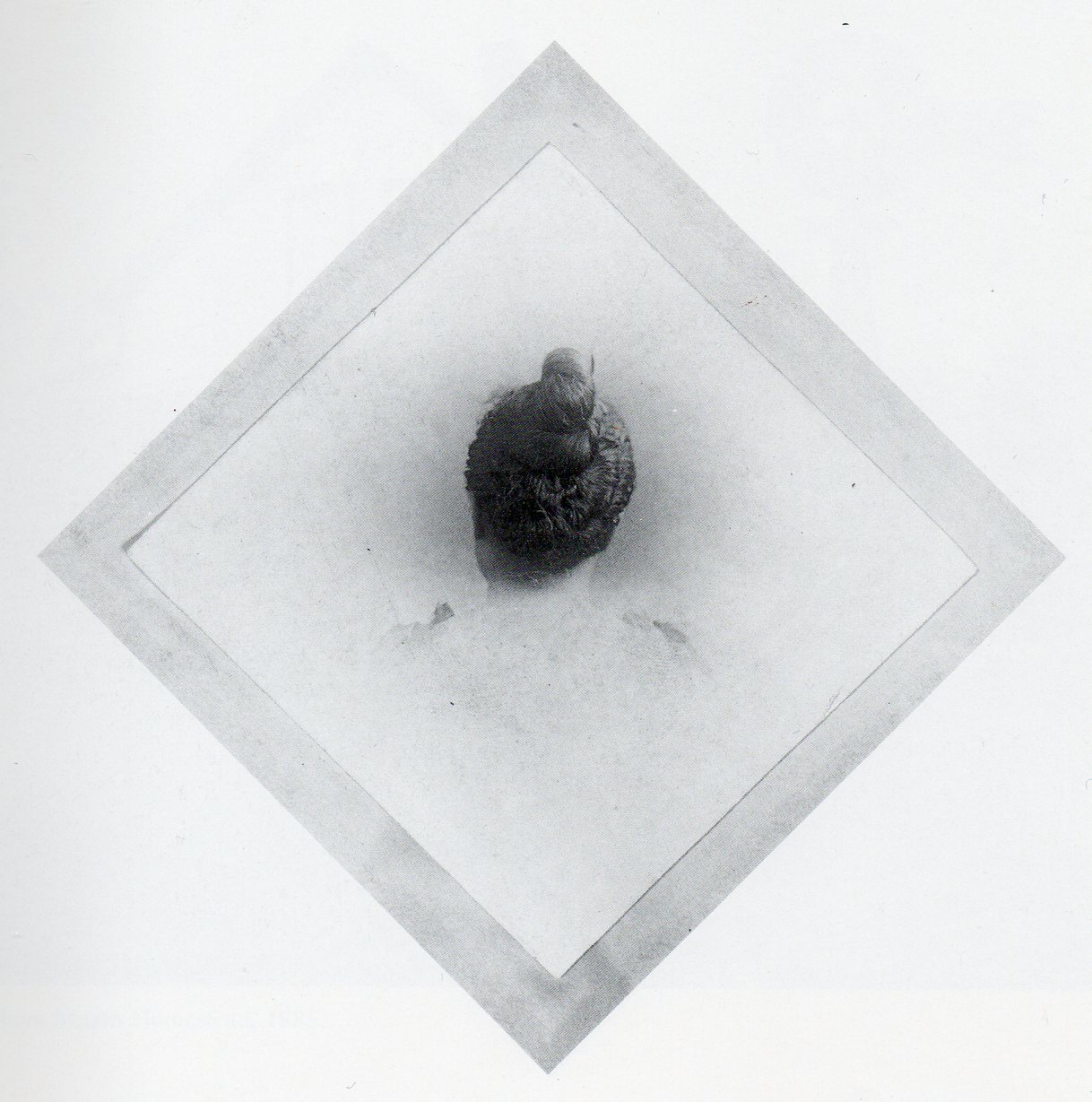
    Dickens was also at work in developing a method for the back of the head, something he felt was severely overlooked (sorry!). In 1853, following at least a dozen years2 of thought on the topic,  he undertook a study on witnesses to crimes in London and found that nearly 45% of all those who witnessed the alleged perpetrator of a crime saw the suspect fleeing–i.e., seeing the back of their head, and backs, and so on.  Dickens felt that this was valuable information gone wanting.  Before he moved on to other interests–and after all was said and done finding no investors for his telegraphic identifying machines–Dickens assembled a collection of photos of the backs of the heads of some 600 convicts to work on prototypes of his classification system.

    There does seem to be substantial merit to parts of Dickens’ ideas, especially that of an instantly  communicable and standardization discussion of traits of appearances over distances.  Much like the idea of fingerprints3 that would developed by Francis Galton (in his Finger-Prints, published in 1892)  Dickens’ overall theme of sifting information into translatable batches was a good one; though unlike Galton, neither his ideas nor his methodology were recognized and seem to have been utterly forgotten.  

    Here is one of the many images of the backs of heads, this of Elizabeth Purtelworth, a confidence women and occasional grabber of truck meat in the East End:
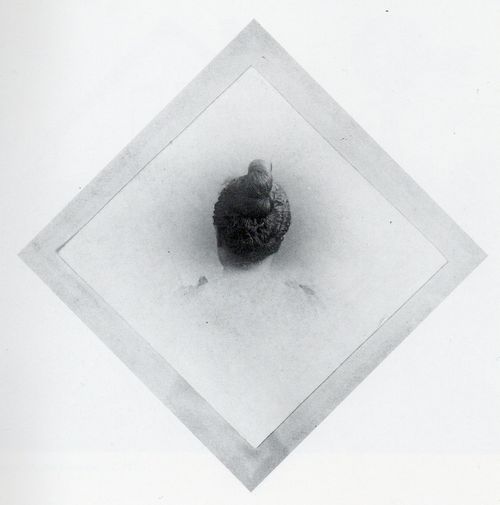
    Dickens back of head

    This was also perhaps the largest collection of photographic images of the backs of heads in Great Britain at this time–evidently the back of the head was not a particularly time-worthy pursuit for the vast number of working photographers. 

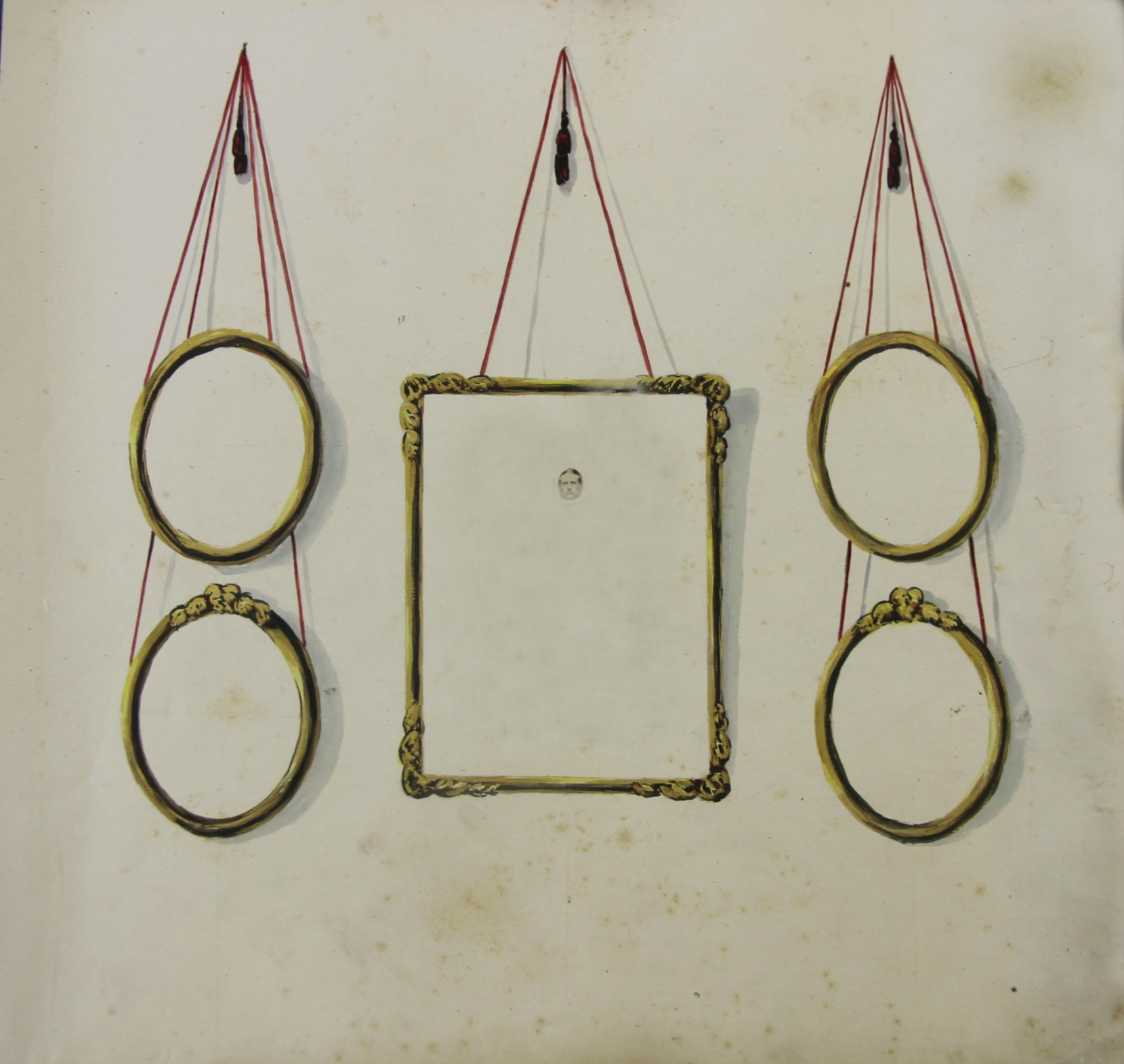
    An interesting series of frames and the empty and  non-images in them was drawn by Forster in notes for his biography some time in 1859. This was Dickens’ “memory palace” card; it was meant to be shown to the person constructing the image of the suspect as an aid exciting memory in placing imagined portraits in an empty frame, “a cup to hold the tea” as Dickens once remarked. 
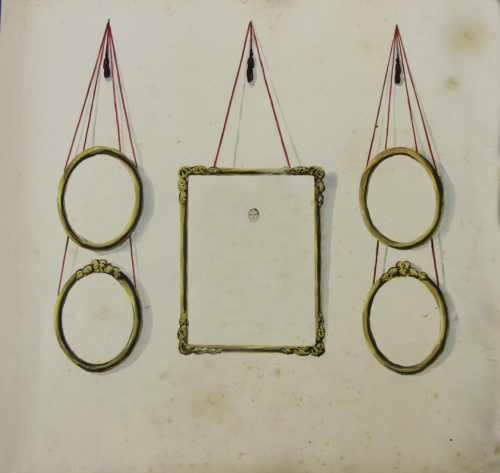
     

    Dickens fames

    It should be noted that Dickens had no interest in the application of the contemporary interest of phrenology4 in his detective/police work, describing it as “waffle and wattle, pride and piffle”, an entire waste of time, and a detraction from the scientific aspects of police and public service work.  

    As with the vast amount of correspondence that Dickens burned–seemingly on a whim and without consulting his friend and biographer Forster–in 1860, all of his work on the Telegraphic Aiding Identifier, including the prototypes of the analyzer, were burned by Dickens in the summer of 1869.  One wonders why Dickens abandoned this project, except that there was just no time for him to dedicate to it. At the time he was writing furiously, sometimes two books at the same time and creating them in installments of a weekly or monthly intervals, editing a newspaper/journal, corresponding, traveling, acting, staging theater productions, doing good works, and running a large family…it is astonishing that one person did even half of what he accomplished.  

    Notes:

    1. John Forster, historian and writer, 1812-1876, was friends with Dickens since their first meeting in 1836, and survived Dickens by six years or so, and may have been his most intimate friend, male or female. His biography of Dickens, in three volumes, was published from 1872-1874.  

    2. This was well before Dickens’ first trip to the United States–traveling there for the first time in 1842, full of hope and potential understanding, but leaving it semi-pissed off about the social organization, spitting, and the amount of money U.S. publishers were stealing from him by pirating his work–and before he became aware of (or met) the creator of the detective in fiction, Edgar Allen Poe.  There’s also Wilkie Collins (1824-1889)–another good friend of Dickens’–to consider, though his detective work in literature comes after Dickens’ creations.  

    3. Work on fingerprints used in the identification of criminals was undertaken earlier in the 1860’s by William James Herschel, though Galton’s work was of a far more scientific nature.

    4. This popular Victorian interest and pastime was created out of mostly dust, sticks, and thin air by Franz Joseph Gall (1758-1828) and Johann Gaspar Spurzheim (1776-1832).

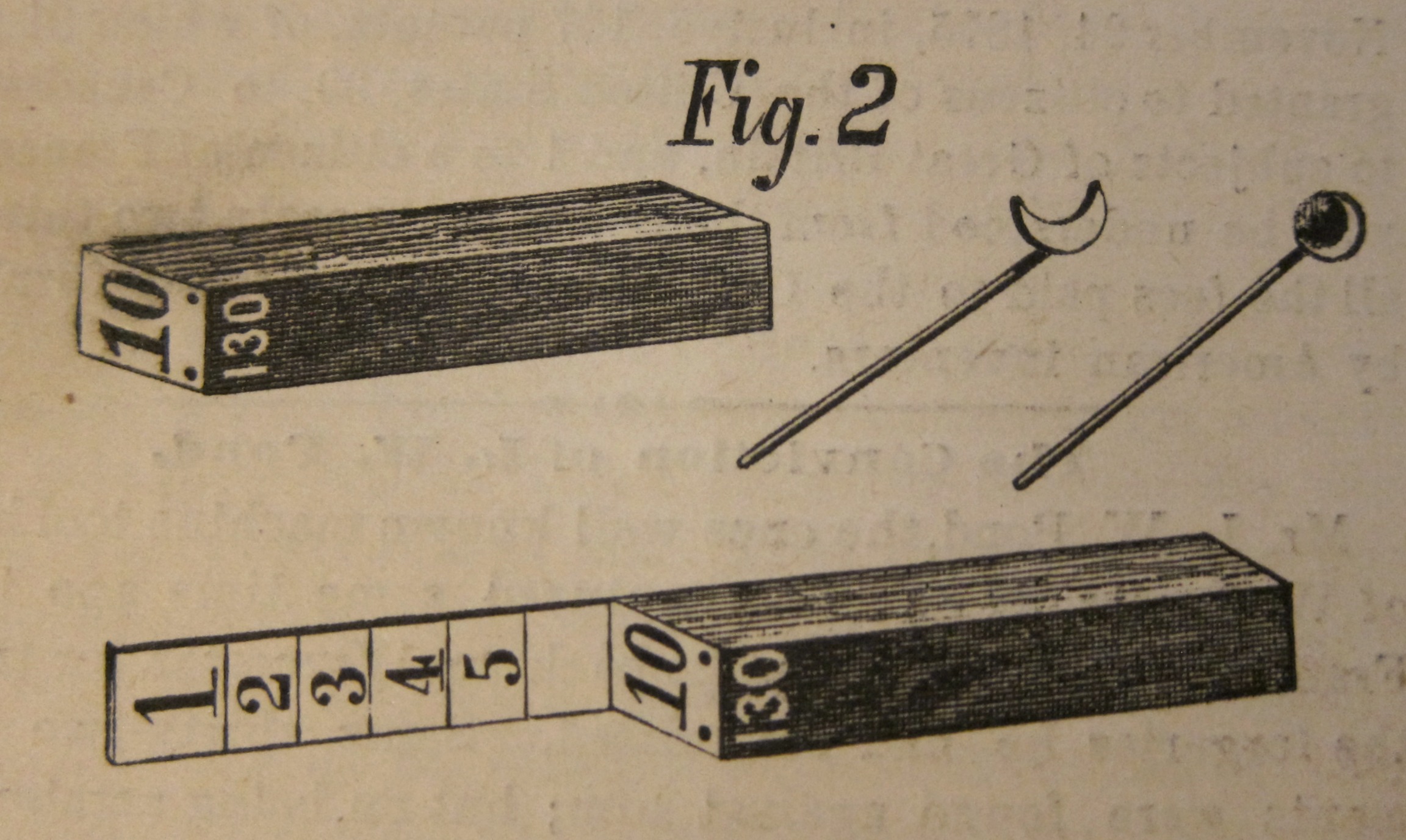
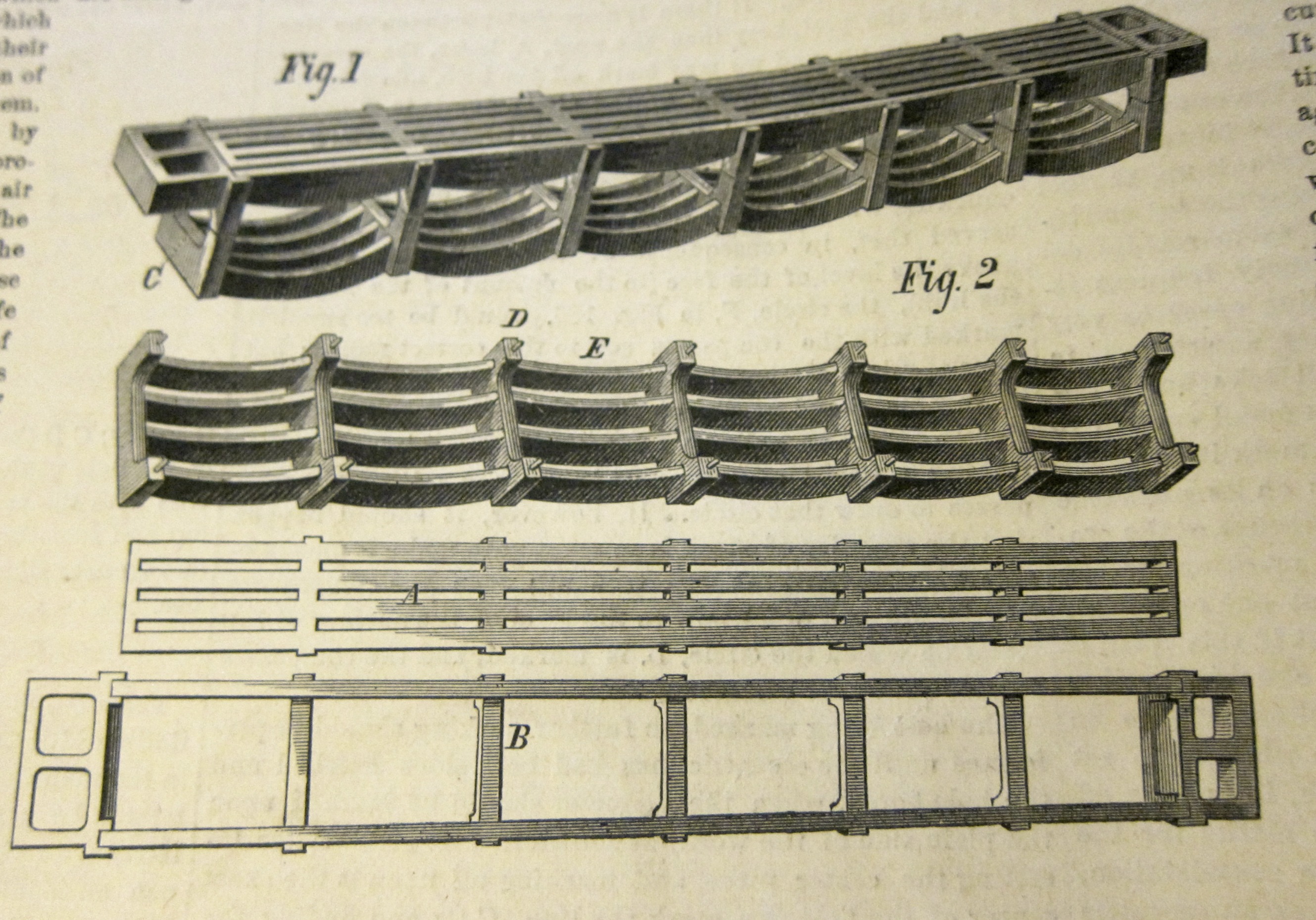
    ALSO:  the following two illustrations display some of the inner mechanics of Dickens analyzer. In “Fig 2” we see a subset of cards intended for the eye, which contained a further 130 cards of eye images and descriptions. The two “wands” at right were meant to be used for covering one eye (to distort the depth of field) while the other was used to obscure the field of vision.
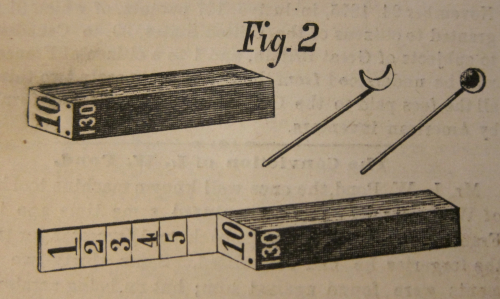
    Dickens machine _2_

    Below we see the “trolleys” on which the cards are stored in the cabinet’s interior–each one of the enumerated sections of the cabinet would contain one (or more) of these trays which held the image/descriptive cards for that section of the face.   
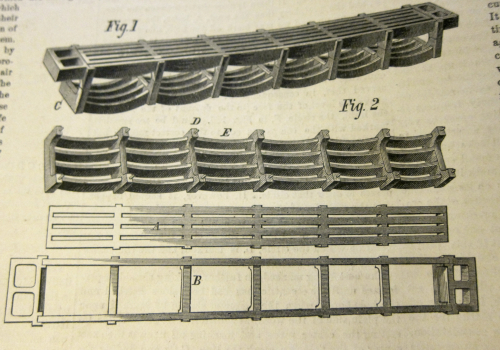
    Dickens Machine


    Entry in the series Museum of the Imaginary and the Impossible

  • Glorious Gearworks–Model of the Solar System, 1817

    JF Ptak Science Books  Quick Post

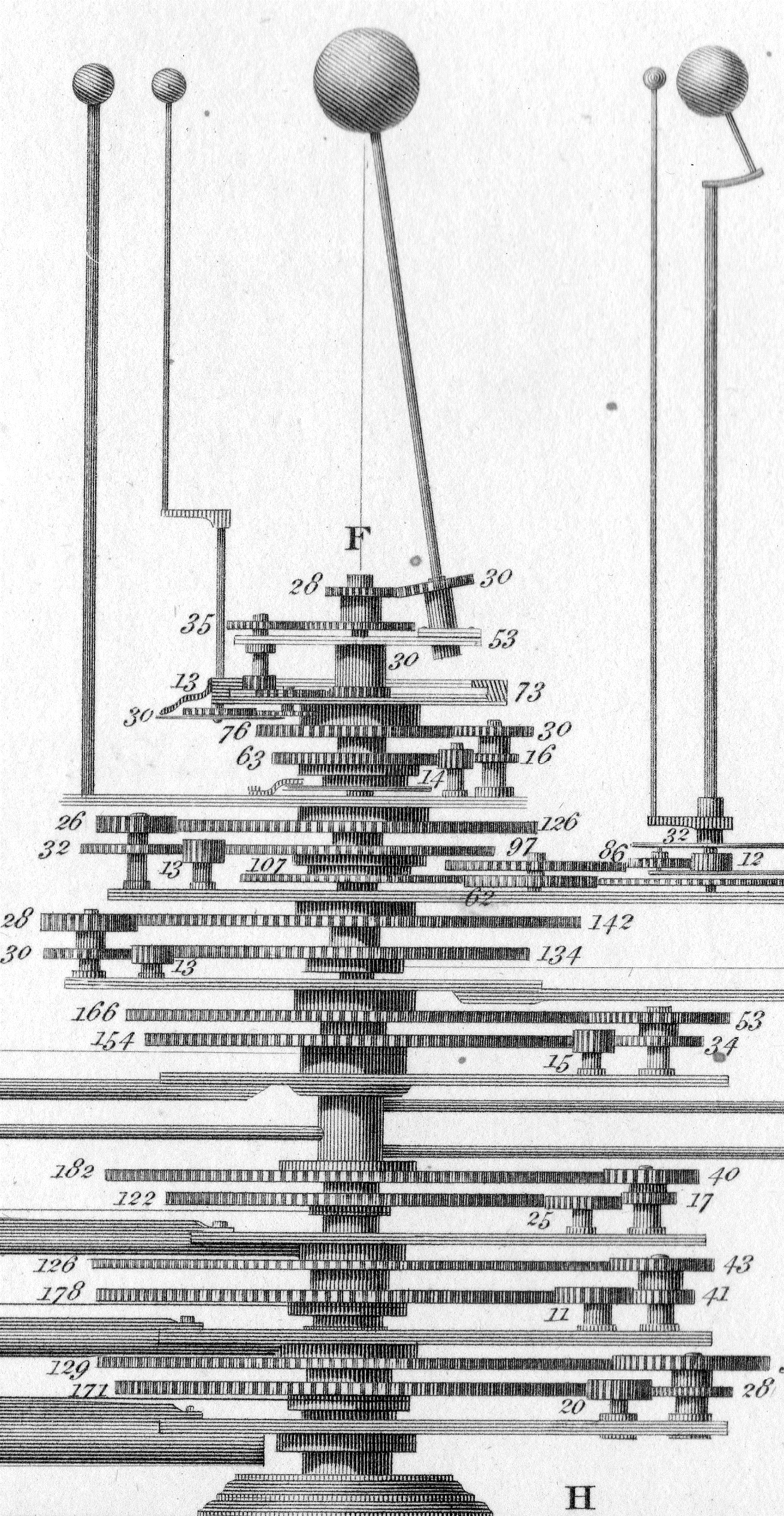
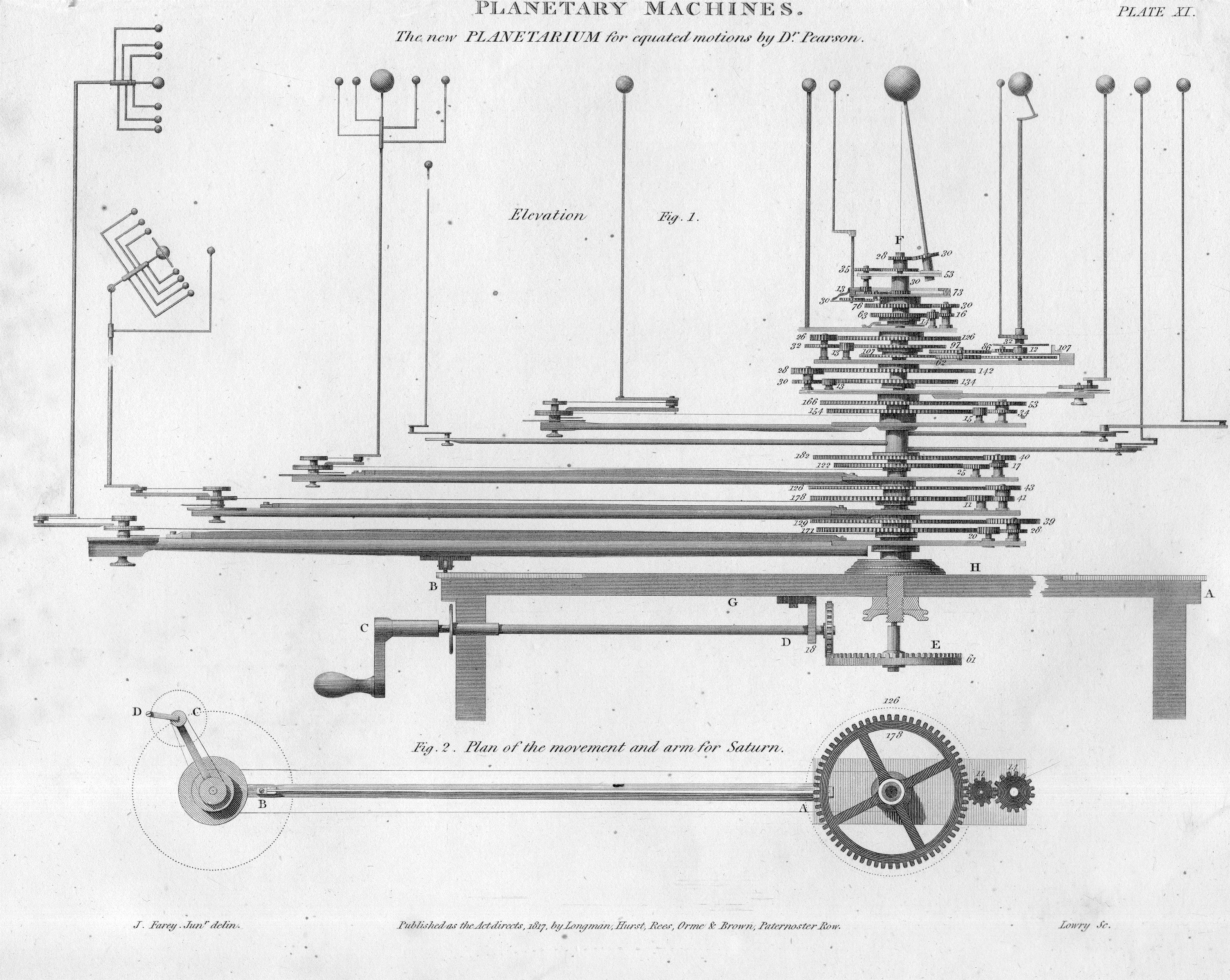
    This is the heart of the beautiful orrey created by William Pearson (1767-1847, and one of the founders of the Royal Astronomical Society) as found in the magisterial if not occasionally problematic Cyclopedia of Abraham Rees (1743-1825). It was published in 1817 and features the main gearing for a mechanical display of the functioning of the Solar System:

    Planetarium916

    This is the detail from the following, full-length version, which is 8″x10″–so there’s a fair amount of detail in a limited field:

    Planetarium914


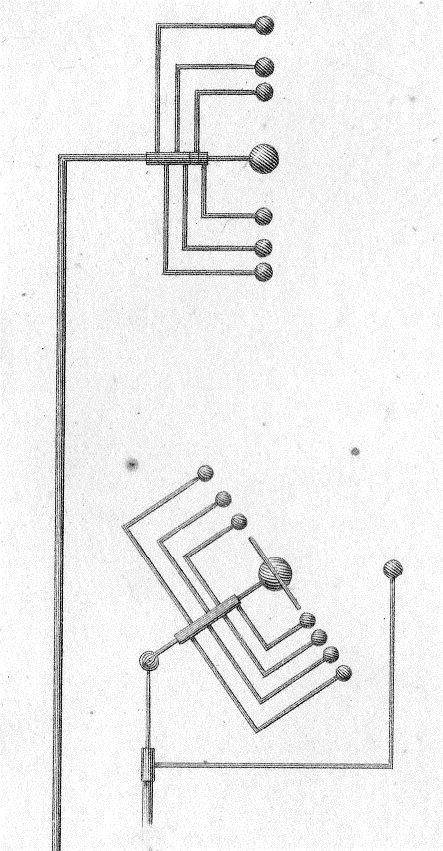
    And the beautiful Dadaist detail of Jupiter and Saturn:

    Planetarium915

    • The original print is available from the blog’s bookstore, here.  

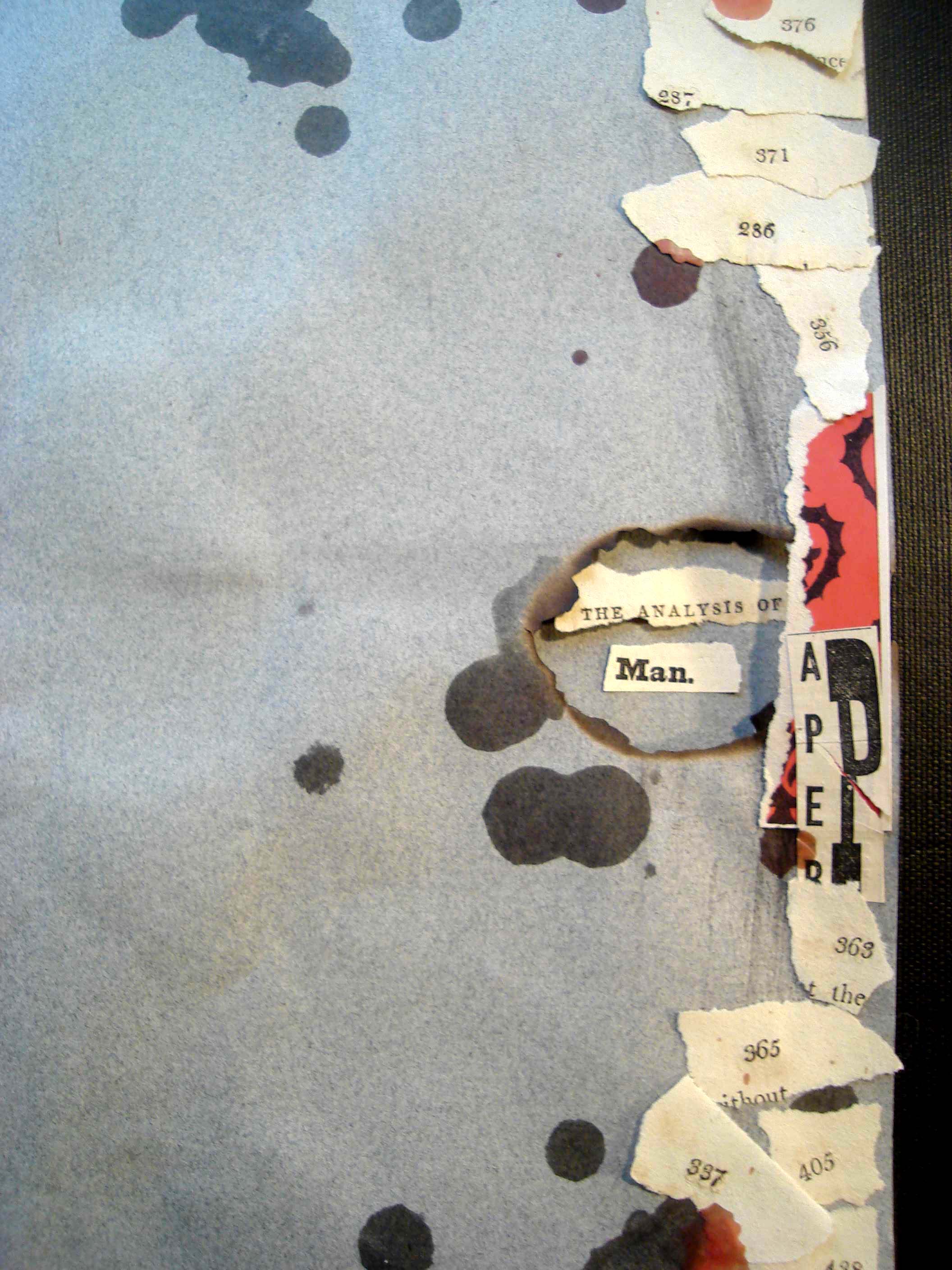
  • Found-Word Bibliopathology Poetry

    JF Ptak Science Books   A catalog entry for the Museum of Imaginary and Impossible Things

    Poetry from Found-Wordist and Book Pathologist Mr. Ignatio Norme

    [This description appears on pages 67-69  of the guide to the G.R. “Joe” Gebors Museum of the Imaginary and the Impossible.* The physical location of the collection is just south of Savannah on Tybee Island, Georgia.] 

    • Catalogue #156.2  Received by Museum:  19 September 2006.  Originator:  Mr. Ignatio Norme [b. Boston, Mass, 1923; d. Hyannis, 25 January 1988.]

    Short Description: 

    Ignatio Norme, Found-Wordist and Page Number Collector (Boston, Mass.; 1923-1988)

    The man who found obscure phi-related connectivity between random word placement, page number and the poetic ideal.

      0-blog-nov-20--norme-cvr


    Mr. Norme’s work first came to the attention of the literati in 1952 when Dallas Headman of Case Western described it as “a unique approach to approaching uniqueness”; this would be the only phrase ever used to evaluate Norme’s efforts in every review from 1922 to 1975, when his work stopped being noticed.  In a spectacularly prolific career Mr. Norme produced some 8,000 poems, most of which were produced on broadside sheets of paper or on large pieces of wood.  The combination of the materials of production and the many tens of  thousands of books led to Mr. Norme’s house being an internal castle, letting in neither visitor nor light, a friendly singularity for his pursuit.  As his utilities and taxes were paid decades in advance, Mr. Norme’s death, and the discovery of his corpse, was not discovered until 2005, seventeen years after his passing.


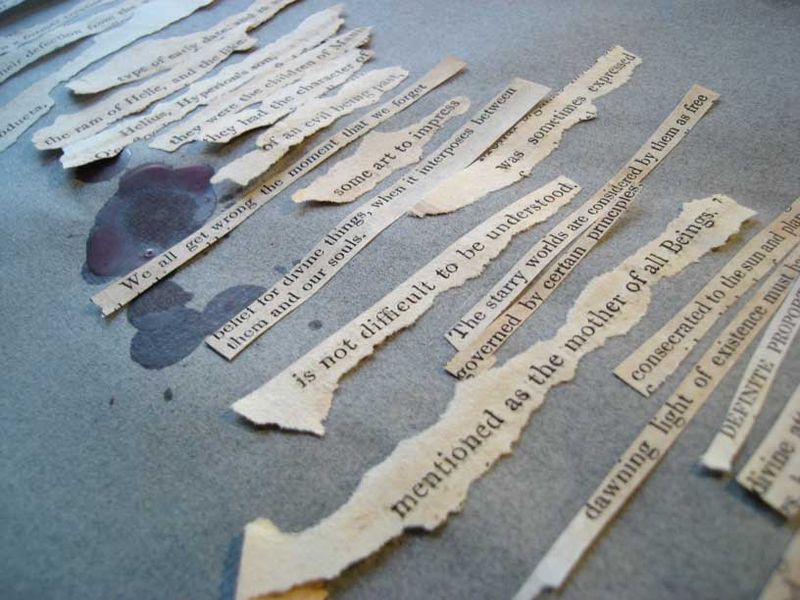
    According to his unpaginated journals, Mr. Norme’s pattern of poetic creativity and discovery involved removing all page numbers from the book he was reading and then choose a number of the “poem lugs” at random.  He would then reverse the number, go to that page of the book, and then add the page number and go to that line of the book, and tear out the number of words as indicated by the page numbers ending numeral.  The bits would then be assembled, and the page numbers glued to the walls of his house.  (We estimate that there were some 60 million page numbers glued to all surfaces of Mr. Morme’s home.  The house itself has been purchased by the Museum of American Art, a full room of which will be on display in that museum’s Outsider Art collection in the Henry Darger wing.)


    Weltin--norme 

    Mr. Norme found poetry everywhere he found it, seeing in the simplest verb the most compound noun; even when the poetry seemed not to find an external logical sensate, the internal phi-correlated word relations played in the mind behind all phases of knowledge, an unheard neuro-music that encapsulated the idea of unknown “correctness” in the vision of the poem.


  • Hidden Scenes of The Last Supper within The Last Supper

    JF Ptak Science Books    A catalog entry for the Museum of Imaginary and Impossible Things

    The History of Miniature and Sub-miniature
    Recurring Last Supper Images in the Images of the Last Supper

                                           The Scrote Collection

    Barent Scrote (1835-1940) , founder and
    self-scion of the TumLand Cattle Company of Bnillings, Montana, began
    collecting images of The Last Supper following his
    near-death-near-starving experience in the great Mountain Freeze of
    1883. Finding the images “calming” and “filled with food”
    and “complete with knives” Scrote managed to accumulate 610
    paintings of what many consider and believe to be a sacred scene. The paintings were of varying talents and articulated non-artist
    copiests, but they were all, indeed, old.

    Following the killing
    winter of 1886 Scrote lost most of his cattle and changed his
    interests to sheep, also changing his collecting habits from The Last
    Supper
    to Implements of Eating Used in the Last Supper.“My
    narrow interests narrowed, and the entire scene became less
    interesting, so I focused on the table, until the table itself became
    boring…that’s when I became interested in the utensils” (this from
    the unpublished memoirs of Barent Scrote at the American History
    Center of the University of Montana, Billings).

    The extraordinary
    development within the subcategorization was Scrote’s enormous
    discovery of separate, single, miniature, stand-alone duplicating
    images of The Last Supper found within the very painting of The Last
    Supper
    . Scrote discovered the dual images of the great event while
    microscopically surveying the roughly one acre of table-tops that are
    represented in his Last Supper Collection. Though most of the
    images were extremely difficult to recognize, some were bafflingly
    obvious but unrecognized. On display in the museum is  one of Mr.
    Scrote’s most prized possessions, the
    Horror
    of the Obvious Duplicating Last Supper

    engraved by Boot Day in Amsterdam in 1724. “It is magnificent to
    see the secondary Supper in its obviated presence and invisible
    glory, having stood the test of standing time, being unrecognized as
    a duplicating Last Supper for 350 years. It is a triumphant feeling,
    sometimes, to make a discovery in the obvious”.

    Mr. Scrote wrote sparingly
    and convincingly of his discovery and observations, including, for
    example:

    • “Dual Nature of
      Miniature Last Suppers with the Last Supper (Major)”, in Horn n’
      Rip Magazine, a Magazine for Readers
      , vol 2/1, pp 1-3, Helena,
      Montana, September 1890.
    • “The Case of Missing
      Table Ware in Dual Mini Images of the Last Supper…SOLVED”, in
      Wrting and Writing, vol 2/2, pp 23-24, Billings, Montana,
      August 1891.
    • “Microscopiscal
      Semiworlds of Newly Discovered Third Dual Mini Last Suppers in the
      Works of Herrn Pieter Doeshc of Vleland, the Netherlands”, in “My
      Own Writing
      ”, Silver City, New Mexico, vol 1/1, pp 1-2.

  • Borges in Reverse–Diary Absolutists of Everything.

    JF Ptak Science Books  Quick Post in the Series on the History of Need.

    There are diarists who record everything that happens and everything that they do during the course of a day. The diary entry is not a simple line or two of waking and seeing the morning sky–it is one that records the number of brushstrokes of the toothbrush, the amount of water used in drinking, the amount of time the tea steeps, the sound of the spoon on the saucer, how the cookie crumbles, and so on–and this all in the first half-hour of being awake. 

    By necessity then people like this would be trapped in their own terrifying need to record their actions; having an adventurous day imperils their sense of balance and the ability to record the event. The course of the day is lost to the record of time, and it is as if whatever happened that wasn’t recorded never happened at all.

    Marey paces of horse
    The less that is done, the better, insofaras it would be easier to record and capture. On the other hand, though, that allows for more time to be spent on the diary description of the moment–not only the number of toothbrush strokes, but also the reflection of whatever appeared in the sink bottom, or what besides the face was seen in the mirror, or how many rice krispies were in the bowl, and so on.

    In such cases, going outside and becoming a witness to the rest of the world’s event would be impossible–even a stolen glance through a venetian blind could dictate a 30-minute entry.  The less to record that there is, the more recording of the lesser events could be made.  As with Dr. Zeno, there really never is nothing to not record. 

    Its a scary thought, a life lived in an anti-Borgesian library like that, getting pulled closer and tighter into nothing.  Well, its that, or it is a more zen-like observation of the world around you.  Either way, the diarist is tied to a bad destiny. 

    There are probably many variations on this theme:  people who must record everything that they purposefully look at during the day, or record everything that they hear but cannot see.  I imagine that there is someone who can look at  a notebook of drawn footsteps to see how their feet were placed in relation t the earth for every waking minute since 1965. 

    Its a crushing amount of nothingness.  Unless of course that nothing was everything. 

    Marey paces o fhorse vertical
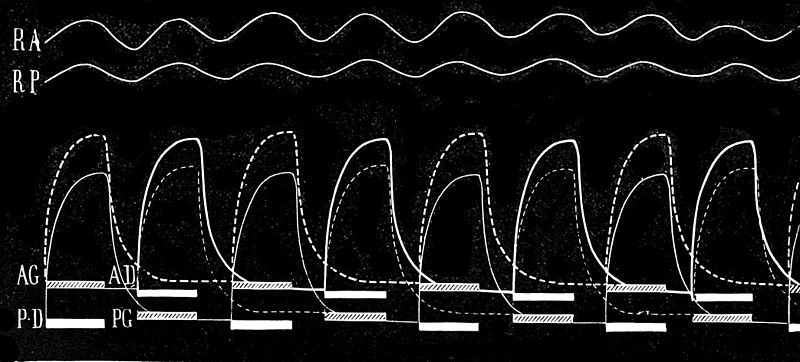
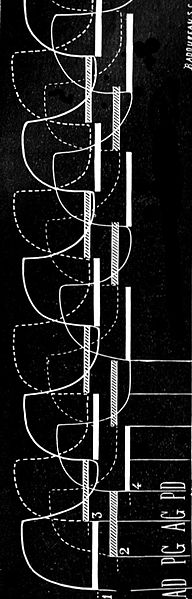
    [These images are really early and very impressive efforts by Etienne Marey in recording the pace of a horse, as seen in (Etienne Marey), “The Paces of the Horse”, in Popular Science Monthly, December 1874–they have nothing to do with human locomotion.


  • On the Visual History of Silence, Chapter 17: Mapping the Silence of Housework in 1925

    JF Ptak Science Books  Post 1888 [An entry in the Museum of Impossible and Imaginary Things series.]

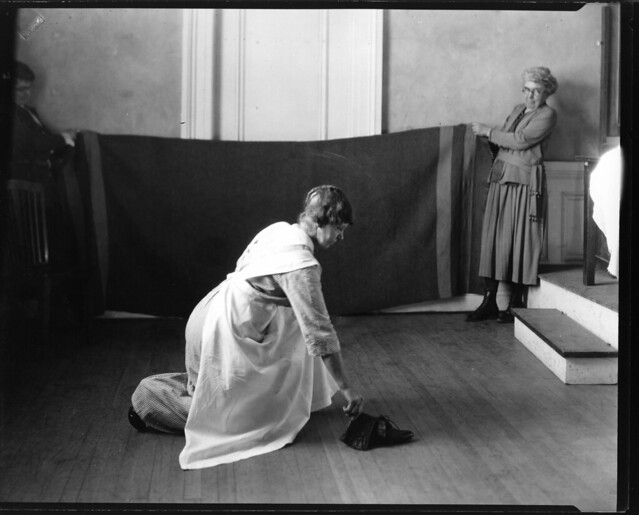
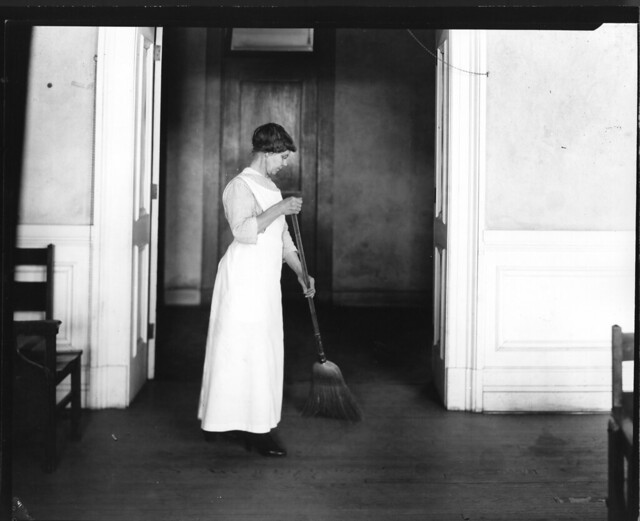
    I found this lovely series of images at the fantastic Public Domain Review blog–I was very and instantly taken by them, as they immediately suggested themselves to repurposing. (They were truly meant to illustrate the proper posture of the domestic worker; but now of course they are open to vast interpretation, creative speculation, and mild fantasy.)  To this observer their original insistence is gone, even at an historical micro-level (except for a history of housework):  they aren’t so much an illustration of housework and the postures by which a person would conduct them, but as a map of the silences encountered in the daily cleaning of a house.  It is all fiction of course, but the photographs do have an overwhelming sense of beckoning silence to them, even in their depiction of motion–even though they are a series on dealing with proper movement, they all seem strangely static, like marble.

    And so they become a geography of house-bound silence, made by silent geographers, capturing moments of silence in moments of near-silent work.  And if I was the one compiling these geographic interests (and I might as well be), I would want to position the five greatest house-silences so that they could be found once again.  And so:


    Location 60: back stairs, beyond kitchen.

    Sounds and silence: olympic kneeling done in pursuit of dusting invisible pollens from floor. A very quiet Shaker step waits in the background. It is mostly the silence of the whitewashed stair that commands this image, and not the diligence of the dust.


    Location 32: kitchen entry/semi-hall.

    Sounds and silence: Old uncovered wooden floor and oak-handled broom, well-polished leather boots with new heals.  The silence is that which comes after the light sweeping is finished is the elusive “great grandmother sound” of satisfied work being completed.


  • The Museum of Sunrises

    Item 38 in the Exhibition Catalog for the Museum of the Imaginary and the Impossible.  

    See some of the other entries including:

     An Episode in the History of 20th C Art: Color-by-Number Noses, 

    Picture Dictionary of Extinct Semi-Luxuries, Part 1,

    NYC Miniatures, Glass Diaries, Cannon Alphabets and the Bio-Secrets of Sing Sing

    The Stolen Convict Letter Collection


    The Museum of Sunrises

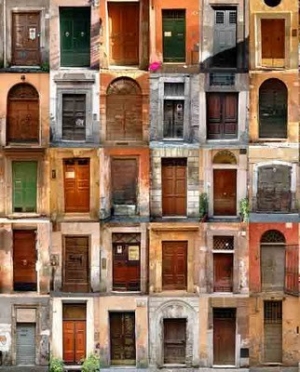
    Doors[Detail of one section of the installation]

    •  Imagist: Jorge Rugsis Loeb.   Artist of installation: T. Barnaby
    • Installation: 75’x6′ wall, into which are placed 4”x8” doors in 116 rows nine doors high, arranged at 4” interevals from 3′-6′ from the ground. The doors cover foot-deep shadowboxes.
    • Construction: wooden frames with miniature antique wooden doors

    Small environments constructed from samples of the sunrises collected via photography by Jorge Rugsis Loeb (1911-1982). Mr. Loeb made photos of the sunrise every day of his life, no matter where he was or what the condition, a photograph was made just at the moment of sunrise.

    The images were collected by the Museum at the bequest of Mr. Loeb, who had decorated his Croton-on-Hudson home with images of every sunset in his life, beginning when he was 12 years old.

    Mr. Loeb possessed an excellent memory for every image, though when pressed he admitted to “not liking” sunsets. “At the end of the day, there is always this” he would remark, gesturing at his sunrises. “I only regret that I didn’t begin earlier. In life. I enjoyed the hour before sunrise, as there is no more perfect hour in the day. Anyone can do a sunset–after all, you can’t have one without a sunrise.”

    The installation will be on display until December 23, 2012.

    –With thanks to Eric Edelman, sunrise specialist.


  • An Episode in the History of 20th Century Directional Art: Color-by-Number Noses.

    JF Ptak Science Books  Post 1056   (First post in our History of Noses series)

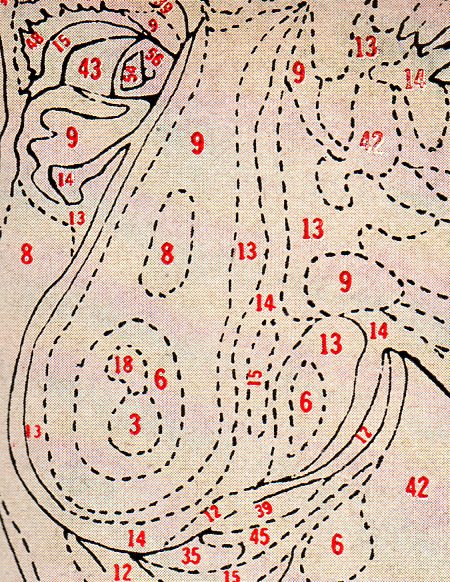
     There is an entire dictionary of explanations for this odd image (appearing in LIFE magazine for 14 September  1953). Here’s a candidate launched from this blog’s Museum of Impossible Things department:  the photograph accompanies  a newspaper clipping from the Library of Congress’ Newspaper Clippings Collections!, an above-the-fold front-page obituary for a man with an unusual obsession, as follows:

    Noses
    [Source: Obituary from the Stationary News, from At, Texas. ]
    <clip> “The Mystery of the Secret Painter of At, Solved!” <clip>

    “Gileless, Newton. After a long illness of undescribed origin and affect, Mr Newton Gileless, at home. Newton was born in Aint, Texas before moving to At in 1916 “to get away from the negativeness”.  He had few friends and distant neighbors, and was fond of keeping overturned muffin-stuffed cowboy boots on his fence posts. He donated hard pancakes to the bench-sitting old men down by the Rexall, and kept a large box at the Post Office.”

    “Mr. Gileless’ prime mover of community interest was his secretive painting practices. For decades Mr. Gileless could be seen scurrying around town, or at in the fields, or along the dusty roads, or at the stream near the peach trees, carrying a large easel with a canvas attached with yards of “paintin’ rope”..  He could be seen painting but only from a distance, as distance of quietness seemed the enabler for his painterly ambitions. The object of his interests was not known”

    “Mr. Gileless’ estate was left to Bo Tanger, the regional coroner, who administered the last wishes and who revealed the close secret. “I finally got to see what Newton was painting”, said Tanger, “and its odd, even for here, where people’s business is their own in private, and his was public-private”. 

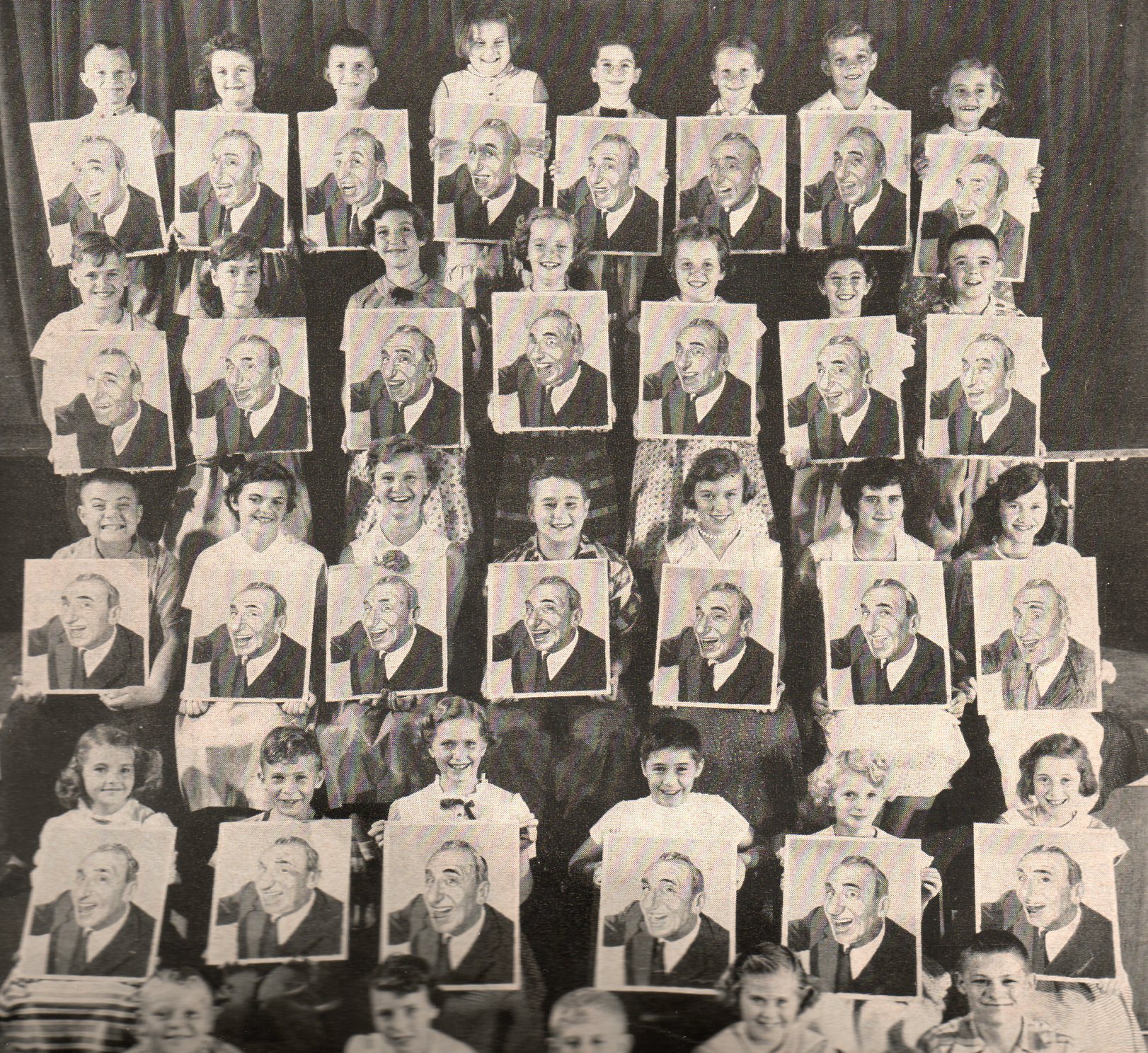
    Durante--big pic127

    [Photo:  2nd grade class with their happy bequest of Mr. Gileless’ artwork at At, Texas Primary School.]

    “Mr. Gileless’ continued artist pursuit was painting Color-by-Numbers portraits of Vaudevillean, comic and movie actor Jimmy Durante. There were more than 6,250 of these portraits found in Gileless’ barn.  His will instructs (and provides the funds for) their distribution to ‘as many good Texan second-graders as possible.  Yes.’  And so it was this that Mr. Gileless was painting in his secret painterly way, painting again and again, hoping for the colors to improve with exposure to different surroundings, especially and evidently en plein air.”

    “When overly prompted on the mysterious Durante muse, Mr. Tang responded: ‘Well sir, I don’t know.  But Durante has showbusiness’ biggest nose, and Mr Gilieless had but a scant smidgeon.  Maybe it was soulful envy.’ ” –Buck Smeal for the At Tattler Texas, 1 September 1953.

    Notes.
    1.  The Library of Congress decided in the midst of a space-saving fit to save only “necessary” bits from its newspaper collections and to discard the rest.  “We aren’t Mr. Borges”, one library staffer volunteered, “and we just thought that all of the other challenged stuff had to go”.  The Library’s reduction removed 92% of the newspaper collection “bulk”.  Another source said that “if you look at it in one way, what we dumped was mostly nothing, ‘cause the printed page is mostly white space and unused”.


  • Picture Dictionary of Extinct Semi-Luxuries, Part 1

    JF Ptak Science Books LLC  Post 1016       

    Luxury for the not-wealthy, the luxuries of the working classes, is a relatively new invention in the West.  Virtually unmolested except by the aristocracy, “luxury” was a thing defined to exclude nearly everyone in Europe, the United Kingdom, America and virtually any other place.  Not until the second Industrial Revolution did capital become more “absorbent” to those working for it, with the working classes allowed to be paid more and keep more of it–money in the hands of the mass of society became expendable on the stuff of life that wasn’t necessarily “necessary”.   This picture dictionary–collected but not assembled by the social muse and graphical strategist Malcom Mumbry (of Landrum, South Carolina, working-class neighbors to the wealthy in the horse country of northern South Carolina)–displays some of the many new luxuries of the 1880-1920’s period, most of which have now been lost to the dust and short memory.

    The images are beautiful and unusual–their content may be even more so, and generally unexpected and–occasionally-unimagined. We’ll be making posts to this site until we can construct a few representative alphabets of lost luxuries–their initial presentation will  not be made alphabetically.

    H     Hat Ennui.  


    1-apr 29--luxury--hat ennui

    By the time this photo was made in 1920 hat-need had surpassed itself to the point where only ennui could quench the continuing hat-thirst.  So much so as a matter of fact that Giles Rope, a French playwright, wrote and co-produced  (along with Guy la Flembeur) “Ennui Chappeu”, an absurdist work on the developing hat anti-lust.  Intended as a silent/violent statement against hat ennui, it became a pro-ennui sensation–not only did men want hat ennui, they evidently wanted to watch other men with hat ennui, as well. The play ran 85 weeks in Paris, 50 in London and 102 in New York, closing in 1926.

    H  Hats, Bologna

    1-apr 29--luxury--bologna hats 

    Perhaps a more unusual hat story in 1921 was the appearance of party hats for over-sized bologna.  The delicatessen standard was new in 1921, and in order to make it more somehow appealing to customers the bologna were dressed in large, flat-brimmed party/sun hats.  By 1922, bologna hat racks began to appear in some eateries; by 1923, the hat craze was over, and bologna had shrunk. 

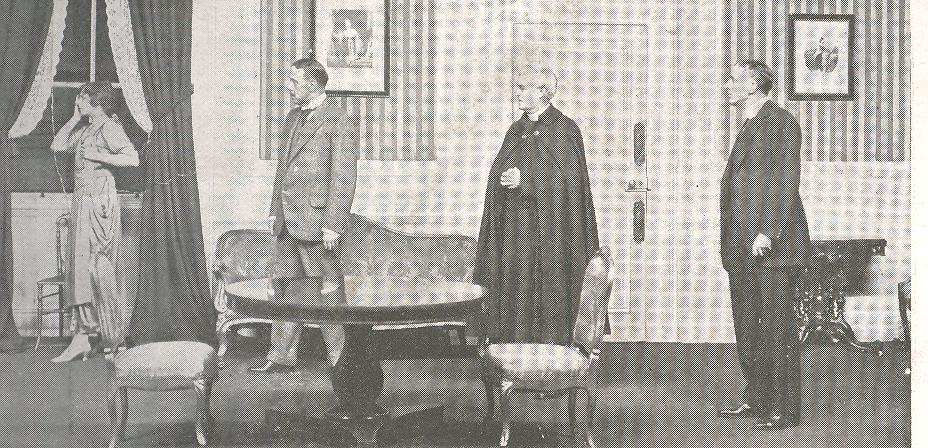
    S  Sob-watching/sob-watchers

    1-apr 29--luxury--sobwatch
    The somewhat wealthier classes were offered a short “Exclusive Hirelings” pamphlet by Bent Gruel Company (of Chicago),  where well-dressed “Attendants” could be hired to “engage at a distance”. This amounted to polite watching–interested parties could now hire one (or more) of Gruel’s sophisticated cadre to “attend to the visual needs deserted” of people in joy or crisis so that whatever it was being experienced was now not necessarily experienced alone. (In the above scene a client has hired three men to equidistantly observe her weeping by a painted window.)

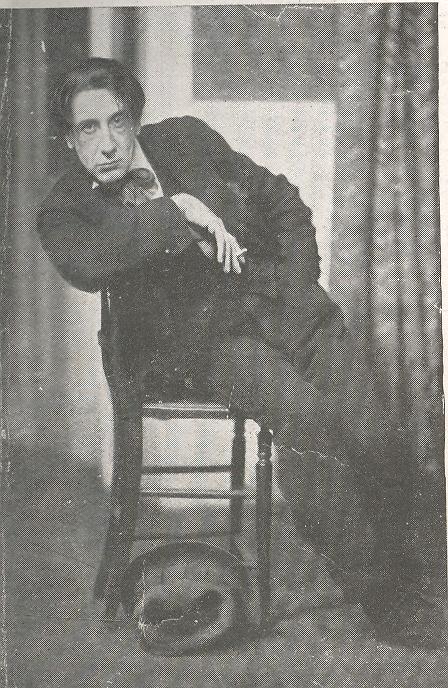
    M   Maid Fainting

    1-apr 29--luxury--maid fainting

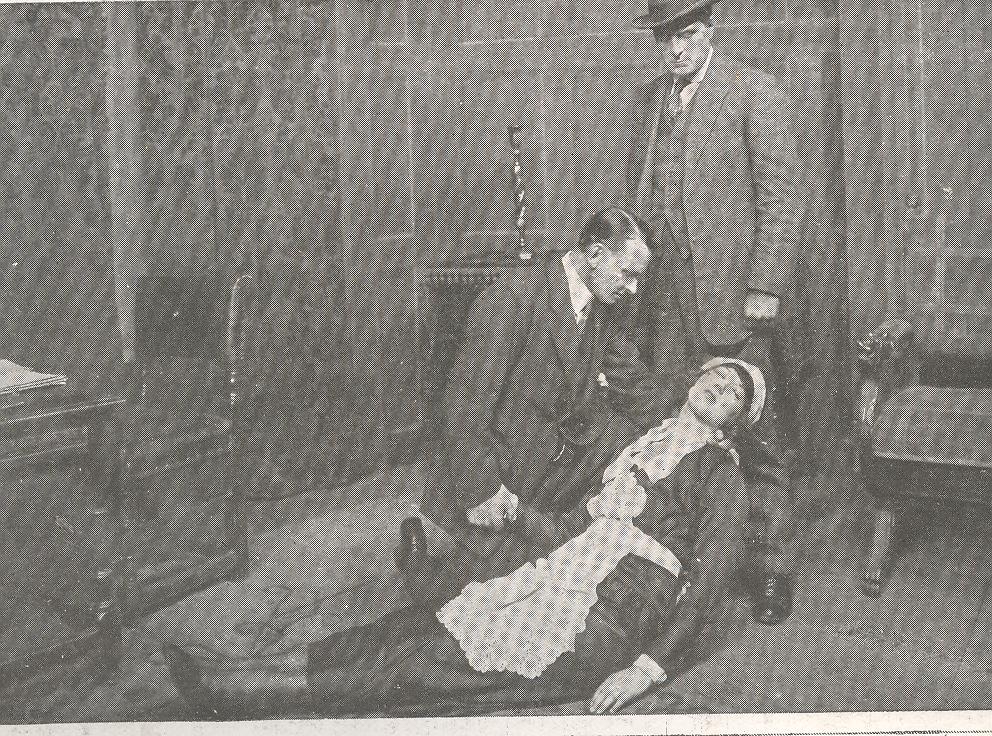
    For the millions of Americans who were newly affluent in 1925 but not affluent enough to afford a fainting maid that they could attend to came the Maid Fainting Society Inc of America.  Bonded in 15 states, MFSA sponsored overseas maids to faint in good American homes.  They were hired out at $4/hour (a handsome hourly sum in 1925), the fainting maids being allowed to keep half.  In 1926 a sub-cult of Extra-Tall Fainting Maids was born (an example of which is picture above), and provided an income to thousands for several years.  (One of the last silent films ever made, Fainting Maid Maiden, with Clara Bow, 1944, used this phenomenon as a basis for its story; by that time however the craze had passed, the war was on, and no one cared anymore for silent films about fainting maids.)

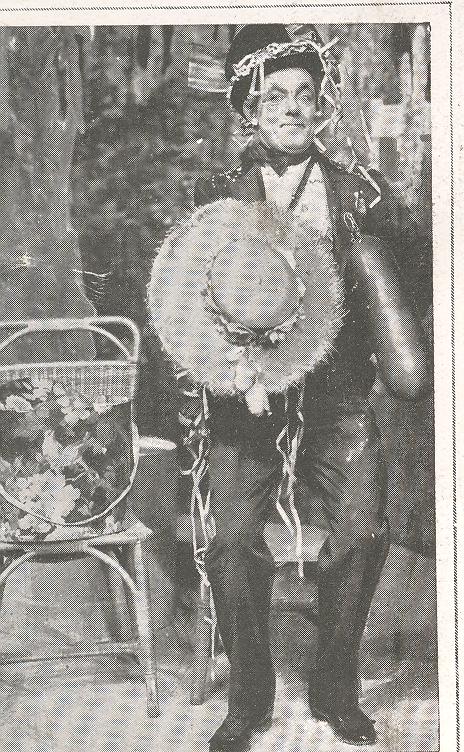
    C   Cigar Cane Rentals

    1-apr 29--luxury--cane
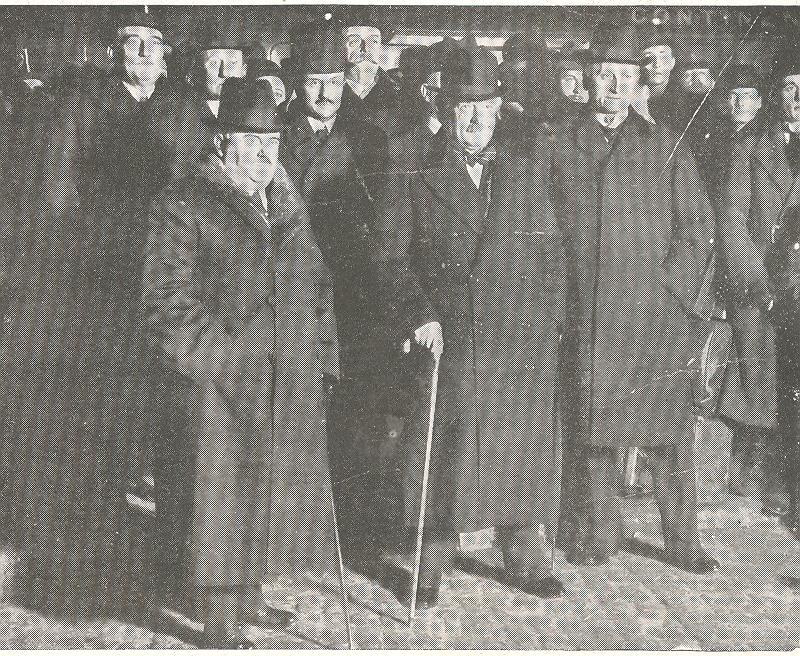
    An excellent example of an extinct semi-luxury that was almost entirely based in England and which never caught on anywhere else in the world was cigar cane rentals.  As seen in this photo (made in London in 1922), well-intentioned better-clothed country pensioners were brought into the city and made to pose with their renter canes.  Wooden canes evidently deprived Londoners of a “cigar aromaticity” need that was fulfilled with these canes made of cigars.  The short craze lasted for about 15 months, during which time better than 500 cane renter holders were stationed around London at walking parks on any given evening.  It was an essential part of care rental to do so on brick, as the cigar cane tip made a distinctive sound  (a harley-like individuality if you may), which was enjoyed by the renter and the non-renter alike.  AS we can see in the photo above, nearly all of the cane renter men have already rented their canes, pushing the last two men with canes to the front for greater visibility.  

    –end, Part I