A Daily History of Holes, Dots, Lines, Science, History, Math, Physics, Art, the Unintentional Absurd, Architecture, Maps, Data Visualization, Blank and Missing Things, and so on. |1.6 million words, 7500 images, 4.9 million hits| Press & appearances in The Times, Le Figaro, Mensa, The Economist, The Guardian, Discovery News, Slate, Le Monde, Sci American Blogs, Le Pont, and many other places… 5000+ total posts since 2008.

  • Flying Wing Aircraft, 1930

    JF Ptak Science Books LLC  Post 919

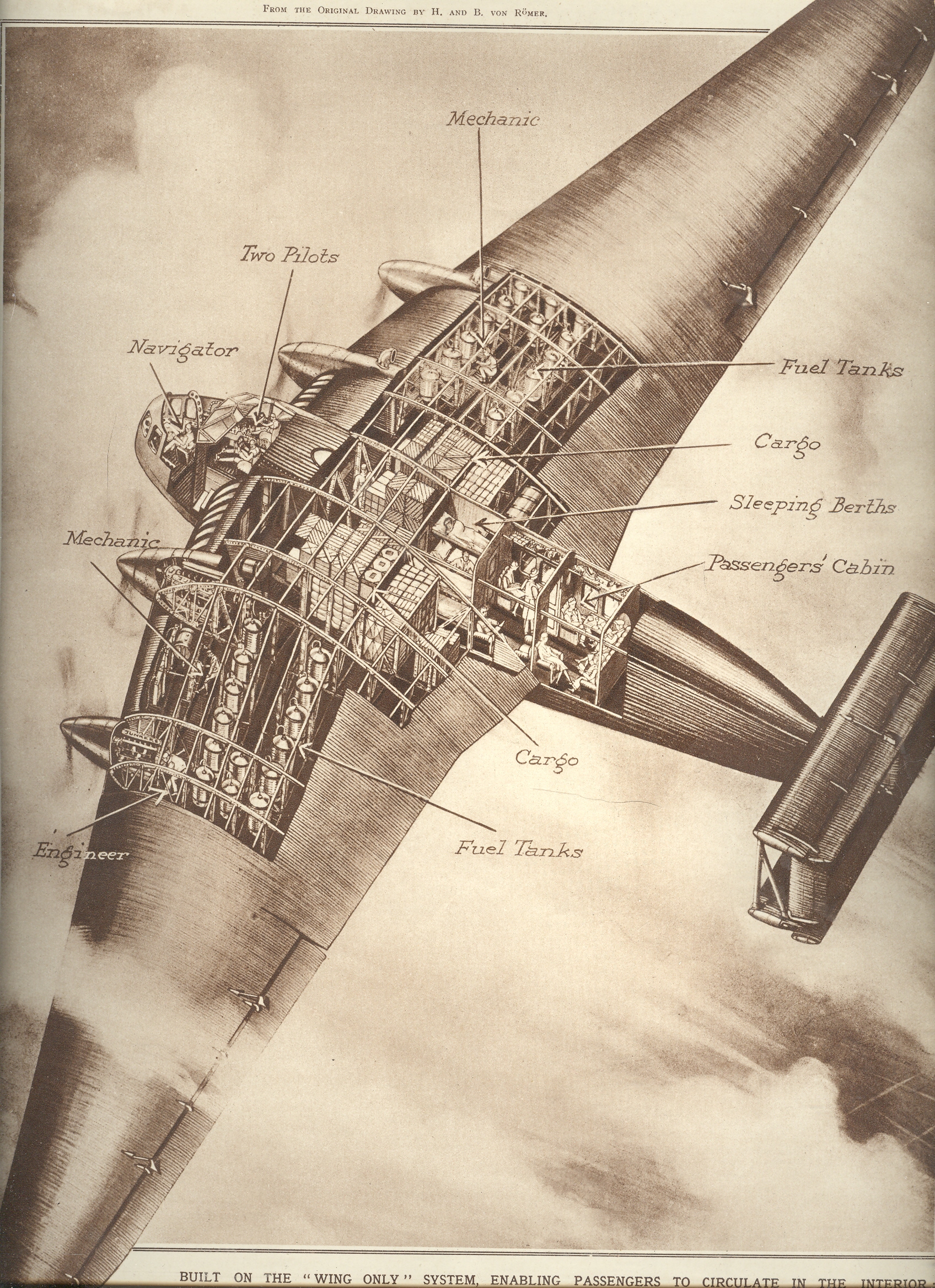
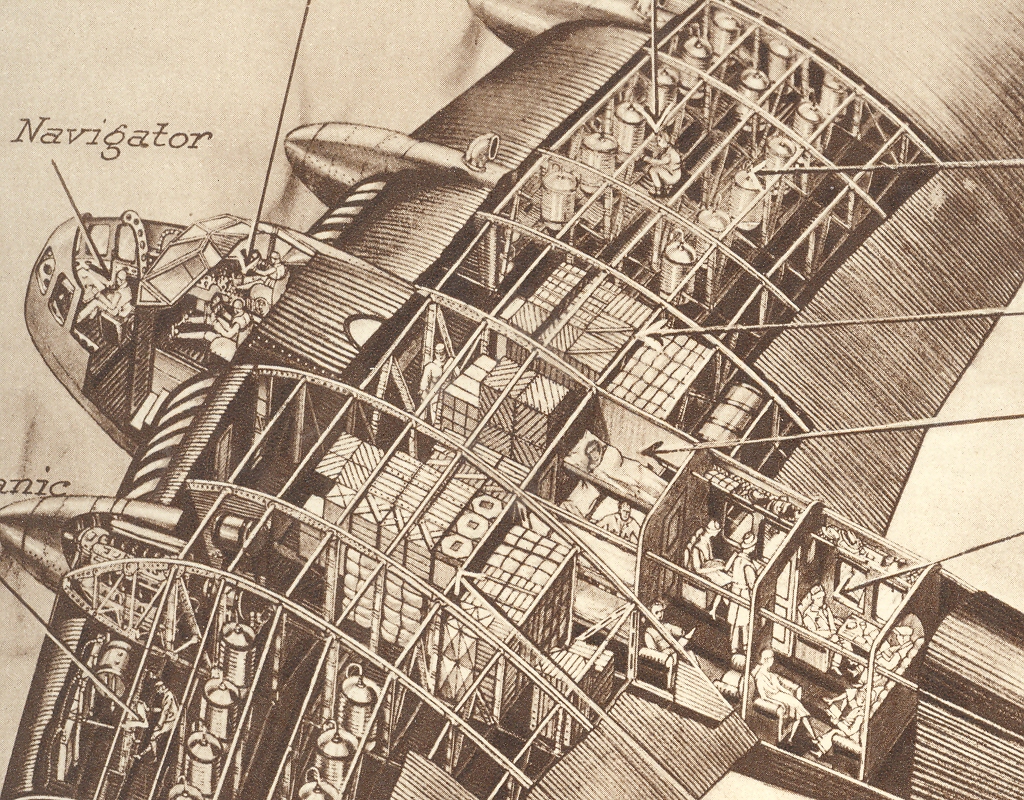
    Blog jan 24 flying wing det title What can I say?  I just like the flying wing. Also I should point out that the Illustrated London News is an excellent resource for schematic cut-aways like this–I think that I have 125 or so of them here for the 1910-1945 period.

    Junkers built this fabulous flying (“inhabited”) “wing only”
    aircraft, sending it up for commercial service in 1929 as the largest airplane
    in the world. Only two were built (though a Japanese military knock-off ran to a production quantity of six), and I imagine that it was quite expensive making the Berlin-London flight, cruising in around at 109 mph.

    Blog jan 24 flying wing

    I would like to know what the artist was thinking about when he decided to draw a standing man in the sleeping compartments. Not only that, the fellow is looking straight at the artist…perhaps it is a sly, tiny self-portrait?

    Blog jan 24 flying wing man

    Blog jan 24 flying wing det


    Notes


    1.  Plane specifications:

    Crew: Seven (including a full-time engineer who could
    service the plane’s four engines from inside the plane).

    Capacity: between 30 and 34 passengers, depending upon
    variation of the aircraft.

    Length:  75 ft

    Wingspan:
    144 ft

    Height: 23 ft

    Wing area: 3,122 sq ft

    Empty weight: 32,893 lbs

    Loaded weight: 52,900 lb

    Max takeoff weight: 46,826 lb

    Maximum speed: 140 mph

    Cruising speed: 109 mp

    Range: 2,150 miles

    Service ceiling: 12,100 ft

  • Killing London with the Future: City Planning with the Bressey Report, 1937

    JF Ptak Science Books   Post 920

    Sir Charles Bressey
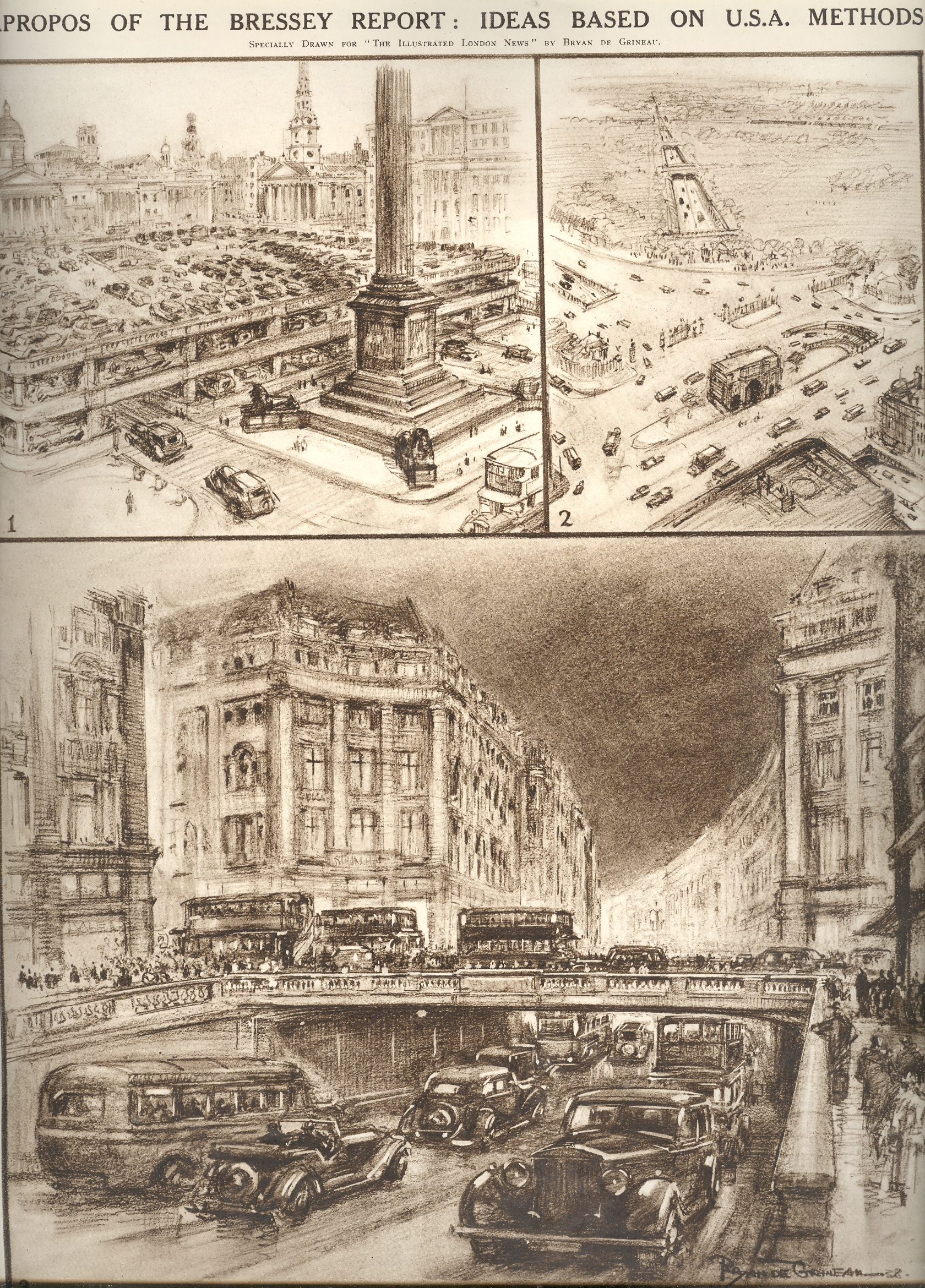
    didn’t really try to “kill” London, of course, though parts of his Greater London plan for redirecting and accommodating increasing vehicular traffic certainly would’ve destroyed some great beauty had some of his suggestions been implemented.

    Blog jan 25 traffalgar

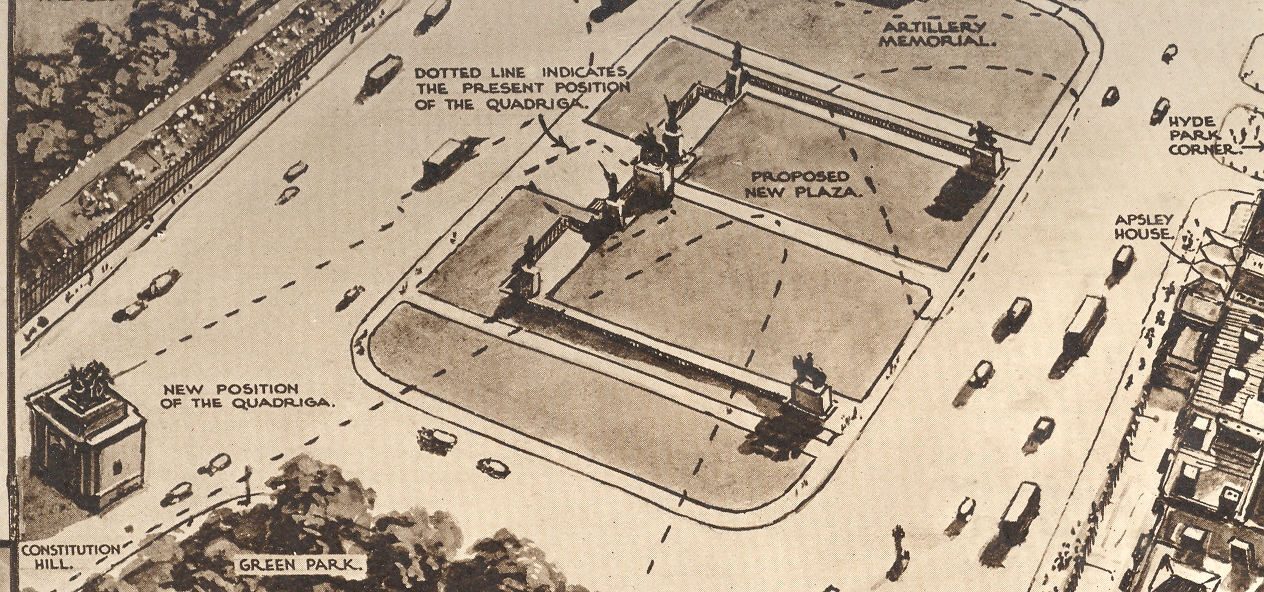
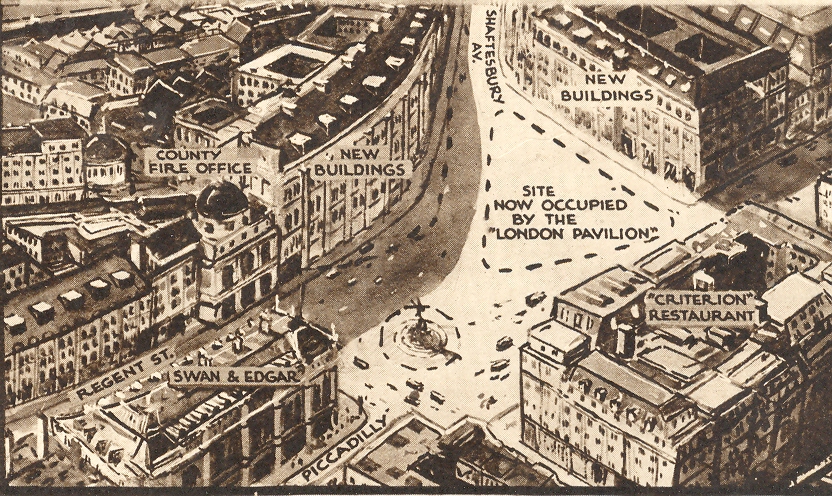
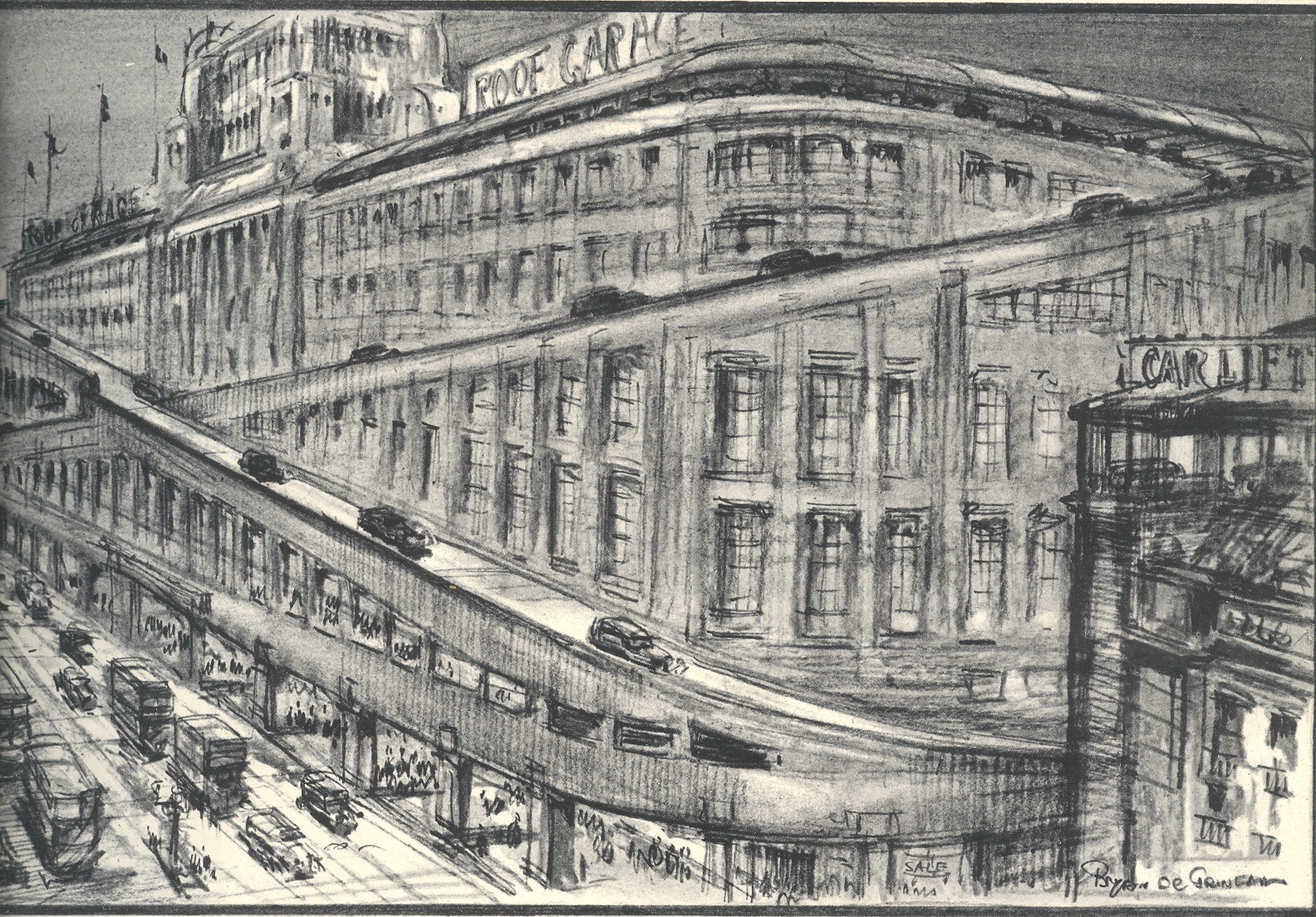
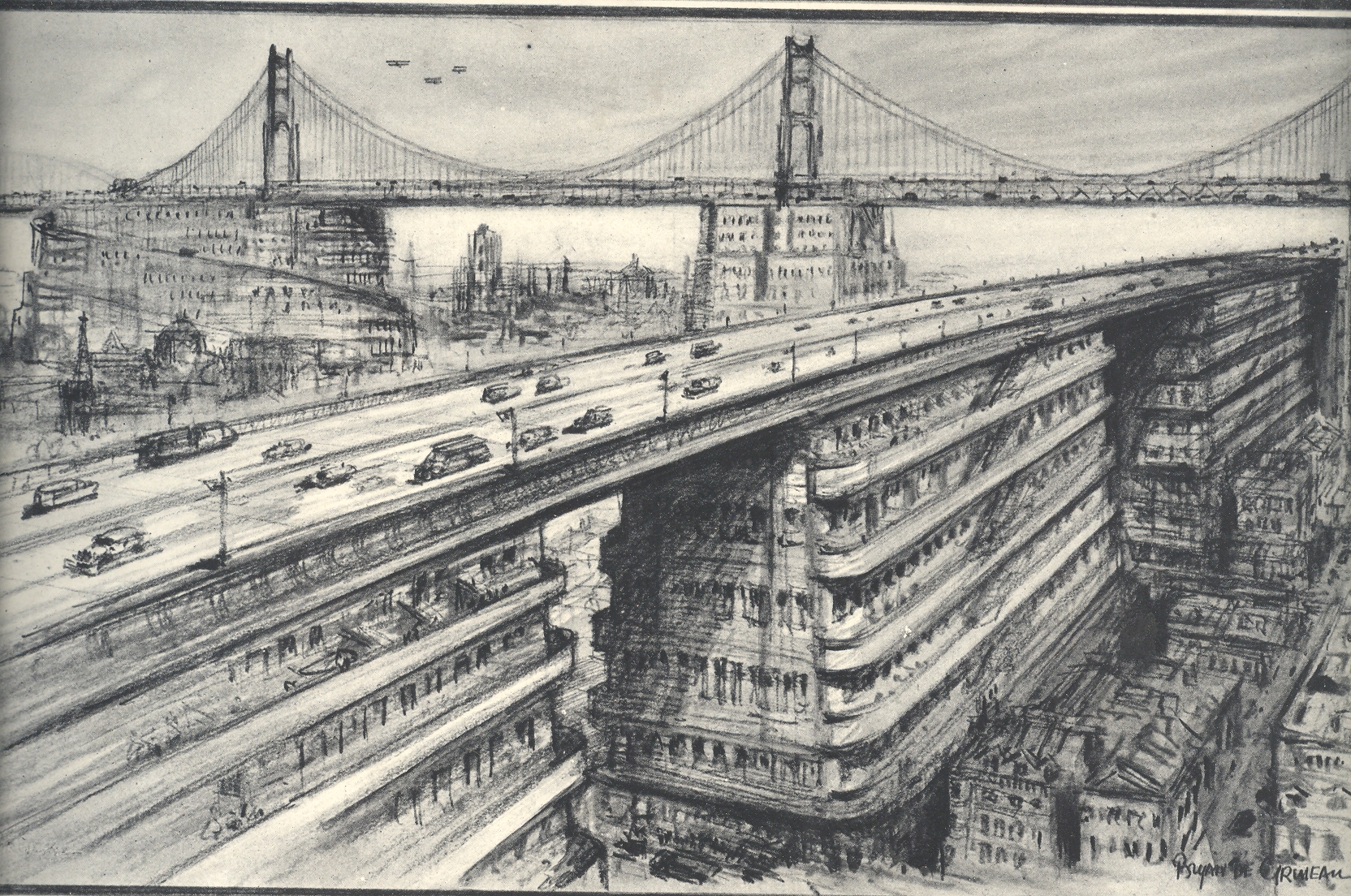
    I have no doubt that Sir Charles was on the right path to something, here and there, but all I have access to regarding his work appears as an article in The Illustrated London News (28 May 1938), and much of it looks like a absurdo-horror/sci-fi setting for a film by Terry Gilliam or Tim Burton.  I can hear the noise of this city, and it ain’t pretty:  a road through Hyde Park, floating pontoon car parks in the Thames, , elevated highways sitting on top of apartment buildings, removing Piccadilly “Circus”, removing the “park” part of Hyde Park, and so on.

    (Very slightly related is this post from 2008 featuring a self-defence plan that would semi-encapsulate London (1938))

    And so I’ll pass along these images of “traffic improvements” without too much comment, letting them speak for themselves.

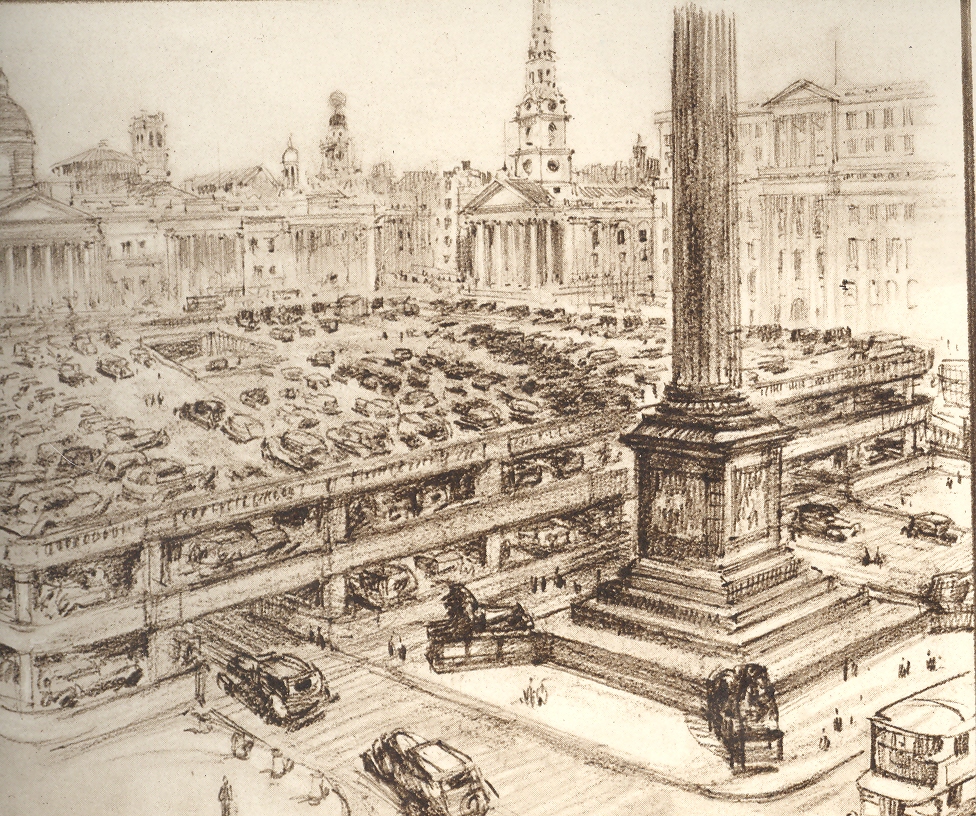
    Trafalgar Square as a triple-decker parking deck. (What can one say?)

    Blog jan 25 traffalgar det


    Hyde Park, with a semi-submerged road cutting through the heart of the place.

    Blog jan 26 lhyde park

    Blog jan 26 lpicadi circus 


    Blog jan 26 london bottom right

    Blog jan 26 london bottom left 

  • The Coming Sex War of 1919

    JF Ptak Science Books LLC  Post 920
    Blog jan 27 women votes
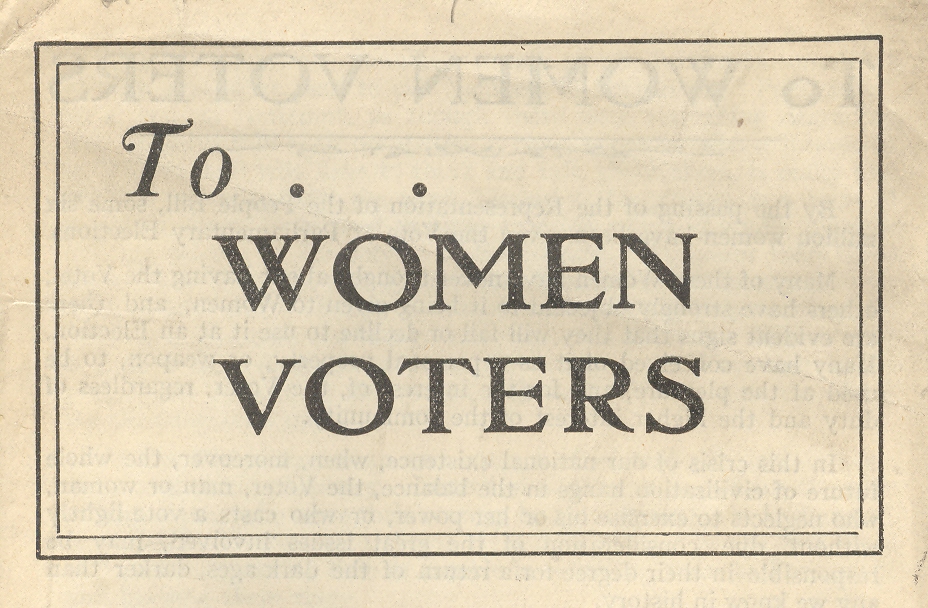
    This slight, four-page pamphlet was a flare to the newly enfranchised women of Great Britain1,  a very-shakily congratulatory bit with wide, sniffy overtones of vast male superiority.  The author takes the intended (female) reader at a very slow, almost-stopped pace about what voting is all about, turning down the rhetoric to explain what a vote “is”.  Not only that, but the following as well:
    “It seems, therefore, important to give as simply as possible a brief sketch of:
    (1)    What Politics are. [Politics is the Science of Government.] (2) The Duties of Citizenship. (3) Coalition Government”.

    Just because women got the vote (or partial vote:  they had top be over thirty years of age and have property or be
    married to a man with property; full voting rights devoid of property requirements didn’t come in until 1928) didn’t
    mean that they enjoyed a relaxation of their inferior social caste. The social consciousness of the status of women may have been slightly fragmented in 1918/19, but only enough to introduce them to the world of politics as you would a child—at least as far as this pamphlet is concerned2.

    But this work comes around a bit, retracting its insulting narrative somewhat by the end of the pamphlet, as what the writer really wanted was to snag a bunch of these women to vote for the Coalition Candidate, Mr. Lloyd George, in the General Election of December 1918.  Their votes were definitely wanted, and the need was addressed, if not without a little fear that women would retract themselves and form their won party. The pamphlet states:

    “If the Voters are mean and corrupt, they will get what they deserve…There is a movement among women at the present time, especially among those who were most active in working for the Vote, to refuse to join any of the old political Associations, but to form a Women’s Party or Federation of Women. Such a step is to be very much regretted, for it will certainly lead to a sort of sex war, men and women being divided into opposite camps, each fighting for their selfish ends.” 

    Assuring women of what a “vote” and “politics” are, and demanding that the priorities of “women’s political parties” would lead to a “sex war”, the author blandly asks his (!) readers to vote for Lloyd George.

    Notes

    1. The countries granting partial or full voting
      rights to women prior to the U.S (1920) include:  New Zealand (full voting privileges),
      1893; Australia, 1902 (partial); Finland, 1906; Norway (able to stand for
      election); Denmark (1915); Iceland (1915); Canada (1917); Austria, Estonia,
      Georgia, Germany, Hungary, Ireland, Kyrgyzstan, Latvia, Lithuania, Poland,
      Russian Federation, United Kingdom (partial) (1918);  Belarus, Belgium , Luxembourg, Netherlands,
      Ukraine (1919); Albania, Czech Republic, Slovakia, United States of
      America (1920).
    2.  As
      beautiful a thinker as
      Darwin
      was his mind regarding women of the mid-Victorian age was pretty modest,
      treating his own wife as a sort of advanced child.  She never did get a key to the key
      cabinet at
      Downs…

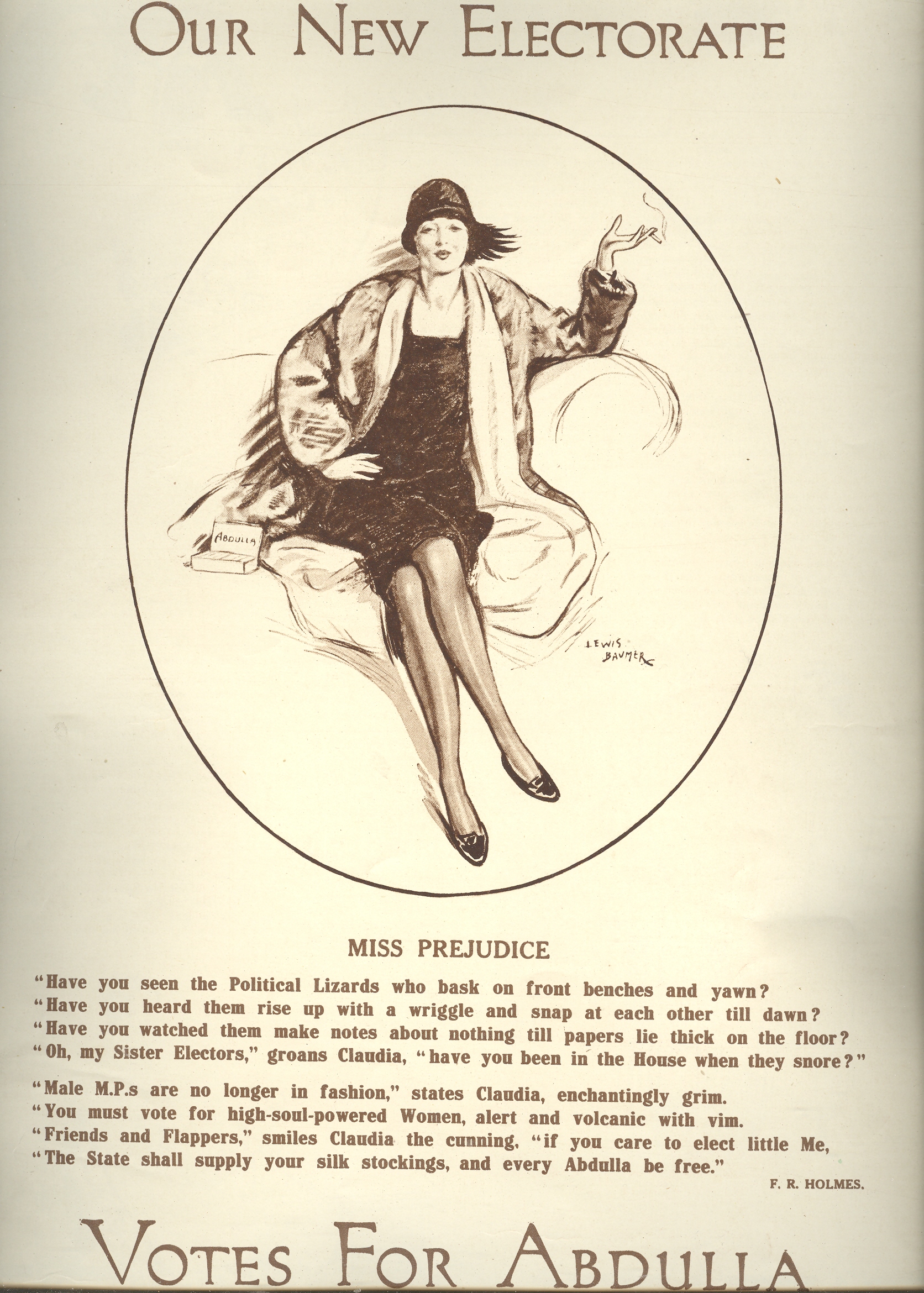
    (I should point out an earlier post that I made about the coming equality of women in voting and lung cancer, “Deathly Equality: Liberty, Lung Cancer and Women’s Rights“.)

    Blog--june 23 electorate

  • Boullee, Lequeu and Ledoux: Reposts of Two Musical Slideshows

    JF Ptak Science Books LLC  &   Blog Bookstore

    (1) The Fantastic Self-Portraits of the Visionary Architect, Jean-Francois Lequeu

    I guess it is easy to want to call M. Lequeu (1757-1825 (?)) an outsider, though
    he was hardly that.

    He was an exceptional talent who was exceptionally well-trained (and who won
    the highest awards offered by his school), and started out in a staid and
    brilliant way, a successful draftsman in his own right, and student of
    Scoufflot, helping to design ancient-inspiration buildings for the super
    rich. He was at the pinnacle of the drafting trade, though not so on the
    designing end.  Along came the Revolution
    and away went his architectural career—he wound up a surveyor and a
    cartographer until his retirement in 1815, after which he enters social and
    historical oblivion, until he finally dies in total obscurity ten years later
    (or so, the date is unclear).  His post-revolutionary vision was as
    phenomenal as his success in selling his ideas were dismal.  Well, this is
    really a cheap shot—his imagination was shockingly large, enormous, his designs
    fantastic and beautiful, and completely unexpected, and they seemed to grow
    larger/loftier and more interesting as time wore away at him. But he was far in
    front of the curve so far as popular (public) opinion was concerned.  Even among the other visionaries of the time
    (like Ledoux and Boullee) it was Lequeu who staked out the furthest reaches of
    architecture, and also with great depth and virtuosity.

    I think that as Lequeu was cleaved away, cell by cell falling through the
    floorboards of his single rented room, he reached further into time and deeper
    into space than almost any architect of that hundred-year period.   I
    also think that he was very well aware of his genius being seen as pure
    eccentricity—his half-dozen or so self portraits are among the most reaching
    that I’ve seen (in the pre-modern era). 

    If Lequeu’s visions existed at all in the world of French architecture it
    was in the Deep Underground—a place that he may have founded.  He was certainly, at the very least, its
    geologist.

    His
    self portraits are striking, but perhaps not so much more so than those
    by Rembrandt–he was certainly exploring modes of expression (Raphael’s
    series of engravings on the emotion of the human face is a good example
    of this study)–Lequeu though seems to always manage to suggest that he
    is an observed inmate somewhere.  There is a great undercurrent of
    “otherness” and great remove to them–something that makes places the
    self portraits into a different–empty, lonely–class.

    (2) Etienne Boullee, Images with Music

    I’ve been collecting images by some of  the great, visionary
    architects of 18th century France:  Etienne Boullee (1728-1799),
    Claude-Nicolas Ledoux (1736-1806) and the semi-impossible Jean-Jacques
    Lequeu (1737-1825).  It was a tough time for these architects to see
    far into the future at the time of the Revolution, as people who were
    even less deserving than these men lost their heads.  In any event I’ve
    compiled a short three minute video exhibiting some of their works,
    using the music of Wim Mertens for Peter Greenaway’s love poem to M.
    Boullee called The Belly of an Architect. 
    I couldn’t but help using this music in this context, sorry to say–it
    just goes perfectly with these images.  (Also, I’ve written about M.
    Ledoux here.)

  • How FDR Made Women (1) Nervous and thus (2) Older. An Appeal to Vote Republican, 1936

    JF Ptak Science Books LLC  Post 921

    Blog jan 28 protext women

    {This continues “The Coming Sex War of 1919“)

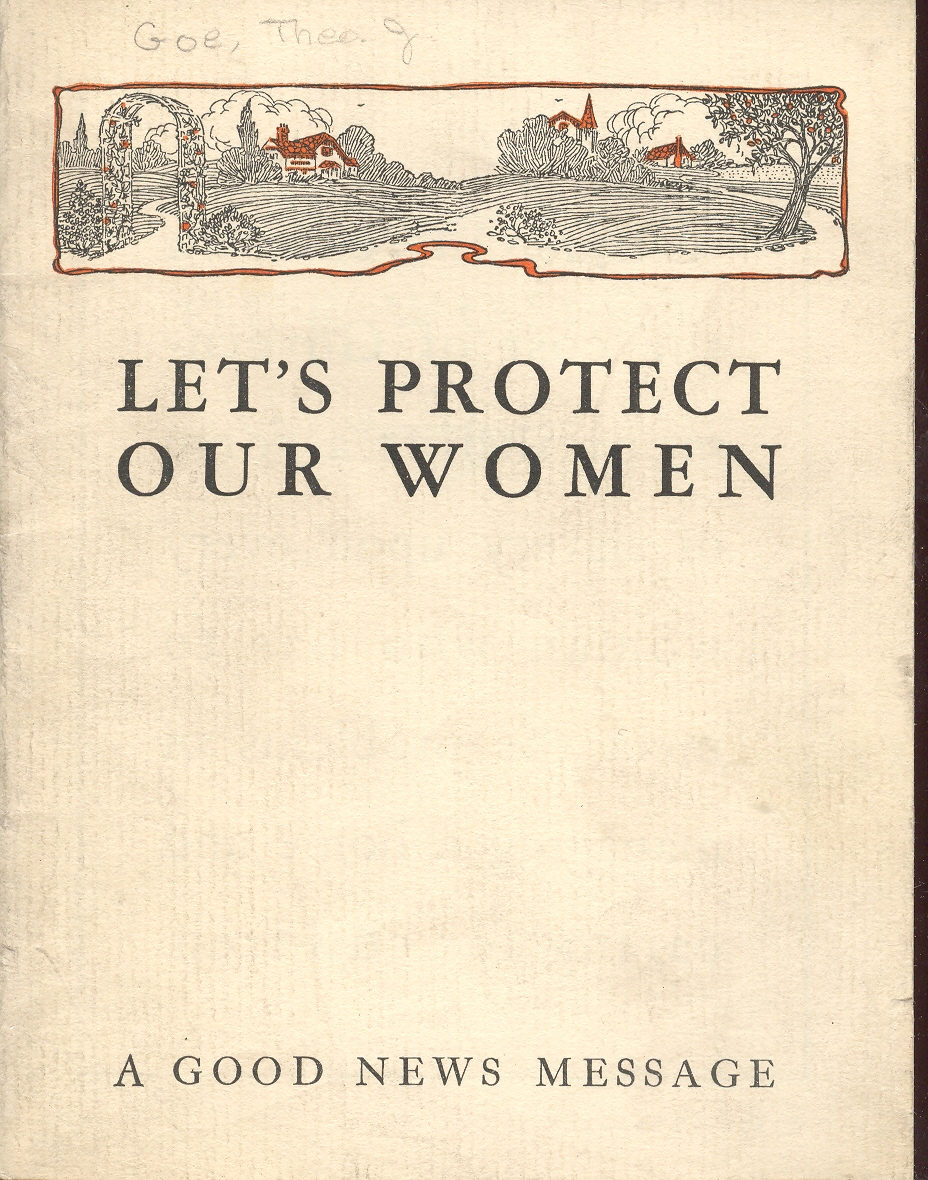
    Theodore J. Goe, the author of “Let’s Protect our Women”, must
    have been a synesthete, with the ability to smell the future.  My copy of this pamphlet used to be the
    Copyright Deposit copy, and is dated January 18, 1936, and what Mr. Goe was
    smelling were the winds of the November presidential election; and since he was
    a Republican—or at least an anti-Rooseveltian—what he smelled was outrageous
    defeat for his cause. 

    And so he wrote this elegantly-produced little oddness,
    trying to dip into the wellspring of the enfranchised female vote (just sixteen
    years old at this point), trying with fatherly will to scoop women out of the
    harmful ways of Roosevelt’s policies.

    The “protection” that women needed was for uncertainty which
    led to nervousness and which attacked their youth to send them into a slavery. The
    thinking here went sort of like this:  women were being attacked by FDR, who was “cruelly
    prolonging the depression” by not helping people with jobs, thus depriving their men of a fair wage which is what made
    women happy; without the “happiness” of a husband with a good job, “life
    becomes more serious than it should be”; this fights against “national
    influence which tends to rob [women] of their youth”, making women older
    sooner. And it was this premature aging that the women are to vote against in
    1936.

    Mr. Goe may well have been a crank, but to him and his
    readers this thinking might’ve made some sort of contemporary sense, after a
    fashion.  He did forget that women made
    up more than 30% of the workforce at this point, and had more sources of
    happiness and youth than a man with a decently-paying job, plus having a life
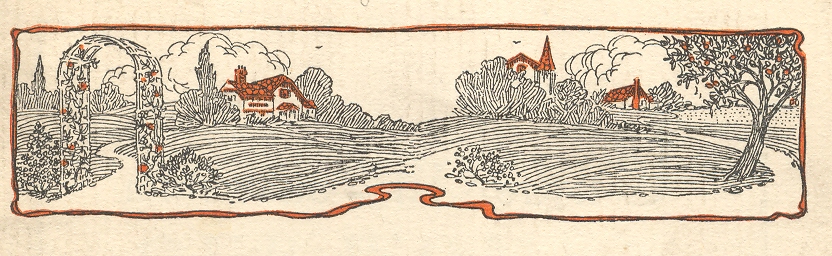
    and opinion outside of serving home/hearth/husband, but no matter. (This, by the way, is where Mr. Goe thought American women lived:)

    Blog jan 28 protext women det Women didn’t rush to aid FDR’s competition in the ’36 race,
    when Roosevelt redefined “landslide” by crushing
    his Republican challenger, Kansan Alf Landon. 
    There wasn’t any election like it since the two-party system became nationalized
    80 years earlier, Landon loosing to Roosevelt by
    an electoral balance of 523-8. Landon swept Vermont
    and Maine,
    with FDR taking everything else.  (No one
    would quite clear the plate like this ‘till Reagan turned Walter Mondale
    inside-out in 1984, 525-13.)

    Landon was a decent man who had an interesting
    post-political career—even so, it’s a good thing that he lost.

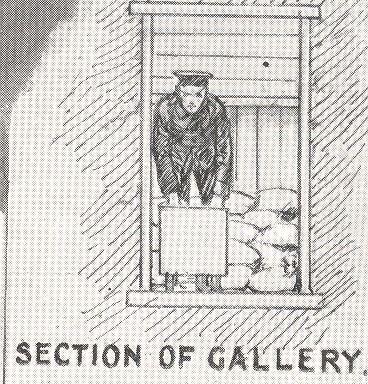
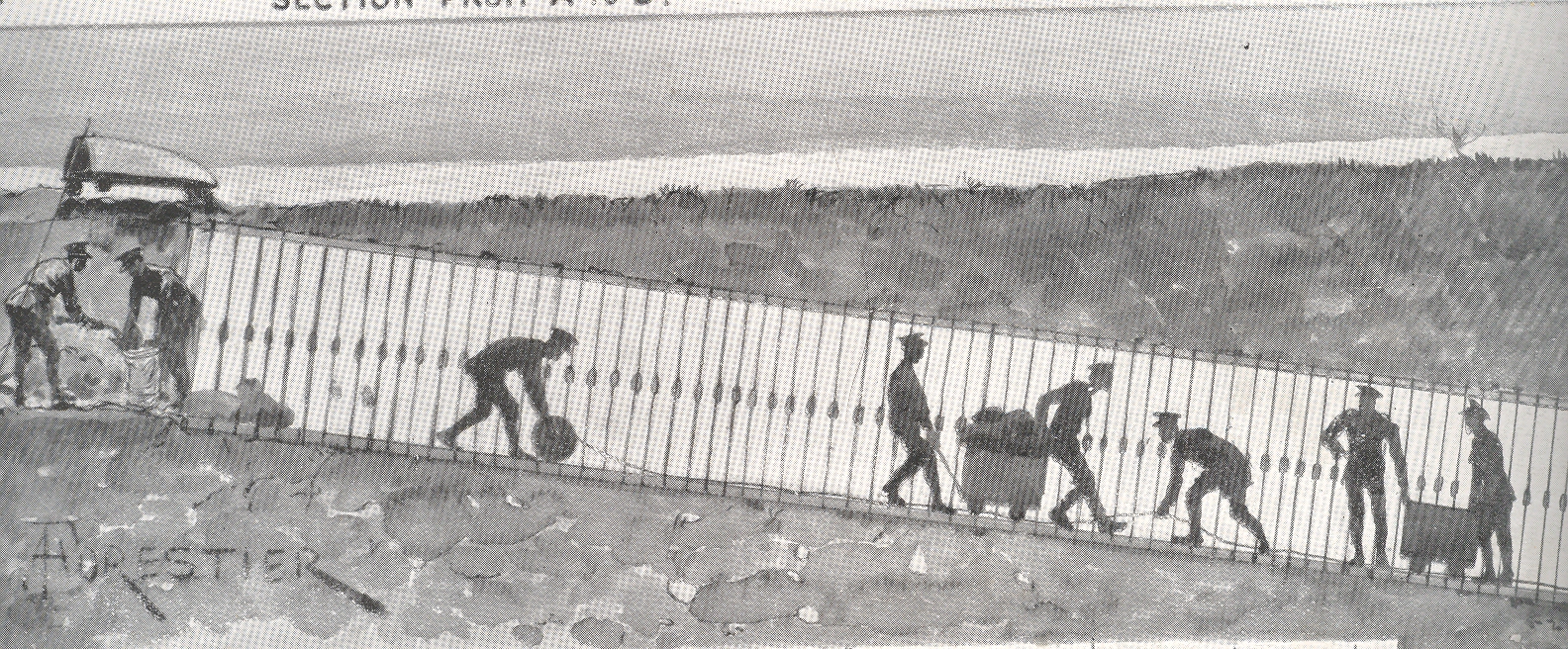
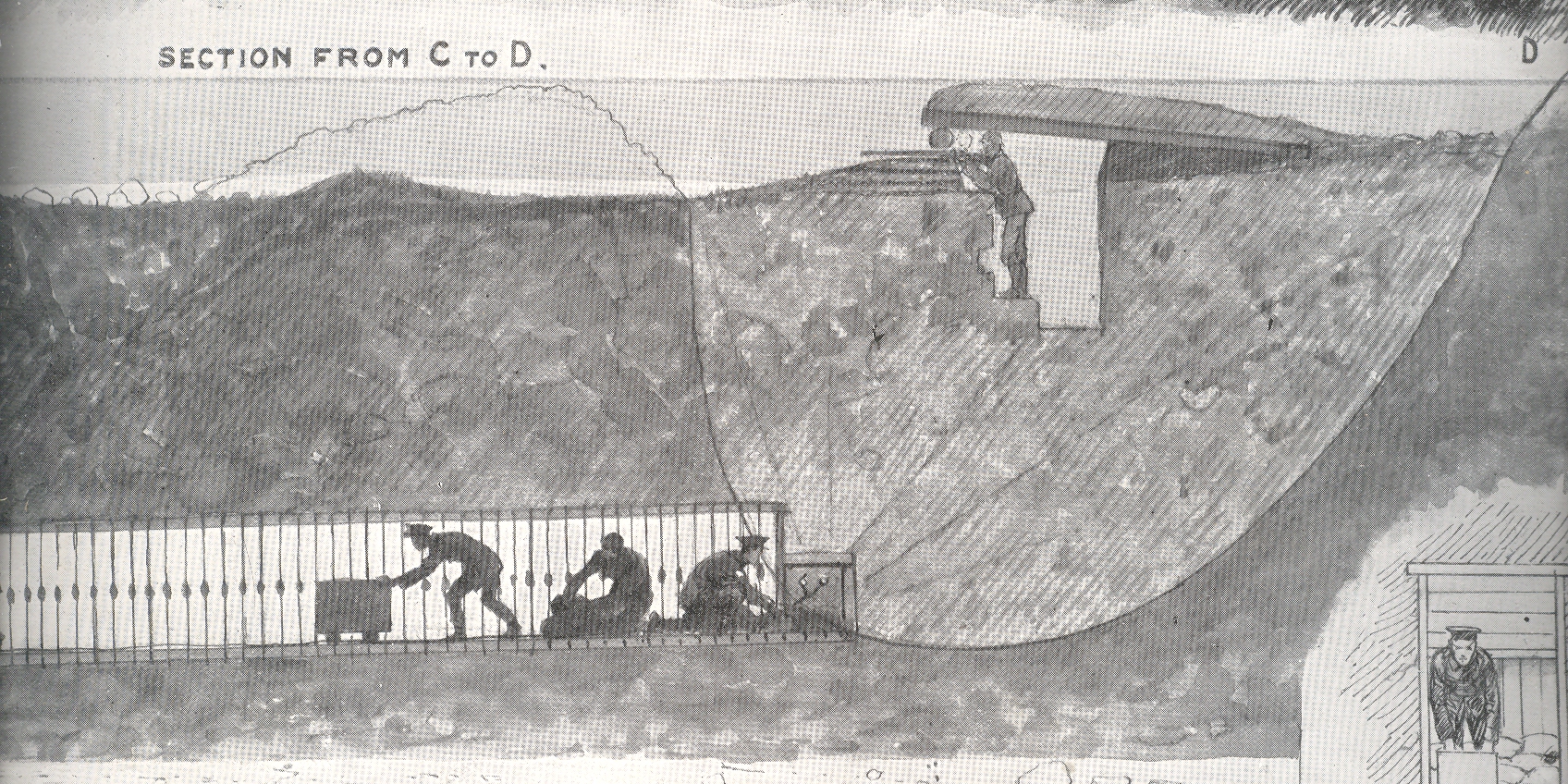
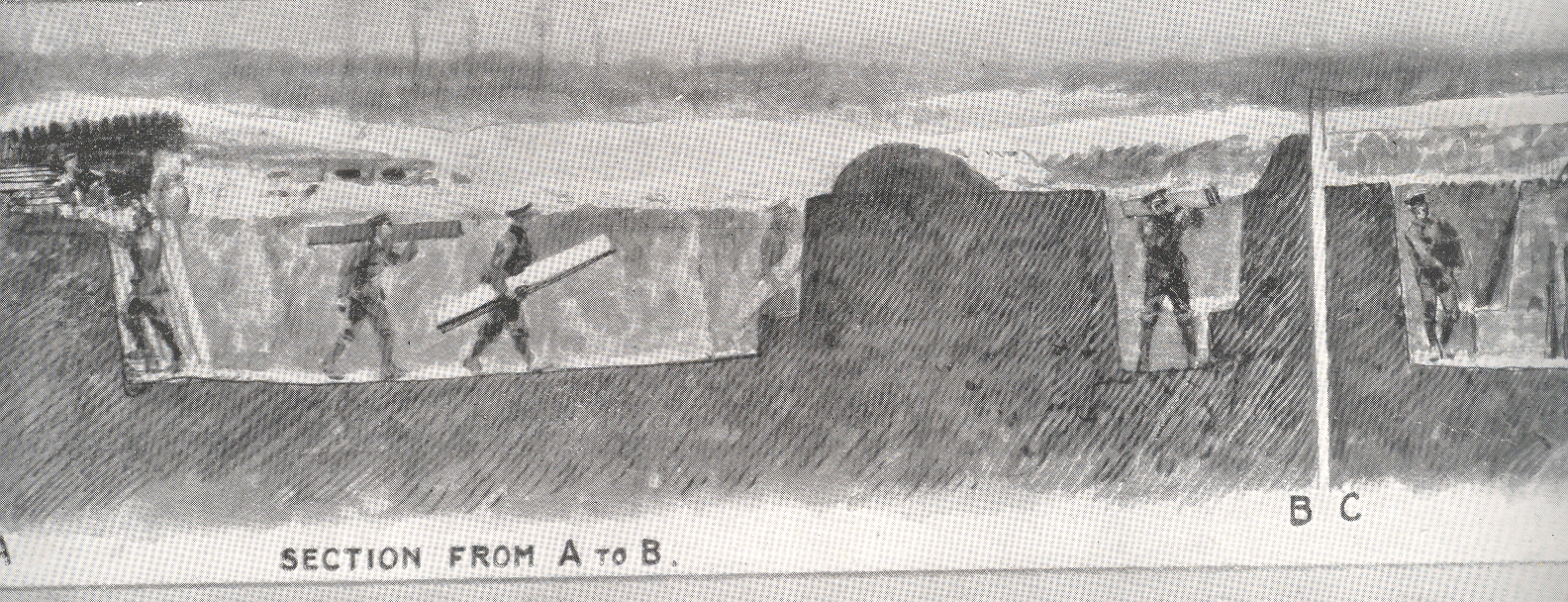
  • Bad Places to Be Dept., #1:Fighting Underground in Sub-Trench Warfare, 1915

    JF Ptak Science Books  Post 922

    “Johnny, get your gun, get your gun, get your gun.

    Take it on the run, on the run, on the run.
    Hear them calling you and me,
    Every Son of Liberty.
    Hurry right away, no delay, go today.
    Make your Daddy glad to have had such a lad.
    Tell your sweetheart not to pine,
    To be proud her boy’s in line.”
    –Opening of George M. Cohan’s “Over There”

    Blog jan 29 trench bot right det

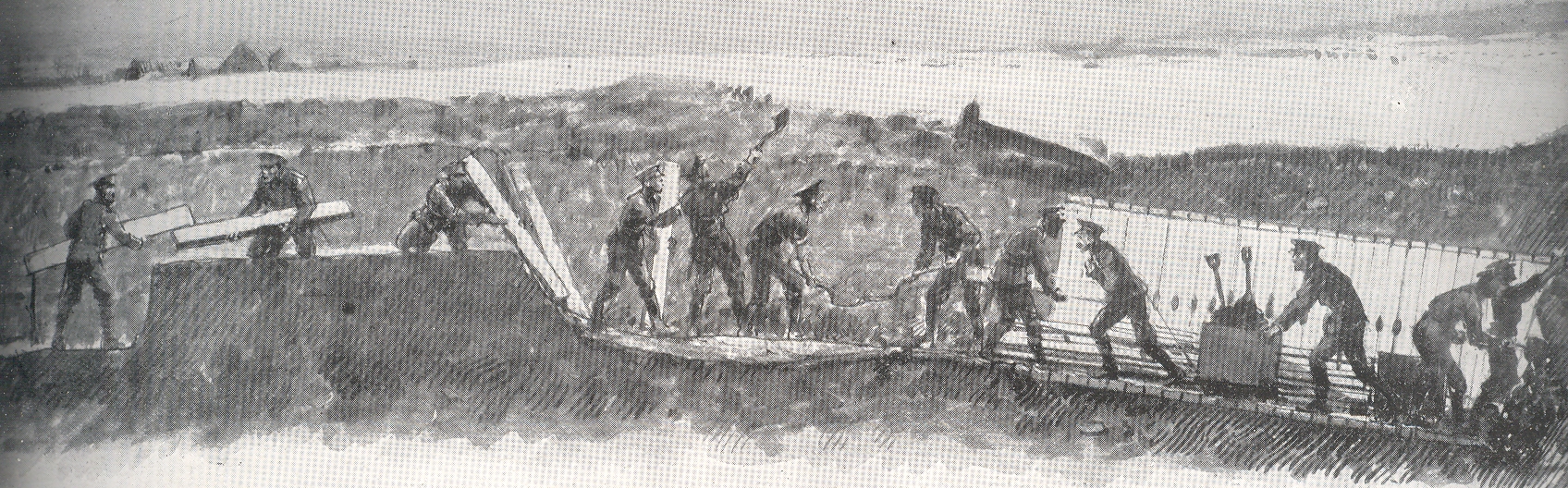
    It is difficult to think of soldiers fighting one another across hedgerows or trenches, hiding behind earth, creating a death-vacuum on the land in between–but worse yet would be fighting in these scenarios underground. 

    Finding this large double-page illustration in The Illustrated London News1gave me a physical reaction like the one I get when thinking about the discarded  Dalton Trumbo’s2  anti-war novel, Johnny Got His Gun.  The novel’s main character (Joe Bonham) is virtually encased in his own mind, having lost his arms, legs and face in an explosion on a WWI battlefield—the story is told from his bedridden perspective; dark, bandaged, alone, his mind and brain functioning, and with little means of communication or control over his body. .Among other obvious things, it makes me feel a peculiar stuffy coldness.  [The two sets of four images following should be viewed as two-parts of one long image, the bottom part being on the right.]

    Blog jan 29 trench botm left


    Blog jan 29 trench bot right

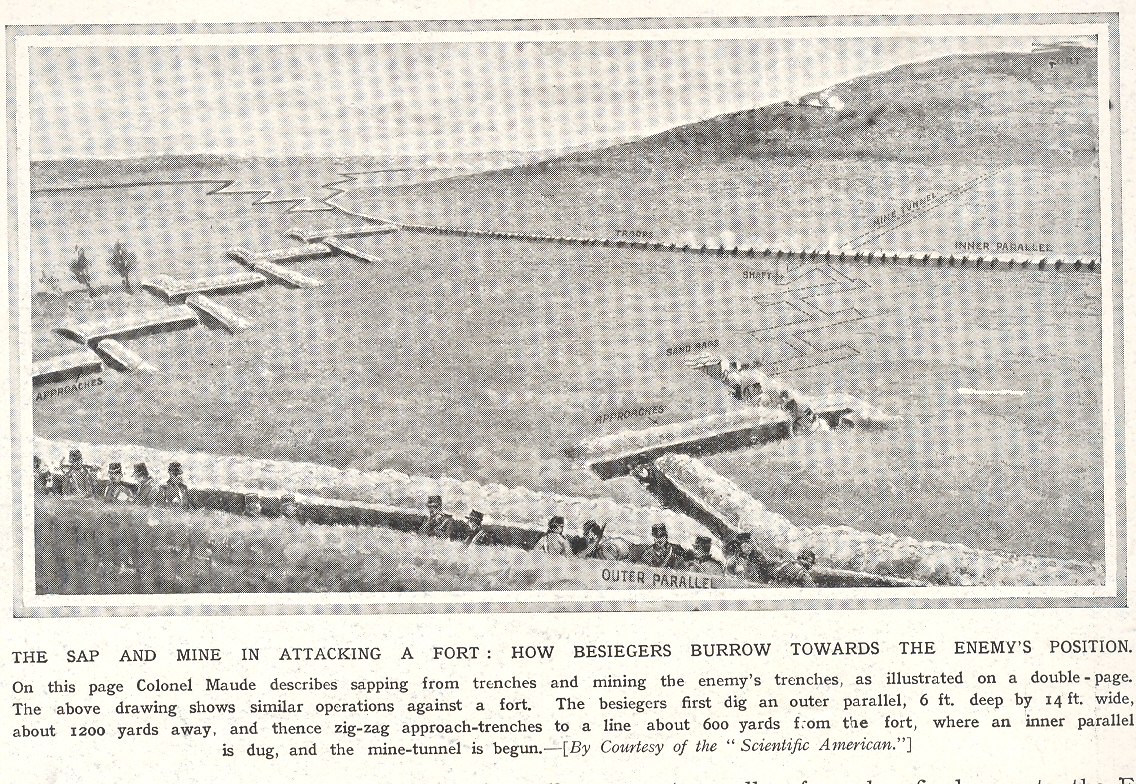
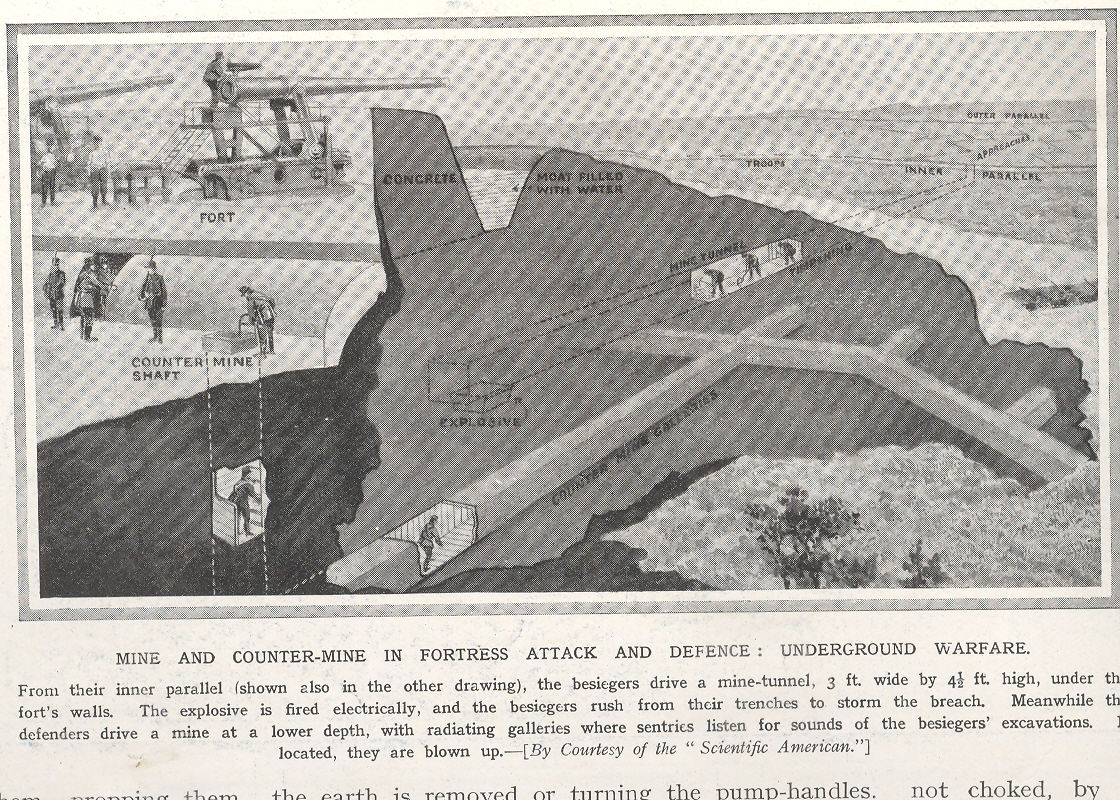
    And so too when I look at these soldiers tunneling under a dead battlefield, working their way slowly—a foot an hour—towards the enemy trenches, desperately trying to blow a hole in an immovable object resistant to infantry and artillery.  The soldiers—sappers—were sent in to do a job that could no longer be accomplished above the ground.

    This sort of warfare is extremely old, though the name is not, being about 150 years old. These soldiers were forward combat engineers, and had training across a number of different areas—they were responsible for many technical chores, like building (and blowing up) bridges, laying/clearing minefields, general demolition, defense construction, and, of course, fighting.  It could be a tremendously difficult job, unimaginable.

    Blog jan 29 trench mid left 1


    Blog jan 29 trench mid right


    The “sapp” part of “sapper” comes from the French “sappe”, which refers to the other main part of their job during WWI, which was digging advancing trenches, a zigzag construction of a long horizontal half-hole which allowed an infantry force to slowly advance towards an enemy’s entrenched position. Another part was to tunnel under the enemy’s lines, and then blow them to smithereeens so that a successful attack could be launched into the weakened position.


    Here’s what I think about when I think about these men doing this job:  that two teams, British and German, start to tunnel towards each other’s lines, and somehow, in the middle of the battlefield, somehow manage to dig directly towards one another, their tunnels literally colliding.  Hand-to-hand combat through the opening connecting the two sapper tunnels, then gunfire.  Alerted, the artillery from each side zero-in on what is suspected to be the opening end of the tunnels, pummel them, destroying the access.  So now, both sets in what is now virtually one tunnel, are fighting in the dark.  Even though the topside is only two feet away, any hole would open into the killing zone, making it impossible to escape that way.  It would be a bad place to be.

    Blog jan 29 trench overview sap top Blog jan 29 trench overview sap bot

    Notes

    1. The issue is 27 Feb 1915.  The illustration is entitled “They Sent us in front with a Fuse an’ a Mine’, Sapping and Mining Under the Enemy’s Trenches”. The first half of the title is from Kipling’s “Sappers”: They send us in front with a fuse an’ a mine , To blow up the gates that are rushed by the Line…

    2. Trumbo has an interesting history, to put it mildly. An old Communist, he once gave up his old associates to the FBI at the start of WWII–an act he later thought of as being stupid and wrong.  It also had the opposite effect for him–he thought he was being patriotic, but the FBI was more interested in him than his information.  He would get eaten up by McCarthyist operatives and denied HUAC any information on any of the famous “Hollywood Ten”.  He got a year in jail and was blacklisted, booted out of LA. He came back–mostly under someone else’s name (see the link above for his screenwriting credits, which are substantial)–and acknowledged shortly before he died.

  • Things They Took To War, 1915

    JF Ptak Science Books Post 923

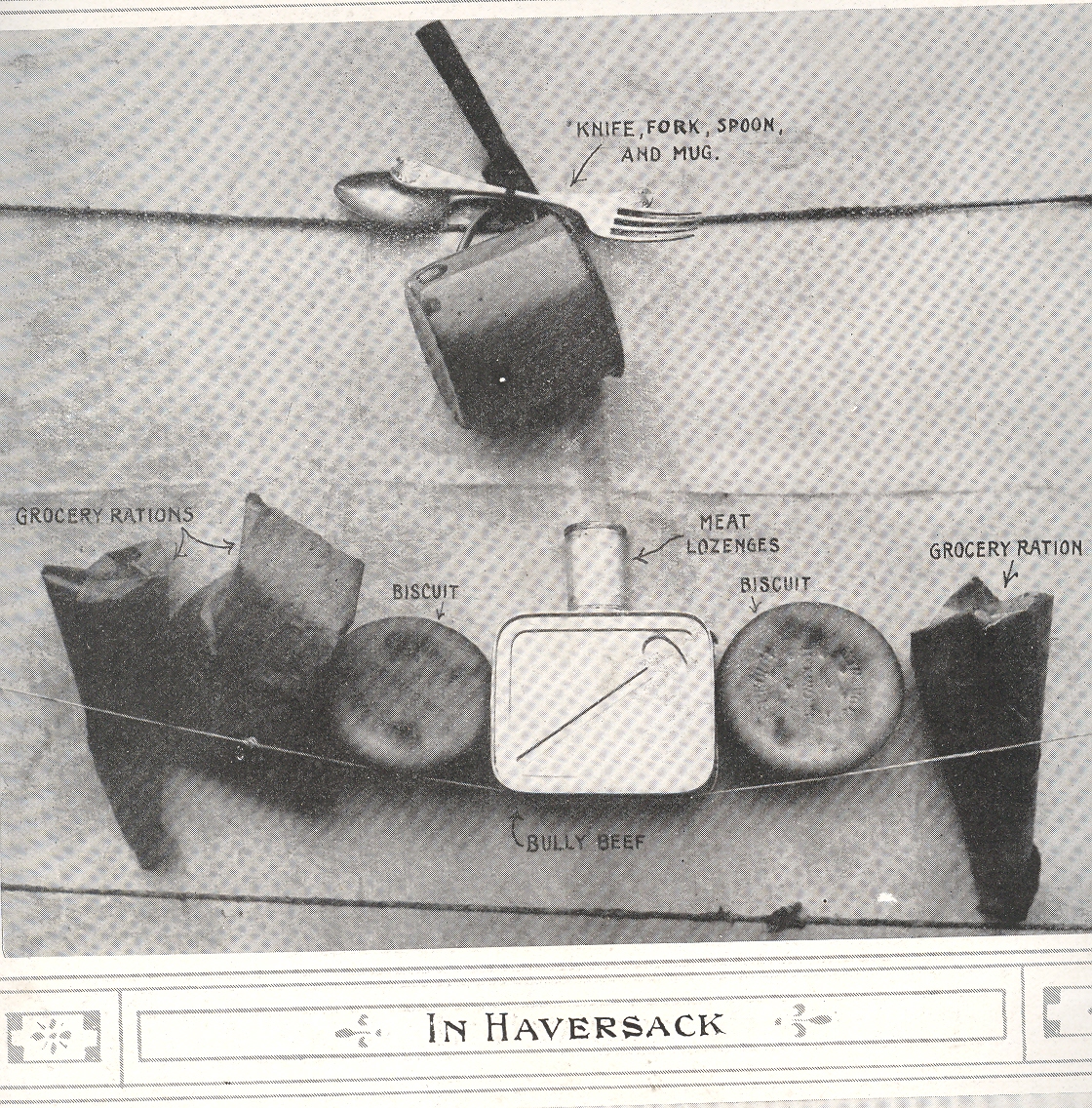
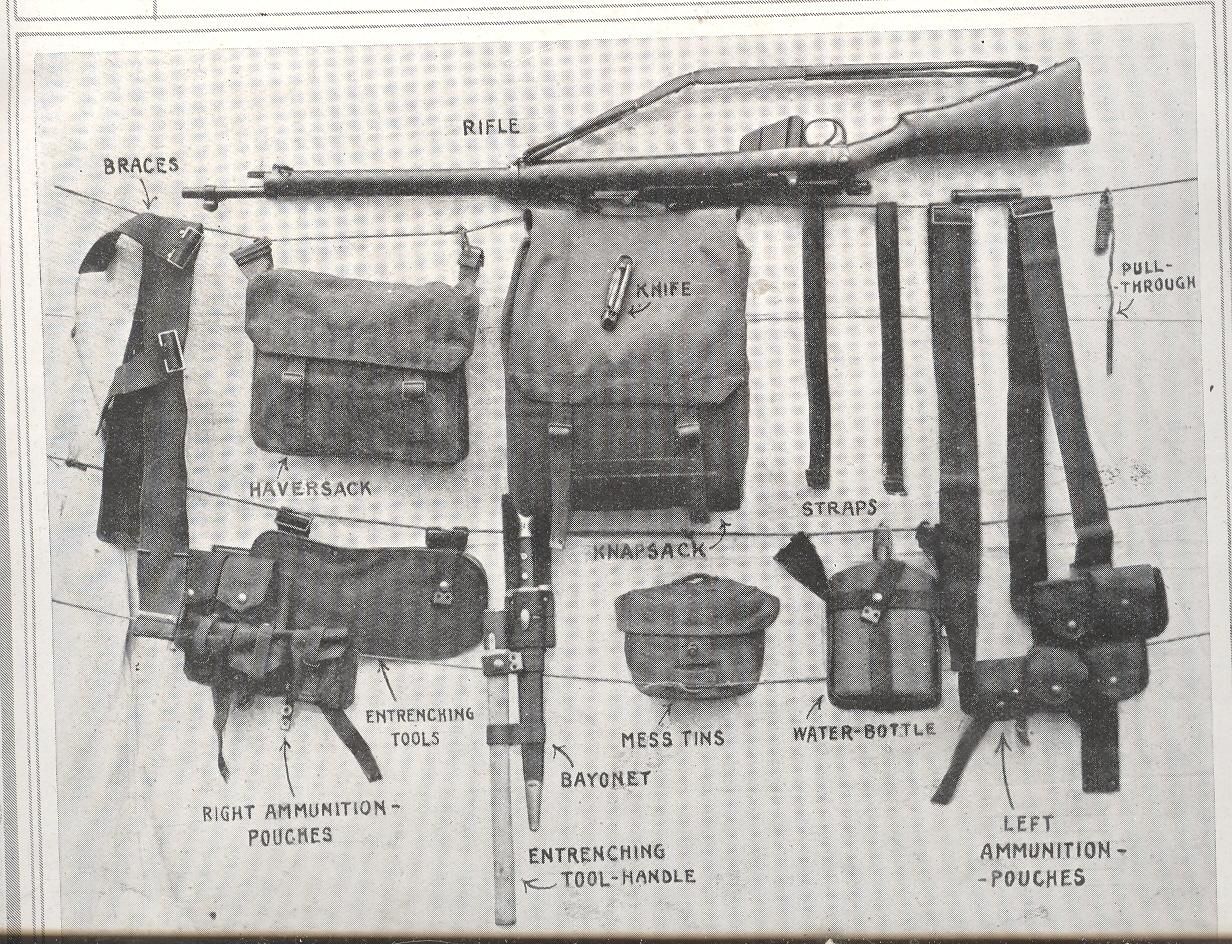
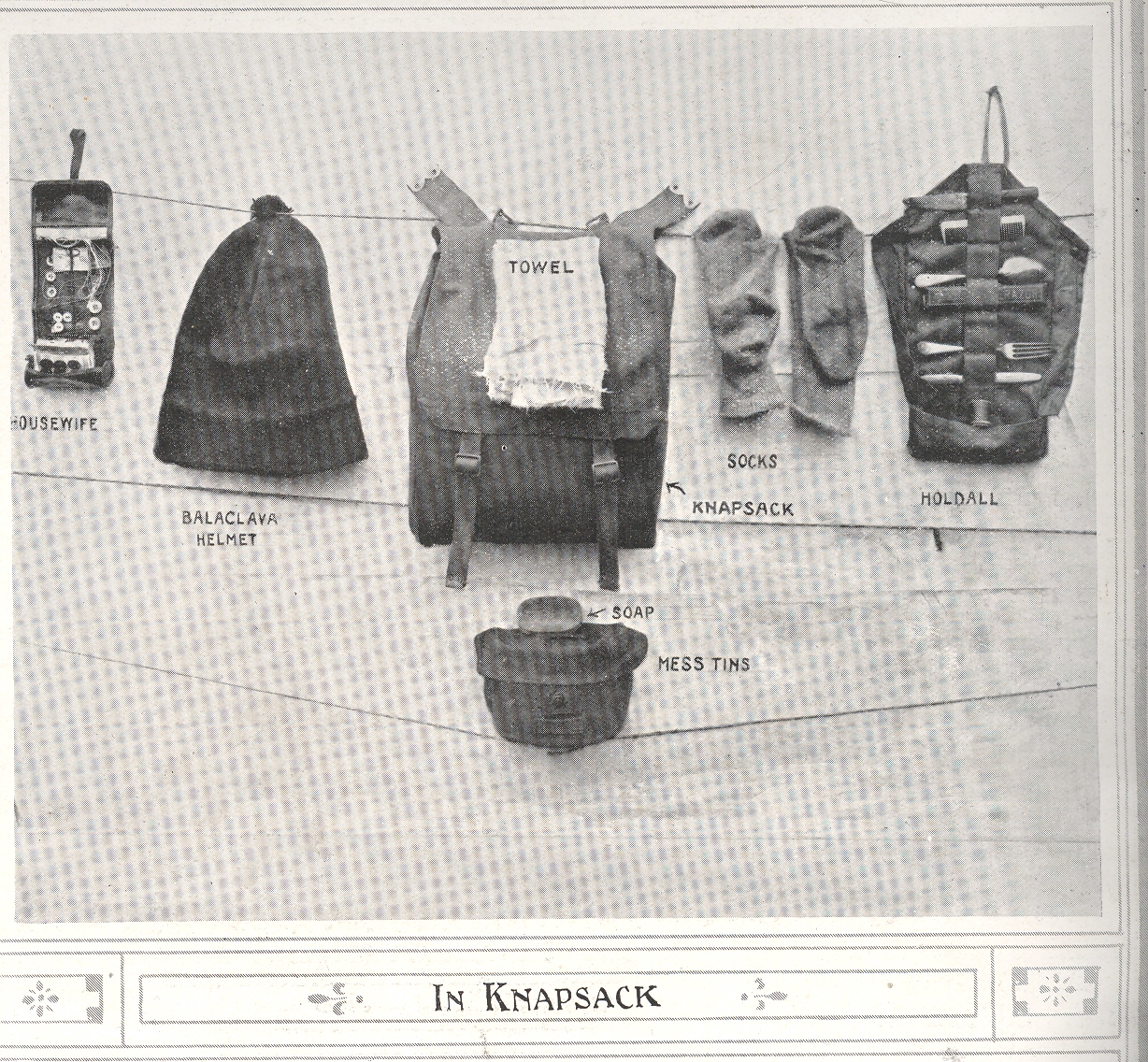
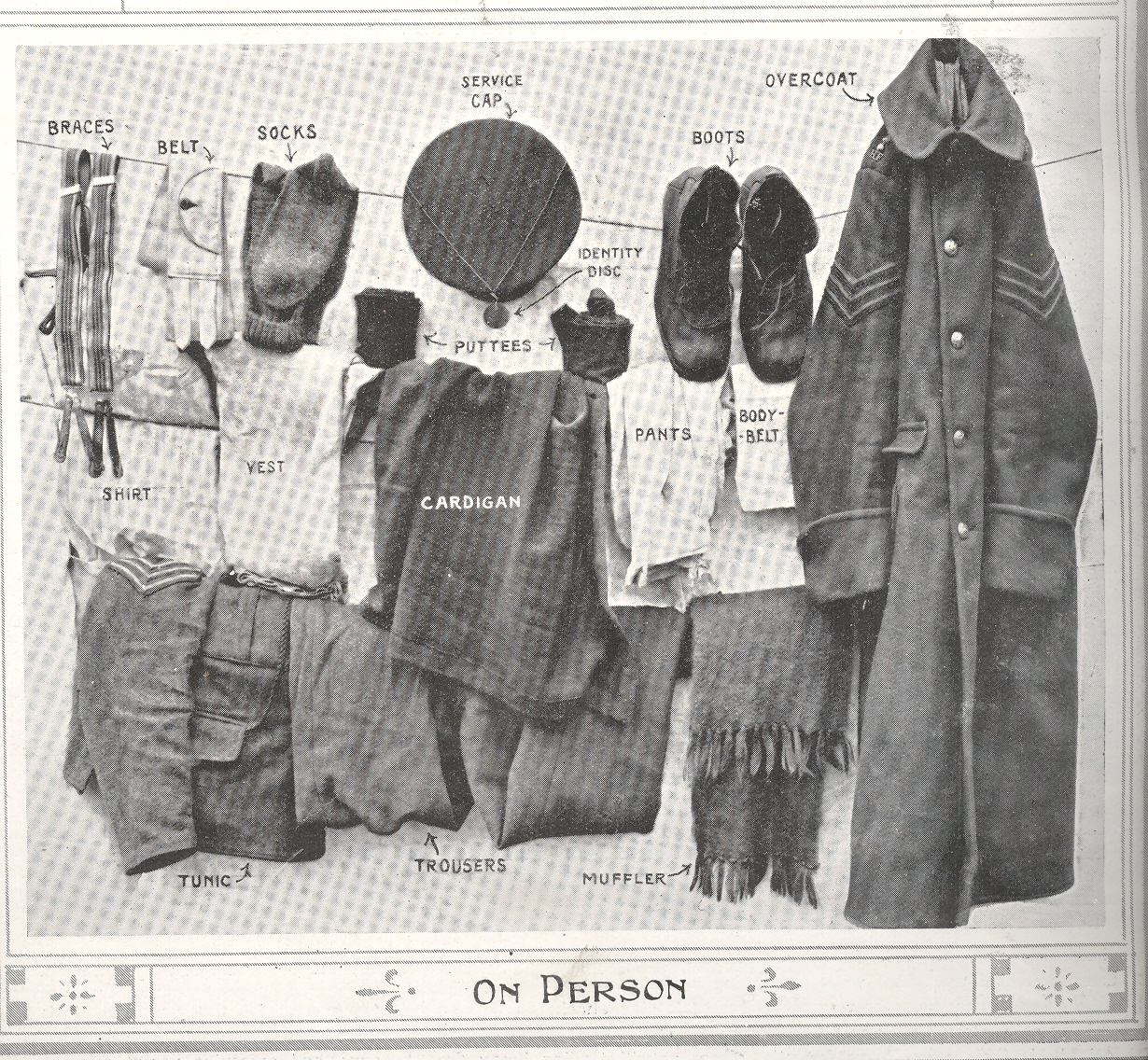
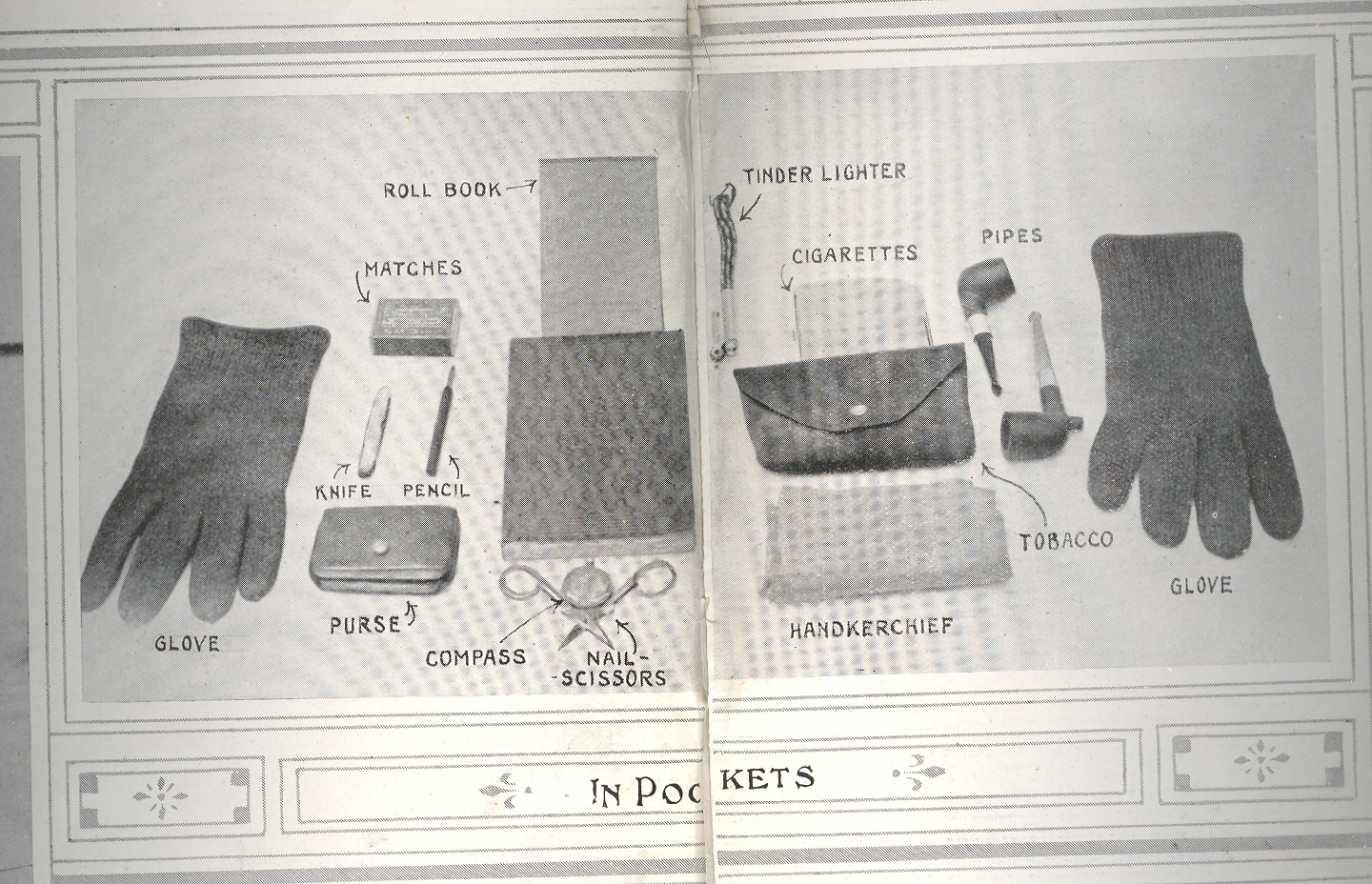
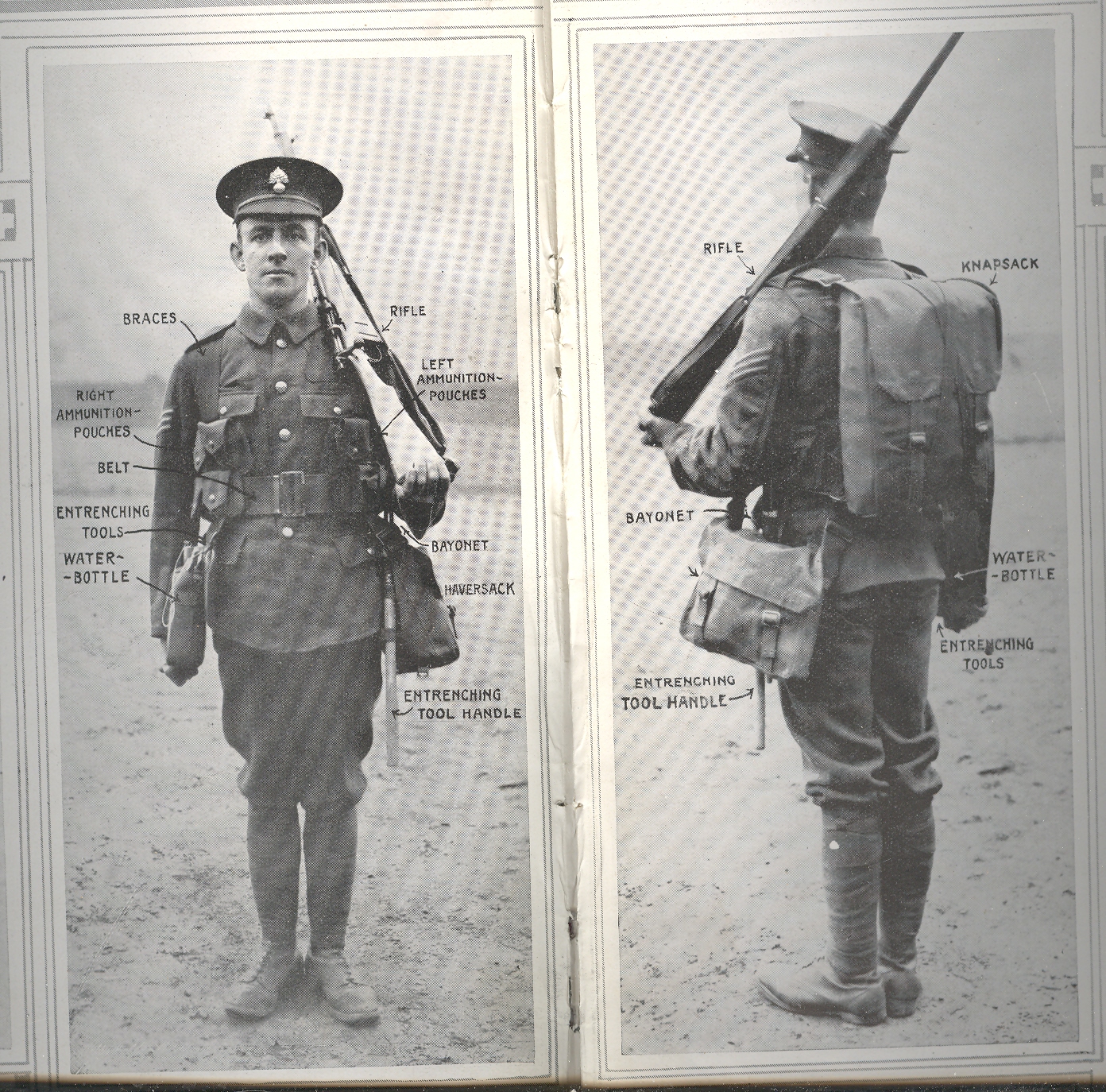
    The 27 Feb 1915 issue of The Illustrated London News is remarkable.  Yesterday’s post was generated by an image appearing in it of sappers mining under a battlefield to create an underground attack on the enemy’s trench lines.  A few pages into the issue shows a series of pictures describing the regulation issue for an enlisted man headed into combat—simple, scary, and heartrending. And of course a true measure of the courage and fortitude of these millions of men who marched to the Front with all what today looks to be  not-adequate material.  It is hard for me to imagine going off to conquer your enemy and your own fear with these sorts of supplies, marching along with all of these slight bits jangling and clanging to each of my steps.

    [All of the images are expandable.]

    Blog jan 30 infantry top left

    The images themselves are, I think, unintentionally spectacular for their design and arrangement, not the least of which is the fact that all of the materiel is suspended from rope or wire. 

    Blog jan 30 infantry btm left

    There is no way for me to know what of this material was instantly discarded (if any), or what was thrown into ditches because they didn’t make sense or were too heavy or cumbersome or got in the way.  Or what of these supplies were actually carried into battle.  Given the nature of the fighting, perhaps all of it was carried in and out. 

    Blog jan 30 infantry right top

    Basically though the pictures just make me uneasy, nervous; so many things look so slight and needy.  The canteen looks tiny; there’s only two pair of socks (!?) but two pipes; the “grocery ration” looks inadequate; the ammunition pouches look stingy. But the “housewife” looks useful, and its always good to have scissors, and a handkerchief.  I’m not so sure about the purse.

    Blog jan 30 infantry right btm

    It just seems to me an amazing display of the stuff that the British soldier was given to haul into the future with him. 

    Blog jan 30 infantry center top 

    Blog jan 30 infantry center btm

  • Found Dadaist Art–Floating Eyes and Ears, 1650 & 1807

    JF Ptak Science Books LLC Post 857

    Dada found--tp I’ve
    written a few times in this blog (here, here and here) about what I think is
    found/unintentional antiquarian Dadaist art and would like today to continue
    that thread with the following two unusual pieces of art.

    The first
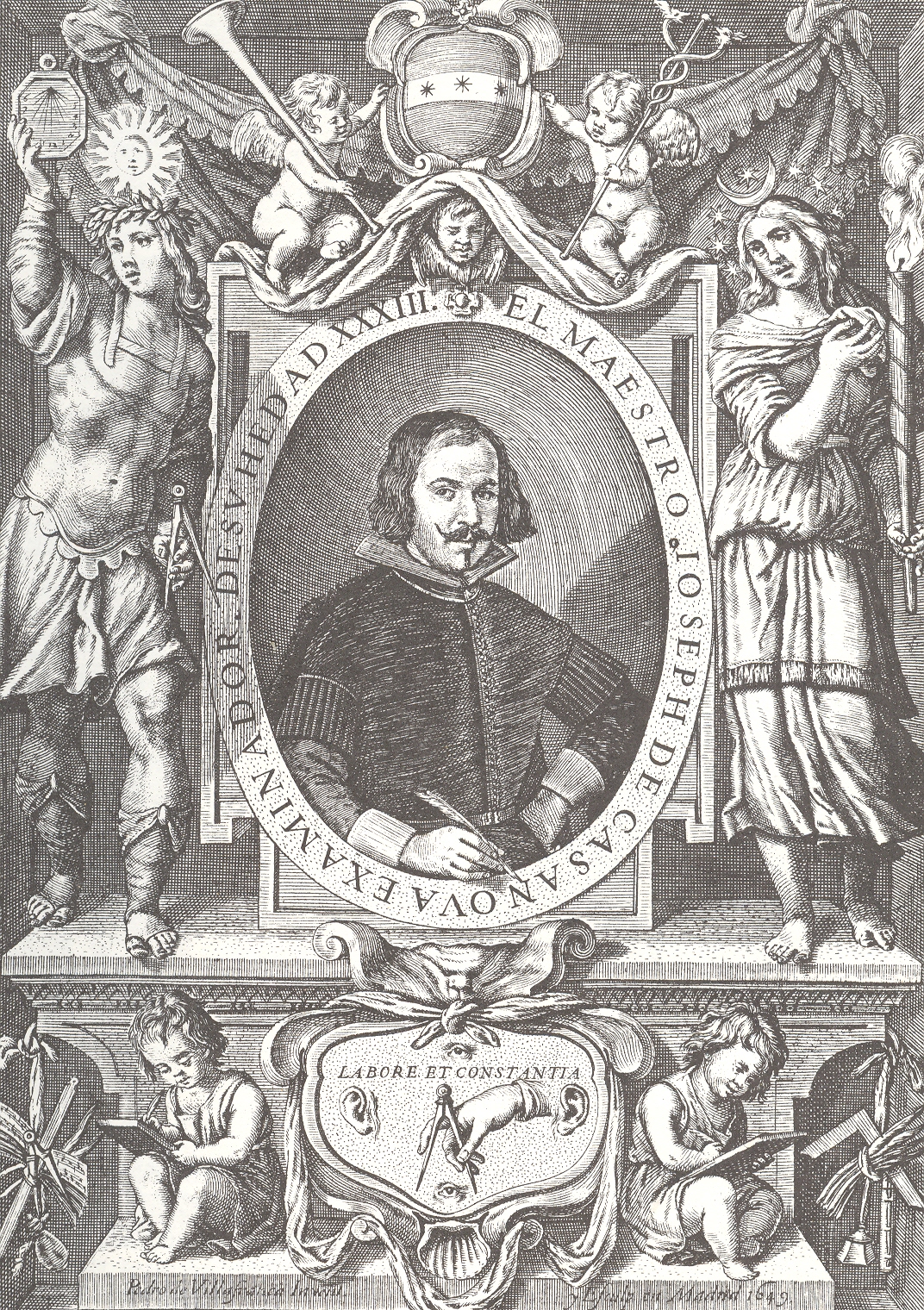
    is a detail from the title page of Joseph de Casanova’s Primera parte del
    arte de escrivir todas formas de letras
    (1650). This is not the Casanova (Giacamo,
    1725-1798) who most people would initially think of—the seductive womanizer of
    the 18th century—but another, earlier, Spanish Casanova (1613-1692)
    who was important in the history of round hand script and the lettera bastarda.  Joseph Casanova ‘s evolutionary handwriting
    style was considerably lighter and easier than most styles, and his influence
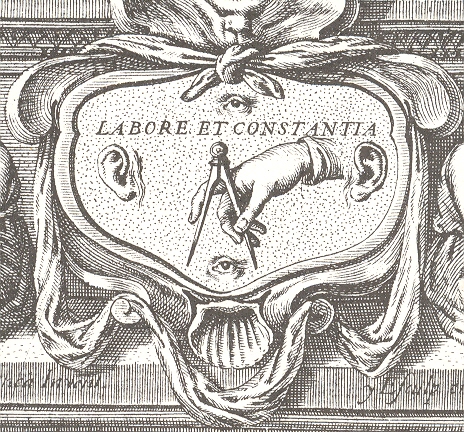
    in changing handwriting practices was substantial.  What is interesting for me is the detail at
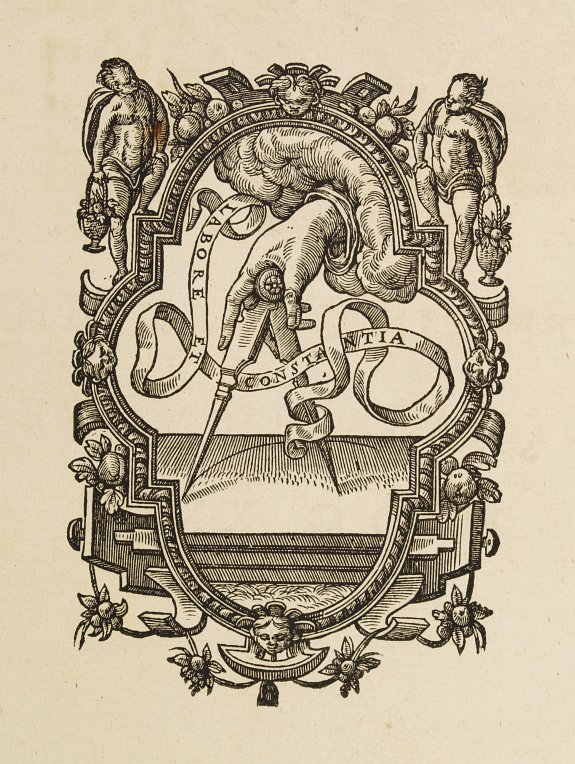
    the bottom of the engraved title page for his book, the emblem containing  “Labore et Constantia”.  Labor and consistency, decorated with a hand
    and compass, ever watching and listening with ears and eyes above and below.Dada found--tp detail

    [This
    design comes from (at least) one earlier source—the printer’s device for Christoph
    Plantijn (Antwerp,
    1583), though without the eyes (below).] I like the floating aspect of the disembodied
    body parts, floating in their little sea of constancy, ruled by a compass. 

    Dada found--multiples  The
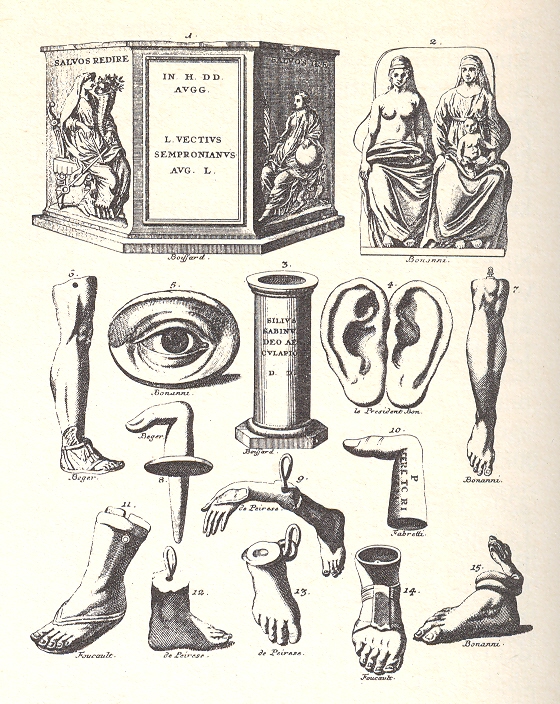
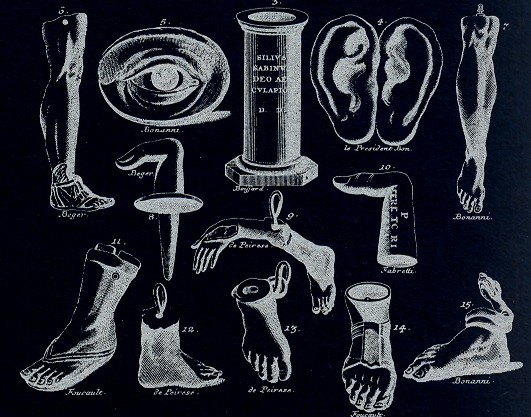
    second image has another set of disembodied eyes/ears (among other things) and
    has all the flavor of the dada/surrealist flourishes of the frammenti of Piranesi.
    This comes from Bernhard von Montfaucon’s Greichische,
    Romische und andere Alterthuemer…
    (Nurenberg, 1807). When taken out of
    context, as a disembodied image, the von Montfaucon certainly has a dadaist taste
    for me, especially if you edit the image a little.

    Dada-found labore 

    Dada found 2--multiples

  • History of Blank & Empty Things #22: God in a Hole in the Sky

    JF Ptak Science Books LLC   Post 858  Blog Bookstore

    I think that I’ll start a thread on The History of Holes–which this post would secure nicely–though it will have to be differentiated from The History+ Dec 2 god hole of Dots and The History of Blank and Empty Things somehow.  Still, I like the idea.
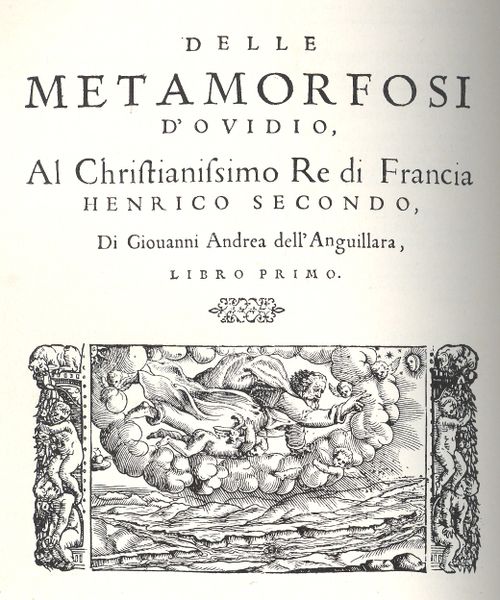
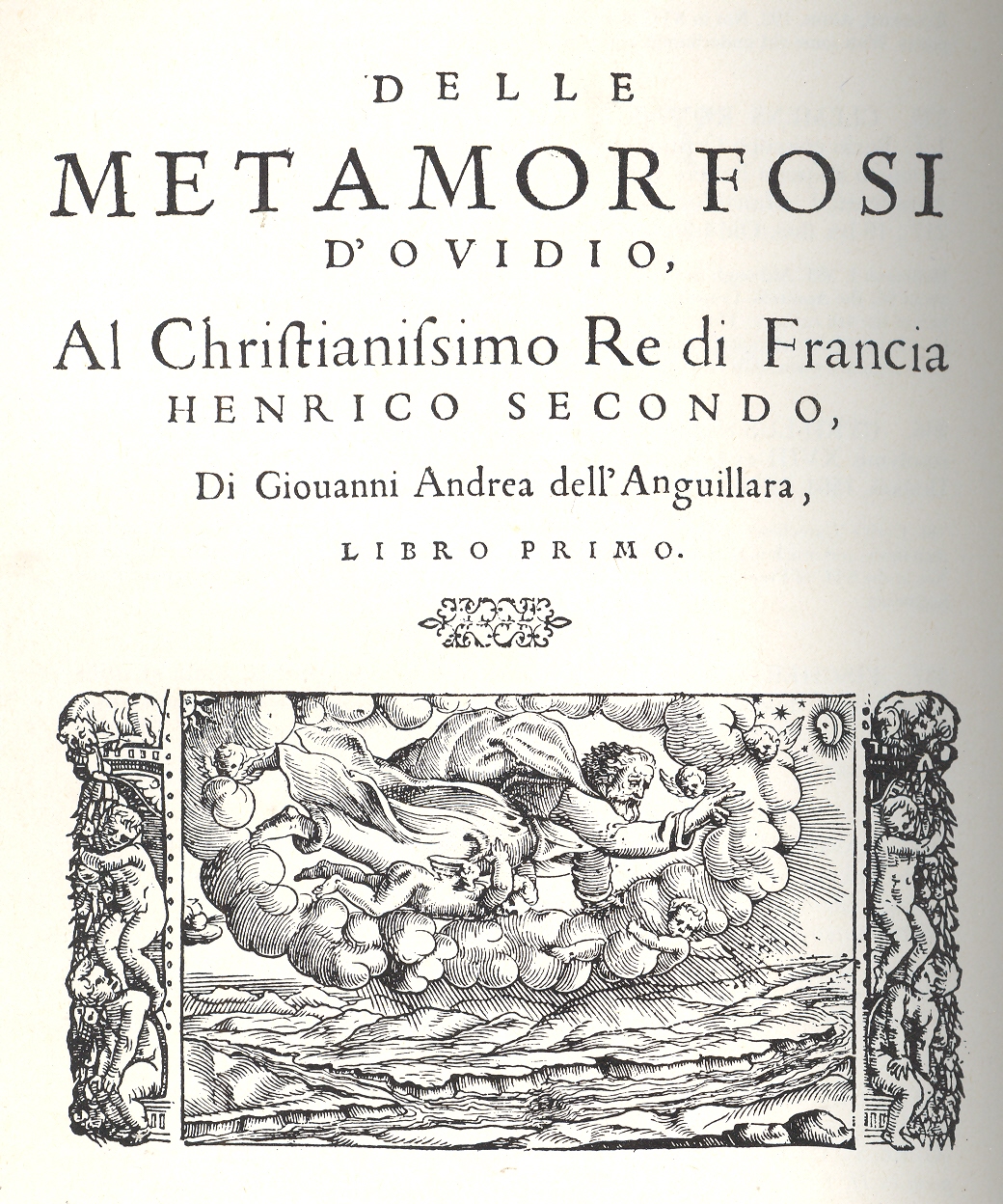
    These title page illustrations may or may not reveal a hole
    in the sky, a glimpse into a blank heaven. 
    God knows that Heaven awaits its geology from Charles Lyell or cartography from Jed Hotchkiss, so this iconography that
    I’m creating for these two Renaissance views of the blank canvas of the universe
    may well be incomplete or completely wrong—but it is intriguing that there isn’t
    even a suggestion of what God’s environment might be.  This assumption that one might possibly be
    shown the celestial surroundings may also be enormously presumptive and
    unknowable/unseeable by human eyes, but since we are being shown a corporeal form
    of the Creator I thought that the  logic
    was also there to portray the Creator’s milieu, but it is not to be.  
    + Dec 2 god hole 2

    The first title page is for the narrative poem Le Metamorfosi, Ovid’s  Metamorphoses,
    translated into Italian by Gioseppe Horologgi, and published in Venice in 1563.  It is certainly appropriate that God appears
    on the title page of this work, as Ovid tells the story of creation of all
    things and the history of man in the book’s 151 chapters—appropriate more so as
    this was one of the most popular intellectual biblio-tools of philosophers and
    writers right through the Middle Ages (having wide effect on Chaucer and Shakespeare on down).

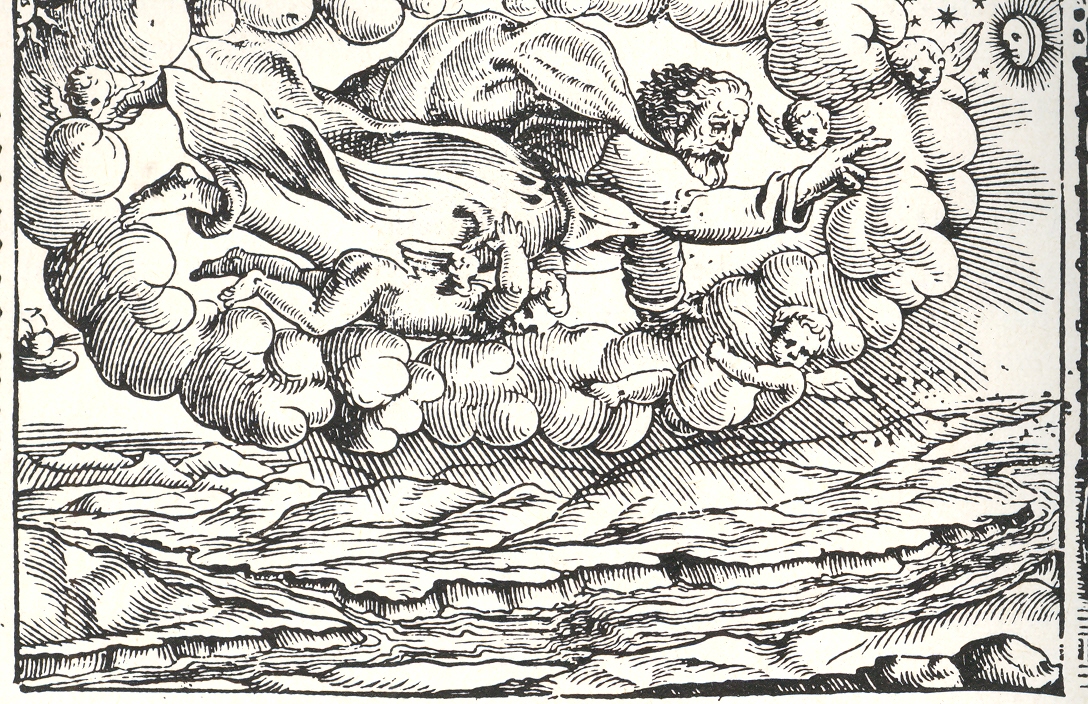
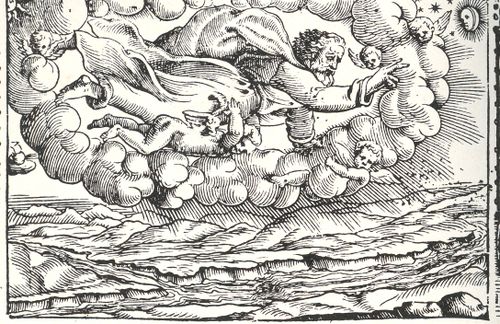
    The image seems to catch the Creator in the act between the
    fourth and fifth days, floating in a cloud-framed hole in the sky.  Beyond the hole there is a white emptiness—which
    makes me think that there is something; if there was nothing, I guess we’d have
    the absence of all color, or blackness. 
    Or perhaps not.  In any event I
    find the opening in the fabric of creation and its blankness/emptiness somehow
    restful. 

    The second image is a little more open to debate as to
    whether that is God in the cloud, reading, or not; I prefer to believe it
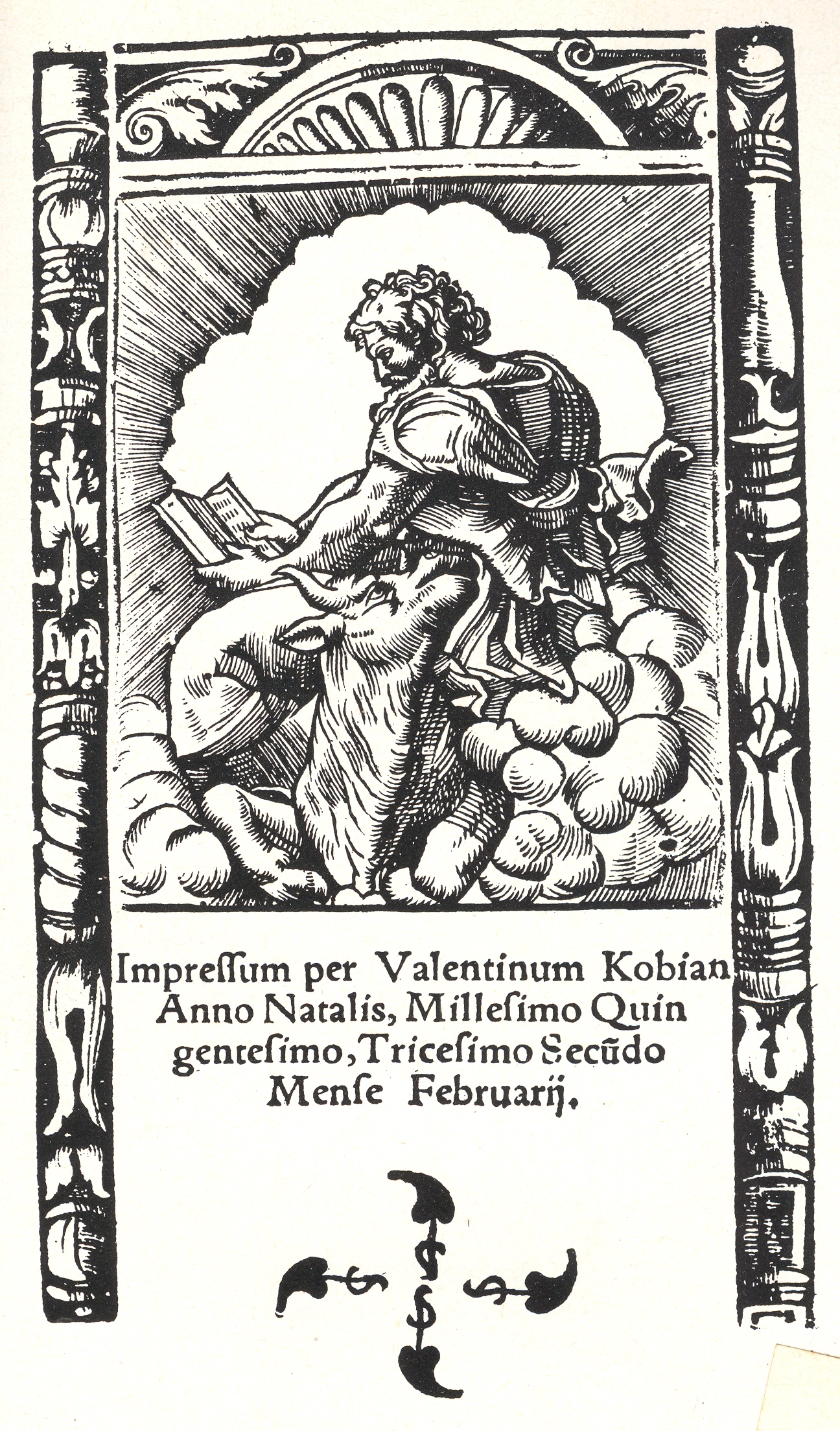
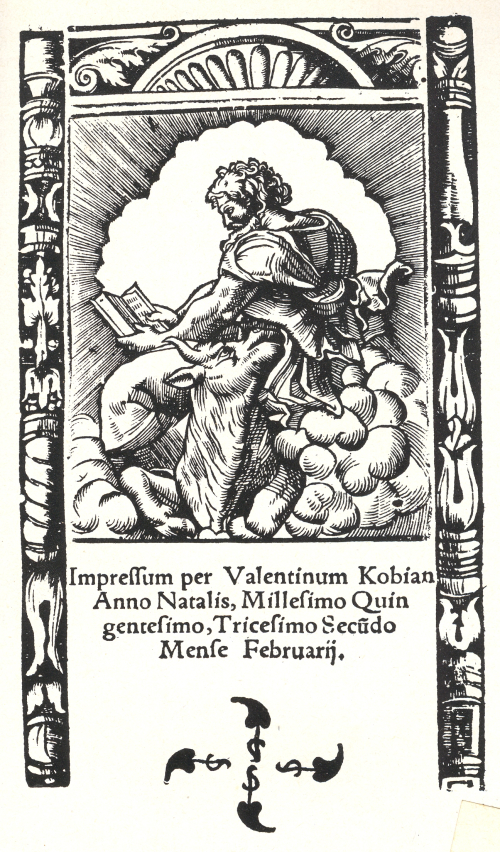
    so.  The image is the colophon for Johann Virdung’s2 (ca. 1465-1535, of Hassfurt0 Nova medicinae methodus…3, an astrological-medical book written by
    a celebrated astrologer, professor and correspondent of Joahnnes Trithemius.
    + Dec 2 god hole 3

    If this is to be the Creator in the clouds, reading a book,
    then I would take the white blankness behind him to be another opening in the
    sky.   The small interesting bit about the title page
    is that it spells out the year and the month and the day on which the book was
    printed, which was not very common at all, not a bit.

    I’ve certainly noticed white/blank/empty skies in prints,
    but I’m not so sure that the celestial hole has registered with me before
    today.  It has the potential for an
    interesting idea, in the opposite-of-a-black-hole category. Maybe. 

    Notes:

    1. The contents of the work, as follows:  Book I: Cosmogony, Ages of Man, Gigantes, Daphne, Io;; Book II: Phaëton, Callisto, Jupiter and Europa;;Book III: Cadmus, Actaeon, Echo and Pentheus;; Book IV: Pyramus and Thisbe, Perseus and Andromeda.;Book V: Phineas, the Rape of Proserpina;Book VI: Arachne, Niobe, Philomela and Procne; Book VII: Medea, Cephalus and Procris; Book VIII: Nisos and Scylla, Daedalus and Icarus, Baucis and Philemon; Book IX: Heracles, Byblis; Book X: Eurydice, Hyacinth, Pygmalion, Adonis, Atalanta, Cyparissus; Book XI: Orpheus, Midas, Alcyone and Ceyx; Book XII: Iphigeneia, Centaurs, Achilles; Aesacus; Book XIII: the Sack of Troy, Aeneas; Book XIV: Scylla, Aeneas, Romulus; Book XV: Pythagoras, Hippolytus, Aesculapius, Caesar.

    2. Lynn Thorndike:  Johann Virdung of Hassfurt again Isis
    25, 1936, p. 363; Faust and Johann Virdung of Hassfurt, Isis 26,
    1936/37, p. 321

    3.  Full title:
    Nova medicinae methodus, nunc primum & condita & aedita, ex
    mathematica ratione morbos curandi
    . 
    Available here!

    Other Virdung and astrology titles located at this marvelous
    site, here.   

     

  • Einstein in the Phone Book

    JF Ptak Science Books LLC  Post 859  Blog Bookstore

    Some time ago—for reasons not clearly remembered—I looked up
    prominent names in the history of science in a national (perhaps) telephone
    database for their frequency of occurrence. 
    It tells me nothing, really, but it was sort of interesting to see the
    meaningless results.  The first number is
    for the number of people with telephones with that surname; the second is for
    its rank (though I have no idea what the last/bottom number was). 


    Einstein: 
    2,751/27,842

    Dirac:  6/489,377

    Bohr:  577/14490

    Tesla:  58/100,064

    Born: 2284/4,422

    Rutherford:  8,759/1124

    Planck:  338/23.480

    Feynman:  4/614,750

    Oppenheimer: 856/10,746

    Schwinger: 50/70,178

    Wheeler:  39,000/206

    Maxwell:  20,700/428

    Galileo:  3/712,622

    Heisenberg:  5,
    550,000


    And so there you have it. Now that I’ve posted it I can throw the scrap of paper away.

    ·Posted by :

    ·in:

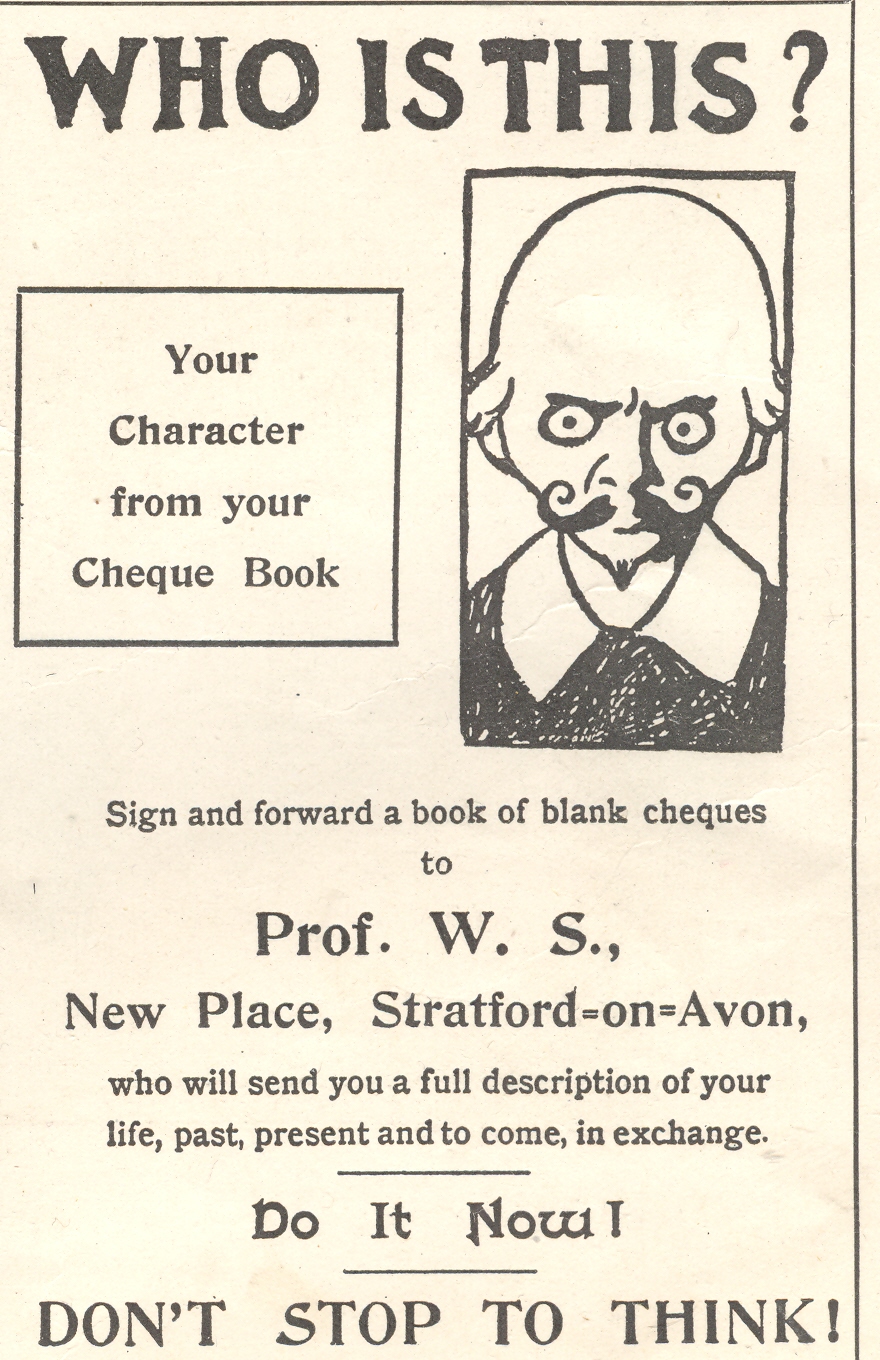
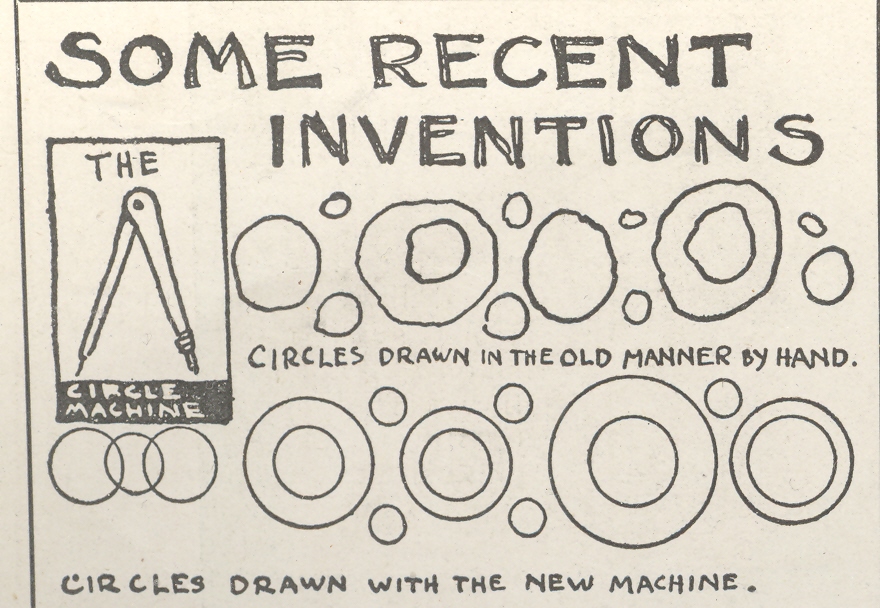
  • The Illustrated London News *WAS* Deliberately Funny (in 1908)

    JF Ptak Science Books LLC  Post 862

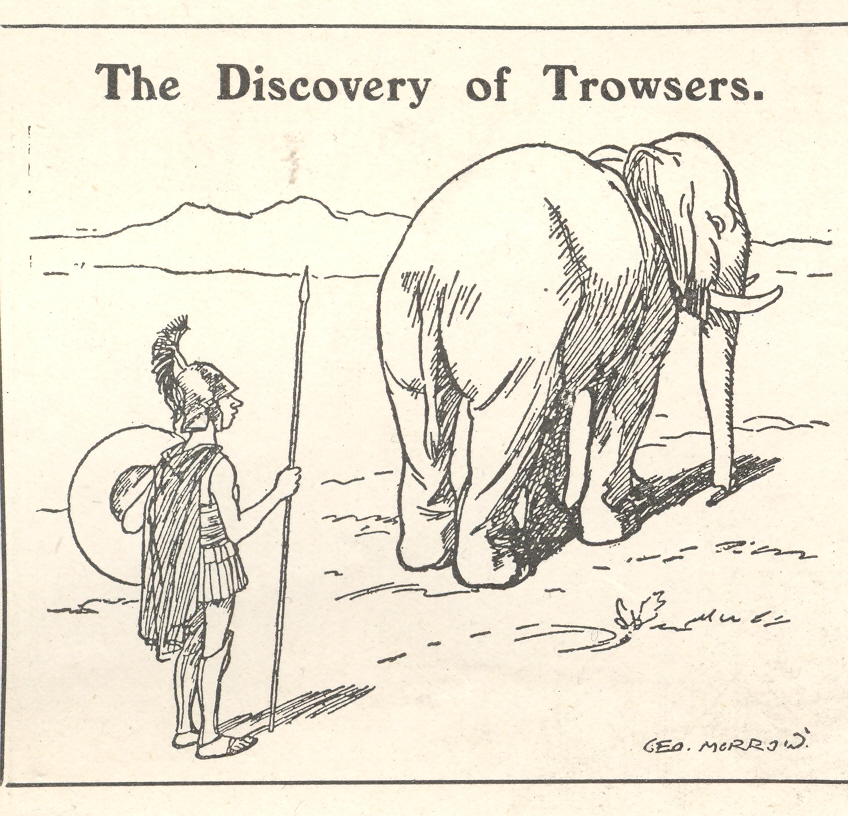
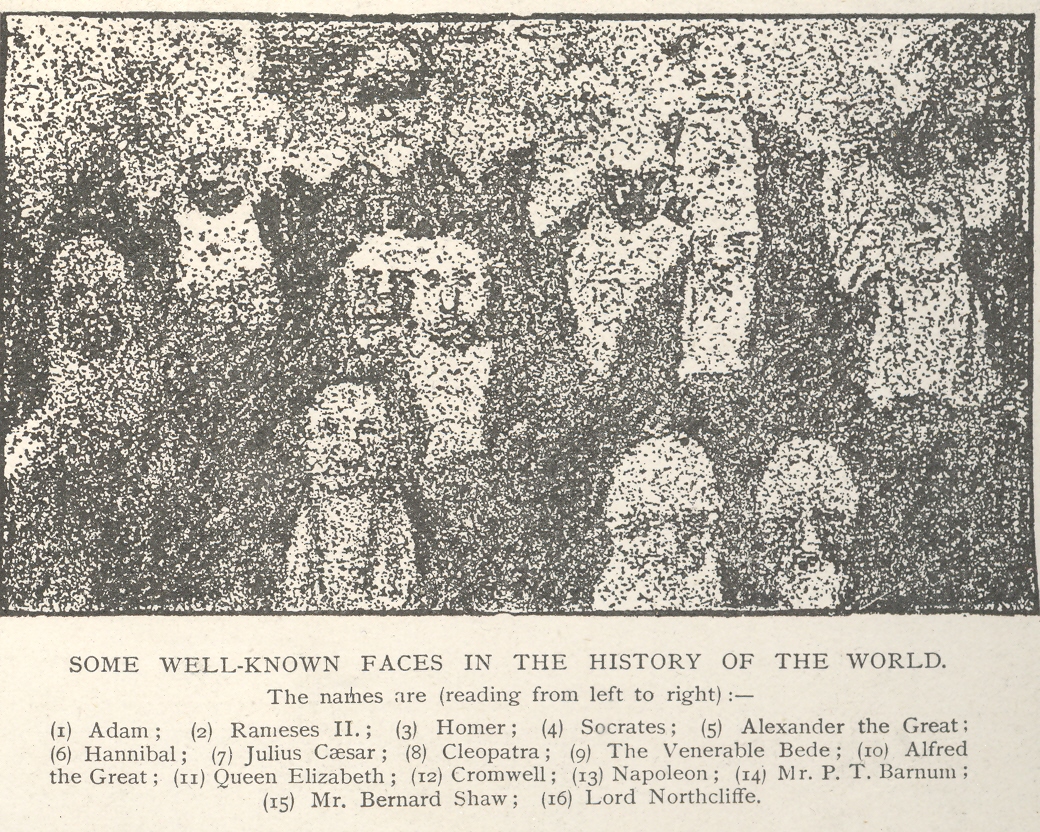
    I have more-or-less browsed the Illustrated London News for the 1890-1945 period now, and I can safely say that it was usually very interesting, almost always well written, beautifully illustrated, and almost never funny. I’ve mined many things from it over the years, and have posted dozens of things to this blog on the bits and pieces of interesting material present in–literally–every issue.  (It has endless info and unusual pictures on early aviation, fantastic coverage of WWI, and aspects too nunerous to mention.)  Again, humor was not a consideration or intended, even when it was–it was usually so stiff-lipped that you couldn’t move your mouth for fear of breaking it off.

    And then I stumbled upon the page 134 of the June 25th, 1908 issue which has FIVE funny things on it!  At least I think so–the funny shines like an avant garde nova.

    For example:

    + Dec 2 ILN shakes

    + Dec 2 ILN funny elephant 

    + Dec 2 ILN weird 

    + Dec 2 ILN circle

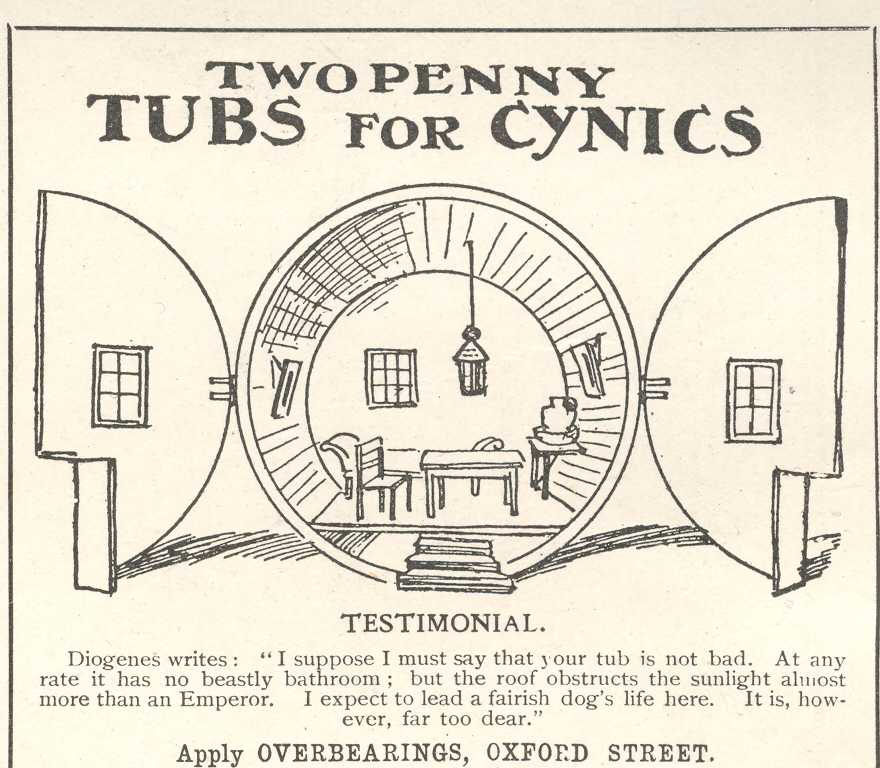
    + Dec 2 ILN cynics

    ·Posted by :

    ·in:

Recent Posts

Archives

Categories