A Daily History of Holes, Dots, Lines, Science, History, Math, Physics, Art, the Unintentional Absurd, Architecture, Maps, Data Visualization, Blank and Missing Things, and so on. |1.6 million words, 7500 images, 4.9 million hits| Press & appearances in The Times, Le Figaro, Mensa, The Economist, The Guardian, Discovery News, Slate, Le Monde, Sci American Blogs, Le Pont, and many other places… 5000+ total posts since 2008.

  • Superior Design: Shades of Gray, 1879

    JF Ptak Science Books  Quick Post

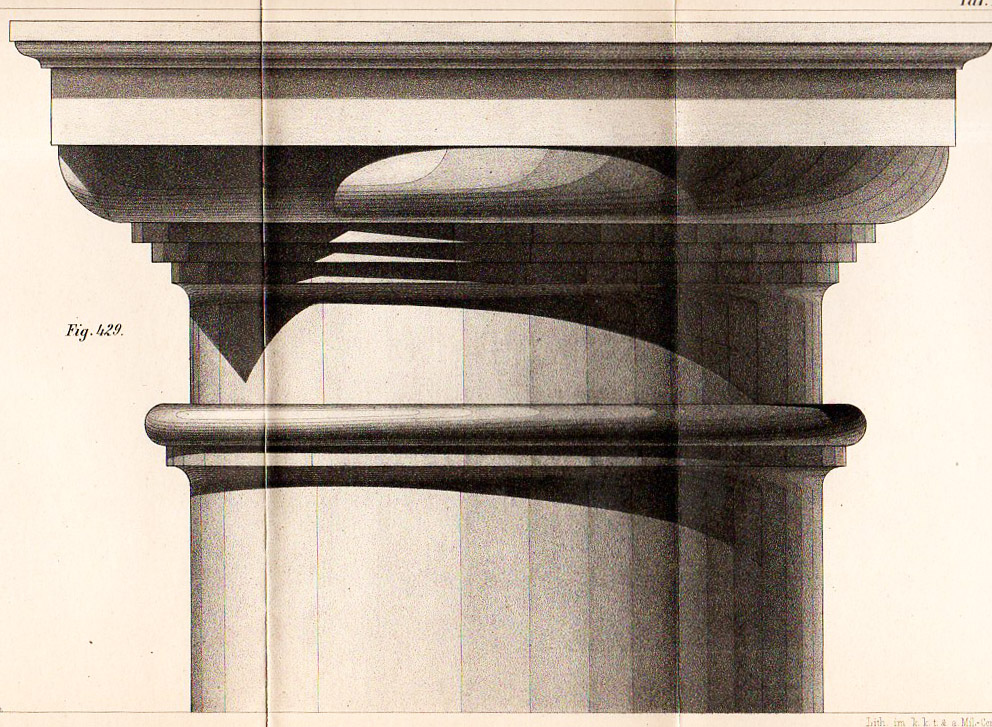
    Geometrische 2294This is perhaps one of the most beautiful engravings found in the military textbook by Johann Choura, Lehrbuch der Geometralzeichnens fuer id K.K. Militar-Realschulen, which is a work printed in Vienna in 1879. Its actually from the second volume, which is Darstellende Geometrie, a course on applied geometry for the engineering student in a military-minded advanced school.  It is not-so-simple and a lovely work of techArt.

    ·Posted by :

    ·in:

  • Timeline of the Big Bang

    JF Ptak Science Books  Quick Post

    Here’s an interesting, short timeline that I found and and which I reprint below–it was part of the appendix to the book by J.-P. Luminet,  L’Invention du Big Bang (Editions du Seuil, Paris), which was printed in 1997.  “Ce texte est l’introduction de l’ouvrage A. Friedmann, G. Lemaître : Essais de Cosmologie , traduction et notes de J.-P. Luminet et A. Grib, Le Seuil, collections ‘Sources du Savoir’ “. 

    ·Posted by :

    ·in:

    —
  • SteamMegaPunk Flyer, 1868

    JF Ptak Science Books   Post 2025

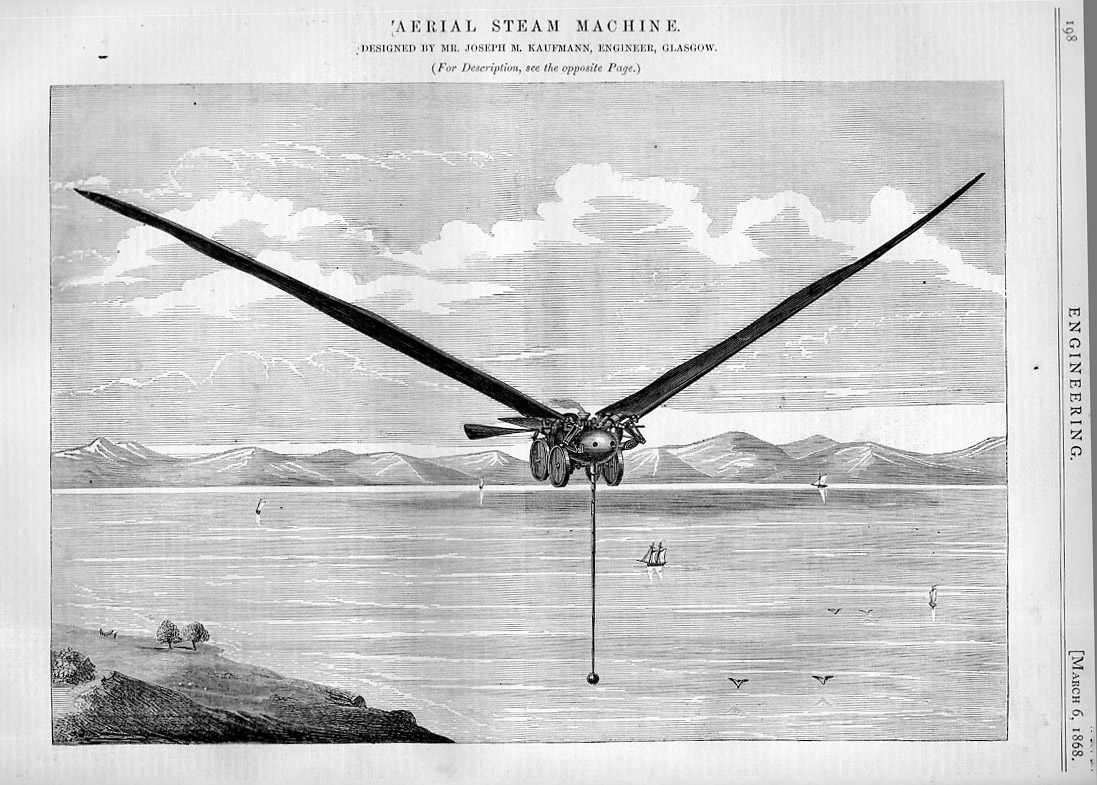
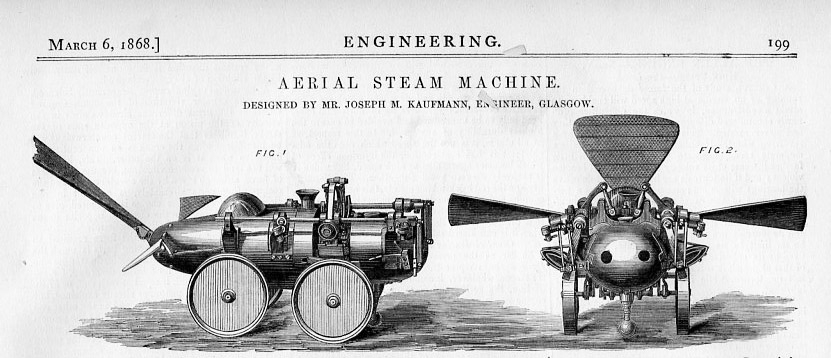
    This magnificent and mega-heavy beast-aeroplane (a “steam aeromotive machine”) appears in the pages of Engineering, and is the creation of Joseph M. Kaufmann of Glagow, and makes a splashy show of itself back there in 1868 when not-too-many airplanes were gracing the pages of technical journals.  But here it is, a very heavy dream of a Scottish engineer, a massive and underpowered vehicle of questionable design and imponderable consequence.  One thing is for sure–it certainly looks pretty.

     
    Aeroplane 1868300

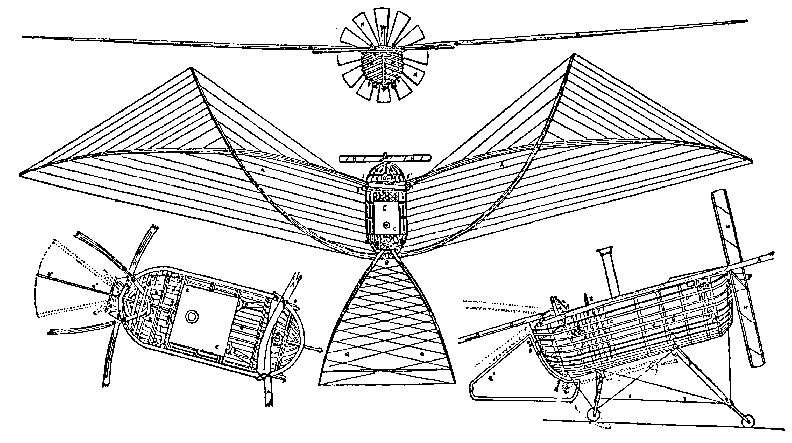
    The plan for the aircraft measured 12′ from stem to stern (plus another few feet including the tail), with the body about 5’x6′, and with wings that spread out 35′–each. The aircraft weighed in at an extraordinary 7,000 pounds and was supposed to be powered by a 40 horsepower steam engine that looked like a locomotive boiler that in theory would keep The Beast afloat at 40 mph for an extraordinary four hours. 

    As surprising as these images look from the modern perspective, perhaps the most unexpected aspect can be seen in the detail under the wing in the drawing on the right (below)–it seems that the motive power was that the wings “flapped”, like a bird’s.  This was asking a lot from those wings.  And that engine.

    Aeroplane 1868b301There was a lot of “flapping” going on in the experimental thinking for flight at this period, though many of these designs were human-powered ornithopters (like those of Bourcart in 1863, Trouve in 1870, and Wenham from 1858), and which in general didn’t last much past the 1870’s.  There was another class of proposed flying vehicle that adopted bird-wing qualities though the wings didn’t flap, like the Le Bris glider of 1868 and the beautiful and graceful patent of the Du Temple monoplane. These designs seemed to last much longer, perhaps most famously in the designs of Otto Lillienthal’s gliders of the 1890’s and the Vuia machine of 1906.

    Airplane du temple
    [The du Temple aeroplane, via Wright Brothers.org.]

    What the Kaufmann aircraft had that these others didn’t was its guiding principle of stability,  a 40-foot cable with an 85-pound weight on the end of it–a “pendule” of motion and stability.

    Aeroplane 1868b301_edited-1
    Mr. Kaufmann built a 42-pound model of the aircraft–things did not go well in the experimental firing, with the boiler failing right away, but not before the wings fell off.

  • The Ophthalmology of a Redon-ized Bosch

    JF Ptak Science Books   Post 2026   Follow Me on Pinterest

                          Cave Cave Deus Videt (“Beware, Beware, God Sees”)
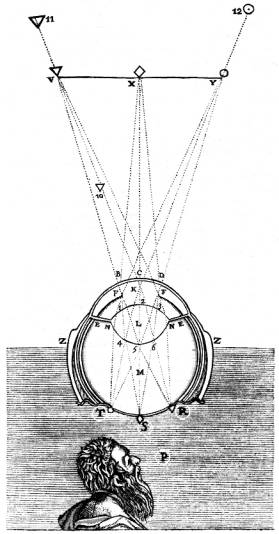
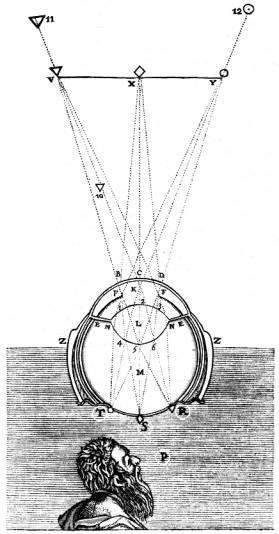
    Descartes dioptrique

    When I think of the early-ish thinkers on optics and vision, and consider their fantastic images
    of the anatomy of the eye and the mind/brain/eye connection, the work of Rene Descartes usually appears first.  It is a general go-to illustration in optics and biology, and it appeared in his Dioptique in 1637.  It is standard iconography.

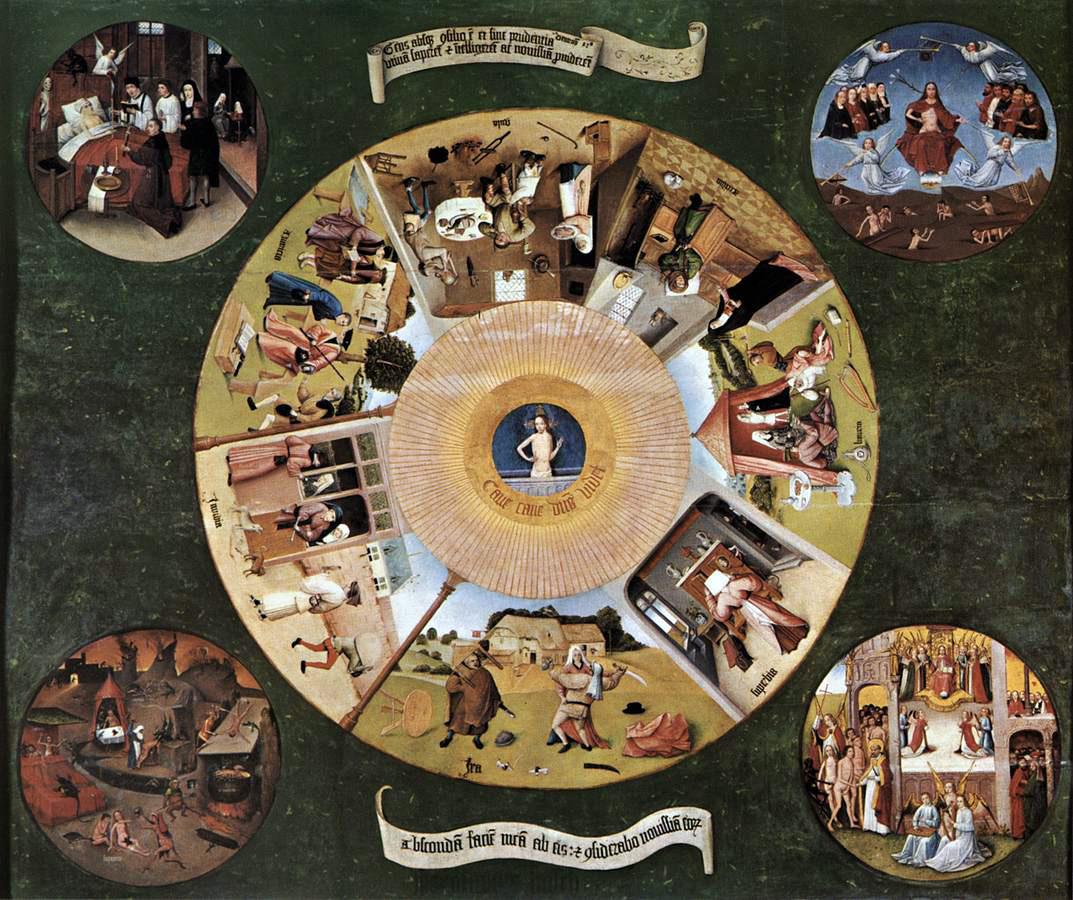
    For me, an antiquarian non-standard image of the eye appeared today. Hieronymous Bosch is not terribly well known as a person, as a walking and talking citizen of the world–it is known where he died, and where he spent the last twenty years of his life, but the details outside of this are scarce.  And even though he signed his adopted name of “Bosch”(he was born ca. 1450 as Jerome van Aken, and died in 1516) very boldly and clearly–and was among the earliest crops of artists to do so in the West–he never dated the paintings.  Scholars have determined their dates in some part by the increased realism and skill, which leads me to one of his latest works, the beautiful table top of the Seven Deadly Sins (ca. 1400). 
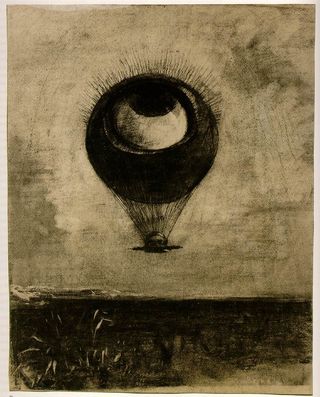
    Redon eye balloon

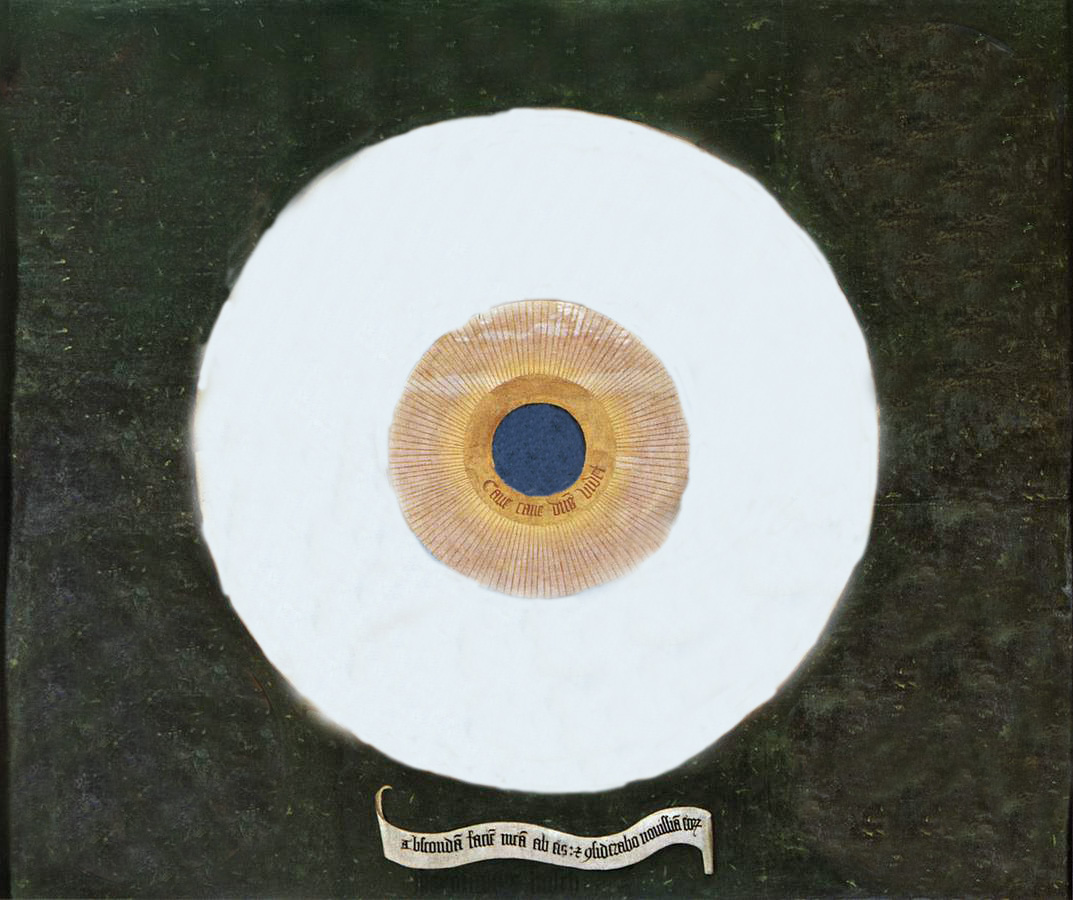
    I had never really noticed it before, but when I looked closely at some of the detail in the work it suddenly dawned on me that the central part of the work was an eyeball–this no doubt instantly seen by every other person, but for me it was a shock of recognition.  This became particularly clear when I (quickly and clumsily) photoshopped out most of the elements of the painting, leaving me with this:
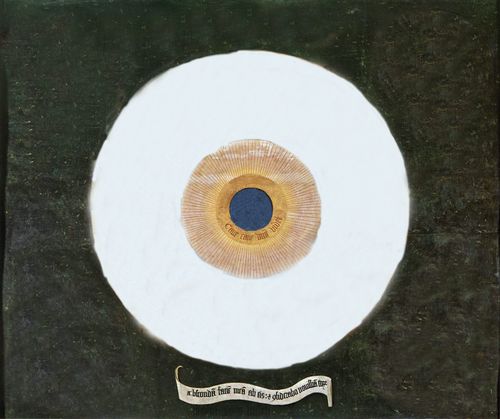
    Bosch The Seven Deadly Sins eyeball

    Which is clearly an eye–and as a matter of fact the Latin inscription emblazoned underneath Christ reads Cave Cave Deus Videt ( or “Beware, Beware, God Sees”), meaning that the watchful creator sees everything and will be the judge and offer final dispensation depending upon past history.


    Rendered like this the work reminds me strongly–at least in a symbolist sense–of Ordilon Redon’s (1840-1916) Eye Balloon (1878). Well, mostly it is the sense doctored image that drives this recollection more so than the painting–removing almost all of the elements of the Bosch suddenly gave the piece an escapist flavoring, like something in the early modernist movements. 

    And the original (47×59″ in real life), with the roundels elements restored and Christ replaced in the iris of the eye:
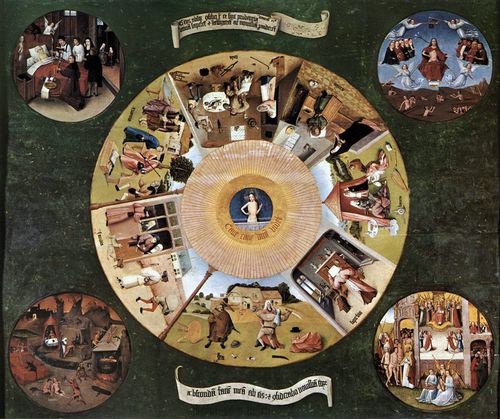
    Bosch The Seven Deadly Sins

    The motif of the painting clearly works its way outside-in, with the all-seeing omnipotent being seeing-all, there at the center of the eye, surveying everything that takes place on the living dominion, surrounded at the corners by depictions of Death, Judgment, Heaven, and Hell, and then immediately encompassed by the seven deadly sins.

    In the floating banner above the main circular image reads “For they are a nation void of counsel, neither is there any understanding in them,” and then below “O that they were wise, that they understood this, that they would consider their latter end!”

    I found it very striking. 
  • Odd Designs in the Meat Spectrum & Butter Tub Comparisons

    JF Ptak Science Books   Quick Post     Follow Me on PinterestPart of a Series on Unusual Book Titles & Design

    +  meat pork chop team
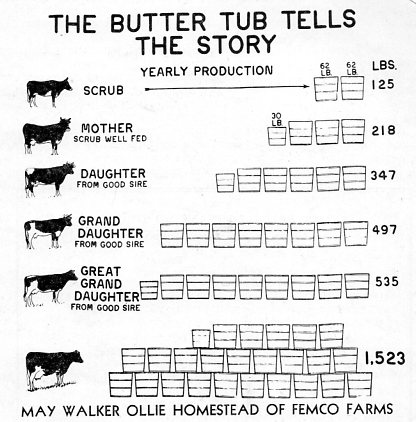
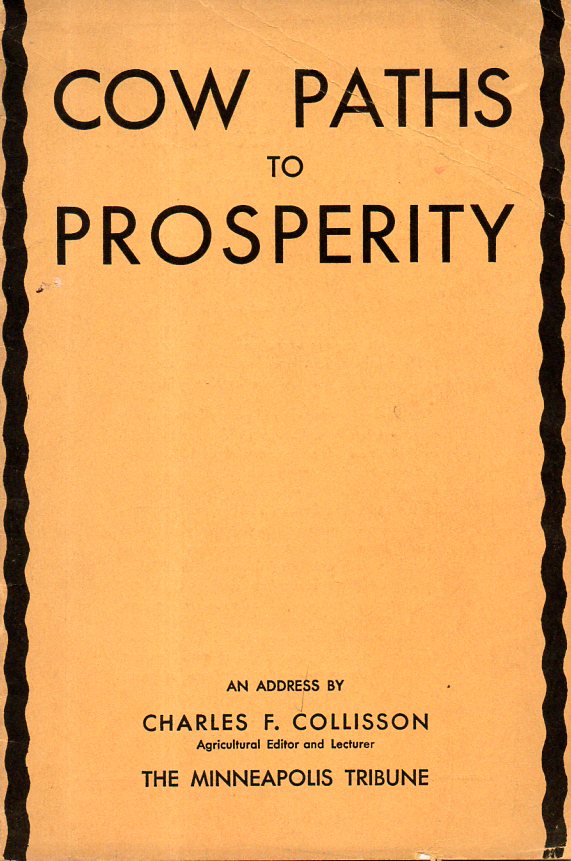
    This is another entry in a developing thread on marvelous/incredible/Outersider-y book covers and the ideas that go with them.  “Butter Tub” units of comparison jumped straight into my brain when I flipped through the pages of Cow Paths to Prosperity (1934), which is basically a very sober appraisal of the cattle industry for the smaller rancher–except of course that it has a fabulous cover and also has a bar graph employing tubs of butter. The Butter Tubs makes perfect sense, of course, but if view just slightly out of context the graph sustains a slightly covert semi-absurdist feel to it.

    Butter tub302
    The graph comes from this jumpily-designed pamphlet:

    Butter tub cover303
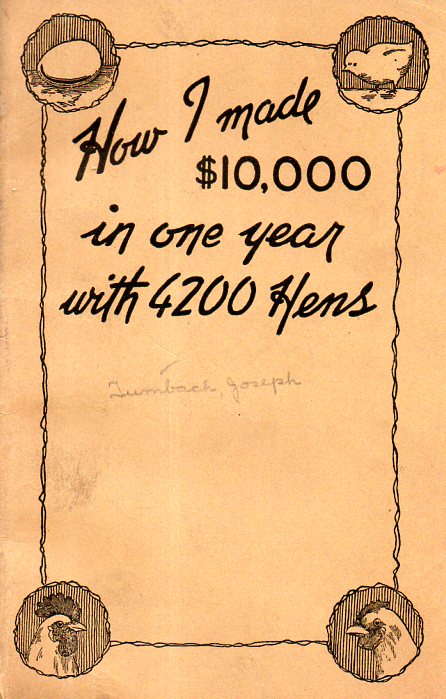
    And not to be outdone in the serendipity department, I offer this unusually-titled effort from the other side of the Meat Spectrum Civil War between beef and chicken:

    Hens304
    $10 grand doesn’t sound like a lot in today’s money for having to put up with 4000 modern dinosaurs on an egg farm–but when this pamphlet was printed in Pasadena in 1925, it was a 300+% increase over the average American yearly income.  I think the money was a little better and certainly much cleaner for writing about making chicken money than it was to actually do it. 

  • Our Galaxy is Not Alone, 1925

    JF Ptak Science Books  Post 2027  
    Follow Me on Pinterest

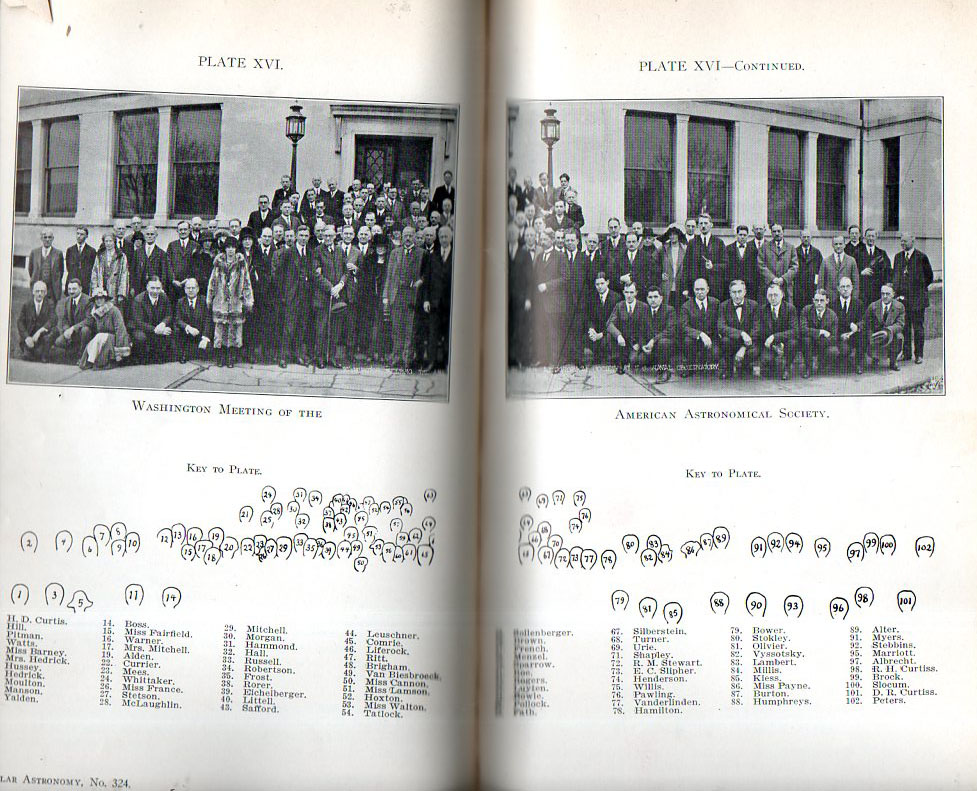
    I was about to post this great image of the attendees of a significant meeting of the American Astronomical Society taken during the meeting in D.C. over New Year’s 1924 (Dec 30 1924-January 1, 1925–certainly no one for many years has thought about holding a professional meeting on such a date!1) but I cannot let it pass that the paper on the other side of the photo was one of very high importance.  

    First, the photo, which I have not yet been able to locate easily online:

    Aas 1925305
    [More detailed closeups are available in the continued reading section, below.  Source:  Popular Astronomy, volume 33, April, 1925.]

    The paper directly opposite the slick reverse of the photo spread is Edwin Hubble’s “Cepheids in the Spiral Nebulae”–it was reported in the issue of Popular Astronomy for the 1924 meeting, though Hubble himself wasn’t actually there.  No matter–he was a meticulous and methodical man, and it seems he was at odd in pressing his results into print too quickly because it contradicted established thinking, which called for caution.  (The results of his findings had been earlier presented in the New York Times in November 19242.) But the paper–to paraphrase my brother-in-law Mickey Digh–“was what it was”, and (using Shapley’s calibration for the period-luminosity relation, published in the Astrophysical Journal in 1918) announced the discovery of Cepheid variable stars in the nebulae M 31 and M 33, placing them at vast distances, well outside our galaxy.  This in effect established that the belief of our galaxy being the only galaxy in he universe was incorrect, and that the Great Debate arguing these points on the nature of the nebulae and begun decades earlier was settled.

    In the next year, 1926, Hubble would contribute a paper on the classification of the nebulae (“Extra-galactic Nebulae”, in the Astrophysical Journal, volume 64, pp 321-369) which was highly adaptable and proved to be iconic.  Three years later, continuing on the theme of the 1925 paper, Hubble published what has been seen by many as the great astronomical paper of the century, the 1929 Velocity-distance relationship, with Hubble’s Constant.  So not only were there galaxies existing outside of our own as he had demonstrated in 1925, but that these galaxies were moving, and quickly, away from each other, everywhere.  This was the establishment of the expanding universe–the Big Bang stuff (famously put forward in the April 1 Alpher-Bethe-Gamow paper by Alpher, Gamow and Herman but no Bethe, a bit of nerd humor to get ABC out of the initials of the authors of the paper on April Fool’s Day, 1939) would come about to explain what the 1929 paper established. 

    Anyway, the 1925 paper is a major step in the history of cosmology, and perhaps the greatest effort in observational cosmology of the 20th century.  

    The other odd thing about this issue is that contains another “first”–not as significant as the Hubble, but still very interesting.  It is a short paper by L.J. Comrie–an early visionary and practicioner of the use of the calculator and computer–on the application of the electric calculator to solving problems in astronomy.  It looks like this may be the first paper on the use of the electric calculator to solve complex computation problems in astronomical issues.  If this isn’t the first paper on the subject, it is close to being so–I haven’t yet figured that out. 

    ·Posted by :

    ·in:

  • Unintentional Absurdist and/or Naive-Surreal Photography

    JF Ptak Science Books  Post 2030   Follow Me on Pinterest


    Surreal lighting308_edited-1

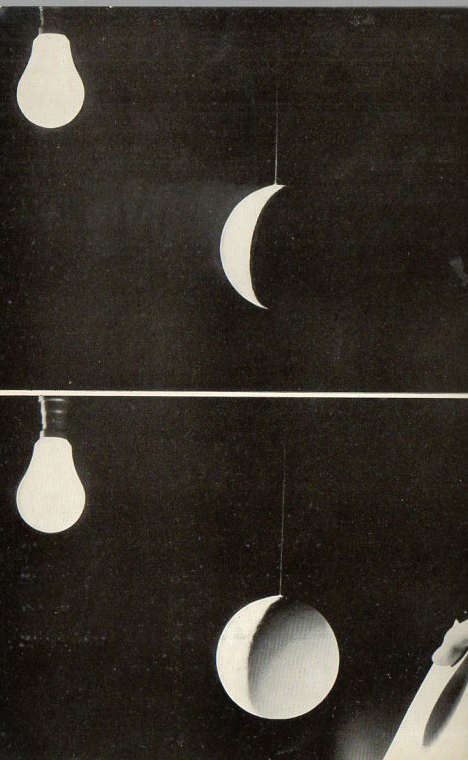
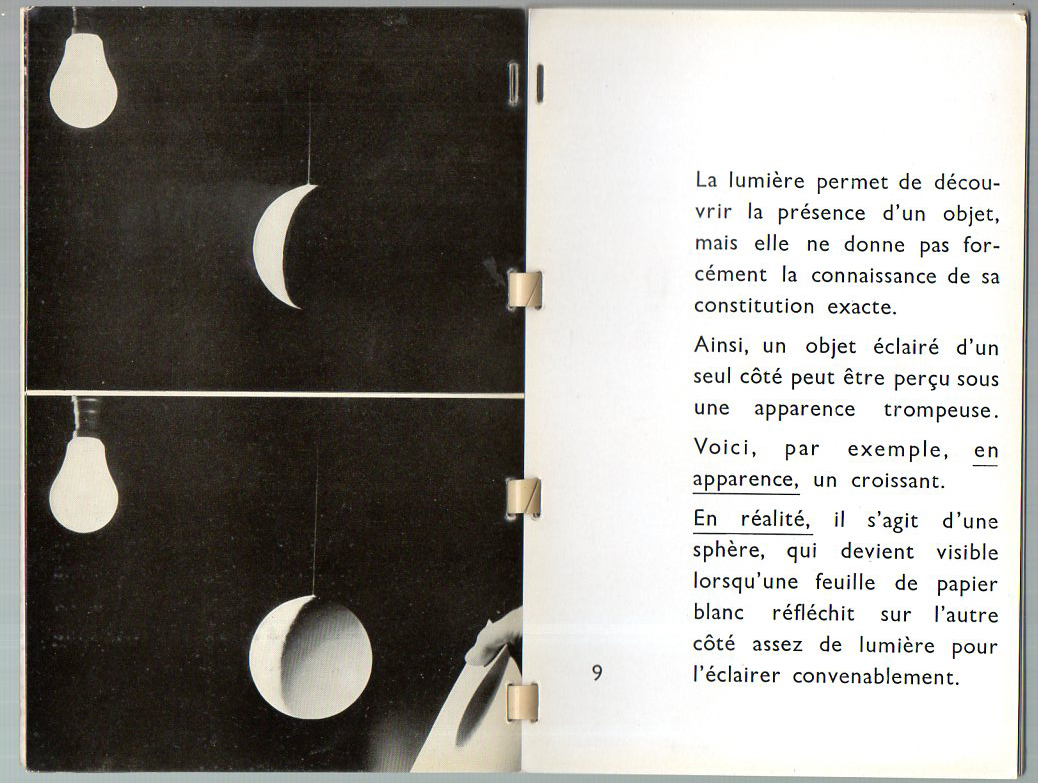
    L’Eclairage, published by la Societe pour le Perfectionnement de l’Eclarage, was printed in 1937, and addressed the use and beauty of proper lighting.  The photography is the work of Andre Vigneau, French photographer/film-maker/sculptor (1892-1968), who among many other things was one of the first to design photographic covers for books.  This little pamphlet outlines the importance of lighting in photography–aside from that, though, its principal interest for this blog is the absurd/surreal nature of the photographs  when taken away from the text and out of context.  The image are unexpectedly interesting as cleaved-away photographic documents of unusual perspectives.

    Surreal lighting308

    ·Posted by :

    ·in:

  • Constellations of Bomb Craters and Trench Defense, 1917

    JF Ptak Science Books   Post 2028   Follow Me on Pinterest Series on the History of Holes  

    Also see: The Exploding Dots of Falling Dominoes: Dien Bien Phu, 1954


    Holes bomb313
    In the efficacies of categories for this blog I wonder about the placement of holes in the history of digging.  Most acts of digging results in making a hole, and some digging results in holes that are far longer or wider than they are deep, as in the case of trenches, and especially in the case of trenches dug during WWI, when many thousands of miles of them were dug and filled with millions and millions of men, perhaps as many as a million of them dying right there in the trench.

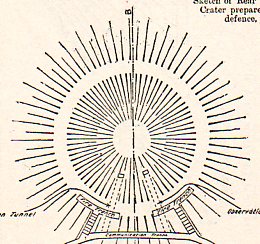
    Digging though is not a necessary condition for making a hole, or supporting a trench for that matter.  There were many millions of shells fired during WWI, and many of the craters produced by their explosions were converted  for use in conjunctions with trenches. 

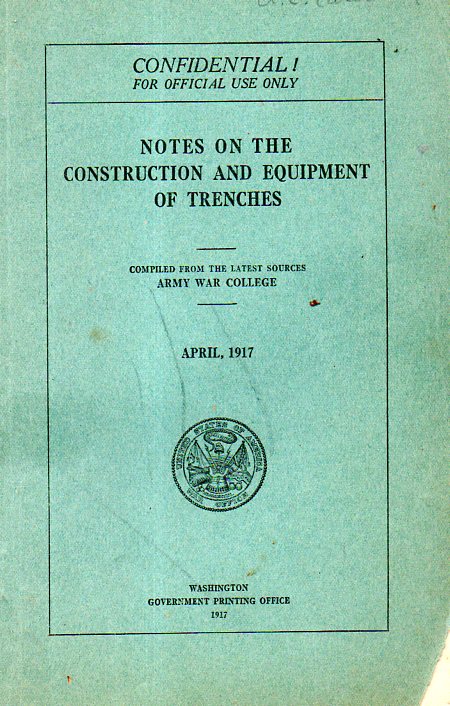
    Holes bomb314There is a lengthy section of the relatively short (104pp) book Notes on the Construction and Equipment of Trenches–published by the Army War College in April 1917– dedicated to the employment of bomb craters in trench warfare. (This was 2.5 years into a war that Woodrow Wilson and most Americans south to avoid–not only to not fight, but to not necessarily take sides, to stay neutral, and it lasted about 900 very bloody days.) And as it turns out, of course, there are many ways to use a big area of scooped-out/blown-away earth in a complex geometry of narrow and interconnected diggings.  The hole could be used as a hole filled with barbed wire as a front line of defense–and here we are told (reminded?) about the scope of the so-called “wiring entanglements”, which should be 20 yards out from the lip of a  crater which should also be 30′ deep (!), the bowl of the hole lined with 3′ high runs of barbed wire that should be irregularly posted . At the rear for anyone who thought of trying to make it through such a hellhole would be a machine or Lewis gun.  (The wooden posts should be strong–“light posts are useless”.) Great numbers of these craters would be used like star points in a complicated astrological sign of want and destruction, and this book would aid in the education of how to bring these changes about.  (Of particular interest is the advisory that entanglement construction should be undertaken in 40/50-yeard chunks, and that the installation of these defensive measures at the very front of a line “should take place at night”.  Ineed. 

  • Symbols in Francis Bacon’s Beautiful “Instauratio Magna”, 1620

    JF Ptak Science Books  Post 2029  Follow Me on Pinterest

    Blogbacon038

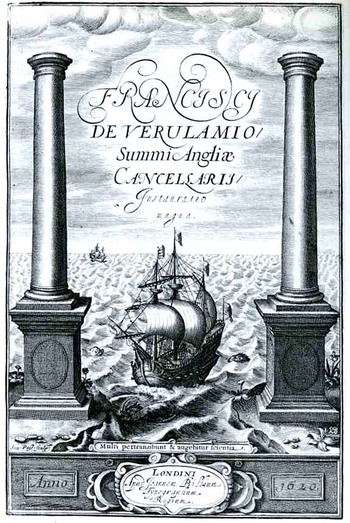
    This sweepingly metaphorical title page belongs to Francis Bacon’s (1561-1626) superb Instauratio Magna, printed in 1620.  Bacon, the privileged and brilliant son of Nicolas Bacon, the Lord Keeper of the Seal of Elisabeth, entered Cambridge at the age of 12 and never looked back, becoming one of the leading thinkers of the English Renaissance. 

    The Instauratio contains his Novum Organum  (The New Oganon [New Instrument], or true Directions Concerning the Interpretation of Nature) a monumental pronouncement and a new way of looking at scientific thought, looking to break away from the established Aristotlean methods that had been in place in England and Europe for centuries. The “new instrument” part directly relates to Aristotle’s own work called Organon, which in short was a work of inquiry and a treatise on logic and syllogism—Bacon would present his own new instrument of logic base upon a simpler process of reduction. (Bacon famously begins this work “Those who have taken upon them to lay down the law of nature as a thing already searched out and understood, whether they have spoken in simple assurance or professional affectation, have therein done philosophy and the sciences great injury. For as they have been successful in inducing belief, so they have been effective in quenching and stopping inquiry; and have done more harm by spoiling and putting an end to other men’s efforts than good by their own.”  He continues in this vein, getting to the real crux of the biscuit, and broadly states in the second paragraph “Now my method, though hard to practice, is easy to explain; and it is this. I propose to establish progressive stages of certainty. The evidence of the sense, helped and guarded by a certain process of correction, I retain. But the mental operation which follows the act of sense I for the most part reject; and instead of it I open and lay out a new and certain path for the mind to proceed in, starting directly from the simple sensuous perception…”  And how!) This new approach to knowledge was foremost in the mind of the designer and artist who produced this title page, which is deeply indebted to the analogy between the (very deeply ingrained and mature) age of exploration and that of intellectual discovery.
    Blogbacon_bits

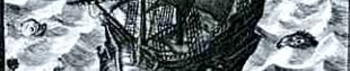
    The ship in this scene is passing through the Pillars of Hercules, exiting the relatively safe waters of the western Mediterranean and heading out to sea—-to accent this point we see two sea monsters at either side of the ship right at the beginning of this new-world trip, just feet beyond the established safe perimeter.  The pillars had long since been recognized as the western end of the world, as recognized by Dante in the Inferno, observing the voyage of Ulysses past the pillars, endangering the lives of his sailors in the justifiable

    Blogbaconplus_ultra
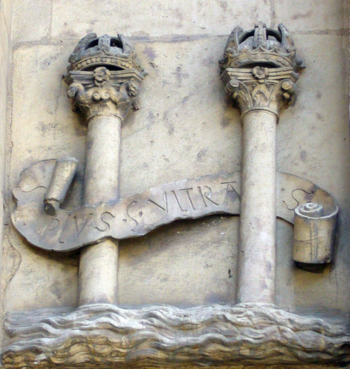
    search for knowledge of the unknown.  The Pillars appear in the coat of arms of Spain, originating with Charles V (the Holy Roman Emperor and also the King of Spain), with motto plus ultra (“further, beyond”) The plus
    ultra part fits nicely with the Bacon, even though the words are not there in the image, they really should be, emblazoned across the stern of the ship of Bacon’s imagination and intellectual enterprise.(The great voyage of discovery analogy and the  great new discovery in thought is probably painfully clear already.)

    Blogbacon_bits_latinThe image is captioned and summarized with the Latin phrase “Multi pertransibunt et augebitur scientia”, wrenched from the triumphantly problematic and slightly insane Book of Daniel (chapter 12, verse 4).  It is translated loosely as “many shall run to and fro, and knowledge shall be increased” or more elegantly “many will pass through and knowledge will be increased”—either way, whether by direct adventure and exploration or frenetic activity, the act of a new effort will be rewarded with a new knowledge.
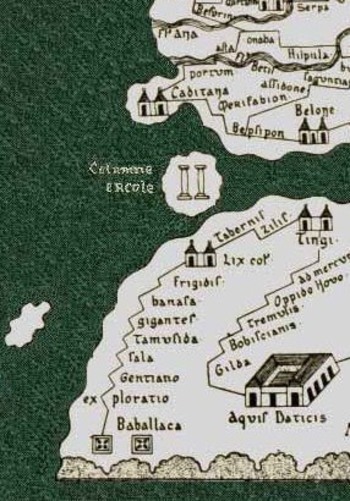
    The image below is from the Tabula Peutinger–basically a roman-era road map of the extent of Empire–and shows the location of the pillars.  They were mountainous metaphors existing at Gibraltar and Morocco, but folks were only too happy to relieve them in marble.

    Blogbaconpillars_2

  • Big Cities Missing from the Western Landscape, 1920

    JF Ptak Science Books  Quick Post


    Map census city pop318
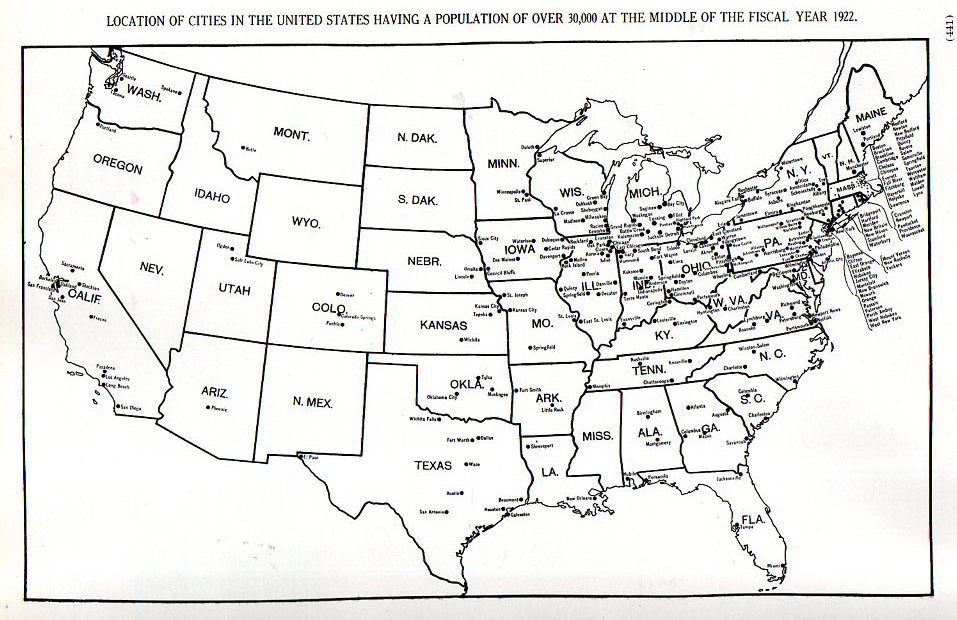
    It is interesting to see in this found map that the U.S. was still a vastly under-citied place in 1920.  This map (from the Statistical Atlas of the United States, compiled by Charles S. Sloane in 1924) created for the census of 1920 shows the locations of cities with populations of 30,000 and above.  It is strikingly clear that once you move west of the Minnesota/Iowa/Missouri/Arkansas/Louisiana line, there are very few big cities.  38 in fact– and half of those in the two states of California and Texas.  The rest are distributed fairly widely: six states had no cities >30k, three had one, two had two, and four had three. Other than that, there was a 1000+mile swath of land hundreds of miles wide spreading from central Texas to Oregon in which there were none of these cities. 

  • Some Ancient Forms of Numbers

    JF Ptak Science Books  Post 2030

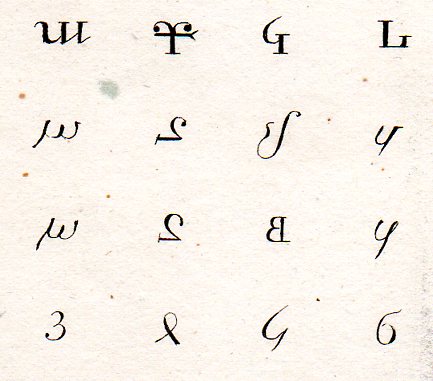
    With “all” of the recent talk about prime numbers I thought to post this elegant and small summary of the different ways of writing numbers.

    Number history316Above is a lovely detail of a collection of “ancient arithmetical characters”, including notations for the numbers 1 through 9 by “Boethius, Plenudes, al Sephadi, Sacro Bosco, Indian, Roger Bacon, and AL Sephadi”. 

Recent Posts

Archives

Categories