A Daily History of Holes, Dots, Lines, Science, History, Math, Physics, Art, the Unintentional Absurd, Architecture, Maps, Data Visualization, Blank and Missing Things, and so on. |1.6 million words, 7500 images, 4.9 million hits| Press & appearances in The Times, Le Figaro, Mensa, The Economist, The Guardian, Discovery News, Slate, Le Monde, Sci American Blogs, Le Pont, and many other places… 5000+ total posts since 2008.

  • 37 Miles from Mexico *and* 27 Miles from Poland

    JF Ptak Science Books   Quick Post

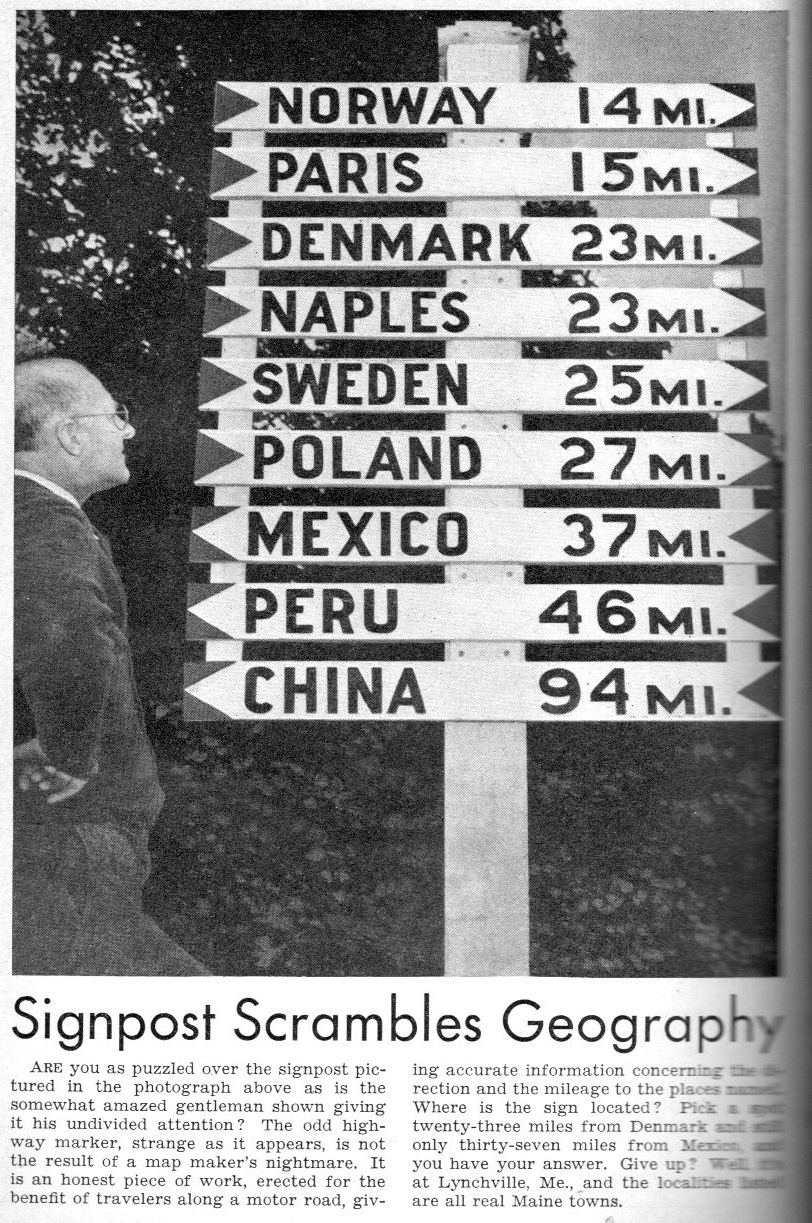
    The answer is “yes”, the sign is real; the question though is where does it work? 

    Road signs235

    [Source: Popular Science Monthly, July 1940.]

    The location, according to the article, is Lynchville, Maine, which is about 50 miles northeast of Portland.  


  • A Chain but Not a Chain (?) in the Last Judgment (1512)

    JF Ptak Science Books  

    Chain236

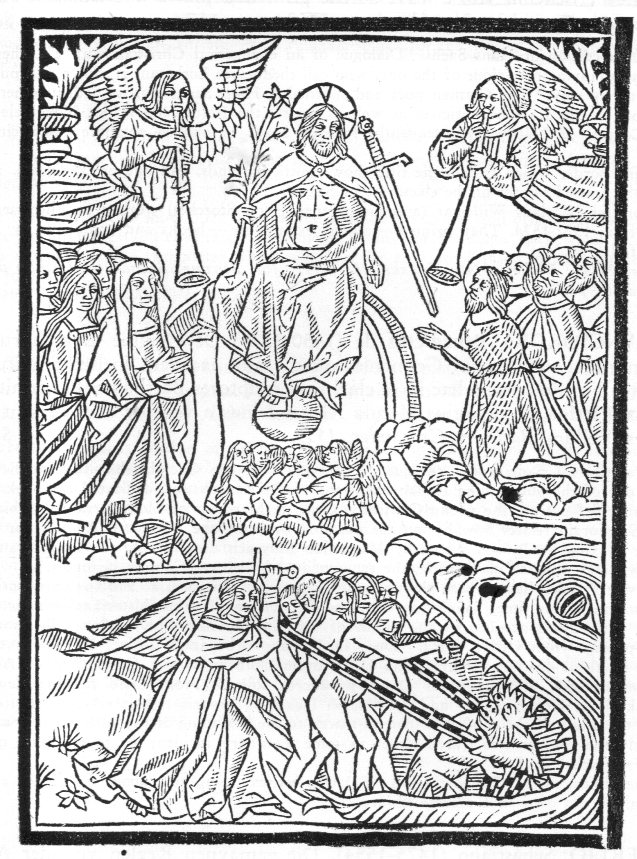
    This interesting image, “The Last Judgment”, appeared as a woodcut in a book by Ricius (Rici, Rizzi, Rizius), Paul(us) (Paulus Israelita), Freiherr von Sprinzenstein (1530 Reichs- u. erbländischer Freiherr, 1480-1541), Eruditiones christianae religigionis plurimum utiles & cuilibet christiano ad modum necessarie, which was printed in Paris in 1512. The author was a German Jew who converted to Christianity and wrote and studied a form of Christianized kabbalaism, a philosopher, translator, and a physician who was the doctor to Emperor Maximillian I.  What attracted me in all of that in this image had nothing to do with any of this–what I’m seeing here, wrapped around the condemned entering Hell in the mouth of the beast, is a chain.  The unhappy group standing in the jaw of the beast, cowering against a very annoyed Archangel Michael, are being collected with the “chain” and pulled downward by a hell-beast.  

    It is an odd object, and I’m not convinced that it is a chain, though it does look like one.  The issue with chain is that outside of being worn for defense and adornment (for centuries) steel chain didn’t appear in the west in extended use unto the 19th century.  There is a sketch of chain in a Leonardo sketch, but a popular use of a chain really doesn’t exist for another two centuries.

    Again, this item does have a torus-like shape and does look like a chain of some sort, but that doesn’t necessarily make it one.  Also I’m not familiar with its symbology if it isn’t a chain, so I’m a bit out of my element. I’m glad though to share this should someone out there know what it is, or isn’t. It is certain though that it is odd. 

    UPDATE:

    A friend on facebook provided an interesting Bible quote on chains/Last Judgment:“For if God spared not the angels that sinned, but cast them down to hell, and delivered them into chains of darkness….” 2 Peter 2:4.

    Also there are:

    And the angels who did not keep their positions of authority but abandoned their proper dwelling–these he has kept in darkness, bound with everlasting chains for judgment on the great Day.–Jude 1:6

    And I saw an angel coming down out of heaven, having the key to the Abyss and holding in his hand a great chain.–Revelation 20:1

  • Extraneous Alphabets: Imperative Incidentals in Dante. And the Devil.

    JF Ptak Science Books  Post 2533

    There is a peculiar beauty to discovering a sleeping obviousness–something that is so present and apparent and minor that it can present for a while before you suddenly recognize it, and then the obviousness is all that you can see. “Hiding in plain site” is something that it might be called, though I don’t think we have a word for it in English.  
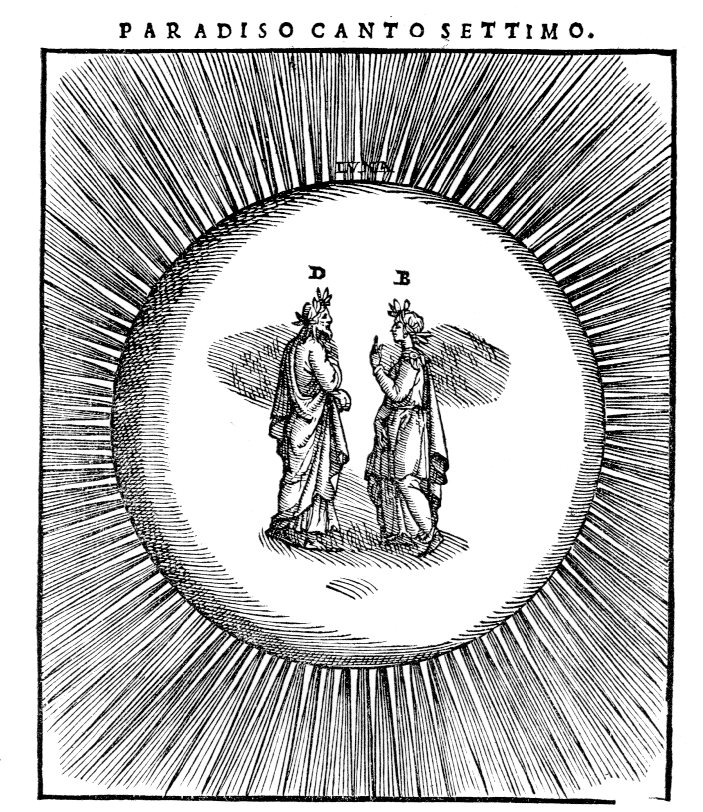
    Dante beatrice237

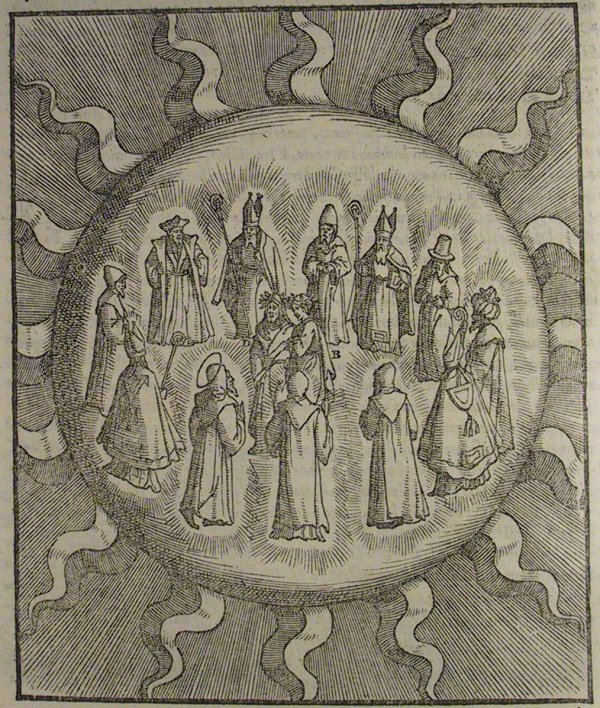
    Here’s an example of it, found in Dante. It may seem perverse to look at beautiful images like this/these illustrating one of the greatest stories that has ever been spun, but the tiny letters signifying the actors defined in the motion take on their ow unusual lives for me.  It seems very odd to identify objects that are so obvious and form the direction of the story and need no identification. (Some things need no introduction, like Dante and Beatrice, and Yogi Berra. (A friend told me a story of going to a function and being seated next to Berra for dinner, Yogi walking up to him and extending a hand saying “Hi, I’m Yogi”. No kidding?))  But I guess someone thought the notation was necessary, even if it both spoils and beautifies the simplicity of the design.  

    The edition of Dante is by Alessandro Vellutello, (La Coemdia con la nova espostione de Alessandro Vellutello…published in Venice in 1544) who extended himself to include the (87) illustrations that I just mentioned, and included a text full of glosses. No doubt the signifiers in the illustrations are aids to the supplementary text–still, they seem to be fairly unnecessary. 

    • Here’s an entire gallery of the Vellutello illustrations at World of Dante, http://www.worldofdante.org/gallery_vellutello.html

    Dante sun big

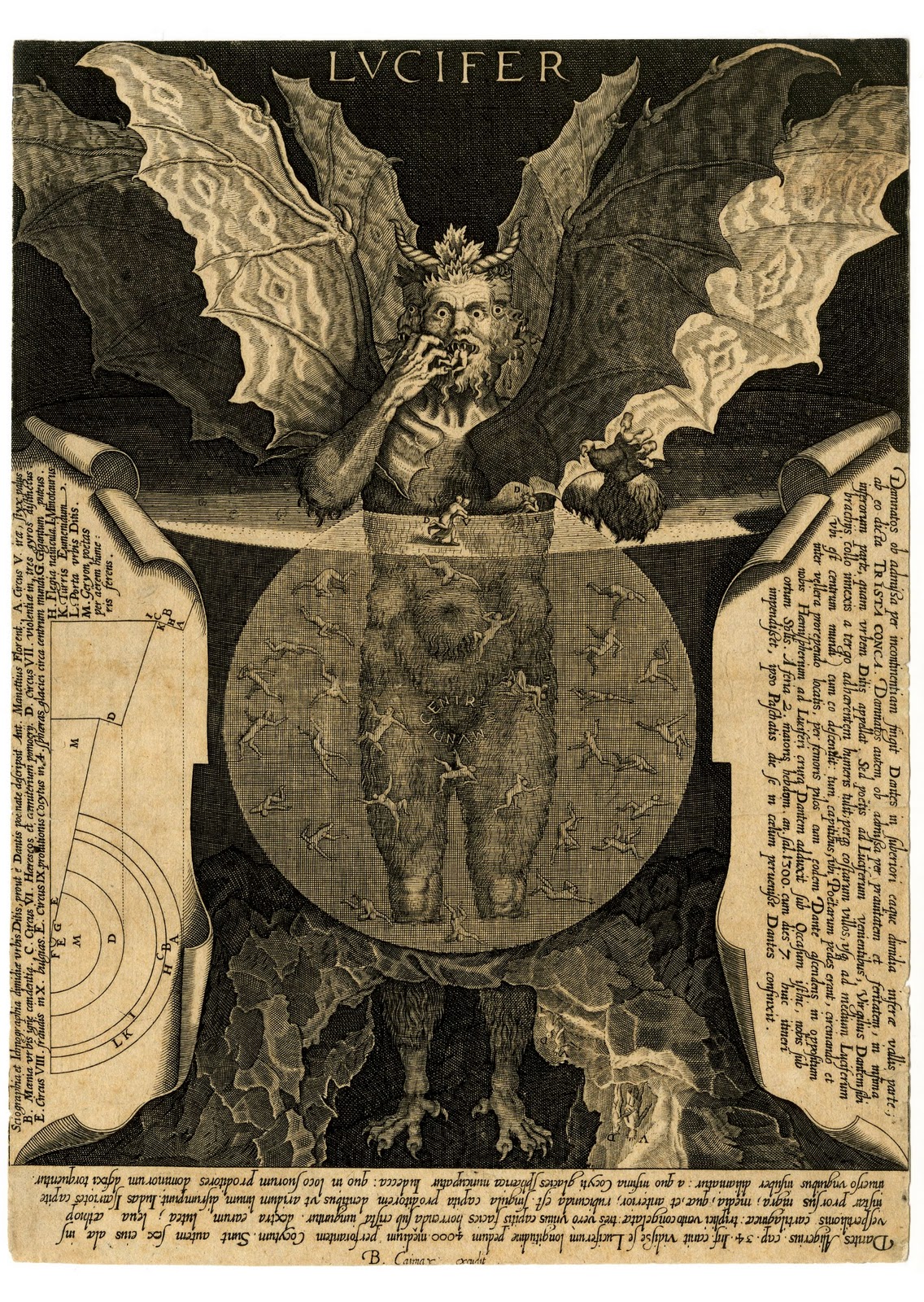
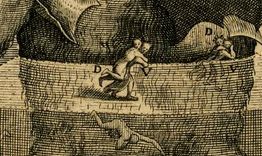
    That said, most of the time I appreciate the annotated image (speaking here of the non-technical/scientific ones)  mainly because without the help the iconography sometimes escapes me.  The Vellutello illustrations are much more “modern” than previous illustrations made for Dante, and seem to bridge the centuries of differentiated understanding so far as the interpretation of the images are concerned. On the other hand I appreciate the effort made for explanation in the engraving by Cornelis Galle of the Devil as it lived and breathed in Dante, the help coming in many forms. For example, without the annotations I would probably never have noticed the “D” and “V” figures (Virgil carrying Dante) so I  am thankful for the help:

    Lucifer

    Lucifer detail


  • Children and Labor, 1910-1920

    JF Ptak Science Books  Quick Post


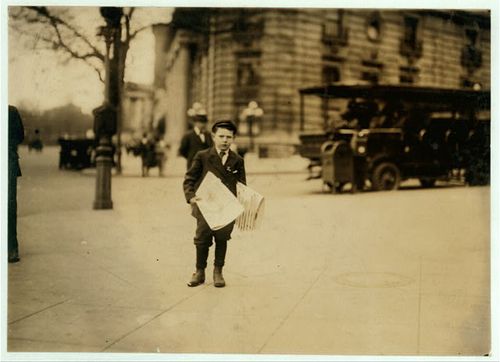
    Newsboy

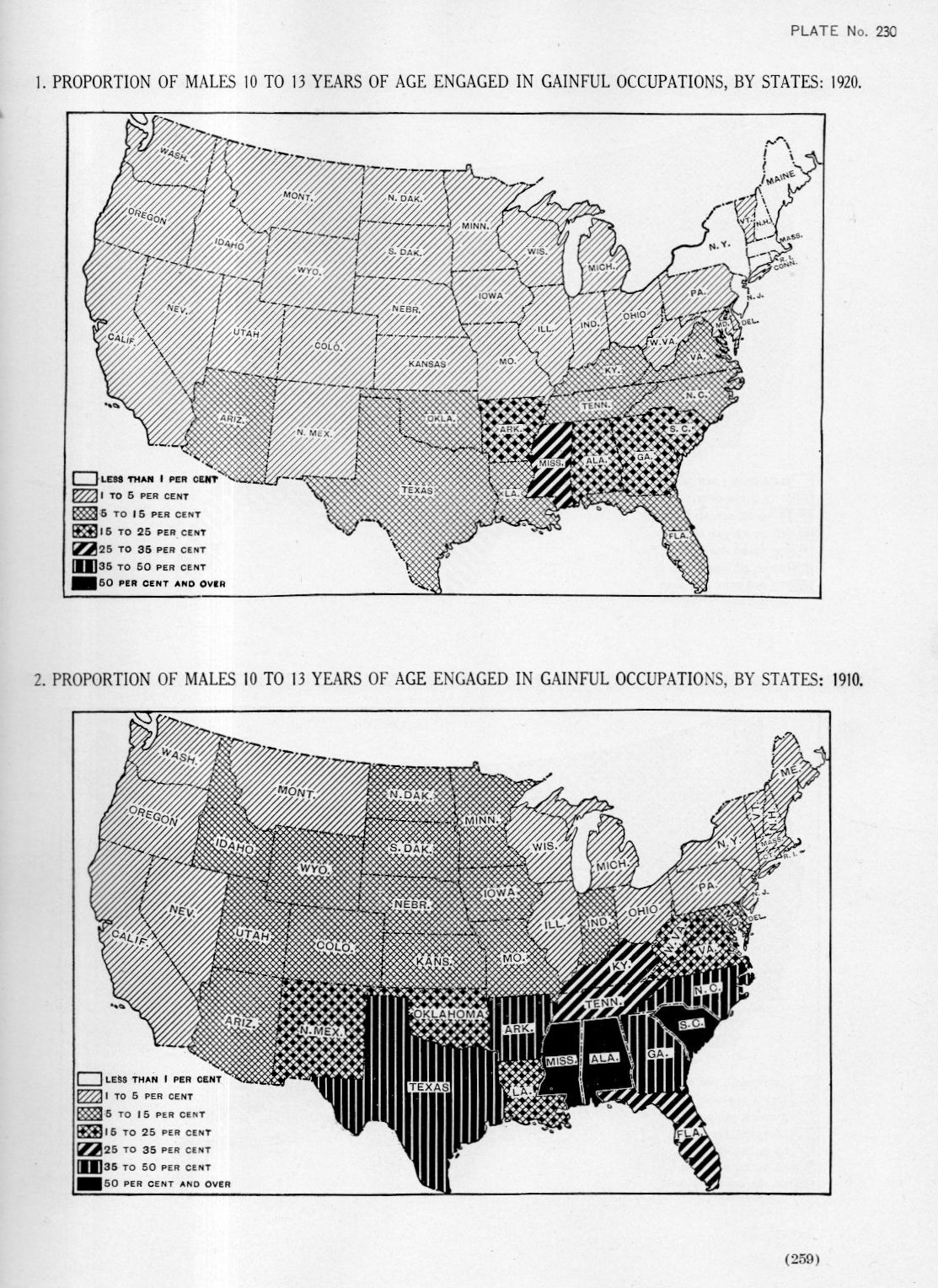
    Welcome to the not-too-distant past, the era of my grandmother, when in 1910 50% or more of 10 to 13 year-old boys in Mississippi, Alabama, and South Carolina were working, and working at real jobs.  There does seem to be a remarkable change in the employment situation in the next census of 1920.  

    [The maps below appear in Statistical Atlas of the United States, prepared by Charles S. Sloane, published in Washington, 1925, plates 230 and 232.]

    See some earlier posts on child labor: 

    among others…

    Maps employment children238

    Child work--childs creed


    Maps of the proportion of females 10 to 13 years of age engaged in gainful occupations, 1920:

  • “The Body as Army and Navy”, 1921–Mechanical Images of Sensory Capacity

    JF Ptak Science Books  Quick Post


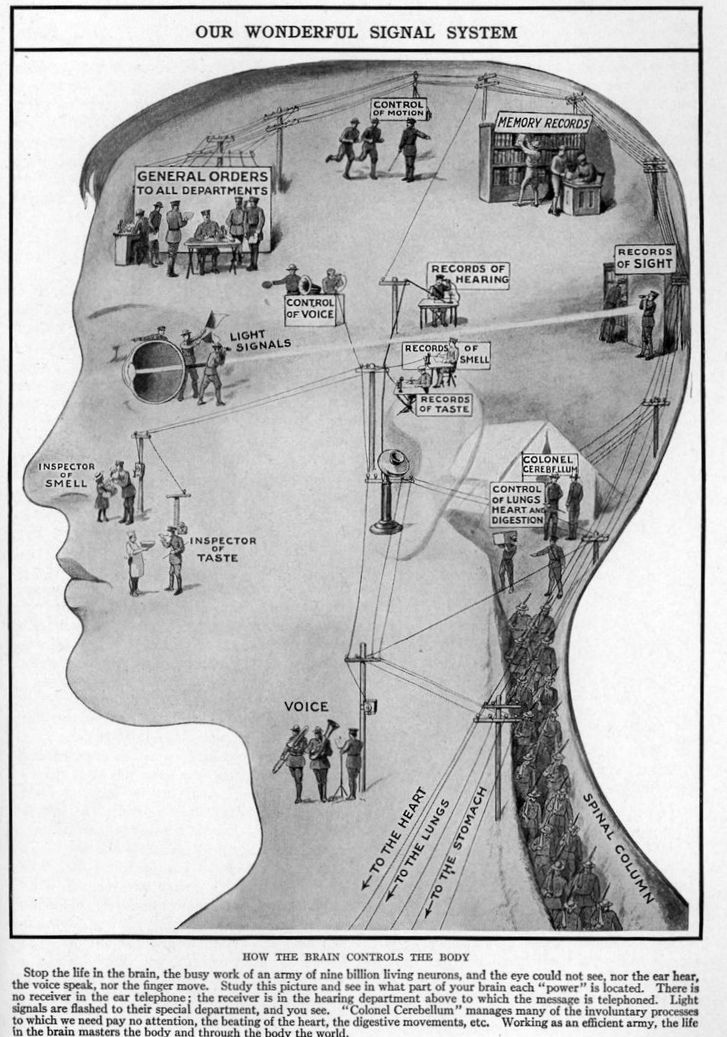
     These creative displays are found in Marion Florence Lansing’s The Wonder of Life (volume 11, Supplementary), published in 1921.  They represent a somewhat humanized-but-roboticized/automated approach to displaying he control of the senses, which seems to have been a developing style in the 1920’s giving the popular cultural appearance of mechanical people (the term “robot” appearing for the first time in this same year in Karel Capek’s play R.U.R.). The images also appear, appropriately enough, in the chapter titled “The Machinery of Our Bodies”. 

    Map of the senses


  • Charting the Winds: a Superb Anemographic Chart from 1598

    JF Ptak Science Books   Quick Post

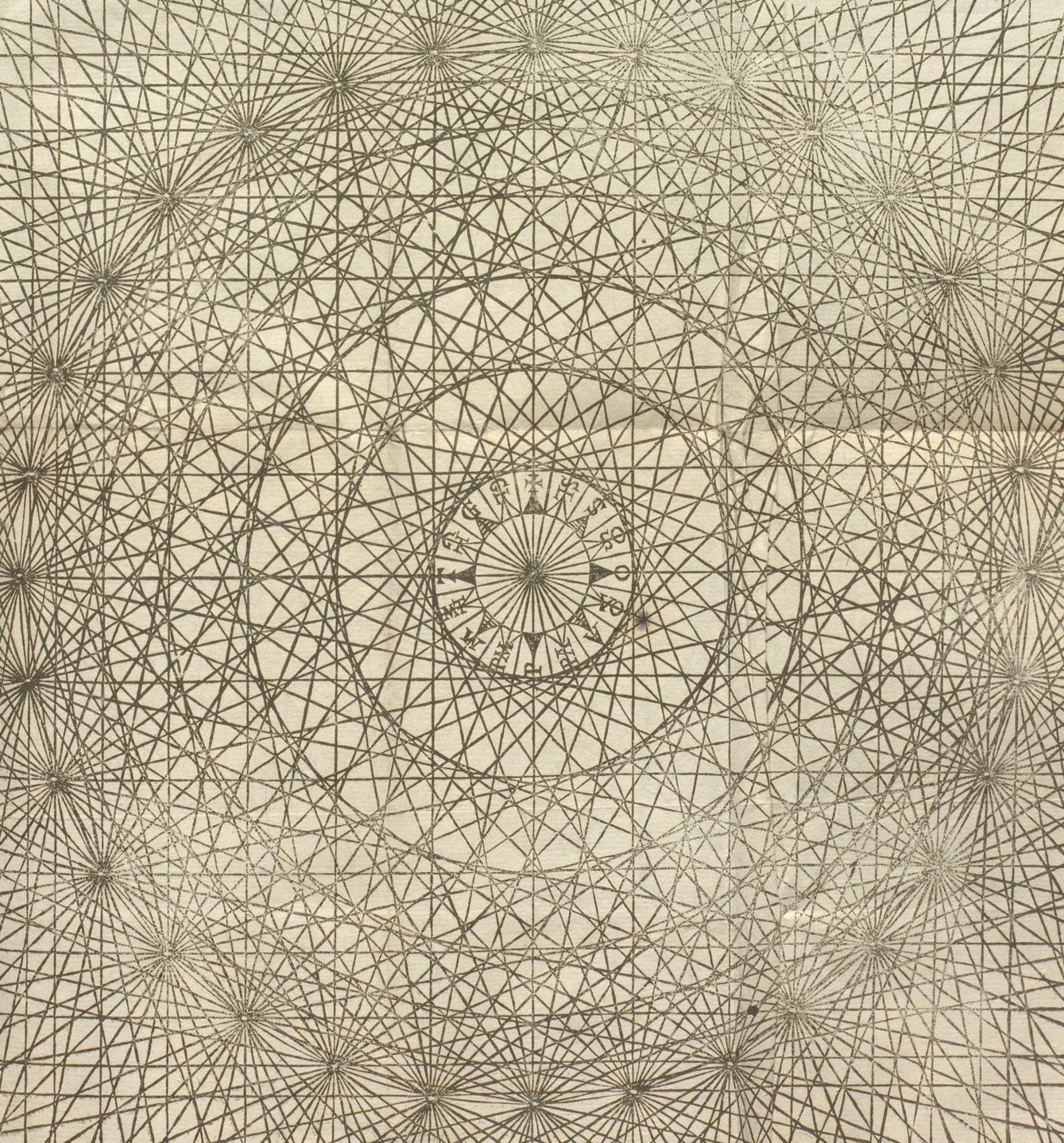
    Map wind rose detail


    Map wind rose

    Source: ETH-Bibliothek  http://www.e-rara.ch/zut/content/pageview/5616752

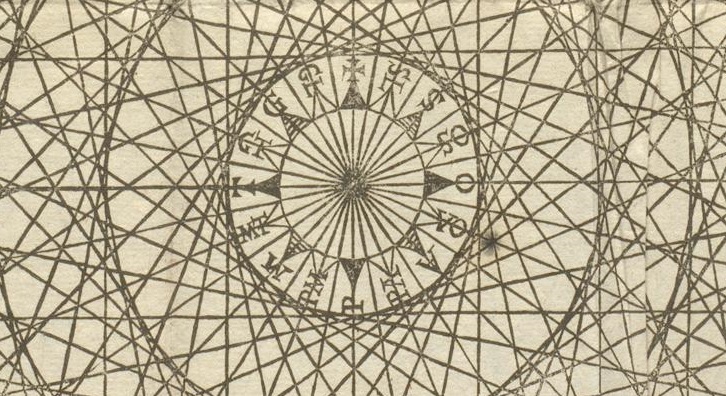
    It seems to me that the winds were named long before clouds were were–in many ways that is understandable given the nature of winds and clouds, and also given the burden of understandable “proof” in that the winds were categorized for centuries before clouds received their first scientific treatment in the early 19th century.  (See this earlier post on Luke Howard, “On Naming Clouds But Not Illustrating Them, 1815” https://historyofideasblog.com/books/2012/01/on-naming-clouds-and-not-illustrating-them-1815.html.)

    The chart above,”De ventis” is a gorgeous and half-hypnotic anemographic chart of wind roses, which was an engraved illustration from Francesco Barozzi’s (1537-1604). Cosmographia in quatuor libros distributa summo ordine, miraque facilitate ac brevitate ad magnam Ptolomaei mathematicam constructionem, ad universamque astrologiam instituens… and published in Venice in 1598. 1598

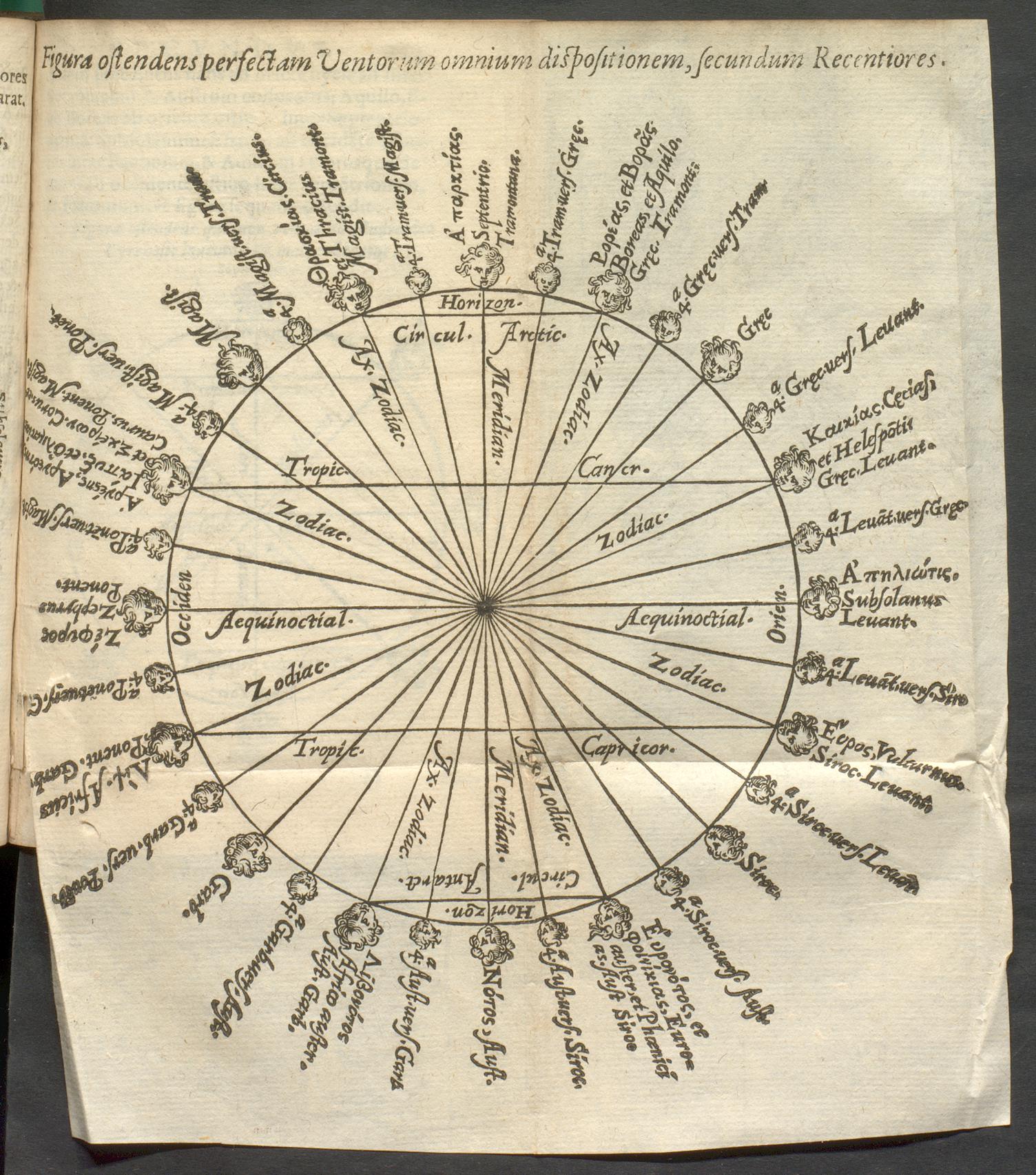
    From the same source–which was a general work on cosmography but included exercises in perspective as well as extended discussions of terrestrial interest–comes this excellent chart of the wind names:

    Wind names


    ·Posted by :

    ·in:

  • Non-Observatory Telescope Houses and Rolling Homes

    JF Ptak Science Books   Quick Post   [Part of a series on the History of the Future]

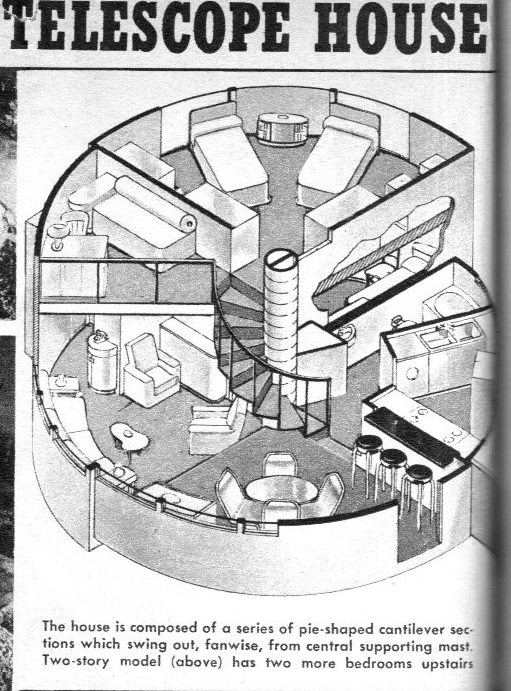
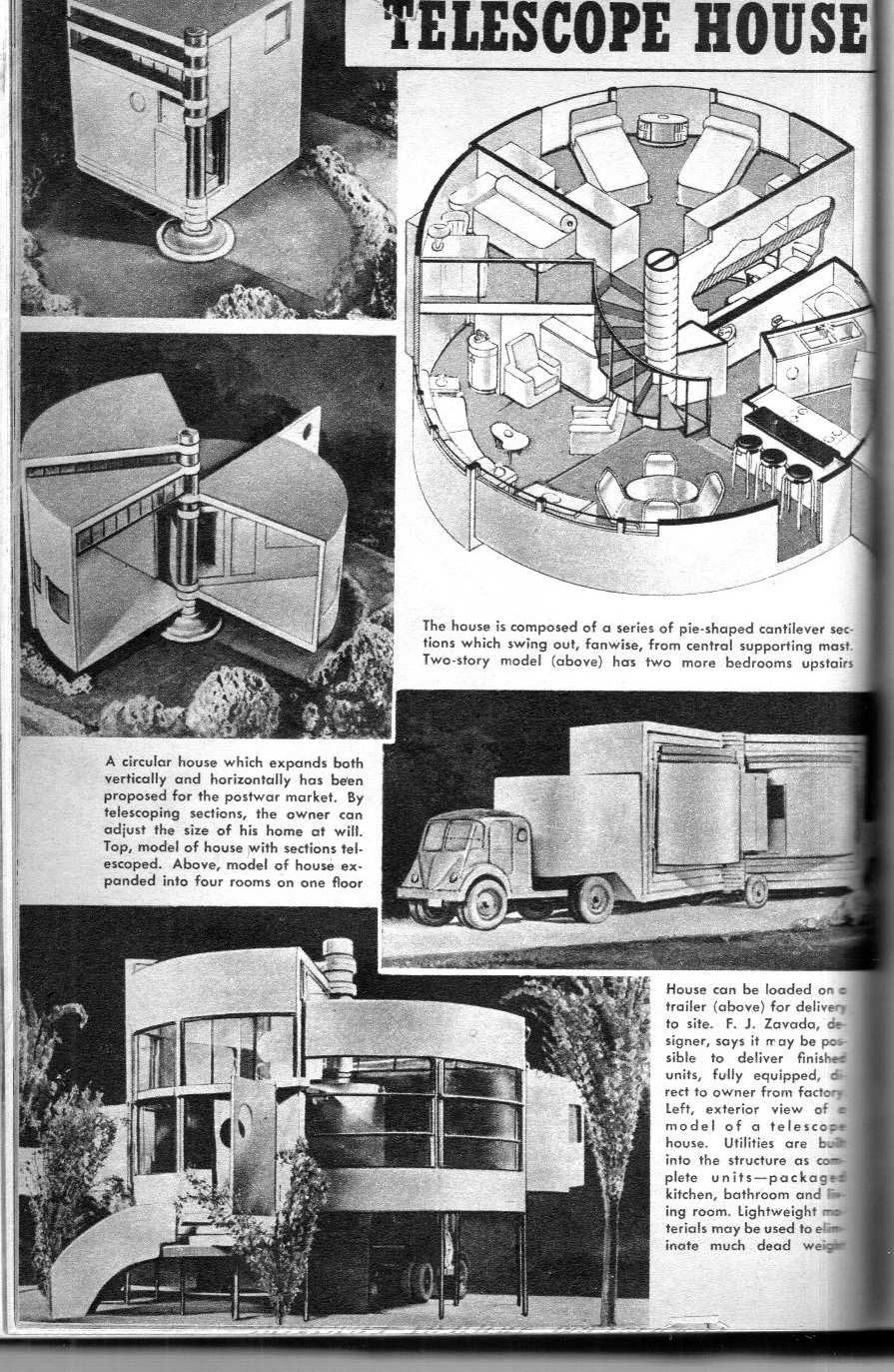
    Say “hello” to the “telescope house”, an unusual idea in small house design, found in Popular Mechanics for the March, 1945 issue, just before the end of WWII in Europe.  It was designed by F(rank) J. Zavada (1916-1998?), and it is a tidy little place:  four rooms on the first floor and two bedrooms on the second, the house is made to collapse and expand vertically and horizontally.  I don’t see area  mentioned, but it looks to be on the order of 400 sq ft or so. 

    Telescope house detail[Detail]

    Telescope house039

    This design put me in mind of a much-inferior idea: the rolling house of the future (offered in the September, 1934 issue of Everyday Science and Mechanics). Etienne Boullee it is not. The house does, however, roll, for whatever that is worth, and if that is a positive thing then that would be one advantage it would have over a non-rolling house. (I don’ get to write that phrase very often.) And it rolls exclusive of  some rolling platform, which somehow seemed like  a better idea than just having a more-traditional house with wheels.  Presumably the rolling house would be filled with E. Lloyd Wright nothingness, so there will be no displacement issues. 

    Rolling_house_large

    [Read more about the Rolling Houses and Glass Homes of Futurlandia here.]

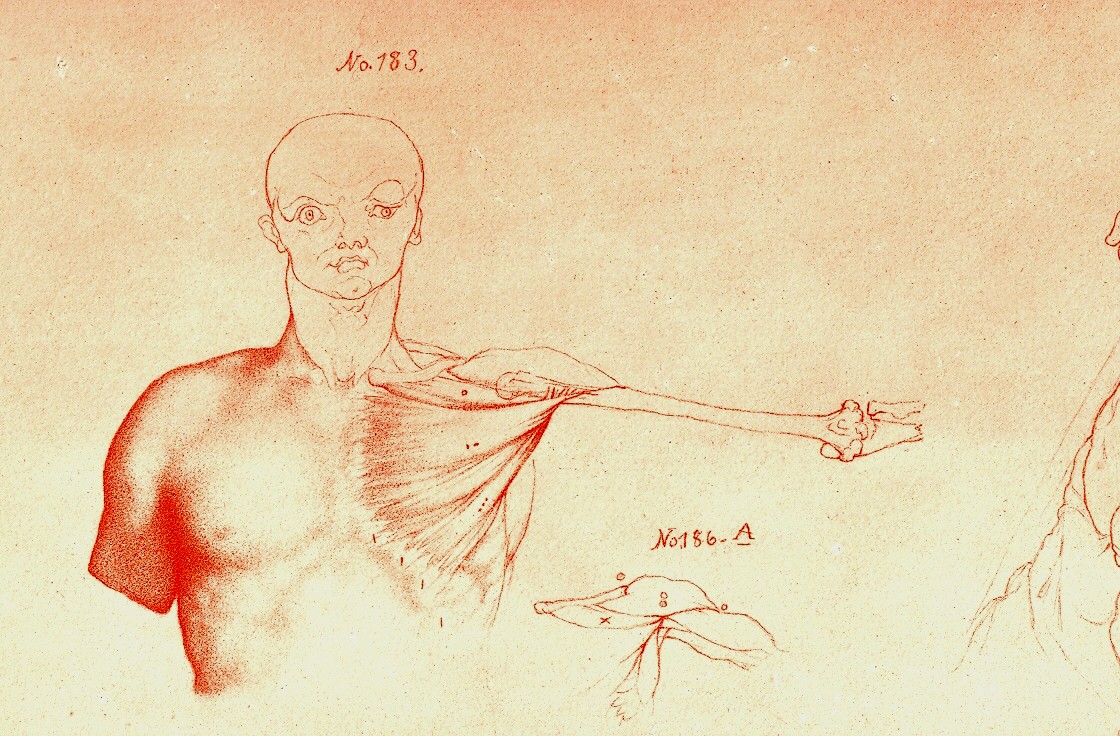
  • A Leonardoesque Pre-Surrealist Anatomy Book for Artists, 1884

    JF Ptak Science Books (Expanding Post 667 from June 2009)
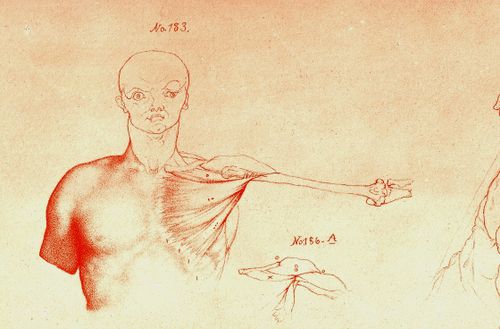
    Blog==June 29--rimmer pecs det

     Looking at old prints sometimes reveals more than just their own history, simple or not:  there are, from time to time, subtle bits of otherness that creeps into the image, if you allow yourself the time to see it. 

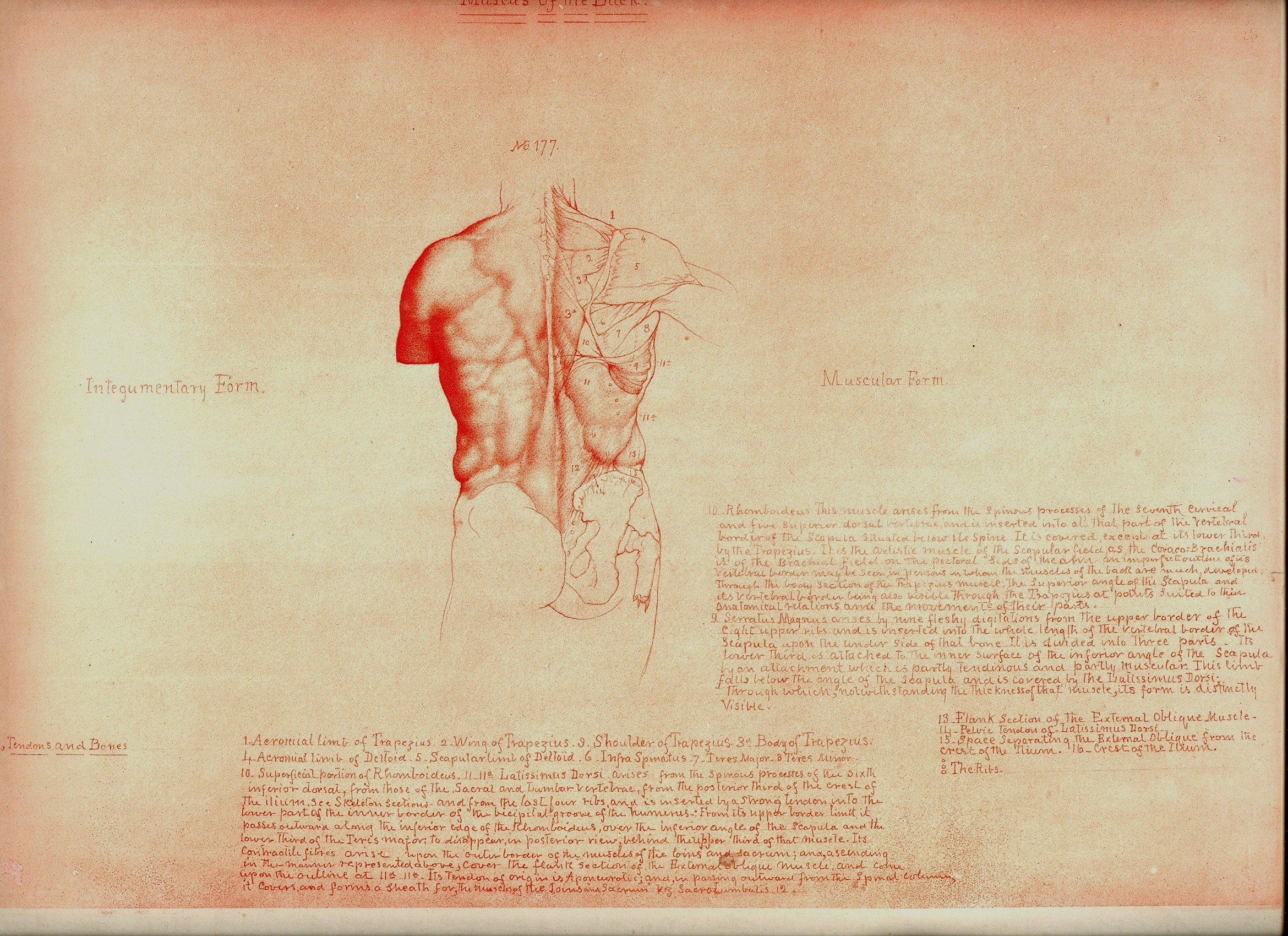
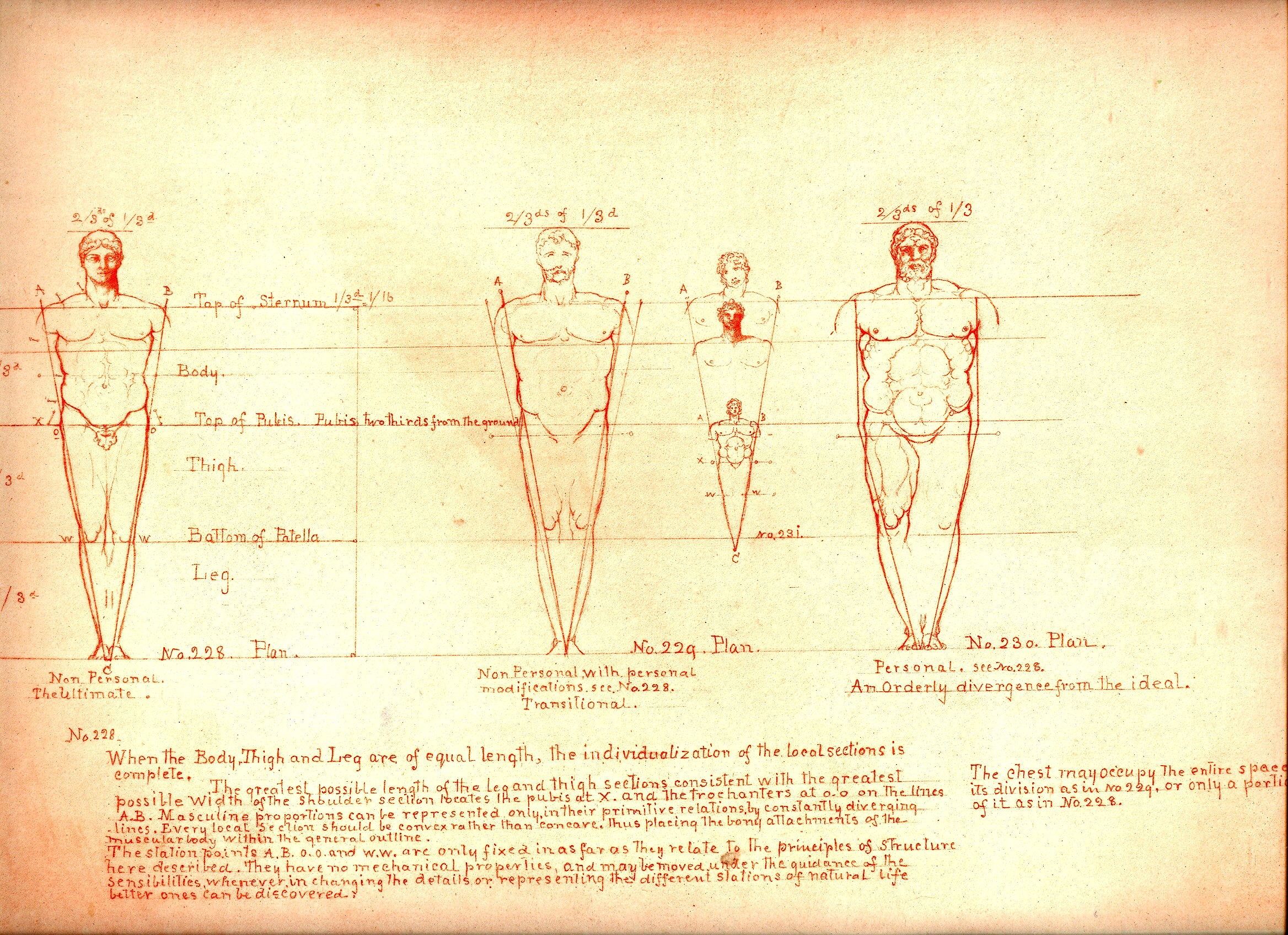
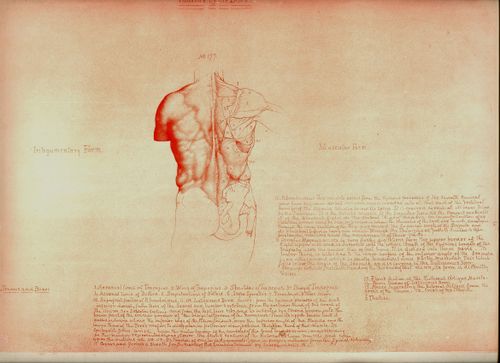
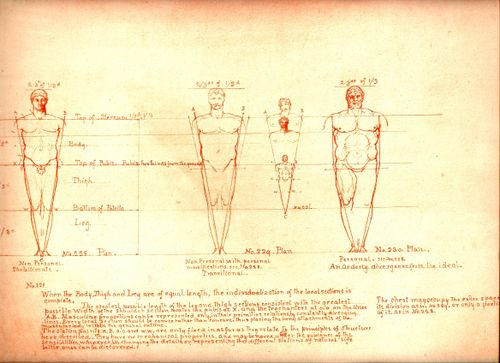
    And sometimes looking at images of the past reveal a little of the future, or the possibility of the future, as we can see here in these examples in the book by the art-anatomist William Rimmer (1816-1879).  His work is superior, and spot-on, and has Leonardo-flourishes all throughout his work–he reaches deeply into the past to the great anatomical standards, and also employs newly established work too (as with Charles Darwin1). There is also–to me anyway–a certain quality of his work that predates modern art movements, like the Surrealists, and Dadaists, that melt into his work, giving it a very post-modern sympathy.  The drawings sometimes have a great “unexpected” sense to them, which I think is not often found in anatomical artwork, given the nature of the exercise and all, giving Rimmer a sense of surprise and somewhat-removed fantasy.

    (In another example of this idea of pre-dating a modern movement, I wrote a little about the odd art/color textbooks of the pre-Kandinskian Emily Vanderpoel , about whose color theory I still understand not at all, though the images that she produced as illustrations to these bizarre theories are stunning, pre-modernist, and unintentional creations.)

    The images being discussed here are found in Rimmer’s  Art Anatomy (1877 is the first edition and very rare for its process and for being destroyed in a printing house fire, and subsequent printings, this one being the subsequent 1884 printing).  He was a very accomplished artist, and was also a physician and a fine anatomist, with a long career of having varied careers in the arts.  He was very concerned and interested in what happens to the skin, forced into action by all of the stuff underneath it.  He pursued the movement of muscle, and bone, and the interplay of the two, and produced a wonderful exponent of artistic anatomy. 
    Blog==June 29--rimmer back

    Even the design of the book and the placement of drawings and text on the page–page after page–is both antique and pre-modernist, the images surrounded by the author’s notes and explanations, sometimes the very spacing and placement on the page is an evocative mystery.  

    Perhaps some of this “mystery” may be easily solved given the way in which the book came into being.  According to Amy Beth Werbel in her Thomas Eakins: Art, Medicine, and Sexuality in Nineteenth-century Philadelphia (Yale University Press, page 61, here) Rimmer constructed most of the work while on vacation, using no models, and seemingly working without reference. That would be an extraordinary accomplishment, and might explain some of the “surprising” parts that I just spoke of, but it really doesn’t necessarily address that dreamy quality of looking not-so-quietly into the future of art. (There are other odd and, well, bizarre, bits that Rimmer writes about that seem unrelated to this anatomy task, but I’ll just have to chalk that up to “personality” at the present time.)

    (I’ll expand this quite a bit as I’ve got 50 or so of these lithographs that I’ll be selling.)
    Blog==June 29--rimmer little man


    Notes:

    1. Elliott Davis writes a very interesting article on Darwin and Rimmer and about the influence of the former on our artist.  For example, Davis writes that Rimmer’s work “represents the most comprehensive anatomy book issued in the United States at the time and provides new insight into the influence of Darwin’s evolutionary theory on artistic practice.“ See:  ”Life Drawing from Ape to Human: Charles Darwin’s Theories of Evolution and William Rimmer’s Art Anatomy” by Elliott Bostwick Davis, on the Nineteenth Century Art Worldwide blog http://www.19thc-artworldwide.org, here. Also from Davis’ article is this good footnote on two further sources of information for Rimmer:  “Marzio, 1976, p. 1. For information on Rimmer, see Truman H. Bartlett, The Art Life of William Rimmer: Sculptor, Painter, Physician. Boston and New York: Houghton Mifflin, 1890. [And] Jeffrey Weidman, Neil Harris, and Philip Cash, William Rimmer. A Yankee Michelangelo, Exh. Cat. Brockton, Brockton Art Museum/Fuller Memorial (Hanover and London: University Press of New England, 1985).
  • Road Map of Mud and Dust (1936)

    JF Ptak Science Books  Quick Post

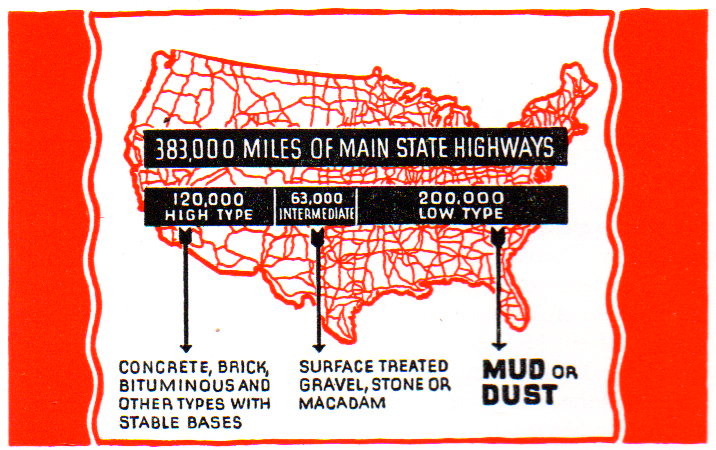
    What a simple and semi-magnificent map is this! A spaghetti map of the U.S. featuring road types, more than half of which were allocated as a “low type” of “MUD or DUST”. 

    Map of dusty roads040

    The map is in a disheartening and potentially numbing pamphlet on road improvement, which– had there been a simple cover for the work I would have quickly skipped by–however, the maps, data, and the lurking insomnia of boredom is perfectly hidden by this:

    Map of dusty roads041

    Holy cow!  This is marvelously striking–and just look at that “T”! 

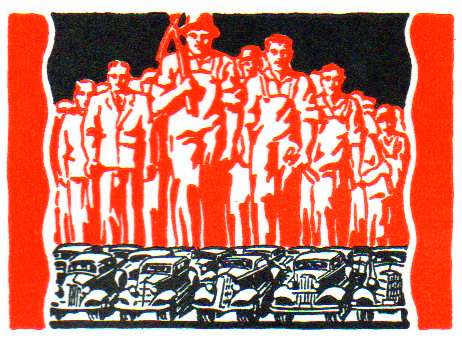
    In any event, the pamphlet is loaded with small woodcuts and graphics illustrating its point, which was to take Depression-available workforces and put them to work on repair of old and construction of new roads. 

    Map of dusty roads042The anonymous illustrator and/or designer certainly made a commendable and superior effort in making this fairly dry pamphlet, um, interesting. 

  • The Not-so-Sunny Aspect of Easter Island

    JF Ptak Science Books   Post 2509

    Easter043

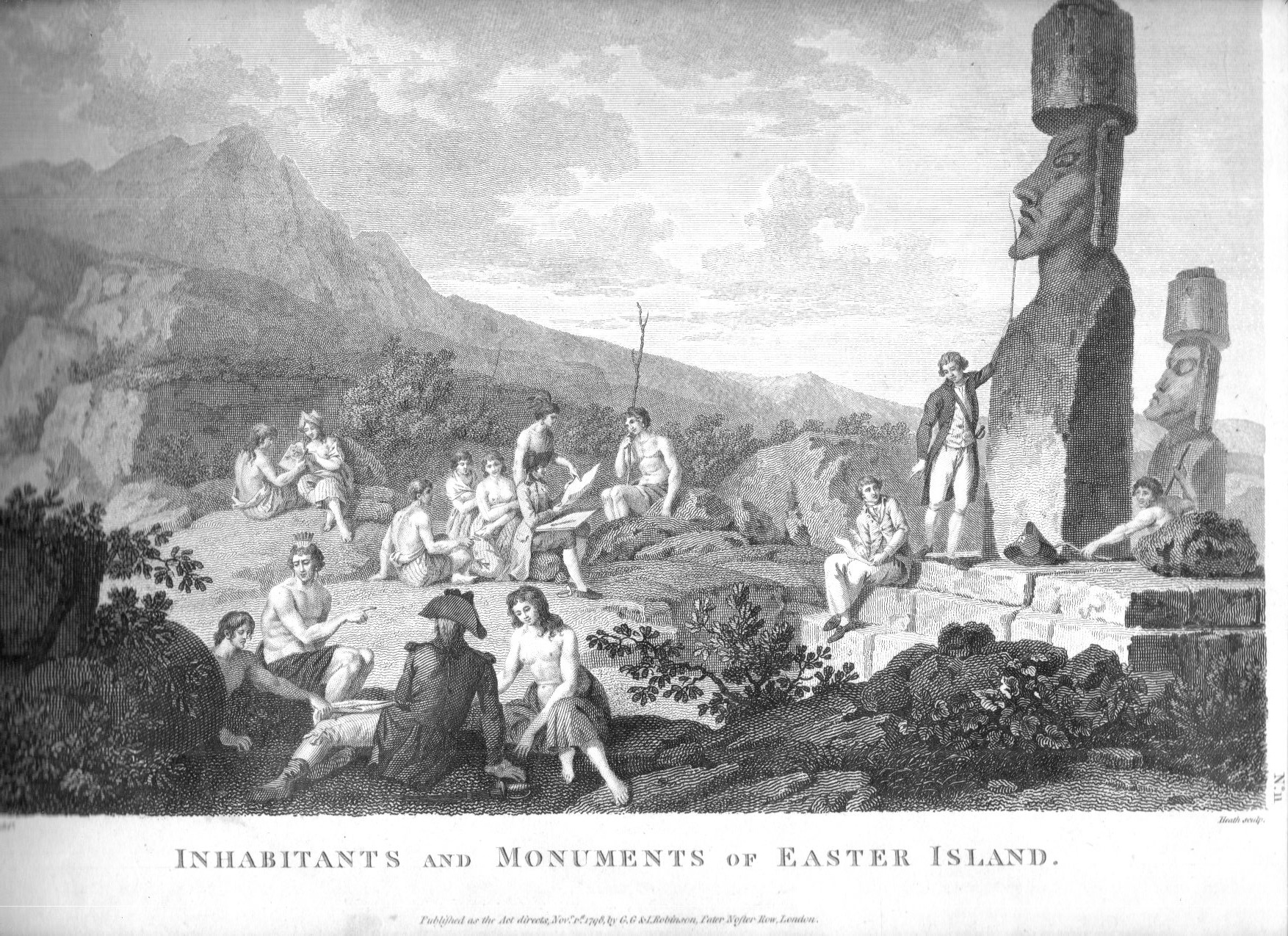
    The “Easter” part of Easter Island is fairly ironic–new, rising, hopeful connotations packing something not-so-joyful.  I was looking at this engraving from the bookstore, an image from a famous exploration journal of  Captain Jean-François de Galaup, comte de La Pérouse, showing a landing party and very western-looking Polynesians. La Perouse was off on a journey that would take him along the trail of Captain Cook, a scientific/ethnographic/cartographic expedition (along with the appropriate trailing or leading religious/economic benefits of such a thing) that landed him on the island 9 August 1786.  He left Brest on 1 August the previous year, and he would venture round-the-world, or almost, as he would never make it home, disappearing along the northwest coast of North America in 1789.  His journals did complete the voyage, however, being taken back to France by a British ship in Australia.

    • [The original print is available for purchase at the blog’s bookstore, here.]

    The island is so-named because it was first recorded by a European, Captain Jacob Roggoveen, Easter 5 April, 1722. La Perouse was there 64 years later, when things were already quite heated, in a most unfortunate way, for the two clans who shared the island, each already suffering substantial losses, as la Perouse found the place sparely inhabited. 

    Easter044

    As you can see there are a few shrubs in the foreground and some other bits, but there are no trees.  Easter Island was by that point largely denuded of trees, making it impossible for the islanders to build boats to fish, and their crops ultimately failing because of the attendant problems erosion and wildlife, making it difficult for much to survive on the island.  The clans set at each other, and had bitter fights, resulting later on in the clans toppling in spite the great  stone figures of the opposite clan. Easter Island became a port of call for slavers, and the population began to disappear into greed and economic lust. 

    This was still decades in the future from the la Perouse expedition, his work being published posthumously nearly ten years after the captain’s death.

    Easter045

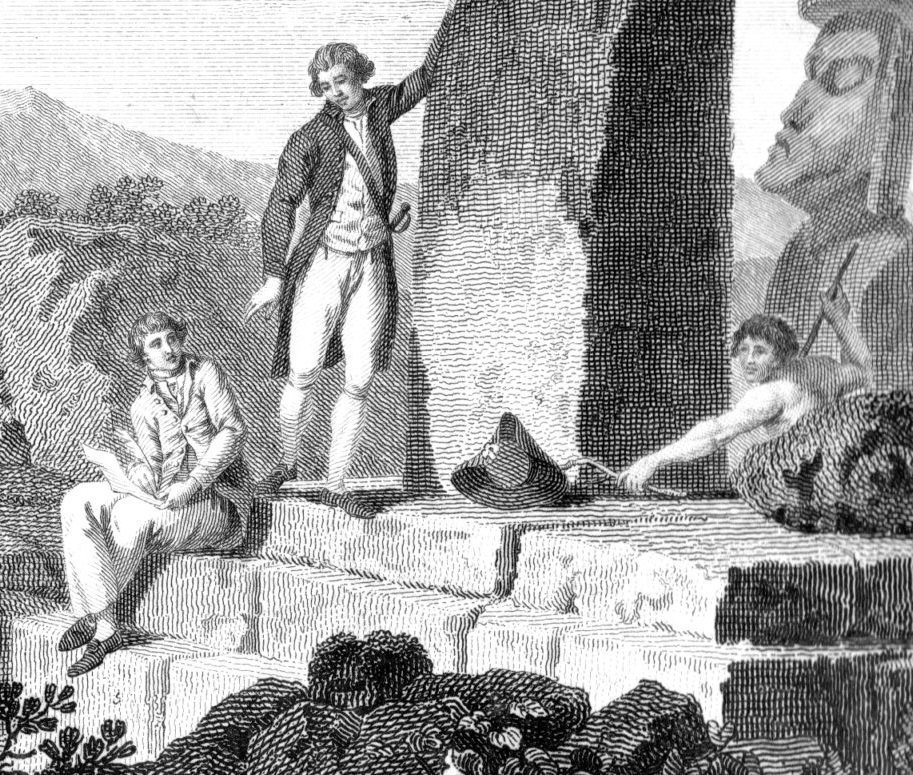
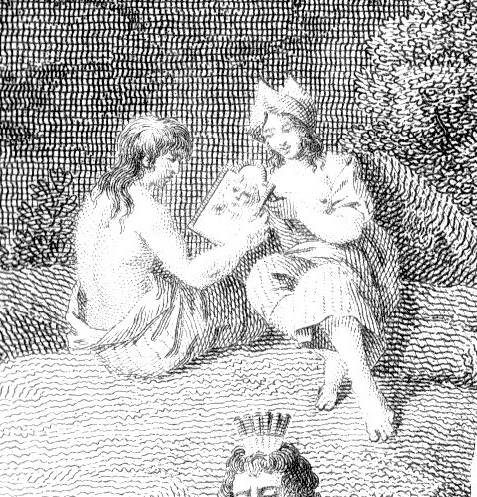
    In this  image, though, we see a rather playful interaction between the sailors and the islanders.  In the foreground-center we see an officer with two men and a woman, one of the men fingering a piece of cloth while the officer is no doubt otherwise distracted. In their background two women are seen using a mirror; to the right of them is a small group watching one of the officers draw an image of one of the Moai.  At right, around the Moai, two officers make observations for the ethnographic record, while around the corner at the monument’s base an island uses a stick to try to steal one of the officer’s hat.

    The Maoi were still standing in 1798.  Later in the 19th century, though, after devastating attacks on one another, every monument was toppled. As were the people.  There’s really not that much to the Easter-y history of the European part of the island’s history, and so the irony of its naming. 

    ·Posted by :

    ·in:

  • A Map of Judgment: Nuremberg, 1945/6

    JF Ptak Science Books     Post 2510

    Nuremberg049detail


    Nuremberg048In all of the reading that I have done about WWII, I haven’t done that much on the war crimes trials and tribunals afterwards, save for Goering, Schacht, and several of the companies/industries like I.G.Fraben–still, I think I’ve never seen a diagram of the seating arrangement at Nuremberg.  But here one is, in this small pamphlet introducing the International Military Tribunal printed by military order in 1946.  

    We have all seen images from the newsreels shown in documentaries, which seems to give the physical auditorium a rather large feel–with this diagram, and seeing how closely the accused Nazis sat next to each other, the proceedings looked as though they took place in a rather not-large space.  


    More to the point though is the detail which I’ve segregated above.  These are seat assignments along benches for  the Nazis being adjudicated for war crimes.  The diagrams make the seating arrangements look segmented, by they are not. (The key to the seating arrangements is reproduced below.)

    There are 21 names associated with those space, 21 of the most infamous names in the Nazi regime; 11 would receive the death penalty; 3 would receive life, 4 would receive various sentences of 10-20 years, and 3 would be found not guilty. 

    Nuremberg049

    For the record, and in order as they appear on  the list below:  Goering, death; Hess, life; Ribbentrop, death; Keitel, death; Keltenbrunner, death; Rosenberg, death; Hess, death; Frick, death; Streicher, death; Funk, life; Schacht, noty guilty; Doeniotz, 10 years; Raider, life; von Schirach, 20 years; Saukel, death; Jodl, death; von Papen, not guilty; Seyss, death; Speer, 20 years; Neurath, 15 years; Fritsche, not guilty. 

    Nuremberg050

    Here’s a photo of the seated group from above, Goering (#13) is seated at bottom left center, head in hand.  He would soon be dead by his own hand.  

    Nuremberg photo

    [Source:  https://www.jewishvirtuallibrary.org/jsource/Holocaust/nurtrialtoc.html]

    I’ve not had anything to say about the Nuremberg Trials ebcause I think that everyone coming here already knows enough about them to appreciate this “map”.  


Recent Posts

Archives

Categories