A Daily History of Holes, Dots, Lines, Science, History, Math, Physics, Art, the Unintentional Absurd, Architecture, Maps, Data Visualization, Blank and Missing Things, and so on. |1.6 million words, 7500 images, 4.9 million hits| Press & appearances in The Times, Le Figaro, Mensa, The Economist, The Guardian, Discovery News, Slate, Le Monde, Sci American Blogs, Le Pont, and many other places… 5000+ total posts since 2008.

  • Bad Ideas: Advertisers in Your House and in Your Head, 1939

    JF Ptak Science Books LLC  Post 508

    Scan0006
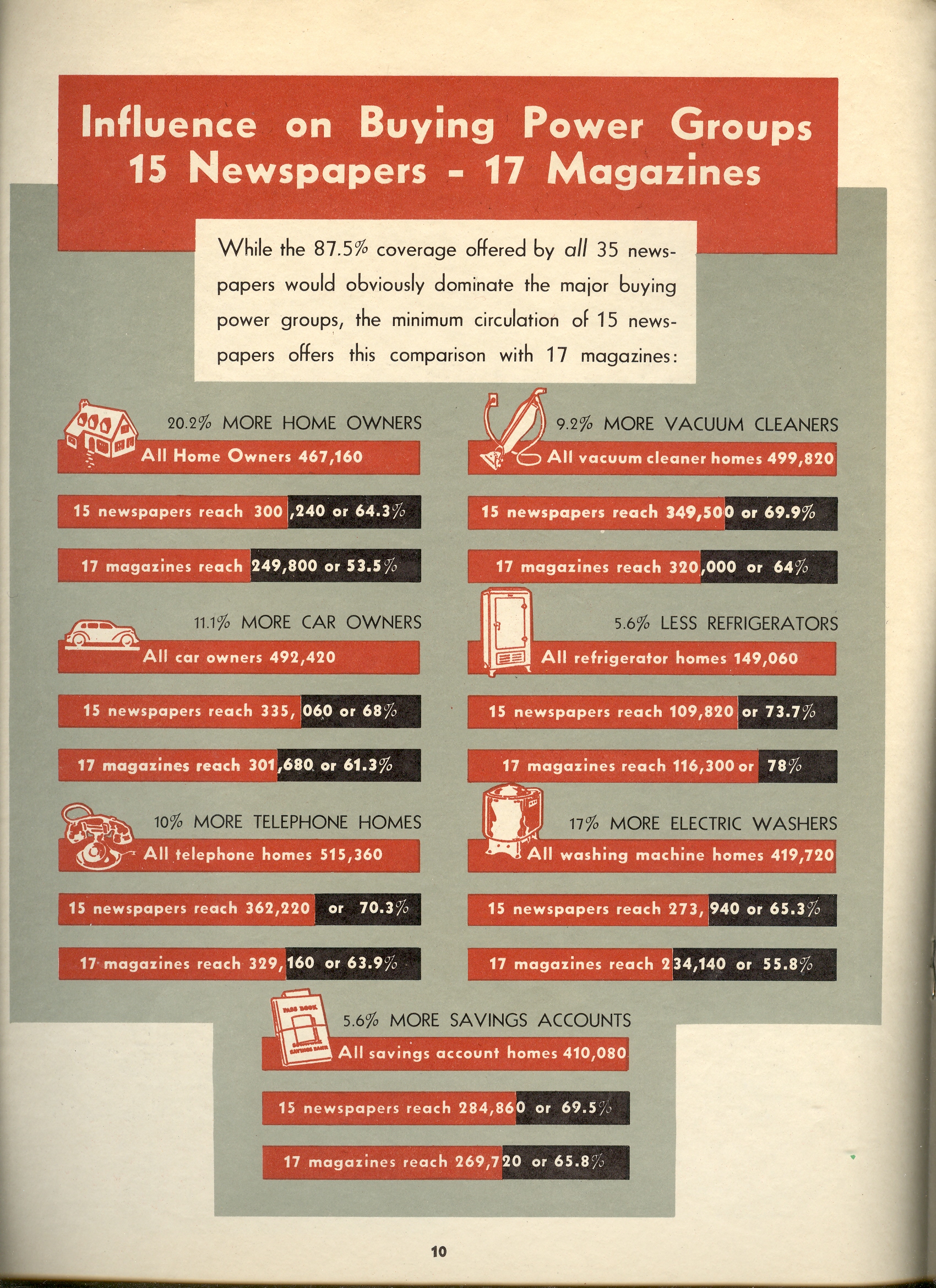
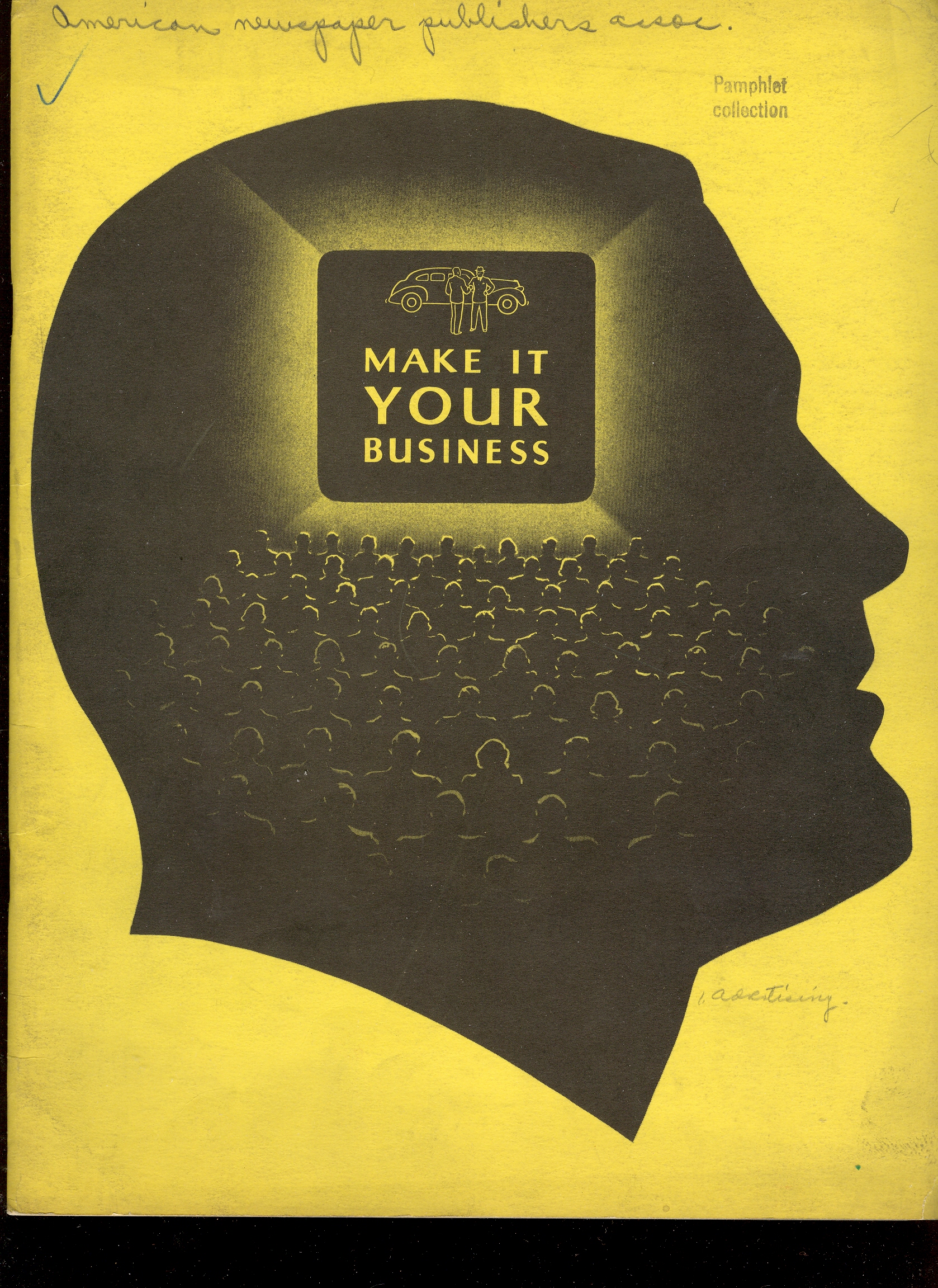
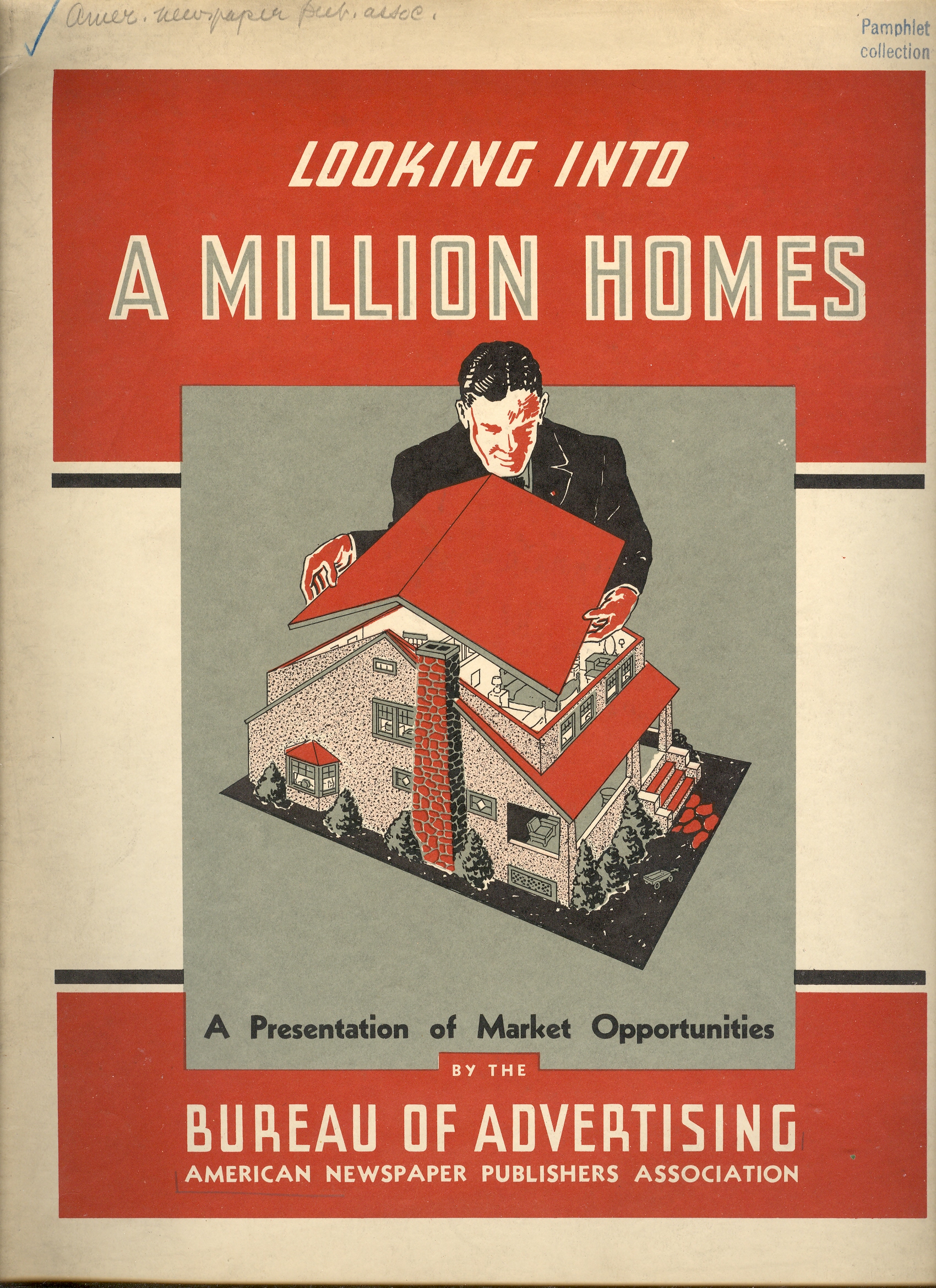
    I have little doubt that in the near future we will be deluged with advertisement at any time and in any place, the ads made exactly for you, found for you by little crevices occupied by digicams with facial recognition software powered by the next 50 years of programming research, perhaps reaching into what has been defined as your genetic soul….and there will probably be no escaping it, unless you’re able to pay somehow for the privilege of obscurity or silence.  The genre of force-feeding and creating need in the buying public for various bric-a-brac started was for real in the 1920’s (this being in no small part the shrinkological efforts of the “father” of American behavioral psychology, John B. Watson) and cranked up considerably and with major dollars in the 1930’s, when it was absolutely determined that ‘proper” advertising could sell anything.  (Watson showed this with great effect when he determined that people didn’t buy a “type” of cigarette more than they purchased the cigarette’s image–and to determine the image what was improved was the walk-away catchphrase that purchasers could quickly identify with the product.  And so a lowly and failed cigarette brand structured for women was renamed and given a catchy sales tag–the cig was Marlboro and the phrase was of course “I’d Walk a Mile for a Camel”.  Watson’s contention was of course that people didn’t buy the thing as much as they bought its promise, and the promise had to be delivered and reiterated to them endlessly, for years.) 

    These two pamphlets naively displayed what the advertisers were really after, the continual search for the GoldenScan0007
    Chalice–and that is to be in the head of the consumer, and then to be in their house, from initiating the desire to facilitating the purchase.  Both pamphlets were published in 1939 by the American Newspaper Publishers Association, and were a sales presentation for making sales presentations, an advertisement for the advertisers.  And they really did want to get into the mind of the public and insinuate them selves within the home. And both rate VERY high on the Creepy Scale.  

    I should point out that the graphical representation of the statistical data in the second pamphlet is quite terrible–these efforts aren’t in the top-99th percentile-bad category, but certainly are in the top 90%.  Easy. 

    Scan0008

  • Things out of Place Department: a Cloud of Magnetism in the Sky Poked by the Needle of God

    JF Ptak Science Books LLC  Post 508

    0 blog feb 9 missing magnet543“And even though I’m sitting waiting for Mars

    I don’t believe there’s any future in cause

    Hole in the sky, gate way to heaven

    Window in time, through it I fly…”

    Black Sabbath, “Hole in the Sky”, 1975

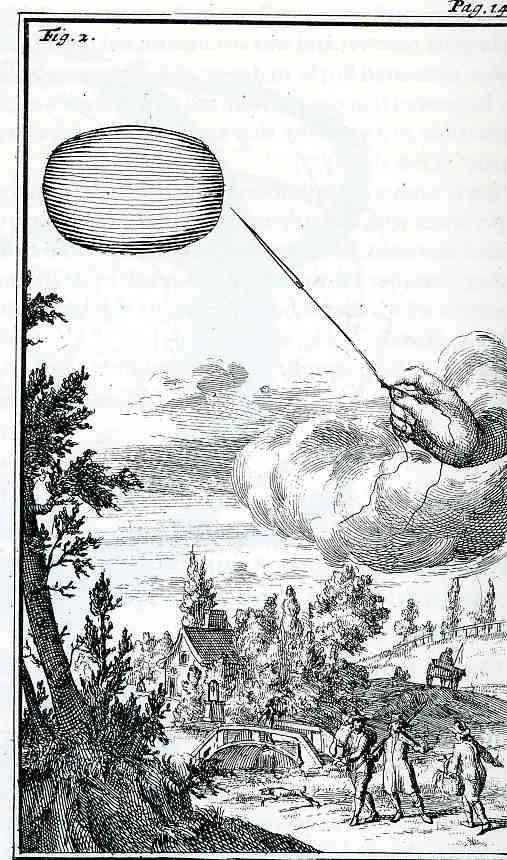
    Well, there were many liberties taken with this title, though on the face of it, the title is correct (sort of).   This image comes from a relatively obscure (or at least quite rare) copy of  Joachim Dalance’s work Traite de l’Aiman, divise en deux parties, la premiere continent les Experiences et la seconde les raisons que l’on en peut rendre... which was printed by Henry Weinstein in Amsterdam in 1687 (just across the waters in London Isaac Newton’s fantabulous Prinmcipa Mathemtica was being printed in the same year).    This important work on magnetism featured a number of good and useful observations on magnetism, interspersed with some semi-useless bits:  the magnetically floated coffin of Mohamets is mentioned and disproved, the origin of magnetism is asserted by hypothesis and is not pretty, along with some “fanciful conception(s) of the magnet’s potential”*; on the other hand, there is a mention of the invention of the compass, the real use of magnets, a mention of declination, and the orientation of a compass needle in a magnetic field is shown.  All pretty good stuff, considering the time.  (The magnum opus on the magnet was published in 1600m by William Gilbert and was called De Magnete, Magneticisque Corporibus, et de Magno Magnete Tellure (On the Magnet and Magnetic Bodies, and on the Great Magnet the Earth), though folks have been writing on magnetism since Aristotle and Thales)

    M. Hofer, the author of the quote above, mentions that the pamphlet’s images “are particularly good scientific illustrations”, though doesn’t mention this, figure 2, as being anything significant.  Trying to dissect the phenomenal imagery, which purports to depict the origins of the sources of magnetism, we see something like a “magnetic cloud” in the sky, about to be pricked by a needle held by the primum mobile.  That, or it is a missing piece of sky, a gapping hole, though not in the sense of what we’re getting now in the ozone layer, or in the fantastic billion-light-year wide swath of nothingness in the foamy universe.  Perhaps it is more like the Black Sabbath lyrics after all, a hole in the sky, pricked by the creator, to loosen the fabric of magnetism and getting a glimpse of heaven.    Or something.  

    [I should point out that Dalance was an out-and-about guy, with high-level correspondence, and who seemed to be at the right places at the right time.  Among many contributions to the sciences, Dalance–who was a friend of Henry Oldenbourg, helped introduce Huygens to the Royal Society as well as to the French Academy of Sciences, acting as an intermediary for the most part.  He seems to be an interesting guy.]

    *–Ph. Hofer, Baroque Book Illustration, page 42

  • Ars Memoria–Giordano Bruno and the Art of Memory

    JF Ptak Science Books LLC  Post  509
    0 blog feb 9 bruno memory545

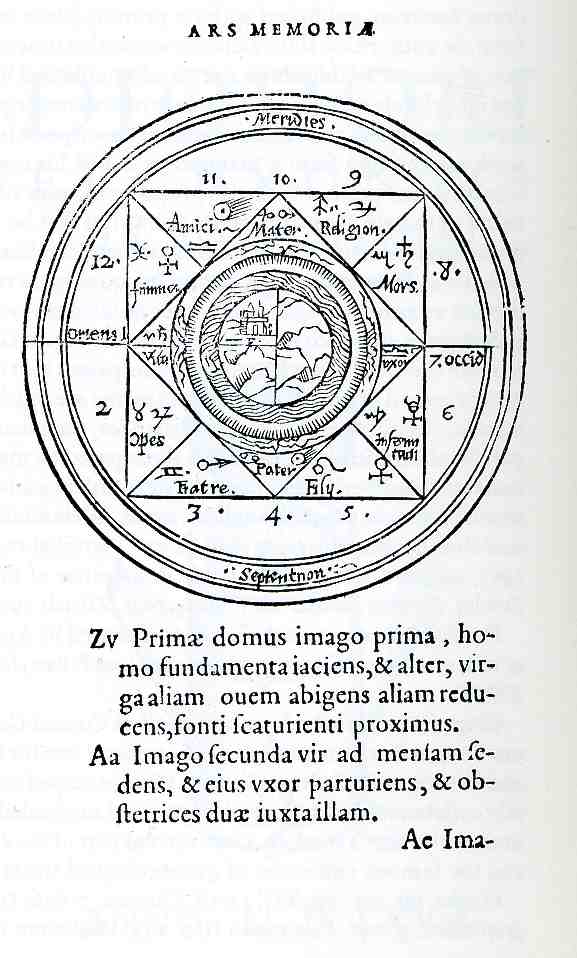
    The images presented here today are related to graphical memory, ars
    memorativa
    , the technique of aiding the storage (and retrieval!) of info in the
    human brain.  This was accomplished  by mnemonic devices that associated the
    location of the data with a striking or jarring or geometric image, all
    structured in such a way that the correlation of the continued image would
    relate to more and deeper remembered information, one bit leading to the next,
    expanding into other bits, and so on, in a kind of fractal way.  The visual tools held a space for the data;
    they were a constant structure into which information could be poured, allowing
    for chains of info to be formed and retrieved. 
    And so by the effort of visualizing the structure of where the memories
    where (supposed to be) the user would be able to recall them by simply
    remembering their placement, and since the structure built on itself, one
    memory would lead to the next, and so on, a cascade of rushing memories.

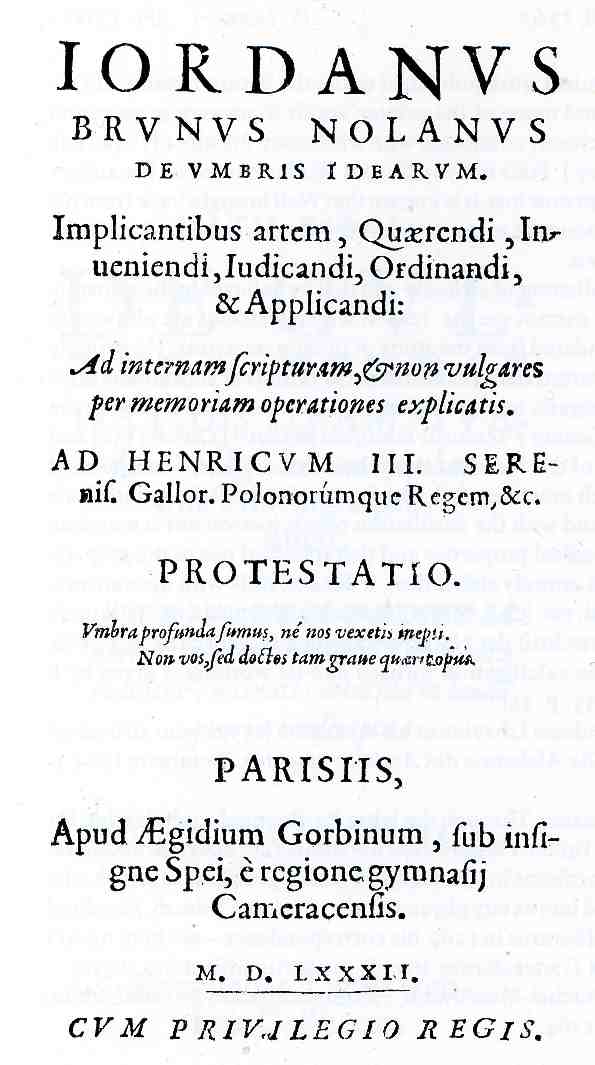
    Giordano Bruno (who I wrote a little about here some time ago) established
    his system in 1582 based upon the concentric circles of Raymond Lull, grouping the
    circles with symbols and letters and other designs,. Forming tighter cells of
    memory, much in line with the long practices of the later Hermeticists. 

    0 blog feb 9 bruno memory546

    Part of the goal, it seems to me, was to be able to not only recall this
    information, but to be able to get it out of the way, so to speak, to be able
    to put all of the factual stuff necessary to think in a safe place so that real
    thinking could be done.  Bruno was one of
    those who tried to go beyond the veil of the known by having a clear,
    orerdly mind.  Also, the process of
    getting there—to the point where you have a lot of info loaded into these
    memory spaces—involved lots of quiet time, or meditation, or deep thought, or
    something, which also led in that inexorable way to a finer modality of
    thinking.  (Jeff, Laura?) Perhaps it was
    a mode of composition that could only come after long, deep meditation and
    memory exercises.

    Certainly this approach to though/logic/rhetoric/composition is nothing
    new.  Ancient it is, really.  This sort of process reaches way back to the Egyptians,
    and to
    Cicero‘s
    De oratore
    (Bk II 350-360), and the
    Rhetorica
    ad Herennium
    , (ca. 90 BCE), and Quintilian‘s
    Institutio Oratoria (Bk XI), and (of
    course)
    Aristotle
     
    On The Soul
    and
    On Memory and
    Reminiscence
    ; to the delightful Matteo Ricci
     
    A Treatise On Mnemonics
    and to
    Simonides of Ceos, Saint Thomas Aquinas and Cosmos Rossellius
    Theasurus artificosae memoria (1579).;
    to Jacobus Publicius,
    Oritoriae artis epitome,  Peter of Ravenna, Phoenix, sive
    artificiosa memoria
    ,  and to Johannes
    Romberch,
    Congestorium artificiose memorie. 
    And
    these are examples that don’t get us even out of the 16th century. 

    0 blog romberch

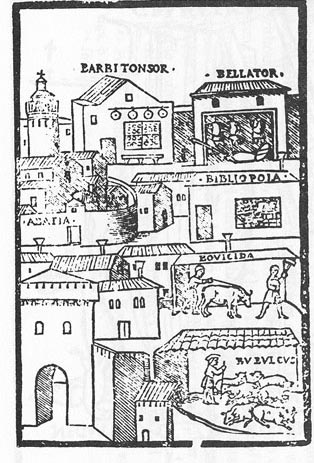
    Some of the writers listed above used memory devices that were architectural in style, or showed levels of the heaven and earth as memory place-holders, or used the human body and body parts to elegantly display to the mind where the memory was hiding on the body.  I’ve included one example from Johannes Romberch–who used city and architectural images in addition to a wide assortment of astronomical, alphabetical and geographical devices–because it is an extremely early depiction of a bookstore (in the upper right, “bibliopola”).

    The practice of the art of memory was taken by some groups as a sort of religious experience–as a matter of fact even in the late 18th century the Quakers thought enough of the practice to want it banned, leading as it did to too much thought on matters that were far strewn from religious tolerances.  Some of the ars memoria practices, like those of Lull, were too far removed into the spheres of the esoteric and astrologic to do much good for the Straight & True believer.  The great historian of memory, Frances Yates in The Art of Memory, says the following about Lull:

    “Lullism had a vast diffusion which has only recently
    begun to be systematically studied. Owing to the core of Platonism, and
    of Scotist Neoplatonism, within it, it formed a current which, not
    acceptable to many in the ages dominated by scholasticism, found itself
    in a much more welcoming atmosphere at the Renaissance. A symptom of
    the popularity that it would gain in the full Renaissance is the
    interest accorded to it by Nicholas of Cusa. In the full Neoplatonic
    stream of the Renaissance, stemming from Ficino and Pico, Lullism took
    a place of honor. Renaissance Neoplatonists were able to recognize in
    it notions very congenial to them and reaching them from mediaeval
    sources which, unlike the humanists, they did not despise as barbarous.

    “There is even, at the heart of Lullism, a kind of interpretation of astral influences
    which would have aroused interest in the age of Ficino and Pico. When
    the Art is done on the level coelum, it becomes a manipulation of the
    twelve signs of the zodiac and the seven planets, in combination with B
    to K, to form a kind of benevolent astral science, which can be worked as astral medicine, and which, as Lull points out in the preface to his Tractatus de astronomia,
    is a very different matter from ordinary judicial astrology…. Lullism
    thus establishes itself at the Renaissance as belonging with the
    fashionable philosophy, and becomes assimilated to various aspects of
    the Hermetic-Cabalist tradition. ”  (p. 187-8)

    Be that as it may, I do have a soft place for Bruno, the defrocked Franciscan who met his end in flames*.  He may have actually been of great value to the birth of modern science, perhaps not–he did seem to have the idea of the infinite universe and the idea of the fluidity of time and space, along with some other stuff (see extended reading) that rubbed the Catholic fur in the wrong direction.  Needless to say, the Church’s foundation felt threatened by Bruno’s cosmological beliefs, and found that the best thing to do about dealing with superior and scientific thinking to their own was to burn the author. 

  • Odd Things in the Sky Department: Der Herr Gott in a Cape, and Bombs Away

    JF Ptak Science Books LLC Post 510

    Blog--brunswig
    What upsets people is not things themselves, but their theories about things.
      —Epictetus, quoted in the epigraph to Laurence Sterne, The Life and Opinions of Tristram Shandy, Gentleman (1759)

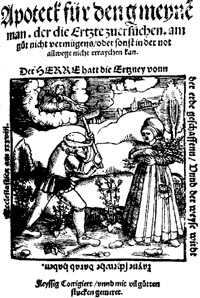
    Continuing a minor thread on “Odd Things in the Sky”, which also joins up nicely with another odd thread, “Things Out of Place”,  come these two interesting, just-remembered images, showing a stiff-armed god and a big old bomb coming out of the sky.  The first, left, is the title page of the Strassburg-born army surgeon  Hieronymus Brunschwig’s Apoteck fuer den Gmeine man der die Ertzet.  Published posthumously in 1530, the good dead doctor offers wide and varied instructions and ruminations on medicine (per se) and health care to the average person–meaning, basically, the person with enough money to buy a book but who could not afford a doctor (probably a slim margin).  the book was filled with reasoned and reasonable approaches to taking care of health and illness, with cures and recipes for everything from itchyness to syphilis.  Presumably the Der Herr Gott of Einstein is doing a little more than throwing dice, taking a very prescribed interest in the hoeing man and gathering woman.  It is interesting to see that the man emerging from the cloud, somehow needs a cape. Blog--blondel_title

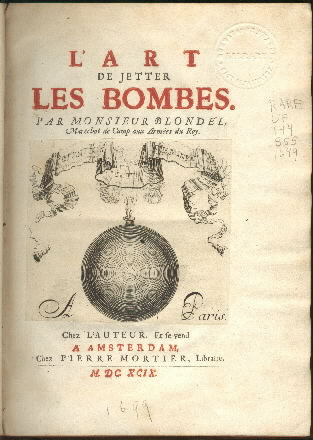
    Coming from the sky next is a bomb, the creation of  Francois Blondel, (1618-1686) in his L’art de jetter les bombes…, published 1699.  Blondel was as good in building as he was in un-building, being in charge of the public works of Paris (and appointed so by Louis XIV, being perhaps one of the
    most important architectural/engineering positions that could be
    imagined by the French mind), as well as being an expert in the
    construction of forts and fortifications.  His work on bombs and
    artillery was ready to be published 15 years or so before 1699, but the
    King saw that even though there was a lot of interest and use to his
    military in seeing the treatise published, the same was also true of
    his enemies.

    But of interest to me here is the title page and the bomb not only falling from the sky, but  falling from the bannered heavens.  There’s nothing soft or spooky about the book itself, which is all business, of course, as important to the military man of 1700 as, say, Robert Coles’ book on underwater explosions was in 1965 or Urbanski’s Chemistry of Explosives a decade earlier.  And even though Blondel certainly built on Galileo’s work on the parabolic flight of such weapons, the bomb on the front cover is falling straight down. 

  • Darwin and Lincoln and the Emancipation of Thought

    JF Ptak Science Books LLC  Post 511
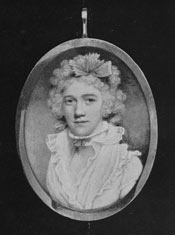
     

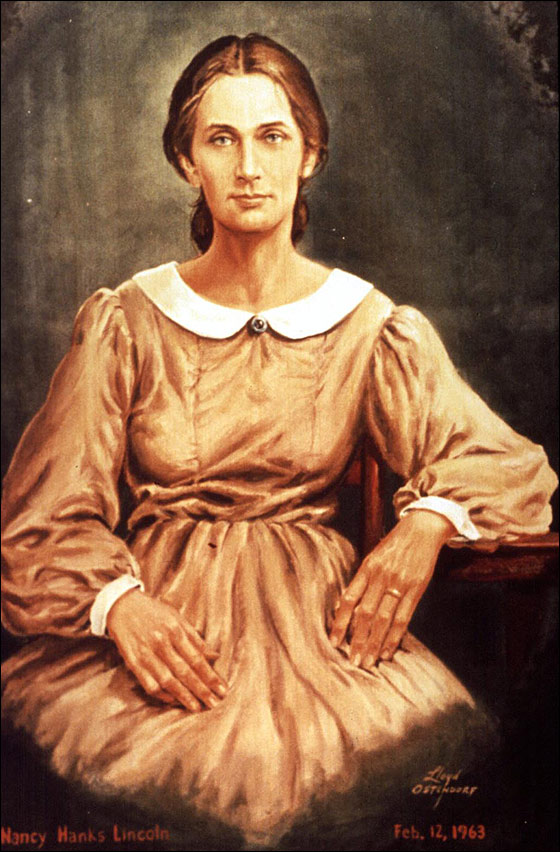
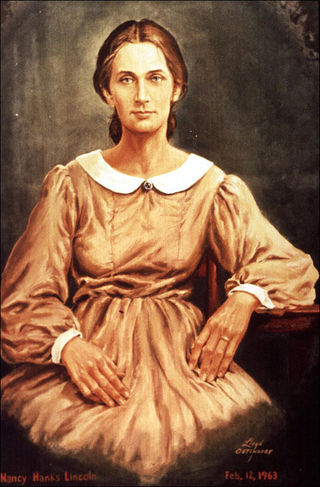
    0 blog feb 12 darwin mom Today is a much-loved day for Abraham Lincoln and Charles Darwin, born within a few hours of one another 200 years ago on this day in 1809.  I’m not so sure that we should celebrate them on their birth dates—it has always seemed a bit off to me; perhaps we should celebrate their mothers (Darwin’s left, Lincoln’s below) instead, leaving another date of importance/accomplishment for the celebration of the birthday boys.  Darwin would be an easier pick for this than Lincoln—23 November 1859 being the red-letter day, for the publication of his On the Origin of Species, which is also up for a big 150th anniversary this year.  The book was an instant best seller, selling out of the first printing almost immediately (at least for the publishing world of 1859) before going on to a life of its own, with five more editions being published before Darwin was finally sem0through with it (and that in the wake of at least a dozen other influential works to his credit).  Lincoln is harder in this respect—there’s Juneteenth, of course, but finding one particular day for his monumental and successful task of not letting the country fizzle away is a bit hazy; perhaps the day of his beautiful second inaugural address, or Gettysburg?  Dates like this would make their celebration much more specific, with a great idea in mind, rather than just a foggy celebration of a birth date celebrating the span of a big life.  (Also, we combine Lincoln and Washington into a Lincington Day, and barely recognize Darwin at all, unless we’re busy throwing him out of the schools [like, say, in Kansas] to better protect our children from the man with the big white beard.  Darwin, not god.)

    23 November seems like a good choice for Mr. Darwin.  He did write much else of course, but Natural Selection was his paramount idea.  As ideas go, in the entire history of ideas, it is about as good an idea as anyone has ever had—big, muscular, profound, explanative, correct.  (There are many big ideas that are harmful but whose idea-ness stretches/breaks the social fabric of societies:  the Big Lie, Slavery, Compound Interest, Inferiority, to name a few.  I’m not so sure about how good an idea heaven might be.) 
    0 blog feb 12 lincoln mom
    Darwin came to the idea of Natural Selection 20 years* or so before he actually published on it, though there was a chosen circle of friends and correspondents who formed a mesh through which Darwin passed some of his ideas.  Listen:  I heard a “science” report on NPR this morning talking about why it took “so long” for Darwin to actually publish.  And what the science commentator came up with—so far as I could listen—was something about a bubbling god/marriage/love/embarrassment/social debate curative, that Darwin was somehow saving his wife-to-be the retribution of society as Charles did away with the creator.  In this porridge of lint I see nothing.  Darwin didn’t publish because, for almost all of those years, he wasn’t ready; rather, the theory of natural selection wasn’t ready for presentation.  Darwin was still putting together the evidence for his case; and when he was ready, his case was superb.  He knew the implications of what he was saying, and he needed to have This Most Beautiful Theory ready, spending 20 years building a castle.  He was finally convinced/cajoled into writing a bit about it in 1858 with the young Alfred Russell Wallace (Charles Darwin and Alfred Russell Wallace “On the Tendency of Species to Form Varieties; and on the Perpetuation of Varieties and Species by Natural Means of Selection.”  Journal of the Proceedings of the Linnean Society, III, 9, (1858). —a man who like Darwin’s younger self aboard the Beagle in South America  made his way around the Malay Archipelago collecting, analyzing, theorizing, until he too came up, independently, with the theory of natural selection.   Priority in this case was not in question.

    Perhaps we should also recognize the people who were important to the development of the greatnesses of these two men.  Speaking to Darwin, there are many, but to make a few examples, we have Thomas Burnet (whose The Theory of the Earth, 1684-90 was the first critical investigation of the implications of geological change, and that in spite of his religiosity and biblical foundations).  James Parkinson’s  Organic Remains of a Former World, (1804-1811),  was an important interpretation of the fossil record albeit with an evolution in favor of god’s continuous actions.  Charles Lyell’s Principles of Geology was perhaps the greatest influence on Darwin’s thinking, the young Charles taking a copy of it aboard the Beagle (after being told by friend Henslow not to believe in the book) where it was studied and devoured, being scientifically introduced to the idea of actions over long periods of time. 

    Seldom mentioned in groups like this, though, is a great scientist and physician, the polymathic Hermann von Helmholtz.  This man is principally remembered for experimentally determining what was thought to be impossible—the rate at which the nerves in the body function, and as the inventor of the ophthalmoscope, and as a leading color theorist, and for major contributions to mathematics and physiology, and for his independent discovery of the conservation of energy, the second law of thermodynamics (On the Conservation of Force, 1847).  (This is a little problematic, as Joule and Mayer came up with the same thing at about the same time, but the 26-year-old physician figured it out at the same time on his own.) There is much else, but what concerns us here is his Darwin-related bit, an epochal discovery that Darwin must’ve known about—the discovery of the age of the sun, when the sun would expend all of its energy, and then, the age of the universe.  These were enormous ideas in 1854—that the impervious sun could actually have a life span, and that by extension so too could the earth and the universe writ large, and that the universe was on the order of hundreds of millions of years old (at least), were shocking revelations.  And Helmholtz was more correct than not, giving another verification of massive time that was so necessary to the function of natural selection. 

    And so I wish good tidings to Mrs. Darwin (Wedgewood), Mrs. Lincoln (Hanks), Alfred Wallace, Charles Lyell, Thomas Burton, and  James Parkinson—and also of course to Abraham Lincoln and Charles Darwin.

    _______

    *Darwin was undoubtedly an evolutionist by 1837, and probably earlier.  As Francis Darwin points out that this date may be as early as 1832, pointing out that Darwin, in his Autobiography, wrote:

    “During the voyage of the Beagle I had been deeply impressed by discovering in the Pampean formation great fossil animals covered with armour like that on the existing armadillos; secondly, by the manner in which closely allied animals replace one another in proceeding southward over the Continent; and thirdly, by the South American character of most of the productions of the Galapagos archipelago, and more especially by the manner in which they differ slightly on each island of the group; none of the islands appearing to be very ancient in a geological sense. It was evident that such facts as these, as well as many others, could only be explained on the supposition that species gradually become modified; and the subject haunted me.”
    ·Posted by :

    ·in:

    —
  • The Zero Minus Zero Department: David Lynch Marionette Explains Surviving a Nuclear Holocaust

    JF Ptak Science Books LLC  Post 512

    Rural_civil_defense_tv_spots_1965_000210
    I wouldn’t look at this linked video if it is bedtime where you are.  It is a singularly creepy experience, at least for me, to watch this exceptionally bad marionette go through the paces of explaining how rural folks should/could prepare for the consequences of Atomic Armageddon.  Delivered to god knows where by the Department of Defense in  1965, this cretinous, bunch-crotched, simian-fingered, dead eyed, helmet haired, waxy marionette with a Joker mouth that goes from ear-to-ear wants to help in ways that make you want to run into the flames to drink a flaming glass of Pure Radiation.  As we watch the ten or so shorts unfold, the creepiness grows denser and bolder, watching the shaky walls behind hay bales in the basement fortress, collecting the errant cow to stuff it into the bomb shelter with a pat on the butt, the deeply disturbing profile of Marionette Man watching tv, the fully-dressed-wide-eyed-shocked-into-consciousness-zombie sleep, the black mirror, and on and on. 

    These films are bizarre, errant, meaningless masterpieces, sugar coating the End of Things with flippant advice from a scary man moved with shining string–could such an important message be delivered with less care and still be delivered? Well, yes, of course, as anyone who can still remember “duck and cover” exercises can tell you. These supposedly “uniquely” stupid messages bombed onto the American population were basically part of an entire genre of visual seduction that induced an intellectual collitis that enabled such broadcast monologues to be delivered in the first place.  The best way to lie and have your message be believed is Lie Big, and these public betterment messages were among the Biggest Lies of the decade. 

  • The Discovery of Nothing: Things out of Place Deparment #4 AND a History of Blank and Empty Things #32

    JF Ptak Science Books LLC  Post 513

    0 blog feb 11things out569

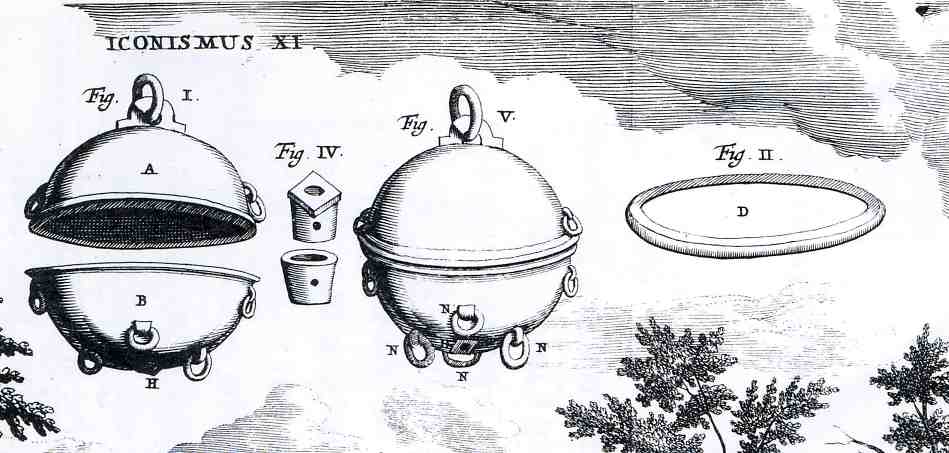
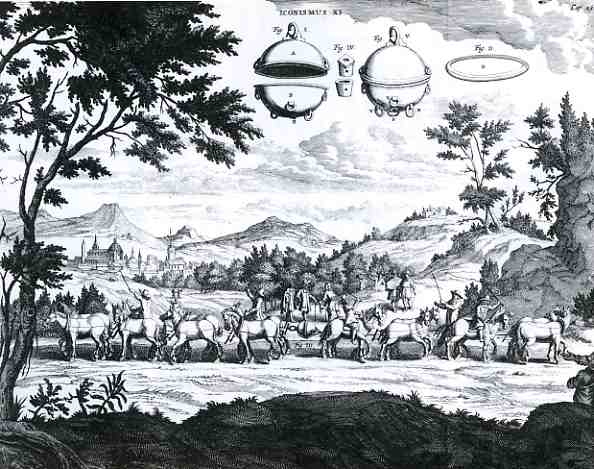
    This is really just another bit of fun–the four objects in the sky weren’t unrelated to the scene, not at all, though if you wanted you could certainly create a fantastically rigorous and bizarre story for them; they certainly did define the concept of “nothing” for the Blank & Empty Things thread of this blog.  here is no doubt that the image has a very quiet, possibly Dadist origin.  In fact, this is one illustration from one of the greatest experimental physics books of the 17th century, coming as it does from Otto von Guericke’s  Experiemnta nova (ut vocantur) Magdeburgica de vacuo spatio (Amsterdam, 1672).  In another minute department, this one is also I guess the greatest book ever written by a Mayor of anywhere (as von Guericke (1602-1886) was mayor of

    0 blog feb 11things out568 Magedeburg for 33 years).  The image shows the greatest of von
    Guericke’s efforts, and one of the greatest (or most important)
    experiments in experimental science–the dramatic demonstration of the
    vacuum, showing here that teams of horses could not pull apart two
    halves of an evacuated sphere, and of course the efficacy of air
    pressure operating against it (um, the vacuum). The “floating” bits in the sky were an exploded view of the sphere that was the subject of the experiment. 

    What was more important though, and what the general reader today might easily miss, was that von Guericke created something that many scientists and philosophers said didn’t, and couldn’t, exist:  the vacuum.  In modern times, Copernicus depicted the universe as a vast void; Descartes came in the back door (following the ancient and interesting though incorrect theory of Aristotle*), not liking the idea very much, and claiming that such empty space couldn’t exist.  Von Guericke provided the proof that the vacuum, that nothing, did exist. 

    _______

    *Aristotle (384-322 BCE) theorized that as air became thinner objects moving through it would move faster, which is true; he further speculated that if there was no air at all, that if vacuums did exist, then objects would move infinitely fast, which he correctly assumed was not possible, and thus the vacuum could not exist. 

  • Van Helmont’s Lovely Title Page and his Sorry Slip into Curative Magnetism

    JF Ptak Science Books LLC  Post 514

    0 ebay feb 10 helmont553

    Joan Baptiste van Helmont’s
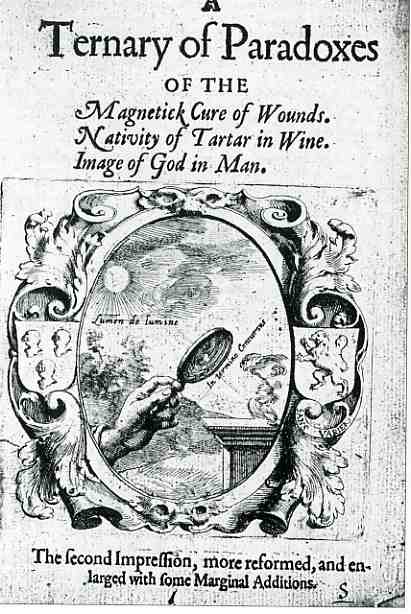
    A ternary of paradoxes : the magnetick cure of wounds, nativity of tartar in wine, image of God in man.
    (printed in London  by James Flesher for William Lee, 1650), offers its own unintended paradoxes (and joined the field of relatively few books with the word “paradox” in their title).  Purportedly a work of science, van Helmont offers the reader his views on the curative powers of the loadstone.  Of particular interest is Helmont’s (1579-1644) discussion of the weapon salve, a cure for injuries caused by knives and swords. The unique feature of this ointment was that it was not applied to the wound but to the weapon which caused the wound, though in the midst of other very problematic scientific observations, this wasn’t so bad.  For example, Helmont presented a recipe for making scorpions, which involved bricks, sunlight and basil, from which a scorpion would come. 

    And what exactly is Helmont’s place in the history of science?  Difficult to say:  he did make several important physical discoveries, and did present what some have called the modern approach to experimentation (firm insistence on relateable objects in empirical observation and so on); however, he was a reaching alchemist misty mystic who rejected syllogistic thought, mathematics*, human reasoning.  These are hard bits to let go.

    All this said, what with scorpions and magnetic treatment of wounds, he comes close to the generation of infection in wounds:  “Upon the solution of Unity in any part the ambient air…repleted with various

    0 ebay feb 10 helmont555

    evaporations or aporrhoeas of mixt bodies, especially such as are then
    suffering the act of putrefaction, violently invadeth the part and
    thereupon impresseth an exotic miasm or noxious diathesis, which
    disposeth the blood successively arriving at the wound, to
    putrefaction, by the intervention of fermentation. ” With his magnetic
    sympathy, Van Helmont expressed clearly the doctrine of immunity and
    the cure of disease by immune sera: “For he who has once recovered from
    that disease hath not only obtained a pure balsaamical blood, whereby
    for the future he is rendered free from any recidivation of the same
    evil, but also infallibly cures the same affection in his
    neighbour…and by the mysterious power of Magnetism transplants that
    balsaam and conserving quality into the blood of…’
    Problematic greatness just needs to be understood in greater detail
    than simply disregarding everything because someone disdains logic…

    Note:

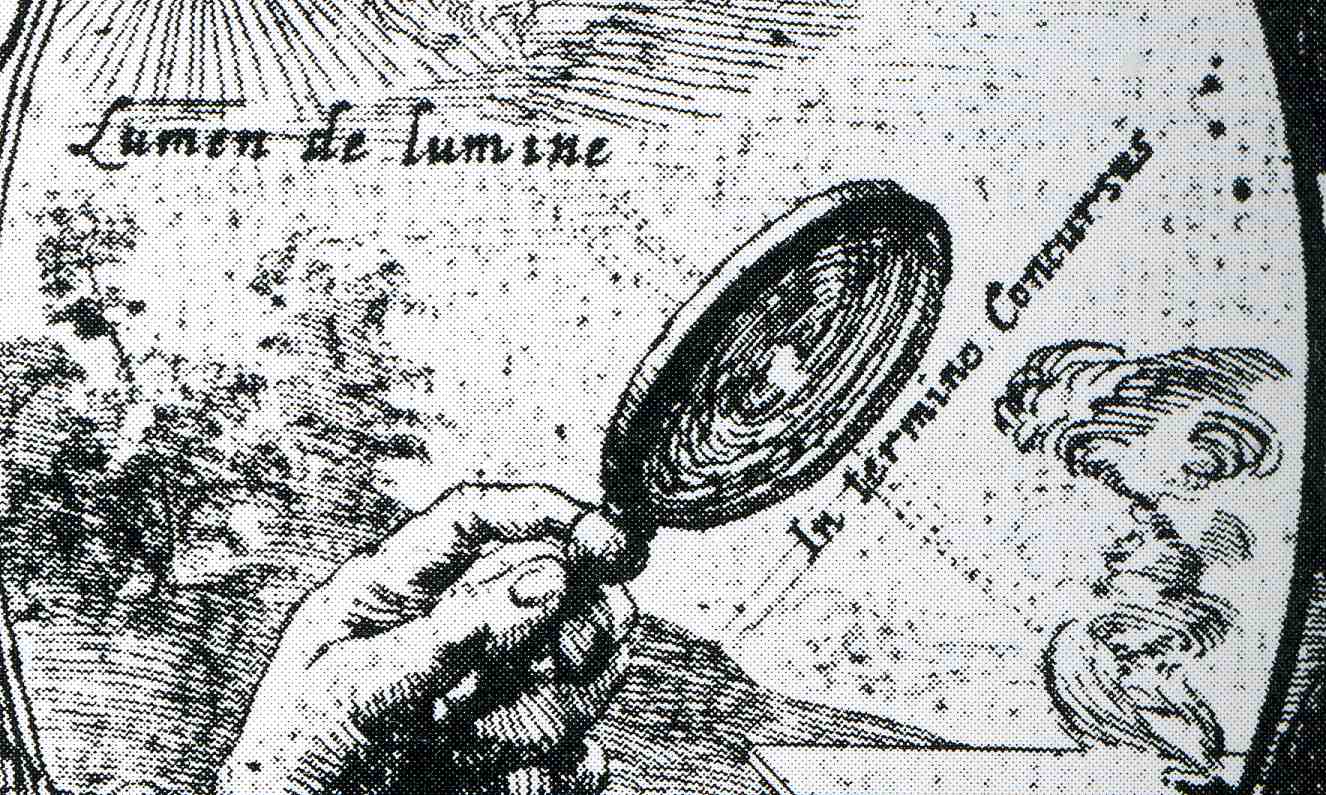
    The interesting image in the middle of the title page is more religious symbolism than what seems to be a straightforward physics reference, and the bulk of it lies in the “lumen de lumine” inference, which in the Nicene-Constantinopolitan Creed confesses faith in Jesus Christ as Lumen de Lumine (Light from Light).  Once you replace the optics with the divine, the rest of the image and its relationship to the contetns of the obok becomes more clear.

    *

    Helmont thought about the restrictiveness of mathematics, and that the quantitative aspects of things that math addressed missed their interior qualities, thus making mathematics not able to see what things are.  Oopsie.


  • A History of Smallness, Part 3: Dew and Space (Charles William Wells, 1814)

    JF Ptak Science Books LLC  Post 515

    0 blog feb 13 dew581

    Little things comfort us because little things distress us. Blaise Pascal

    Science is simply common sense at its best. ~Thomas Huxley

    Physics is imagination in a straight jacket. ~John Moffat

    Science does not know its debt to imagination. ~Ralph Waldo Emerson

    Moderation, which consists in an indifference about little things, and in a prudent and well-proportioned zeal about things of importance, can proceed from nothing but true knowledge, which has its foundation in self-acquaintance. Plato

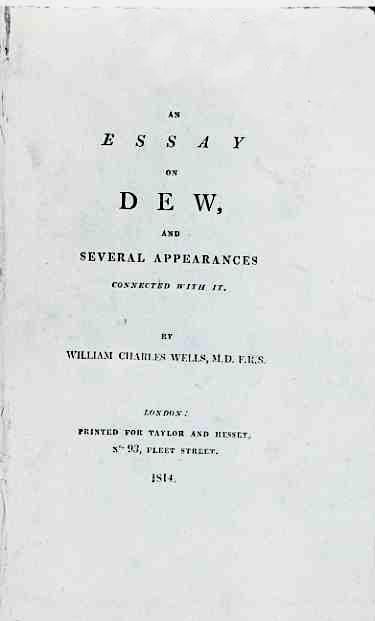
    William Charles Wells (1757-1817), a Charleston-born Londoner who was the physician to St. Thomas’s Hospital from 1800-1817, did one of those great, little experiments (sort of but not really like Charles Darwin crawling around on his imaginarily-sick tummy at Downs watching worms) from which big things were born. The experimentation, lovely and penetrating and elegant, took place over several years from 1812 to 1814, were published in this semi-slender, 146 page tract, which the great Thomas Huxley called “a model of wise inquiry and lucid exposition”. (Actually, 146pp on dew might seem like a lot until you consider what dew is all about.) What Wells so ably exposed about dew was its great terrestrial demeanor–that the movement of dew, its accumulation and dissipation, was due to nothing less than radiation from space, regulated (or interrupted) by the action of the Sun and clouds, ‘introducing a clear view of what is now called the radiation balance of the atmosphere”. (W. Middleton, A History of the Theories of Rain, pp 188-191).  So this is a bit of smallness, something small and seemingly insignificant, leading from its own bit of nothingness into a theory of radiation from space and a theory of the atmosphere, a result almost completely unanticipated.  It is too in its own way somewhat like Robert Hooke re-introducing the often seen and little liked flea–showing people what the flea actually was, under magnification for the first time, showing what sort of world was going on in front of us that was simply just too small to see. 

  • Stepping UP to Heaven: the Beautiful Dead of Los Angeles

    JF Ptak Science Books LLC Post 516

    0 abay feb 13 forest lawn DET583

    0 abay feb 13 forest lawn582

    DEAD, adj.

    Done with the work of breathing; done
    With all the world; the mad race run
    Though to the end; the golden goal
    Attained and found to be a hole!
          —Squatol Johnes (Amrbose Bierce in his Devil’s Dictionary.)

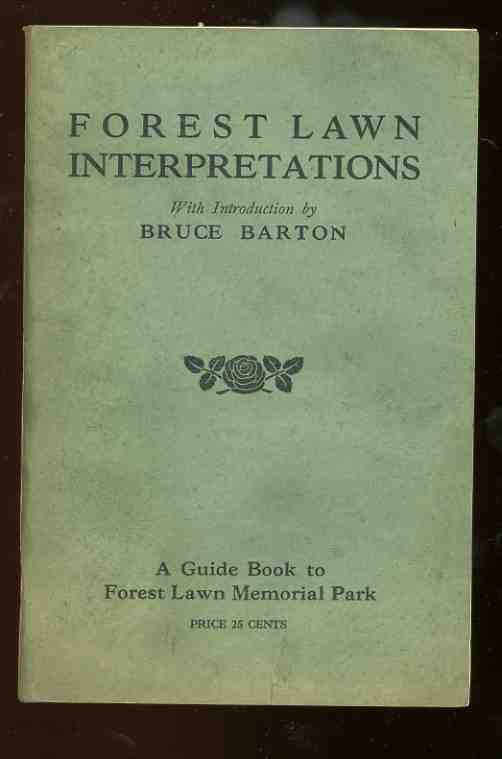
    A first step up toward Heaven? What was Mr. Barton thinking, outside, perhaps, of filling up pages with words so that he could collect 10-cents apiece for them?  His pen was so filled with sugar (I’m sure that I got a case of The Diabetes just from reading the words) and his exaltations of being in the cemetery were so gloriously and morbidly obese that one could only but fling oneself under the next trolley to Burbank  to get to the luscious dirtnap promised for the departed at Forest Lawn. I mean, dirt never tasted sooo good.  This pamphlet, published in 1935, was basically a sales brochure for tourists–the sales number made for prospective departeds would have to had been something far more enticing–at least it would have had to cost a lot more to print.  But what I think the Forest Lawn people were doing was trying to control a little bit of public attention and sympathy to generate ever more interest in the

    Lamp
    sales of cemetery privileges and internment bric-a-brac for the noticables who could afford it.  It was still very expensive to sleep with the worms at Forest Lawn, even in the Depression–it seems as though the price of admission at the lowest end was in the order of a few thousand dollars, which was a lot in those days. But if a lot is what is cost to be dead in an expensive place, well, then so be it.  The place was decorated with casts of Renaissance statues and other High Art exuda that it was, well, perfectly awful.  (Or  in the words of Darren McGavin, who plays/was the wonderful father from A Christmas Story, when gazing for the first time on a spectacularly ugly table lamp made of a resin model of a woman’s (provocative) leg, gasps (just as you’re thinking he’s about to retch into his own hands): “Its…indescribably beautiful!“.).  Forest Lawn is just so.  I guess that it must be, because there’s a quarter of a million people buried in there, and a million people visit them a year.  What with sections called Eventide, Babyland (for infants, shaped like a heart),
    Graceland, Inspiration Slope, Slumberland (for children and
    adolescents), Sweet Memories, Vesperland, Borderland (on the edge of
    the cemetery), and Dawn of Tomorrow, how could this place not be indescribably beautiful?  Listen:  it is beautiful enough for people to get married there.  Ronald Reagan did.  Case closed. 

    ·Posted by :

    ·in:

  • Confusing Iconography from Out of Place Things in the Sky: Television, the Atom and post War America, 1946

    JF Ptak Science Books LLC  Post 517

    0 abay feb 16 allied radio594

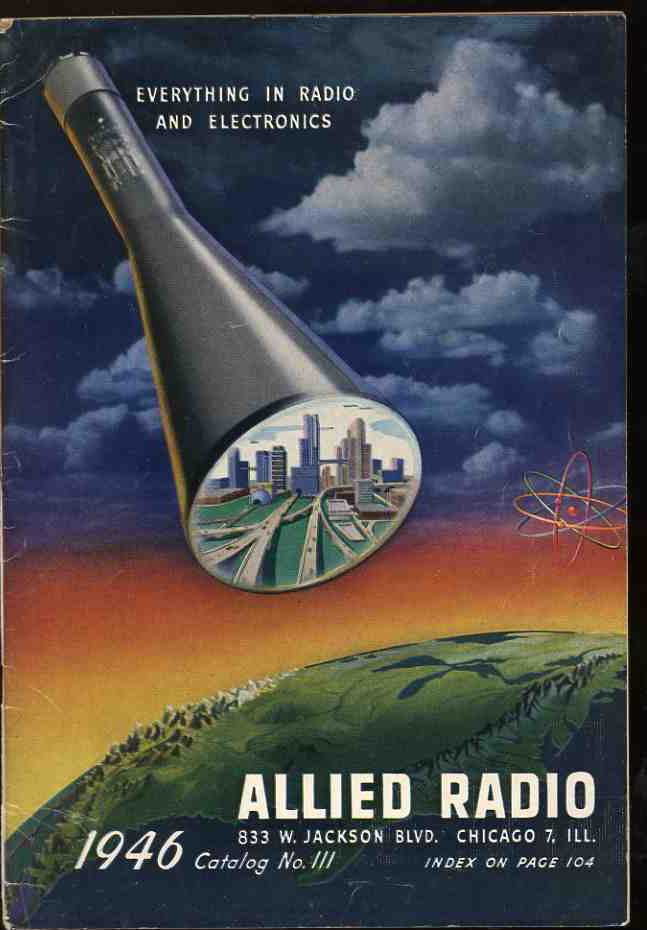
    The war was over for a year, the soldiers were pretty much home, the atomic bomb had been used (three times) to morph the coming future–a future that a quick-artist tried to show in this catalog cover for Allied Radio in 1946.  Probably the artist was just grinding out some more piece work when he did this cover, probably–though he did come up with something pretty interesting, whether he knew it or not.  He did get a good strong sniff of the Something that was coming, and that was the reflection, or capture, or incubation, of the city in the iconoscope tube as it hovered over a verdant America.  The tube was for the next generation of televisions in the post-War forties; by the 1950’s, the television had actually captured most of the United States.  The tube also looked a lot like the Mercury space capsule, but that I think doesn’t mean anything. 

    The growth of the television world in the U.S. was extraordinary:  from 6,000 sets in 1946 came the following growth:

    1947: 142,000
    1948: 977,000
     1949: 3.6 mil
    1950: 9.7 mil
    1951: 15.6 mil
    1952: 21.7 mil
    1953: 25.2 mil

    and by 1962, television set ownership reached 90% of the American population, or about 160 million sets. 
    So, the artist did capture something, though it wasn’t the slightly science fiction-y image of the city in the tube; it was the city in the tube, that t he tube wasn’t actually reflecting anything, but absorbing it. 

    In the 1950s there were at least 102 TV manufacturers in the U.S., which in light of what is going on in today’s world, is epic.  For example, I’ve included those companies beginning with ABC and S,T,U,W,Z to give you an idea of the scope of these companies:

    0 abay feb 16 allied detail595
    Admiral,  Aircastle,  Air King, Airline,AMC,American Television, Andrea
    , Ansley, Arvin, ATR, Automatic Radio Manufacturing, Base Television
    Corp, Bell Television, Bendix Brunswick, Capehart-Farnsworth,
    CBS-Columbia (Air King), Certified Radio Labs, Conrac, Cornell, Crosley

    AND

    Scott, Sentinel.Setchell Carlson, Shaw Television. Shevers, Harold,
    Gotham Television Corp., Silvertone (Sears), Singer, Snaider,Sonora,
    Sparton, Starrett, Stewart-Warner,Stromberg-Carlson, Sylvania,
    Tech-Master, Tele-King, Tele-Tone,Telequip, Television, Inc., Televista
    Corp. of America (TECO), Templetone Mfg. Co., Trad, Transvision,
    Trans-Vue, Truetone – Western Auto, TraV-ler, UST (United States
    Television), Vidcraft Television Corp., Video Corp. of America –
    Cornell Television Inc., Video Products Corp. – Sheraton Television,
    Warwick, Wells-Gardner, Western Auto – Truetone, Westinghouse,  and
    Zenith.

    It is just phenomenal.  This list is lifted from a wonderful site that provide PICTURES of all of these sets, at tvhistory.tv.


Recent Posts

Archives

Categories