A Daily History of Holes, Dots, Lines, Science, History, Math, Physics, Art, the Unintentional Absurd, Architecture, Maps, Data Visualization, Blank and Missing Things, and so on. |1.6 million words, 7500 images, 4.9 million hits| Press & appearances in The Times, Le Figaro, Mensa, The Economist, The Guardian, Discovery News, Slate, Le Monde, Sci American Blogs, Le Pont, and many other places… 5000+ total posts since 2008.

  • Full Text Psychological and Intelligence Tests (1941)

    Manual of the Psychological Tests and Procedures in Use at the Neuro-Psychiatric Institute of the Hartford Retreat. Published by the Neuro-Psychiatric Institute of the Hartford Institute, the Institute of Living, Founded 1822. Printed by the Hartford Retreat, 1941. Offset printed, 11” 8”, ca. 125pp. Staple bound, with original wrappers. Condition: very good condition, save that the rear wrapper is missing. NO COPIES are located in WorldCat/OCLC. Provenance: Library of Congress, with their 6mm “LC” perforated in the front wrapper, deaccessioned in the Pamphlet Collections sale. $450

    A covering letter for the publication—coming from the psychiatrist -in-chief of the Hartford Retreat—states that “this descriptive booklet has been prepared to enable the members of the Medical Staff to have full information concerning the facilities and services offered by the Psychological Division”. Evidently staff was supposed know the tests and their details and so the tests in their full text were bound together.

    This is an extremely interesting and possibly in-house collection of 25 different intelligence tests, personality inventories, diagnostic tests, and a few other miscellaneous exams and tests. Each test is an obvious stand-alone, and I was surprised to see them all together—in general the entire test seems to only rarely be reproduced in full. Included in the publication are:

    [A] Intelligence Tests: (1) Terman-Binet; (2) Otis Self-Administrating Test; (3) Kuhlmann-Anderson Test; (4) Weschler-Bellevue Scale; (5) Army Alpha; (6) Army Beta; (7) Arthur Performance Scale; (8) Herring Revision of the Binet.

    [B] Personality Inventories: (9) Bernreuter Personality Inventory ; (10) Colgate B-2; (11) Colgate C-2; (12) Pressey X-O Test; (13) Thurstone Personality Schedule; (14) Neymann Kohlstedt Test.

    [C] Diagnostic Tests: (15) Jung Free Association Test; (16) Babcock Test; (17) Shipley-Hartford Retreat Test for Mental Impairment; (18) Bolles, Rosen and Landis Performance Tests.

    [D] Miscellaneous Tests: (19) Terman M-F Test; (20) Specific Interest Tests; (21) Educational Achievement; (22) Steinquist Mechanical Aptitude Test; (23) MacQuarrie Mechanical Ability Tests; (24) National Safe Drivers Test; (25) Moral Judgment Test.

    All of these are listed in the preface of the document and are complete and present. There is a listing for “Rorschach Ink Blot Test” though that test is not present, and it seems as though it was never bound (i.e. “stapled) with the rest of the tests. (There is a small penciled “x”next to this entry, which leads me to believe that it was just never included with the assembly.)
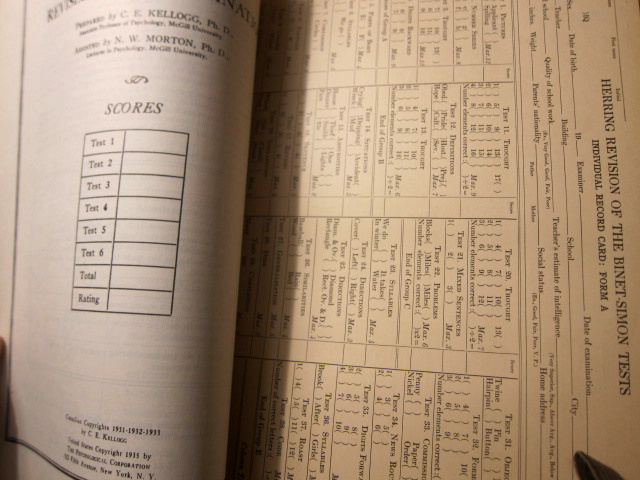
    Hartford _2_

  • The Urban Rooftop Airport Idea in 1920

    JF Ptak Science Books  Quick Post

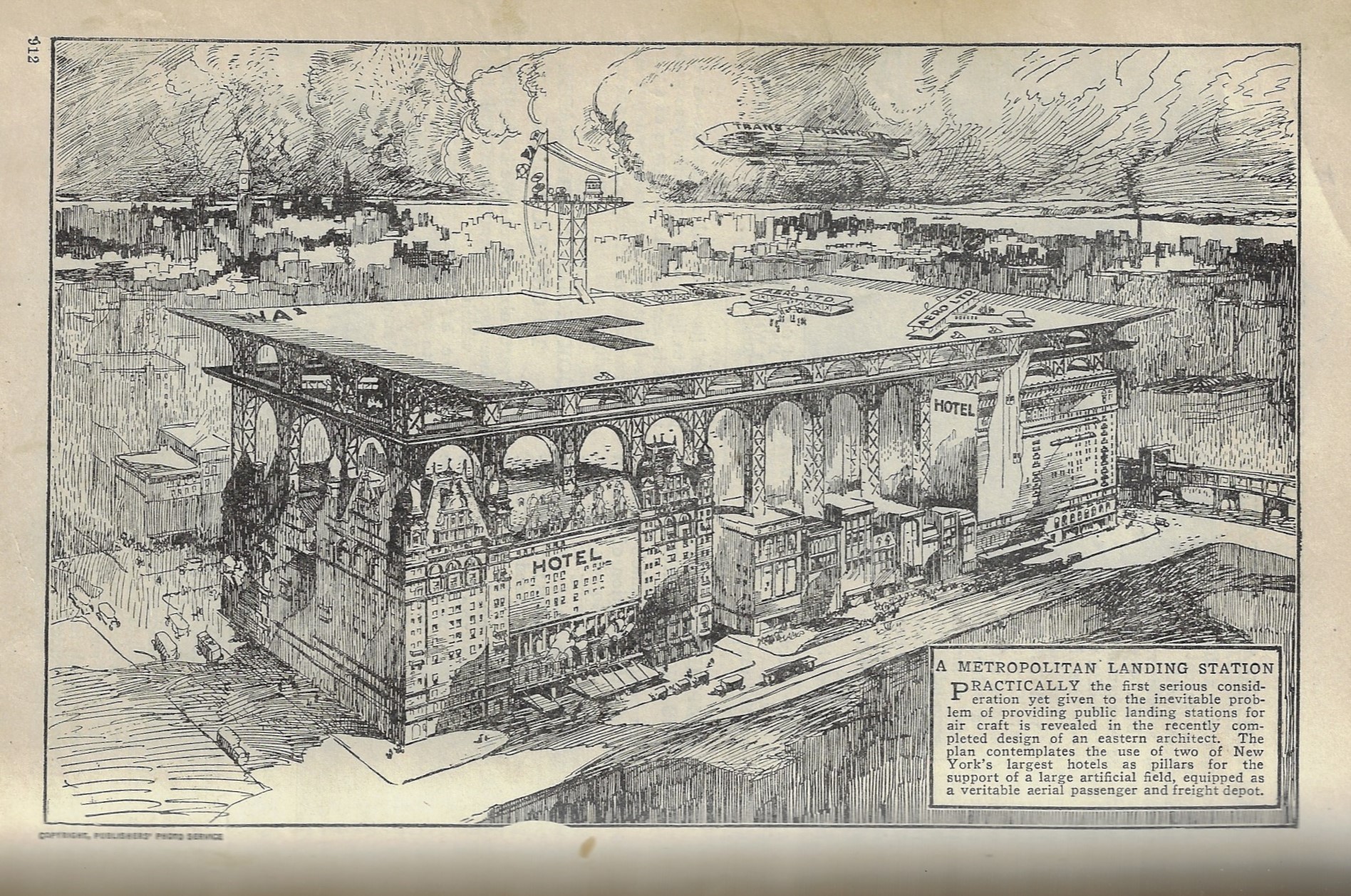
    This is another unexpected find of an urban rooftop airport1/dirigible docking station from 1920.  The idea has a certain amount of sense to it, especially here in the still relatively restricted early history of aviation, just 13 years past Kill Devil Hills, and two past the great expansion of flight following the end of WWI. It is an interesting mix of modernity when coupled with growth of the skyscraper2, which is just living through the beginning of its fourth decade.  On the other hand…well, there are a lot of obvious problems with an idea like this, too many to go through in a simple post just intending to share an evocative image. It was a tempting peek into the future, and as we can see one of the dirigibles advertisers “transatlantic”, the first of which wouldn’t occur by dirigible uintil the Graf Zeppelin in 1928. The planes are way too big, and so on. (Is that the Plaza Hotel in the foreground?) The rendering itself is very pretty, and has a certain Renaissance-y quality too it, especially with the etching-like rendering of the sky.  

    If you’re interested there are probably ten posts on such ideas in this blog–just enter “airport” in the Google search box for the site and you’ll find them.

    Pop Mech 1920 Airport city building

    (Source: Popular Mechanics, December 1920, pg 912.)

    Notes.

    1. “Airport” and “Air port” first appears in the OED in 1902 in the great Brooklyn Eagle, though I’m unsure of its aviation context ( Brooklyn Daily Eagle 10 Apr. 1/2   “I hope New York will be the greatest airport in the world”). There is a clearer usage in 1914 (Times 16 Mar. 5/3   “The time will come when, with the development of aviation, every town of importance will need an air-port as it now needs a railway station”) that leaves no doubt the reference is for airplanes.  

    2. “Skyscraper” (and “sky scraper” and “sky-scraper”) in the architectural sense draws on a long history of common and colloquial use: it first appears in the Oxford English Dictionary as a nautical term relating to a tall horse (1788), and then used to refer to a  sail (1791), tall bonnet (1800), high flying ball in sports (1842), tall person (1847), exaggerated story (1890), and so on.  The use of the term relating to a tall building (generally 10 to 13 floors high) appears in 1883
  • The Department of Upside-Down–Fishing (1920)

    JF Ptak Science Books  Quick Post

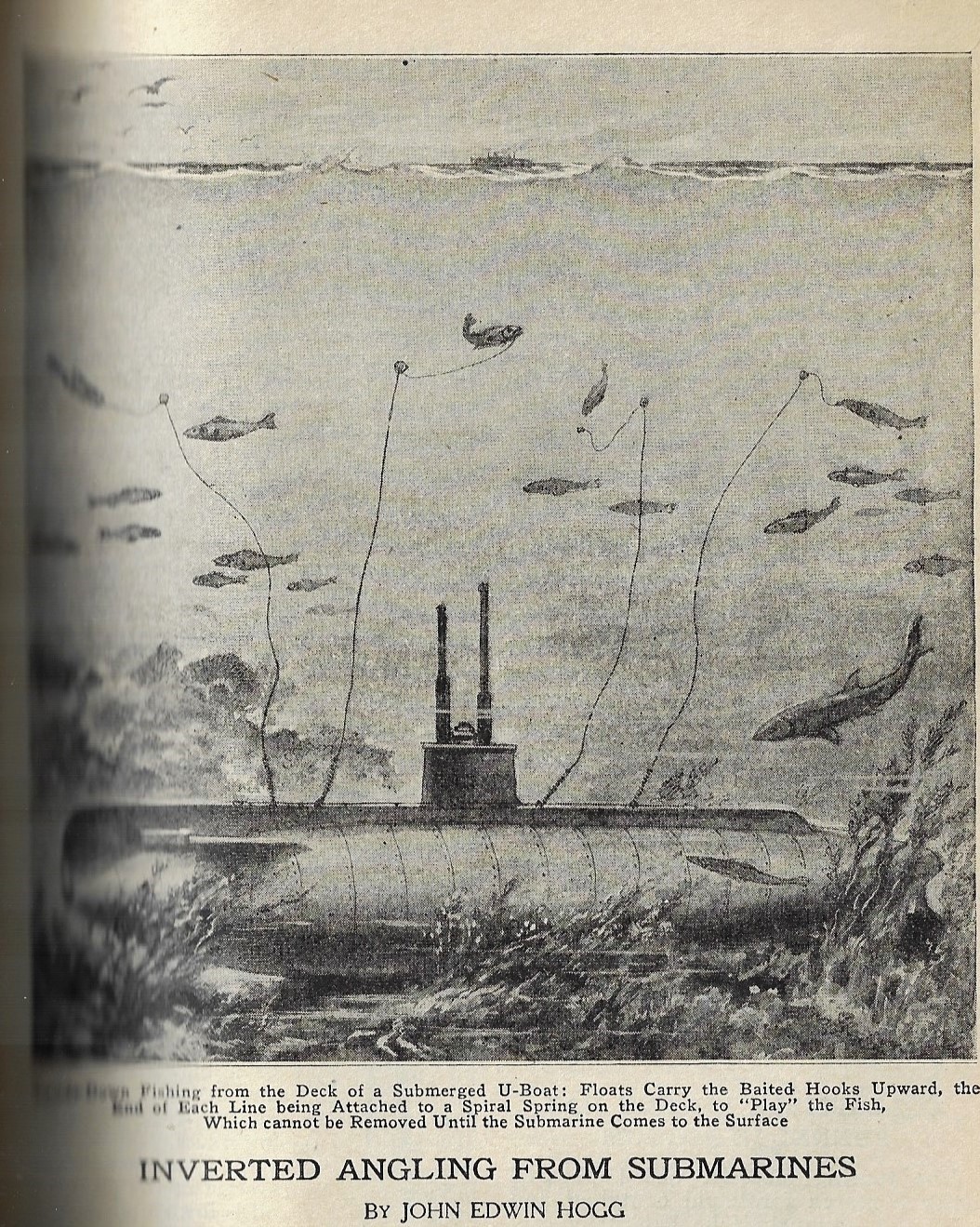
    I should have begun this category/department long ago for the bits and bobs I’ve seen along the way on this blog. It fits in nicely with the categories on the History of Anticipation, the Department of Found Art and Poetry, the History of Nothing, and that sort. In any event, I’ll start it off right here (1.5 million words late) with this unlikely story and fascinating image regarding underwater fishing from a submarine:

    Pop Mech 1920 upside down fishing

    Source: Popular Mechanics, October 1920. 

    ·Posted by :

    ·in:

  • One of the Earliest X-Rays of “Dots”: Medical Imagery, 1896

    JF Ptak Science Books  Quick Post--History of Dots series

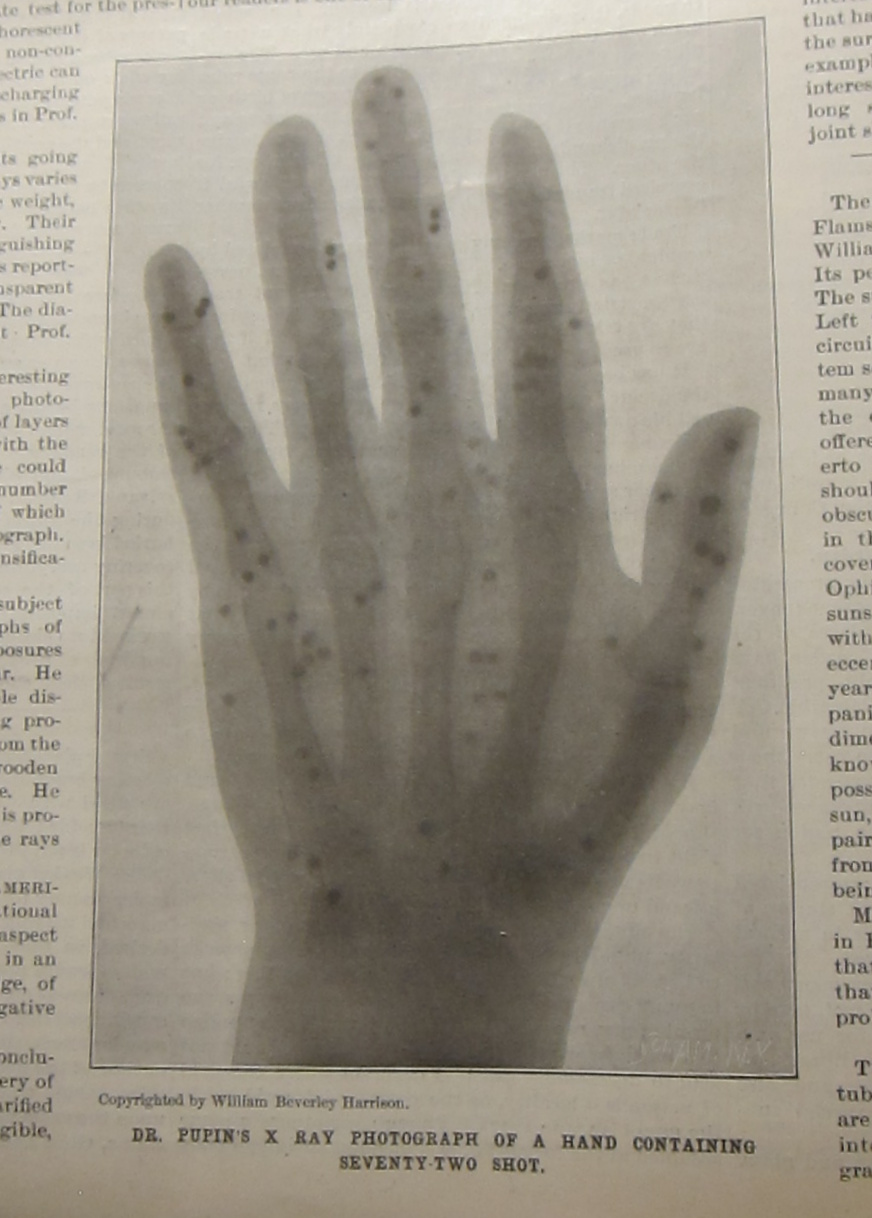
    In the long line of the history of “firsts” in photography are a number of sub-categories, and subs- to those subs, an example of which is scene in the pages of Scientific American for 1896. Here we have the history of photography=>medical photography=>clinical applications of X-rays=>X-ray photographs=>X-ray photographs of gunshots, or some such thing. Anyway, here in the March 21 1896 issue of the great magazine is one of two articles on the X-ray, the second of which features what may be one of the very earliest–if not the earliest–images made of a human limb peppered with rifle/field canon pellets. This comes only two months or so following the discovery and first imagery using  X-rays by Wilhelm Roentgen (1845-1923) made November 8 1895, the experimental results published soon after on January 8 1896 in his paper “Ueber eine neue Art von Strahlen” in the Würzburg Physico-Medical Society.

    The interest in X-rays was spectacular, with more than 1000 papers published on the subject in 1896 alone. This is understandable given the revolutionary nature of the announcement plus the relative ease and simplicity of equipment necessary to produce results.  The Roentgen paper was translated and printed in Nature (for the first time in English) almost immediately on January 23 1896, and it was the very next issue in which advertisements appeared for the relatively cheap necessaries (Crookes tubes etc.) for interested parties to produce their own X-rays at home. Absolutely everyone was interested in this discovery. (For the Scientific American there were 9 articles on the X-ray for January-June, 1896, with the first appearing on February 3; for July-December there were 33.) 

    The image below was made by Columbia University’s Michael Pupin, and was one of the earliest general clinical uses of the new discovery, following what was probably the first medical use (at least in the U.S.) by Frank Austin (Dartmouth) in February 1896. The extraordinary development had an epochal impact on medicine, as now for the first time in the history of the planet a person could see inside a person/living being without cutting them open and poking around.  The X-ray was soon put into use on the battlefield six months later, at about the same time that some of the pioneers (E. Thomson, Morton, Tesla) began to report exposure burns (as some of their photographic exposures using X-rays were 20 minutes long…) 

    (By the way this is the man for whom Pupin Hall was named–this place became ultra famous in my mind, anyway, for the seminal work done their in cutting edge areas by Peagram and Fermi and Urey and Rabi and Dunning, among many others. Also Pupin was awarded the Nobel Prize for Literature in 1924 for his scientific memoir/autobiography, a highly unusual feat for such a subject.) 

    Sci Am 1896 x-ray


  • Bomb-Dropping Torpedo Plane Guided by Wireless (1917)

    JF Ptak Science Books  Quick Post

    Pop  Mech 1917  aerial maps

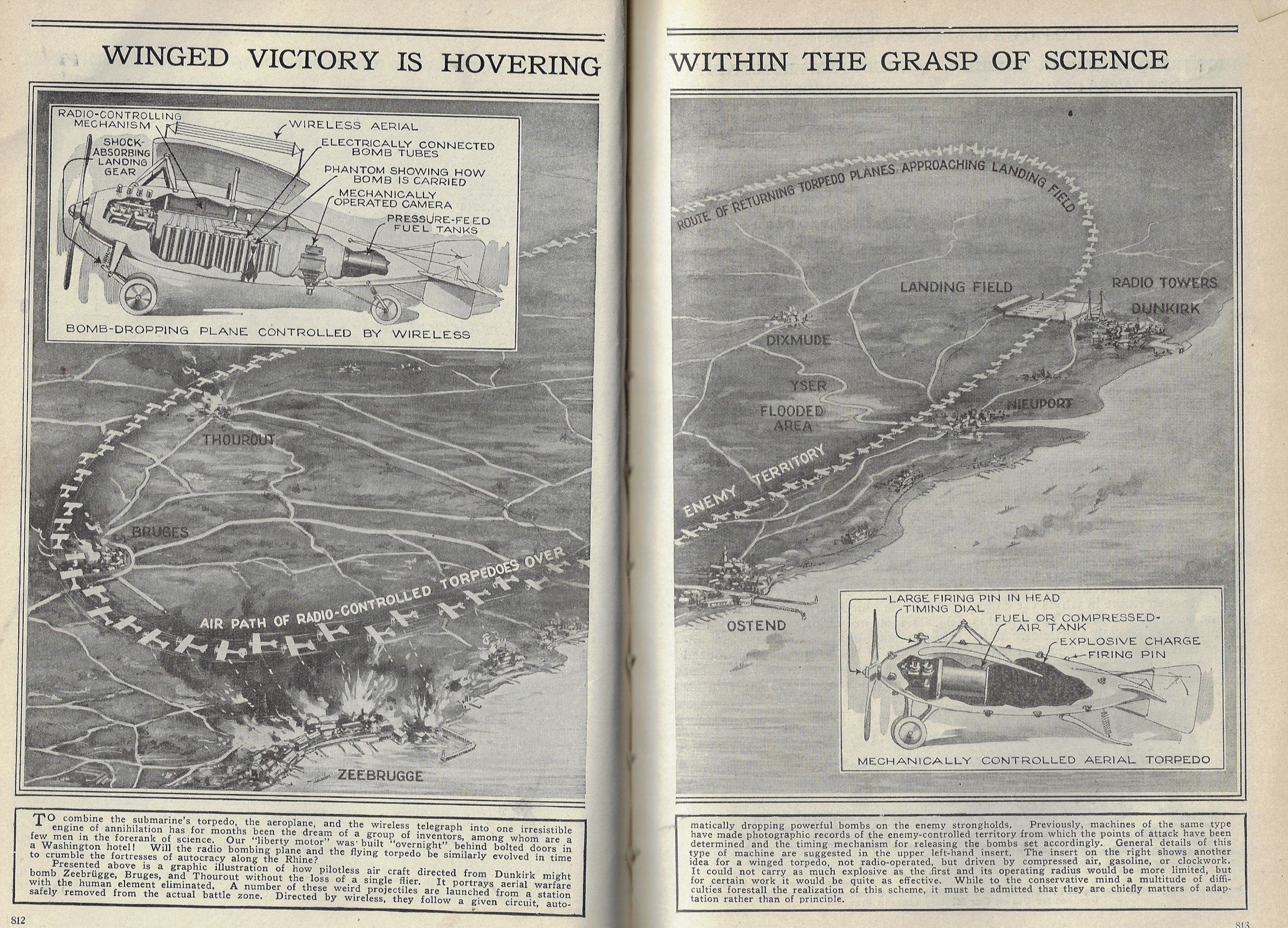
    This illustration appeared in the December 1917 issue of Popular Mechanics, just a year away from the end of WWI. This was a promotion for the idea of a remote-controlled miniature-aircraft, which was equipped with bombs and suggested to be an “irresistible engine of annihilation”.  The map displays how the aircraft–or multi-squadrons of them–could be controlled from Dunkirk to bomb targets in Zeebrugge, Bruges, and Thourout, “without the loss of a single flier”. 

    • “Will the radio bombing plane and the flying torpedo be similarly evolved in time to crumble the fortresses of autocracy along the Rhine?”.

    The small inset of the flying machine at bottom right seems to be little more than a bomb (a “mechanically controlled aerial torpedo”).


  • On Not Discovering X-Rays (1890)

    JF Ptak Science Books  Quick Post

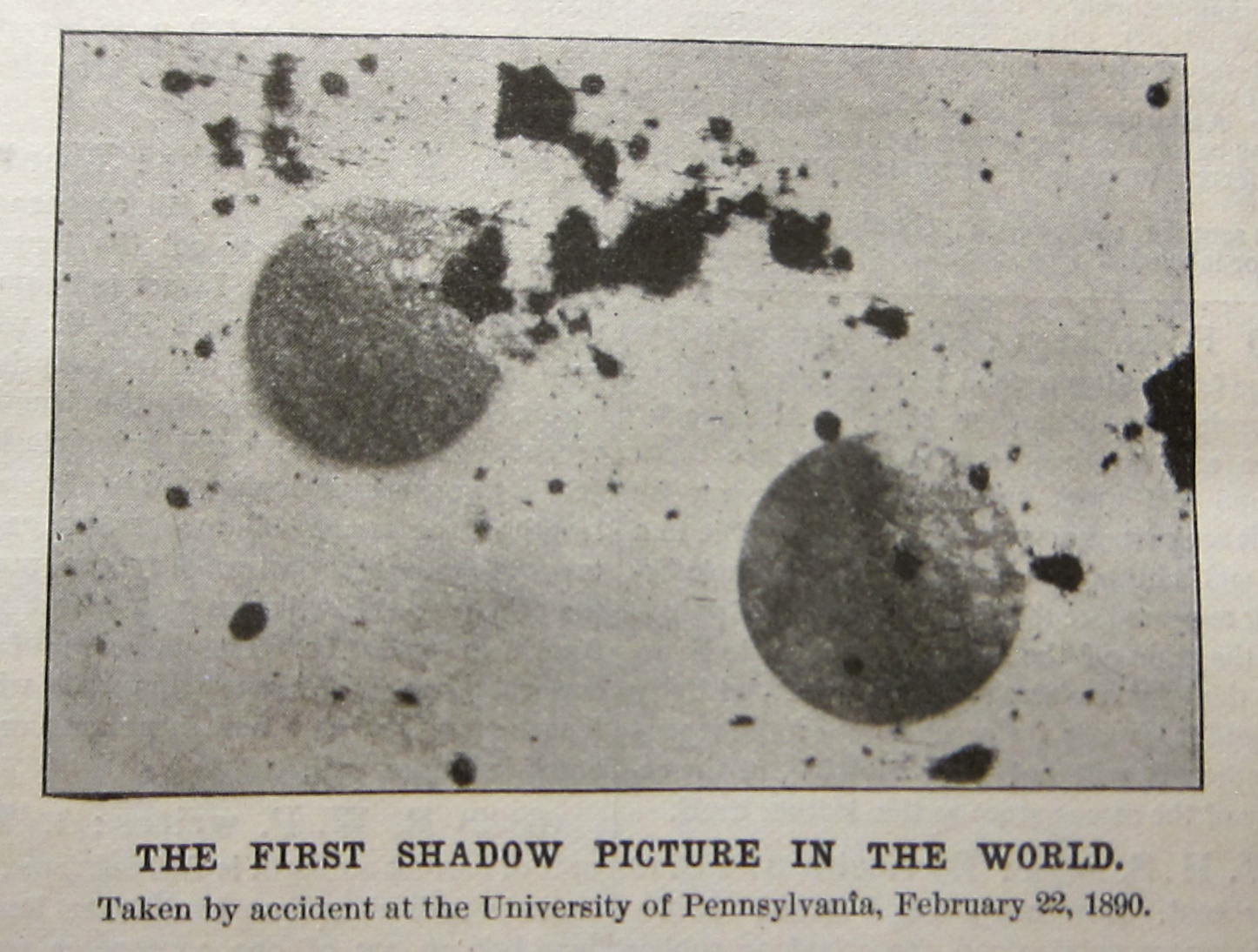
    In the long list of “photographic firsts” the following is a rare case–a first that wasn’t a first that may have became a first, though no one recognized it as such until the true first was recognized. Huh?

    Sci Am 1896 shadow pic

    This is the story of Arthur W. Goodspeed (1860-1943) and William Jennings (1860-1946) and their brief brush with immortality. While using a Crookes tube and  photographing electric sparks and brush discharges in their lab at the University of Pennsylvania in 1890 they produced a photograph of unknown certainty and imagery. They did not pursue the anomaly and stowed the photographic plate away in archives. After the Roentgen discovery in 1895 and seeing the first results in early 1896 they knew exactly what it was they had photographed, and just hadn’t recognized that what they were seeing was revolutionary. They retrieved and published the photograph along with their story in Science on February 14, 1896 (vol 3 #59), and a short account of the narrative was published in Scientific American on April 11, 1896, along with the photograph. To their great credit the two physicists made no claim to discovery:

    • “We can claim no merit for the discovery—for no discovery was made. All we ask is that you remember, gentlemen, that six years ago. day for day, the first picture in the world by cathodic ray was taken in the Physical Laboratory of the University of Pennsylvania.”

    I reprint the article and the photo below.  

  • A Peep into the Future, Technology, and Socialism (1901)

    JF Ptak Science Books   Post 2815  (Thanks to Cosmo Rare Books, where I saw a reference to this work; all images and text for the Wintle article are found at Hathi Trust.) 

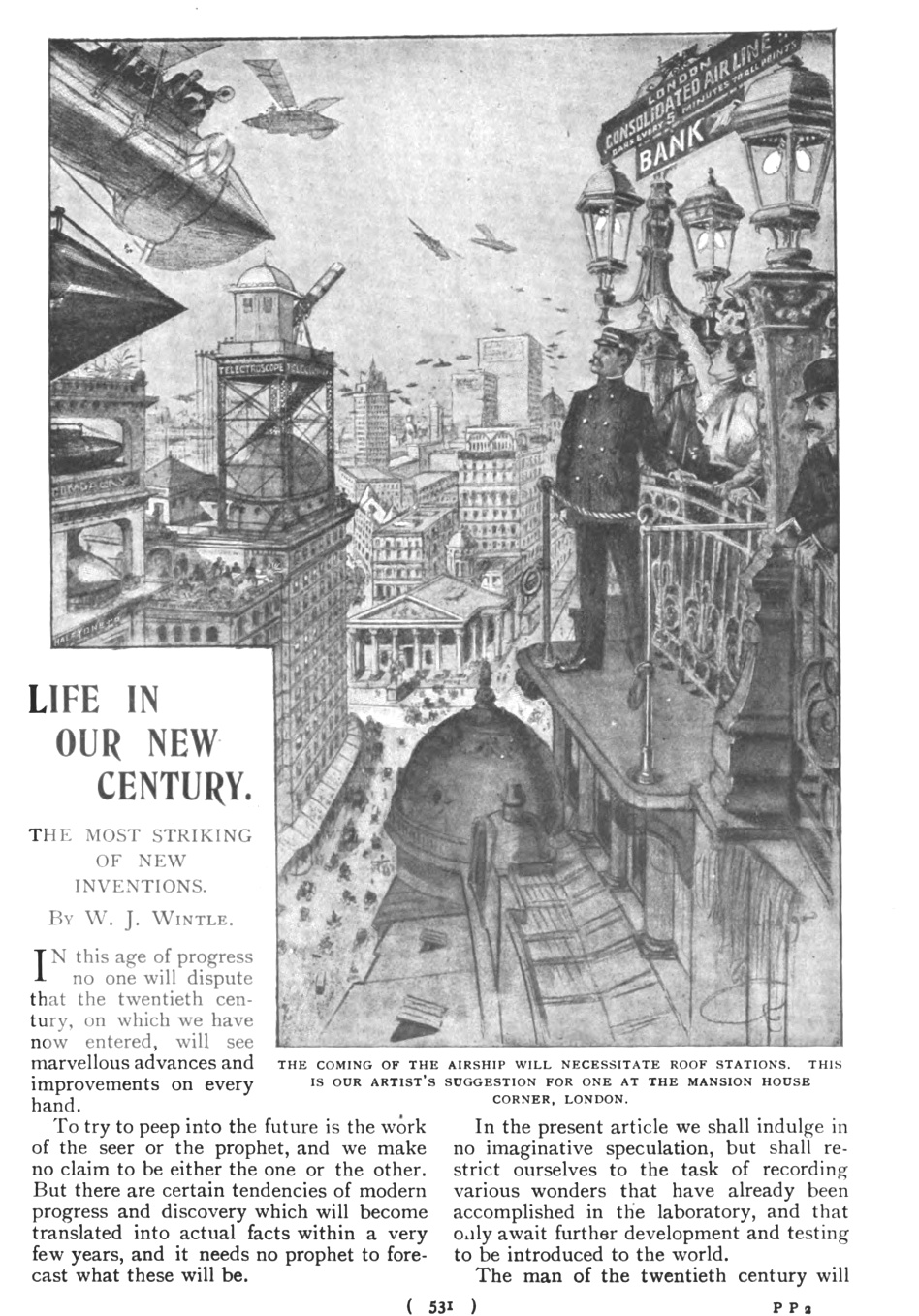
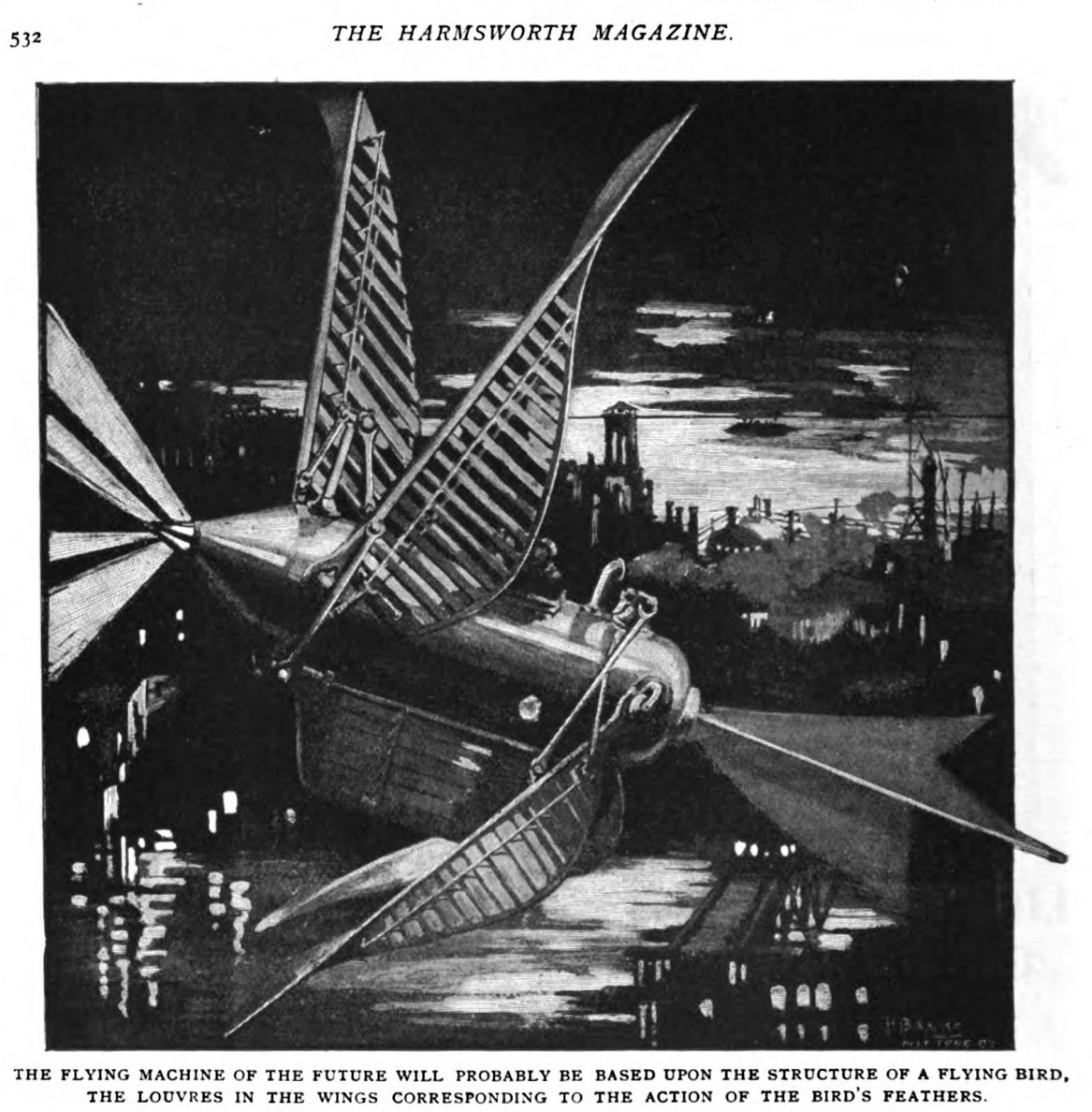
    Future 20th c WIntle Peep _1_ (1)W.J. (William James) Wintle, “Life in our New Century”, in The Harmsworth/London Magazine, volume 5 (new series) #30, pp 531-538, 1901.

    (Source with full text and other illustrations at Hathi Trust.)

    W.J. Wintle contributed a sober look into the near-future of technology and society, basing his outlook not so much on possibilities but on existing (or nearly/possibly so) tech, which is a smart move for trying to access the expansion of human knowledge: “To try to peep into the future is the work of the seer or the prophet, and we make no claim to be either the one or the other. But there are certain tendencies of modern progress and discovery which will become translated into actual facts within a very few years, and it needs no prophet to fore cast what these will be.”

    The author (who contributed regularly to the magazine) raises some interesting and reasonable technical points which for the most part are mostly correct, in a larger and more general sense. The details of the technical developments miss the point and in many cases are superseded by far more elegant inventions and discoveries that would take place in mere decades, if not sooner, rushing the “future” of Mr. Wintle (1861-1934) into a timeline within his own lifetime…which happens all of the time.

    For example his discussion of “Hertzian waves” soon gives over to the development of the pocket telegraph. Here though he does raise a very interesting point which to my experience is very scarce—he points out that with this pocket telegraph it makes it possible for a person to communicate with another person without knowing where they were. (“…a system of pocket telegraphy, by means of which a man may carry his own apparatus in his pocket and receive messages even from people who. do not know where he is”).

    That idea would certainly have been a shocking revelation to the high Victorian.Future 20th c WIntle Peep _5_

  • A Tank at an Amusement Park (1920)

    JF Ptak Science Books  Quick Post

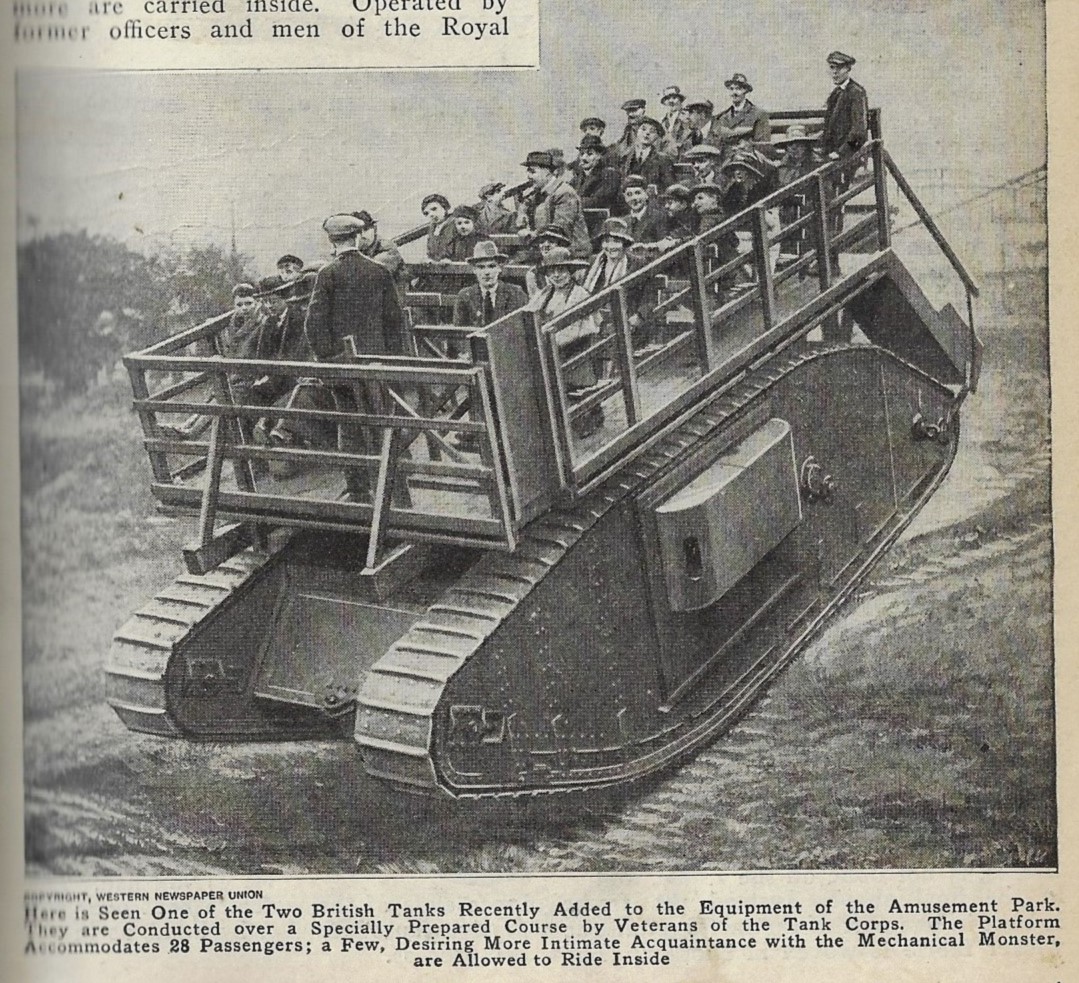
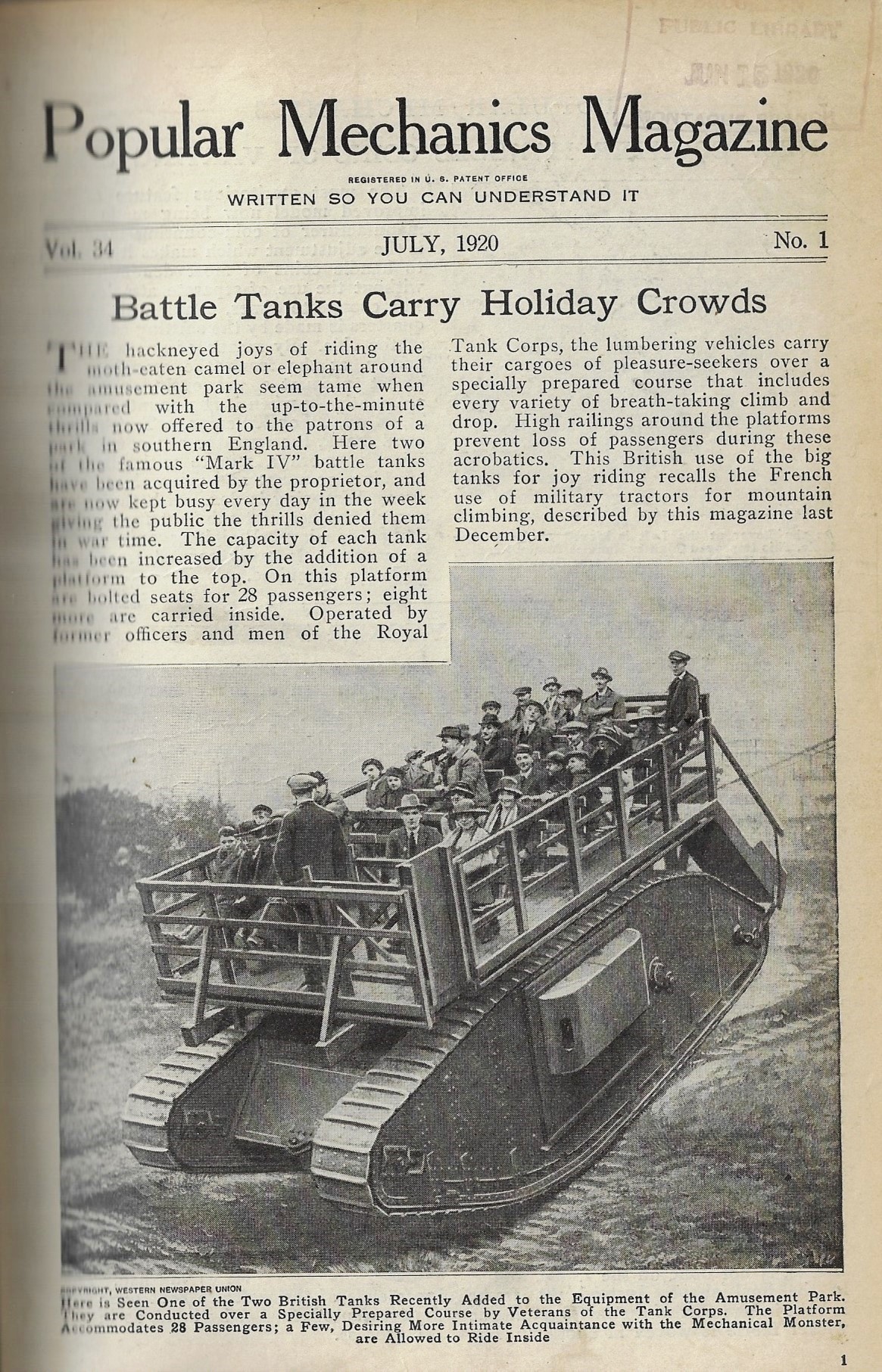
    Pop Mech 1920 tank amusement park_2_There is something lingering and heartbreaking about this image found in Popular Mechanics for July, 1920. The image shows a refitted tank being used as a curious ride at an amusement park. No doubt people wanted to put WWI behind them, as the end of the war was still only two years old or so, and the imagery of millions of people killed during the conflict was still very recent, with the hardships and loss still quite present in the minds of nearly everyone in the world.  That said, the image of the smiling faces on the retrofitted tanks a bit much, seeming to be this side of disrespectful. Seeing the “Jeep” brand doesn’t affect me like this–as the logo has almost nothing left in connection to the WWII vehicle, though I do feel a bit annoyed when I see a deluxe High Mobility Multipurpose Wheeled Vehicle  HMMWV, or Humvee) tooling around in the suburbs, begging attention in its mostly-useless incarnation, carrying with them the memory of hundreds of U.S. soldiers being killed in them. I just don’t like the idea of desensitizing the imagery of these vehicles into something sugary. 

    Pop Mech 1920 tank amusement park

    ·Posted by :

    ·in:

    —
  • Flying to India from London at 93 mph (1928)

    JF Ptak Science Books  Quick Post

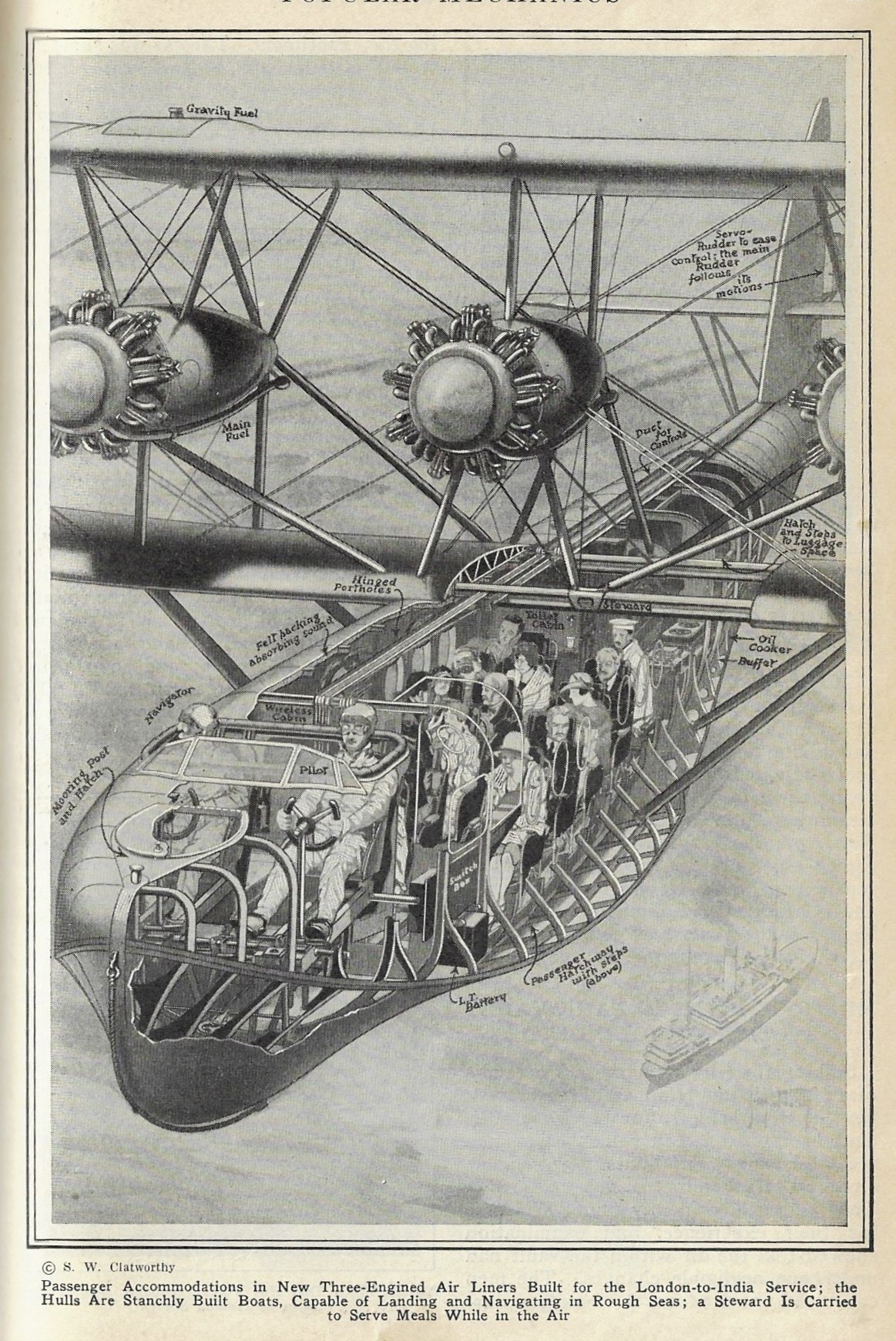
    These oblique cross-section and cutaways have been near-and-dear imagery for a long time, and I’ve probably made 50+ posts on this blog sharing them. This drawing is by S.W. Clatgworthy and appears in Popular Mechanics for March, 1928– it depicts the not-identified and brand-new “Short S.8 Calcutta”, which made its first flight the month before.  The airplane was designed for the Mediterranean leg of the London-India service of British Imperial Airways (1924-1939 when it merged into BOAC and then in 1974 became British Airways) and was the first stressed skinned metal hulled flying boat, and was constructed by Shorts1. Its three Bristol Jupiter engines pulled the aircraft along at about a 100 mph cruising speed, which no doubt made for an exciting and relatively fast (by 1928 standards) trip to the East.  The aircraft was pretty large for the day: 66′ long with a wingspan of 93′ and a height of 23′. It was probably noisy but relatively comfortable, the passengers being served food and drinks by a steward. Far less comfy were the pilot and navigator, who as you can see were in an open cockpit. 

    Pop Mech 1928 cross section airplane

    Notes:

    1. Shorts was the firm started by the Short brothers in Battersea in 1908 and which was the first aircraft manufacturing company to make production airplanes. 


    ·Posted by :

    ·in:

    —
  • The Jevons Logic Machine (1870)

    JF Ptak Science Books  (This is a null post, carried over from the bookstore section of this blog–I’m sharing it in the bookseller format to simply share the info on this fascinating machine.)

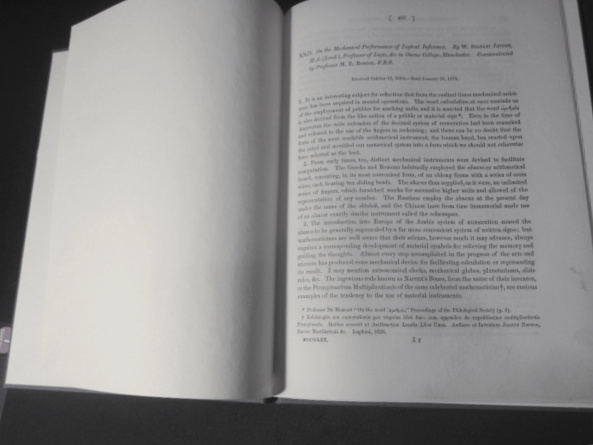
    Jevons logical _4_W. Stanley Jevons, On the Mechanical Performance of Logical Inference, in Philosophical Transactions of the Royal Society, 1870, pp 497–518. This is an extract from the volume, containing the entire article, plus its three engraved plates showing the works and interior of the machine. This is very tastefully bound in paper covered boards with a paper spine label. This is the first description of the one the preeminent. 

    Jevons was a polymath and one of my favorite thinkers of the 19th century. He worked across many fields but seems to be remembered today mostly and unfortunately for his theory of the relationship between sunspots and economics cycles. He is not so well known as the inventor of one of the earliest pre-modern computers and particularly for it being the fastest machine of its kind ever invented.

    “In 1870 a British scholar, W.S. Jevons, built the first computer designed to solve logical problems. Inspired by Boole and Babbage, Jevons built a mechanical device implementing automated deduction…”–Paul Amblard, “A Finite State Description of the Earliest Logical Computer: The Jevons’ Machine”, in the Springer International Series in Engineering and Computer Science book series (SECS, volume 434)

    “The creation of analog computing devices is both relevant and significant to the development of modern computers, but was there no early pure mechanical digital apparatus, given the advent of Boolean logic and Venn diagrams in the 19th century? One individual in particular began a small, but significant movement that transformed digital theory into mechanical devices that, while lacking the sophistication and power of later electronic digital computers, did, nevertheless, function in a digital mode. The person responsible was the Englishman W. Stanley Jevons (1836–1882).”–George Buck and Stephen Hunka, “W. Stanley Jevons, Allan Marquand, and the Origins of Digital Computing” in IEEE Annals of the History of Computing, Vol. 21, No. 4, 1999.


  • When the Opposite of an Idea is the Better Idea (1922)

    JF Ptak Science Books  Quick Post

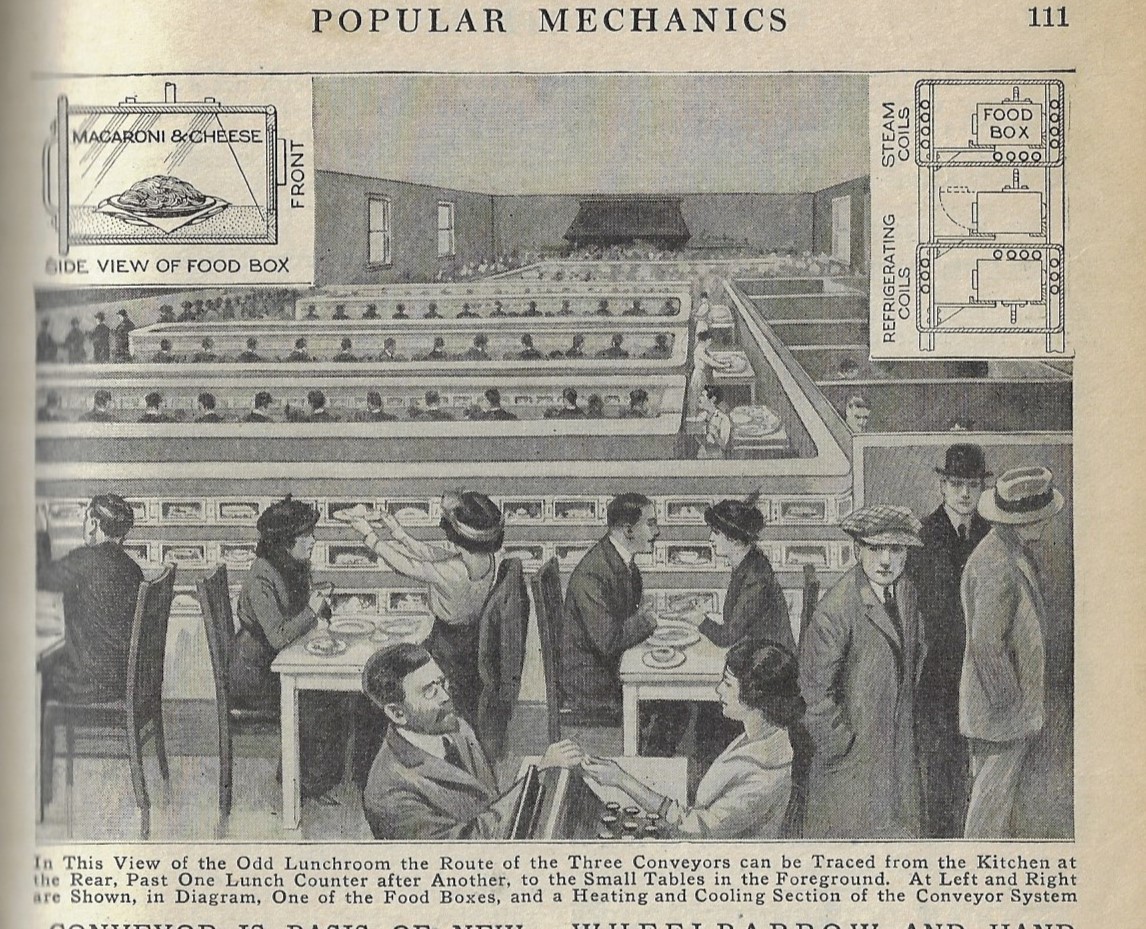
    Here’s a suggestion for a new category for this blog: Ideas That May Be Better Backwards. The idea is presented in this wonderful image from Popular Mechanics in 1922 and features an endless trolley/conveyor of food that moves past stationary diners at a restaurant. You’d sit down, and gobs of food would be presented on an endless conveyor, moving along at probably 1 mph. This idea makes sort of very quick 3-beer sense, until you think of the probable waste and the cost of machinery and energy that it took to trundle the food along, and then replacing all of it that went cold, and so on. It seems to me the opposite might be the better if not still-bad idea: putting the patron seating area on a revolving stage and have a central location for the food where they’d take what they wanted. The conveyor-of-food idea withers next to the great Automat, where people would simply walk up to a long bank of small windowed receptacles with different foods inside, drop a few coins into the slot opening the lovely little (but thick) door, after which you’d simply find a place to sit and eat. (This automat was a German 19th c idea, and it became popular in the U.S. in the 1930s’-1960’s, with Horn & Hardart leading the way with 30 or so locations in NYC. The H&H variety closed up by the early 1990’s, their locations converted into Burger King meat/fat/carb slingshops.) Here it is:

    Pop Mech 1920 luncheon

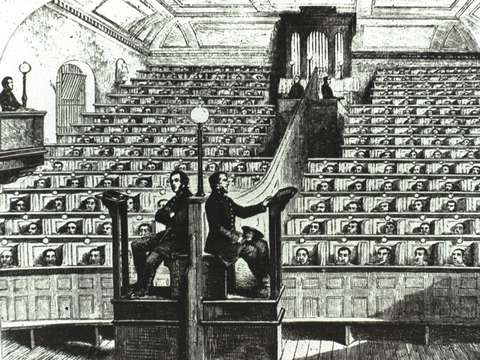
     The image reminded me of one I saw for the very restrictive penitent/observer prisoner in chapel at Pentonville Prison in 1855–I know it is hardly similar whatsoever to the food-on-a-belt, but the two did come together somehow in my head:

    Prison chapel Pentonville

    [Source: lost! Apologies.]

    ·Posted by :

    ·in:

Recent Posts

Archives

Categories