A Daily History of Holes, Dots, Lines, Science, History, Math, Physics, Art, the Unintentional Absurd, Architecture, Maps, Data Visualization, Blank and Missing Things, and so on. |1.6 million words, 7500 images, 4.9 million hits| Press & appearances in The Times, Le Figaro, Mensa, The Economist, The Guardian, Discovery News, Slate, Le Monde, Sci American Blogs, Le Pont, and many other places… 5000+ total posts since 2008.

  • Curious Maps & Images: Tornadoes, 1765

    JF Ptak Science Books   Quick Post  

     Follow Me on Pinterest

    Tornado trees

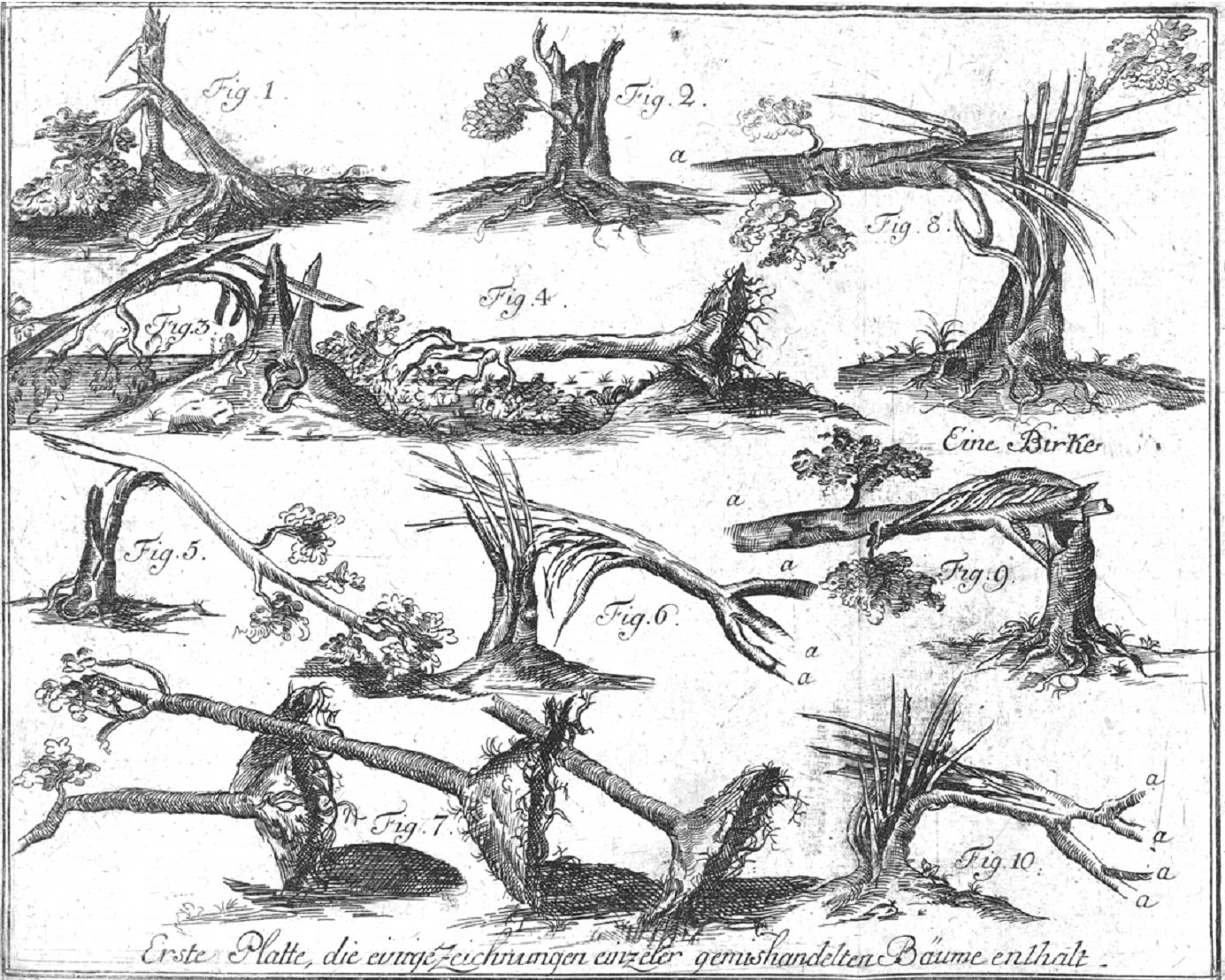
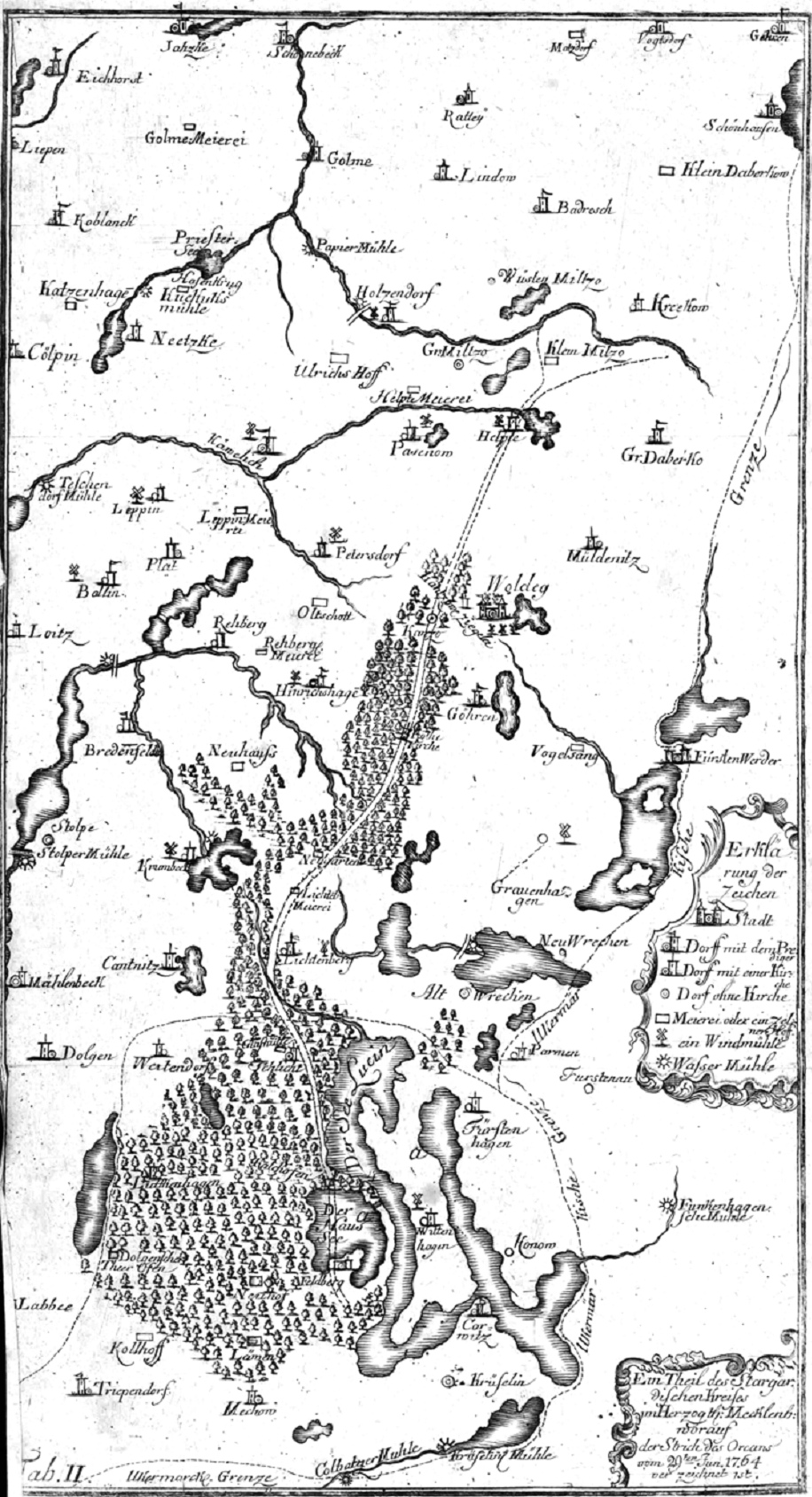
    In my experience antiquarian images of trees damaged and destroyed and torn up (and “enormously devastated”) by tornadoes are very uncommon things–ditto maps of the paths of tornadoes. (I found this image via a very interesting but seemingly unnamed blogsite, located here, dedicated to early images of waterspouts and tornadoes.)  They are found in Gottlob Burchard Genzmer (1711-1771), Umständliche und zuverläßge Beschreibung des Orcans welcher den 29. Jun. 1764 einen Strich von etlichen Meilen im Stargardischen Kreise des Herzogthums Mecklenburg gewaltig verwüstet hat, published by Friedrich Nicolai,  in Berlin (and Stettin), in 1765. [Full text] 

    Tornado map

    In any event, I have not much to say on these images save for the fact that I find them to be extraordinary, and wanted to share. 


  • Invasion Scare Nihilism vs. Proto-World-Dominating Socialism vs. Pretty, 1893

    JF Ptak Science Books   Quick Post   History of the Future series

    Follow Me on Pinterest

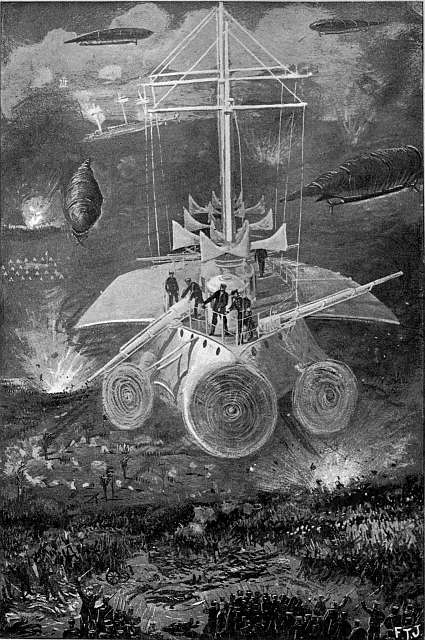
    There’s an awful lot in this nihilistic-pro-socialism revolutionary Sci-fi tale of invasion and Armageddon and deliverance from mega-capitalists than I will make room for here, where “here” is an 1893 tales depicting 1903–I really just wanted to point out the pretty pictures of flying machines. (For a full summary follow the link above to a Wiki article on the book; also do follow the link for a short biography of the author.)

    Angel revolution big

    ·Posted by :

    ·in:

  • North American “Bird’s-Eye” View, 1558.

    JF Ptak Science Books  Quick Post

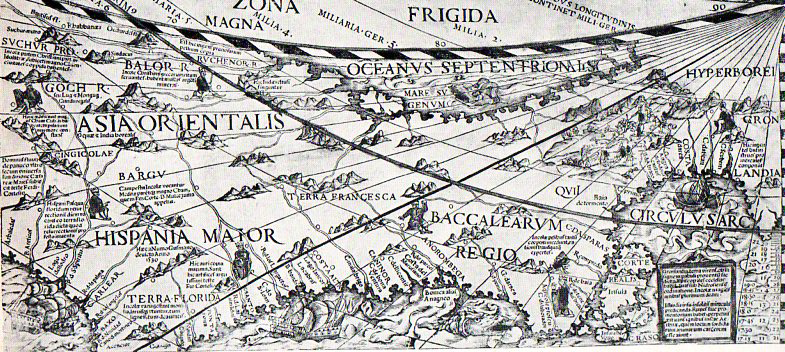
    The birds’-eye-view has always been of interest on this blog–particularly those that were pre-flight, when the iteration of distance and proportion and perspective were adventures in logic and design and mathematics–and imagination. 

    The example below is from the upper left corner bit of a cordiform wall map of he world, a massive and old 4’x6′ effort, which was designed by Caspar Vopell (a map and globe maker, and a professor of mathematics at the University of Cologne) and printed in 1558, and was mostly the result of the map-maker’s projection.

    Vopell map819
    The map of course is spectacular, and the imagination and planning and vast expertise that went into the depiction of North America was impressive–staggering even.  It was an enormous leap of faith, that showed all of the new discoveries, stretching from Greenland to northern Florida, around part of the Gulf Coast, across the Southwest and California, and then on to, well, Asia.  Vopell depicted the west of North America as a part of Asia–and that according to Charles V, who collected/received information of all sorts of new discoveries and voyages.

  • Measuring Big Things in Terms of Units of Trinity Churches

    JF Ptak Science Books   Quick Post

    Follow Me on Pinterest

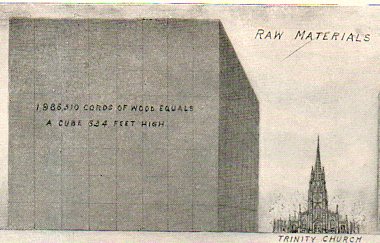
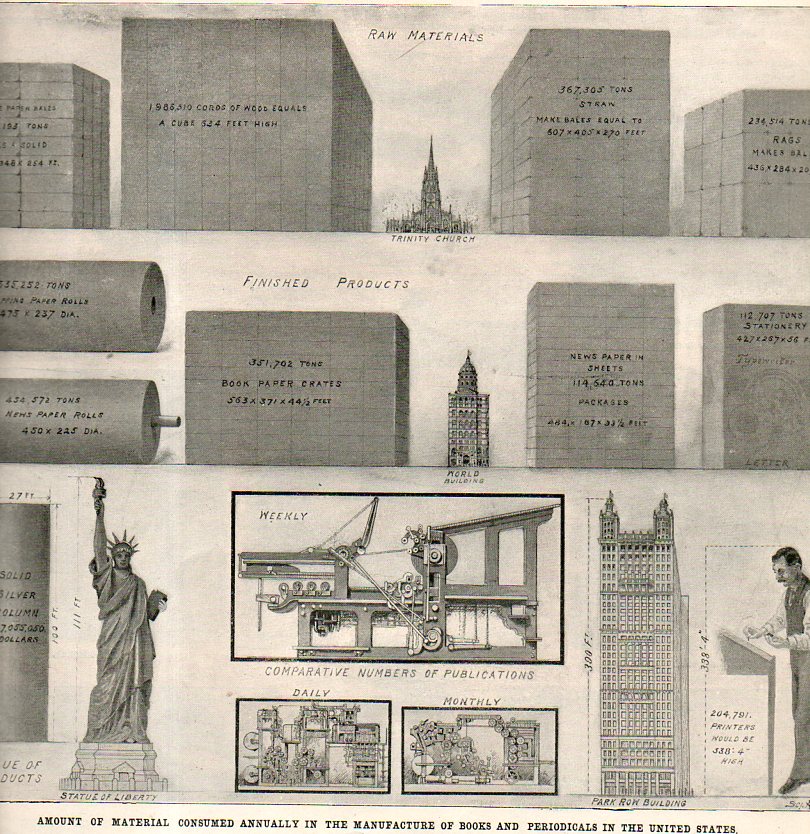
    The rather dry article appearing in the 14 November 1903 issue of Scientific American discussing the comparison of raw and finished products in the printing and paper making industry survives itself in a glorious way with a captivating infographic explaining things in terms of units of Trinity Churches and Statues of Liberty–and that’s what makes the difference in presentation of data and the artistic display of statistical information.

    Infographic a materials796And so:

    Infographic a materials795[Source:  Scientific American, 14 November 1903]

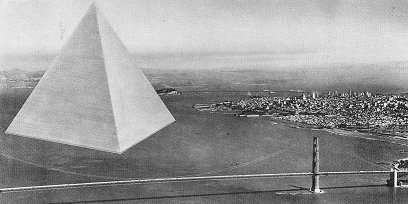
     After everything is said and done these images remind me (unfairly, probably) of Buckminster Fuller’s idea for an enormous floating city named Triton.  All things being equal, Triton probably could have worked, for good or not.

    Triton

  • Ungod, Ungodded, and Ungodding

    JF Ptak Science Books   Quick Post

    Follow Me on Pinterest

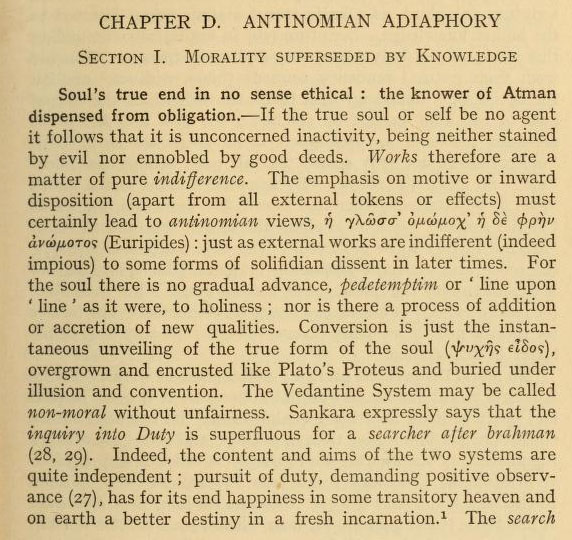
    Earlier this month I wrote two posts on the un-prefix in words occurring in Joyce’s Ulysses and in Webster’s 1828 dictionary–there were many surprises, including an entire category of new words outside their original intentions. One example that came up today, flushed out while reading in a very erudite but long-nosed and very sniffily dismissive work by F.W. Bussell (Religious Thought and Heresy in the Middle Ages, published in 1918).  The author was a man of very deep and long learning who wrote a bit, thick-as-a-brick-or-two book of high physical appeal. It seemed to me though that his understanding of some “foreign” religions did not broaden his own appreciation of difference in cultures, as some of the heretical belief systems included Buddhism and Hinduism. 

    As much as Bussell seems to put god into various religious equations, he more than occasionally proves judgmental in taking god out of others. Here’s a sampel from Mr. Bussell:

    BussellIt’s a difficult go. 

    And rightly or wrongly it brought up ungod/ungodded/ungoding, the words I bumped into in Webster’s, and so their appearance in the OED:

    UNGOD. To deprive of the qualities or position of deity; to undeify. (Common c1640–1740.)
     
  • The Building that Toppled the Earth

    JF Ptak Science Books   Post 2145

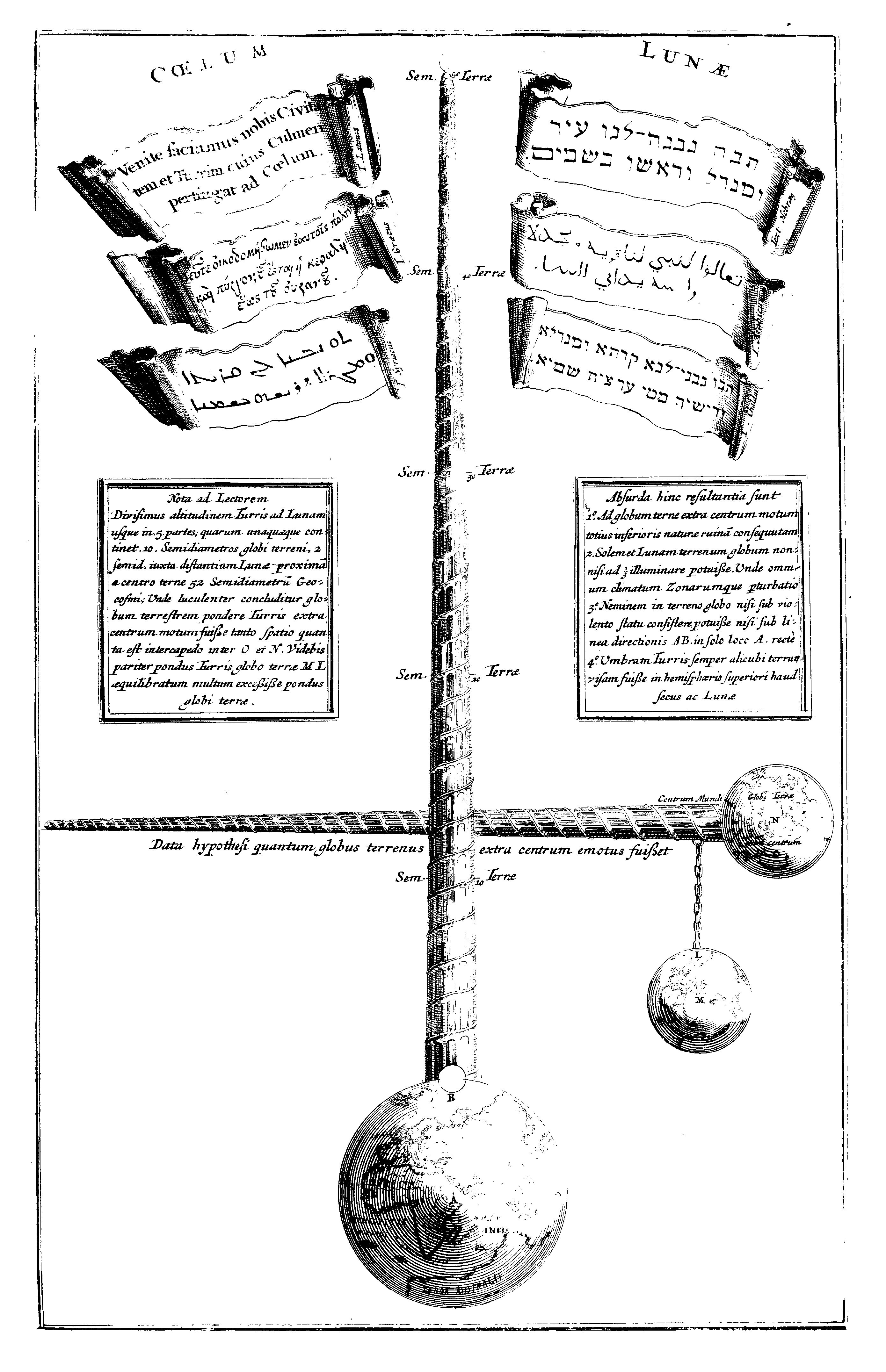
    When Nimrod set out to build his tower to the heavens (Genesis 10,11, amidst much begating and living to 207 years) he evidently did not consider the physical aspects of the structure and its impact upon its surroundings. The great and problematic Athanasius Kircher, the vastly learned and nimble and creative Jesuit scholar, did, and considered the tower of Babel in the last book printed during his lifetime, and found that there were certain problems associated with such a structure.  (The semi-mystifying polymath Kircher (1602-1680) lived for a long time and filled his life with ideas and words,  producing dozens of books during his time on Earth, some of which were never published even though written, some manuscripts lost forever. His was a massive output of extraordinary breadth, most of which was original to him, and a lot of which was original to others and not credited, as was often the case with some scholarship at this time in history.   He wasted little time what I can see, writing on a spectacular range of subjects, enlightening people, confusing people, generating great theories and some bad ideas.)

    Babel moon large image[This magnificent engraving is very expandable]

    Kircher considered the possibilities and necessaries of such a structure (in Turris Babel…, Amsterdam, 1679) and found in his investigations that the 178,000 miles-high building would be so massively heavy (3 million tons) that it would displace the Earth from its orbit:

    “to reach the Moon, the tower would have to be 178,672 miles high, comprised of over three million tons of matter. The uneven distribution of the Earth’s mass would tip the balance of the planet and move it from its position at the center of the universe, resulting in a cataclysmic disruption in the order of nature.”–nicely described on the Museum of Jurassic Technology, here.

    It was a nice piece of reasoning that didn’t extend itself to very many other stories of the Bible–Kircher was not concerned with disproving scriptural elements, just the foolishness of Nimrod to attempt such a feat, and was mostly interested in language than anything else in his short last book. 

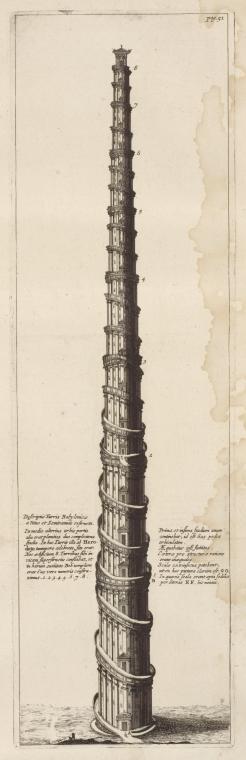
    • The full title of the book: Turris Babel, Sive Archontologia Qua Primo Priscorum post diluvium hominum vita, mores rerumque gestarum magnitudo, Secundo Turris fabrica civitatumque exstructio, confusio linguarum, & inde gentium transmigrationis, cum principalium inde enatorum idiomatum historia, multiplici eruditione describuntur & explicantur. Amstelodami, Jansson-Waesberge 1679

    Kircher single tower babel[Source: NYPL Digital Collections, here.]

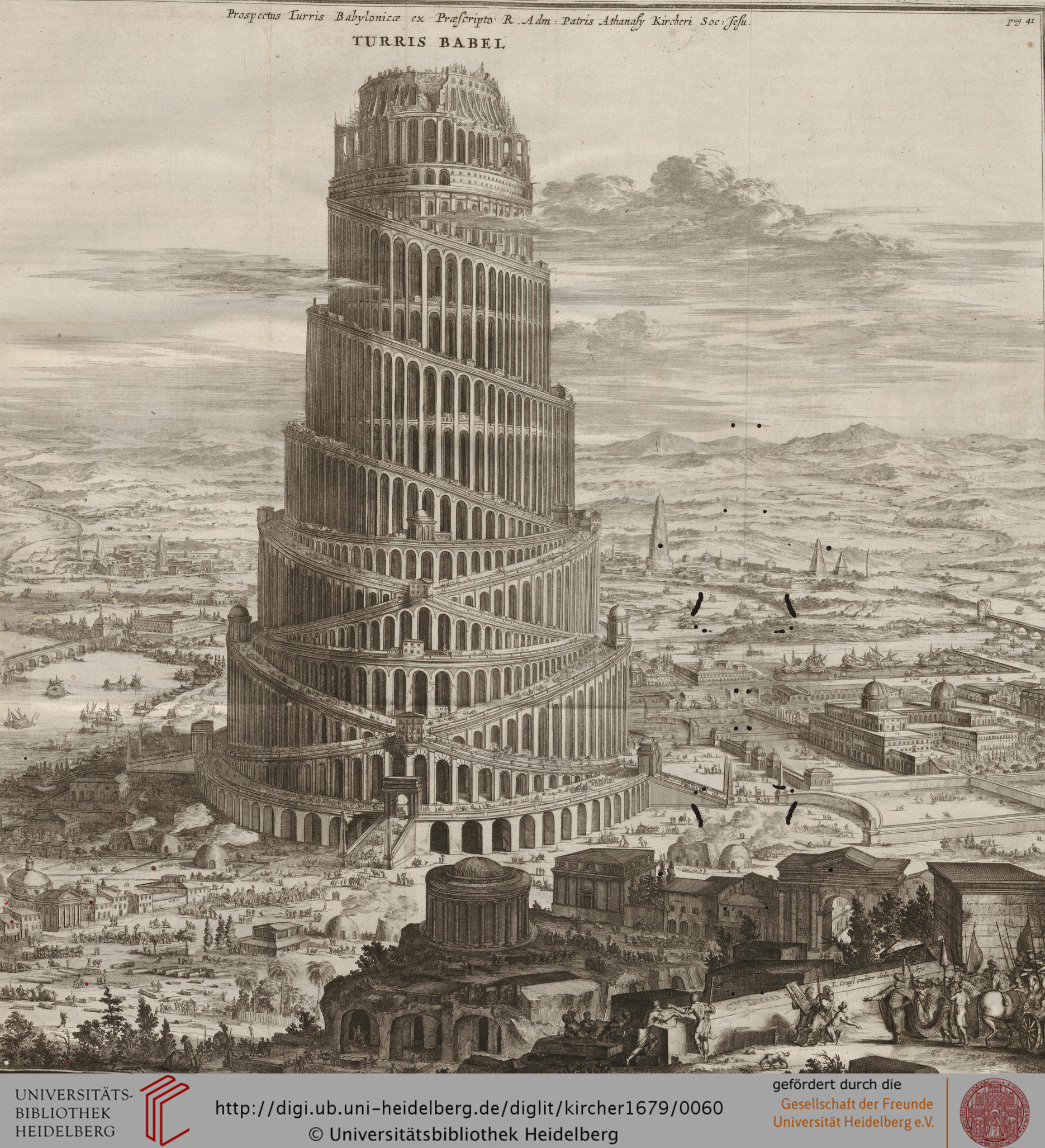
    Kircher babel perspective

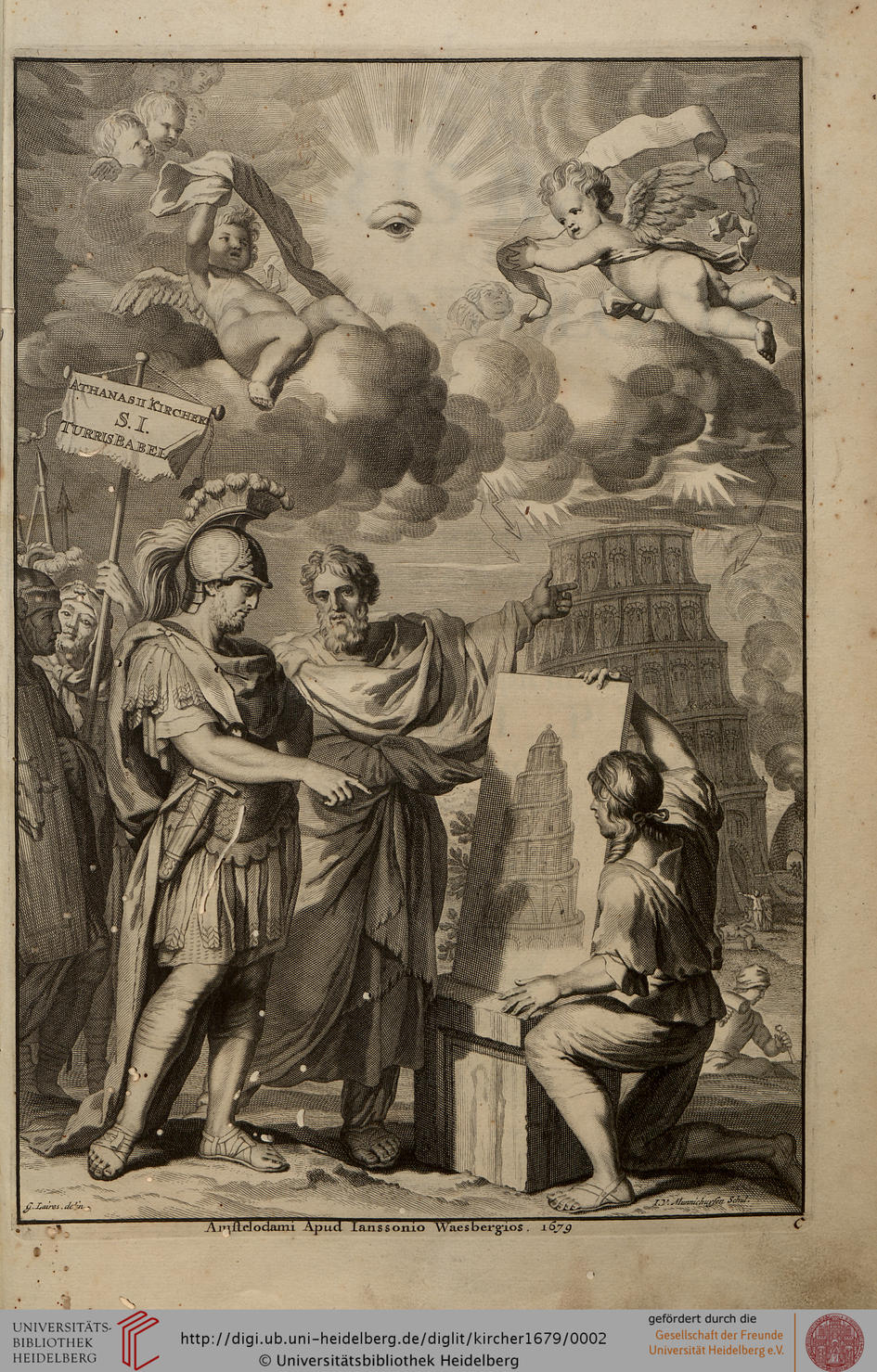
    The frontispiece (I believe, and not the title page) to the book shows the architect and supporters at work, with the Creator pretty-well present: (via University of Heidelberg Library, with the book available full-text, here):

    Turris babel title page

  • On the Great Battles of Sitting and Spitting: Whitney, Texas, 1949

    JF Ptak Science Books  (Reposting a favorite, Post 953 from 2009)

    “Why, they must spit two or three gallons a day!  They ain’t died fast enough, these old men!”—Mrs. T.E. Bagley, Whitney, Texas, 1949
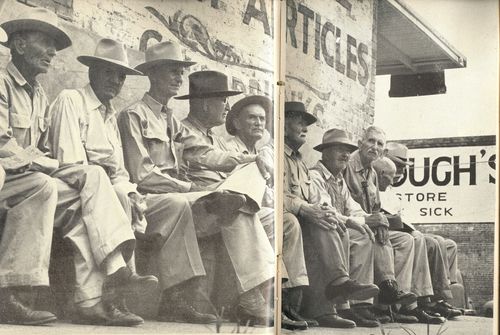
    0--whitney 01

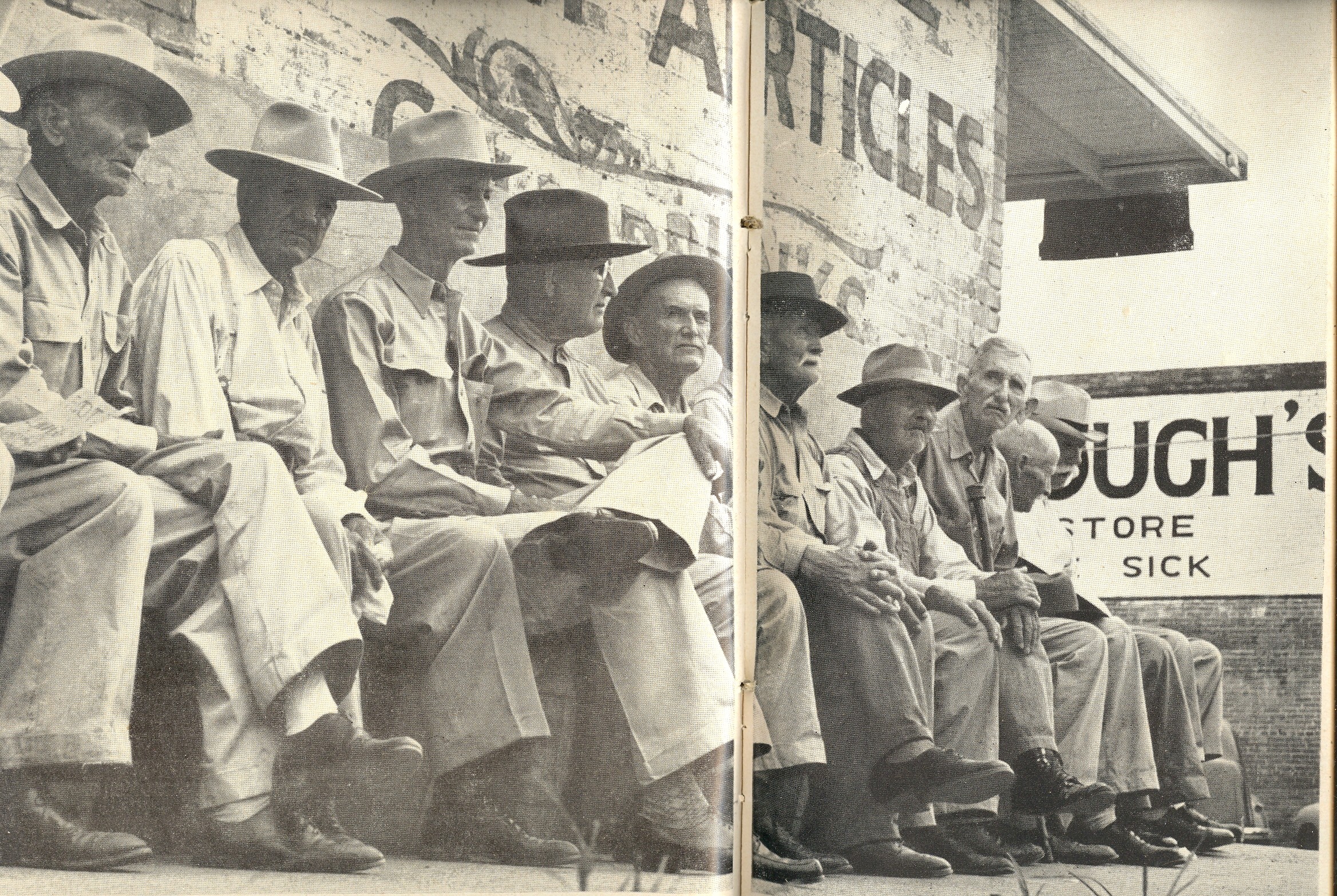
    This is a great small America story about sitting. Or old men sitting, and spitting.  Sitting and spitting on a long piece of thick timber outside a drug store, bricks and advertisements as back support, in Whitney, Texas (population ca. 1,500), in 1949.  I can just about hear them on a hot summer evening, right now, only probably I couldn’t—they’d probably’ve shut up until the stranger walked by, giving me their silence and keeping their confidences.  Or not.  Maybe I would’ve been invisible, and the whittled bits would’ve fallen to the street along with the tobacco juice, cusses and gossip, unabated.Maybe they surrounded themselves with a stained-moat of spittin’s across or close to which no one would stray. 

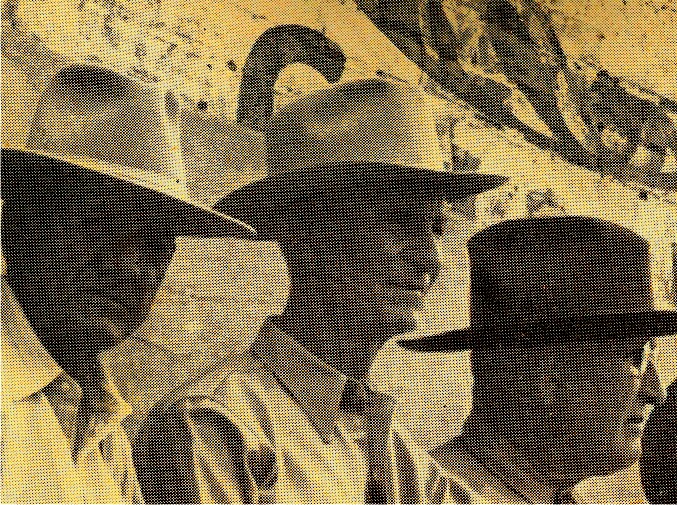
    It isn’t, I guess, so much a story about their sitting as it is a story about their not sitting, about how it came to be that their lumber was removed and the men forced to find another place to take in the sights and construct their great edifices of commentary and asides.0--whitneydetail 3 men 01
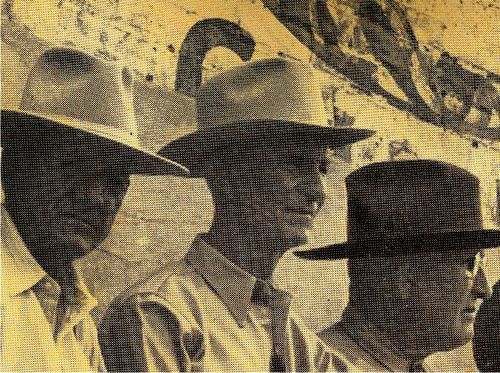
    The story appears in LIFE Magazine of 15 August 1949, and lays the whole drama out in two splash pages, with bare editorializing and some great photos.

    The story goes like this: “In 1922 D. (Doctor Dee) Scarborough, the druggist in Whitney, Texas, put up a bench outside his store, and immediately it became a loafing headquarters for the gaffers of .the Brazos River Valley. ‘Year after year they sat there looking like a jury of irritable terrapins, whittling, spitting and passing judgment on everything that passed. But finally reform caught up with them.” It caught up to them, even if everyone was wearing a collared shirt.
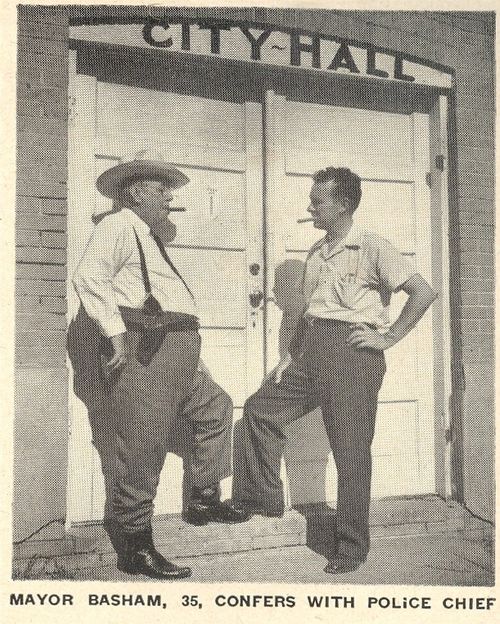
    0--whitney 02 sherrif

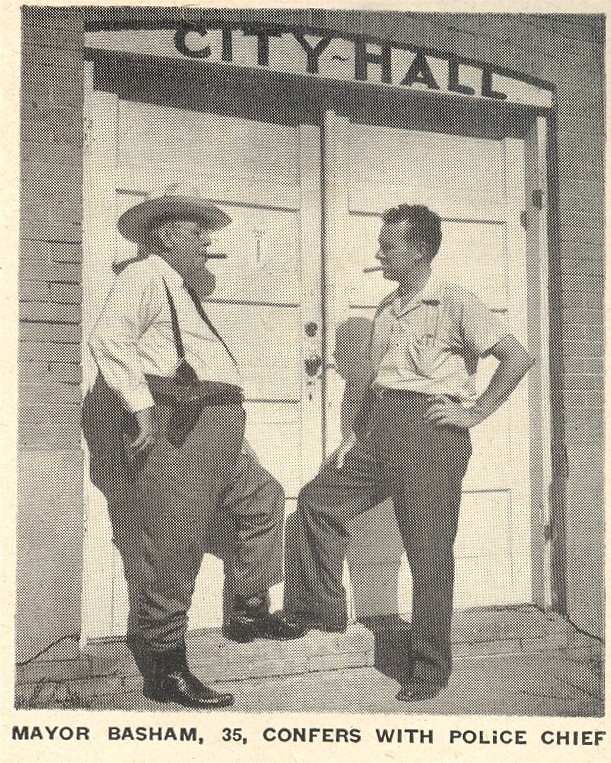
    It came to the mayor of Whitney, Frank Basham, to appease “a delegation of local housewives” who were fed up with the old men, and wanted the “unsightly bench” gone.  It was probably a lot more than the bench, as the quote above by Mrs. T.E. Bagley contends: “Why, they must spit two or three gallons a day!  They ain’t died fast enough, these old men!”.  Perhaps a dozen old farmers/ranchers/cowboys sitting on a bench all day long spitting and watching the world go by wasn’t the most attractive thing for downtown Whitney.

    And so it came to pass that the lumber was removed, but not the men—they returned with nail barrels and took up residence, unabated, “sitting wrathfully” on the kegs.  The police then threatened to confiscate the kegs, and then the men: tensions flared, and a special election was held, a referendum on whether or not to restore the bench.
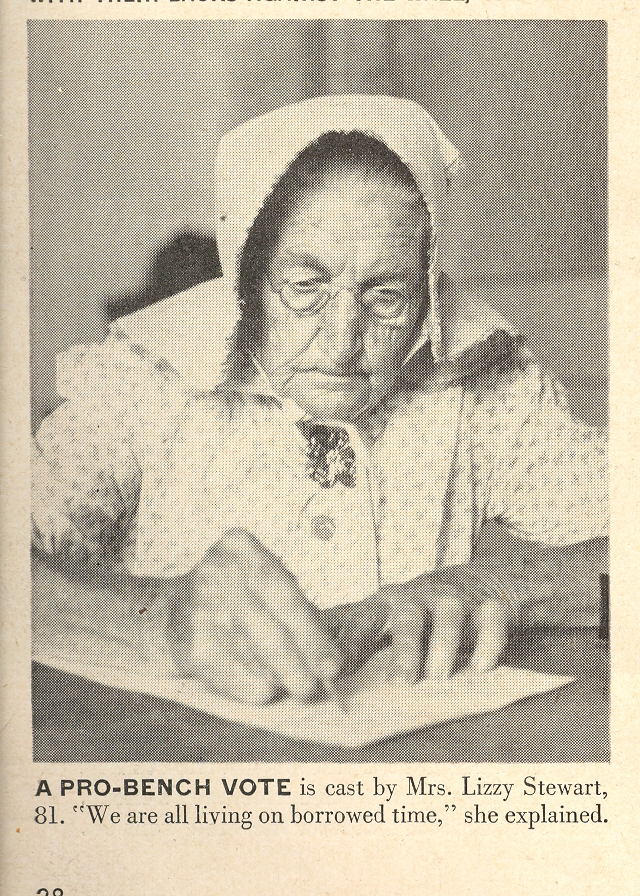
    0--whitney 03 old lady

    “I’ve never heard of such foolishness”, ‘cried 97-year-old Tom Rose, dean of the bench sitters’. “Come here in ’77 from Tennessee. Been married 76 years, and my wife ain’t whipped me yet.”

    The vote was held and the forces of bench-removal-evil were “horribly” beaten, the vote for favoring restoration coming in at a convincing 124 to 67.


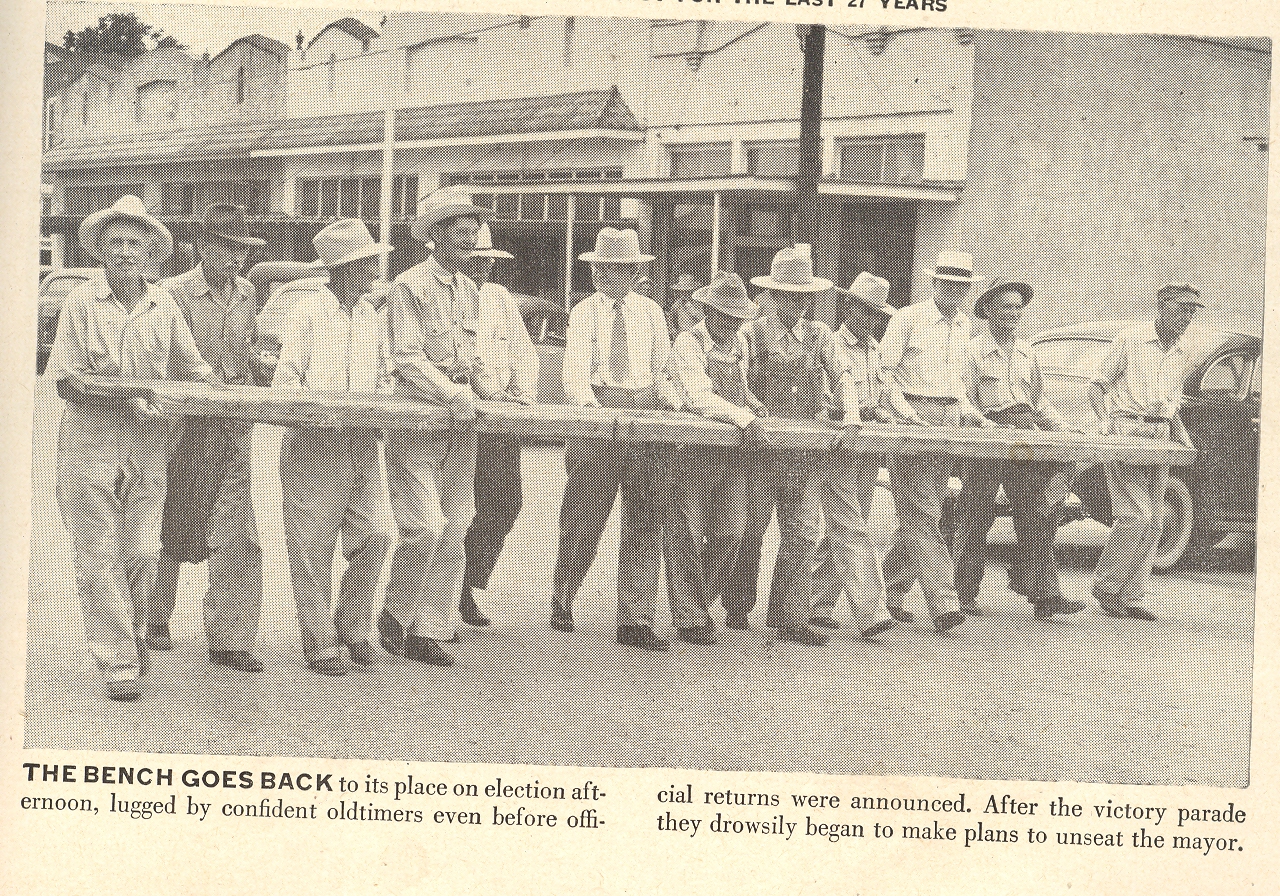
    The picture below shows the men “triumphantly” hauling the bench back into position, sitting back down once more, “loafing, whittling, spitting and passing judgment on everything that passed”.

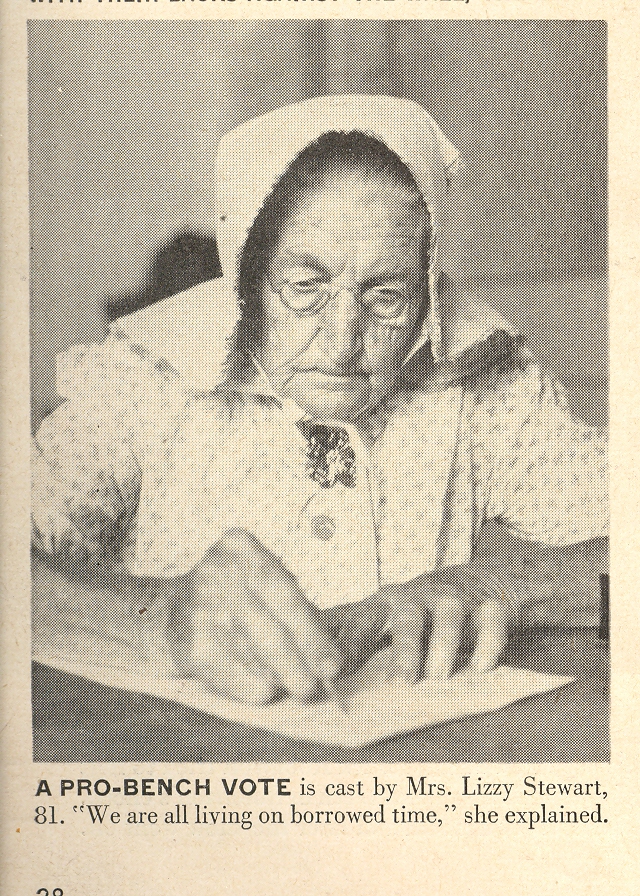
    As I said, this is a beautiful drama of high emotion, way-of-life-small-consequence played big, a heaping slice of American life witnessed in a small East Texas town just after World War II.  I would love to hear the voice of Mrs. Lizzy Smith (pictured here) as she was thinking-out-loud, casting her vote in this debate with a pencil no longer than a finger joint. (Where did that bonnet come from? Is it her mother’s? Mrs. Stewart’s  mother would’ve been born around 1850, which means that the sensibility for that head cover was at the very least of pioneer vintage, and possibly older. It looks like living history to me, a snapshot into something from the deep past, right there in the present. This doesn’t happen very often; but when it does, it is a celebration.)

    “We’re all living on borrowed time” she is quoted as saying, and I imagine that she voted for the men to be able to return to their bench to use what time they had left to holding up the walls of that pharmacy.  [I made a call to Whitney, this morning, and spoke with a gentleman about the Battle of the Bench.  He eloquently relayed the story, and the place that it holds in the town’s history, its small action carried into the future as a very large sensibility– I’m thankful for his insight.  I couldn’t resist asking what it was that was directly opposite the bench; what were these men looking at when they weren’t looking down.  “Not very much” he said. But the story isn’t in the looking, its in the talking; and as my wife Patti Digh finely points out, stories seem to be best told side-by-side.

    And in here is a great little play. Maybe not so little.
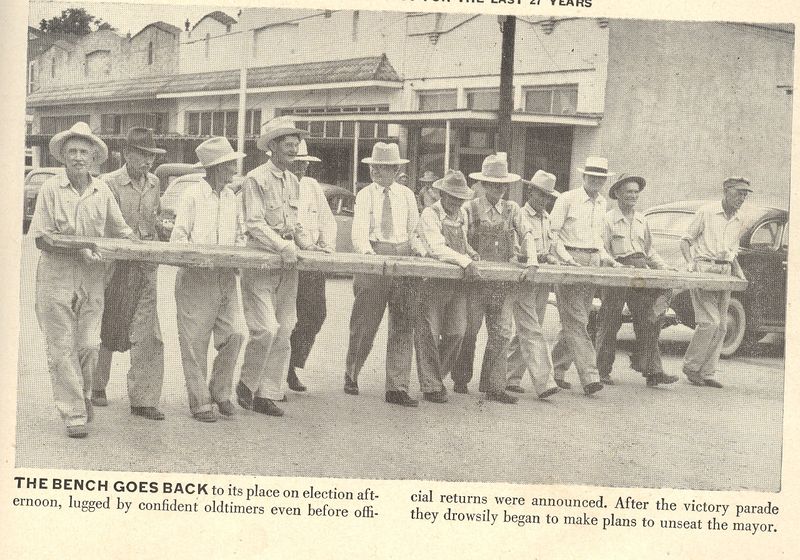
    0--whitney 03 carrying bench


    ·Posted by :

    ·in:

  • An Eloquence on the State of Indian Affairs, and Alcohol, 1871

    JF Ptak Science Books  Quick Posts

    [Electronic source here.]

    In the Report of the Board of Indian Commissioners for 18711 I found the following report of a meeting held between General S.J. McKinney (Superintendant of Indian Affairs for Washington Territory) and Chief Napoleon at the Tulalip Reservation in Washington Territory:

    “Napoleon, the Chief, came forward with much and laid before…a bunch of split sticks, saying ‘these represent the number of Indians killed by white men in the past year, all Indian chiefs, fifteen of them, and yet nothing has been done by the government to the white men who killed them. They killed them by selling them whisky. I do not speak of them because I have a bad heart, but because I want you to know what kinds of men live about us. The whites now scare all of the Indians, and we wonder when they will kill all of us.’”

  • Faraday on Holding One’s Breath (and Surviving a Fall into a Cesspool)

    JF Ptak Science Books  Quick Post

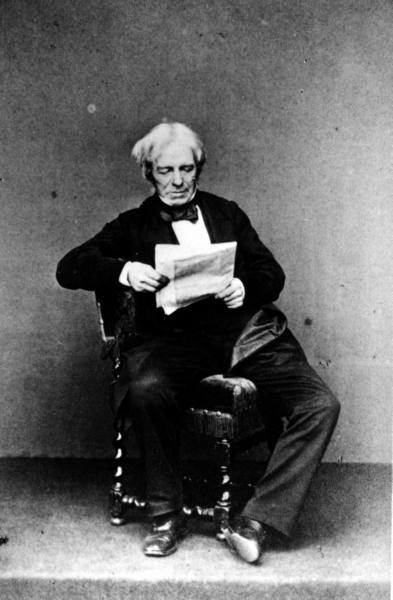
    FaradayIn trying to figure our a small/short stack of Michael Faraday offprints this morning I came across something that was very unusual.  I was hoping to find his great paper of 1833–a work that provided some of the basic gel that would start to hold together the great ideas of mass communication and the computer and the internet–but came up with something in that same year that was entirely different. And unexpected. 

    In addition to writing gobs of high and applicable importance, in theory and practice, in the history of electricity and magnetism and much else, Faraday published a work on how to expand your capacity to hold your breath. “Notice of a Means of Preparing the Organs of Respiration, so as Considerably to Extend the Time of Holding the Breath, with Remarks on its Application…”  found in the Philosophical Magazine (October, 1833, pp (241)-244) was exactly what it said it was, with bits on how best to expand your lungs to be able to not breathe for longer periods of time.  Just in case. 

    And what might that case be?  Or cases? The obvious is being able to hold your breath longer in the case of being in a fire or a building filled with smoke.  Then there’s the case of falling into “an open cesspool”, which I wouldn’t have thought of but which must have been far more common then that it is today.

    He writes:  “Now this effect may be rendered exceedingly valuable. There are many occasions on which a person who can hold breath for a minute or two minutes might save the life of another. If in a brewer’s fermenting vat or an opened cesspool one man sinks senseless and helpless from breathing the unsuspected noxious atmosphere within another man of cool mind would by means of this mode of preparation which requires nothing but what is always at hand have abundant time in most cases to descend by the ladder or the bucket chamber…”

    Faraday must’ve read/heard a story about someone drowning in a brewer’s vat, or cesspool, or perhaps someone had been killed trying to rescue the unfortunate stumbler, and so came to write about how best to survive in those circumstances.  It is just an interesting sidelight into a great mind. 

    ·Posted by :

    ·in:

  • A Fine Astronomical Engraving

    JF Ptak Science Books  Quick Post

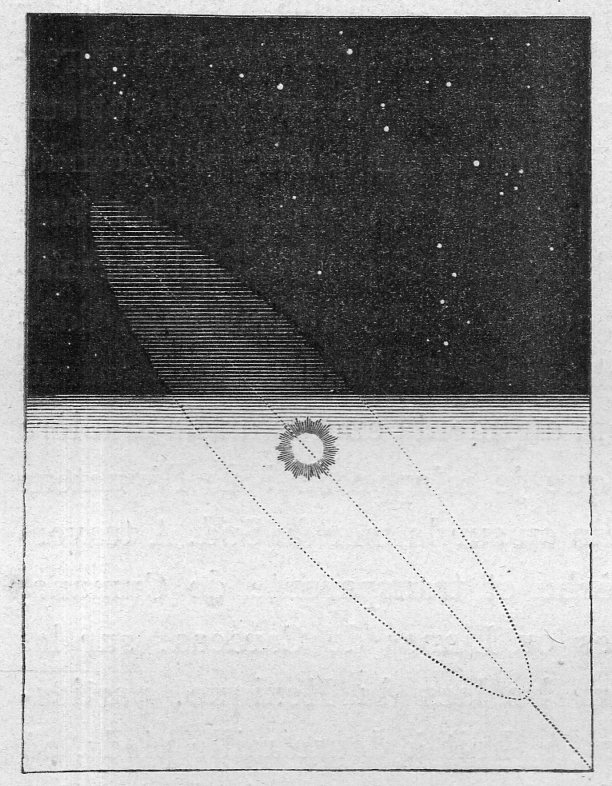
    This beautiful engraving (and its detail) comes from A. Guillemin’s (1826-1893) Le Ciel, Notions Elemenatiares d’Astronomie Physique ... (fifth edition, 1877) in the section “Lumiere Zodiacale”. (Full text available via the Internet Archive, here.) It is one of a series of very popular books that Guillemin wrote and edited in the last part of the 19th century, and in truth it is a small text illustration, barely three inches long–but the artistry for such an image as this is very high.

    Monde SOlaire683

    And the detail:

    Monde SOlaire685

    ·Posted by :

    ·in:

  • Atomic Bombing: “Not for Enormous Destruction, but for Enormous Pleasure” (1946)

    JF Ptak Science Books  Quick Post   Part of a long series on the History of Atomic and Nuclear Times and Weapons

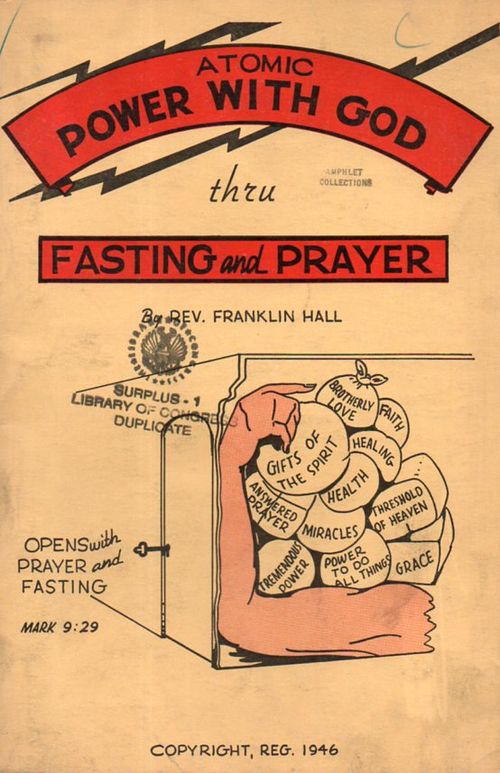
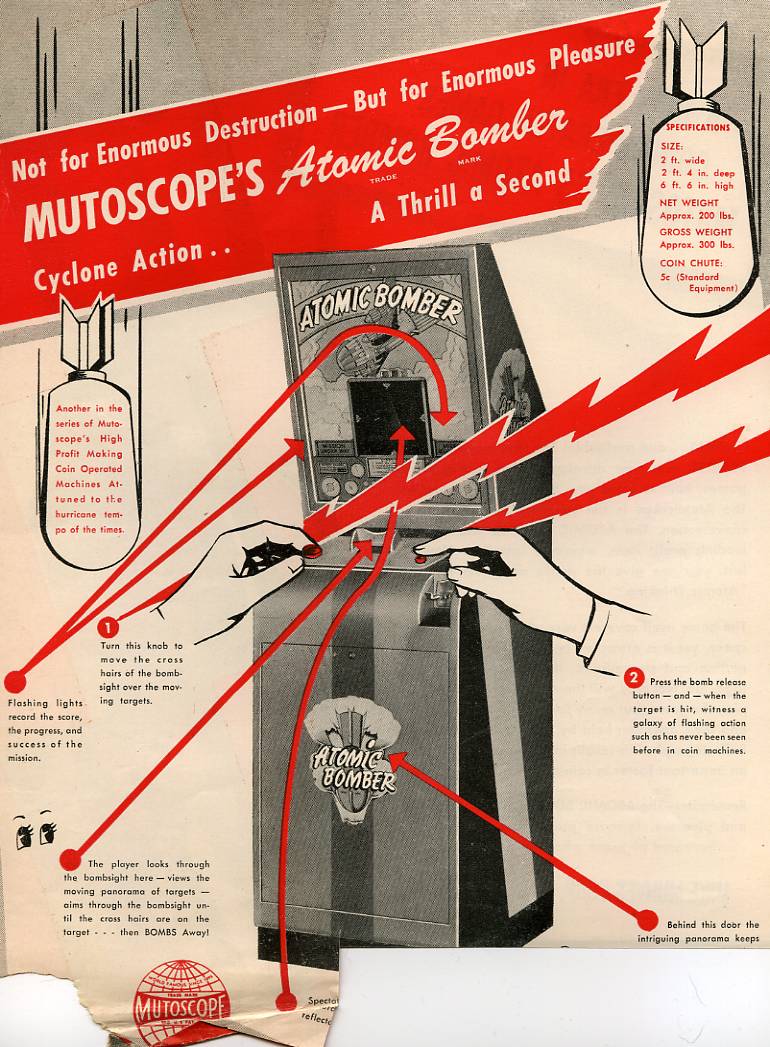
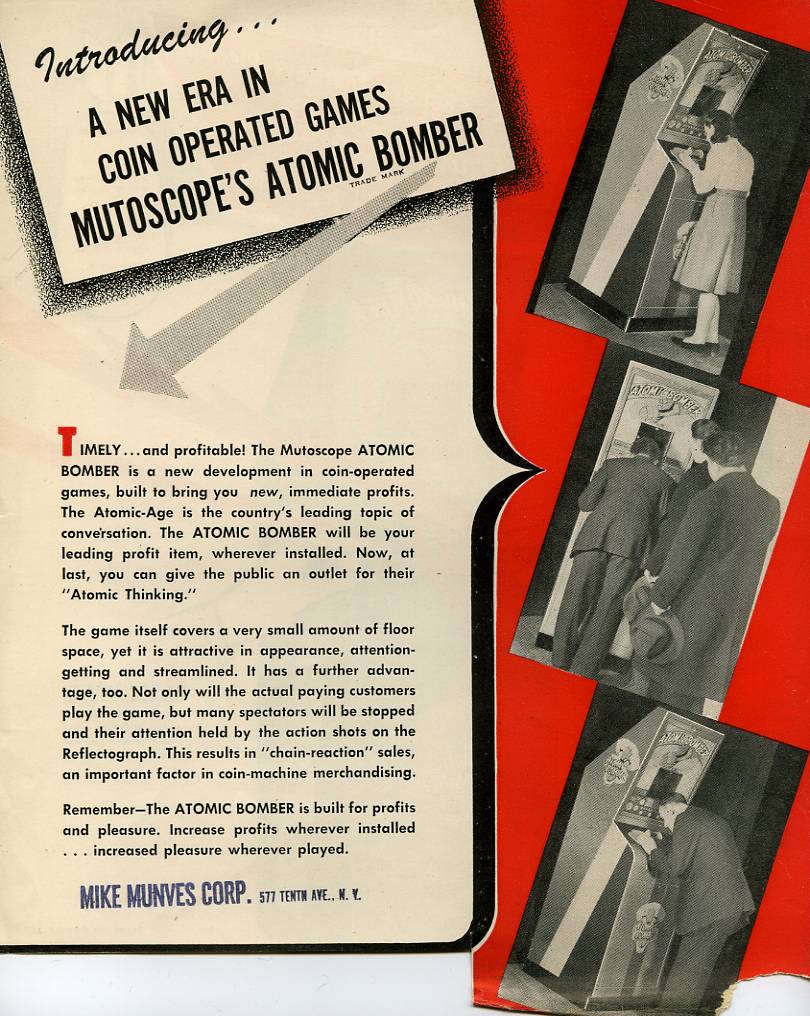
    Atomic power with god628At about the same time as the introductions of innumerable Atomic Cafes and Atomic Times and Atomic Bakeries and the application of the “atomic” prefix to just about any business (there at the tail-end of 1945), there were also atomic toys.  Unlike the business names, which generally had absolutely nothing to do with the atomic bomb (Atomic Safety Razor) or the atomic prefix, the toys generally did.  There were puzzles and bombing games and science projects and bombers and comics, and generally they involved the use of the atomic bomb.  I guess this could be a debate on the sins of commission versus the sins of omission.

    Perhaps the most fantastic of the atomic toys was this 1946 “Atomic Bomber” arcade game by Mutoscope–“not for enormous destruction–but for enormous pleasure”:

    Atomic bomber

    [Images hosted at Pinrepair http://www.pinrepair.com/arcade/atombom.htm]

    Pinrepair writes:

    “Description: Atomic Bomber, International Mutoscope, 8/46, came in two different versions using different backglasses. The first version had a see-through window on the backglass. The second version had a light up city being bombed, and also added clouds to the bomb viewer window. The player looks through a bomb viewer, and lines up a set of cross hairs to colored dots on the rotating drum. On the second version there’s a second clear drum with clouds on it, which makes the bomb viewing look more realistic (like a bombardier would see through a bomb drop window.) If a hit is achieved, a bomb blast is seen on the backglass.”–Pinrepair site

    Atomic bomber 2More images below, all from Pinrepair:

    ·Posted by :

    ·in:

Recent Posts

Archives

Categories