A Daily History of Holes, Dots, Lines, Science, History, Math, Physics, Art, the Unintentional Absurd, Architecture, Maps, Data Visualization, Blank and Missing Things, and so on. |1.6 million words, 7500 images, 4.9 million hits| Press & appearances in The Times, Le Figaro, Mensa, The Economist, The Guardian, Discovery News, Slate, Le Monde, Sci American Blogs, Le Pont, and many other places… 5000+ total posts since 2008.

  • Photographic Composite of Criminality (1883)

    JF Ptak Science Books  Quick Post

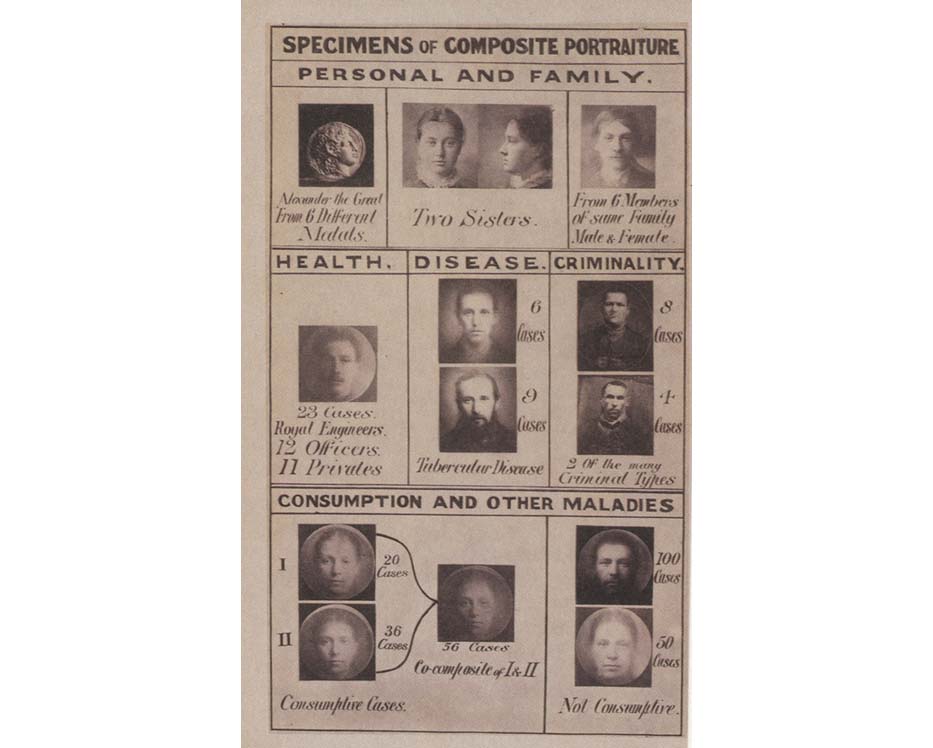
    This is a comparison between two different types of photographic vision–one on seeing instantaneous and direct responses, a photograph recording a true and unguarded reaction; the other, though it was the achieving the same but used a series of photographs laid one on top of the other for a complex amalgam.  Charles Darwin used the first, particularly in the Expression of Emotions, and Francis Galton the second, in his Inquiries into the Human Faculty (1883). This is Galton’s version, the famous frontispiece to his 1883 work:

    Galton faculty

    Living within a self-defined truth function, and its own language, setting its own parameters, finding what it wanted to find. Galton’s work is more like ambient music with a touch of Steve Reich, multiple layers of the same piece of music textured at intervals one piece on top of the other, seeing what came out the other end.  Darwin’s approach was a simple score.  


    ·Posted by :

    ·in:

  • The Circle of Words Both Broken and Unbroken–Outsider Political Rants, 1912

    JF Ptak Science Books   Quick Post    Part of the Uninentional Absurdist series

    I’ve catalogued a number of pamphlets on this blog that  are on the Outsider/Found-Surreal/Uninentional-Absurdist spectrum, people who reveal their insights into the un-insightable, or their outsights into the great Outside world that is unseeable because it is unseen, or unknowable, or non-existent. Sometimes it is all-existent, though the insights bearing upon the issue are the unknowable, non-retrievable, self-referential, private-logic and private-language communications. Sometimes there is insight in that, but usually not.  

    This day’s installment has the feel and look of something from the 19th century, but is it comes from 1912, and the rants and razor-vision is localized on Teddy Roosevelt and Woodrow Wilson.  I’m not sure what the author’s point was, because it is all fairly circular, a circle of words filled with a another circle of words, and who knows really where they go. 

    Outsider Political497

    and

    Outsider Political498

    and

    Outsider Political499

    And the full front page of one of the pamphlets:

    ·Posted by :

    ·in:

  • A Picture of a Dream, 1869

    JF Ptak Science Books   Quick Post

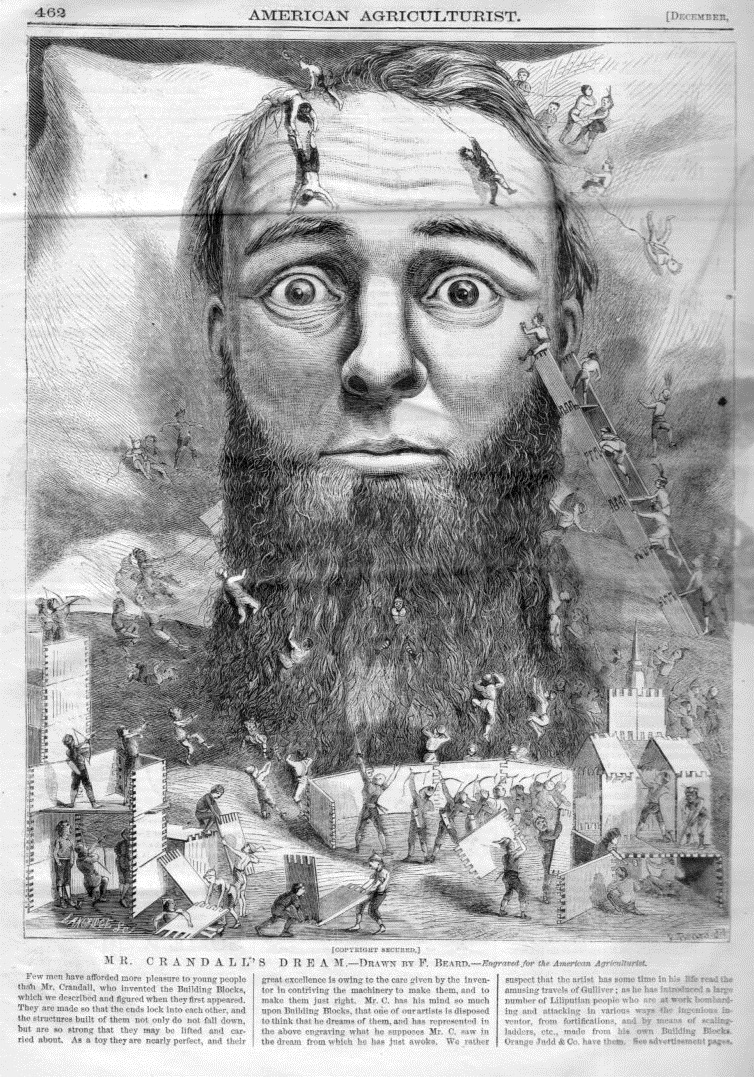
    I’ve been looking at antique images for thirty-five years and in that experience it is easier to recall things that I do not often see–the missing-bits absences seem to be easier to recall than the many categories of images that I do see regularly.  And one of those “missing” categories that was excited tonight by a serendipitous find is “dreaming”, or the representation of a dream, as found in The American Agriculturalist for the Farm, Garden, and Household for December, 1869.  It was an interesting appearance, being a good illustration wrapped around a product-placement ad, as the subject was a children’s block manufacturer, and that’s pretty much what the text was about. But the drawing was good and the imagination behind it was pretty nice, especially for 1869.

    Crandal dream502

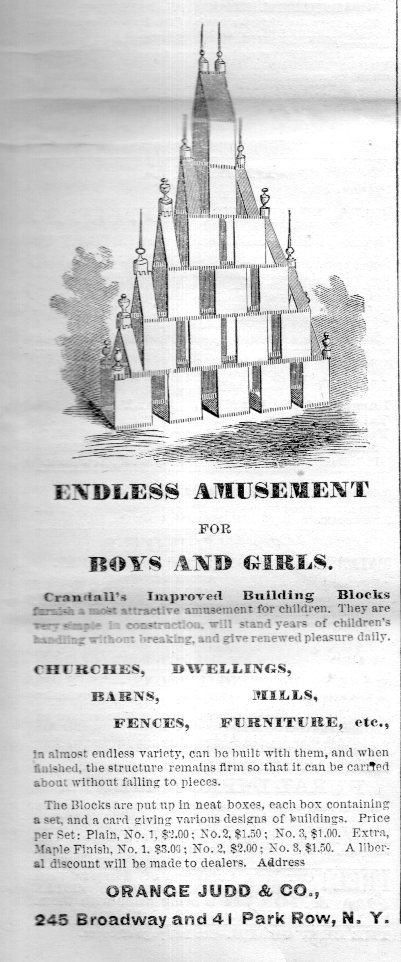
    And here’s an ad for the blocks (from the April 1869 issue):

    Crandal dream503

    ·Posted by :

    ·in:

  • Mr. Mencken, Unterrified Jeffersonism, and the Anarchist

    JF Ptak Science Books   Quick Post

    Tucker mencken605

    The long-spirit anarchist (and “Unterrified Jeffersonian”) Benjamin R. Tucker (1854-1939) wrote  “The Attitude of Anarchism toward Industrial Combination” in 1926, but the one I have at  hand here was printed in Detroit (by Lawrence Labadie) in 1933–hardly a hotbead of anarchism in the the front yard of Henry Ford. 

    It is interesting to see on the inside of this tiny pamphlet that the anarchist Tucker’s work was sent to H.L. Mencken, as a gift from the printer.  It wouldn’t stay long in Mr. Mencken’s possession, as he sent it (along with a number of other works by Tucker that I can’t lay my hands on at the moment) to the Library of Congress in July 1934 (and coming into my possession as part of a purchase of “the Pamphlet Collection” 65 years later.).  I’m  not so sure about what Mr. Mencken would have thought of most of it, only that he didn’t keep it for long, I think, despite what might seem to be his “Tory Anarchism” and general oppositionist stances. left and right, whatever they might have meant at the time.

    The full text of the pamphlet is found here.

    Tucker mencken607

    ·Posted by :

    ·in:

  • Notes on Two Great Early Computer Science Textbooks (1950-1953)

    JF Ptak Science Books       Post 2368

    It is worth reporting on these two perhaps-forgotten (outside of the specialty area) classics in the early history of computation. The first was written by a powerhouse married team of Andrew and Kathleen (Britten) Booth—Andrew was the inventor of the magnetic drum memory and the Booth multiplication algorithm, and Kathleen was the creator of the first assembly language, for starters).

    The book was a superior effort and was a survey of the state of computation via digital computer for the Post WWII-1953 era.  The 17 chapters are geared mainly as an instructional–an advanced “how to”, if you will, with plenty of diagrams and illustrations.  After a few historical chapters, we have:  the overall design of a computing system; the control; the arithmetic unit; miscellaneous operations; input-output; gates; single digit storage; miscellaneous components, storage devices.  From this point on, from p136-196, the book deals primarily with programming issues:  definitions of a code and discussion of its form and controls (!), pp 136-151; the techniques of coding; the use of subroutines in coding; program design; some applications of computing machinery. 


    ·Posted by :

    ·in:

  • History of Lines series: the Geometry of Cannon-Fire (1812)

    JF Ptak Science Books   Post 2369

    Cannons ha003
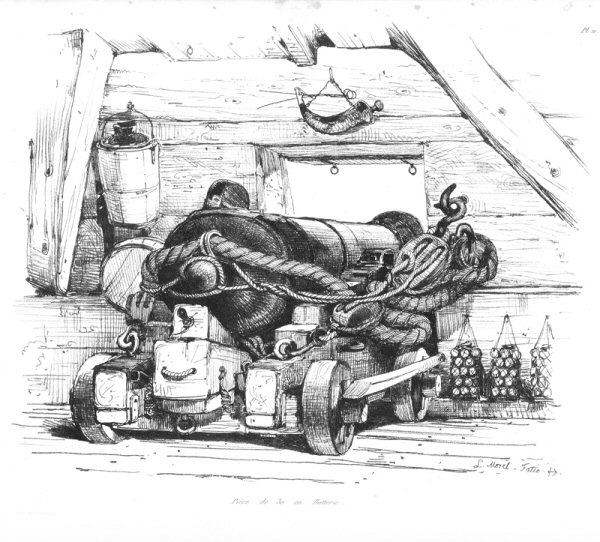
    There were many integral components to firing a cannon on a ship, not the least of which were the Powder Boys, the small, young, semi-strong kids who would run the gunpowder from a below-decks armory to whatever gun deck was needed.  It was a relatively simple procedure, filling up a longish tube (cannon  derived from the Italian  cannone–or large tube–which came from the Latin canna from the Greek  kannē , meaning something like a reed or any similar hollow thing) with gunpowder and then cannonball/shot and then wad, then causing the gunpowder/propellant to ignite and throw the ball.  Basically, that was it, though you needed to maintain the cannon, aim it, and so on (don’t forget to first swab the bore from unexploded gunpowder so you don’t blow things up!).

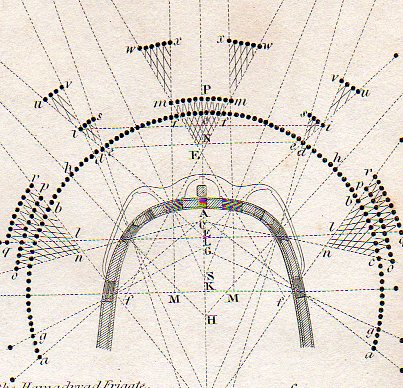
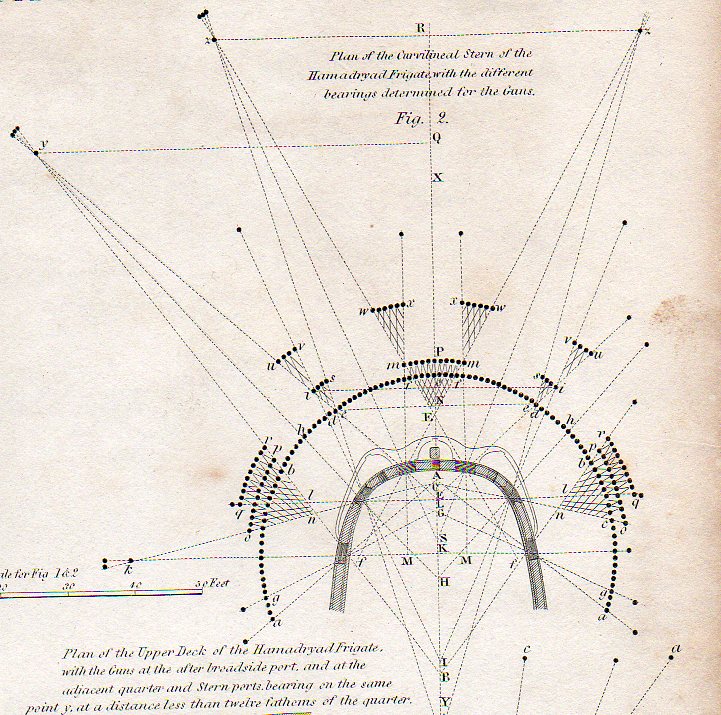
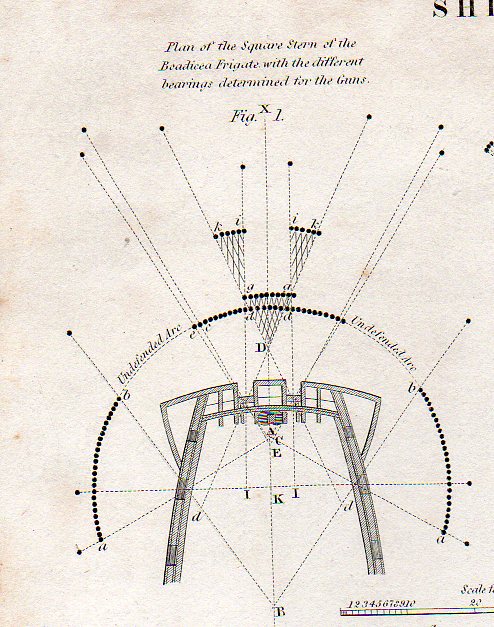
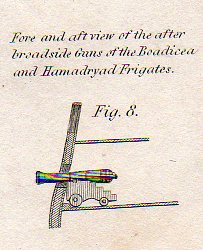
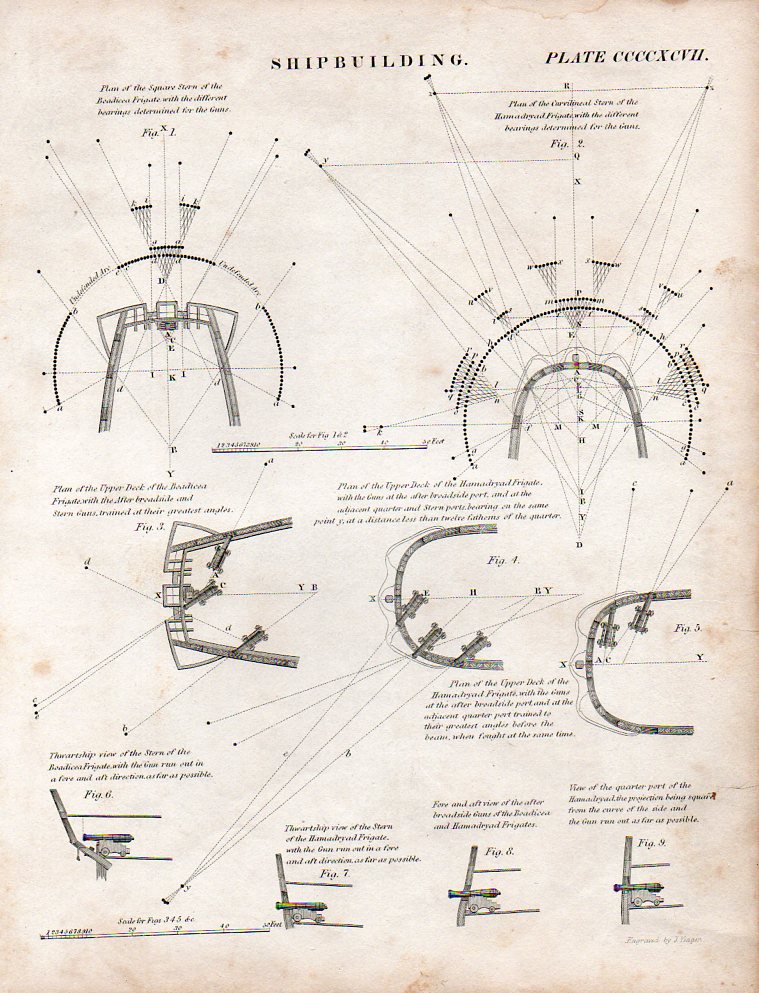
    The (first)  image above of found modernist/semi-dadaist artwork comes form 1812 and was found in Rees’ Encyclopedic Dictionary from the article on “Shipbuilidng”   and illustrates the ways in which the stern of a ship can be outfitted with cannons–actually, the sterns of the HMS Bodiceae (28 18-pounders)  and HMS Hamadryad  (36 guns). Also by this time cannons had been carried on naval ships for nearly four hundred years, while the first cannons appeared on the ground in Europe another few hundred years before that. 

    Cannons ha002


    In the third detail (below) we see the coverage of the four cannons placed in the stern of the Bodicae, mainly pointing out its weaknesses, showing the undefended arc, which comprises about 1/3, or about 60 degrees of the defensive posture.  The Hamadryad on the other hand shows 100% coverage of the 180+ degrees of attack possibilities shown, along with secondary and teriary areas of fire coverage covered by more than one gun.

    Cannons b004 

    A fine,tiny detail from the full engraved sheet:

    Cannons little005And the full sheet:

      Cannons001

    This is pretty much all that was needed to fire a cannon, except the men of course.

    File:Antoine Morel-Fatio pl10.jpg


  • Eastern Kentucky Moonshiners, 1929

    JF Ptak Science Books  Quick Post

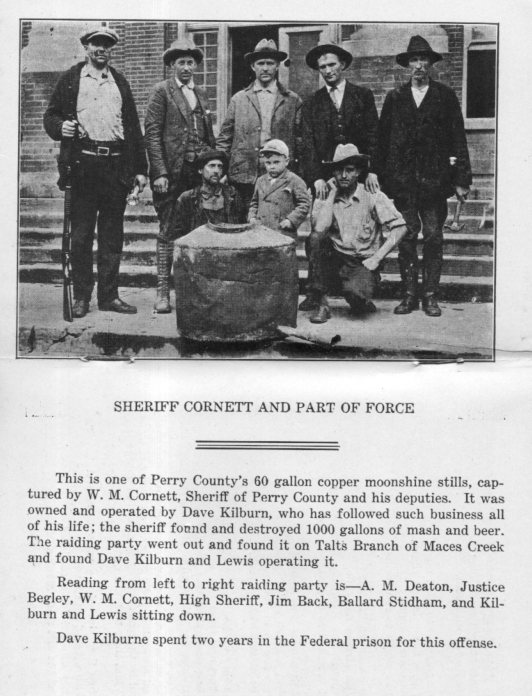
    This fine image comes from a small and scarce publication called The Kentucky Mountain Echo, a True Story of the Mountains, by Floyd D. Baker of Hazard, Kentucky, and printed in 1929.  Hazard–a town of about 5,000 in Appalachians in the far eastern part of the state–was evidently fairly secluded given its position in the hills and relative inaccessibility. That changed when the railroad was introduced in 1912 and which introduced the town to the rest of the region, establishing a short-lived “boom” period which soon went ‘bust” in the Depression.  

    Ky sheriff506

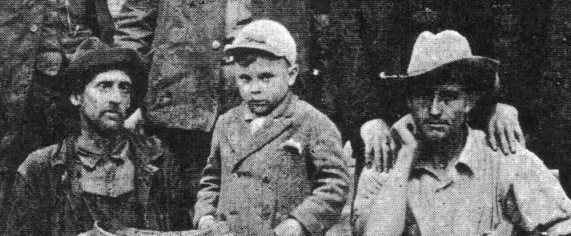
    This fine picture of Americana comes from the neighboring Perry county (“Hazard” and “Perry” both being named so for Commodore Matthew Hazard Perry) and shows a victory of the local constabulary over a pair of Moonshiners–two Mountain Men trying to make ends meet, no doubt. It seems as though the area has some history in this department, a piece of it surfacing in very popular culture in a television show called The Dukes of Hazzard, supposedly loosely based on this area (though the producers added an extra “z” and placing it in Georgia to avoid any legal issues with the town).  

    Another interesting story from this publication appears here in this blog, from the Alpha and Omega Department. 

    Ky sheriff505

    ·Posted by :

    ·in:

  • Captives of Capitalism–the Red Streak in the Sky that Isn’t Santa

    JF Ptak Science Books  Post 2370

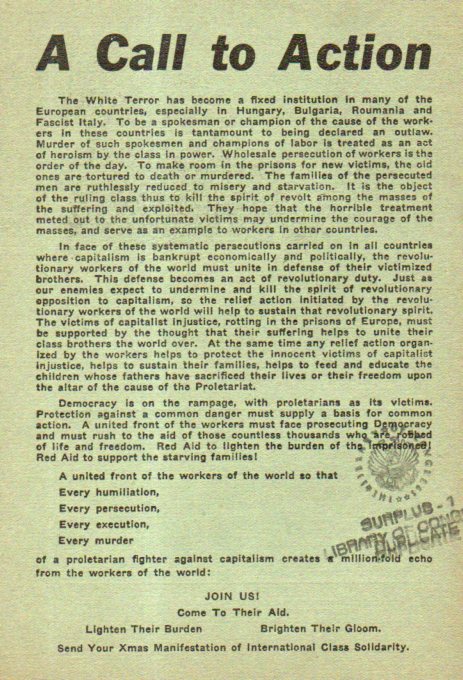
    Captives of Capitalism (printed ca. 1925) is a small pamphlet with a big reach. It was published by the Committee for International Workers Aid, a Communist organization created in Berlin in 1921 (as the International Arbeiter-Hilfe) to help raise money for famine and drought victims in Russia. It was evidently expanded to include collecting money to help victims and prisoner of Fascism, which seems to be the major target in this pamphlet. 
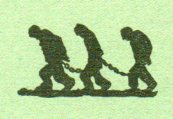
    Captives of Capitalism508


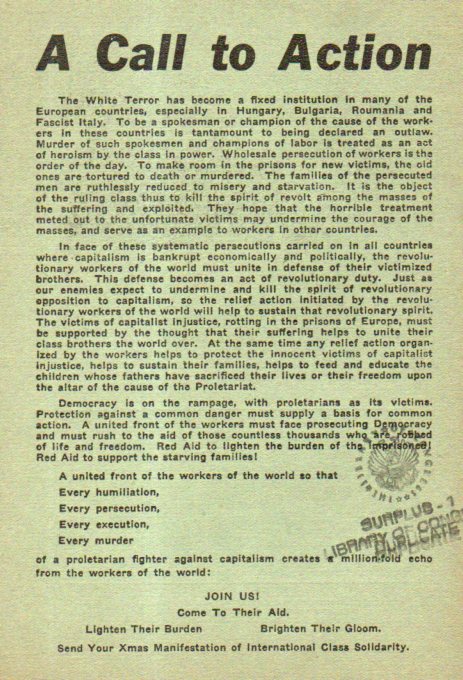
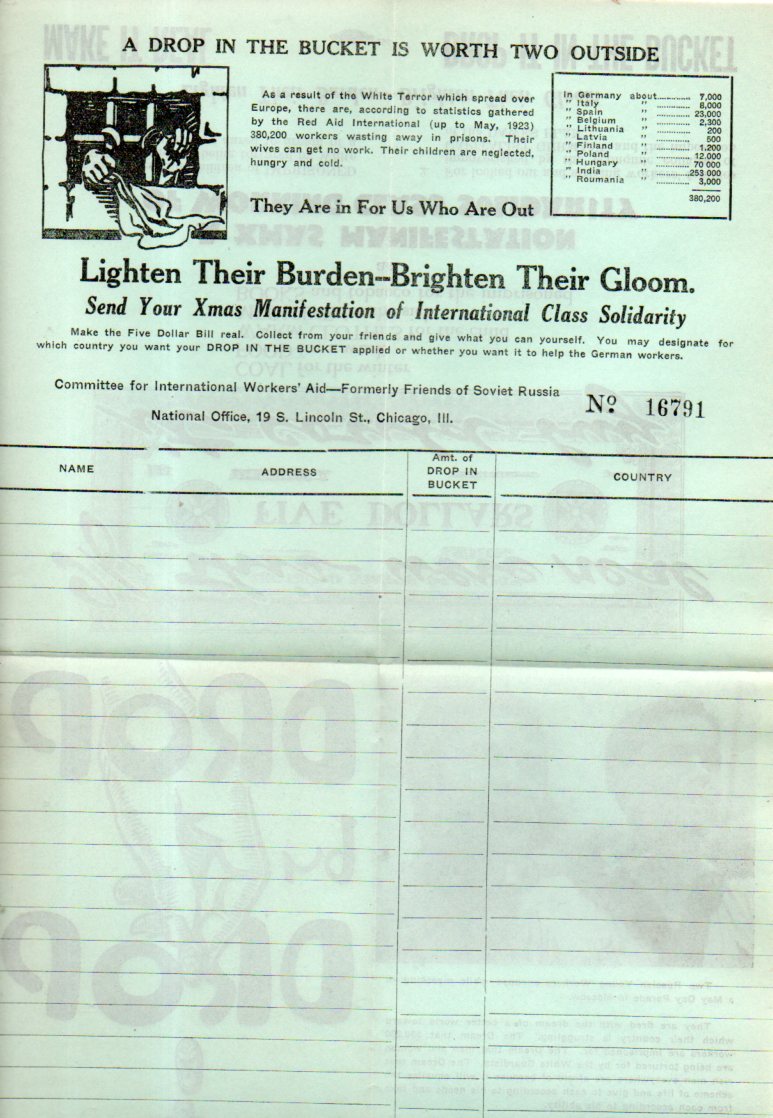
    Although pretty slight the pamphlet looses no time in getting to the heart of the matter, detailing atrocities and unjust imprisonments by fascists and capitalists in Germany, Roumania, Bulgaria, Hungary, Lithuania, Finland, Lithuania, and Italy.  Although not mentioning the United States the “Call to Action” states that “Democracy is on the rampage, with proletarians as its victims” with calls for unity of workers and donations to the International Workers Aid as well as to Red Aid–money to help “lighten the burden of the imprisoned” and to “support starving families”.  
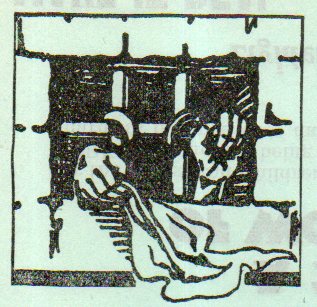
     

    Captives of Capitalism513

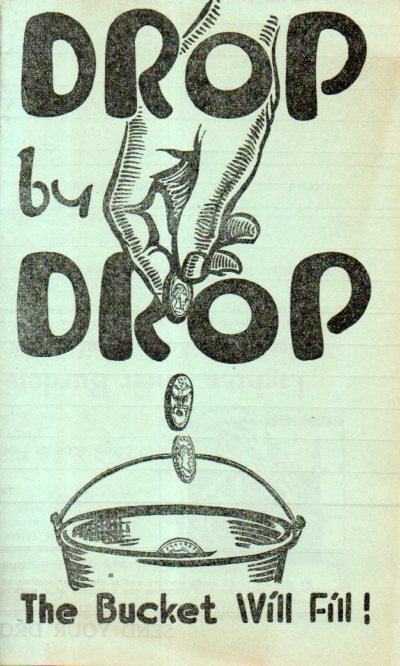
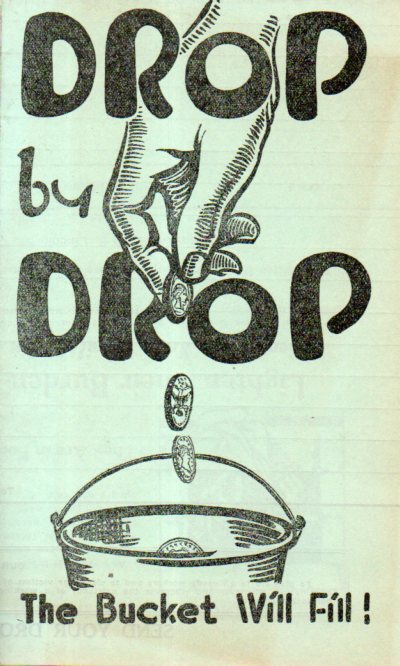
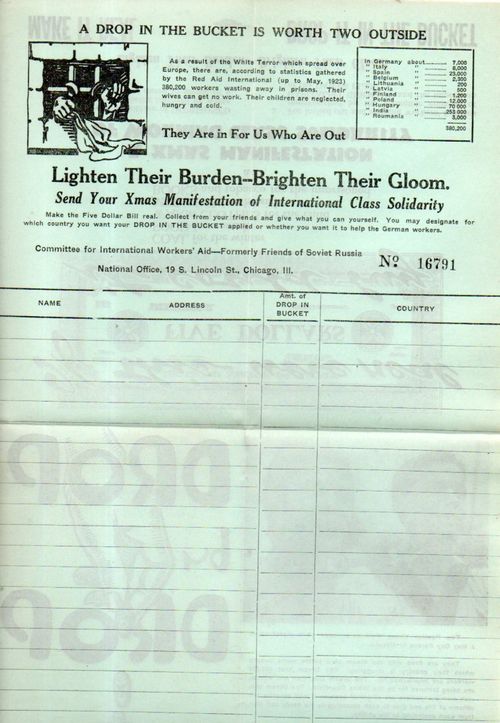
    Inside of my copy of the pamphlet was a small handout, a long sheet folded into quarters with the working “title” of “Drop by Drop the Bucket Will Fill”, and on opening the sheet the entire reverse is a form to fill in with the names of donors and amounts of the “drops” they send into the bucket.  This request series in particular was aimed at “Xmas Relief”

    Captives of Capitalism507

    The “Call to Action” ends very strongly: “A united front of the workers of the world so that

    Every humiliation

    Every persecution

    Every Eexecution

    Every murder

    of a proletarian fighter against capitalism creates a millionfold echo from the workers of the world.”
    Captives of Capitalism509


    Unfortunately the Soviet Union would become its own home-made disaster following the turmoil and famine(s) of the early ‘twenties.  Lenin’s death in 1924 led to Stalin, and Stalin went down a terrifically bad path, beginning his Five Year Plans in 1928 which would displace 25 million families to create the collective farm state; smashmouth industrialization lead to great gloom and the development of Stalin’s cult-of-state created the Great Famine in ’32-’33 and the rest of the hideousness that would cover the Soviet Union through the rest of Stalin’s existence. 
    Captives of Capitalism510


    Captives of Capitalism511

    Captives of Capitalism512

  • A Peek Behind the Curtain at the U.S. Strategic Bombing Survey (1945)

    JF Ptak Science Books  Post 2371

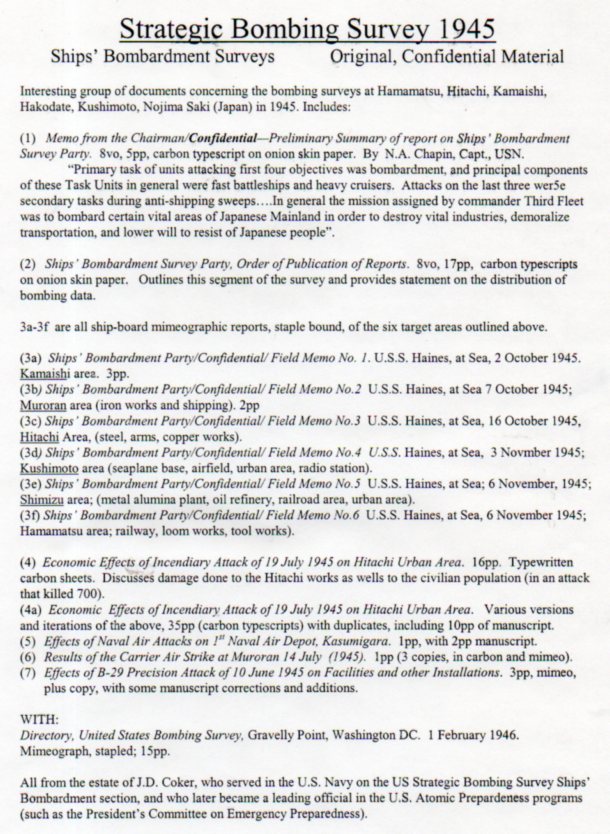
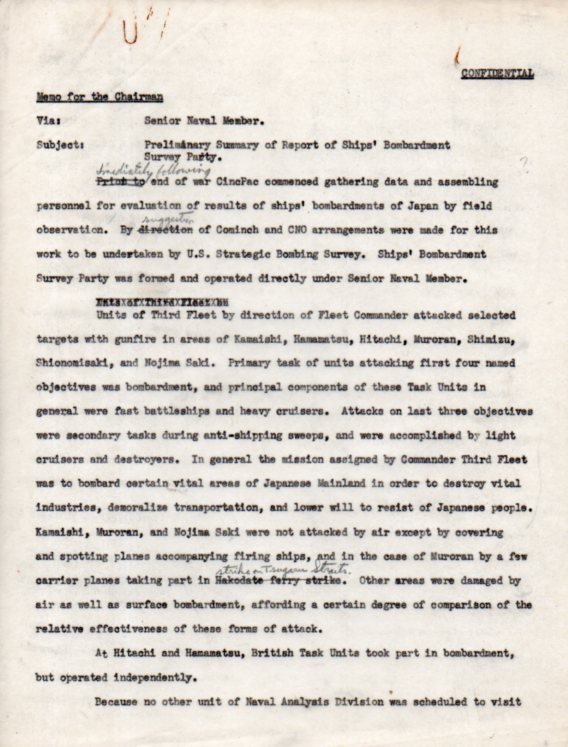
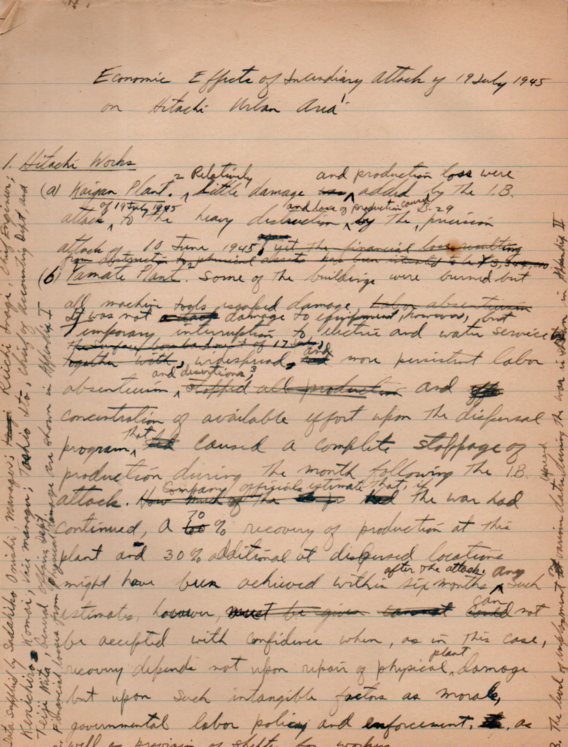
    The U.S. Strategic Bombing Survey was a massive intelligence operation composed of a 1000-person team. It attempted to establish the successes and failures of American bombing operations during WWII, resulting in a 208-volume set of findings for the war in Europe and another 108 volumes for the war in the Pacific. Atomic bombing was another matter. I am not going to address the effectiveness issues of different sorts of bombing here–it is a very large and complex issue, and just outside the scope of what I set down to down just now and the amount of time I have. What I did want to do was share this typed/manuscript material (below) that was kept by a member of the analytical team serving in the Pacific. It is interesting to see how the form of the final reports took shape from some of the original notes.  

    This small archive—from the estate of J.D. Coker, who served in the U.S. Navy on the US Strategic Bombing Survey Ships’ Bombardment section, and who later became a leading official in the U.S. Atomic Preparedness programs (such as the President’s Committee on Emergency Preparedness)—are mimeographs and manuscripts that comprise what seems to be the summary of the Navy’s bombardment of Kamaishi, Muroran, Hitachi, Kushimoto, Shimizu and Hamamatsu.  This was about the extent of the Allied naval bombardments against Japan, as it was not possible for battleships to maneuver close enough to the Japanese homeland to fire against industrial and production centers.  (It may have also been the case that the aircraft used to protect the assaulting ships could have perhaps done as much damage to the targets as the ships themselves.)

    The archive includes:

      USSBS overview191

    USSBS 1176

    USSBS economic effects189

    ·Posted by :

    ·in:

    —
  • A Little Version of the Big Giant Head

    JF Ptak Science Books  Quick Post

    Crandal dream504

    I haven’t read anything in the Phrenological Journal before seeing this in American Agriculturalist for 1869, but the small (two inches tall) ad made an impression, what with the big head filled with text concerning all of these questionable sub-medical practices.  It seems that the head in the image is big and very smooth and very unphrenologicalistic about it. 

    ·Posted by :

    ·in:

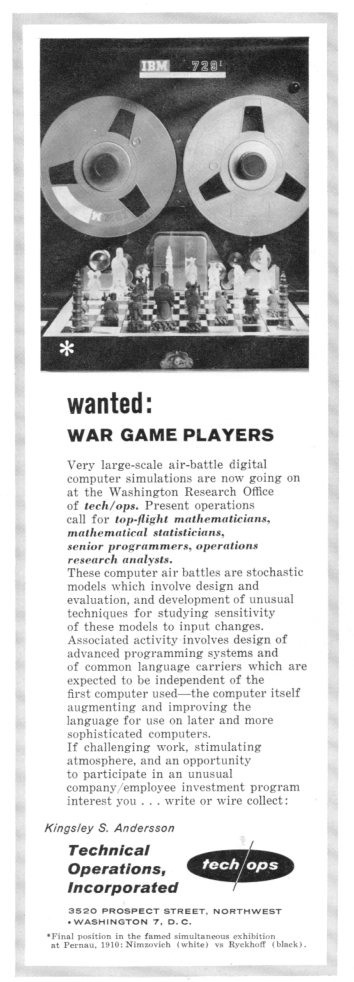
  • Putting the “War” into “War Gaming” (1959)

    JF Ptak Science Books  Quick Post

    Out of the many references I’ve seen for war gaming in early-ish computer journals and reports from the RAND corp  (and other such places before, say, 1962)  I don’t think I’ve ever since a direct visual connection between three-dimensional gaming objects and a computer.  But here are two examples,in the same journal and within a few dozen pages of each other, one featuring chess pieces and the other featuring toy soldiers.  Both are obvious selections, but not used very often at all in illustration.

    War gaming495[Source: Communications of the Association for Computing Machinery, volume 2, number 10 and 12, October and December, 1959. Another image follows below.]

    Games of war and capture go far back, with chess many hundreds of years old and Go older still. Early war games as “war games” appeared in the late 18th and early 19th century, developing past Strategoes  (in the 1880’s) with other iterations, and then famously in two mass culture works by H.G. Wells, Little Wars (1911) and Floor Games (1913). 

    [The two Wells works may be found here and are well worth looking at: http://www.gutenberg.org/ebooks/3691 (Little Wars, though fair warning here of the unfortunate but time-laced subtitle, “(A Game for Boys from twelve years of age to one hundred and fifty and for that more intelligent sort of girl who likes boys’ games and books”)  and then http://www.gutenberg.org/ebooks/3690 (Floor Games)]

    And a second image, from a few months later:

    ·Posted by :

    ·in:

Recent Posts

Archives

Categories