A Daily History of Holes, Dots, Lines, Science, History, Math, Physics, Art, the Unintentional Absurd, Architecture, Maps, Data Visualization, Blank and Missing Things, and so on. |1.6 million words, 7500 images, 4.9 million hits| Press & appearances in The Times, Le Figaro, Mensa, The Economist, The Guardian, Discovery News, Slate, Le Monde, Sci American Blogs, Le Pont, and many other places… 5000+ total posts since 2008.

  • A Beautiful X-Ray Tube

    JF Ptak Science Books   Quick Post

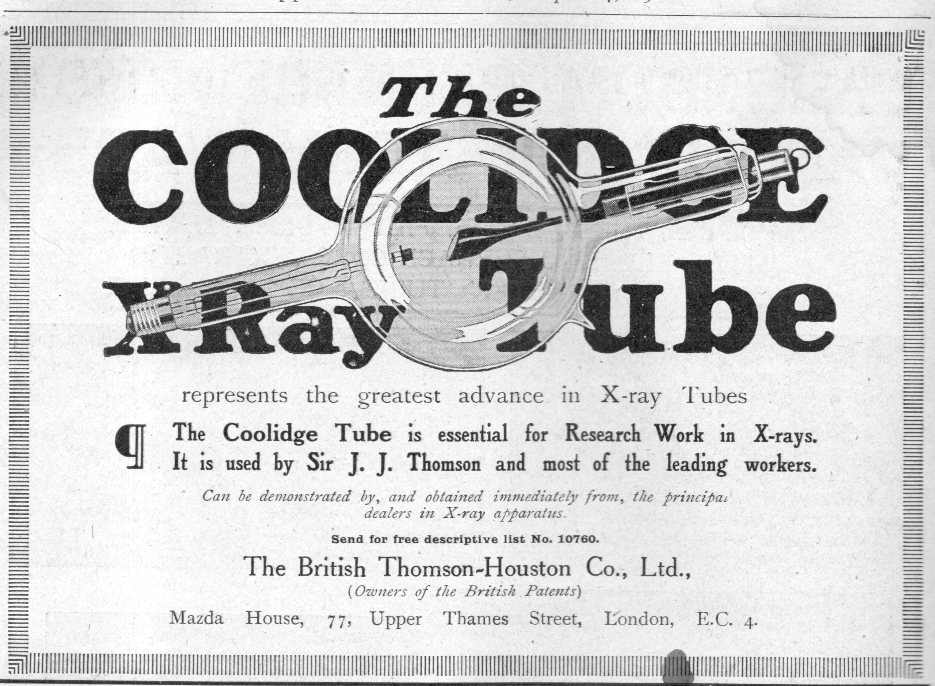
    Coolidge741William Coolidge (a long-lived inventor and EE man who ran the GE research lab) developed an improved x-ray tube that was like a Model T compared to existing Model A tubes.  In any event I just liked the design of this ad, which appeared in Nature in 1914–especially the rendering of the tube.  

    ·Posted by :

    ·in:

  • A Dominance of Observations from our Future Skeleton (1635)

    JF Ptak Science Books    Post 2413

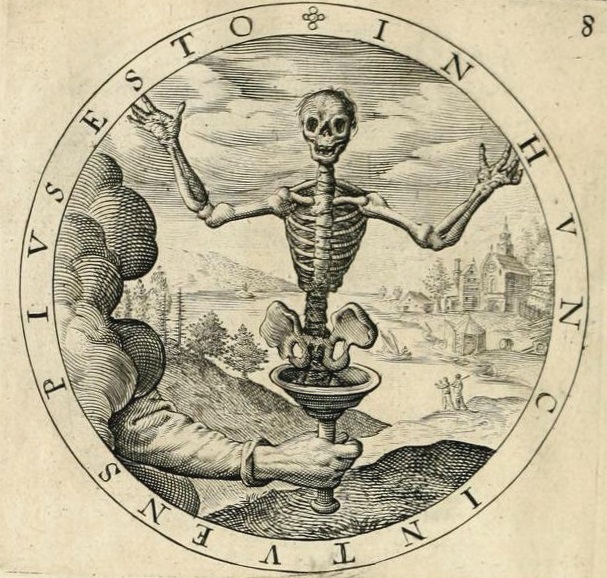
    Emblem skeleton detail

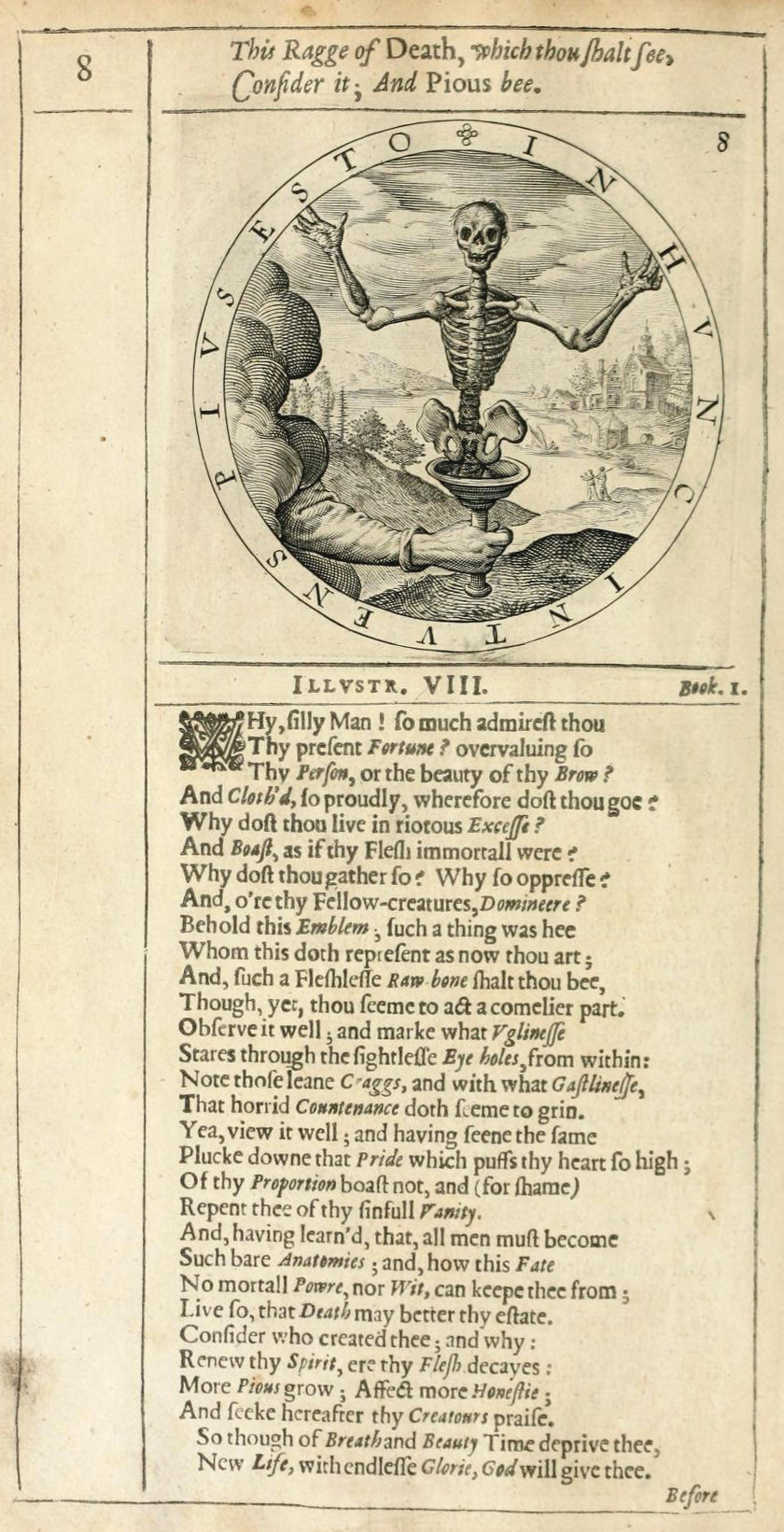
    The poem asks some good and thoughtful questions that could lead a person to re-evaluate their self-centered existence, all the while mentioning “God” and the everlasting only  twice (though it does invoke the concept of “piety” up at  the very beginning and again at the end), so to me this strikes me as being a half-way morality-of-consumption consideration on the one hand and a plea for repentance for “new life, with endless glorie” on the other.   

    This fine emblem book was found for me this morning by the wonderful Public Domain Review site. George Wither (1588-1667) published his book  A Collection of Emblemes, Ancient and Moderne, Quickened with Metricall Illustrations, both Morall and Divine, and Disposed into Lotteries…. in 1635 in London by Henry Taunton, and engraved by William Marshall (1617-1650).  It is a lovely and surprising book, filled with sprinkled gems, not the least of which is the lottery-maker (referred to in the title), which we will come to below.  

    The emblems were meant to be  striking metaphorical/allegorical images to spark ideas and reflection, and illustrated with a poem to make that process longer and deeper.  For example, consider the aspect of the death that awaits us all and how we live our lives:

    Emblem skeleton


    In an odd occurrence of the word “overvaluing”, the writer (and skeleton) asks us right away if we are “overvaluing so thy person, or the beauty of thy brow?” and “Why dost thou live in riotous excesse?” There are a few other provocative questions from and for the future (“Why so oppresse, and o’er thy fellow-Creatures, dominere?”) delivered to us from us from our “fleshless raw bone thou shalt bee”–our skeleton seeing things clearly though its “sightlesse eye holes from within”.  Mostly though what remains for us in the poem are admonitions/suggestions about what we might do with our time before we have none. For example, “of thy Proportion boast not and (for shame) repent thee of thy sinful vanity”, and “renew thy spirit ere thy flesh decays”.  There’s a lot going on in the 36 lines of this poem, more so than you’d expect, and it certainly gives the reader something to think about as they slink towards their own exposed anatomies.  

    The poem asks some good and thoughtful questions that could lead a person to re-evaluate their self-centered existence, all the while mentioning “God” and the everlasting only  twice (though it does invoke the concept of “piety” up at  the very beginning and again at the end), so to me this strikes me as being a half-way morality-of-consumption consideration on the one hand and a plea for repentance for “new life, with endless glorie” on the other.    

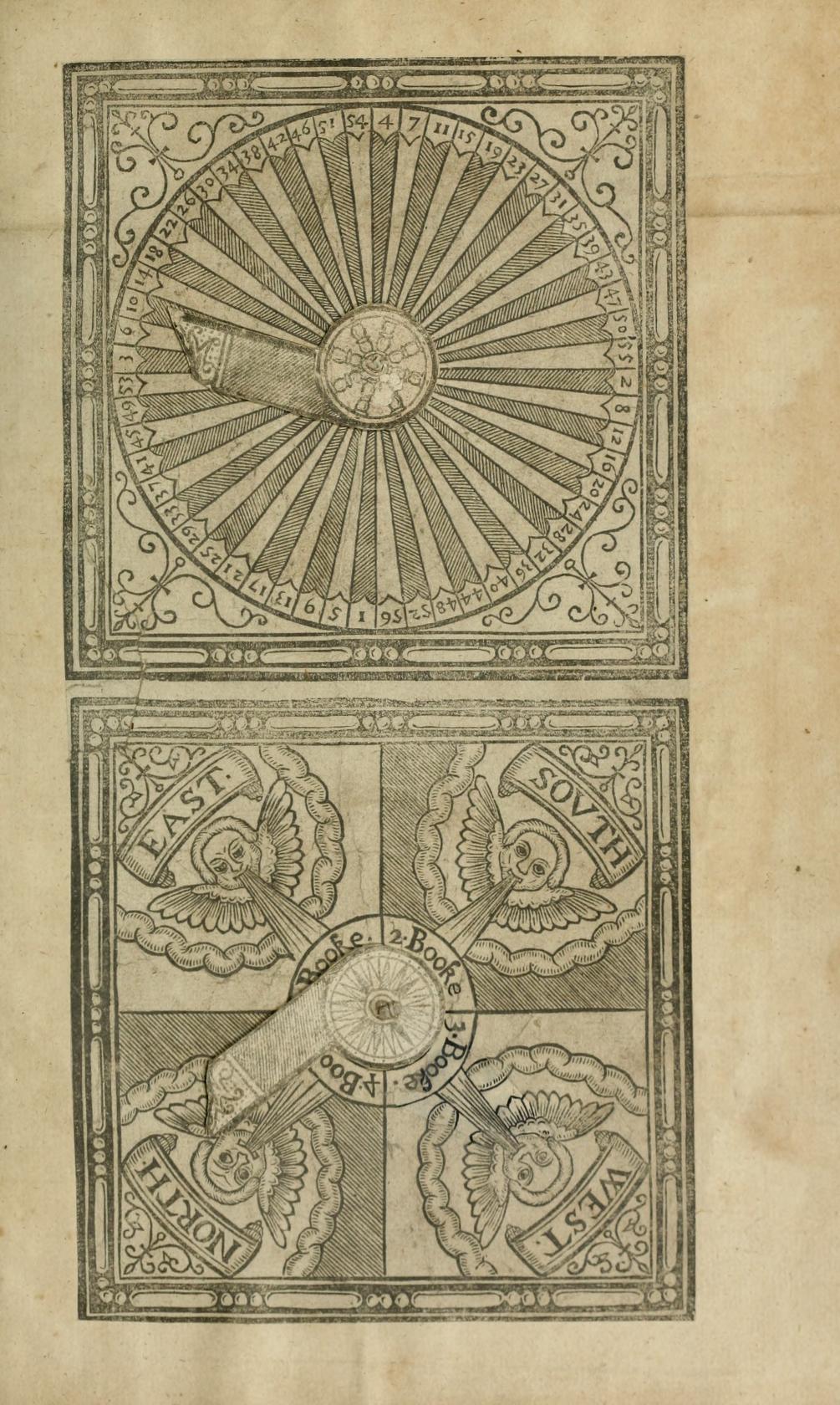
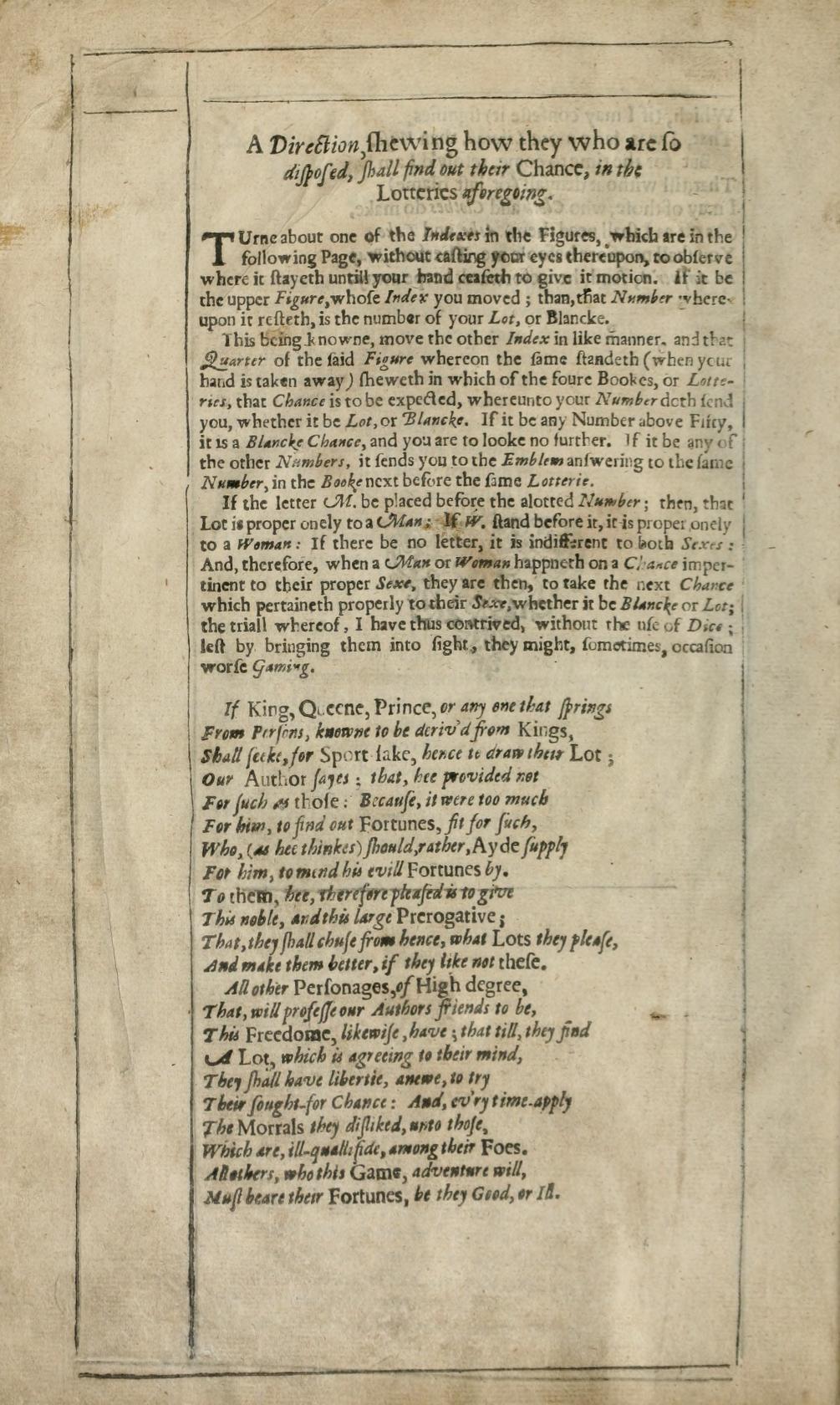
    Now to one aspect of the “Lotteries” referred to in the title:  the book comes with its own chance-maker.  That is, at the very end there are two movable-paper circular calculators (volvelles, actually), paper disks made to turn one on top of the other, that the reader would move to select an emblem to read by chance:

    Emblem volvelleand he text:

    Embleme volvelle explanationThe book is segmented into four parts, with each section having about 50 emblems each, so the reader would determine which book they would go to by the direction of the wind or some other whimsy, and then choose the numbered emblem by turning the pointer on the larger dial, which would send them off to the found/appropriate emblem.  

    Overall the book grows its own comparative form of “curious”, and is an enjoyable read, and an uncommon one.  As the Public Domain Review points out, “Of Wither’s mostly forgotten literary talents the Scottish author and poet George Gilfillan wrote that “Wither was a man of real genius, but seems to have been partially insane”.  It happens.   

  • Cut-Away Schematic: British Vickers Medium Tank, 1925

    JF Ptak Science Books  Quick Post

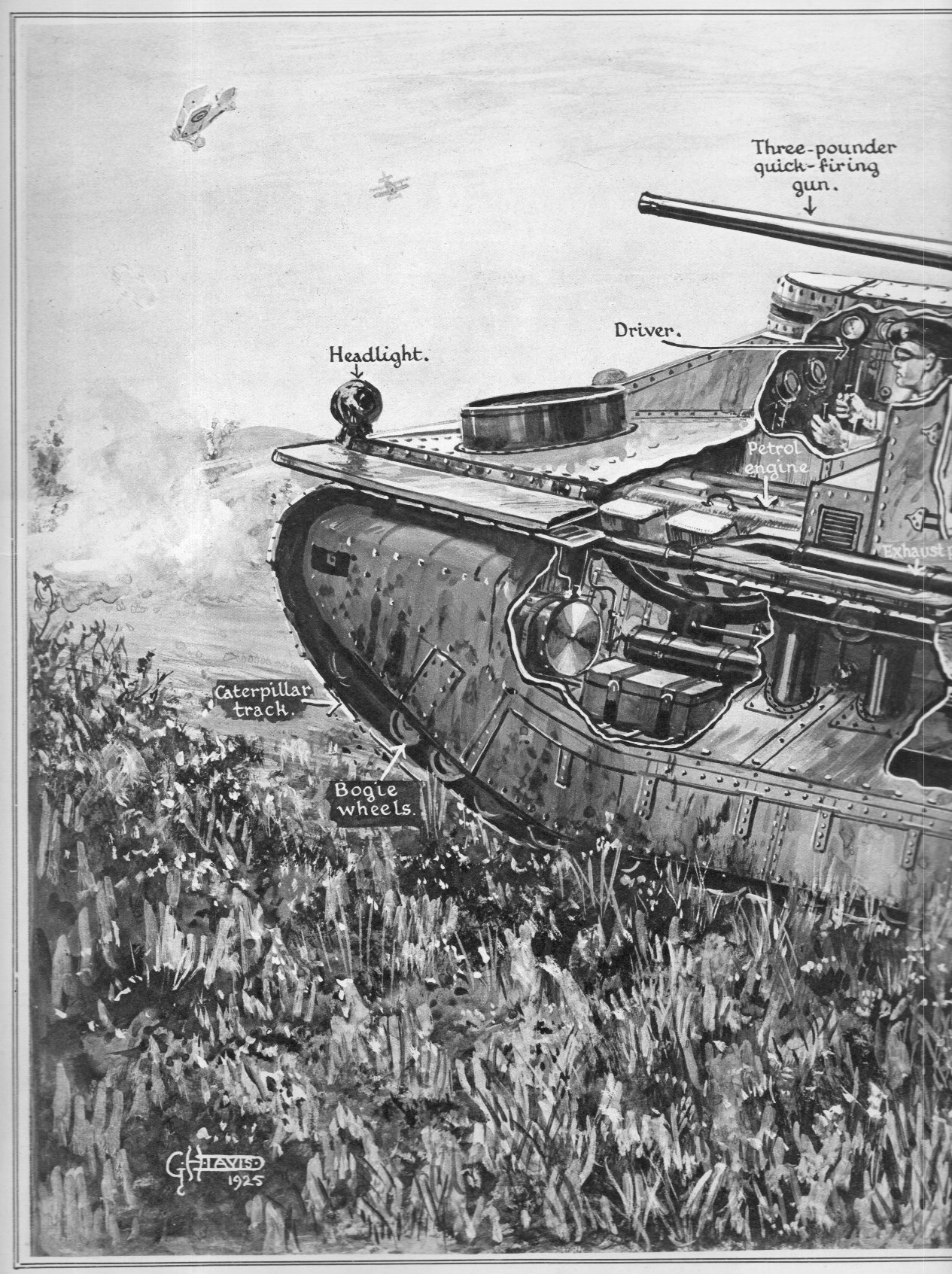
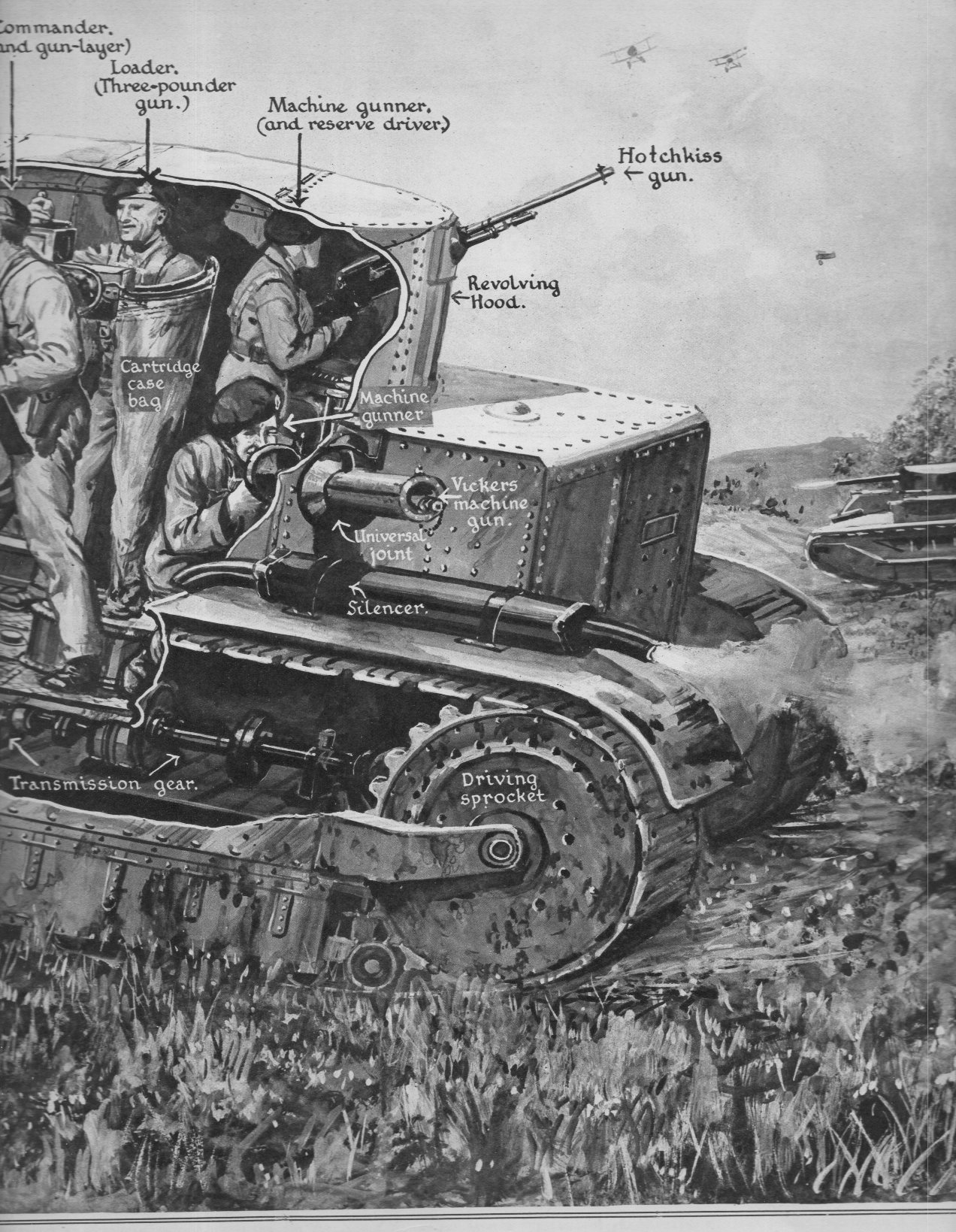
    One of my favorite popular technical illustrators of the 20th century was G.H. Davis (1881-1963), who worked enormous accomplishments for the Illustrated London News for some forty years.  His specialty seemed to be the cut-away schematic, showing half-exposed/half-not technical schematics on mostly oblique angles.  The example below is a fine one, showing the (not-named) British 1925 tank, which I believe must be the Vickers Medium I or variation thereof.  It was certainly an improvement over the tanks used in WWI, and for all intents and purposes it seems a “modern” tank. 

      Tank 1925743

    Tank 1925744


    Tank 1925743


  • A Great Map Showing a Complex Distribution of Nationalities, NYC 1895

    JF Ptak Science Books    (Post 1343–expanded)

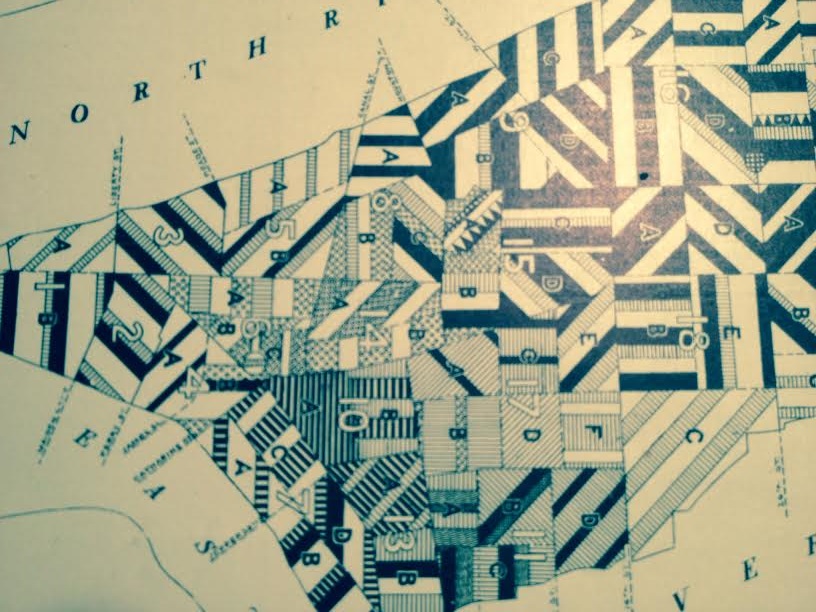
    Frederick Erastus Pierce (1878-1935) is the creator of the extraordinary The Tenement-House Committee Maps: printed on one sheet of paper for Harper’s Weekly in 1895, Pierce presents his data on the distribution of the population of Manhattan with two maps,  one showing the densities of Manhattan populations (on top) and the other the distribution of nationalities (at bottom). 

    [I should point out that the original of this map is for sale at our blog bookstore, here.]

    Nationalities Map 4

    Here’s an overall view of the maps–this example from the Library of Congress, as I could not make an accurate image of the one I have here–I do include some details of the maps from my own copy, however, which are found just above, with several below.


  • One Version of What the End of a Soldier’s War Looks Like (1918)

    JF Ptak Science Books    Post 2414

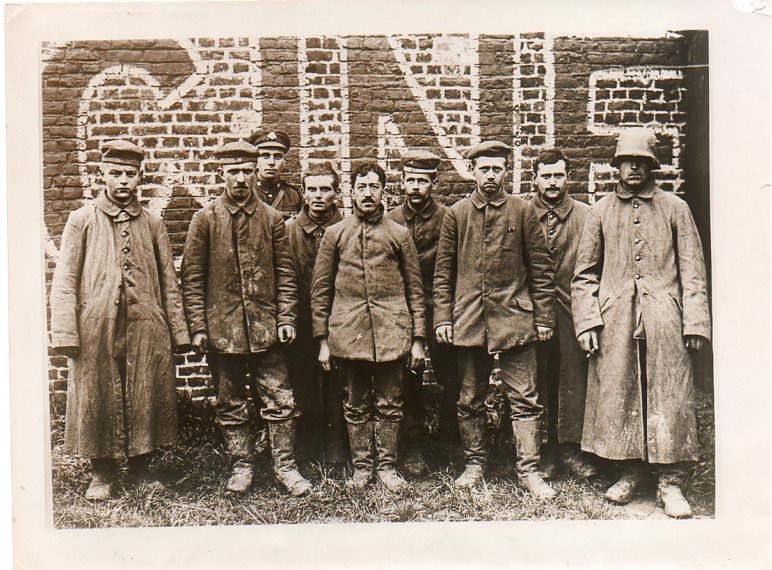
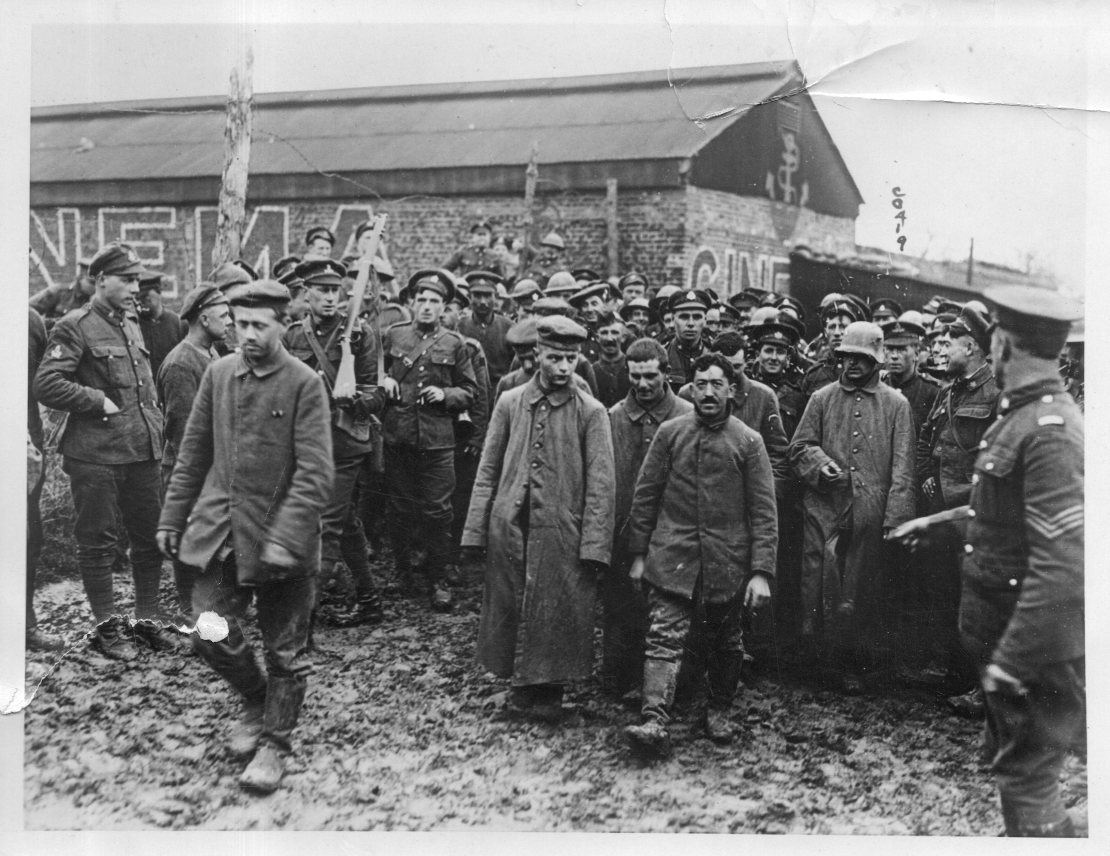
    Earlier in this blog I wrote about an extraordinary WWI news service photograph from a collection here of German prisoners on display, ca. autumn, 1918.  (There’s a description along with tighter, detailed images of the individual faces of the prisoners here.)   In the great wide world of  serendipity, where everything is possible, and nothing seems to be in the place you’d expect it to be, I found another photograph of that same group of POWs. 

    The original photo–truly a fine and remarkable image: 

    WWI photo--german prisoners

    And the newly-uncovered photograph, showing this group either approaching or leaving the side of the cinema where their group portrait was made:

    WWI photo  GERMAN PRISONER CINEMAal747

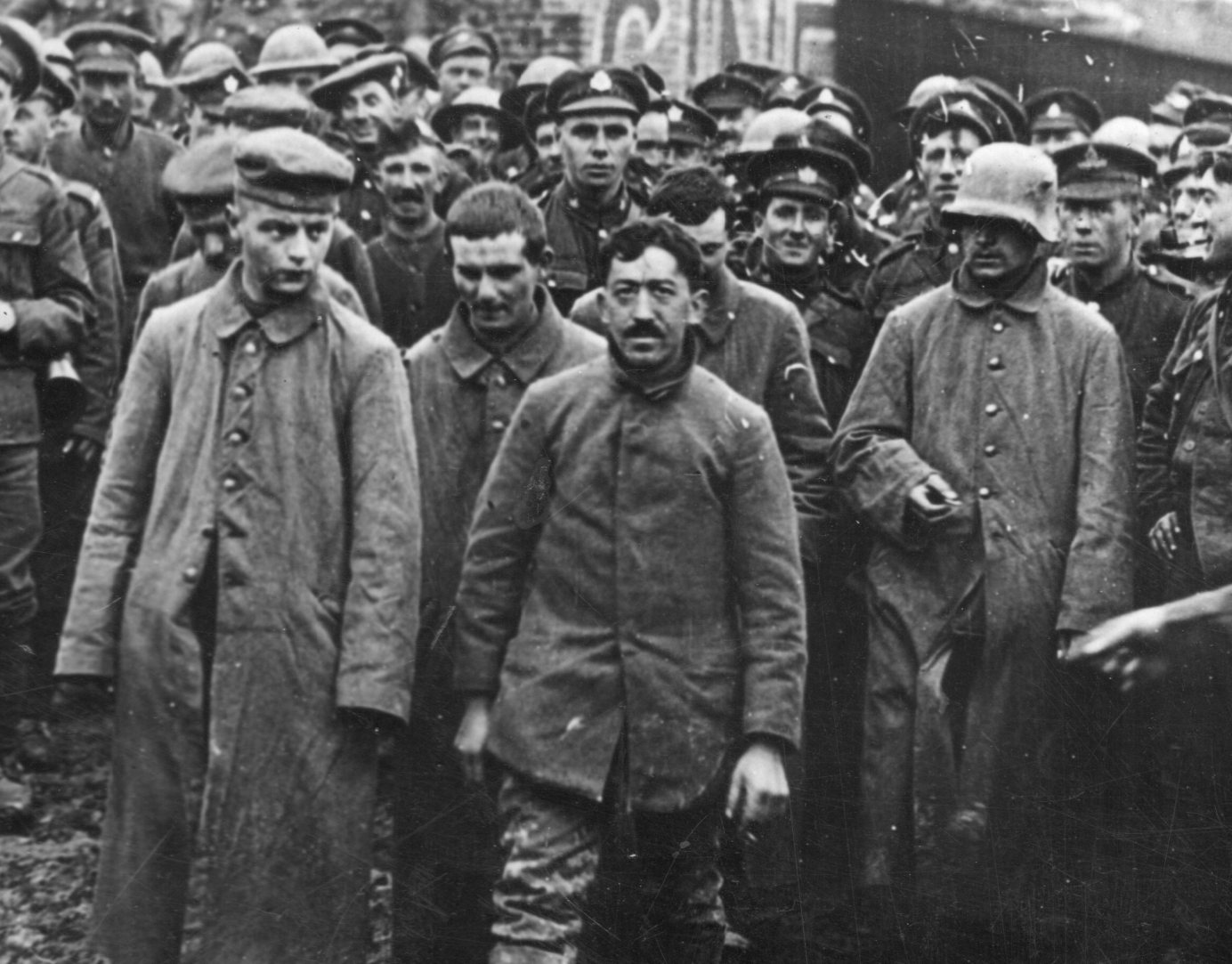
    And the detail:

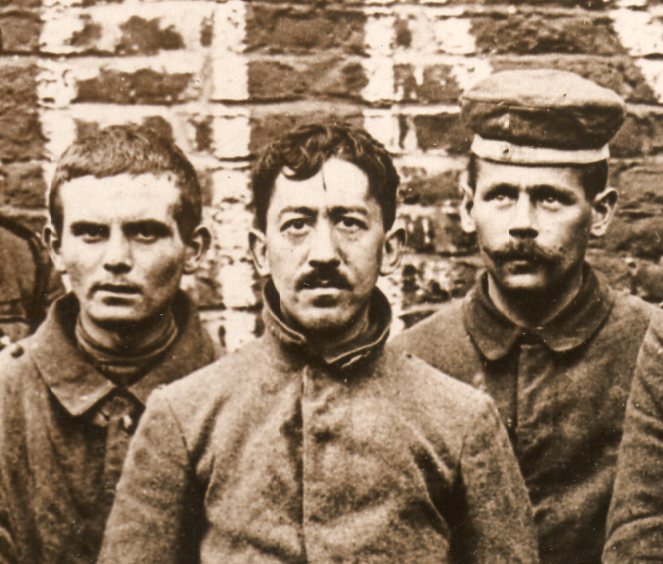
    WWI photo  GERMAN PRISONER CINEMAal748And one of the details from the original post:

    WWI photograph--german prisoners middle069

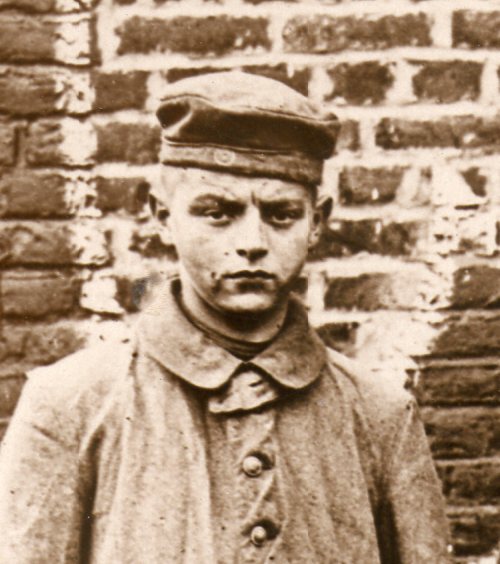
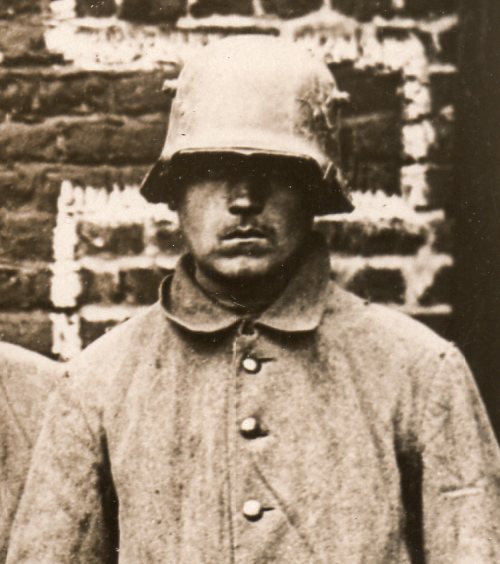
    There’s a lot of surrounding British soldiers and Irish Tommies, and commotion, and mud, and happy/confused/and something else in the faces of the victors as they paraded this end-of-the-war group of soldiers  in the muck.  In the original group portrait the soldiers are bookended by what I see as two extremes of soldiers in the war–the boy on the left, experienced with god-knows-what under his camouflaged and hardened baby fat:

    WWI photograph--german prisoners boy067

    and the guy on the right, who seems so much like a Durer-Death/apocalypse image itself, a thousnad-yard-stare man, a soldier of deep experience, and worn to the nub:

    WWI photograph--german prisoners old068

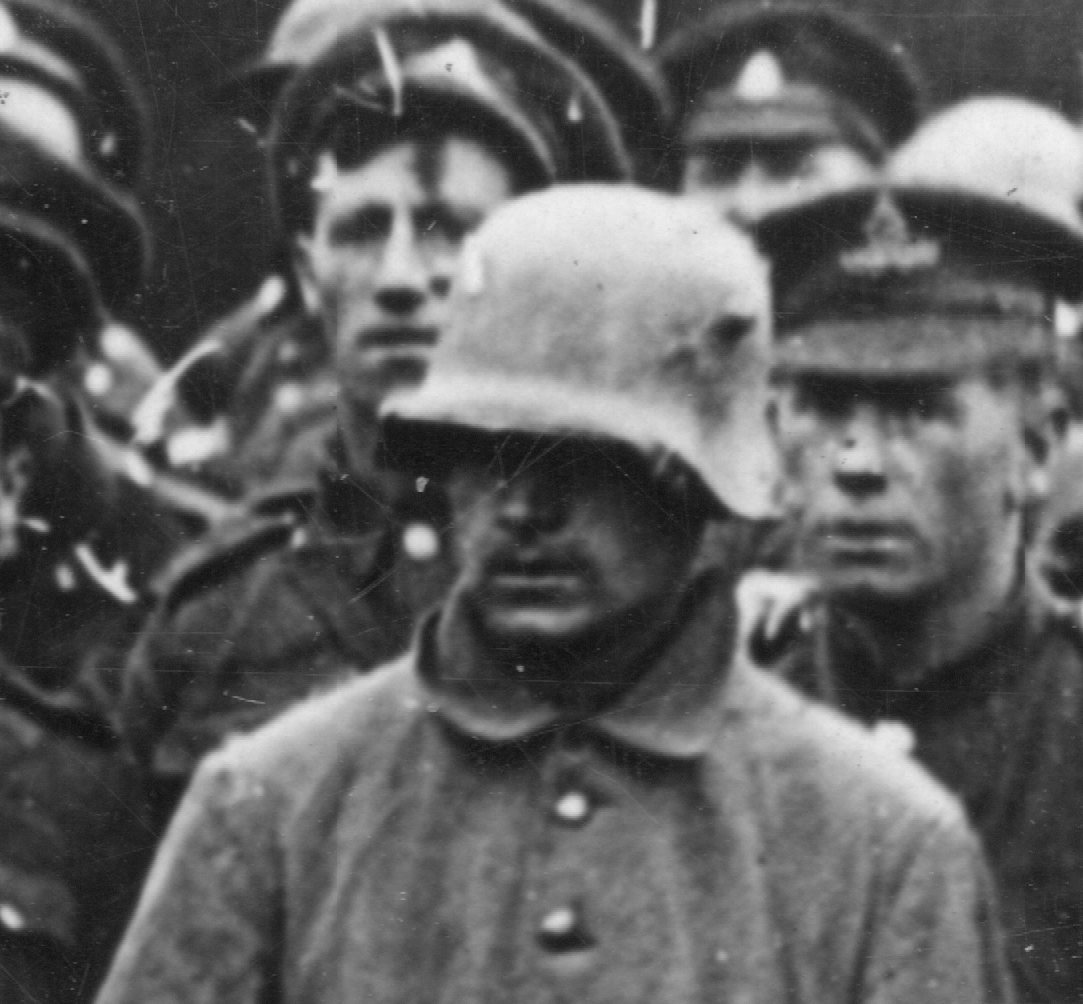
    He seems to have the same expression in each picture:

    WWI photo  GERMAN PRISONER CINEMAal749

    Maybe he was just bone-tired, though he definitely gives the impression of you-can’t-hurt-me, and perhaps underneath it all he was happy to have made it through the war alive, and hadn’t become one of the 40 million casualties.  In a few months, the war would be over, and perhaps most of the men in this picture got to go home.  

    ·Posted by :

    ·in:

    —
  • “Pure Bone Dust” a Found-Poem from 1864

    JF Ptak Science Books   Quick Post

    Bone dust751

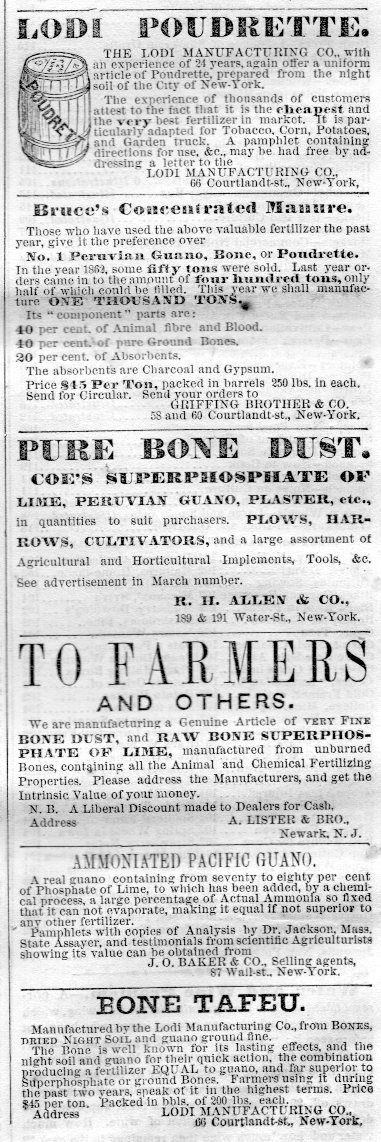
    This is another in a series of found in situ archeo poetry, buried in true and great defined deepness in an advertisement in the American Agriculturalist for June 1864, just today (151 years into its future) unveiled and displayed in its poeticized glory. [All text is verbatim, and is found in the last ad, at bottom. Please read out loud in your head using the voice of Billy Collins.]

    Bone Tafeu

    Manu-factured by the 

    Lodi Manufacturing Co, from
    BONE, DRIED NIGHT SOIL
    and GUANO ground fine.
    The bone is well known 
    for its lasting effect
    and the night soil
    and guano
    for their  /  quick action,
    the combination  producing
    a fertilizer EQUAL to guano
    and far superior to
    Superphosphate
    or ground  /  bones.
    Farmers using it
    during the past two years
    speak of it in 
    highest
    terms.  


    –from The dictionary of trade products, manufacturing, and technical terms …by Peter Lund Simmonds, 1858, pg 370.

    Bone dust750

    ·Posted by :

    ·in:

  • An Aviation “First” (1912)

    JF Ptak Science Books

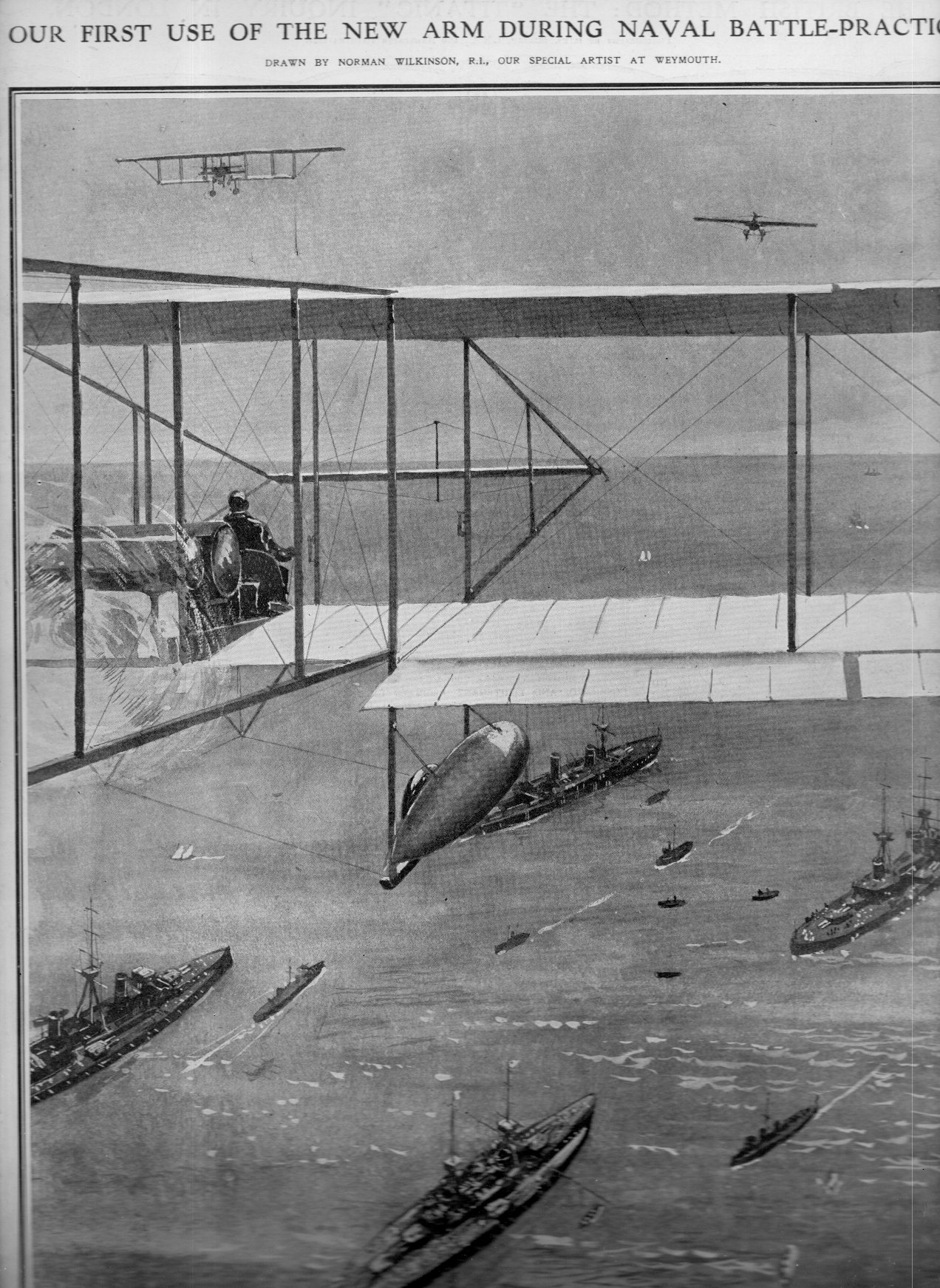
    This is an odd-ish first in the history of aviation “firsts”: the first use of aeroplanes in British naval battle practice.  

    Illustrated London News, May 11, 1912 (p 717)

    Aviation First USe Naval745 And the text:

    Aviation First USe Naval746

    ·Posted by :

    ·in:

    —
  • A Really Bad Place to Be in a Night Time Attack–Next to a Light-Tube Filled With Bullets (1915)

    JF Ptak Science Books   Quick Post

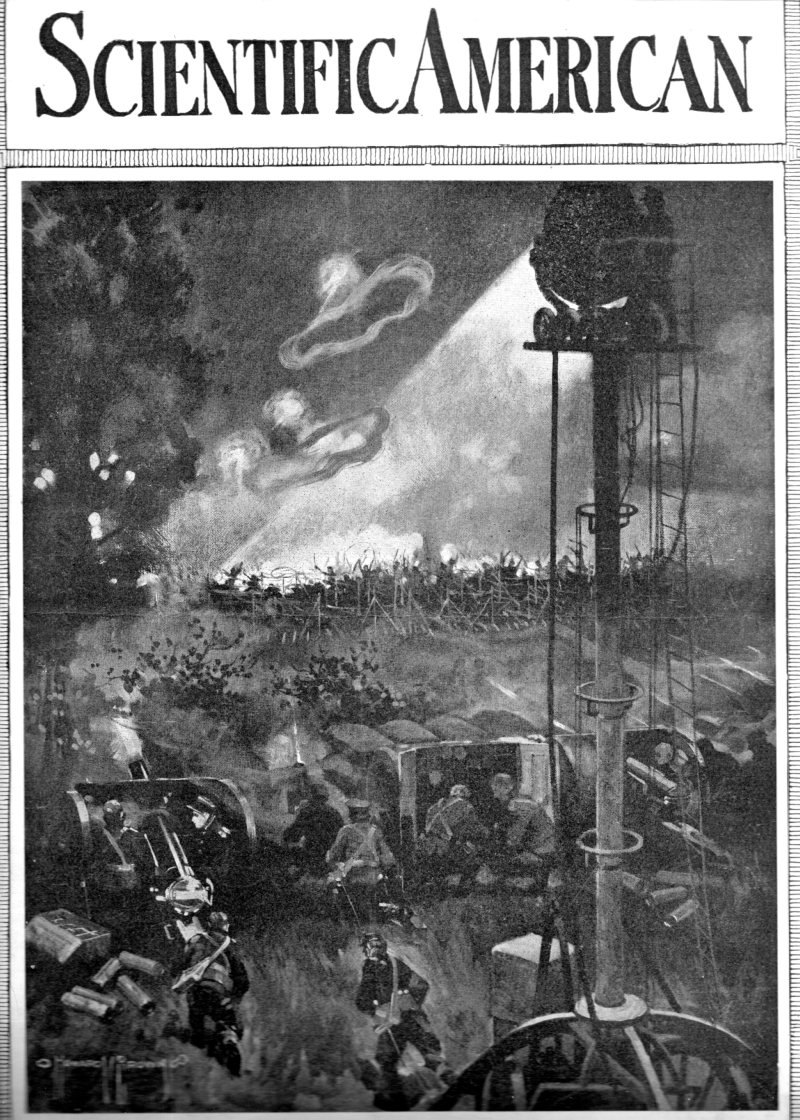
    The searchlight had been used in military operations for several decades before this cover appeared in the Scientific American for June 15, 1915.  Just a few years earlier an idea for using a powerful illuminating source in a dirigible for night time bombing appeared in the Illustrated London News–it was pretty powerful, showing the dark airship against a dark sky, the searchlight piercing its way down to the surface to reveal fleeing African tribesmen.  (Why the target was Africa and tribesmen with spears I can only guess at, but each answer I come up with is not pretty.) The present image seems like a fine idea at first for the defensive position, illuminating an advancing line in a night time attack.  That said, the spotlight seems like a pretty big target, the 5′-wide glowing glass an easy mark from a few hundred feet.  One thing I could say for sure is that I would not want to be the guy up there operating the spot, which right now looks more like a light tube to fill bullets with more than anything else.   

    Sci american  searchlight754

    ·Posted by :

    ·in:

    —
  • Gas Masks of Cloth and Gauze (June 1915)

    JF Ptak Science Books    Post 2414

    Gas mask752

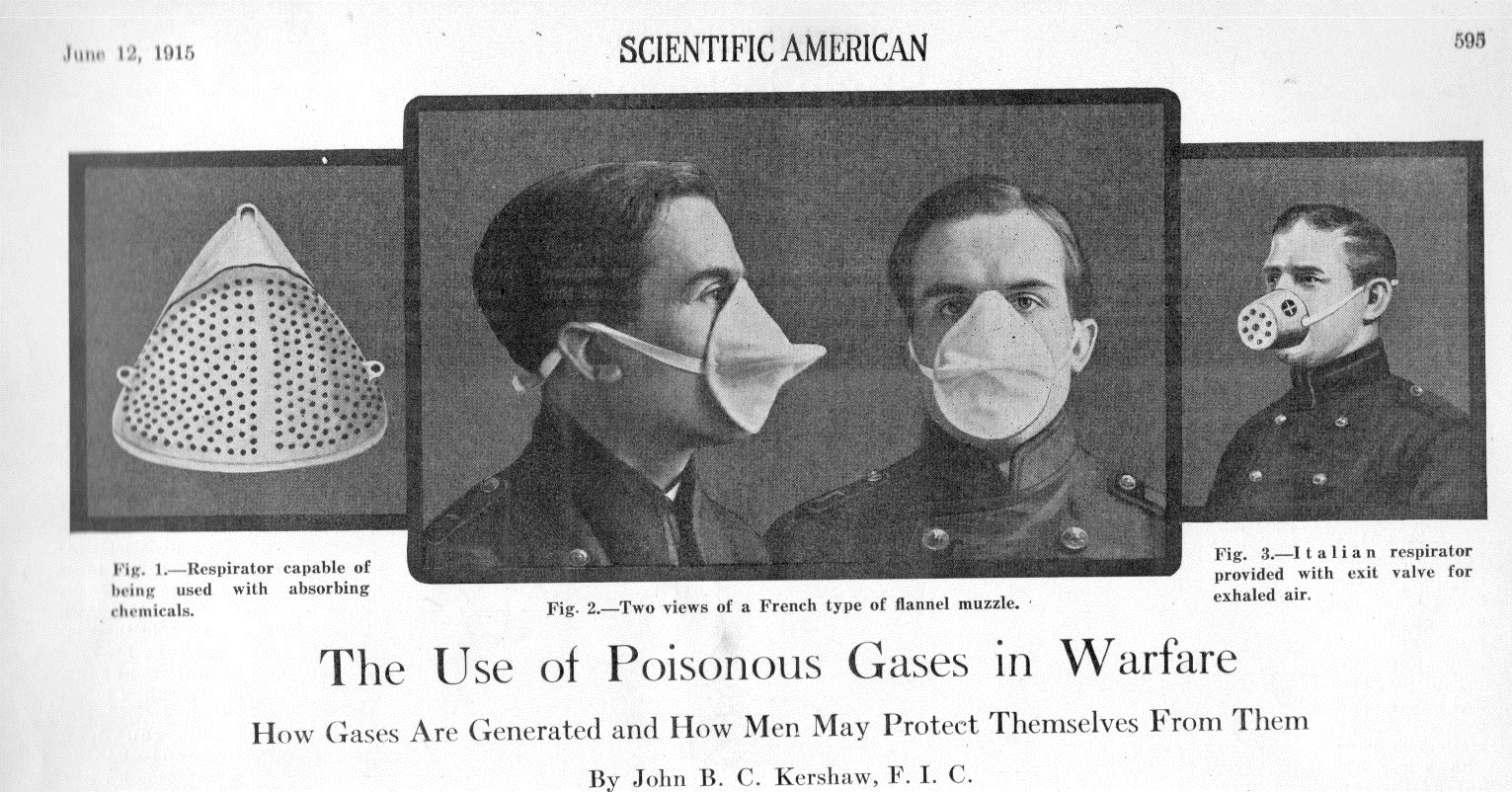
    About two months after the Germans used the first poison gas in WWI  (on April 22, 1915 against French Colonial troops at he Second Battle of Ypres in Belgium) the Scientific American published (on June 12, 1915) an account of some very early responses to the new lethal threat.  This was a more caustic and dangerous form of a warfare that existed for at least 2200 years, going back to the Peloponnesian wars, with pitch- and sulphur-saturated wood that was set alight and buried under siege walls, the noxious smoke incapacity the soldiers within the walls. As the SA article also points out, bellows  were used to propel the nasty and noxious smoke produced in a cauldron of burning charcoal, pitch and sulphur, blown hopefully over the walls and lines of the enemy–this at about the same time as the Athenians and Spartans were having it out.  

    There’s also indications that plague/disease-ridden animal carcasses were catapulted across enemy lines, armies going at one another using rockets of diseased meat. And so on.

    But the 150 tons of chlorine gas that the Germans sent over the French lines on that day was something entirely different–and far more lethal than any other gas previously used. (There was an earlier attempt to use gas in battle, employing an even nastier gas–xylyl bromide. It was dispatched January 15, 1915 against the Russians on the Eastern Front, but due to extreme cold most of the gas froze–it still however was potent enough to kill a thousand soldiers.) 

    The early response to protection from gas warfare was inadequate, with masks being sometimes little more than string and cotton gauze. This response was better than no response, because in the end it at least gave some millions of soldiers comfort to know that they were being taken care of, that something was being done to address the gas problem.  Of course this would last only so long as they didn’t have to actually employ the mask.  

    As the war progressed, the gas mask response improved, though so did the lethal varities of gases that were employed.  Even the best of the masks were incapable of defending much against phosgene and diphosgene–and then there was no protection at all from mustard gas, which was another beast entirely.

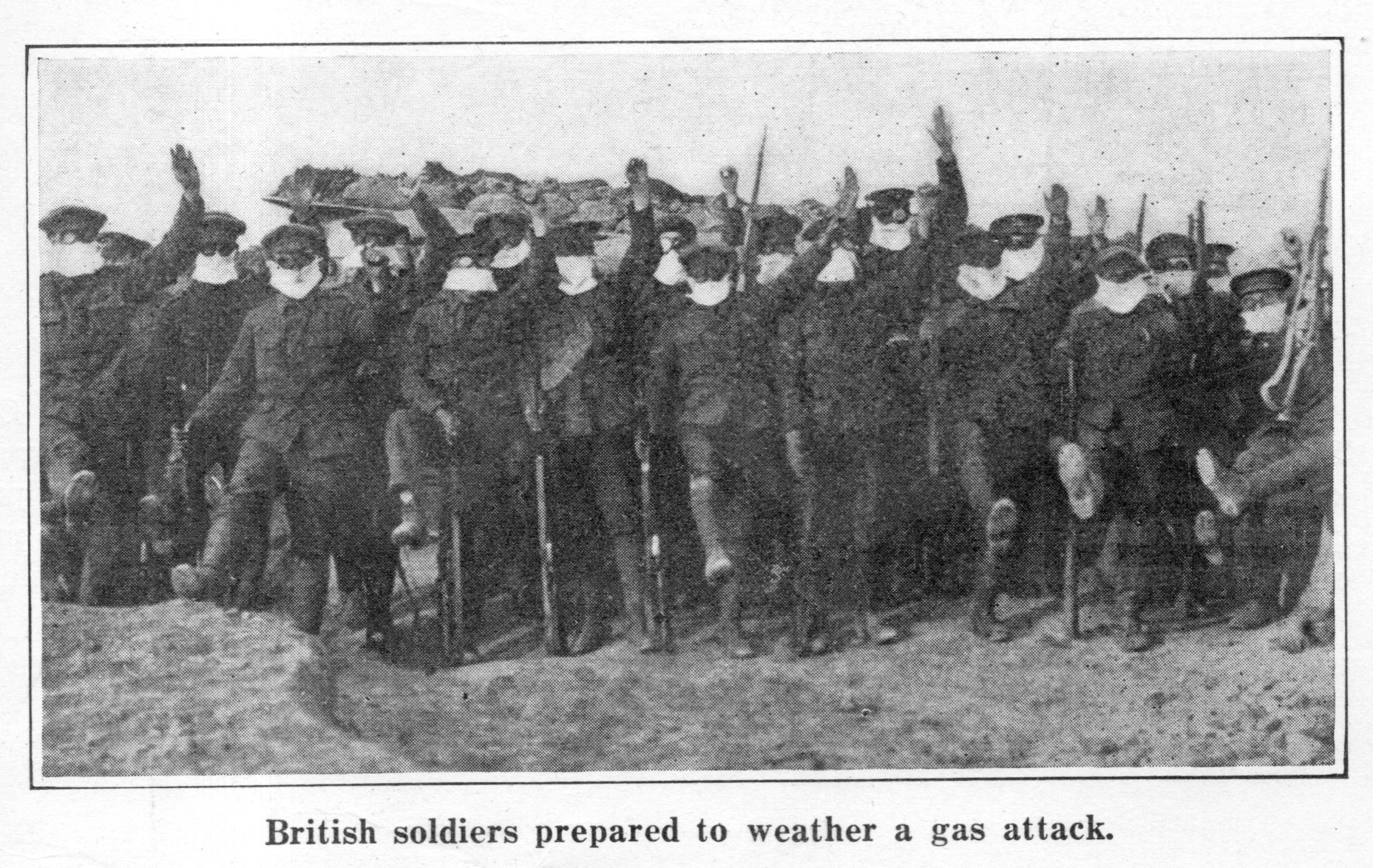
    It was the illustrations that stopped me in the Scientific American article–first for the flannel muzzle mask (above), which made my heart half-break; and then, just beneath that picture, a portrait of a group of British soldiers wearing cloth masks, who were “prepared to weather a gas attack”.  They were told that adding a little water to the mask would help stop the gas, a lot of which was hopeful expectation and wishful thinking.  

    Gas mask753

    An earlier post appears here, “Gas Masks and Poison Gas, World War I, 1915”, on early (November/December 1915) masks.  


  • Found Art Inside Nuclear Fission (1939)–Albert Ein(stein)?

    JF Ptak Science Books   Post 2415

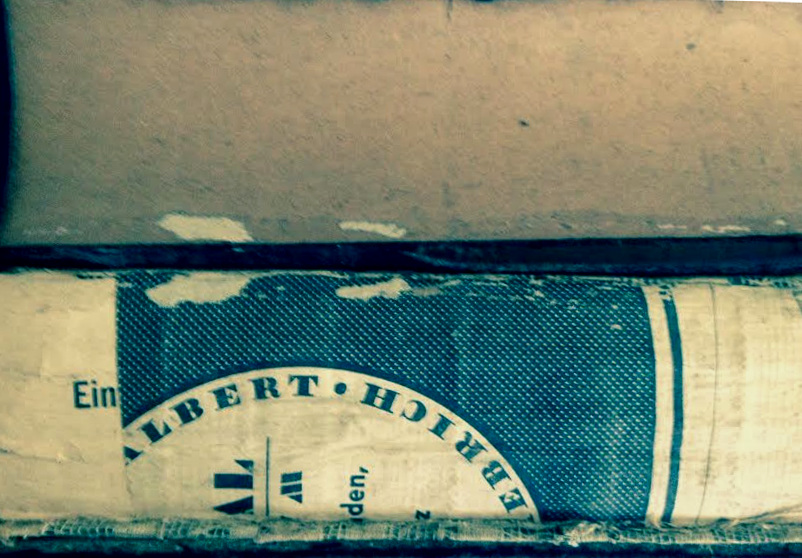
    Naturwissenshaften

    Well: this is “inside” the book in which nuclear fission is announced–the backstrip/spine was pulled away on one edge from my um “lovely” copy of Naturwissenschaften, volume 27, 1939, to reveal the chocolatey-nugget equivalent of the guts of a book.  This is the famous volume which contains (at least) six seminal contributions in the history of nuclear physics including the big one by Otto Hahn and Fritz Strassman (on January 6)  in which they announce the discovery of uranium fission1.  The spine cover is still hinged on one side, making it a convenient flap to see the covering for the glue etc. holding the sewn signatures and the spine together. 

    The anatomy of the book reveals a  pretty and interesting art-ish composition, with a surprise: there are major elements of Albert Ein(stein’s) name display, clear as an azure sky of deepest summer (a line by Peter O’Toole from The Ruling Class).  

    This is highly appropriate. Einstein naturally knew of all o these developments and felt deeply threatened by them because of the next step, which would be atomic-bomb-building. So on August 2, 1939, he and Leo Szilard wrote a letter to Franklin Roosevelt urging American development towards this end, because surely the Germans would be up to it as well.  Although written in August the letter (the first of three) would not be delivered by Szilard to the President until October.  I think that it can be safely said that this meeting was the first step in the development of the Manhattan Project.  Roosevelt’s immediate reaction in this meeting was to insist that the U.S. do The Mega Big Something to ensure that “the Nazis don’t blow us up”.

    In any event, I found it at first artistic and then weirdly interesting that Einstein’s name almost appears in the hidden part of this important volume.  


    Notes

    1.  This would be cleared up further as nuclear fission by Lise Meitner in the February 11 1939 issue of the journal Nature.  

    The papers contained in this volume of Naturwissenschaften:

    HAHN, Otto and Fritz Strassmann.  Six papers announcing the discovery of nuclear fission, including:

    “Über den Nachweis und das Verhalten der bei der Bestrahlung des Urans mittels Neutronen entstehenden Erdalkalimetalle” (On the detection and characteristics of the alkaline earth metals formed by irradiation of uranium with neutrons)

    ____.  Nachweis der Enstehung aktiver Bariumisotope aus Uran und Thorium durch Neutronenbestrahlung’ Nachweis weiterer aktiver Bruchstucke bei der Uranspaltung. 

    ____. Uebervdie Bruchstucke beim Zerplatzen des Urans 

    ____. Zur frage nach dervEzistenz der “Trans-Urane”.

    ____. Weite Spaltproduckte aus der Bestrahlung des Urans mit Nuetronen.

    ____. F. Strassmann und S. Fluegge. ueber einige Bruchstuckebeim Zerplatzendes Thoriums. 

    All in Die Naturwissenschaften volume 27.  The volume of 862pp. 


  • Pianographics–Empirical Musicology, 1895

    JF Ptak Science Books    Post 2416

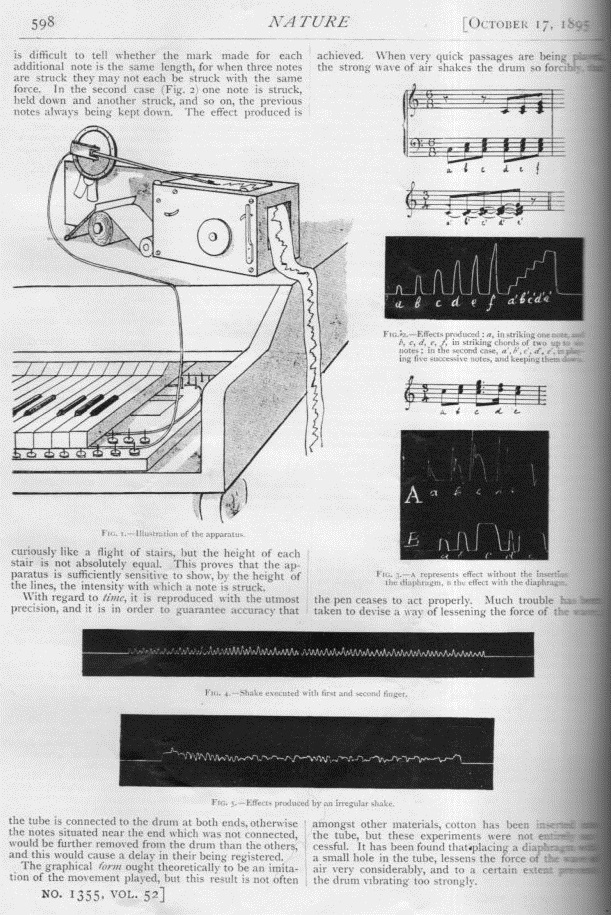
    Unlike the history of the vast majority of musical instruments, the piano could sort of play itself about 160 years after its invention.  The idea of making a device that would record notes from a piano, and then punch them out onto long strips of paper, and have them play through a music box or other automatic instrument (and later on, by Centennial time, on a player piano) was a truly inspired thing, I guess. That’s all fine and good, but none of these inventions really allowed for you to understand how a piano was actually played by a performer, and how that performer touched the keys–that would be  interesting on many levels beyond the mechanistic reproduction of note-playing. It seems though that it wasn’t until the close of the century that an invention was capable of recording the subtleties of key touch. And that was the work of A. Binet and J. Courtier  who published their results of their experimentation with new instrumentation in “Recherches graphiques sur la musique” (Graphic research on music) in Revue Scientifique.  The invention has been called “the start of the study of technical empirical musicology”.1

    The machine was described by C.H. Judd in Psychological Review2 in 1896:    “When a key is struck the style is deflected in such a way that the height of the deflection is proportional to the force of the pressure; the length of the deflection records the time; and finally the form of the curve gives a detailed account of the manner in which the movement was carried out.”

    In 1914 in “The Psychology of Piano Instruction” we find the following appraisal: “In much the same way have Binet and Courtier blazed the trail as Seashore puts it by tracing graphically the intensity form and time of finger movements in piano playing They point out the immense psychological interest there is in determining the kind of experience involved at the keyboard of a piano and the type of movements executed while at the same time graphic results obtained in this manner act as checks upon the performance Illustrations are given for instance to show the curve of a trill well performed in contrast to that of a trill poorly performed…”3
      
    In any event I found this article by chance in Nature for October 17, 1895, and thought the machinery and idea were fascinating. This was probably the first English translation of the paper, which soon again appeared in an article in Popular Science in the U.S. in the next month: 

    “When a certain point of perfection has been attained in piano playing it becomes very hard to distinguish inequality of touch yet owing to the varying strength of the fingers it is only with much practice that perfect equality is possible. As will be seen further on involuntary movements and irregularities scarcely perceptible to the shown by the graphical method…”
    Piano graphics756

    “The apparatus…is quite simple in construction and consists chiefly of an india rubber tube placed under the key board united at its two extremities by a registering drum also of india rubber When the notes of the piano are played the pressure on the tube causes a wave of air to be sent through it into the drum upon which is attached a pen that in the ordinary way is made to record its movement on a moving roll of paper The wave makes the drum vibrate which in its turn jerks the pen thus causing irregular marks to be left on the paper The board on which the tube rests is regulated by means of w edges adjusted by a screw the board being either lowered or raised When raised it almost reaches the notes of the piano and in this case the registering action takes place but if it is lowered the whole apparatus is disconnected from the key board…”

    The summation at the end of the Nature article: 

    “1. Dealing with its advantage from the psychological point of view it is found that the voluntary movements of the pianist can be observed without putting him to any restraint or embarrassment for the small tube does not affect the resistance of the notes nor is the exterior of the piano altered.”

    “2. For teaching purposes the device has been of great use.  The record on the roll of paper shows the faults so precisely that although they are scarcely perceptible to the ear there is no denying their existence.”

    “3. We are well aware that written music cannot show every slight change in the time the composer might desire. By applying the graphical method this difficulty is eliminated and the time will be reproduced with the smallest details.”

    Notes

    1. Empirical Musicology : Aims, Methods, Prospects: Aims, Methods, Prospects edited by Eric Clarke Professor of Music University of Sheffield, Nicholas Cook Professor of Music Royal Holloway,  p. 77

    2. Psychological Review in 1896, Vol 3(1), Jan 1896, 112-113.

    3. Journal of Educational Psychology, vol 5, 1914, “The Psychology of piano Instruction.”
Recent Posts

Archives

Categories