A Daily History of Holes, Dots, Lines, Science, History, Math, Physics, Art, the Unintentional Absurd, Architecture, Maps, Data Visualization, Blank and Missing Things, and so on. |1.6 million words, 7500 images, 4.9 million hits| Press & appearances in The Times, Le Figaro, Mensa, The Economist, The Guardian, Discovery News, Slate, Le Monde, Sci American Blogs, Le Pont, and many other places… 5000+ total posts since 2008.

  • Anti-Roosevelt Propaganda–the Leaderless U.S., 1936

    JF Ptak Science Books   Quick Post

    Perhaps it would be surprising to some to hear that the leaderless leader of the United States that this pamphlet refers to is Franklin Roosevelt–I mean, I was surprised, but then again I guess the leader could’ve been any president, so long as the opposition was viperous enough.

    Roosevelt, anti 1936970The title  sounds pretty familiar, and to my experience is probably applicable to just about every presidential campaign since perhaps Woodrow Wilson.  This is a policy-based and argumentum ad hominem but thoroughly polite screed by Wadsworth Maximillian against Franklin Roosevelt, and was published in seems at the beginning of the 1936 campaign.  There’s much that Maximillian takes aim at, but a lot has to do with Roosevelt’s “Brauin Trust” and in the author’s mind turning over the running of the country to an not-elected group rather than the elected president. But then again there’s not much that Roosevelt was doing on his own that didn’t provoke some ire in this pamphlet–Roosevelt and the entire Democratic Party, which here is the party of the destruction of the U.S. constitution.  (The attack actually begins with Woodrow Wilson, who was handed his victory as a result of T. Roosevelt splitting the Republican interest…)

    At the end the author quotes Lincoln’s Gettysburg Address, saying that there is a new Civil War, and that Roosevelt as a one-man government is on the other side of where Lincoln was in the fight to preserve the country.  And so on.  I know it can feel as though the political attacks that are head on the radio and read in the press sound a lot like this pamphlet–unfortunately this genre is nothing new.  

    ·Posted by :

    ·in:

  • A Key to 20th Century Physics in Two Really Good Volumes

    JF Ptak Science Books   Post 2458

    It really is a rare thing to open a book and find it full of significant contributions by numerous people occurring in situ as it were–not an intentional collection of greats, but a “serendipitous one.  In this case the find occurred in one bound volume of the American Physical Society’s Review of Modern Physics–a single volume containing two years of papers for 1945 and 1946. I’ve seen this a number of times–as with bound volumes for The Physical Review for 1932, and 1939 and 1948, for example–and it is always a pleasure to watch the great epic of those years roll out as you leaf your way through the volume.  

    And so it happens with volume 17 and 18 of the Reviews1, the greatest interest in this volume is no doubt the multiple blockbuster of contributors for the commemoration of Niels Bohr’s birthday, in Volume 17/2, April-July 1945, pp 97-350, “In Commemoration of the Sixtieth Birthday of Niels Bohr, October Seventh, 1945”. The field is full of the major names (and Nobel Prize recipients) of physics in the 20th century. These include Bloch, Born, Chandrasekhar, Dirac, Einstein, Feynman, Gamow, Goudsmit, Heitler, Hevesy, London, Meitner, Pauli, Rabi, Van Vleck, Weisskopf, Wheeler, and others, a full-ish list of the papers is included below. (The Wheeler-Feynman paper is significant on its own and highly cited.)

    • This volume is available for purchase at the blog’s bookstore, here.

    ·Posted by :

    ·in:

  • An Experimental Documentary on the Soviet Union, 1929

    JF Ptak Science Books   Quick Post

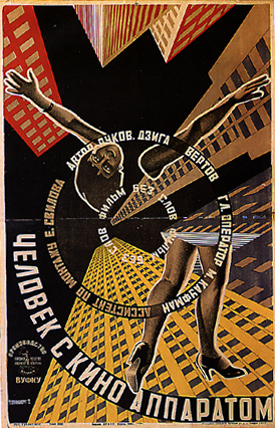
    Poster man with a camera

    The man with the camera was David Abelevich Kaufman (Vertov) (1896-1954), who made it along with his editor-wife Elizaveta Svilova (who worked on a number of films, mainly propaganda from the looks of it, though I would really like to see The Fall of Berlin, 1945, and also her film about Auschwitz). 

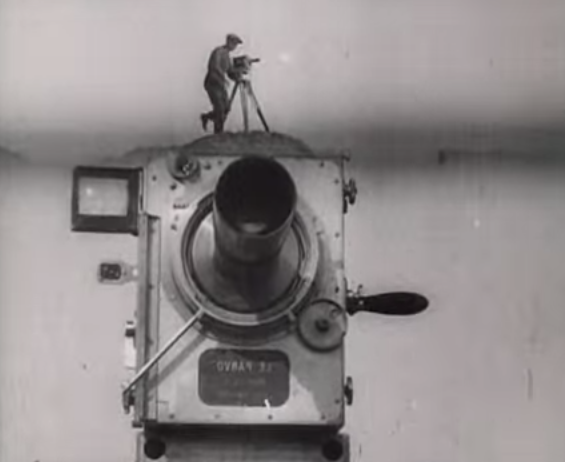
    The film was evidently a ground-breaker1–Roger Ebert points out one facet of the work, the average shot length, which is by far shorter here than anywhere previous works, meaning that there was more editing and selection done than normally:  “In 1929, the year it [Man…] was released, films had an average shot length (ASL) of 11.2 seconds. “Man With a Movie Camera” had an ASL of 2.3 seconds. The ASL of Michael Bay’s “Armageddon” was — also 2.3 seconds…”)  

    I’ve included a link to the film (below) but honestly what attracted me to it was its poster, created by the indomitable and prolific Stenberg Brothers. Not only does the poster seem to me to be a masterpiece and iconic, it also uses an unusual perspective–straight up.  I’ve done several posts here on the perspective of looking straight down and straight across, but there have been very few opportunities to write something about looking straight up (in the antiquarian image world).  But here it is, in all of its glory.   

    The full movie, here:

    Man with a Movie Camera


    [Source: http://en.wikipedia.org/wiki/Man_with_a_Movie_Camera]

    Notes:

    1. Studio Daily lists Man with a Movie Camera as the 8th best movie ever made.  http://www.studiodaily.com/2012/08/sight-sound-revises-best-films-ever-lists/

  • Airpower Power Illustrated Power Graphic, 1935

    JF Ptak Science Books   Quick Post

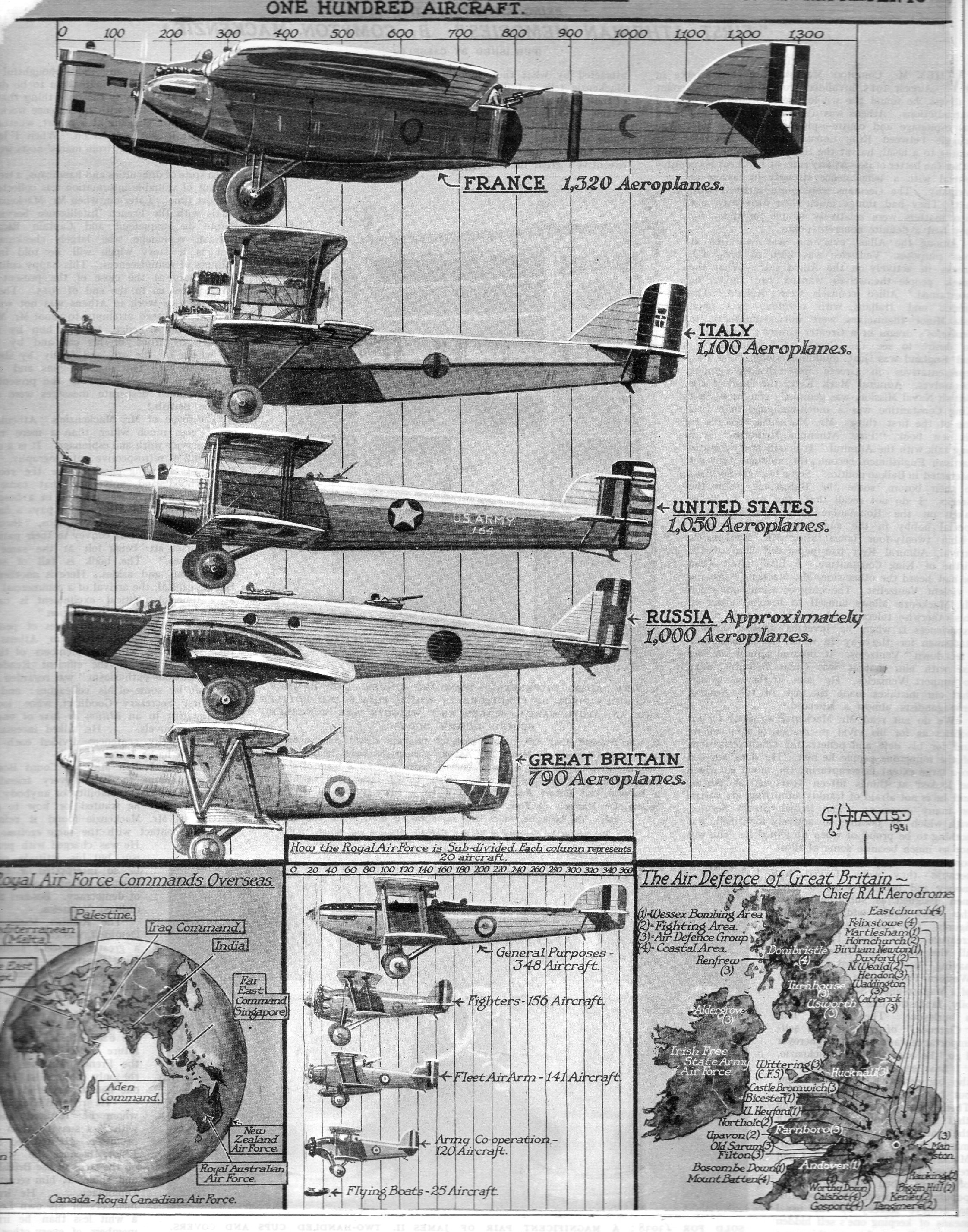
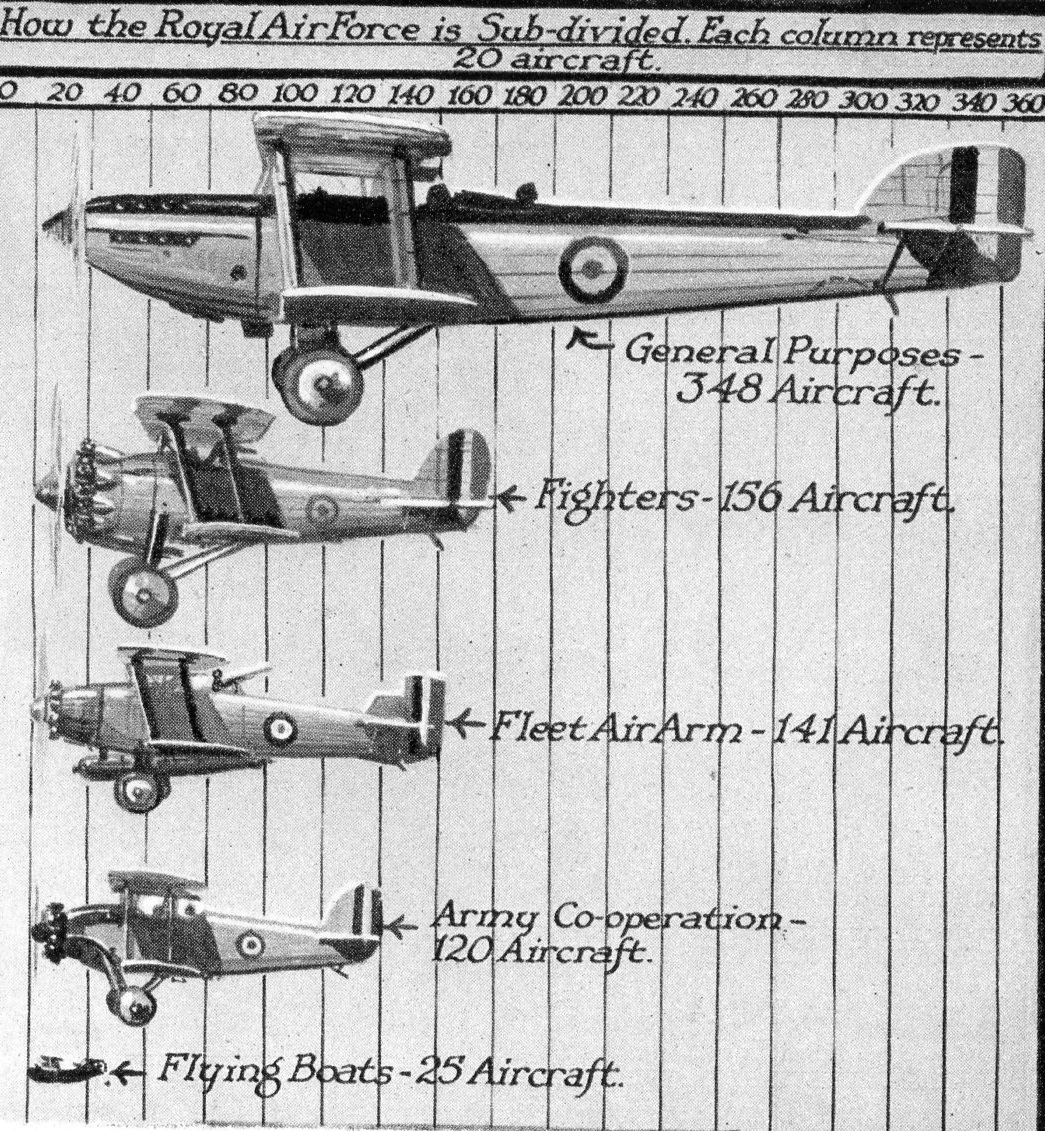
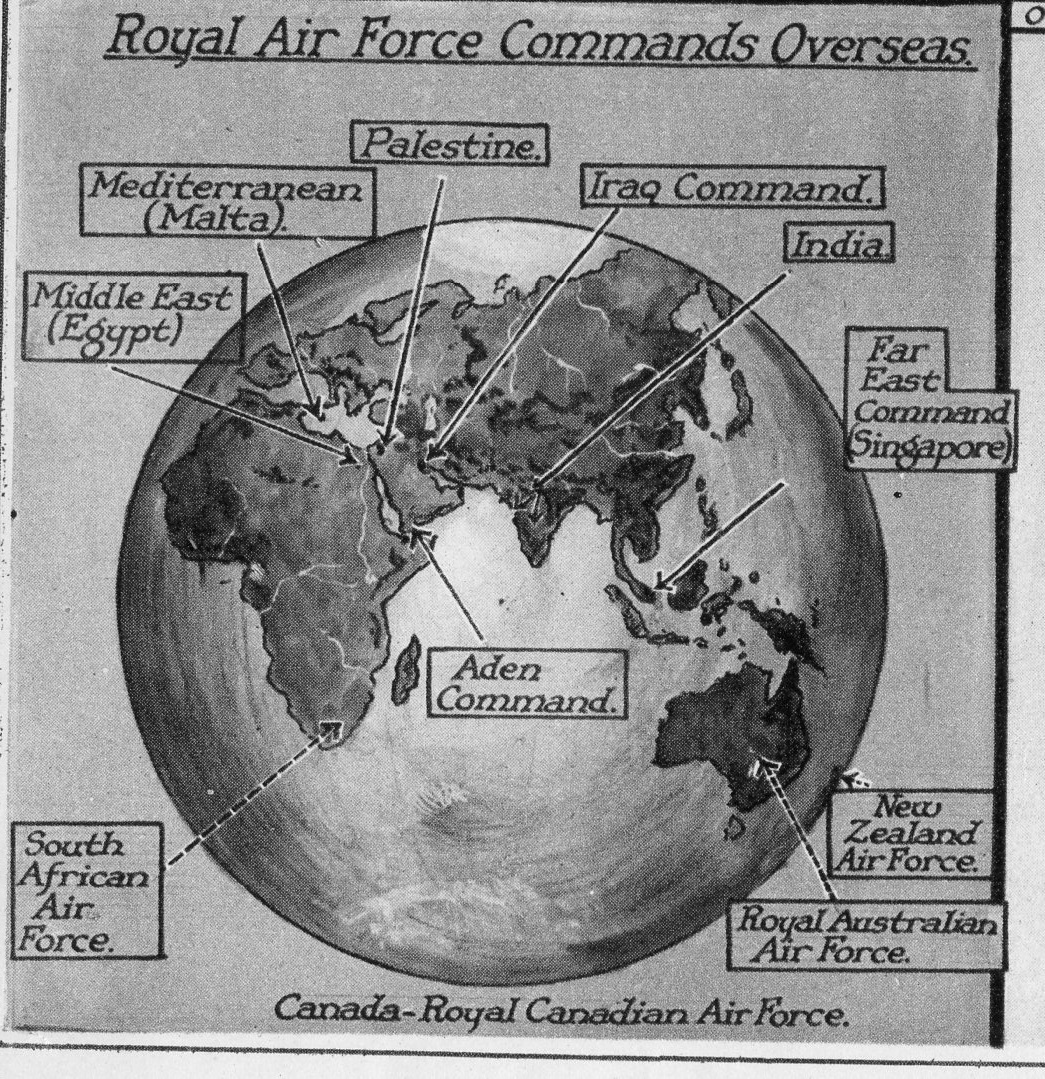
    Isn’t it grand to be charting variations on a graph using different-sized aircraft from 1935?  Sure, a line would be fine, but this is so much prettier–and of course a simple line is a line and would not display the workhouse military aircraft of the national quantity it was depicting.  This appears in the Illustrated London News for September (or thereabouts) 1935–this is the magazine I think that may have been the King/Queen of graphically/representationally displayed data of the 1920s/30s/40s.  The interest here of course is British-centric, comparing the air force of Great Britain to the rest of the world, but that is to be expected given the source of the images.  It is also remarkable how much this graph would be changed in the next ten years…

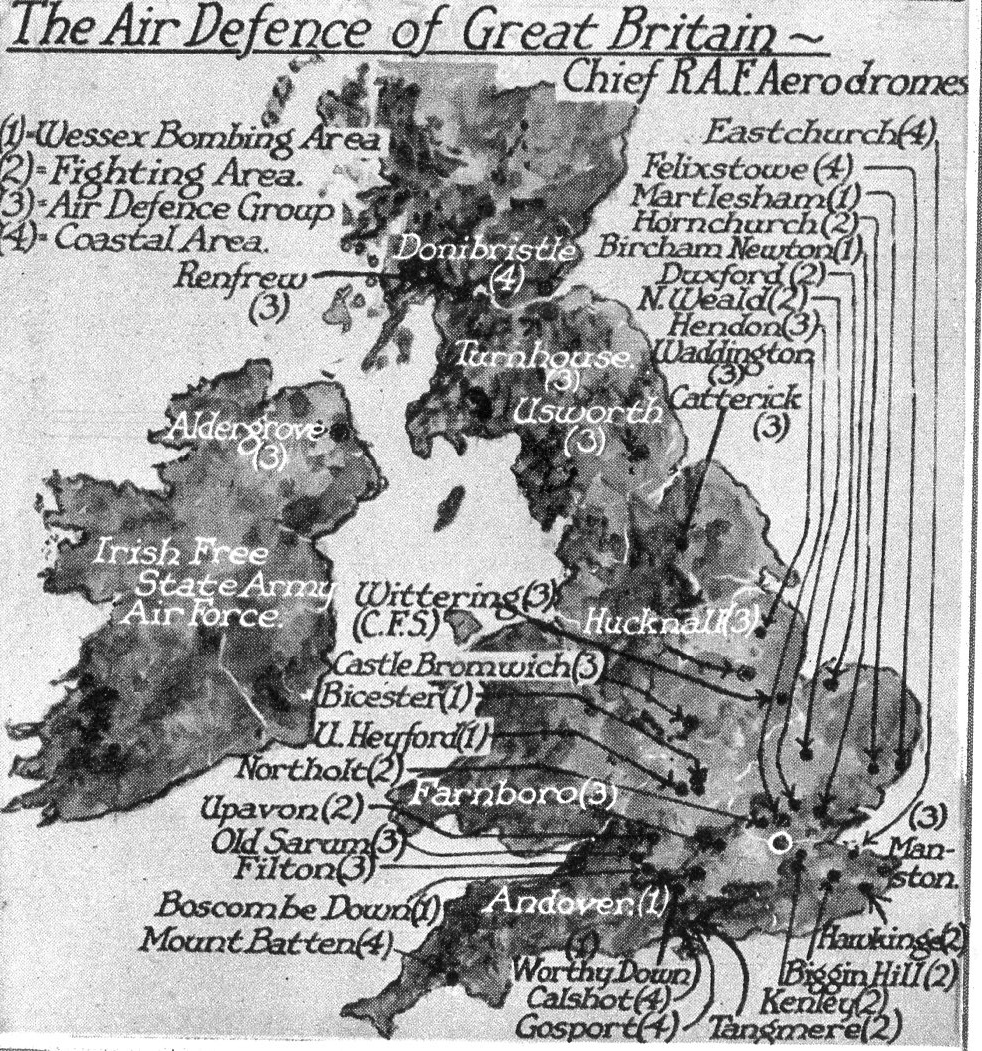
    There are also three fine inset images at bottom (about 2 x 2.5″ in real life) that I’ve carved out and enlarged–they are all fine works in themselves.  

    Airpower dataviz971

    And the details:

    Airpower dataviz973

    Airpower dataviz974

    And the cool hemispheric map:

    Airpower dataviz975

    And the text:

    Airpower dataviz972


  • Internment (?) and Concentration Camps in Comic Books, 1944

    JF Ptak Science Books  Post 2459

    I wanted to write about this a little before the idea and data slipped away–the idea is formed but the supporting info is not, probably. This information came to me via the generosity of high-expert in the history of comics and comic books Robert Beerbohm (of San Francisco and Fremont, Nebraska). I was asking him about representations of concentration camps in comic books during WWII, and he instantly came up with True Comics (#37) for July 1944, which includes “a three-panel sequence showing a Nazi concentration camp”1.

    According to the entry in Michigan State University’s comic archives (see note below) the great photographer Therese Bonney had something to do with the images–Bonney was certainly all over Europe during the war and was on hand making photographic images of concentration camps beginning in 1939 to liberation beginning in May 1945.  

    The interest here is how, and perhaps why, kids were presented with enormous and complicated ideas like concentration camps. The only real way to reach children in a pop-cultural way at this time was through comic books, and so, still with a year left in the war and with perhaps millions of more people to kill, the image of the concentration camp was presented to them.  

    • See an earlier post on the reporting of the atomic bomb in the Manzanar internment camp newspaper, here. 

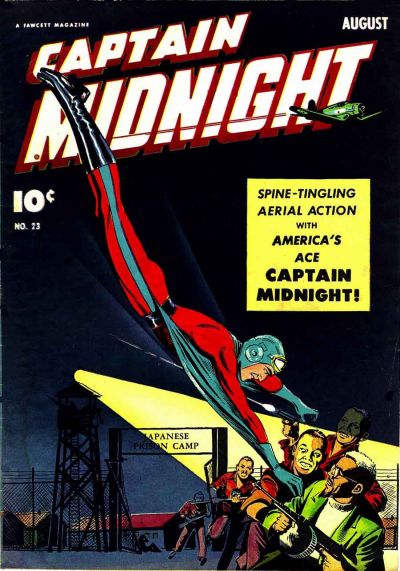
    Mr. Beerbohm then suggested an issue of Capt Midnight #23, for August 1944 for an unusual image of that super hero responding to an escape from a Japanese “prison camp”. What I’m wondering about is whether or not it was an Internment Camp (like Manzanar or Tule Lake), as the escapees are dressed in civilian clothing.  I don’t yet have access to the issue (and so the lack of info) though it does give one pause to think about the possibility of this being an escape on U.S. soil.  (Franklin Roosevelt’s  February 1942 Executive Order 9066 was designed to imprison more than 100,000 American–70,000 of whom were U.S. citizens, including children–for the duration of the war; it was the legal bombshell that gave the War Department the authority to authorize the removal of the Japanese  to theoretically prevent those people from engaging in sub rosa and fifth column activities and wartime terrorists fighting for Imperial Japan.)

    Captain dnight Japanese[Source: Comics.org  http://www.comics.org/issue/3764/]

    There was evidently little to worry about with the Internees “escaping”–the camps were remote, and more often than not there were no fences to speak of. And according to many reports at camps like Manzanar hundreds of people would slip away for a day or week or whatever to go fishing for more appetizing food, like rainbow trout, and then return.  

    I suspect that the escape of the Japanese in this comic book must have been from a POW camp (in spite of the civilian clothing), though it is not impossible that it is an Internment Camp, and that this was an effort to reinforce the removal orders of 100,000 people.  But as I said my information is incomplete, and I’m just speculating on this presently–I’ll return here once I have a copy of the book.  

    • See this interesting article on Manzanar internees ‘escaping” to go fishing and return, here: http://www.latimes.com/sports/la-sp-manzanar24-2009apr24-story.html

    Notes:

    1.  The quote is from a description of the issue from the Michigan State University archives, which includes one of the country’s greatest library collections of comic books, and headed by the very informed and generous Randall Scott.  

    Concentration Camps.
       "Photo-Fighter : Therese Bonney" 3 p. in True Comics, no.
       37 (July 1944) -- SUMMARY: Photographer Therese Bonney made
       "truth raids" throughout Europe in World War II. This story
       has a 3-panel sequence showing a Nazi concentration camp.

    ·Posted by :

    ·in:

  • Trying to Find the First Computers in Comic Books

    JF Ptak Science Books   Post 2460

    Fresh from the fields of a near-victory in trying to find the first time concentration camps were mentioned in a U.S. comic book (the story quickly told yesterday, here), today the question is about the first mention of a computer. This is a little more tricky, since “computer” can mean a lot of things, including mechanical beings. And with an open-ended definition of the word, I think that you could trace the elements of a computer all the way back to Jonathan Swift’s thinking engine/machine1, which for 1726 makes it about the earliest of such imagined inventions. (See here for a post on Swift and Lull.)
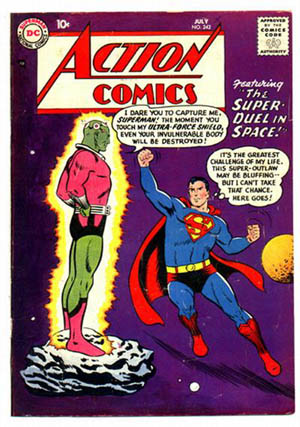
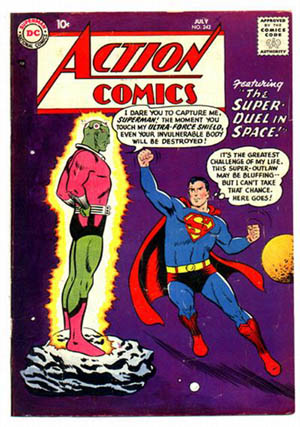
    Brainiac[Image source:  comics.org]

    A while ago I wrote a post here on an alphabet of names of fictional computers, though none of those machines appeared in a comic book.  I did check a few likely sources, including the massive comic.org site, looking for early-ish mentions of “UNIVAC” and “ENIAC” and of course “computer”. Offhand there aren’t many hits before 1960, with nothing at all for ENIAC and a 1955 mention of UNIVAC ( “Scarecrow, the Human UNIVAC”,  appearing in Little Wise Guys, October 1955)  and again  in 1955 (in Daredevil Comics, #125) some five years after the UNIVAC was installed at the Department of the Census.  There is a mention of a s “super-brain” in a 12pp story in September/October 1949 issue of Superman, but I have no artwork for that. 

    With such slim pickings any portmanteau will do in a storm, and in this case it is “Brainiac” (ENIAC+maniac?), which was an alien computer/cyborg and Superman’s chief arch-enemy, finding first light in July 1958 Superman.  

    There are a few scattered references that I can find that comes close, but they also feel a little late to the computer part. For example, the near-UNIVAC “ULITVAC is Loose!” appears in “Challenges of the Unknown”, Showcase Comics #7, March-April 1957. ( “Synopsis:Felix Hesse, a German scientist, comes pleading to the Challengers to save him from Ultivac, “a creature of my own making… but now out of control!” He explains. Interned as a war criminal, he met Floyd Barker, a bank robber. Released, they team to build a giant machine – Suddenly a giant robot hand crashes through the window and seizes Hesse. Spouting propellers, it flies off with Hesse. The Challengers have their next job, “Track down ULTIVAC!”–comics.org)

    One thing is for certain, though–the first all computer-generated artwork for a comic book appeared in the series Shatter, which ran from 1985-1988, which is an altogether different sort of comic book computer “first”.

    I’ve started a list of early appearances in U.S. comic books of odd parts of the components of the computer culture, including computer crime, dating, and other bits:

    “Computer crooks”, 1965: “

    • Challenge of the Computer-Crooks!” (The Atom) / Gardner Fox, story ; Gil Kane and Sid Greene, art. 13 p. in The Atom, no. 20 (Sept. 1965)

    Computer Dating, 1975:

    • “Sexy Computer Dating” by Bob Mende ; art, Don Orehek. p. 24-25 in Best Cartoons from the Editors of Male & Stag, v. 6, no. 2 (Feb. 1975).
    --which I guess should be accompanied by:
    • “I Think It’s For Real This Time. He Even Told Me His Computer Password” (Windows on Work, Oct. 25, 1993) / Carol Simpsmo. — “Romance on the Information Highway.”
    Rodney Dangerfield moments, 1975:
    • “Only the Computer Shows Me Any Respect!” (Killraven) 18 p. in Amazing Adventures, 32 (Sept. 1975)
    Crazy Computers, 1974:
    • “The Computer that Went Bananas” in The Flinstones, / story by Horace J. Elias. — Ottenheimer, 1974.
    Computer Wars, 1980:
    • “CPU Wars”, created, produced, directed & finally scrawled by Chas Andres. — Westford, MA : Chthon Press, 1980.
    --All data of the above list is derived  from the fantastic database created at Michigan State University, http://comics.lib.msu.edu/rri/crri/compo.htm#end

    Computers and Pigs, 1959
    • Porky Pig Sept-October 1959 #66. (“Synopsis: Porky eats a lot of fish as “brain food” before taking an intelligence test. The electronic brain gives him a score of 301, a super genius. But there’s a catch…”–comics.org

    My general impression thus far is that the computer in comic books  before 1955 seems to be nowhere near the interest rate of computers in speculative fiction, which is interesting.  

    Notes:

    1. Swift describes the machine so:  “… Every one knew how laborious the usual method is of attaining to arts and sciences; whereas, by his contrivance, the most ignorant person, at a reasonable charge, and with a little bodily labour, might write books in philosophy, poetry, politics, laws, mathematics, and theology, without the least assistance from genius or study.” He then led me to the frame, about the sides, whereof all his pupils stood in ranks. It was twenty feet square, placed in the middle of the room. The superfices was composed of several bits of wood, about the bigness of a die, but some larger than others. They were all linked together by slender wires. These bits of wood were covered, on every square, with paper pasted on them; and on these papers were written all the words of their language, in their several moods, tenses, and declensions; but without any order. The professor then desired me “to observe; for he was going to set his engine at work.” The pupils, at his command, took each of them hold of an iron handle, whereof there were forty fixed round the edges of the frame; and giving them a sudden turn, the whole disposition of the words was entirely changed. He then commanded six-and-thirty of the lads, to read the several lines softly, as they appeared upon the frame; and where they found three or four words together that might make part of a sentence, they dictated to the four remaining boys, who were scribes. This work was repeated three or four times, and at every turn, the engine was so contrived, that the words shifted into new places, as the square bits of wood moved upside down.”

  • A “Living Space” Propaganda Card: Germany, 1930’s

    JF Ptak Science Books   Quick Post

    MAP Lebensraum_Propaganda_Card_ver1

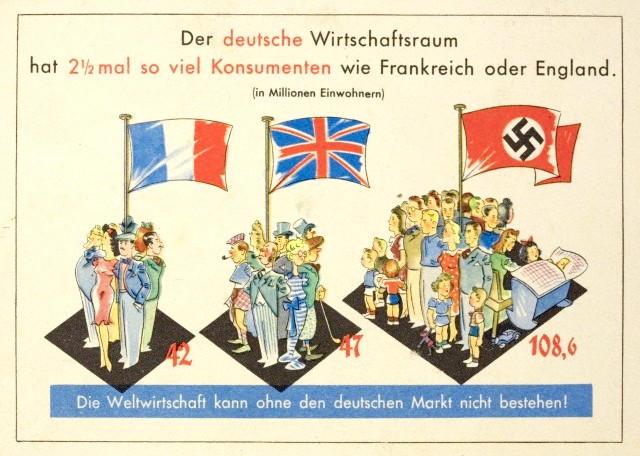
    This is a piece of Nazi propaganda showing relative population densities for France, England, and Germany in the 1930’s, showing that Germany was far more ‘crowded” than the other two countries, and that the necessity for conquering other countries for “living space” was justified. A poor argument believed by millions.  (I should point out that the German’s Germany is the only one featuring children (eight including an infant in a pram), and that the Brits are shown in a creaky/slouchy fashion.) It certainly got the point across–you didn’t even have to read to understand the message.  

    [Source: http://www.authentichistory.com/1930-1939/4-roadtowar/1-germany/]

  • Pause-Giving Photographs of Artillery Shell Vastness, ca. 1917

    JF Ptak Science Books   Quick Post

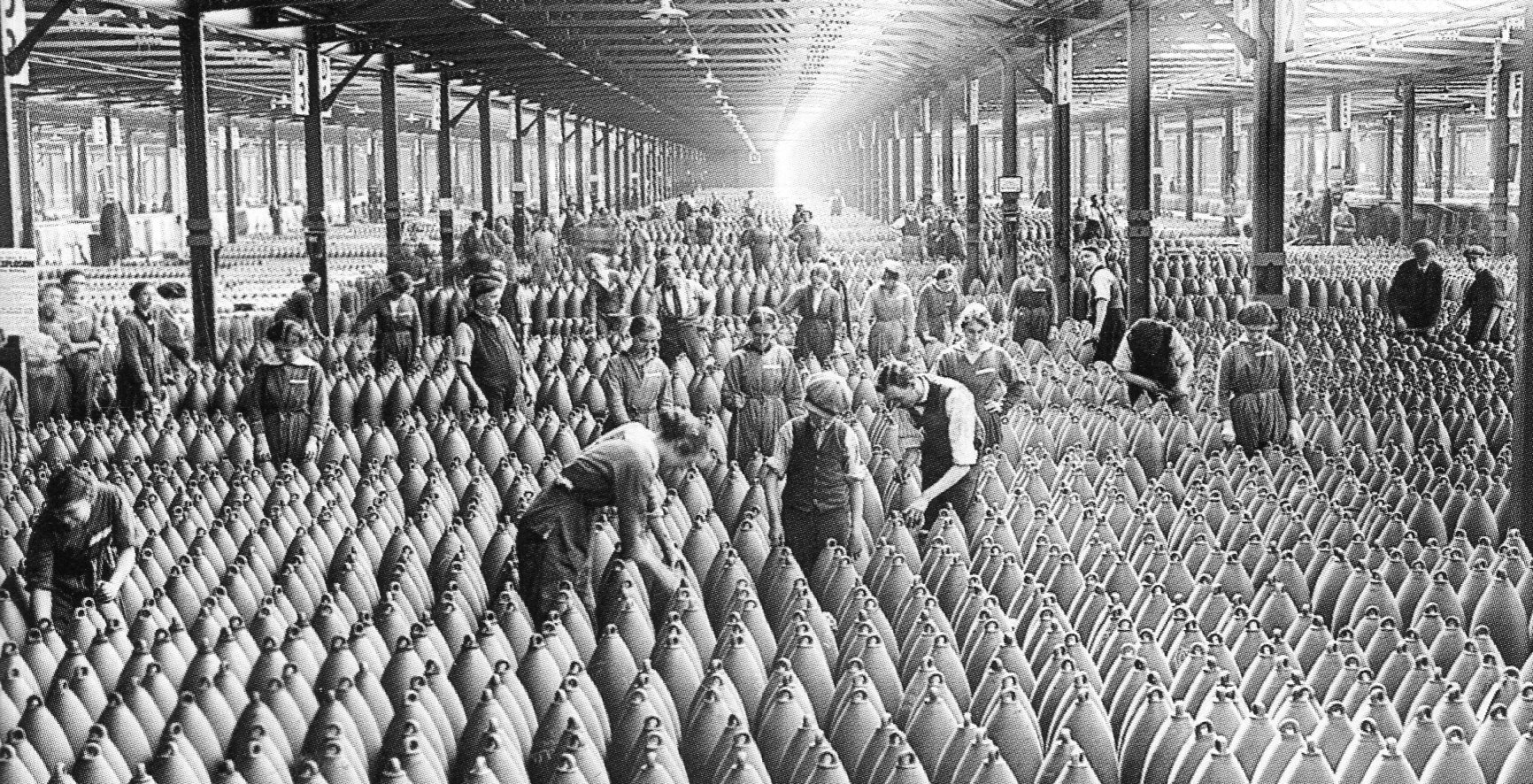
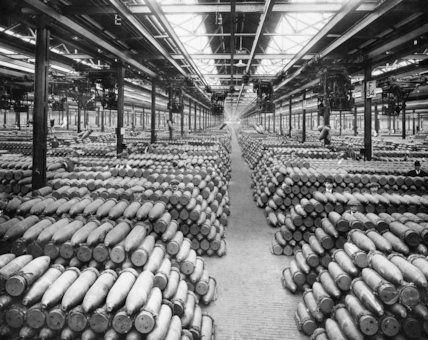
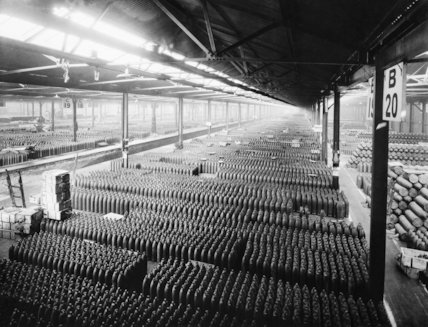
    Shells as far as the eye can see, at the National Filling factory at Chilwell, Nottinghamshire. Even though I enjoy calculating estimates at vast quantities of things (like all of the life that has existed on Earth, from multi-cellular onwards, how many Legos it would take to build a Dyson sphere around our Solar System, what distance the Enterprise has covered under the command of Capt Picard, that sort) I really can’t get a comfortable picture of the vastness of this factory to estimate the number of pounds of explosives under that roof.  

    Given that the factory produced about 19 million shells during WWI, I think it would be a safe guess that some 1 billion pounds of explosives were processed through the factory–and perhaps several billion.  But it is difficult to say what we are looking at in these photos, except to say that the number is “big”.

    WWI shells979[Source” John Hughes-Wilson, The First World War in 100 Objects, Firefly Books, 2014.  

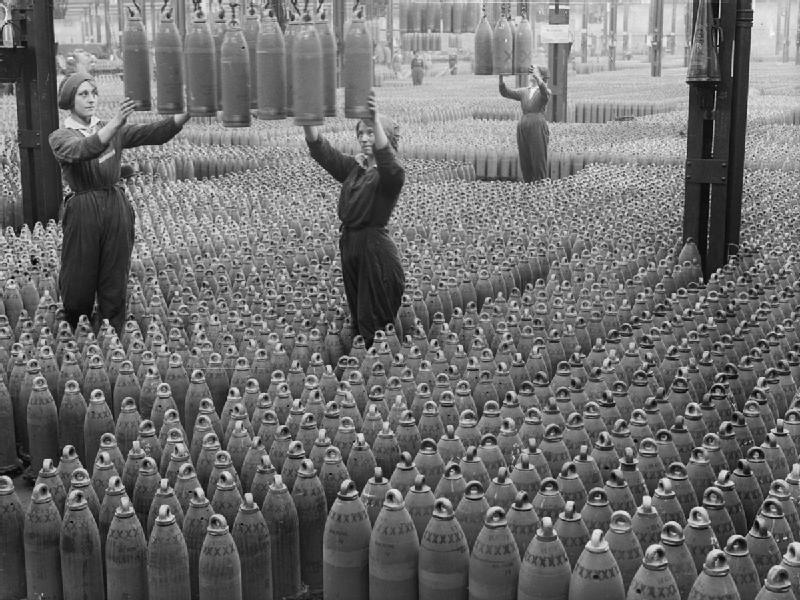
    WWI shells canary girls[“Female munitions workers guide 6 inch howitzer shells being lowered to the floor at the Chilwell ammunition factory in Nottinghamshire, U.K.”–Source: “British official photographer : Nicholls, Horace – This is photograph Q 30040 from the collections of the Imperial War Museums.”]

    WWI shells nottinghamshire

    [Source: http://www.iwmprints.org.uk/image/1100193/milner-e-the-interior-of-the-filled-shell-store-at-the-national-shell-filling-factory-at-chilwell-nottinghamshire-15-may-1917]

    WWI shells long hall

    [Source: http://www.iwmprints.org.uk/image/1100192/milner-e-shells-awaiting-filling-with-explosives-in-a-store-of-the-national-shell-filling-factory-at-chilwell-nottinghamshire-21-november-1916]

  • An Extraordinary Map of Battle Death–“Body Density Maps”, 1918

    JF Ptak Science Books   Post 2461

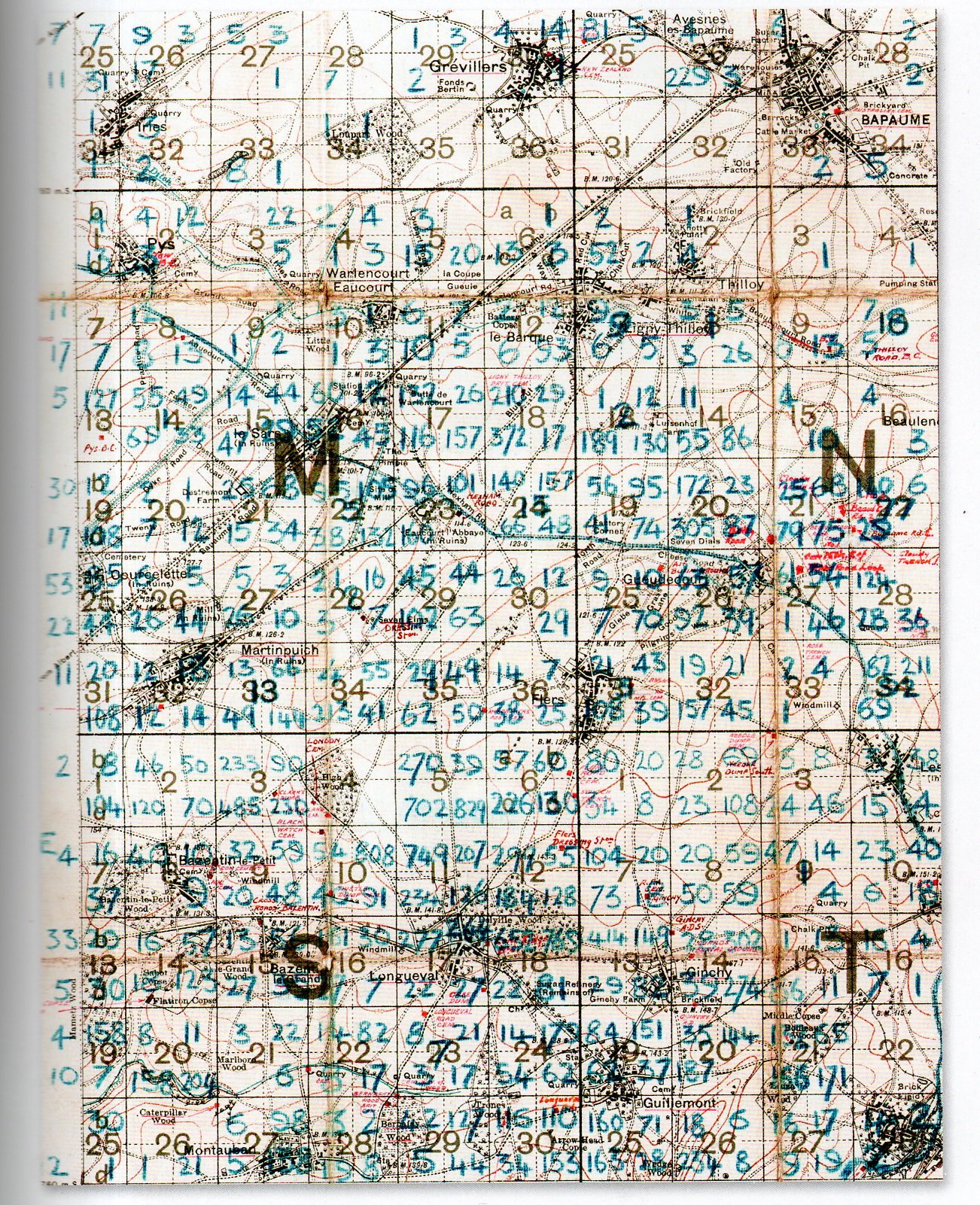
    At first glance this detailed and dense map looks foreboding and somehow off-putting–at least for me, and that was before I understood what the numbers represented.

    The blue numbers on this section of a larger map refer to soldiers killed on the battlefield of the 1916 Somme battlefield. It is the work of Lieutenant Colonel Arthur Messer (Assistant Director of Graves Registration and Enquiries in France), who undertook to record the crosses of the Fallen on the battlefield and register their location, and then to re-inter the bodies together in larger cemeteries.  

    MAP DEATH DENSITY977

     [Source: John Hughes-Wilson, The First World War in 100 Objects, Firefly Books, 2014.]

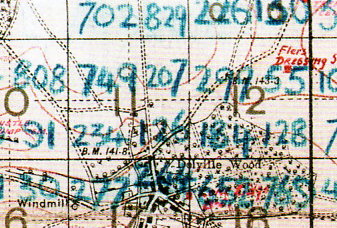
    What we are seeing here are pieces of four 6×6 grids (one complete and three partial) numbered (in red) 1-36, each one of these squares further subdivided into four section.  Each larger square composed of 36 squares is 1000×1000 yards total, meaning that each one of the 36 subdivisions is about 166×166 yards, and each of the four segments of one smaller square is 83 yards. The blue numbers indicate a soldier killed on that field of battle which means that in the large 36-square “M” subdivision  #18 that there were 210+29+372+17 fatalities, or 628 on a 166×166 yard field, or in one case 372 killed on a 83×83 yard plain.   The deaths were even more intense on other areas of the field–in Square S #11 there were 749+207+234+126, or 1,416 deaths in that 166×166 yard field, and 749 on the 83×83 yard field.  It is hard to visualize such loss. I picture a U.S. football field–there are 22 players on the field during play, and that seems to populate the area pretty well–casualties of 749 soldiers on a similar area would be nearly 35 times that, meaning that placed equidistantly and with a few feet on the sides they would cover the field.  There are, what, 75 people on a football team?  That means at the beginning of the game when all of the players and coaches and staff and cheerleaders and member of the band run out onto the field to take their places, they would all be dead–and then some.  That is a lot of death.  

    MAP DEATH DENSITY978

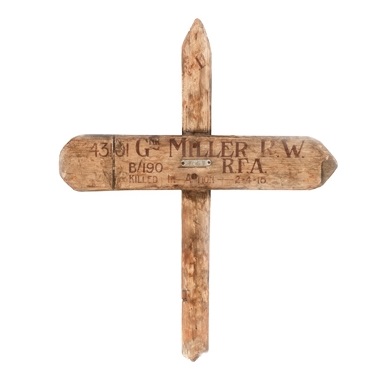
    According to the Imperial War Museum, temporary markers for fallen soldiers looked like this:

    Wooden cross

    After the war the Imperial War Graves Commission replaced the wooden crosses with stone markers.  

    The wooden markers would then returned to the family.  

    [Source: http://www.iwm.org.uk/learning/resources/remembrance-in-the-first-world-war]


  • Map of Rivers and Waterfalls, 1851

    JF Ptak Science Books    Quick Post

    Maps Rivers Waterfalls981

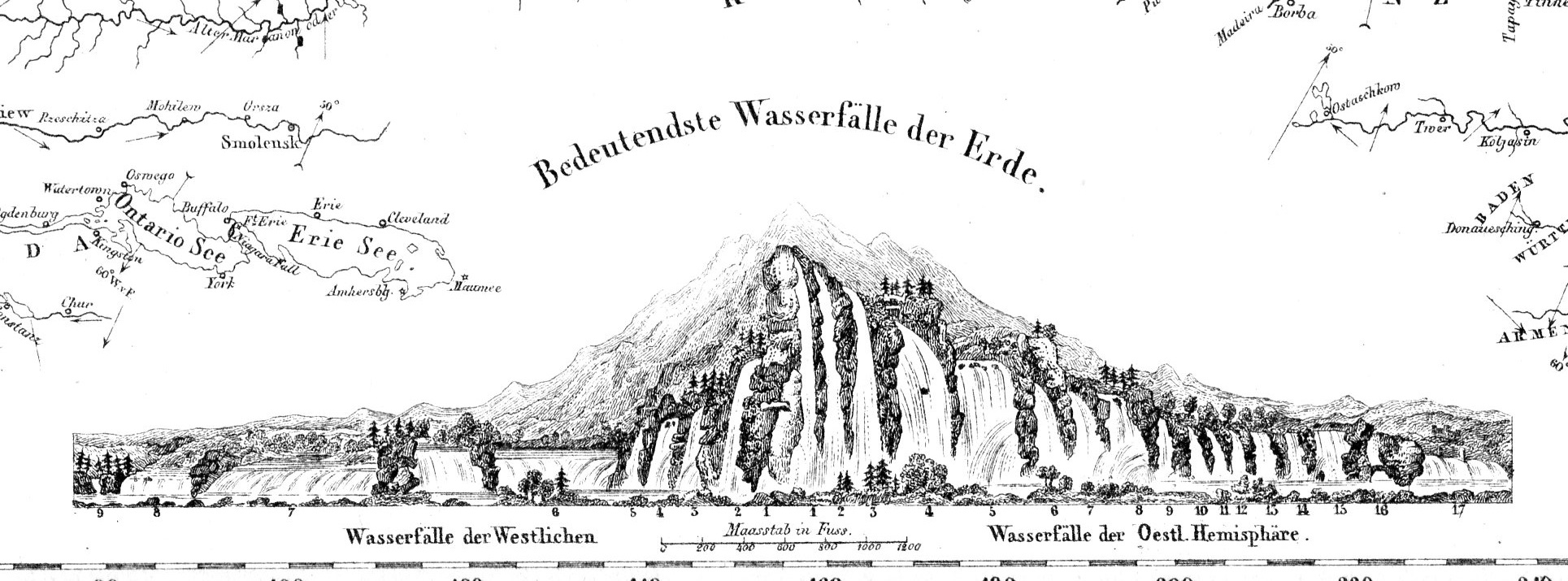
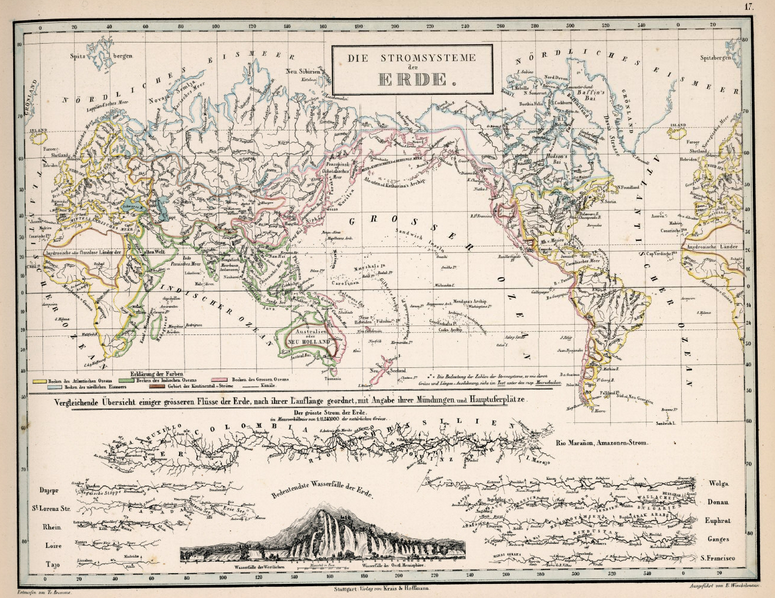
    Before the Neil deGrasse Tyson version and update of Carl Sagan’s landmark television series, Cosmos, there was Alexander von Humboldt, and his enormously influential book of the same title, printed in 1845-1862.  Well, von Humboldt’s (1769-18591) book was actually Kosmos when published in German, which is where it started its life (and which von Humboldt suffered mightily for in it English translation), and in which this map appears.  Von Humboldt was enormously studied and educated and of a high scientific mind over many subjects, one of those 19th century figures who seemed as though they could know everything, a polymath of high order (along the lines of Goethe and von Helmholtz and Thomas Young and others).  He was a meteorologist and biogeographer before those sciences existed; a naturalist, geographer, archaeologist, and explorer, a natural philosopher of magnitudes.

    • The original maps is available for sale at the blog’s bookstore, here.

    Kosmos reflected his lifelong interest in order, and what he did was astonishing–he attempted to unifying the complexities of nature in one book (of five volumes), binding the various branches of science together in a cohesive whole, attempting to show how the laws of the universe acted here on Earth.  It was a very influential work, very progressive, a masterwork of scientific method.  Kosmos.

    Maps--River system


  • A Peep at Some Texas Poker Players, 1930

    JF Ptak Science Books    Post 2462

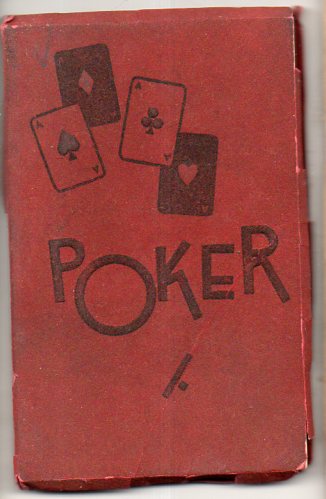
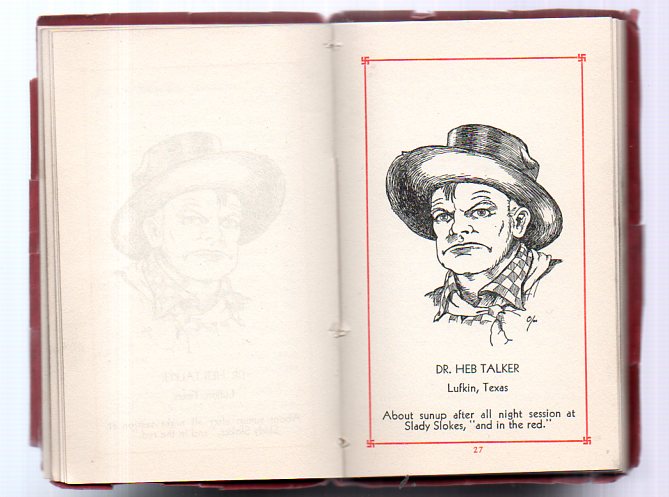
    Here’s an interesting (literally) little book1 on Western poker players and poker in general published in the Great State in 1930.  What makes it very appealing to me is that it has colorful and rusty minute biographies (with drawings) of some of the noteworthy Western players, though it is particularly Texas-centric.(15 of 21 of the players are from that state). 

    Poker584(The Library of Congress Copyright entries for 1930 lists “J.F. Dresing, Jr.” 2 in what may be the author’s chair.)  

    Poker582

    Contents of the pamphlet:

    Introductory:

    • “Rules for Winners (How to win more)” with advice such as “…Get in first blow on arriving home by advising wife of the pre-carious condition of the SICK FRIEND…”
    • The pamphlet also offers “Rules for Losers (How to lose more)” such as “…attempt to “bluff” the winners frequently, and note result….” And “…draw for middle straights whenever the opportunity offers…” and “…never despair…”
    • General Rules, such as “… when the cards are passed around, and the ‘pot not opened,’ do not neglect to mention, ‘honest dealer’”
    • Rules for On-Lookers or Sweaters, such as “…request the cinch players to loosen up…” and “…talk all the time, criticize every man’s play…”

    Wild Cards section:

    • “Addresses to Make Up a Game table”
    • “Experience log to track who owes what”

    And then comes the 21 images of the great Texas poker players and their one-line identifications, which are entertaining and probably not very helpful:

    Damon G. Gaiter, Dallas, Texas, “Who plays them wide open and makes the ‘going’ rough for the Leathered Vested FRATERNITY.”

    B.A. Parrett, Owl-Den, Texas, “Who talks loose, but plays tight.”

Recent Posts

Archives

Categories