A Daily History of Holes, Dots, Lines, Science, History, Math, Physics, Art, the Unintentional Absurd, Architecture, Maps, Data Visualization, Blank and Missing Things, and so on. |1.6 million words, 7500 images, 4.9 million hits| Press & appearances in The Times, Le Figaro, Mensa, The Economist, The Guardian, Discovery News, Slate, Le Monde, Sci American Blogs, Le Pont, and many other places… 5000+ total posts since 2008.

  • Low-Tech Prep for War, 1911-1941

    JF Ptak Science Books   Quick Post

    I’ve bumped into three interesting instances of using replacements for the actual equipment in preparing for war.  When you think of the action and order and behavior expected of them, and then observe the materials they were given to prepare to do so, it is absolutely remarkable to think of how they responded, and of the enormous valor and courage with which all of this was accomplished. 

    Case A:  Flight Simulator, 1911

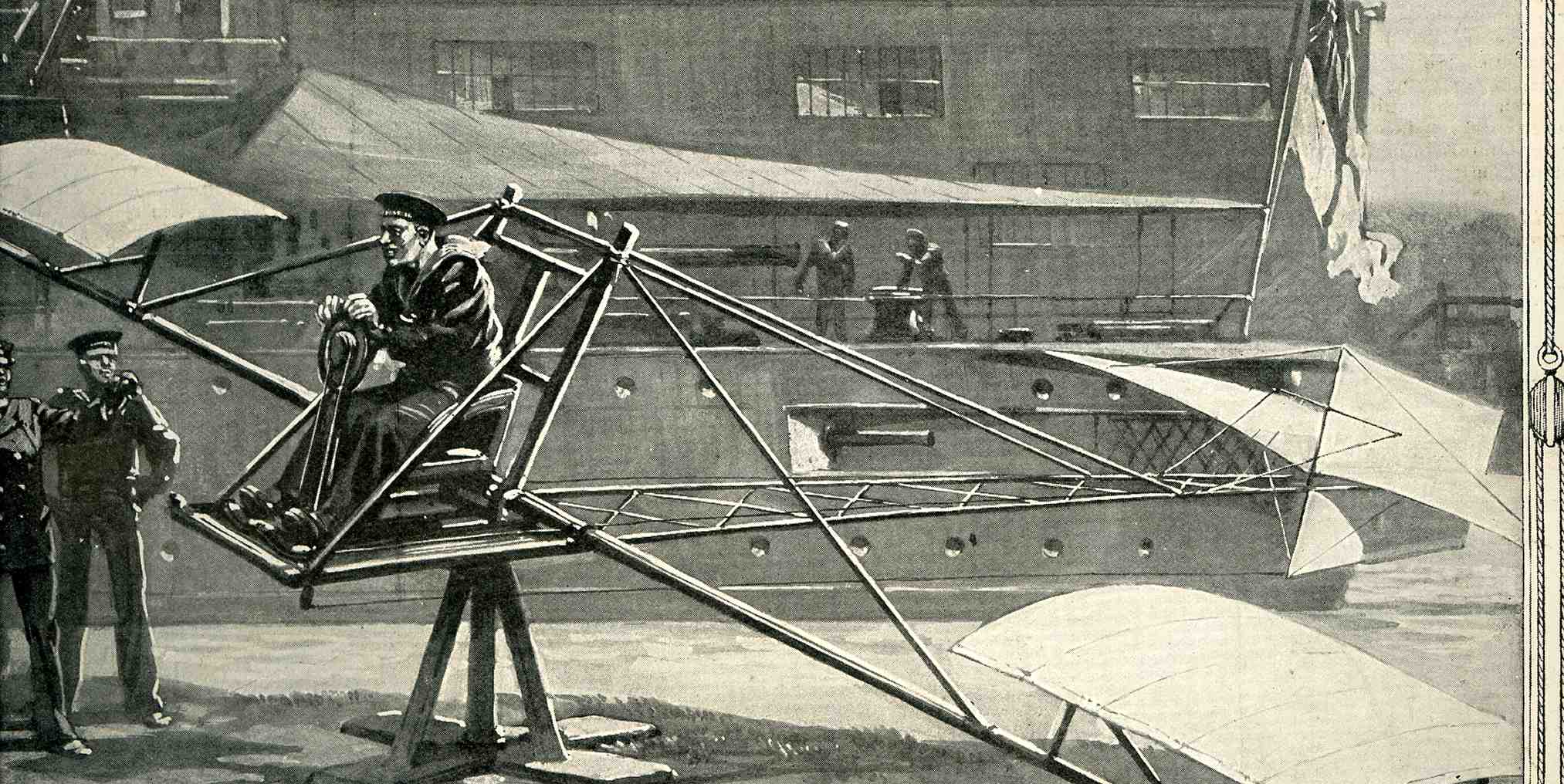
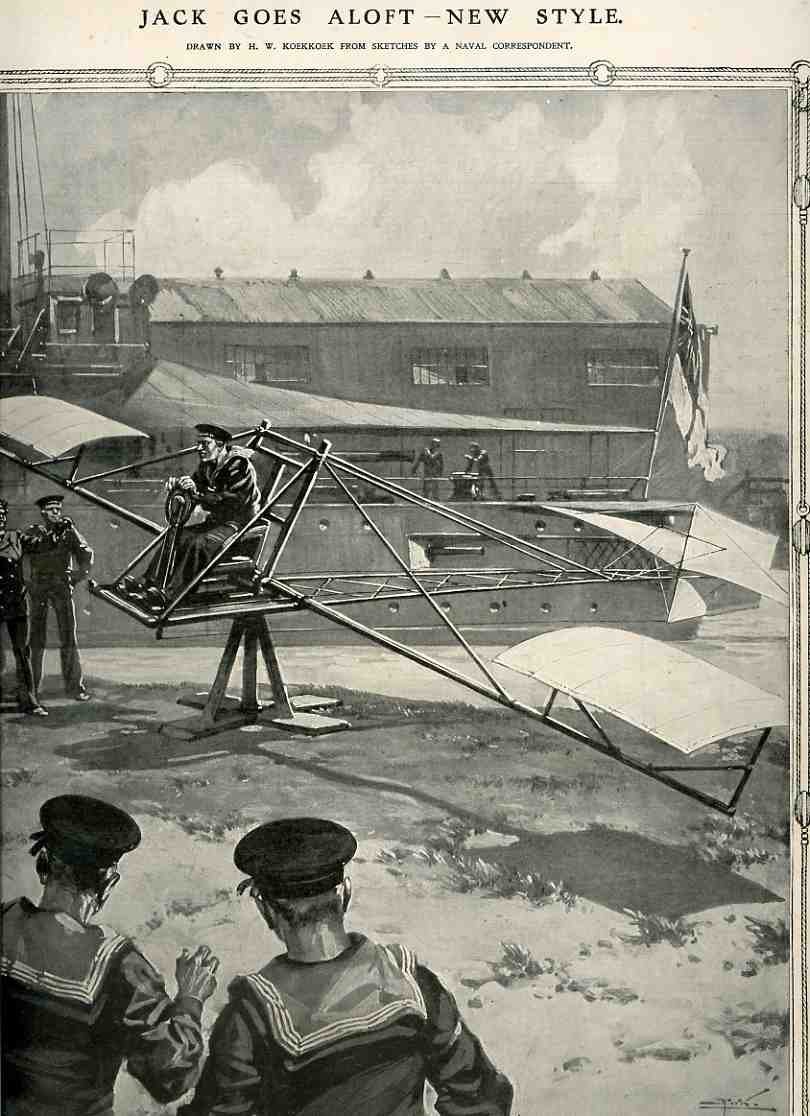
    Just three years after the Wright Brothers arrived in Europe to revolutionize European flying, and following an order of magnitude series of advancement and achievement, the British Navy was already beginning to train classes of sailors as aviators in  dynamic flight-free devices. This idea of simulating flight enabled the training (and more importantly, the selection) of aviators before anybody actually got into a plane, speeding the process of determining who was fit for flight and who was not, quickening the British pace to form a fighting force in the air.
    00-blog--Oct 28 sea plane trainer951

    This interesting graphic appeared in The Illustrated London News for 29 July 1911, and was entitled “Jack Goes Aloft–New Style…Trying to Keep a Stationary Machine Steady in a Wind; Sailors Practicing with a Dummy Aeroplane”.  This was five months before the establishment of the Royal Naval Flight School, but more importantly, just a few months after the historic flight of Eugene Ely, who took off in his aircraft from the deck of the USS Pennsylvania in the Mare Island Navy Yard–of more profound interest perhaps is the fact that Ely landed his plane on the same restricted deck space. (In a way the primitive stopping mechanisms use by Ely are sort of in use today. ) I am sure that few naval people missed the significance of this event–I know that across the ocean Winston Churchill was instantly at work on the idea of using aircraft on ships. But it seems that after all of the initial successes in the U.S. that when everything was said and done, the Brits took the lead in modernizing their navy to include aircraft. 
    00-blog--Oct 28 sea plane trainer950


    ·Posted by :

    ·in:

    —
  • “Our Puny Earth!”

    JF Ptak Science Books  Quick Post

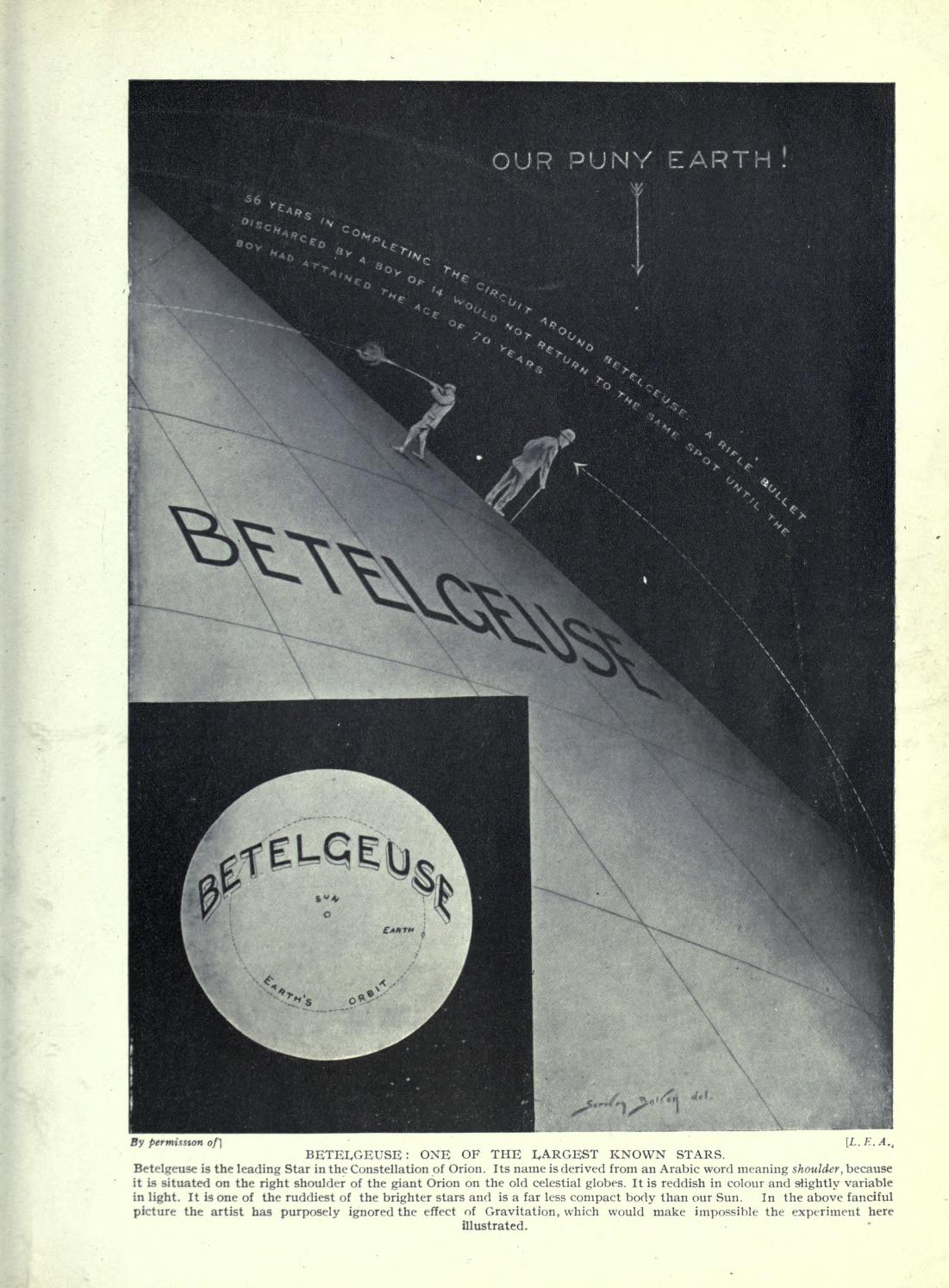
    Hutchinson’s Splendour of the heavens; a popular authoritative astronomy, by Theodore Philips and William Steavenson, was a splendid popular work filled with fine images, some of which were rather unusual.  One that I thought I had to share was the f=one below, which contains the first time that I have seen the phrase “Our Puny Earth!” in a non-comic book.  It is also a nice graphical display of data underneath the “puny Earth” bit–enjoy. 


    Astronomy  Betelgeuse[Source: Internet Archive,  https://archive.org/stream/hutchinsonssplen01philuoft#page/418/mode/thumb]

  • Lavish Chromolithographs of the Basilica San Marco (1886)

    JF Ptak Science Books  Quick Post

    So, these are just about here:

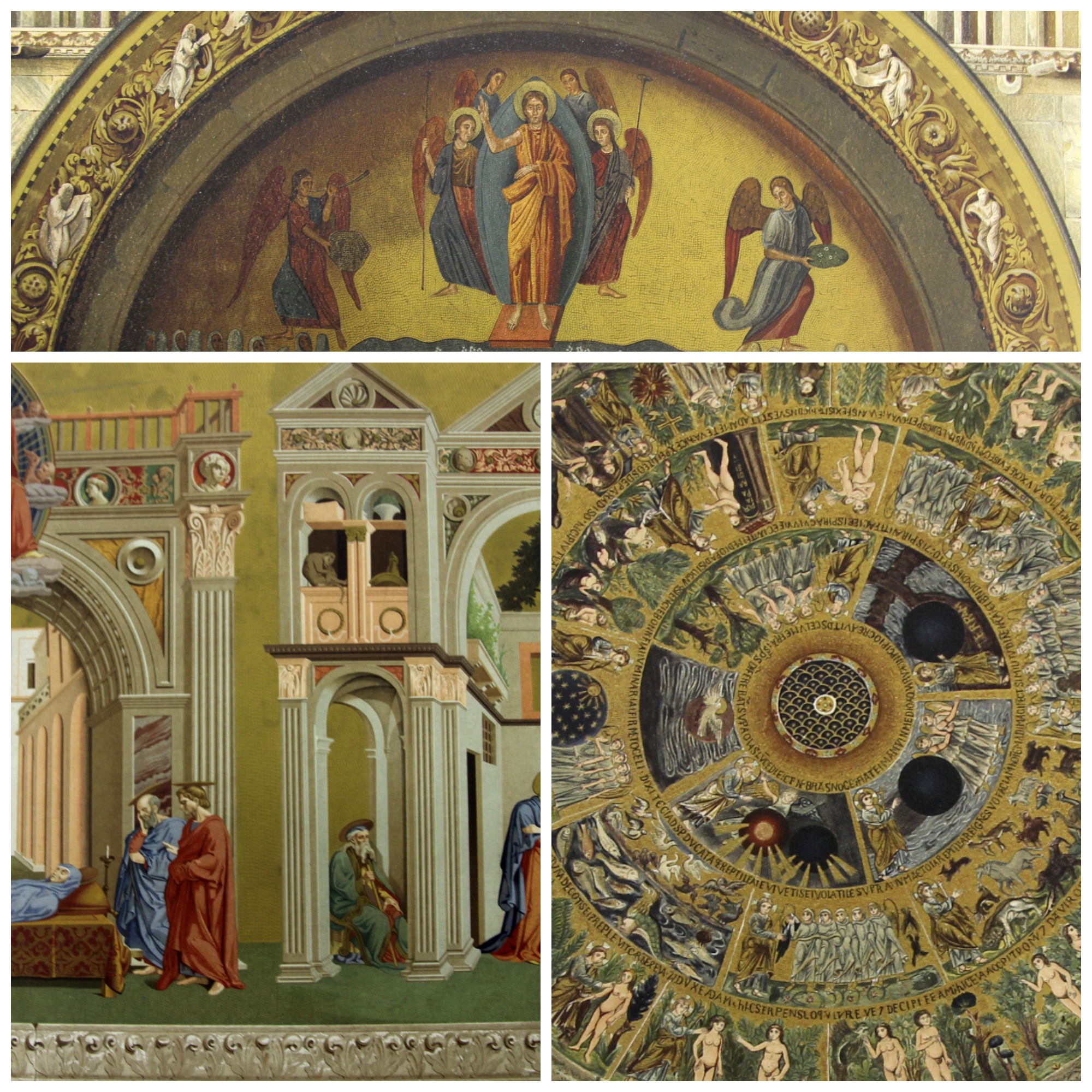
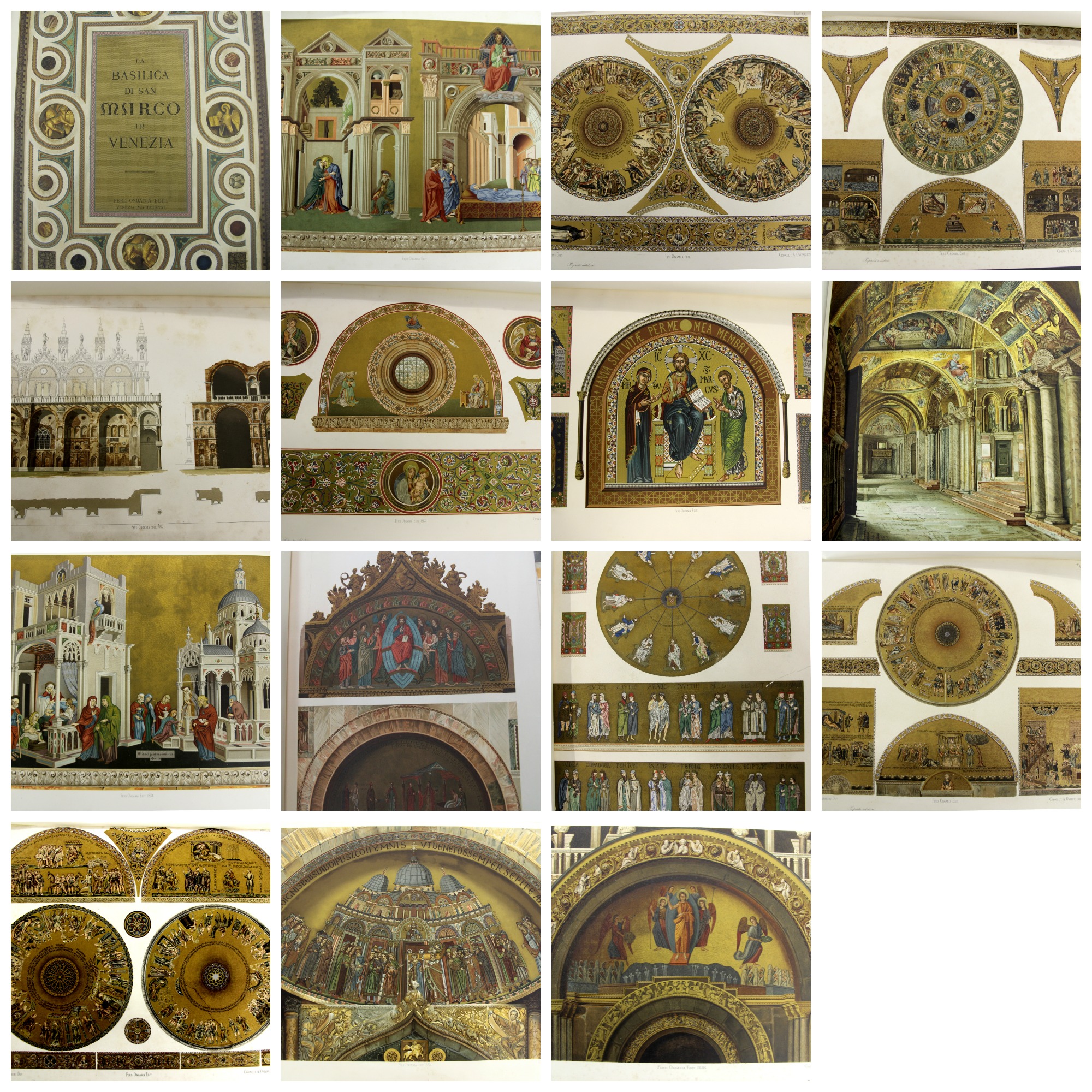
    Ongania montage

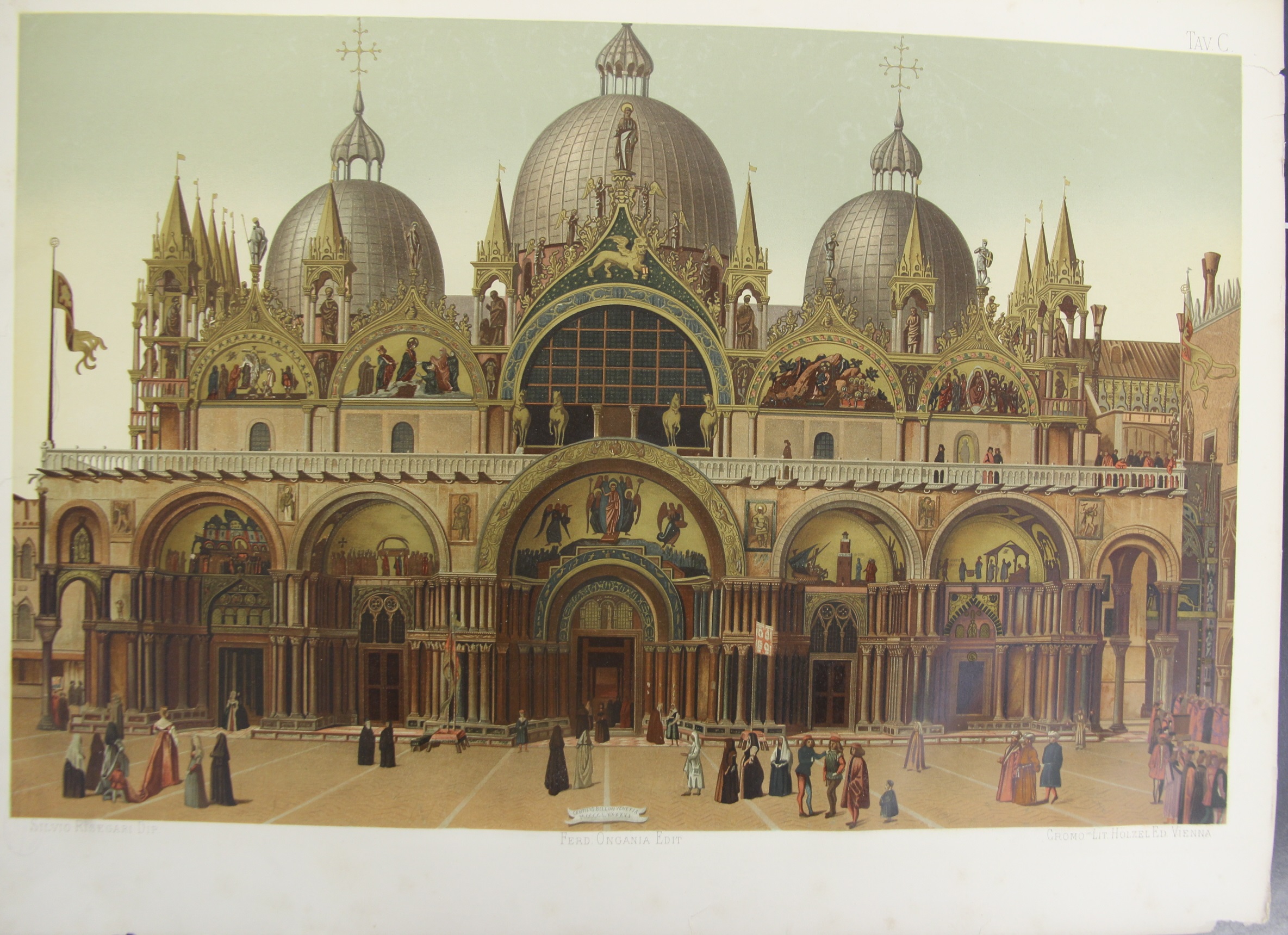
    (The rest the 25 images from Ongania’s massive and sumptuous work on the Basilica San Marco published in 1886 are just about ready for posting.  They are a real treat to work with, so large  (27″x21″) and jaw-dropping lovely.

    • Here’s a short bit on the “Creation” mosaic that I did a few days ago, here;
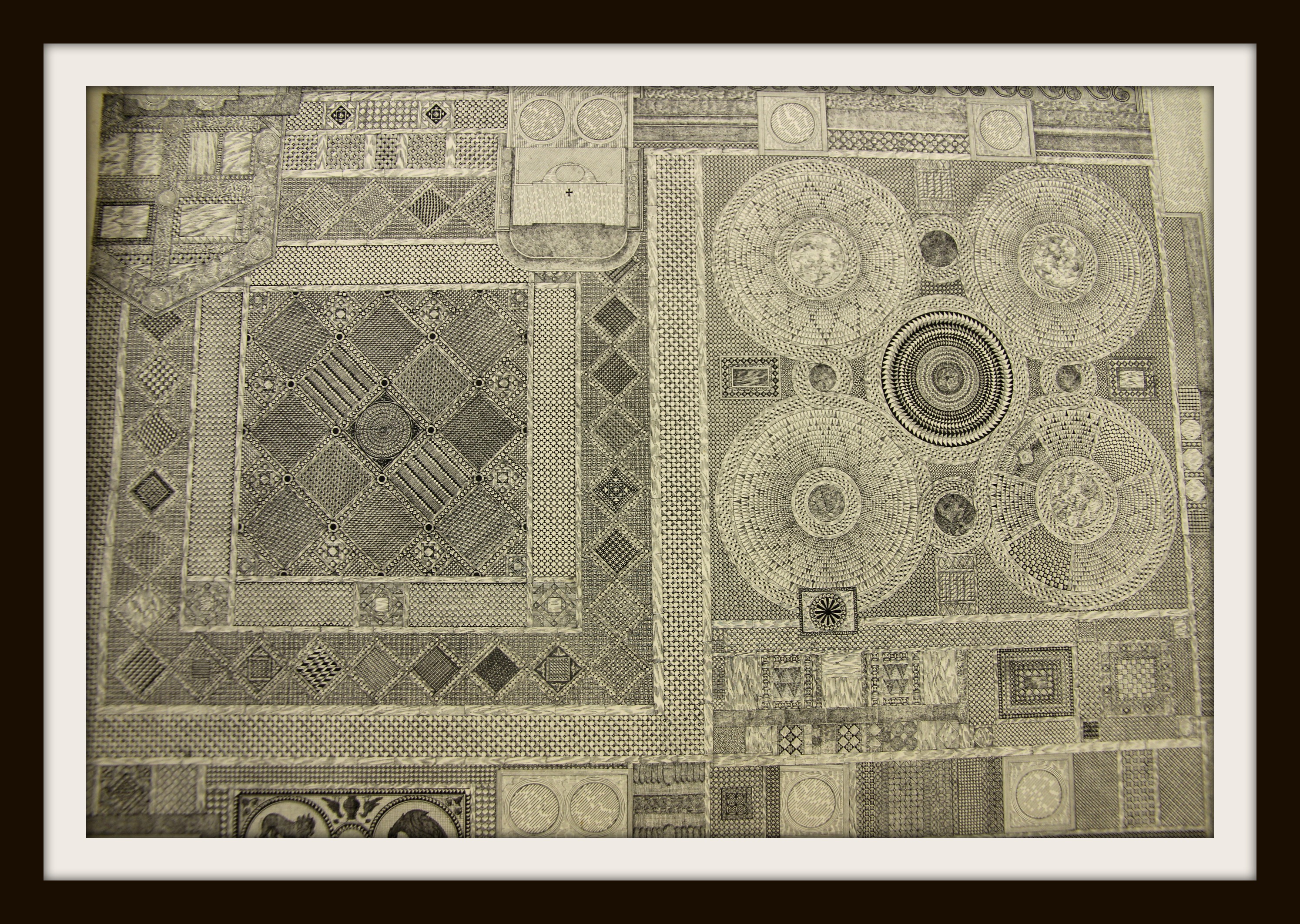
    • And then the tremendous black and white hyper geometry mosaics, here.

    ·Posted by :

    ·in:

  • The Beauty of Dirt

    JF Ptak Science Books  Quick Post

    “All the roots hang down
    Swing from town to town
    They are marching around
    Down under your boots
    Below the gopher holes
    Where they all unfold
    There’s a world going on underground
    Underground”–Tom Waits (“Underground”, with audio)

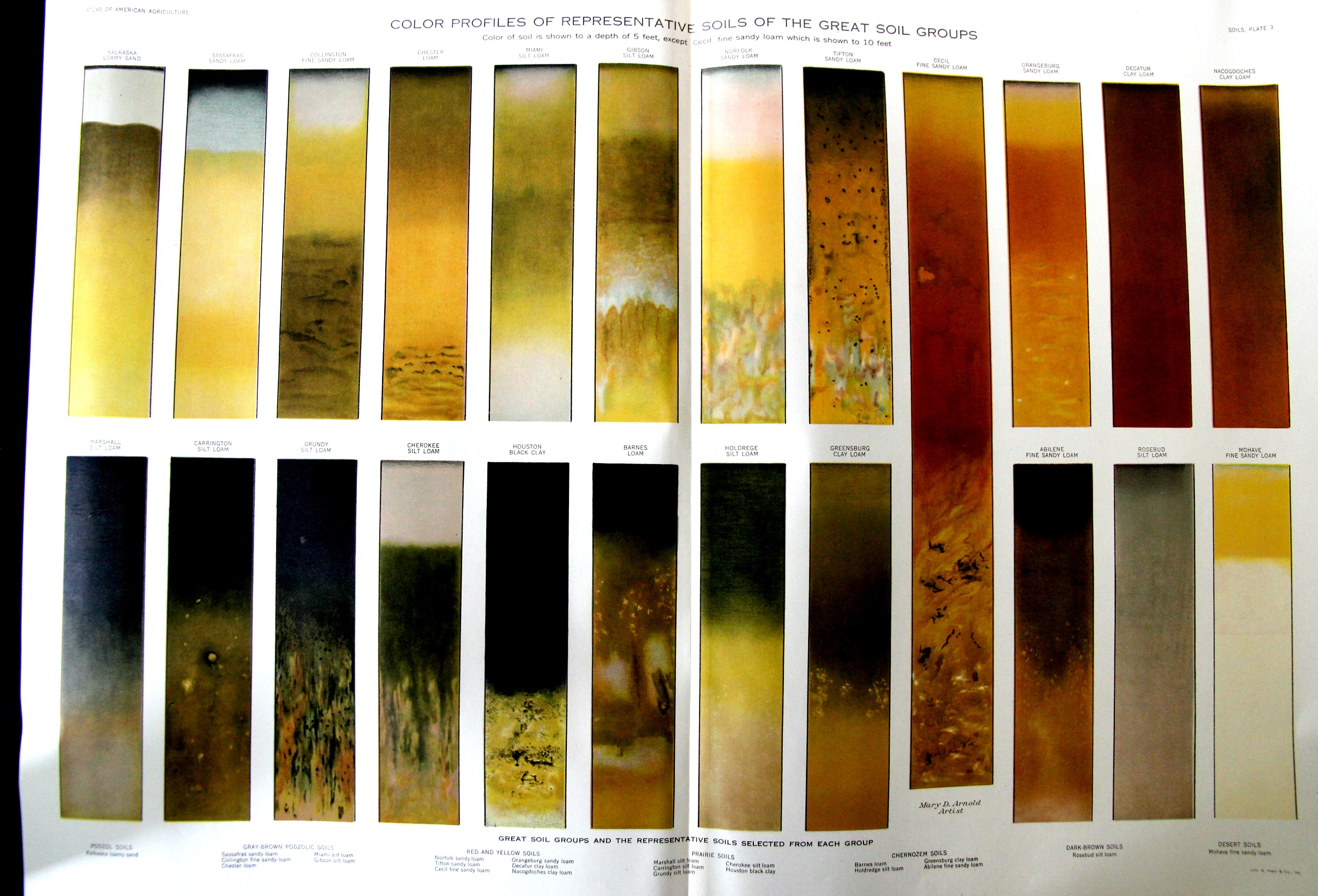
    Dirt isn’t just the stuff that one gets rid of, of course–it is the basis of all that we are. Varieties of dirt are the stuff of the connoisseur and the expert, and when laid out properly, and particularly in a scientific manner, dirt is exceptionally beautiful. For example, this exceptional and large illustration appears in the Atlas of American Agriculture, which was printed in a very unpretty/dustbowly year for soil, 1936.  (The image is clearer once you click in and expand.)

    SOil samples

    The lithograph is also available for sale at the blog’s bookstore, here. 

  • A Visual History of Art: 188 Artists on 780 Engravings (1814)

     JF Ptak Science Books

    2013-07-25 14.52.12

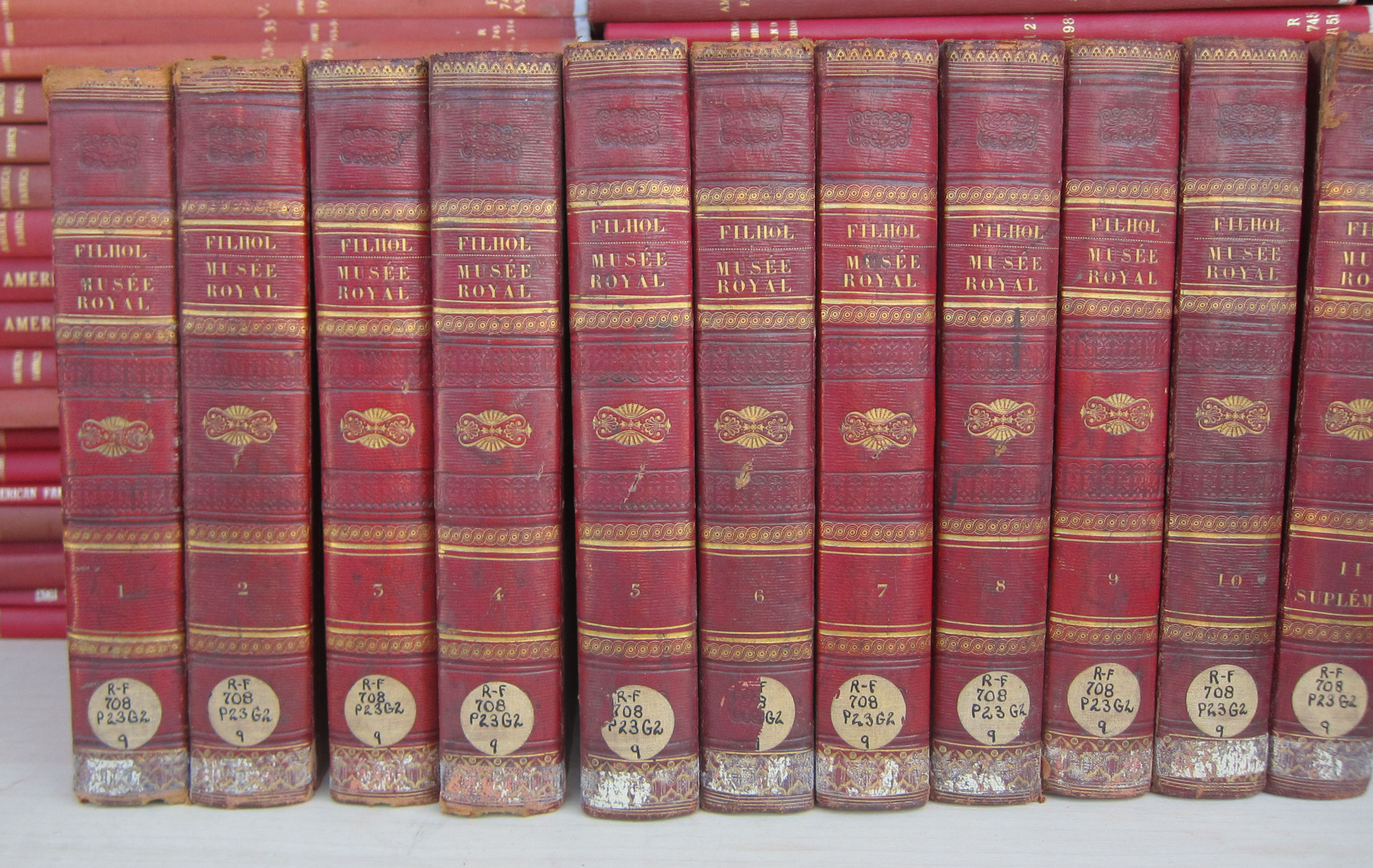
    There’s a fine experience in reading and looking at a history of art that is an artwork in itself–especially an antiquarian artwork. That is in a way what this work (Gallerie du Musee de France publiee par Filhol, Graveur, le Texte Redige par Lavallee..) edited by Antoine Michel Filhol, and Armand Carafee, and Joseph Lavallee is–it is exciting and exhausting, in good and perhaps not-so-good ways.  Being a general history of art the book looks at Ancient and Western art over the 1700 years or so, but mostly from the Renaissance forward.  It is exhaustive in its way and exhausting, in an Old School museum sort of way, where there is a lot of stuff to look at, all jammed in together, sometimes without a unifying force.  That means for each section there is artwork from, well, anywhere; although frustrating it is also exciting, because you never really know what’s coming next.  This is especially true due to the fact that every engraving is protected by a tissue guard, which makes it mostly not possible to see the artwork until you open the guard page, which is when you may be surprised by the Rembrandt or Holbein.

    ·Posted by :

    ·in:

  • Aliens and the Spirituality of Bubble Gum

    JF Ptak Science Books  Quick Post

    Bazooka

    What would an Alien, an alien life form of unspecified type and intelligence (but with necessary assumptions taken to allow this little expedition in possibility), think of bubble gum?  It would be an interesting thing to know. After all, even though gum is very trivial matter for humans, the process that produces it is not.  Let’s assume that the aliens are allowed to see the story of gum from start to finish. They would see a physical plant containing workers and heavy machinery; the machines are tended and maintained and work tirelessly to produce the gum product. The gum bits are fed into the machines which processes the brew and then wraps and boxes and prepares them for shipment; the boxes are packaged and arranged, loaded in some instances onto ships that take them halfway around the Earth, and then loaded onto trucks, and then onto smaller trucks, taken to distribution centers (like, say, supermarkets) which are big and bright and shiney and attractive to hundreds or thousands of cars which transport humans in order that they may receive the gum gift. And then a magical thing happens when humans make an exchange of labor for the gum as represented by “money” and are then allowed to remove the gum from the final distribution center, possession of the gum now complete.  And then, finally in its seemingly long life of preparation, the gum is unpackaged, put inside the human for a small amount of time, and then removed (sometimes unceremoniously).

    After this enormous expense of energy in producing and moving gum (not to mention the advertising and sales aspect of it) it is consumed for less than 1% of the time it took to be produced, and then disposed of in the trash, on the street, under a school chair, or passed through the human digestive system where it releases less energy than what it took to consume it making the trip through the energy-replacement system more or less completely intact. 

    Bubble gum  superman[Source: Robert Edward Aucions]

    Would they think of gum as a sacred object, or as trivial?

    I think it could go either way.  It could be sacred and trivial, which would make things  complicated. But less so when comparing the consideration of gum to alien interpretation than, say, cars.

    ·Posted by :

    ·in:

  • Lavish Chromolithographs of the Mosaics at Basilica San Marco (1886)

    JF Ptak Science Books Post 2479

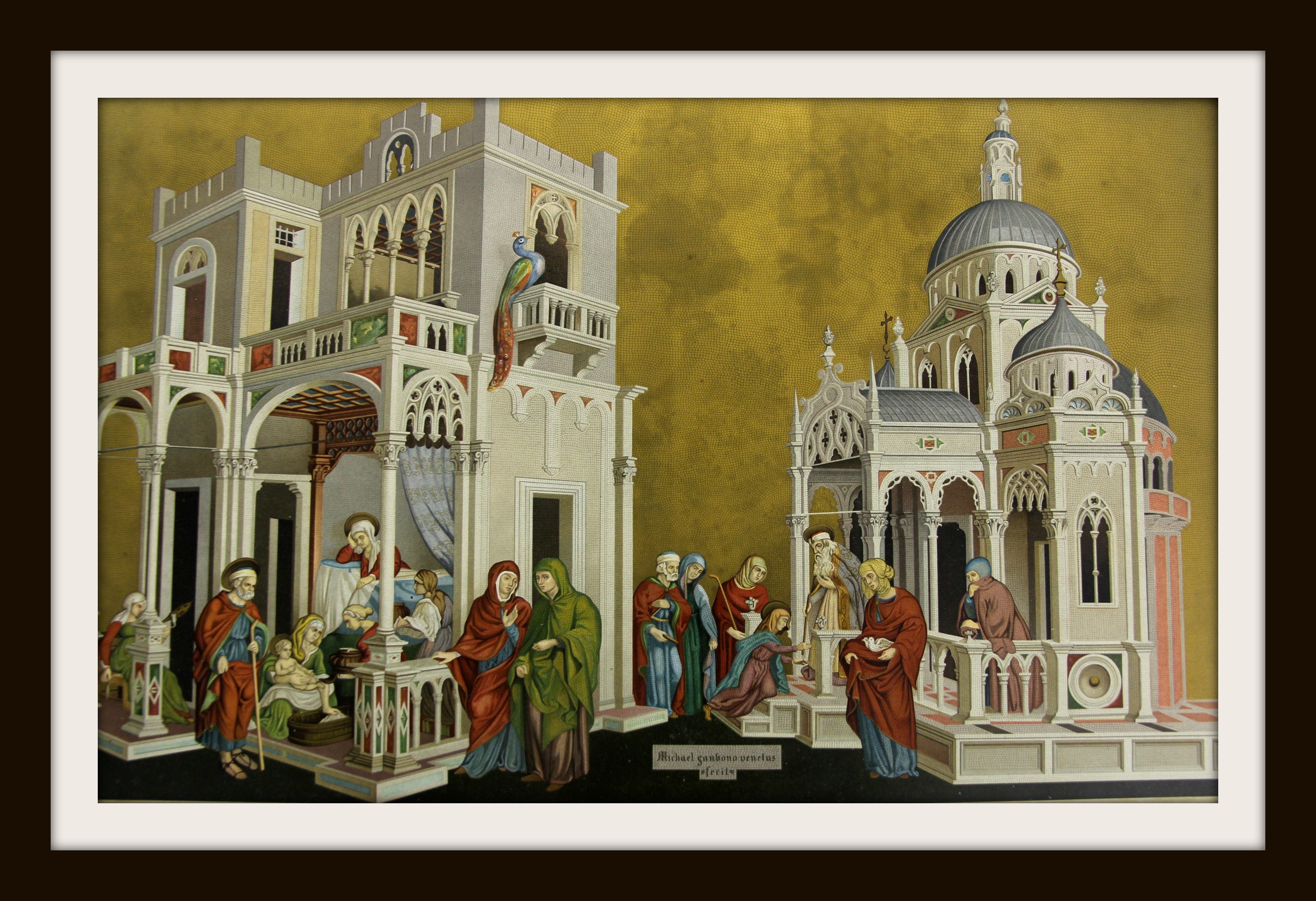
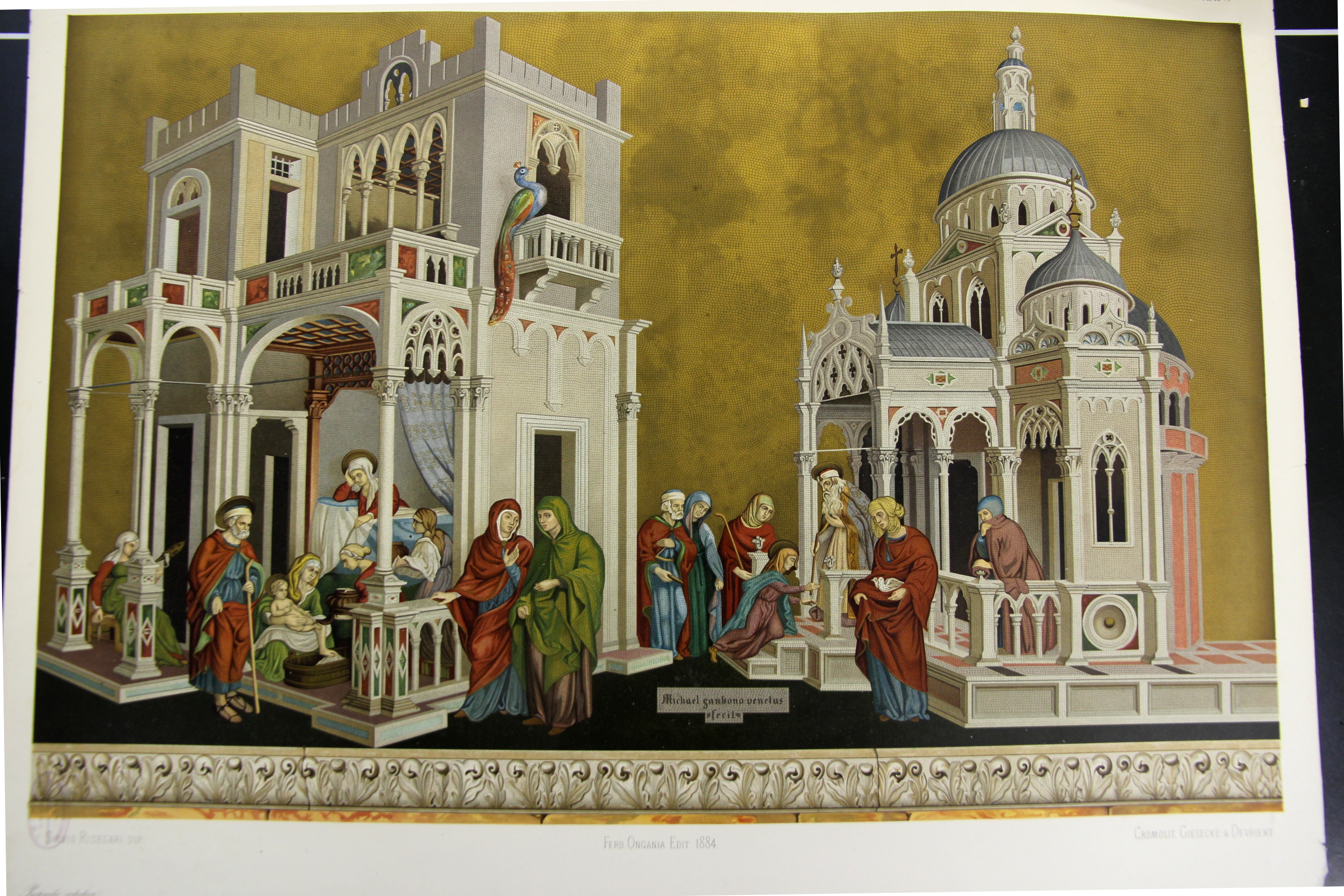
    • [The originals are large–27×21″ or so–and files average about 2 meg; so in this program when the images are reduced so much much of the detail gets removed; however, all the detail is gloriously back when you click in to each image to expand.  Also just scroll below for a full lineup.]

    Ongania 10 framed

    Ongania Mosaic 1 frame


    Ongania litho collage 4x4

    The chromolithographs and engravings featured on this page appeared in the massive La Basilica di San Marino du Venezia, published by the prolific Ferdinand Ongania in 1886.  It is an exhaustive study of the iconic building, the publication being known chiefly I think for its very large and sumptuous chromolithographs of the building’s architecture, art, and endless detail. It forms two volumes of an overall monumental 12-volume epic, though these images comprised volumes that were complete in themselves.

    The images (again, they are large at 27×21″, 68x53cm, and are packed with detail) are printed on a  very thick paper that will now crack if you try the double-fold test, so although the paper is stable you do not want to bend it, though you wouldn’t want to do that, anyway.  Each sheet has a protective paper guard attached to it on the left side, covering the entire image–the reason why you may see a shadow along one long side is just from the rolled-back protective sheet not getting completely out of the way.  Also all of the margins are not necessarily included in the photos–there were certain limitations in making the photographs, and some margins just didn’t make it entirely into the picture.

    So I decided to post these pictures to the interwebtube because there aren’t any others there–perhaps the images will be useful to someone.  (Also they’re all for sale, so if you’d like one, just ask.) 

      Ongania 10

    Ongania 21

    ·Posted by :

    ·in:

    —
  • Details in Terrestrial/Celestial Globes, 1723

    JF Ptak Science Books   Quick Post

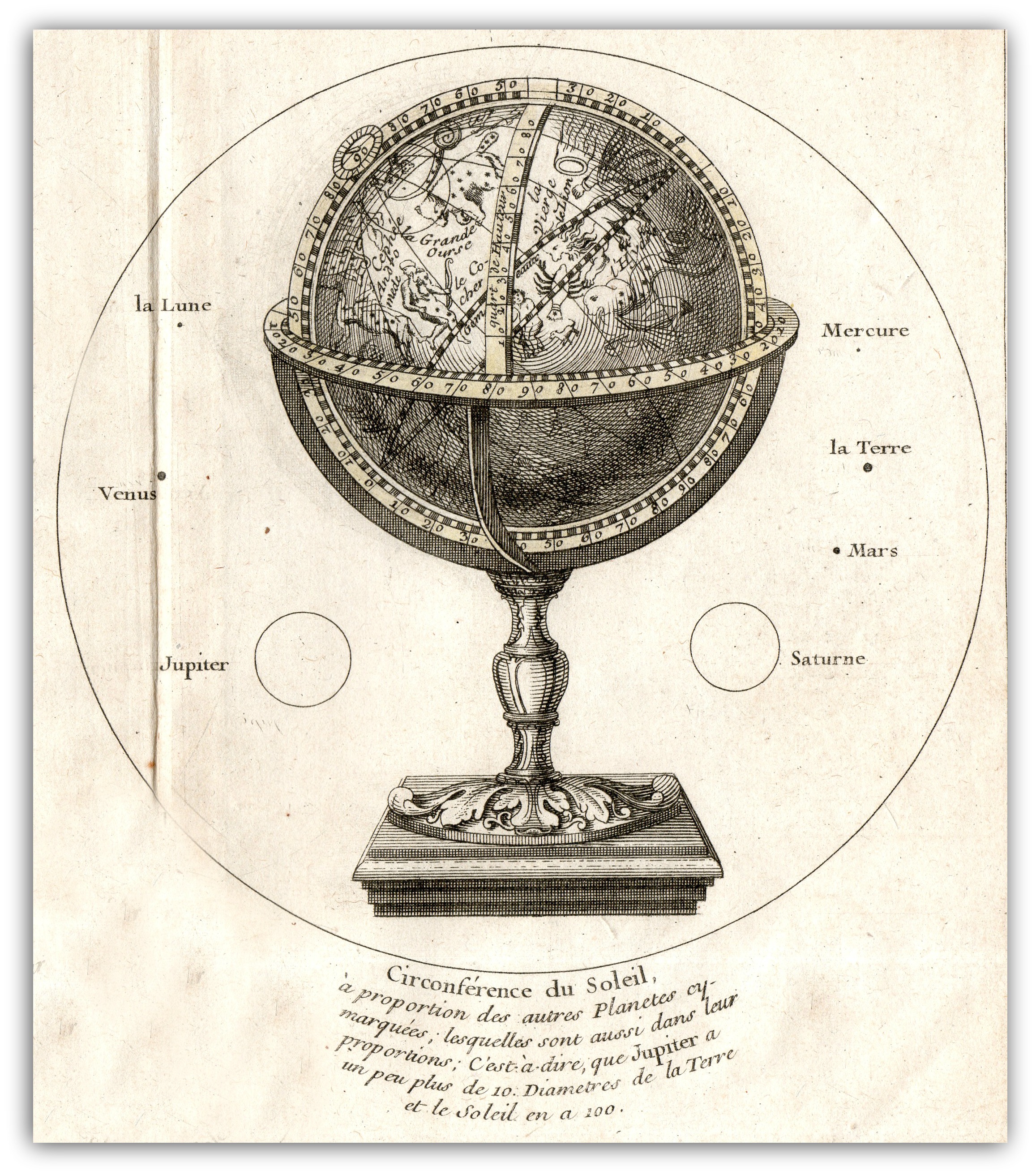
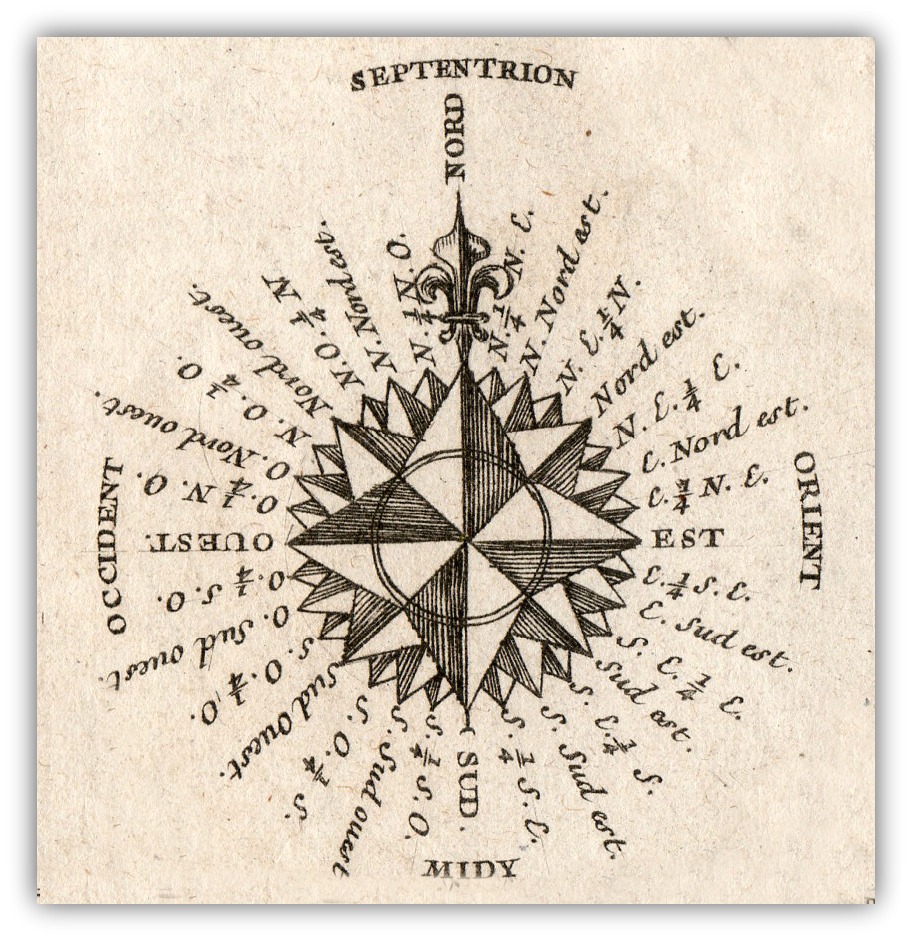
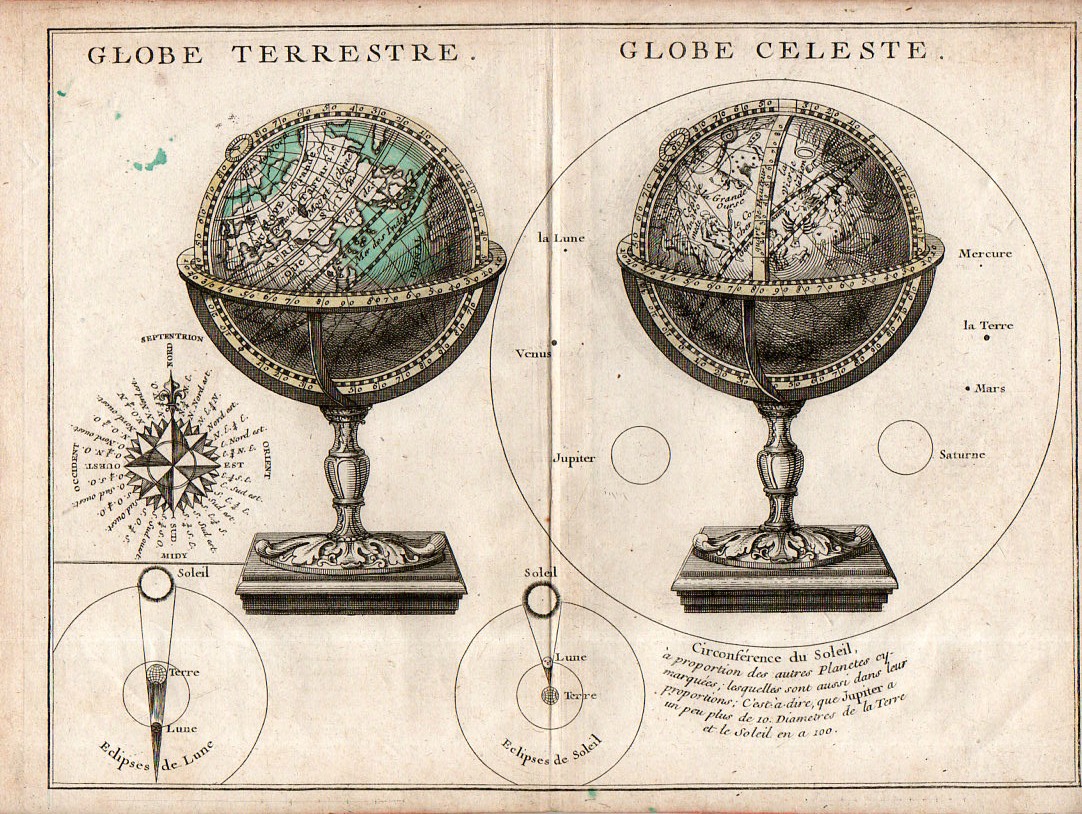
    The main object in this engraving–the presentation of two globes, one terrestrial and one celestial–is perhaps less interesting than secondary figures accompanying it.  The two small insets of solar and lunar eclipses are instructive and pretty, while the compass rose is full and surprisingly stubby, making that example fairly uncommon–and much more attractive when isolated and cleaned up a bit.  So too for the rudimentary but elegant comparison of the sizes of the planets compared to the Sun that surrounds the celestial globe–again, isolated and defined, the image is striking. 

    Map Globe Terrestre Globe Celeste detail

    • The original map is available here at the blog’s bookstore.

    Map Globe Terrestre Globe Celeste117This from the full image:

    Map Globe Terrestre Globe Celeste115

  • “Visionary” Highways with Non-Visionary Engineering (1938)

    JF Ptak Science Books   Post 2480

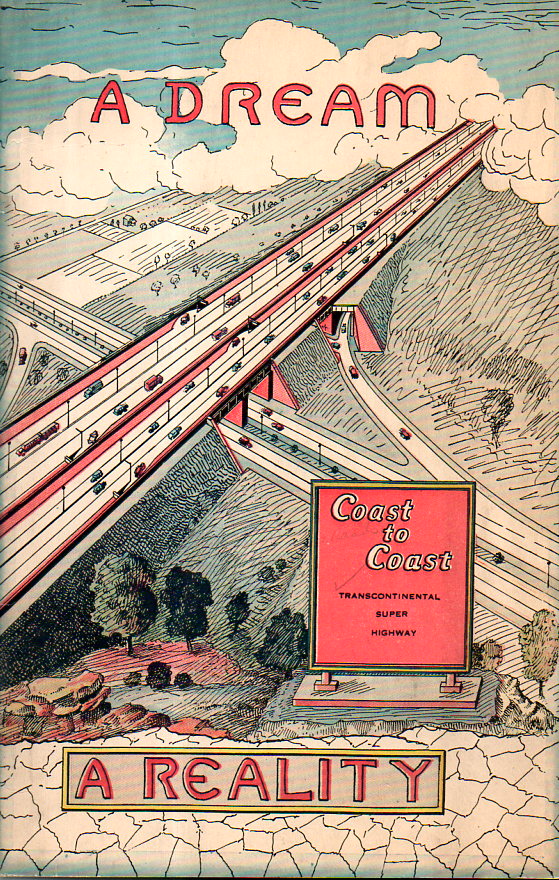
    I thought that I had mentioned this pamphlet before–mainly because of its provocative cover art–but no.  It comes from the bookstore’s collection of many hundreds (a thousand?) of unusual book/pamphlet cover art.  “A Dream, a Reality” and/or “Coast to Coast Transcontinental Super Highway” isn’t actually the title of this work even though they are on the cover; it is mostly a caption for an interior image though it somehow percolated topside.  The real title is The Highway of Tomorrow made Possible by the Ideal of Today, which gets to the subject of the work even though it is slightly unwieldy. It is difficult to say who wrote this though Mr. T.E. Steiner (“Sponsor”, of Wooster, Ohio) and which somehow found its way to a fourth edition in its two years of existence, published and promoted in undoubtedly small numbers by the “Transcontinental Stream-Lined Super Highway of the United States of America” in 1938.

    Highway visionary120

    This is all about super-highways, and mainly replacing the old roads with four new roads that are as straight as straight could be. A map of the proposals features one line of the highway is straight from San Francisco to Boston; another from Laredo, Texas (!) direct to International Falls, Minnesota (!);  a third not-straight shot from Boston-Allentown-near-Valdosta Ga-Miami; and another from near-Valdosta to Cleveland. A schematic of this map though drops near-Valdosta for Jacksonville, and has the Boston-Miami route further east to include NYC and D.C., which are omitted from the map.  Ah, well.

    • This item is available for sale at the blog bookstore, here.

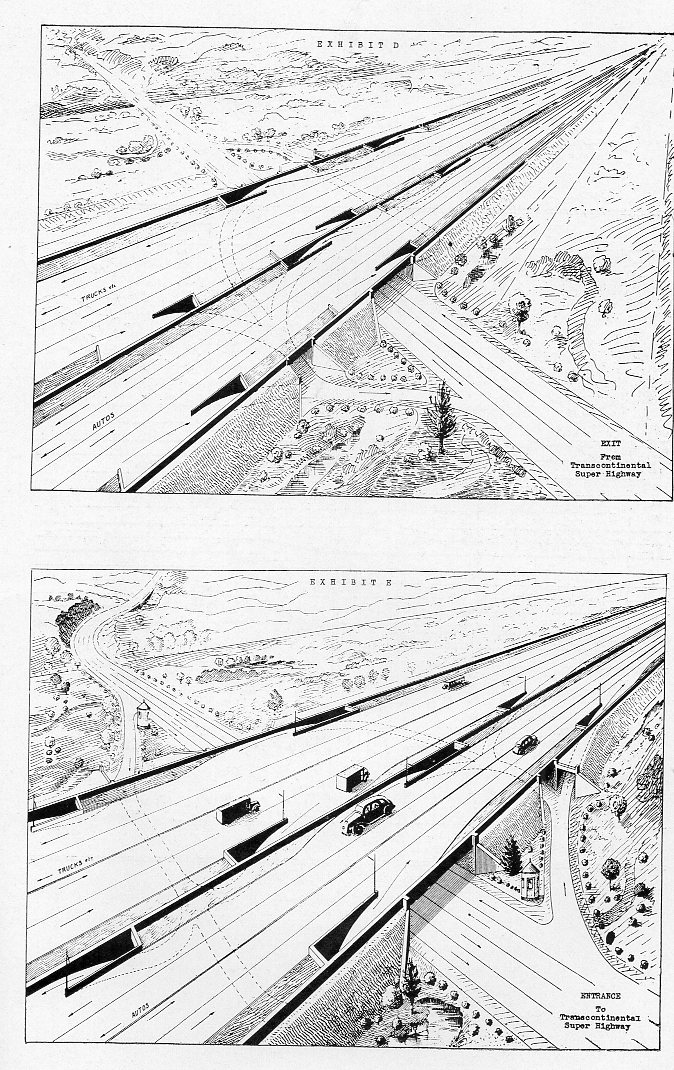
    I think that the author–an accomplished “business man” was was the head of a “manufacturing company” in Ohio and a coal company in West Virginia (and “employer of labor”) –was not much of an engineer, because the plan ignores topography and the highway design itself is pretty bad, especially the parts on exit/entrance (which the author takes particular care to note are separately copyrighted (?)) bits, which are killers. 

    Highway visionary121

    In any event, the super highway extending into the clouds on the cover is all I’m here for.  Mr. Steiner no doubt attracted some attention for the project because of the enormous pork and public works potential, what with the building of 6,000 miles or whatever of an 8-lane highway, which is billions of square feet of paving times some multiplier.  So a lot of money would be spent, which means, well, a lot of possible interest–after all, it did get so far as a hearing before the Committee on Roads, U.S. House of Representatives, on May 18, 1937.

    This no doubt was a “visionary”proposal of some sort, though the engineering aspects of it were more imaginary than anything else. 


  • Filling-in the Map, 1863

    JF Ptak Science Books  Quick Post

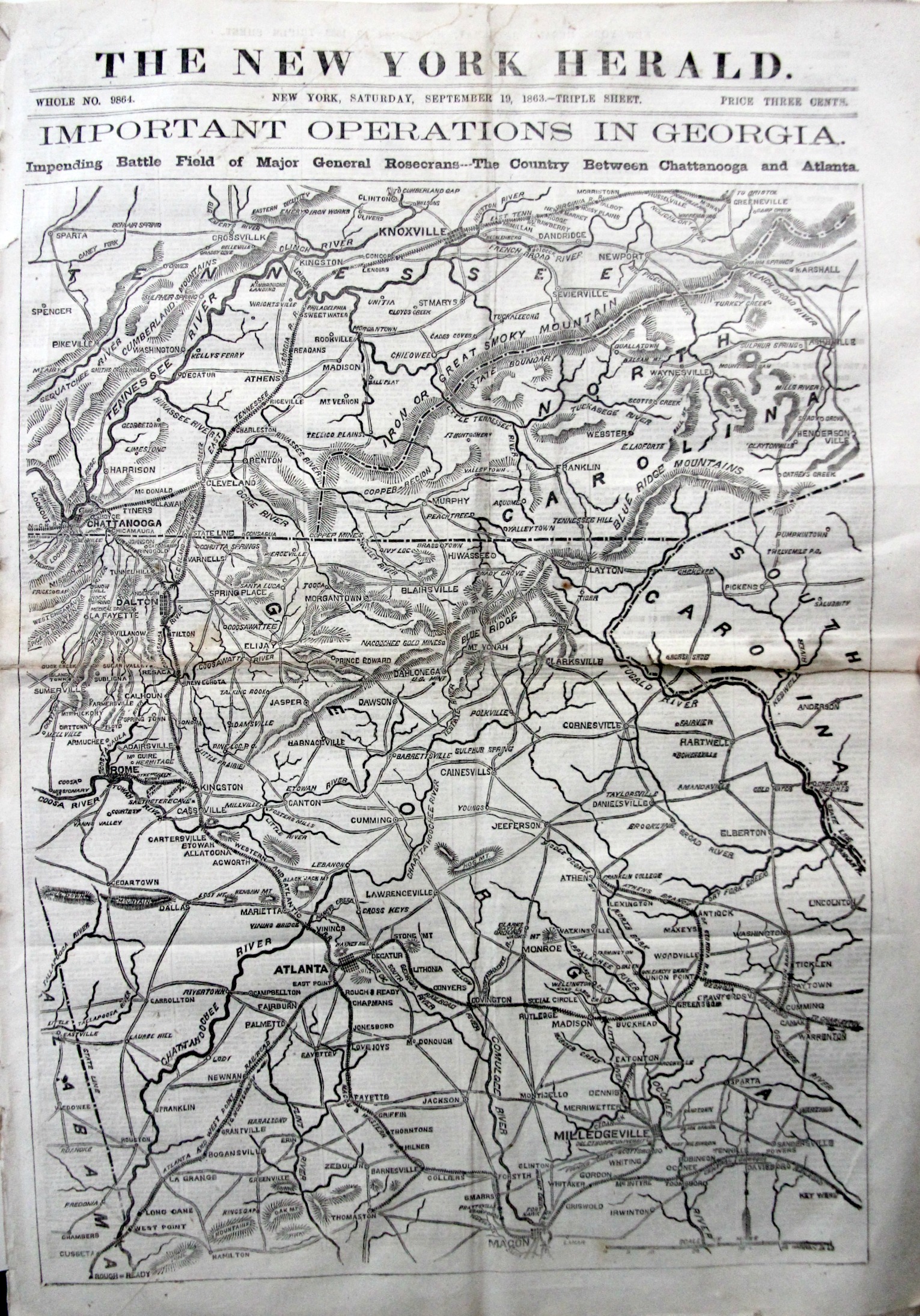
    The “Impending battle” here in the sub-head of this issue of the New York Herald that I picked up recently was Chickamauga. 

    I doubt many knew what was coming. 

    The map fills the entire front of the paper and is 24 impressive inches tall. It moves from the Clinch River east across Greeneville/Knoxville to Asheville, then south to Milledgeville, and across the state west nearly to Alabama, and north to Atlanta, west to Rome, and then north again to Dalton and Chickamauga.

    General Rosecrans had made his move south-east days before, and the battle was actually engaged the day before, on the 18th; on the 20th, it would be over, Bragg and the Confederates with a major victory that would be overturned in the next two months by U.S. Grant.  There were more than 36,000 casualties on this field of battle, the second highest amount of the Civil War next to Gettysburg that occurred two months earlier.

    The map was waiting to be filled in. With more.

    Civil War NY Herald Map

  • Food as a Weapon, 1915

    JF Ptak Science Books   Quick Post

    Starvation of Germany118There are few people I think who can recall the names of any U.S. secretaries of agriculture–the notable exception being Earl Butz, who during his tenure from 1971-1976 was known for being vulgar and profane, a quality which led to his forced resignation. Another notable but less-remembered quote had to do with the thing he was secretary of:  food. He remarked that “food is a weapon”, and although considering the source, the quote was not intended as offensive ordnance. He explained that the best method of fighting the Cold War was to provide food and the means of producing it to countries that might fall under the influence of Communism to secure the birthright for their people. (He perhaps was building on President Eisenhower’s Food for Peace Program that began in 1954.)

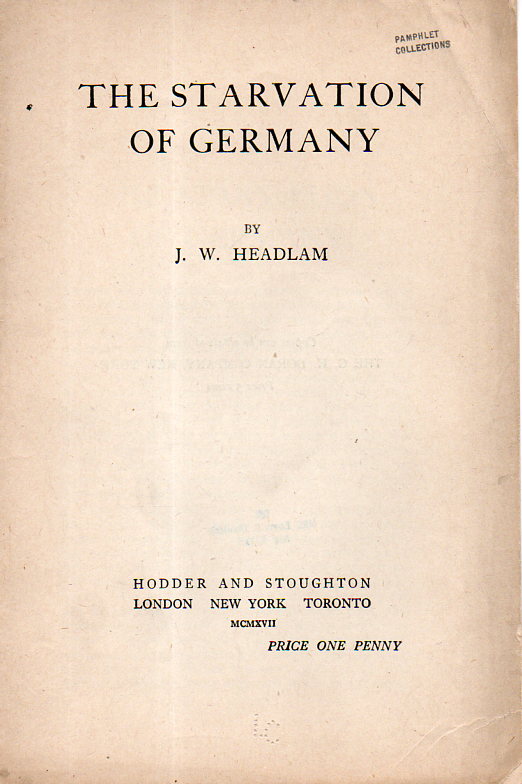
    The Starvation of Germany was a piece of British propaganda, an explanation of the blockade being used against Germany to bring it to negotiations to bring an end to the World War.  It is not the end of World War II as I first thought–but the end of World War I.  There were blockades in both, and each being very detrimental to the population of Germany–killings thousands of German citizens–though not enough to convince the Germans to sue for peace.

    One thing that the 1915 pamphlet couldn’t yet mention–that by the end of 1918 between 400,000-725,000 Germans had died of starvation or diseases related to lack of food. 

    ·Posted by :

    ·in:

    —

Recent Posts

Archives

Categories