A Daily History of Holes, Dots, Lines, Science, History, Math, Physics, Art, the Unintentional Absurd, Architecture, Maps, Data Visualization, Blank and Missing Things, and so on. |1.6 million words, 7500 images, 4.9 million hits| Press & appearances in The Times, Le Figaro, Mensa, The Economist, The Guardian, Discovery News, Slate, Le Monde, Sci American Blogs, Le Pont, and many other places… 5000+ total posts since 2008.

  • Early Map of Elevations of Plants and Tress, 1873

    JF Ptak Science Books   Quick Post

    Maps elevation maury161

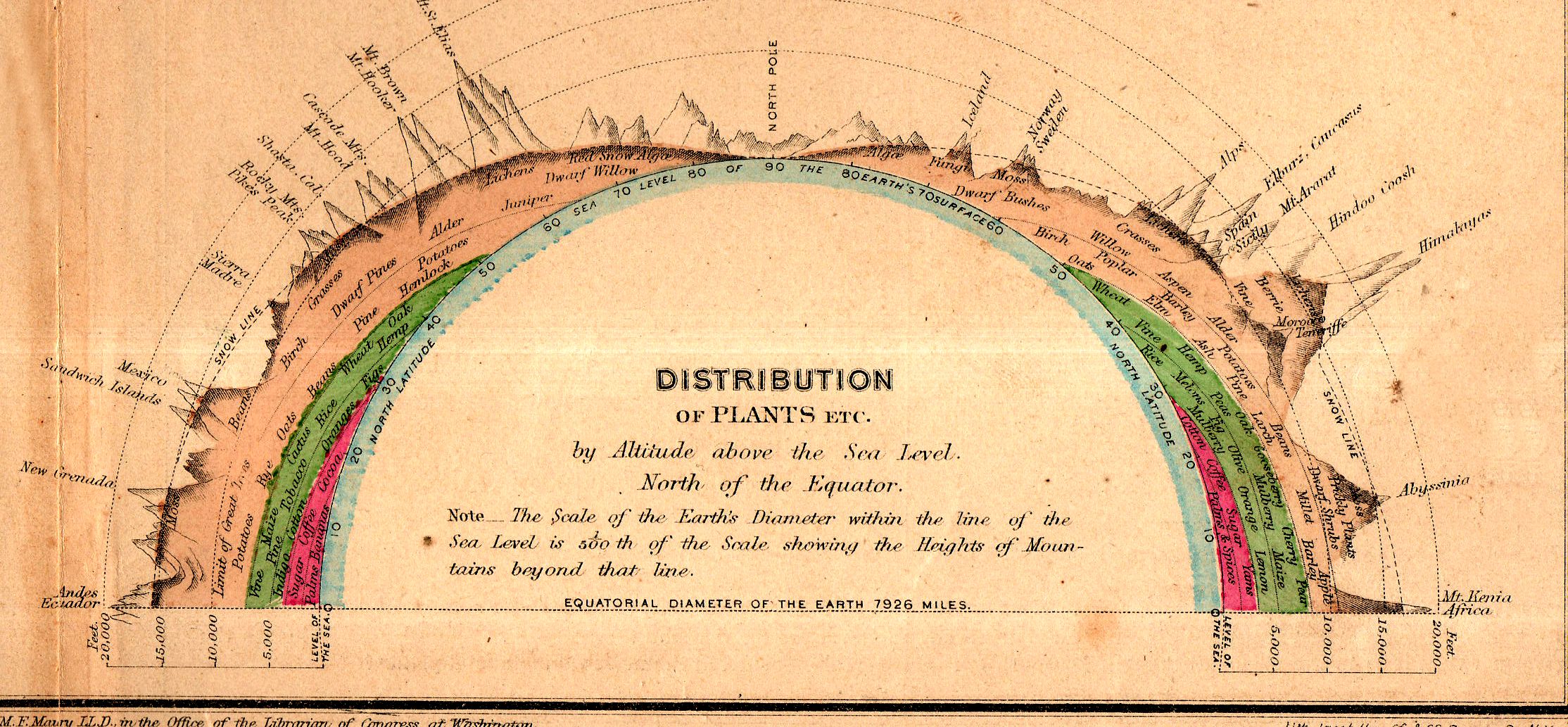
    This fine little inset appears in “Chart of Principal Vegetable Growths and Chief Staples” from Matthew Fontaine Maury’s Physical Geography, a classic work for schools, which was printed in 1873. Maury is considered to be the father of U.S. oceanography (The Physical Geography of the Sea (1855), was the groundbreaking work)  and was a real pioneer in several areas. This did not exclude his adventures on behalf of the Commonwealth of Virginia and the Confederate States of America, where he served as Chief of Sea Coast, River and Harbor Defenses, among other things. Maury had a complicated relationship with the idea of slavery, attempting to eradicate slavery (and slaves) by removing the institution and perhaps the owners and their plantations to the Amazon basin.

    This small inset (above) measures 6×2.5″ in the original on a 13×10″ map, and shows the elevations at which certain trees and plants are found. It is an ingenious display, and depicts about 60 different samples. (The print in the map is about 1mm tall, by the way.)

  • NCC-1701 Rotating Dirigible Hangar, 1935

    JF Ptak Science Books   Quick Post

    Aviation dirigible162

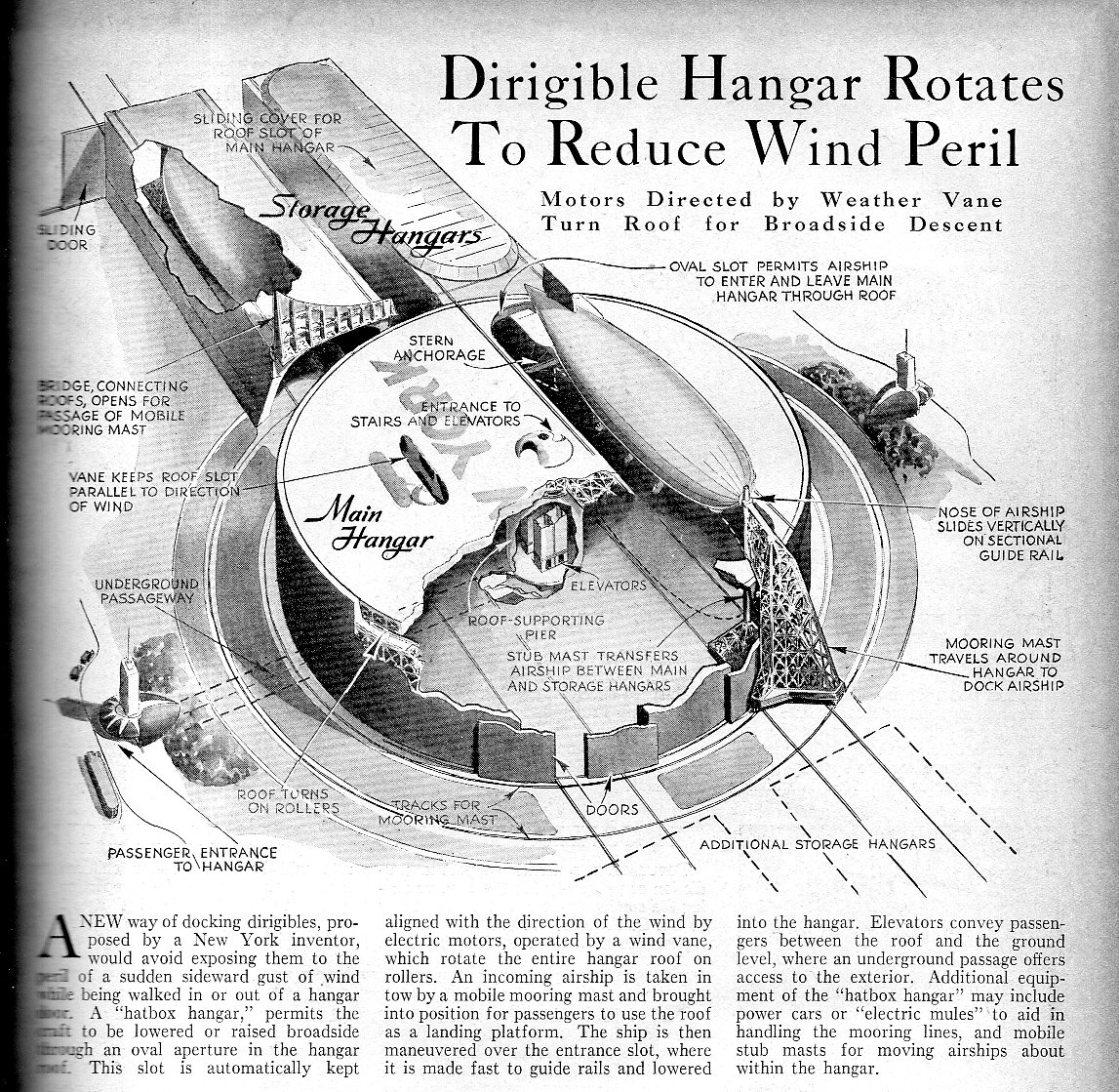
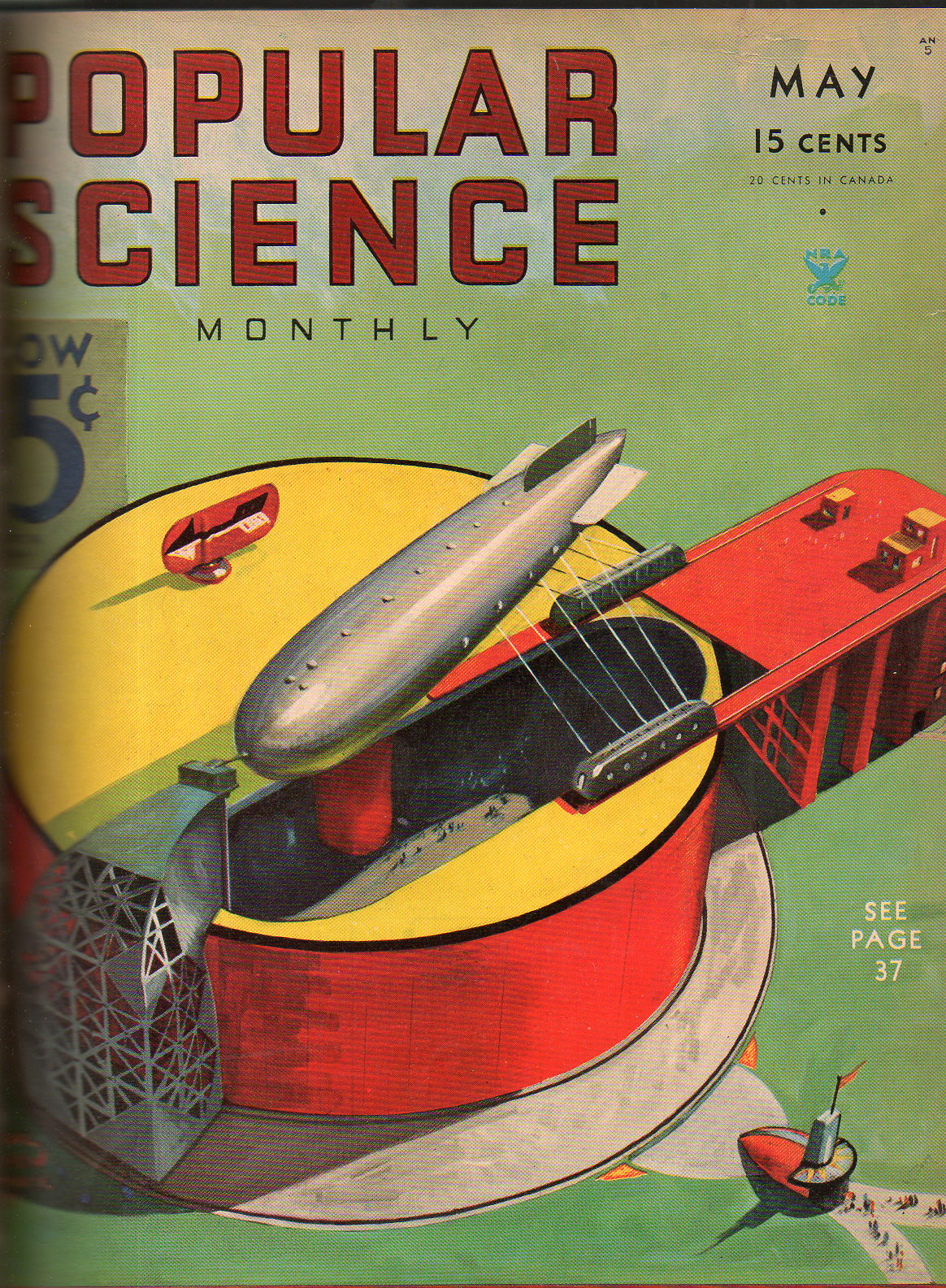
    I’ve seen a number of “found” USS Enterprise outlines in antique images recently: this one occurs in the May 1935 issue of Popular Science Monthly. This image shows a proposal for a versatile hangar for dirigibles: the airship could moor itself to a traveling mooring mast that looks like it could do a 360 on tacks around the landing area, and then brought down to a landing on the circular pad, which can be lowered to place the dirigible in an attached hangar.  It looks as though multiple hangars could be attached to this complex.  

    Here’s another view, from the cover–a non-“found” NCC-1701 design:

    Aviation dirigible163

    The days of the great airships were pretty numbered by this point, its future only 600 days away or so from crashing and burning along with the Hindenburg in May 1937. 

    • For other related posts on this blog just enter “dirigible” in the Google search box at upper left. 
  • An Unusual RAND Document on the “Cuban Revolution” of 1961(?)

    JF Ptak Science Books  Quick Post

    • “The American people are entitled to know whether we are intervening in Cuba or intend to do so in the future…The answer to that question is no. What happens in Cuba is for the Cuban people to decide.”–Secretary of State Dean Rusk, April 17, 1961, 2 days in to the CIA-sponsored invasion of Cuba. 
    •  “I know the world thinks of us, we are Communists, and of course I have said very clear that we are not Communists; very clear.”–Fidel Castro,  “Cuban Revolution”. 1959 Year in Review. United Press International, the statement made on his tour of the U.S. in 1959.  

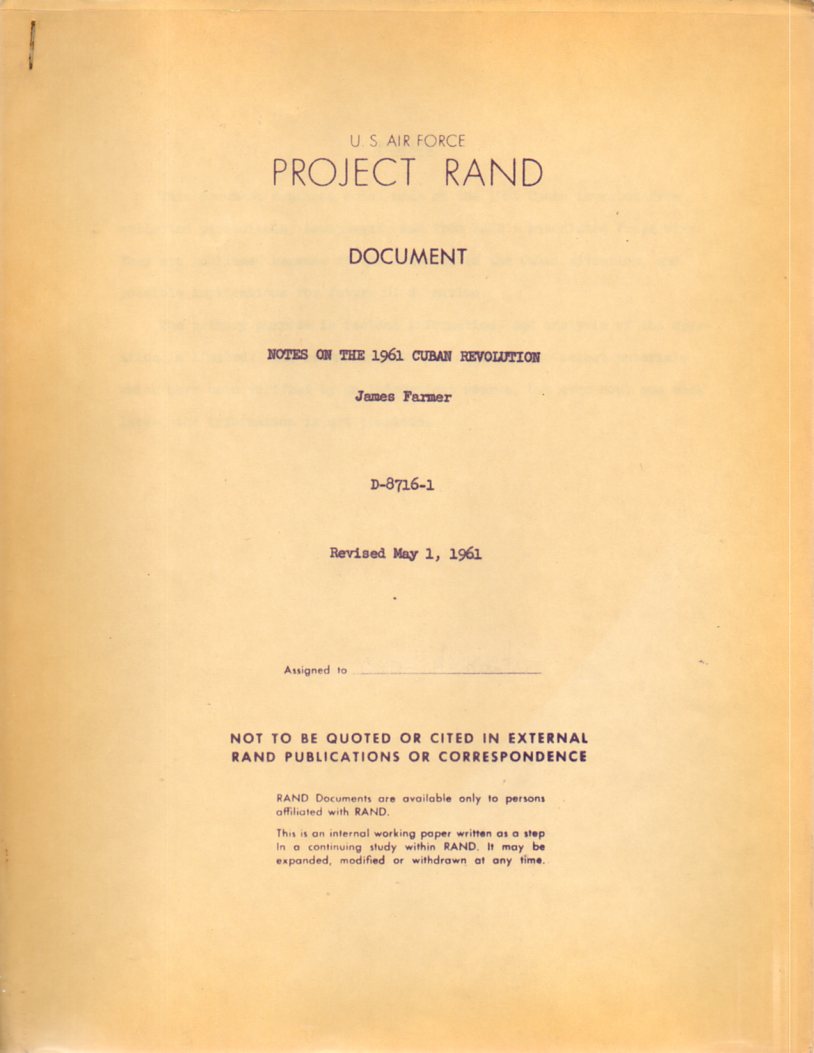
    James Farmer of the RAND Corporation wrote a summary of the U.S.-backed insurgency against Fidel Castro’s government in the infamous Bay of Pig campaign in his  Notes on the 1961 Cuban Revolution sponsored by the U.S. Air Force Project Rand Report, and published (May Day!)  May 1, 1961.  This is an internal document, or pre-print of the report, reproducing the document in some sort of photo-mechanical way, and it focused on the failures of the “Cuban revolution”—the same day as Castro’s May Day speech proclaiming his overwhelming victory against the counter-revolution. 

    Farmer states in his opening line:  “If tacticians and political scientists can learn from errors, the first 1961 Cuban Revolution should be invaluable”. 

    Farmer evidently was sending a message in this medium as he refers again and again to the “first 1961” Cuban Revolution.  He was not referring of course to 1953-1959 Castro-led revolution that ousted President Batista–rather it was a political statement by the author relating to what he assumed would be subsequent “movements” against the Cuban government. 

    Cuba448


    • For some reason the only references on the internet that I’ve found for this document come from me.  Also: there is no record of this work in the OCLC.  This item is available at the blog’s bookstore, here.  

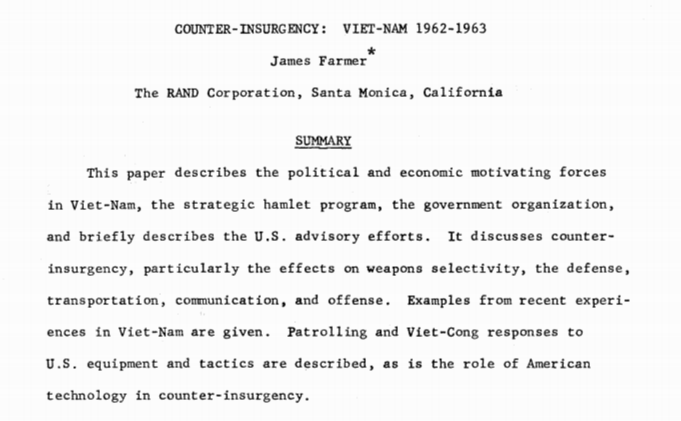
     Farmer also wrote a close and interesting appraisal of the “counter-insurgency” in Vietnam 1961-2, here:  http://www.rand.org/content/dam/rand/pubs/papers/2006/P2778.pdf

    Farmer Vietnam

    ·Posted by :

    ·in:

    —
  • Knots, Knots, and Knots (1871)

    JF Ptak Science Books  Quick Post

    “O time, thou must untangle this, not I.  It is too hard a knot for me t’untie.”–William Shakespeare, Twelfth Night


    Sci Am Knots and Splices

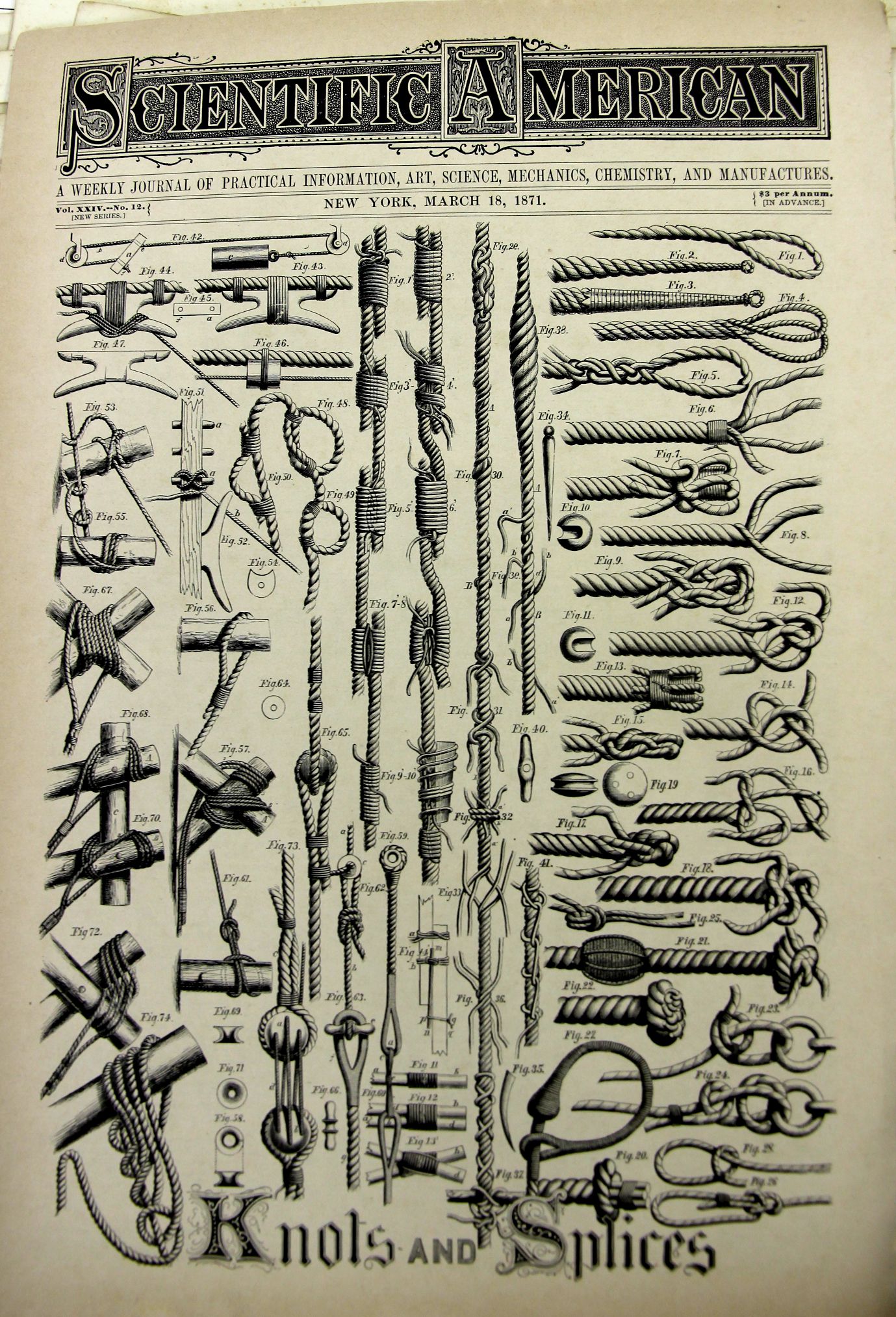
    This beautiful collection of knots and splices appeared on the front cover of Scientific American, March 18, 1871–a knot for every need.  Knots become ever more complex at about the same time in the hands of the great mathematician and teacher, P.G. Tait.  Tait was the major domo of knot classifiers so significant in the developing field of topology, and followed the work of Vandermonde, Gauss, and Kelvin.  But here, in 1871, these were just beautiful and useful knots having open ends, and not having anything to do with the Tait conjecture–that would come later.

  • Curious Hand-Illuminated Victorian Photo Album (ca. 1862)

    JF Ptak Science Books     Post 2525

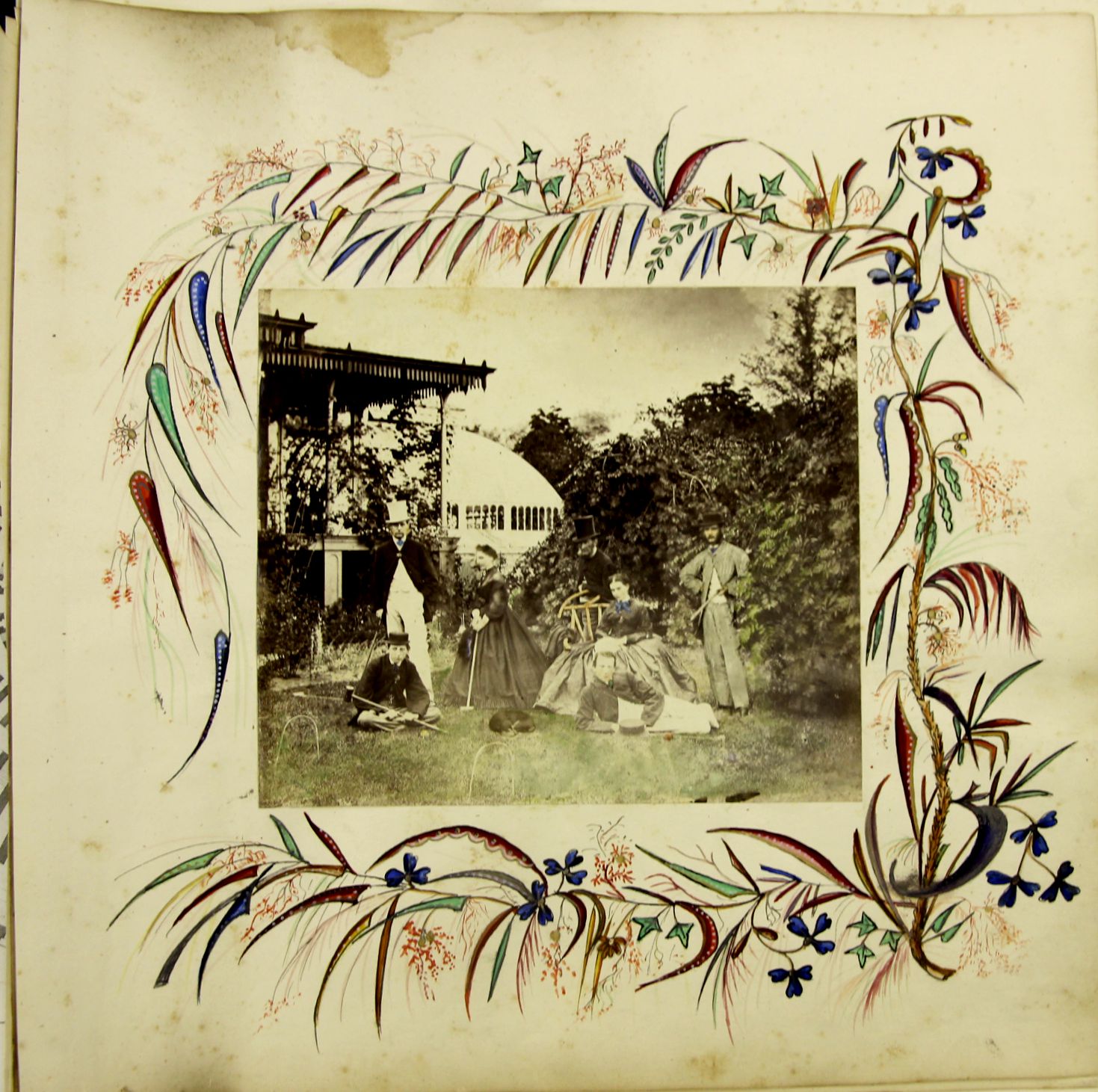
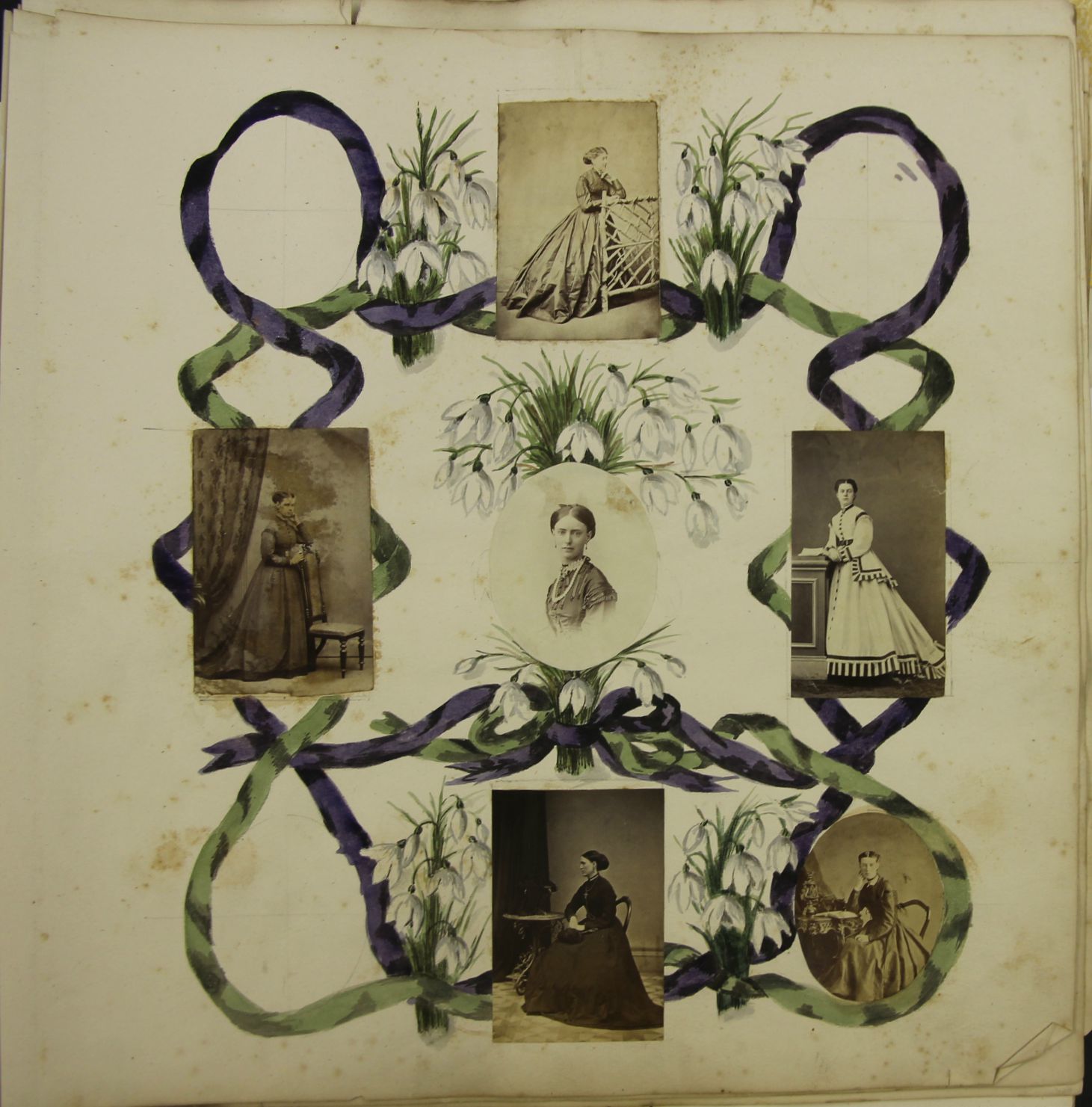
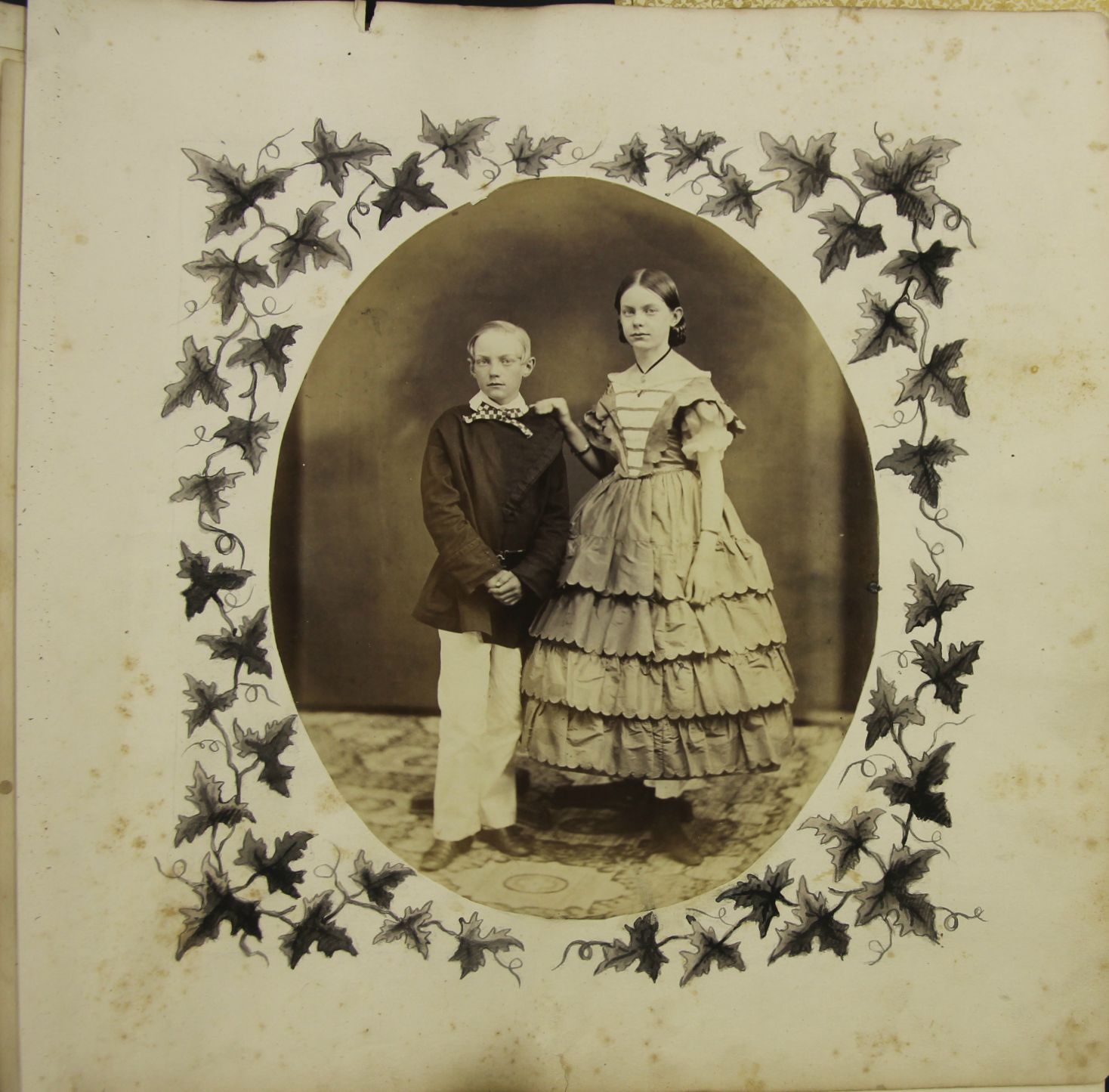
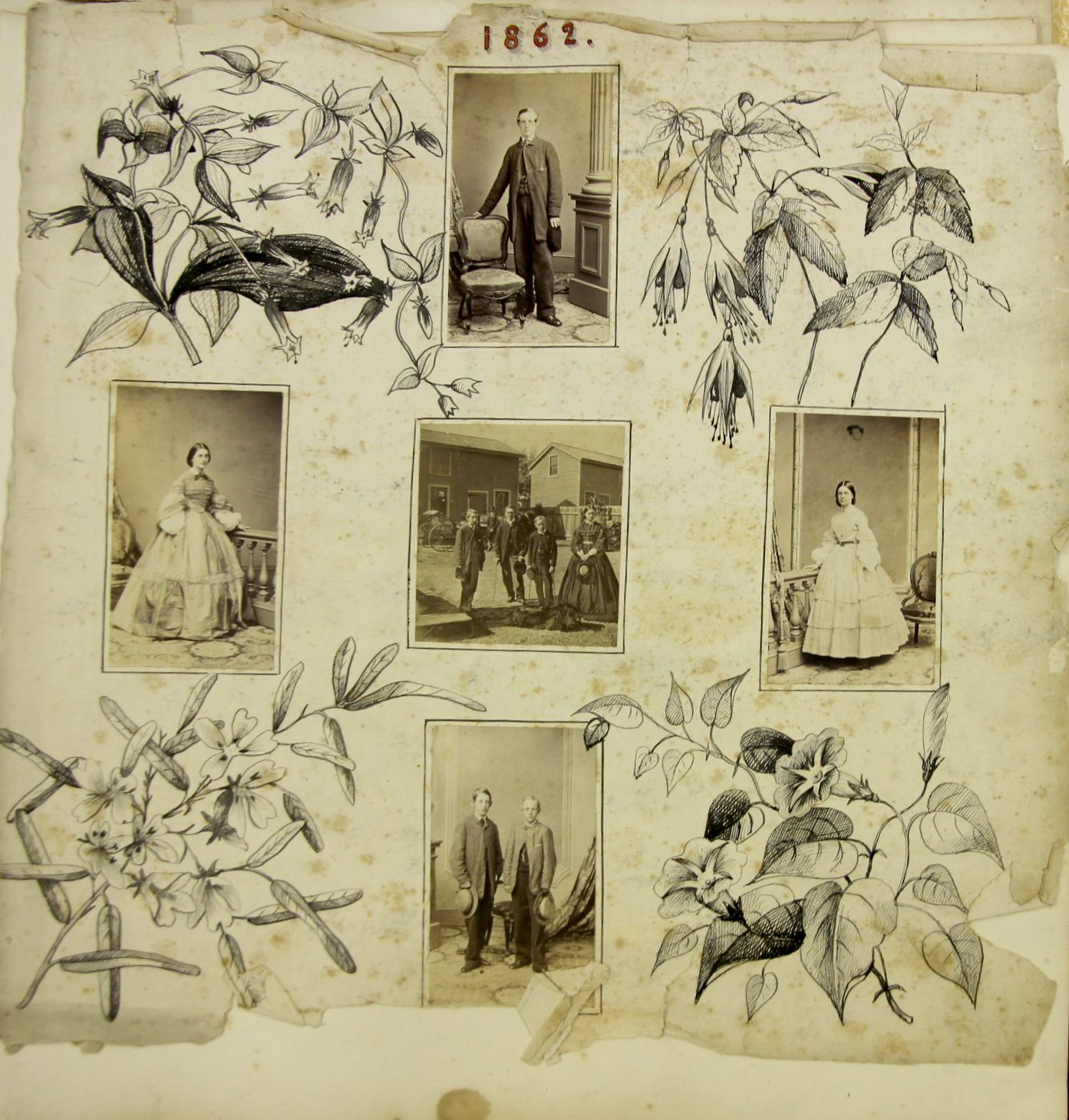
    I found this collection of photographs a number of years ago, mostly for the way that some of the decorated panels were not outfitted with photographs.  The photographs were made in the early 1860s (one is dated 1862) and the decorations I take it were made by hand at the same time or thereabouts.  

    One of the most interesting images is this family portrait–it has one of the most elaborate manuscript “frames”, and it also depicts a space ship in the background. Well, not really–but it is an interesting design for what I suspect was an (iron?) conservatory or greenhouse.  Also handling the photograph in person led me to the very minor discovery that the curled up and sleeping dog was an extra and “photoshopped”–that is, added after the photo was made, a cutout of the dog pasted onto the print. No doubt it would have been difficult to have a dog sitting there for a long period of time with the family without moving given the relatively slow exposure time in 1862.  I find that detail, that the family though enough of the dog to paste it into the final/finished project, to be very touching.  

    Each sheet measures about 16″x 16″   The originals are available on the blog’s bookstore, here.

    Victorian album _16_


    Victorian album _17_


    Victorian album _15_


    Victorian Album _14_


    ·Posted by :

    ·in:

    —
  • On Bombing Everything in Japan with Atomic Bombs, 1945

    JF Ptak Science Books  

    Atom bomb 720
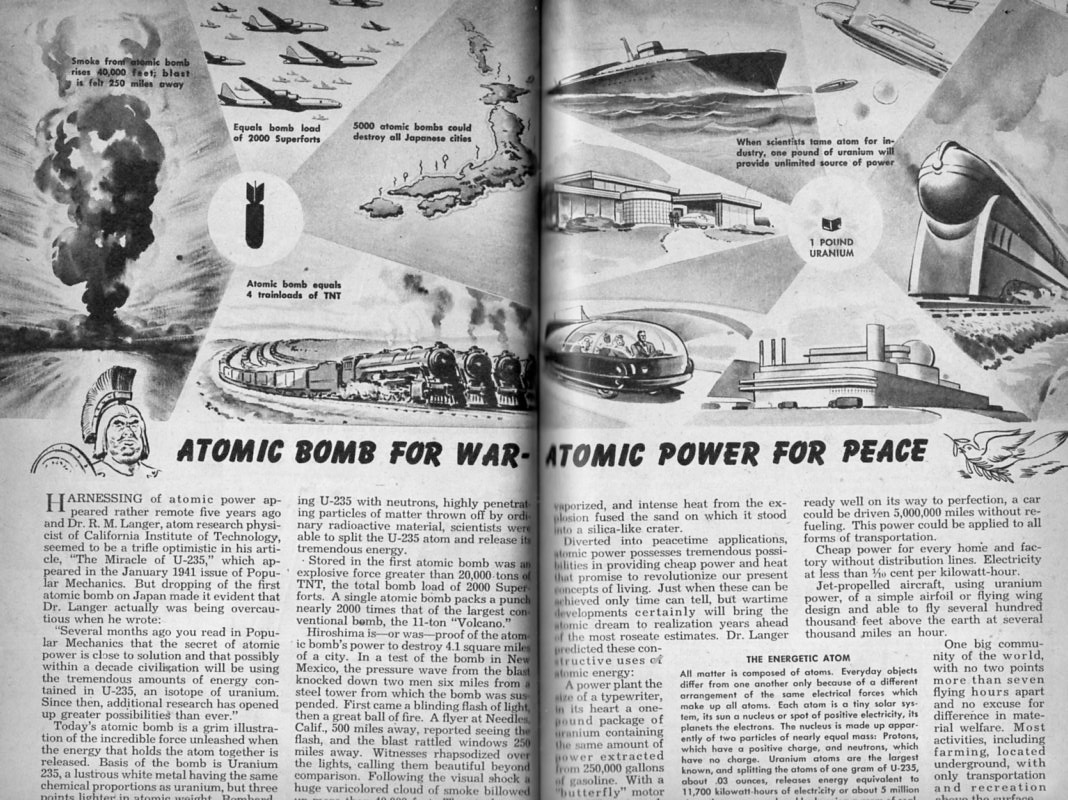
    The October 1945 issue of Popular Mechanics carried a story “Atomic Bomb for War / Atomic Bomb for Peace” as a reminder to its readers that the vast destructive power of the atomic bomb was just one example of what nuclear power might be–and that there could be incredible and wide-reaching benefits of the process for peaceful uses. This work came about eight weeks after the bombings of Hiroshima and Nagasaki, and seems to be only the second post-use story on the weapon in this magazine. The article does mention a prescient piece (“The Miracle of U-235”) published in January 1941 in Popular Mechanics by physicist R.M. Langer1 (CalTech) which extolled the future possibilities of the energy/power potential of nuclear energy, which is really what the present article is all about.  Except of course for the 5,000 a-bomb total destruction of Japan analogy, which is an odd thing.

    Atom bomb 719
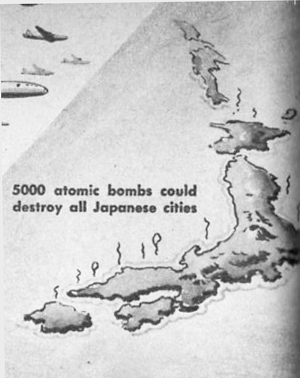
    Half of the article’s illustration is dedicated to military applications of atomic energy, and the other to the peaceful; and in the upper-middle of the military side we are told that if necessary that every city in Japan could be completely destroyed with “5,000 atomic bombs”.  The truth of the matter is that a great percentage of the major  (and minor-major and major-minor) cities had already been pretty much decommissioned. (Just weeks before the bomb came the massive firebombing of Tokyo–334 of  General Curtis LeMay B-29’s were loaded to utmost capacity with the newly-conceived M-69s bomb, an incendiary so vicious  that the fires it produced were all but inextinguishable.  The B29’s bombed Tokyo for hours, killing 100,000+ people and making over a million homeless.)  And so I’m not sure what the message was, here, except to establish that the complete destruction of a city with weapons dropped from planes was now a possibility.  It was probably right at about this point that this idea became a real possibility–and so to for its extension, that given enough of these weapons, that the entire world could be bombed out of existence.

    Notes

    1. Langer wrote an earlier piece in 1940 for Colliers which was a more sugary version of the Popular Mechanics Article. In this one he hypothesized that uranium would basically fuel life–it would be a fuel source so cheap to produce that it wouldn’t make economic sense to charge for it (?). It was the seed of peace that would lead to Utopia and eliminate wars.  This was Langer’s popular side–he did in fact work and publish through the 1930’s on the fission issue; his vision of the future though were a little overly-optimistic.  

    ·Posted by :

    ·in:

  • A Catalog of Ephemeral Memories: Daily and Forgotten Necessaries, 1941

    JF Ptak Science Books   Post 2526

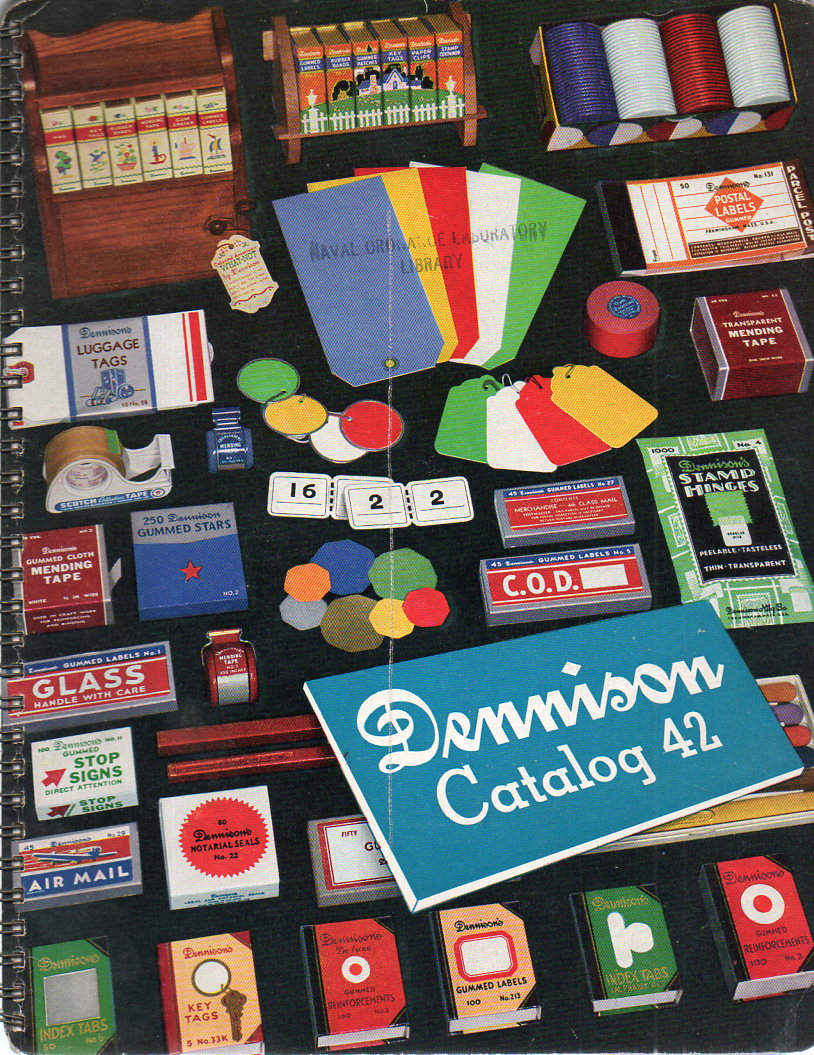
    Catalogs Dennison _1_ 165

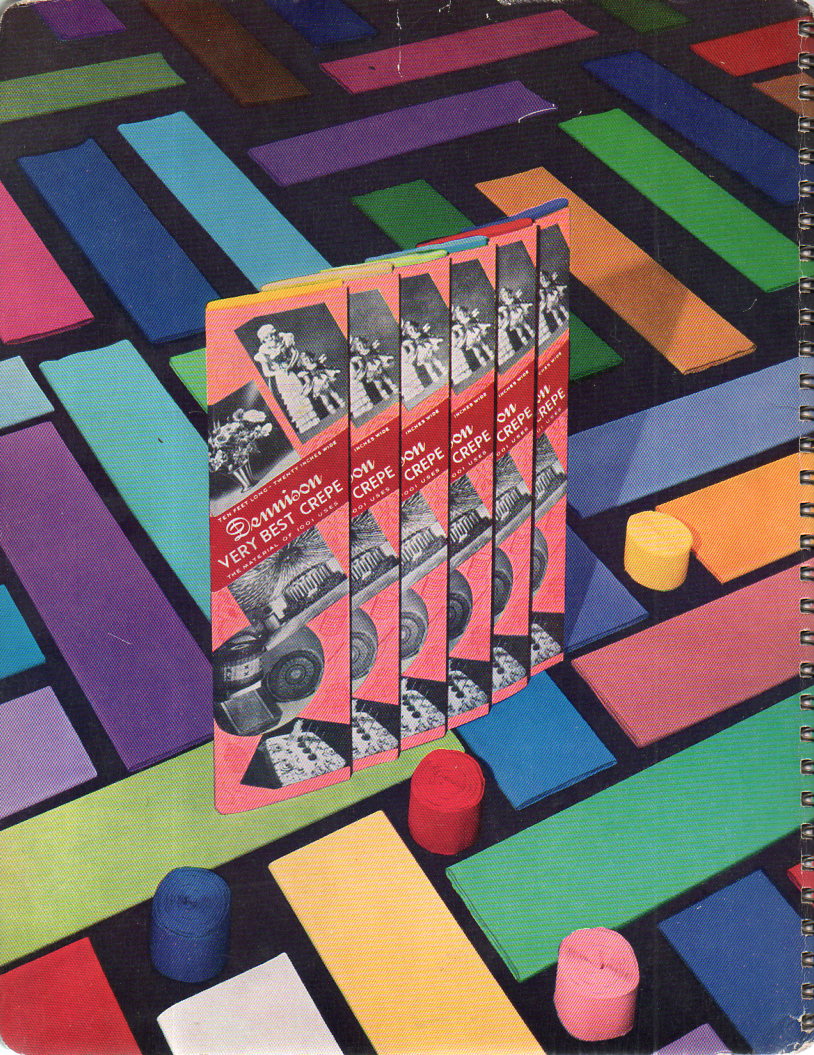
    This title sounds highly romanticized, I know, but it is in some sense pretty close to the truth.  This distributor/manufacturer catalog offered the daily bits and pieces of the business end of personal and, well, business life. The sections of this heavily illustrated catalog includes  the stuff of day-in and day-out life management: “for sale” and price tags, jewelry tags, colored marking tags, clasp envelopes, key tags, coin mailing cards, white and colored labels, address and mailing labels, notarial and lawyers seals, sealing tape, binding accessories, paper fasteners, sealing wax sets, desk set bookcases, gummed seals, holiday merchandise, sealing wax, tissue paper, crepe paper (with actual colorful samples), confetti, wedding cake boxes, overhead decorative displays, and such.

    Catalogs Dennison _2_ 166

    It is interesting to see pictures of these things that are (mostly) still with us now but different–they can elicit memories much like the smell of a kindergarten classroom . They were familiar and common objects once upon a time, essential and mostly invisible–but now, 70-odd years later, the near-memories might be close to the surface, waiting for a visual push to recognition. 


    ·Posted by :

    ·in:

  • “Types of German Raider We Must be Prepared to Recognize”: the Battle of Britain, 1940

    JF Ptak Science Books   Quick Post

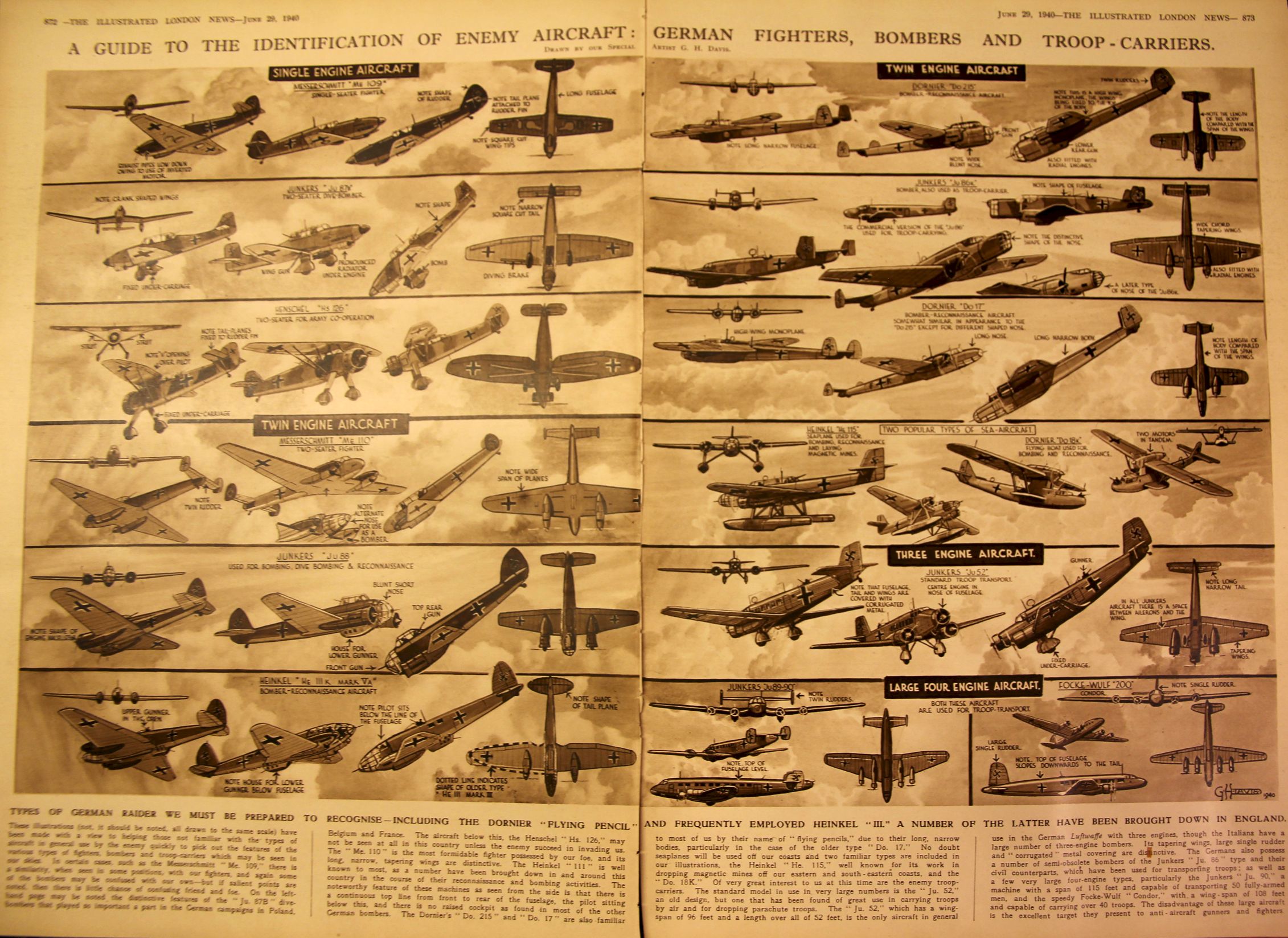
     This two-page spread in the Illustrated London News appeared at the end of June, 1940, nine months into WWII, just two weeks or so before the beginning of the Battle of Britain.  This was an extended battle lasting until September 1941 in which there were hundreds of German bombing raids flown over the U.K., with most of the damage and civilian deaths centered in London. In all some 40,000 civilians were killed in the raids, about half of them in London. Belfast, Birmingham, Bristol, Cardiff, Coventry, Glasgow, Hull, Manchester, Portsmouth, Plymouth, Sheffield, Southampton, Swansea, and other cities were also bombed, some of them pulverized–for example, Hull received an enormous amount of attention for being a port city and easily identifiable by air, and was attacked more than 80 times, and Coventry’s central city was decimated.  (Enter “Battle of Britain” or “Blitz” in the Google search box for the other posts on this blog on this subject.)

    But right at the beginning of this period the popular weekly published this listing of enemy planes–it was a smart thing to do, because it made millions of people into observers and data gatherers.  

    The artist of this work was the very very busy and talented G.H. Davis, who I have written about numerous times on this blog (just enter his name in the Google search box and you find a number of interesting tech drawings that he completed for the ILN). 


    Graphic Display ID German Fighters


  • The Evil of Mixed Marriage (1927)

    JF Ptak Science Books    Quick Post

    • [Please be aware that there were 75 blog posts and another 30,000 words made on this blog in June, 2015–check them out by going to the Recent Posts block at right]

    With the SCOTUS decision on marriage equality from two days ago it may be interesting to see another version of what used to be seen as restricted/unnatural unions that were demeaning to the concept of marriage. 

    Marriage, evil165

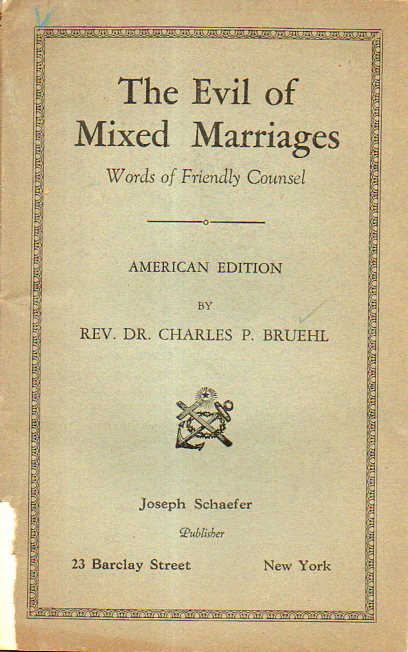
    Back when this work was published in 1927, the “evil” and “mixed” part of this marriage wasn’t about same-sex unions, or interracial (the former assignment of illegality overturned only in 1967)–this was a mixed marriage of Catholic and non-Catholic.  The pamphlet (which was passed by the Censor Librorum and printed with the imprimatur of the Archbishop of New York) .

    The pamphlet states that a “mixed marriage is not a matrimonial union between Christian and non-Christian. Such unions are usually abhorrent to Catholics, though in these days of rampant mammonism…lose their repugnance  for what is so contrary to the Christian sentiment and barter their divine birthrite [sic] for earthly gain”.  The author writes that marriages of this type are “exceedingly rare” and need not gain his attention.

    “Technically a mixed marriage is a marriage between a Catholic and a baptized non-Catholic”–that means the other types of mixed marriages are so completely contrary to church teachings that they not even be discussed.  This was only 88 years ago, and it makes me wonder what the stern opponents of marriage equality will think of their opinions and beliefs 20/40/60 years hence? 

  • All U.S. License Plates, 1940–Certainly Someone Will Love This

    JF Ptak Science Books   Quick Post

    • [Please be aware that there were 75 blog posts and another 30,000 words made on this blog in June, 2015–check them out by going to the Recent Posts block at right]
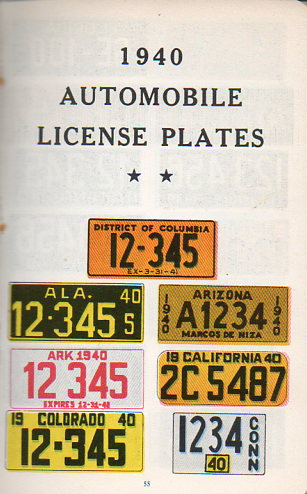
    I found these fascinating full-color plates from the dullish-sounding Manual for the Identification of Automobiles, (1940) and I know that someone out there in the vast land of the Interwebtubes will be very happy to see these images.  I was, and I have no pressing use for them.  

    Auto  license plates160

  • The United States Invaded, 1916-1944

    JF Ptak Science Books  [Expanding an earlier post from 2013]    

    There were 75 entries to this blog in June–see archive at left to access

    • “The cheek of every American tingle with shame as he reads the silly, flat, dishwatery utterances of the man who has been pointed out to intelligent foreigners as the President of the United States”–The Chicago Times, on the Gettysburg Address, 1863

    We all know today what to expect when we hear something referenced as a Gettysburg Address–and we certainly know what something might be if it was referenced as not-the-Gettysburg-Address.

    The address as it was when Lincoln gave it didn’t even have a title, named as it was post  facto by the newspapers and periodicals covering the event (on the spot or remotely).  The speech is considered as being among the greatest ever given by an American, though at the time it its reception was very mixed—in many cases it was seen as a failure and even as an embarrassment to the solemnity of the moment and place. There were many newspapers which panned the speech (as in the case above with the Chicago Times, which at the time was considered more of a Democrat paper than anything else), while others (like the New York Times gave the speech a warm reception.   The speech’s presence in national memory was crafted over time (not unlike Mr. Leonardo), its perception formed into the polished gem that it is seen as being today. 

    The possibility of the implied actions of the titles of the pamphlets below were somewhat similar, though mostly in reverse.  I’m not saying that some of them were always seen as quacky and the works of demented seers; their titles and possible content, though, were not seen as dismissible, and their concerns were real and a possibility. The concerns over “invasion” today depend on what invasion means.  I don’t imagine that people are seriously considering the possibility of a land or air force attacking this country, though other sorts of invasions (biological, chemical, cyber, etc.) are a possibility.    
    ==Blog July 15==bsttle for amer

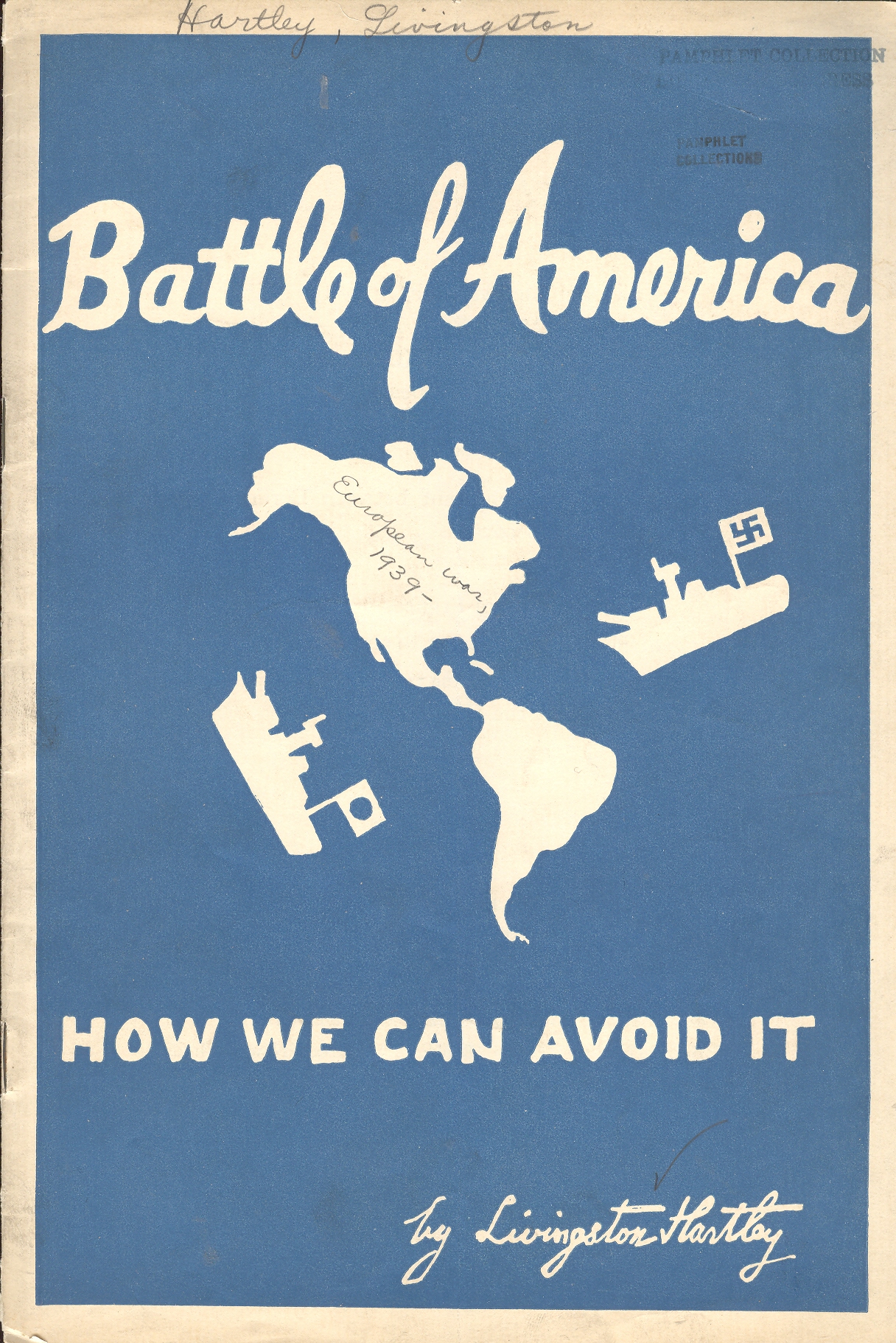
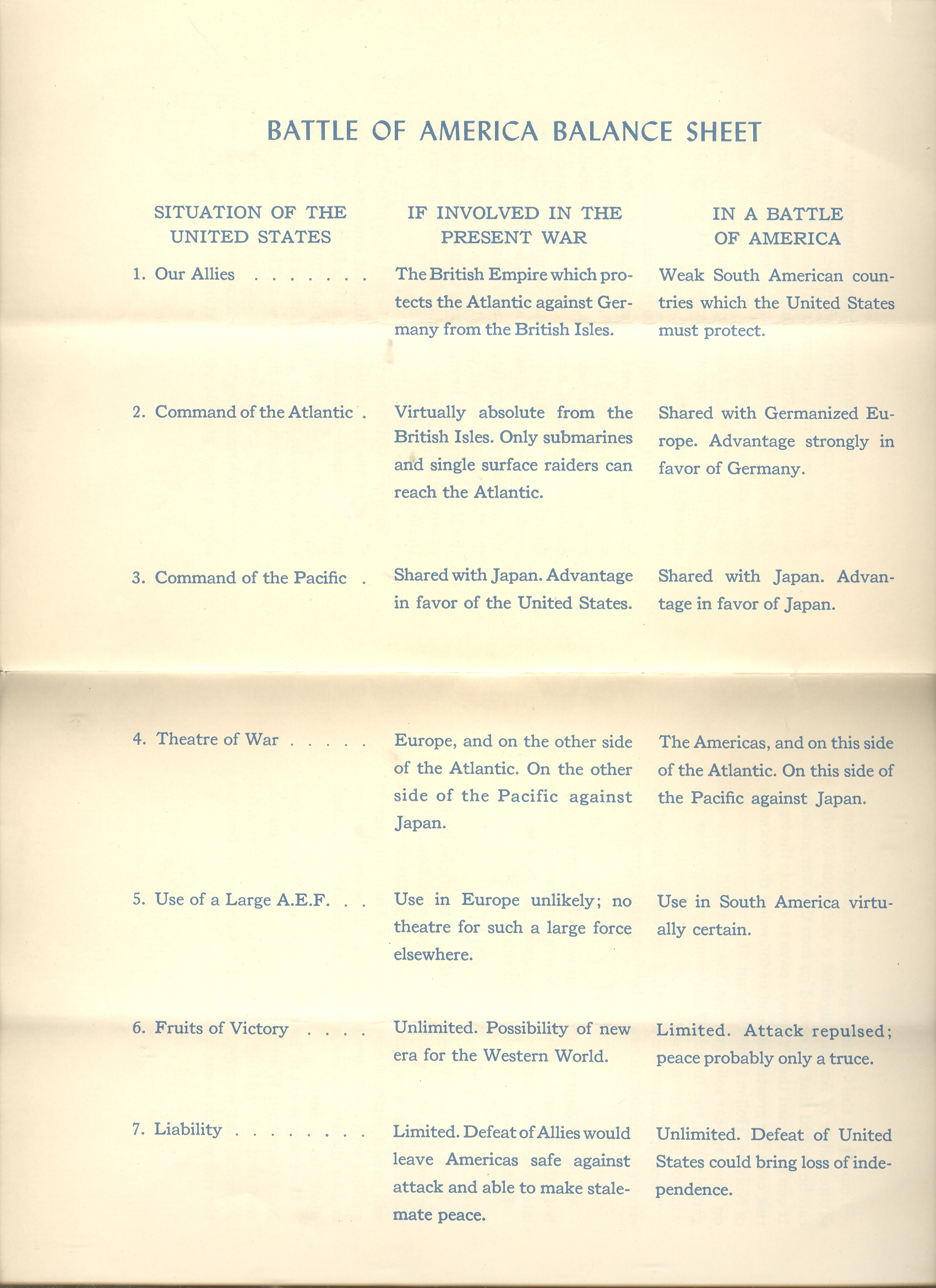
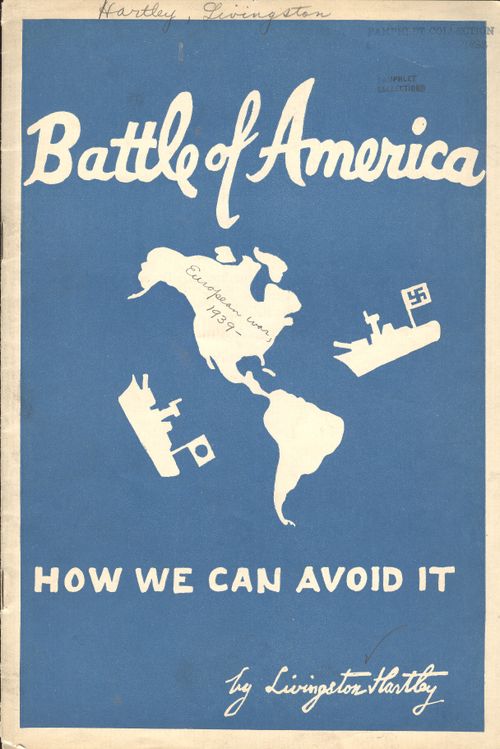
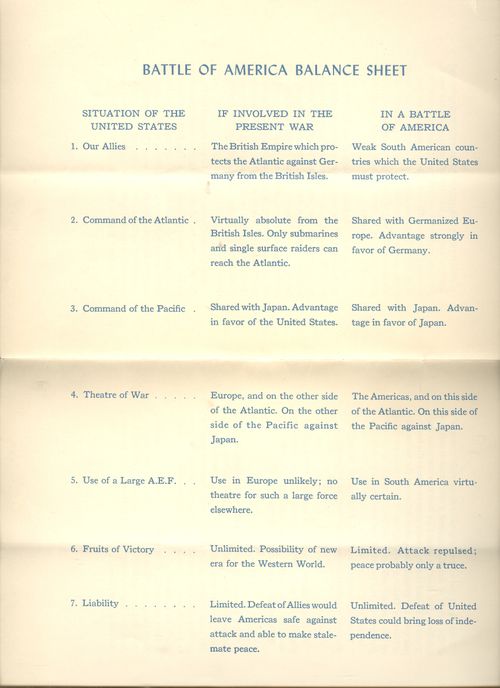
    The Battle for America/How We Can Avoid It (1939) was published by the Committee to Defend America by Aiding the Allies (and headed by William Allen White, iconic middle America newspaper editor and editorialist) which attacked isolationism and advocated strong support of the European effort.  The thinking here was that if America didn’t become involved now it would so later, with battle lines of a Nazi-illuminated truce drawn close to American borders.  So it was a pay-now-or-pay-more-later position from a man who supported the New Deal but whop didn’t support FDR. 
    ==Blog July 15==battle detail


    Much of this thinking looks a bit tenuous to me.  For example the position excluded the use of an American expeditionary force in Europe (“for theatre for such a large force elsewhere”), though if nothing at all were done there would be a “certain” use of the AEF in South America combating Nazism.  Also, if the U.S. backed the Allies with supplies and war materiel the “liability” to the US in the consequence of European defeat “would leave America’s fate against attack and able to make stalemate peace”.  So at the very least, doing a little bit of something would d at least allow us to make a truce with the German/Japanese alliance.   Doing nothing at all in this area would infer “unlimited” liability, and “defeat of the United States could bring loss of independence”. (“Could”?)

    The way aid ourselves in this war “(was) to aid  Britain to hold out to defeat Nazi Germany….the chance for Britain to hold out and win is a good risk for America”.
    America Invaded Tetens166

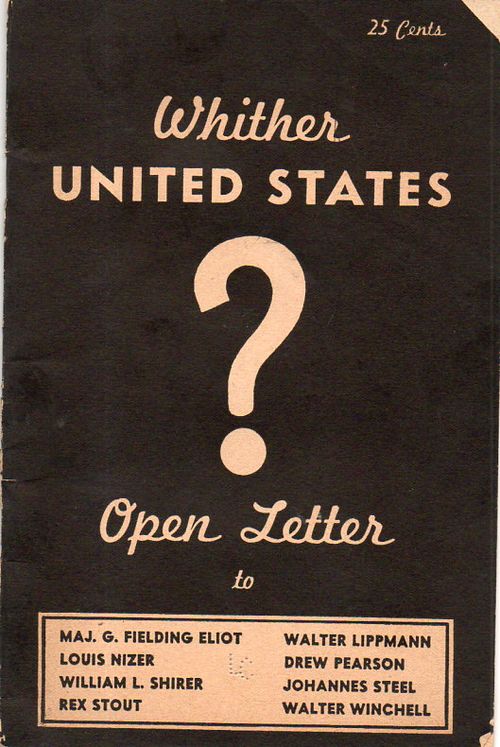
    Then there is Whither United States?, written fairly late in the war (1944) by T.H. Tetens, who was a journalist (born 1899) thrown into a concentration camp in 1933 and who subsequently escaped, making a career in the U.S. The provocative cover brings up a real issue inside, as Tetens questions how people are appointed to sensitive positions in the war-time. His major example is Hans M. Hoffmann, who was appointed to a critical post in the Office of War Information.though Tetens’ investigation shows that Hoffmann was the editor of teh Staats Zeitung, which was pro-Germany and Hitler-supportive through Hoffmann’s tenure there from 1933 to 1941. I don’t know about Hoffmann–he doesn’t show up in any of my references here and doesn’t make an appearance in this capacity on the internet, but Tetens seems to make a very strong point.  And hence, I guess, the large question mark.

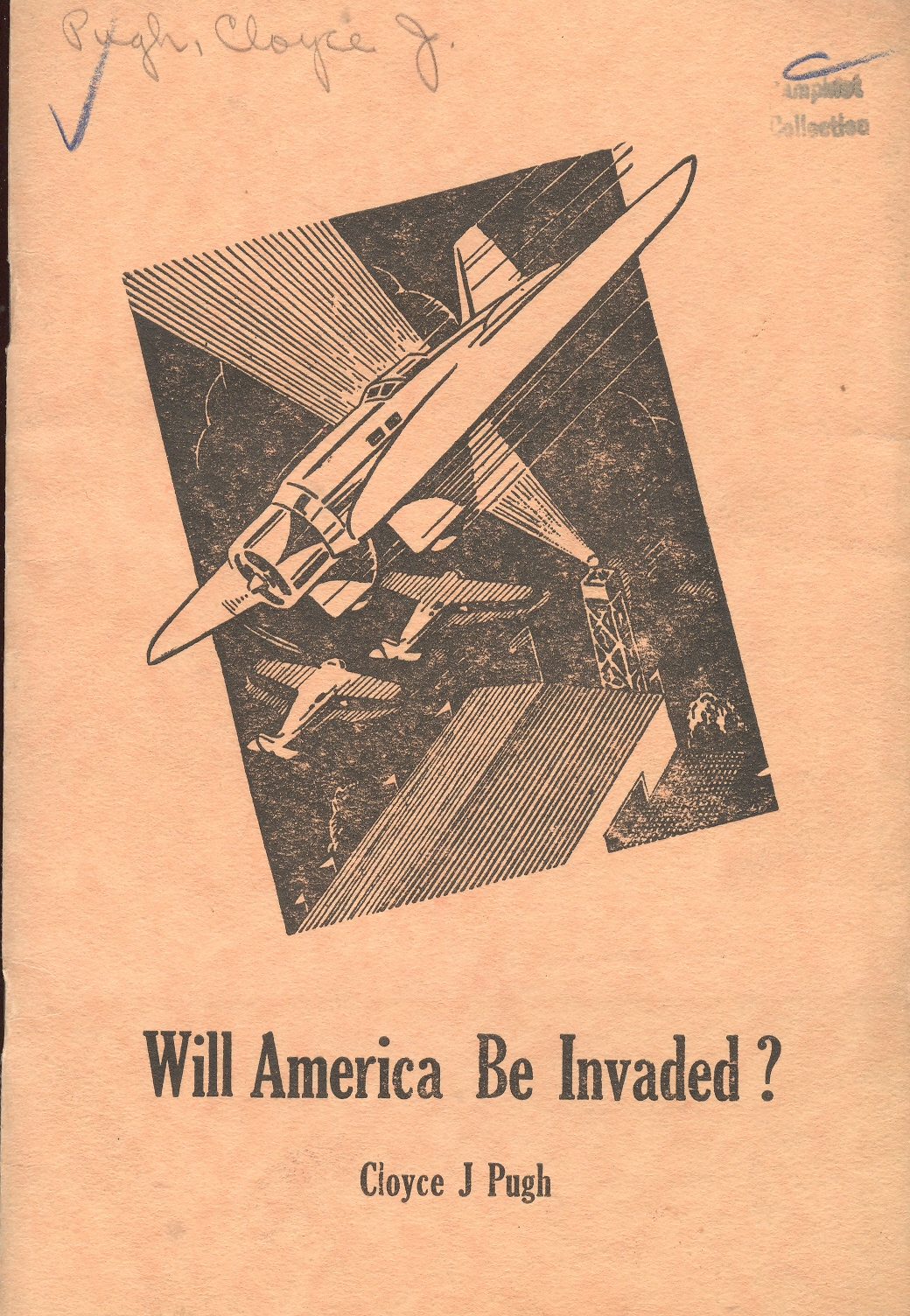
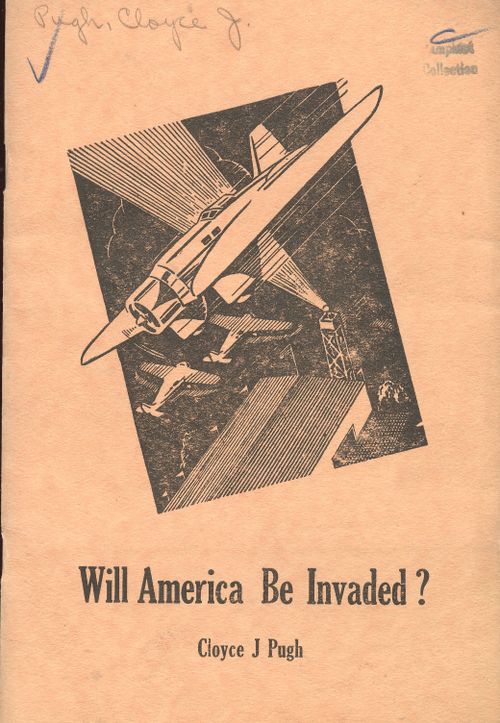
    The next pamphlet, Will America Be Invaded, was published by the Christian Fellowship Press in Akron, Ohio, in 1941, and leans mightily upon scripture to state assumptions about the coming menace to America being presaged in the Bible.  That invasion also seems to be allowed by God (according to prophesies and such) in pursuit of murky results.  The conditions which will prevail “when God permits invasion” (according to this person’s reading of the bible)) include the formation of monopolies, extensive wine and music, “unbelief in God’s judgments”, conceit, “wine and bribes in high places”, and “perverted moral stanfa5rds.  All of this—it is claimed—can be remedied through one medium:  prayer; and prayer through only one mediator, Jesus Christ, who would then take the communications to god’s ear.  
    ==Blog July 15==will america be


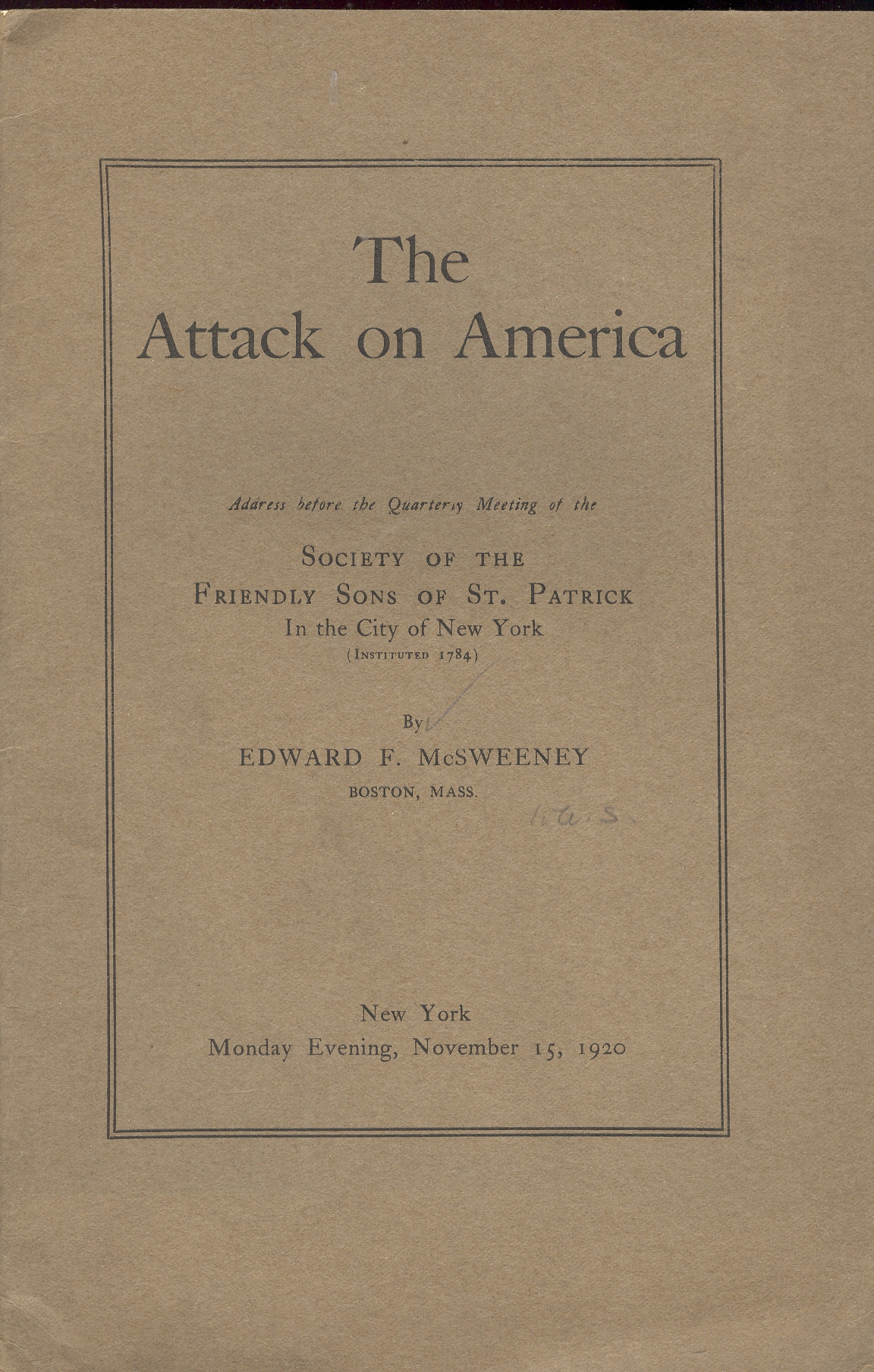
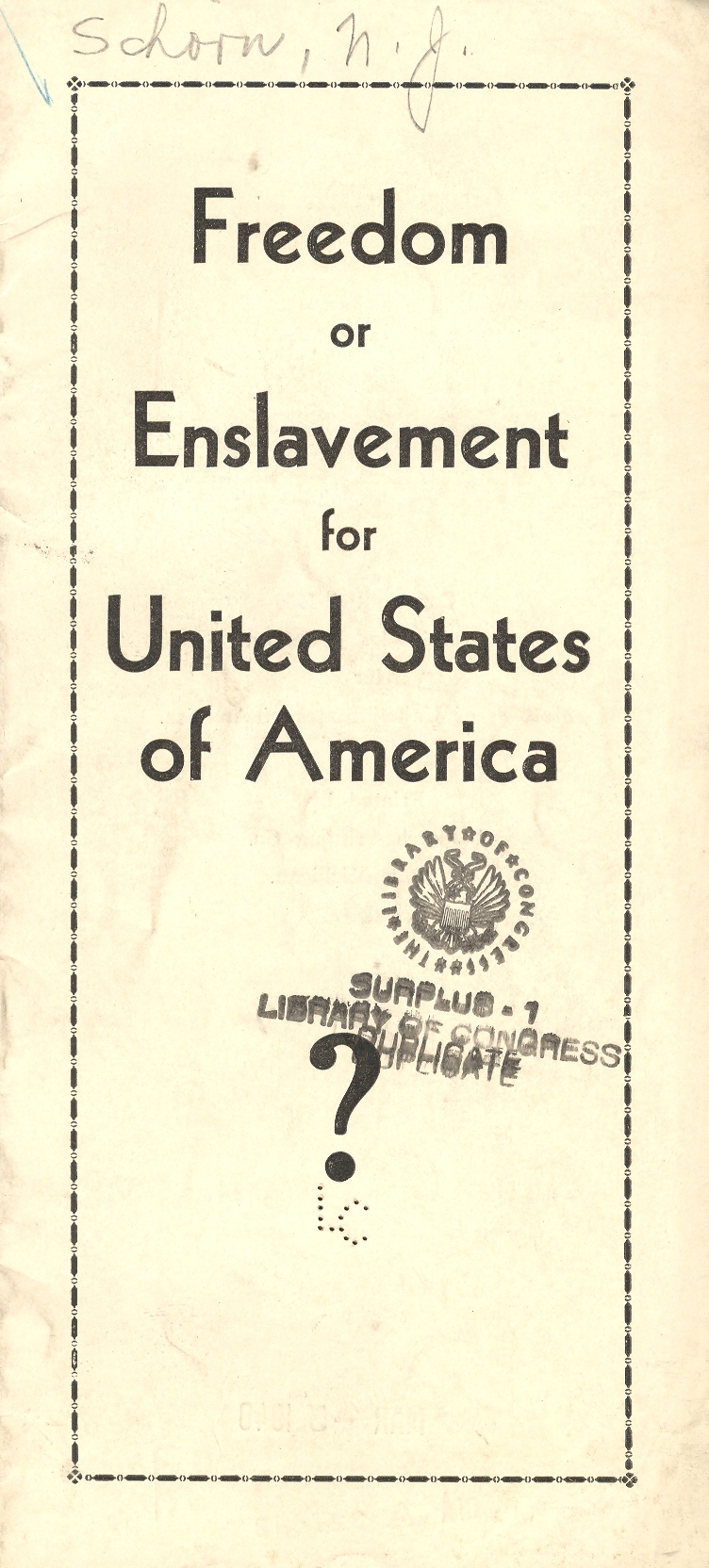
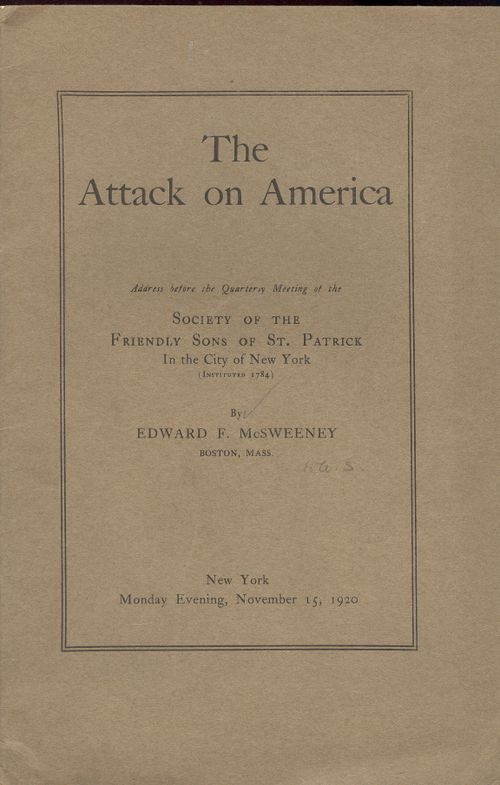
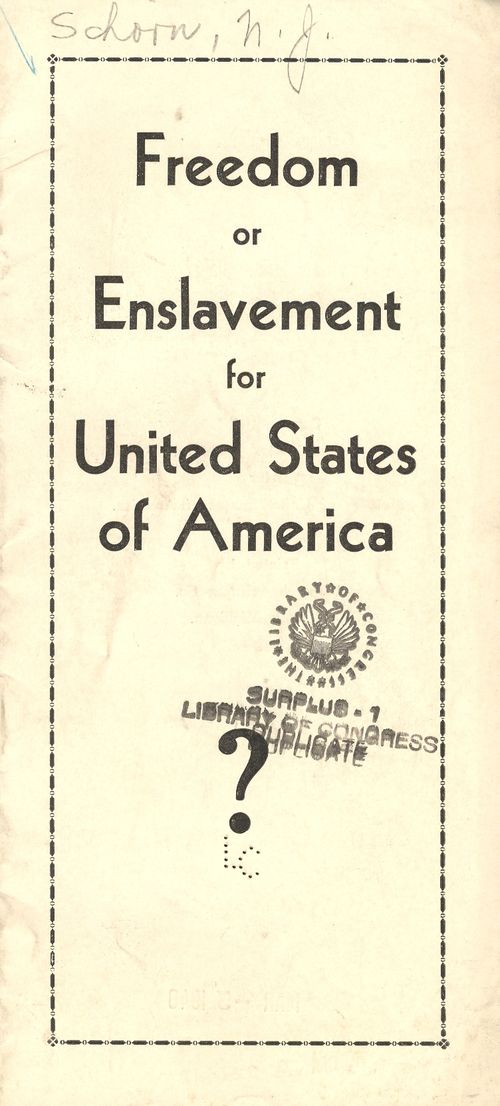
    The Attack on America, published by the Friendly Sons of St Patrick (of NYC), was a cautionary pamphlet published in 1920 warning against certain dispassionate evils of British propaganda in the United States.  Freedom or Enslavement for United States of America (sic), published in 1939 for the Mothers of United States of America (sic) advocated a freedom policy that prohibited conscription in foreign wars and would present a state of permanent neutrality. It also made some pretty vicious anti-Roosevelt attacks, finding him the Socialist root of the coming empire of American evils with a wildly power-mad and legislative-grabbing presidency.
     ==Blog July 15==attack omn amer

    Quite a grouping of pamphleteers concerned with the potential overthrow of the United States, each seeing the unfortunate possibility of national death via divergent and disparate means:  the fall of the country due to not being part of the Allies during the war and also for being in it; biblical ordination of invasion that is only combatable through prayer; British and European propaganda control of the national welfare; and of course the diabolical Socialist menace of Franklin Roosevelt and the imperial presidency as the ruination of the nation’s future.  All of this gently hidden by disturbing titles which really don’t give you a hint about what wildly unexpected ways the end was approaching.  And whatever they were, they were definitely not high-order thinking.
     ==Blog July 15==america slave


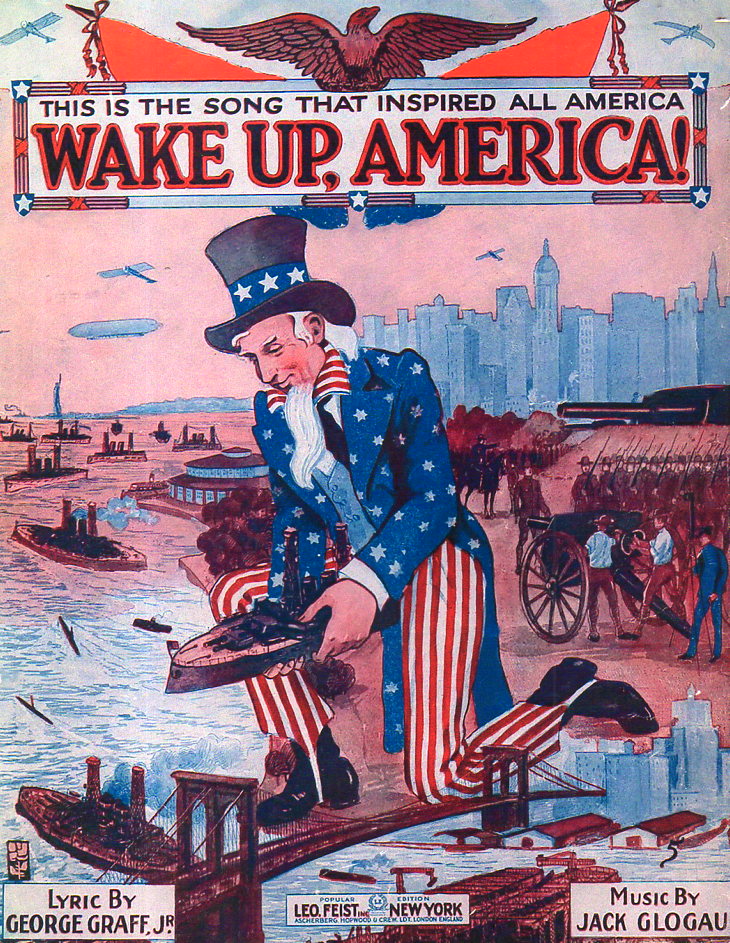
    And then there is this:

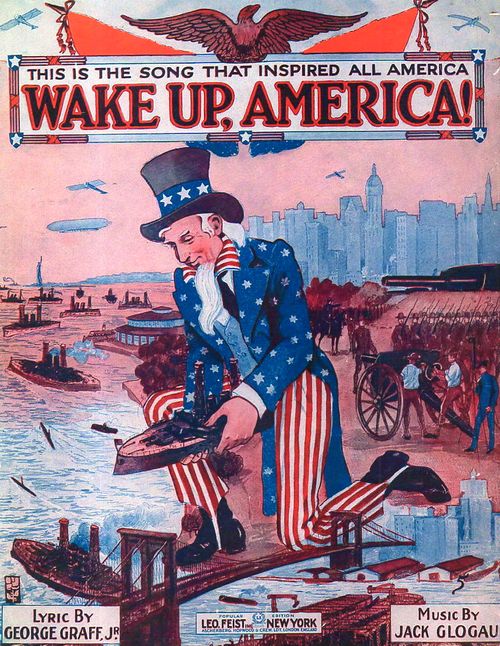
    America Invaded  Wake Up Amerrica 167

     To listen to the song, check out this link to the Library of Congress  (male solo, orchestra), 1916. 
     

Recent Posts

Archives

Categories