A Daily History of Holes, Dots, Lines, Science, History, Math, Physics, Art, the Unintentional Absurd, Architecture, Maps, Data Visualization, Blank and Missing Things, and so on. |1.6 million words, 7500 images, 4.9 million hits| Press & appearances in The Times, Le Figaro, Mensa, The Economist, The Guardian, Discovery News, Slate, Le Monde, Sci American Blogs, Le Pont, and many other places… 5000+ total posts since 2008.

  • Found Poetry Going into Nothingness (Gestapo Prison, 1944)

    JF Ptak Science Books   Post 2565
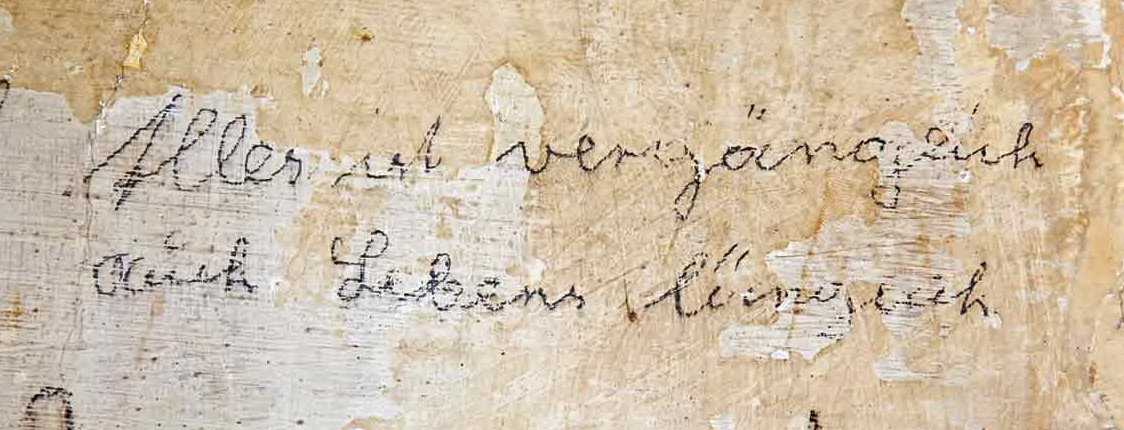
    El-De House inscription

    “Everything is transient–even a life sentence.” [Image source: http://www.museenkoeln.de/ns-dokumentationszentrum/pages/764.aspx?s=764#!prettyPhoto ]

    So reads the inscription on a wall in one of the cells in the former Gestapo “house prison” at the EL-DE House in Koln. There’s no real telling how many people the Gestapo brought to this place.  There were 10 cells in the basement of the building seized of Leopold Dahmen (the “L.D.” of “EL-DE”), but they could be made to hold many people (some as many as thirty) for interrogation and torture. From there, people were sent off to other Gestapo prisons, or to the Buchenwald sub-camp nearby at the fairgrounds,  or shot in the head, or executed right there in the basement on a mobile gallows built for seven that was stored next to the kitchen.

    The Gestapo negotiated to use the building (Appellhofplatz 23-25, at the corner of Elisenstrasse) and put it to heavy use for the next ten years, arresting and kidnapping social agitators, anti-NSDAP, Communists, Democrats, Gypsies, gays, and others deemed to be detriments to society or threats to the government, where they were questioned, beaten, and then generally sent off to some fatal rendezvous.

    The sizable EL-DE Haus survived the 262 air raids on Koln, including the massive (and first) 1000-bomber raid (May 30-31, 1942).  The majority of its seized occupants did not survive EL-DE Haus.  

    Today the building is an historical landmark in the city, a museum of the Nazi era. Many of the inscriptions etched/drawn on the walls of the cells by their prisoners are still visible and have been preserved–some have been restored (in spite of some being painted over in 1979 in a decision no-doubt being either resistant to understanding and full of malicious thought or being entirely thoughtless).

    The inscriptions are recorded at the museum’s website ( http://www.museenkoeln.de/ns-dokumentationszentrum/pages/764.aspx?s=764#!prettyPhoto) along with numerous photos of the cells and the structure.  

    One is particularly lonely, and fearful, and reads in a way like found-poetry of dread unknowing and anticipation:

    “7/9/44 Thursday, 8/9/44 Friday;

    9/9/44 alone

    11/9/44 Monday, 2 Frenchwomen;

    12/9/44 Tuesday, 13/9/44 Wednesday, one German woman;

    14/9/44 Thursday 15/9/44 Friday  

    Wednesday 18th October 1044 Been here 26 days,

    Thursday 19 October 27 days,

    Friday 28th October 28 days,

    Saturday 21 October  29 days,

     Sunday 22 October 30 days.

    So one month here.”

    Someone was desperate. trying to capture time spent in the dank place, recording an existence, calling time by its full name, every day.  And then off to nothing.  
     

  • The End is Near for You: Germany, May, 1945

     JF Ptak Science Books   Quick Post

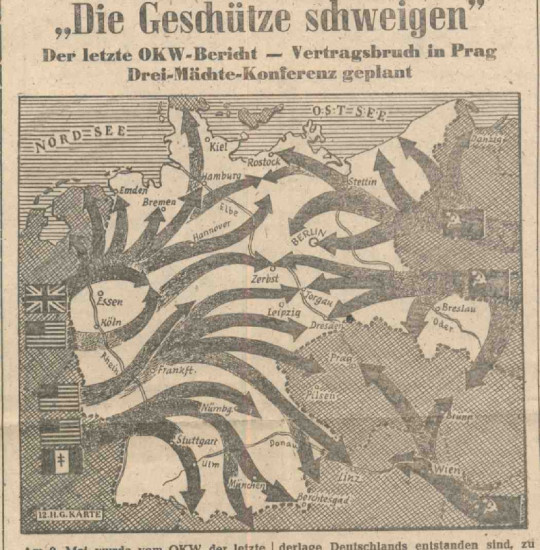
     This incredible map appeared in the May 19, 1945 issue of the Kolnischer Kurier,  It was published in Koln, in German, for Germans, but was printed and distributed as news and propaganda by the advancing U.S. Army.  It is remarkable that at the tail end of the final  offensive there were such forward-thinking people planning in terms like this, dealing with a newly-conquered enemy and trying to organize the thoughts of the population.  

    [The first twelve issues of the Kolnischer Kurier were published by the Americans; the rest of the newspaper (issues 13-62, 1945-6) were published by the British.]

    The map leaves little to the imagination except for what total defeat might bring:

    Kolnischer map

    [Kolnischer Kurier map, 19 May 1945, via Veri Josef Weber  http://veriweber.de/der-pulverdampf-hat-sich-verzogen/]

    The newspaper was extraordinarily, reporting on the Tötungsanstalt Hadamar/Hadamar Euthenasia Center in 1945, the Bergen-Belsen trials at Luneburg in September 1945, the Nuremberg trials (November 1945-September 1946), and much else.  Deserving a separate mention is a piece by Thomas Mann on the German concentration camps published nearly on the day of German surrender–Mann makes explicit, personal claims that all Germans are responsible for the atrocities of the concentration camps.  (Mann would make a radio address on May 8th exactly on the German soul and the concentration camps, and culpability, and blame, and the morality of  the war.  

  • Atomic Jello and Henry Darger

    JF Ptak Science Books  Post 2566

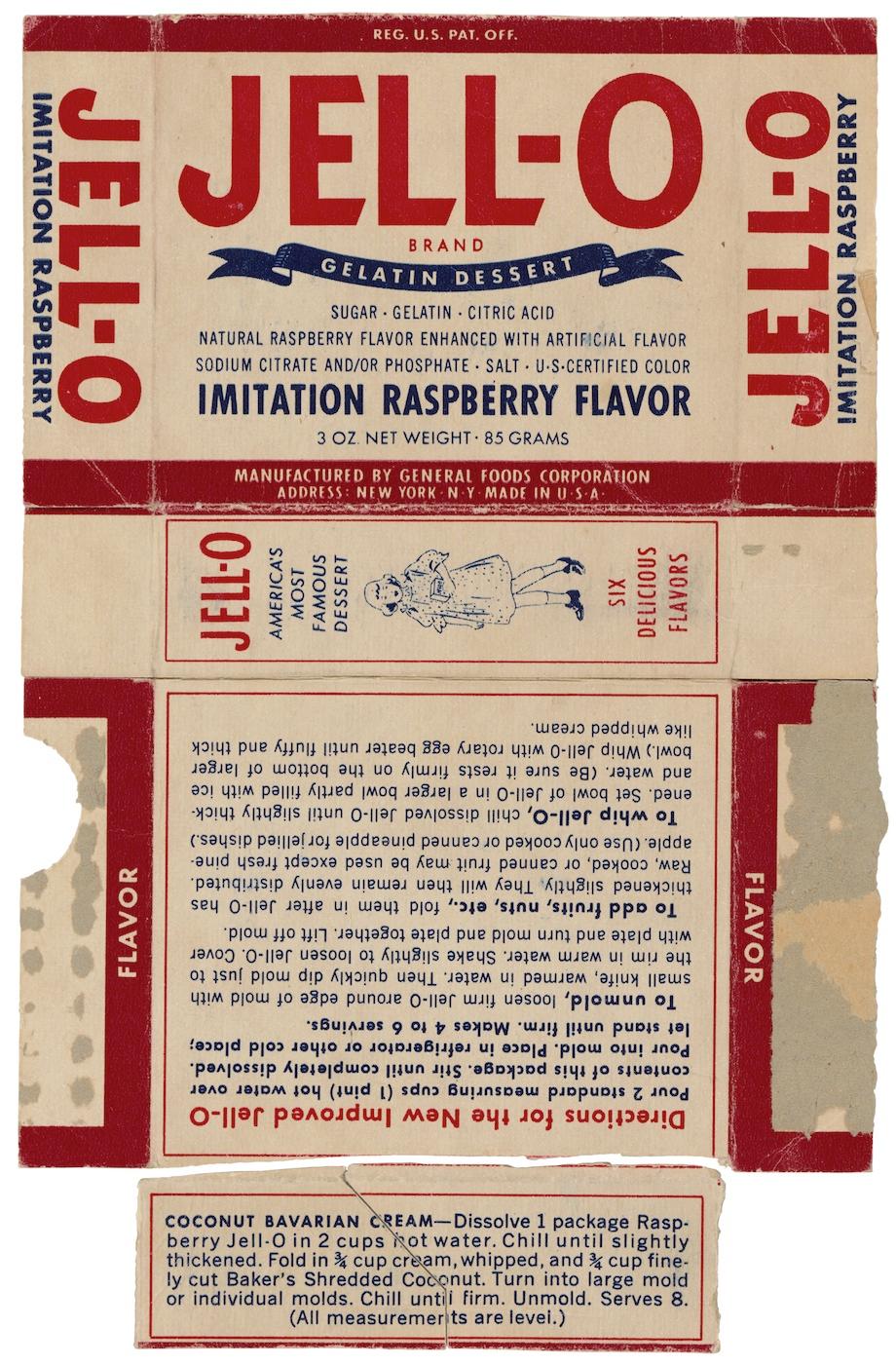
    Atomic Jello two point oneJello is a powdered gelatin formed of collagen, a cocktail of peptides and proteins from pig skin and cow bones, and “ready to eat”. 

    It is also basically what glue is.

    It is the “glue” part of this thing that brings us together here, to tell a story of atomic bomb secrets given to the Soviets and the U.S. traitors who made it happen.  

    The story of Harry Gold, David Greenglass, Ethel and Julius Rosenberg has been told countless times, and in some of them the hook for the story was this box of Jello. The Jello box was cut in half, and used as an innocuous way for Gold and Greenglass–who each possessed one half of the box–to match up, signifying that each man was communicating with his proper counterpart.  Why they thought it was innocuous to be walking around with Jello box parts in their wallets is not known, but they used it successfully, and under this cover of establishing their identities, they carried on their work.

    As I said, it is an old story. Back in the mid 1980’s when I thought I wanted to be a journalist one of the stories I dredged up was this one, and I tracked down the Rosenberg kids and interviewed them, and the janitor who cleaned up after the Rosenberg’s deaths in their execution in Ossining, and even to the Rabbi who was probably the last person to see them alive.  The story for them gets pretty weepy, and convoluted, but not so much anymore after you read the Venona transcripts regarding them.  And that pretty much tells the story, I think.

    Anyway, their stories are best told by others elsewhere.  

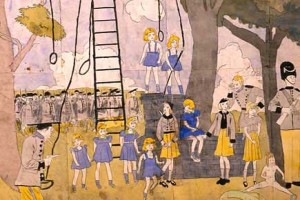
    All I wanted to do here was make the passing note that the girl on the Jello box has some resemblance to the girls populating the artwork of Henry Darger, the bleak, fabulous, impossibly-driven Outsider with what was probably a complicated and terribly unsavory fascination with young girls.   

    I don’t know if this is the exact type of Jello used by the conspirators, though this is what was entered into evidence at the trials of these people, a “replica” of what was believed to be the box, but it is good enough:

    Atomic Jello two[Source: National Archives, here: http://blogs.archives.gov/prologue/?p=4655]

    Here’s is an example of the (clothed) Darger Vivian girls. I know, I know, he is perhaps one of the great three/four great icons of Outsider art in the 20th century, but all I take away from him is a sense of very very complex creepiness:

    Darger girls

    [Source: http://www.chicagostagereview.com/the-most-conceptually-encompassing-production-of-2008-%E2%80%93-as-told-by-the-vivian-girls/]

    • See an earlier post of mine on Henry Darger and the Campbell Soup Playhouse Schoolroom for Kids, here:  https://historyofideasblog.com/thesciencebookstore/2012/09/henry-darger-and-campbell-soups-kids-playitme-schoolroom-1955.html
  • An Unusual Image Featuring a “Surrender” of London, 1917

    JF Ptak Science Books  Post 2567

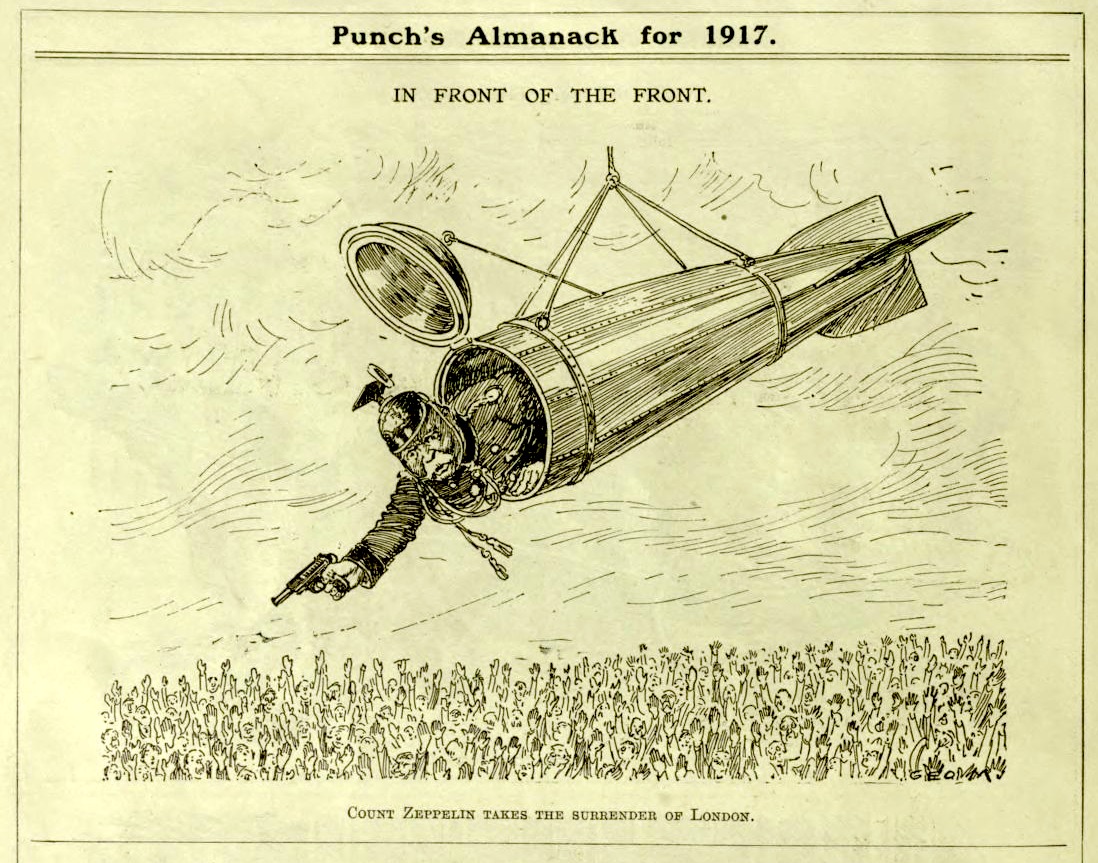
    I came upon this image unexpectedly with the sneaking realization that I have rarely (ever?)  seen the words “London” and “Surrender” together. But there it was, in the high-end satirical and critical magazine, Punch, or the London Chiaravari, in the January 1917 “Almanack” section.  WWI was a war of stunning adjectives, and in 1917 their brutal nature grew even greater. The aerial bombing raids which commenced in 1915 extended to  London, thanks in large part to Ferdinand von Zeppelin. During the war there were 50-odd bombing raids to the U.K., causing 1900 casualties, the result of 5000 bombs dropped from airships. In 1917 the raids were more the result of airplane bombing, with 27 raids and 2700 casualties.  So compared to WWII standards the damage and casualties inflicted on the population was not great–except of course these people weren’t living in their future, and the practice of dropping bombs from the sky was only a few years old (and the Wright brothers’ flight took place only 11 years before the start of the war) the idea of being blasted by Zeppelins and airplanes must have been a furious worry. 

    That’s what gives this cartoon such a poignancy, with the great newness of this new fear, the Brits displayed a characteristic “stiff upper lip” in the face of aerial attack–in this case perpetrated by the Count himself.  Here is Zeppelin being lowered from one of his airships over a compliant and surrendering London populace–no doubt the “surrender” part being far from anyone’s mind. Zeppelin would be dead in two months, and his airship replaced by a newer adversary, but right here in January, 1917, the Count and the fear of his attacks were being deflated, somewhat, displayed in a ridiculous situation so far removed from reality that its impossible possibility is humorous.

    WWI London surrenders


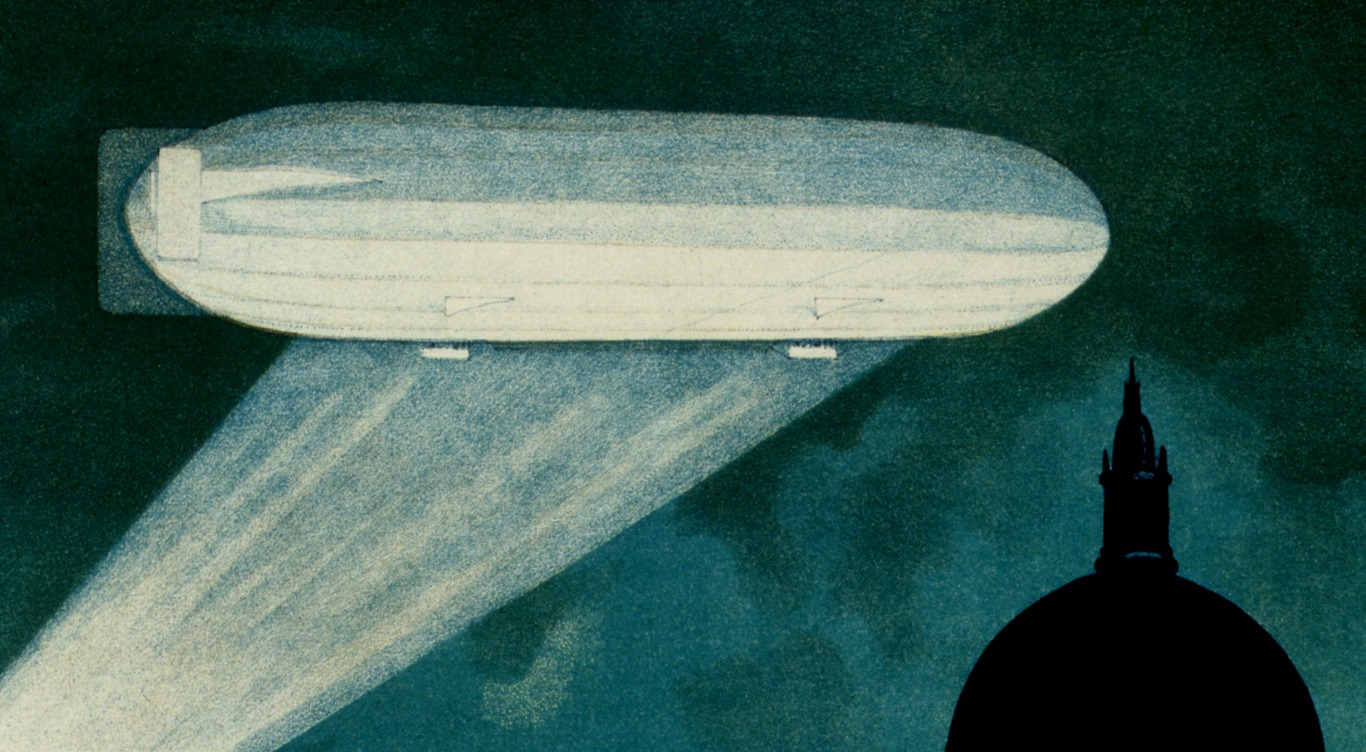
    The real thing caused a lot more damage via fear and trepidation than it did with actual casualties–unless you or your family were a casualty, and then it is a different story. But the fear was real, and it was used/displayed in a very provocative recruitment poster:

    WWI Zep raid poster detail

    [Detail]

    ·Posted by :

    ·in:

    —
  • An A to Z-ery of Love and its Associative Bits: the Map of Matrimony, 1879

    JF Ptak Science Books   Post 2568

    Rhinoceros nunquam victus ab hoste cedit–the rhino never turns away defeated from the enemy

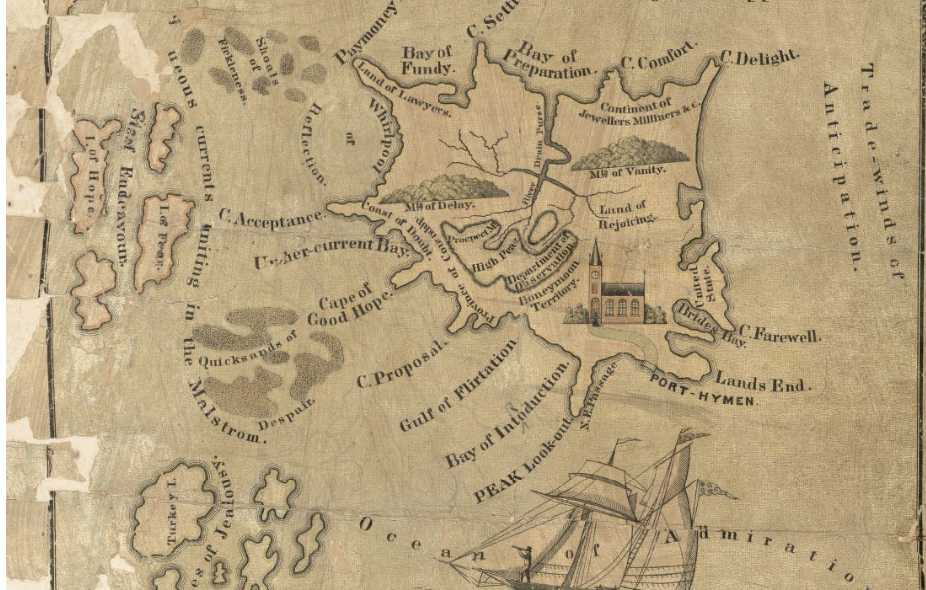
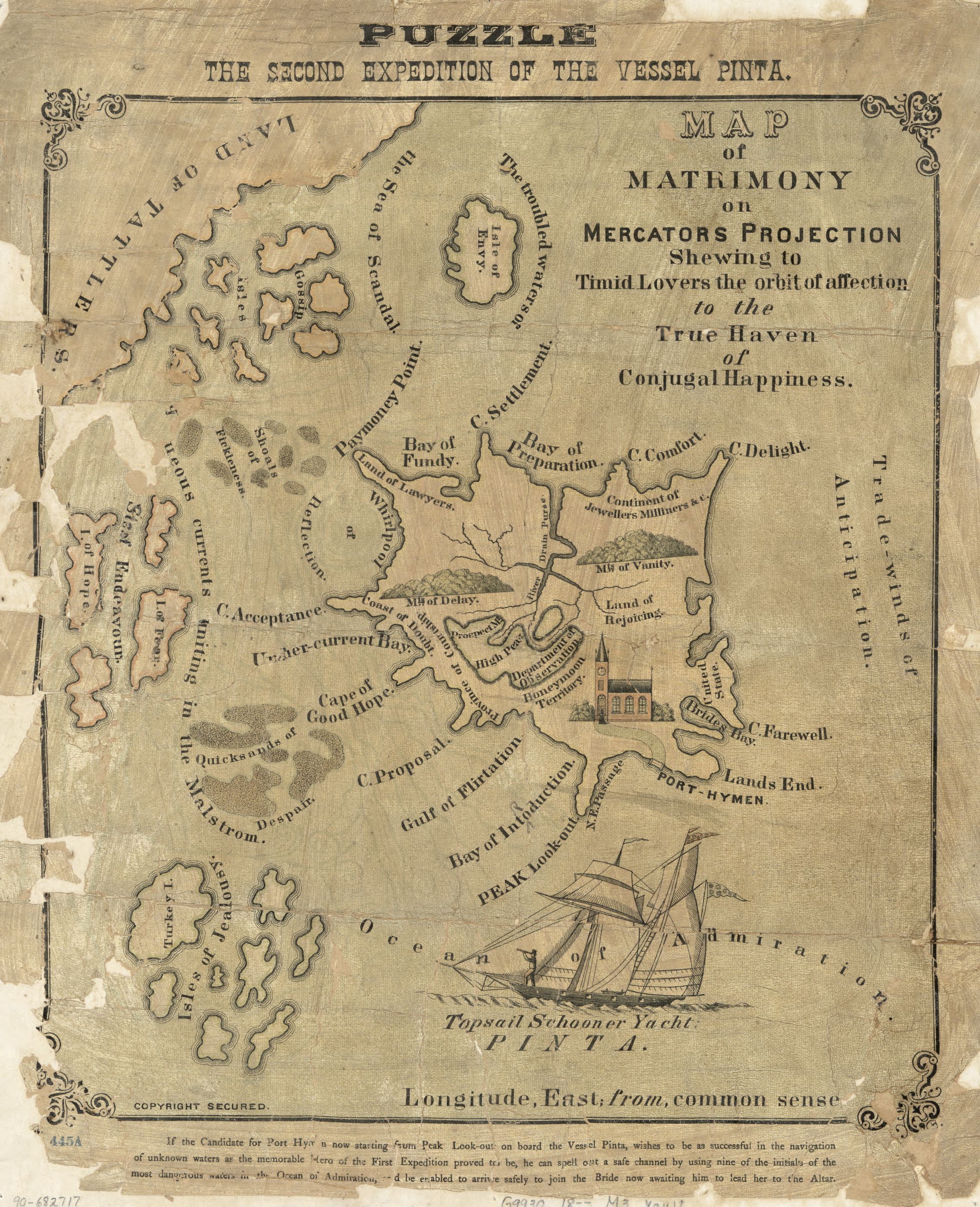
    And so we begin a look an an allegorical map1 of matrimony with an allegorical statement comparing marriage to a rhino–this is a first for me, and it may also be an original application of the epigram to (human) marriage.  I guess in the mind’s eye this looks as though it might be so, given there’s really no possibility of dealing with a charging rhino weather the Big Boy is charging in happiness or fear, anger or love–it is just going to get you.

    The map has a little more guile than this, enumerating the good points of marriage along with some of the bad–surprisingly these states nearly fill an alphabet, which is pretty unusual given that there are only about 50 states and it covers 17 letters (with nothing at all for the last four letters). 

    And so the carto-geographical indulgence of the alphabet of marriage: Acceptance, Cape of; Brides Bay; Comfort, Cape of; Delight, Cape of; Envy Point; Fickelness, Shoals of; Hope, Cape of Good; Introduction, Bay of; Jealousy, Isle of; Lawyers, Land of; Observation Point; Paymoney Point; Reflection, Whirlpool of; Scandals, Sea of; Tattlers, Land of; Undercurrent Bay; Vanity, Mount of.  


    Map of Matrimony[This is clearer when expanded. Source:  the Library of Congress http://www.loc.gov/resource/g9930.ct003856/]

    And the full version:

    Map matrimony large

    Notes

    1. Map of Matrimony on Mercators projection shewing to timid lovers the orbit of affection to the true haven of conjugal happiness. (In upper margin: Puzzle : the second expedition of the Vessel Pinta.)


  • Data Visualization of Surrendered German Arms, 1918

    JF Ptak Science Books  Quick Post

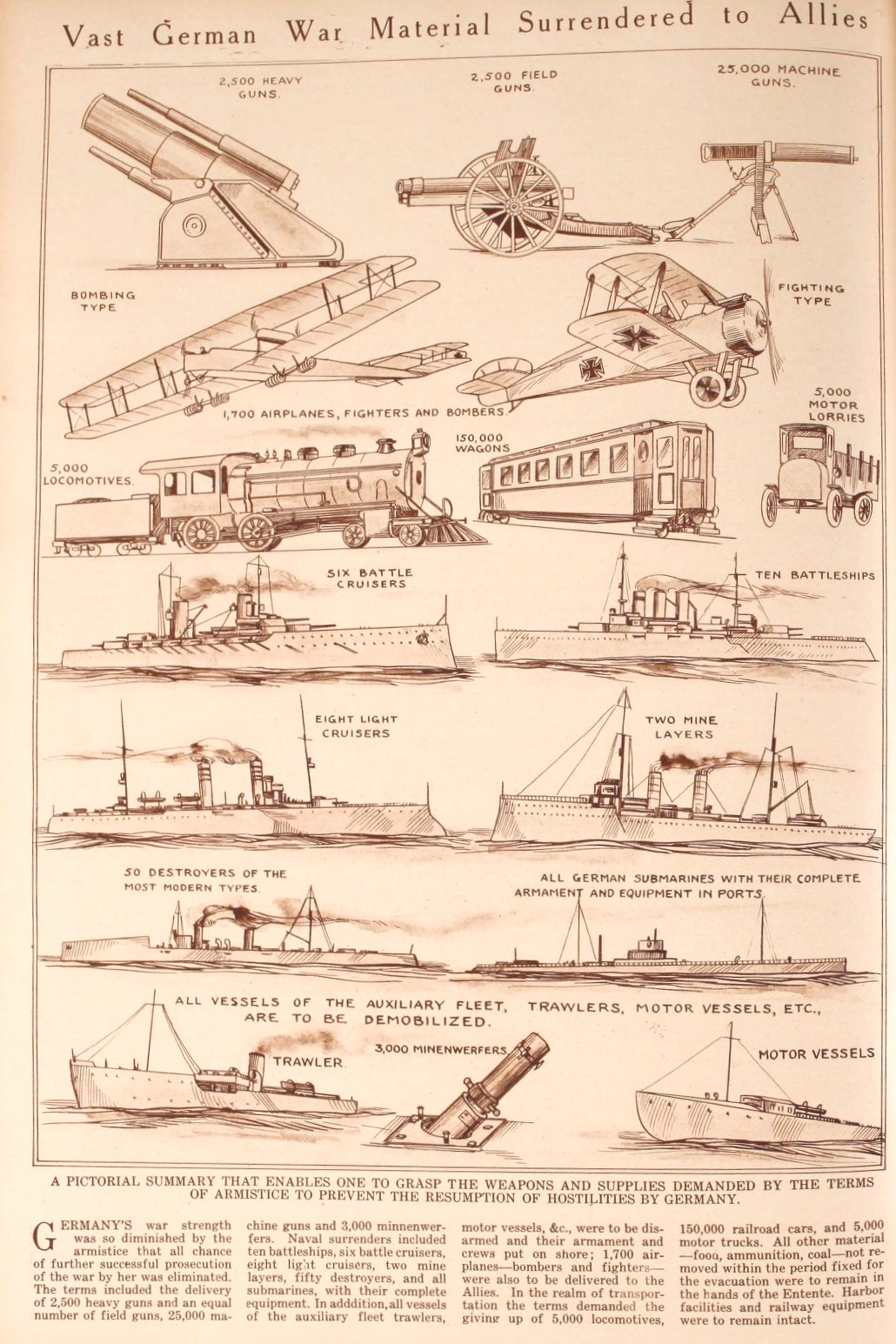
    The 1919 Treaty of Versailles was the peace treaty ending WWI. The 440-clause treaty spent the first two dozen or so clauses discussing the creation of President Wilson’s League of Nations, while the rest was a distribution of punishment and reparations against/on Germany. The German military as directed by Versailles was limited to 100,000 soldiers, and had 1926 machine guns, and 2886 cannons.  as stipulated Germany could have no tanks and no air force, and was limited to six ships and no subs, and had to keep the Rhineland free of all armed forces. 

    This infographic displayed some of what was given over by the Germans. Unfortunately I do not have the original source for this–it may have been from Punch in 1918, though I am not sure. In any event, it is interesting, and descriptive:

    WWI Project infoogphic German surrendered goods

    See another post (with other links) on this blog regarding German military strength in 1929:

     https://historyofideasblog.com/thesciencebookstore/2015/01/interesting-graphic-german-military-forces-1929.html


  • Sound Landscapes of Lost Acoustics

    JF Ptak Science Books   Quick Post

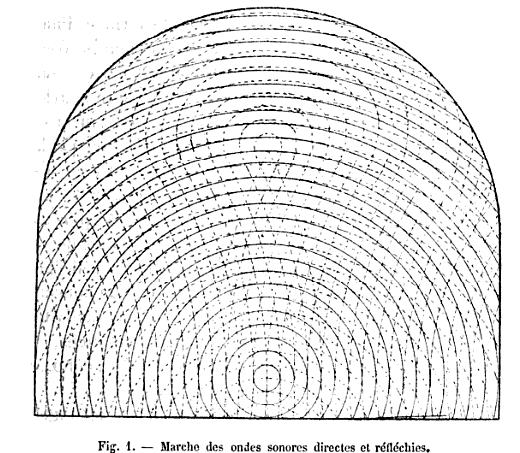
    There’s a LOT of artistic license in this title, but I like the idea of these acoustical plans as containers of what things sounded like in the halls and auditoriums that no longer exist. This is a big leap of faith given that the work that went into these images was conducted before the first truly scientific/mathematically rigorous architectural acoustics existed.  But I like tot think of them as reconstructions of sound in a particular environment. The drawings are also beautiful, inn their way.

    Image source: Theodore Lachez,  Acoustique et Optique des Salles de Reunions, printed in Paris in 1879. This is the second edition, with 116 text illustrations in the 518pp–these are almost entirely images of plans or elevations of music halls (for the study of seating and the room’s acoustics, etc.).  This edition also contains sections on the acoustics of “sales de debats parlementaires” and an examination of the “singular and curious” acoustics of the new Paris opera house. 

    The book is for sale on the blog’s bookstore; and/or you can have a look at it in full text online, here, at Google Books: https://books.google.com/books?id=MjoIAAAAIAAJ&pg=PA315&source=gbs_selected_pages&cad=3#v=onepage&q&f=false

    Acoustics

  • Living in Someone Else’s Hole

    JF Ptak Science Books  Post 2569

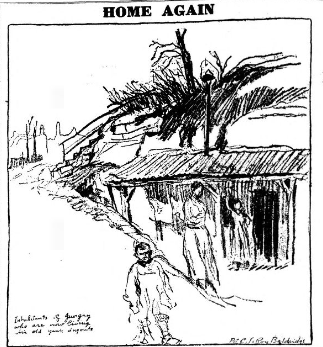
    I came across this field drawing in the September 21, 1919 issue of Stars and Stripes.  It is called “Home Again”, and depicts the conditions of the homeless in post-WWI Europe…unfortunately I cannot decipher the name of the town, though I suspect it is either Belgian or French (not too much of a leap of faith with that).  For the dozens of millions of casualties in WWI, there were also many millions of people left destitute and homeless.  This small illustration shows one case, the residents of this town forced to take shelter in the dugouts1 (see below for the OED definitions and history of the word) of an old U.S. Army trench.  

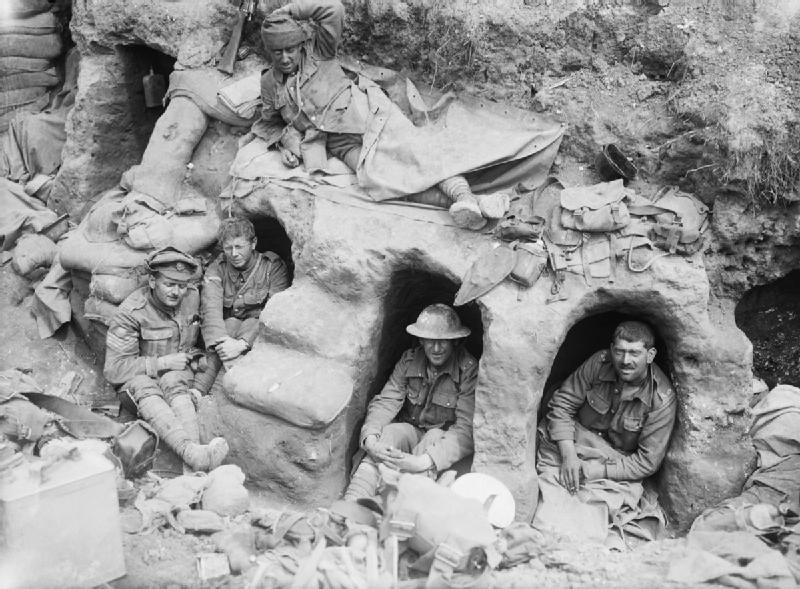
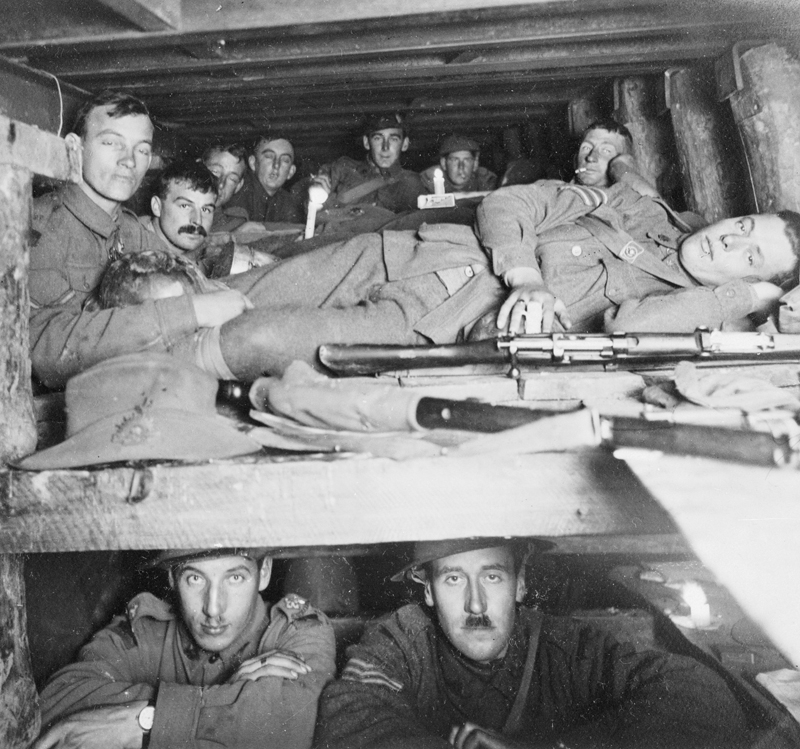
    Dugouts are more-or-less what the name implies, a shelter dug into the side of a trench to offer cover from shrapnel and the elements; these could be a hidey-hole the size of a soldier, or could be larger to house several soldiers at a time, though in general they were small, cramped affairs, meant to be sat rather than stood in. The design was also governed by the amount of trench depth that you had to work with. Sometimes the dugout would be attached to a tunnel leading deep under the trenches that would house headquarters and such and accompany man more men than the usual occupancy of, say, 1-4 soldiers. These seem to be more expansive than normal, being fully the height of a person, with more enclosure, and an awning.

    This strikes me as a particularly difficult image of the post-war situation 

    WWI Project Home Again


     The following images are found at the Imperial War Museum, here: http://www.iwm.org.uk/history/podcasts/voices-of-the-first-world-war/podcast-20-trench-life

    A simple dugout, no doubt fashioned in necessity according to what was available:

    Dugouts--crude

    Here’s an example of a more deeply dug dugout (“fifteen feet underground”):

    Dugout 15 feet below ground


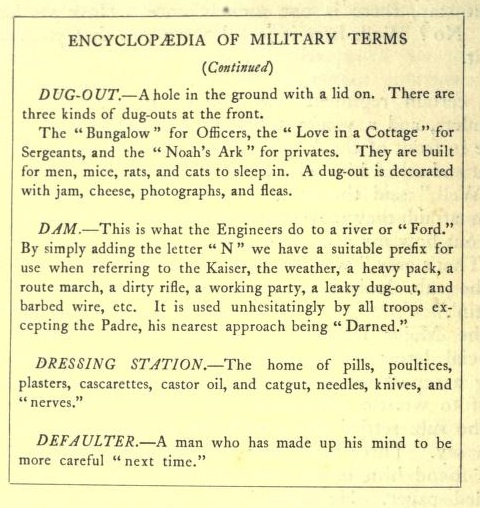
    Also, via a find by Public Domain Review, this 1916 soldier’s definition of “dugout”:

    Source:  http://publicdomainreview.org/collections/made-in-the-trenches-a-ww1-magazine-created-by-soldiers-1916/    Original source:  Made in the Trenches, composed entirely from articles & sketches contributed by soldiers, edited by Sir Frederick Treves and George Goodchild; 1916; George Allen and Unwin , London.

    Trench definitions

    ·Posted by :

    ·in:

  • Bumping Into the Very Early Days of Television–the “Electric Telescope” and “Seeing by Telegraphy”, 1880

    JF Ptak Science Books   Post 2570

    This short notice of work-under-way,  “Seeing by Telegraphy” by William.Edward Ayrton  (1847-1908, electrical engineer, F.R.S., and electrical infrastructure pioneer of Japan and India) and John Perry (M.E., F.R.S.), is one of those fascinating little “pop-ups” that appeared in the preeminent weekly journal Nature on May 13, 1880 (page 31).  Nature of course published quick announcements of breaking scientific research in lengthier articles, and it would also publish short notices of articles appearing in other journals, and also would have shorter notices like the one below.

    This is why it is so exciting to just browse/graze in these journals–you never really know what you might find.  This was unexpected, though had it not been for the catching title, I would have no doubt passed it by.  

    It turns out that this is a very early rumination on the possibilities of “television”, though at this time that name didn’t exist, and the people working in the area of transmitting images by wire referred to it  (for example) as “Seeing by Telegraphy” (Henry Middleton, 1880) and “Seeing by Electricity” (J.E.H. Gordon, again in an article in 1880). Earlier still (and perhaps first on the scene) is Adriano de Paivra (1847-1907), who wrote “A Telephonia, a telegraphia, e a telescopia” in 1878, introducing a fantastic and beautifully-named idea of the electric telescope, the telectroscope, or long distance vision by wire.  


    A longer article on the above appears slightly later in Science, in 1880, the full text available below.

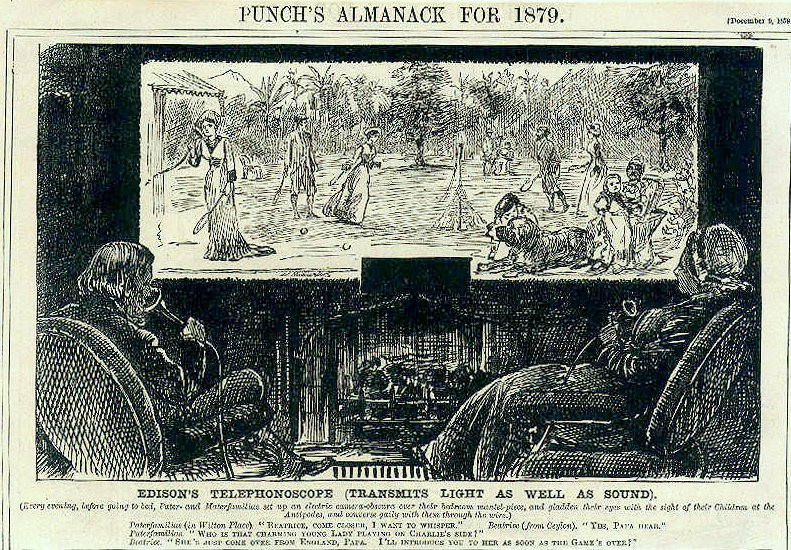
    As it turns out, I’ve read that Perry and Ayrton were influenced/energized by a cartoon of the future of communication that appeared in Punch magazine in the “Almanak” section for 1879.  This was supposed to be an invention named the “Telephonoscope”

    File:Telephonoscope.jpg

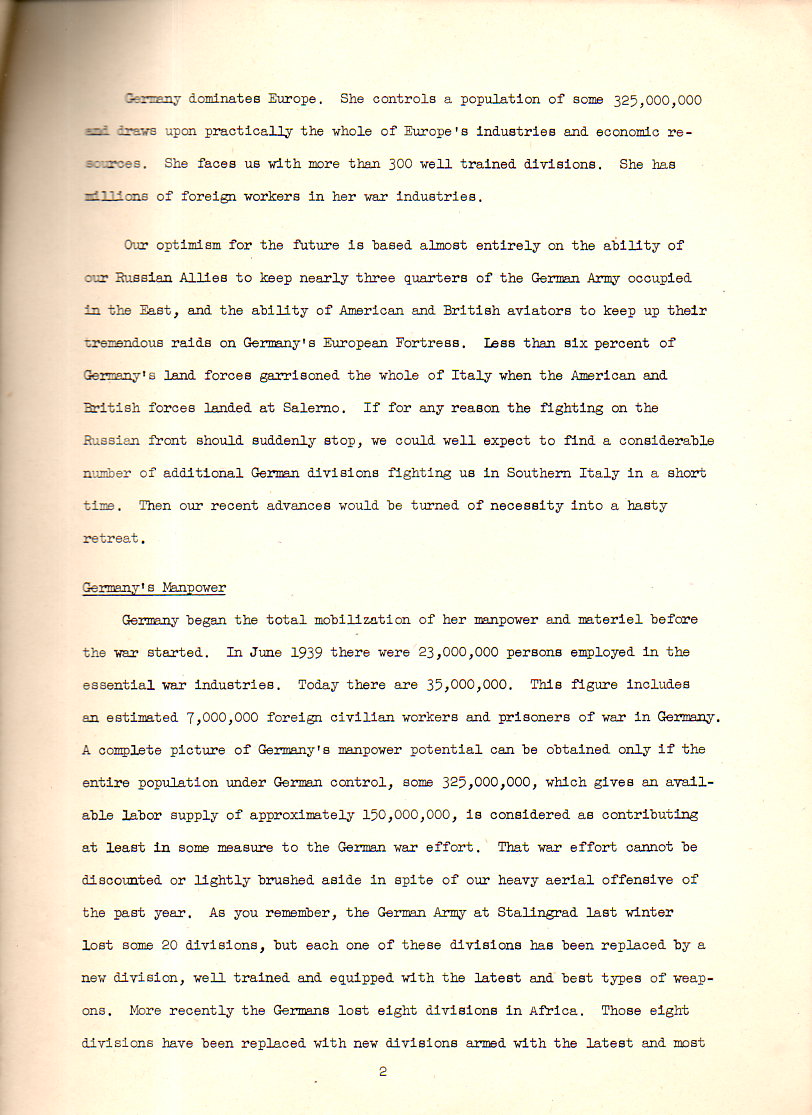
  • A Rare Report on the Strength of the Axis, 1943, by the Assistant Chief of Staff G-2

    JF Ptak Science Books 

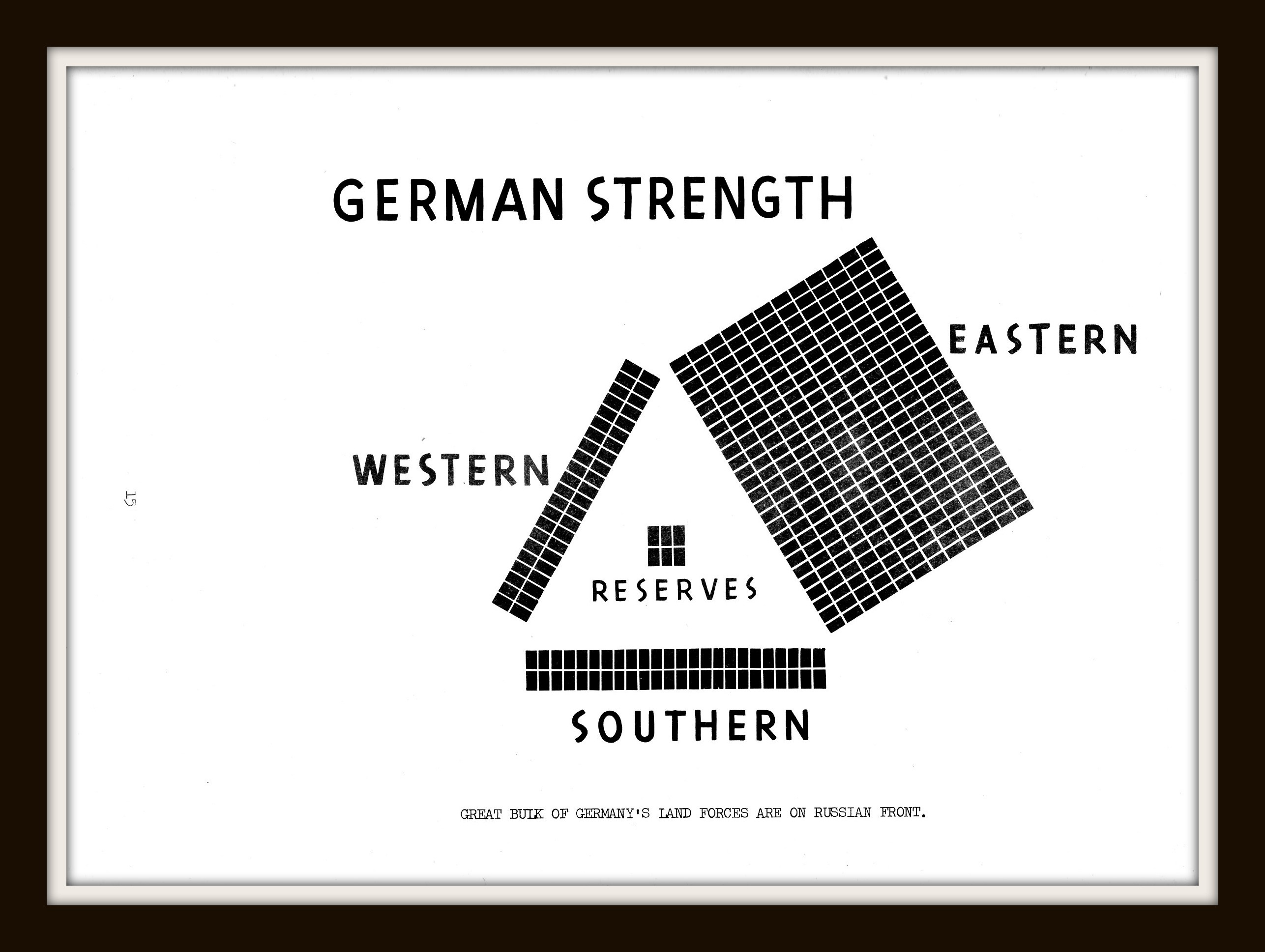
    Strength of the German dataviz army strength309

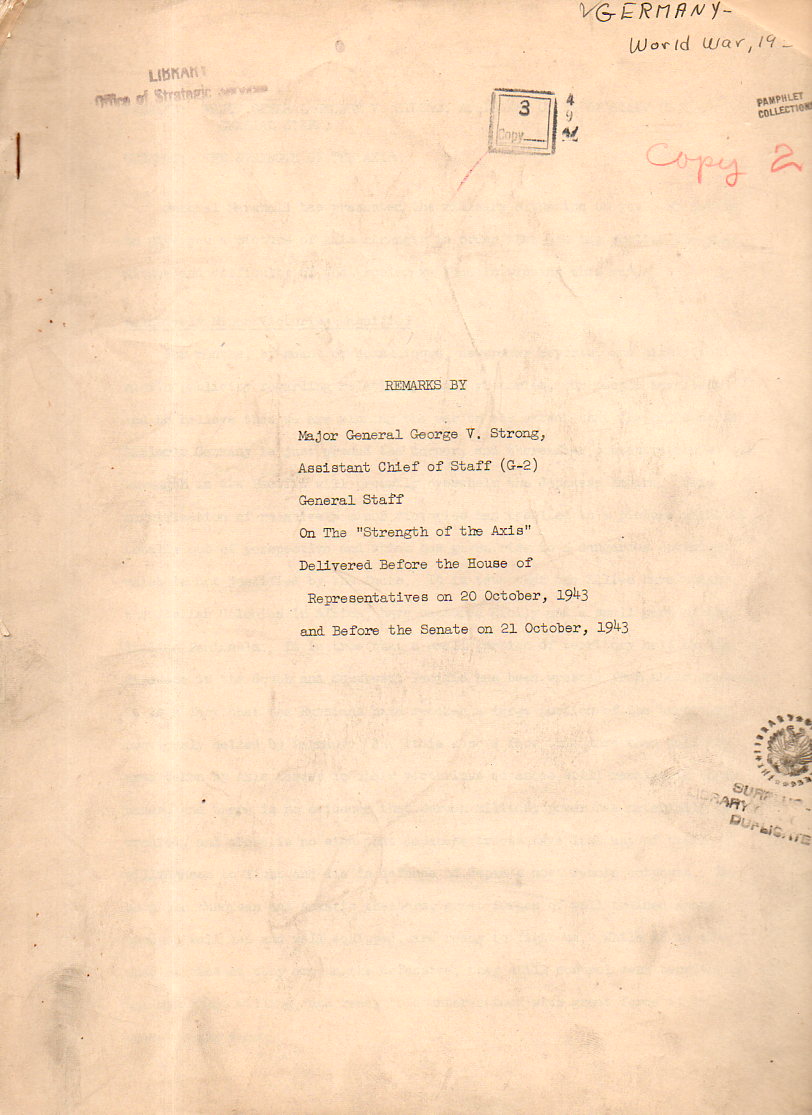
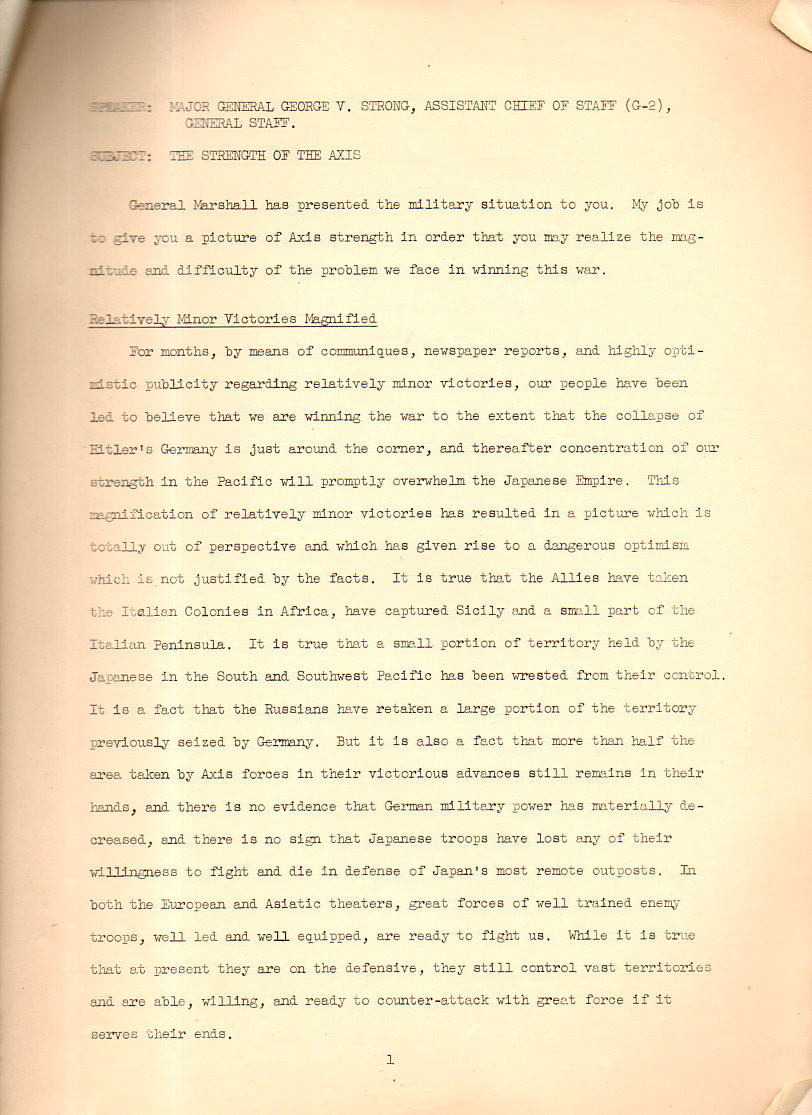
    Major General George Veazy Strong (USMA ’04), in 1943 as the Assistant Chief of Staff of the Army Intelligence Unit (G-2)–a position of enormous importance–delivered his very sober and reasonable summation on the strength of the Axis forces before the U.S. Congress (on October 20 and 21, 1943). which was printed in this report.  (It is of historical and bibliographical interested to note that this document was in the library of the Office of Strategic Services (the O.S.S., the precursor to the C.I.A.) before it was sent to the Library of Congress and deaccessioned.)

    Strong Strength Axis _1_176

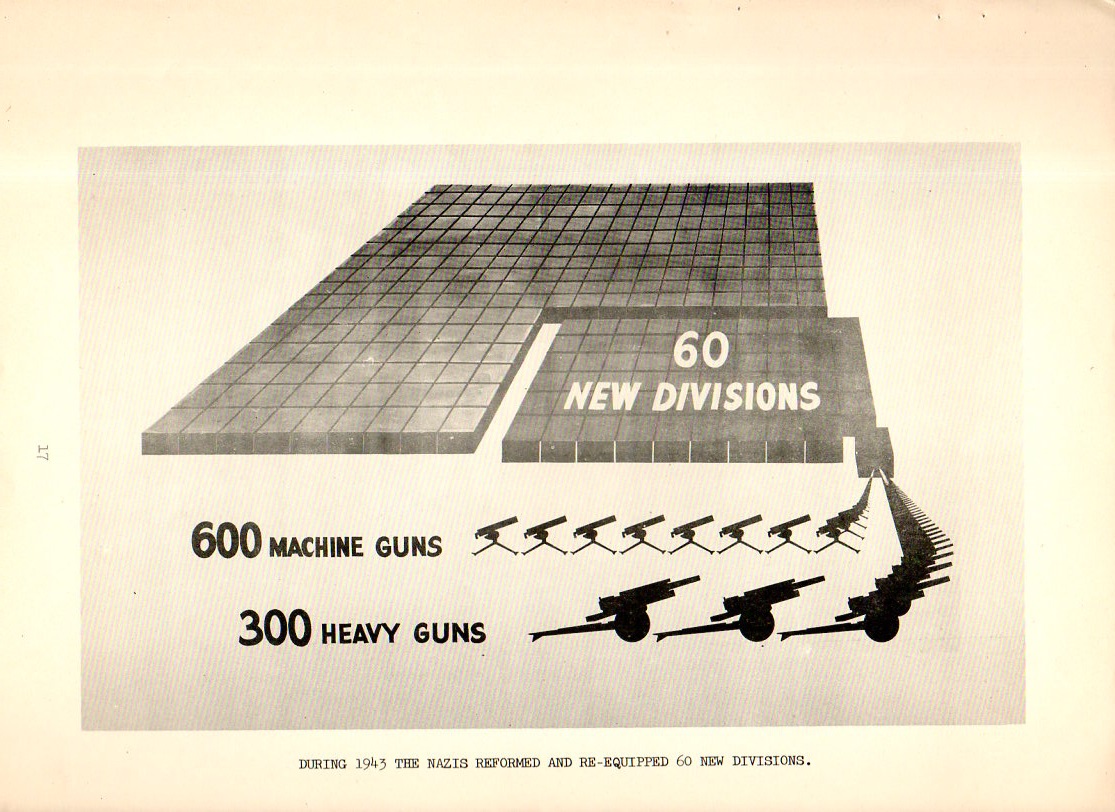
    The document is somewhat over-sized (at 12×9″) and is 13 pages of text, followed by 17 leaves of diagrams, some of which are very strong images of superior design. Strong was very highly accomplished, of very wide experience, and was an excellent thinker.  His report was concise and thorough, and must have made a mark on his listeners in the House and Senate.  

    The report seems to be rare–I cannot find mention of it popularly in the social media, and there seems also to be no trace of it in the WorldCat outside of an LP recording (at the Library of Congress), meaning that there seems to be no copies of the printed version in libraries worldwide.  

    This is an interesting read, and since it appears to be nowhere I believe I should reprint it, here, shortly.  

    • The original is available via the blog’s bookstore, here.

    Strong Strength Axis _2_177


    Strong Strength Axis _3_178

     Examples from the graphics section:

    Strong Strength Axis _6_181


  • A Tiny Peep at the African American in the Great Depression & Dust Bowl Migration, 1935

    JF Ptak Science Books  Post 2571

    The Negro Transient

    [Source: http://newdeal.feri.org/opp/opp3513.htm]

    I found this article, “The Negro Transient”, by Herbert C. Jenkins, in Opportunity, Journal of Negro Life, January 1935, while looking for support material for an F.S.A. publication on immigration of “drought sufferers” and the indigent poor.  It is an interesting account of an African-American experience of part of the Dust Bowl, with a number of interesting collections of data and stats for “travelers” in the St. Louis area in 1935.  These “travelers” of course were folks who took it hard from the Depression and from the great  and dismal drought that killed many American farms throughout the Mid-West and West, and so they hit the road looking for the opportunities that dried up and blew away at home.  The new sense of “home” would be defined as anywhere there was work or benefit, which were difficult things to find in the sixth year of the Great Depression.  

    One of the Roosevelt administration’s aid to helping this large population on the move across the country was the 1933 creation of the National Association for Travelers and Transient Service, which was an outgrowth of regional Traveler Aid societies, many of which were formed in the 19th century and focusing their attention on immigrant issues and the poor. The federal program did its level best to provide shelter, food, medical aid, education, and other services to help and even improve the state of the homeless, the poor, and the Dust Bowler–in many cases the widespread assistance to people in need was unprecedented. 

    The fascinating part of the story in Opportunity was the African American angle on population-in-motion.   The author, Herbert C. Jenkins, reports that “The November issue of the Transient, a bi-monthly publication issued by the National Association for Travelers Aid and Transient Service, states that there were 249,975 individuals under care in Federal Transient Bureaus October 15, 1934.”  And “As in every movement of nation-wide scope Negroes contribute their quota to this transient army. There are no available figures at hand to show the percentage of the number under care in various bureaus, but because of the traditional “last to be hired and first to be fired” policy which exists in industry they doubtless constitute a substantial number of these wanderers.” Jenkins proceeds to establish data that gave a peek into the African American part of the issue.

    Opportunity cover 1926 b

    http://sites.davidson.edu/littlemagazines/wp-content/uploads/2010/08/Cover1925.jpg


    Opportunity cover 1926


    ·Posted by :

    ·in:

    —

Recent Posts

Archives

Categories