JF Ptak Science Books Post 2120
“Mr. Bulwer, through art, has almost created a genius. Mr.
Dickens, through genius, has perfected a standard from which Art itself
will derive its essence, in rules.”–E.A. Poe on Charles Dickens, 1841.
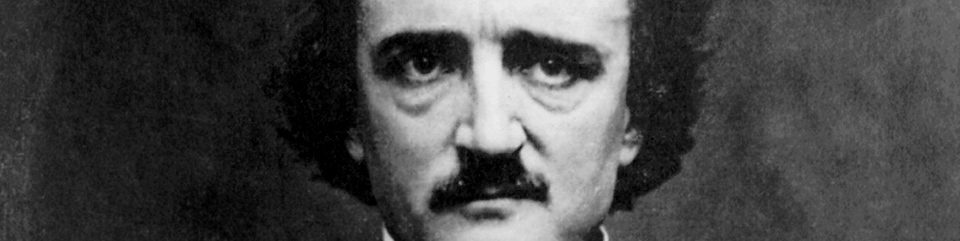 [Image source: National Park Service]
Edgar Allan Poe
was a brilliant and insightful and more-than-occasionally a vicious/wicked surgeon as literary critic–in his collected works there is one entire volume dedicated to those works, and it is well worth a read.
Poe reviewed Master Humphrey’s Clock and The Old Curiosity Shop for the May 1841 issue of Graham’s Magazine–that’s because they were written and published serially at about the same time, both ending in late 1841, and written by a man who was seemingly several brilliant writers at the same time. (fFor all that he wrote, he must have been several people, because he managed to do it all in a life-span of 58 years1.)
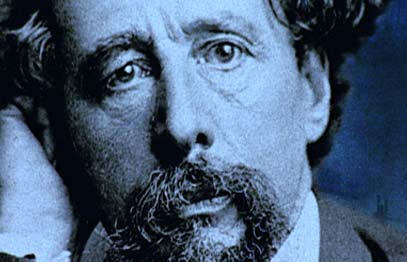
He says
something of Dickens that is pretty remarkable. To be sure he was not always this glowing, and not necessarily supportive, and was a razor-sharp critic when the need arose–that need seemingly being most of the time)–but this is what he had to say on Dickens, and it reads quite true to me:
“The Art of Mr. Dickens, although elaborate and great, seems only a
happy modification of Nature. In this respect he differs remarkably from
the author [Edward Bulwer Lytton] of Night and Morning [1841]. The latter, by excessive care and by
patient reflection, aided by much rhetorical knowledge, and general
information, has arrived at the capability of producing books which be
mistaken by ninety-nine readers out of a hundred for the genuine
inspirations of genius. The former, by the promptings of .the truest
genius itself, has been brought to compose, and evidently without
effort, works which have effected a long-sought consummation- which have
rendered him the idol of the people, while defying and enchanting the
critics. Mr. Bulwer, through art, has almost created a genius. Mr.
Dickens, through genius, has perfected a standard from which Art itself
will derive its essence, in rules.”