JF Ptak Science Books Post 1463
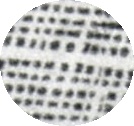
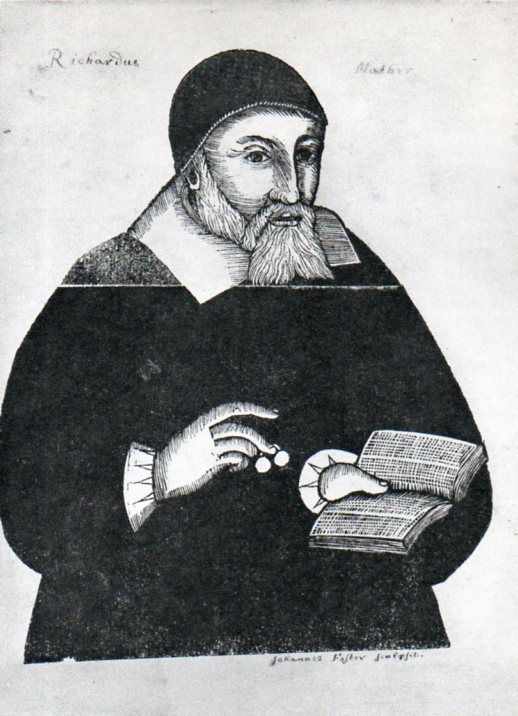
This installment to the thread on the History of Dots takes us to the very first print made in America–John Foster’s portrait of Richard Mather. Mather was ordained in England in 1620 but his Puritanism came to be a point of departure for him, and he sailed to America for his taste of religious freedom, arriving in 1635. He was a pastor in Dorchester, Massachusetts, for the next 34 years until his death in 1669 at the age of 73.
As it turns out this portrait was made of him by John Foster just prior to his death and was not published until 1670, when Mather–who as it turns out who be the founding member of what would become a long-established and important family of clerics, including Cotton Mather–was already dead for a year.
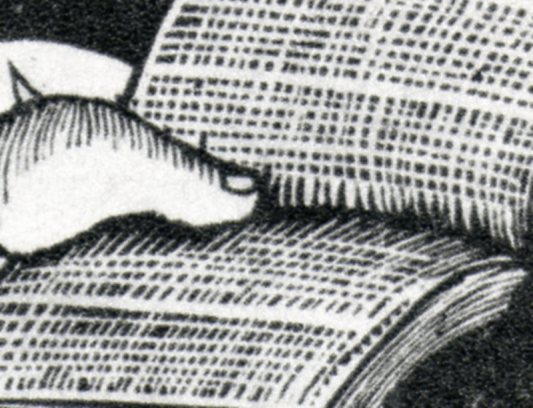
He is shown holding a book, which—since this is the first print made in America–is also the first image of a book. The book is held open by Mather’s enormous thumb–and what do we see in this book for words but dots. Perhaps there are some dots, and perhaps there are some dashes, but its close enough for me.
I do wonder about that horizontal line running across the image, appearing just under Mather’s whiskers. It seems like the woodblock was broken and pieced back together. Perhaps it was just an accident. Perhaps it was broken on purpose so that Foster could use an interchangeable body and replace the head, so that the next series of portraits would be easier for the artist, which he may not have been. He did take the care to render Mather’s spectacles, even if they are but little mites of specs.
In any event, Foster did a great job with very limited ability, and I think that the great blackness of Mather’s body, which formulates the print’s large power, may have been done by mistake. It really doesn’t matter, as the overall effect works beautifully well.