JF Ptak Science Books LLC Post 969
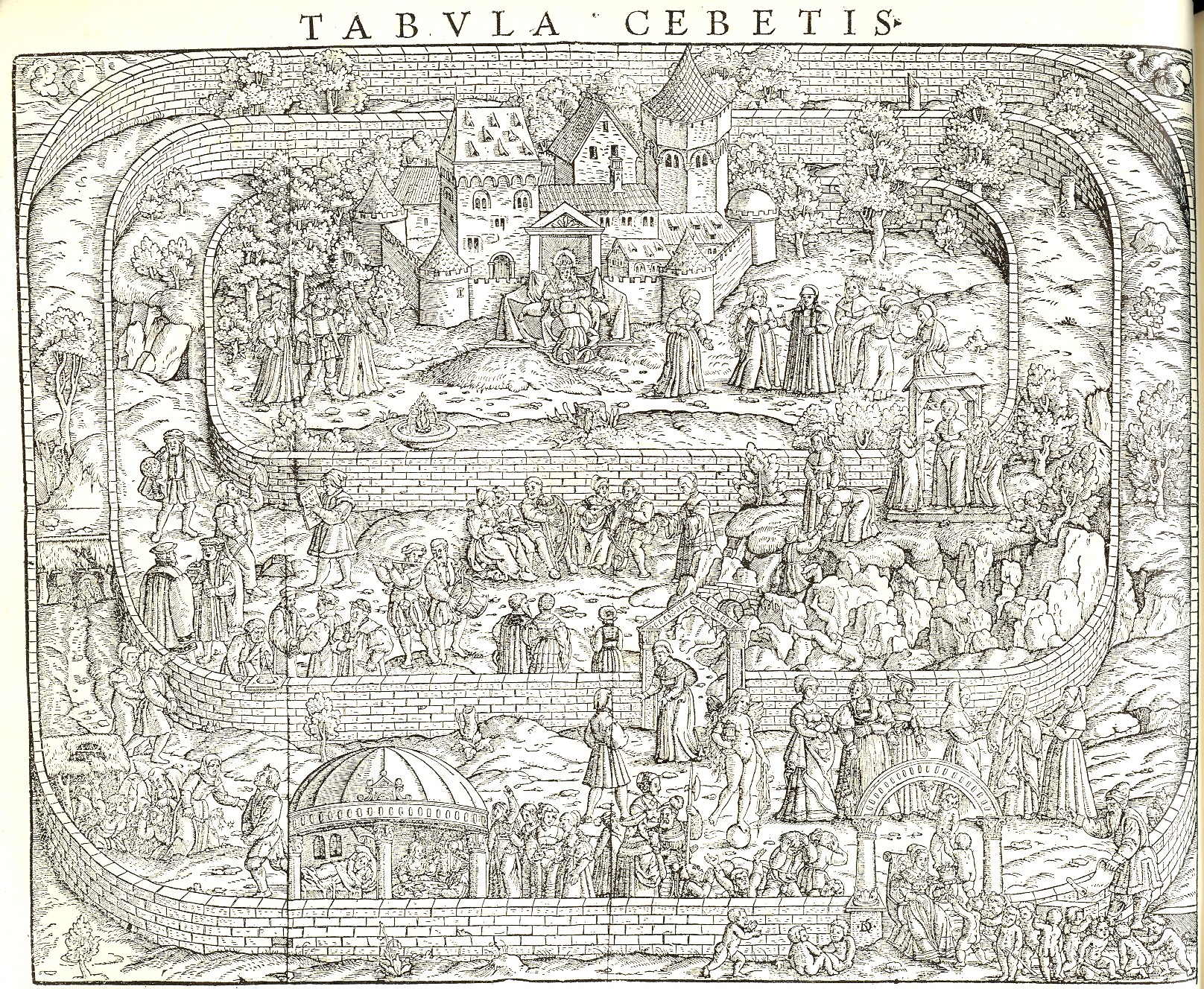
This remarkable woodcut appears in Epictetus’ Enchiridion (1563), and is one in a long history of images portraying the moral life of humanity. The longitudinal study of birth, corruption, vice, penance, achievement, want, lewdness, cowardice, sloth, and a penetrating multiple visits of the seven deadlies was intended to show the rough rode that lay ahead of us all on the way to the crowning glory.
The full image appears below, with details following:
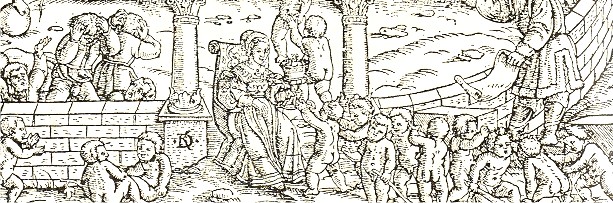
This is a detail from the lower right, showing the beginning of life, an abundance of babies, with the foot of Fortuna seen at upper left, she observing (or not) the toddlers’ advances along the walls of life.
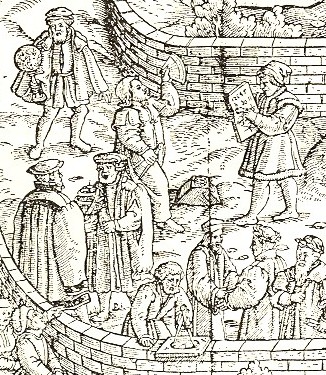
The achievements of middle life are clearly seen:
As are the temptations of immoral life and the sins that await:
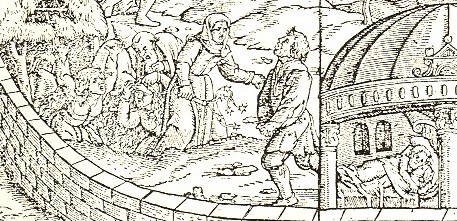
Unfortunate sinners turned away at the foot of Fortuna:
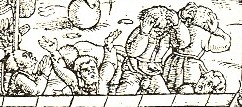
And at the end of the journey, following the three concentric walls leading to finality:
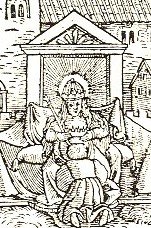
This image looks a little suspect, but when you look at other woodcuts of the Tubula you can see this action a little more clearly (and from the side)–and what they reveal is Mother Church rewarding the supplicant with a crown. This is more clearly seen below, in the 1551 versin of teh morality play by Johann Kramer (and published in Munchen);
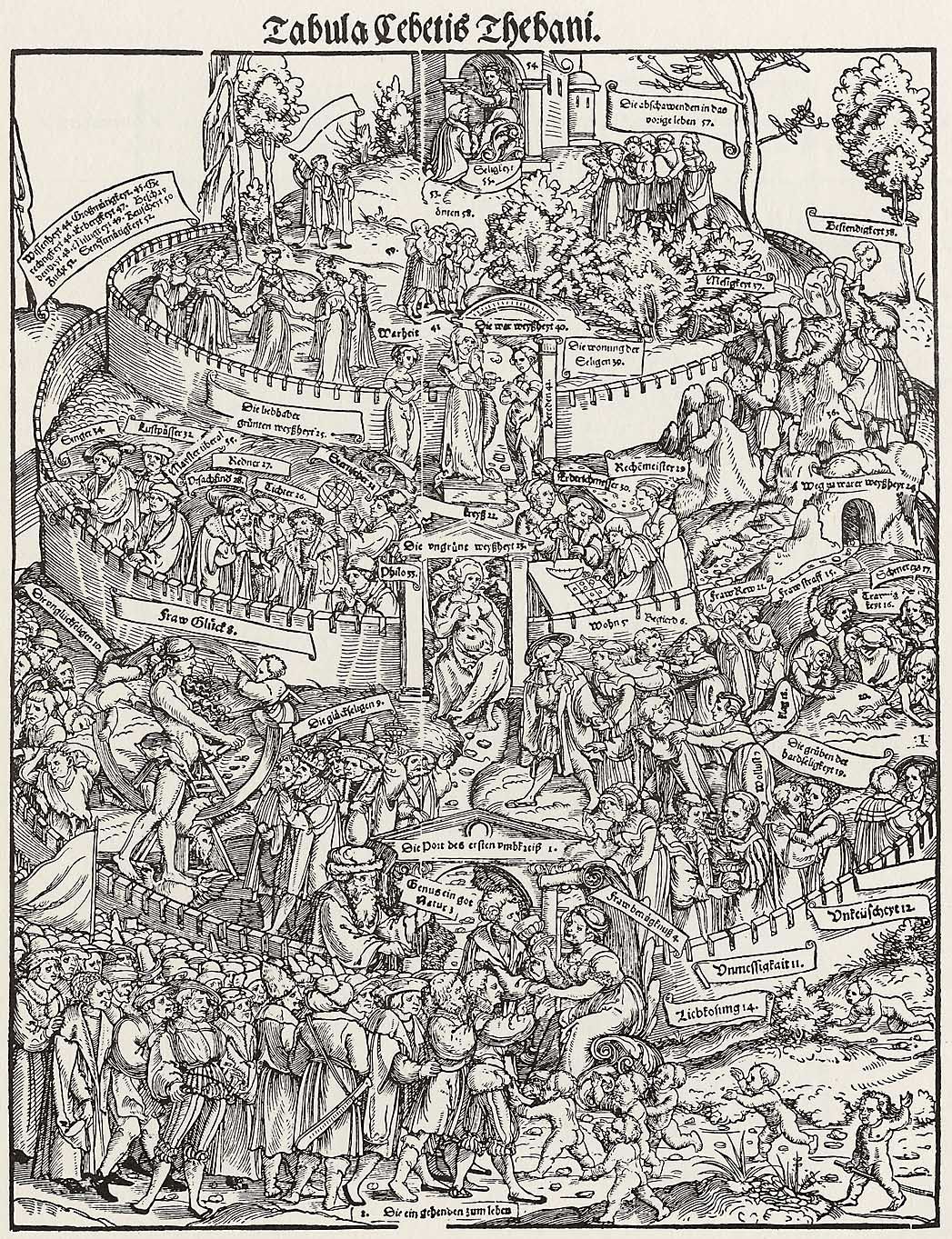
The interpretations of these images areas varied as each of their characters, the details of which can be explained one way one day, and another the next; the morals and the end-tale stay the same.
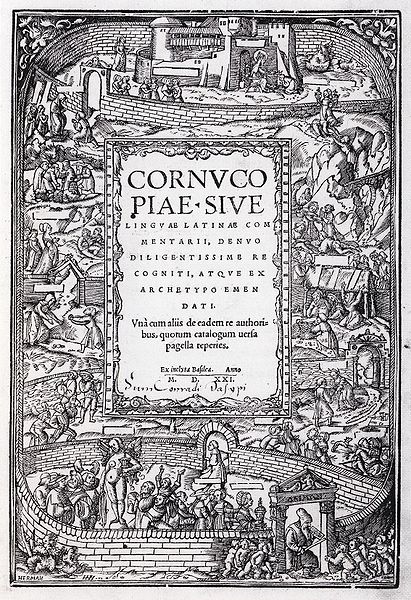
Another example, this one from 1521 and after a work by Hans Holbein: