JF Ptak Science Books LLC Post 852
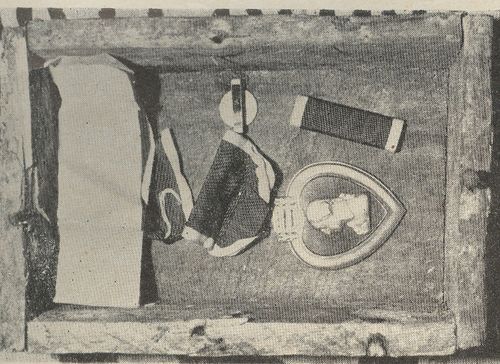 The material documented in this 17 April 1944 LIFE magazine article are the effects
of dead soldiers. It was surprising to
see this sort of coverage, given the place and the time: I do not think that we
will see photographs like this for our currents wars. The title of this short photo essay—the
shockingly stunted and bald “Dead Men’s Things”—should certainly have been
something else with more dignity than a movie title for a schlock Hollywood
B-production of the ‘50’s.The article is weirdly disjointed and heavy handed
considering the great and respectful duty at hand. 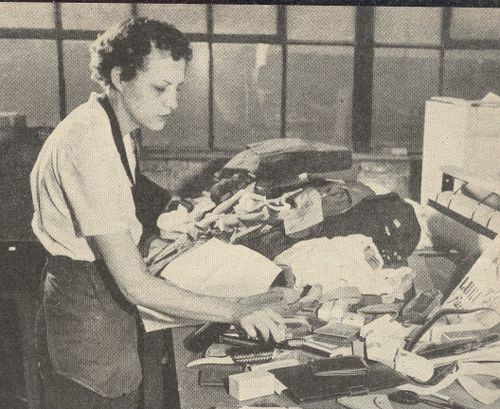 I’m not saying that the writer didn’t
understand the enormity of the situation, as the article puts it quite
well: “To the people who go there, it
seems a more sacred place than a cemetery and the ordinary things it handles
seem the best kind of memorials to men who will never return…” The clumsy manner in which the whole deal is
presented was probably a series of unfortunate errors by a time-pressed
editor.
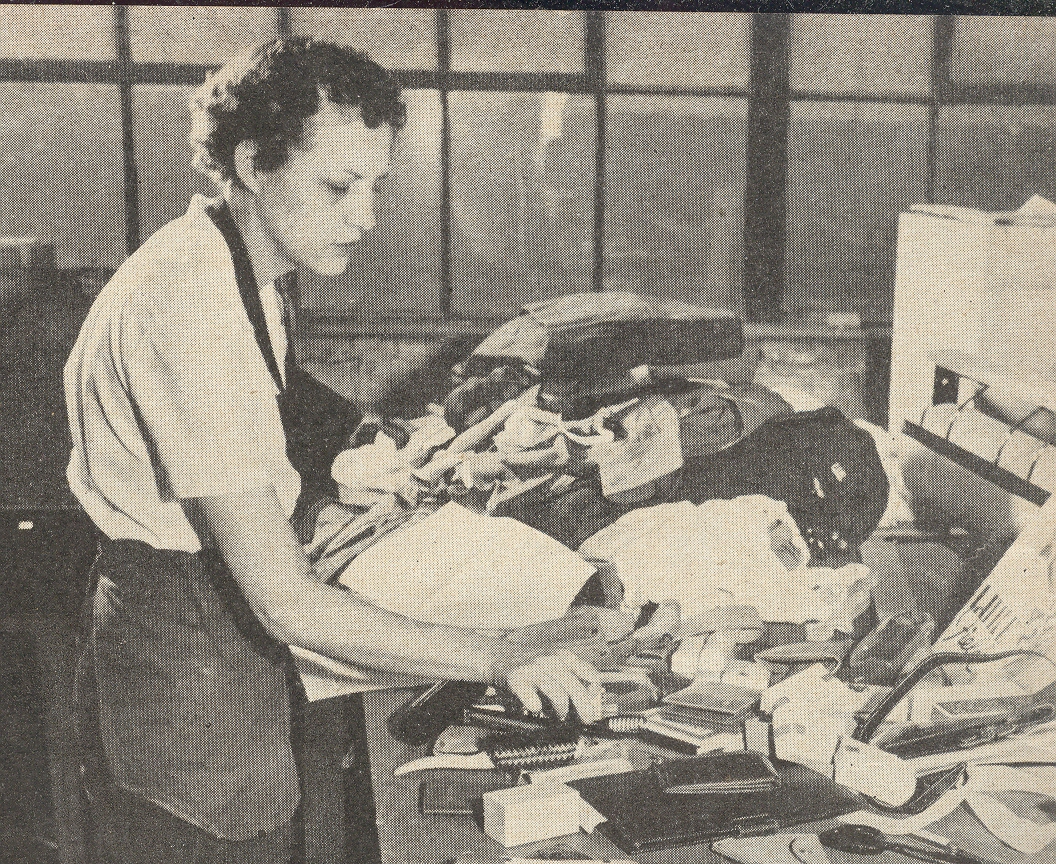
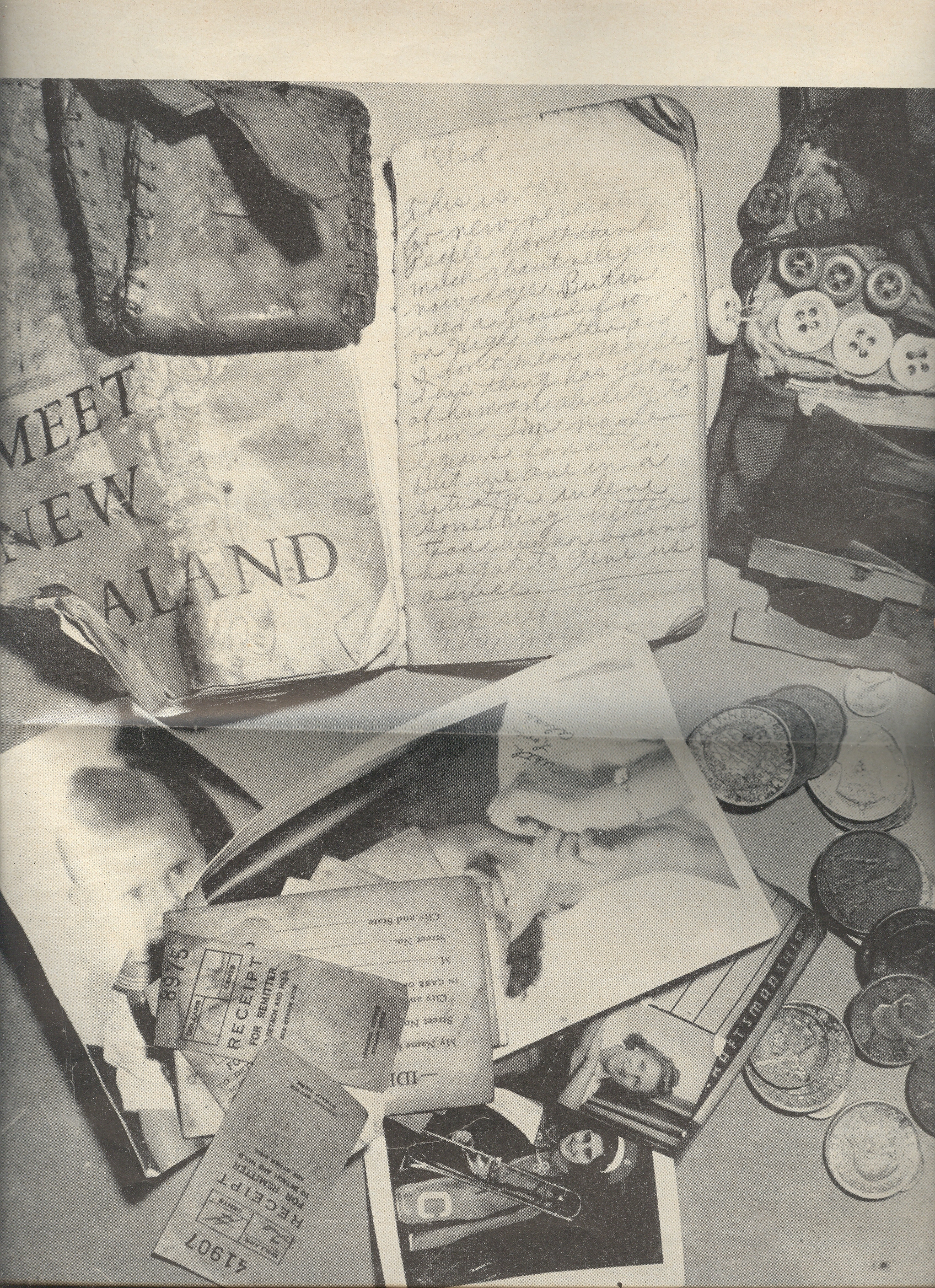
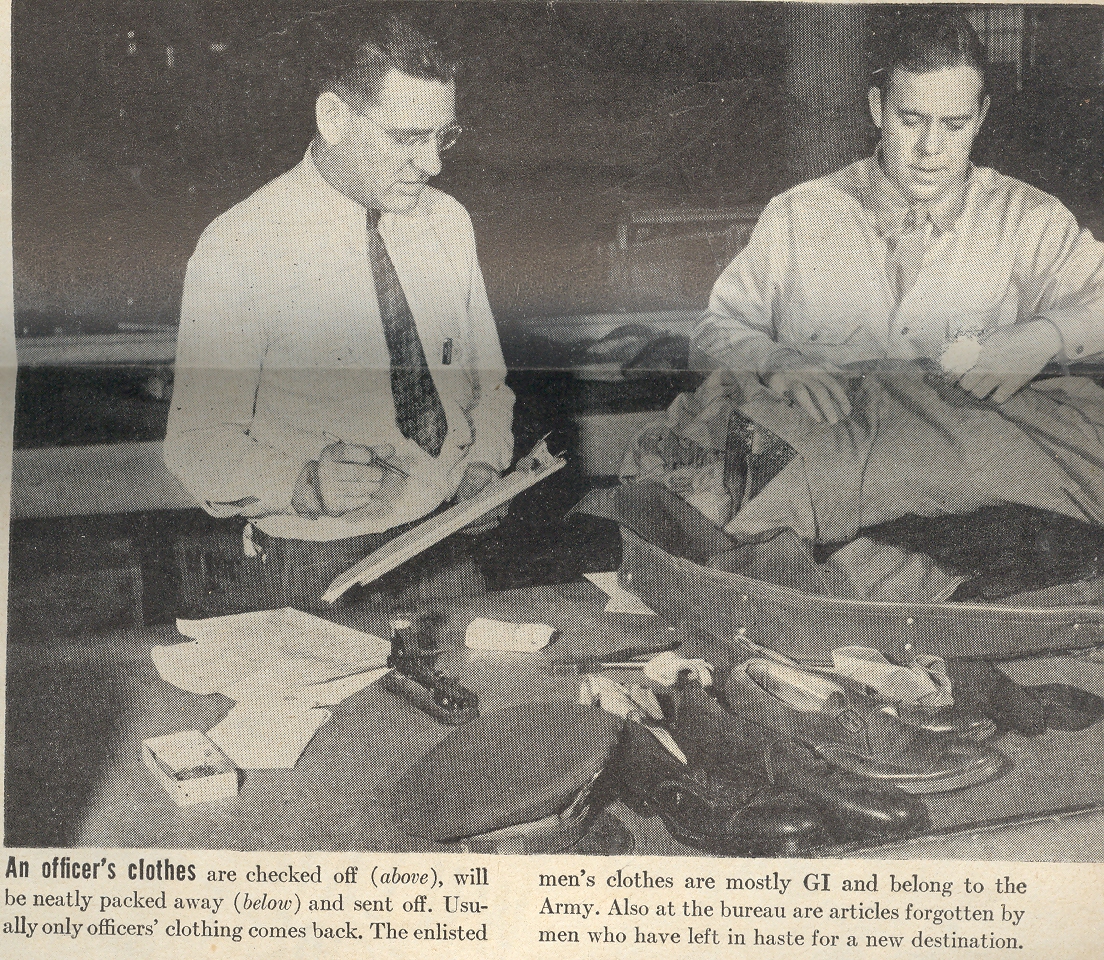
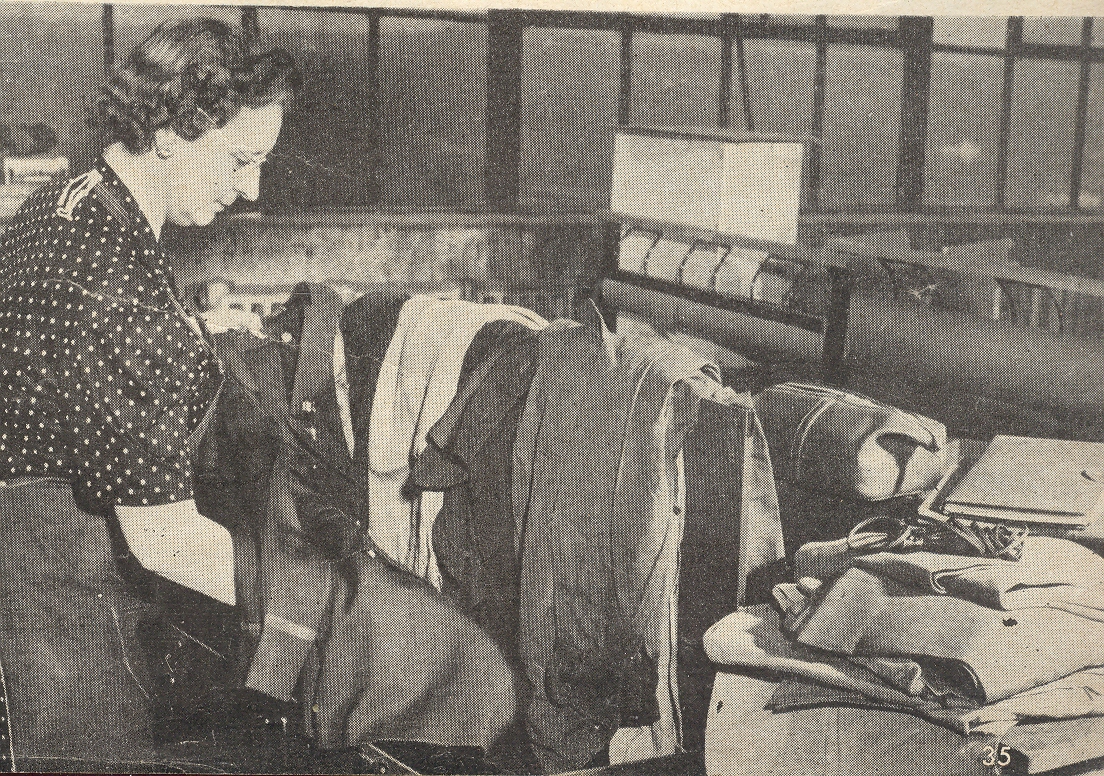
The story of the belongings of the killed servicemen goes
like this: the effects were collected by the quartermaster corps in a small village
in
buildings and 150,000 square feet of storage, and then sent to the Army Effects
Bureau1 in
From there the material was further sorted and checked and
double-checked, and checked again, and then sent on to the next of kin.
It sounds like an overwhelming job, helping in the attempt
to deliver the high honor of restoring the last objects carried by a dead son
into battle to his parents. The thing I
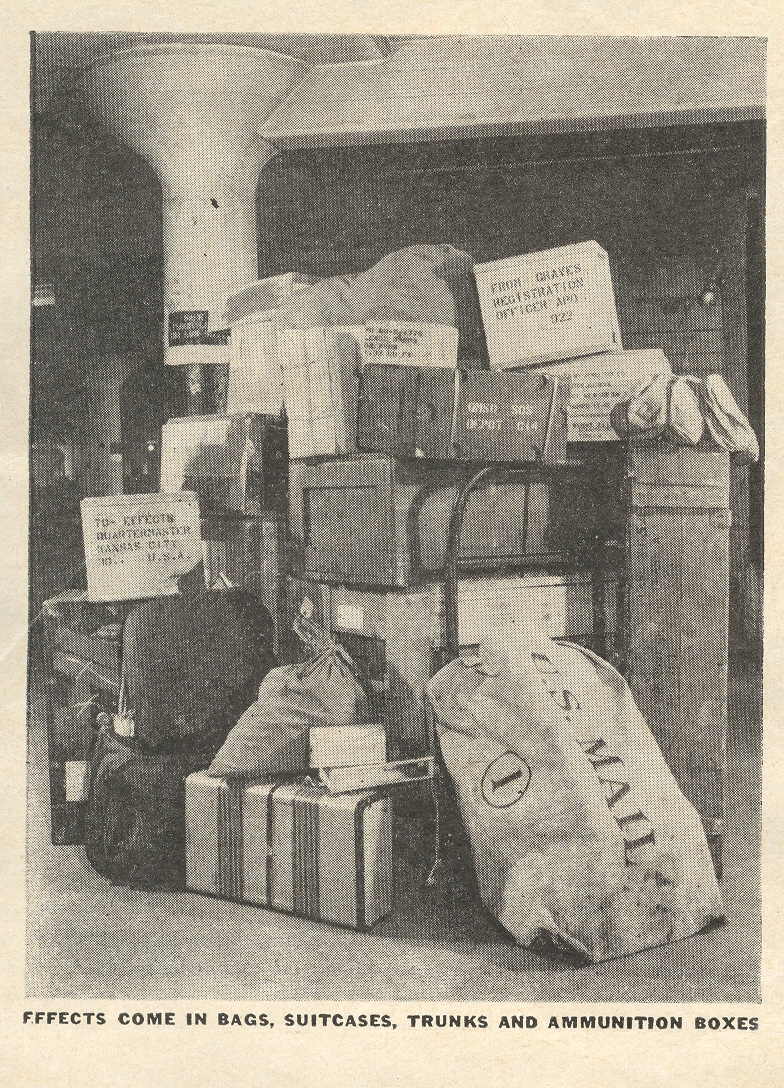
can’t get out of my mind is the continuous rising tide of bags and boxes coming
in from
great loss.
1. “The job of the Commanding Officer, who is
the Effects Quartermaster (Continent), is to receive and safeguard thousands
of’ packages of irreplaceable
personal property until they can be returned to the owner or forwarded to the
Army Effects Bureau at Kansas City for disposition. Q-290 serves as a holding
and reconsignment depot in transmitting the property of casualties from the
unit in the field back to the owner, or in forwarding property of deceased to
the U. S.”