JF Ptak Science Books LLC Post 711 Blog Bookstore
Alois Hitler (Jr.) (1882-1956), Adolf’s brother. Alois and family survived because they were at the delivering end of this effort–Berlin–during the war, Alois serving beer throughout the course of the conflict to happily favored
stormtroopers. But at one time before
WWI the Hitlers lived there at #102 until abandoning England
that Adolf lived there too in 1912/13 attempting to avoid Austrian conscription,
but that claim seems entirely unsupported to historians, though it has proved fertile imaging ground for the theater.. Alois Jr. seems to have been a violence-prone
washout, and unwanted and unacknowledged by his half-brother, winding up with far
right wing proclivities post-war. When those plans fizzled, he signed photos of
his brother for tourists for a few dollars each, providing a bit of his own surrealist-concrete theater. He did contribute a son—Heinz Hitler–to the war effort. Heinz, Hitler’s nephew, was taken prisoner in
Operation Barbarossa and sent to Moscow’s 17th-century Butyrka prison, a truly evil place, which was
once home to 20,000 “political” prisoners taken during the Great Purge, among
much else. Heinz melted into the stone
after months of interrogation, which must’ve turned into sport after the first
few days.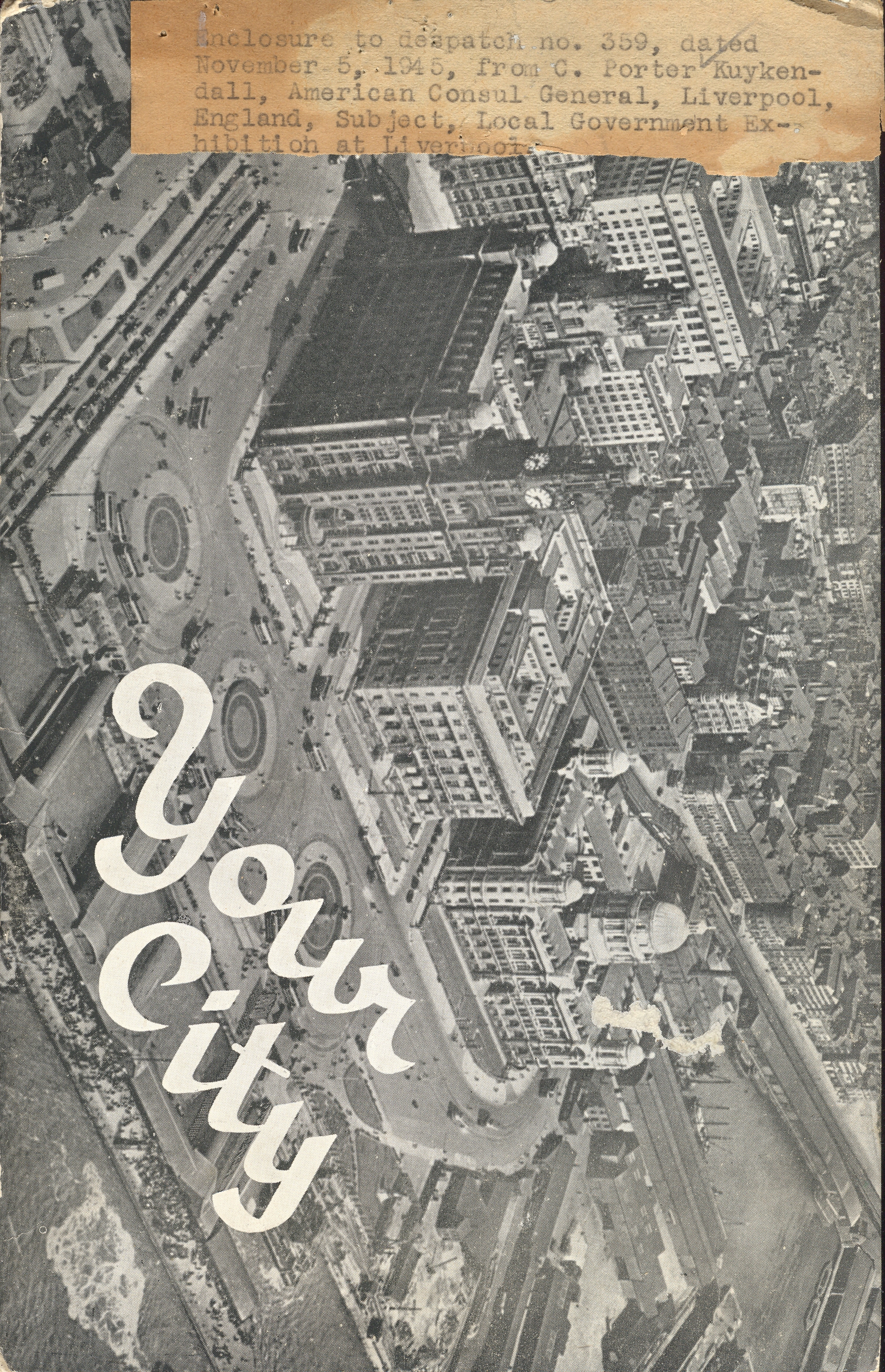
cover of this pamphlet, Your City, a citizen’s guide to
published in October 1945. It seems to
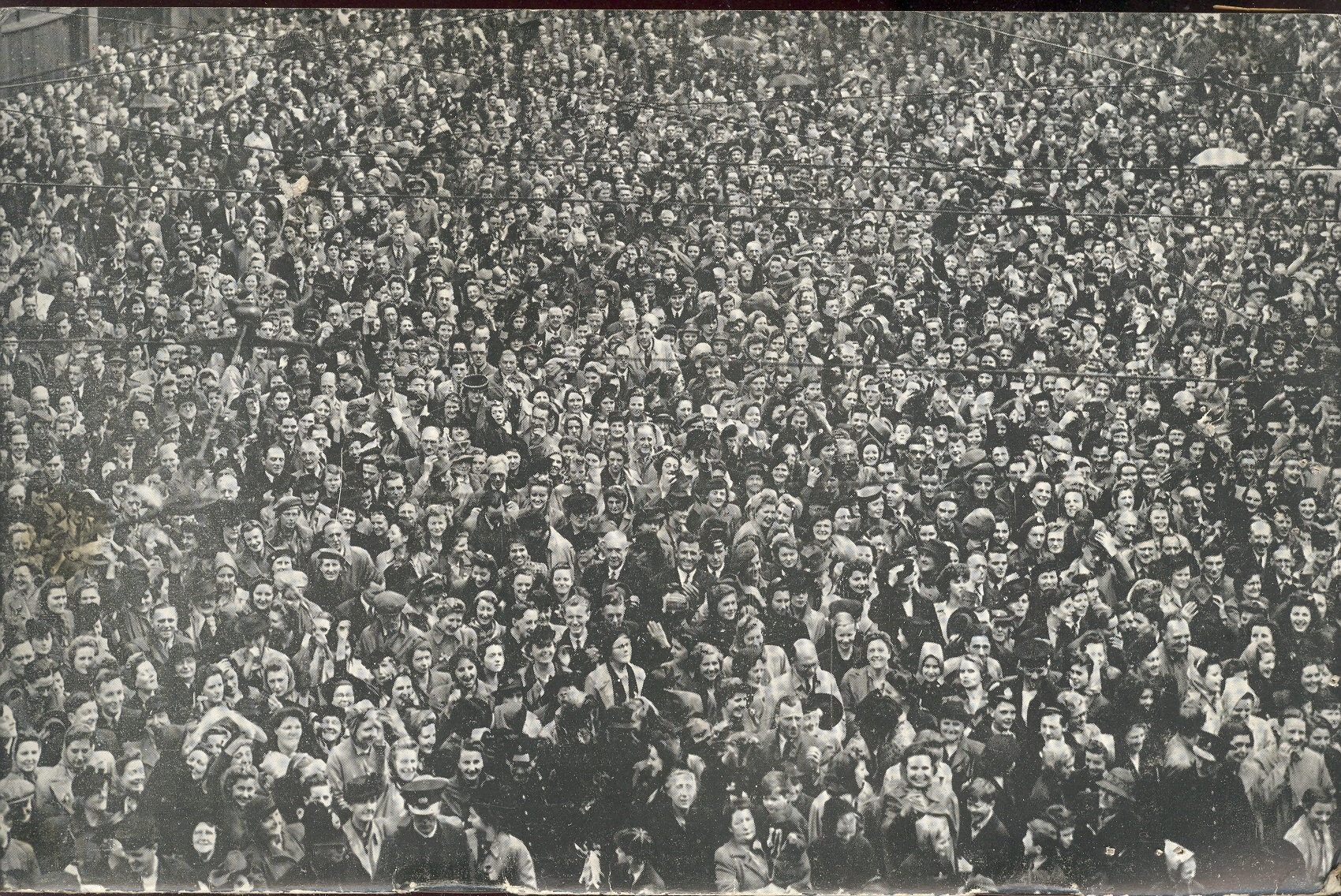
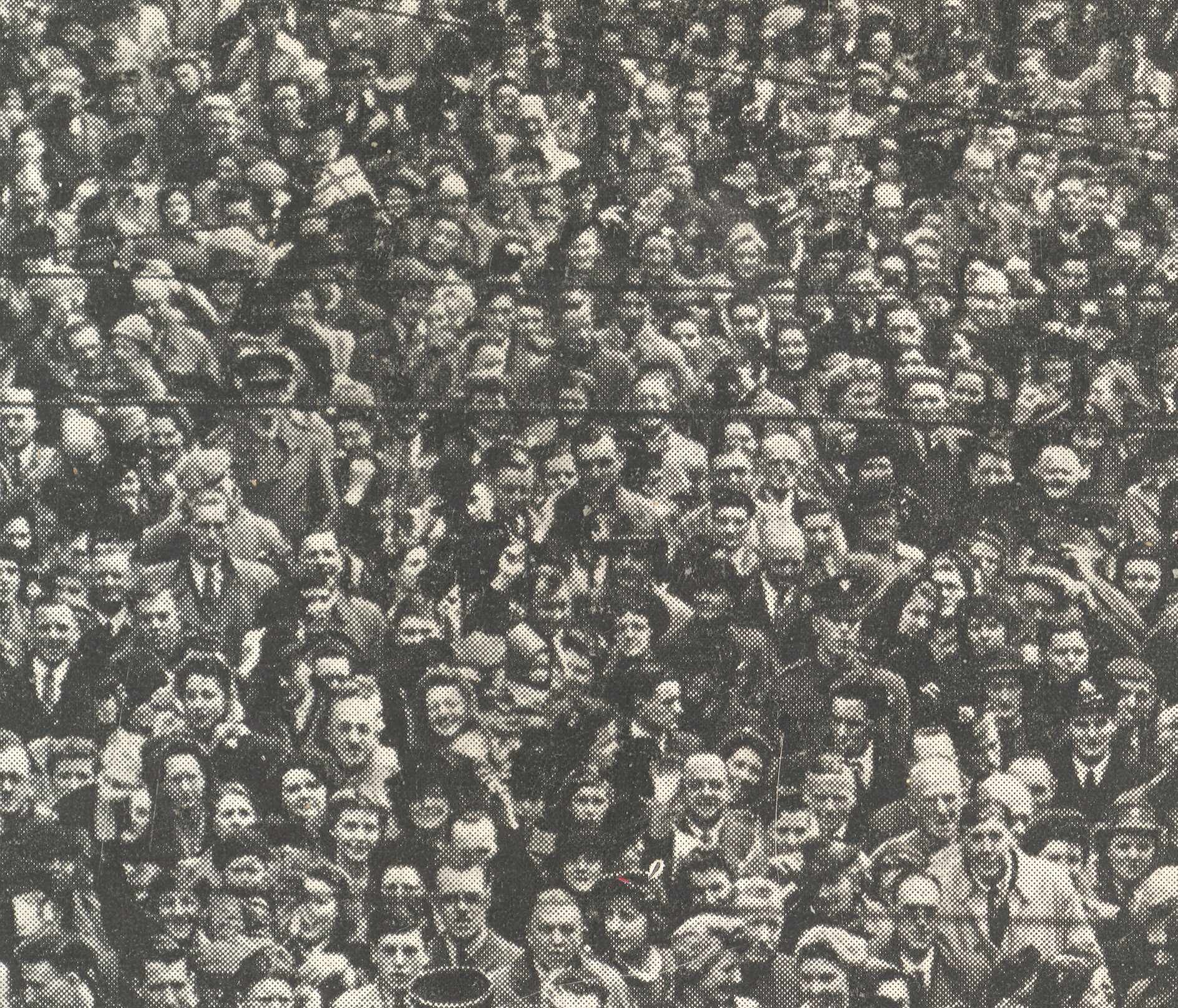
me that the crowd scene here numbers about 4000 people, which is representative
of the number of Liverpudians killed between 1940-1942 in the German air
attacks on the city. Liverpool was the
second-most lethal city to be in during the war for air attack (following London’s losses of better
than 30,000), due to its importance in the production of war-necessary goods.
In a true stiff upper lip, deeply old-school, and very highly admirable fashion, there is no mention of the
war, no mention of damage from air raids, no mention of anything untoward. No photos of anything bombed out. Nothing.
This was also pretty much in line with the official reporting on the
bombing, which for obvious reasons was greatly downplayed in the press. (There is no need to provide free reporting
on the effectiveness of your enemy’s bombing campaign to the enemy.) This was a simple vision of the future, and a call for all citizens to register a concern with the proper functioning of their city.
those killed in these terror attacks.