JF Ptak Science Books Post 484
Even though I truly enjoy the intimate pathology of antique prints, finding “hidden” images within images within images, it seems as though I’ve only made 25 or so posts about them, and this in spite of thousands of such images to choose from. Posts like “Hidden Children: Found Art and Social Vignettes Inside Art“, “Revealing the Worlds Inside of Prints: Finding Hidden Human Geography in Old Prints” and “Finding Hidden Images in Antique Prints: 18th Century Forensic Social X-Rays” are good representatives of this genre.
Images hold selective secrets for different people of divergent interests. Sitting through a motion picture, for example, shows a series of still images flashed before us—in a single scene people bring to bear their own ways of experience and observation. A forensic pathologist will see things shown within their specialty different from someone with a chemical explosives background who will see a bomb differently from an ER doc who would respond to an emergency room differently from a bookseller who might notice in the scene that the paperback edition of a tree Grows in Brooklyn being read by an American G.I. in 1944 didn’t exist yet, and so on. A single image can hold a tremendous variety of depth and interpretation depending on the observers’ perspective.
Most of the time when I look at prints now in the antique map shop that I own (and now my only public venue now that the history of science bookshop has been alive solely online now for the last 6 years) I am looking at the extraneous “stuff” that is used as filler to the print’s purpose, and I find the uncommitted art just fascinating, sort of like “loose” unnecessary snapshots of common life, everyday life, of people walking by.
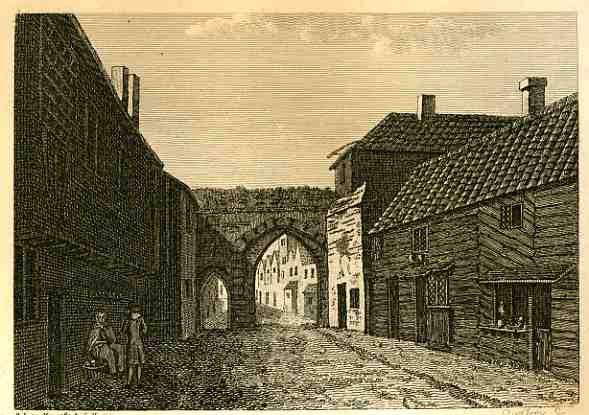
These two images are from a series of etchings done by S. Hooper in 1785 of ancient and semi-ancient ruins in Surry and Sussex. The first is of Bermondsey Abbey, Surry, a 12 th century English Benedictine monestary with precursors reaching back another 500 years. I’m pretty sure that it is the central archway(s) that are the remnants of the structure in this print,
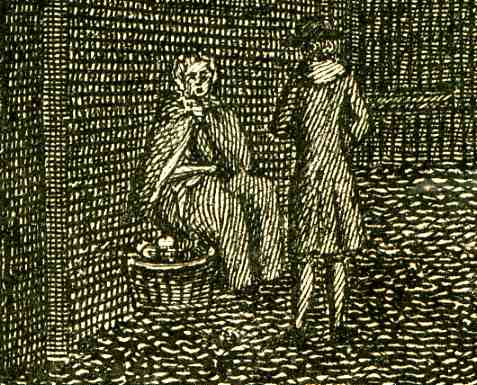
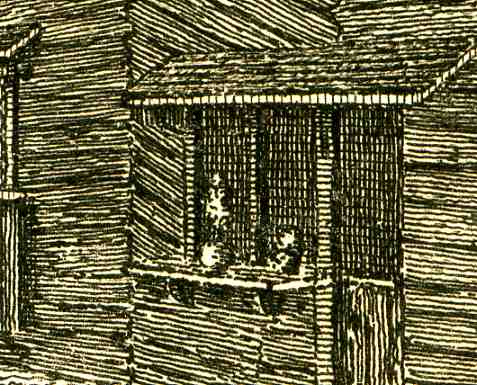
with Renaissance-era occasional buildings sprouted up around it. I find the old shopkeeper’s window (i.e. “store”) at the right to be very interesting, someone selling their services or wares from a location that I would bet was hundreds of years old even by 1785. The shop would be ready for business by opening the shutters and flipping down the table/ledge. I wonder too about the woodworking on the second floor of this curious structure, placed in an unconventional diagonal. The shaded feature of the shawled woman selling her goods from a basket to what seems a well-dressed man is another curious addition.
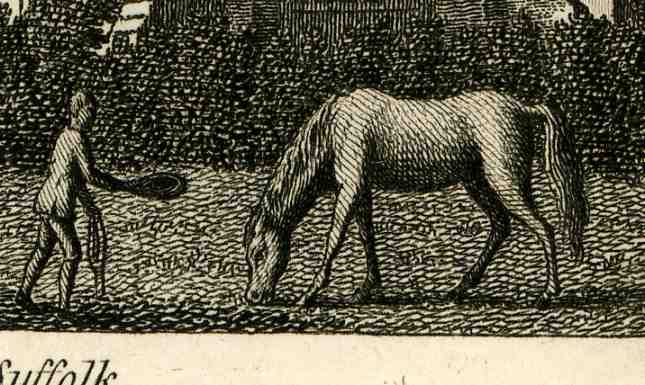
The second image is of Alderton Church, Suffolk, and the feature of itnerest here this time not so hidden at all, though it is incidental and it is sweetly odd. the ruins of the church are
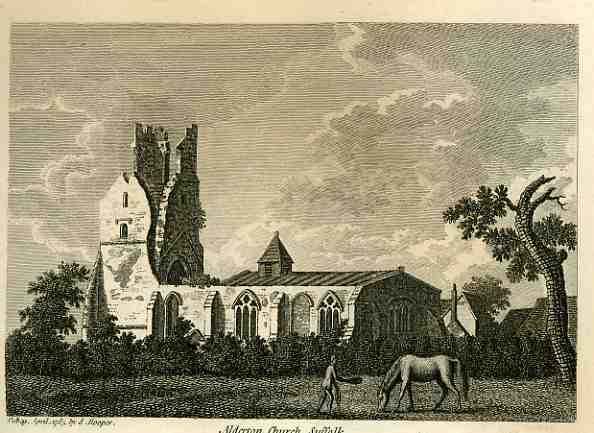
adequately rendered, but the horse in the foreground is just beautifully done, far more so than required by its half-inch appearance in the full-size original. Also, the man approaching the grazing horse does so slightly hunched, with a hat outstretched (offering a treat inside?), and doing so I’d say in a kind, respectful manner, trying as he was to put a halter on the horse. It is just a lovely, quiet sub scene that is unnecessary to the architecture of the ruin but probably very necessary to the artist or etcher who wanted just a tiny flight of fancy now-and-again, and so placed something of artistic merit in a dead space of the print.