A Daily History of Holes, Dots, Lines, Science, History, Math, Physics, Art, the Unintentional Absurd, Architecture, Maps, Data Visualization, Blank and Missing Things, and so on. |1.6 million words, 7500 images, 4.9 million hits| Press & appearances in The Times, Le Figaro, Mensa, The Economist, The Guardian, Discovery News, Slate, Le Monde, Sci American Blogs, Le Pont, and many other places… 5000+ total posts since 2008.

  • The Beauty of Contour Lines and on Missing Importance (1893)

    JF Ptak Science Books   Quick Post
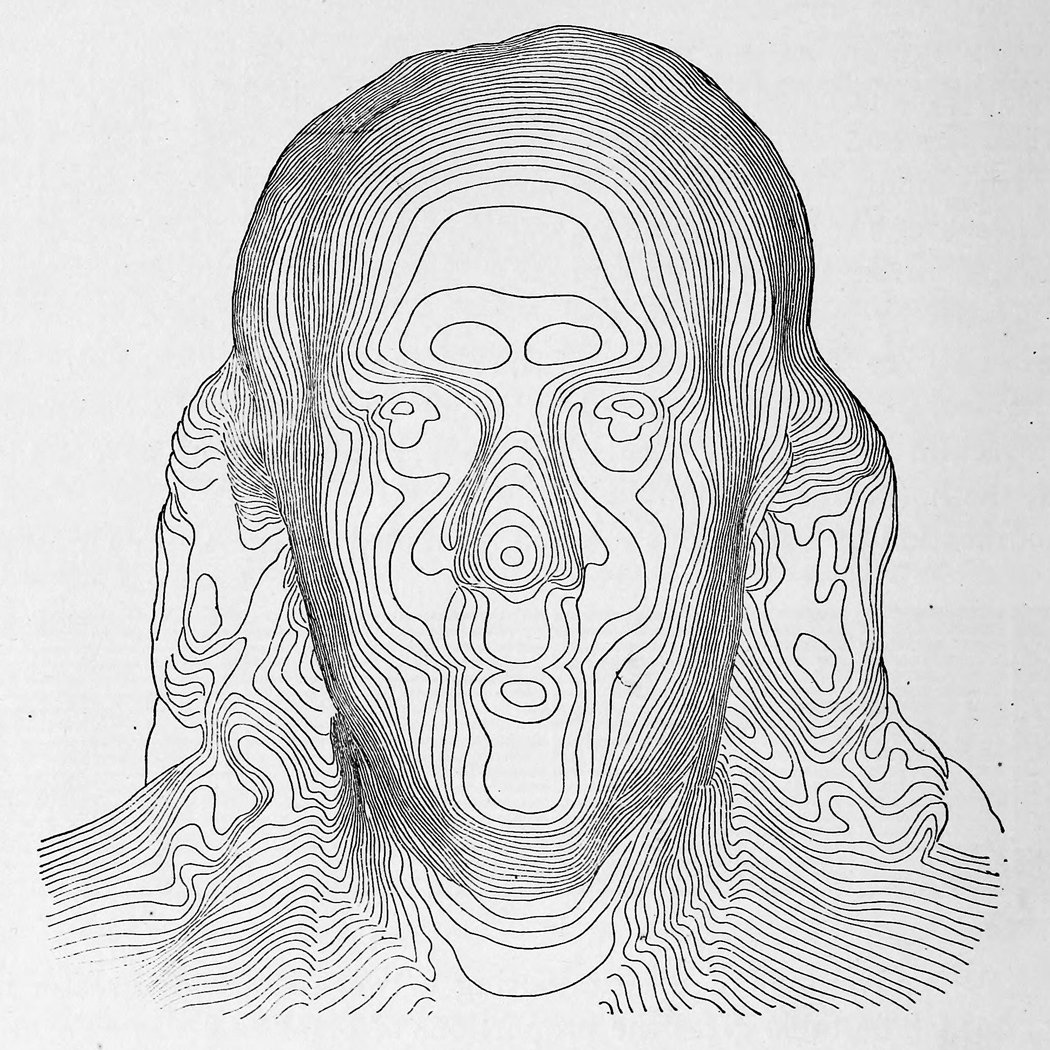
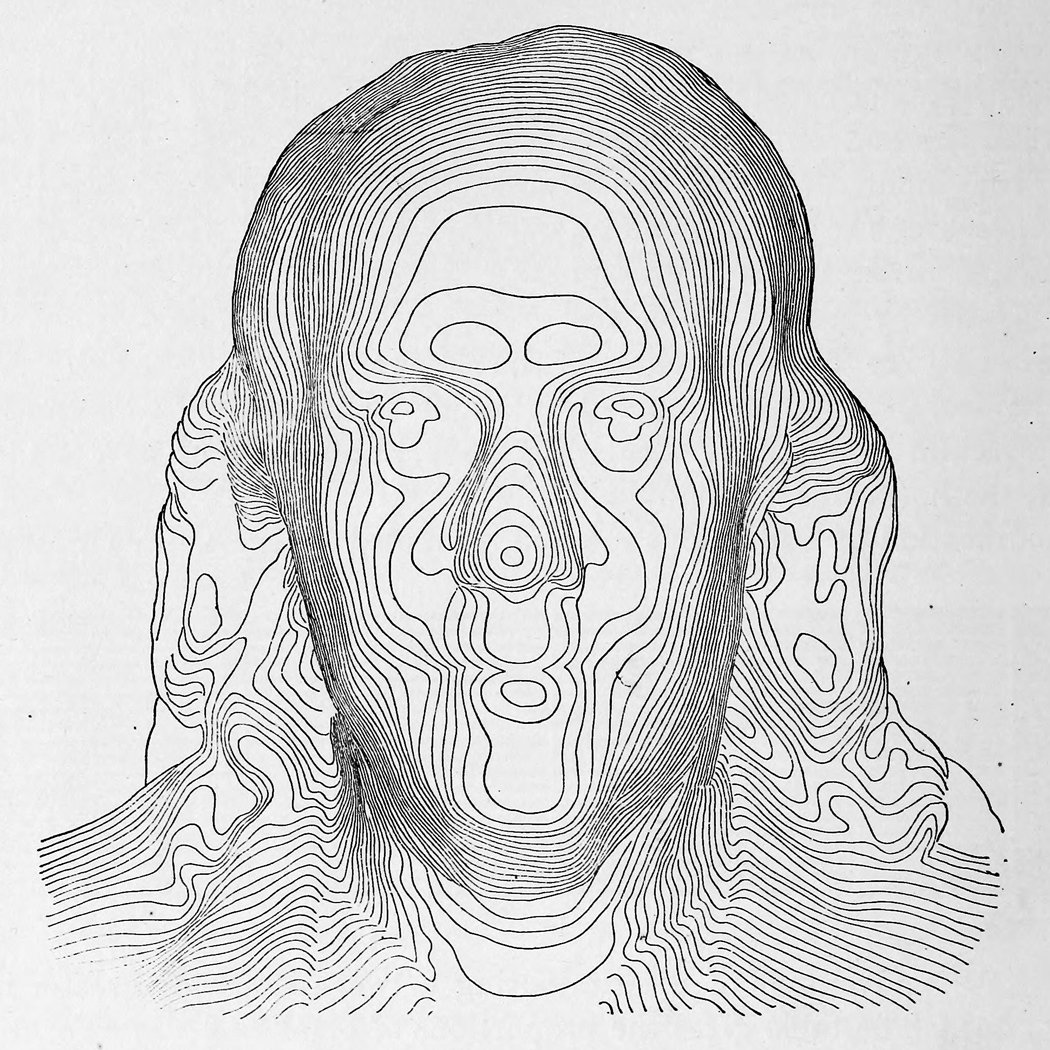
    Contour franklinI found magnificent and early contour image of Ben Franklin in a tweet from Tim Wallace (@wallaectim) who found it in Appleton’s Cyclopedia of Technical Drawing (1893). (The full text of Appleton’s is here: https://archive.org/stream/appletonscyclopd01wort#page/100/mode/2up/search/franklin and a larger image of Franklin is located below.)

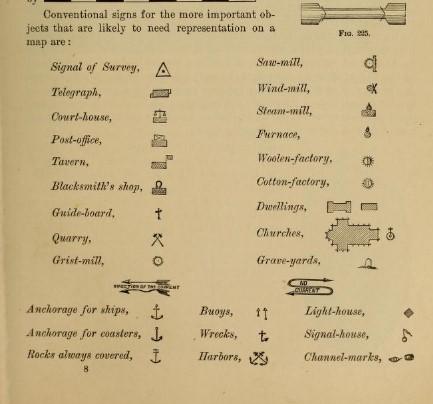
    While checking out the fascinating Franklin in the text, I found an interesting graphic that locates a certain History of Importance in one tidy display. The graphic is in the section on topological drawing, and contains “conventional signs for the more important objects that are likely to be represented on a map”, at least for 1893:


    Contour important objects

    All of this makes sense, of course, except perhaps for the surprise of locating taverns, which I think I’ve not noticed before in 19th map legends–it does make sense though, especially for more regional maps, as the tavern would be a central force for a small town, as well as operating as a possible hotel.  Many of the rest of the important things for a late 19th century map have slipped into obstructed memory, if not further. 

    Contour franklin

  • A Fine Display of Pie Charts 1893

    JF Ptak Science Books   Quick Post

    “This apparatus works unerringly as the mills of the gods, but beats them hollow as to speed”–Electrical Engineer, November 11, 1891

    Hollerith foreign born detail _3_

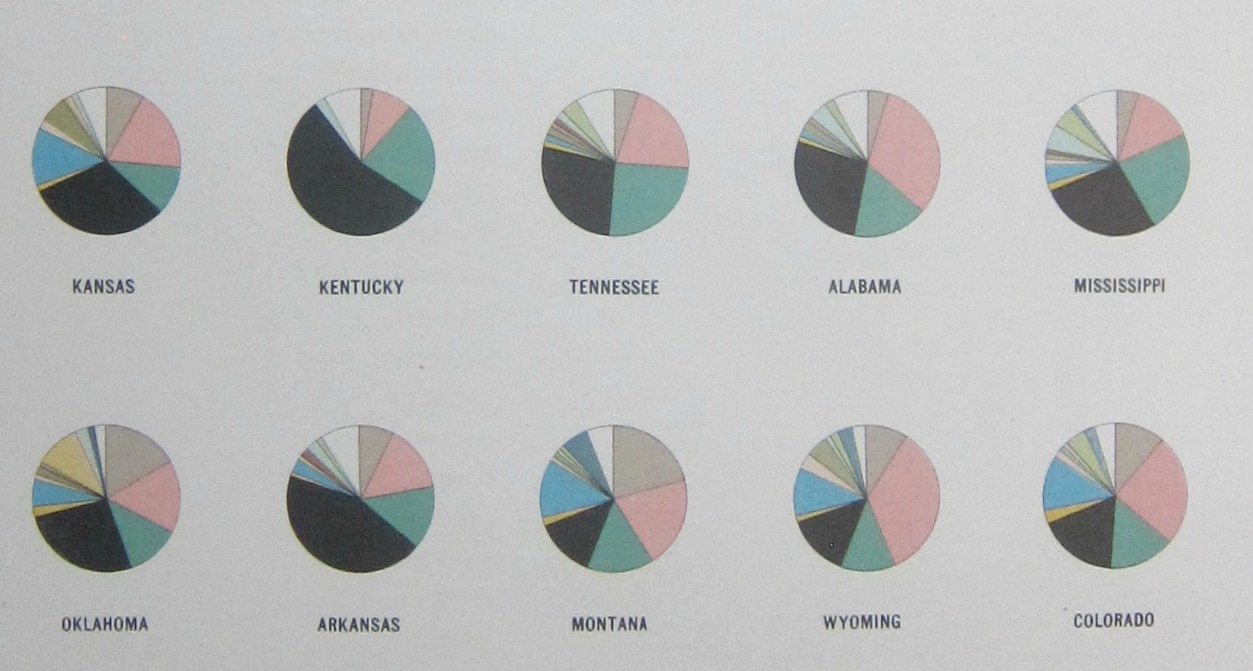
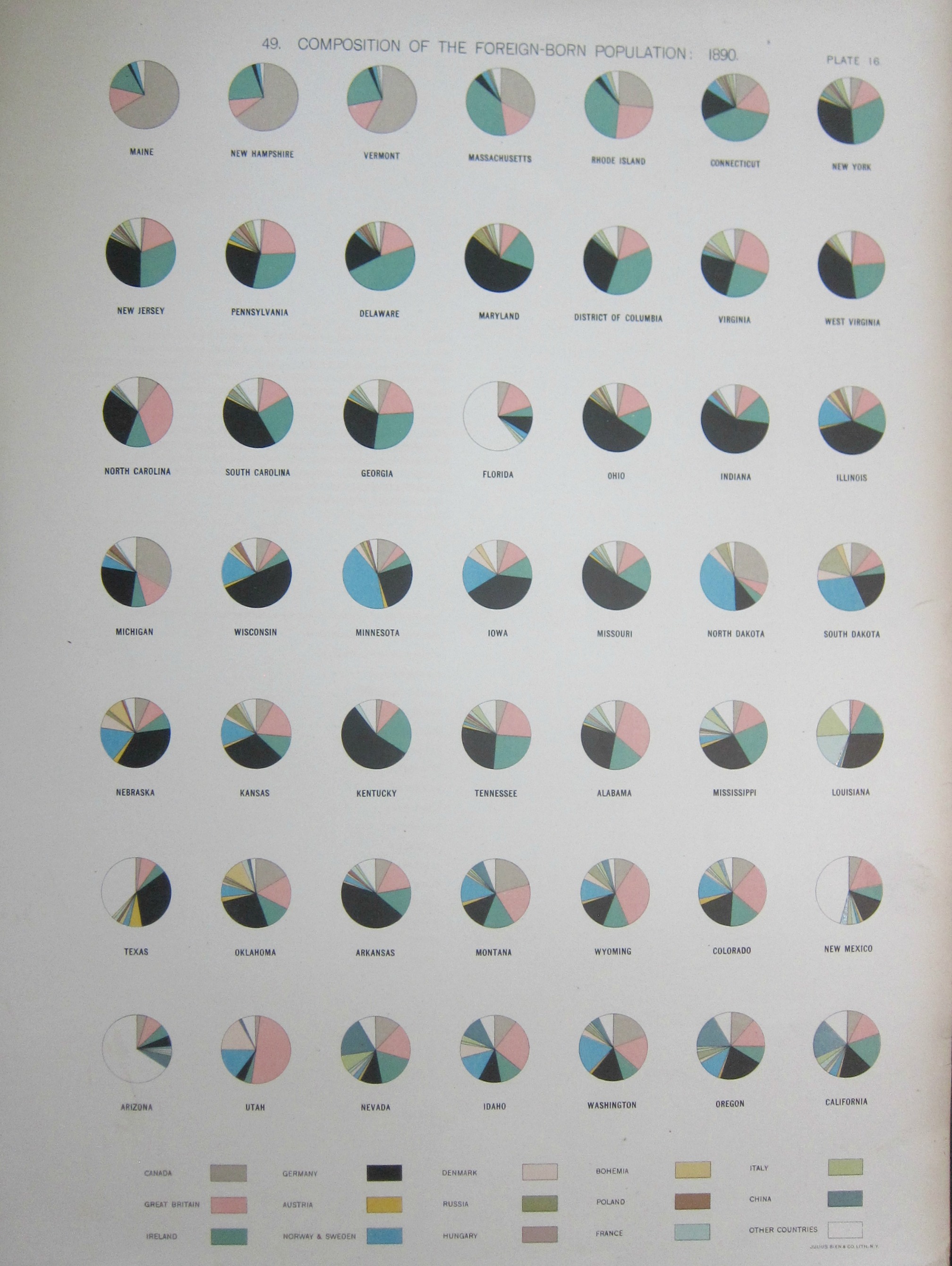
    Many splendid displays of newly-manipulable data made their appearance in the Henry Gannet atlas to accompany the great U.S. census of 1890 –this example displays the composition of foreign born inhabitants of each of the states.  Part of this was due to the use of the Herman Hollerith tabulators, which made their appearance for the census office to work their electromechanical magic to process data faster than the 8-year-long process of the 1880 census. As it stands, the Gannet atlas and the census report was published beginning just two years after the completion of the 1890 census, a job made possible by the “mills of the gods” machine and some 48,000 enumerators (who completed returns for 13,000,000 households).  With prodigious thanks to Hollerith, the census was completed quickly and with a wider variety of data collection rather than what would have been the opposite without them. 

    Hollerith foreign born pop _2_

  • An Apparatus for Inhaling Thorium (1904)

    JF Ptak Science Books   Quick Post

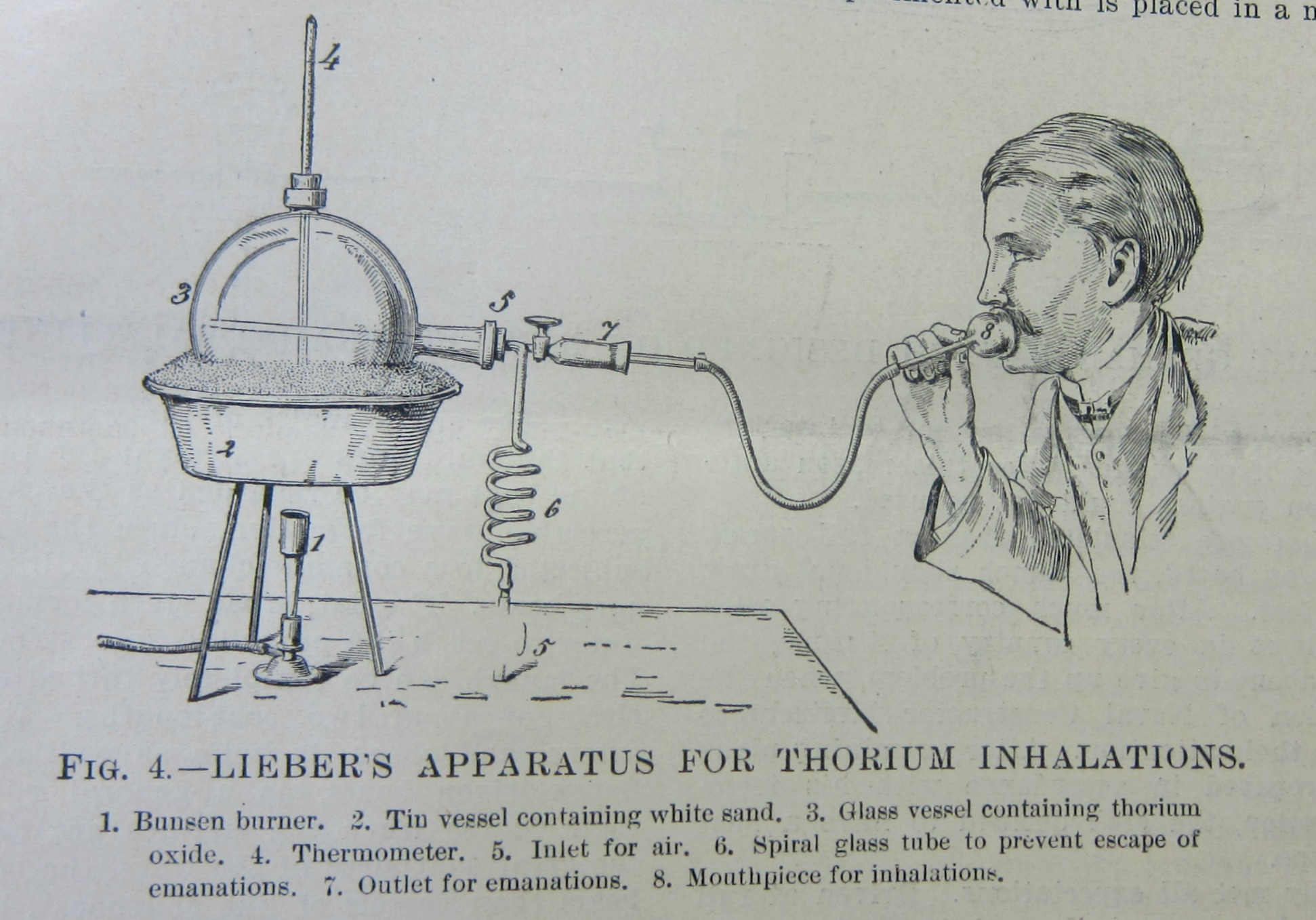
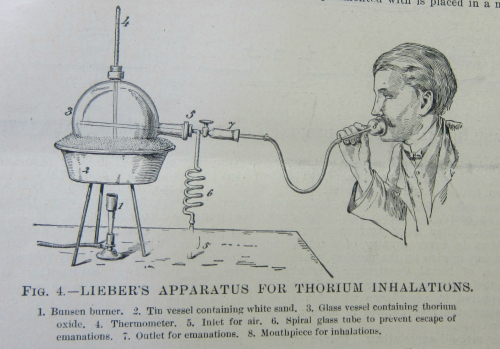
    Thorium inhaler

    In researching the highly-unexpected mage of a thorium inhaler found in Scientific American for 1904 and trying to find out why someone would inhale the radioactive and toxic gas (discovered by J.J. Berzelius in 1829), I found an article with three transporting sentences that lifted themselves from the page:

    “Small glass tubes containing radium bromide are placed
    within accessible mucous cavities, i.e., mouth, vagina.”

    “Radium and thorium continually emit gases, which gases
    themselves give out on their own account rays exactly
    similar to the rays from radium and thorium themselves.
    Hence a thorium inhaler is now used, by which these gases
    are inhaled.”–The Journal of the British Homoeopathic Society, vol XII, new series, London 1904.  

    Of course the scientific and medical world was trying to figure out what applications could be made with the new discoveries of Roentgen and the Curies and Becquerel and all, but even with the modern lens looking backwards it still is a bit of a wincing experience to read about these applications.

    Pressing on from the quacky homeopathy journal I found  another in the Medical Record which more fully explained the apparatus and treatment:

    “Thorium in TubercuIosis.  Dr Soddy of London and Professor Rutherford of Montreal have suggested the use of thorium inhalations for tuberculosis. Certainly from its antiseptic and antifermentative actions it would appear to be a desirable agent to apply directly to the tissues affected in the fight against the tubercle bacillus.”

    [Note: M. Curie and Gerhard Schmidt determine and demonstrate that thorium is radioactive in 1897-8; Soddy and Rutherford discovered thorium X in 1902.]

    The note continues:

    –Medical Record: A … Journal of Medicine and Surgery, edited by George Frederick Shrady, Thomas Lathrop Stedman; New York, William Wood,  1904, Volume 65, page 128. 

    Another short description of the work of the inhaler:

    “The procedure leaves in the lungs a fine film of radio active matter which in turn produces the phenomenon of induced radio activity in the same parts which may last for one or two days. This is shown by the patient after inhaling thorium emanations exhaling on a photographic plate which produces the ordinary effects on the silver salts…”–Mihran Krikor Kassabian,Röntgen Rays and Electro-therapeutics: With Chapters on Radium and Phototherapy, New York, 1907, page 508.

    That is a tough go.

    The Wiki article on thorium has this to say about more than standard/casual exposure to thorium: “Natural thorium decays very slowly compared to many other radioactive materials, and the alpha radiation emitted cannot penetrate human skin. As a result, owning and handling small amounts of thorium, such as those in a gas mantle, is considered safe, although usage of such items may pose some risks. Exposure to an aerosol of thorium, such as contaminated dust, can lead to increased risk of cancers of the lung, pancreas, and blood, as lungs and other internal organs can be penetrated by alpha radiation. Exposure to thorium internally leads to increased risk of liver diseases.”

    It is not known to me how much of a dose of thorium was intended for the user of this cure.
  • Crystallograhic Found Art in the Annalen (1915)

    JF Ptak Science Books  Quick Post

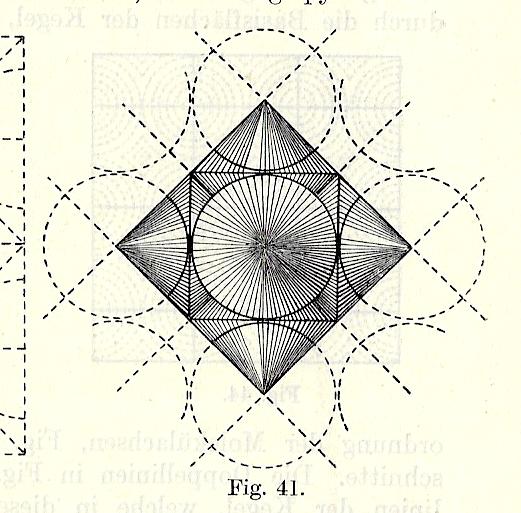
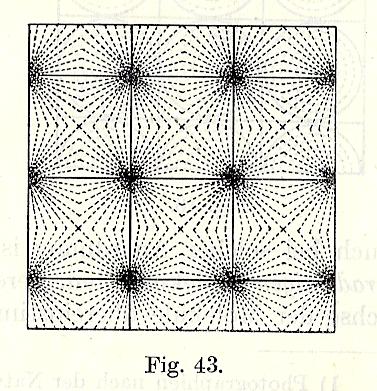
    There is much that goes on in the pre-eminent German physics journal Annalen der Physik  (begun in 1799 and still going strong) beyond the consideration of “Found Art”–actually, everything that goes on there is beyond that consideration. Unless of course you happen to be flipping through the thing and find something that attracts your attention for its pure artistic inventiveness, which of course is almost entirely out of context.  The article in question is Otto Lehmann’s “Die Struktur schleimig-kristallinscher Flussigeiten”, and appeared in the journal in October 1915. (It would be in the Annalen months later that Einstein would publish his great paper on General Relativity theory and also there where he set the world afire in 1905.) Lehmann’s 45-page paper is illustrated with 92 figures, some of which are out-of-context stand-alone beauties:

    Art in the Annalen 1915 _1_


    Art in the Annalen 1915 _2_

    ·Posted by :

    ·in:

    —
  • Consequences of Ingestion by Man of Real and Simulated Fallout (1963)

    JF Ptak Science Books   Quick Post

    This is one of those titles that most people will read twice: 

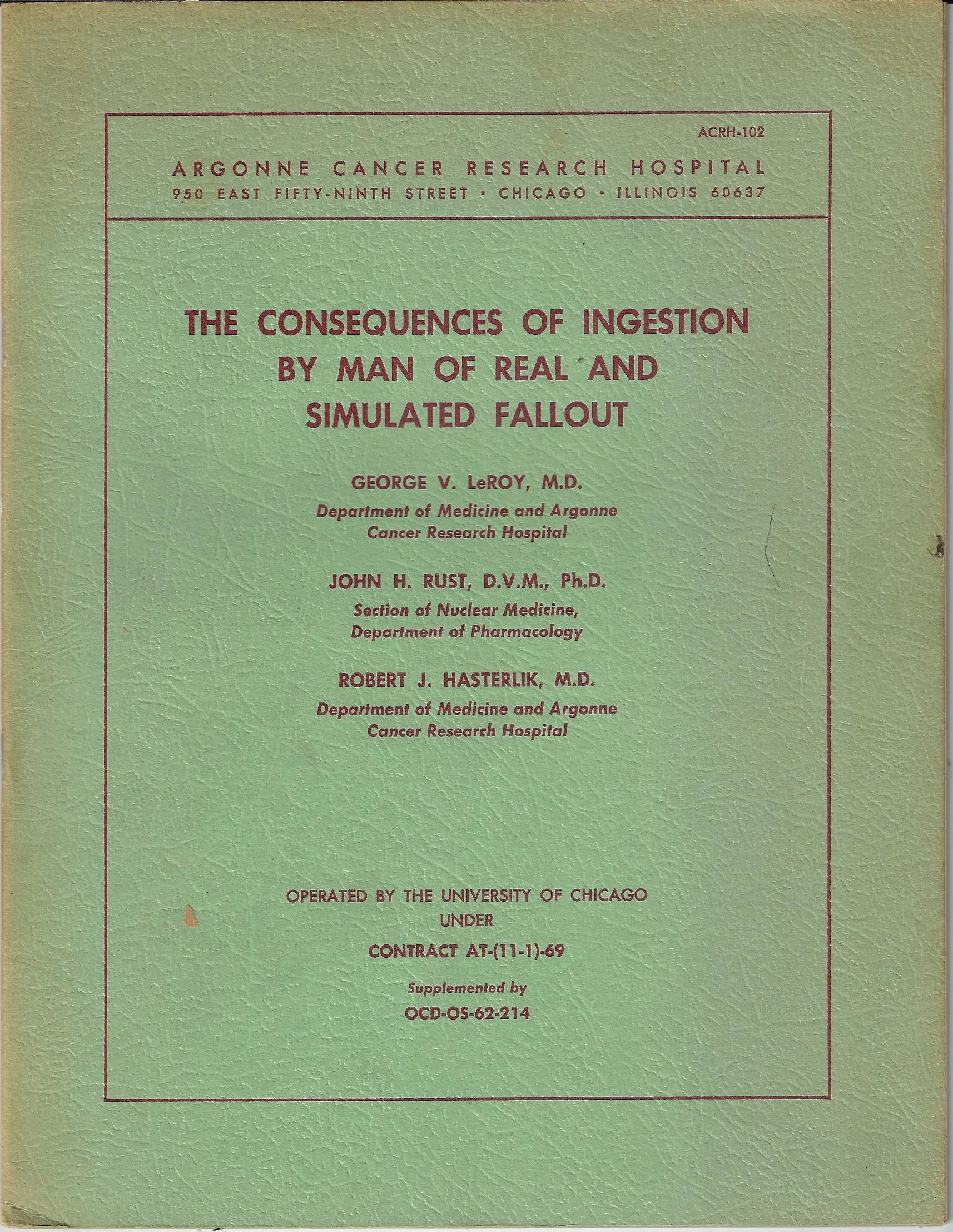
    The Consequences of Ingestion by Man of Real and Simulated Fallout.

    Atomic consequences ingestion(By LeRoy, George V. ; Rust, John H. ; Hasterlik, Robert J. Operated by the University of Chicago under Contract AT-(11-1)-69, Argonne Cancer Research Hospital, Chicago, 1963. 11×8″, 32pp. )

    I understand the need for the data and the research, but, still, it is a tough go, and no doubt a lot of unusual bits could be forced from the title. 

    From the paper: “Abstract-Real and simulated particulate fallout and solutions of Sr85CL2 and Cs134Cl2 were fed to 102 healthy volunteers. Absorption and retention of ingested radioactivity was measured by whole-body counting using the gamma-ray spectrometer at the Argonne Cancer Research Hospital. An average of 3 per cent of the radioactivity of week-old local fallout W~S absorbed: the range was 0-9 per cent. Strontium and cesium leached or dissolved from simulated fallout behaved in the same way, metabolically, after absorption as they did when the tracer was swallowed in a solution or injected intravenously. The large number of subjects studied provided additional information on the range of variation of intestinal motility, biological availability of strontium, cesium and barium following ingestion of fallout, and retention of the radionuclides of these elements.”

    [Sr85=Strontium Cs134=Caesium]

    Interesting set of descriptors used by the Defense Technical Information Center:

    • “Descriptors :   (*RADIATION EFFECTS, FALLOUT), (*METABOLISM, FISSION PRODUCTS), (*FISSION PRODUCTS, ABSORPTION), GASTROINTESTINAL SYSTEM, EXCRETION, NUCLEAR PARTICLES, RADIOACTIVE ISOTOPES, LABELED SUBSTANCES, TRACER STUDIES, ORAL, INJECTION (MEDICINE), DOSAGE, NUCLEAR RADIATION SPECTROMETERS, SOLUBILITY, CESIUM, BARIUM, STRONTIUM, SIMULATION, HUMANS.”

    ·Posted by :

    ·in:

  • Introducing the 6 bit Core Memory UNIVAC 1004 (1962)

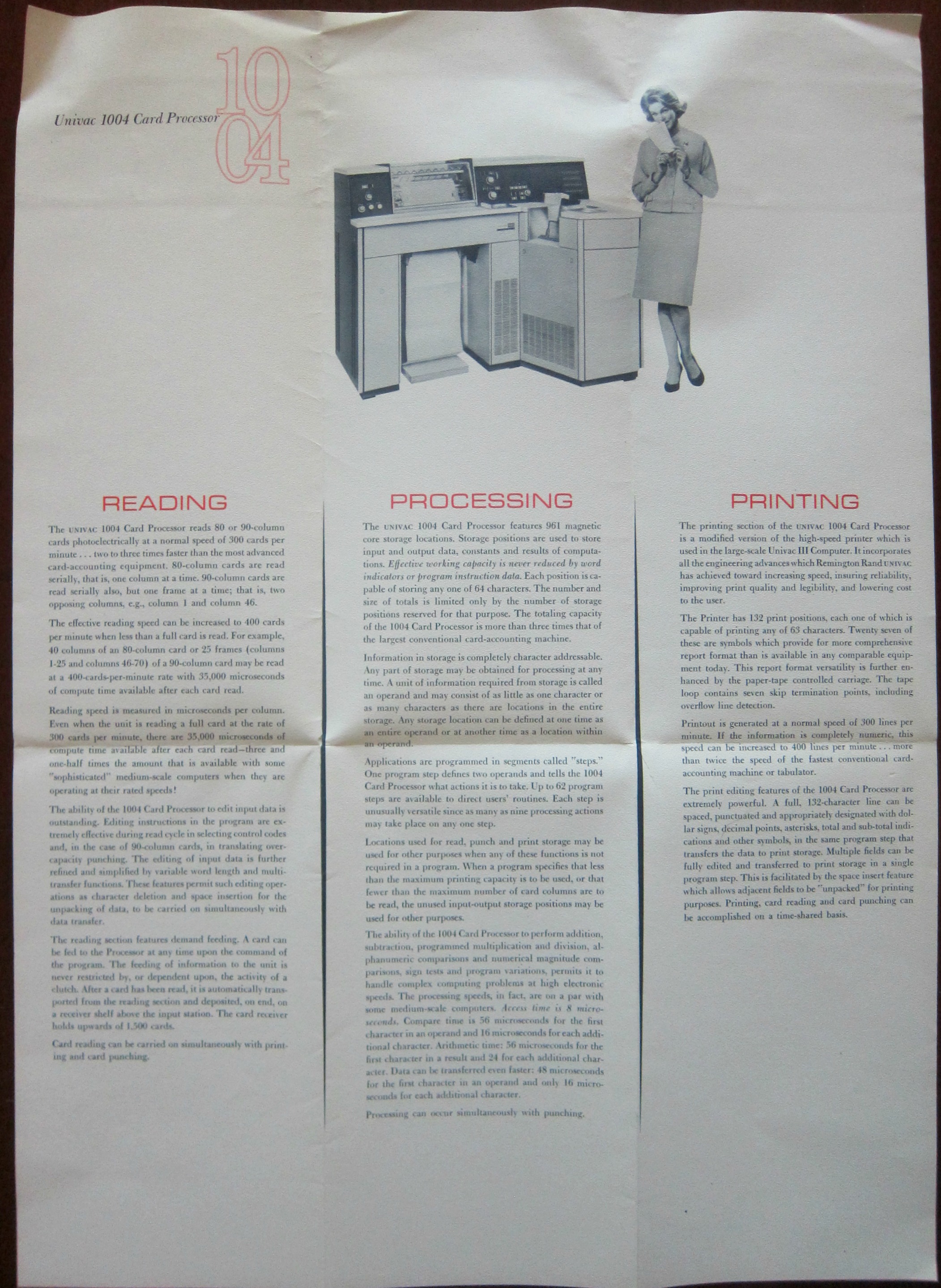
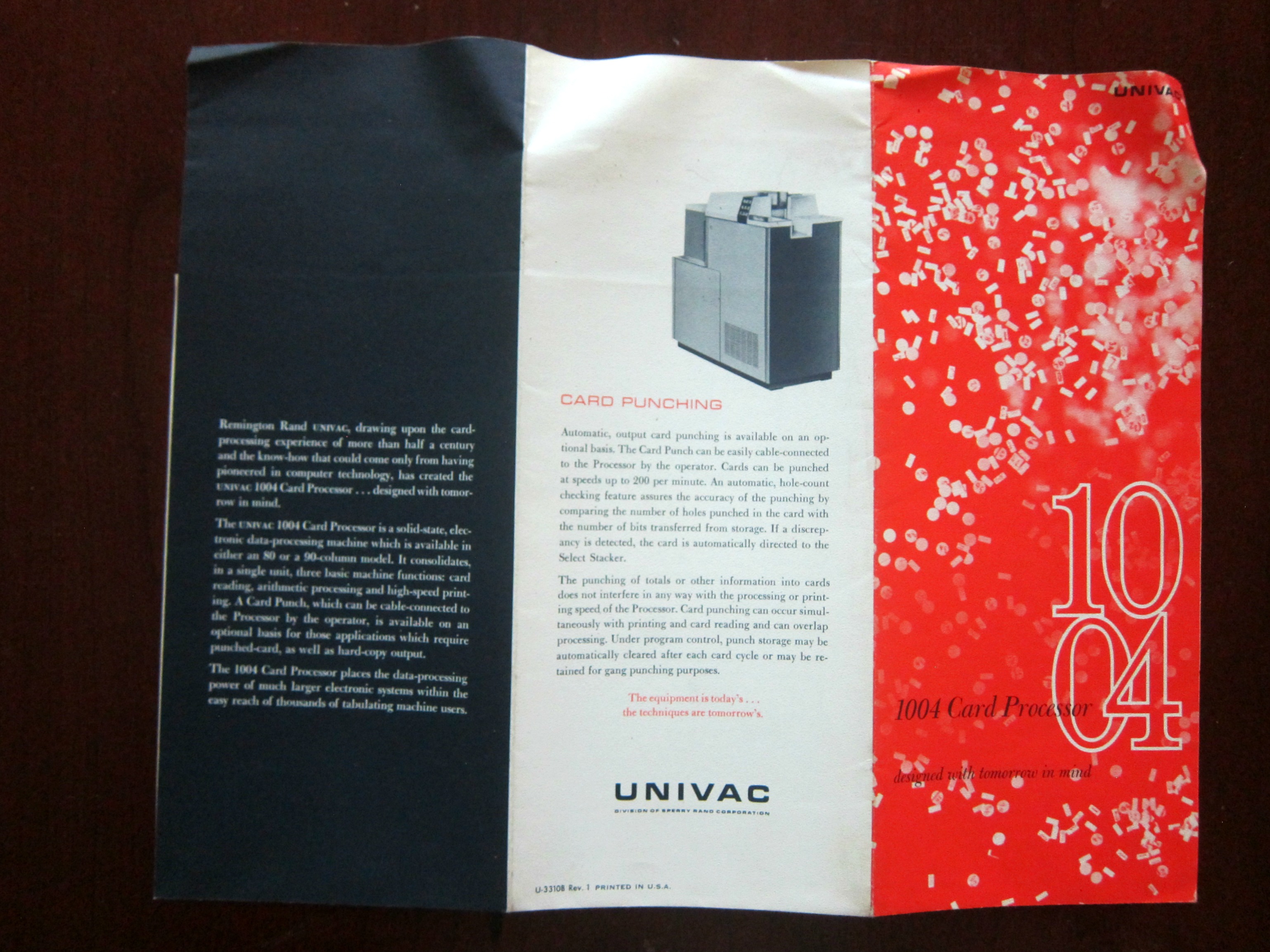
    UNIVAC 1004_2_New for 1962, the UNIVAC 1004 Card Processor 1004. The text of the ad for this tri-fold/broadside advertisment tells us that the UNIVAC machine is “faster” than its human variants, and allows for more reports to be generated at a quicker pace. This was state of the art for 1962, and no doubt companies would want one, if they could afford it.  And just for the record, this unit cost about $148,000 when new, or about $1.2 million in 2017 dollars (computed by the BLS inflation calculator).  

    (Be careful of the UNIVAC trademark, which was registered by Eckert-Mauchly Computer Corporation, Remington Rand Corporation, Sperry Rand Corporation, Sperry Corporation, and Unysis.) 

    The pamphlet-y object is an 11×4.5″ tri-fold which opens to a display of 19×14″ demonstrating the fabulous new and fast features of the machine (and improved by 1966 as the 1005). The image also shows the 1004 printer and a model coyly holding a few punch cards like a geisha fan. 

    “The UNIVAC 1004 was a plug-board programmed punched card data processing system, introduced in 1962, by UNIVAC. Total memory was 961 characters (6 bits) of core memory. Peripherals were a card reader (400 cards/minute), a card punch (200 cards/minute) using proprietary 90-column, round-hole cards or IBM-compatible, 80-column cards, a drum printer (400 lines/minute) and a Uniservo tape drive. The 1004 was also supported as a remote card reader & printer via synchronous communication services. A U.S. Navy (Weapons Station, Concord) 1004 was dedicated to printing from tape as a means of offloading the task from their Solid State 80 mainframe, which produced the tapes. A plug-board program called Emulator was widely installed to convert 1004s to stored-program operation, reading in instructions from program decks of cards which determined the processing of the following data decks.”–Wikipedia on UNIVAC

    UNIVAC 1004

  • A Striking Example of Superior Marginalia (1923)

    JF Ptak Science Books   Post 2640

    I bought this pamphlet many years ago in a very large collection of other pamphlets. Pamphlets in stacks are nearly impossible to identify individually because, well, they are mostly indistinguishable from one another in their slim anonymity…especially so when their in boxes. Seriously, though, it is very easy to lose track of these when there are many thousands of them waiting or attention.

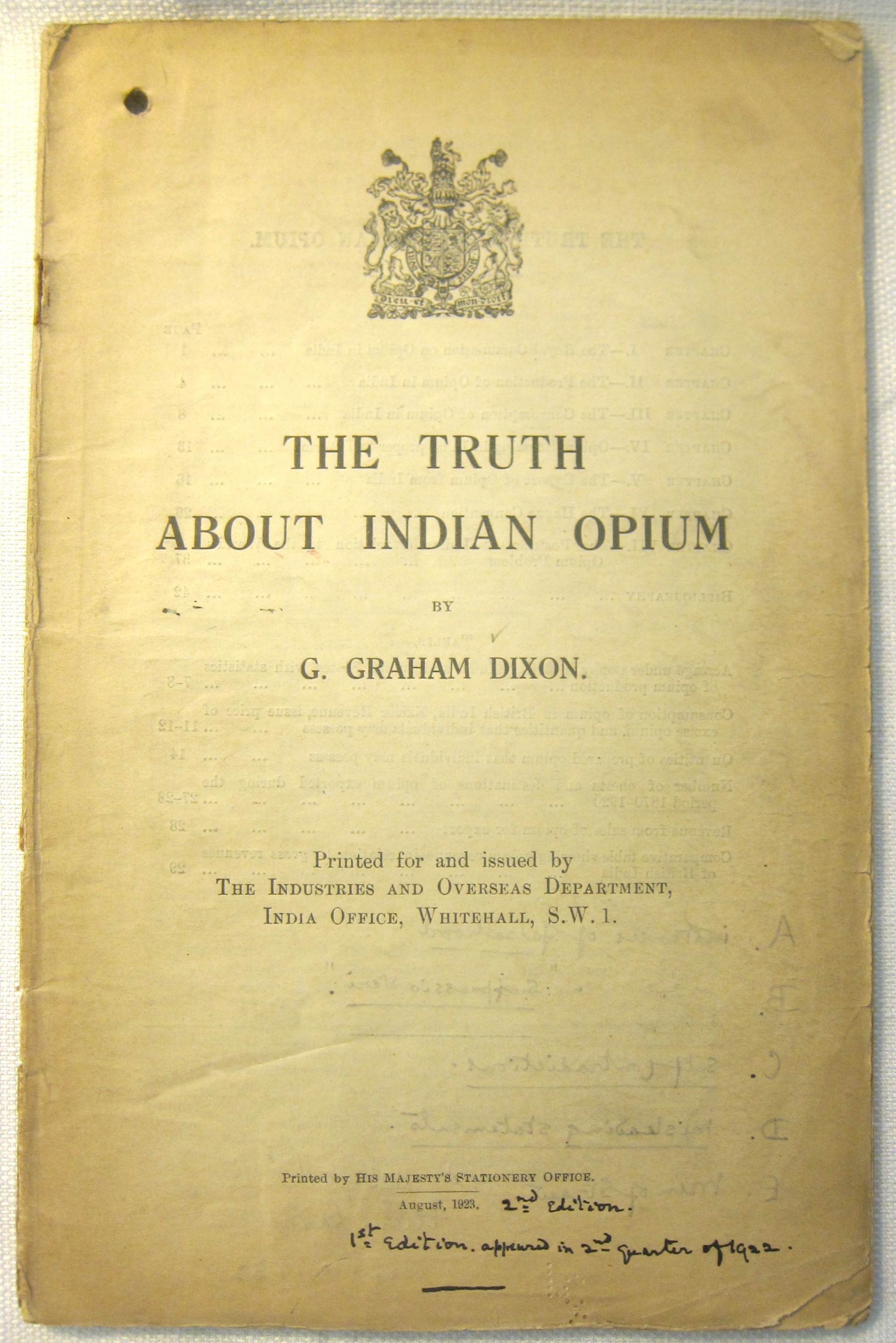
    And so with this one, an interesting-looking/sounding work written in 1923 by G. Graham Dixon, The Truth About Indian Opium, had its chance in the light yesterday.

    I ‘ve seen this pamphlet before, taking note of it, but never opened it.

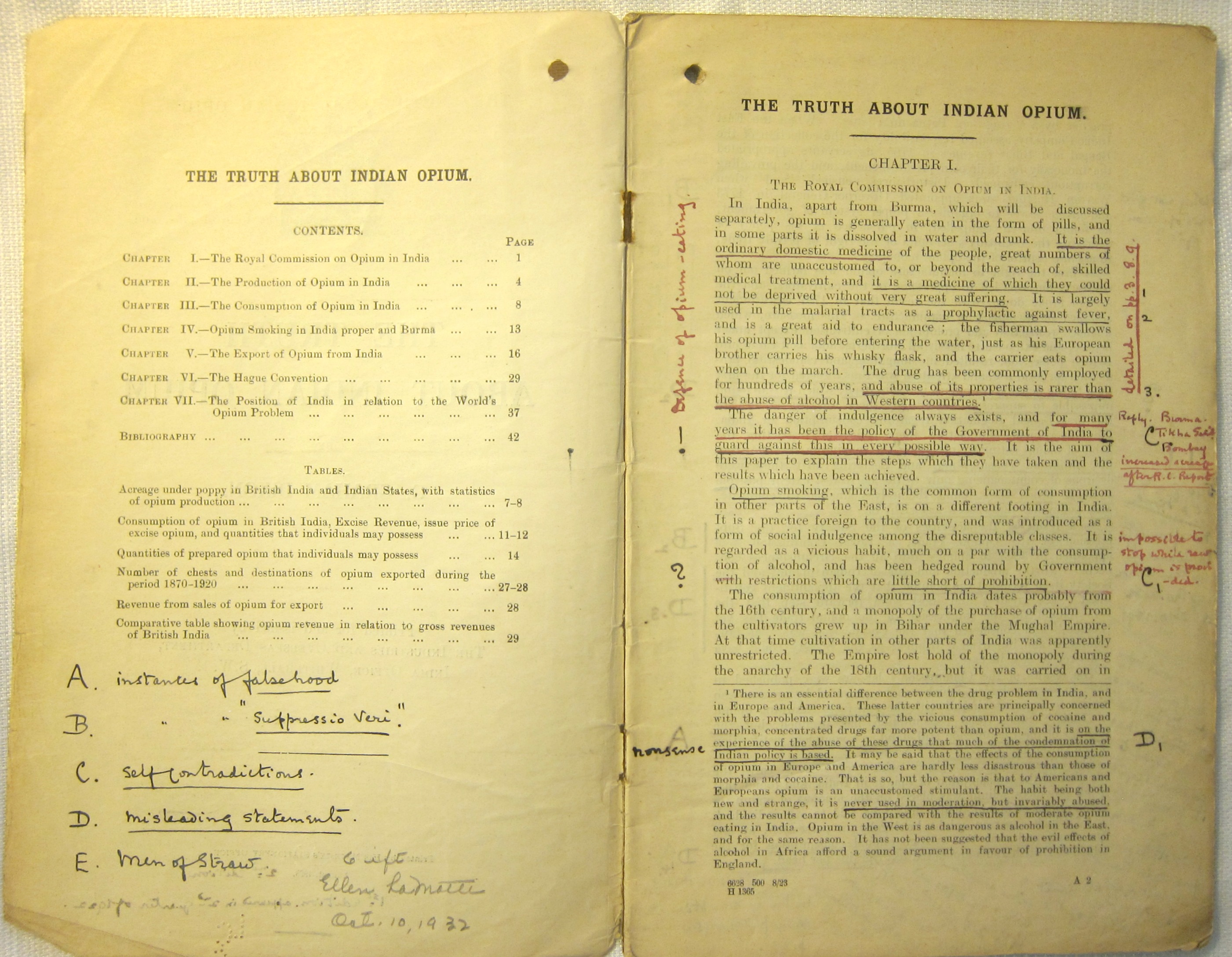
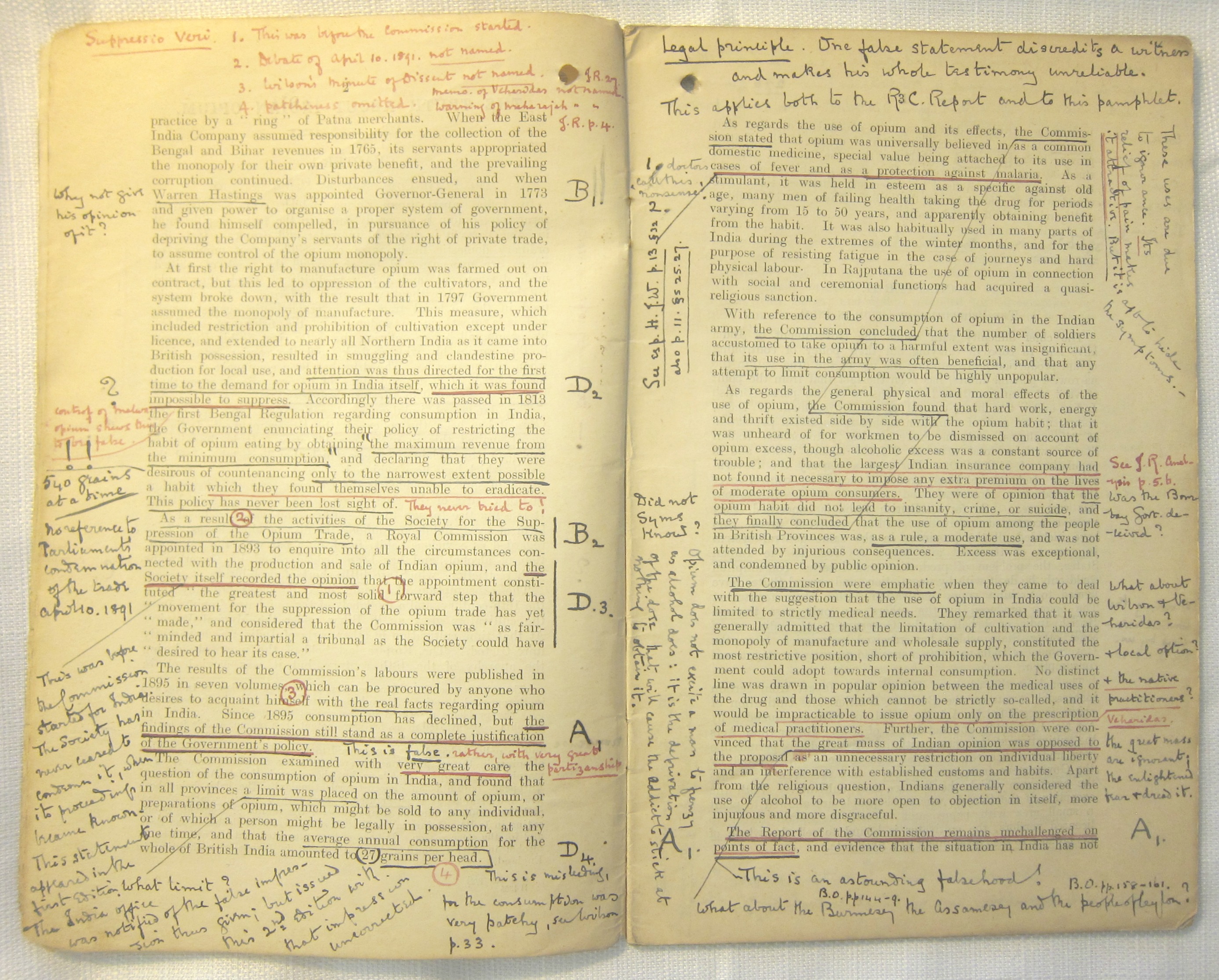
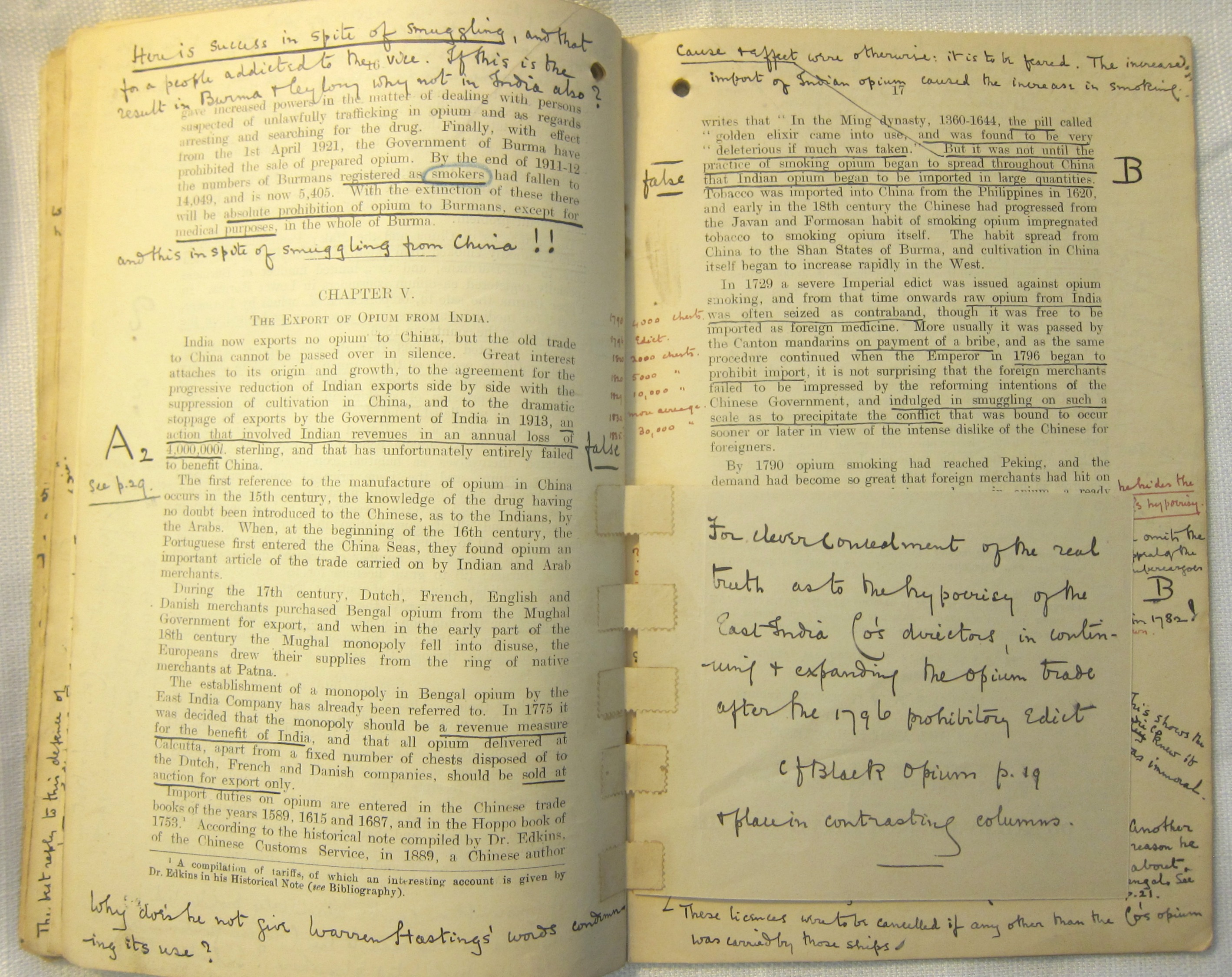
    When I did I was shocked to see that it was very heavily annotated by the last owner. As you can see, this was far beyond marginalia—the reader took the author to task on a lot, everywhere. This practice was so extensive that the reader/annotator had notations and marginalia for her (as it turns out) marginalia.

    LaMotte _1_

    The notes were provocative, insightful, incisive. My copy came from the Library of Congress, and I could see on the back of the title that the pamphlet was given to the LC by “Ellen LaMotte” in 1932. Ms. LaMotte, born in 1870, was quite a person: among other things she was a nurse who was among the first to U.S. Citizens to volunteer for battlefield duty in WWI, arriving there in 1915 (at age 45). Her experiences were wide and traumatic, and she expanded her diary into a book The Backwash of War, The Human Wreckage of the Battlefield as Witnessed by an American Hospital Nurse.

    LaMotte _2_

    that was published in 1915, though evidently it was too truthful and brutal a story for general consumption and was therefore lifted from publication, and didn’t see republication until 1932. There’s much in this book to recommend itself, from an overall sense of this nurse’s view of the war to the details of the minute. (For the later, I found out from Ms. LaMotte that in her experience lightning speed for the delivery of a severely injured man at the front line to an aid station where he could receive proper treatment for a major wound was six hours.)

    LaMotte _4_

    She went on to become an expert in the opium and drug problem then existent in England, publishing six books on the topic during the 1920’s and 1930’s. I assume that this was a source for a part of her work, and certainly explains the deep insight and knowledge evident in her annotations.

    She did not think much of this work by Graham Dixon, who it seems to make the argument that alcohol and cigarettes were a more pressing problem than opium—LaMotte did not agree, and pressed her opinions, questioning the unattributed quotations and statistics and assumptions and conclusions. As annotated/marginalia goes, this is a tour de force.

    LaMotte _5_

    Notes:

    LaMotte’s WWI book is available in full text online at Project Gutenberg http://www.gutenberg.org/files/26884/26884-h/26884-h.htm

    Also see: Hazel Hutchinson, The War That Used Up Words: American Writers and the First World War. New Haven, CT: Yale University Press, 2015.


    ·Posted by :

    ·in:

  • When Did “The Great War” Become “World War I”?

    JF Ptak Science Books  Quick Post

    When does the Oxford English Dictionary establish the first uses of “World War I”, “World War One”, “First World War”, etc?

    World War, n.  

    A war involving many nations of the world; spec. that of 1914–18 or of 1939 45.First, Second, Third World War: see the first element.

    1848   People’s Jrnl. 4 250/1   A war amongst the great powers is now necessarily a world-war

    1864   G. Haven National Serm. (1869) Contents p.xx. (title)    The world war: aristocracy and democracy.

    1889   R. B. Anderson tr. V. Rydberg Teutonic Mythol. i. xxxiv. 139   From the standpoint of Teutonic mythology it is a world war [Sw. världskrig]; and Völuspa calls it the first great war in the world—folcvig fyrst i heimi.

    1900   N. Amer. Rev. Nov. 653   The South African war, following immediately upon the close of the Peace Conference at The Hague, has not yet reached its end, and already the horizon in Eastern Asia is lurid with the glare of a world-war.

    World War I  n. (also World War One, World War No.1) = First World War n. at first adj., adv., and n.2 Special uses 2b. Abbreviated WWI.

    1939   Time 18 Sept. 10/2   Exports of arms, munitions and related materials in World War I amounted..to only 25% of total exports to the Allies.

    1947   Time & Tide 29 Nov. 1269/2   The despair and cynicism that followed what it has now become fashionable to call World War One.

    ·Posted by :

    ·in:

    —
  • The Barrels of Brooklyn, 1873

    JF Ptak Science Books   Quick Post 

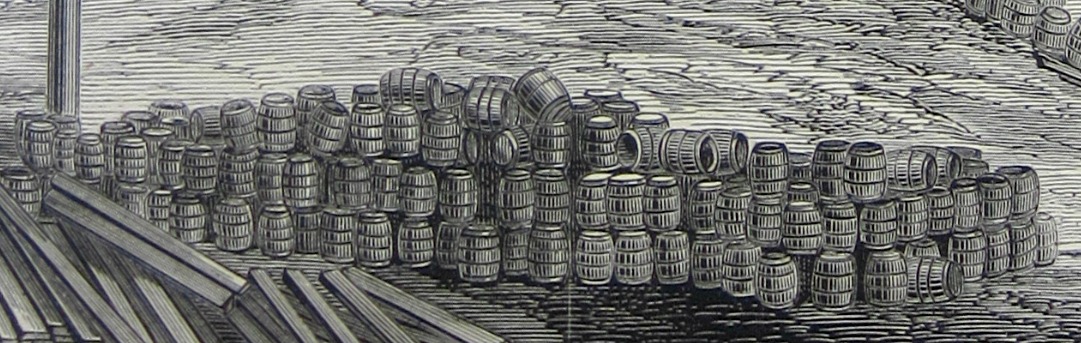
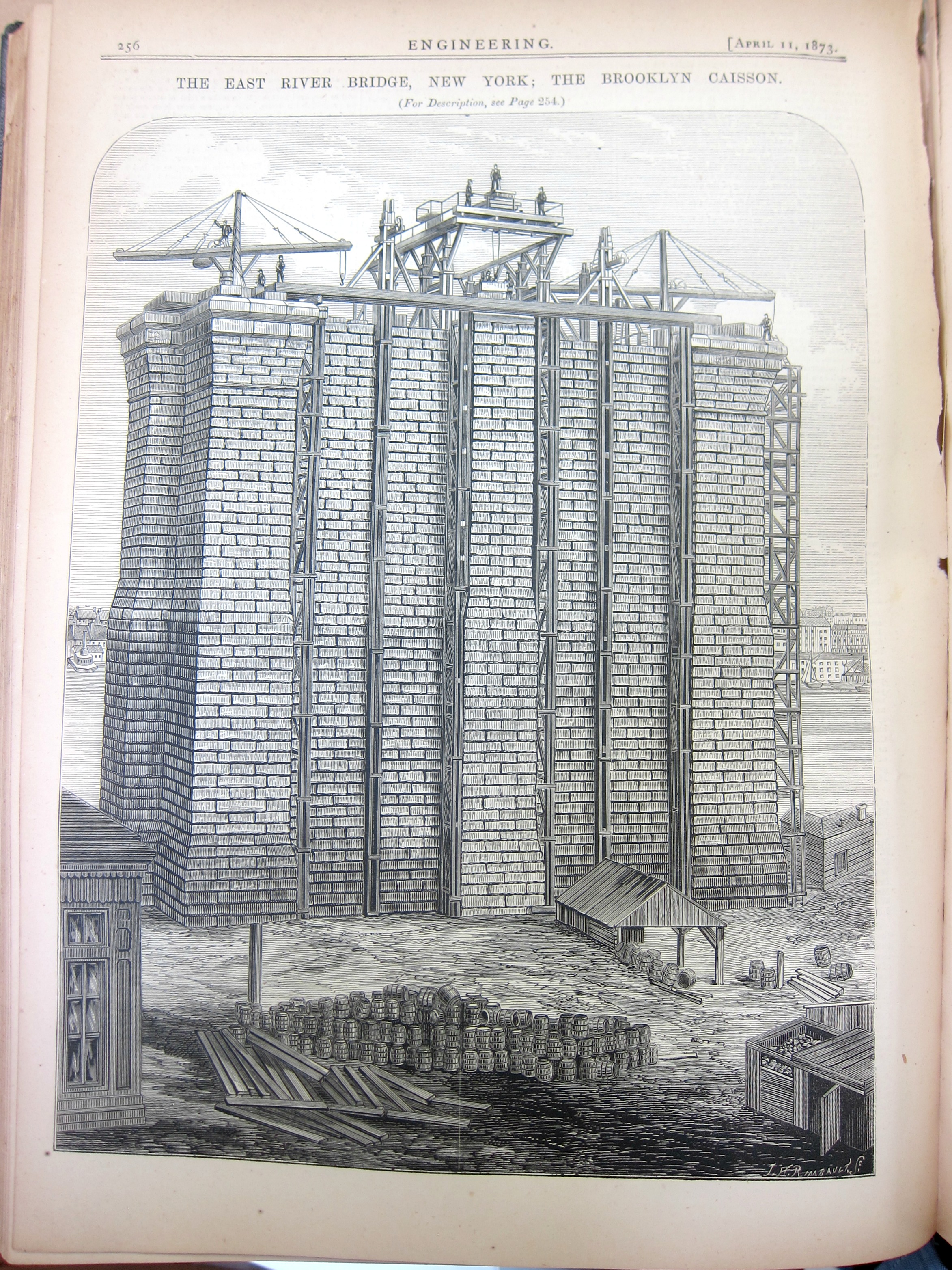
    This dramatic image of the foundations of the New York and Brooklyn Bridge (and then the East River Bridge, and then in 1915 the Brooklyn Bridge) appears in the journal Engineering for April 11, 1873. It is a massive structure, and like a tree there is as much going on for it underground as there is above; and in all of that, one of the most interesting elements is the pile of barrels in the foreground, a detail of which is below: 

    Engineering 1873 Brooklyn barrels

    Frankly I’m a little surprised at their state, disheveled and open and spilling here and there.  Why not keep them in order of some sort? 

    And the full image, featuring the granite that was moved by schooner down along the coast all the way from Vinalhaven Island, Maine: 


    Engineering 1873 Brooklyn Bridge

  • North American Native American Populations from a 1790-ish Source

    JF Ptak Science Books   Quick Post

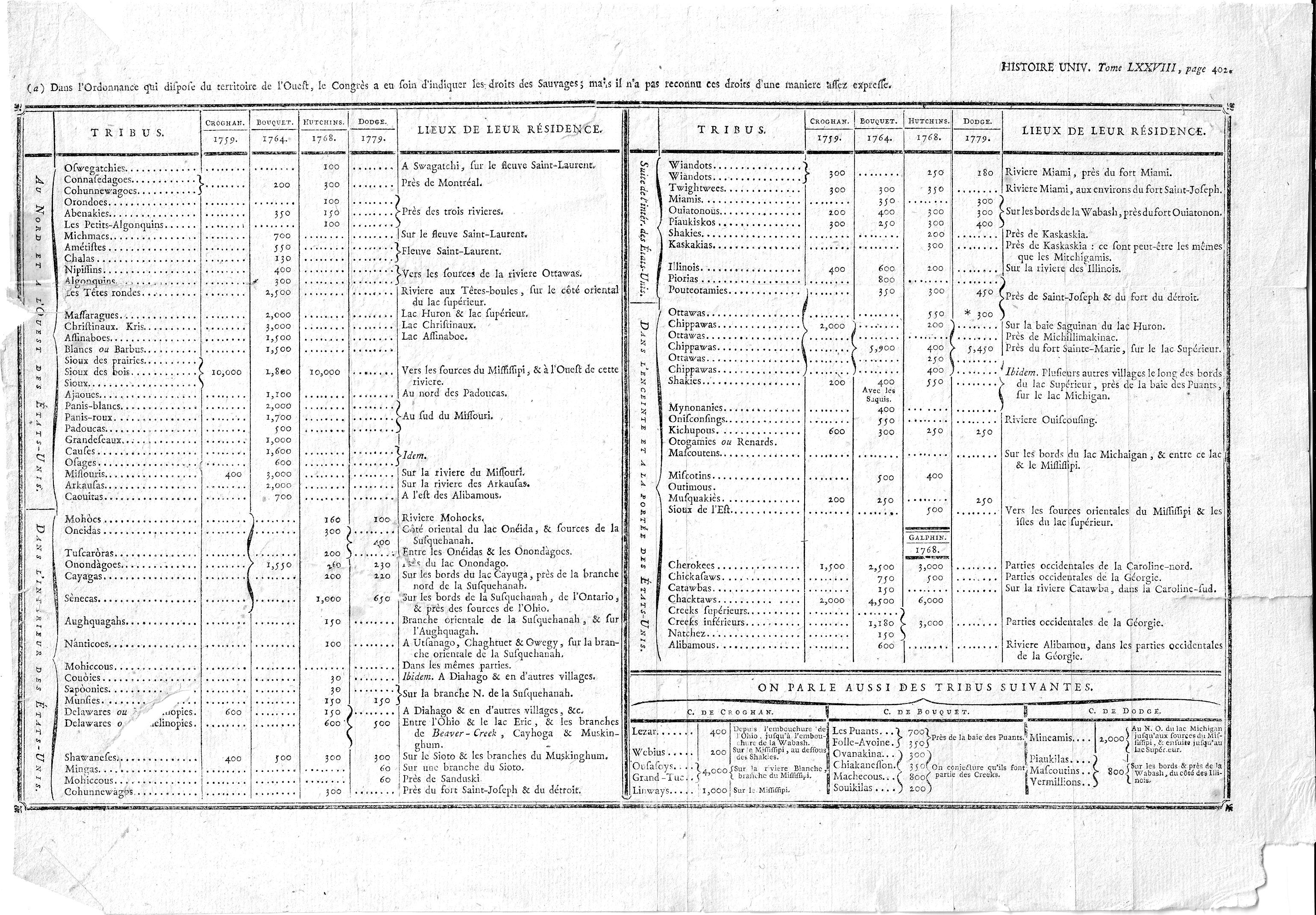
    I’ve decided to simply post this interesting chart without comment–it seems that in my experience I haven’t often seen such a long list of tribes with populations at such an early date. Here’s the thing, though–I’m not exactly sure of it origin. It is a folding plate from Histoire Universelle, though with this generic title I don’t know the author or year, though I guess it to be 1790’s (judging by the paper and other clues). As a matter of fact the only hit I get from the interweb on the title of the graphic is for a reproduction of the data over four pages in Jean Nicolas Démeunier’s L’Amérique indépendante, ou Les différentes constitutions des treize provinces…though he gives no attribution for his heavily-borrowed stats. The author of this set of stats though, did, with estimates of population numbers from four sources for 1759-1779. So:

    Indian tribe populations

    And some detail images:

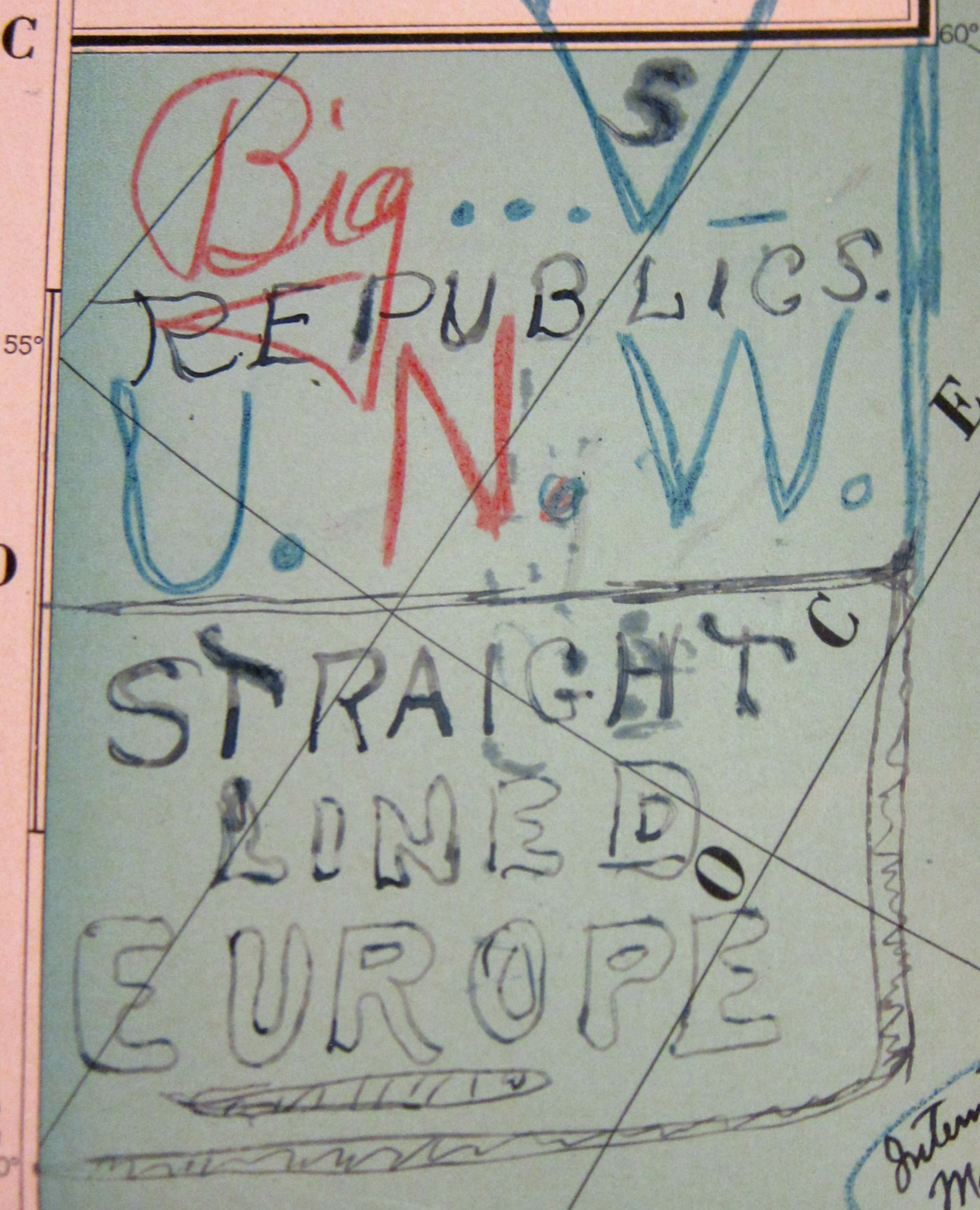
  • Outsider Real Politik from 1942 (“Straight Boundary Lines. Stop–Wars.”)

    JF Ptak Science Books   Post 2695   History of Lines series

    Maps Outsider 1945 world map titleThis Outsider-y pamphlet on the reorganization of the world after the end of WWII was a very unexpected find.  Some of the thinking in the text could make your eyebrows touch your cheeks from their dubious logic and idea base, but it is the map to illustrate the distribution of political existence for most of the countries of our planet that is the most remarkable component of this exegesis. 

    First things first: I cannot find the author’s name, though it is doubtful that I would have posted it here, given the amusement park wonderfulness of this foreign policy.  The bumpy title of this far-reaching work , United Nations of the World Washington, D.C. U.S.A. January 1, 1942, Started the New World Era Called the Dawn of the Golden Age Which is the Beginning of the End of all World Destructive Forces, should give a bit of a hint to what might follow…at least this is the case for many of the 1000-odd Naive Surreal/Outsider Logic pamphlets in my “collection”.  The work (11×8.5″, 14 printed leaves, 8 maps) was printed on April 25, 1942 (so noted on the last page, along with the manuscript annotation, “Plato”), and made its way here via the Library of Congress. The pamphlet began its journey though at the White House–in the right corner of the pamphlet cover you can see the rubber stamped “Respectfully Referred to the Department of State” followed by [some name], “Secretary to the President”. As it turns out that name was Marvin H. McIntyre, who indeed was the secretary to the president. McIntyre has been with Roosevelt since the later’s VP campaign in 1920, and then joined FDR at the White House in 1933, when he remained as one of the three secretaries to FDR until he died in 1943. In any event, the author must’ve sent his idea of re-arranging the world directly to Roosevelt; McIntyre though it better for Roosevelt to not be distracted by this work and no doubt sent it off for the DOS people to deal with. The very faded rubber stamp at bottom seems to indicate that it was received at State in May 1942, which means it made a rocket exit from the WH. Then either something or nothing happened until it was sent to the Library of Congress in 1947.

    Maps Outsider 1945 Lines stop wars
     

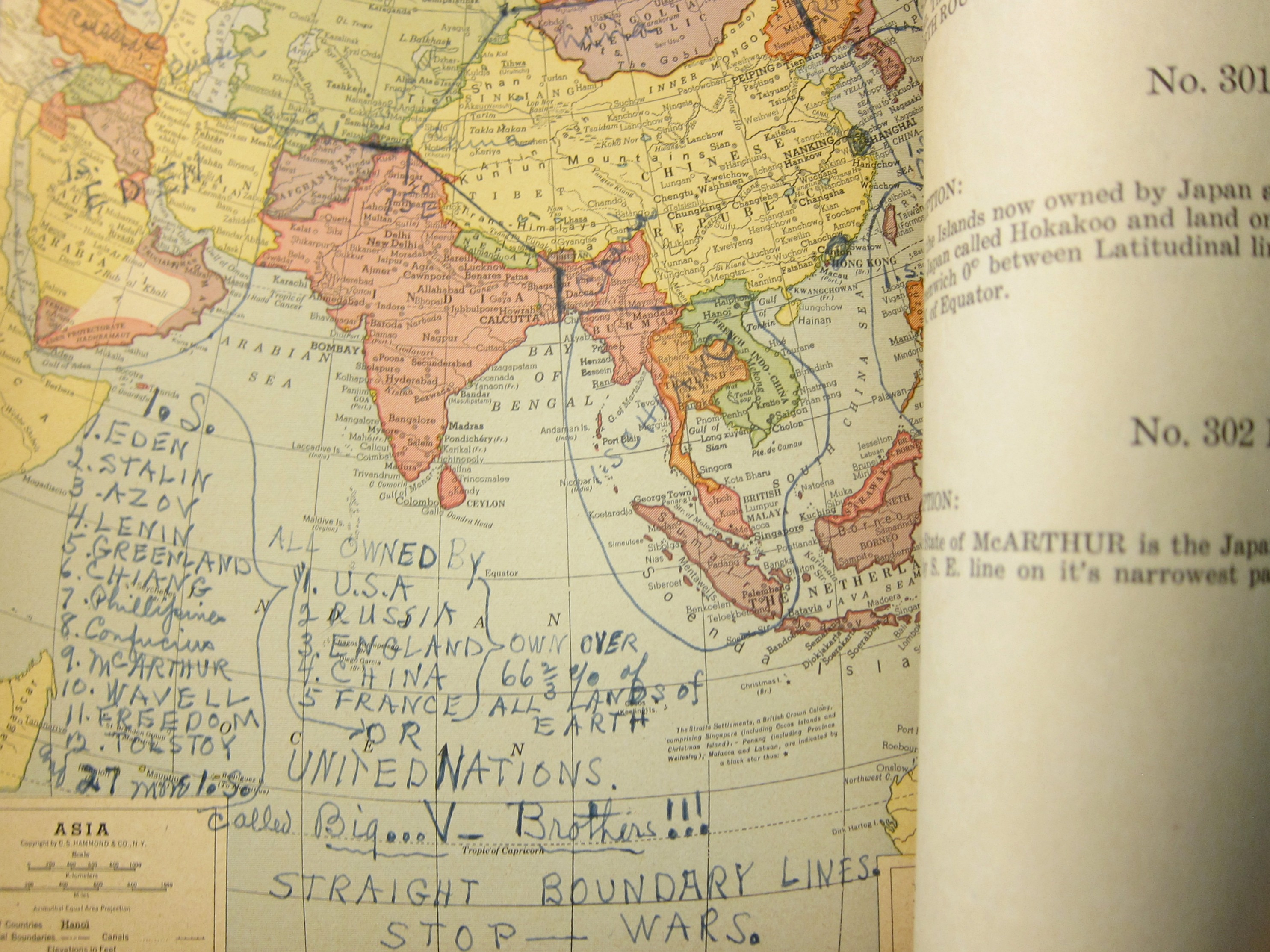
    The main deal here is that the United Nations of the World seems to be composed of five countries–the U.S., Great Britain, France, China, and France–with the headquarters in Washington D.C. (including a small part of Virginia “and some of Delaware”) because “a more appropriate place on Earth Planet cannot be found for UNITED NATIONS OF THE WORLD”.  How the distribution of national identities, the disappearance of most national governments, property, wealth, armies, navies, and so on, is accomplished, I do not know, as there isn’t a clue in the work.  I do know that the author complained of too many curved lines for boundaries and insisted on straight lines. That didn’t stop him from going curvey, though, as we can see in the development in North America, where for some reason San Francisco is now an “IS” or “International State” called “the Golden Era”.  

    Some of the other changes introducing the new International States include:

    • “Light” (Canada);
    • “Petain” (West Africa);
    • “Eden” (the Middle East);
    • “McArthur” [sic] (northern Japan);
    • “Confucius” (southern Japan); 
    • “Liberty” (the USSR)
    • “Liberty” (Belgium and Holland and other bits and pieces);
    • “Edison” (northern Germany);
    • “Franklin” (southern Germany);
    • “Lincoln (norther Italy);
    • “Plato” (southern Italy);
    • “Stalin” (Bulgaria);
    • “Lenin” (the Baltics);
    • “Wavell” (Papua New Guinea);
    • “Wellington” (New Zeland);
    • “Churchill” (central-ish Africa)
    • Turkey would become part of Russia (“in 1950 A.D.”).

    There are a number of others, all findable in the expandable images below.

    In the end, the U.S., “Russia”, “England”, China, and France (for reasons unknown) would “own over 66 2/3 of all lands of Earth”. 

     There is no indication how all of this would work, including 2/3 of the world being “owned” by the five countries. Of all the problematic bits in this work perhaps the problematiciest is the voting arrangement in the Supreme World Court, which would create an equal voting block between the U.S./U.K. and China/USSR, the deciding factor being (yes, you guessed it) France. 


    ·Posted by :

    ·in:

Recent Posts

Archives

Categories