A Daily History of Holes, Dots, Lines, Science, History, Math, Physics, Art, the Unintentional Absurd, Architecture, Maps, Data Visualization, Blank and Missing Things, and so on. |1.6 million words, 7500 images, 4.9 million hits| Press & appearances in The Times, Le Figaro, Mensa, The Economist, The Guardian, Discovery News, Slate, Le Monde, Sci American Blogs, Le Pont, and many other places… 5000+ total posts since 2008.

  • A New Perspective on Multitudes of Soldiers

    JF Ptak Science Books LLC  Post 1019

    Yesterday while trying to entertain our six-year-old ,
    sitting in a small waiting room to an office with nothing to do, I estimated
    the number of holes there were in the boring acoustic ceiling tiles. A short
    distraction later I realized that if each one of those holes was a dollar bill,
    that the national deficit would require those titles to be laid out over an
    area roughly the size of D.C. and Alexandria
    (about a hundred square miles).  That
    sort of brought some perspective to what trillions of dollars might mean, but not
    really—it was still too weird and vast a number.

     
    1--may 5 medals 01

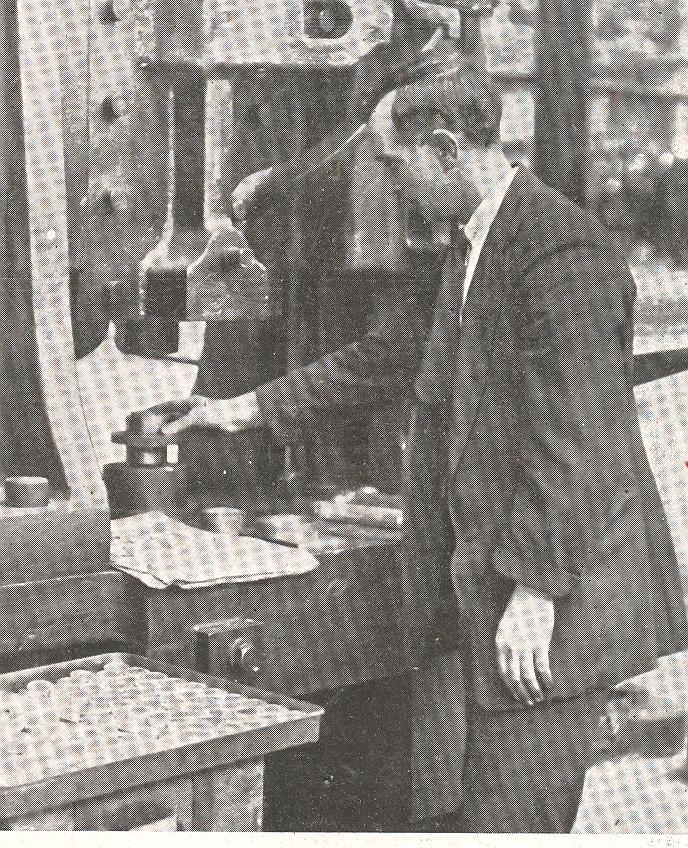
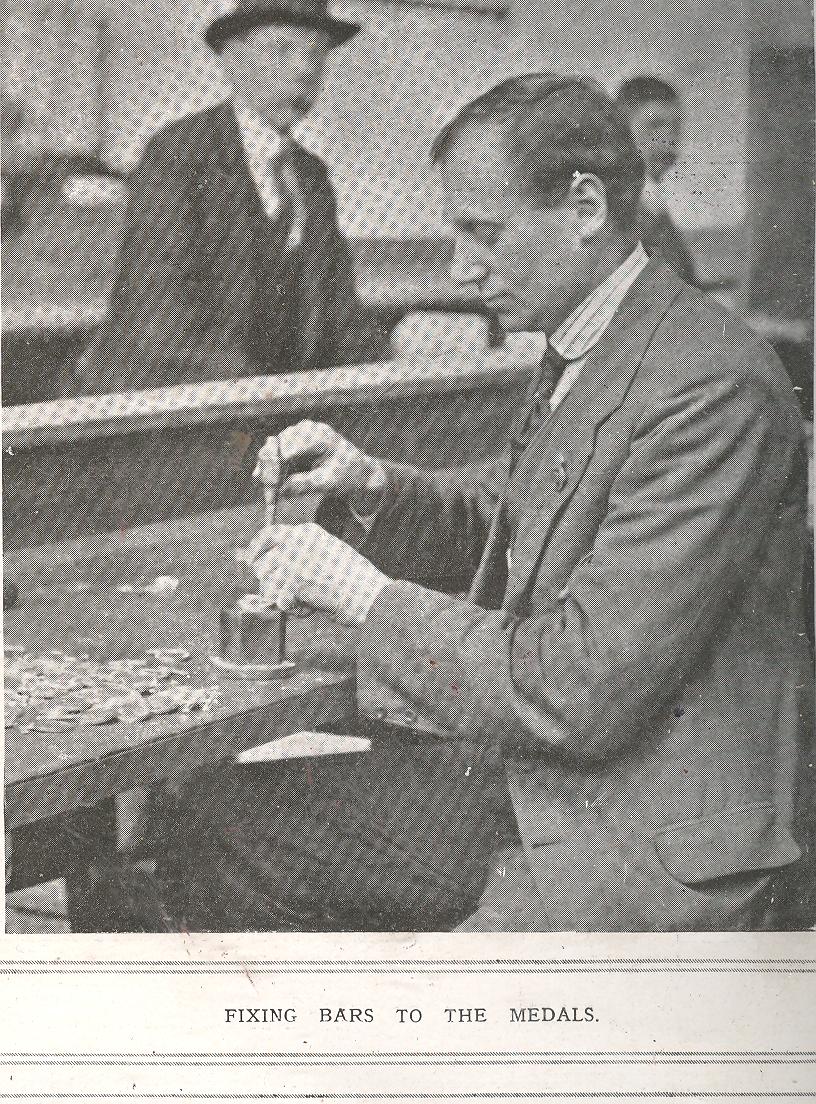
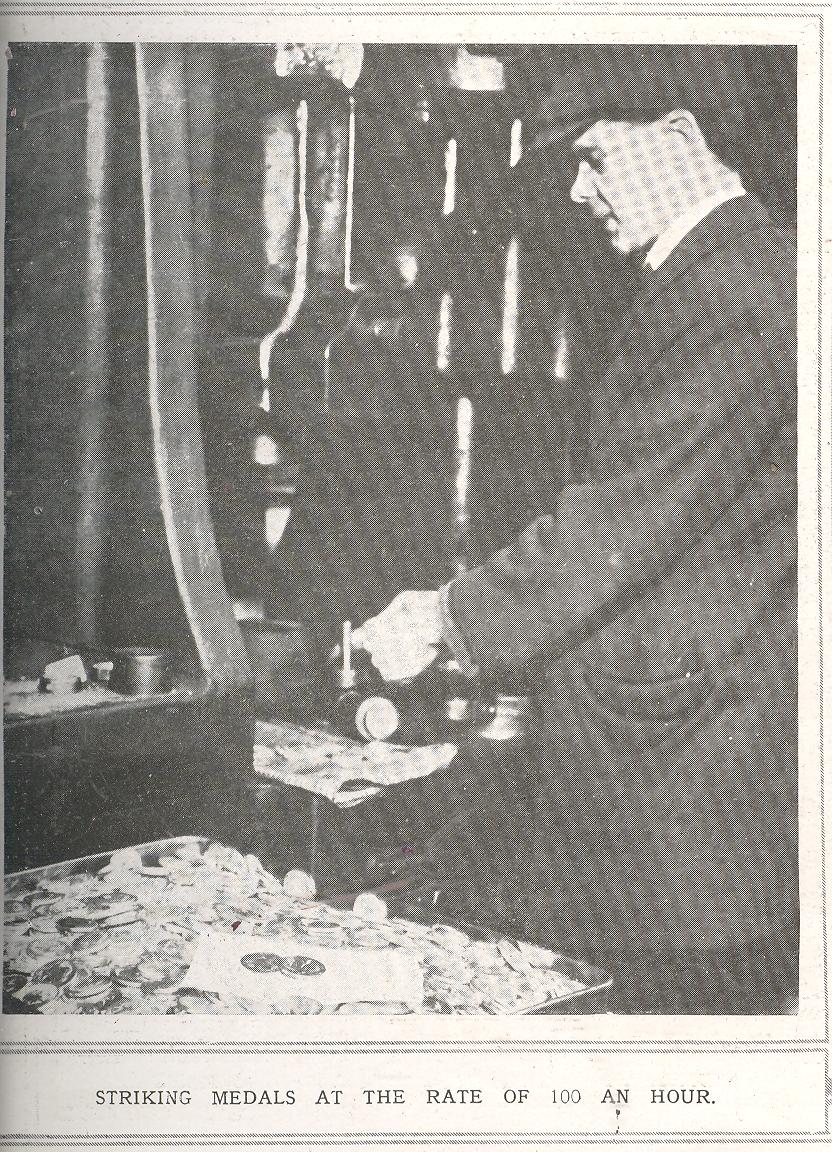
    I had the same sort of feeling seeing this picture essay
    (yesterday as well) on soldiers and war. 
    The photos appeared in the July
    1 1920
    issue of the Illustrated London News and spoke of the new
    management of manufacturing British war medals. 
    The vastness of the casualties of that war are well known, but somehow
    this story seemed to put the big numbers into a more understandable
    perspective.

    I learned that there were 300 men who worked full-time on
    producing these medals, making about 67,000 a week–in 1920, two years after
    the end of the war.  Not only that, since
    the Royal Mint and the Royal Ordnance Factory would be working jointly on the
    project, the Army Council expected production to increase to 120,000 medals a
    week.  That’s six million medals a
    year. 


    1--may 5 medals 01b

    It seems extraordinary that even after the fighting that
    production levels would need to be so high. 
    But there were millions who fought, and so these 300 workers would still
    have to work for several more years to produce enough medals to honor those who
    fought in WWI.

      
    1--may 5 medals 1

    I read somewhere—a citation now long lost—that in America every Purple
    Heart that has been given out since 1945 was struck in that same year.  This  mountain was made in preparation for the
    hundreds of thousands of soldiers who were expected to be made casualties in
    the Allied assault on the Japanese homeland in 1945/6—a figure that would come
    close to half of the total number of 1.6 million Purple Hearts that have been
    awarded since 1932


    1--may 5 medals 2

    ·Posted by :

    ·in:

    — — —
  • Uncommon Heroes–a Bus and a Pigeon

    JF Ptak Science Books LLC  Post 1020

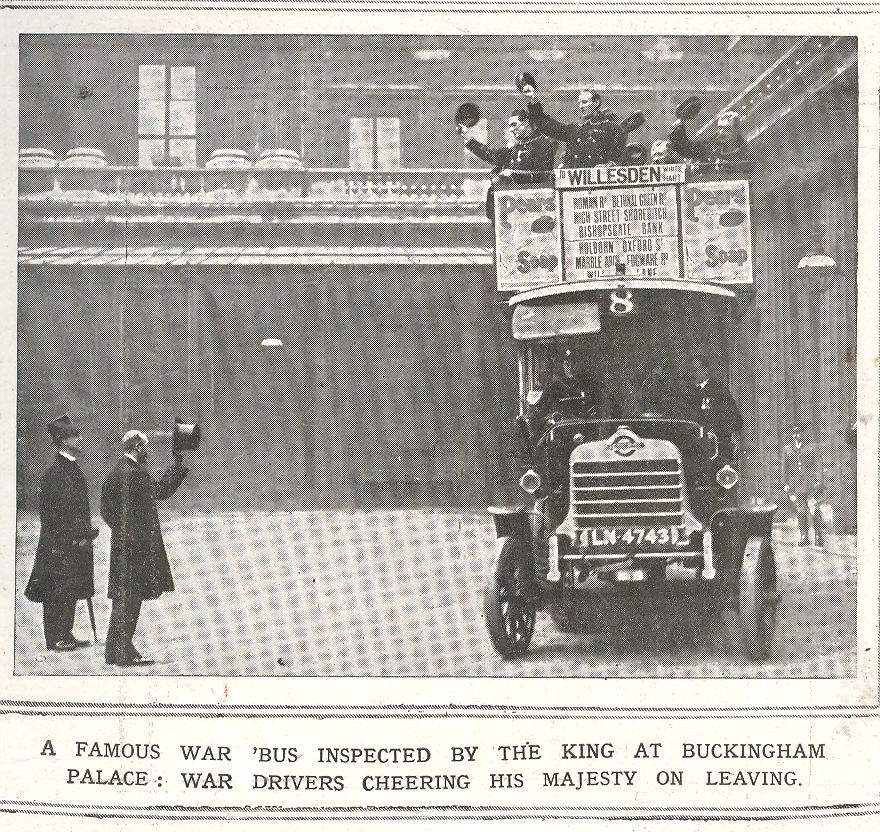
    As if to underscore what must have been brilliant and courageous actions everywhere, the “motor-omnibus” B-43 was brought to the quadrangle of Buckingham Palace to be received and cheered by the King (in 1920). In fact, the King was saluting the drivers of the bus (even though the caption understates the moment so: “a famous war bus inspected by the King at Buckingham Palace, war drivers cheering His Magesty on leaving”). B-43 saw motor transport service with the British Army from 1914 to 1919, and was at Antwerp, Ypres, Ancre, the Somme and Amiens. It was returned home, upgraded, and pressed back into street service (operating from Willesden and Old Ford). 

    1--may 5 heros bus

    That’s a lot of service.

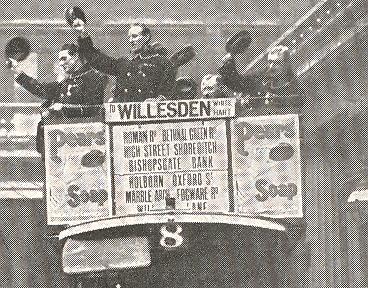
    If you look closely at the detail, you’ll see that each one of the men on the bus has got a chest-full of medals.  

    1--may 5 heros bus det 

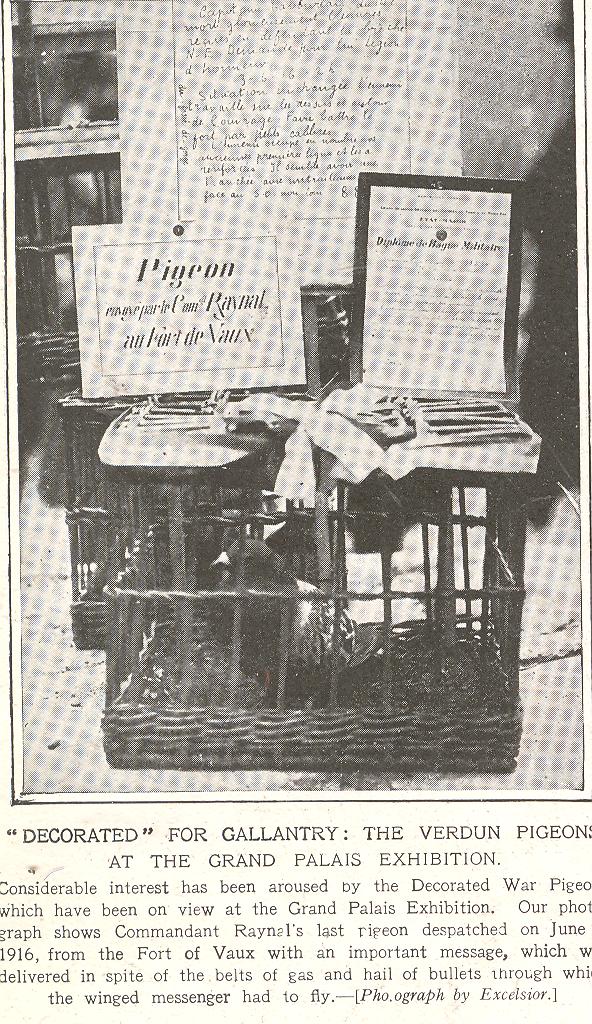
    The second hero is a pigeon whose name is not given, being ingloriously exhibited in a small cage at the Grand Palais Exhibition in 1920.  This pigeon was evidently the last of the famous “Verdun Pigeons” who delivered important messages between commands, flying back and forth with important data, dodging bullets and bombs and gas. 

    1--may 5 heros pigeon

    ·Posted by :

    ·in:

    —
  • Propaganda Maps of a Different Sort–Health Advertisements & Carto-Weirdia

    JF Ptak Science Books LLC  Post 1021

    “When I’m playful I use the meridians of longitude and parallels of
    latitude for a seine, and drag the Atlantic Ocean for whales.”
    –Mark Twain (Life on the Mississippi, 1883) 

    1--may 5 world map cleaned

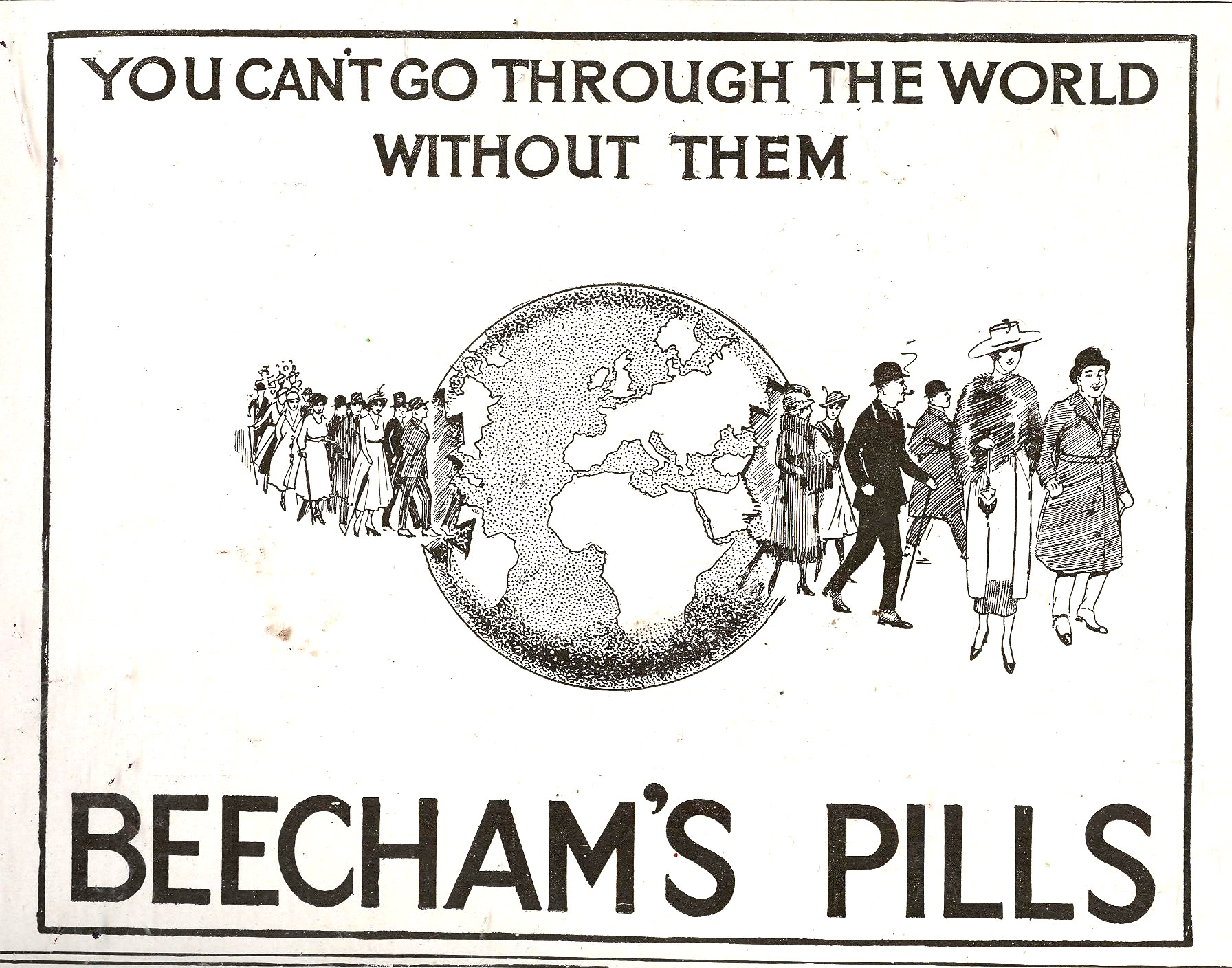
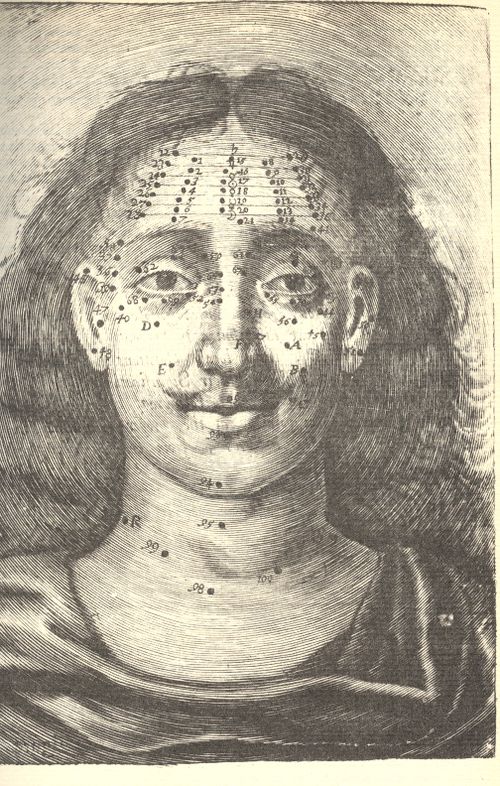
    1--may 5 world map In this blog’s continuing series on maps and propaganda come these two interesting and appealing examples, both appearing in England in the late ‘teens though their histories are older than that. They do come from a much longer tradition of finding physical landmarks of the body by which to navigate biological and mental needs–bumps and blemishes of the head, “reading” blood and urine,  general mechanical measurements of all sorts, and on and on, even so far as to include mapping the significance of the appearance and proximity of body moles and warts. (I addressed this earlier in a post on Mapping the Human Cosmos via Mole1--may 6 mole maps, here.)

     
    The first image belongs to Beecham’s Pills, long a staple of chemist/pharmacy and general goods sellers, which were basically patent medicine cure-alls composed of aloe, ginger and soap, and which found a happy market for more than 150 years (1842-1998).  Evidently Beecham’s did do something right in there somewhere, as they had some sort of positive effect on digestion.  Other than that I don’t know, though the little pills seem to not have caused any direct harm.

    The company has a long and huge advertising history, though one of the favorites that I’ve seen from this early part of the 20th century had folks marching through the globe, and happy to be doing so so long as they had their care trusted to Beecham’s.  

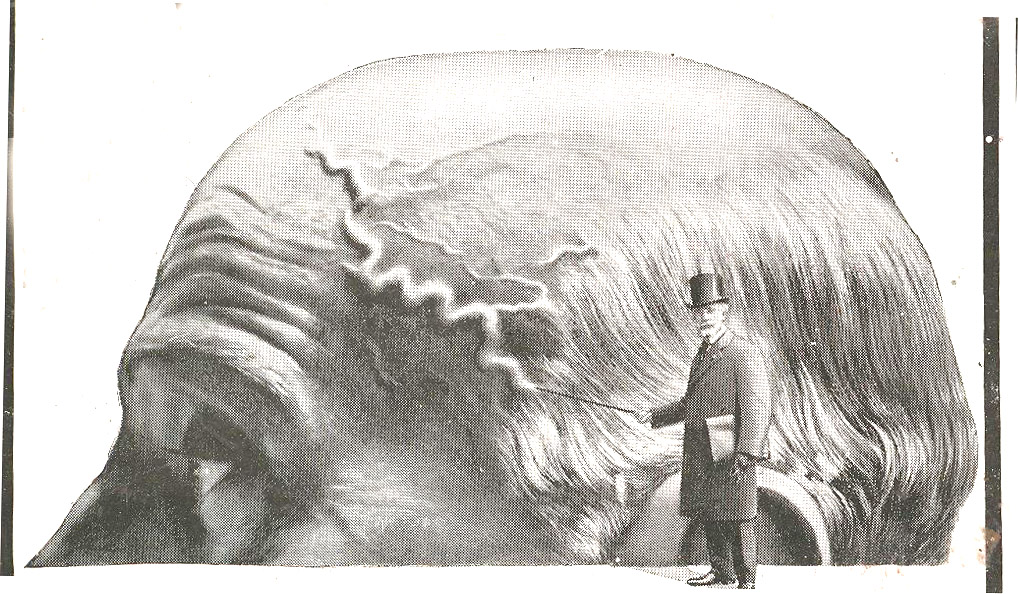
    Secondly is this odd bit that locates the center of one part of human health in the veins of head, showing that if you can indeed follow them like a map, then you’re in trouble and need to ingest the product sponsoring the scare measure, Urodonal (“dissolves uric acid”). Urodonal is of French origins and dates back to at least 1874; it was a quack medicine composed of “pleasant herbs” which would cure all sorts of aliments relating to kidney distress, plus fatigue, tired feet, aching back and of course obesity. 

    1--may 6 map weird
    The man in top hat was pointing to the Vesuvian vein with his cane, just in case you missed the thing.  But I guess in the modern age when everyone must “take” something, the nonsense concoction of Urodonal was better than most because it–like Beecham’s–didn’t actually do anything nasty to your body.  Unless of course you self-administered your medical care and relied solely on these agents for your necessary treatment for a real illness, which would mean trouble–and which is an entirely different story. 

  • The Call for the Elimination and Destruction of the Beggar and Tramp Classes, 1926

    JF Ptak Science Books LLC  Post 1022

    The once-esteemed journal, The Eugenics Review (1909-1968, published in London by Macmillan & Co., with  Darwin’s son Leonard as it president and guided by a very well placed “consultative council”) is an issue-to-issue marvel of dead and repugnant ideas.  It seems more now an encyclopedia of The Great Ill Wind than anything else, and this of course ironically in spite of its own sterling pedigree.1


    Eugenics10b
    I occasionally pick up an issue an graze, and usually something strikes the sensibilities immediately.  Today it was the issue for April 1926, and the article “The Merxplas Beggar Colony”.  I had never heard of a “beggar colony” before this, today, and was surprised to learn that there were six of them in Belgium , one of which was Merx plas, with many of them established beginning in the 18th century.  Merx plas was a physical entity, a containment camp (or perhaps better a “concentration camp?”) where tramps/beggars/the habitually unemployed/thieves/pimps were sentenced to between two and seven years’ stay.  People went in, and they could not come out–so although not a prison, it seems more a communistic prison setting with an post-dated exit sign.

    The Eugenics Review took a quick view (in this four page article) of places like Merx plas Belgium) as social engineering tools, with heavy medical/biological/pathological metaphors.  The author, J.G. Pringle, quotes a “M. Le Jeune” who found the sound idea in his statement: “this (habitually unemployed) class could be eliminated by a process of segregation” leaving the real unemployed a chance to find work once removed from this “contagion”. Mr. Pringle agrees: “While segregated they would not reproduce either their species, their diseases, or their vices”.  

    Indeed.  Merx plas was also opened not only for these above-mentioned people, but was expanded to include “convicted epileptics, tuberculous persons and mentally deficient persons”.  He continues: “it would appear that this further classification of inmates will make possible the selection of individuals for whom any liberation whatsoever could be shown to be inadvisable”. 

    There were generally about 5,000 people at Merx plas–a quick look at  the stats reveals that at any given time 75% of the population had made at least one previous tour there; 25% had been there at least three times. I’m not so sure what that means in terms of anything save that the state prevented these guys from reproducing.

    In general Mr. Pringle likes what he sees and wants the communal work farms to be instituted in Great Britain.  He closes:  “The measure of success achieved at Merx plas in dealing with a type of parasite which is also a source of social contamination would form a happy precedent for a similar experiment in this country”.

    Such imaging of a class of people in terms of disease, contagion, social contamination and the “correcting” of their behavior in terms of “segregation”, virtual sterilization and “elimination” takes me immediately to the question:  what’s left?  Once they began to creep in TB persons and the “feeble-minded” and not let them out, how else best to deal with beggars and tramsp who continue to abuse the system, especially once you’ve already introduced the idea of these folks being disease/contagion and that their incarceration is a form of segregation and elimination?  I guess they could talk about not letting anyone out again, but, well, it sounds like Merx plas was already an economic drain and stain; how much could it support?  The math starts to look big and bad and bloody at this point. 

    In general though the road to a conclusion to these unhappy thoughts was sterilization (which I wrote about a little here and elsewhere on this blog)–but this is a story for another day.

    Notes

    1.  The eugenics people identified their intellectual foundations in the work of master multi-tasker and genius Sir Francis Galton, and had much help along the way with the likes of the superior R.A. Fisher, Charles Davenport, Henry F. Osborn, Bernhard Mallet, R.W. MacBride, Julian Huxley, W.P. Pycraft, Francis and Leonard Darwin, and many others.

  • Windsor McKay’s Animated Sinking of the Lusitania (May 7, 1915)

    JF Ptak Science Books

    Windsor McKay–who for all intents and purposes invented the animated cartoon with his “Gertie the Dinosaur” in 1914 –produced this piece of homeland propaganda on the sinking of the Lusitania, which occurred on this day in 1915. 

    The film was released in 1918 with McKay producing the 25,000 drawings necessary for production.  It caused great emotions and bitterness, considering of course that there was no footage or photographs of the sinking–McKay provided the moving impetus and the viewers’ minds filled in the rest. The RMS Lusitania, which was a Cunard Line ocean liner, was sunk by torpedoes from the German U-Boat SM U-20 eight miles off the coast of Ireland,  killing 1,1989 of the 1959 people on board. 

    Notes:

    McKay (1867-1934) is also remembered for his remarkable cartoon strips Little Nemo and The Dreams of a Rarebit Fiend. 

    ·Posted by :

    ·in:

    —
  • The 200′-Tall Woman and the History of Skirt Lengths–Interesting Images

    JF Ptak Science Books  Post 1023

    [Part of this site’s History of Women series.]

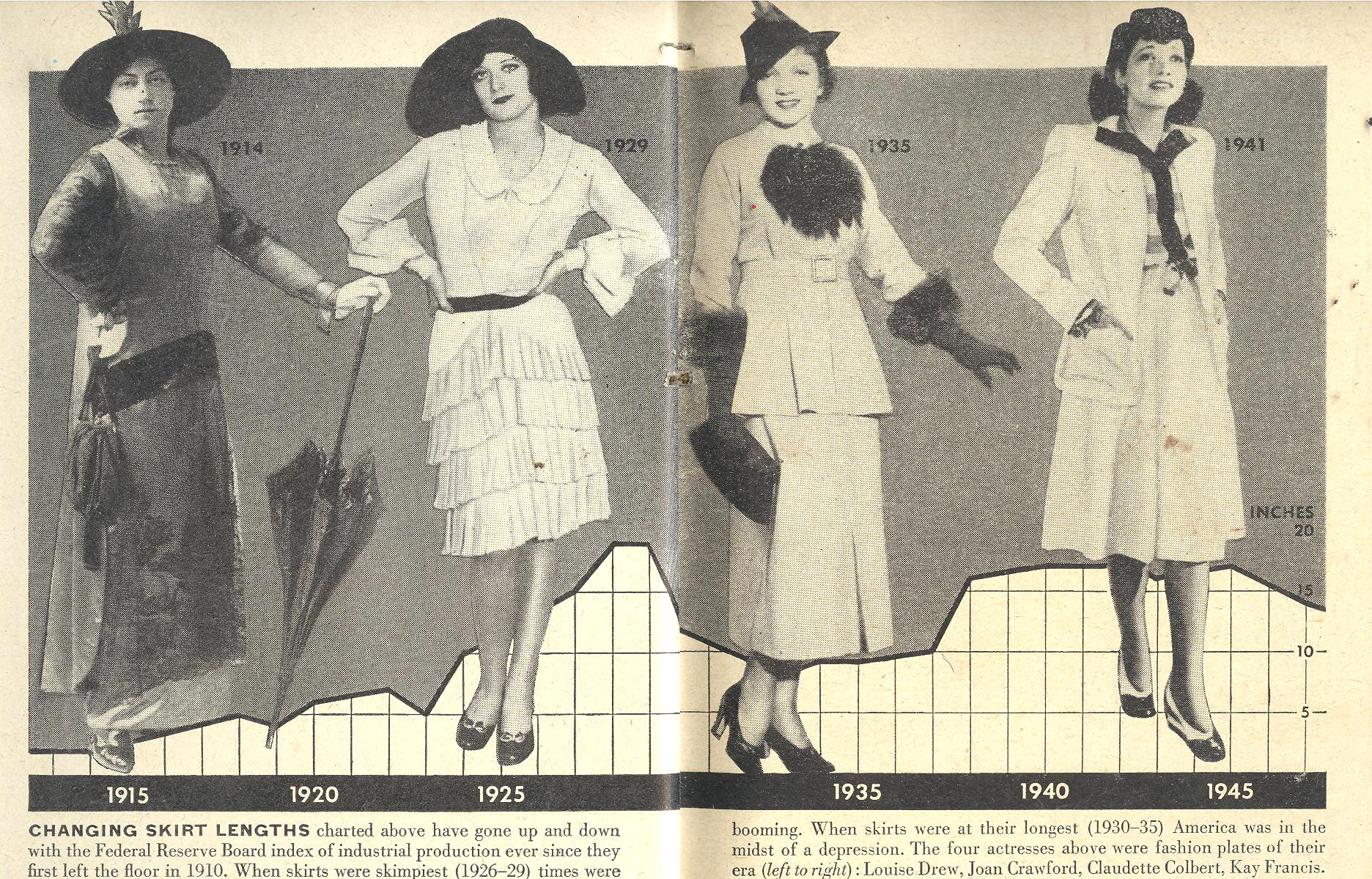
    This graph illustrating the history of skirt lengths in the United States is oddly interesting and appealing, a job well done.  I like that the graph lines fairly well reveal the amount of leg shown by the rising and lowering hemlines, measuring the height above the ankle from bottom to top. 

    1--may 7 skirt length 

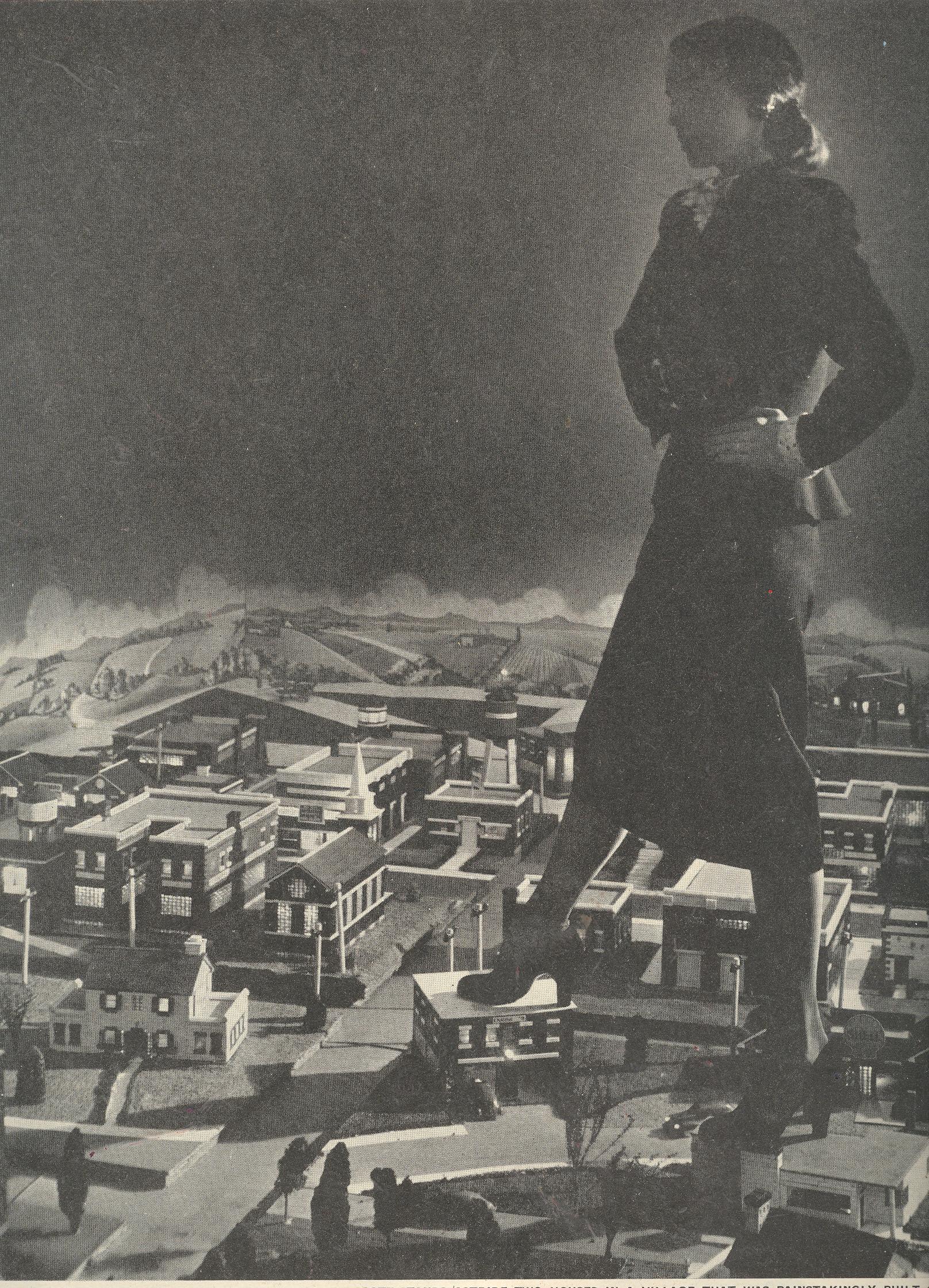
    Now:  I offer what I think must be the female record for the most distance between the ankle and the hemline–I reckon it to be about 60 feet. 

    There are certainly a wide universe of captions for this picture, but for some reason I’m most comfotable with the exposed-leg connection. 

    1--may 7 skirt length giant

  • The End of World War II in Europe, May 8, 1945

    JF Ptak Science Books  Post 1023

    May 8, 1945 is the day that Germany surrendered to the Allied Powers, ending World War II in Europe.  The war had been fought for 69 months–or perhaps it had been longer, perhaps the war started in 1918 with the treatment of the defeated Germany sealing European fate for decades to come. That would  instead make the date 1914, since that war never really did come to an end. Or perhaps it started in 1929, or 1933, or 1935, or 1938, following economic collapse, the election of Hitler, the installation of anti-Jewish laws, the failure of Chamberlain, the annexation of Austria, or the taking of Czechoslovakia. It seems not quite right to set the start of the war in September 1939 with the invasion of Poland–that seems to minimize the maximum pre-history of the conflict.

    The war in the Pacific ended later, Emperor Hirohito announcing his country’s intentions of quitting the war on 15 August, 1945.  That came 9 days after the atom bomb was dropped on Hiroshima.  And 6 days after the second atomic bomb was dropped on Nagasaki.  A third was on its way.

    In any event, the war in Europe was ended today, 65 years ago.

    “Here is Germany” by Frank Capra, intended to be released after the surrender on 8 May 1945.

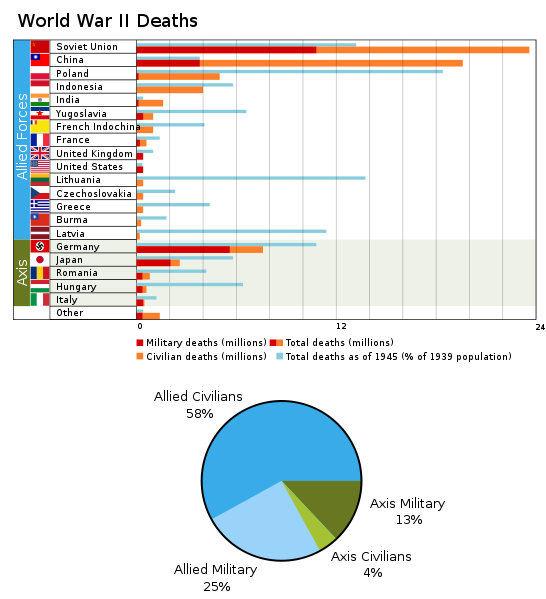
    A good chart on WWI casualties:

    WWII casualties

    ·Posted by :

    ·in:

  • Overstated Understatement: on the Future of Television

    JF Ptak Science Books Post 1024
    1--may 10 philo det good
    [I’ve written a number of posts on understatement here on this blog; two dozen or so will pop up when you put “understatement” in the google site search at left.]*

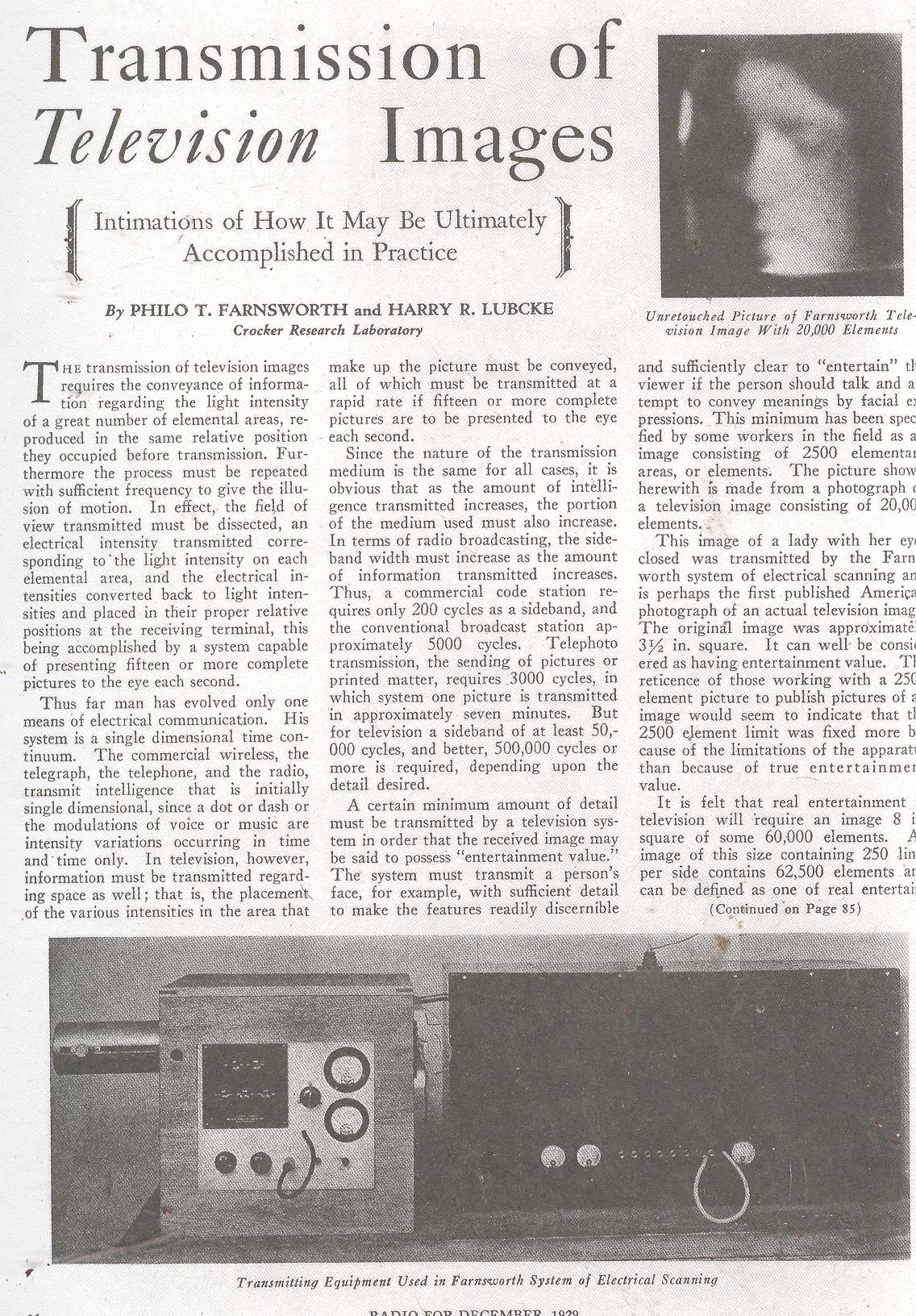
    Philo T. Farnsworth (1906-1971) may have had the best name among the earliest inventors of electronic1 television, but he didn’t necessarily have the best invention, this in spite of the fact that it is he who is remembered and counted as the technical inventor of the medium.  But that’s the way it goes, sometimes; sometimes it goes that way.  Farnsworth2 also had the better back-story: he was a teenager, brilliant of course, working out in the comparative middle-of-nowhere with little bits of money here and there from local investors.  On the other side of the coin was Vladimir Zworykin3 (1888-1982) who invented a cathode ray tube system for transmitting and receiving televised images, and who had the enormous financial support of Westinghouse (and then, later,  RCA).  Farnsworth was first off the boat, but Zworykin is the one whose work became the industry standard.         

    But the understatement is what attracts me here, and it occurs in the December 1929 issue of Radio magazine in which he reports on his successful first demonstration of his device to the general public.  I can’t tell if he was being very deliberate in his understatement or if was simply a staccato expression by a very young engineer with not-great writing abilities–I think that it was the later, really, as the statement is sandwiched in an odd, non-congruent section of its paragraph.

    1--may 10 philo

    In the article, Farnsworth also publishes the first (?) photograph of the first televised image, and states:

    “This image of a lady with her eyes closed was transmitted by the Farnsworth system of electrical scanning and is perhaps the first published American photograph of an actual television  image. The original image was approximately 3 ½ in. square. It can well be considered as having entertainment value. The reticence of those working with a 2500 element limit was fixed more because of the limitations of the apparatus than because of true entertainment value.”

    I do think that Farnsworth was in a hurry to get to the end of the article.  Later on he did try to capitalize in a major way on his invention and its distribution, but things didn’t work out so well. 
    Notes:
    * Some other great understatements in the history of science and technology include:

    -the Wright  brothers’ telegram to their father on the successful flight at Kitty Hawk, telling him to “inform Press” [sic], and misspelling Orville (“Orvelle”)

    –the announcement of the invention of the telephone, giving Mr. Bell a scant 200-word mention in the London-based journal Nature.

    –the alpha and omega element of the severe understatement of George Gamow on discovering the background radiation of the Big Bang.

    –and the atomic bomb/nuclear Armageddon bit from the National Emergency Planning Council:  ( “Because of recent changes in the technology and potential tempo of war and because of the base power of force is in being (including equipment and supplies), there is general recognition that any future war in which the United States is engaged, especially if it is an unlimited nuclear war, may be decided without significant additional military demands upon the nation’s industrial economy.” Hmm. He continues: “That is not to say, however, that the post-attack economy would not face enormous logistical support problems.” There is no human element of this equation. “The logistic requirements of survival and recovery would present very heavy demands.”)

    1. Early on there were mechanical approaches to the invention of television.                                             

    2. He was the inventor of the first functional all-electronic  image pickup device (the so-called “image dissector”) and also provided the first television system.  He was also the first to display his functioning systerm to the general public. He also started to work on replacing the mechanical-option television with electronics in 1921 at the age of 14.

    3. Zworykin’s first patent for his idea,”Television Systems”, was filed on December 29, 1923.

  • Selling & Curing Sexual Ennui & Fixing the Fainting Woman, 1920

    JF Ptak Science Books   Post 1025

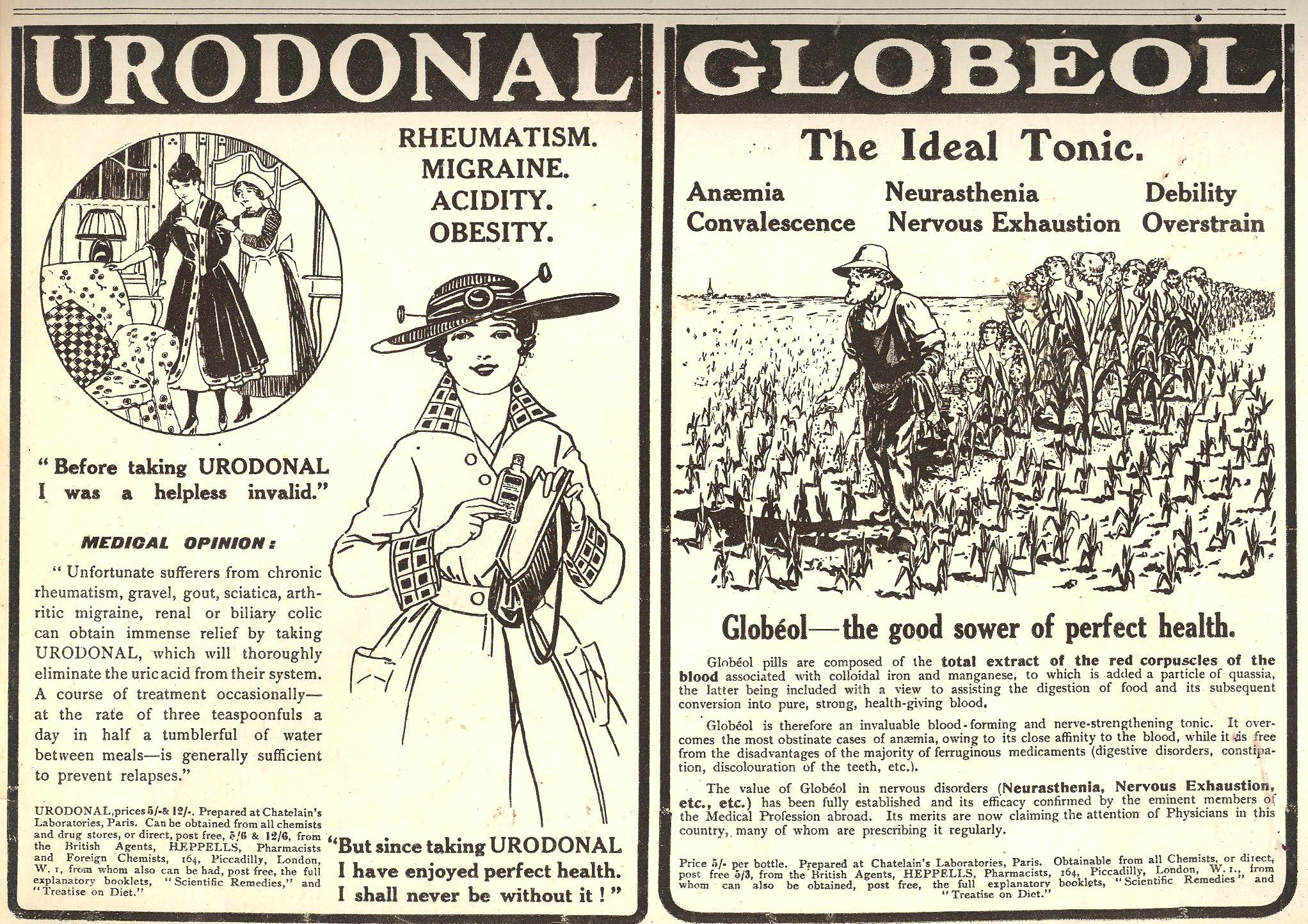
    There’s seems little more appealing to the false-chaste medical interests of 1920 England than helping fainting women, all to the betterment of social relations, clean houses and vibrant sexual partners.  The heritage of patriarchal piety’s rejection of sensual pleasure that was so common in England and Europe for many hundreds of years filed its way deeply into the 20th century.  Suspension of sexual discussion and understanding aside, it was well understood that women’s sexual nature was completely repressed unless in response to the pleasure of men.  It was a story of submission and subjugation, with all responsibilities for failed masculine sexuality falling to the shoulders of women (as clearly stated in the still-popular Stall’s marriage manual, a 19th century piece of rusty thinking still serving as the standard bearer in the early 20th century).  The manual is a codex of denial, submission, ignorance, boredom, tiredness, exasperation and triviality so far as sexuality is concerned for women–there is no hint of pride, or of enjoyment.  


    1--may 11 globonol urodonol

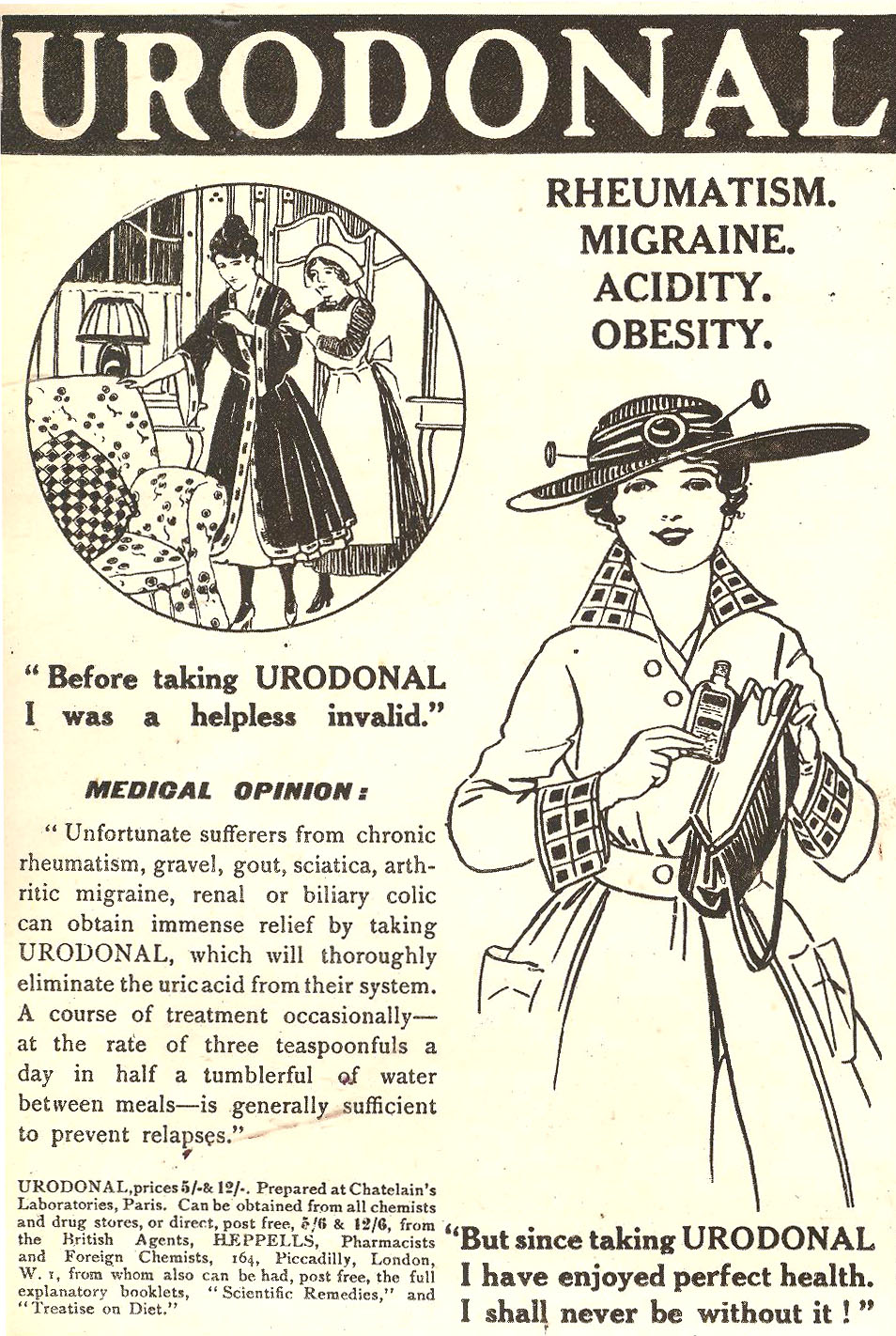
    Urodonol was a product in long use in Europe and England, a quack medicinal of little harm that plagued the hopes of people with aliments elusive to medical detection, especially that of the greatly secret ennui and fatigue in response to sexual relations.  It claims to have cured rheumatism, migraine, acidity, gravel, gout, sciatica, arthritis, biliary colic and of course obesity, all taken care of with teaspoons and thimbles.   The most that it did perhaps was to not cause any of these aliments. But it did paint a picture of the failing, fainting woman being restored to stature so common to the pages of advertisement in The Illustrated London News (this issue for 5 June 1920).  Pre-Urodonol the lady is being assisted by the nurse to the well-pillowed fainting coach–“ahh” she says, her arms outstretched looking for balance, faking a tottering in her high heeled shoes.  The coach was a step away. 
    Urodonal was the cure, as we see Her refreshed and elegant in new hair and hat, rushing to get home to the man who now needn’t worry about not being cared for.

    1--may 11 urodonol

    Curiously the ad next to this one–same size, same typeface–is for another quack medicine for men whose seed is evidently growing moldy in the bottom of their sowing sack.  Globeol addresses the keyword problems for sexual malaise:  “debility, overstrain, anaemia, nervous exhaustion” by “conversion into pure, strong, health-giving blood”. Lest the use of STRONG BLOOD PURE BLOOD-FORMING HEALTH-GIVING GOOD SOWER be lost there is always the Johnny Appleseed person above, casting about his seed, growing children instantly.

    1--may 11 globonol

    If sexual malaise be, then Urodonol and Globeol is there for some sweet, secret sippings; a little shot here and there will bring the sexes together. Or not. 

    I might be completely wrong on this but, really, I like the possibility of this weird approach’s explanatory power–it doesn’t take a philo-shrinkologist to see the conjoined symbolisms in this set of ads and the approach to unmentionable complaints, and that’s what I think is exactly going on here.

  • Fat as (1) Medicine or (2) Jump Rope? [Adventures in Fat Series #4]

    JF Ptak Science Books

    {See also the post Art Made of Fat]

    Well, given the choice of having to use fat, or rather rendered fat–suet–as either (1) a medicine or (2) solidified enough to use as a jump rope, I think I’d have to select option #2.  At least I wouldn’t have to eat it. 

    But the fact of the matter is that in “real life”, in the history of human life and the care of humans, suet was in fact used as an invigorating energy producer to be added to the daily diet.  Or was it by the spoonful?  I’m not sure, though I do see that it was available “Shredded” or as a “block”.

    I do admit to adding the jump rope text to this 1920 ad–but the rest of it is real. 

    1--may 11 suet copy

    ·Posted by :

    ·in:

    —
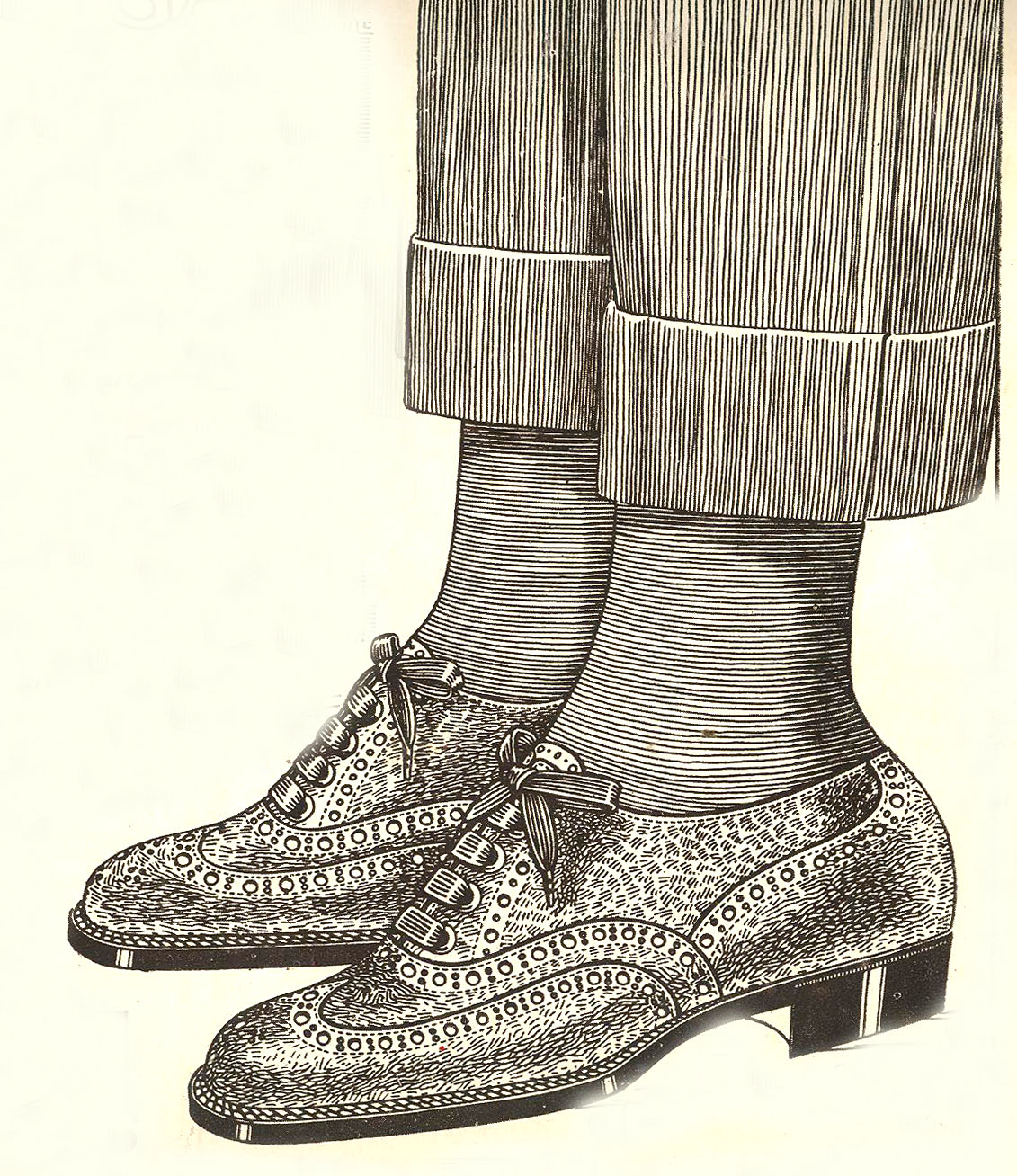
  • The History of Lines: Nijinsky’s Secret Shoes (The Most Magnificent Shoe Illustration in the History of Shoe Illustration.)

    JF Ptak Science Books

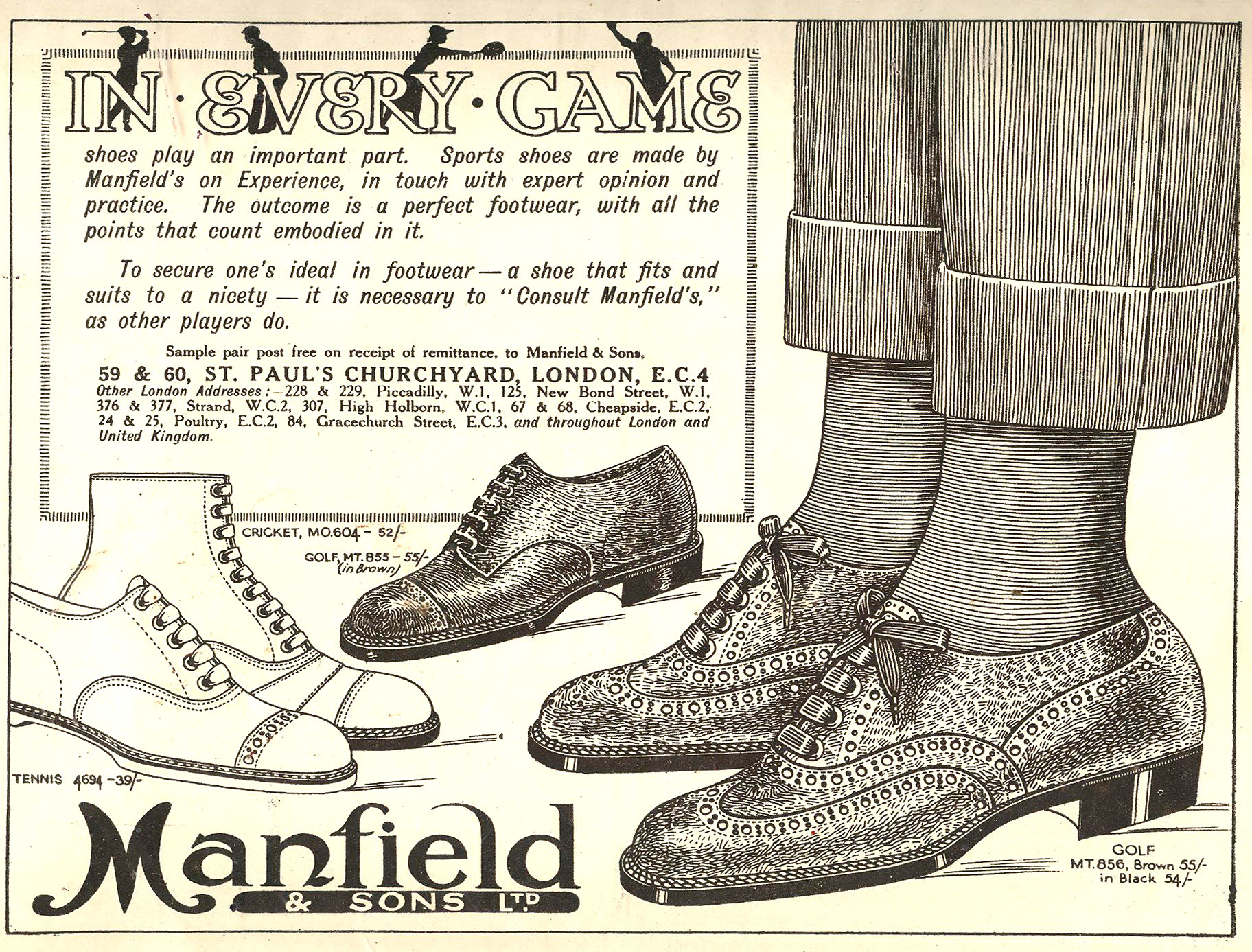
    There are two possible origins of this
    beautiful and quixotic image.

    1--may 11 shoe det

    1)  It is simply an unusual and perhaps hypnotic (?) sales
    illustration for a maker (improbably named Manfield & Sons) of sports shoes–in this case, for golf. There
    is no explanation for its exalted and mysterious overuse of lines or its
    art brut approach. 

    2) It is the sympathetic artwork of shoe adoration by the great dancer, Vaslav Nijinsky (1890-1950), used by his wife and sold to manufacturers to help pay for his decades-long “hospitalization” for schizophrenia. Nijinsky was perhaps the greatest dancer of the first half of the 20th century, a shocking talent who danced for only a dozen years or so before the rest of his not-so-dormant mind caught up to him around 1919.  At that point he was in and out of facilities to care for his metal disease until his death in 1946. 

    (Sigmund Freud was presented with the opportunity to help the mega-star; he declined, because he didn’t “do” schizophrenics.  Freud I think only “did ” people whose illness, treatment and eventual curing could fit snugly within the confines of his own stretchy/made-up vocabulary and diagnostic language.)

    Nijinsky would dance only one time after the beginning of his series of internments that began in 1919–he wound up living in Hungary during WWII, and when the country was “liberated”* by the Soviet Army in 1945, he and the troops did folk dances in the street for celebration. 
    And that was it, so far as any knows.

    1--may 11 shoe

    Truth be told:  the answer of course in #1, though it is difficult to imagine a guy preening his way through this 1920 edition of the Illustrated London New, coming upon this ad, and being overcome by the staggering beauty of the image, deciding in his head (and perhaps even out loud), “I need those shoes”.  

    The stuff I wrote about Nijinsky is all true, unfortunately–all except the shoe illustration part.

    Mark Twain once said that golf “was a good walk spoiled”–and that was without the benefit of having seen these shoes.

    *”Liberated” is the word I see used in regard to the Soviets removing the Nazis from Hungary.  The German dictatorship was simply replaced by a Soviet dictatorship.  The Soviets stayed longer.

Recent Posts

Archives

Categories