A Daily History of Holes, Dots, Lines, Science, History, Math, Physics, Art, the Unintentional Absurd, Architecture, Maps, Data Visualization, Blank and Missing Things, and so on. |1.6 million words, 7500 images, 4.9 million hits| Press & appearances in The Times, Le Figaro, Mensa, The Economist, The Guardian, Discovery News, Slate, Le Monde, Sci American Blogs, Le Pont, and many other places… 5000+ total posts since 2008.

  • Unfathomable Dots–324,198 Stars and Knowing the Structure of the Milky Way, 1873

    JF Ptak Science Books  Post 1107 (Appended April 27, 2015)
    [A continuation of our History of Dots  series.]

    Stars--vivible stars 2 det304


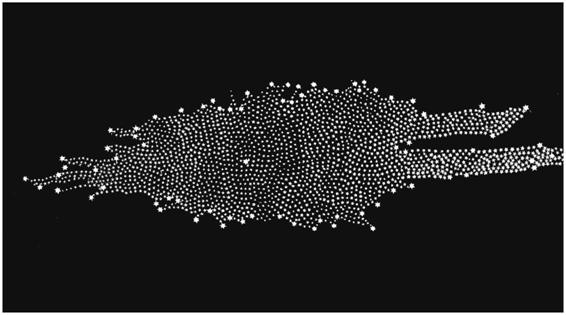
    The history of dots must have some fair share of its content filled with a very varied history of astronomy, which just goes to show that even within the seeming-sameness of microscopic investigations of dots that its subcategories could be so vast and differentiated. (The image above is a small detail from the following image, below.)

    Dots aren’t necessarily just dots–even in representing the stars, dots have a rich history. The first star-dots published in the West appear in 1482, taken from the work of the first century astronomer and philosopher Hyginius1, and is a book that contains maps of the constellations composed of such beautiful light-encrusted bits.  There wouldn’t be another work like this one, strangely, for another 75  years. Alessandro Piccolomini’s2 work of 1559 (which would be the first true star atlas), and again we see the familiar representation. 

    Galileo’s dots were very aggressive.  By 1610 he had produced his fifth and most powerful telescope, allowing things to be seen one thousand times closer, using it to make enormous discoveries–discoveries so big in fact that their towering significance is a but hard to understand today in the context of early 17th century knowledge. It was all published in his fantastic Sidereus Nuncius on March 4, 1610—the extraordinary  very title page3 of the book proclaiming some of the great discoveries of Galileo’s adventure.

    One monumental outcome of Galileo’s work was expanding the number of stars in the sky, which was basically mucking around with the perfect plan of the creator–formerly a cornerstone for the existence of a divine being.  With the exception of comets and eclipses the sky had remained immutable, a perfect score of the creator’s creation, until 1572, when Tycho Brahe noticed something new in Cassiopeia, something that was not a comet—a “something” that was a star. This was momentous because the night sky had been seen for centuries as being complete—a new star, the Nova of Brahe, contradicted this high belief, offering the possibilities of newness where there had not been one previously.  And so too with Kepler’s new star of 1602.

    One of the things that Galileo brought to the world was an entirely new sky, revealed to him through his telescope—so many stars that he could only guess (though he reckoned that there was an order of magnitude more stars than previously known “stars in myriads, which had never been seen before….and which surpasses the old, previously known, stars by ten times”).
       
    Which brings me to the images that I stumbled on today from “Statement of Views respecting the Sidereal Universe”4which was  the work of the astronomer and great popularizer,  Richard A. Proctor (“B.A. (Cambridge), Honorary Fellow of King’s College, London”).

    Proctor’s dots challenge all dots that have come before so far as theorizing on the structure (and extent) of the Milky Way is concerned.  Proctor refers to William Herschel’s5–the man who first gave the Milky Way its shape and who fixed our own sun in an inferior and not-particualrly-special place inside that map–statement that the extent and constitution of the Milky Way is “unfathomable”. 
     
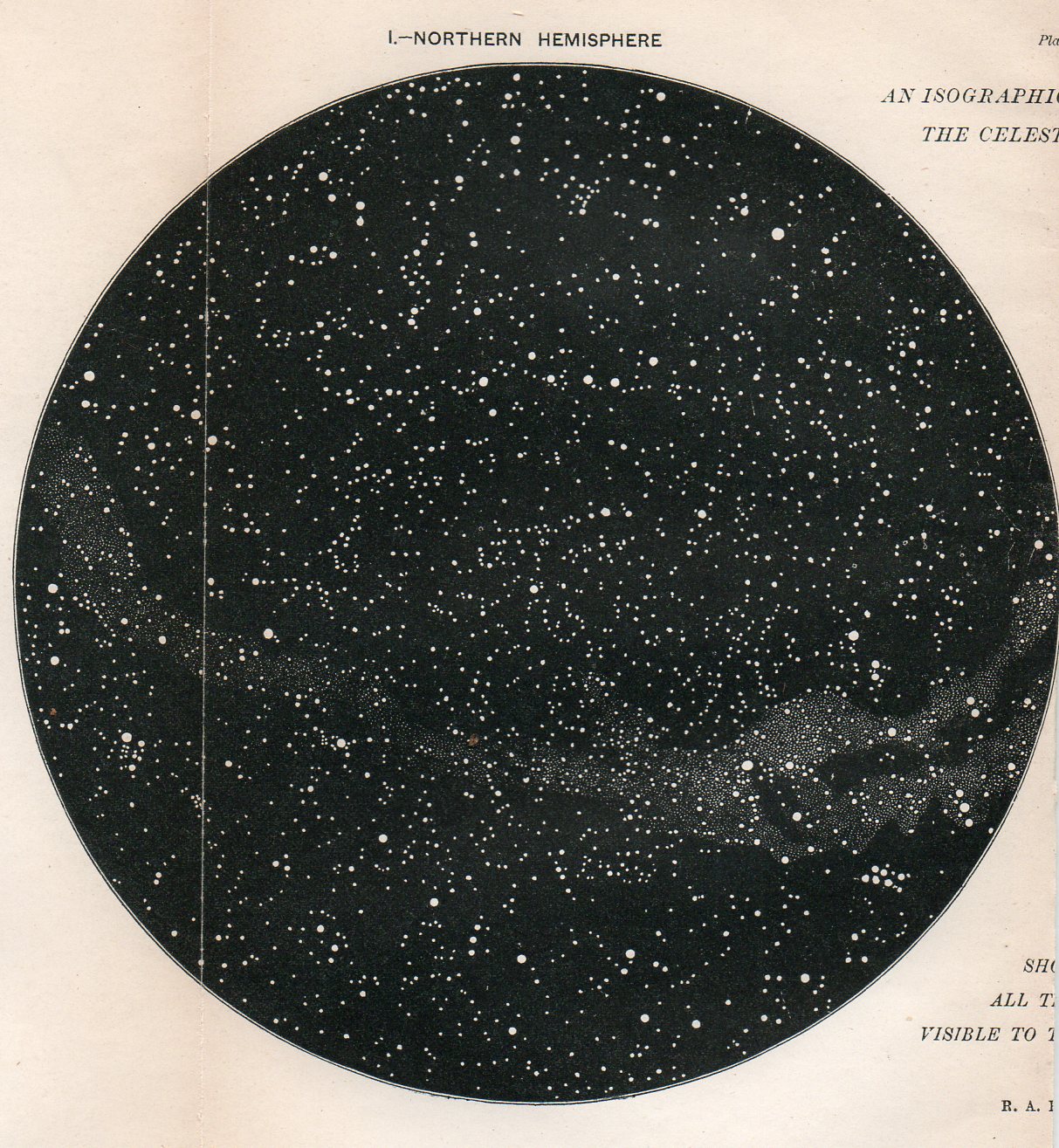
    Proctor gets there by presenting a map of the night sky with stars visible to the naked eye:
      Stars--vivible stars 2303
    And then the double hemisphere map of the northern and southern skies “We have here the first step towards just views of the constitution of the Milky Way, or rather the next step beyond the great, but little noticed, discovery of Sir W. Herschel’s, that the bright clouds of the Milky Way are for the most part spherical clusters of stars.”(Page 546.)

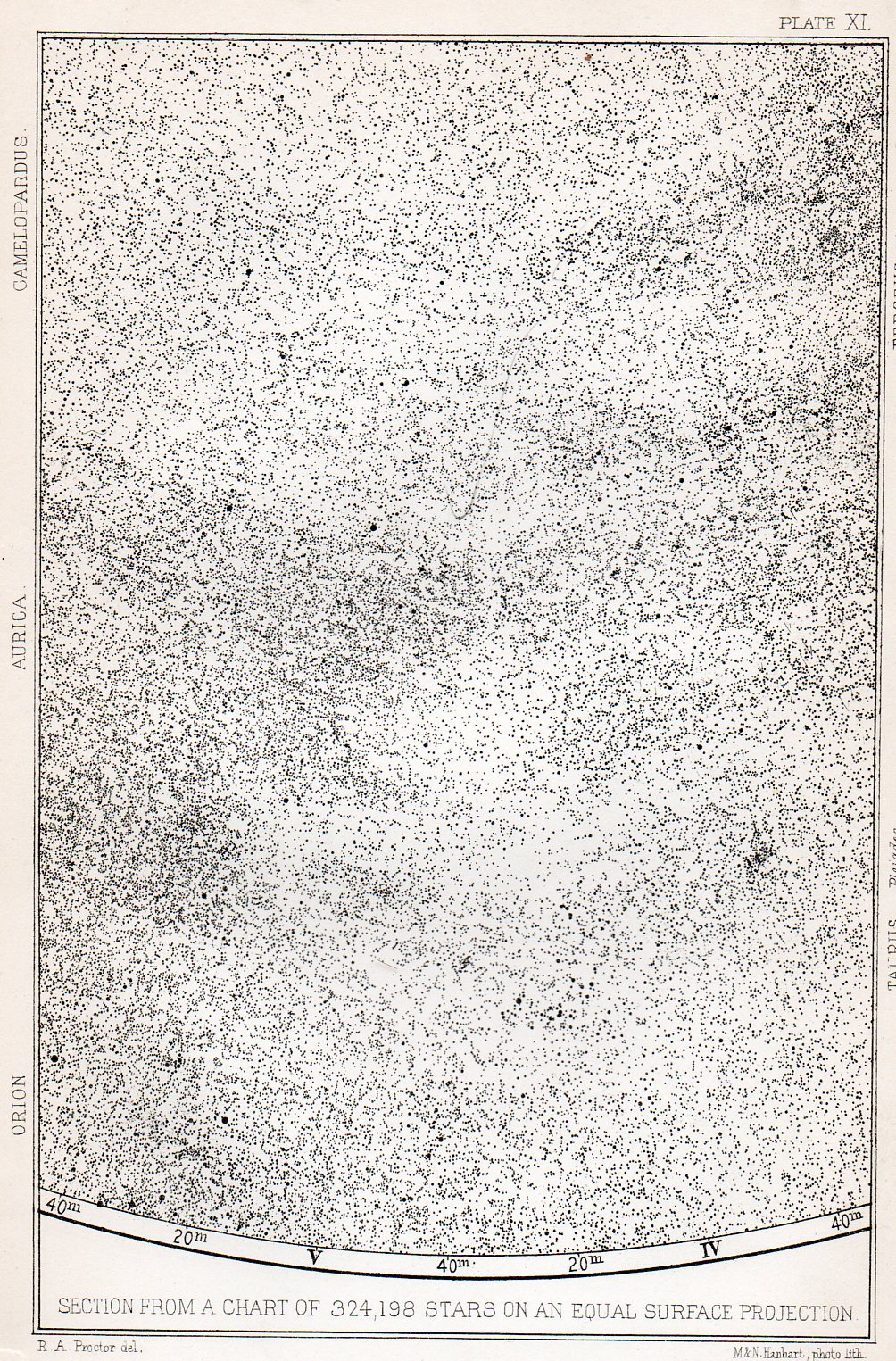
    Finally is the crux of the matter: two sections of an fantastic map displaying 324,198 stars visible via a 2.5 inch aperture telescope.
    Stars--324k300
    (The following being a small detail in the above section:)

    Stars--324k deyt301
    He comments:“I assert, without the slightest fear of contradiction by any possessing such knowledge, that the broad teaching of the equal-surface chart. 0/3 24,000 stars disposes finally of all theories of the constitution of the sidereal universe which had previously been enunciated. The chart does not definitively indicate a new theory—rather it suggests the idea that the constitution of the sidereal universe is too complex to be at present ascertained. But it completely negatives (i), the stratum theory (even in the modified form apparently retained by Sir W. Herschel) ; (ii), the flat-ring theory of Sir John Herschel ; and (iii) the infinitely extended stratum theory, with condensation towards the mean plane, which Struve adopted.” (Page 547)

    I think that for 1873 the verbose Mr. Proctor got his point across.     

    Notes

    1. Hyginius Mythographus (fl. 1st century A.D.). Poeticon astronomicon. Edited by Jacobus Sentinus and Johannes Lucilius Santritter. Venice: Erhard Ratdolt, 14th October 1482. The first star atlas per se, standing alone in its field for a century.

    2. Piccolomini, Alessandro.  De la Sfera del Mondo.  1559                              

    3.  Galilei, Galilei  Sidereus Nuncius (known in English as Starry Messenger), published 1610
    The title page reads: Great and very wonderful spectacles, and offering them to the consideration of every one, but especially of philosophers and astronomers; which have been observed by Galileo Galilei … by the assistance of a perspective glass lately invented by him; namely, in the face of the moon, in innumerable fixed stars in the milky-way, in nebulous stars, but especially in four planets which revolve round Jupiter at different intervals and periods with a wonderful celerity.

    4. Journal of the Royal Astronomical Society, Paper, Abstracts and Reports of the Proceedings of the Society from Niovember 1872 to June 1873, vol XXXIII, London, printed by John Strangeways, 1873.                    

    5. It seems that few people now remember Frederick William Herschel as a great discoverer of alternative existences, but, well, that’s pretty much what he did–and he did it during a time that must’ve made his astronomical discoveries seem like science fiction .For example, in 1785 Herschel published a revolutionary image of the “Stellar System” (the Milky Way), showing its irregular pattern and the off-center placement of our sun amidst a panoply of other stars.
    (His image was remarkably and substantially correct, with the most grievous error being the placement of the sun too close to the center of the galaxy.) It was an image which bought the concept of a not so humano-centric idea into popular philosophy, and that our sun was a star among stars in a sea of stars.
    Herschel

  • Cowboy Porn: Displays of Quiet Lust

    JF Ptak Science Books   Post 1108

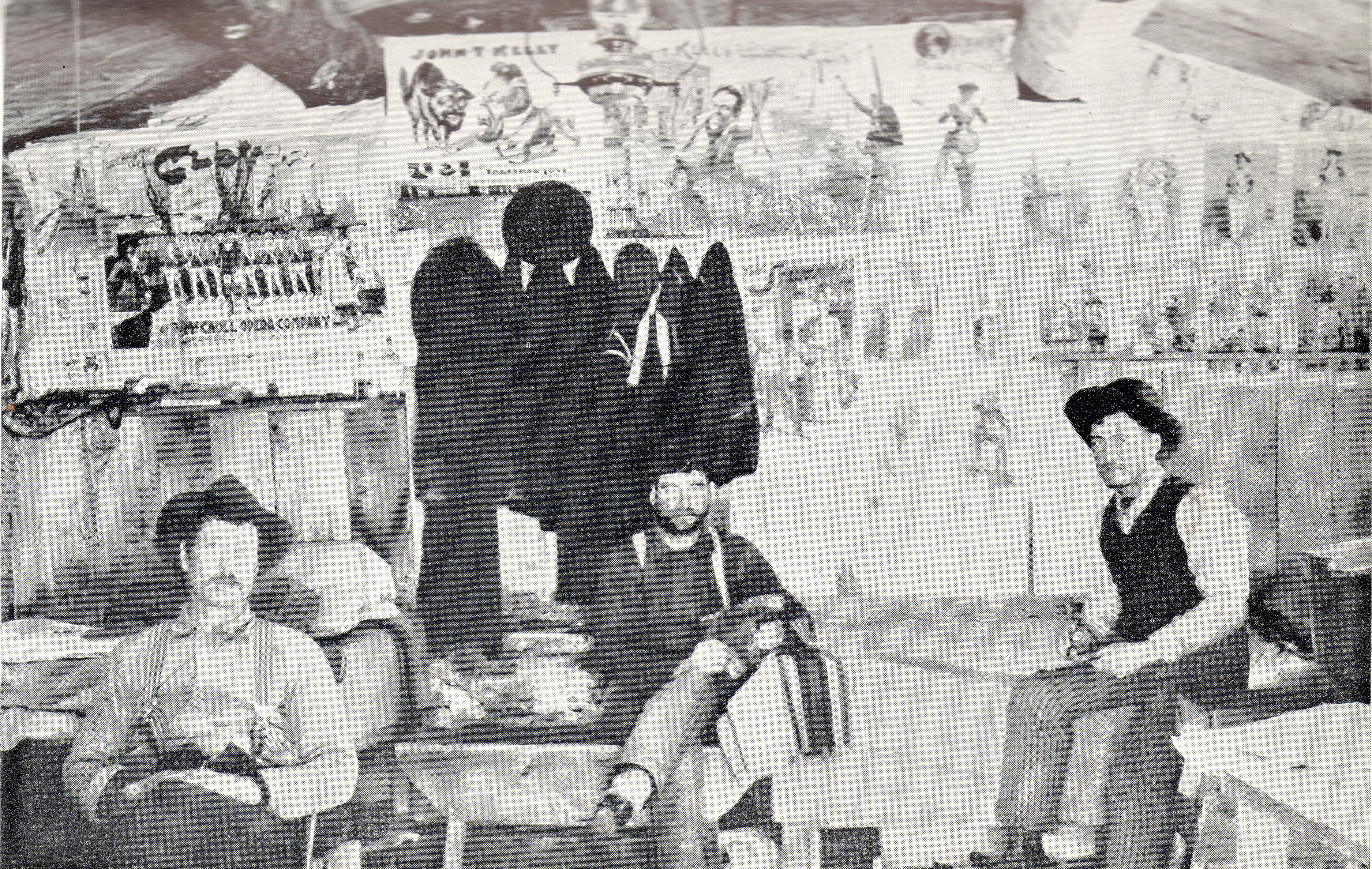
    I wonder when it was that working people (which would mean the overwhelming majority of people on the planet) first decorated their non-cave walls with art?  There aren’t all that many images in the history of art (that I know of, anyway) that depict the inside of a yeoman’s residence with some sort of artwork hanging or stuck on the wall. This is a tricky and potentially meaningless question, trying to differentiate bits of newspaper illustrations nailed to a wall in Montana in 1882 from messianic Aboriginal millenia-old cave paintings and such.  

    Cowboy porn305
    Inside-the-bunkhouse photographs from the American West like this are pretty scarce things–almost as scarce as nighttime photos of sleep-disturbed cowboys on the trail.  They’re just not around.  The remarkable thing about this photograph (from the archives of the Minnesota State Historical Society) is that it also shows a not-subtle vignette into what passed for provoking, night-stabbing man-images for a society of the working stiff. 

    These guys may be cowboys, or may not–there is a rifle on the wall over the shoulder of the striped suspenders guy on the left, and there seem to be a couple of dusters hanging on the wall, and some broad-rimmed hats.  Maybe they really are cowboys. 

    In any event they’re in a rough-hewn bunkhouse with not very much to pass the time, save for these few broadsides and mounted magazine pages.  I find it an interesting peep into an interior life that didn’t get seen very much, especially with such period-hot images of women. 

    And perhaps this paper is nothing more than the barrier that we see so often from FSA photos of the American Dustbowl West–paper put up on the wall to stop a cold draft or dust.  But these look too determined for something as simple as that…

    Cowboy porn det 2307
     

  • Ovaries and Ovens–a Chance Encounter in the History of the Subjugation of Women

    JF Ptak Science Books   Post 1109

    A friend of mine started her facebook post writing “Ovary shipped out…”, a great piece of found story-beginnings, a great opening line, especially when ovariotomically removed from the rest of the sentence.  Alex is an artist and medical/anatomical illustrator by trade, so I knew what she meant–but forgetting that made the segment even more lovely. 
    Ovary homunuclus 1
    Aside from the fiction that the three words created and the half-word that I created/butchered, I wondered about when ovaries were first surgically removed, and then about how the ovary was seen (almost forever) as the home and birthing place of the fully-formed human delivered to it by men in the act of ya’ know.  Ovarian surgery really didn’t exist until the early 19th century, when it was practiced with great success (especially for its time1) by Ephraim McDowell (1771-1830), in 1809 in Virginia–and it was also about the first great American contribution to gynaecology as well  His first patient (“Mrs. Crawford”) sang her way through an anaesthesia-less procedure, surviving her illness and the surgery at a time when non-amputational surgery was half-fatal.2 There were other, limited reports of this procedure, but for reasons not clear to me it didn’t really start appearing as a general procedural possibility until mid-century.  Anyway, before the 19th century, women with ovarian cysts were pretty much out of luck.       
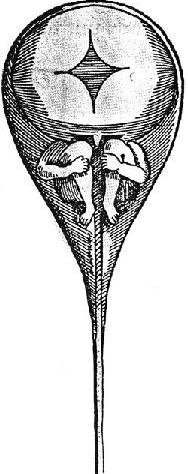
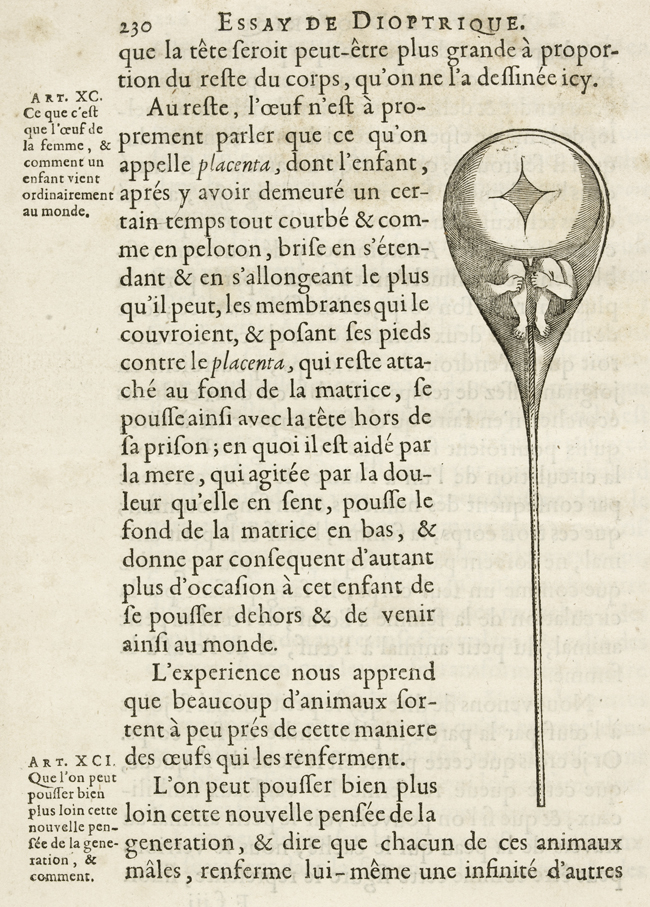
    But the issue of the ovaries as ovens–of homunuclus and palingenesis and epigenesis, the imaginary male-dominant anatomy of reproduction–was pretty much somewhat solved by the end of the 18th century.  Or at least the homunculus, the tiny but perfectly formed miniature human traveling along in sperm, was.  This character is pictured here, riding in the squinty-eyed imagination of researcher  Nicholas Hartsoeker3, who desperately wanted to see the thing, and which found itself published in his book Essai Dioptrique  in 1695. 
    The woman as a simple baker of a gift of preformed life was a medical belief that helped perpetuate the supposed inferiority of women, and that the woman’s part in the procreative process was a simple oven.  It was a difficult image/belief to resist, persisting well into the 19th century.  Anyway, this is where my thinking took me–to the anatomically-inspired subjugation of women–from Alex’s comment.
    Ovary Hartsoeker
    ____
    Notes

    1. This was still in the deep, dark time for hospitals and surgery, in general.  Remember that Joseph Lister was still a half-century in the future with his revolutionary surgical practices that were invaluable to the cause of successful surgery.  And hospitals in general were bad throughout Europe, though their story in England at this point was entirely different.  The Brits really took steps forward in the treatment of the sick, and especially in the treatment of the poor sick, thanks to being a little awash, splashing around in waves of money provided by their contributions to the industrial Revolution.  Funny how it takes major mounds of money-making to initiate good works like that, but, never mind the details–it was done, and hospitals in England during this period were comparative oases in regards to European/Continental hospitals. 

    ** McDowell’s first three cases were all successful , finally published in the Eclectic Repository for 1816.  This was the first real foray into this field by the pioneering American medical institutions; obstetrics and gynaecology before this, and particularly in the 18th century, was pretty much in the hands of the French (especially obstetrics) and the English, and to some degree the Italians (particularly with Mascagni, Santorini and Spallanzani).

    **This is probably unkind and not particularly true of Hartsoeker, who never said that he actually saw the little men of sperm, and had simply postulated them.  Maybe the squinty-eyed part was imbued in the minds of others, though it was Hartsoeker who drew the images of the homunucli to begin with.  I think that he should’ve rested in his better cups–he was a gifted mathematician and a particularly good microscopist and optical person, and probably should’ve restricted his published biological theories to his notes. 

  • Dada Alphabet–Monuments to Quiet Bits

    JF Ptak Science Books   Post 1110   

    Alephbet--toe318


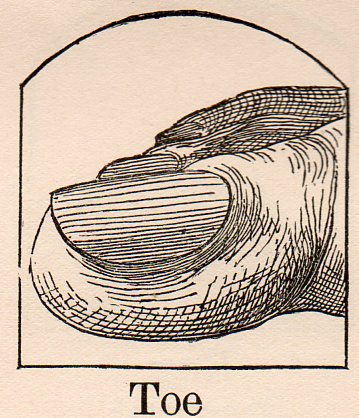
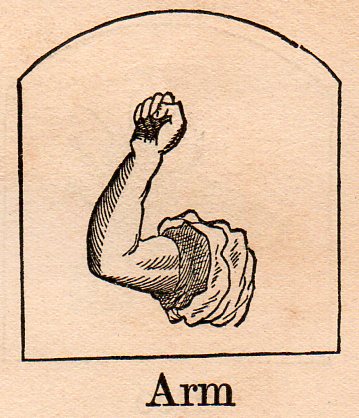
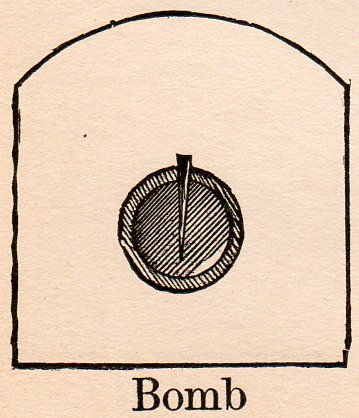
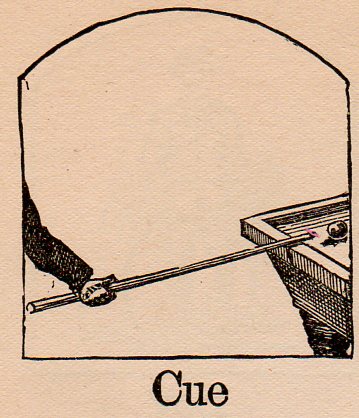
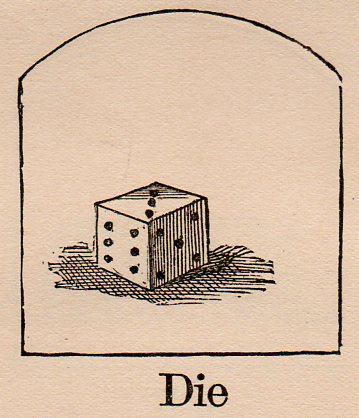
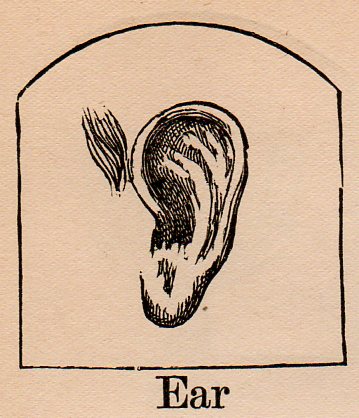
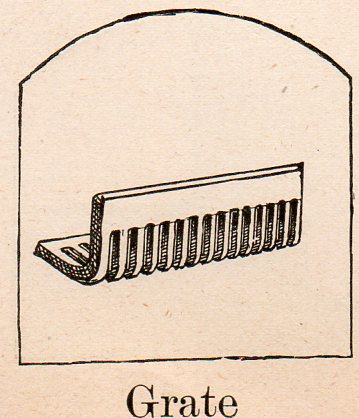
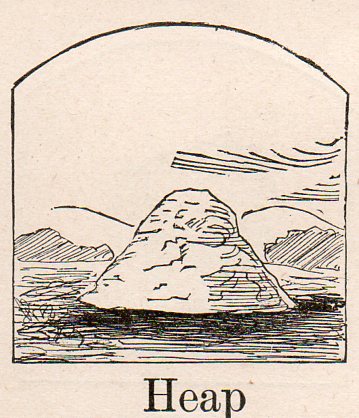
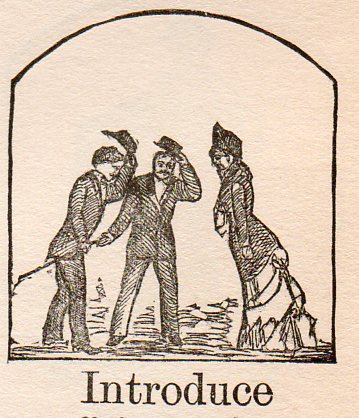
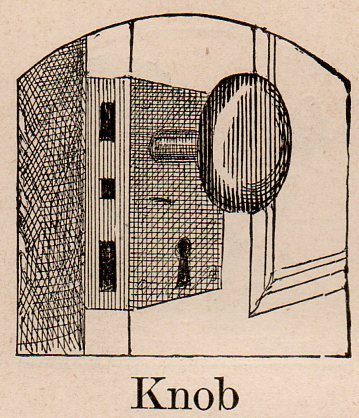
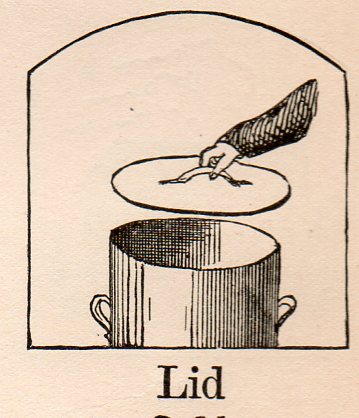
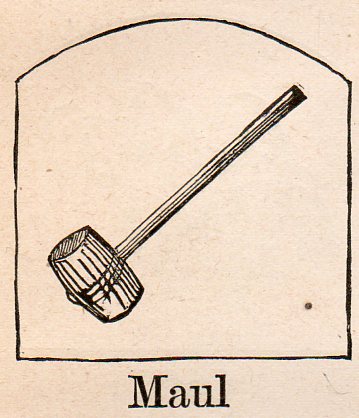
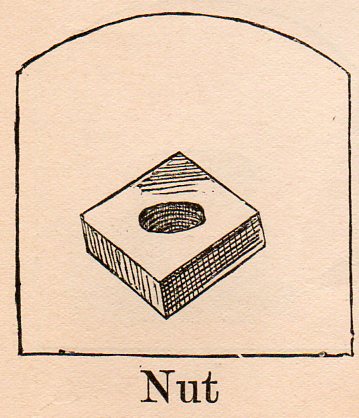
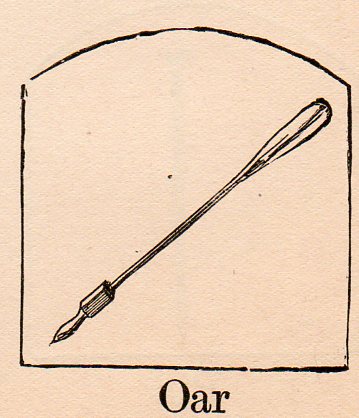
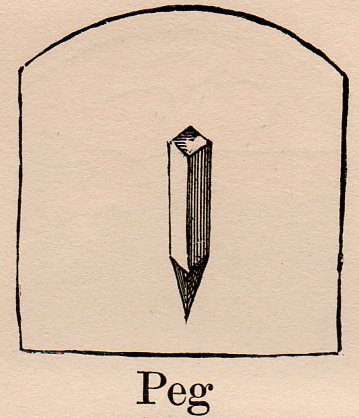
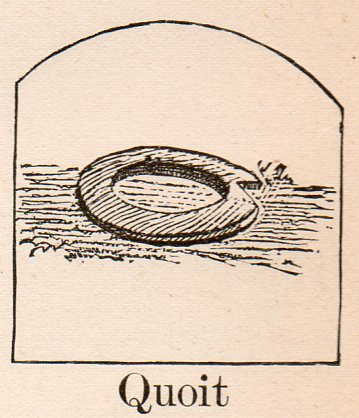
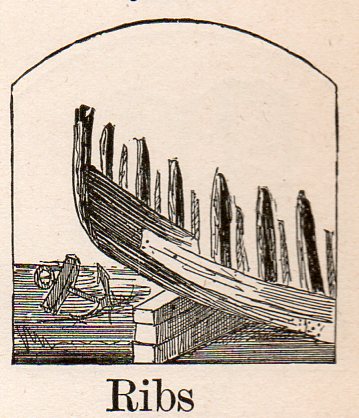
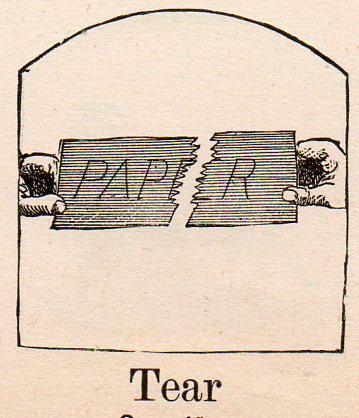
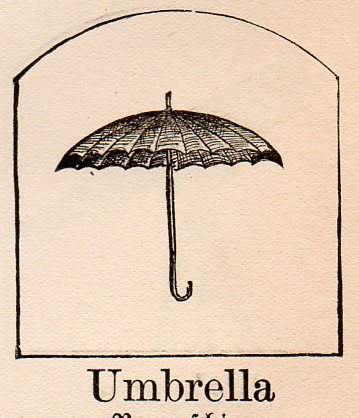
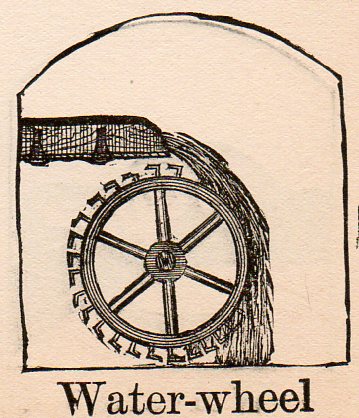
    Following this week’s posts Occupational Alphabet and Touch of Evil action Alphabet is this constructed alphabet of Dada-like images, non-sequiturs taken out of context and which–once placed on a their own stage and on their own easel in the strong Borges tradition of the reader making the book–strongly remind me of the Marcel Duchamp readymades.   The source is Kantner’s Illustrated Book of Objects and Self-Educator in German and English, a self-teaching book for German vocabulary, published in Pennsylvania in 1879.  The woodcut images used to illustrate each word are fantastic, and occasionally stunning, sometimes unexpected illustrations of forgotten objects and actions.  I’ve selected the images that have selected themselves, mostly-solitary images infested with that uncommon, simple quality that illuminates them as Dadaist. 

    The alphabet is sadly not complete–j, x,y and z were lacking images. 

    Alephbet--arm310
    Alephbet--bomb315
    Alephbet--cue311
    Alephbet--die312 

    Alephbet--ear328

    Alephbet--fist319 

    Alephbet--grate331

    Alephbet--heap320
    Alephbet--introduce326
    Alephbet-knob321 

    Alephbet--lid329 

    Alephbet--maul330

    Alephbet--nut313 

    Alephbet--oar314
    Alephbet--peg316 

    Alephbet--quoit332

    Alephbet--ribs322
    Alephbet--steelyard327
    Alephbet--tear323
    Alephbet--u325
    Alephbet--w324

  • History of Blank, Missing and Empty Things: Colorful Emptiness

    JF Ptak Science Books  Post 1111 [Part of the History of Blank, Missing and Empty Things series.]

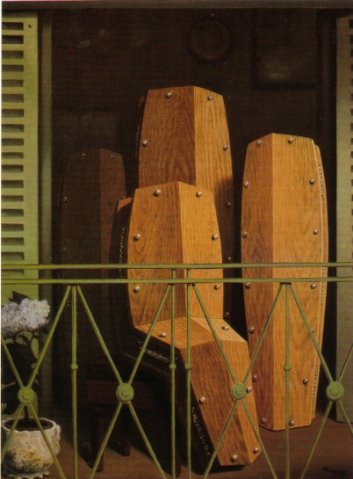
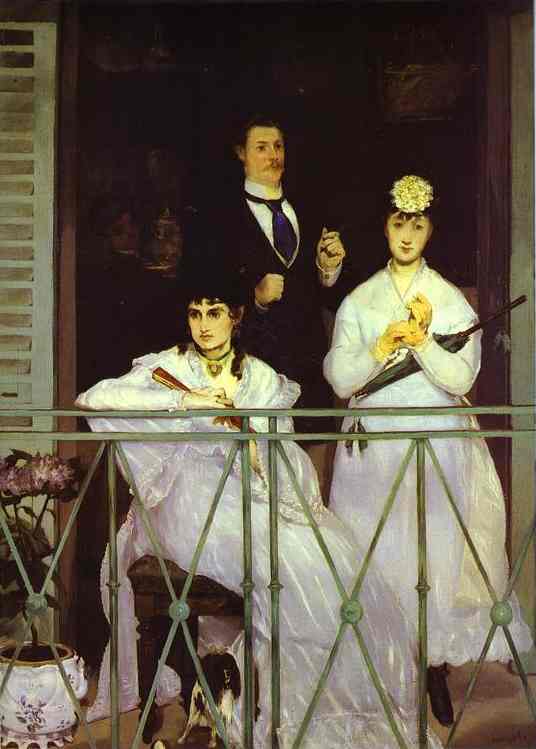
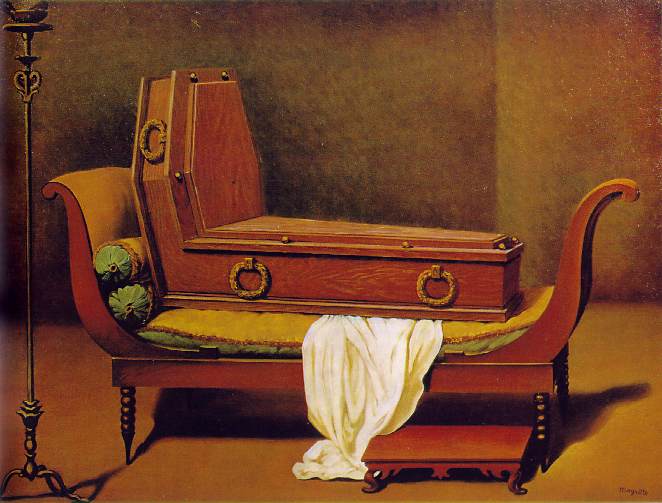
    Magritte balconyStandard introductions to Magritte miss what I most see in his work–it seems to be in a constant state of removal, of emptying, and blankness.  And this is the case even when the canvas is full of images, even when it is full of people, raining people–the underlying effect to me is still the same.  The man just painted blank spaces in full color, some of the most colorful nothingness I’ve ever seen.

    Many of Magritte’s strikingly delineated paintings suggest and portray missing things and emptiness with shadows and barren places, but even when they’re populated by human figures there’s a long memory of the same sort of thing: half torsos, bagged heads kissing, the backs of people facing a mirror in which their back is reflected, empty feet, half-humans, hidden faces, floating hats, draped bodies, the half-disappeared, and so on, all speak to the same emptiness.

     Perhaps this sense is strongest in me when I see his Perspective: the Balcony of Manet (ca. 1945), especially side by side with the Edouard Manet The Balcony (1868).  I know its unfair to compare the two–but Magritte started it–but Manet is hardly an empty, blank painter.  Once Manet moves through the 1860’s and into real modernity, he is able to paint colossal senses in the boundaries between objects, boundaries that are really mostly suggestions than demarcations.      
    Manet_The_Balcony_1868

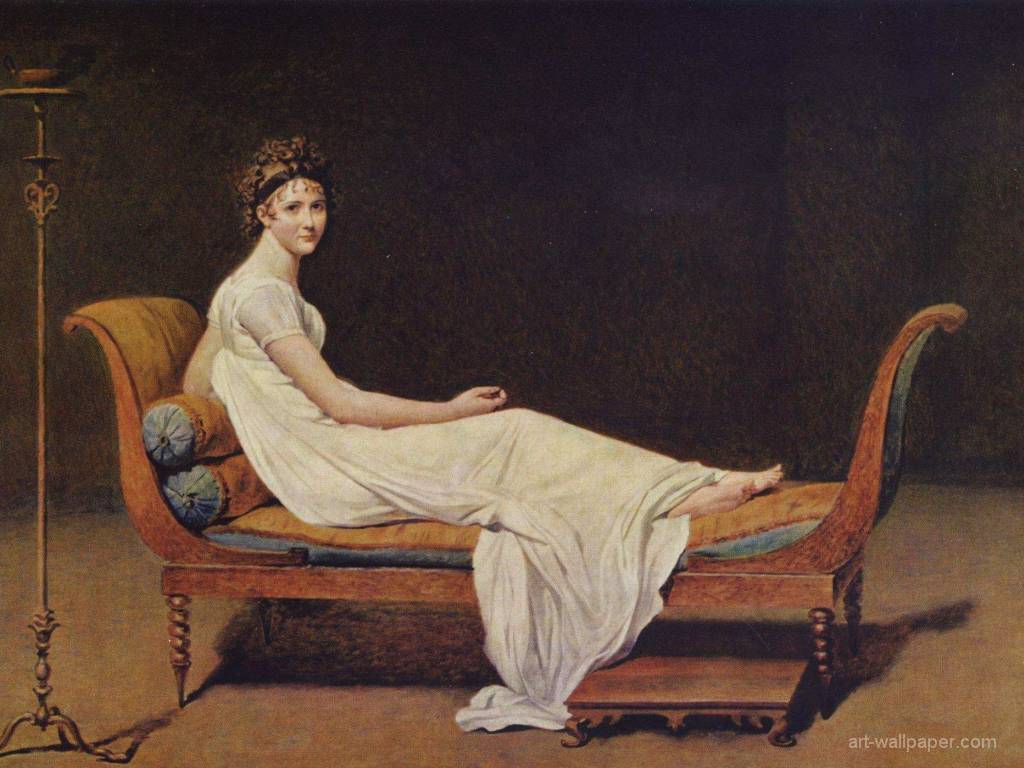
    (This Perspective is from a short series done by Magritte which replaced the subject of a great painting with a coffin.  Another example is Jacques-Louis David’s Madame Recamier and Magritte’s answer.  David’s painting may have been about as avant-garde as Magritte’s, given the time and expectations of artists.)
    Magritte david 
    David's Madame best
         

    Notes:
    From Columbia Encyclopedia online: “Magritte, René  1898–1967, Belgian surrealist painter. Strongly influenced by Chirico, Magritte developed a style in which a misleading sort of realism is combined with mocking irony. His paintings are dominated by an intense quietude and restraint, despite a startling juxtaposition of images. Characteristic works, such as The Red Model (1935; Modern Mus., Stockholm), contain elaborate fantasies constructed around commonplace situations.”

  • Strange Things in the Sky Department: NYC and Floating, Upside-Down Battleships

    JF Ptak Science Books   Post 1112

    Battleship upside down

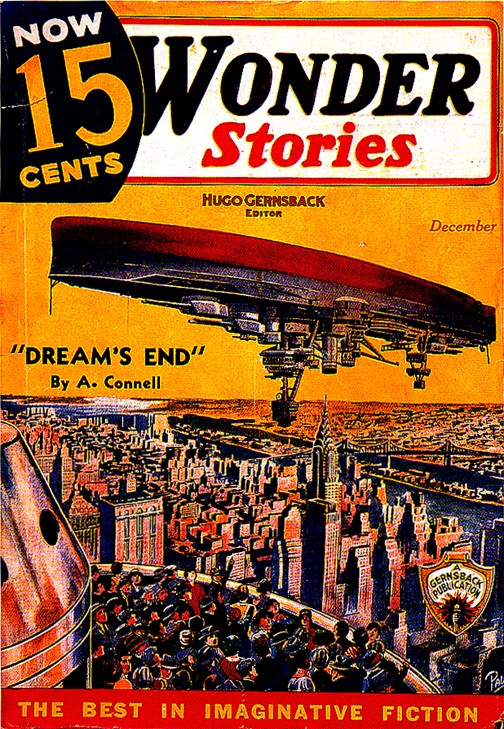
    This fantastic image was made for the Australian Alan Connell’s story “Dream’s End” which was published in the December, 1935 issue of Hugo Gernsback’s Wonder Stories (a company resulting from the merger of: Science Wonder Stories and Air Wonder Stories and then continued as Thrilling Wonder Stories). The floating battleship illustrates a point in Connell’s story about the frailty of reality, the slim margins of appearance, and how easily everything could seem strange and foreign if subtle changes are made in the fabric of the physical universe.  Actually, it was much more than that, and the subtlety quickly fades as Connell’s story lifted reality up and away from humanity, producing all of not only the earth but the entire universe  as a piece of a some larger intelligence’s dream. It is the story of a fragmentation of all reality as the being ends its dream and begins to awaken.  

    The striking cover is really quite fantastic, even if the perspective is off and problematic–it certainly captures your attention and makes you wonder about what on earth the story is about.  And that in spite of what seems to be less than half of the crowd on the observation deck looking at the upside-down floating battleship hovering over Midtown. (I guess that’s about par, this being NYC and all…)
    _____
    Notes:

    “Vol 7, No 6. 132pp. Cover art by F.R. Paul  suggested by “Dream’s End”. The cover and table of contents list December as the publication month but the editorial credit page lists November-December. Paul is credited as the cover artist based upon his signature. Oliver Saari has two different letters. A section headed “In Your Opinion” in the letter column lists the fan favorites from the September issue in descending order as “The Green Man of Greypec”, “The Ideal”, “World of the Mist”, “The Space Lens”, and “One Hundred Generations”.– From the ISFDB website.

  • Strange Things in the Sky Department: Earth Bombarded from Mars

    JF Ptak Science Books   Post 1113

    Strange things in sky--martian guns
    Earlier in this blog I wrote about odd, extraterrestrial extra Earths–double Earths (like this, for example “Extra-Earth Humano-Alien Souls from Outer Space Repopulate Earth-Hell!”)–and then branched out to other strange things found in created skies.  This image would certainly classify:  its the cover art by the fabulous Frank R. Paul for Stanley D. Bell’s “Martian Guns” found in the January 1932 issue of Wonder Stories.  There’s really no way to determine how big the gun is except to say that it is probably “big”–there’s just nothing to place the thing in perspective, as the figures in the foreground, being Martian, don’t have a specific height.  They could be 6′ tall, or 60′–perhaps they’re only 1/10 of an inch tale, and the projectile they’re firing to the earth is so devastatingly powerful that size doesn’t matter.

    We also have no idea of the used to get the projectile/bomb moving–the nature of the explosive–but it is probable that the resulting muzzle flash wouldn’t look anything like what we’re seeing here.  This depends on the available bits in the microgravity, but I think all that you’d see as a result of firing canon would be a very bright flash of light, and here would be no smoke. Plus lots of other obvious stuff, like, well, the Martians, though at least the gun isn’t pointed directly at the Earth, which I think is just a function of fast work.  But no matter, this was 1932, and the specs don’t matter, as this is, after all, science affliction. 

    The destructive units are finding their targets, though; one seems to have found its mark around San Francisco, and another looks like it might be in France.   They’re easy to spot, made so for the reader, finding their thousand-mile high smoke plume in a cloudless atmosphere and all. 
    I’m sure it would’ve been an unsettling experience to the reader of the time.

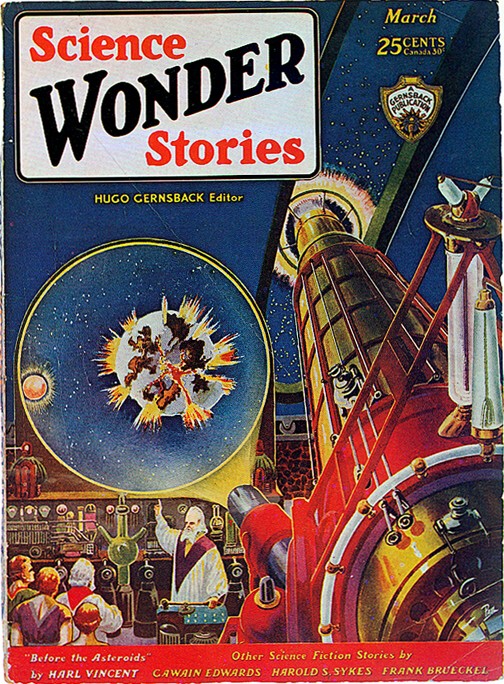
    Here’s another odd bit, this one seeming to show an exploding Earth–the “exploding Earth” subcategory of the “Strange Things in the Sky” category being among the rarest of these sorts of images. This comes from the January 1932 issue of Science Wonder Stories, from the “Before the Asteroids” article by mechanical engineer Harl Vincent (1893-1968).

    Big Gun

    I can’t find the text of the story, so I really don’t know if this is the Earth being detonated or whether it is an asteroid–I prefer it to be the Earth, and the exploding thing doesn’t look much at all like an asteroid.

    [Mr. Vincent had a nice way of turning a title, some of which include ”Creatures of Vibration, ”The Copper-Clad World” , “Vulcan’s Workshop” and Wanderer of Infinity” .]


  • Anti-gravity Atomic-powered Sun-fed Underground Woman of the Year 5000!

    JF Ptak Science Books   Post 1114

    Paul-50.8
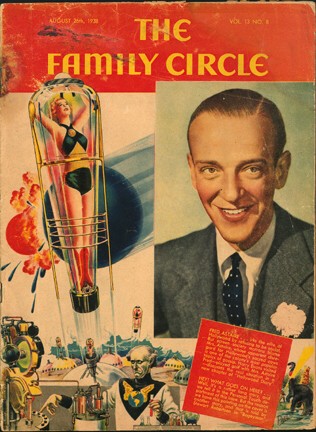
    The woman in this picture is rising from her subterranean world in an anti-gravity atomic-powered crystaline homunuclus, flying out for shopping while being fed by sunbeam converters.  No doubt there’s something strange going on with earth three milennia in the future–since the Earth no longer supports vegetation, people live underground and eat the sun directly via sciencey voodoo.     

    The artwork is provided by my newest favorite science fiction illustrator, Frank R. Paul, for the 26 August 1938 issue of The Family Circle.  And according to the elegant Paul-ophile website, the Frank R. Paul Gallery, the cover article is an interview with the artist, who goes into great detail (again, supplied by the Gallery site), about what exactly is going on in the cover illustration.  Without the explanation, I would not have been able to guess the meaning of the images.

    Another bit of the cover: the blue ball is “solidified energy” of space-time headed into the sun; meanwhile, genius scientists hope that to cushion the exploded sun’s blow to earth by launching burned tired gases into the stratosphere.  The rubber gas cushion worked, except that it would up being pierced by a renegade energy blob which crashed into the Earth and via a great miracle cured the Depression.  I would not have guessed this.

    Lastly, the guy at the bottom is not a mad scientist, but a Supreme Intelligence (as Paul tells us, he is denoted so by the “S I” on his chestplate, which evidently does not stand for “Sports Illustrated” or Staten Island”). I guess if the guy’s intelligence was really supreme he could’ve figured out a way to show more than North and South America in the single hemisphere on the chestplate.

  • History of Lines series: Famous Stick Figures of the Renaissance

    JF Ptak Science Books   Post 1115

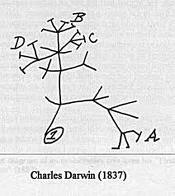
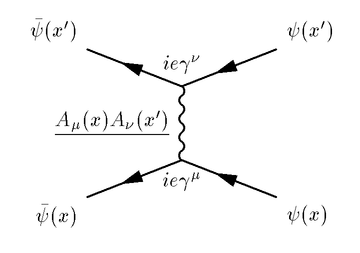
    Darwin treeIn the History of Lines subcategory in this blog (following the separate histories of dots, holes and missing things) I’ve discussed things like Darwin’s evolutionary tree, the length of the coastline of Britain via Mandelbrot’s fractal  geometry and Richard Feynman’s beautiful diagrams, but I’ve not really discussed “stick figures”.  They came up briefly in a short
    Feynman diagram discussion relating to the history of published antiquarian drawings by children (and how the earliest drawings by kids look by and large the same over many centuries), but that has been about it.
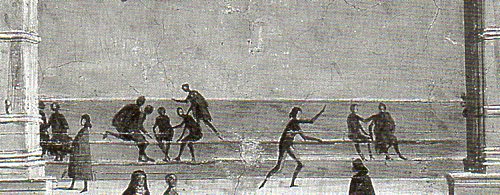
    Stick figures ghirlandaio det335

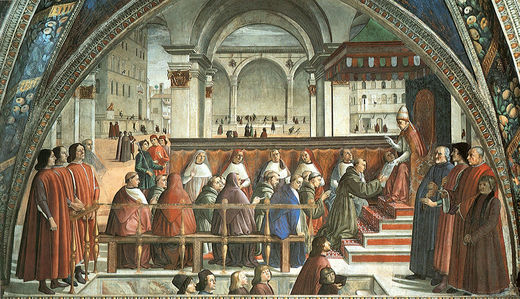
    Today though I’ve come across stick figures in a very unlikely place–in a great fresco by one of the finest painters of the human form of quattrocentro Florence.  Domenico Ghirlandaio11449-1494 was an enormously popular artist during his day, with many fresco commissions and portraits to his credit; he made good use of eyeball-alone perspective and held a great passion for detail–something that I think got him into a snooty bit of trouble with most of the 20th century’s criticism of his artwork. (Bernard Berenson for one looked down his long and very sniffy nose at Ghirlandaio and announced him a mediocrity.) It cannot be left unsaid that he was also an early and short-lived teacher to Michelangelo. 
                           
    What concerns me right now though is his fresco in the Sasseti Chapel of the Santa Trinita of Florence, painted about 1485, “The Confirmation of the Rule of St. Francis”2. Part of a series of works on St. Francis, this fresco represents the visit of the saint to Rome, though Ghirlandaio moved the “Rome” part to Florence (as the background is filled with famous Florentine buildings).3

    Stick figures--ghirlandaio fconfirmation

    The figures appear to be quite like stick figures from a distance –there they are in the upper-center background above the heads of the seated prelates–but loom less so when given some magnification, when more details come out. Even when looking at the figures this closely, though they still manage to keep a fair amount of the stick-ness, and so contribute a little bit of irony to the beautifully-rendered humans that fill the paintings and frescoes of this great master. 

    I guess that once viewed up close the “stick figure” part of the figures that are seen from far away become less so, but, well, they still seem like stick figures from a distance.

    Notes
    1.  The name he grew up with was Domenico di Tommaso di Currado di Doffo Bigordi until nicknamed, renamed, by his father “Ghirlandaio”, or “garland maker”.  Ghirlandaio was apprenticed to his father, probably, who was a goldsmith and whose signature creations were garland-like necklaces

    2.“Ghirlandaio’s most famous achievement is his fresco cycle of the life of Mary and St. John the Baptist for the choir of Santa Maria Novella. Michelangelo served an apprenticeship with him at this time and probably worked on these frescoes. Other examples of his art are the Adoration of the Magi (Uffizi); another Adoration (Hospital of the Innocents); a mosaic of the Annunciation for the Cathedral; a portrait of Francesco Sassetti and his son (Metropolitan Mus.); a portrait of Giovanna Tornabuoni (Morgan Lib., New York City); and the highly realistic portrayal of Grandfather and Grandson (Louvre).”–www.globalgallery.com  It is interesting to see how Ghirlandaio managed to include portraits of
    Florentine nobility in this work–mostly they are the heads of the
    people coming up the stairs in the foreground. “There are portraits of
    Lorenzo il Magnifico / Lorenzo de’ Medici and Agnolo Poliziano with
    Lorenzo’s sons (Giuliano, Piero and Giovanni) and his friends (Matteo
    Franco and Luigi Pulci)…”
                       
    3. “In the background is Florence, with its most celebrated buildings: the Loggia dei Lanzia, the façade of Palazzo Vecchio with its solemn raised podium that was later replaced by the present-day flight of steps; the gilded Marzocco lion (symbol of Florentine democracy); a back-drop of houses in the far left-hand corner and a bell-tower (possibly that of San Piero Scheraggio) where the Uffizi would later be built. In the background is a bustling of small figures, citizens and curious onlookers, possibly an opening and closing of shutters and, in places, a glimmering of gold in the capitals and arch of the consistory hall…”   

    ·Posted by :

    ·in:

  • Strange Things in the Sky Department: Floating NYC of the Future

    JF Ptak Science Books   Post 1116

    Strange things in Sky--Cities above Cities

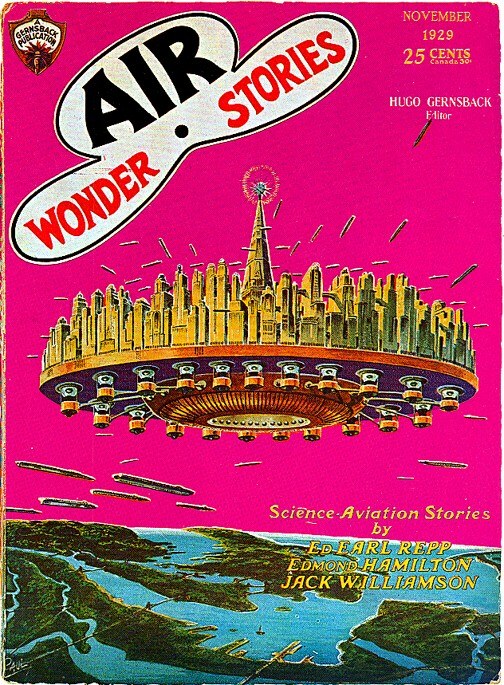
    Frank R. Paul (again!) put his indelible design stamp in this fantastic cover art for Edomnd Hamilton’s (1904-1977)1 story “Cities in the Air” that appeared in the November 1929 issue of Air Wonder Stories.  I don’t have access to the content of the story, but at base it seems, at the very least, that the city footprint underneath the floating city has got to be New York.   Some of the geography looks a little off, but if the City was allowed to return to its less-people origins, this is sort of what it looked like.  And since bridges are still standing though not necessarily buildings, and being that there so much lush green growth, something awful must’ve happened to reduce the population of Metropolis.  (Manhattan Island seems pretty identifiable, as does Staten Island, part of Jersey City, plus Brooklyn and the Bronx, plus the upper island of Manhattan….there’s no chance I think that there is not New York City.)

    So something big indeed must’ve happened to get everyone up in the floating NYC replacement–not the least of which would’ve been the discovery of some sort of gravity-negating something.  I’m not sure what the point of all of that is, exactly, unless these new floating cities are cultivating the Earth, or something, Eden-zing it. perhaps the cities were on the go, somehow, though a sudden start or stop or dip or thrust or whatever might prove devastating, unless there was something invented that would ensure certain laws of motion wouldn’t apply to anti-graviationally-platformed floating cities of the future.  And if it wasn’t going to move, why would you want to go through all of that effort in removing everyone to  giant floating city and keep it in the same pace, hovering above its former self.

    But in this sort of future, everything and anything is possible, so I guess it all makes sense as long as you can adjust definitions and “criteria of validity” at will.    I would like to see the city plan for the interior of the place–we can already see that it is ringed with enormous buildings, but I’d like to see center-city, especially the reason for the hole in the bottom of the floating city donut.  (I’m thinking that this could also classify in the rare cross-sub-category joining the History of the Future posts with the History of Holes–History of Future Holes.)

    ____

    Notes

    1.  Hamilton’s bibliography is located (at least) here.

  • Strange Things in the Sky Department: Manhattan Ripped from the Earth and Flung into the Sun

    JF Ptak Science Books   Post 1116

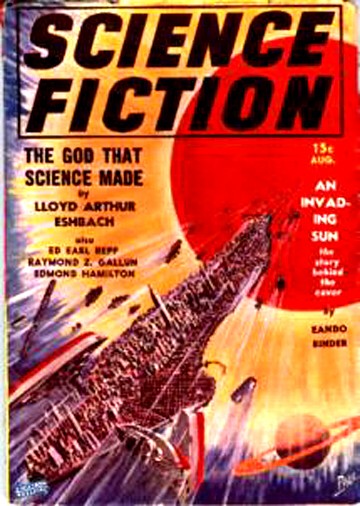
    Well, no, this isn’t quite the case, but it does look as though Manhattan was mysteriously transformed into a spaceship of some sort, an island in the sky (that it already is), hurtling towards a destiny with the sun.  But in sci-fi

    Strange things in the sky--Manhattan

    fact, Manhattan was being ripped straight out of the Earth, swallowed along with other Earthly goods and Solar System fixtures by an advancing and ravenous Sol.  (I should note that there is a battleship floating upside down over Manhattan–this is the second image of an upside-down above-Manhattan hovering battleship I have seen this week from Mr. Paul, an earlier version seen here.) .Physics problems aside, this cover was just too spectacular to not merit its own post, so that it is easily findable (even amidst the rest of the NYC swallowed/missing/in space/attacked/duplicated posts). 

    For example, there is the following case of Manhattan being missing, submerging itself into the bedrock under the weight of its skyscrapers (in 1902):

    3--nyc gone

    Frank R. Paul did the cover art for the story “An Invading Sun” that appeared in Science Fiction for August, 1939, and that’s as far as I got with this issue–anything more is destined to be a shrinking denouement.  There would’ve been plenty in the air, as it were, in the summer of 1939 to put the artist and the author in a foul prognosticating mood.  The Japanese had already been scourging China for several years now, and Nazi Germany had moved into Austria and Czechoslovakia, and were just about to begin WWII in earnest with their attack on Poland, just weeks away.  The 1930’s were a glorious decade for physics (and included the Miracle Year of 1932 spiked by Fermi, the Joliot-Curies and Carl Anderson; Oppenheimer and gravitational collapse, the overwhelmingly better-understood quantum theory, nuclear physics, and all the rest…a very busy decade). So the world was coming into a landing of some sort in 1939, what with densely compacted collapsing stars, the discovery of subatomic particles, the real birth of QM and nuclear physics, Nazis, the Japanese running amok in Asia, the death pangs of the Depression panging away, deep anti-involvement attitudes int he US, and so on.  No wonder the Earth was being consumed in science fiction fires. 

    _________

    Cover art by Frank R. Paul for August 1939 Science
    Fiction
    magazine source: Frank Wu’s Frank R. Paul Gallery.

Recent Posts

Archives

Categories