A Daily History of Holes, Dots, Lines, Science, History, Math, Physics, Art, the Unintentional Absurd, Architecture, Maps, Data Visualization, Blank and Missing Things, and so on. |1.6 million words, 7500 images, 4.9 million hits| Press & appearances in The Times, Le Figaro, Mensa, The Economist, The Guardian, Discovery News, Slate, Le Monde, Sci American Blogs, Le Pont, and many other places… 5000+ total posts since 2008.

  • Manipulated Art 2–Panoramic Brooklyn Bridge, Boxing Scene and such on Accounting Paper, 1880

    JF Ptak Science Books

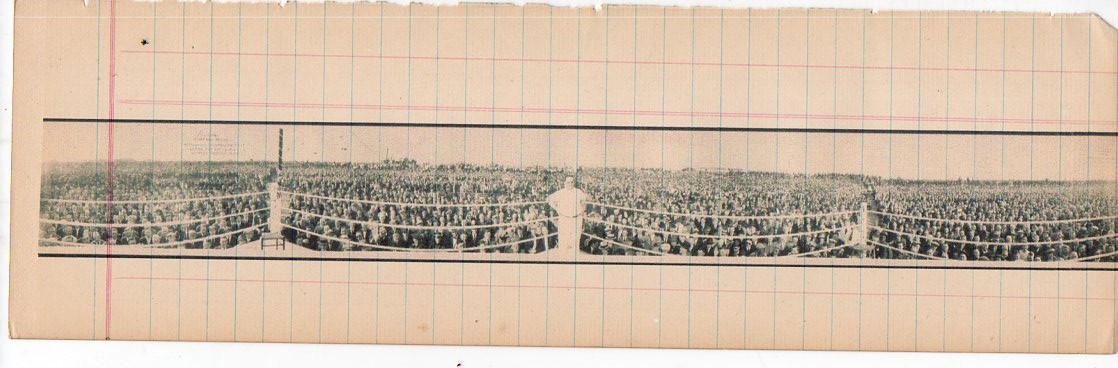
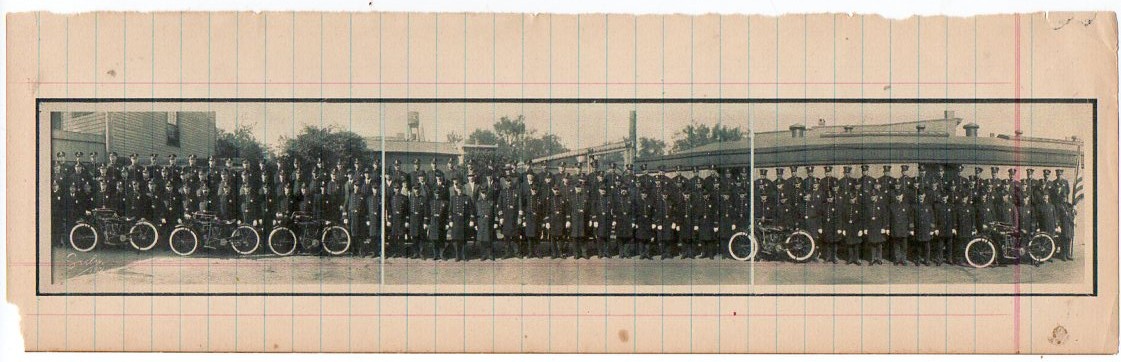
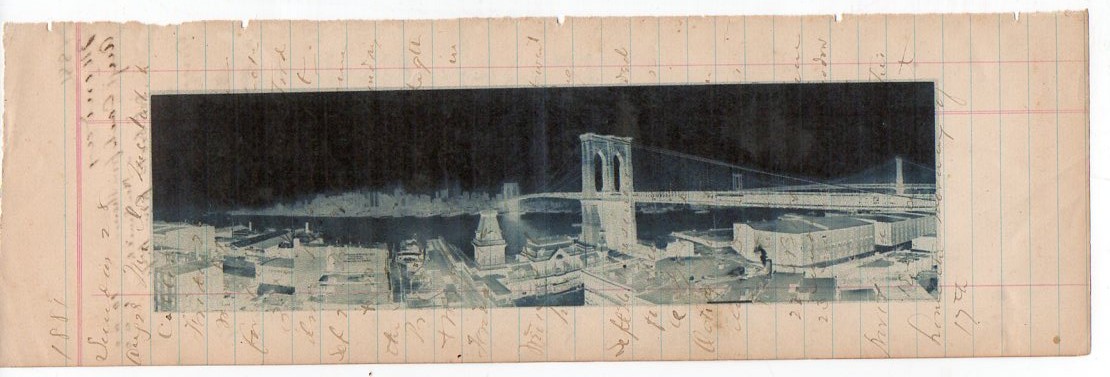
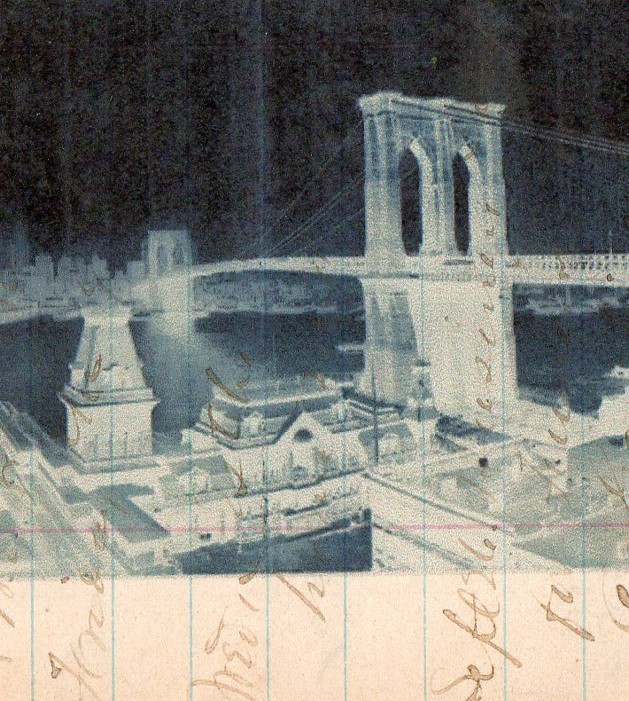
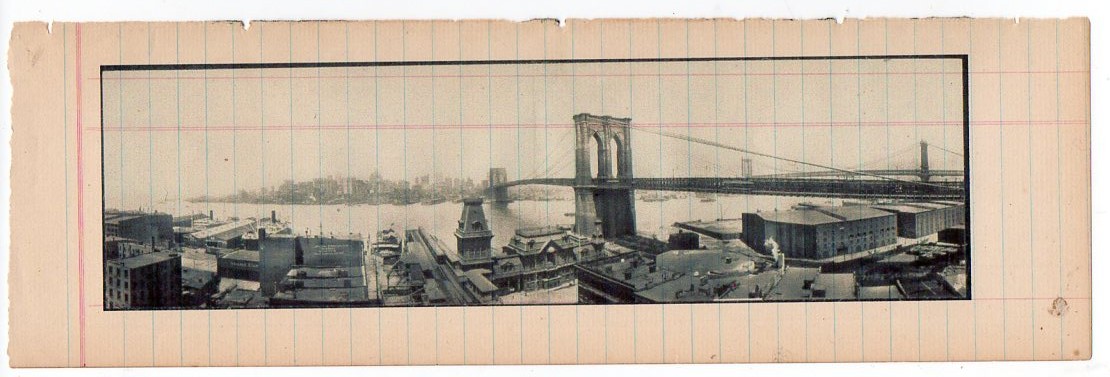
    Continuing a series of small experiments I’ve printed some classic panoramic images on some rather beautiful tabulating paper, taken from an 1880’s ledger. All are available from our blog bookstore.

    Manipulated-real bb pos895

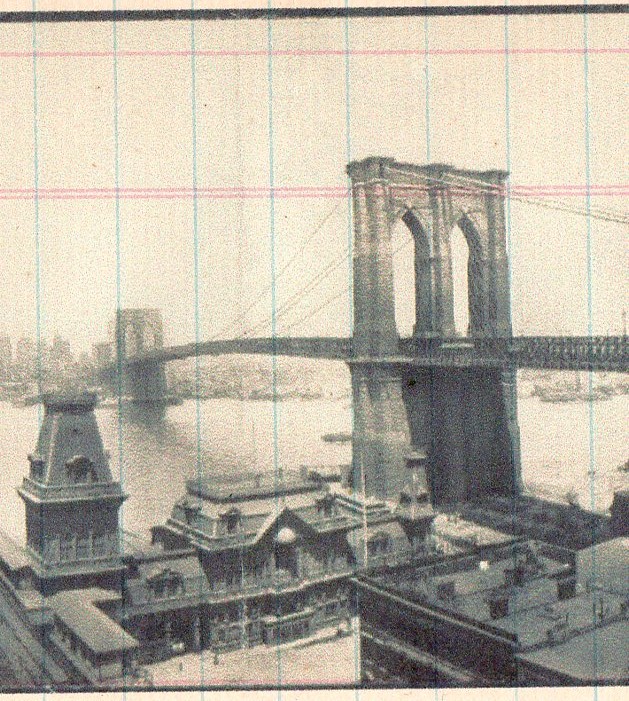
    And the detail:

    Manipulated-real bb pos det898

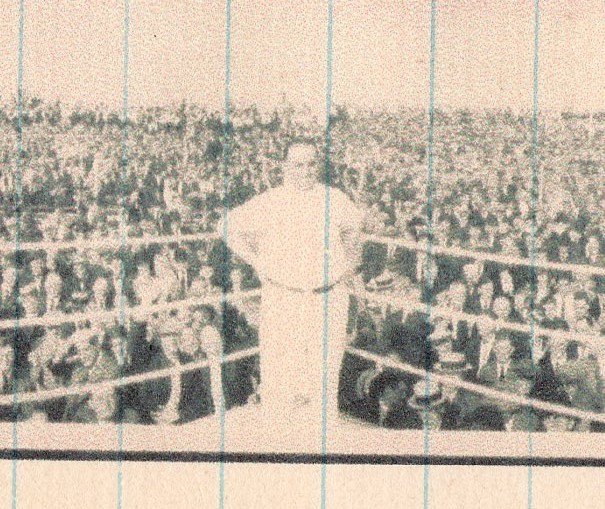
    Boxing scene with mamoth crowd, ca. 1910.

    Manipulated--boxing 890
    And the detail:

    Manipulated--boxing det889

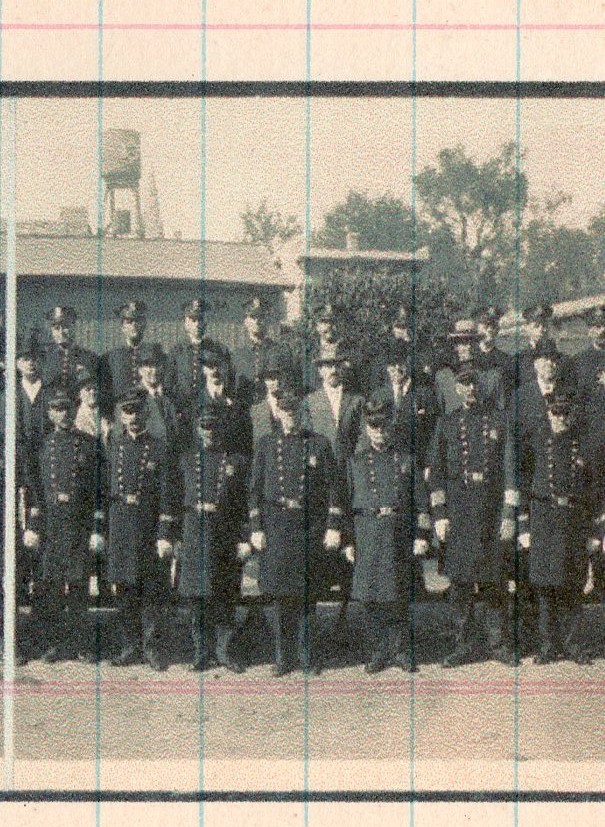
    Police officers, ca. 1900:

    Manipulated--police887
    And the detail:

    Manipulated--police det888
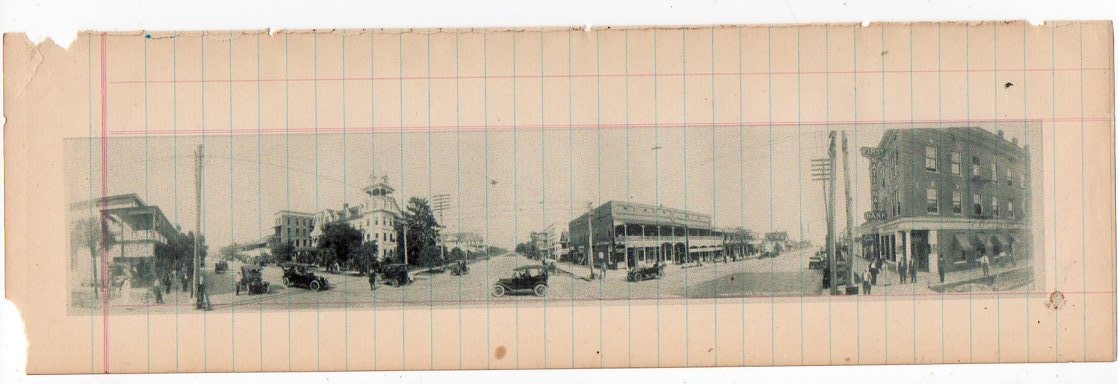
    Spartanburg, South Carolina, 1920:

    Manipulated-spartanburg892
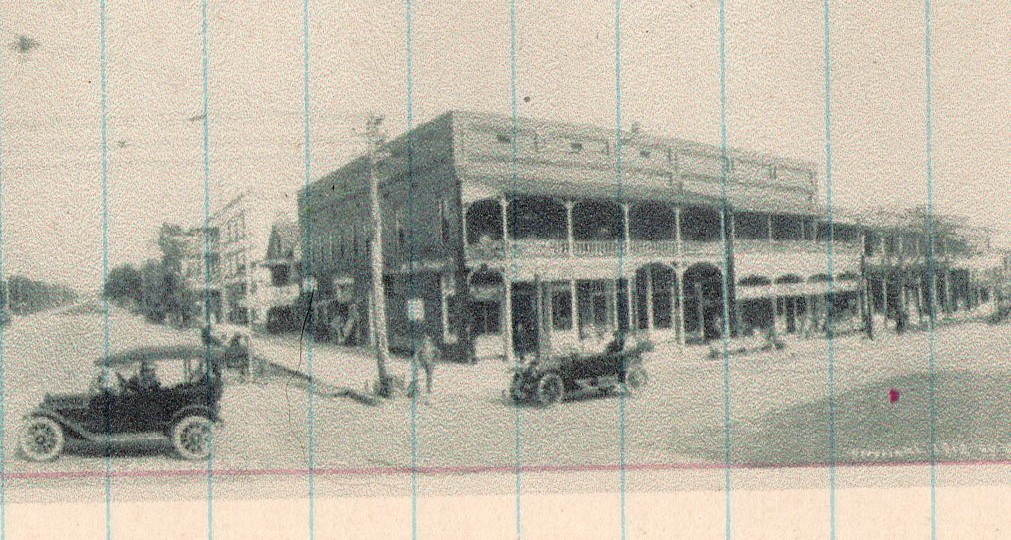
    And the detail:

    Manipulated-spartanburg det893
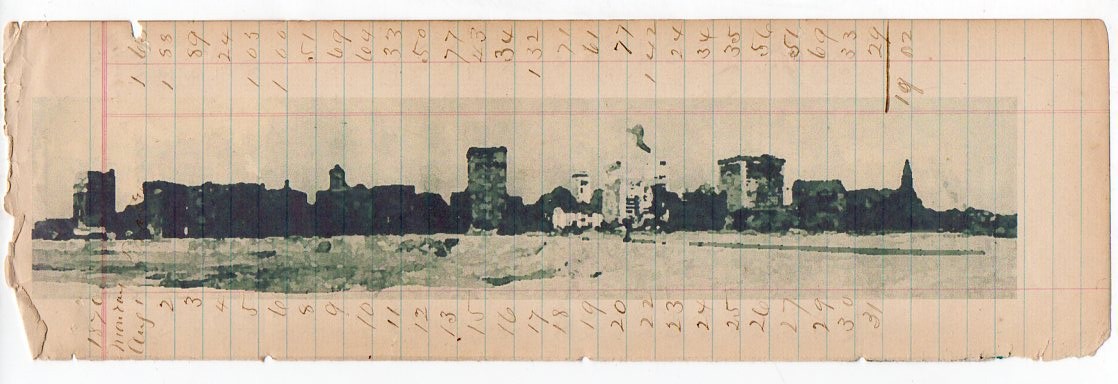
    Andthe New York City skyline, ca. 1905:

    Manipulated-brooklyn bridge891
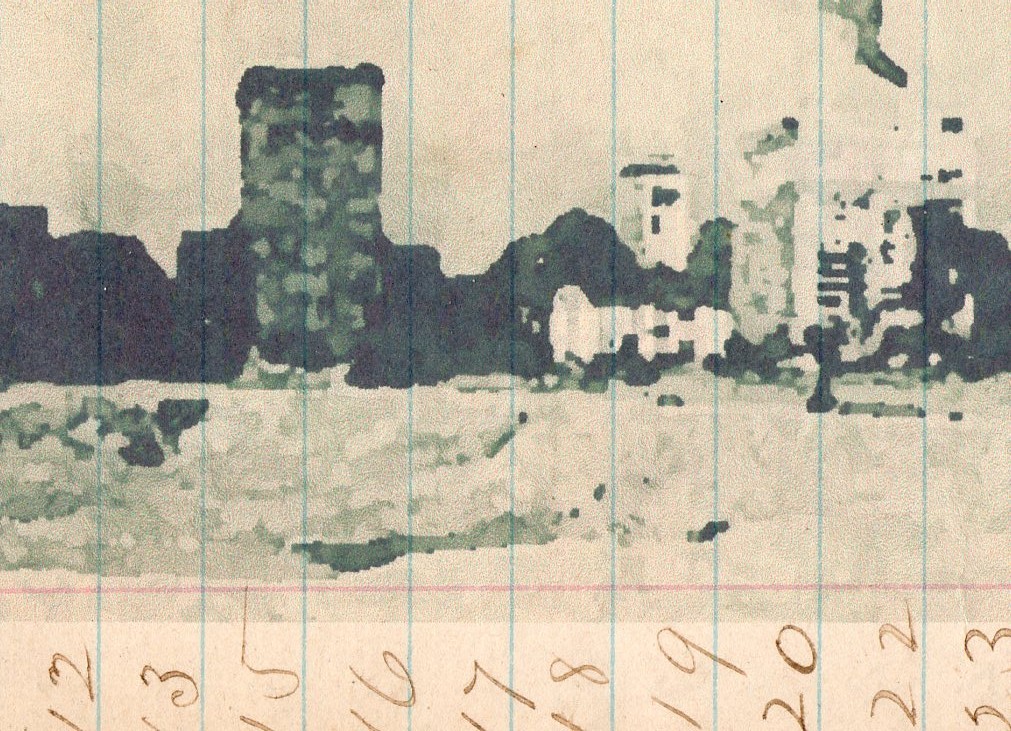
    And the detail:

    Manipulated--brooklyn bridge det894
    The negative Brooklyn Bridge:

    Manipulated-real bb neg896

    And the detail:

    Manipulated-real bb neg det897


    ·Posted by :

    ·in:

    —
  • Structure for Wide Thinking–Walter Gropius’ 1942 Design/Exercise Book

    JF Ptak Science Books  Post 1247

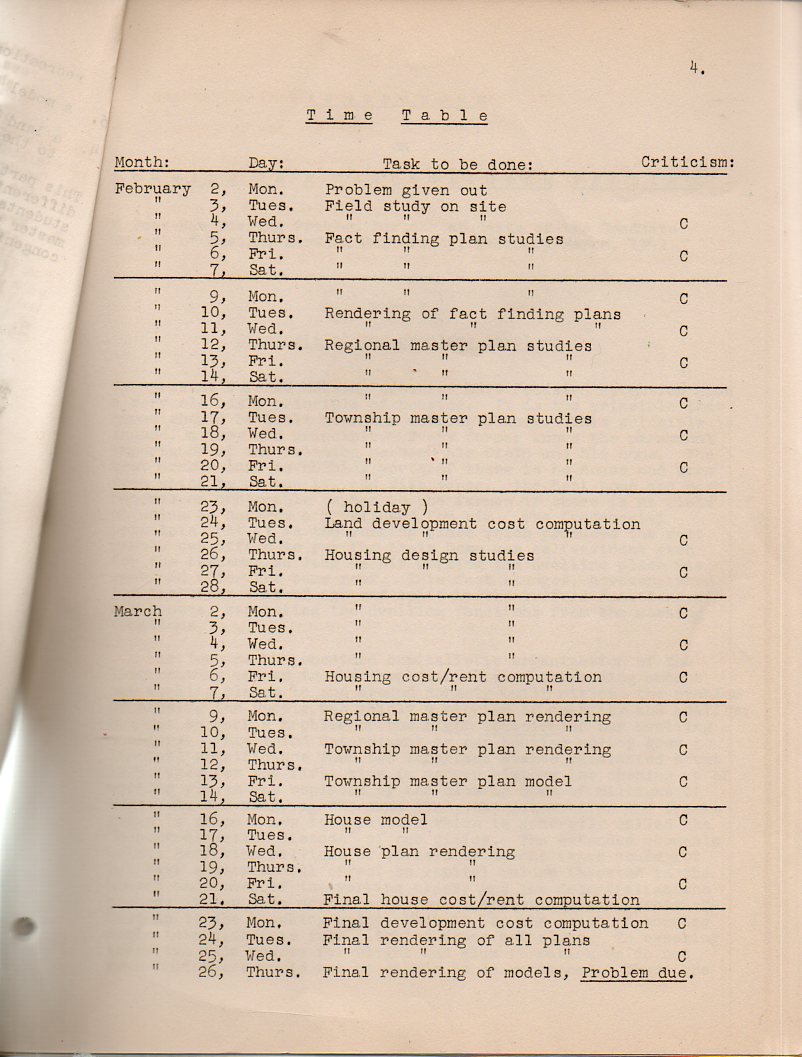
    Walter Gropius (1883-1969, founder of the Bauhaus School and one of the principle builders of modern architecture) and Martin Wagner (1888-1957) were thinking of a new type of “town”, of a different sort of settlement for people, when they wrote this exercise instructional for their Harvard course. Housing as a townbuilding1 problem, written during the war in 1942, was intended to be an exercise (or  “problem”), a case to be studied by the students in the departments of landscape architecture and the graduate school of design at Harvard. The class opened with this rare2 pamphlet as a basis for course work, given to the students on 2 Feb 1942, with the problem’s answers expected to be on Gropius desk five weeks later.  Gropius and Martin put a tough, wide-ranging, landscape-changing question and expected answers in a very short period of time, though they definitely had a very structured plan and approach to dealing with massive implications of their exercise.  The theory was outlined there in the paper, of course, and was expanded much more fully in class.  And then there was this: a full page of datelines and expectations, a way of dealing with a large problem in logical chunks, adding up the answered bits, and then delivering a larger answer at the end and on time. 

    Gropius table899
    [The original work is available at our blog bookstore.]

    I’m not an architecture or design historian, so much of this paper was a little lost on me–but I could definitely appreciate the way in which the great Gropius outlined the process of problem-thinking and solution for his students.  This may be the part of this paper that I liked the most. 

    In  “The Walter Gropius House Landscape: A Collaboration of Modernism and the Vernacular”3 (published in the  Journal of Architectural Education, 1984, 57 (3), p. 39) Eric F. Kramer wrote:

    “Sounding similar themes in a 1942 joint studio problem for landscape and architecture, Walter [Gropius] wrote of the inspiration of the vernacular landscape and of integrating with existing systems: ‘Such a landscape invites the artist planner to observe and preserve its variety of aspects, and to invent a settlement pattern that .ts into its natural beauty. Fortunately our forefathers have already traced out a settlement pattern that fits very well into the landscape.’ Gropius–the grand master builder and master teacher–set out the problem and the solution”.

    There are of course major statements in city-building and human resettlement in this work, but for now, I’m still concentrated on the Bauhaus-founder’s outline for problem solving.   

    Notes

    1.  The full title: Housing as a townbuilding problem; a post-war housing problem for the students of the Graduate School of Design, Harvard University, February-March, 1942.

    And in that publication Gropius writes: “When we speak of ‘new townships’ we think of a new type of human settlement “, with a redefined vision of what a “town” means, using an idea of “reception basins” for spheres of cities as centers of culture, art and commerce “and our open country as furtherer if an industrialized agriculture and of forestry and recreation”. (page 21).  And all of that to be manufactured along the lines of “planned super-highway systems, one branch of which is to go through New England region and will supposedly cut through the towns of Weston and Weyland”.–Gropius and Martin.

    2. This copy was in the Office for Emergency Management; only  six other copies have been found and these in excellent collections: MIT, Harvard Special Collections, Harvard College of Design, Cornell, Columbia and the NYPL (Special Collections).  So the publication is pretty scarce, and given its method of printing and distribution, it looks like not many survived, though it is difficult to say how many were actually printed.  In any event, few survived.

    3. The abstract of this paper is helpful: “The Walter Gropius House Landscape A Collaboration of Modernism and the Vernacular”. “The Gropius house landscape is a potent physical manifestation of the design debates of its era. The landscape is an element of both mediation and integration forging a reciprocal and evenhanded relationship between architecture and site. Shaped by modern architectural sensibilities translated to the landscape and developed at a moment when landscape architecture was struggling to .nd a modernist inspiration and voice, it is an object lesson in the development of a modernist landscape architecture in America…”   
    “In these studio problems, Gropius consistently encouraged students to find new form in the functional requirements of modern times and yet to integrate with existing systems through an understanding of their own functionally driven evolution.”

  • Antique Circles–Astronomical Prints

    JF Ptak Science Books  Post 1248

    Yes, the heavens are made of circles, somewhat, especially if you were observing a three-dimensional figure in two-space, where all spheres are circles.  But here we’re making those observations the other way ’round.  In any event, these are lovely images taken from a part of the history of astronomy images here in the bookstore–and I should say that they’re all available for purchase from the store as well.  But in the meantime, click away–you’ll find that almost all are expandable and mine-able for design elements.


    Circles--direct sphere911

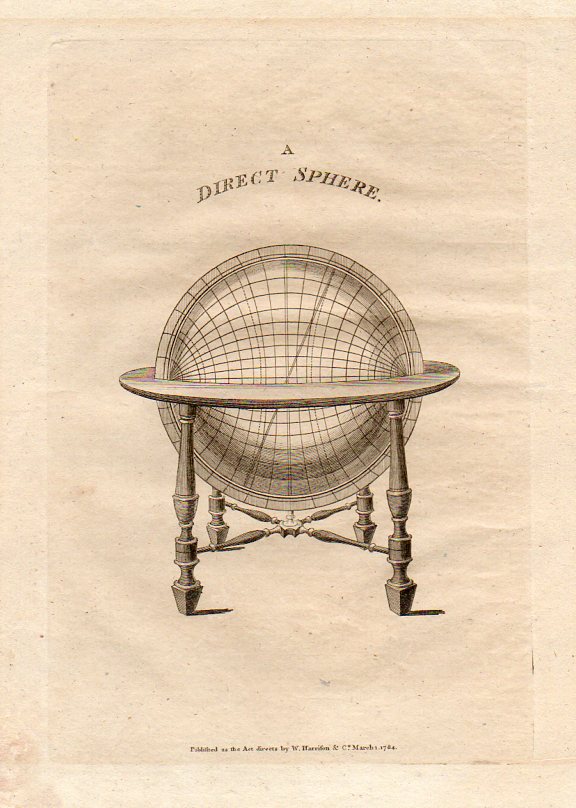
    Armillary Sphere, 1784.
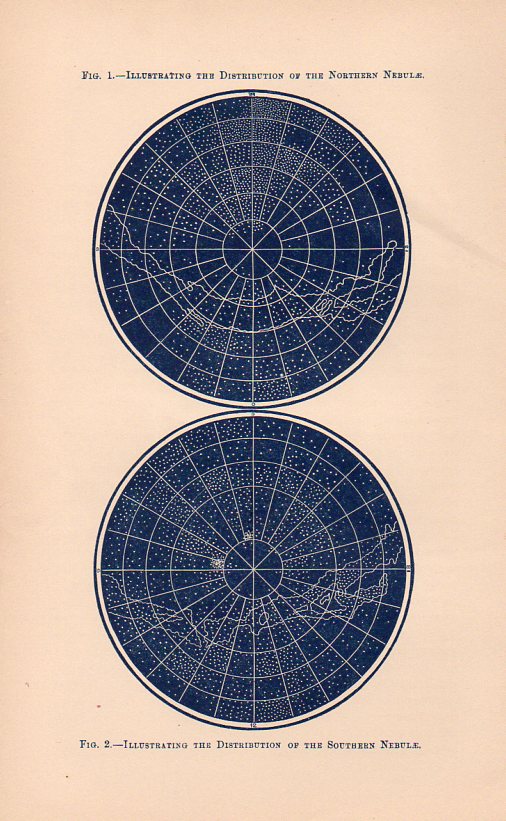
    Circles--distrib north nebulae918

    Distribution of the Nebulae, ca. 1860.
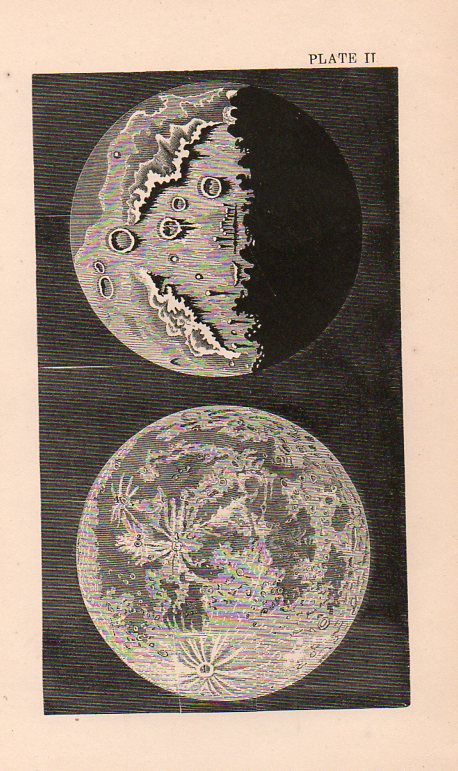
    CirclesDouble Moon908

    The Moon, ca. 1850.

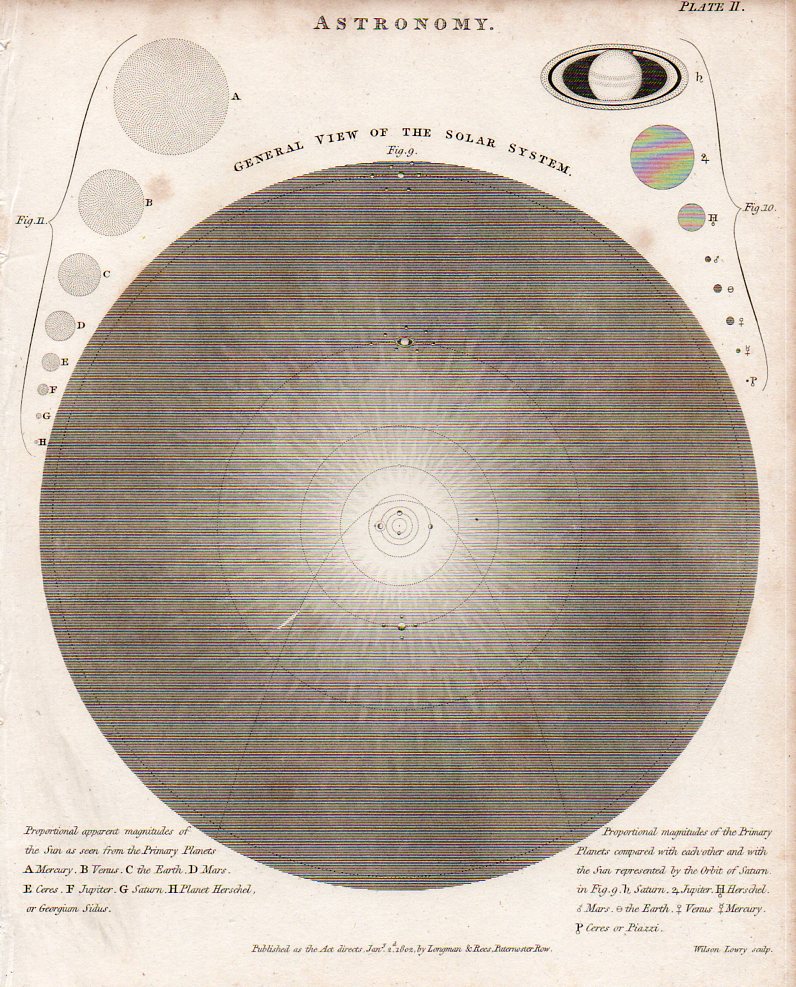
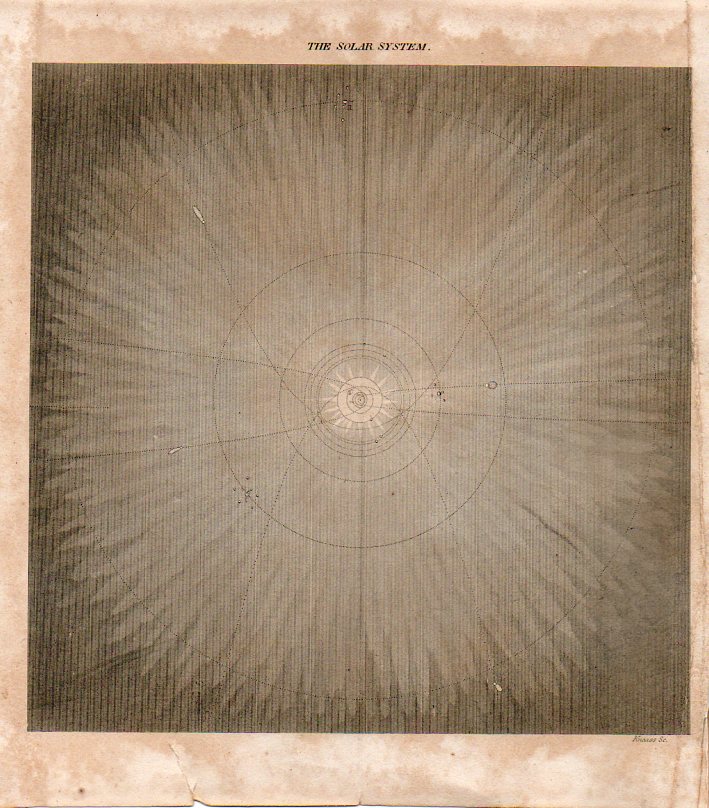
    Circles--general view solar ystem914

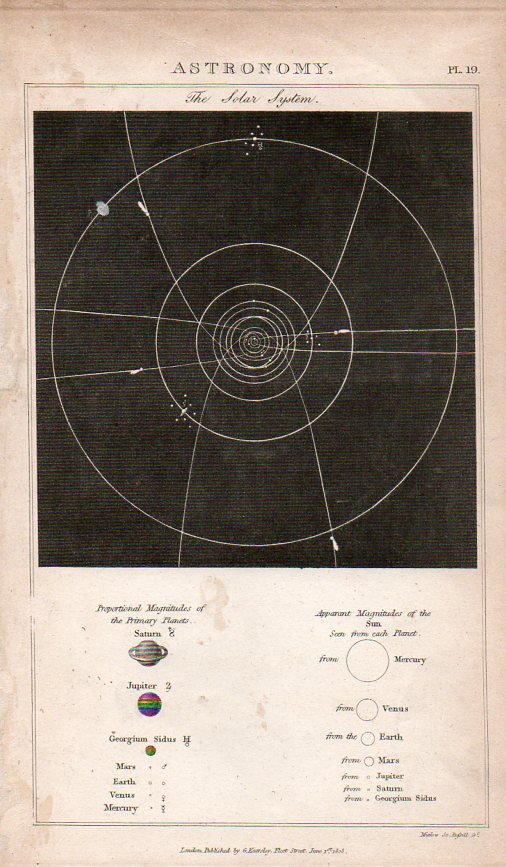
    The Solar System, 1804.

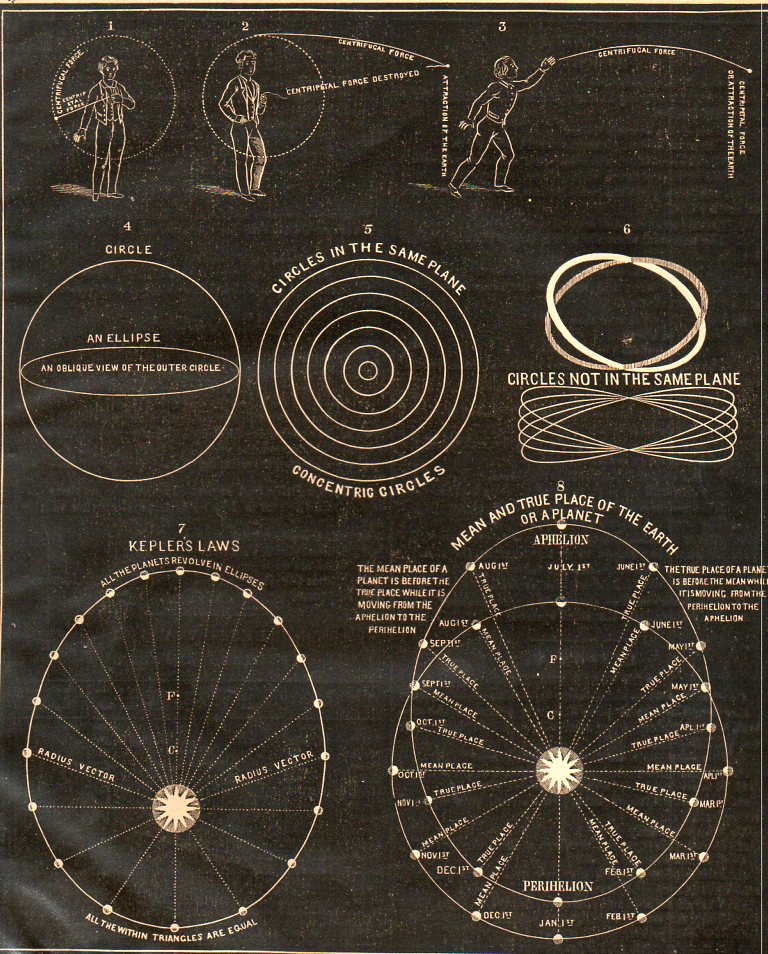
    Circles-in the same plane906

    1855.

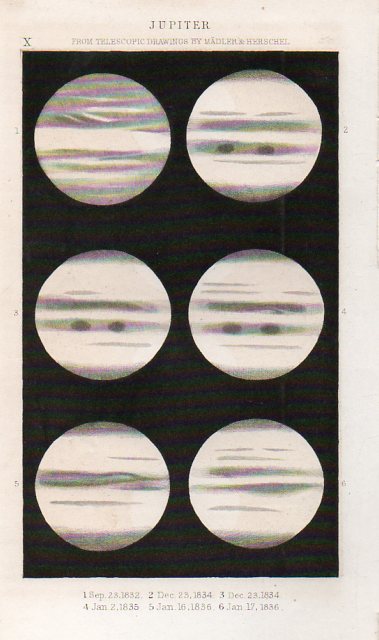
    Circles--jupiter921

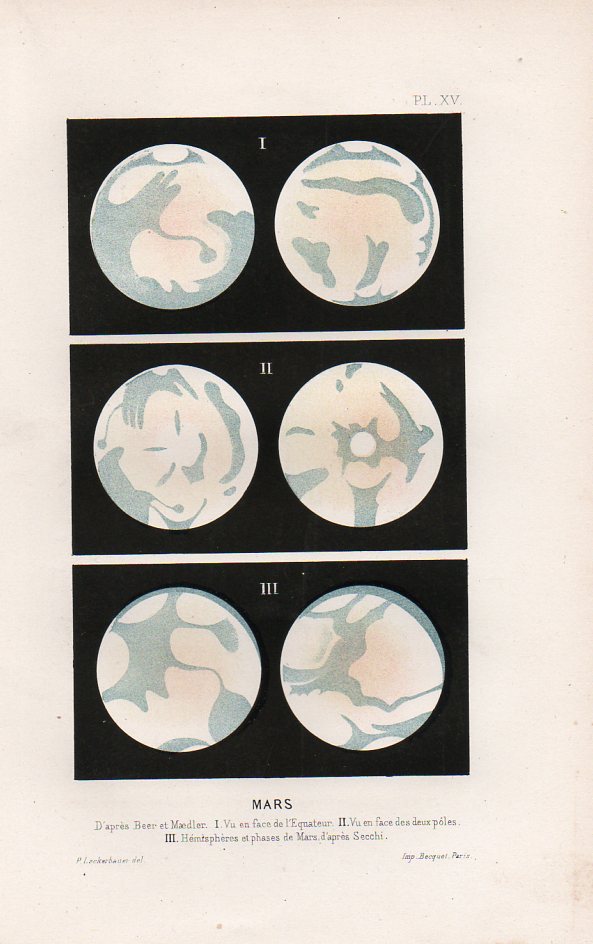
    Jupiter, 1864.Circles--mars913

    Mars, 1864.

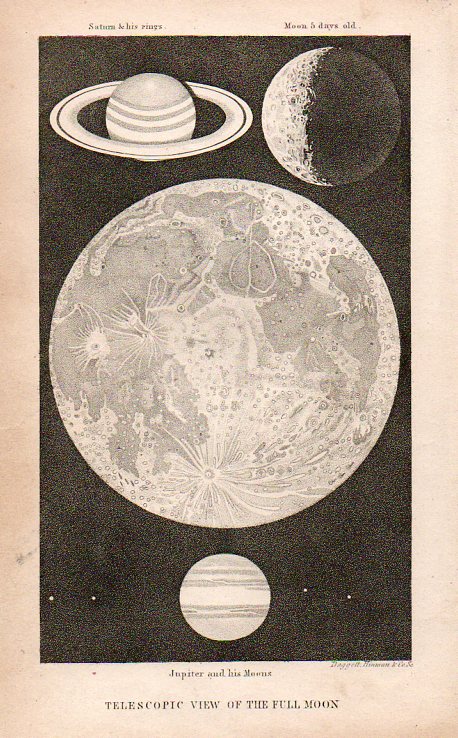
    Circles-Moon and saturn907

    Full Moon, 1836.

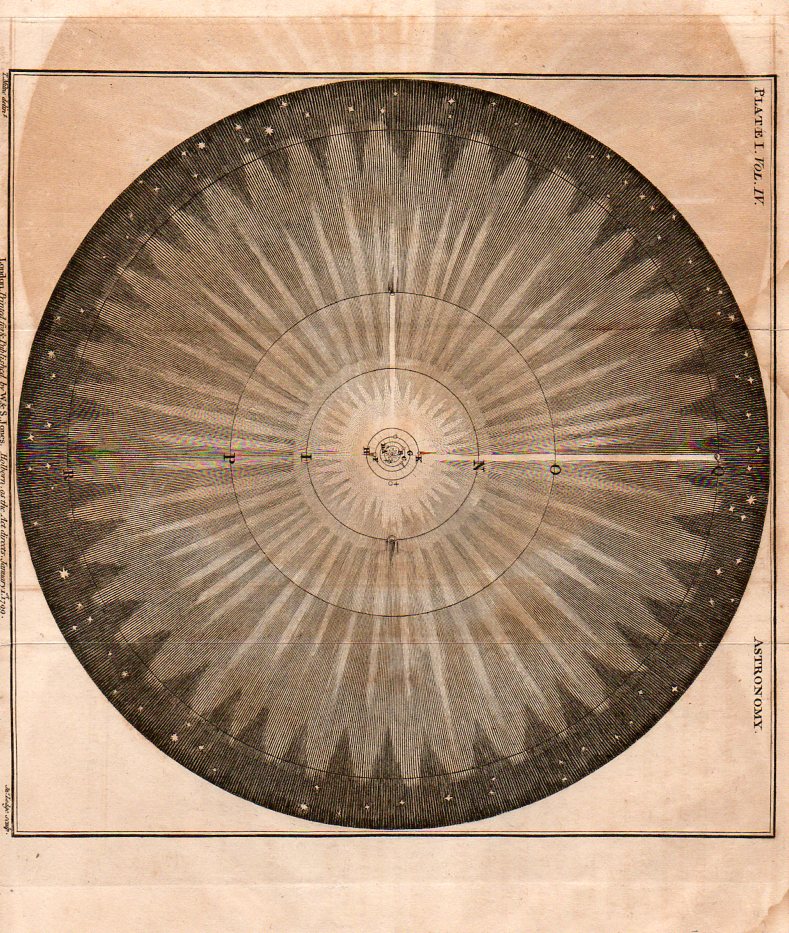
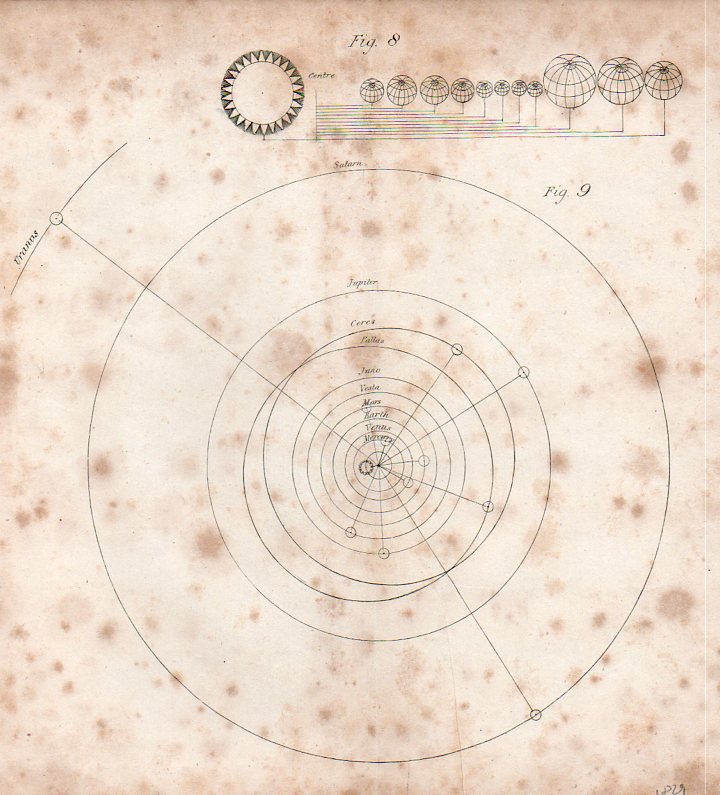
    Circles--solar system916

    Solar System, ca. 1820.

    Circles--solar system c919

    Solar System, 1823.

    Circles--solar systemb917

    Solar System, 1808.

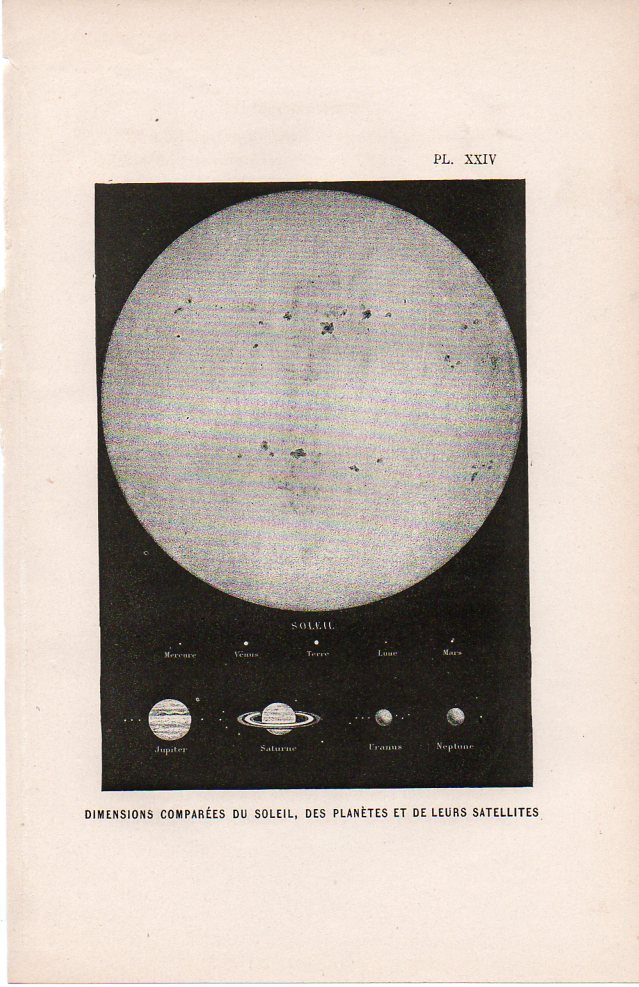
    Circles--sun planet comaprison size French902

    Dimension of the planets in comarison to the Sun, 1850.

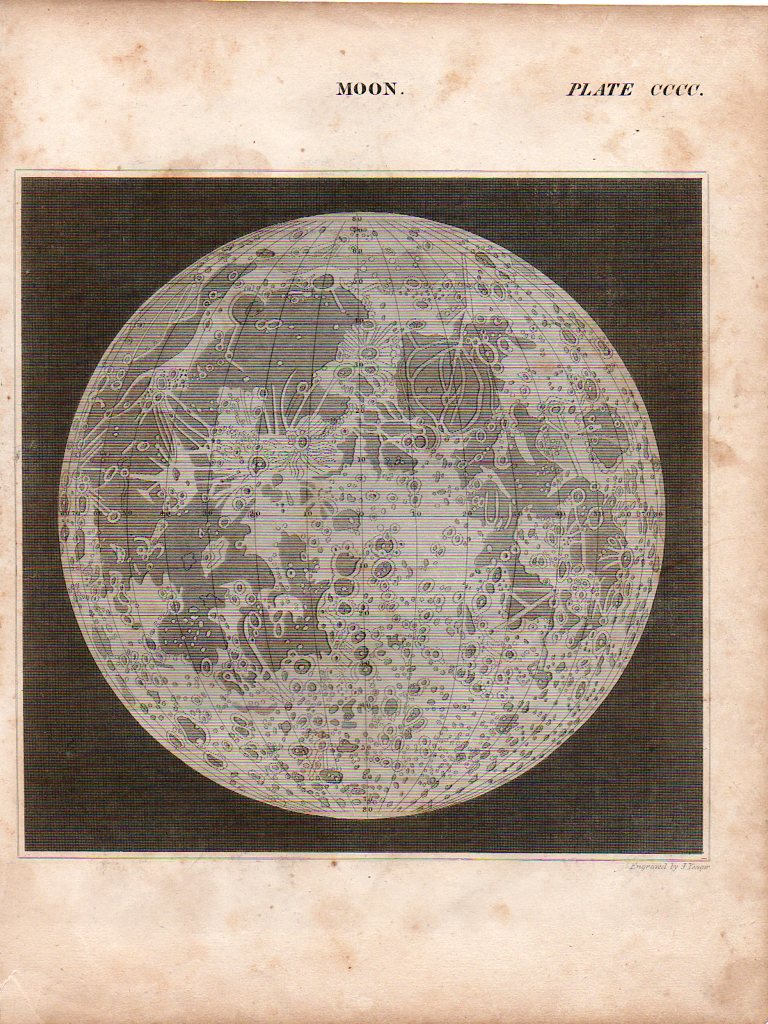
    Circles-the Moon Reesd905

    the Moon, ca. 1810.

    Circles--the solar system912

    the Solar System, ca. 1825.

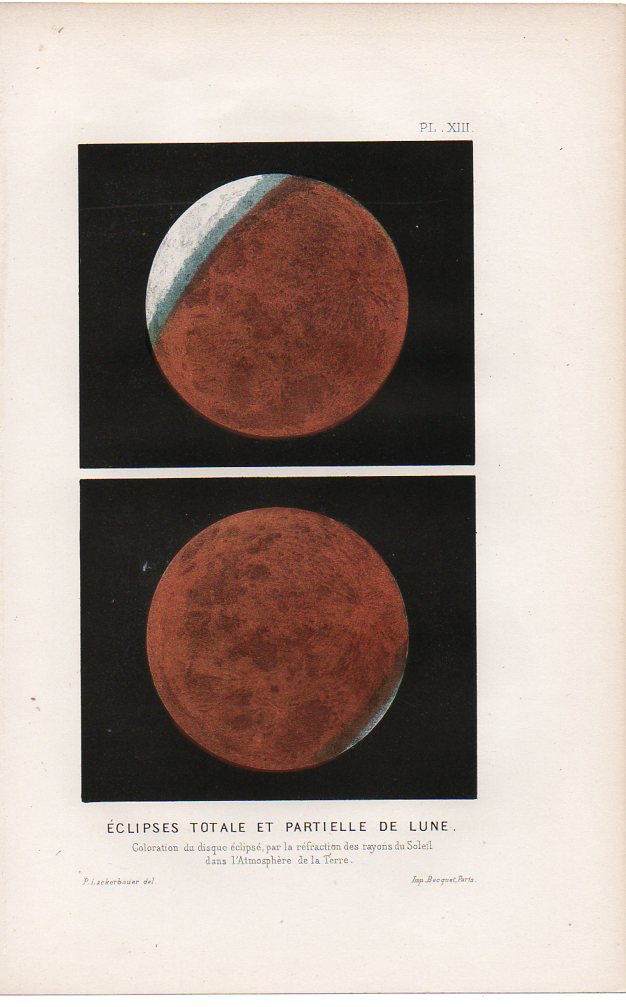
    Circles--toptal eclipse Moon900

    Partial eclipse of the Moon, ca. 1860.
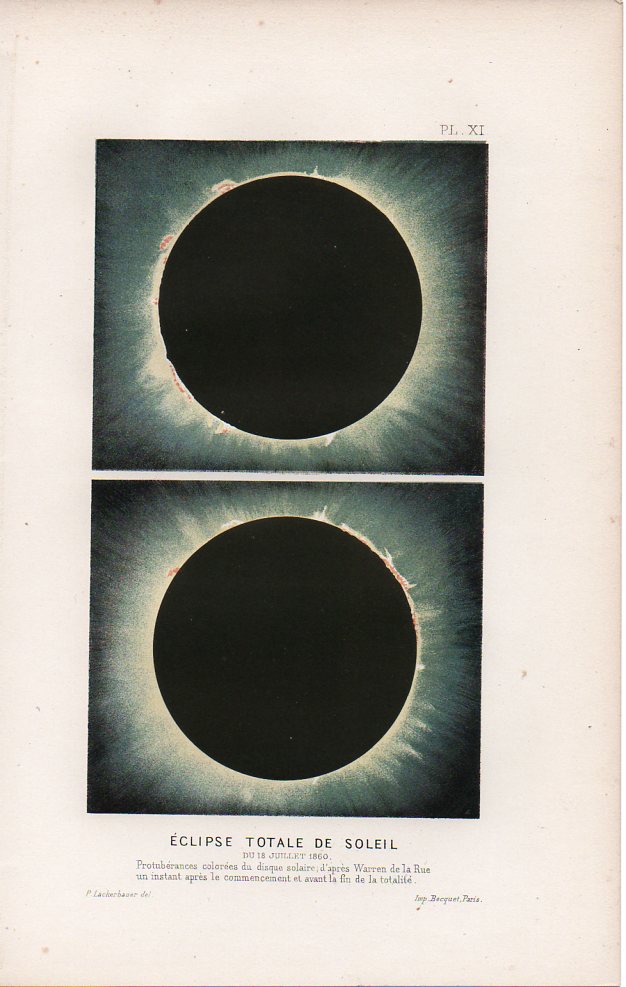
    Circles--toptal eclipse SUn901

    Total eclipse of the Sun, ca. 1860.

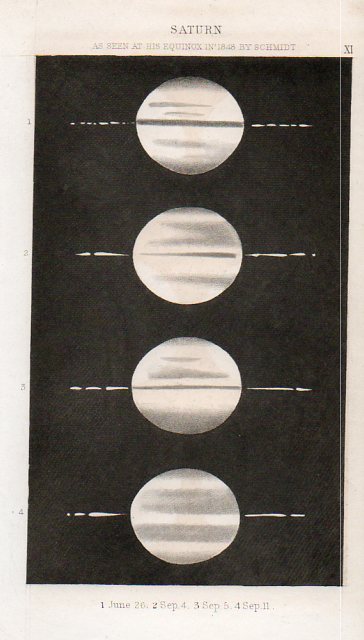
    Circles--saturn922


    Saturn, ca. 1870.

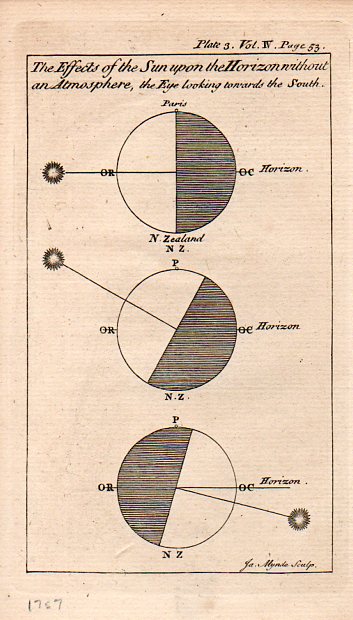
      Circles--effects of sun920
    1757.

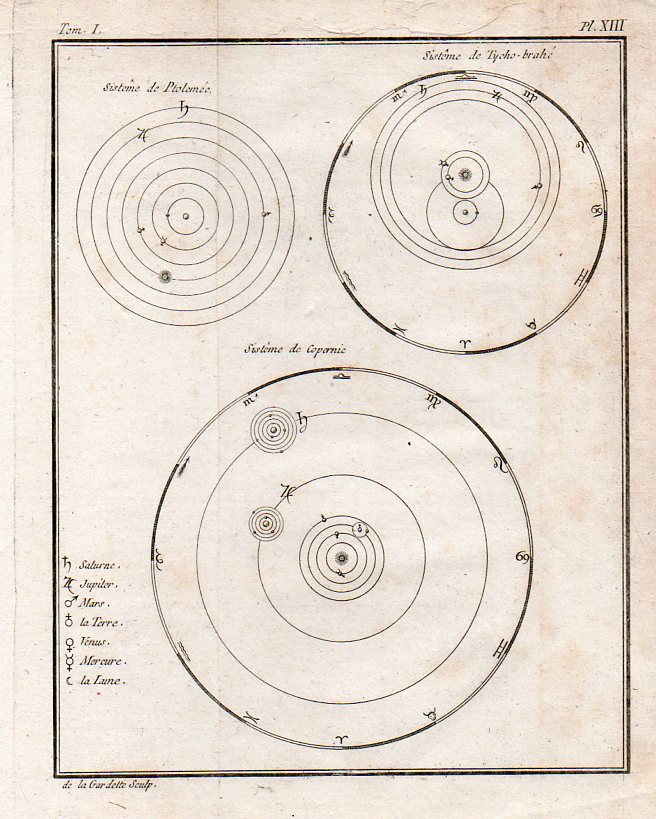
      Circles--comparative systems903

    Comparative cosmologies, ca. 1760.

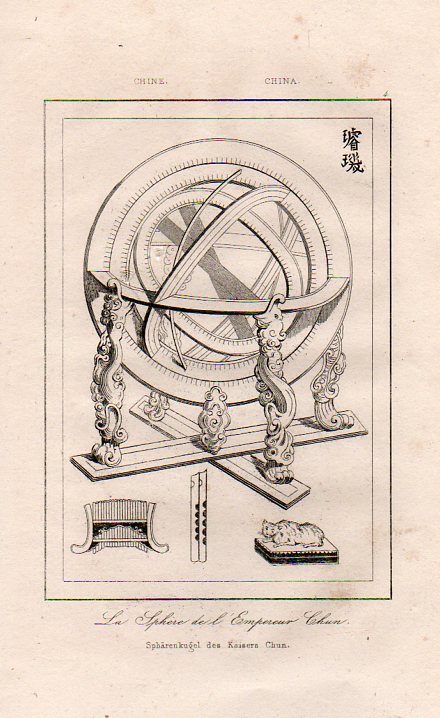
    Circles--chinese armillary910


    ·Posted by :

    ·in:

  • Bad Ideas Department: Pool Vodka and Cigarette Wallpaper 1947-1953

    JF Ptak Science Books   Post 1153

    Things we dont need vodka swim464 I just can’t leave this week’s string of five posts on stuff that I found in Life magazine without adding a little to the Bad Ideas category.  Generally this is the place  to collect the really odd, little material that I stumble upon that is noteworthy but not necessarily a good  fit for a general, stand-alone post.  So comes this installment to Bad Ideas–Things We Don’t Need.

    For example I just couldn’t wrap any sort of integrating or creative bow around this image (left) to present it as anything more than what it is.

    I could think of almost no other thing that I’d rather drink after a swimming workout than a glass of vodka with no ice. 
    I mean, really–it gives me a headache to just think about popping out of a cold pool, a little out-of-breath, and grabbing four fingers of room-temperature Smirnoff. I get that it is a “dry” juxtaposition, but all this looks like to me is a man with a pretty big problem.

    Things we dont need underwear dog463

    And then the next picture–there’s simply  no good need to be posing in your underwear with a small boy in his underwear while grooming a French poodle.  There’s just no conceivable need to do it, period, especially with such oddly satisfied smiles.

    And then  there’s this ad that is utterly demeaning to almost everyone–a wall of Old Gold unfiltered ciggies that are about life-sized with a vague suggestion that you smoke them for fun rather than some sort of medical benefit (?)  With a little editing you could construct a wallpaper out of this photo–and I mean a wallpaper for a room rather than a computer, a wallpaper composed of cigarette butt ends..  Just for the record, I figure that a 1.5 pack a day smoker would smoke the equivalent of this image spread over the four walls of an average-size bedroom in about four years.  Its conceivable that you could paper a decent-sized house with the wallpapered equivalent of every cigarette smoked by the smoker in a lifetime, or for as long as the cancer could be tricked to stay away.

    And so this is the beginning of this category–I hope it will be entertaining.

    Things we dont need cigs462

    ·Posted by :

    ·in:

    —
  • Footnotes in the Future–Swift, Lull, Borges and the End of Writing

    JF Ptak Science Books   Post 1155

    “The most ignorant person at a reasonable charge, and with little bodily labor, may write books in philosophy, poetry, law, mathematics, and theology, without the least assistance from genius or study.”   Jonathan Swift, in Gulliver’s Travels

    “Hell is the kingdom of the animal that swallows up the memory of all things… Between life and death there is no destiny except memory. Memory weaves the destiny of the world..”  Carlos Fuentes, Terra Nostra

    “A people without history/ is not redeemed from time, for history is a pattern of timeless moments” — T.S. Eliot, Four Quartets.

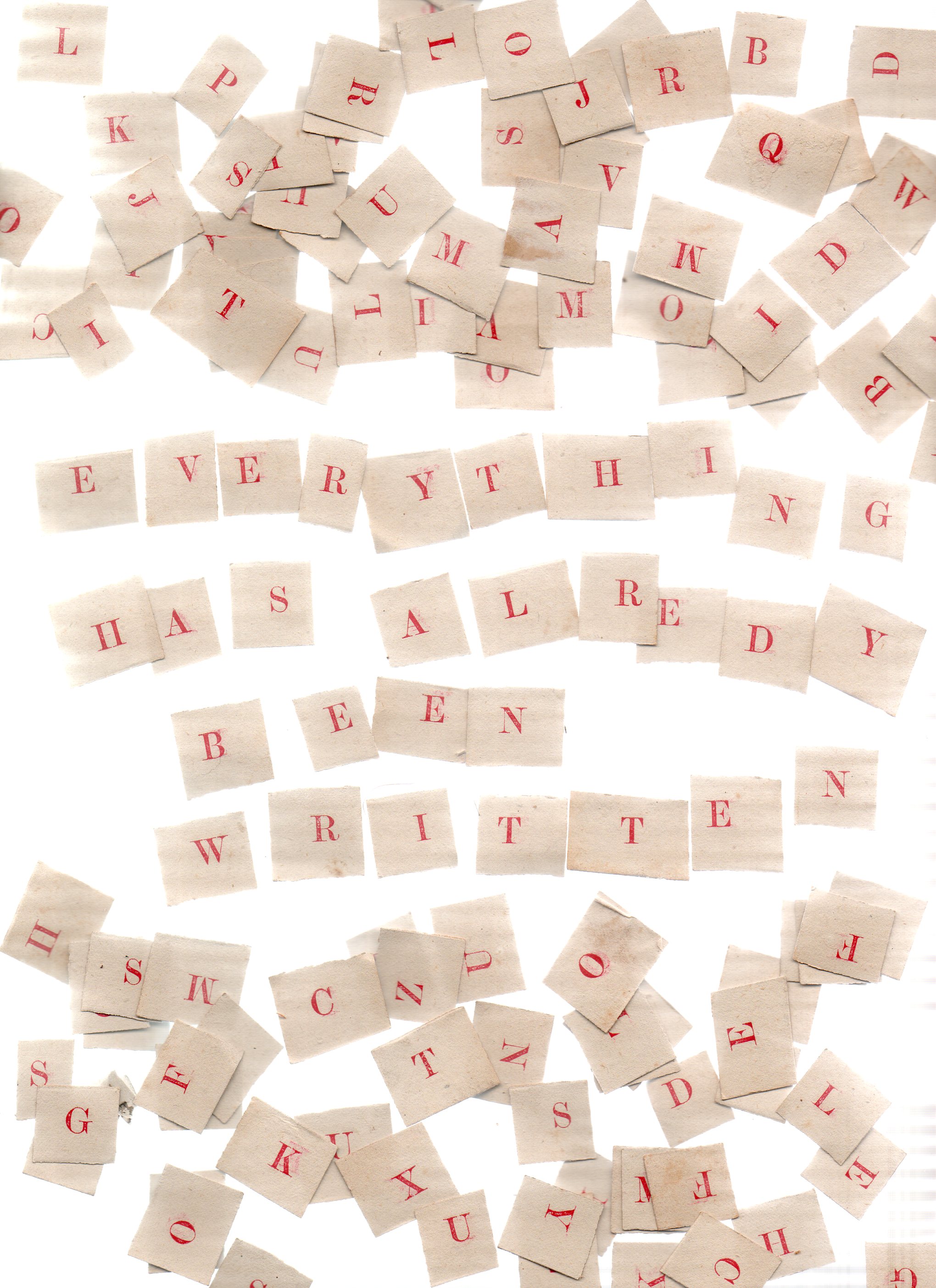
    The future history of writing–it will tell us–was already written before it was written.   In the future, when everything that can be written has been written and everything spoken has already been spoken, perhaps the first footnote in the history of already-done things will be to Jonathan Swift.  The experience belongs to us through Lemuel Gulliver1, who after surviving two trips (one to Lilliput in which Gulliver is twelve times the size of

    Written468

    everything else, and the second to Brobdingnag where he is one-twelfth the size of everything) comes to a third (of four2) in the land of Laputa.  It is here where he encounters a conversation machine that, when cranked, produces anything and everything, the known and unknown, the original and the copied, and have the thought and spoken
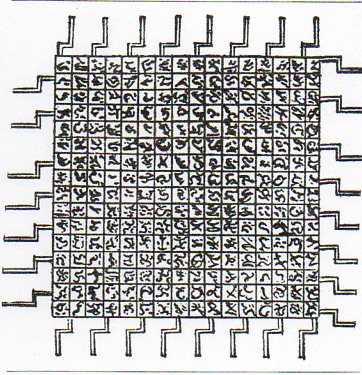
    word belong to the manipulator of the machine.  Everything that can be said is in that box, waiting to come.  The 20′ square was occupied by cubes with words on their sides, with 40 cranks and 40 handles and 40 operators to manipulate the mechanical vocabulary and associated scribes to record anything that made sense, and would be the springboard of “knowledge”operating without a manual or an intelligent primum mobile. (The image of the machine–which bears some resemblance to an integrated chip–appears in the third edition of Swift’s book, and as you can see is not a well-drawn thing, missing a row and a column and a crank here and there. A fuller description is found below.)

    Writtenc machine470

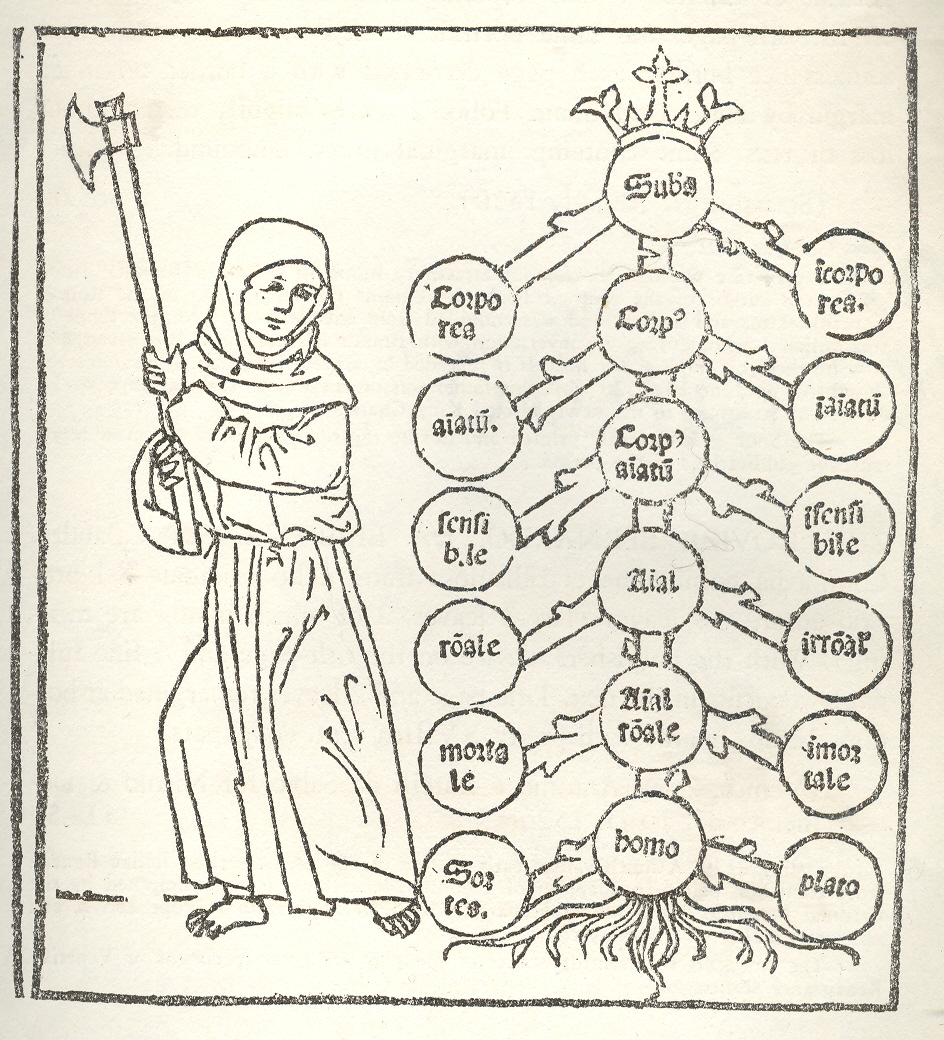
    The idea of a universal knowledge or an expanding, forever-library is very old, particularly if you expand the concept a bit to include Aristotle and the Tree of Porphyry3.  While not exactly a generator in the sense of Jorge Borges’ Library of Babel or the Swiftian machine, the ancients did 1--logic treeproduce very interesting, elegant, beautiful ways of story information and ordering information.  The Tree of Porphyry is far more concise–an abbreviation-compared to the infinitely expanding hexagonal rooms filed with books and attendant librarians in the Borges’ universe.  Or the Ars Magna/Thinking Machine of the 13th century Ramon Lull (also known as Ramon, Raimundo and Raymond, Raimundus and Raymundus Lull, Lully and Lullus and Lulio), the ultimate organizer of how sentences can be made and knowledge produced/uncovered (particularly if you want to please the logic of the church and the Creator), and which was almost certainly known to Swift (and which was also written about, described and worried-over by Borges4).  There are many other early figures in this category to be sure (Lewis Carroll, William Jevons, and even in a way Mr. Venn, not to mention Leibniz and his calculator,  and the changes in scientific method and (English/Dutch) mathematical concentration on applied mathematics of the 17th century that made thinking about the industrial revolution possible)), but that would be left to (at least) a longer post.  (The Lull wheel, below.)
                               

    How long will it take to digitize everything that has ever been written, or recorded, or composed? Several generations? Ten?  It may well come to pass in shorter time than we think; and when you compare this control of recorded human history to the centuries that will follow in developing “computers”, how can we possibly know what will become of all of it?  In the coming centuries and their attack on intelligence, when in the future the brain is a harvest of the computer, perhaps intelligence finally submits, and everything that can be done has been done, the progress of humanity snubbed to a stub. Or expanded exponentially.  It is such a tough call to make…

    Notes:

    1.  Jonathan Swift, Travels into Several Remote Nations of the World, in Four Parts. By Lemuel Gulliver, First a Surgeon, and then a Captain of several Ships.  1726.

    2. The third voyage was Part III. A Voyage to Laputa, Balnibarbi, Luggnagg, Glubbdubdrib, and Japan. The fourth finds humans as pets/inferiors in the island of the Houyhnhnms, a land of intelligent horses.

    3. The “tree” was a diagrammatic creation of a 3rd century Syrian mathematician/logician/philosopher named Porphyry who– much taken with Aristotle (and with the Categories in particular)– developed a systematic approach to the organization of thought in diagrammatic form.

    4. Borges J. L. (1999) ‘Ramon Lull’s thinking Machine’ in The total library: non-fiction 1922-1986 (Edited by) Weinberger, E., trans. Allen, E. Levine, S. J., and Weinberger, E. London, Penguin, on pp 155-160.

    It is interesting to note that Lull, who gave up everything to follow his calling into the church (and who was antagonized by the belief that his very act of missing his left-behind life to be a sin against god’s choice of him to follow his “career path”) was demonized by the church soon after his death, his works prohibited reading for hundreds of years.  He was resurrected in 1958 though on a path towards sainthood, a doctor of the church.  

    A description of the Swift machine:

  • Nazi Propaganda to the French–Leave France Behind and Join Us

    JF Ptak Science Books   Post 1156
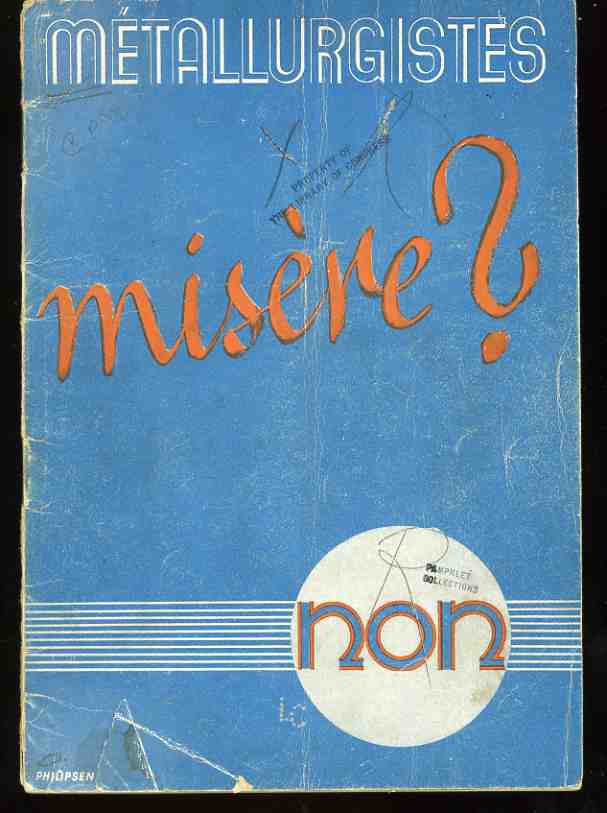
    0--blog-dec 9 vichy cvr220This appeal to practicing French metallurgists by the Nazi occupying force (Metallurgistes misere? Non 1943.) promised good wages, a clean place to sleep, and a livable future.  This included a life for professional metallurgists with a family, as well.  The Nazis were (blood) thirsty for practically-trained “help”, desperate for people with an expertise in occupied France to help contribute to their war effort, and this pamphlet was one means of trying to persuade (via propaganda) or purchase the tacit approval of these professionals.  The Nazis were promising a place to all of those who followed the call, a place in the resurrection of Europe, in the rebuilding of the European community under German/Nazi rule. 

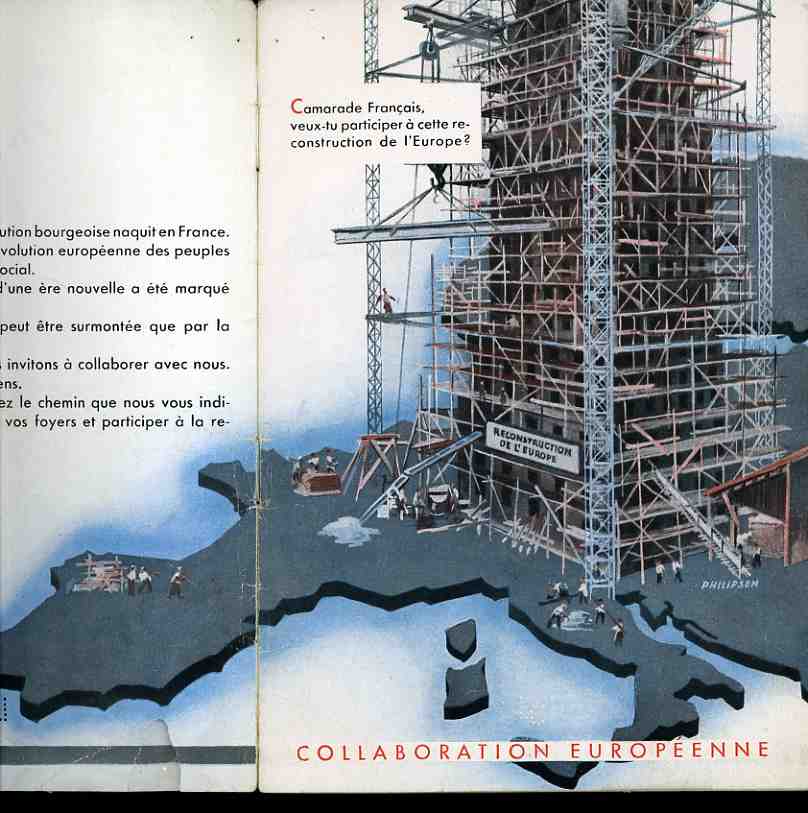
    There was one very odd problem in this pamphlet.  The map shows the creation of this very large allegorical structure, which naturally centers on Germany;

    0--blog-dec 9 vichy cvr219

    but strangely enough, none of the structure seems to touch French
    soil–so much for the “New Europe”.  As a matter of fact it looks as though there is a table with
    three men standing around it at just about the exact place that Paris
    would be.  I’m not convinced that this was intentionally represented
    this way, showing the French reader that France was not going to be
    part of the rebirth–not having France as a part of this new empire
    would seem to be unthinkable–perhaps.  Maybe the issue was to show the inductees that should they decide to stay at home they and their family and the rest of the country will be part of a destitute agrarian Medieval future, that France would not be part of the New Europe, rather than someone screwing up in the Nazi propaganda offices. The screwup is possible though–they were, after all, only Nazis.

    Photos of the promised facilities:

    0--blog-dec 9 vichy clock222

  • Food and Not Having It: Visual Displays of Data, Britain and Germany, 1918

    JF Ptak Science Books    Post 1157

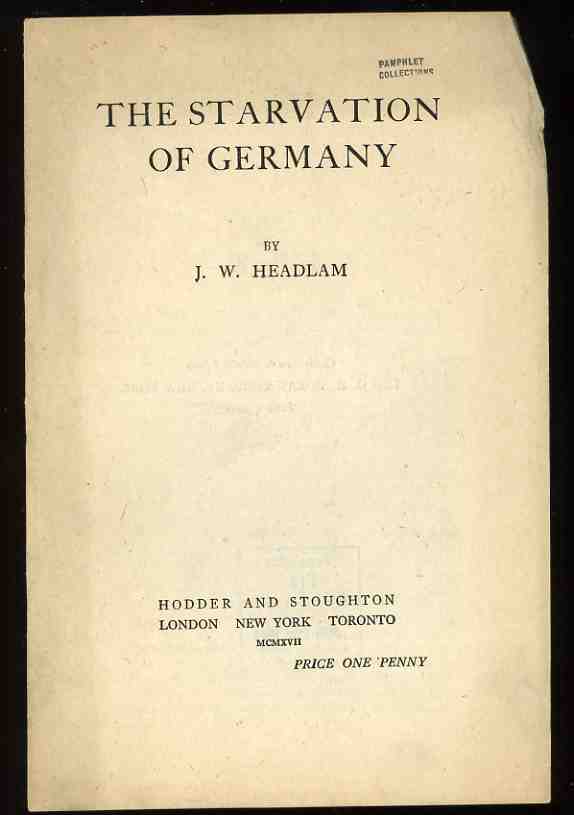
    00-blog--Oct 29 starvation germany953
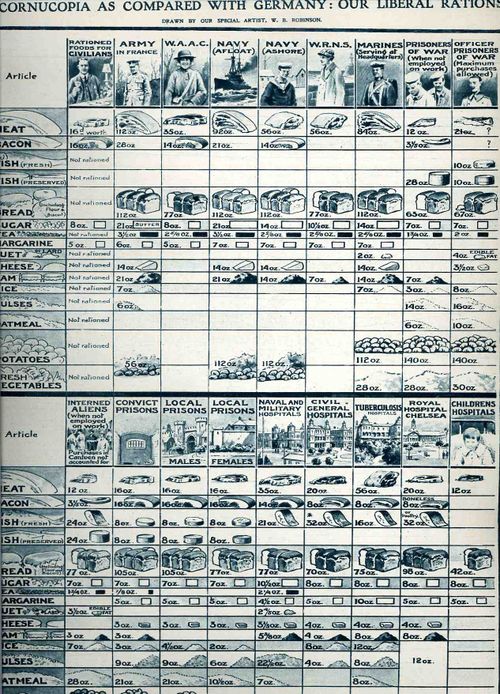
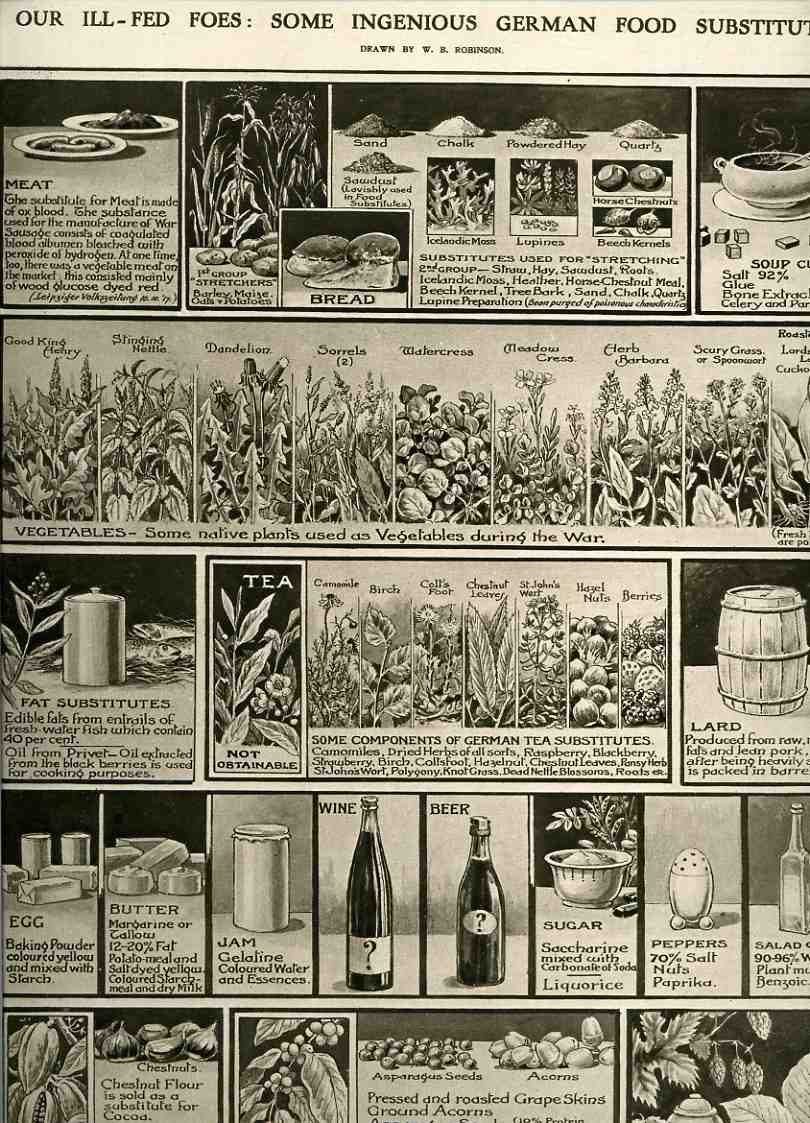
    The idea behind these three images was part of a hearts-and-minds home-front propaganda campaign by the British government to instill fortitude and a feeling of general good in the population, trying to get the message across that British citizens were far better off (in regards to food and staples at least) than their German counterparts.  Even though the situation wasn’t exactly standard in Great Britain in the last year of the First World War, the situation was far more dire in Germany–there was after all an embargo against ships going into Germany or its allies, making it a very difficult to receive food, whereas that problem did not exist in Britain, which pretty much controlled the seas at that point, and could therefore receive food and other material from the Colonies and allies.

    The first graphical display, appearing in The Illustrated London News on June 12, 1918 (and just four months from the end of the War), showed the “ample weekly rations for various classes of the population”.  18 classes, actually, that were enjoying more food than the Germans, the “U-Boat having failed to starve” them. In all of this what comes to my attention first are the allowances for male/female prisoners in England; each getting similar amounts of meat, bacon fish, margarine and fresh vegetables, though for some reason the women are given lesser shares of bread, rice and oatmeal.  The other bit is that the food allotted to the “childrens hospital” is less by far in all categories than everything else.  I’m hoping that this is due to size and consumption differences more than anything else.  I also notice that the officer prisoners of war are given more rations than the enlisted POWs.  Interned aliens are also given short rations, except for fish (Fresh and preserved)  and potatoes, when they get substantially more than anyone else. 

    Unfortunately we do not see what the Germans had to eat, though in the next graphic (same source, though 23 March 1918) we see the “ingenious” ways in which the German people got around not having certain foodstuffs.  The means look more desperate than anything else: meat/sausage for example is replaced by “War Sausage”, which was coagulated ox blood bleached with peroxide, and also by a “vegetable” meat, which was dyed glucose.                                                                                                                          

    00-blog-Oct 27 foes food part II937

    00-blog-Oct 27 ill fed foes 1918935

  • Equal Rights for Women–NOT a Good Idea. Redefining “Equality”, 1863

    JF Ptak Science Books LLC   Post  1158

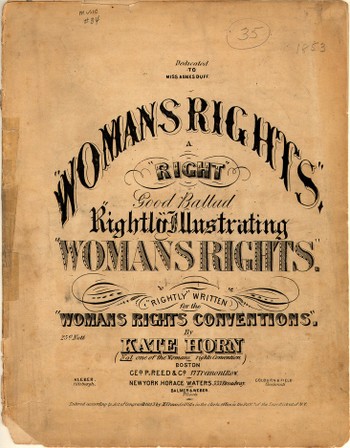
    Womensrights_1

    “Can a woman be said to have a right to life, if all means of self-protection are denied her….Can she be said to have a right to liberty, when another citizen may have the legal custody of her person ….Can any citizen be said to have the right to the pursuit of happiness, whose inalienable rights are denied; who is disenfranchised from all the privileges of citizenship…?” –Elizabeth Cady Stanton, speaking to the Tenth National Woman’s Rights Convention, The Cooper Union, New York, N.Y., May 10 and 11, 1860

    A Good Woman is “not an equal of man” or so we are told in this peon to the status quo of 1863.  This  semi-sugary attack upon the “Womans Rights Conventions” found the appeal of equal rights to be almost mostly unappealing–no

    t that women should not have “rights”, just not “equal” rights.  Jut rights enough–some of which for 1863, as it turns out, were pretty liberal. [The song was probably addressed in general to the series of ten conventions for women’s rights that had been held in this country beginning with the first–at Seneca Falls, New York–in 1848. Between then and 1860 there were ten conventions, plus one in 1863 that was called the First Woman’s National Loyal League Convention.] 

    The song–Woman’s Rights, a “Right” Good Ballad, Right of Illustrating Woman’s
    Rights, Rightly Written for the Womans Rights Convention…
    –and published in Boston in 1863 was written by composer Kate Horn (emphatically self-stating to be “NOT of the woman’s rights convention”).  She was annoyed with the prospect of overall equality impinging upon traditional womanhood, or at least the current tradition of the feminine, and convinced the publisher Geo. P. Reed to publish her complaint in song. 

    She had many supporters, evidently–the equal rights part not really coming partially true, until, well, not even now.  I guess that this is certainly a debate platform, and I could probably argue a good but wrong response from the republican point of view, but I won’t–differences in pay scales, access to corporate power, under- and mis-representation in government and so on is not evidently enough of a scare to entice the necessary number of state to endorse the ERA.   In any event, women didn’t get a big push towards equal rights until they got the vote in the USA  in 1920 (the legislation which became the 19th Amendment was introduced in 1878; a majority of women didn’t exercise that right until, I think, after WWII), and really didn’t enjoy much power until the 1960’s.  

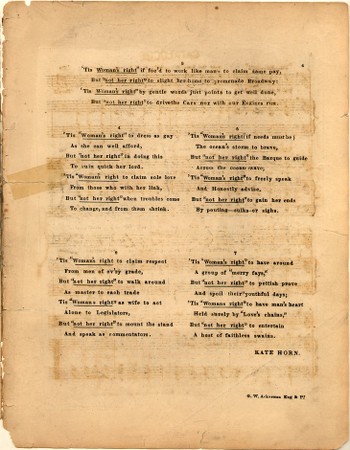
    As it turns out, Ms. Horn was lyrically resolved to demand some equality–but definitely not the brand of people like Elizabeth Cady Stanton.  The greatest surprise from Horn (at least to me) makes the demand for equal pay for equal work, though women should not be allowed to operate machinery and such.  There are a number of calls to decency and modesty which sound like basic ethics, but they’re also peppered with subservient overtone rejoinders.  Its hard for her to recover from the call to household “pretty trouble(s) brave”, but there are elements of forward thinking in the song.  Horn doesn’t absolutely  reject the ideas of “equality” of the rights conventions, but by taking her stance against universal equality she makes her’s less so and those of Stanton more.

    Woemnsrights2

    ·Posted by :

    ·in:

    —
  • Little Bizarredness: Bland Hyper-oddness in Published Works

    JF Ptak Science Books LLC  

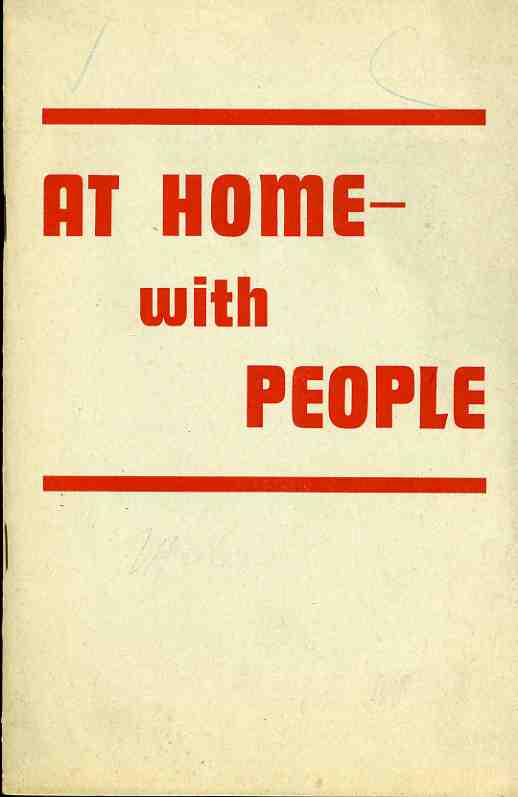
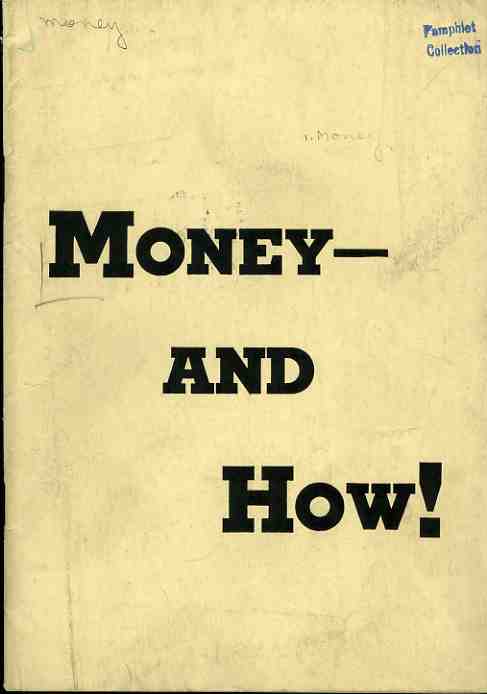
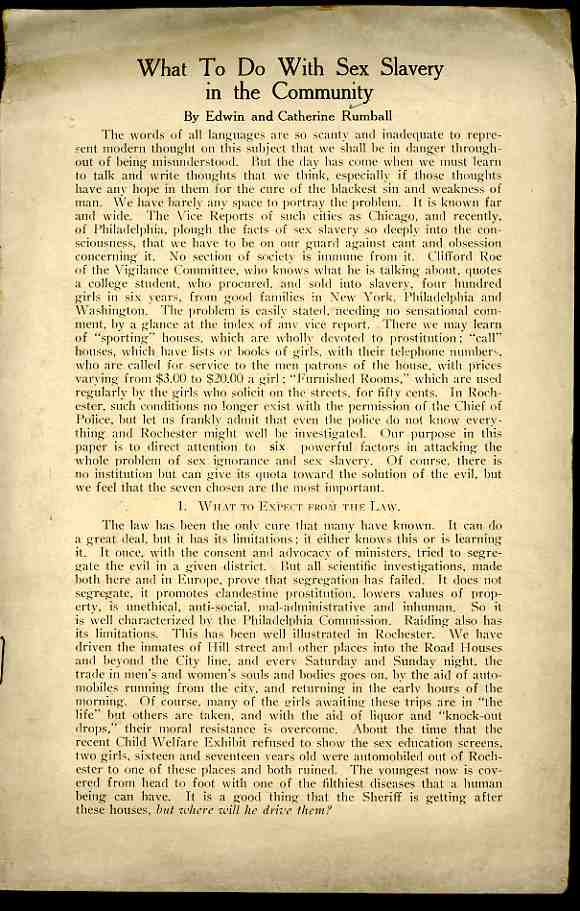
    These pamphlets are samples from a larger collection whose attention to the detail of boredom and blandness and relative inexplicability are extraordinary.  The titles intact, it mostly doesn’t matter what the contents have to say for themselves–everything, really, is right there on the front page, the meaning best left to the imagination. 

    0 blog march 9 titlitle that which661

    0 blog jan 30 substandard493
    0 blog jan 30 substandard492

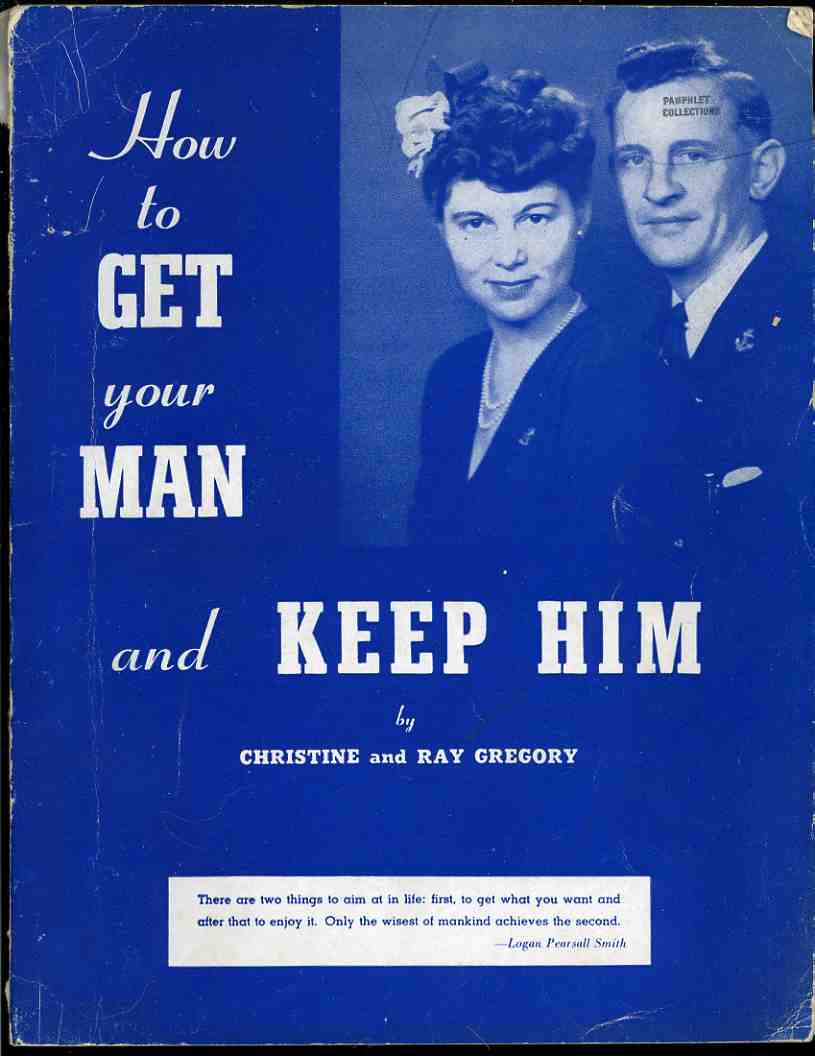
    0 blog jan 02 keep man340

    Small history--penny465

    Small history--gum466

    0 blog march 9 titles making of things660

    0 blog dec 19 tnazi america302

    0 blog jan 02 keep man339


  • Entombing St. Paul’s Cathedral with Masonry–Concretized Christo, 1909

    JF Ptak Science Books  Post 1160


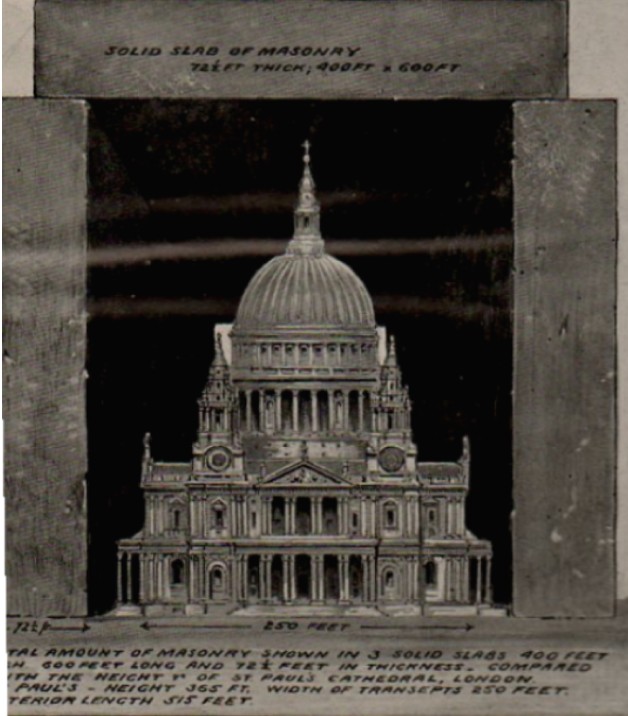
    Admiralty harbor--2 monolith474

    The monumentality of the works of Christo and Jeanne-Claude is beyond doubt interesting for at least their fantastic visual impact–the philosophical impact and the statement of the work, the ‘revelation through concealment”, on the other hand, is completely unappetizing.  Generally I’m perfectly fine to see the works come and go, and, after a time, mostly the “go” part remains.  It is appropriate that there is no permanent full-scale representative of their work.  Cloud writers.  

    In continuing a series on this blog on the artistic representation of comparative data I found an image that rivals the work of the two/one wrapping artists–the entombment of St. Paul’s Cathedral (London) with 2.5 million tons of masonry. 

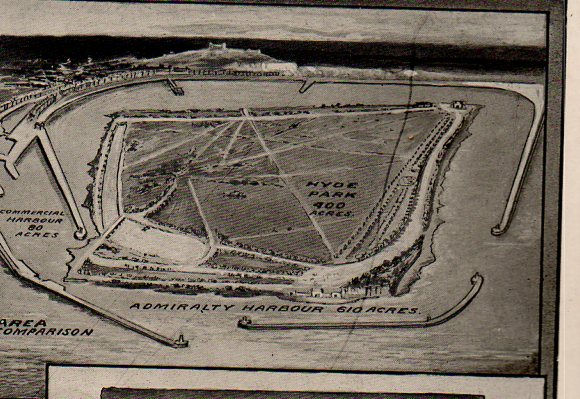
    Admiralty harbor--1473

    The very striking image (from The Illustrated London News for 16 October 1909, page 545) was created to relate the massiveness of the newly-opened Admiralty Harbor (Dover) in 1909.  The harbor was a remarkable creation, enclosing more area of open sea than had ever been done before–as we can see, the created harbor was bigger than Hyde Park).  The artist, W.B. Robinson, gets the point of its size across very effectively with his six images–none more so than the St. Paul’s comparison.  Its true that the “tomb” is open on two sides, but the monoliths could have easily been made half of their width (each being 72.5 feet thick, by 400 feet long, by 600 feet high) so that they could’ve completely encapsulated the building. (Its an interesting thought–to build something beautiful and enormous, and then completely encase the thing in an enormous block that revealed nothing of its contents. Like place the pyramids in a cube.)

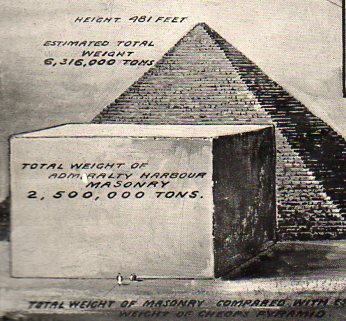
    Another remarkable image from this same series is the depiction of the weight of the harbor–a very tempting title for this post (“The Weight of a Harbor”) but the Christo one won out. 


    Admiralty harbor--4476

  • A Note on the History of Bad Chairs

    JF Ptak Science Books   Post 1161

    There are all sorts of famous seats:  seats of wisdom, of power, of lameness, of government, of discontent, of honor, of learning, of war; there’s the hot seat, the best and worst seats, a seat on the board, a seat on the bench, a seat at the bar; there are captain’s chairs, endowed chairs, and famous chairs (like architectural gems/mules of Mackintosh, Wright, Saarinen, van der Rohe, Eames, Gehry, LeCorbu) and famous seats (at the original Yankee stadium or a Roman coliseum). 

    The Rush Chair / Restraining Chair

    There’s another side to this–the History of Bad Chairs.  It is certainly easy to spot the grossly offensive examples–chairs for torture, the working chair of Adolf Hitler, the chairs Bluto used to clobber Popeye with, the terrible captain’s chair that belonged to Capt. Kirk, the offensive seating in Anthony Burgess’ Korova Milkbar in A Clockwork Orange, the final aspect of the condemned as they witnessed the bad aspect of St. Peter’s judgment chair, (and for the Red Sox fan, the chair into which Bucky Dent’s home run fell), and so on.   Then of course there’s the electric chair, the battleground of not only the philosophically opposed sides for its use, but its earlier fight as well when it was used as field fodder for the war between Thomas Edison and Nikolai Tesla for the adoption of their opposing electricity delivery systems. 

    But there’s a subcategory for the subcategory of the History of Chairs and the History of Bad Chairs– the unintentionally bad chair.  Benjamin Rush–for all of his good work, for all of his American Founding Fathers heritage and background, for all of his wide humanitarian work–has committed an ignoble applicant to this category.  Actually, his ranks among the leaders for unintended gruesomeness, a consequence of his attempt  to do good, but just gone wrong.

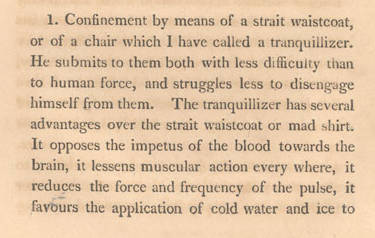
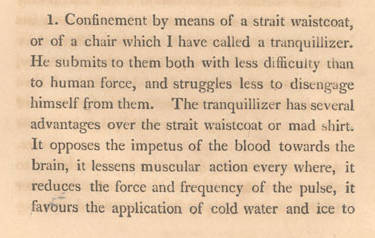
    Rush’s (1745-1813) name is on the Declaration of Independence, and he is also one of the founding fathers of American psychiatry.  A medical doctor, his background is very deep in care and ethical treatment, a social liberal who was against slavery and capital punishment, and who was determined to improve the condition and treatment of the mentally ill.  Unfortunately, in using the tools at hand and operating with a deep understanding of the contemporary knowledge of neurology and mental disorders, Rush sought to treat the severely deranged (or most institutionally uncorrectable) with his own creation–the tranquilizer chair.  Once certain calming measures had been exhausted, Rush described how to retrain combative patients reeking in misbehavior and keep them from ruining their clothing, or harming the handlers, or ruining the furniture of their cell, introducing the use of his immobilizing chair.  (There was an associated “mad shirt”, similar to what we know as a straight jacket, that was also invented and employed by Rush.)
    His invention, ironically,  was very high corporal punishment, what wound up being a torture device for what good it did and the cost it extracted from the person who was to sit in it. 
    + blog 10.25 rush 1

    As we can see Rush also commented that the application of cold water and ice would be facilitated with the tranquilizing chair.

    A practice that continued at least into the deep 19th century was the dunking chair, whose intent was to “shock” the misbehaving “patient” into docility or normalness.  Here we see

    Hydrotherapy

    some poor sot being drenched from above and also being hosed from the side prior to being dunked into a vat of cold water.  No telling how long one might be submerged or how calm the waters must be from bubbly interruptions before being hauled out. 

    Circulating Swing

    On par with these other instruments was the rotating chair, which was supposed in some way to confuse madness into something not-mad–that, or subdue an unruly patient, whichever came first.  

    Then there is the dentist-like chair used in Terry Gilliam’s Brazil, where the subject–Sam Lowry, accused of crimes against a mega-dystopic state–is tortured into a catatonic state, and in that thin wall between being conscious an dnot so lives in a utopian existence in his mind far from the reach of his captors. 

    brazil-torture-cell-1.jpg

    There are of course all sorts of obvious, different chairs in which torture was committed upon people, but I really don’t need to picture them here, everyone knowing what they were, or are:  spiked chairs, garroting chairs, spine compressors…you get the picture.  Nasty, terrible chairs. Intentionally bad.

    Notes:

    In addition to the tranquilizing chair, Rush recommended a host of other approaches to controlling the “raving lunatic”.  The founder of American psychiatry made the following suggestions:

    –Place “noisy” patients into total darkness, (keeping “madmen” for 24 hours or more as required)

    –Cold shower baths, slowly, for 20 minutes to four hours

    –Solitude; keeping the patient alone, in teh dark, with no visits, no speech, nothing; an “indispensible necessary” to securing correct behavior.

    –Bloodletting, with “the quantity of drained blood should be greater than any other organic disease” (page 189), and should “draw 20-40 ounces of blood unless fainting is induced”.

    –“Low diet”, which was actually starvation, having the patient fast for one to three days, and then feeding “just” vegetables, “of the least nutrious value”.

    –Freezing, in addition to cold shower baths, as in placing the patient in the middle of the night outside in freezing cold.  Ice could also be used on the head, but not before the head is completely shaved, as the effect of hair on the brain and madness “we know not”.

    –Blistering, which is not a known process to me, except that blisters be induced on the ankles rather than on the head or neck.

    There was also treatment via purging, emetics, and the employment of small amounts of opium “to waste the excitability” and reduce fatigue to keep the patient awake.
     

Recent Posts

Archives

Categories