A Daily History of Holes, Dots, Lines, Science, History, Math, Physics, Art, the Unintentional Absurd, Architecture, Maps, Data Visualization, Blank and Missing Things, and so on. |1.6 million words, 7500 images, 4.9 million hits| Press & appearances in The Times, Le Figaro, Mensa, The Economist, The Guardian, Discovery News, Slate, Le Monde, Sci American Blogs, Le Pont, and many other places… 5000+ total posts since 2008.

  • Baseball in WWI–Yankees and Brits

    JF Ptak Science Books   Post 1262 (Rapid Post)

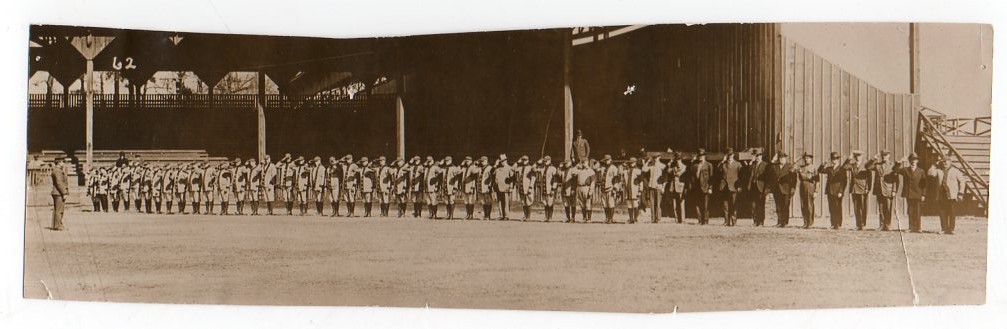
    The following photographs are part of a large-ish archive of news photo service images for the years 1917 and 1918–all are made by American firms, and almost all are related in one way or the other to WWI.  The images below are among the very few depicting wartime sports, and in all cases, these “sports” was baseball.

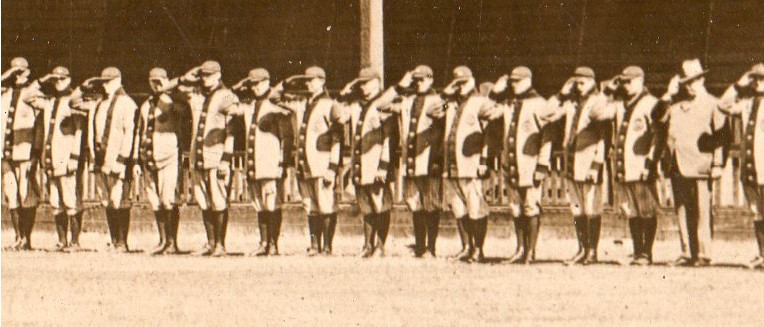
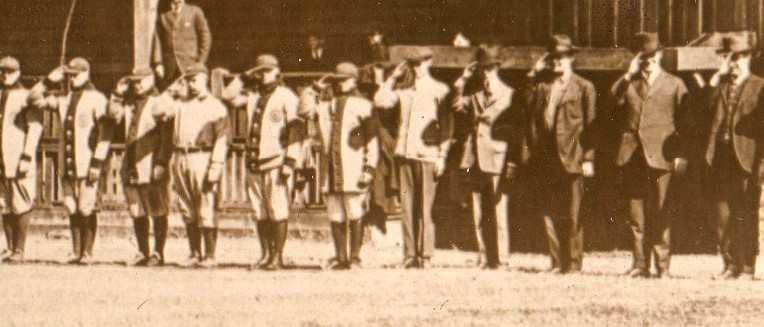
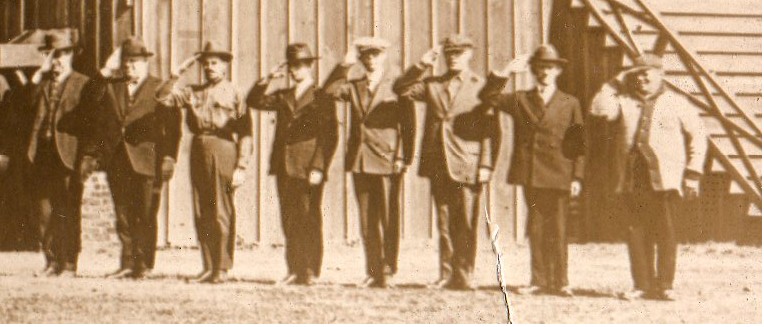
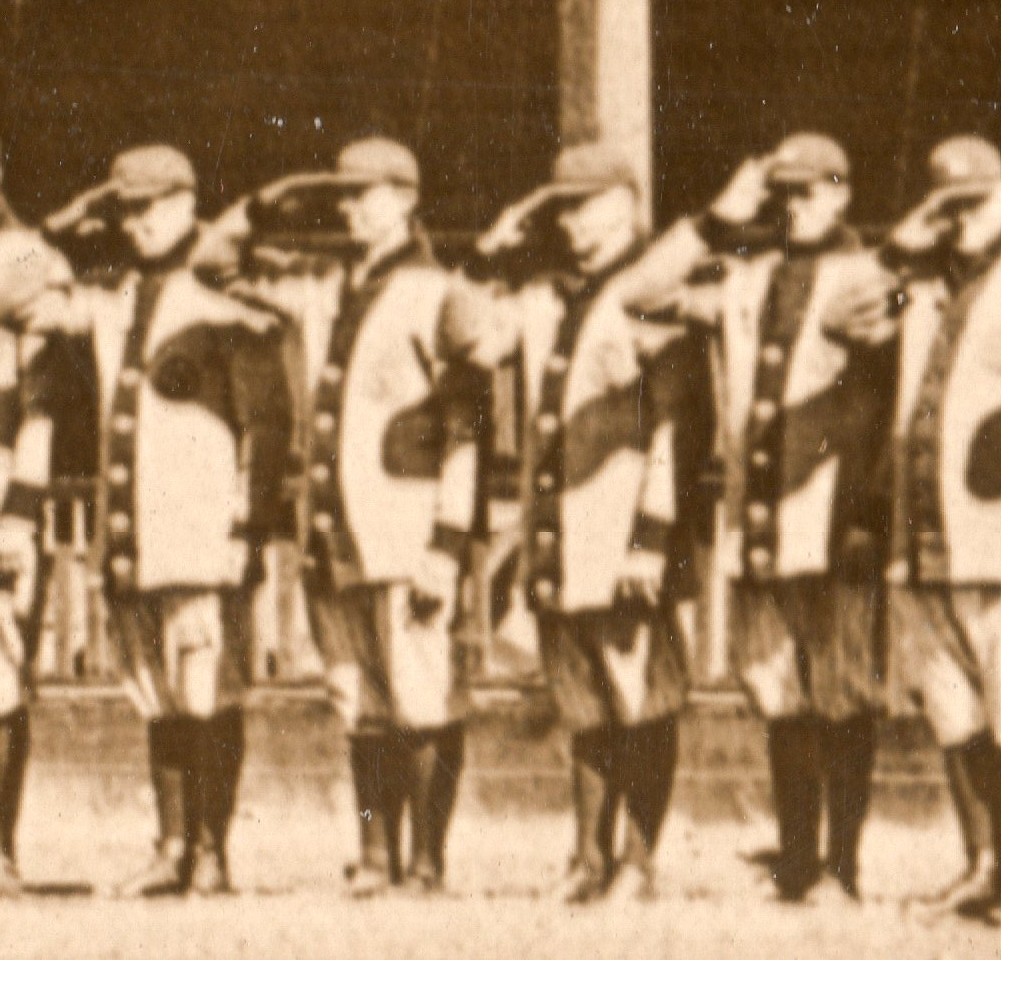
    The first photo is a rather remarkable image of summer training for (as is stamped on the back of the image) “the New York American league” baseball club, which must be the New York Yankees, then in their 17th year as themselves. 

      Baseball 1918022

    And the details:

    Baseball 1918 b023

    Baseball 1918 c024

    Baseball 1918 d025

    Baseball 1918 e026

    Baseball 1918 f massive027

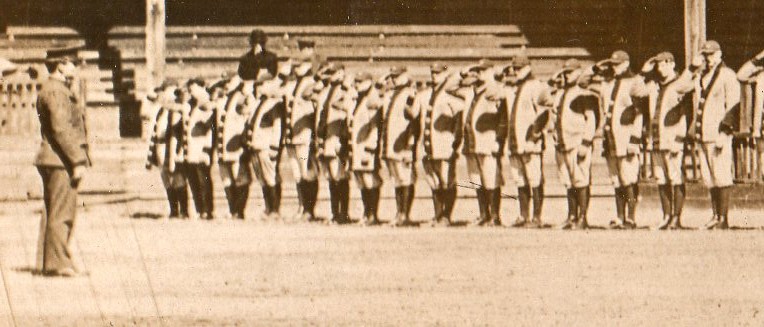
    In 1918 many teams involved their players in “military training”, and this picture shows the Yankees (along with coaches and writers) doing their part to make it look as though they were making some sort of good effort having to do with the war. During the 1918 most teams mostly/sorta let the season go–not so for the Yankees or for Boston (which one its only 20th century World Series title that year).

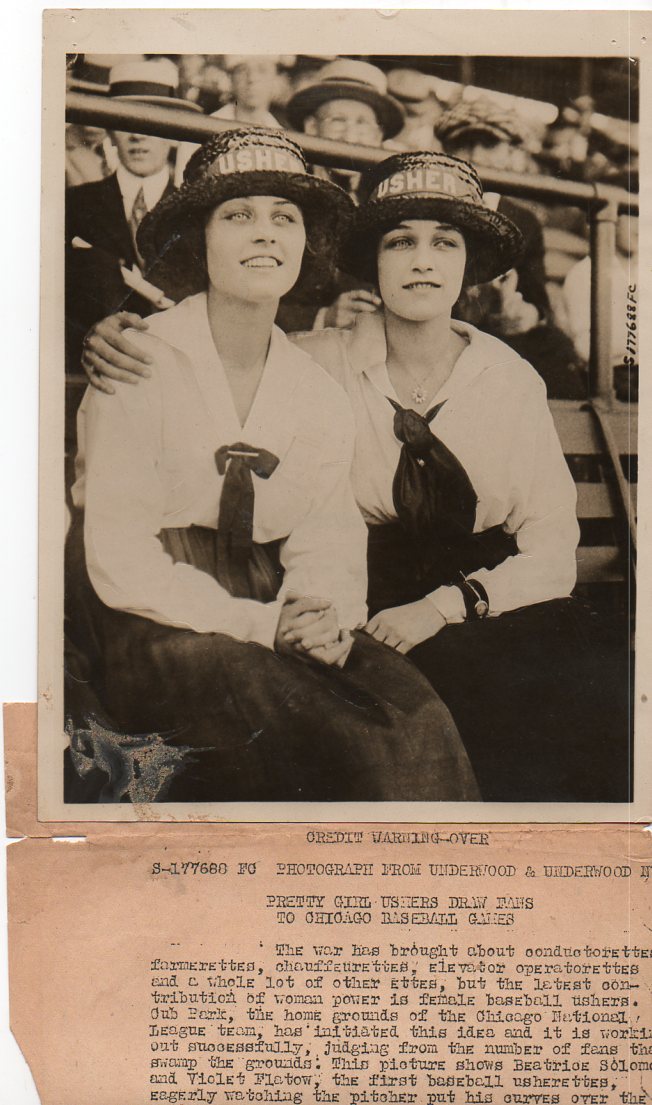
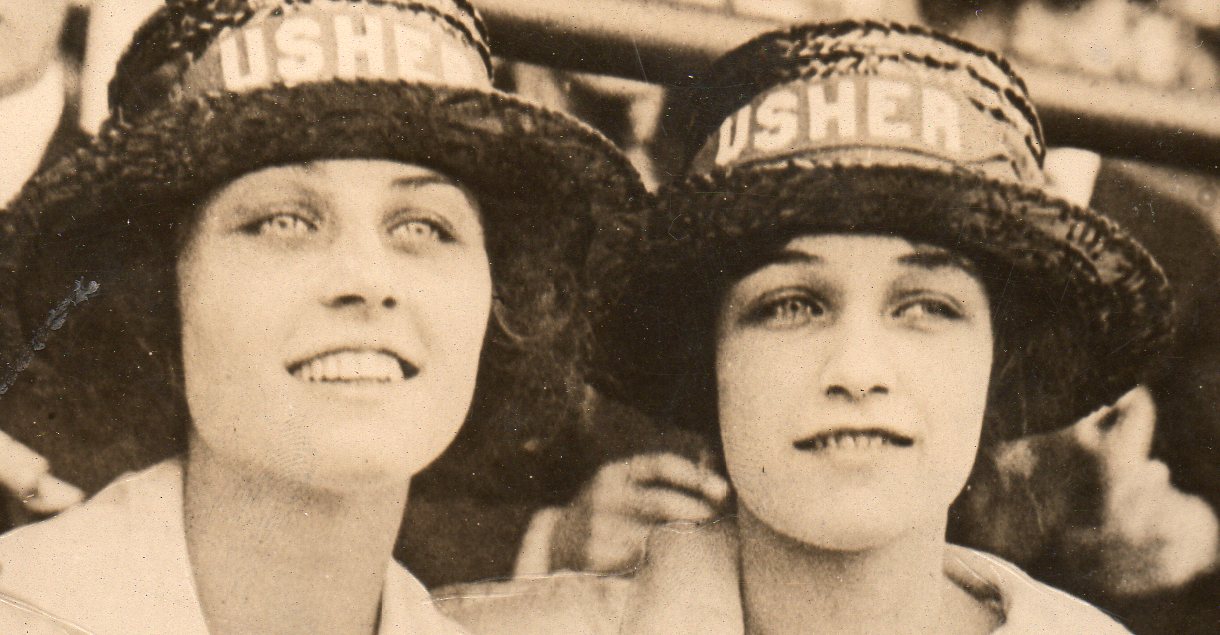
    Lovely image of two baseball ushers, 1918:

    WWI--e--women ushers684
    WWI--e--women usher dets685

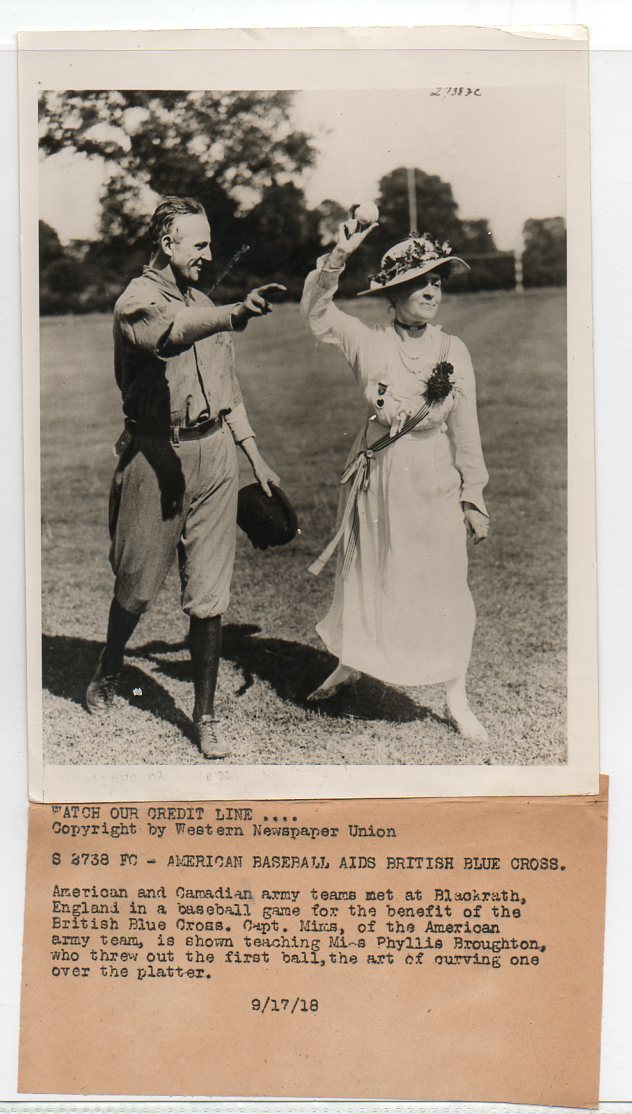
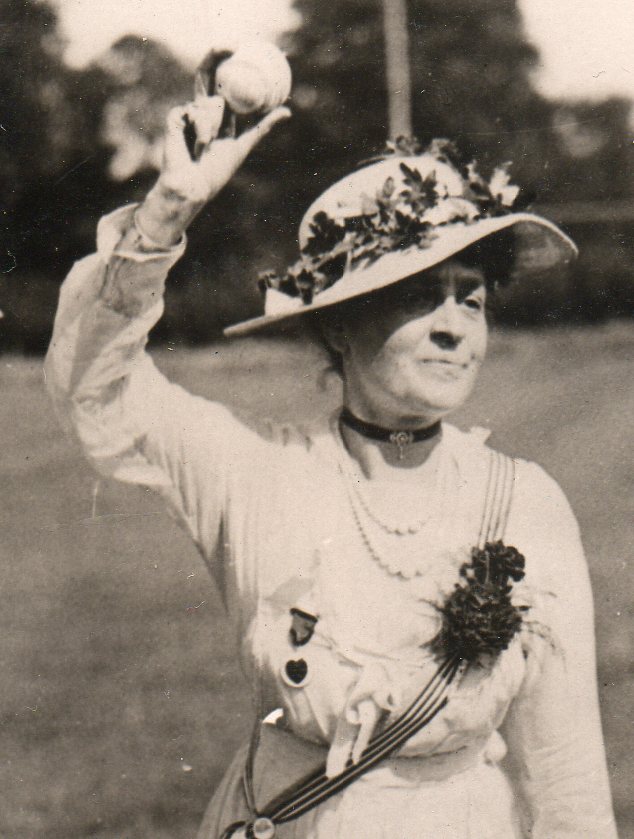
    Also, this lovely picture:

    WWI--e--women-baseball672

    WWI--e--women-baseball det673


    And lastly, this:

    Baseball 1918 happy faces028
    Baseball 1918 happy faces b029

    ·Posted by :

    ·in:

    — —
  • What a Fascist Really, Really Is: Defining Things, June 1945

    JF Ptak Science Books   Post

    In the history of words and the history of writing them, the history of writing down what words mean came relatively late in the word game.  The first dictionary for the English language is difficult to establish–it wasn’t Dr. Johnson’s 1746 effort, as fabulous as it was.  There were more than a hundred earlier efforts, the earliest of which may be Robert Cowdry’s A Table Alphabeticall… as the first English dictionary, which was written in 1604. (Its more easy to determine the first American dictionary, Dr. Webster’s, 1828 .) It may be that dictionaries and assemblies of rogue/thieves language appeared well before Johnson, by perhaps as much as 175 years, providing the good readers and listeners in England with a ready tool for understanding “non-standard” (slang) words of the English language (with A New Dictionary of the Terms Ancient and Modern of the Canting Crew, by “B.E.”, being the best known of these early works, published in 1698.)

     It is interesting to me that in addition to Johnson et al another  writer–or rather set of writers–were responsible for the first Johnsonian-first dictionary in German, the  Deutsches Wörterbuch by the Brothers Grimm.  These are good examples of modernity, though there are earlier examples for other languages–Petrus de Alingio’s manuscript of 1286 and the Catholicon as the first printed alphabetical listing of Latin words appeared very shortly after Gutenberg’s Bible did on the same press.  But then these were both many centuries into the use of the language.
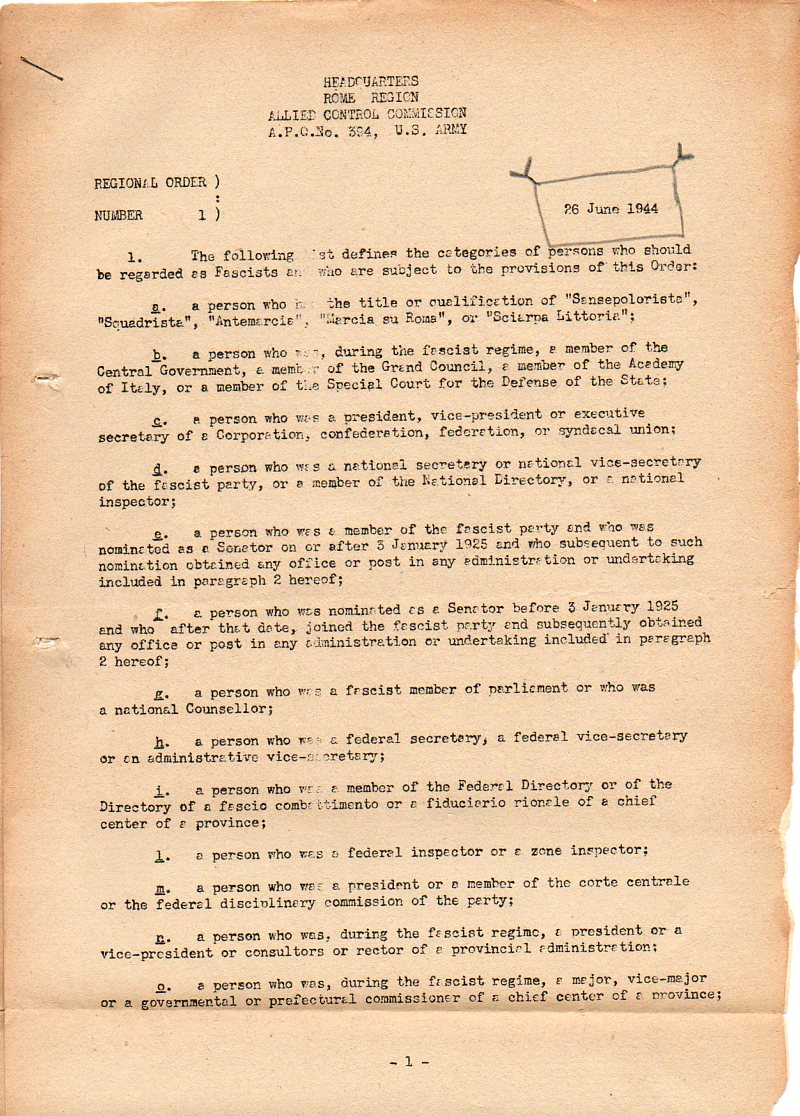
    WWII--Italy Fascist a042

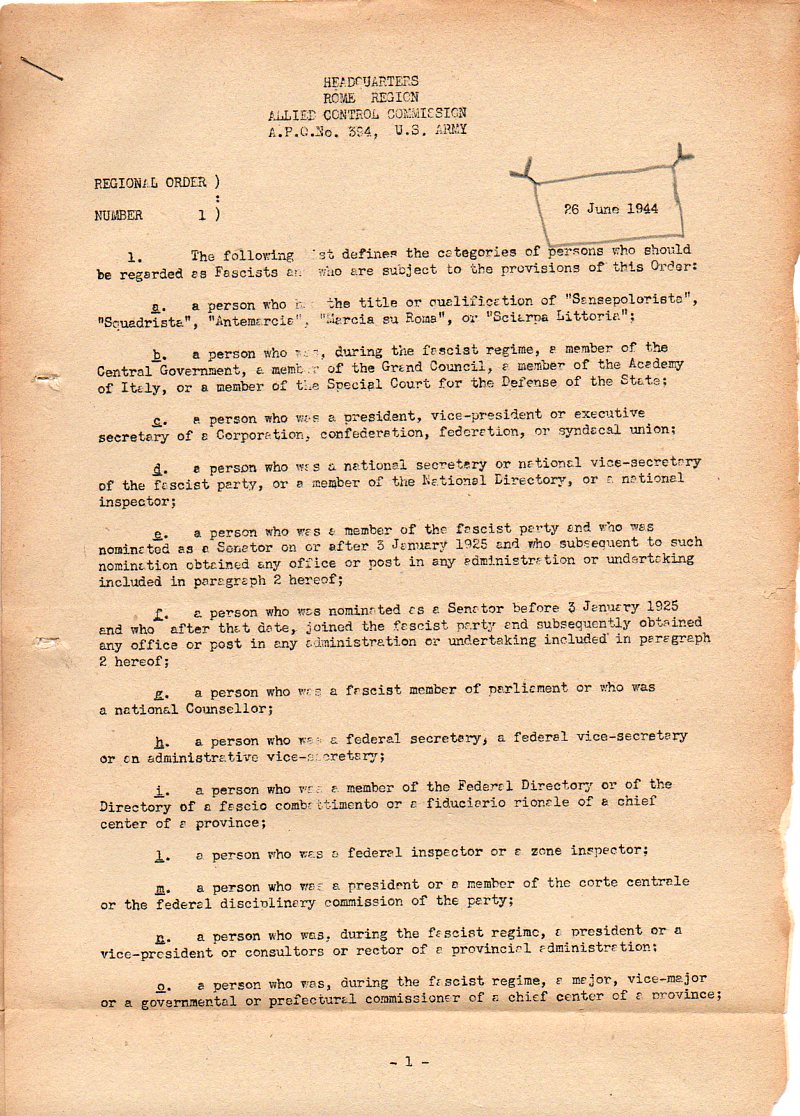
    And this just to say how much I like the road to words–especially when they come from unexpected places. One fine example of this is the directive below, issued by the headquarters of th Allied Control Commission (“APO No 394″) in Rome in the summer of 1944.  (This would actually be the American arm of the ACC, which was commission set up by the Allied Powers to deal with the administration of defeated countries at the end of the war.  Three weeks after D-Day the end of the war was in sight (Bastogne and Co. not withstanding), though far more so in Italy than just about anywhere else, and so the implementation of governing and occupying plans needed to be established.  One of the primary features here was to ensure that the old Fascists not be included in the new Italian governments (along the lines of denazification in Germany, which had a more laissez-faire approach to defining Nazis, especially wealthy and useful ones), and the primary issue in finding and excluding Fascists was to define what was meant by “fascist”1.  These are those working guidelines, at least on 25 June 1944. 

    Notes

    1. The first use of “fascism” in English reported by the Oxford English Dictionaries occurs in 1921:
    1921    19th Cent. July 148   The Fascismo was born in the provinces, where the extremistic menace was stronger.      

    Other interesting reports of the usage of the word continue in the OED:

    1922    Q. Rev. Jan. 148   A section of the Press..now veered completely round to the cause of Fascism. The Fascist terror increased in intensity.
    1923    Contemp. Rev. Jan. 44   We do not want Fascismo in this country.
    1923    Contemp. Rev. Nov. 557   Fascism in Germany will never be more than one of several factors.
    1925    Weekly Westm. Gaz. 10 Jan. 320/2   The outrages which have been associated with Fascism have gradually alienated much of the support which it won two years ago.
    1934    tr. K. Heiden’s National Socialism xvii. 354   The electoral victories all over Europe with which the Labour Parties have replied to German Fascism.
    1936    Discovery Dec. 378/1,   I have strongly criticised modern education and the methods of handling youth generally as inculcating excessive respect for authority and thereby conducing to the growth of Fascism.
    1939    A. Cobban Dictatorship v. 124   In March 1919..Fascism was still..a revolutionary and socialist movement, hostile to the monarchy, to finance, and to parliamentary government, demanding social reform and workers’ control, but separated from the other branches of the socialist movement by its intense nationalism.
       
    And the definition of the word “fascist” from the same year, 1921:
     “One of a body of Italian nationalists, which was organized in 1919 to oppose communism in Italy, and, as the partito nazionale fascista, under the leadership of Benito Mussolini (1883–1945), controlled that country from 1922 to 1943; also transf. applied to the members of similar organizations in other countries. Also, a person having Fascist sympathies or convictions; (loosely) a person of right-wing authoritarian views. Hence as adj., of, pertaining to, or characteristic of Fascism or Fascists…”
  • WWI Photographs, July 4, 1918–Americans in London

    JF Ptak Science Books   Post 1263

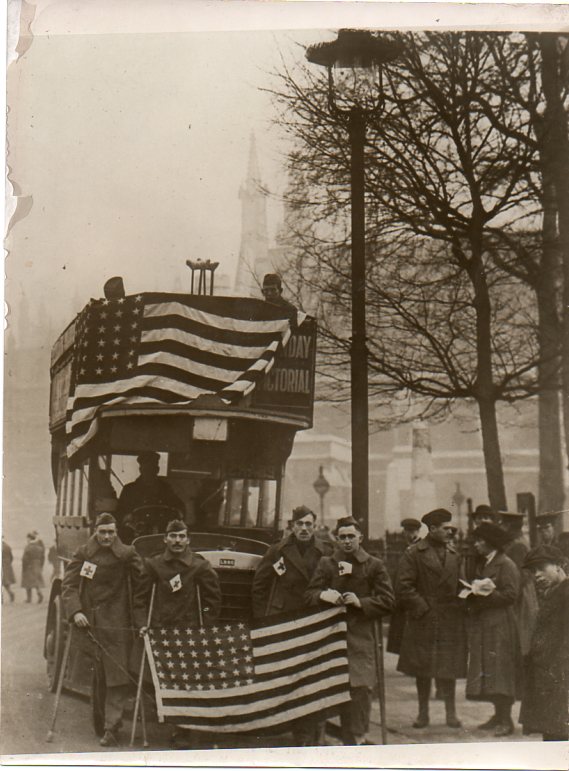
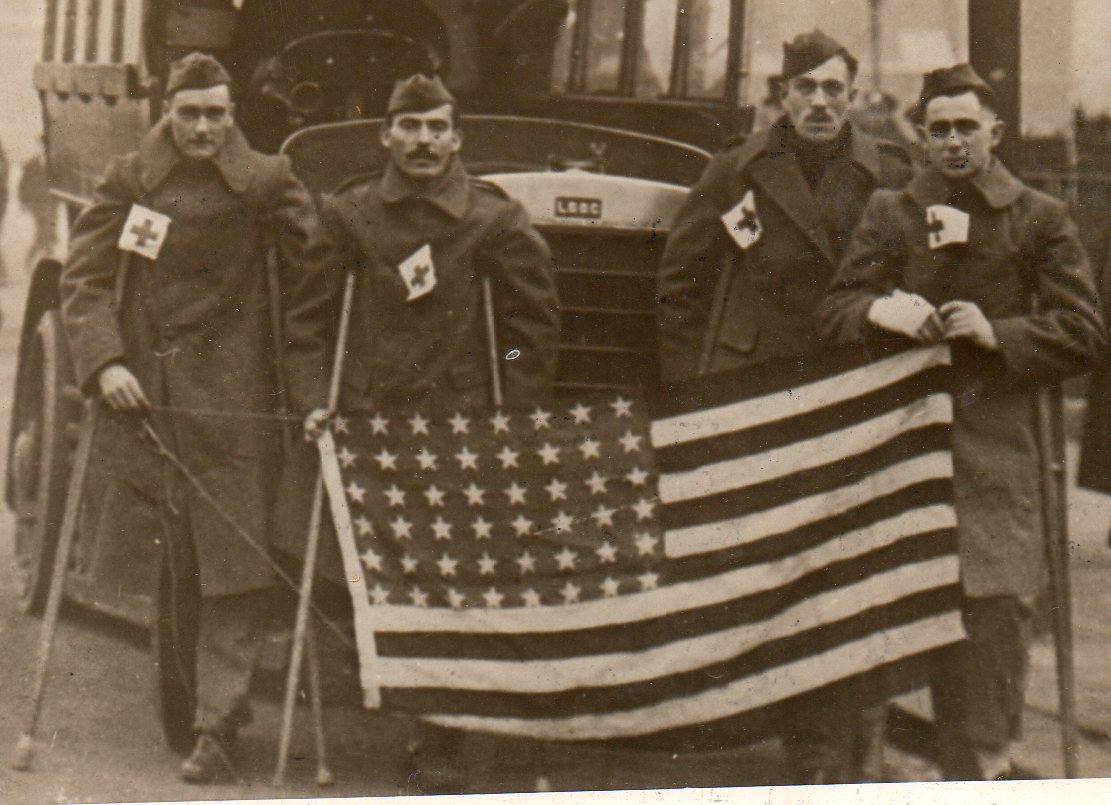
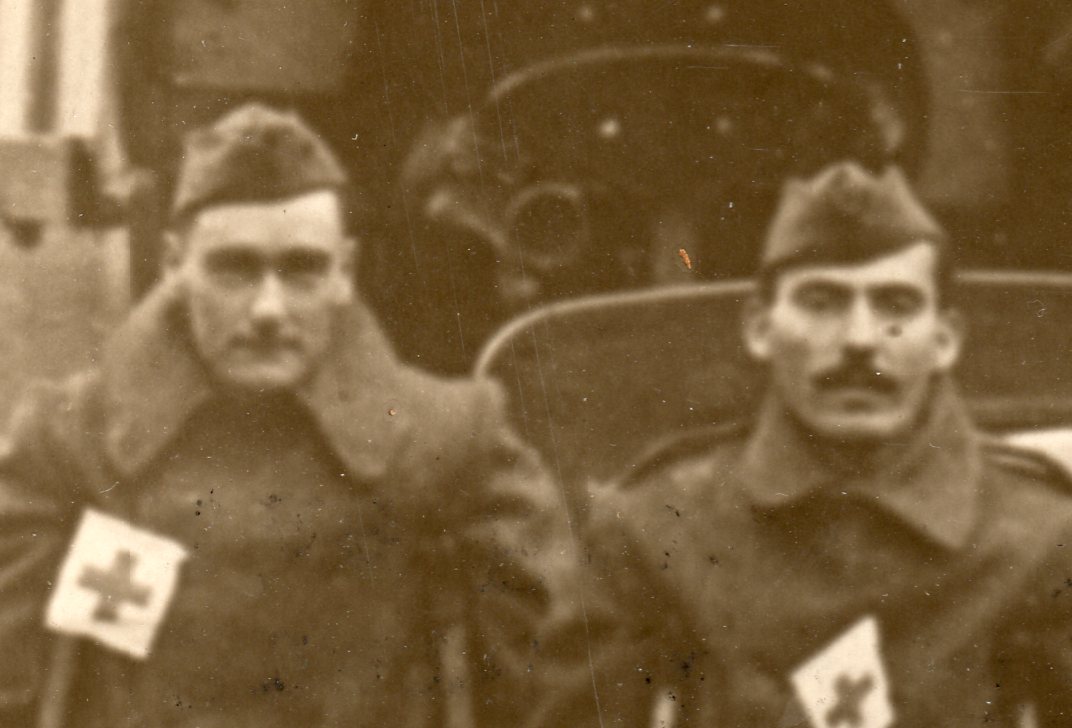
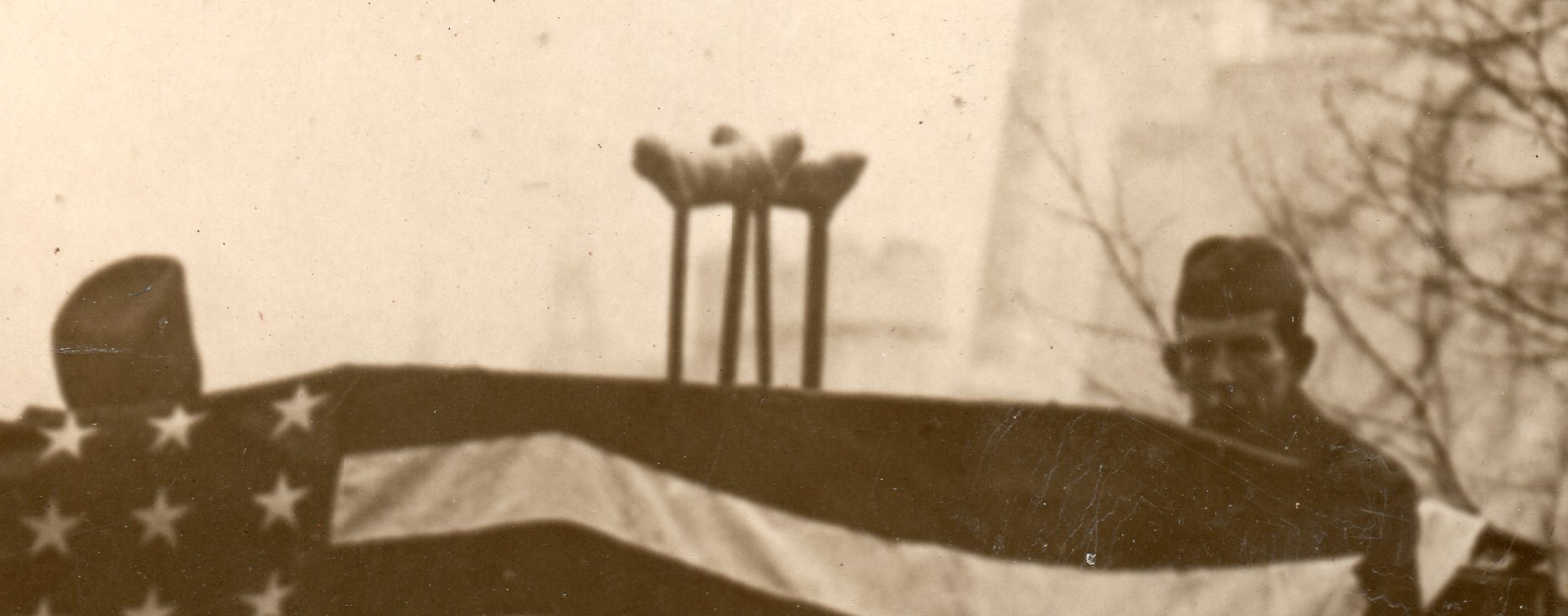
    This image–from a collection that I’ve mentioned previously on this blog–shows a group of wounded-in-action American Doughboys1 recuperating in London on 4 July 1918.  There were at least six of these soldiers aboard this bus, touring, being invited to celebrate their independence day in London, their flag–and a big one at that–draped across the bow of the upper deck of the bus. 

    There were be about 204,000 American soldiers wounded and 116,500 killed during WWI, the end of which was in sight at this point, just five months away.  These were some of the survivors of the American share of war casualties.  Almost all other nations fared far worse (see below)

    WwI--photos--flags london030

    (THe original photograph is available at our here.)

    WwI--photos--flags london b031
    WwI--photos--flags london c032
    WwI--photos--flags london e033

     The U.S. lost .13%  of its population to casualties (killed and wounded) during the war.  New Zealand 18,000/41,312 killed/wounded amounted to 1.6% of its population.  The U.K. lost 2.19% (964,000/1,663,000), Italy was 3.48% (650,000/953,000 plus 650,000 civilian casualties), while France suffered a 4.29% (1.4 million/4.27 mil) blow of its total population to war.  Things were worse on the other side:  Germany 3.82% (2 mil/2.4 mil plus 426,000 civilian deaths, and the Ottoman Empire 12% (400,000/771,000 plus 2.1 million civilian deaths.   Worst of all was the Ally  Serbia, suffering a catastrophic 16% loss of its population to war, including 275,000/725,000 plus 426,000 civilian casualties.  As gruesome as the numbers were, the Americans felt only a small percentage of the total sting of war–by 11 November, more than 21 million soldiers would have been wounded, with 9.7 million soldiers and 6.8 million civilians killed (for a total of 16.4 million).  It was an enormous price

    Notes

    1.  The origin of the term “Doughboy” is unclear, or varied, or rich, but it is at least pretty oldm beginning around the time of the Mexican American War in 1846-1848–evidently when the soldiers marched through dry, tough terrain they wound up being covered by earth with the color of dough.  Doughboy.
    ·Posted by :

    ·in:

    — —
  • WWI Photographs–Uncle Sam’s Metal Drive, June 1918

    JF Ptak Science Books  Post 1264

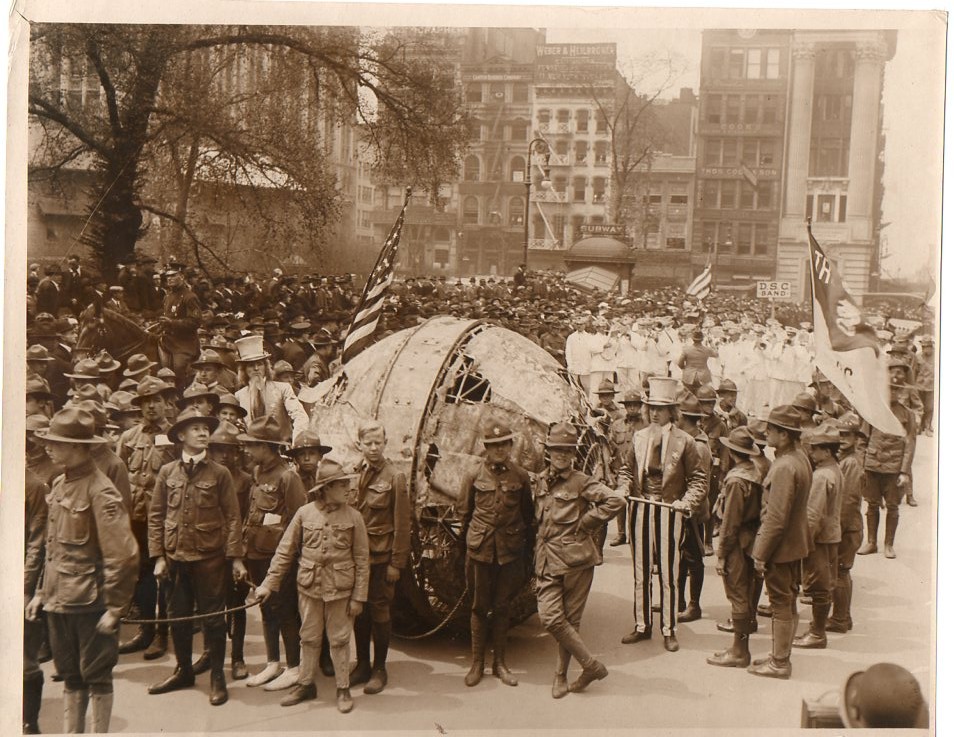
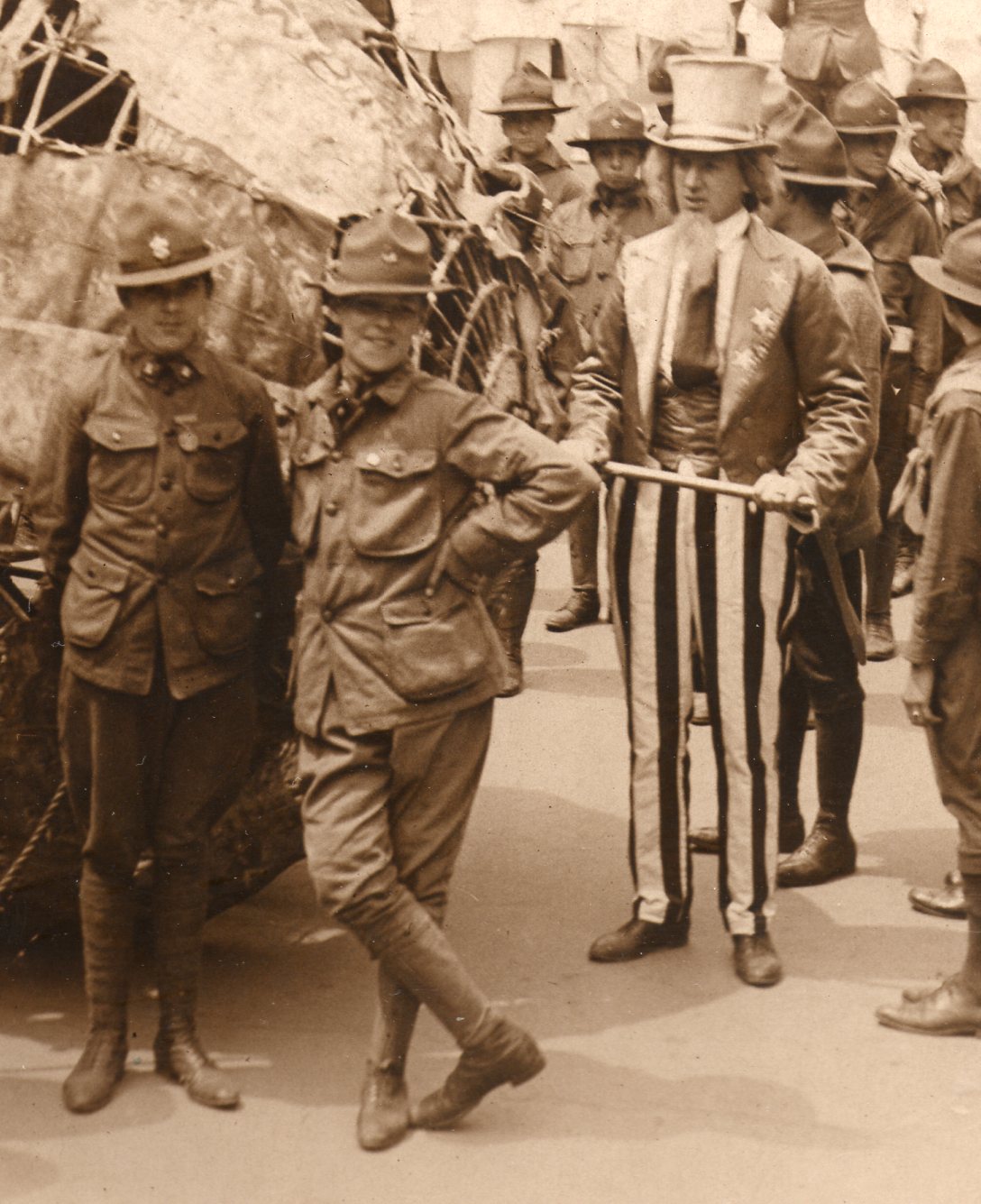
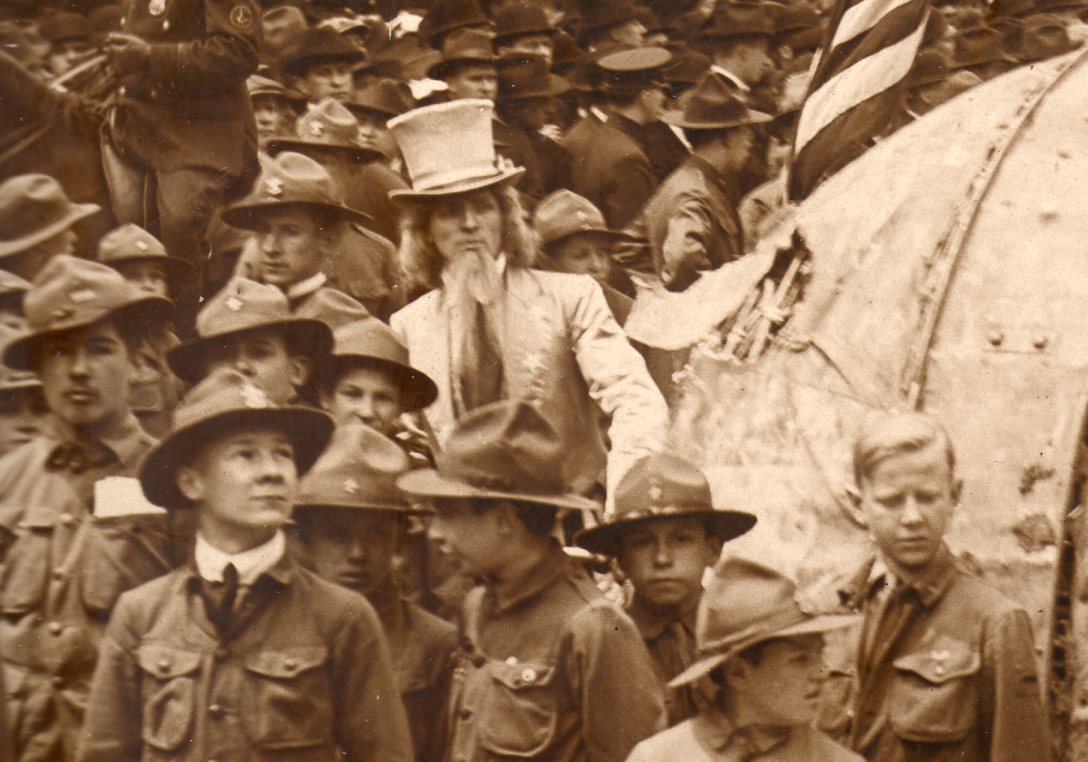
    Like its more-famous WWII counterpart, scrap drives during The Great War were also frequently conducted.  This is an original photograph showing just such a thing, depicting two Uncle Sams surrounded by Boy Scouts pulling a large hollow metal sphere–I believe that thin metal scrap would be hammered flat and then molded onto the sphere’s frame, though I’m not terribly sure.  I am sure that this is a great photograph. 

    Another post on scrap drives (with original photographs) is located here on this blog.

         WwI--photos--flags parade039
    (The original is available from our blog bookstore.)

    and the detail:

    WwI--photos--flags parade b040


    WwI--photos--flags parade c041

    ·Posted by :

    ·in:

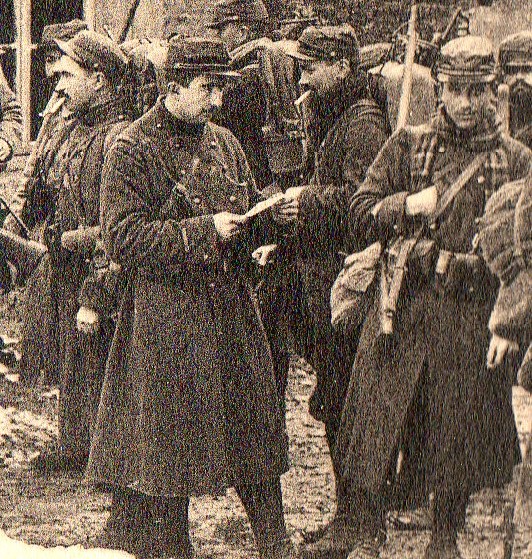
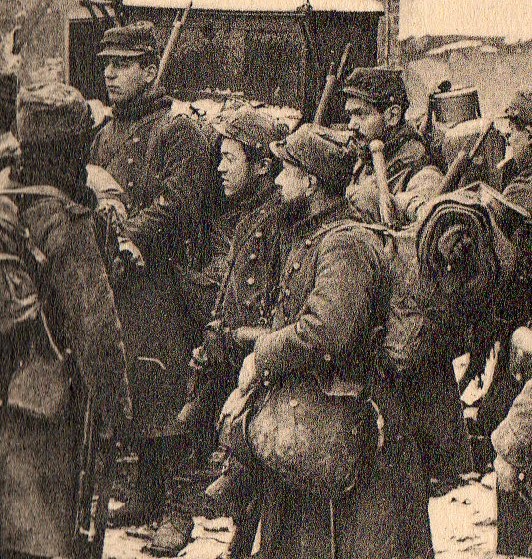
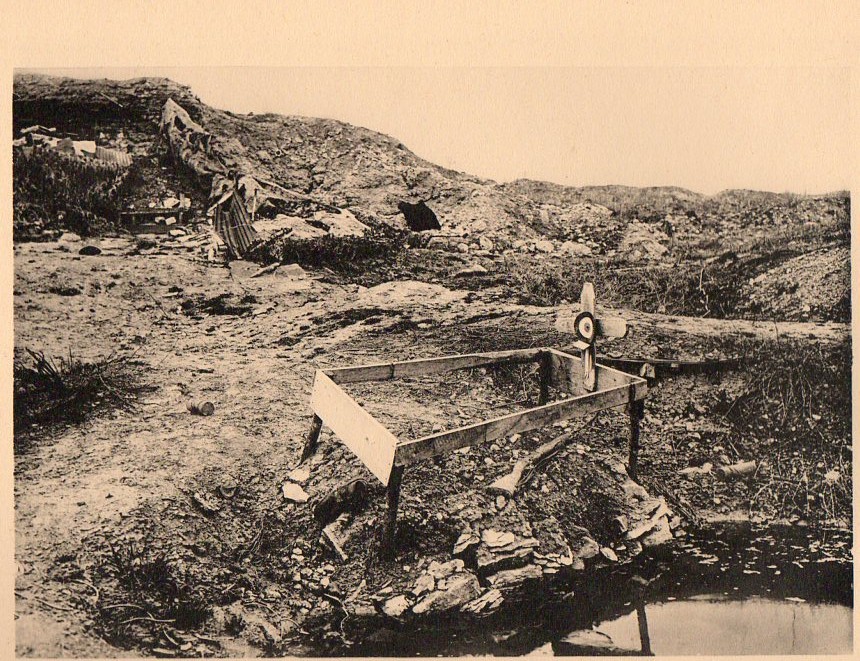
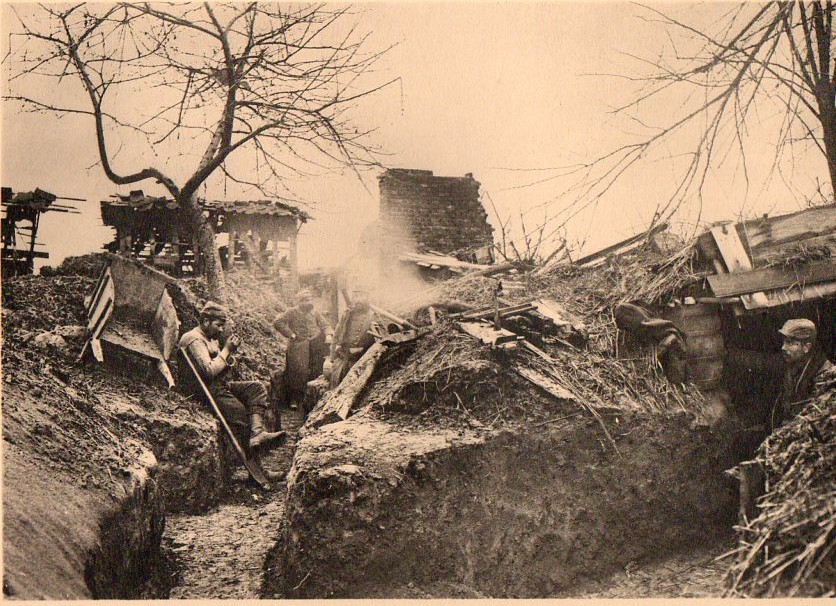
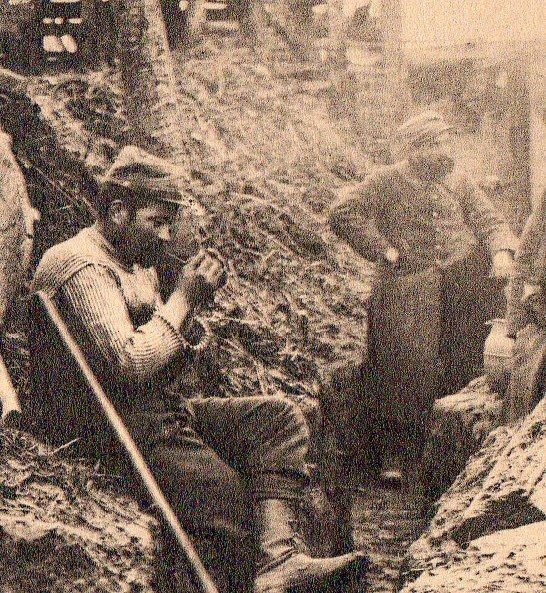
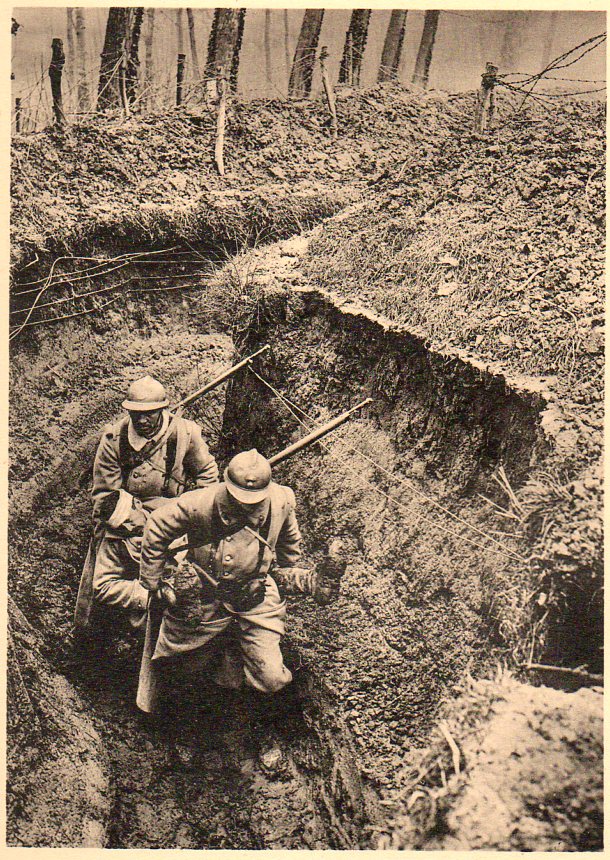
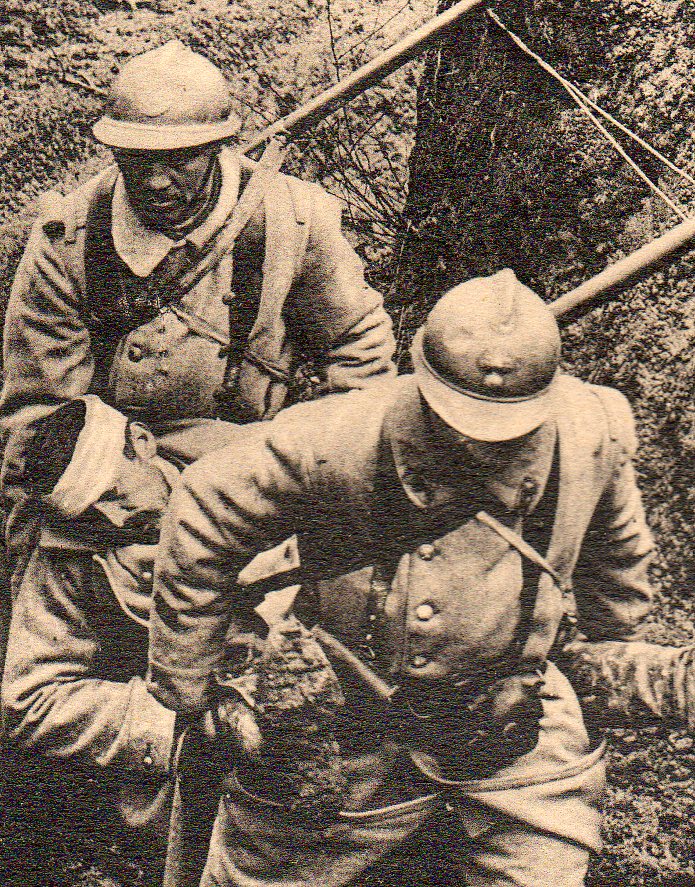
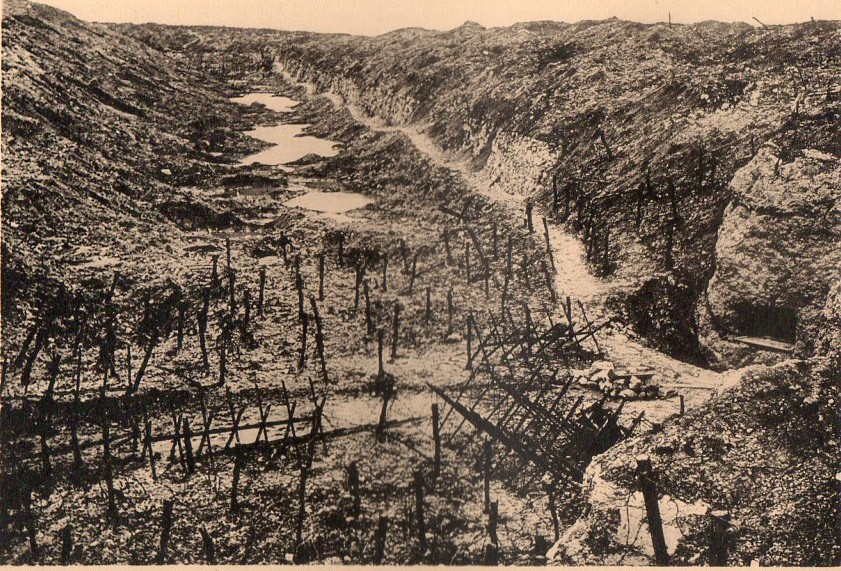
  • WWI Photographs–the Trenches, 1916-1918

    JF Ptak Science Books  Post 1265

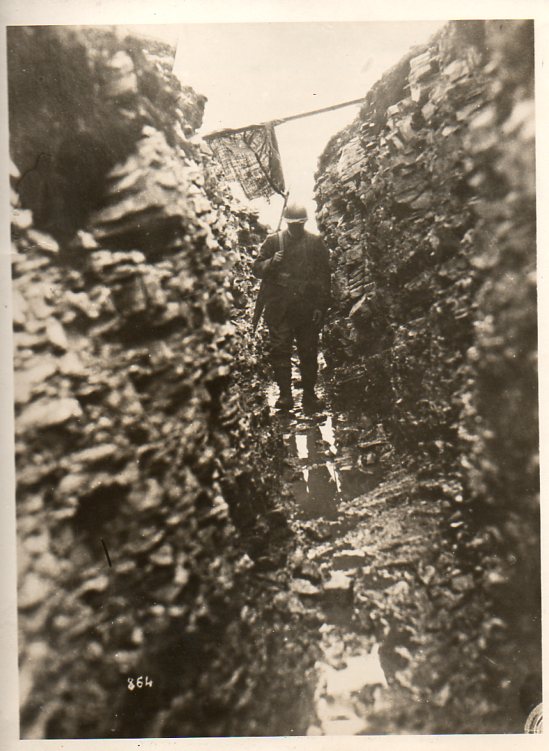
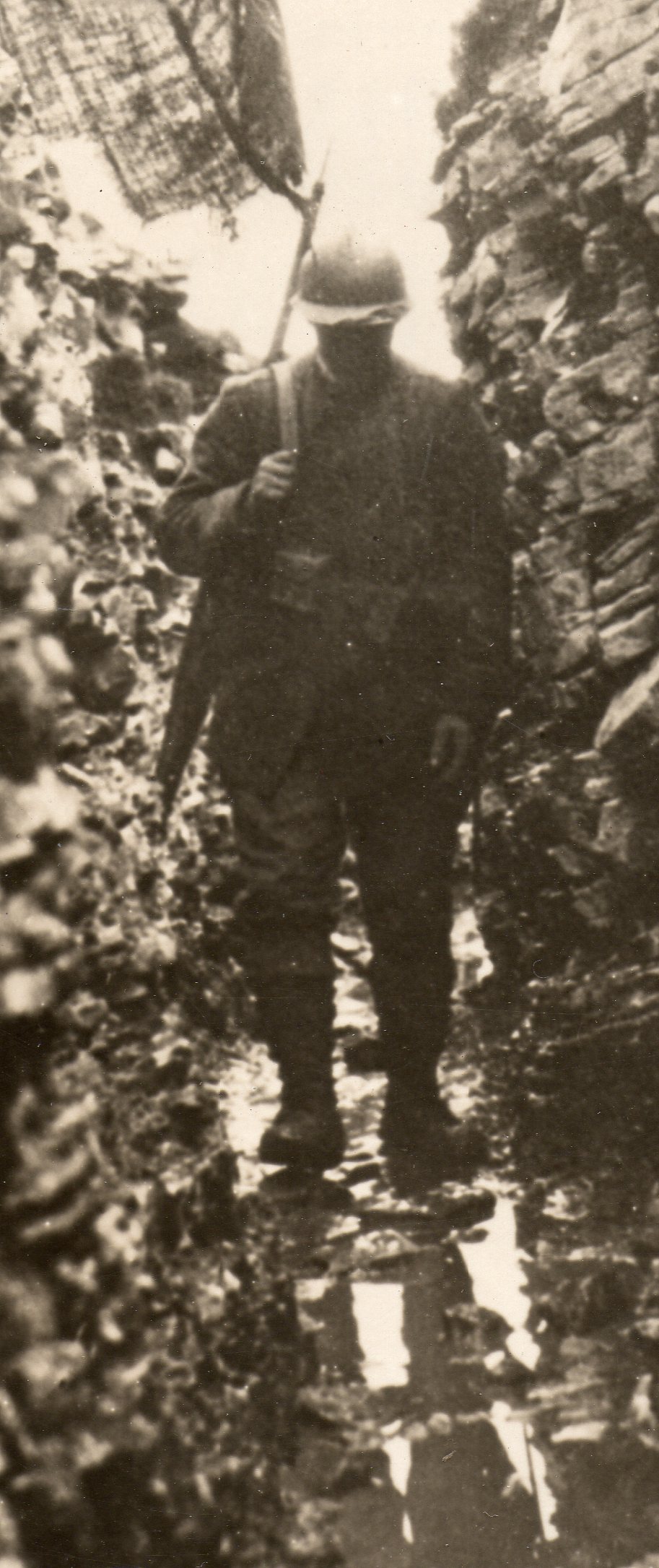
    Perhaps one of the worst inventions in the history of warfare was The Trench. Millions of men were wounded or met their ends while defending one, or attacking one, or being in-between two of them.  Hundreds of thousands of troops spent months charging back and forth between opposing lines, the ground over which they fought made uninhabitable for almost any form of life. 

    Earlier in this blog I wrote about sub-trench warfare--the story of the sappers who would mine underground, underneath the opposing force’s lines,  digging a horizontal hole the end of which would be filled with explosives and detonated, exploding up, destroying the enemy’s trenches. Bad business.  The trenches were bad enough without having to be vigilant against someone tunneling beneath, trying to make you into little pieces. Trenches were mostly cold, dark, miserable, wet, potential disease carriers, poison gas accumulators–and that’s of course before the shooting began.  There were thousands of men–tens of thousands of men, hundreds of thousands–waiting in their trenches, waiting for the other side to try and advance, attack over the well-named no-man’s land, running across open ground in a hail of millions of bullets.

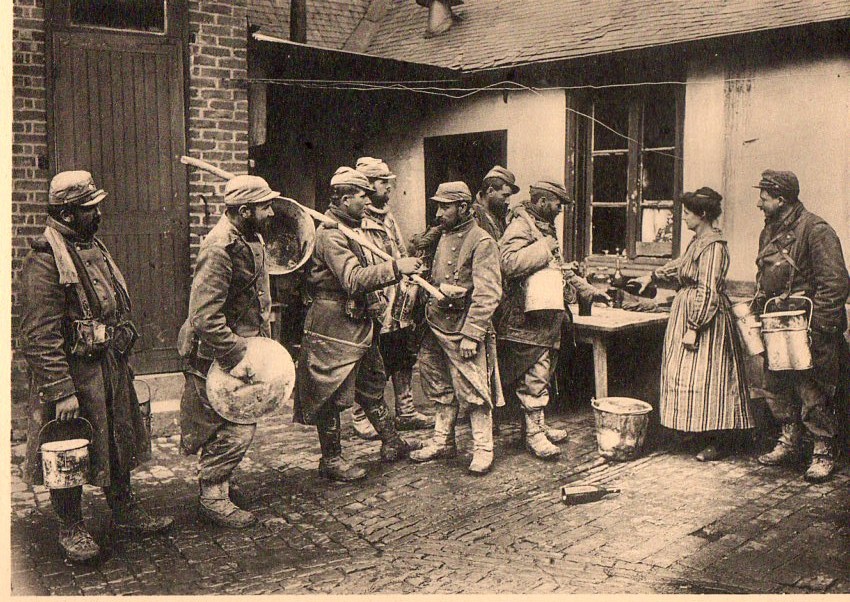
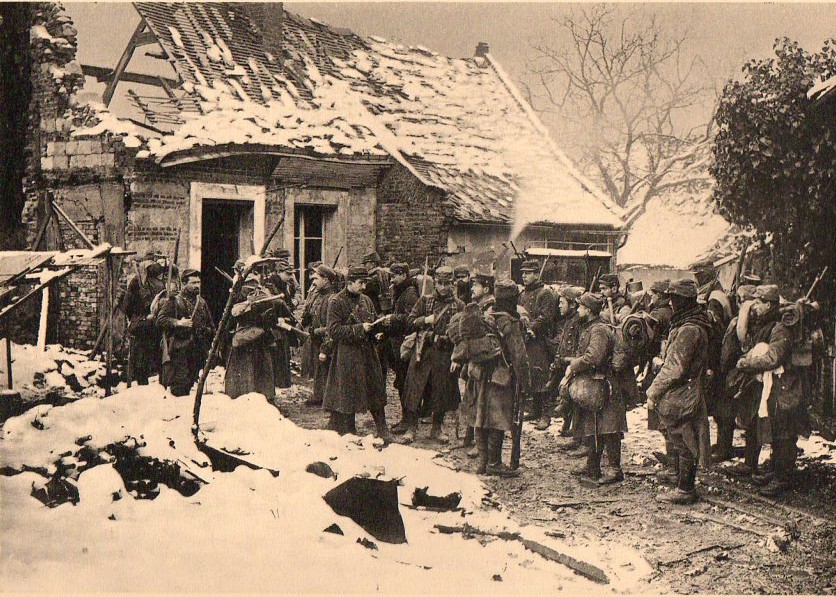
    I’ve collected a few images that are here (and available at our blog bookstore) that give a little flavor of the trenches, and the men in the trenches–though without the scent of the stale water, or the bite of the chill, or the perpetually wet feet, or the cold, or the dysentery, or death’s constant pull and struggle.

    WWI photo--trench045
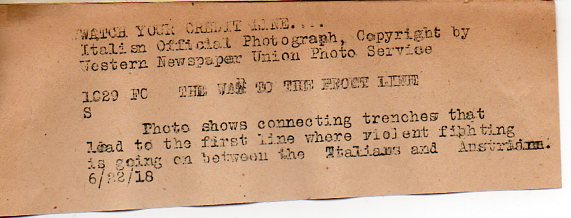
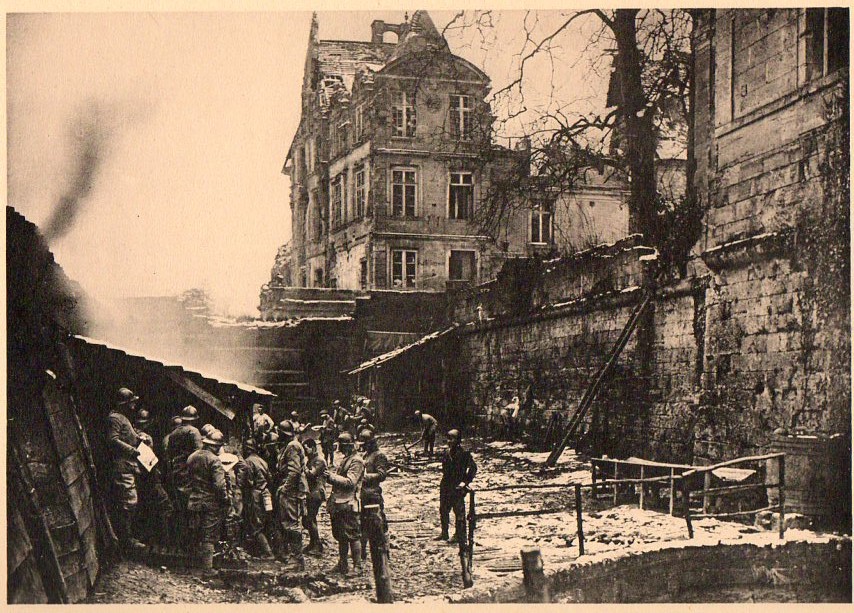
    This is an original photograph made by the Western Newspaper Union Photo Service, as a “British Official Photograph”  (with the “British” part penciled out and replaced by an unknown hand, “Italian”),  The photo agency supplied a caption for the image (that was supposed to have been used by the newspaper or magazine that published the picuture) as follows:

    WWI photo--trench note046

    And the detail:

    WWI photo--trench note detail047

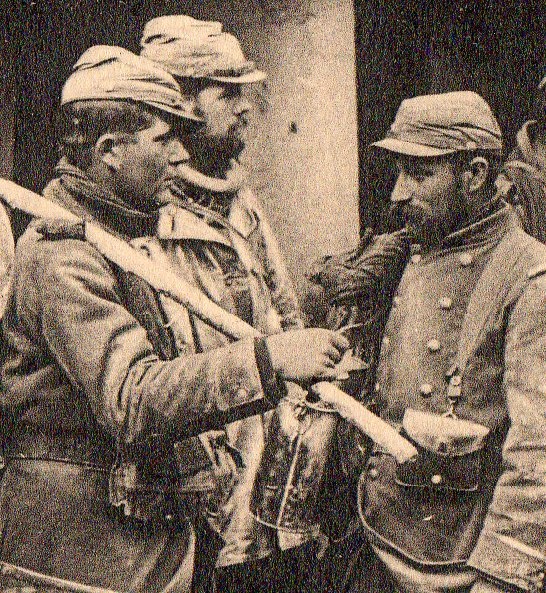
    I’ve also put together a few examples from a collection of exceptional photogravures printed in 1919:

    WWI photogravure--group gettg drnk055

    And the detail:

    WWI photogravure--group gettg drnk det056

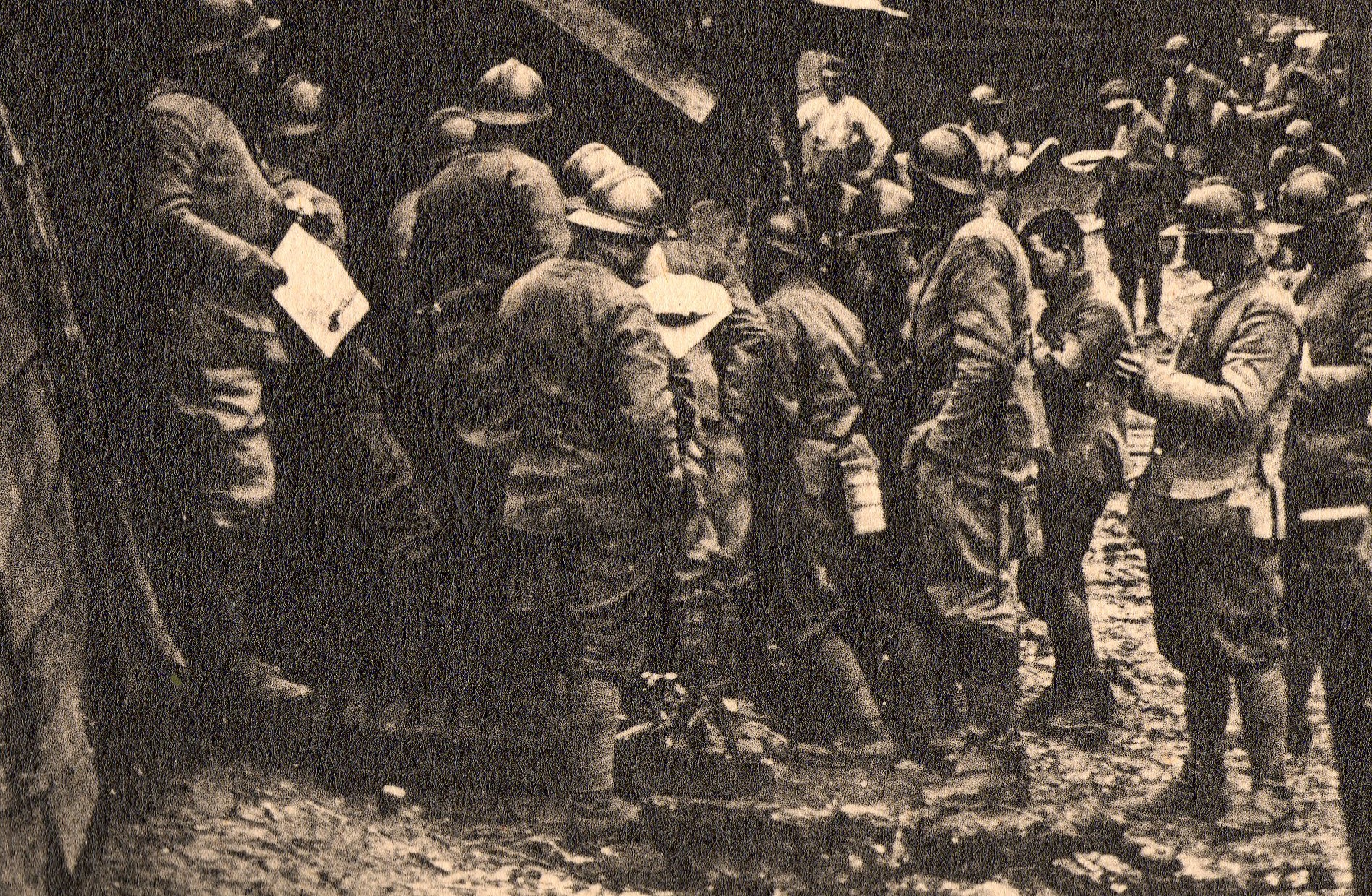
    WWI photogravure--soldiers waiting059

    And a detail:

    WWI photogravure--soldiers waiting det060

    And another detail:

    WWI photogravure--soldiers waiting det061

    WWI photogravure--grave054

    WWI photogravure--trench life 058

    And a detail:

    WWI photogravure--trench life det057

    WWI photogravure--trench wounded050

    WWI photogravure--trench wounded det051

      WWI photogravure--trench empty062

      WWI photogravure--bunched group street048

    And the detail:

      WWI photogravure--bunched group street det049

  • WWI Photographs: German POWs, 1918

    JF Ptak Science Books LLC   Post 1266

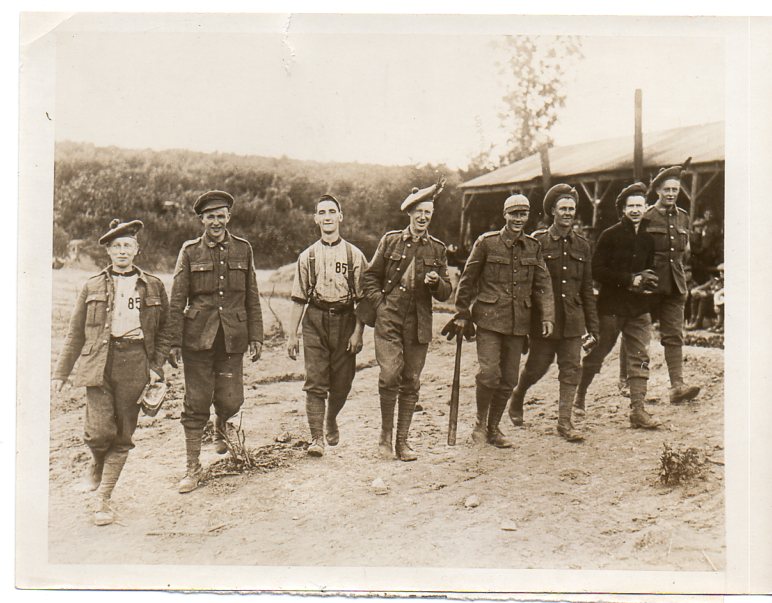
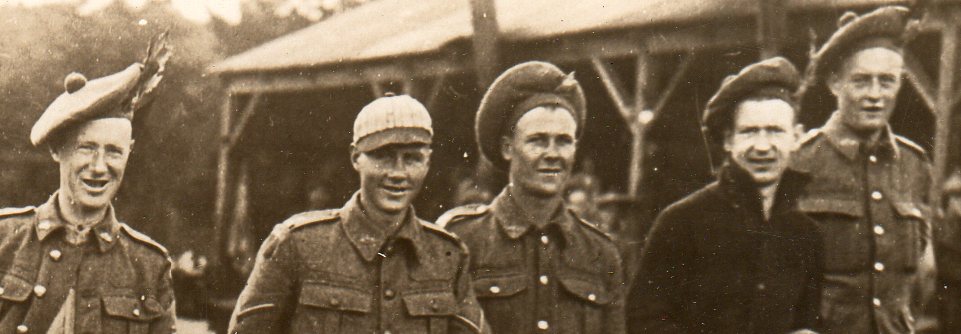
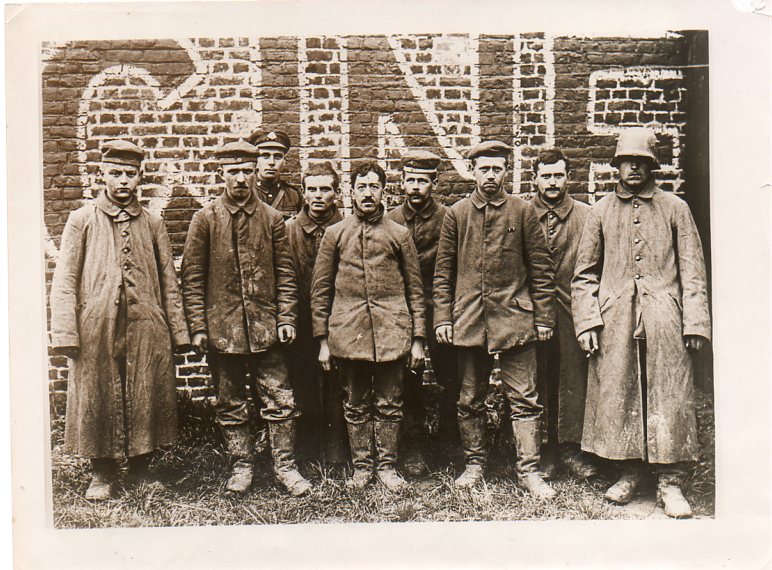
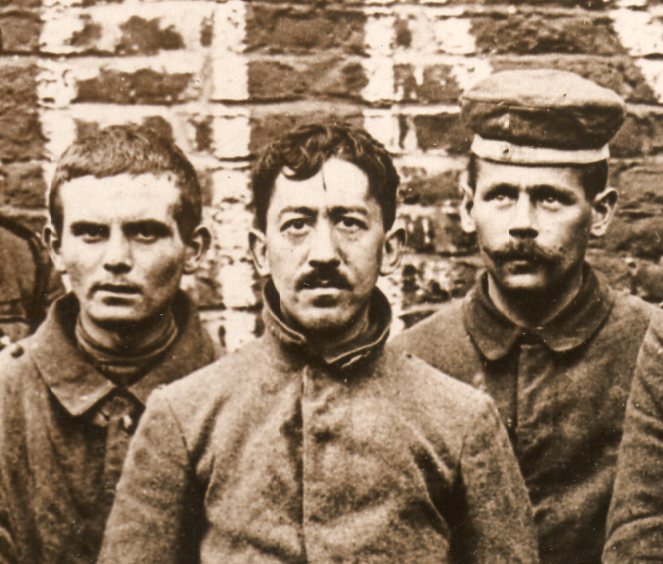
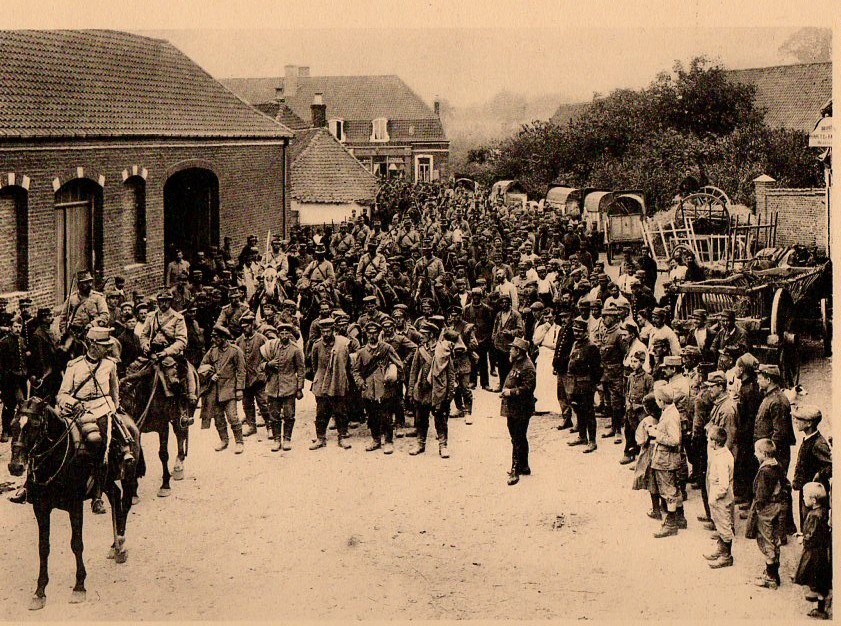
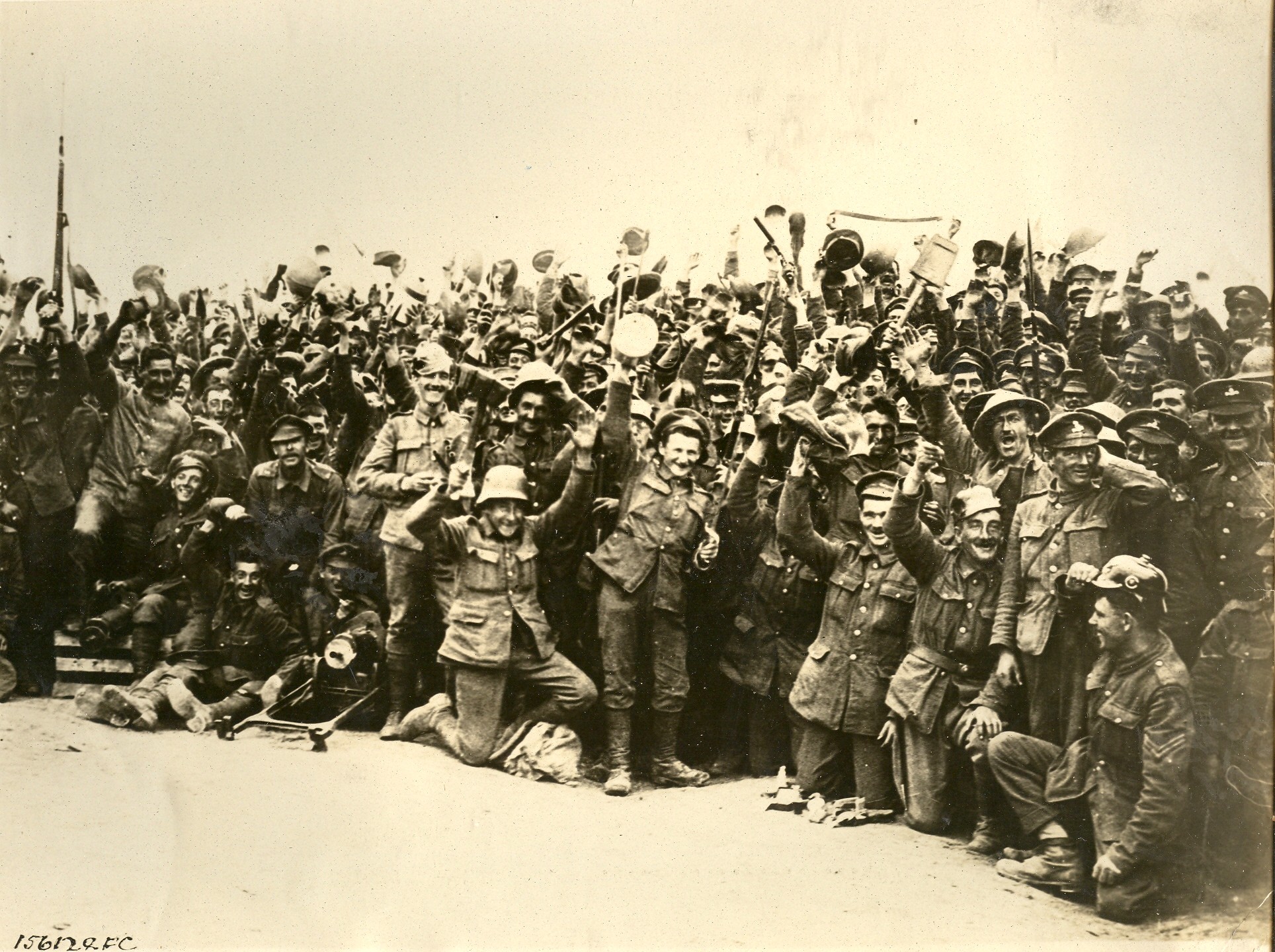
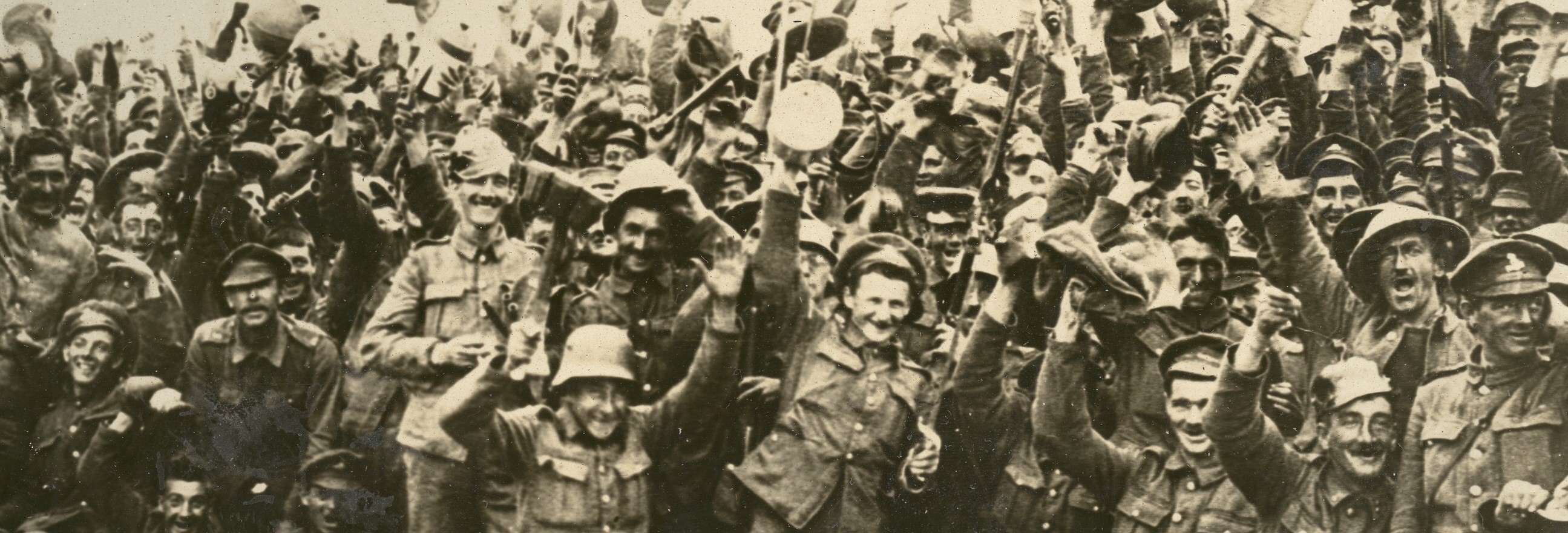
    In the first image here  we are introduced to a small group of captured German soldiers displaying a wide range of emotions over a wide range of faces. In the second image we see German prisoners though not with any helmets,.while lastly is a group of Irish/U.K. soldiers with German soldiers’ helmets with no Germans.

    There were over 8 million soldiers taken prisoner during WWI, that in addition to the 21 million who were wounded and the 9.7 million killed:  38 million.  Plus 6.8 million civilians who were killed: 45 million.  And the numbers for civilians wounded are just, well, not reliable, as they were not really collected, or collectible.  At the end of it all, there were probably between 50 to 75 million soldiers and civilians killed or wounded or taken captive during the war…not including civilians who were killed by the hardships or starvation caused by the conflict.  Big, big numbers. (My post from yesterday looked at the population/percentages of these losses, here)

    Image 1.(Original photograph available at our blog bookstore here.)

    WWI photograph--german prisoners066
    Detail:
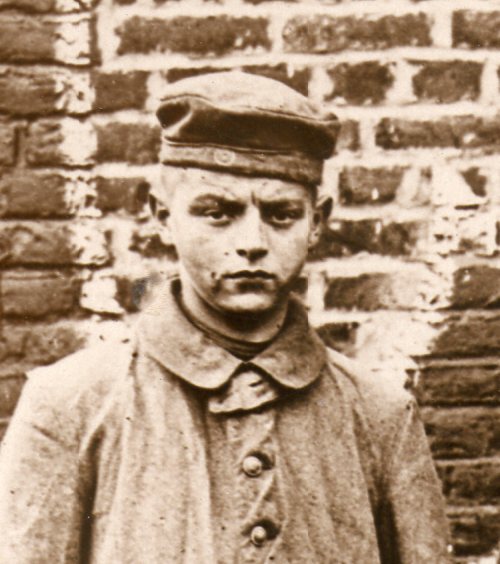
    this shows struggle and age in a face that I reckon to be a mid-teen’s, a child’s face, hardened baby fat.

    WWI photograph--german prisoners boy067

    Detail:the older man isn’t much more so, just beaten, exhaustion.

    WWI photograph--german prisoners old068
    Detail:
    they look defeated and concerned, though the middle guy (who doesn’t seem to quite fit in with the rest) looks as though he may be relieved. Maybe not.

    In any event this is a grim photo–even the captor (Canadian?) looks non-committal.

    WWI photograph--german prisoners middle069

    In contrast is this photograph of uneven emotional display, showing American POWs in Germany in 1917:

    http://upload.wikimedia.org/wikipedia/en/3/37/US_pow.jpg

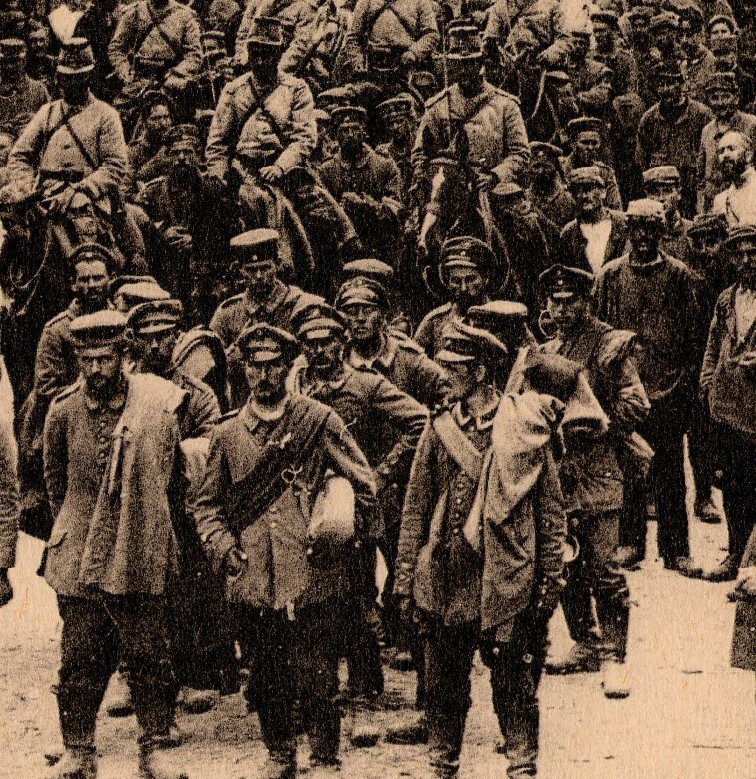
    Secondly is a photogravure showing a processional of captured German, taken circa. August 1918, and printed in 1919:

      WWI photogravure-prisoners064

    And the detail:

    WWI photogravure-prisoners det065

    There were of course far greater collections of POWs, as seen in this picture:

    http://www.corbisimages.com/images/67/14344DDD-6DE4-4458-BFAA-FAAC556F4AA1/PG3241.jpg

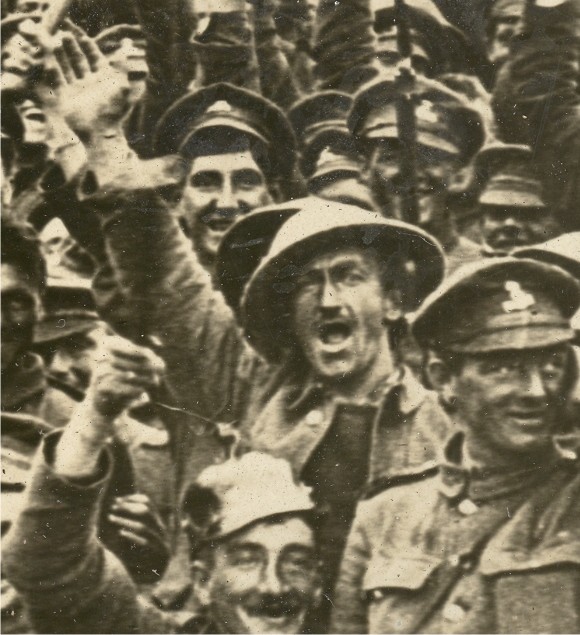
    The the last photo tells a different story (related more fully in an earlier post on this blog, here), a celebration of victory and survival:

    Blog dec 26 irsh tommies 


     Blog dec 26 irsh tommies det


    Blog dec 26 irsh tommies det2


    ·Posted by :

    ·in:

    —
  • Verticals and Lead-Spewing Gargoyles: Spires, Rifles, Bayonettes. Reims, November 27, 1918.

    JF Ptak Science Books  Post 1267

    Verticals and Anticipation after Four Grueling Years

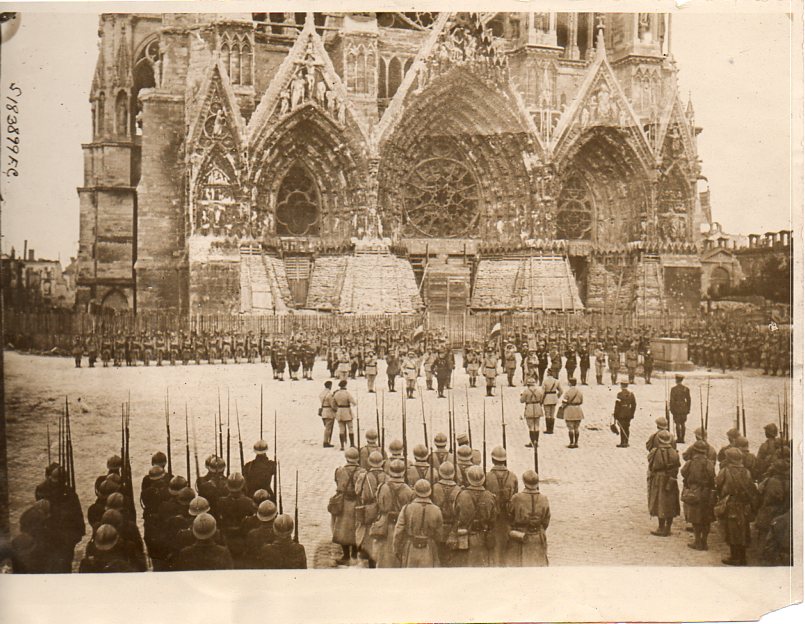
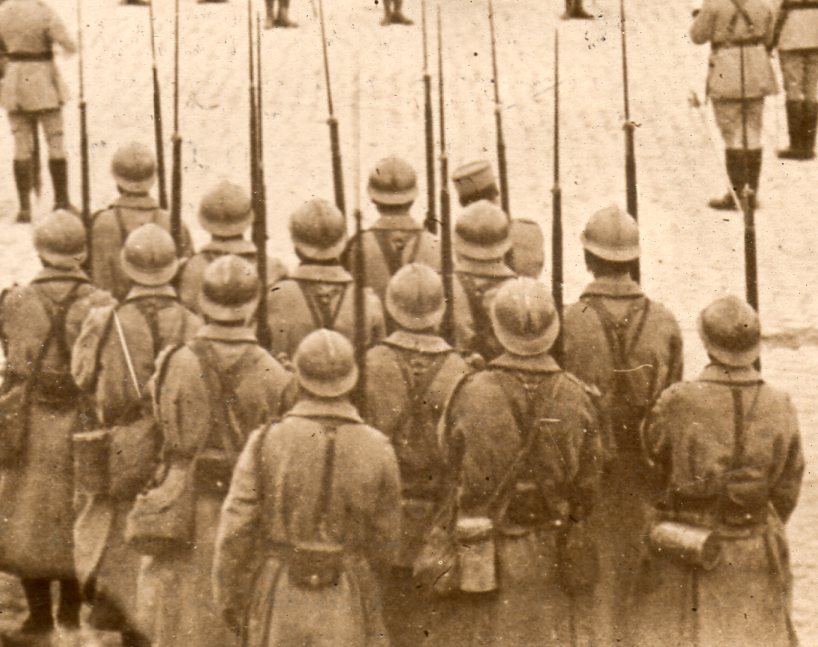
    In developing a history of vertical lines I thought that I would look at single vertical lines, but having just stumbled across this in our WWI News Photo Service archive, I just could not resist.  There is of course plenty of vertical arrangement here–just orders of magnitude more than what I was setting out to find.  So it goes.

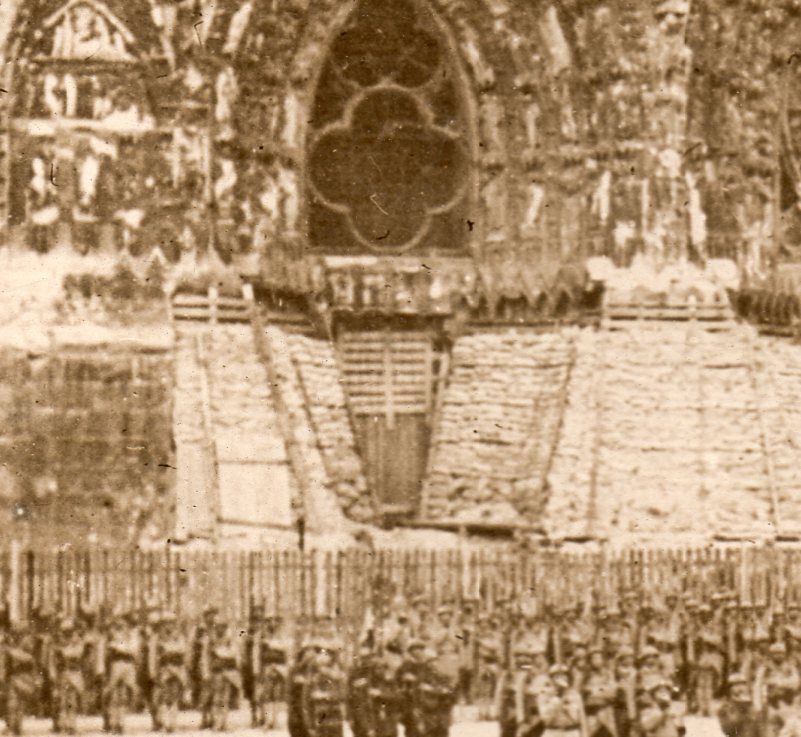
    WWI photograph--spires071

    (The image is available from our blog bookstore, here.) And the detail:

    WWI photograph--spires det072
     And another:

    WWI photograph--spires det073

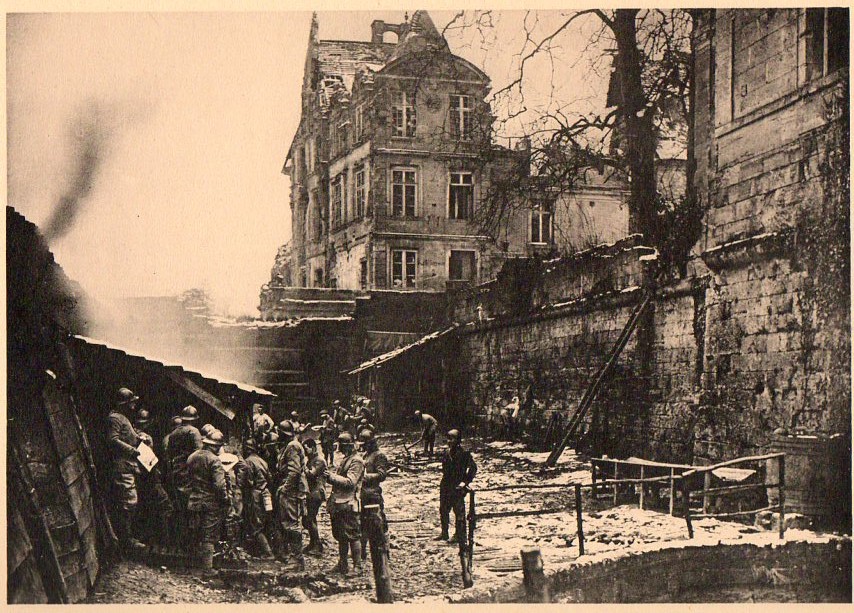
    I find this a soaring image, in its own odd way–this is a celebration scene, after,all, a decoration exercise, a military display of French forces that liberated the town of Reims, all taking place in front of the battered cathedral. Notre-Dame de Reims was the place of the coronation of French kings, and was a spectacular 13th century structure built on top of other buildings stretching back the site’s inhabitation to at least the 5th century.  

    But German artillery shelling caught the cathedral right at the beginning of the war and very nearly wrecked it.  The building was badly damaged by fire, a fire caused by the Germans, which spread along the scaffolding on the building which fed the wooden supports and superstructures, the flames finding its way throughout the building.  The fire was hot enough to melt the lead in the roof, which poured down as molten rain and out of the mouth-spouts of the building’s gargoyles. 

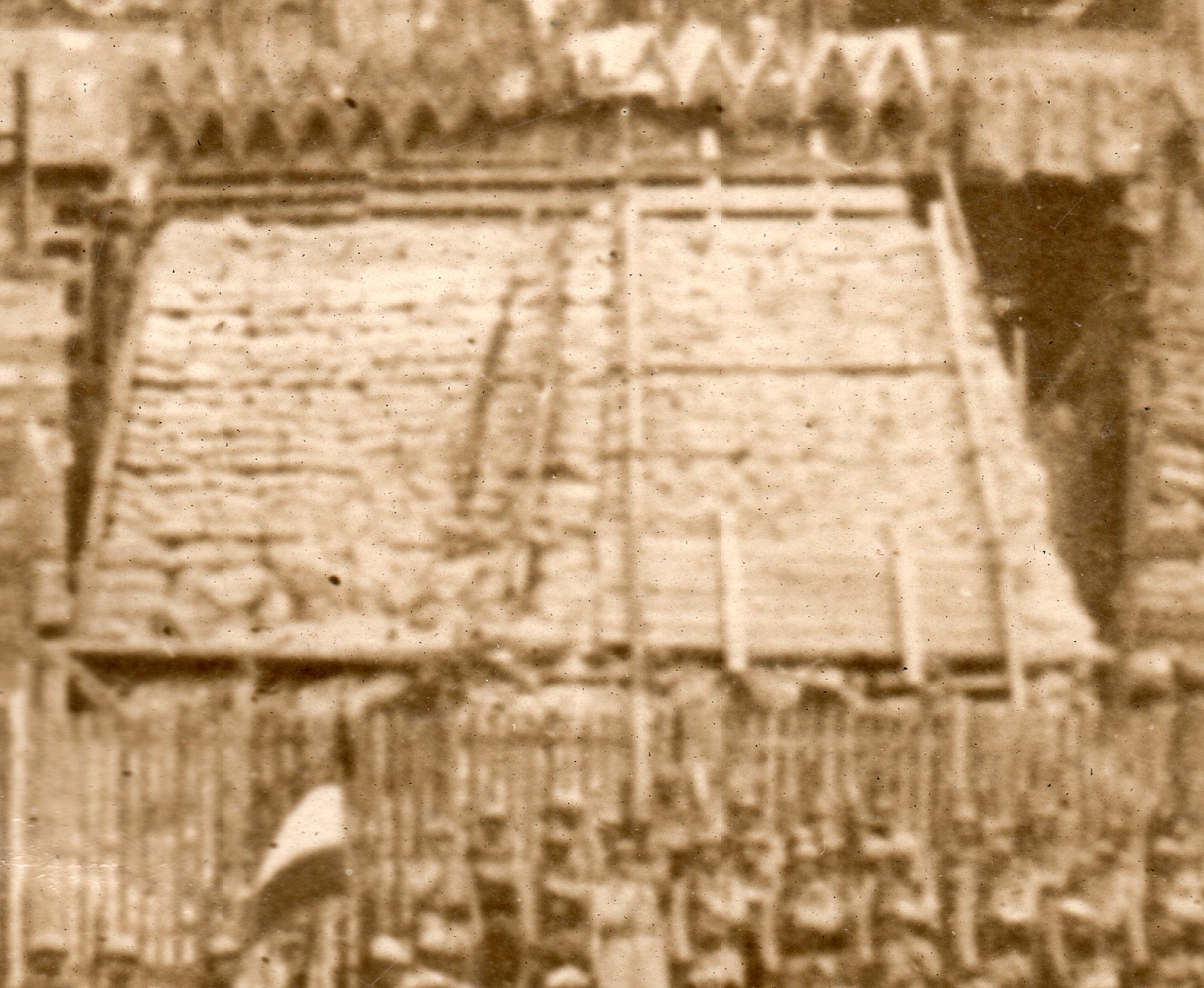
    As I brought out the further figures against the base of the cathedral one can clearly see the enormous stands of sandbags, the piles stacked up twenty feet or so behind the makeshift wooden fence.  IT was some sort of protection for the building, but not muc. 

    WWI photograph--spires det074

    This was yet another battle for the city, this one taking place 1550 years or so after the first, the Alemanni defending against the Romans; and then 104 years after the next major encounter, this between Napoleon and a Russian/Prussian force.  The liberating battle (the Battle of Reims, or the Second Battle of the Marne) took place 15 July 1918 to 6 August 1918, and it was a major failure for the German army, and spelled the collapse of the Spring Offensive, opening the door to the end of the war.  There were more than 135,000 Allies killed or wounded in this campaign (including 95,000 french troops), plus another 130,000 German troops.

    The process of victory in front of the wounded church seems exhausting and exhilarating, bu tnot without a good sense of anticipation.

  • The Beauty of Ball Bearings

    JF Ptak Science Books  Post 1268

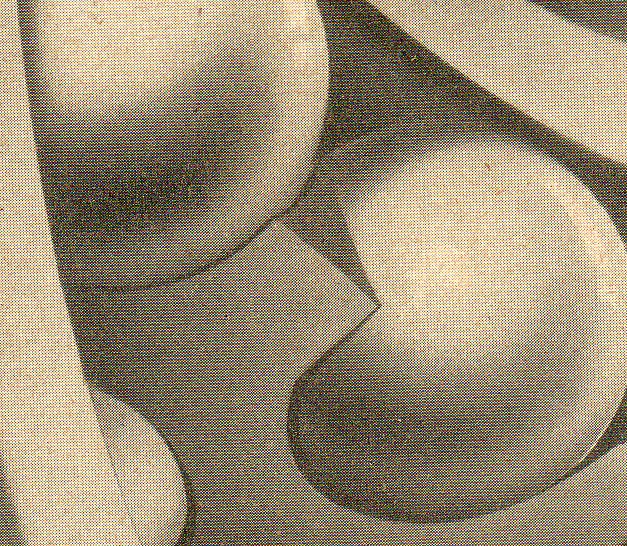
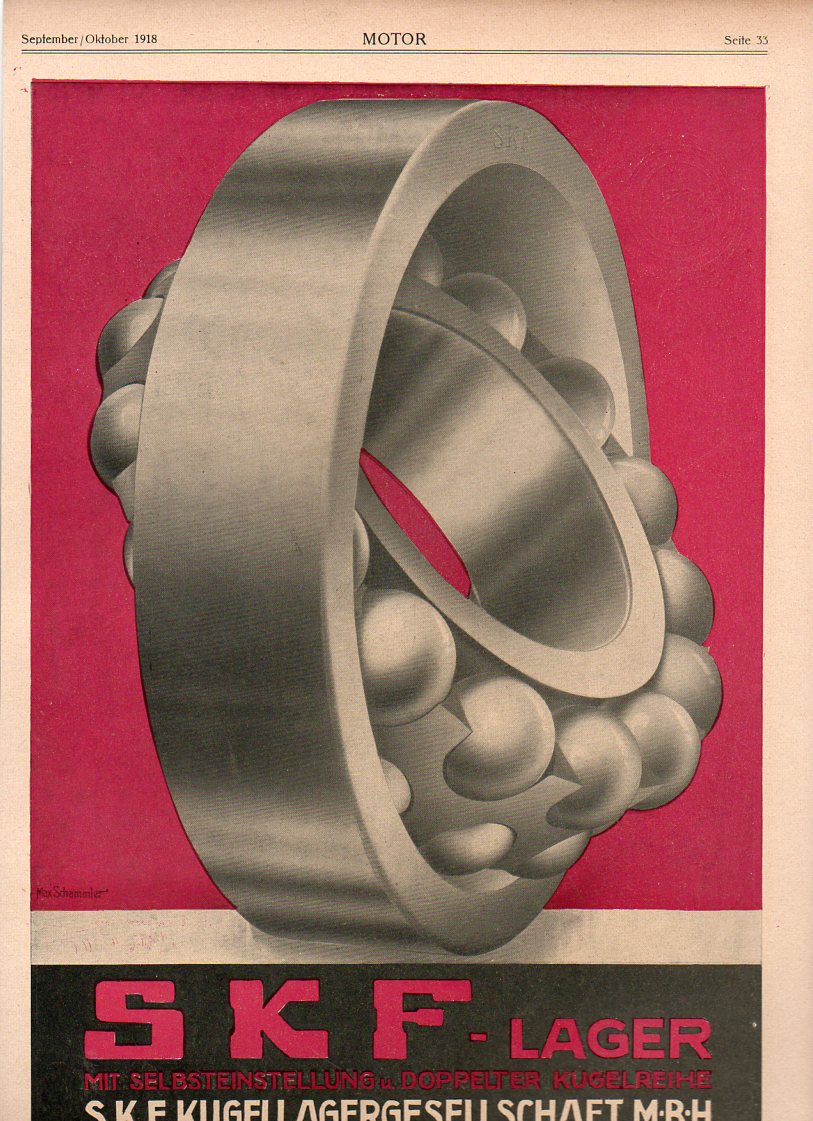
    When I look at something like this–an advertisement for a company that produced precision instruments–I think instantly of industry, automation, Dada and Duchamp, who along with Cubists and Precisionist and Futurists whobrought out the extreme beauty of industrial, technical, instrumental form.  At the same time its probably possible to unthink Engels and Marx who thought that the new coming art form of Communism would be purely functional, to be used in design and implementation only.  And I’m not talking about the way that the Victorians added their Victorian crowns and laces and altars in the design of machines and machine parts, worshiping as they did at the shrine of tech science.  Marx and Engels had something different in mind, a non-art of simple, employable, straightforward applied design.

    This ad is just beautiful.

    Ball bearingsb076

    Which is a detail from this image (available from our blog bookstore, here):

    Ball bearings075

    Ball bearings are exceptionally important and have a long history, I mean, long stretching back more than 2000 years (in its most primitive form), finding formative articulation in the Renaissance, and then their first patent in 1869–long and off the point for right now, just long and a little complicated.  I just want to say–I find this image to be quite lovely.

  • Steampunk Anatomy–Cancer Holes, Nut and Bolts, Oil, Outer Space Belly Shirts and Heavy Things of the Future

    JF Ptak Science Books  Post 1269

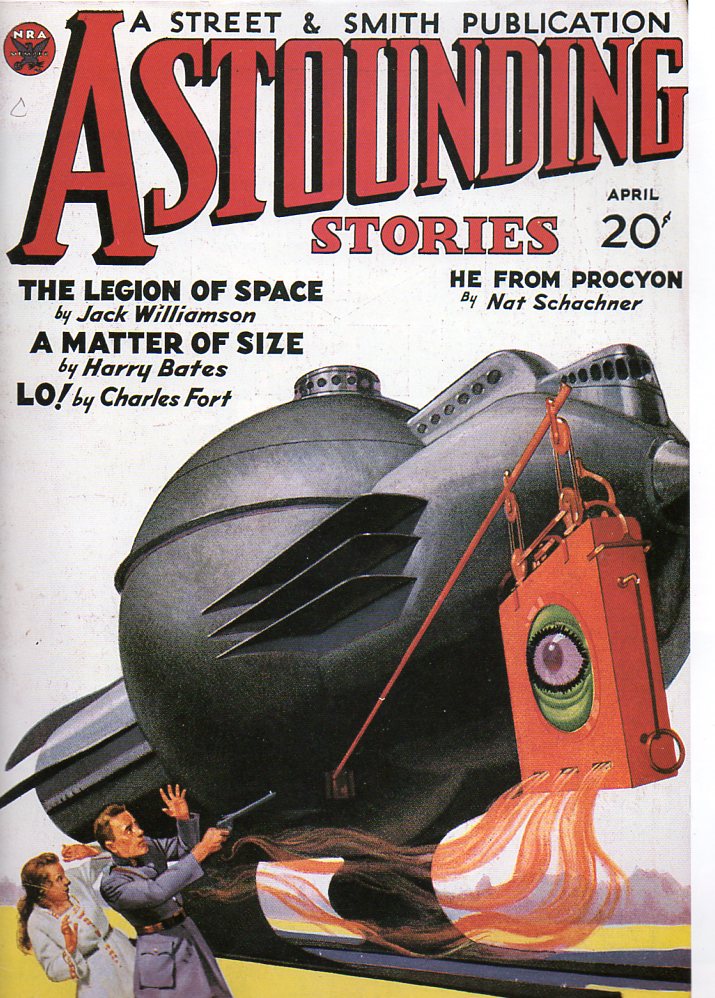
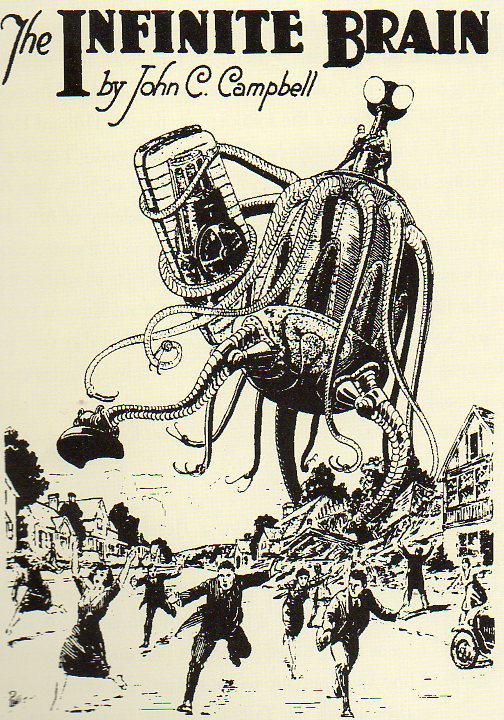
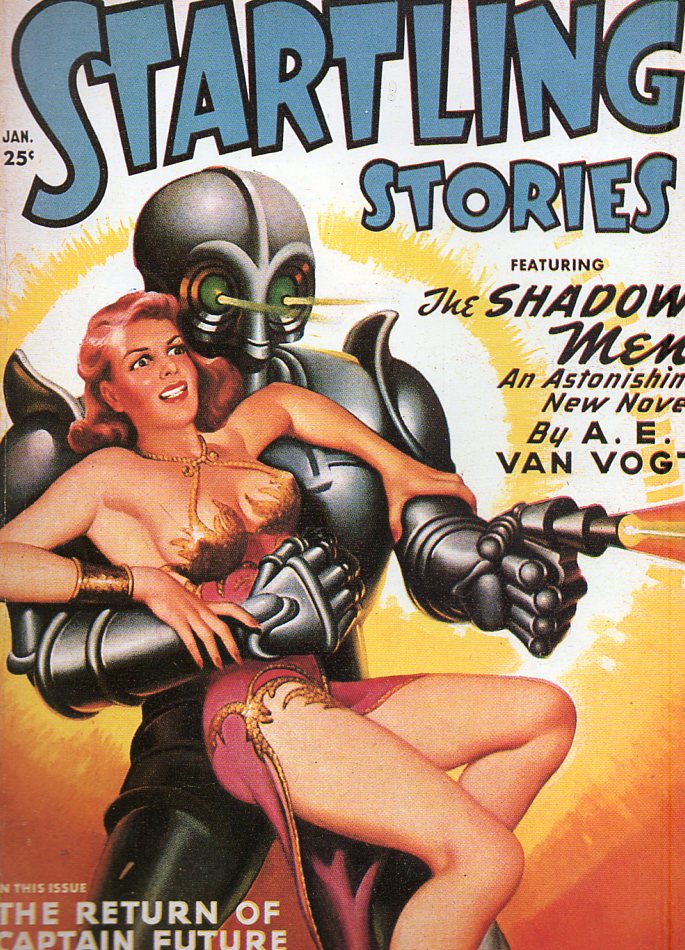
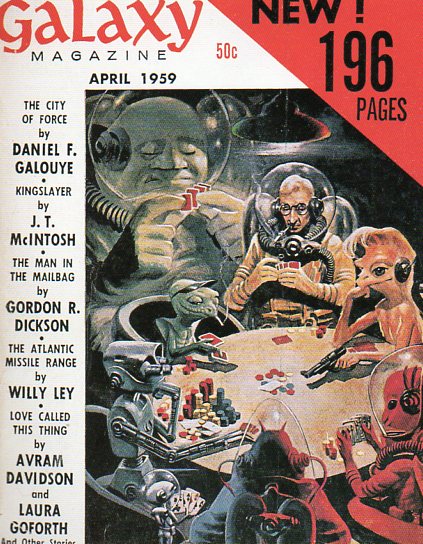
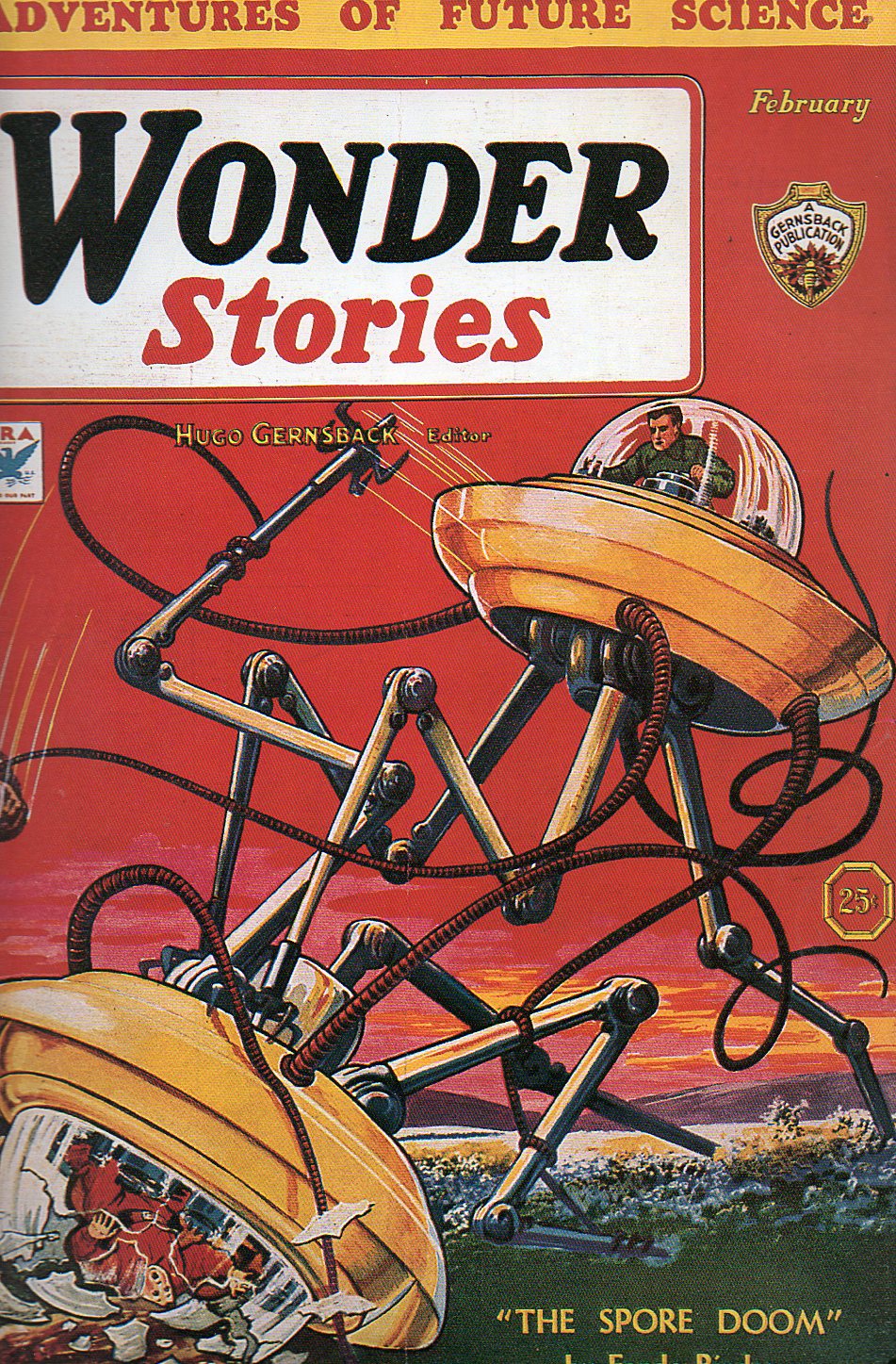
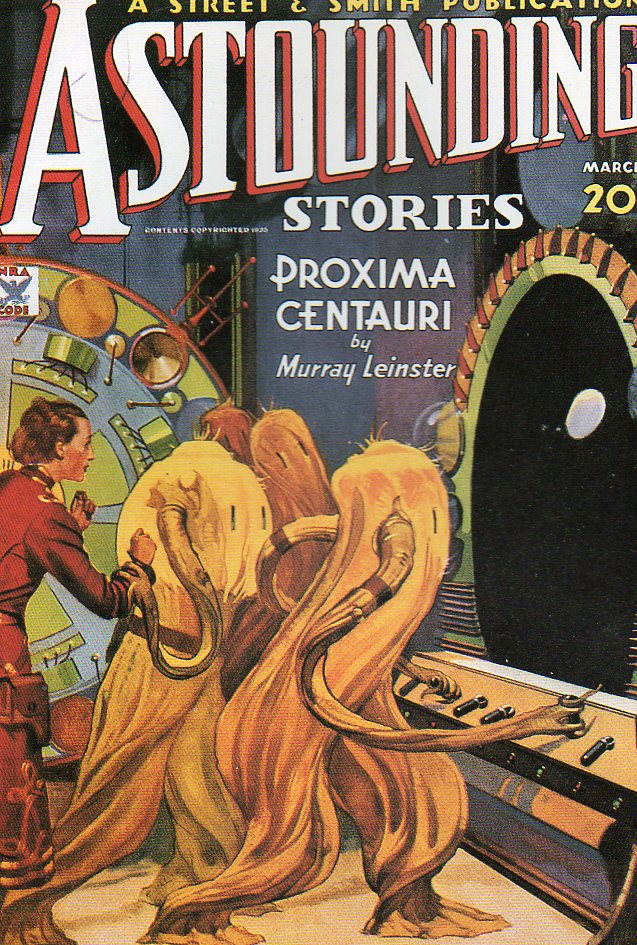
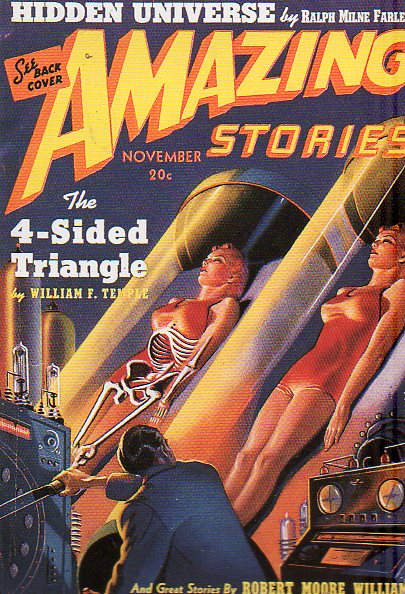
    What is it about science and the future and how the scifiction of the past (pre-1950’s) almost never could encapsulate the superior scientific innovation and discovery of its near future?  It is marvelous and wickedly magnificent to look at some cover art and illustration for the pulp and not-so-pulpy science ficton, images that not only have a certain look and feel, but also a smell, a particular bookstore/basement pulp-paper-not-exposed-in-forty-years smell.

    Steampunk Eye–that enormous ship, governed by a long, long pole with a small box witn an eye in it, being raised and lowered on pulleys:

    Steampunk a077

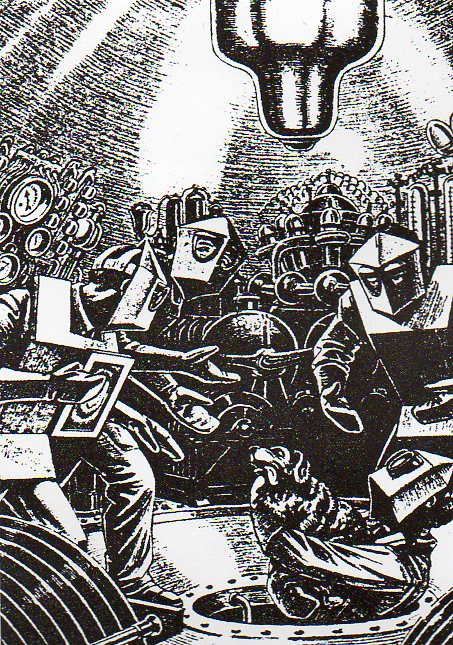
    The Steampunk Gigantic Enormous Stupendous Infinite Brain (also notice that folks are fleeing, running for their lives, witt heir arms thrown high into the air, running like SpongeBob SquarePants–its hard to run like that):

    Steampunk brain084

    Steampunk Lust:

    Steampunk lust085

    Steampunk Addiction & Cancer Hole:

    Steampunk cancer hole088

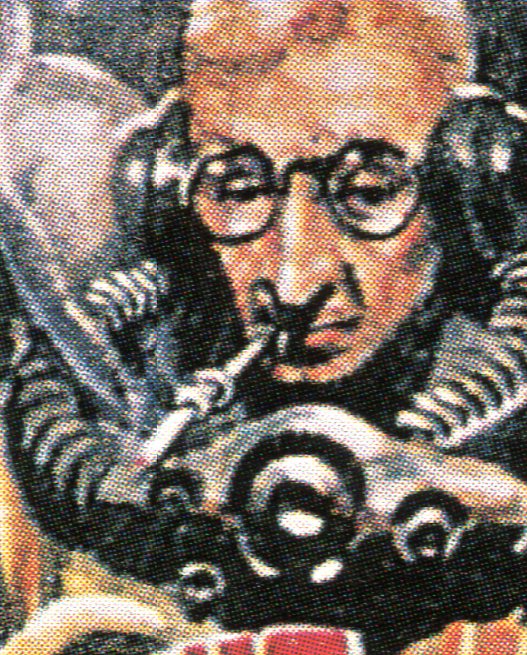
    And the Philip -Morris contribution for smoking in alien space:

    Steampunk cancer hole089
    Steampunk Humano-Robot Replicant:

    Steampunk human robot081

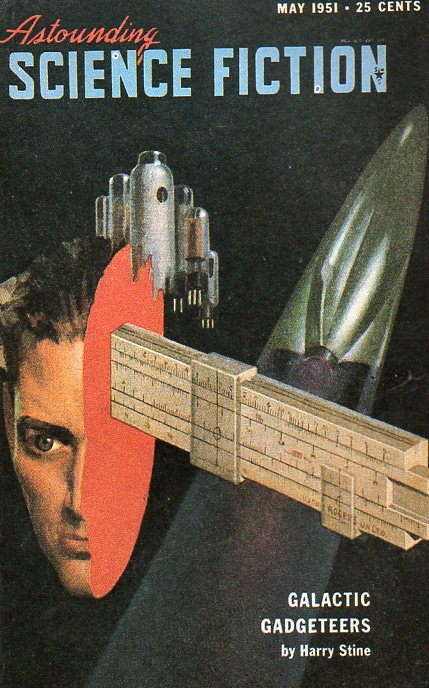
    Steampunk Thinking (the slide rule really didn’t give out until around 1970):

    Steampunk calculating086 Steampunk Legs:

    Steampunk legs083

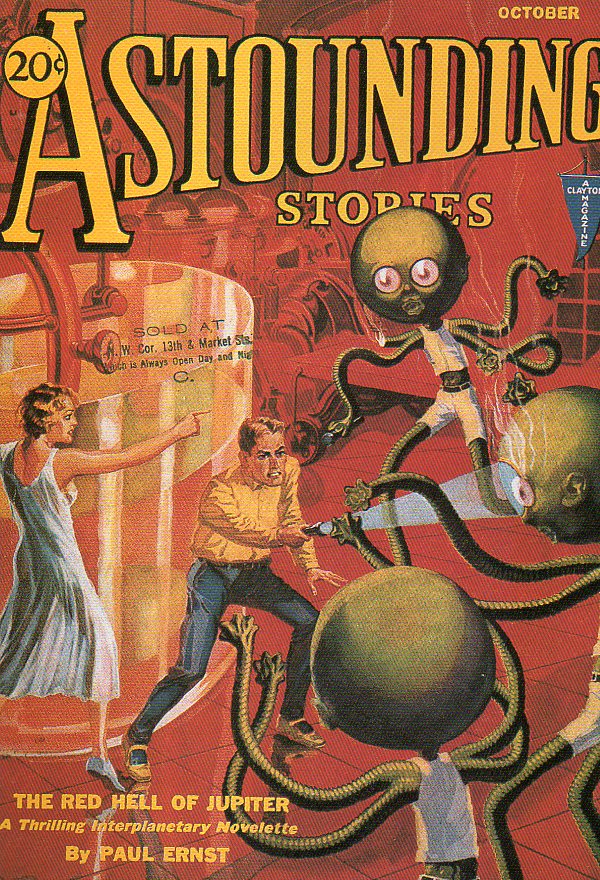
    Steampunk Abs:  humans are surrounded by arm-waving large-headed belly-shirted aliens, the man using a flashlight for defense )burning the alien eye even though they’re all in bright light) while the woman points really hard:

    Steampunk abs090
    Steampunk Hair–and with all of that vast technology and futurismo, there are still unruly locks here and their:

    Steampunk hair082
    Electro/Steampunk Body Replicator

    Steampunk body replicator087

  • Protopunk: Steampunk during the High Steam/Low Electric Age

    JF Ptak Science Books  Post 1270

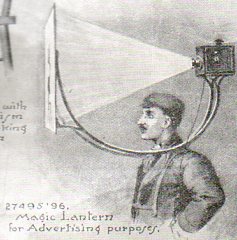
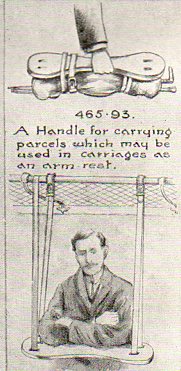
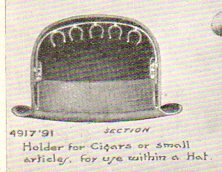
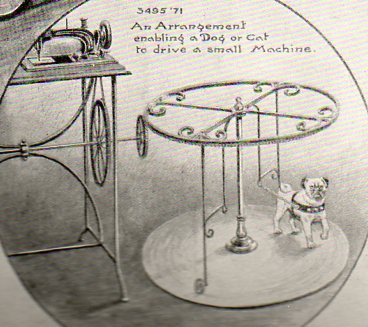
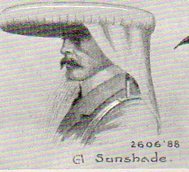
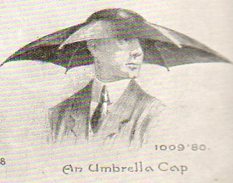
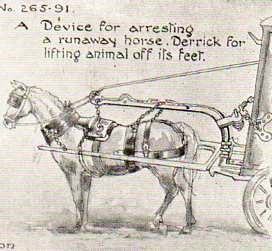
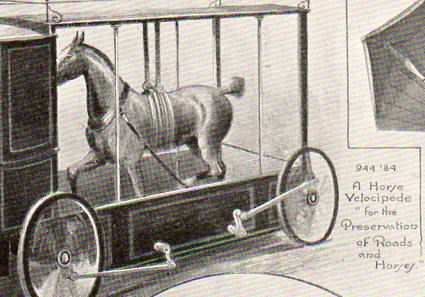
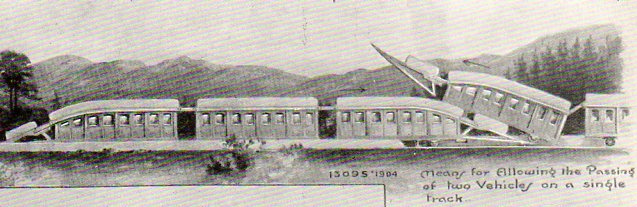
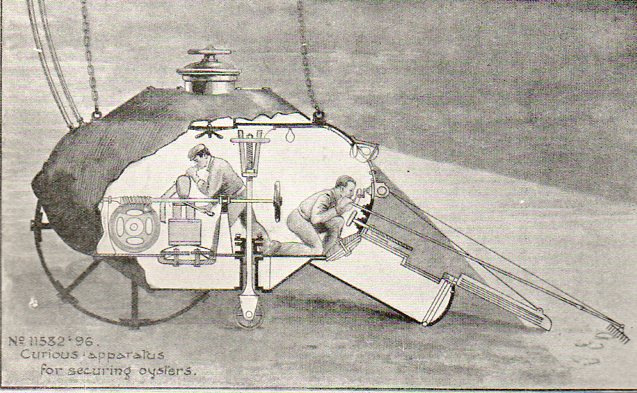
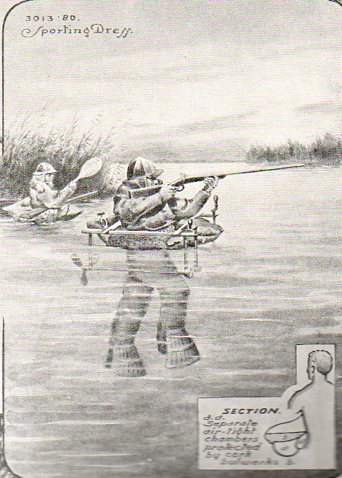
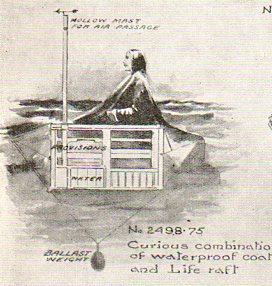
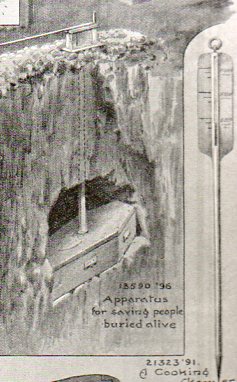
    I was drawn to this Steampunky collection of inventions because they were semi-futuristic inventions done at the time when the inventions could actually be fabricated–the idea was there and so was the material and expertise.  The only thing left was the will to do it and the fortitude to use it.  Perhaps the only thing lacking in all of it was that last part. 

    Certainly people were getting used to technical and physics breakthroughs when these images were published in 1908:  the advancement of powered heavier-than-air flight since 1903, wireless transmission across the Atlantic in ’01, quanta in 1900, X-Rays in ’95, radium in ’98, automobiles, motion pictures, electric toasters, Gilette’s disposable razor (use and throw away!), and so on  (I’ll not mention Einstein because he wasn’t really in the public eye in 1908), so taking an extra and probably unnecessary step in these inventions seen below felt natural.  They were just a little on beyond necessary.

    Steampunk 2  magic lantern104

    Steampunk 2 armrest094
    Steampunk 2 cigar holder095

    Steampunk 2 dog walker102
    Steampunk 2 hat a096
    Steampunk 2 hat b097
    Steampunk 2 horse093
    Steampunk 2 horse b101
    Steampunk 2 lsingle train trac100
    Steampunk 2 oyster collection091
    Steampunk 2 shooting103
    Steampunk 2 watrproof coat092

    Steampunk 2  burial105


  • A Photograph of the Food Consumed “by the Inebriate in Captivity”

    JF Ptak Science Books   Post 1272

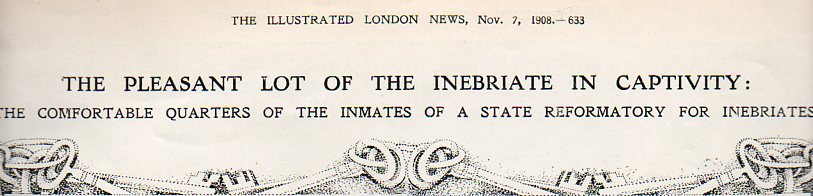
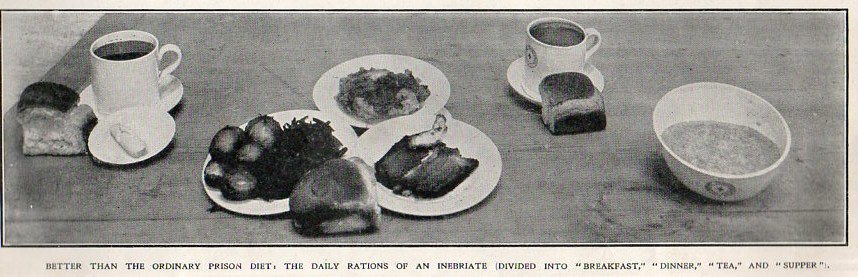
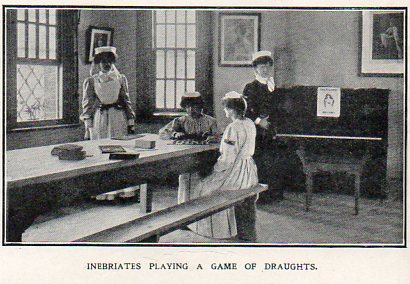
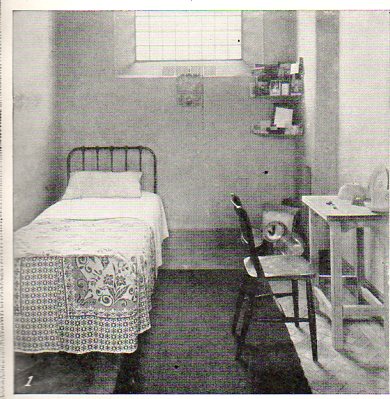
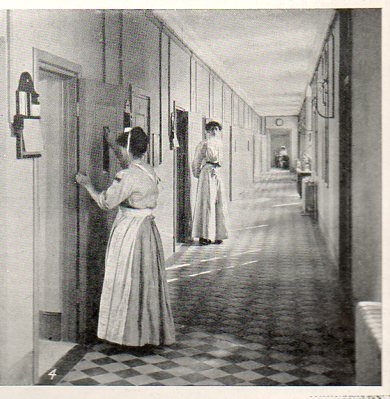
    I stumbled upon this while looking for an article on the Wright Brothers in The Illustrated London News.  I figure that this may be the first opportunity in recent decades that a photograph of the dinner table of  incarcerated British drunkards would be published–and some opportunities need to be serviced.  No doubt that this was an ideal table setting and selection of food because, well, that’s what people do– they normally don’t present an average-something for photographic display in national/international media.  Also the snapshot quality of the daily surroundings of the incarcerated was unusual, as was the Andrew Lang fairyland title to the two-page photo story. 

    Inebriate title115

    And the food:

    Inebriate food112

    A full day’s serving: breakfast included a six-ounce white loaf of bread, a pint of tea–and an ounce of butter on the last day of the term.  Dinner  included six-ounces of white bread, twelve ounces of potatoes, four ounces of French beans, four ounces of fresh meat, and eight ounces of fruit pudding. Supper  “was a pint of gruel”, pictured on right.

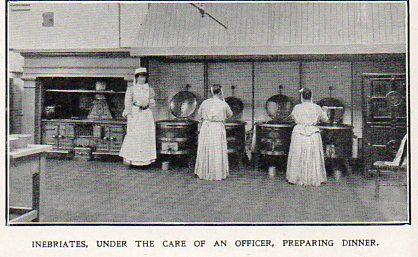
    Inebriate 2106

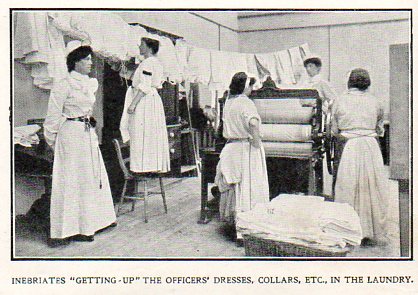
    The life in the state reformatory as an alcoholic British woman was hardly “pleasant” as the title states, though we don’t know what the author was comparing this to.  I suspect it was a general prison that was the benchmark for pleasantness, though perhaps it could have been an insane asylum , assuming of course that they didn’t seem nearly as pleasant as the “pleasant” scenes in these pictures.  The reformatory for alcoholics in Great Britain was established more along the lines of an almshouse or mental institution and seemed not terribly coercive–though given the border decorations for the photos on these pages–keys–there is no doubt that these people were incarcerated “for their own and the community’s good.”. Inebriate 4107

    Inebriate 6111

    Inebriate bed113


    Inebriate hall114


Recent Posts

Archives

Categories