JF Ptak Science Books Post 1557
“The use of tobacco is growing greatly and conquers men with a certain secret pleasure, so that those who have once become accustomed thereto can later hardy be restrained therefrom.”–Sir Francis Bacon (1561-1626)
In a way the abuse and use of tobacco and the deaths of, what–a billion?–people from diseases caused by it is partially due to the forced/.arranged marriage of two babies. It was Jean Nicot de Villemain who introduced tobacco to France and thus to most of Europe when he arranged for the plant to be sent home from Brazil tn 1560 while serving as the French ambassador to Portugal. He was there to negotiate this baby marriage–between six-year-old Princess Marguerite de Valois to five-year-old King Sebastian of Portugal, and so while there took advantage of his new experience with the plant, one variety of which was named after him, and for which the alkaloid (nicotine) is named. The job of introducing the ethnogen to the rest of the world would fall to someone, and in this case that someone was Nicot, baby-marry-er: of course this was a royal job and the marriage assured bloodlines more than any sort of lust, a creation of dynasty and ensuring treaties and power consolidation, but it did expose Nicot to the plant in Portugal, and the rest is a nasty history.
The addictive qualities of tobacco has been recognized for as long as people have been writing about it, going back hundreds of years, deep into the 16th century, almost from the same time of its introduction into England and Europe.
These images of the horrific nature of the addiction to tobacco appeared in the January1869 issue of the London Punch magazine and are particularly biting–there are few images like them in those years for this journal, so far as my experience can relate.
This one is labeled “Old Nick-Otin, stealing “away their brains”
And this, appearing in next week’s issue:
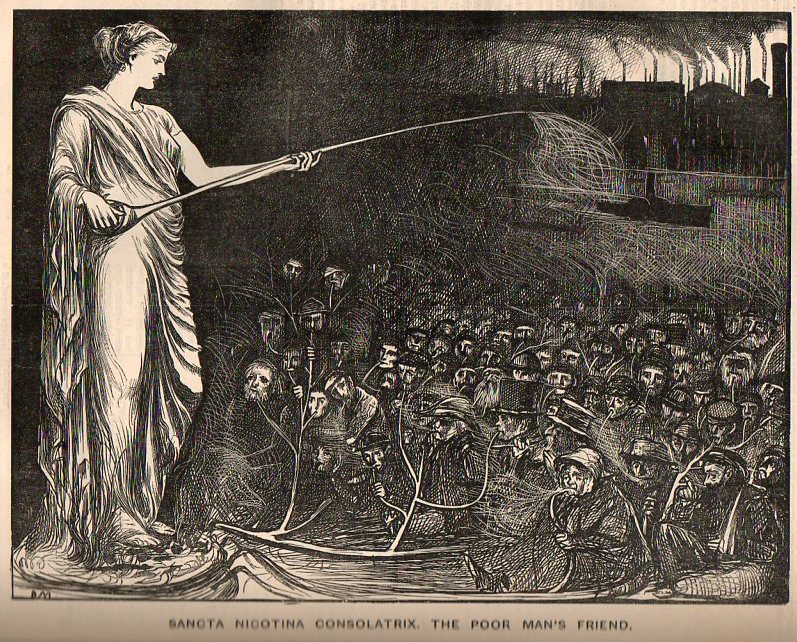
So the editors of Punch decided to send a strong and distasteful message to their readers on the dangers of tobacco to the high class and the low. But this was still in the day that tobacco was a luxury to the working classes and the poor, before the introduction of the mass-produced cigarette. Real death and destruction took place after the ingenious invention of James Albert Bonsack (born just months after this issue of Punch), who patented an automatic cigarette-rolling-making machine from his home in Roanoke in 1880. What the machine did was this: it increased the output of the hand-rolled cig from four cigarettes an hour to about 200 a minute. Getting rid of the human element in cigarette production was a crucial fix in the history of advancing death, and allowed for inexpensive distribution of the lethal addictive habit across all sections of society. As with Nicot, someone would have developed this machine, and in this case it was Bonsack, who collected a $75,000 prize fr being the first to automate this process for high-speed production. It was a remarkable machine, really–unfortunately for all the only thing that it did was make cigarettes.
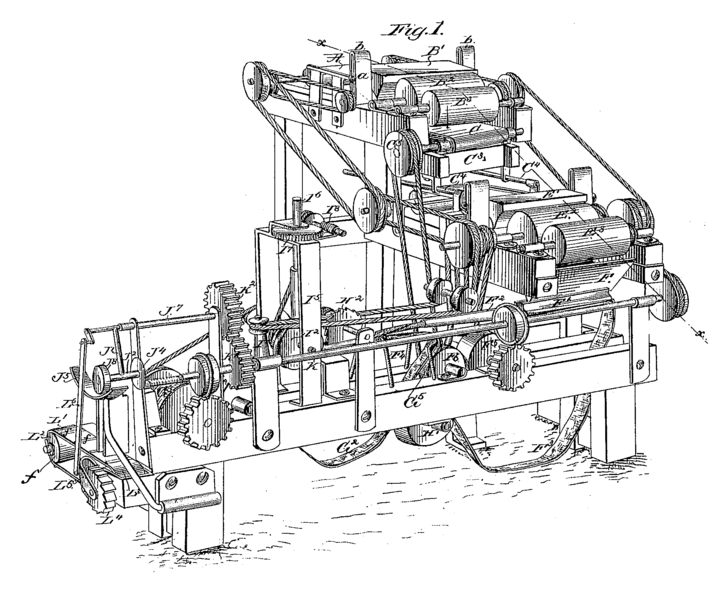
The Bonsack invention and its progeny sanitized and economized cigarette production to the point where–in relatively short order–the cigarette was available to anyone, and in the coming decades became a simple part of the landscape, blending into the human environment.
This is a simple ad for a butane-based lighter (appearing in LIFE magazine for 18 December 1950), lighting the way down Cigarette Road of the Bonsack/Nicot/etc. future. Actually, it was more a highway than a road, and a superhighway at that. There were few rules on that road to perdition, and government-sponsored warnings about tobacco health issues was still more than a decade away.
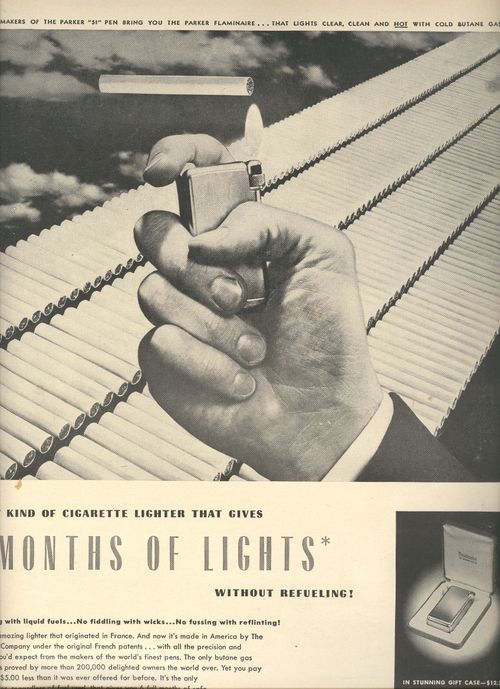
It seems to me that there are about 300 cigarettes in this ad, and that looks like a lot—point of fact though is that in 1950, the average American (of 18+ years) smoked about 3,522 cigarettes a year, which means about 10 cigarettes a day for everyone in the country. Not 10 per smoker; 10 for everyone in the entire country, smoker or not, who was over 18 years of age.
The average smoker in 1950 smoked about 2.5 packs a day, or 50 cigarettes or so—that’s equal to this line of cigarettes being smoked every six days.
There were few rules on the Cigarette Highway–and, basically, no brakes.
 .
.
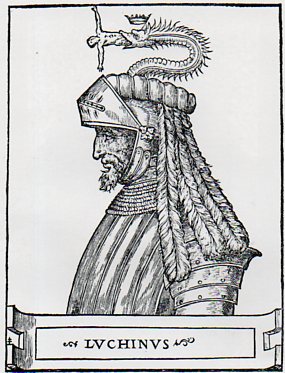
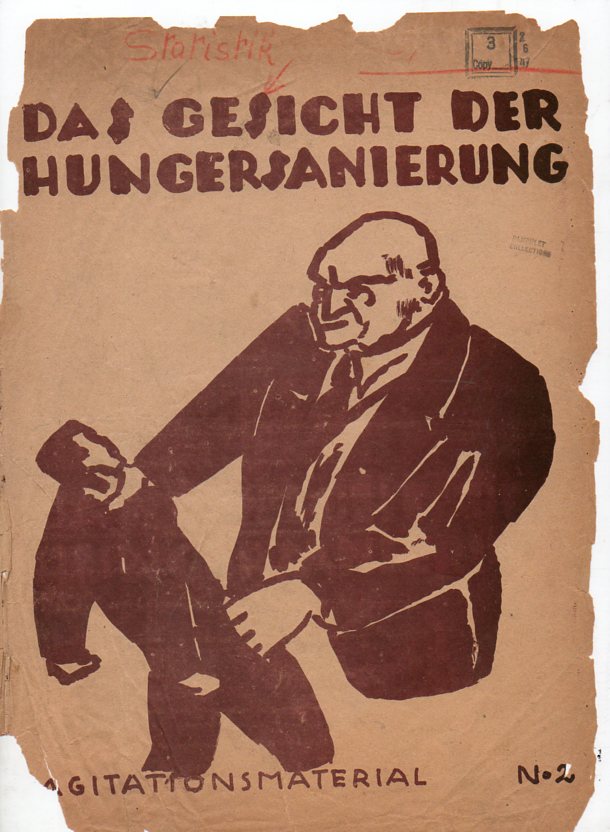
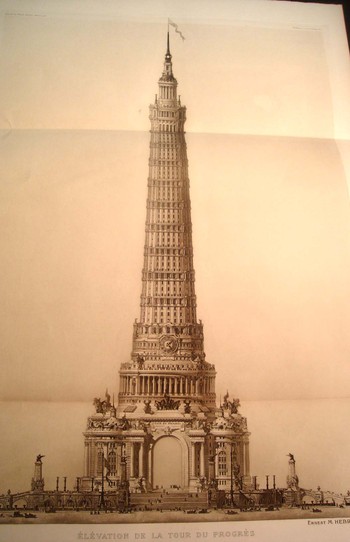

 a very large, very lumpy, very noticeable, erection; a proof reader spotted the embarrassment, and the plate was reworked to rid the character of the Natural Function. I’d guess offhand that this was the case with the Hebrard heliogravure, even though there is a second figure in the tower pointing at the figure hurtling past, implying a little more thought in making this a more cohesive joke.
 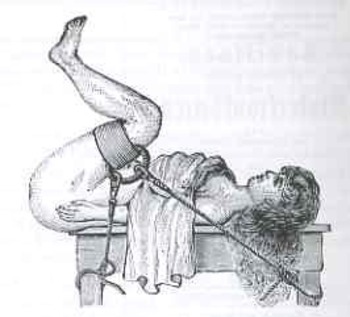 This leads to another uncomfortable image. At first glance I thought it was part of a delivery procedure, but it turns out that this was the rigging for a woman undergoing a gynecological examination. The woodcut appears in the first volume of Sammelband von 7 Kleinschriften zu gynakologischen Spezialthemen, 1858-1901, and more exactly in the contribution by Ludwig Neugebauer on an examination with a “speculum bivale l’ecarteur vaginal a trios branches…” published in 1884. I know that the prissy prejudices brought about with the coming of Queen Victoria in 1837 still had another 17 years to go at this point, which could explain why, perhaps, a doctor would want an aid in helping a woman maintain an examination position without him having to touch his patient, but, well, just look at the massiveness of the restraints! Also, the woman’s arms are *inside* the ropes—not down, not holding the ropes, but inside the binding, restrained. Either way, it isn’t good, treating the woman—in either case of pregnancy or obstetric examination—as the inferior vessel.
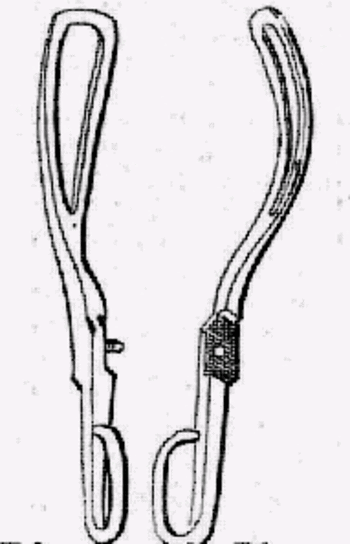 though everyone today knows what these things are, the Chamberlens kept them a secret from the inquisitive medical world for more than a century. Their instrument was shrouded—literally!—in secret(s), used under cover, with ceremony, conveyed to the delivery area in a box and brought out with no witnesses. The Chamberlens felt their invention to be their own, for their own particular use and monetary gain, and the rest of the world be damned, and at least three generations (grandfather, father, son) kept the family secret. If their family could not be in charge of such a delivery then there would be no use of their extraordinary invention. This of course would save their income from being chipped away by other physicians or midwives or whatever competent person could be found to utilize the forceps—their economic gain coming at the cost of (savable but imperiled) pregnant women who would either pay the Chamberlens for aid in their breeched births or, well, probably die. To what degree this revolting behavior damaged other people can not be calculated. I’m not even sure about how to translate this into something more recognizable—would it be like Robert Koch keeping his isolation of Bacillus anthracis (1877), or tuberculosis bacillus (1882) a secret? Or Wilhelm Roentgen shrouding his discovery in secrecy somehow? (I know, I know, this is impossible.) Or isolating a secret, proprietary cure for cancer?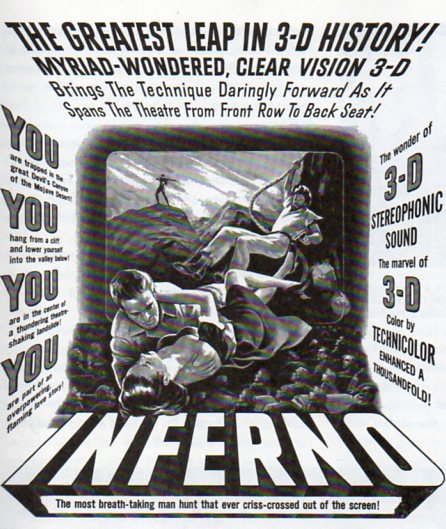
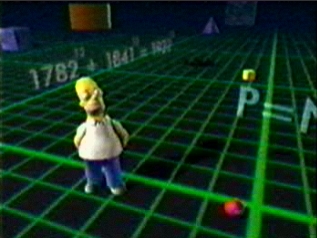
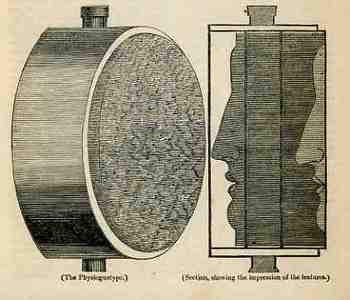 Depicting a third dimension in a two-dimensional space is tough, the whole deal being rediscovered in perspective only relatively recently in the history of human thought, being only about 600+ years old. (In quasi order perspective is brought to the West by Cimabue, the Isaac Master, Giotto, Duccio, Maso, Avanzo, Lorenzetti, Donatello, Ghiberti, Fra Angelico, and so on, not the least of whom would include our beautiful Paolo Uccello.) Giving real “flavor” to the extra dimension was still quite difficult, even in the 19th century. In the “Spirit of Discovery” section of the British weekly magazine The Mirrour of Literature, Amusement, and Instruction for 22 October 1836 there is a short notice on the “physiognotype”, “a machine for taking casts, lately invented by a gentleman in Paris”. We’re accustomed to these devices now as they’ve been for sale in toy shops for decades—but in 1836 it was a real breakthrough for making instantaneous three-dimensional models of small things. In 1836 there really wasn’t any simple way of producing a direct, proportional model like this in 3-D except for encasing it in plaster and then casting from that mold. Two-dimensional modeling was easier, and there were numerous devices constructed for this purpose as people pursued the still-hot rage of physiognomic forecasting, with simpler means (like shadow portraits) being hundreds of years earlier. (Photography remember is still three years away from being announced and another few years from being sort o