A Daily History of Holes, Dots, Lines, Science, History, Math, Physics, Art, the Unintentional Absurd, Architecture, Maps, Data Visualization, Blank and Missing Things, and so on. |1.6 million words, 7500 images, 4.9 million hits| Press & appearances in The Times, Le Figaro, Mensa, The Economist, The Guardian, Discovery News, Slate, Le Monde, Sci American Blogs, Le Pont, and many other places… 5000+ total posts since 2008.

  • Heavy Stuff in Elegant White-on-Black Lines

    JF Ptak Science Books  Quick Post

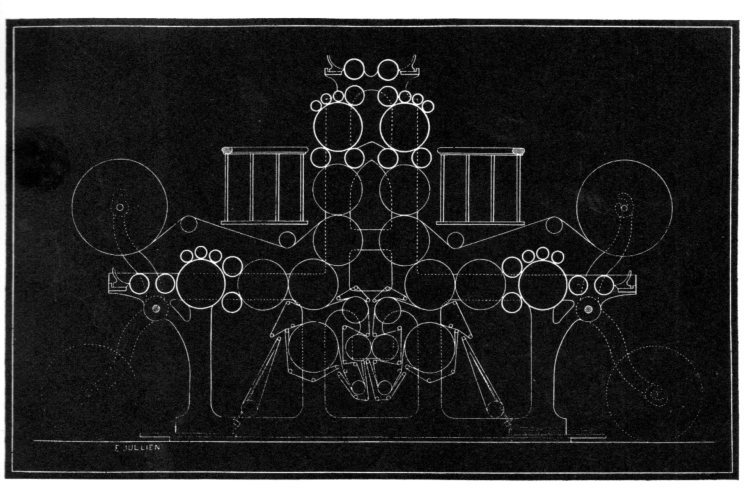
    Henry Jullien produced a beautiful work with schematics of printing machinery rendered in white-on-black, though I’m reasonably certain that the images were printed in black. The work was a catalog for the leading Belgian firm of printing presses and bookbinding apparatus.  The design is simple and very elegant and reminds me of some of the kinetic and non-represntational artwork that would come a few decades later.  (Heny Julien, Construction de Machines Typographiques, Lithographiques et Chromo-typographiques et Chromo-Lithographiques, 1881)

    Typography machine265

    ·Posted by :

    ·in:

  • Model of Utah Beach, Normandy, France, 1944

    JF Ptak Science Books    Quick Post    Follow Me on Pinterest

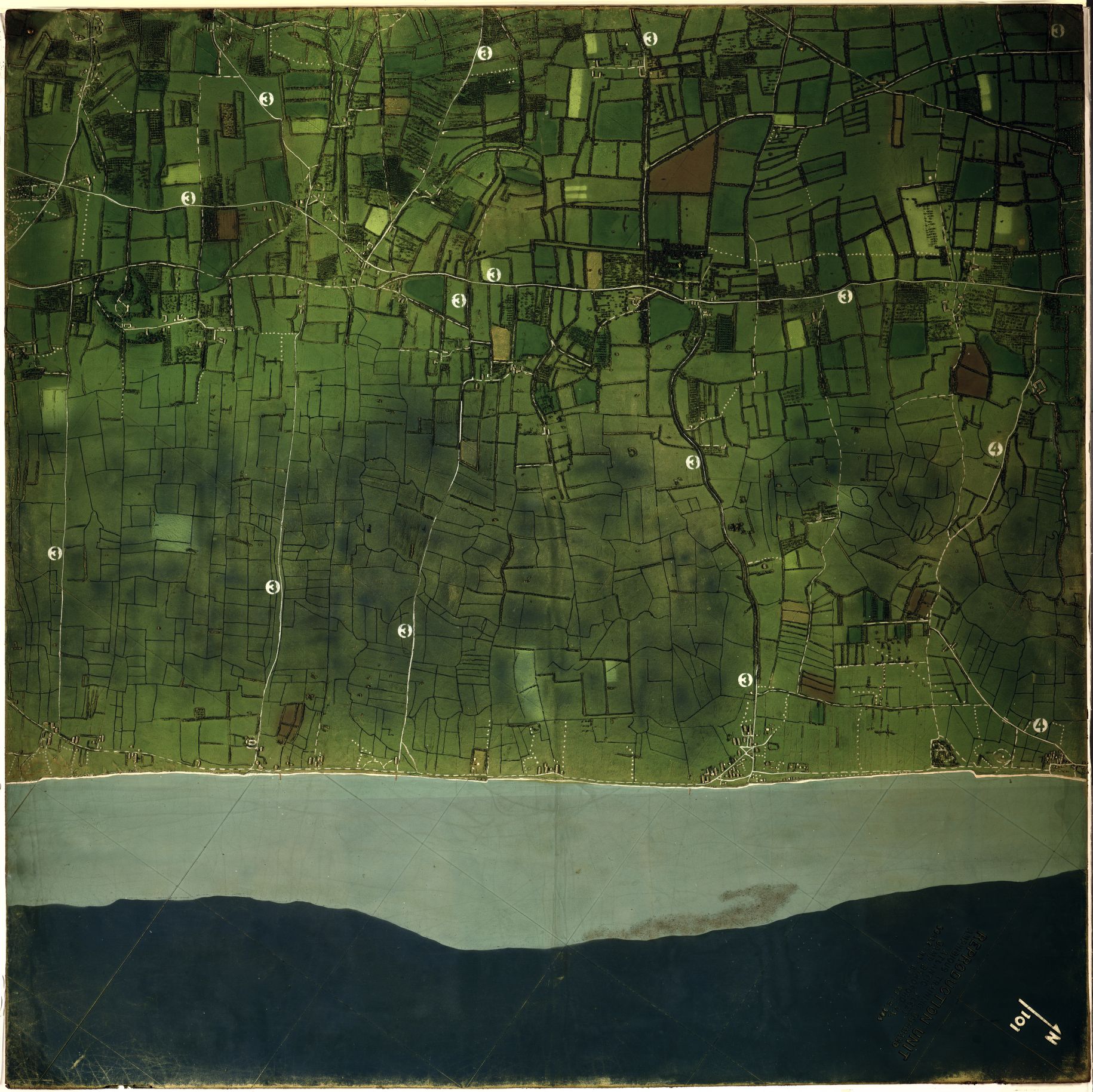
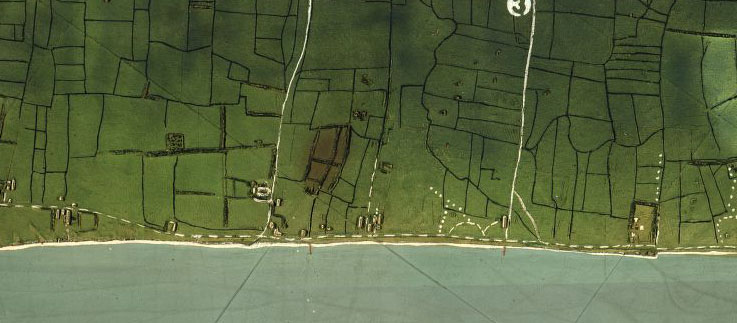
    In all that I have seen relating to the mammoth planning and logistical operations concerning teh invasion of Europe by the Allied Forces on 6 June 1944 I don’t think I’ev ever seen such incredibly detailed relief map models such as the one below.  The original image resides at the Library of Congress and its catalog information describes it on a scale of  1:5,000  and a vertical scale of 1:2,500, with the model being two sections of  120cm squared (so 120x240cm (or about 3×6 feet). THE map “shows the tide lines, slope of the beach, buildings beyond the beach, and the location of hedgehogs” and the placement of anti-aircreaft weapons.  The image is very expandable.

    Utah Beach Model Part 1

    And a detail:

    Utah Beach Model Part 1 det


  • Crowd Series: Fascist/Anti-Fascist Demonstrations, London, 1934

    JF Ptak Science Books   Post 1984    Follow Me on Pinterest

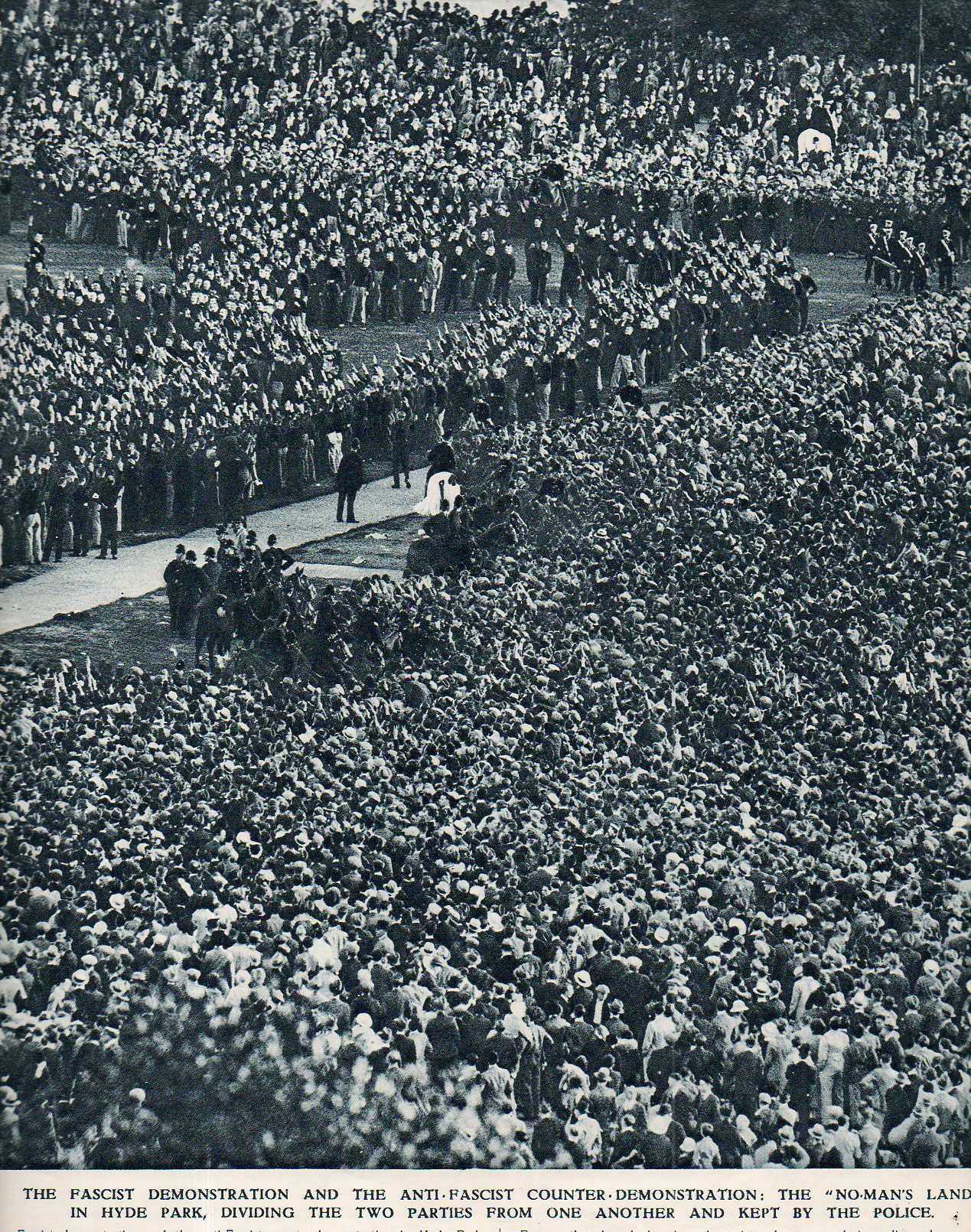
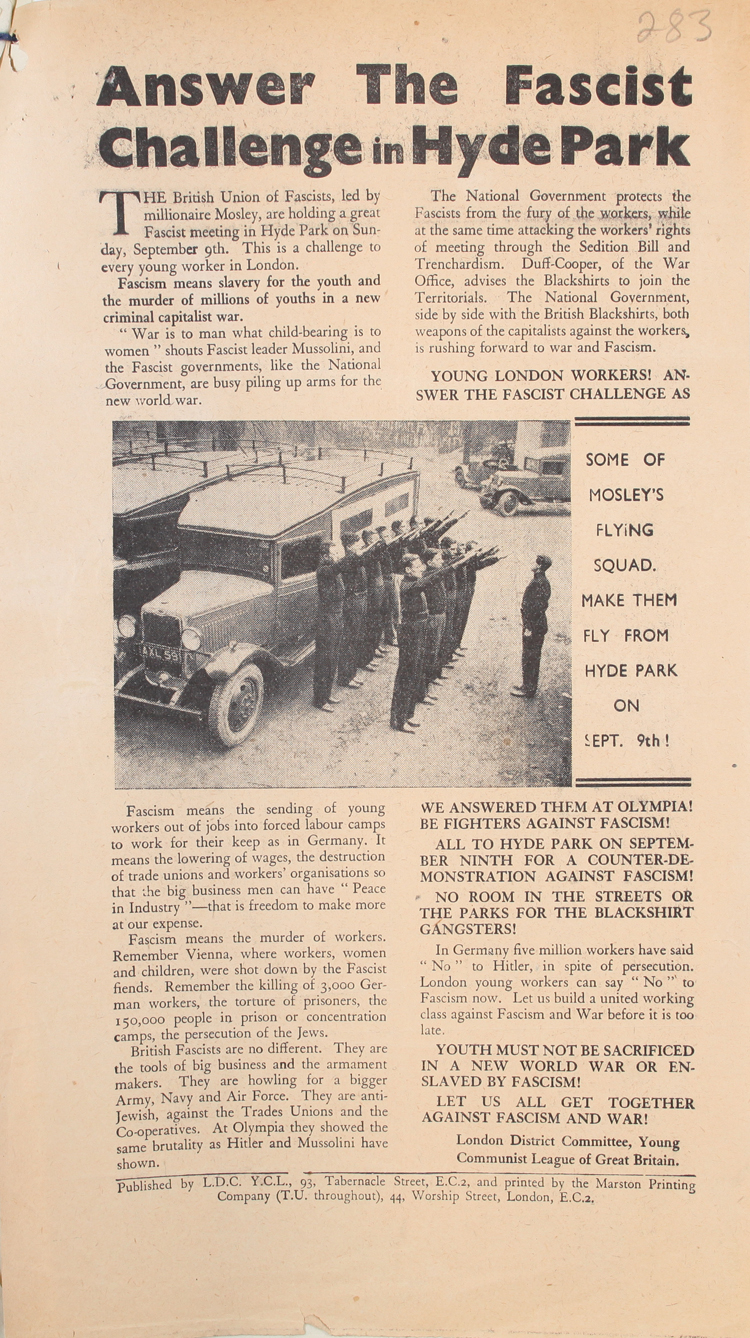
    This remarkable photograph was published in The Illustrated London News on 15 September 1934 and shows the Fascist demonstration in Hyde Park of 9 September. There was an “anti-Fascist counter-demonstration” at the same time, same park–the two sides were divided by the “No Man’s Land” path in the middle, screened by police on each side.  The crowd at the left/middle is the fascist group–easily discriminated by their salute and then their visual sameness, so many of them wearing the signature black shirts. At bottom/right/top is the counter-demonstration group, which is far larger–they were orderly but not having any patience for Hitlerism. 

    Crowds fascist105

    Which is a detail from:

    Crowds fascist104
    [Source: private collection]

    I found a handbill for one of the opposing groups at the demonstration:  the Young Communist League, which evidently showed up in force.  In the caption of the above photo there is no mention of the party affiliation of the anti-fascists, except to quote witness Will Rogers saying “the Blackshirts were holding one meeting. Two hundred yards away the Communists were holding theirs. And in between was all of London lauhing at the both of them”.  According to a quick search I’m not sure that there were this many communists in all of London in 1934–I assume the anti-  crowd was very mixed.

    (These Blackshirts should not be confused with Albanian/Indian/Italian blackshirts, or German brownshirts (brown maybe because black was traditionally used for Christian Democrats?), or American silvershirts, though some do bear some resemblence. In the other color-shirt-political-affiliation categories there are, for example, the redshirts of Italy, the blue- and greenshirts of Ireland, the goldshirts of Mexico, the greyshirts of South Africa, the greeshirts of Romania, and the blue shirts of Taiwan).

    Fascist demonstration 193
    Source:  British National Archive, here.

    The “Mosley” here Sir Oswald Mosley (1896-1980), founder of The British Union of Fascists in 1932 which in 1936 changed its name to the British Union of Fascists and National Socialists and then in 1937, slimming it down to the British Union, until it was disappeared by the government in 1940 in a ‘defence of the realm action” under Defence Regulation 18B.

    Mosley and his wife were arrested in 1940 and spent a few years in relatively high privilege in prison, a situation granted by Winston Churchill. They lived in their own inner-prison cottage, with a garden and servents.  They were released in great controversy in 1943 and seem to have spent decades in the far right spectrum publishing and promoting questionable and of course distasteful political viewpoints. 

    ·Posted by :

    ·in:

    —
  • A Piece of Tech Future and Children Knowing Everything, 1876

    JF Ptak Science Books   Post 1985Follow Me on Pinterest

    Telephone 1876 lockyer detail
    There are many facets in the history of the future that sound very familiar and true, making it shocking to realize what a long timeline some presumably modern things have.  For example, take the issue of the superiority of children to understand newly-arrived technological innovations. It seems as though children need to be shown exactly once how to access a certain segment of a program or how to program the television. It is perhaps a modern conceit that this issue belongs with us in the present and to the children of these children, somewhere in unfolding technological future.  But this was certainly the case in 1876, with the (very) new technological breakthrough, the telephone.

    Alexander Graham Bell was not the first to the invention of the telephone–this is one of those breakthroughs that was ‘in the air” (like the electric telegraph, and the hypothesis on the background radiation of the creation of the universe, and television, and Cubism), and in several issues of the standard-keeper scientific journal Nature for 1876 there are several articles discussing the telephone which do not mention Bell. For example Antonio Meucci in 1849, Charles Bourseul in 1854, Johann Philipp Reis in 1860, Elisha Gray in 1874, and Thomas Edison in 1875, all came close to the practical application of the idea of the ‘speaking telephone”, but it was Bell who ruled the day with the superior design and the patent award. It was Gray who came closest of all to winning the future, beaten in the accounting department at the Patent Office by Bell by only a few hours, both his and Bell’s patents received on 12 February 1876. (Gray’s patent was actually received earlier in the morning than Bell’s, but it was Bell’s attorney who insisted on his patent being recorded immediately in the accounting ledger, with Gray’s patent entered into the books two hours later, resulting in the awarding of the telephone patent to Bell. Ouch). 

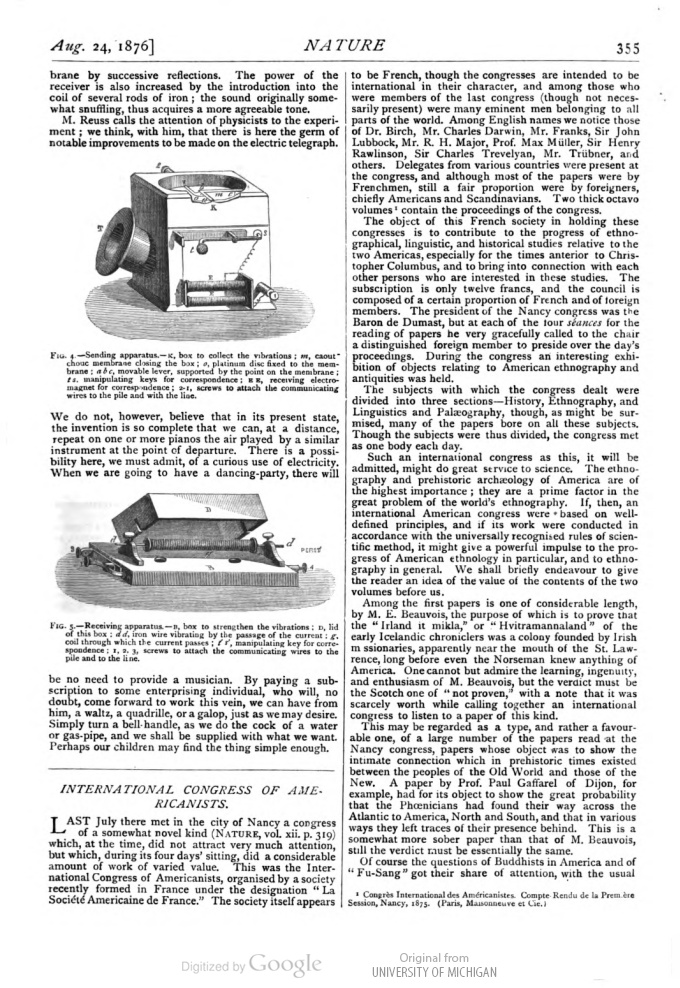
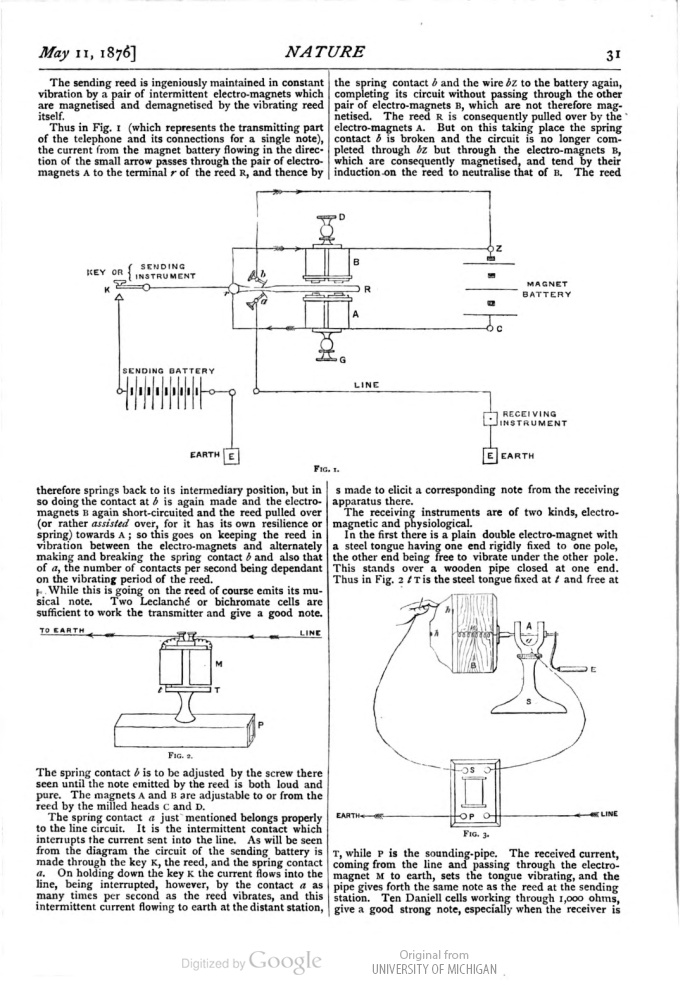
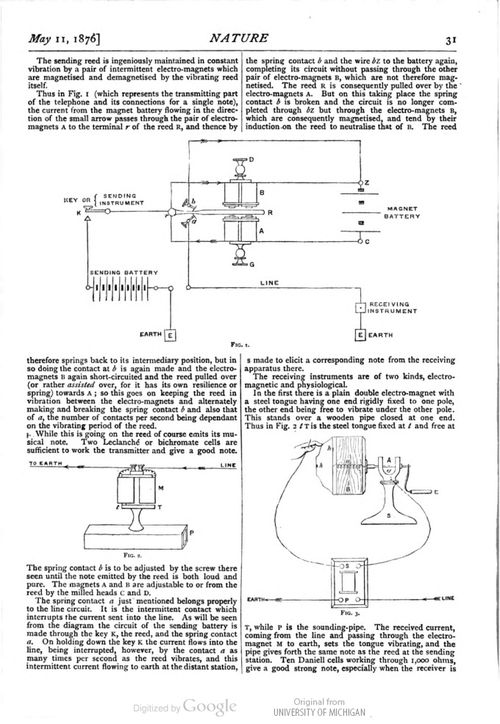
    The August 24, 1876 issue of Nature contained a compact article (uncredited but written by the editor, the esteemed astronomer/astrophysicist Norman Lockyer) on the recent extravagances in electrical development, and included a long section on the telephone.  Bell’s name was not mentioned, and Lockyer concentrated on the work of Reuss and Gray. He also wrote about the use of the telephone, which does not yet involve the use of the instrument for voice communication.  As in an earlier article in the same journal by J. Munro (“On the Telephone, an Instrument for Transmitting Musical Notes by Means of Electricity”.London, Nature:  May 11, 1876.  Pp 30-32 and concentrating mostly on the Gray telephone), Lockyer discusses one application of the telephone in the transmission of music. (He does mention the remarkable experiments of Bourbouze, who in 1870 attempted to use the Seine as a conductor between two stations, those being two bridges, each outfitted with electric piles, enabling the transmission of information without wires–but that’s for another post). 

    Lockyer writes about “the germ of notable improvements to be made on the electric telegraph”,  that

    “in its present state, the invention is so complete that we can, at a distance, repeat one or more pianos the air played by a similar instrument at the point of departure. There is a possibility here, we must admit, of a curious use of electricity. When we are going to have a dinner party, there will be no need to provide a musician. By paying a subscription to some enterprising individual, who will, no doubt, come forward to work in this vein, we can have from him, a waltz, a quadrille, or a gallop, just as we may desire.  Simply turn a bell handle, as we do a cock of a water or gas-pipe, and we shall be supplied with what we want”.

    Lockyer finishes with this great line:  “Perhaps our children may find the thing simple enough“. 

    My initial reaction is great surprise, that this feeling about children coming to understand a new technology quickly/instantly reaches (in evidence) back to 1876.  How far back in time does this sentiment or realization reach?  Is it ancient?  I’ve never really thought about it, but now that I have, a little, and been presented with hard evidence that the sentiment reaches back into the 19th century, that it might as well reach all the way back, deep into dusty history–even pre-dusty.  In any event, even though it is a little difficult for me to ascertain Lockyer’s real feelings about the use of the new instrument, his reaction to children and technology seems to be an honest belief. 

    (I actually have a series of original early papers on the telephone (1876-1878) including the one below, offered on the bookstore section of this blog, here).
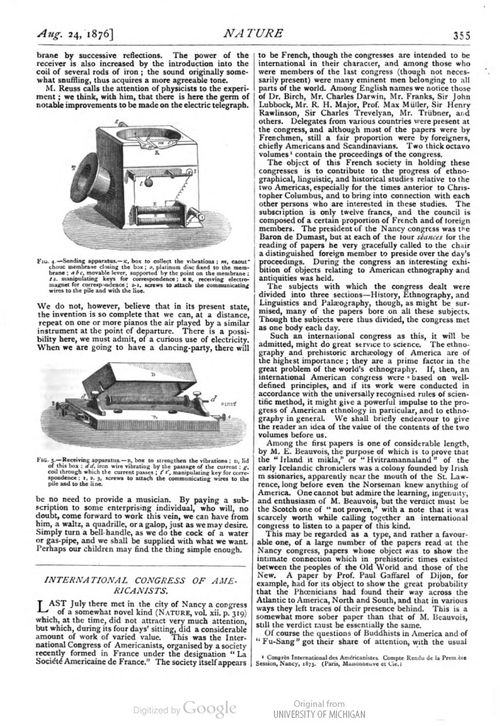
    Telephone 1876 lockyer

    Telephone 1876 munro


  • Chewing Gum at War

    JF Ptak Science Books  Quick Post

    Follow Me on Pinterest


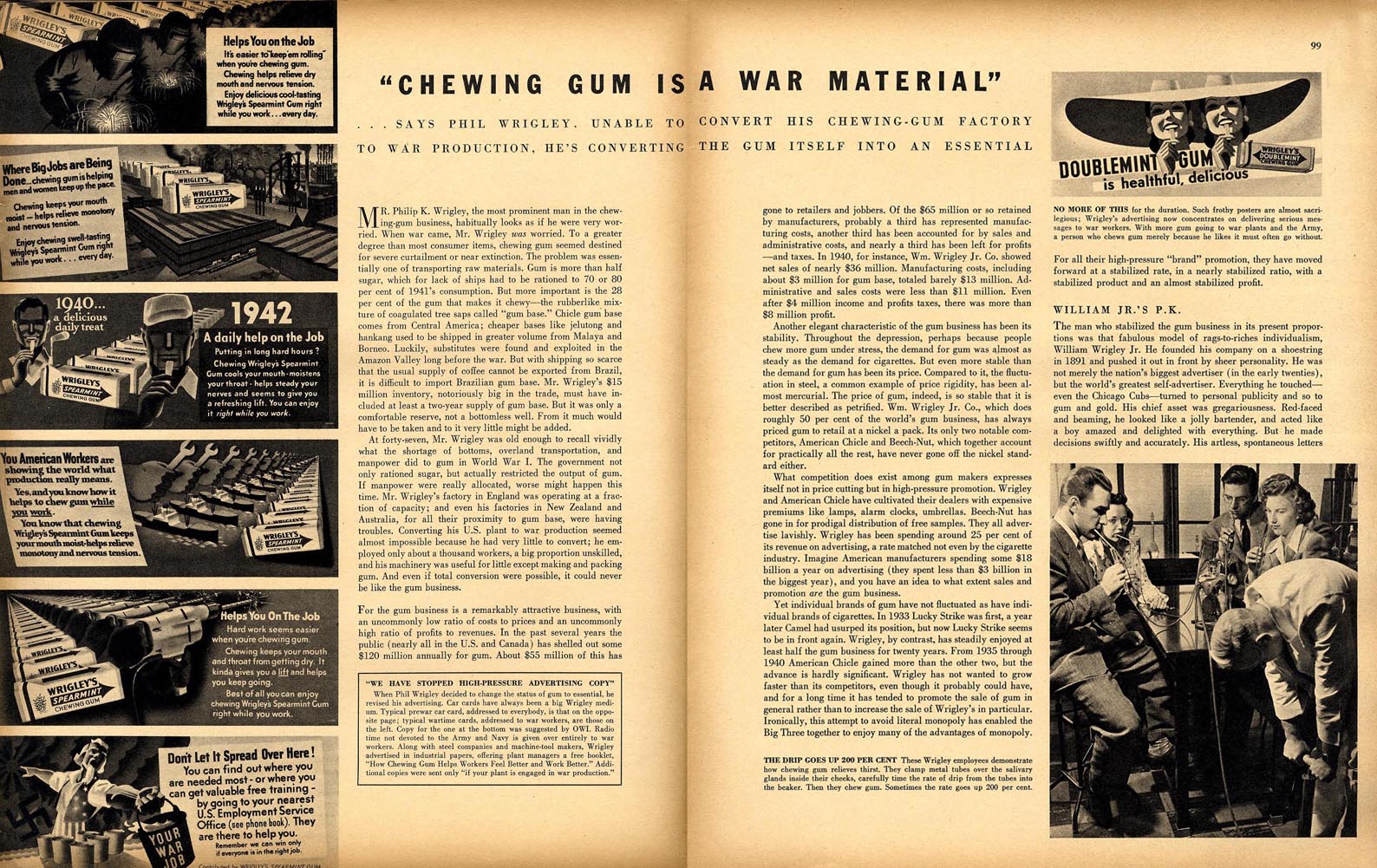
    From the wonderful Fulltable site, in a section dedicated to advertising art during WWII–an episode in the history of stuff that I have looked into before on this blog–comes this improbable two-pager, of combined absolution and advertisement, regarding chewing gum, of all things:

    Chewing GUm

    http://www.fulltable.com/vts/m/military/war/cg1.jpg

    ·Posted by :

    ·in:

  • Magical Magic Squares of Some Advanced Age

    JF Ptak Science Books   Post 1987Follow Me on Pinterest

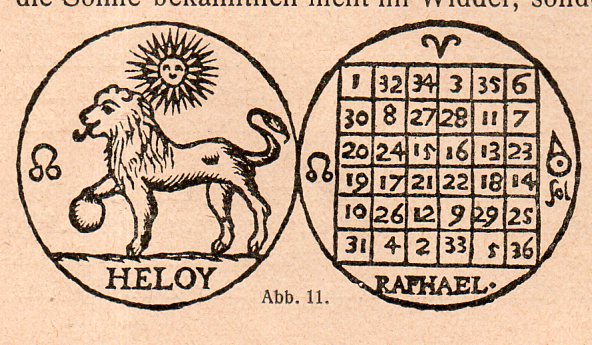
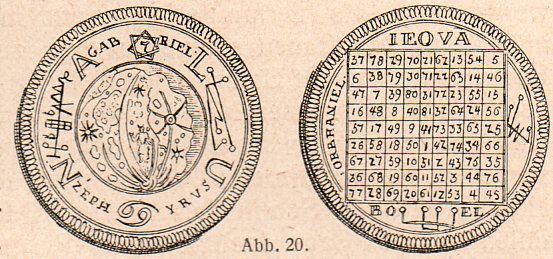
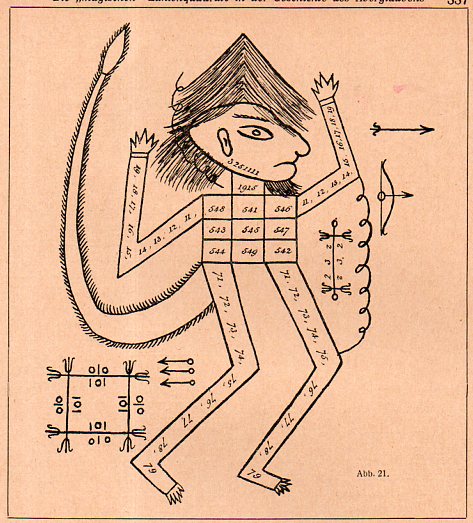
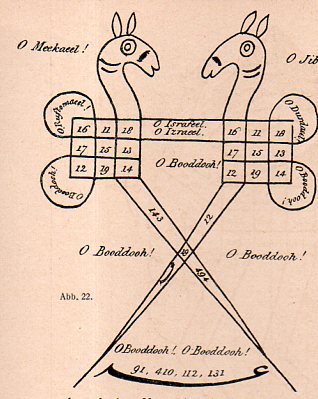
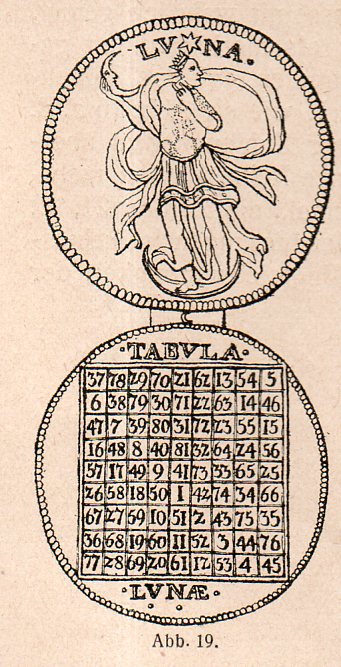
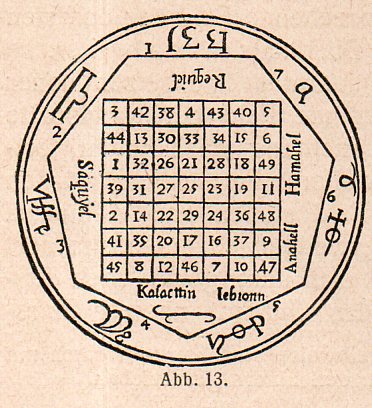
    Magic square 7096
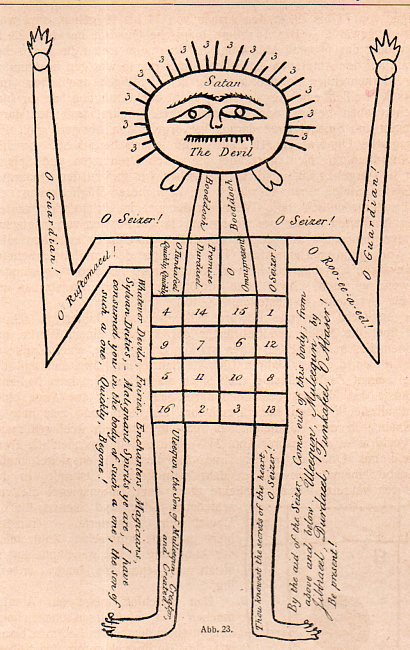
    I found these extraordinary magic squares lurking in the September 1915 issue of Himmel und Erde–seeing them was a shock to me, especially since I was expecting articles dealing with more technical and also astronomy-related issues, though treated as a history of astrology/astronomy aspect I guess that I should’ve have been too surprised.  The author, W. Ahrens (of  Rostock) had written on different aspects of the magic square in the South Pacific (“Etwas von magischen Quadraten in Sumatra und Celebes”) and more extensively on the Kabalah and magic squares (in “Hebraeische Amulette mit Magischen Zahlenquadraten” for example), and in general in his Mathematische Unterhaltungen und Spiele (1901). 

    Magic square 1090
    (An interesting example of a “Venus” magic square, with seven cells).

    Magic square 4093
    (This magic square, a “Moon” or “Lunar” square, has nine cells, and also has a form of a “T” world map.  The names of the magic squares were adopted by Cornelius Agrippa (1486-1535) who constructed squares of 3,4,5,6,7,8 and 9 cells, naming them for the seven “planetary” astrological symbols, Saturn, Jupiter, Mars, the Sun, Venus, Mercury and the Moon.  The magic square as an idea seems to have been introduced in the west by Moschopulus of Constantinople in the earlier 15th century–the magic square itself though is ancient, alive and well in India more than 1500 years before its arrival in Europe). 

    Magic square 5094

    A magic square amulette from East India.

    Magic square 6095

    Magic square 3092
    Another 9-cell magic square, indentifying itself with “Lunae” and “Luna”. 

    Magic square 2091

    They’re all quite beautiful.


    “

    ·Posted by :

    ·in:

    —
  • The Testimony of Figures: an Infographic of WWI Loss, 1919

    JF Ptak Science Books  Quick Post     Follow Me on Pinterest


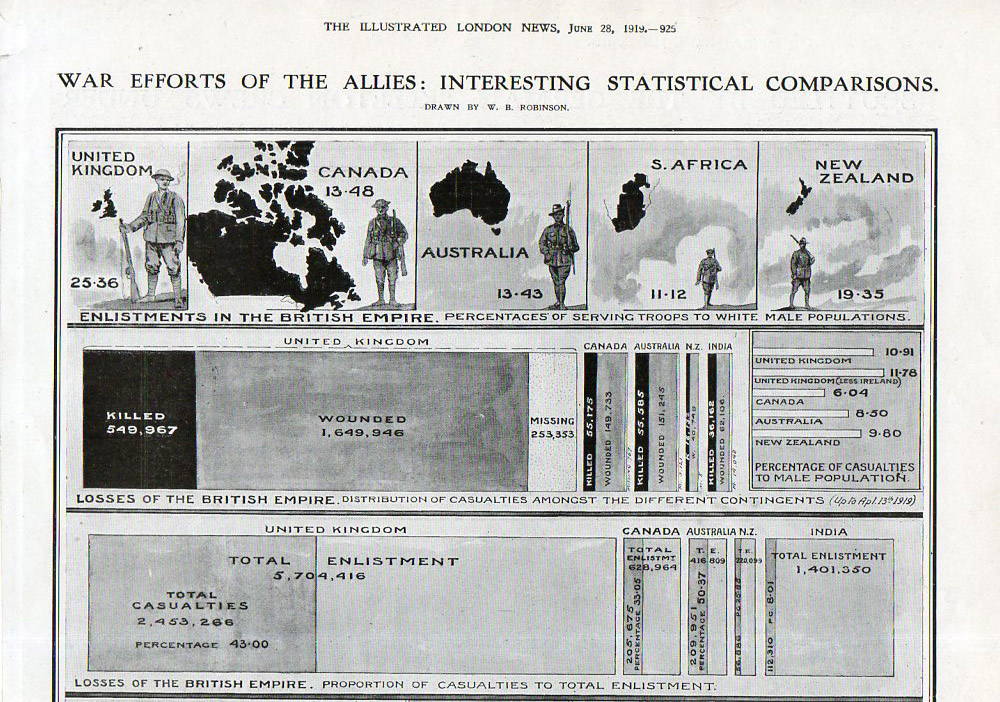
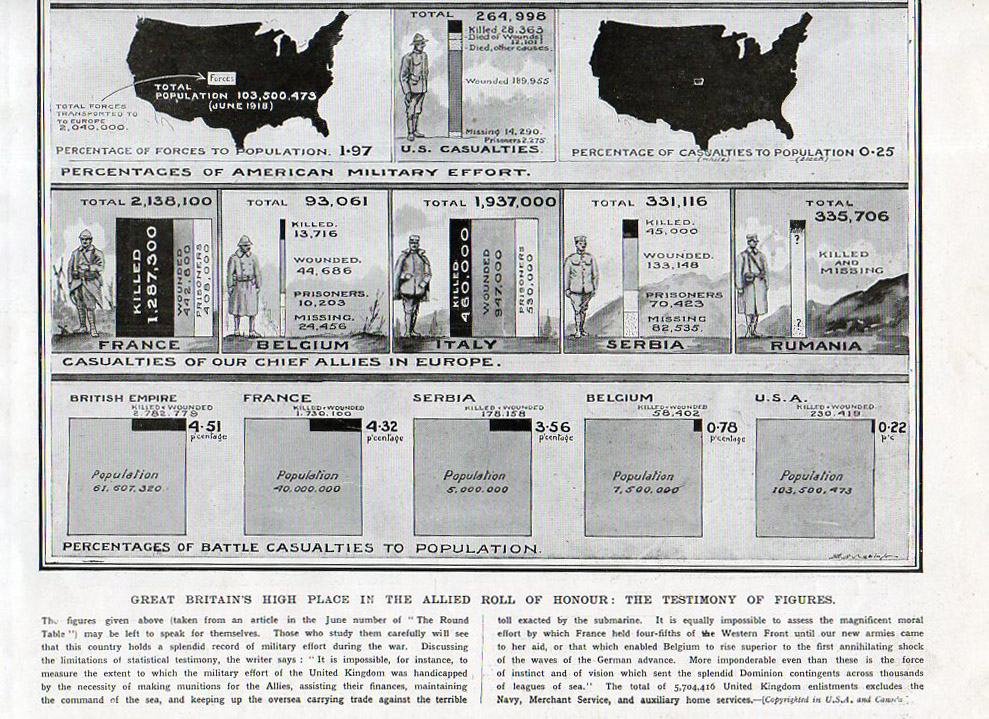
    This single-sheet infographic sheet was published seven months after the end of the war, in June 1919, in the Illustrated London  News.  “Great Britain’s High Place in the Allied Roll of Honor: the Testimony of Figures” is exactly that, a very significant, visual testimony.  The images speak for themselves.

    Infographic WWI--casualties109

    Infographic WWI--casualties two110

  • On Varieties of Dead Forests: the Inverted Forest at the NYC World’s Fair, 1939

    JF Ptak Science Books   Post 1986Follow Me on Pinterest

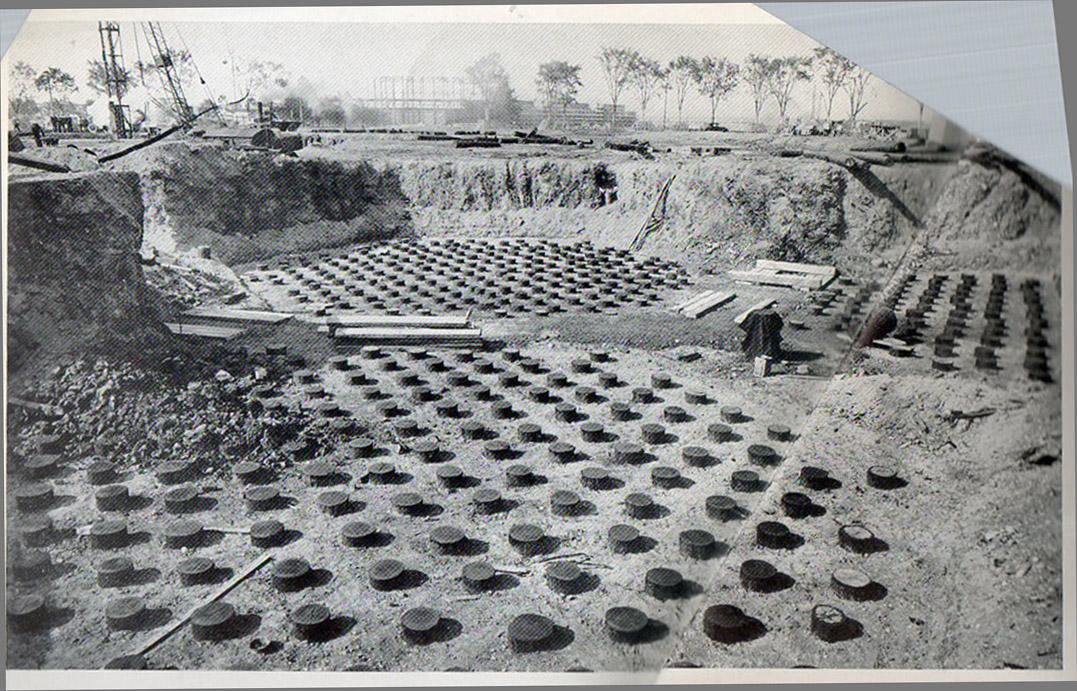
    I’ve noticed a number of different varieties of unusual forests, though mostly they’re repurposed, and stand above or on the ground, rather than the one seen in the image below, where the trees are inverted like roots. There’s the massive forest that we see every day in the United States, the backbone of our digital culture is strung along the carcasses of dead trees, wires and cables hanging from  tree corpses, an enormous chunk of our social interaction and economy dangling above us, moved by the wind and rain. Then of course there’s neat and orderly forest, forests that have been cut down, stripped, and the elements stacked in sequences so that people could live inside of them. There are stockade fences, and picket fences. There are old roads from Colonial times and into the 19th century there were made sections of felled trees, and then others that were made from milled lumber (as in Plank Roads).  There are forests that have been cut, and then milled all to one size, and laid next to one another in parallels and connected with heavy steel ribbons that stretched for hundreds of thousands of miles, their enterprises given ironic and commodious names with words like “Atlantic” and “Pacific” in them (like the “Union Pacific Railroad”).  Dead Wood is everywhere, some of which was simply cut down, stacked, and then slowly burned. 

    Inverted forest106
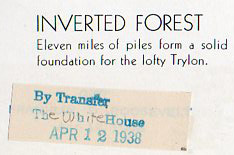
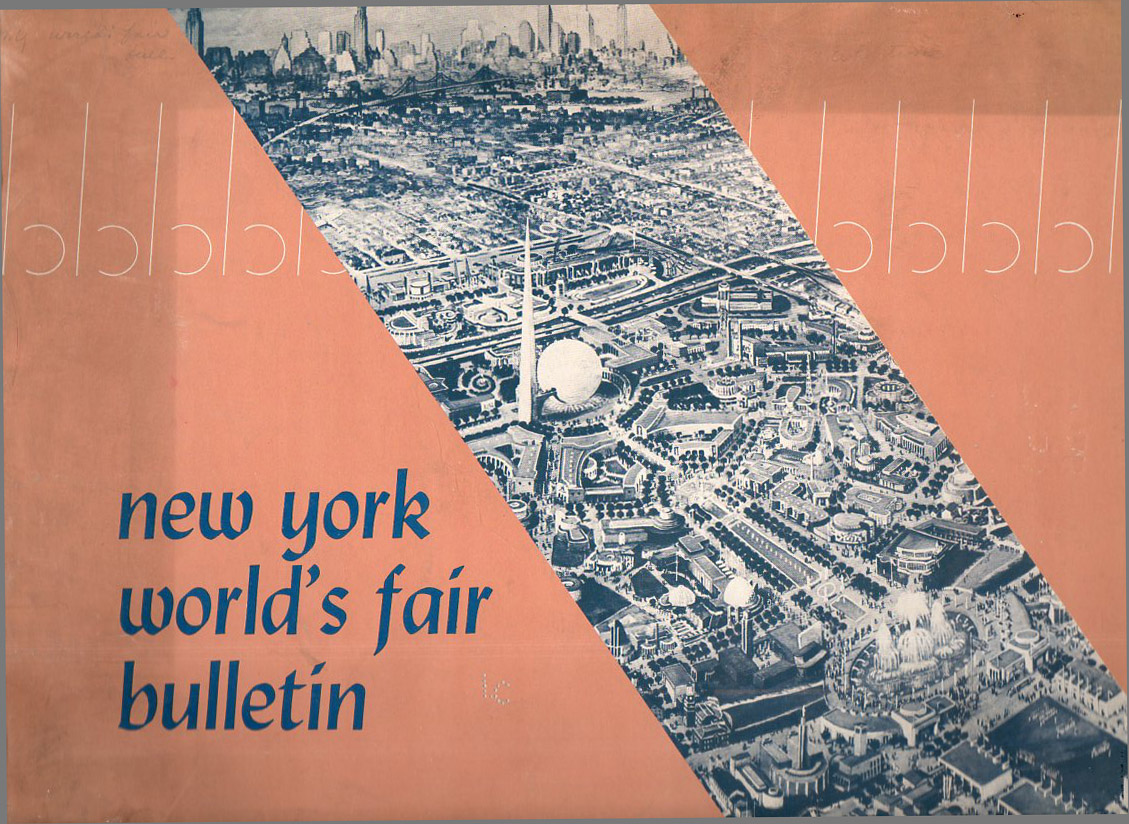
    Before being replaced by steel, foundations like this were made of lumber and/or stone, and was hardly uncommon–what is uncommon, to me at least, was to see a picture of finished footings, and then to be given such a creative name like “inverted forest”. But this is what they were, as we can see here in the New York World’s Fair Bulletin in 1937:  11 miles of forests pounded into the soil to support the weight of the iconic Trylon.

    Inverted forest caption107

    The Trylon is the spire in the middle of the image, next to the sphere–they were both enormous.  The spire rose some 600′, while the sphere was 180′ in diameter–both were gone by 1941, razed at the end of the Fair (1939-1940), their materials used for the war effort.  Both stood on the inverted forest.
    Inverted forest caption108

    [From a private collection, via the Library of Congress, from the White House in 1938.]

    In the Alphabet of Inverted Things, forests may be the most unusual: inverted chords, melodies, voices, pyramids, river deltas, microscopes, personality.  Forests seem so awful in their way. Inverted.

  • The Geology of Noses

    JF Ptak Science Books    Daily Dose from Dr. Odd Follow Me on Pinterest

    “The first principle [in science] is to not fool yourself.”  R.P. Feynman

    “The Woo-woo
    is all the same, everywhere, anytime, every time.”
    —James Randi on the
    history of   the pseudosciences .

    See also: the Geology of Hair

    If a person can read another person’s face “like a book”, then I suppose that the face might have some “tracks” on it–beastly objects like the tracks of words (a la Mr. McMurtry in Lonesome Dove) or perhaps something more like the elements of a map, something that is defined and pleads for interpretation, decisive and imaginative at the same time. 

    This came to mind reviewing an older post on this blog, Maps of the Cosmos of Moles, and saw what looked like deeper geological entries on the subject’s face, which was a 17th century alchemical/astrological appraisal and mapping of human moles, but more so than the arrangement of the moles in question.  (Funny to go into a project mapping moles on humans and come out of it with a geology of noses, a phrase by the way which does not show up in a Google search).  In any event, a magnified view of Mole Man’s face coupled with its circular arrangement in the engraver’s technique seemed to suggest something of a volcano in the subject’s nose, complete with contour lines. 

    Mole map detail[Full image found below]

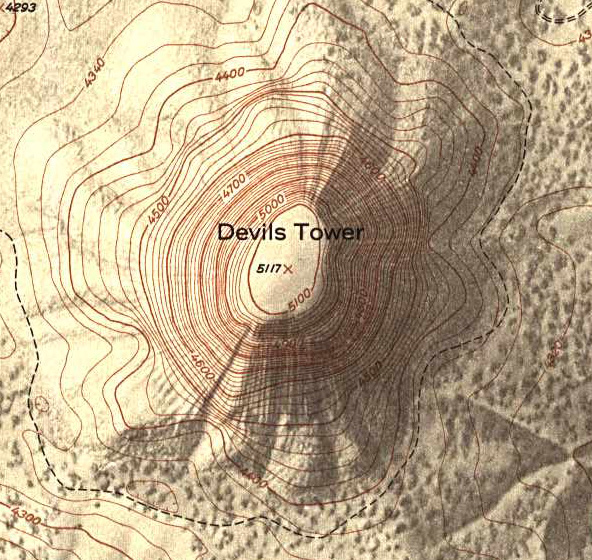
    There’s a very prominent similarity to any number of geological features, liek the one below of the Devil’s Tower:

    Devils_tower det

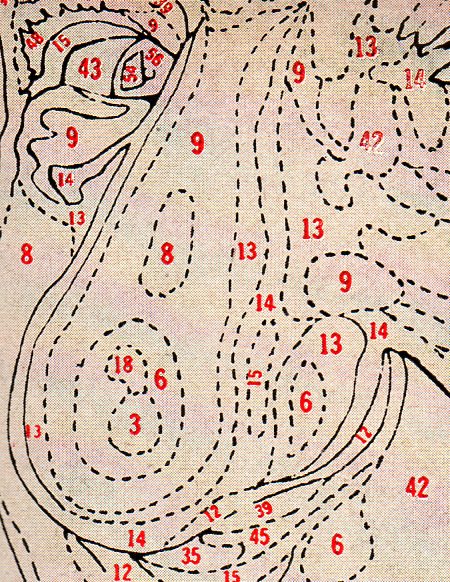
    The contour lines of Mole Man reminded me of something else, another map o fa human face that had a very distinctive geological flavor to it, and another nose:

    Geology of noses

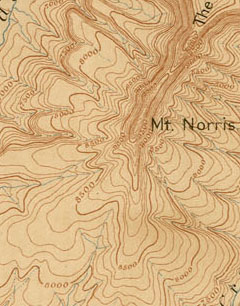
    Contour yellowstone det
    The nose belongs to a Paint-by-Number portrait of Jimmy Durante, a vaudeville/stand-up/entertainer with a very prominent and probably the most famous nose of the 1940’s and 1950’s.

    I doubt that this means anything at all–it was a nice exercise of pulling together a few divergent images in a very odd forced alignment. 

     Notes:

  • An Underwater Bridge at Gibraltar, 1930

    JF Ptak Science Books   Quick Post  
    Follow Me on Pinterest

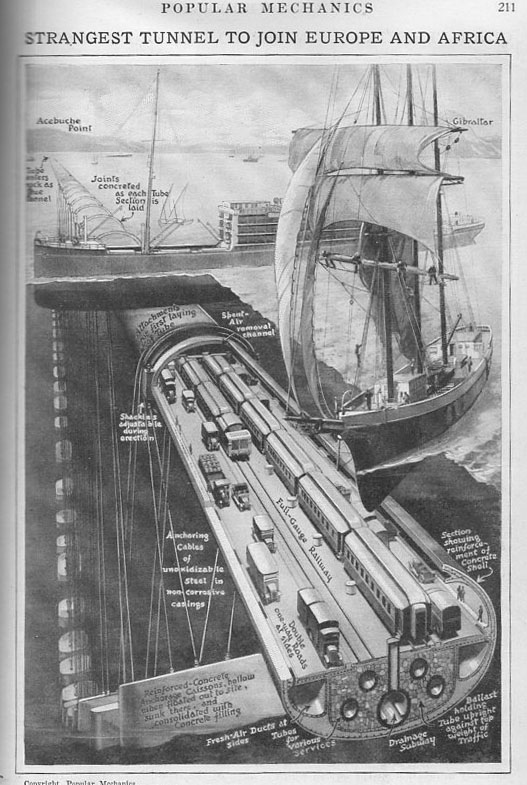
    This is an interesting image without a story, though its implications are huge and the engineering involved is incredibly substantial. It appears in the September 1930 issue of Popular Mechanics, and shows a  “huge concrete tube” connecting Africa and Gibraltar.  the interesting part, the “strange” part of the title of the illustration), is that the tunnel is basically like an underwater bridge.  When the idea of the tunnel was first proposed by the Spanish government in 1930 it was found that the rock between the two continents (and actually about where the two continents meet) was extraordinarily hard–too hard for the contemporary technology to deal with. One proposal to get around the tunneling aspect was to lay the tunnel above the bottom of the channel, which is what we’re looking at in this image. 

    Tunnel to africa147

    ·Posted by :

    ·in:

  • Aircraft Silhouettes, 1930

    JF Ptak Science Books   Quick Post  
    Follow Me on Pinterest


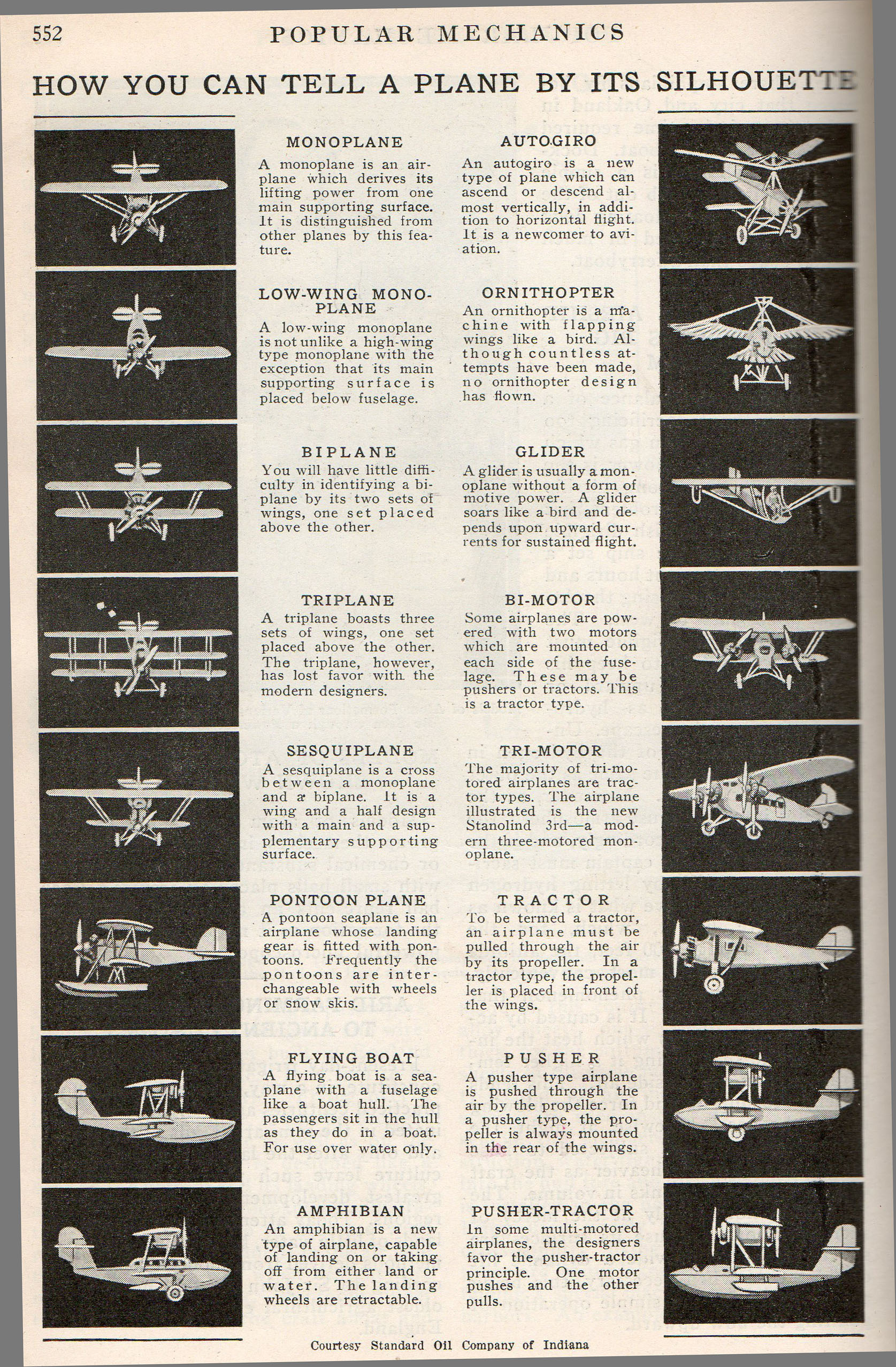
    I just found this in the October, 1930 issue of Popular Mechanics and like all of these sorts of identifiers it struck me as potentially useful.  At the very least, it is interesting, and so I pass it along:

    Airplane silhouette part b

    Larger images of the silhouettes below:


    ·Posted by :

    ·in:

Recent Posts

Archives

Categories