A Daily History of Holes, Dots, Lines, Science, History, Math, Physics, Art, the Unintentional Absurd, Architecture, Maps, Data Visualization, Blank and Missing Things, and so on. |1.6 million words, 7500 images, 4.9 million hits| Press & appearances in The Times, Le Figaro, Mensa, The Economist, The Guardian, Discovery News, Slate, Le Monde, Sci American Blogs, Le Pont, and many other places… 5000+ total posts since 2008.

  • Negative Space Images: the Dark Imaging of an Absent Halo?

    JF Ptak Science Books   Post 2033  

    Follow Me on Pinterest


    Part of a series on the History of Blank, Empty and Missing Things
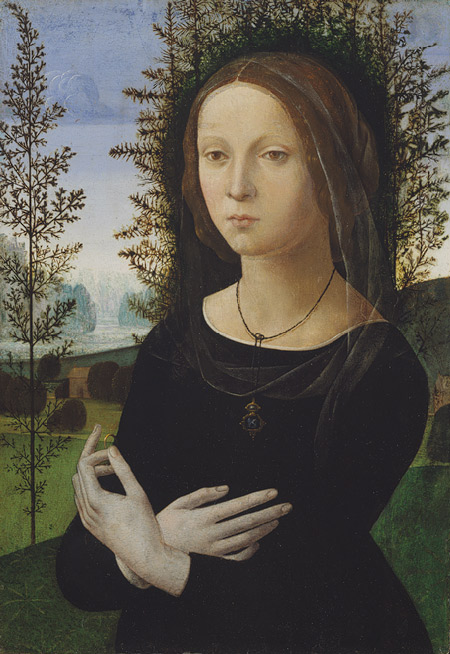
    Negative space di Credi[Image source: Metropolitan Museum of Art.]

    The idea of negative imaging–of forming an image “backwards”, or by using a surrounding space to define the image’s properties–came into play for me while looking at this beautiful portrait in the collection of the Metropolitan Museum of Art in NYC.  Lorenzo di Credi (Florentine, ca. 1456-1536) painted Portrait of a Woman (an oil on panel) in the last decade of the 15th century, a beautiful work presenting the portrait of a woman who was possibly in mourning, modestly dressed in very dark clothing and holding a ring.  What strikes me is the “dark halo” around her head, a black space outlining her head and neck and shoulders, giving all of those features a further powerful light by the very wide border between them and the juniper in the background.  I imagine that this technique was used to establish a deep luminosity, but for me it also creates the presence of a halo by painting its absence–this is admittedly tenuous, but that is the way it seems, to me. 

    It also reminds me in a way of Leonardo da Vinci’s  Ginevra de’ Benci, (c. 1474/1478, oil on panel), though there is much more detail in Leonardo’s non-halo. 
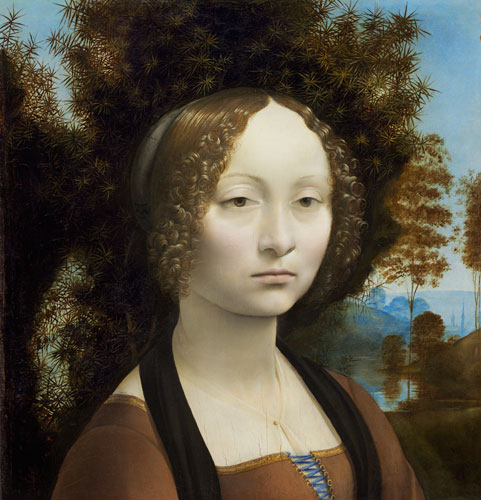

    Negative leonardo

    [Image source: National Gallery of Art, Washington D.C.]

    Even
    though there does not seem to be a “halo” in the Leonardo, there does
    seem to be a fingerprint where the non-halo isn’t–evidently Leonardo
    did not limit himself to just the brush in his painting technique, but
    used his fingers as well.
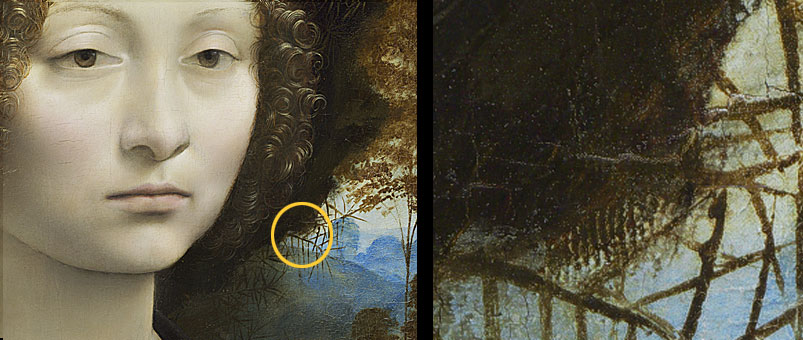
    Negative space leonardo fingerprint

  • A Telephone Book for the Dead and a Telephone to Deadville Redux (1912)

    JF Ptak Science Books     Daily Dose from Dr. Odd  

    Follow Me on Pinterest


    Dead club334
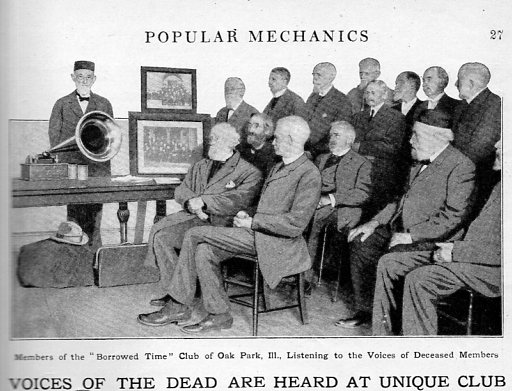
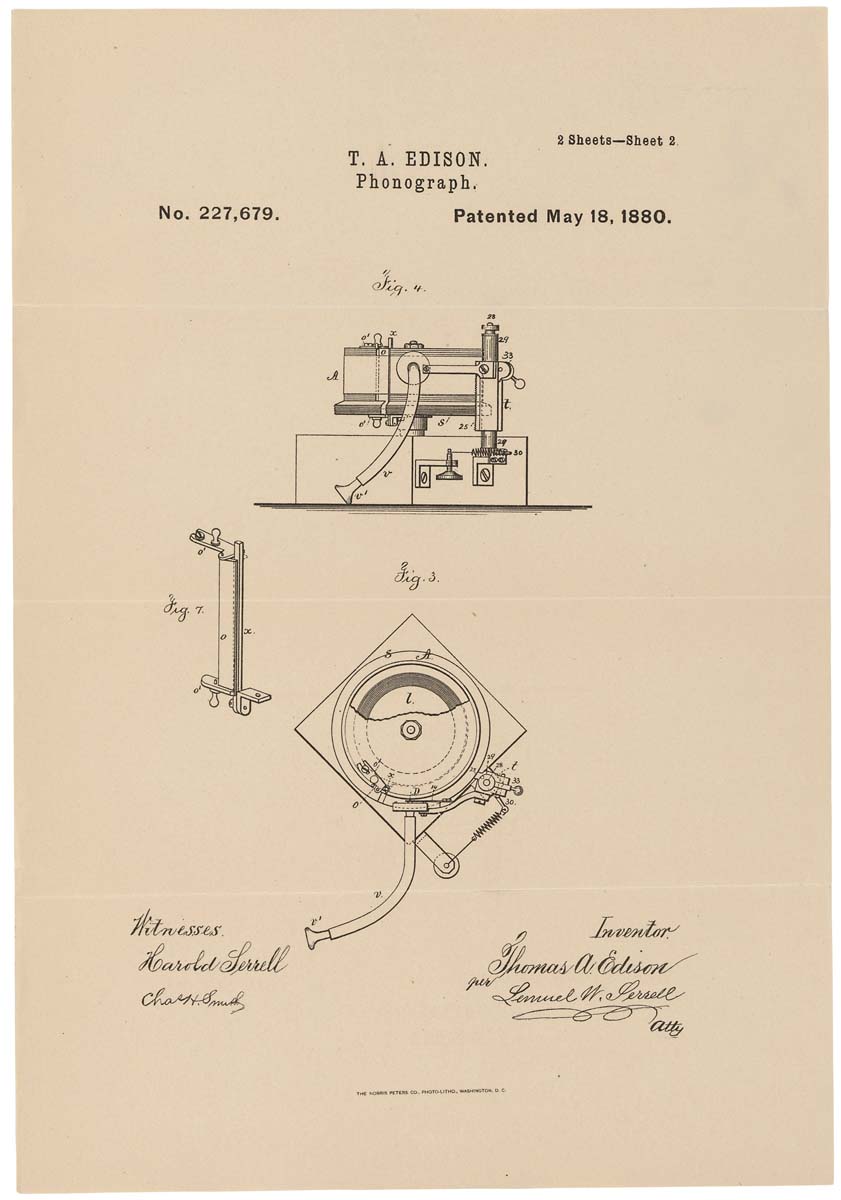
    Two years ago I posted “My Zombie ‘Phone to Deadville” and Tales of the Infinite Boneyard, by Tom Edison which addressed a prickly mock-interview that the great inventor gave in 1910 about the possibility of communicating/telephoning with/to the dead.  On the other hand, his recording phonograph did accomplish this, in a one-way way–for the first time in human history it allowed a person to listen to the sounds of something that couldn’t make sounds anymore.  Dead People Talking must have been an enormous idea to those of the first few years of Edison’s 1877 recordable/playable device–it still its own enormity if you stop to think about it for a moment. 

    This is to some degree what was in the minds of the members of the Talking-with-the-Dead Club in Chicago’s Oak Park as seen in an article in the endlessly interesting Popular Mechanics (for 1912). The members of the “Borrowed Time” club really weren’t so much interested in talking with the dead but rather were more consumed with the dead talking to them. On waxed cylinders.  Perhaps it was a new modern miracle and a possible comfort to their own soon-to-be demise that it would be possible to reach out from the grave to have your voice heard.  The club was founded in 1902, and of its 25 charter members only 10  survived in 1912. It would have been an odd conceit to join a club to sit with fellow members to listen to the voices of dead members, a strange if new insistence on corporeal attention to dead stuff. But it is a very recognizable wish–“need’, even–to have your the memory of your dead self improved or at least substantiated with a recording of your years-dead voice available to the curious. 

    This makes me think about a telephone book for the dead–there’s certainly enough material out there for one, or to at least think about organizing one. Certainly in the near future there will be millions of new dead people, and given the extent of cell phone communication and etc. this will be one of the fastest-expanding communities of potential communicants. Probably the idea of a “telephone book” for the Dearly Departed is old fashioned, especially when we can have an entire internet (the world wide dead web) devoted to them, the them that are us. This may sound trivial and snarky, but it isn’t and I’m not trying to be–I’m dead serious.

    PhonographPatentEdison1880

  • Recognizing the Agony of the Absurd–Aircraft, 1912

    JF Ptak Science Books   Post 2035  

    Follow Me on Pinterest


    Airplane futuro335
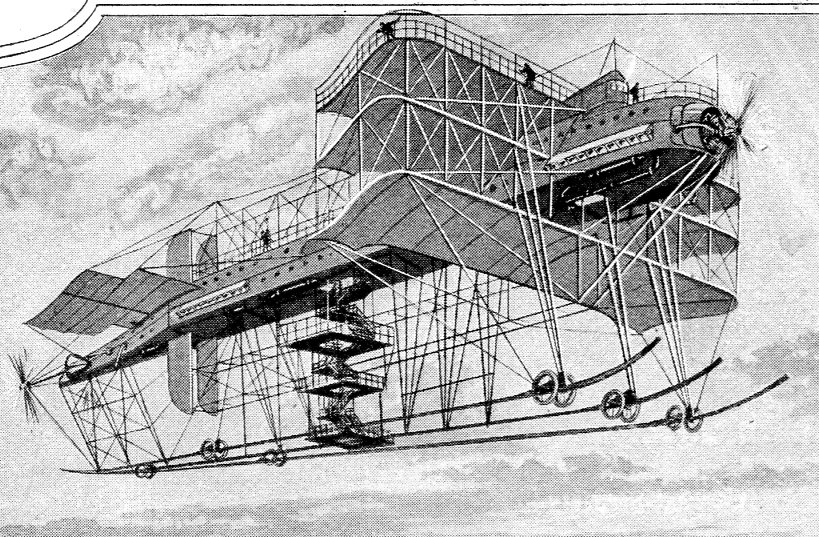
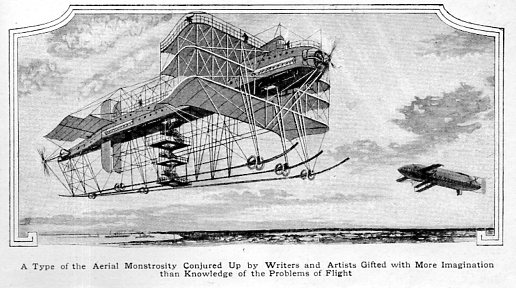
    Nothing exceeds like excess, and the excessful is not often successful.  Victor Lougheed saw this in the first decade of powered heavier-than-air flight in a homey and sensible article in Popular Mechanics in 1912.  He had a nice touch in trying to reign-in the impossible stuff that was happening in imagining flight, saying “it is safe to give to fancy only when fact is far away”–and that imagination is perfectly fine, but now that “human flight is a thing accomplished” that the issue of future aircraft should be one of engineering. Thinking big is fine just so long as you have those tools in the box.

    Lougheed offers the above illustration as an example of big-and-bad thinking, though he unfortunately does not credit the thinker or the artist.  Too bad–it would have made a nice follow-up.  That said, as a casual reader in early flight I have rarely seen someone taking on what are clear excesses of expectation–Lougheed is an interesting exception. 

    Airplane futuro336

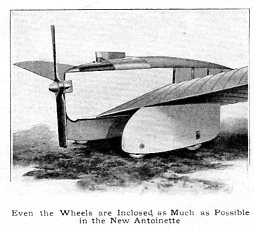
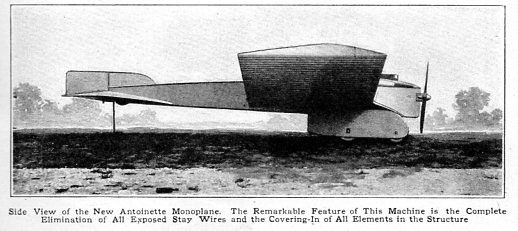
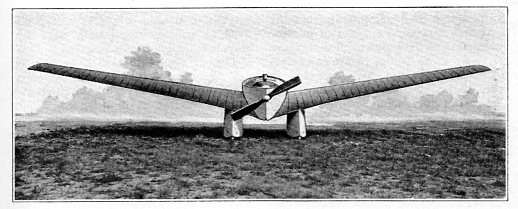
    He does go on to give an example of possibly-flyable future aircraft and presents the remarkable New Antoinette–a fantastic and prescient design for a plane only nine years removed from the Wrights’ flight, a streamlined monoplane that seems to come from reasonable future, which it sort-of does.  This plane evidently was too heavy for the 100-h.p.engine, but the engineering was at least definitely “there”.

    The Antoinette:

    Antoinette342
    Antoinette341
    Antoinette340
    Here’s a very long and very illustrated thumbnail site for French pre-WWI aircraft: http://flyingmachines.ru/Site2/Arts/Art4743.htm

  • A Big Pile of Dirt

    JF Ptak Science Books   Quick Post   

    Follow Me on Pinterest


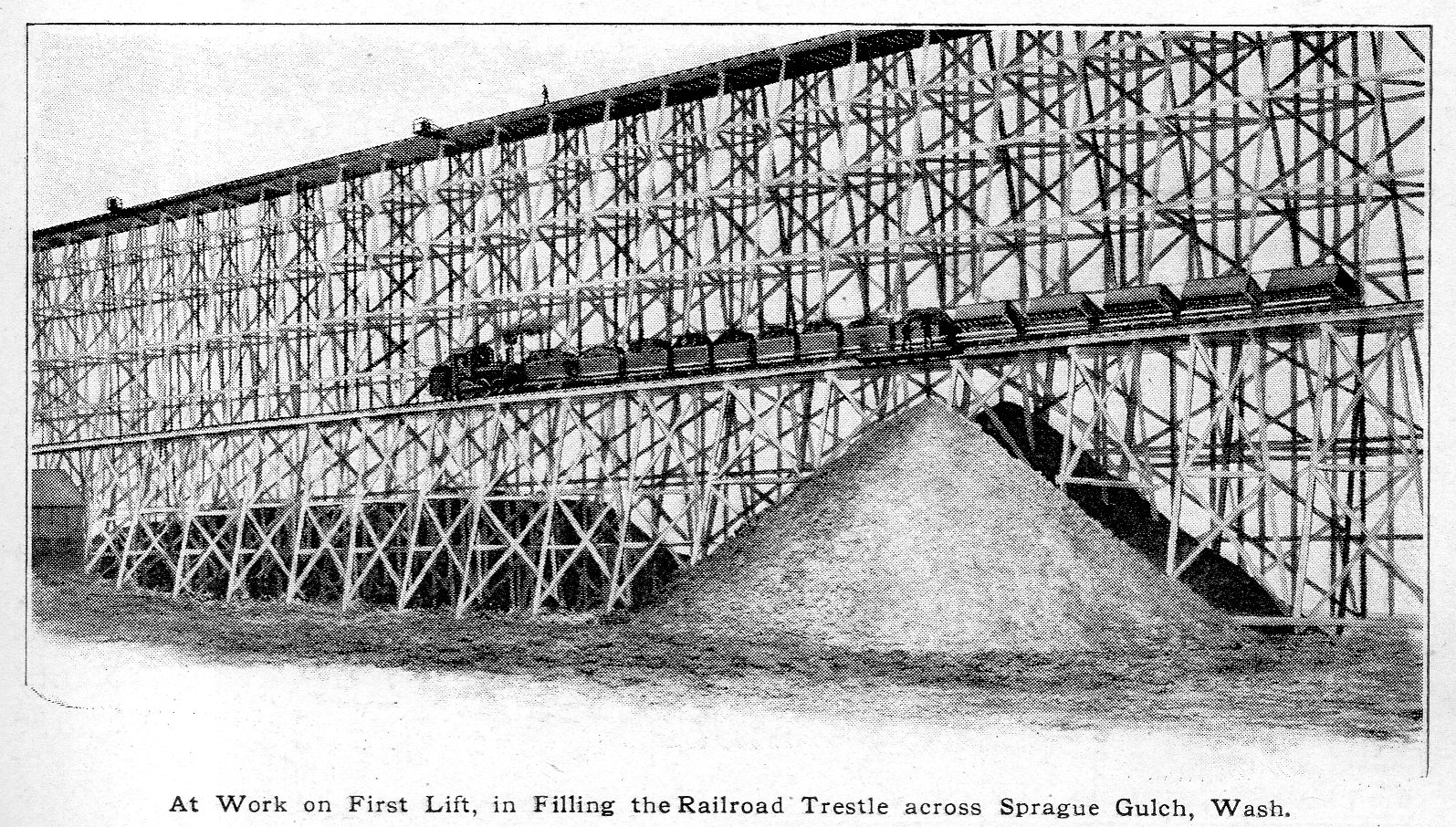
    “Exceptionally Large Trestle Fill” is the rather Engineeringly Prosaic header for this Popular Mechanics article from March 1912. The 4,869′ span was at Sprague Gulch, “near Lamont, Washington” for the Spokane, Portland & Seattle RR,  stood 101′ above the water (at its highest), and the idea was to backfill a foundation for stability–a project that was found to be cheaper than building a steel structure.

    Backfill338
    The trestle was built in 1907 and the backfill begun in 1911–a project that would ultimately move and deposit 2.35 million cubic yards of earth.  The process called for the construction of two temporary trestles at levels approaching the permanent track–the last bit of fill would take place from finished level.  This is just a beautiful project.   

    ·Posted by :

    ·in:

  • The Top 100 Cited Papers in the “Reviews of Modern Physics”

    JF Ptak Science Books    Reference Tool Series

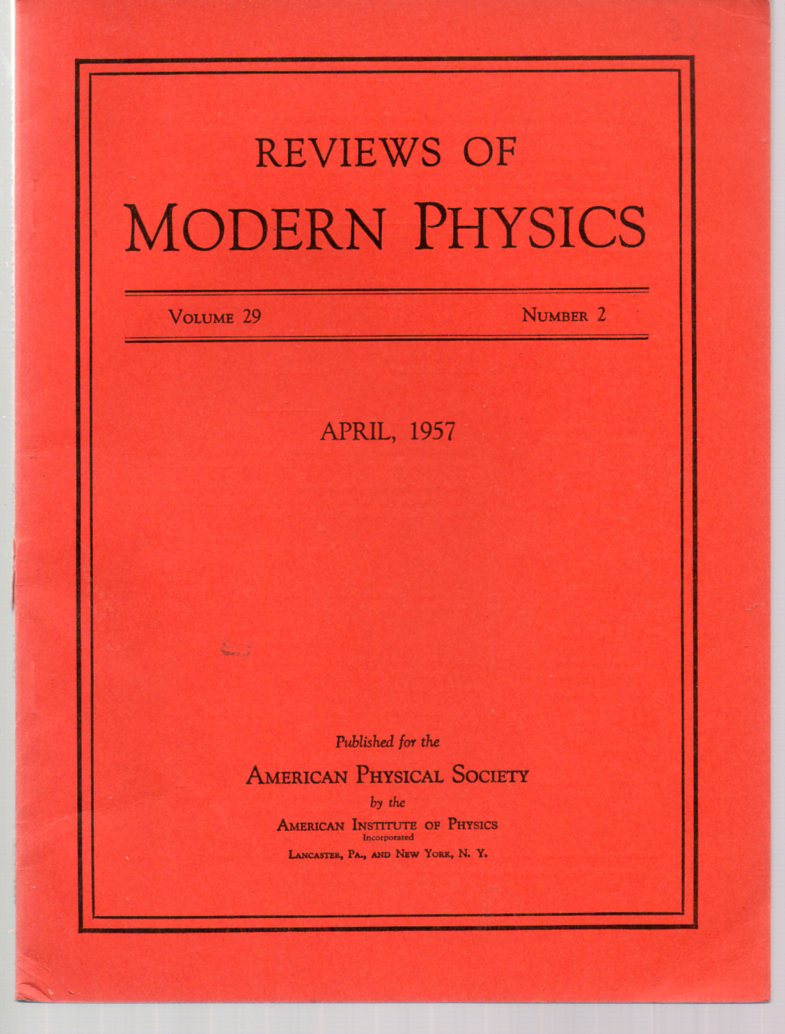
    Feynman superfluidity393I found recently a very interesting and useful table of the top-100 cited papers published in the Reviews of Modern Physics (published to 1988, see pp 10-12). It was collected and generated by Dr. Eugene Garfield and for me displays some pretty valuable information. It is arranged alphabetically by author, and since it is in a pretty static format I generated from the converted pdf file an index showing the papers arranged by the number of citations together with the last name of the author and the placement in the RMP–unfortunately the quality of the original pdf was such that it restricted using the title of the paper because it would have resulted in re-entering all of the data. So to use this new table just refer to the original pdf and you’ll be able to quickly find all of the rest of the bibliographic information. 

    ·Posted by :

    ·in:

    —
  • The Solar, Pre-Fab House–1944

    JF Ptak Science Books  

    Follow Me on Pinterest


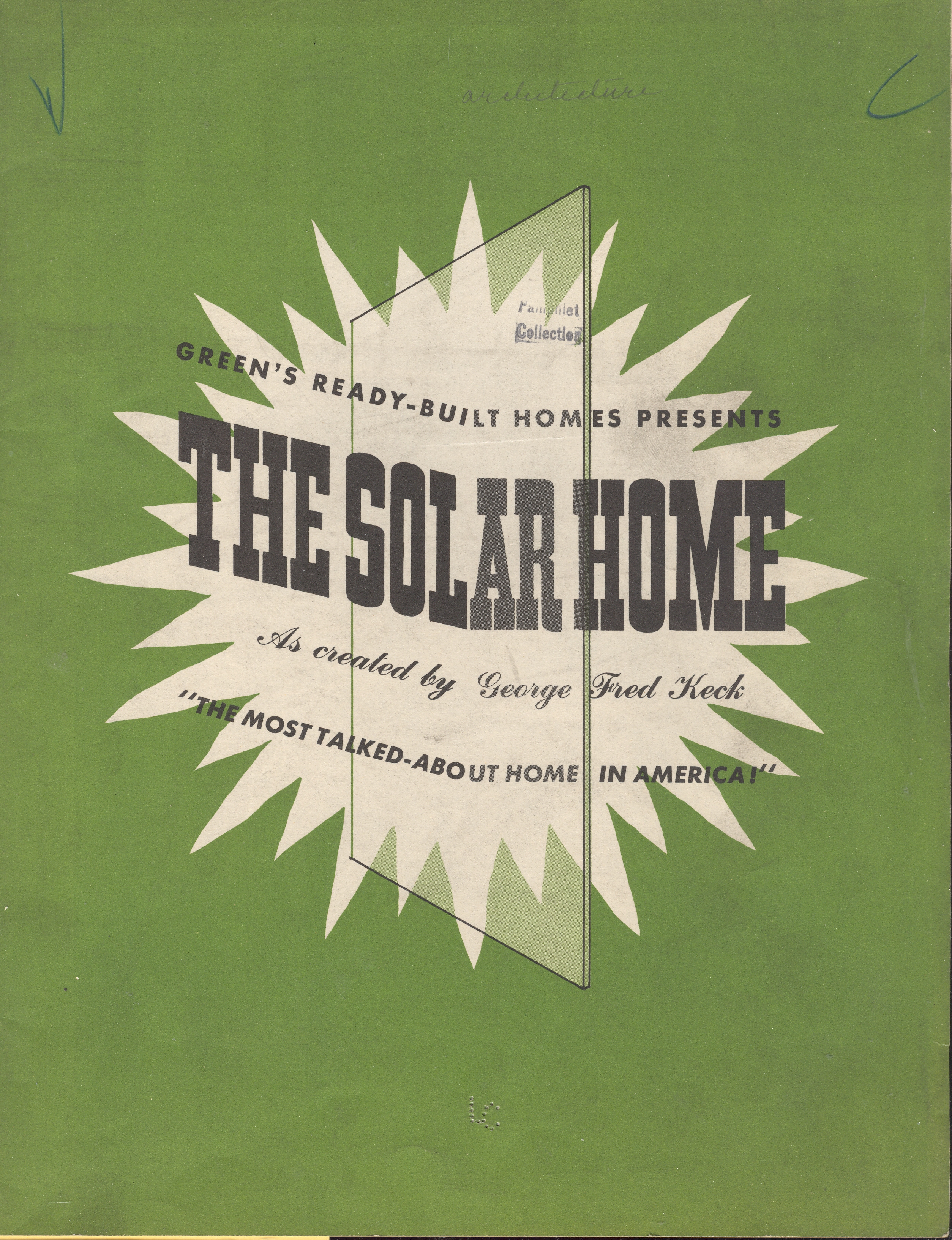
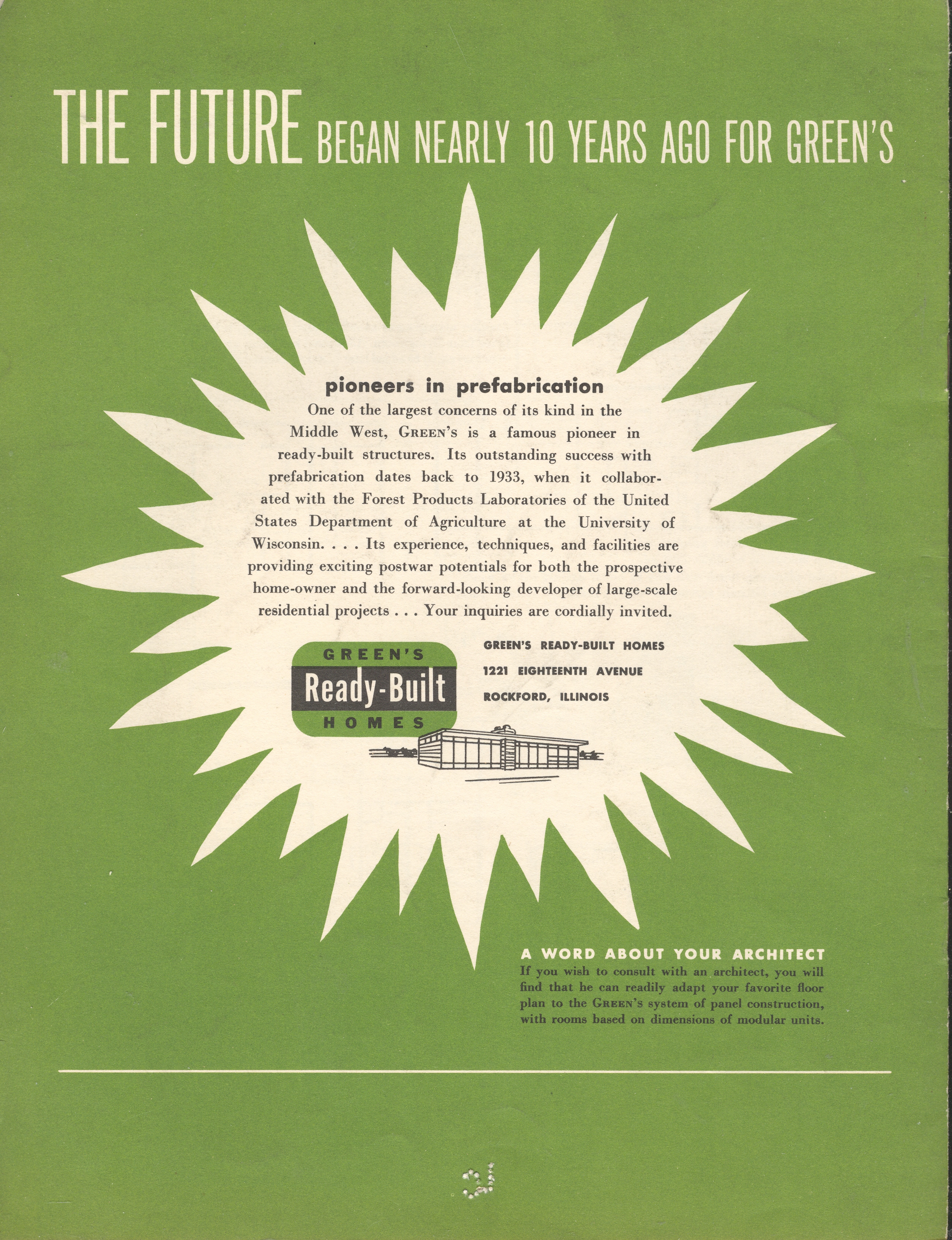
    ++blog++solar houseThis
    interestin
    g and somewhat futuro-paleo 1944 pamphlet combines two modern interests in one package:  Green’s Ready-Built Homes Present the Solar Home
    presented both a prefabricated, well-designed house that was also passive solar
    friendly. The former is a long-established architectural state of achievement; the later, not so–at least on a popular, let’s-have-everyone-own-one level.  The architect and engineer was
    George Fred Keck
    (1895-1980) , a true modernist, and designer of one of
    the twelve “Homes of the Future” for the Chicago “Century of Progress” World’s Fair in 1933–this effort (which is also the copyright deposit copy) was published in 1944.

     Soalr panels such as we have known them over the last few decades were not available back in 1944. The “solar home” that he offered here used seasonal variations and house
    location to regulate heating/cooling, glazing and siding, air movement, and the
    storage of thermal energy in building materials—mostly, there were lots and
    lots of transfer-friend++blog++solar house 001ly double-paned windows, all of which were
    forward-thinking ideas for 1944.  In
    addition the house was prefabricated, making construction easier, simpler, and
    quicker than any of the stick-built houses being constructed at that time.  There was also an impetus for quick, good
    construction given the housing shortage caused by the returning WWII veterans.
    The prefab idea was also a relatively new one in architecture—though there are
    instances of bits and pieces of prefab architecture reaching back hundreds of
    years, the first earnest attempts at providing such housing on a mass scale
    dates only to the 1920’s. In any event, the double-effort here was a fairly early effort at combining these two ideas–and certainly something that seems to have been about 60 years too early.    


  • Engraving Slow Motion–a Paper Filmstrip from 1844

    JF Ptak Science Books  Post 2036 

    Follow Me on Pinterest


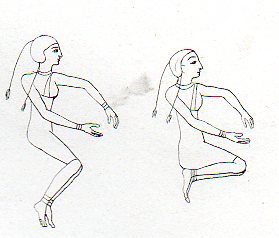
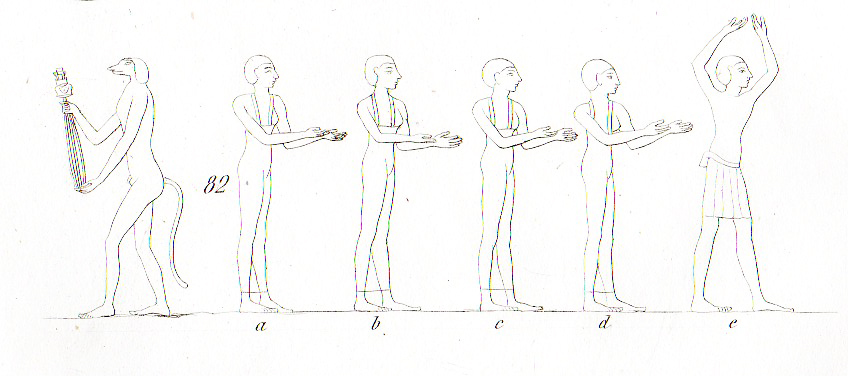
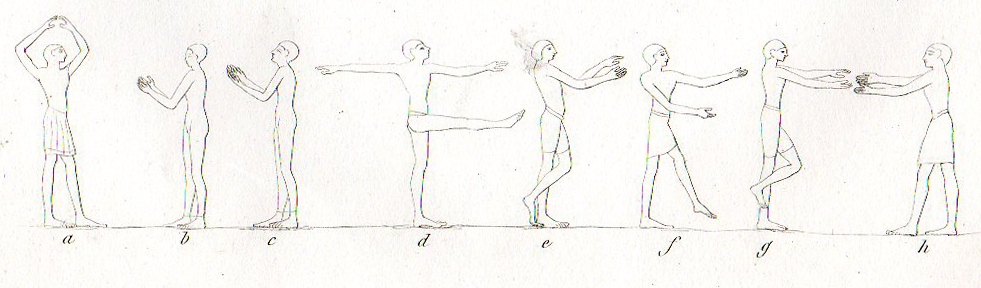
    It was a curious thing to find, these engraved images of Egyptian dance and movement, seeming for all the world like motion shorthand, a sort of antiquarian Labanotation or kinetography.  They appear in the stray atlas volume here by Juste Adrien Lenoir de La Fage (1801-1862), Histoire Generale de la Musique et de la Danse, which was published in Paris in 1844. I imagine that this is a surprise mostly to me–the Egyptians certainly knew that tey danced, and from the looks of it, they danced with athleticism. 

    Egyptian d347[Text can be found at the Haiti trust.]

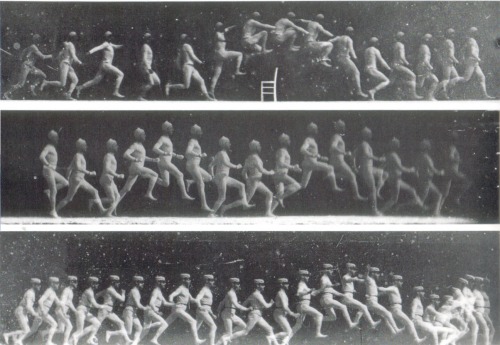
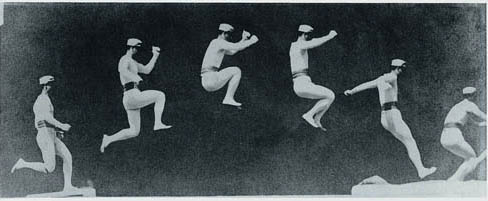
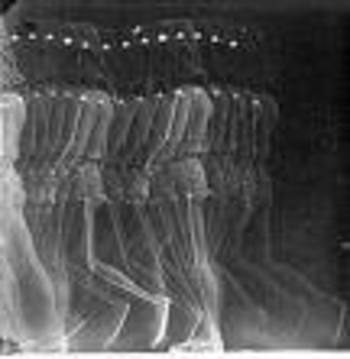
    Most of the surprise part of this–the opening the book and having a sense of the “aha!” and deja vue— were these images’ association in my head with the work of the motion picture pioneer and all-around smart guy, Etienne Marey, who in the 1870’s created what was essentially the
    world’s first “slow motion” device. One iteration of Marey’s apparatus
    was basically a long series of ganged cameras recording a motion for a Marey12
    simple task at a given time frame and presented on a continuous strip
    of photographic paper, sort of like a motion picture with the camera
    speed set at three frames per second. The resulting images were
    phenomenal and showed people for the first time the exactness of all
    manners of simple motions–motions that no longer looked so “simple”
    once all of its aspects could be studied from captured photographic
    evidence.  Even the act of hopping over a small stool or bending to pick
    up a bucket of water were enormously revealing in a way like Robert
    Hooke’s Micrographia displayed the great detail and complexity
    of the seemingly simple fly.  Perhaps the most famous of Marey’s series
    of images was that of a galloping horse, which also for the first time
    revealed what exactly the horse’s legs were doing and proving that
    almost every painter in the history of art represented the galloping
    horse incorrectly.  His series of photographs (as in the samples above and below)
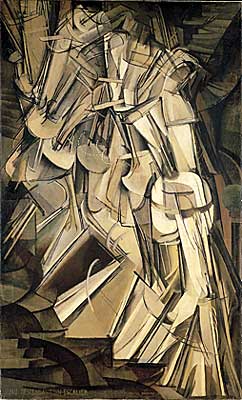
    show a fairly close fit to the work of the futurists (like for example
    Duchamp) who would come into being after another four decades.

    Egyptian a343But the la Fage comes earlier still–granted, they are engravings, and they don’t necessarily all show a progression of movement, though some of them do–but it makes them very interesting in a capturing-the-moment way like few people had done before.

    Marey sequence
    La Fage, 1844:

    Egyptian b344

    Etienne Marey, ca. 1875:

    . 

    Marey 

    And Marcel Duchamp’s Nude Descending (1912):

    Duchamp


  • The Work of Murray Gell-Mann

    I’ve posted a variety below of the important papers of Murray Gell-Mann (b. 1929, his bio via Nobel.org is here) as they appear in Murray Gell-Mann, Selected Papers, and published by World Scientific in 2010.  Each has a link to the original paper.    [Source:  Google Books]
    Following this is a re-post of the full list of publications by Gell-Mann as presented on the website of the Santa Fe Institute.  All I’ve done here is copy the somewhat-difficult-to-read text into a table to differentiate the entries and make it a friendlier document (for me, at least). Again, this is solely the work of those at the Santa Fe Insitute. 

    ·Posted by :

    ·in:

    —
  • The Most Beautifully Oddly-Named Washing Machine?

    JF Ptak Science Books   Quick Post  
    Follow Me on Pinterest

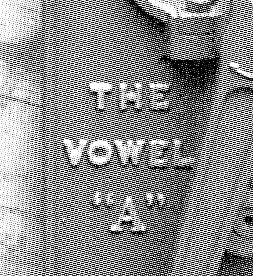
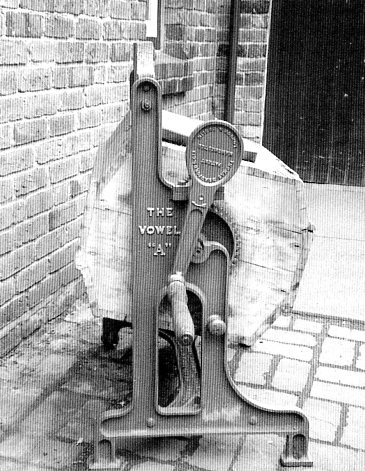
    Washing machines no doubt have been called many things, and they have been named after many great concepts and desires–but I think in the history of naming household appliances, the popular washer produced by Thomas Bradford & Co Laundry Engineers (High Holbron, London and Cathedral Steps, Manchester) in the last part of the 19th century may have had the oddest of them all.   It was the Vowel A–the “Vowel” being the washer and the “A” being the model.  But, still–that was the name of the machine, and it has a definite flavor of the Absurdist to it. Vowel A331

    Which is a detail in:

    Vowel A330
    [Source:  Una Roberston, The Illustrated History of the Housewife, 1650-1950, St. Martin’s Press, 1999, pp 86-87.]

    There was also the Vowel Large E and the Vowel Y–the “A” seems the best of the lot though, for simplicity and symmetry. 

    These washers were evidently great aids in the kitchen delights department, and provided for no disappointment. 

    ·Posted by :

    ·in:

    —
  • Zoomology of the Lower East Side, NYC, 1900

    JF Ptak Science Books   Post 2038   
    Follow Me on Pinterest

    Part of a Paper Micrscope series, Zoomology

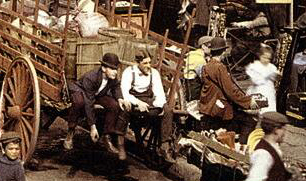
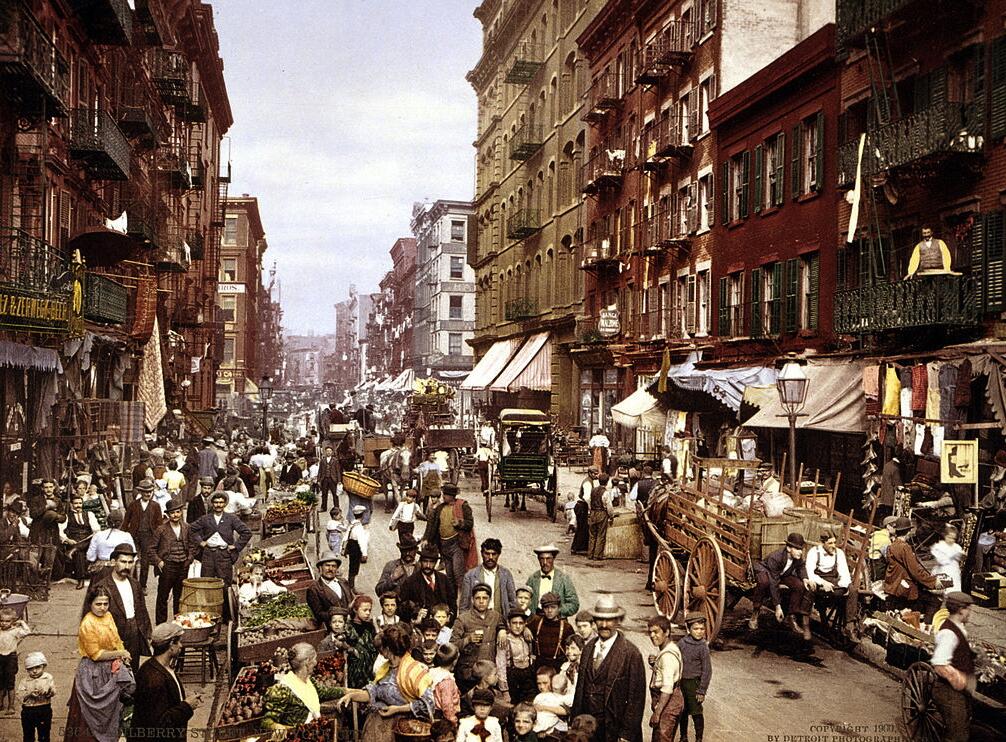
    Michael Beschloss posted this remarkable photograph of the Lower East Side on Mulberry Street, a rare color photo made around 1900.  There is a lot of life going on here–people posing for the photographer (standing on an elevated platform with a large view camera, no telling who or what he was imaging), people caught in their daily lives, people. Under the Paper Microscope the image reveals all sorts of sub-images, photos-within-photos, making it a fascinating exercise in exploration.

    For example, the two men hiked-up on the back of a moving wagon on the bottom-right seem to be enjoying themselves in expectation, the man on the left about to toss something underhanded, the guy on the right in a bow tie getting ready with a smile to enjoy what was going to happen.  To their right:  a man with a sales platform draped from his neck, watching a girl rush by, his pocket stuffed with paper. 

    NYC lower east side--guys tossingAnd the full mage:

    NYC lower east side

Recent Posts

Archives

Categories