A Daily History of Holes, Dots, Lines, Science, History, Math, Physics, Art, the Unintentional Absurd, Architecture, Maps, Data Visualization, Blank and Missing Things, and so on. |1.6 million words, 7500 images, 4.9 million hits| Press & appearances in The Times, Le Figaro, Mensa, The Economist, The Guardian, Discovery News, Slate, Le Monde, Sci American Blogs, Le Pont, and many other places… 5000+ total posts since 2008.

  • Unusual WWII Maps by a Significant Soviet Intelligence Agent

    JF Ptak Science Books   Post 2517

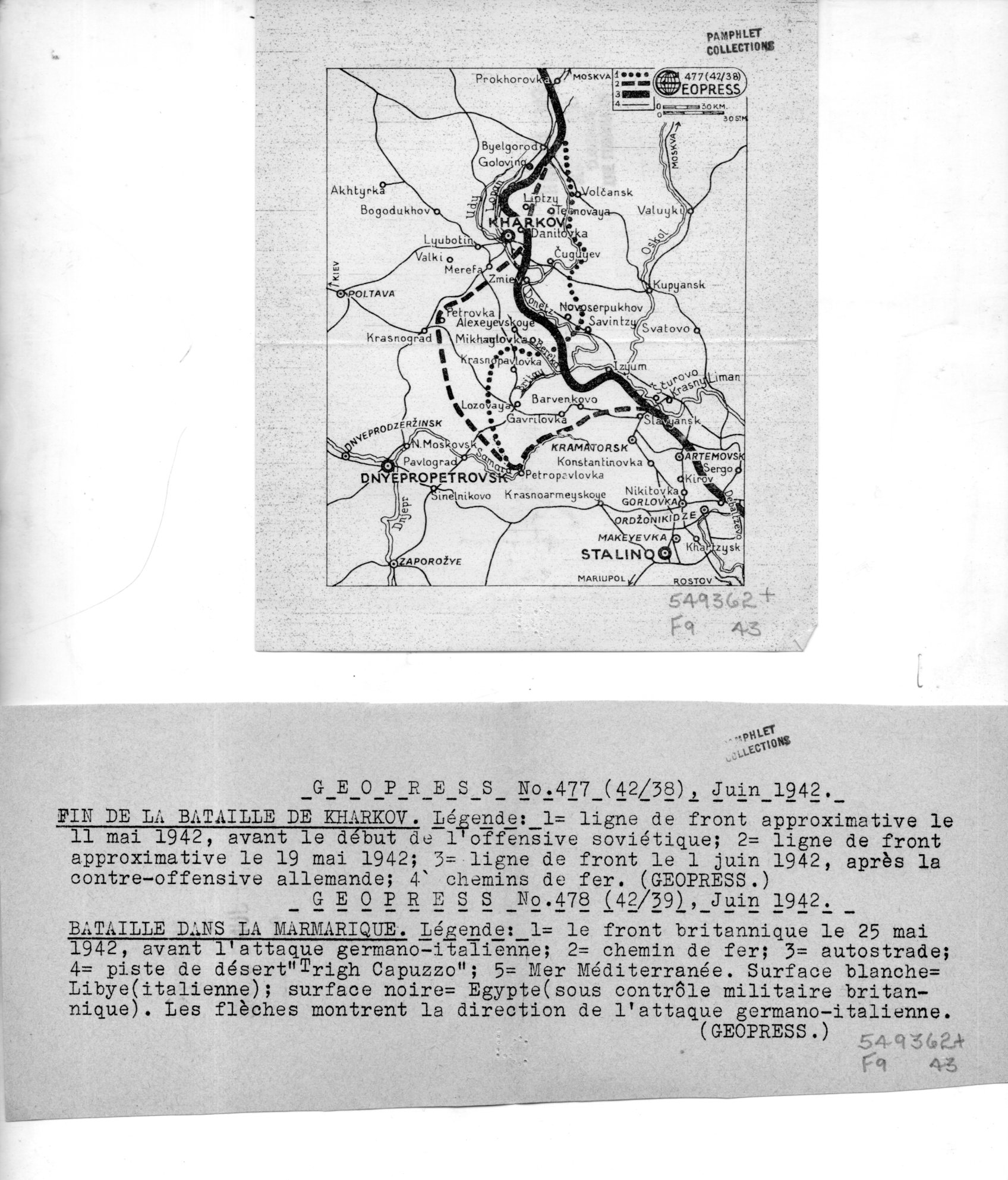
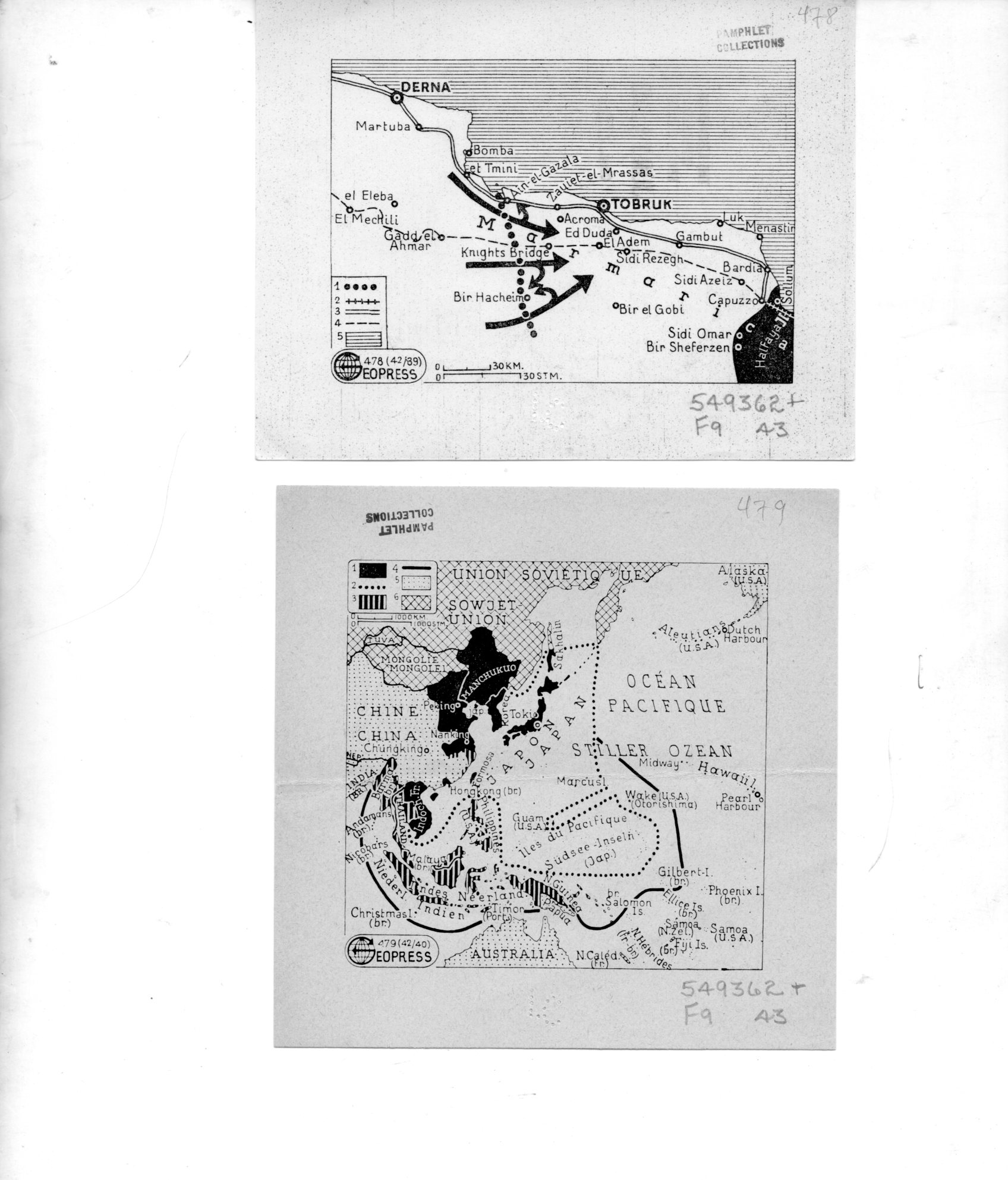
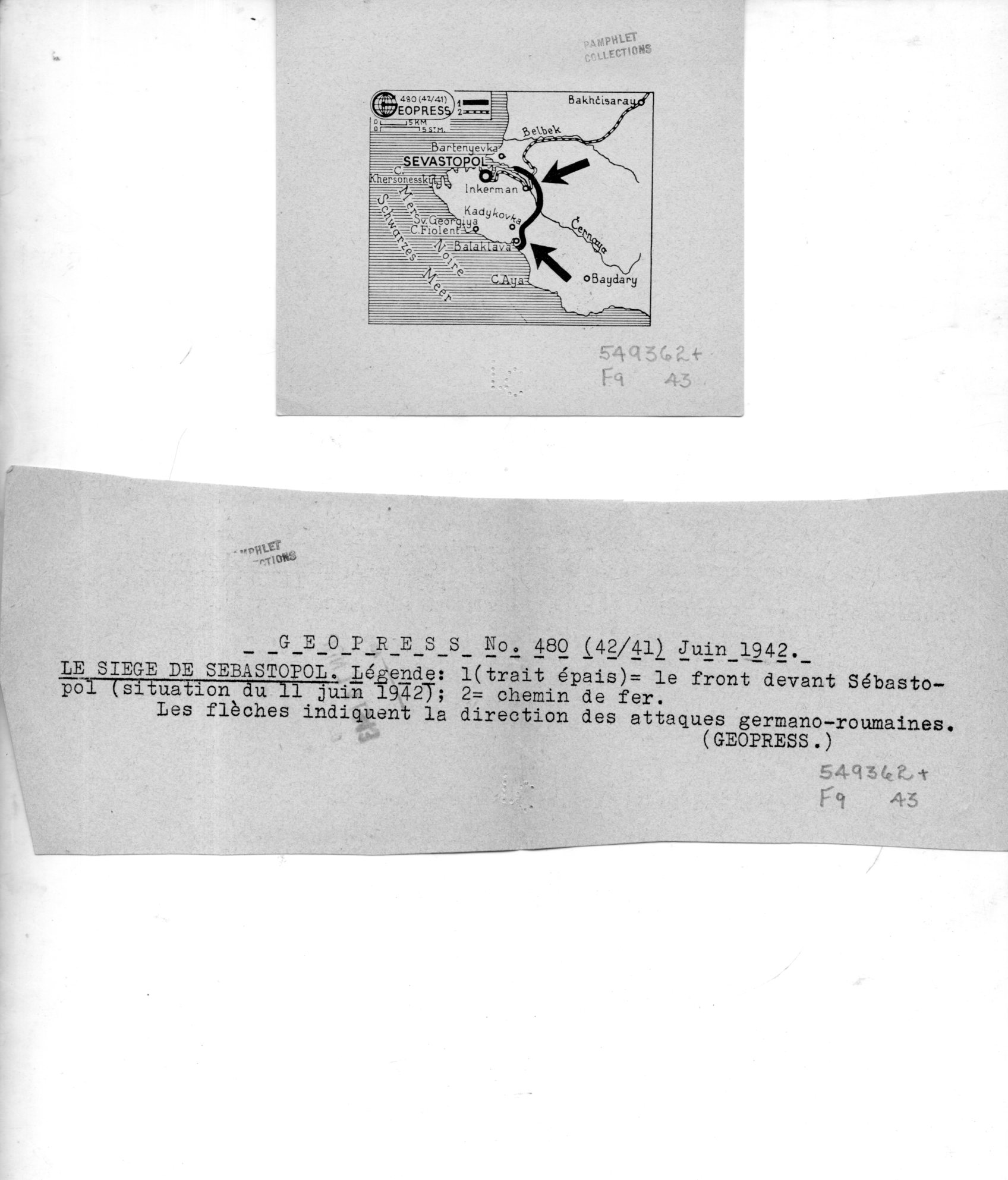
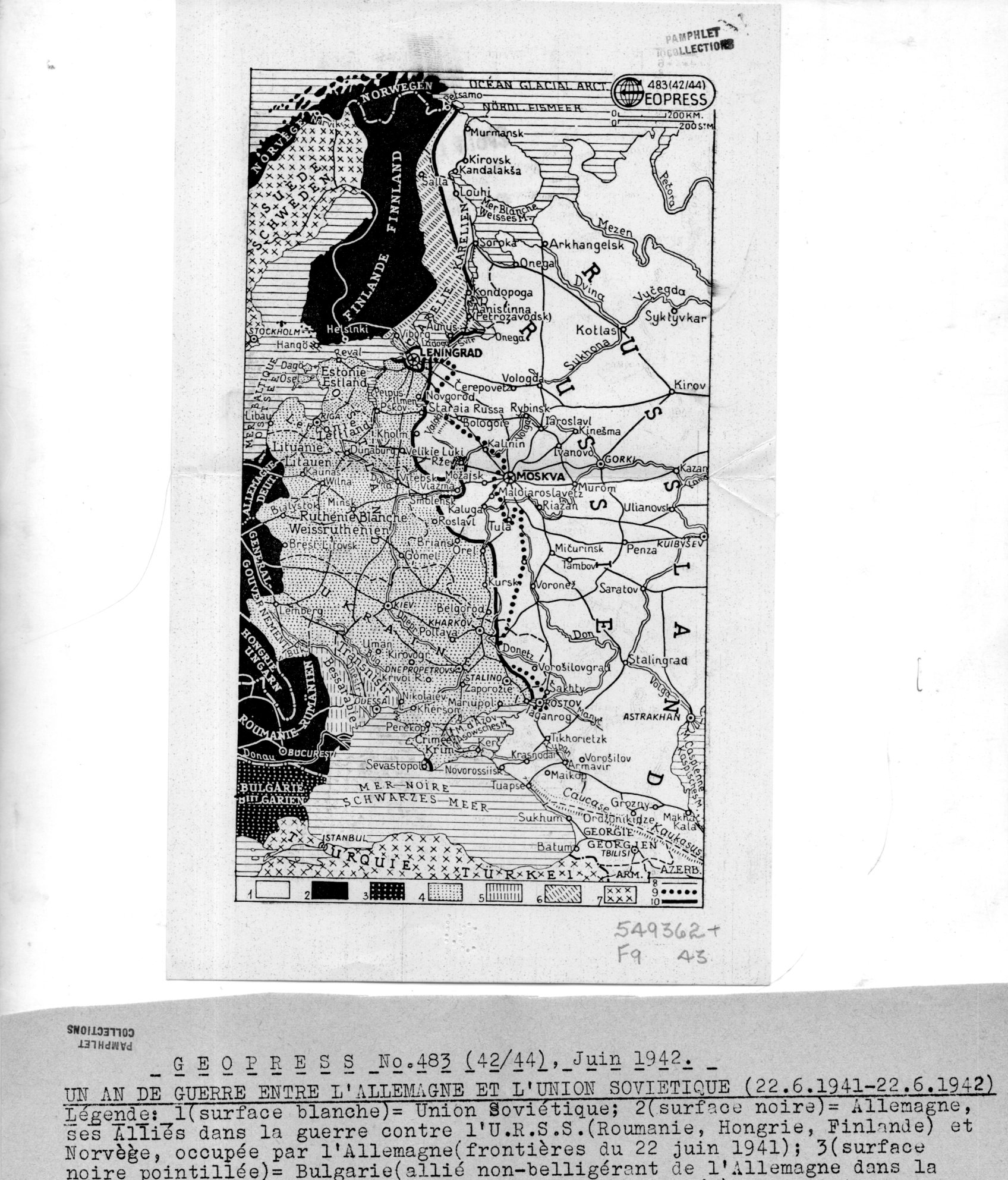
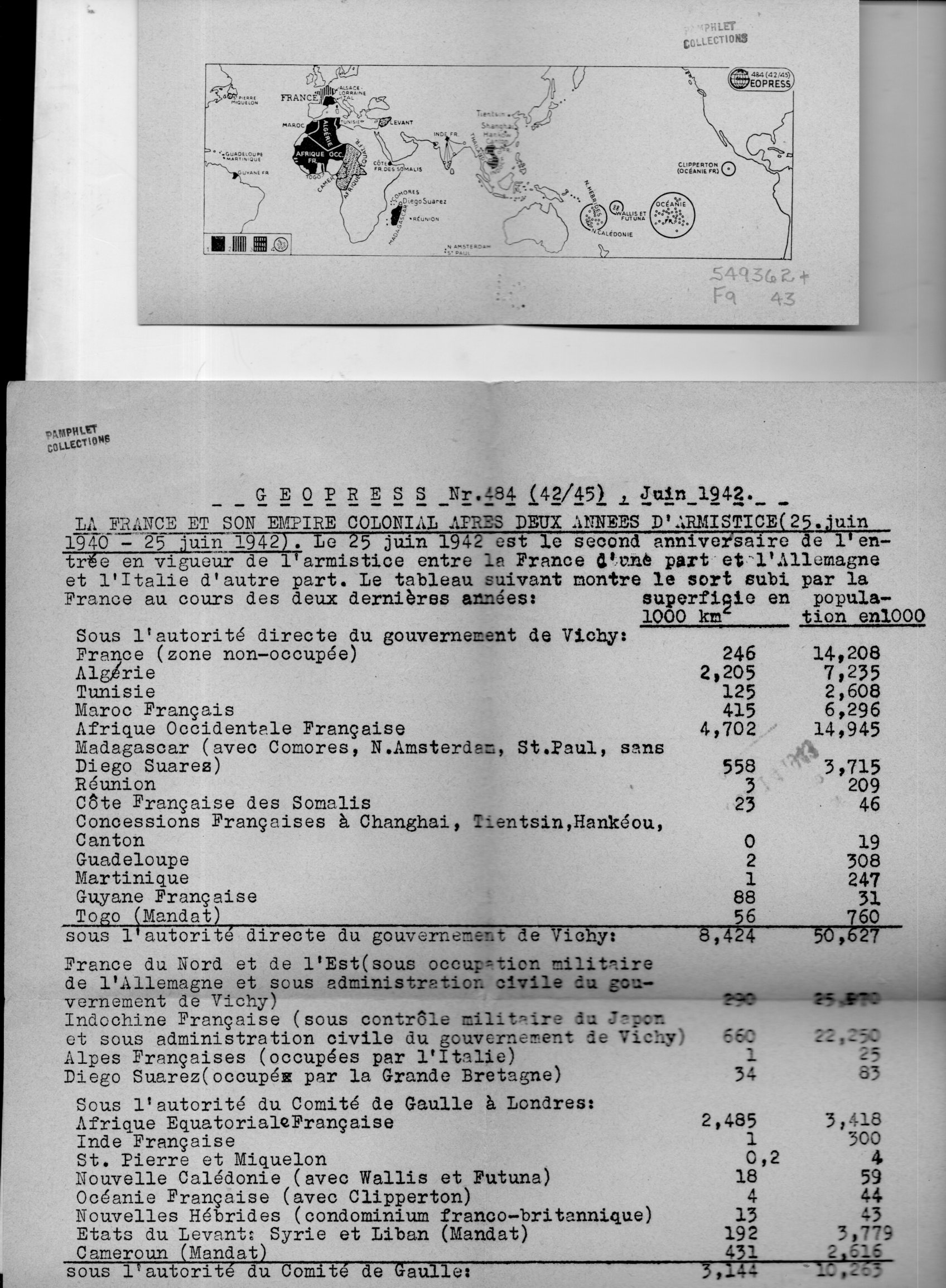
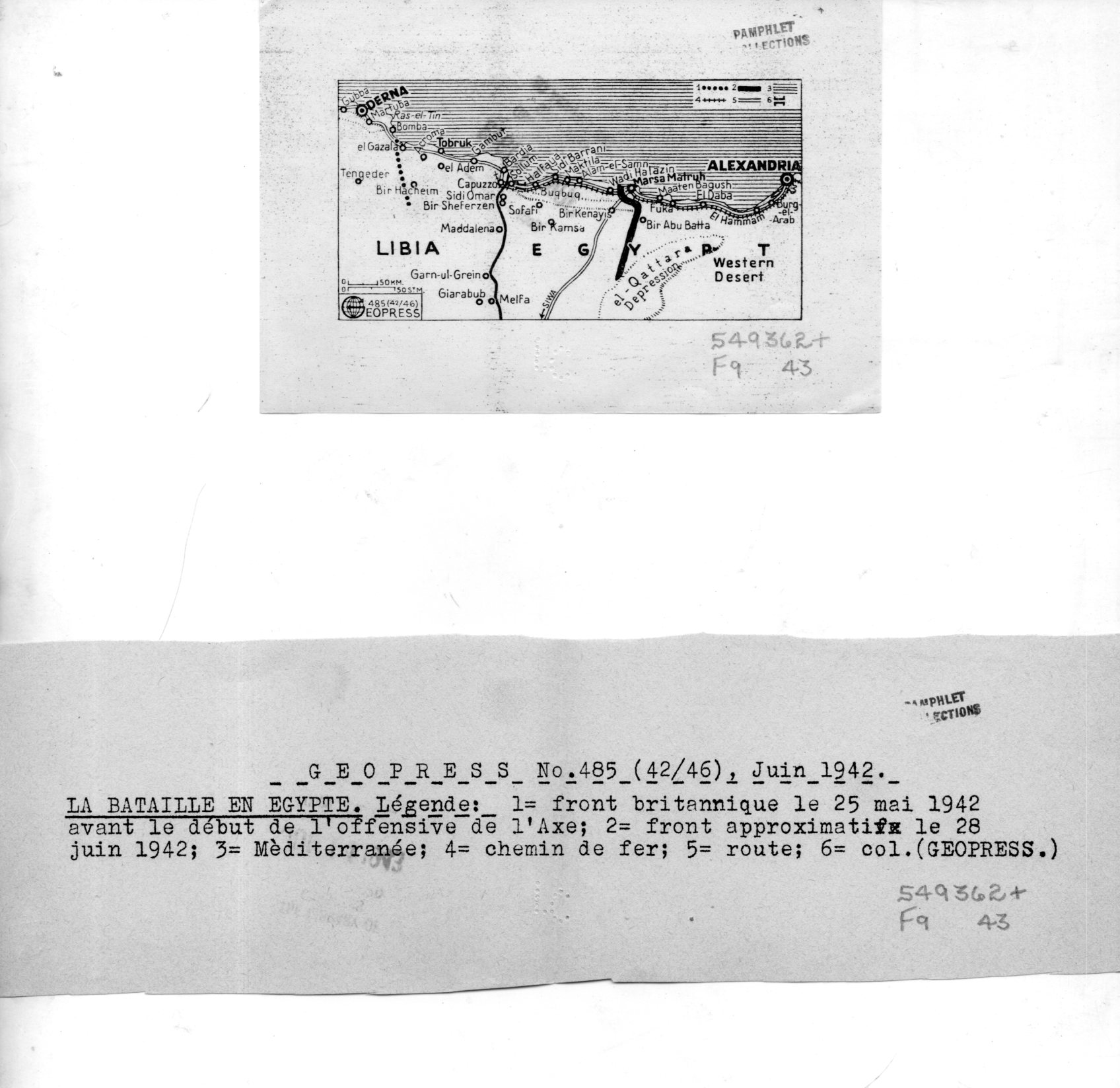
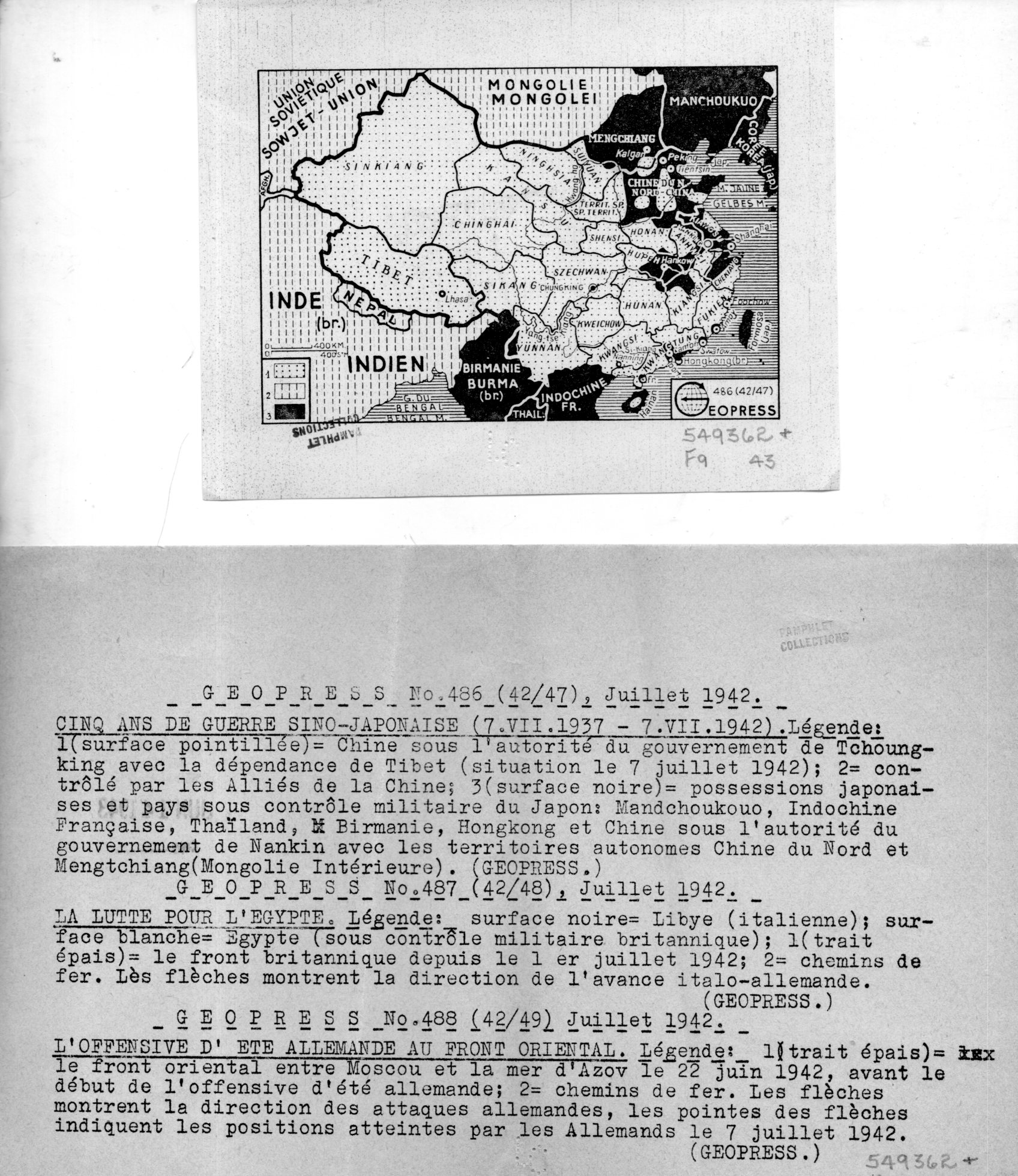
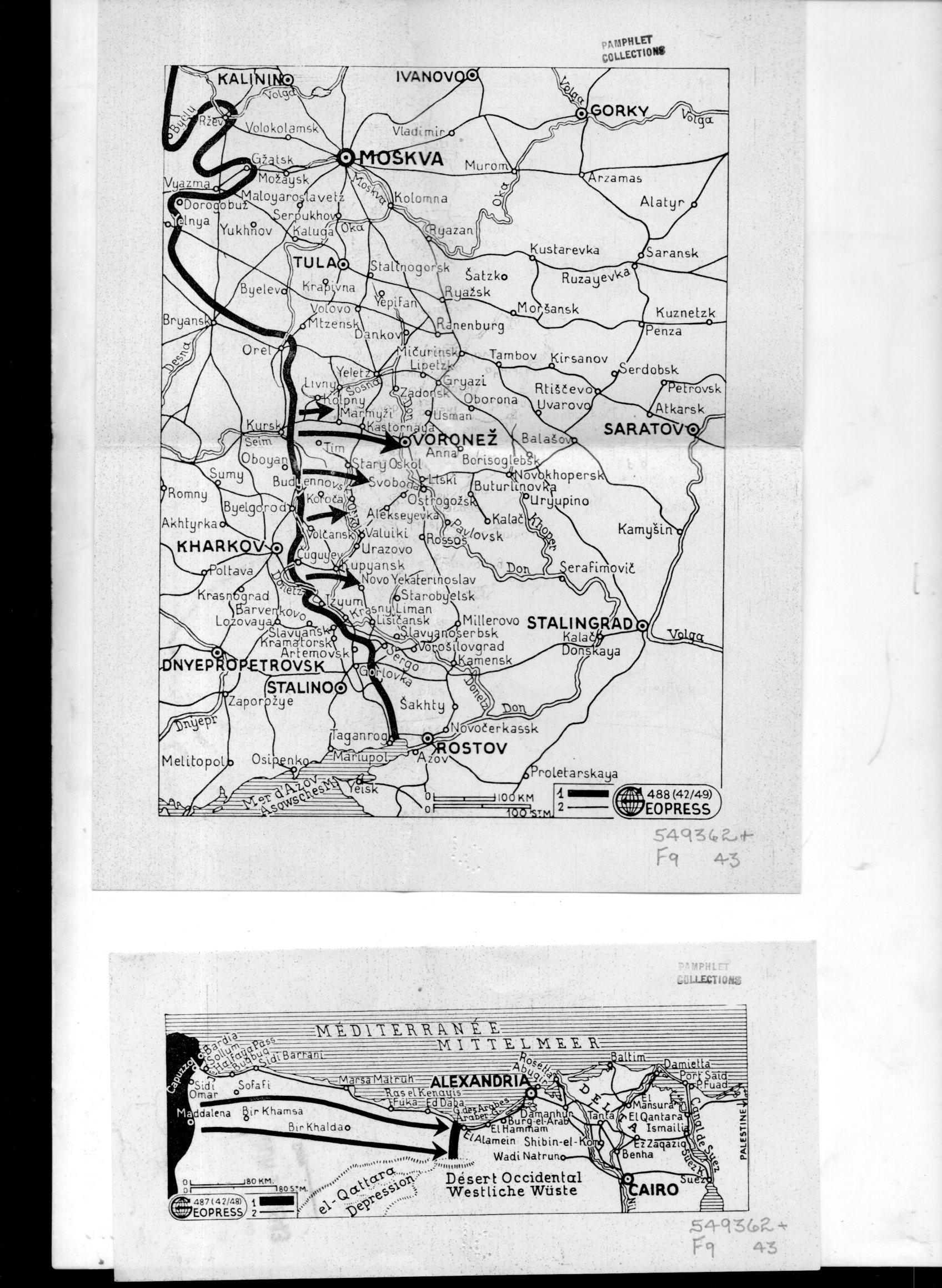
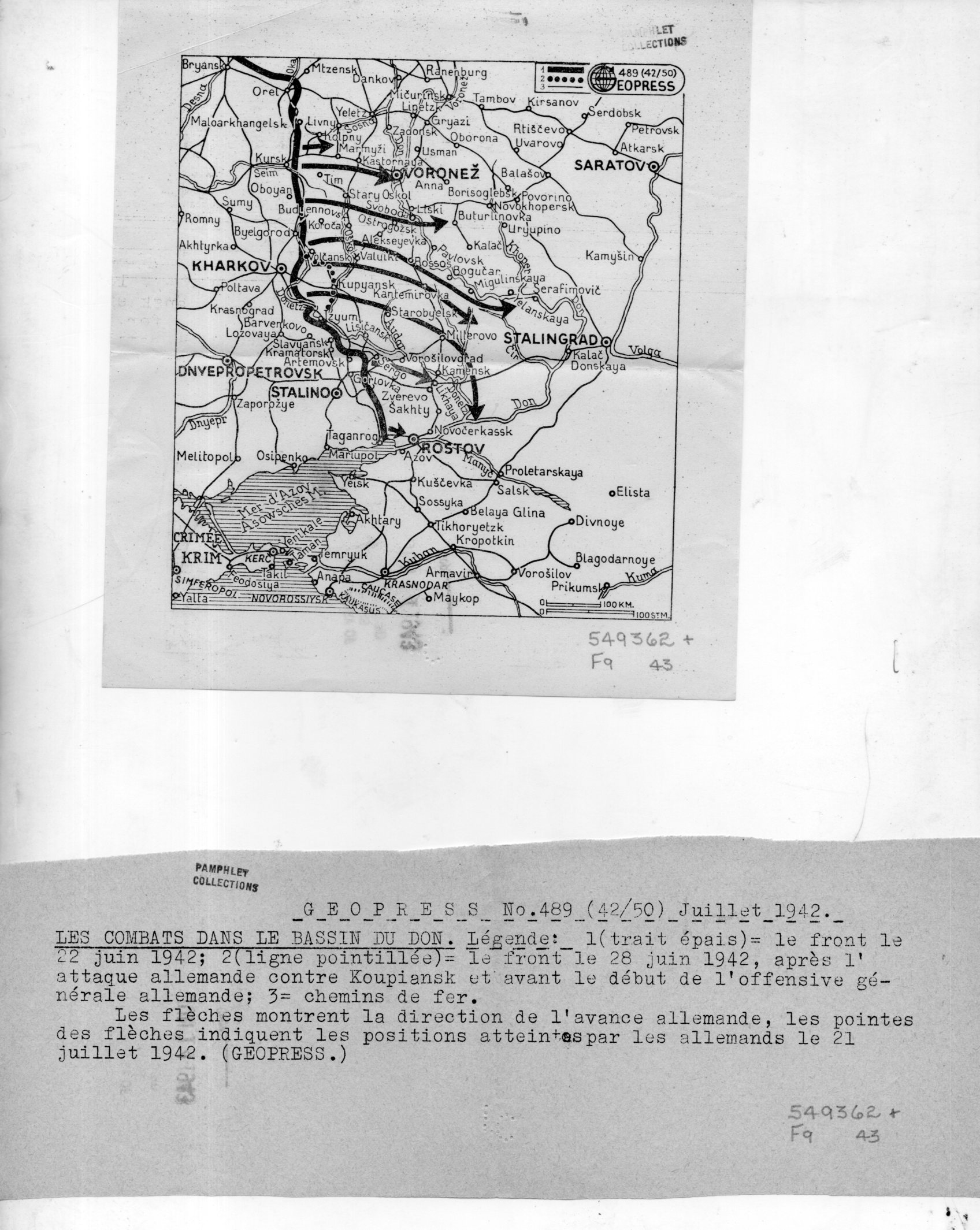
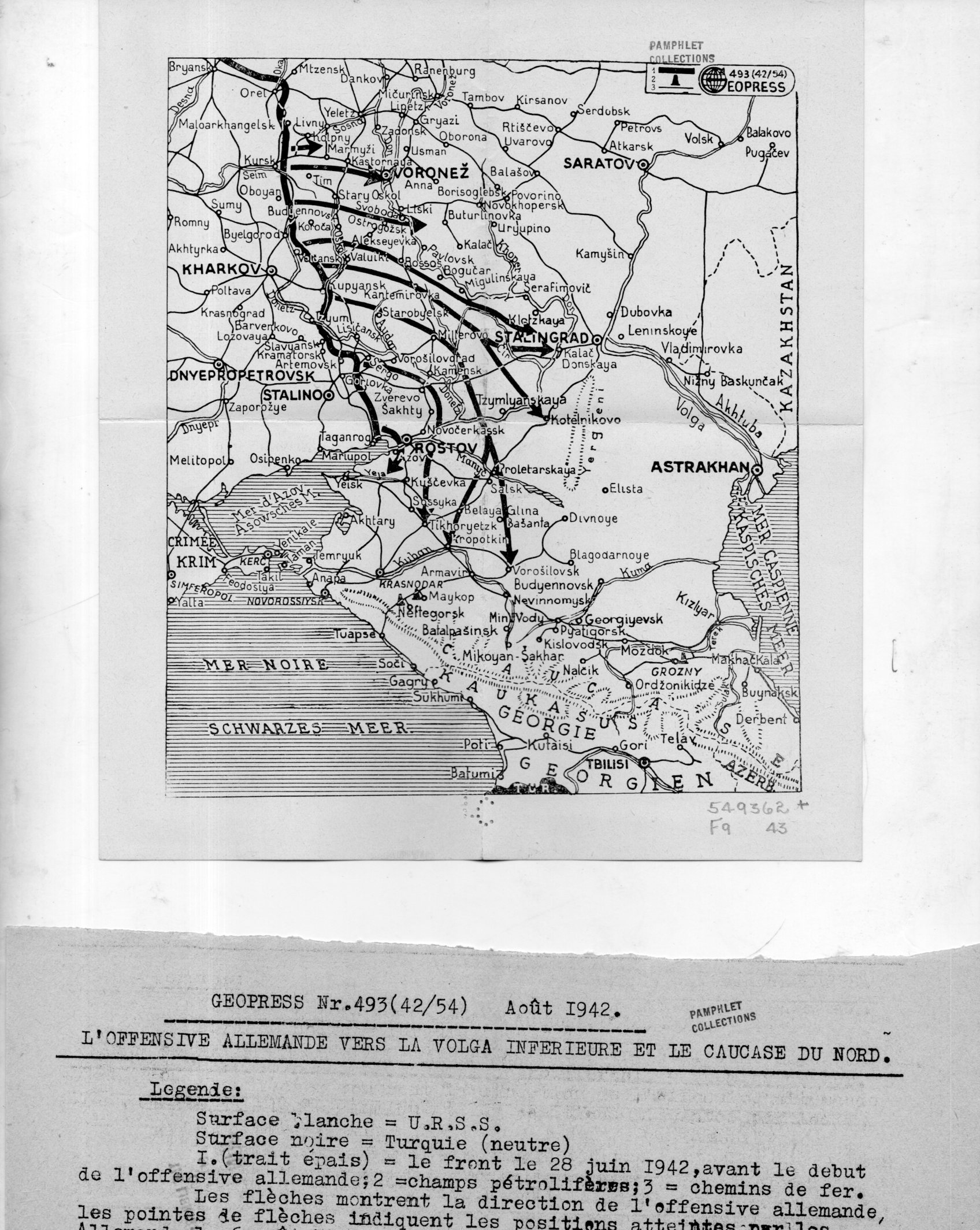
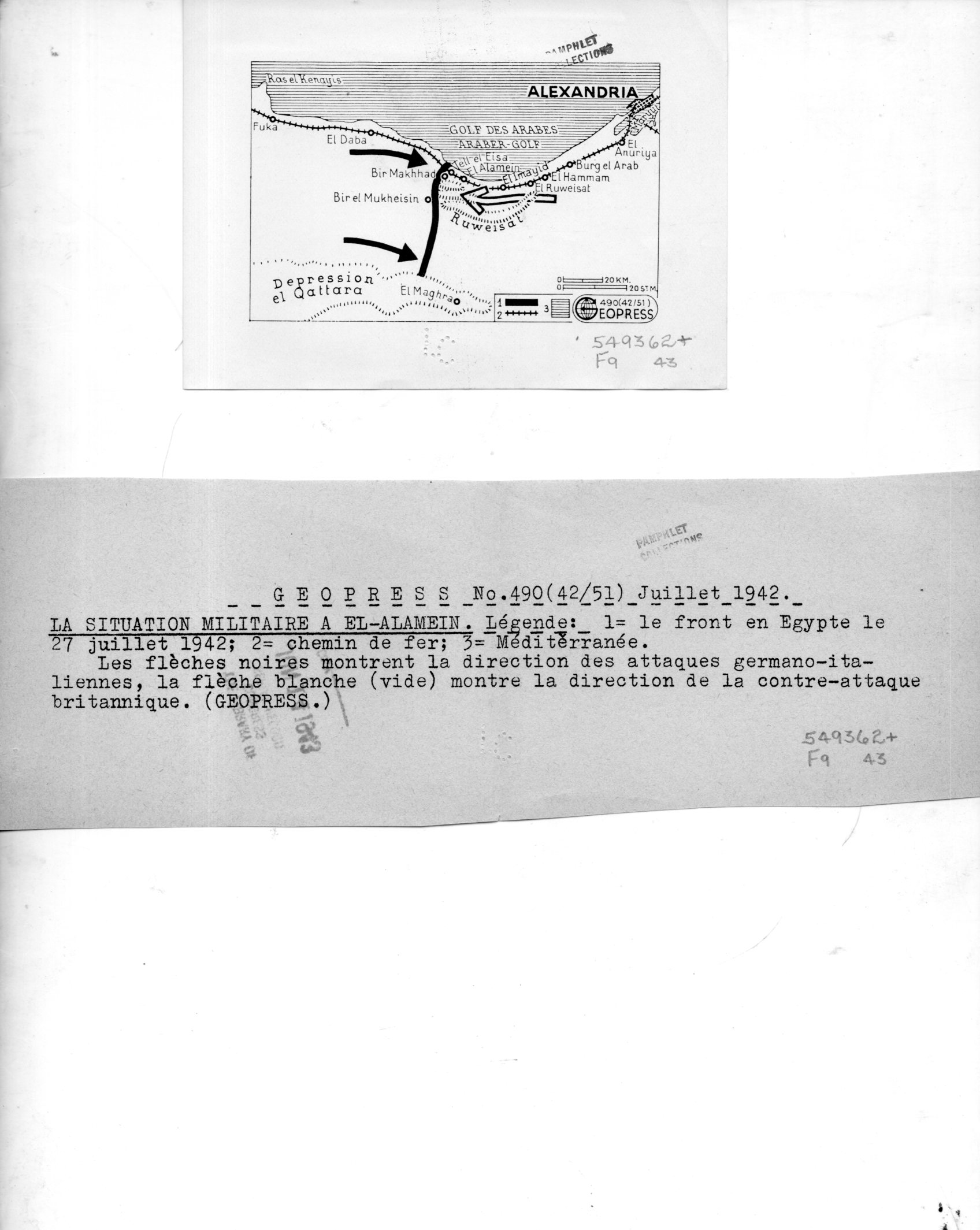
    I’ve found a number of interesting maps in the pamphlet collection here–these are highly unusual to my experience in that they were the work of a firm called “Geopress”, which was an active business and cover for a significant intelligence agent for the Soviet Union, operating in Switzerland, collecting data relating to German activities during WWII. There’s nothing I can add beyond the information that I quote extensively below from the CIA website on Rado–except that I cannot find images/examples of his Geopress work. So it seems the most efficient thing to do here is to simply quote the known sources and reproduce the images of the 18 maps and their accompanying texts.  
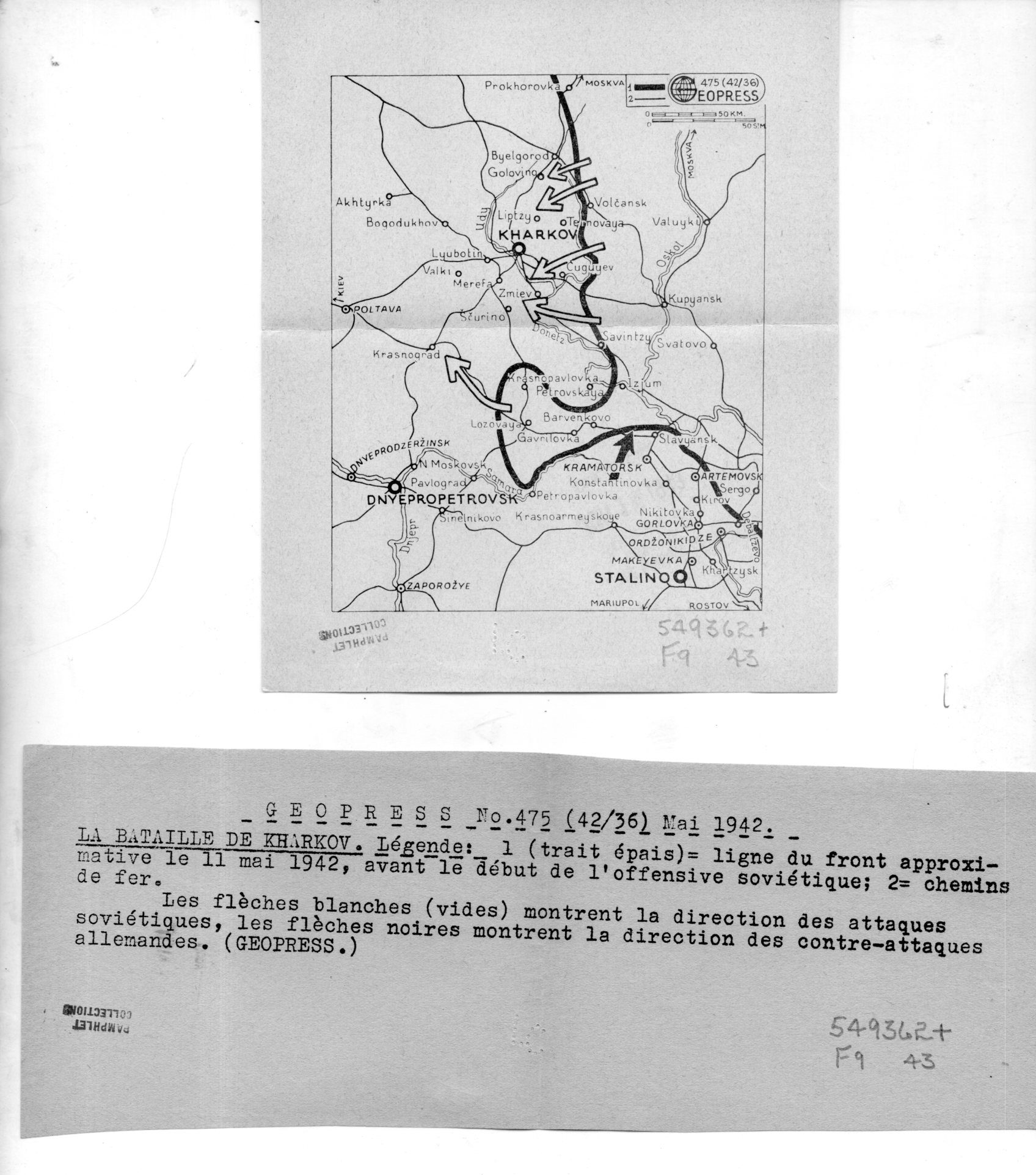
    Geopress _4_080

    As I said Rado operated Geopress as a news/cartographic service, and Rado was an accomplished cartographer, so the mans in and off themselves as maps are perhaps not a singular issue.  Their evident scarcity, however, does seem to be an issue. Also I do not understand why these maps are so small, some of which are just 1″x 3″; also the uneven;y cut/torn text sheets that are made to accompany the maps are also puzzling in their own way.  I do not understand the format–someone out there in Weblandia no doubt will.  

    All of the maps shown below are from 1942. They were received by the Library of Congress in June 1943 and stamped so on the backs of the maps.  (They lived for some time in the “Pamphlet Collection” at the LC before being purchased by me in 1998.)  

    The following quotes come from the CIA website, the Center for the Study of Intelligence, here:  https://www.cia.gov/library/center-for-the-study-of-intelligence/kent-csi/vol12i3/html/v12i3a05p_0001.htm]

     “Alexander (Sandor) Rado, Alexander Foote’s chief in the Swiss-based “Rote Drei” net that in 1941-43 supplied Moscow with detailed information on German order of battle… His activity in intelligence, mapping, and related fields has lasted nearly 50 years and may earn him a place in the pantheon of major intelligence figures of the times.”

    And this:

    “In 1936 or 1937, with Soviet funds and having a Swiss citizen as silent partner, Rado organized Geopress, a news agency specializing as Inpress had in maps and geographic background data. Geopress was more successful than Inpress because of better organization and the increased demand for news maps in the advancing shadows of World War II. As cover for an intelligence operation it proved ideal. Its normal activity—news collection and dissemination—provided justification for contacts with businessmen, officials, diplomats, journalists, and military leaders, some of whom became intelligence sources. It also justified a large volume of telephone and telegraph traffic, extensive postal business, and the maintenance of a courier system.”

    And so:

    “While building up his Geopress cover Rado also developed his sources, organized communications, and summarized for transmission the reports collected by his growing network. And he even found time to maintain through publications his image as an internationally known geographer.”

    And:

    “24 Feb. 1945.  During the German occupation of Hungary, (Rado) lived in Geneva where (he) published geographical maps for the Allied Governments until 1943; discovered by the GESTAPO and consequently his relatives in Hungary were murdered/ went with family to Paris in September 1944 and continued his work/summoned to Russia to report on his activities with the Free French Organization and left on 8 Jan. 1945 by special plane for Moscow/suspecting a trap, he got off the plane in Cairo where he remained/received no news from his wife in Paris and suspects that she might have been deported/he was formerly a Fellow of the Geographical Society in London, New York, Paris, Geneva, Rome and Washington, D.C.  OFFICE OF CENSORSHIP, Egypt, 11 April 1945.”

    [Again, the source for this and the above quotes:  https://www.cia.gov/library/center-for-the-study-of-intelligence/kent-csi/vol12i3/html/v12i3a05p_0001.htm]

    The maps:
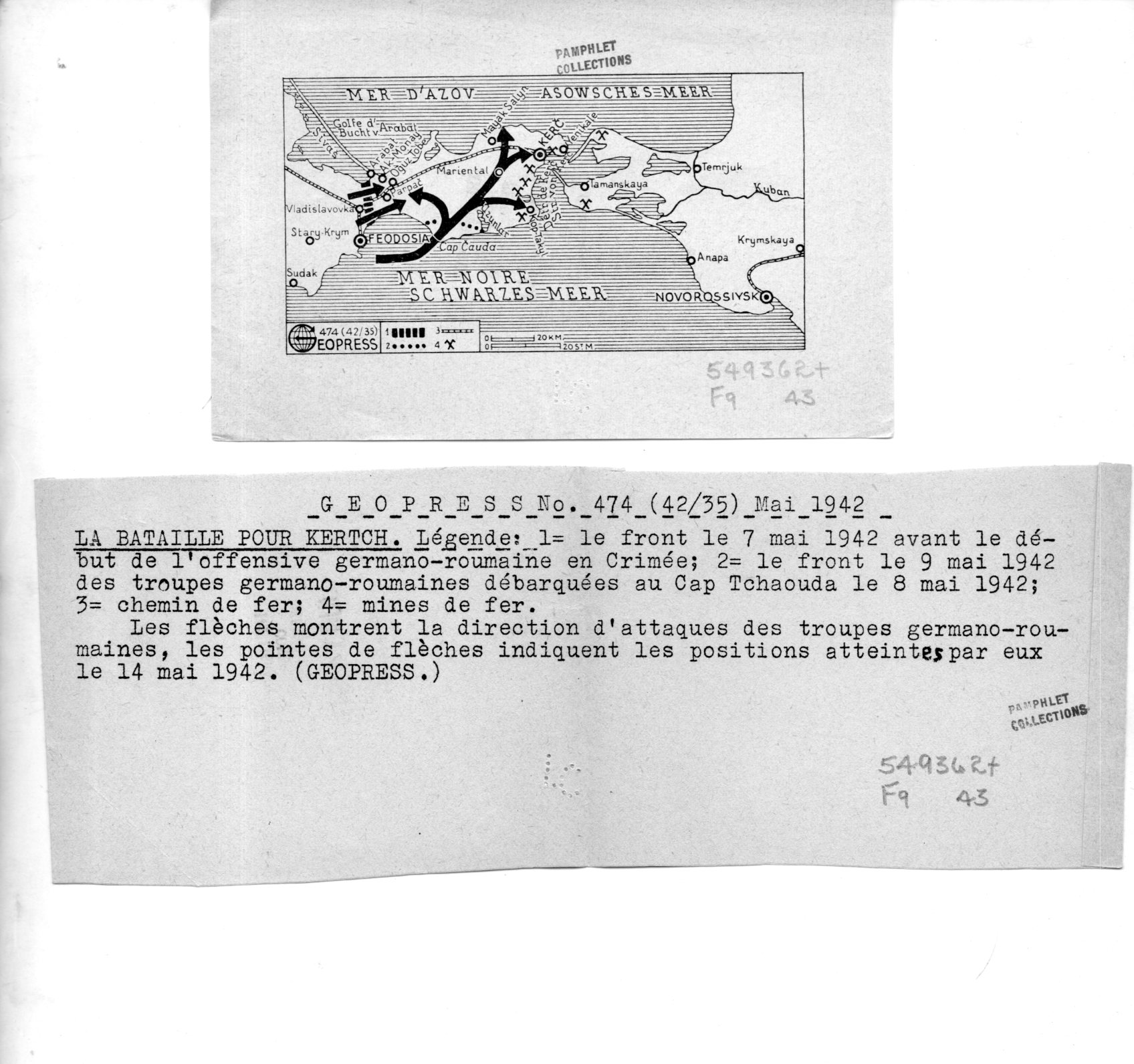
    Geopress _3_079

    Geopress _6_082

    Geopress _7_083

    Geopress _8_084

    Geopress _10_086

    Geopress _11_087


    Geopress _12_088

    Geopress _13_089


    Geopress _14_090

    Geopress _15_091

    Geopress _16_092

    Geopress _17_093

  • 100 Years Into the Noir-y Future of 1947

    JF Ptak Science Books    Post 2518     Part of the History of the Future series

    • [This image is similar to one that I wrote about in September 2014 for the Mensa Bulletin,  here]

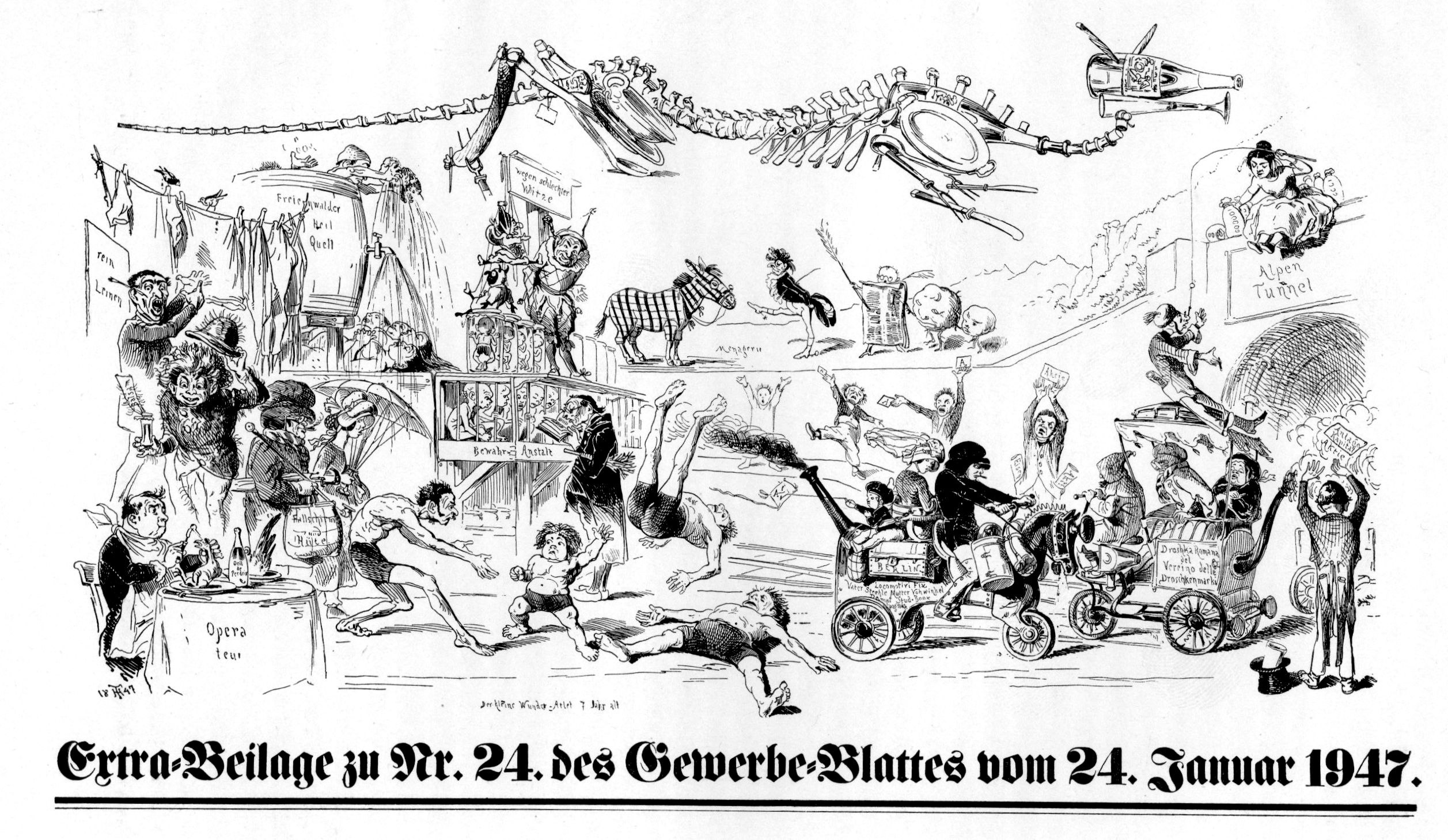
    Theodor Hosemann was a cartoonist, book illustrator, caricaturist and social commentator–but more interestingly, for today, he was edgy visioneer.  The lithograph, “Extrabeilage zu Nr. 24 des Gewerbeblatt vom 24. Januar 1947”, is Hosemann’s somewhat noir-y vision of the future from his perch in 1847.  His sense of the future “wirklickeit’/reality from where I sit here in 2015 is mostly bumpy and uncomfortable–it may have been funny in a fatalistic manner when the “brave” artist constructed the piece, perhaps like a forbidding fairy tale; if so then Hosemann was a jagged comic.  

    Hosemann future094

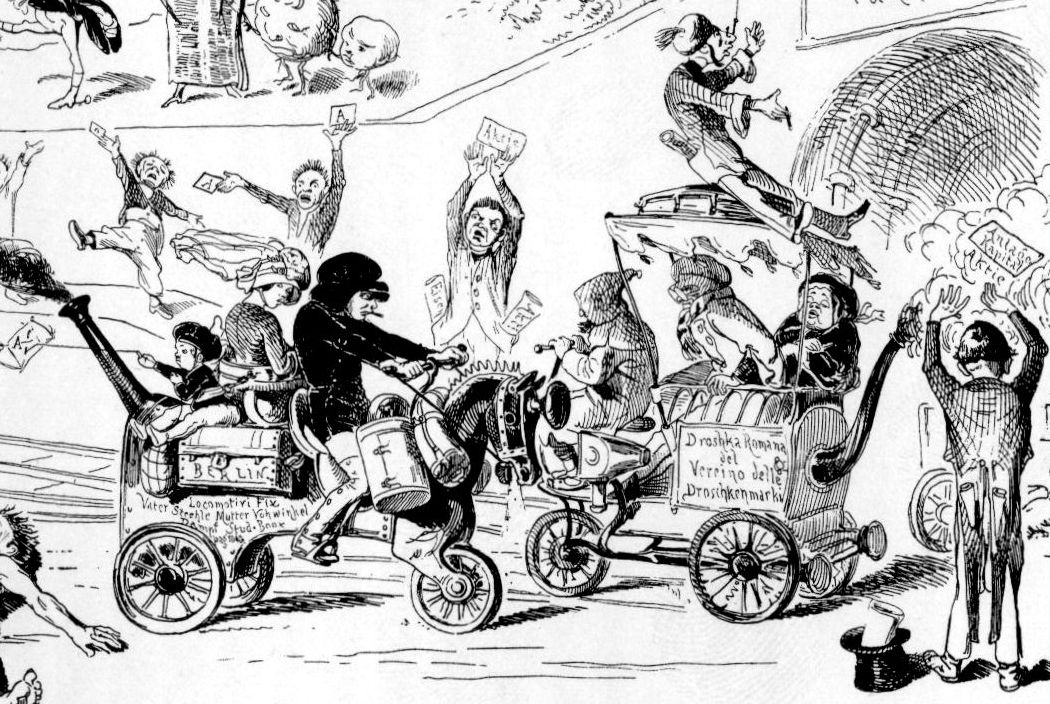
    It seems there are to me an equal number of found/lost elements in the image. The most obvious prognostications are the two steam vehicles/dampfwagen in the lower right, passing each other at the entrance of the engineering marvel that would have been a tunnel through the Alps.  The anthropomorphic horseless carriage in the shape of a horse, steaming to the entrance, is driven by a guy who  is (I guess) smoking a cigarette (as are several other people). Odd thing here is that the ciggie had just been introduced into France and named just a few years earlier, and here it is in the lips of a pater familias cruising with his family–his child flying a kite from the back seat–as they make their way to a trans-European ride.  The steam vehicle exiting the tunnel is driven by a hooded figure whose three passengers are in various stages of welcoming teh new sights: one has a heavy headdress and is adorned by large steampunk goggles, while the woman seated behind him is having a private moment of some sort of exasperation; meanwhile the guy traveling on the roof of the car has just been hooked through the nose by a woman at teh tunnel top, seemingly fishing for, well, something.  

    Hosemann future094 detail kids

    The most visible object is mysterious–the long skeleton at top is composed of bone, sausage, forks, spoons, morphing ducks, spoon vertebrae, plates, knives, corks, a champagne flute and a bottle. I’m unsure of the allegory.  

    In the upper left corner we see women taking the waters, immersed in a hydrotherapy of something-or-other from a “healing source”. A man beneath him lifts his hat to reveal a wild head of hair produced presumably from the bottle of “balsam” in his hand–hair tonic that has produced a giant mane plus hair sprouting out everywhere else. The man seated before him is beginning his meal on some sort of bird by pulling its eyeball out.  

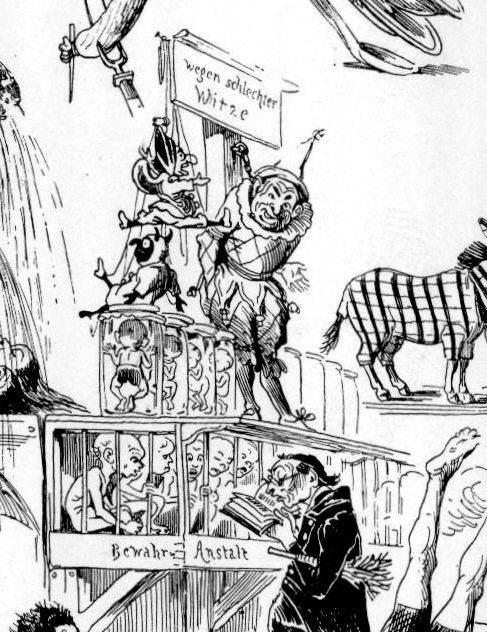
    The central figures are particularly engaging, and perhaps prophetic.  At the top of this little structure is a Punch/Judy-like character with marionettes (standing beneath a sign that extols us not to laugh at bad jokes). He is also lazily seated on jars of babies.  It may be that they are children being produced in artificial wombs, grown somehow, as beneath them we find more fully-formed children in cages being lectured by a classic schoolmaster with book-and-whip. Perhaps related to all of this in the foreground we find the “wonder child” who at seven years of age is very muscled and defeating grown men in a wrestling match,m one of whom he has thrown into the air with one arm.  Perhaps Hosemann was telling us of the possible future from 68 years ago where a race of super-people would be manufactured in artificial environments to embody super-human traits?  Certainly seems so.  

    Hosemann future094 detail cars

    So Hosemann did get a few things right in this vision, or at least he got the sense of future developments correct.  I still have a bit of a problem with what I think is the humor of it all, but then again I wouldn’t read the fairy tells of the Brothers Grimm to a little kid, either. It is difficult to translate those sensibilities forward 175 years, for me, anyway, the sense of ‘funny” and the insight that comes from that getting lost in the swirl of historic dust, like mostly all of the “amusing” parts of books (not the movie!) like Pinocchio, where the soft places to land in this child’s story have all fallen away leaving not much more than a  fledgling adventure in rounded brutalism.  

  • When Having Hope in Hopefulness is Helpless: Nuclear Protection, 1960

    JF Ptak Science Books     Post 2517  

    I’ve written on this blog earlier on the creation of Atomurbia–the dissemination of U.S. industry and population centers more-or-less evenly, and remotely, throughout the country to decrease targeting liability, “employing distance as defense”. There were different flavors of this plan, from the gargantuan to less-so, but no matter how this is idea is presented, on virtually any level, it was. of course, a Big Plan. It was so very big that it was even hard to talk about–the thing seemed just too big, and impossible, for discussion beyond generalities.  

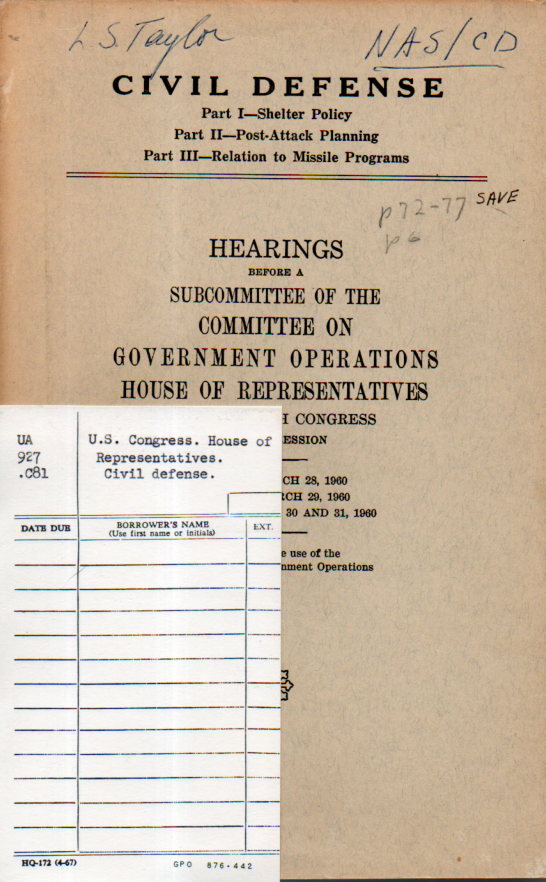
    Atomic  Taylor Atomurbia112I found some language in a Congressional hearing on civil defense for 1960 that addresses and undresses the issue of “dispersal”. In “Part II–Post Attack Planning” of these hearings1 there is a discussion of “dispersion”, and what it is and is supposed to do, but there is ultimately a monumental shrug about this Enormous Situation, and a recognition that “there is no active program of dispersion” (pg 102).  This in the face, evidently, of at least part of the dispersal plan being the Federal Government’s “responsibility of carrying out out the national policy of dispersal in locating new or major expansions of essential facilities in accordance with defense mobilization order I-19”.  

    I’ve wondered how such a plan would come into being–I mean the impossible move everyone everywhere plan–but did not know about this I-19 plan that actually made the dispersal of new national-interest industries a governmental responsibility.

    The hopelessness of implementation of such a nightmare is spelled out pretty well in this bit, on the same page 102: “The objective of industrial dispersal can only be achieved when industrial and economic factors contribute to this purpose”.   A statement like this is so large and bland and intractable that it really says nothing, except that if the effort and the money was there, then the dispersal plan could possibly be achieved.

    The report continues, “It indicates a desirable goal but there is no program here”. 

    Leo A. Hoegh (former governor of Iowa and speaking to the CD issues as the first director of the Office of Civilian and Defense Mobilization) makes the case that there is dispersal going on, but as a natural element of industries looking to “get out of the marketplace”, and brings up the growth of new industry in Iowa as an example, which was really pretty ingenuous, and he is held accountable to that thinking by Congressman Chet Hollifield (Ca.) who basically says, “Oh, come on….”

    Mr. Hoegh responds: “The thing is, we are interested in dispersal and we are urging it”.

    Mr. Holifield: “There has been no dispersal”, he said, there has just been growth. “None of your industrial centers…have decreased”. 

    Mr. Hoegh: “We are still desirous to have dispersal”. 

    According to the borrower’s card in the pocket at the rear of the book, it was never borrowed. That doesn’t mean that it wasn’t read–just that it wasn’t overnight reading.

    Notes:

    [For those keeping track of such things the “L.S. Taylor” on the front cover of this hearing was Lauriston S. Taylor,  (1902-2004), pioneer in radiation measurement, radiation protection, and health physics.)

    1. Hearings before a Subcommittee on the Committeee on Government Operations, House of Representatives, Civil Defense (Parts I-III); March 28-31, 1960, 573pp.  

  • Color Blindness and Color Correction

    JF Ptak Science Books  Quick Post  

    “For this condition, I will prescribe, for your information, a marvelous cure, the result of my experience in such cases. Take a precious stone we call sapphire. Powder it most thoroughly in a metal mortar and store it in a golden vase. Put a little into the patient’s eye every day and he will soon be cured “– from the Medieval medical text De Oculis, by Benevenutus Grassus, Stanford University Press, 1929, page 58. 

    Color wheels106

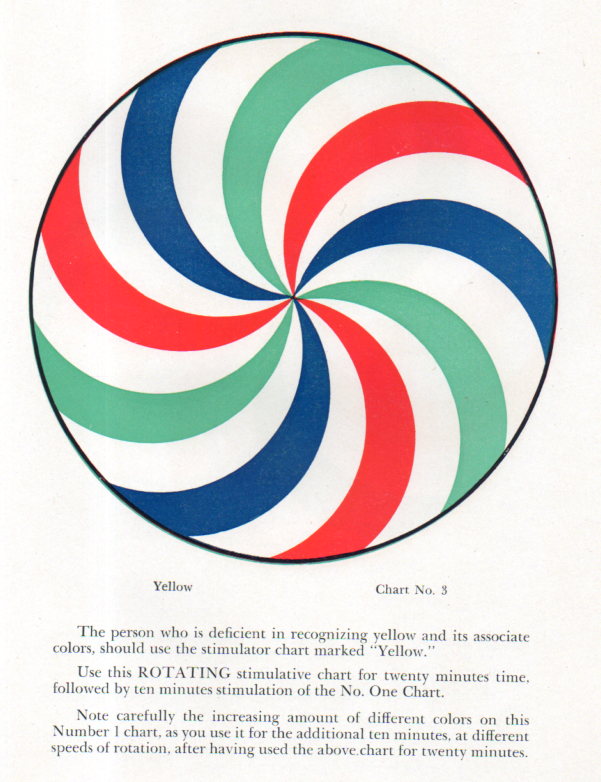
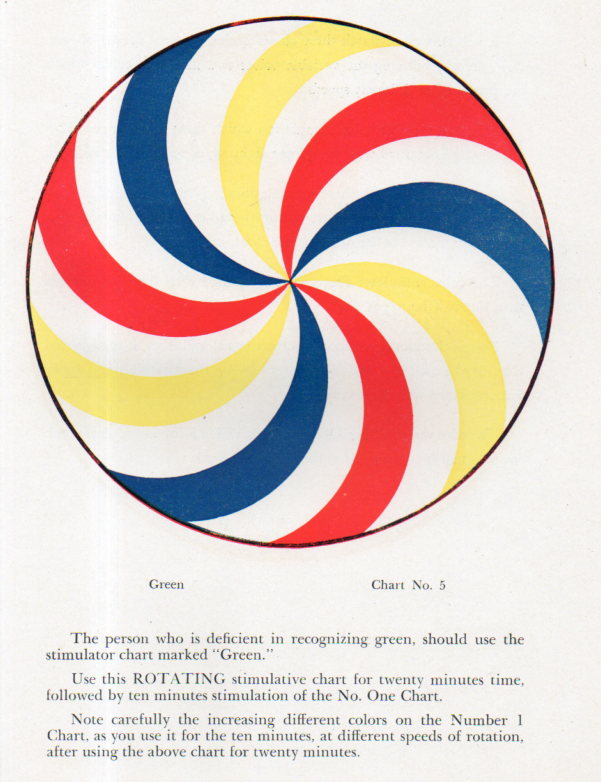
    Admittedly I was more interested in the illustrations in this work1 than the text, mainly (and obviously) because the images are so striking. The text is in its way a pre-scientific attempt at ‘curing” color blindness, which is a genetic disorder.  The color wheels (“variable speed rotary color vision stimulator”) were intended to be rotated to produce different color senses for “color vision stimulation”–it could be used to determine whether or not color vision was being “improved”.

    Most of the work was a sales vehicle for Dr. Newton’s color blindness color regenerators, or whatever, all of which could be obtained from his office in Oakland.  I guess Dr. Newton was trying, but…


    Color wheels103


  • Scarce Report on the Attempted Assassination of Hitler, July 20 1944

    JF Ptak Science Books   Post 2518

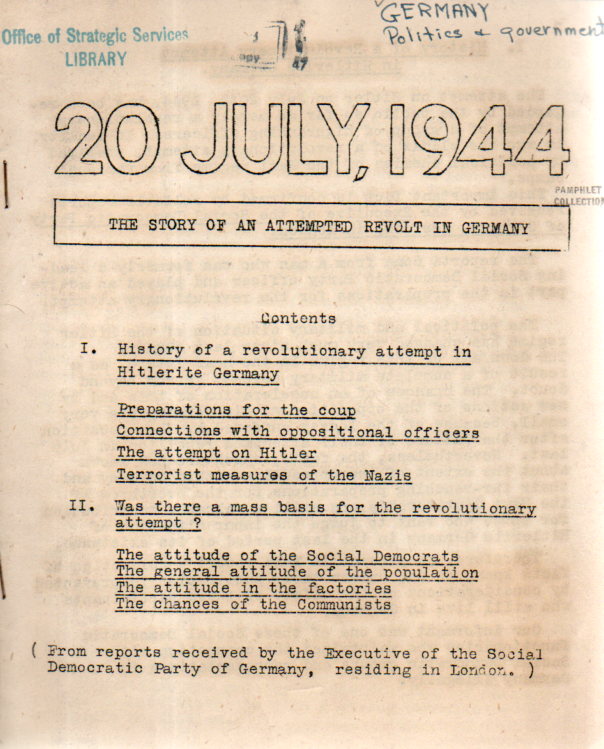
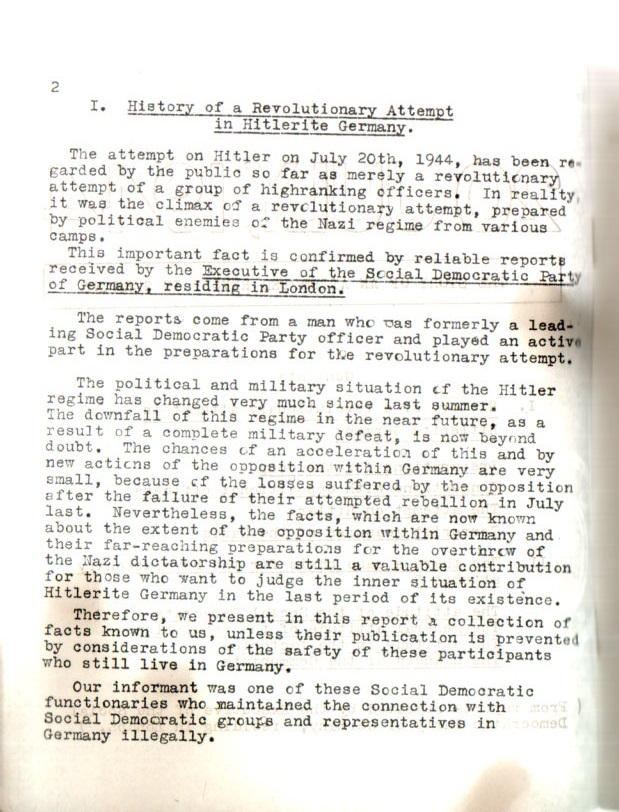
    Hitler 20 July 1044113Here’s a not-often-noticed (and seemingly not reproduced) report on the assassination of Adolf Hitler (and attempted coup)  on 20 July, 1944.  It is recorded as the work of Carl Lindauer (see below) and was published by the Social Democratic Party of Germany “residing in London” in 1944/5.  I’ve reproduced the entire short document below (the original being available at the blog’s bookstore, here.)

    20 July, 1944: The Story of an Attempted Revolt in Germany; (from Reports Received by the Executive of the Social Democratic Party of Germany, Residing in London), by Carl Landauer  German Social Democratic Party, London Representative, 1945

    [Reference: Deutsche National Bibliothek https://portal.dnb.de/opac.htm?method=simpleSearch&cqlMode=true&query=idn%3D1002488478]

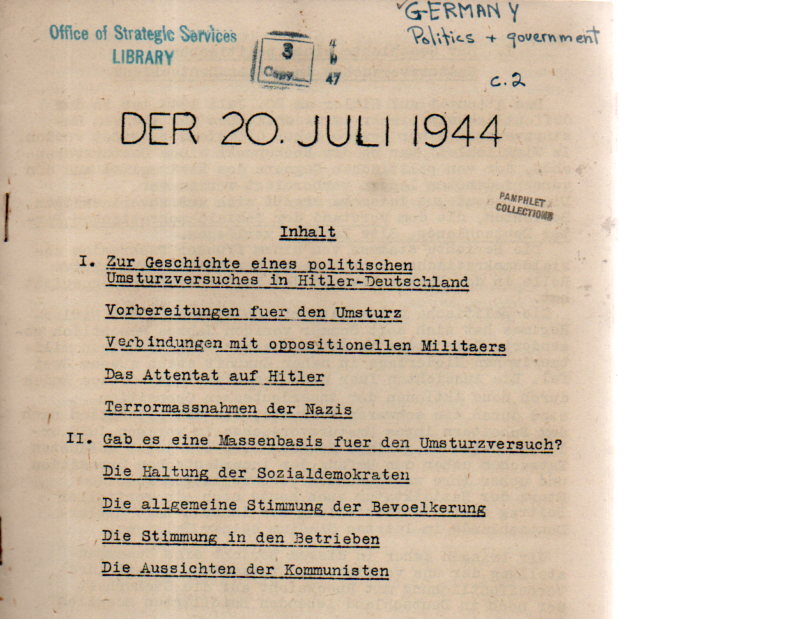
    This pamphlet is scarcely-held in libraries–it is in the collections of the London Metropolitan Library, the Bibliothek der Friedrich-Ebert Stitftung, Deutsche National Bibliothek, and perhaps (though this is unclear) in the Library of Congress and perhaps at the Hoover Collection at Stanford.  These two copies (in English and German) were previously in the library of the OSS (the precursor to the CIA) and then in the Library of Congress Pamphlet Collection, until coming here.  

    The German version is not located at all in WorldCat/OCLC.  

    • Apologies for the unevenness in the scans–the original is difficult to get on the scanner without damaging it, so the colors are a little “off”.  

    Hitler 20 July 1044127


    Hitler 20 July 1044114


    ·Posted by :

    ·in:

  • Will Aeroplanes Soar to Unknown Heights? (1920)

    JF Ptak Science Books    Quick Post

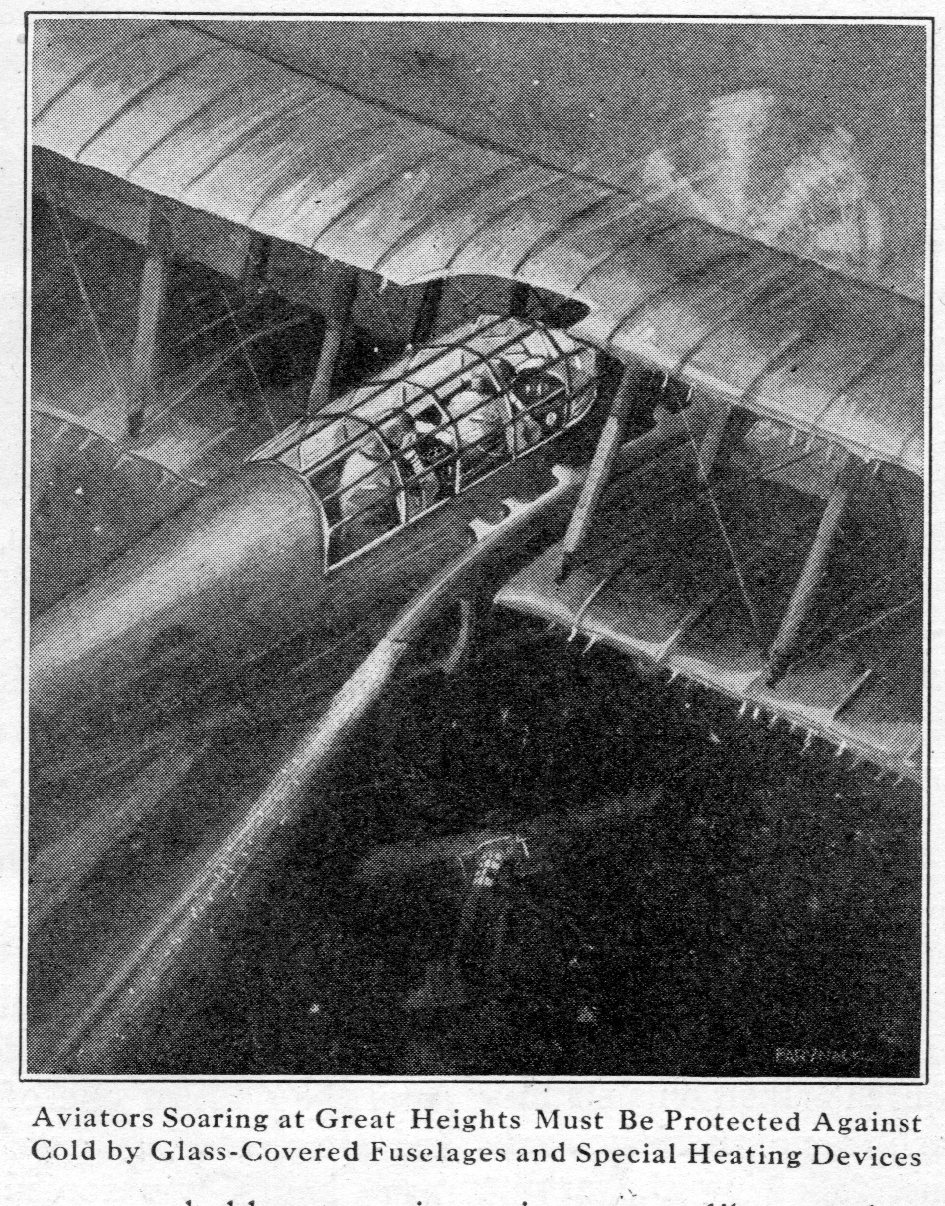
    Aviation soar to unknown heights128

    This was the vision of future high-altitude flight, at least according to Illustrated World magazine in their July/August  1920 issue , page 806. It was reported in these pages that at about 22,000 feet the sky above is perfectly black and all of the stars are visible.  This of course is not near the limit of the atmosphere, and not very close to the Karman line “outer space” it may have been believed to be (though the blackness part does come into play at around 60,000′. and at 100,00 kilometers the Karman line is far beyond that). 

    In any event the record for the highest altitude achieved by humans was still at the mark of 39,000′ set in a balloon in 1862, a record which would not be broken (at 43,800′) until 1927, when the achievement cost the aviator/balloonist his life.  The article was slim on the atmosphere and slimmer on the necessaries for the high-altitude aircraft–except to say that the current open-cockpit approach just wouldn’t do at cold temperatures, thus giving rise to a tiny discussion on the only mentioned feature of the future aircraft: that it would have an enclosed cockpit.  

    • Flight altitude records via Wiki https://en.wikipedia.org/wiki/Flight_altitude_record
  • Victorian Non-Near-Steampunk Inventions (and Embellishments of Need)

    JF Ptak Science Books Post 733 (from August 2009) expanded  Blog Bookstore

    ===blog==aug 28==floating device


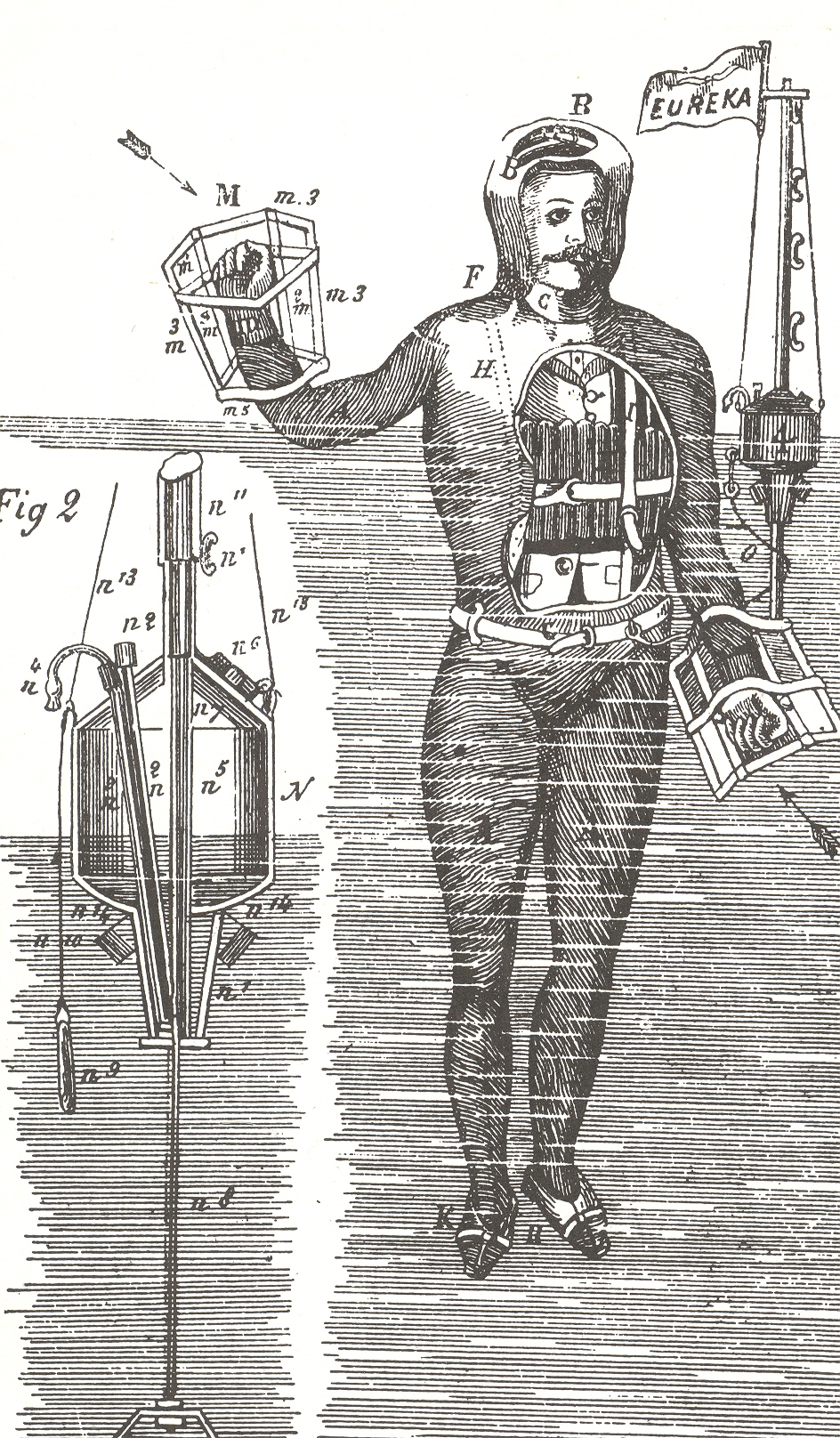
    [Source: Scientific American, July 11, 1869; also [The full description of the apparatus (as seen in the American Phreonological Journal, September, 1869) can be read in the continued reading section, below.]

    And so in 1869 came this odd Victorian appeal to a frosty blend of survivability and entertainment.  The fellow in this woodcut was decked out in the very latest lifesaving apparatus for making one’s waxed-mustachioed way through disaster. The surviving member donned a very resistant, very heavy suit made of rubber, including a helmet (of some sort), all of which was made to make the wearer impervious to cold or heat./ Under the rubber suit was a floatation/buoyancy undersuit which seems to fit snug around the wear’s waistcoat.  It looks as though the whole of the suit would increase the mass of the wearer by something like one-third.  Most intriguing here is the little companion buoy (complete with a “Eureka” flag), which was outfitted with water, food, “reading material so that he may read the news to pass the time of day”, cigars, a pipe and tobacco, plus torches.  Evidently, this was to keep the person afloat, alive, and entertained for days on end. 

     [Source: Scientific American via Google Books]

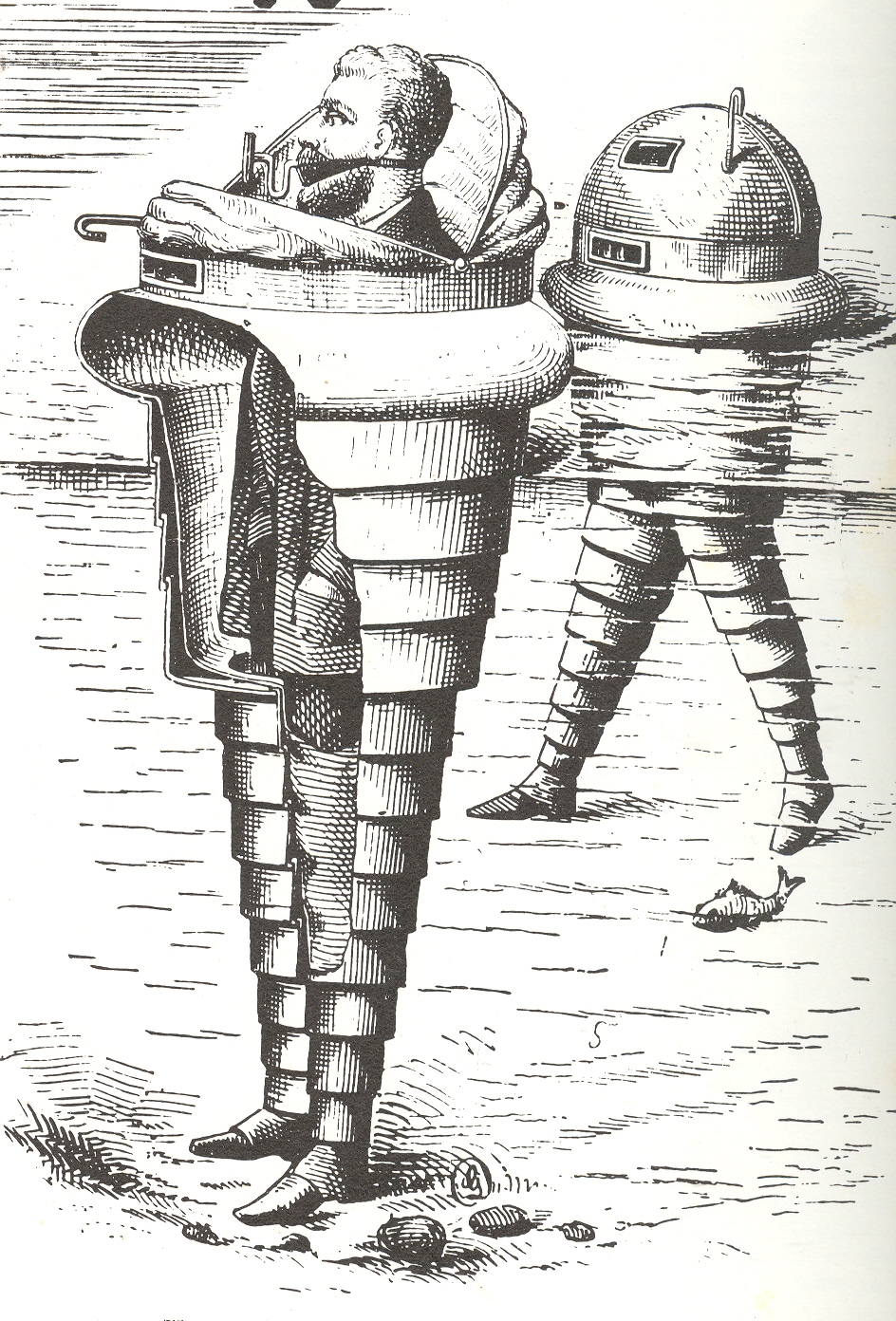
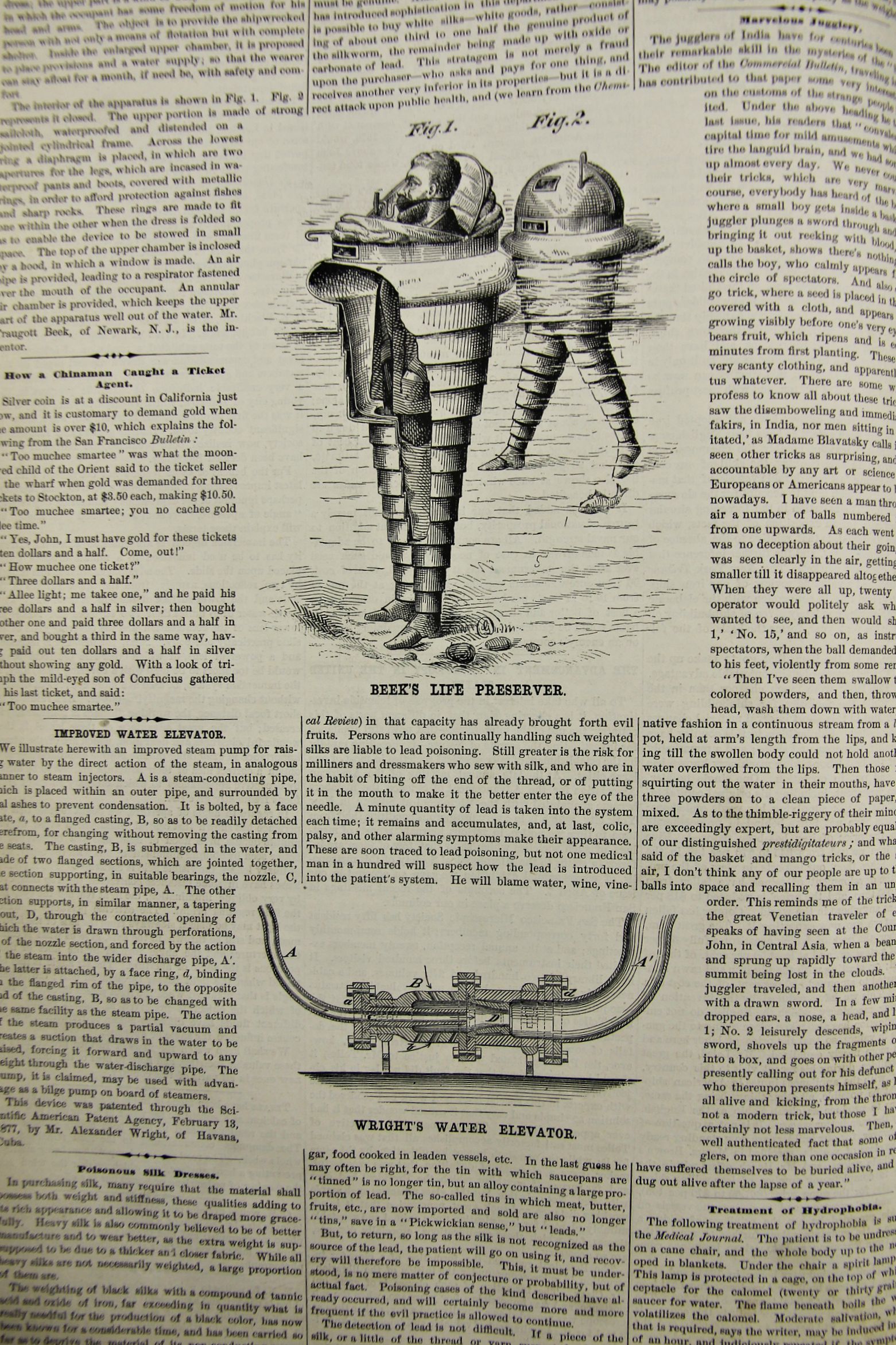
    This magnificent 1877 non-SteamPunk telescoping india-rubber screw, invented by Traugott Beek (of Newark N.J.), is supposed to be waterproof, so that the wearer could put it on over evening clothing (as is the case in this illustration) and enjoy a spin in the surf before contemplating other Victorian nighttime reveries.  It was said that the wearer could stow away a month’s worth of food in the suit, somehow–I don’t see how this could be, especially if there was a month’s worth of water, which would like fitting in the suit with another (larger) person.


    ===blog==aug 28==fswimming device

    [Source: Scientific American, May, 1877, issue #18.]

      Beek's life preserver

    ·Posted by :

    ·in:

  • A Magnificent “F” (1919)

    JF Ptak Science Books   Quick Post

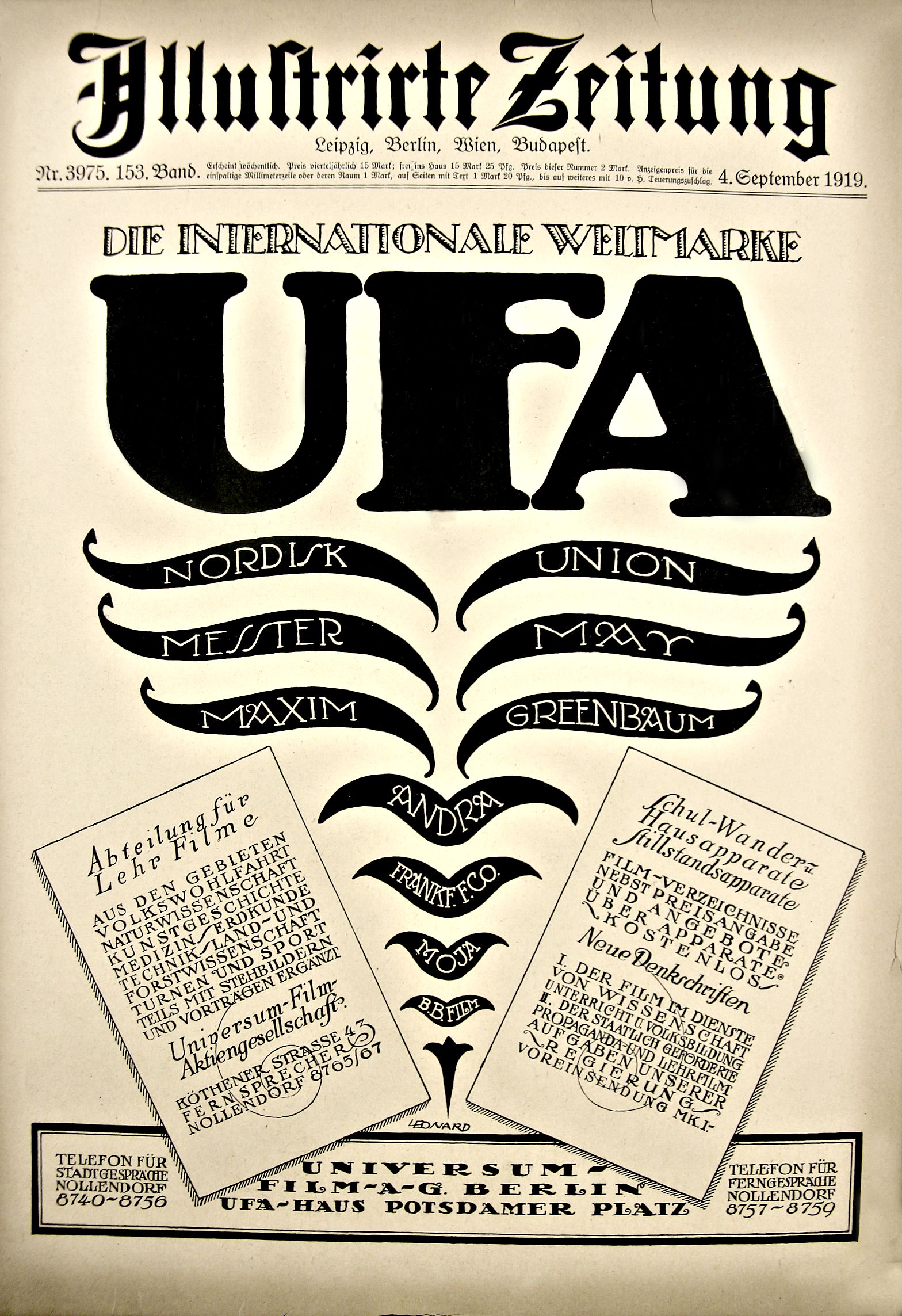
     I came upon this cover advertisement for the Illustrirte Zeitung (Leipzig) for September 1919 and was excited by this typeface–especially the fantastic “f”. The ad was for the German film production company UFA (Universum Film AG, today known as UFA GmbH) which was started a little less than two years earlier.  There’s not much I want to say about the company–I really just wanted to share the typography.  

    German design 1919 UFA

    ·Posted by :

    ·in:

  • Help China! (1943)

    JF Ptak Science Books  Quick Post

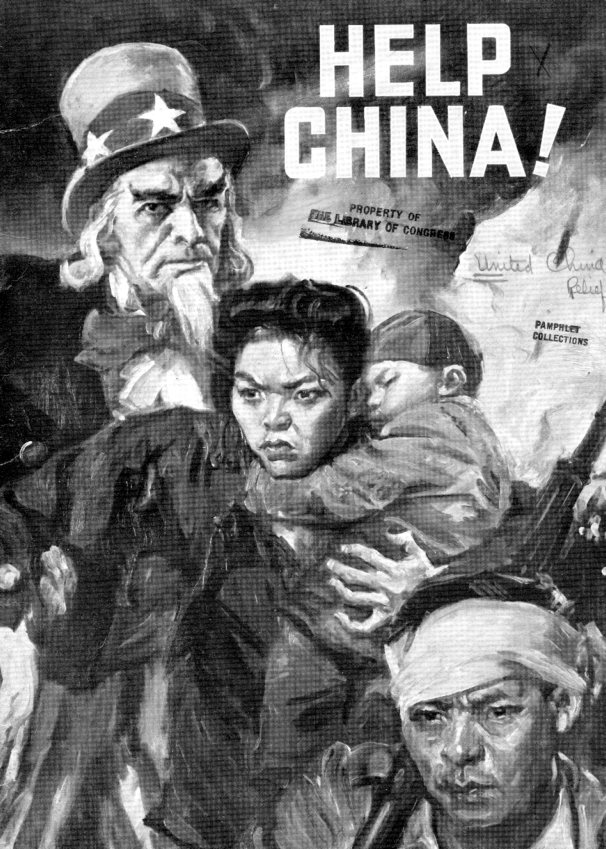
    I was looking through my pamphlet collection of Uncle-Sam-on-the-Cover and noticed this one:

    Help China!129

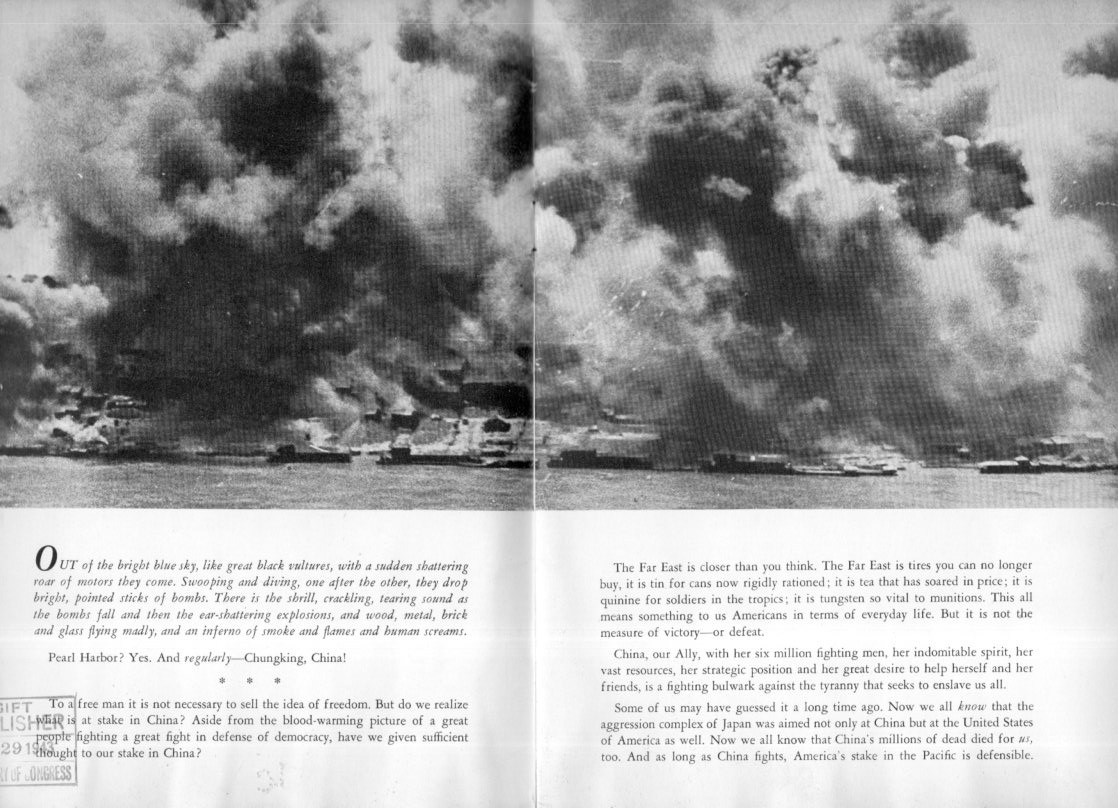
    This is distant to our relationship with China today, but in 1942/3 China was already embroiled in a war with Japan since 1937 (and actually a good ten years before that of Japanese intervention).  In the Second Sino-Japanese War there were more than a million soldiers killed on each side, more so than that wounded–plus an unbelievable 20+ million Chinese civilians were killed.  

    Uncle Sam looks pretty grim here–the Chinese family is battered, and angry, and resolute.  The artist here is the old hand James Montgomery Flagg, and the appeal and impact is very strong.

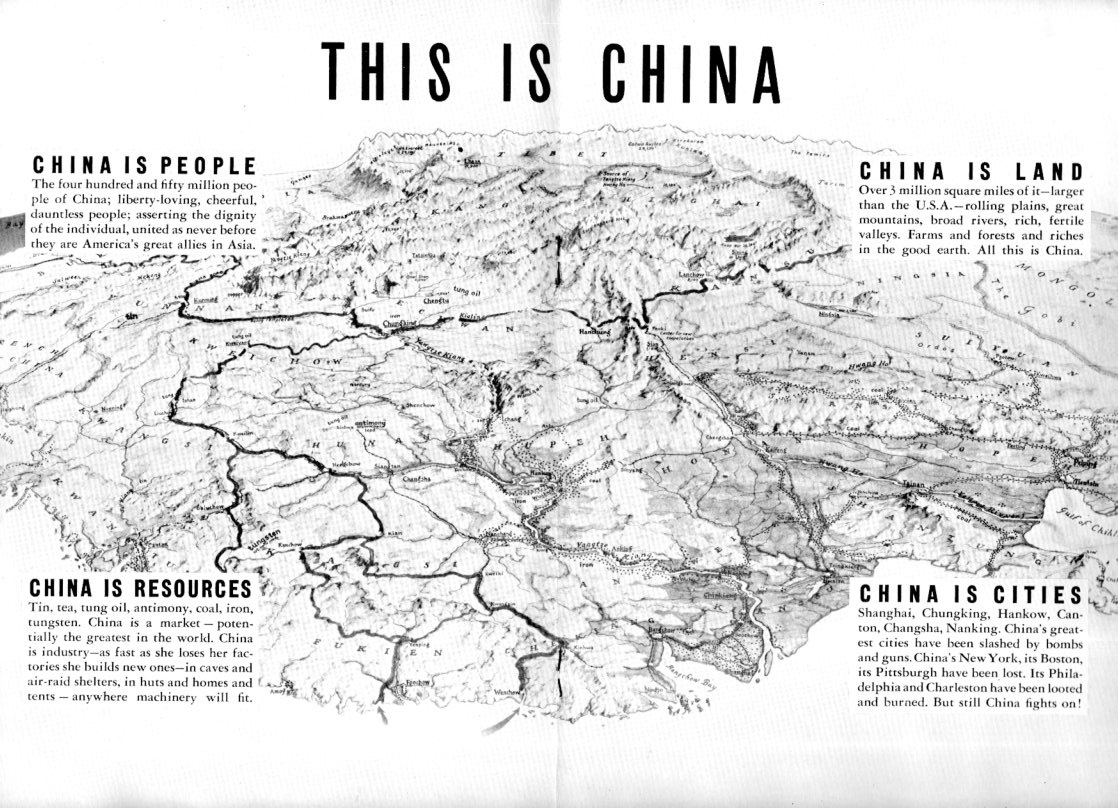
    The pamphlet was an attempt at raising money for the desperate situations in China, and reminds the U.S. that China’s role in the war int he Far East was of utmost importance.

    Help China!130

    Help China!131

    [Source:  China, a Brief Study of the Chinese…our Allies and Friends, published by United China Relief, New York City, (1942 or 1943).  20pp, illustrated.]

    ·Posted by :

    ·in:

    —
  • Tammany, the KKK, and the CSA (1872)

    JF Ptak Science Books   Quick Post

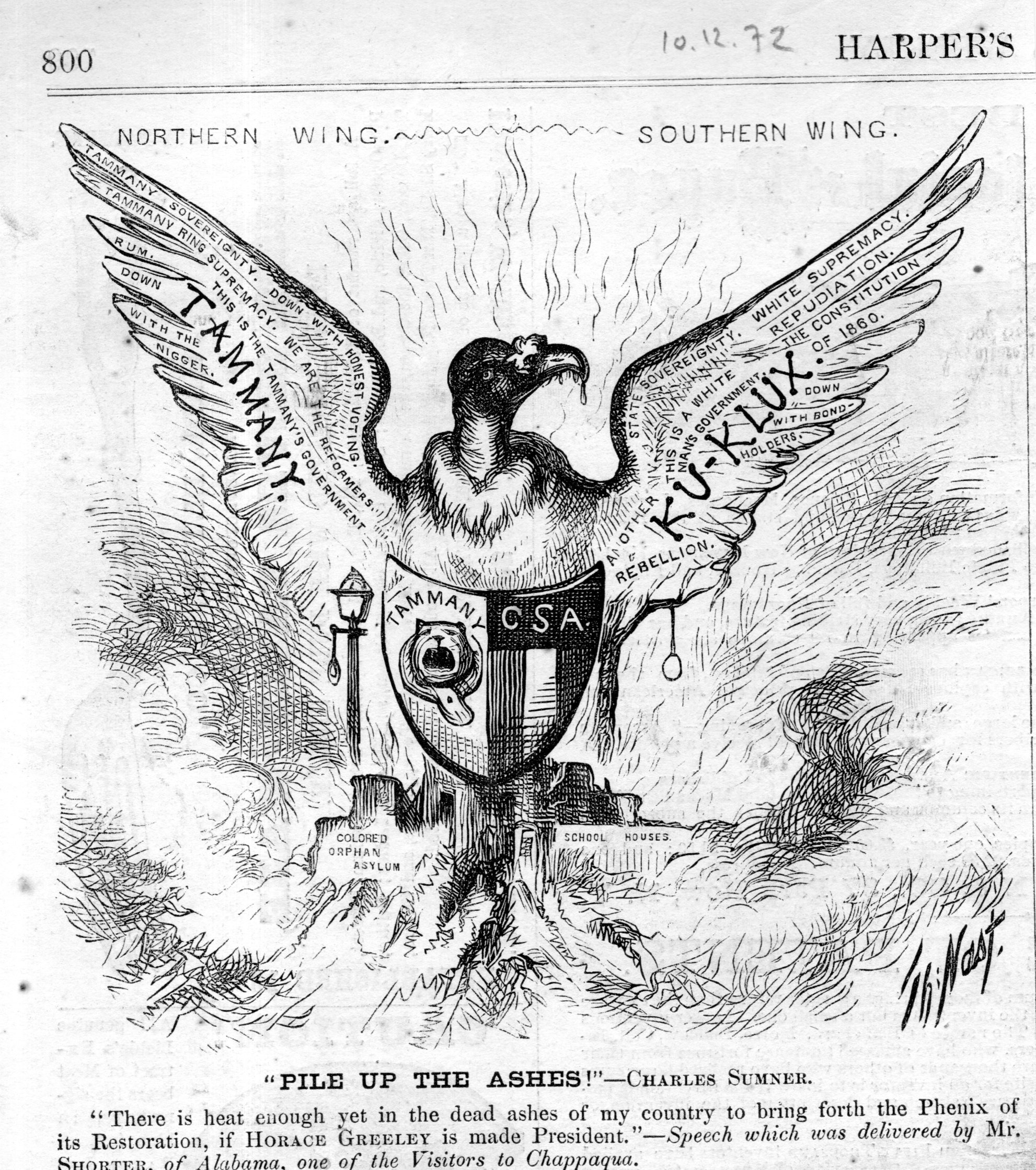
    Thomas Nast (1840-1902) was an extraordinary talent who created the politically/socially influential political cartoon. He worked tirelessly for Harper’s Weekly, joining the weekly illustrated newspaper in 1858 at the age of 19, contributing at least one large (usually front cover) political statement and two smaller cartoons every week, for 26 years.  He wielded an enormous social influence, electing a president (Hayes) and toppling Boss Tweed.  He was a staunch Republican who endlessly fought for balanced budgets, free education, and equal rights for Indians and African Americans, fair economic play to the working classes, and was viciously anti Klan.  He also created the popular images of Santa Claus, Uncle Sam, the Republican elephant Democrat donkey, and the Tammany tiger.   The man got a lot of things right.

    Here in one of his many hundreds of smaller illustrations Nast takes the Democrats, the Klan, and Tammany to task, lumping them all together into one blood-hungry U.S.-eating vulture/raptor, and it is pretty strong stuff:

    Help China!132

    [Source: Harper’s Weekly, October 12, 1872.]

  • Lincoln on Baseball and Home Runs, 1860

    JF Ptak Science Books  Quick Post

    “Four score and keeping score”1

    Lincoln Base ball

    A few years ago I had a fantasy conversation occur between Babe Ruth and Ho Chi Minh–they were several times in the same city at the same time (or so it seems), though I am not sure they shared a common language. I’m also not sure that Ruth and Ho would have much in common to talk about, but if they were cheek-and-jowl at a diner perhaps there would be an exchange–=in any event my creative powers failed me, mainly because outside of the idea of the two meeting and speaking, I’m pretty sure that there is no “there” there. 

    I would like to think that Abraham Lincoln could enjoy watching a good game of baseball while he was president, having a little opportunity to get away from the war and politics–but that seems pretty doubtful; It seems that as a kid he played some form of baseball (“townball”) which feels far more likely to be a real story–beyond that his connection to the game looks pretty weak.

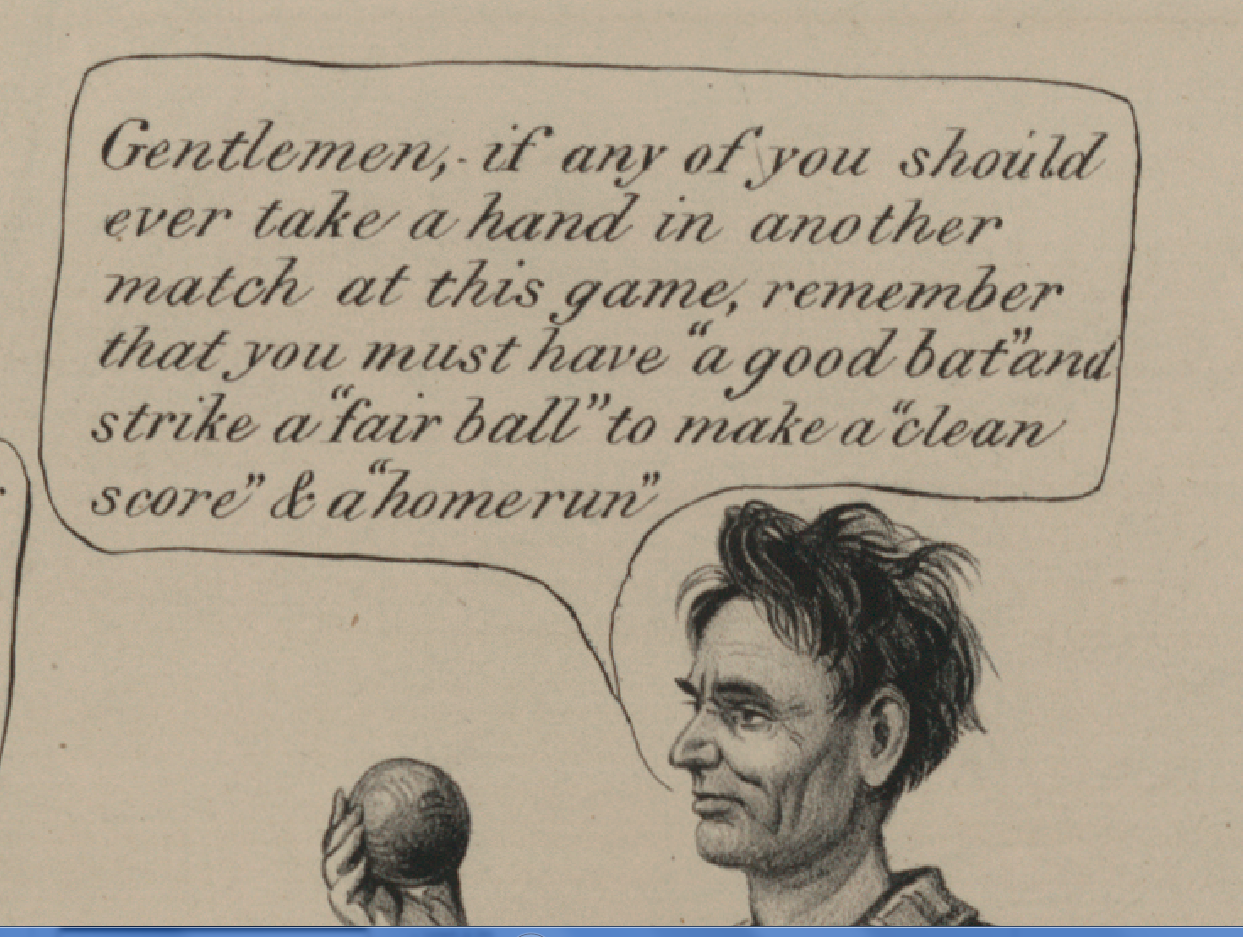
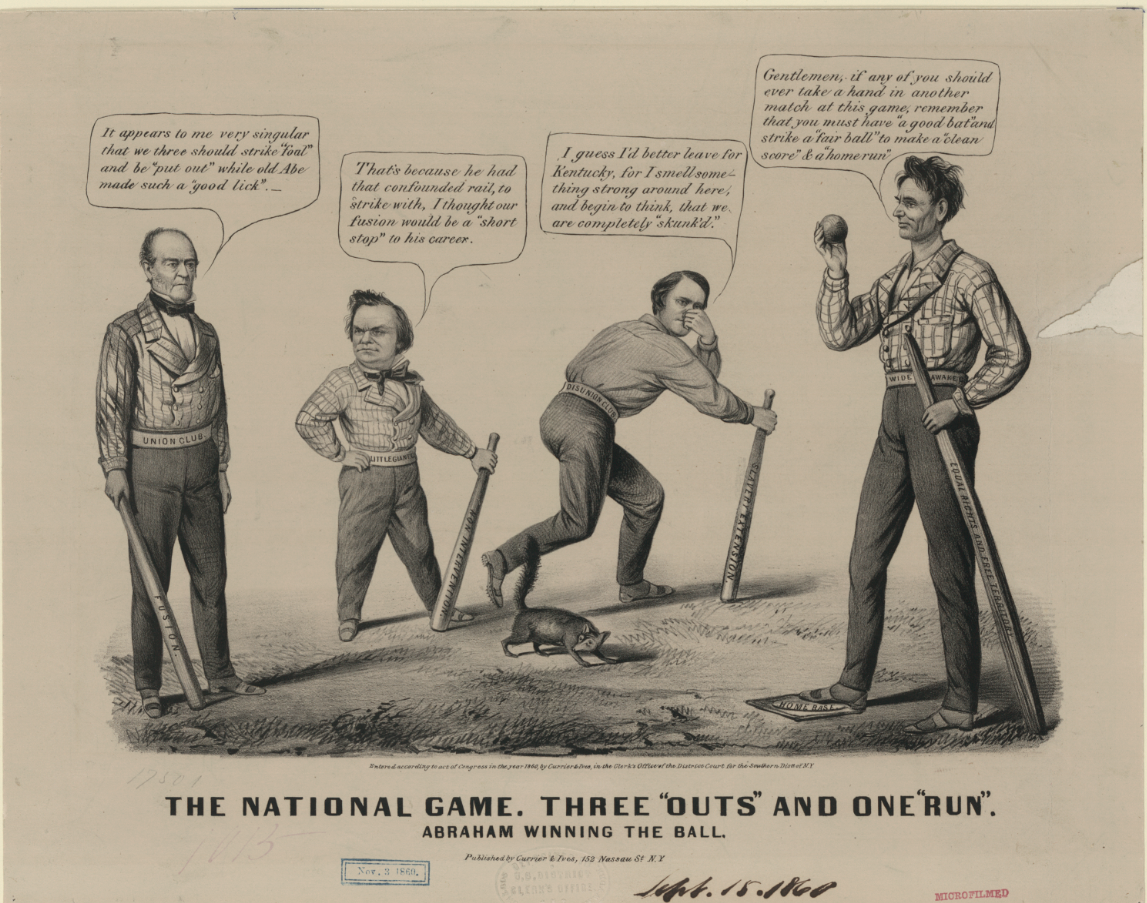
    There is however this small campaign broadsheet which in 1860, received by the Library of Congress a month before the election, that a political cartoon was published by Currier and Ives with a strong baseball analogy.  I don’t know if Lincoln was ever recorded using the term “home run” but the artist happily put it in a word cloud for him in the detail above, taken from the image below:

    Lincoln base ball b_[Source: the Library of Congress, http://www.loc.gov/pictures/item/2003674584/]

    The longish and good summary of the image is from the LC:

    • Summary: A pro-Lincoln satire, deposited for copyright weeks before the 1860 presidential election. The contest is portrayed as a baseball game in which Lincoln has defeated (left to right) John Bell, Stephen A. Douglas, and John C. Breckinridge. Lincoln (right) stands with his foot on “Home Base,” advising the others, “Gentlemen, if any of you should ever take a hand in another match at this game, remember that you must have a good bat’ and strike a fair ball’ to make a clean score’ & a home run.’” His “good bat” is actually a wooden rail labeled “Equal Rights and Free Territory.” Lincoln wears a belt inscribed “Wide Awake Club.” (See no. 1860-14 on the Wide-Awakes.) A skunk stands near the other candidates, signifying that they have been “skunk’d.” Breckinridge (center), a Southern Democrat, holds his nose, saying, “I guess I’d better leave for Kentucky, for I smell something strong around here, and begin to think, that we are completely skunk’d.’” His bat is labeled “Slavery Extension” and his belt “Disunion Club.” At far left John Bell of the Constitutional Union party observes, “It appears to me very singular that we three should strike foul’ and be put out’ while old Abe made such a good lick.’ Bell’s belt says “Union Club,” and his bat “Fusion.” Regular Democratic nominee Douglas replies, “That’s because he had that confounded rail, to strike with, I thought our fusion would be a short stop’ to his career.” He grasps a bat labeled “Non Intervention.”

    Notes:


    1. “Lincoln was game for baseball”, February 11, 2003, by Richard Rothschild, the Chicago Tribune. http://articles.chicagotribune.com/2003-02-11/sports/0302110160_1_16th-president-historian-jules-tygiel-abner-doubleday


    ·Posted by :

    ·in:

Recent Posts

Archives

Categories