JF Ptak Science Books Quick Post
This yellow is similar to the cover of Dr. Seuss’ One Fish, Two Fish…, the color yellow symbolizing courage/nobility in Japan, wisdom in Islam, and a deity-color in Hinduism; the color so fond of many great writers like London and Doyle, and Harte and Stevenson that they employed in in titles of the books. The favorite color of Van Gogh1, and perhaps not-so-favorite of Shakespeare (appearing in references to bile and melancholy and falling leaves), it is usually a positive color–except that it also can signify cowardice, ego, caution, and illness (malaria, jaundice).
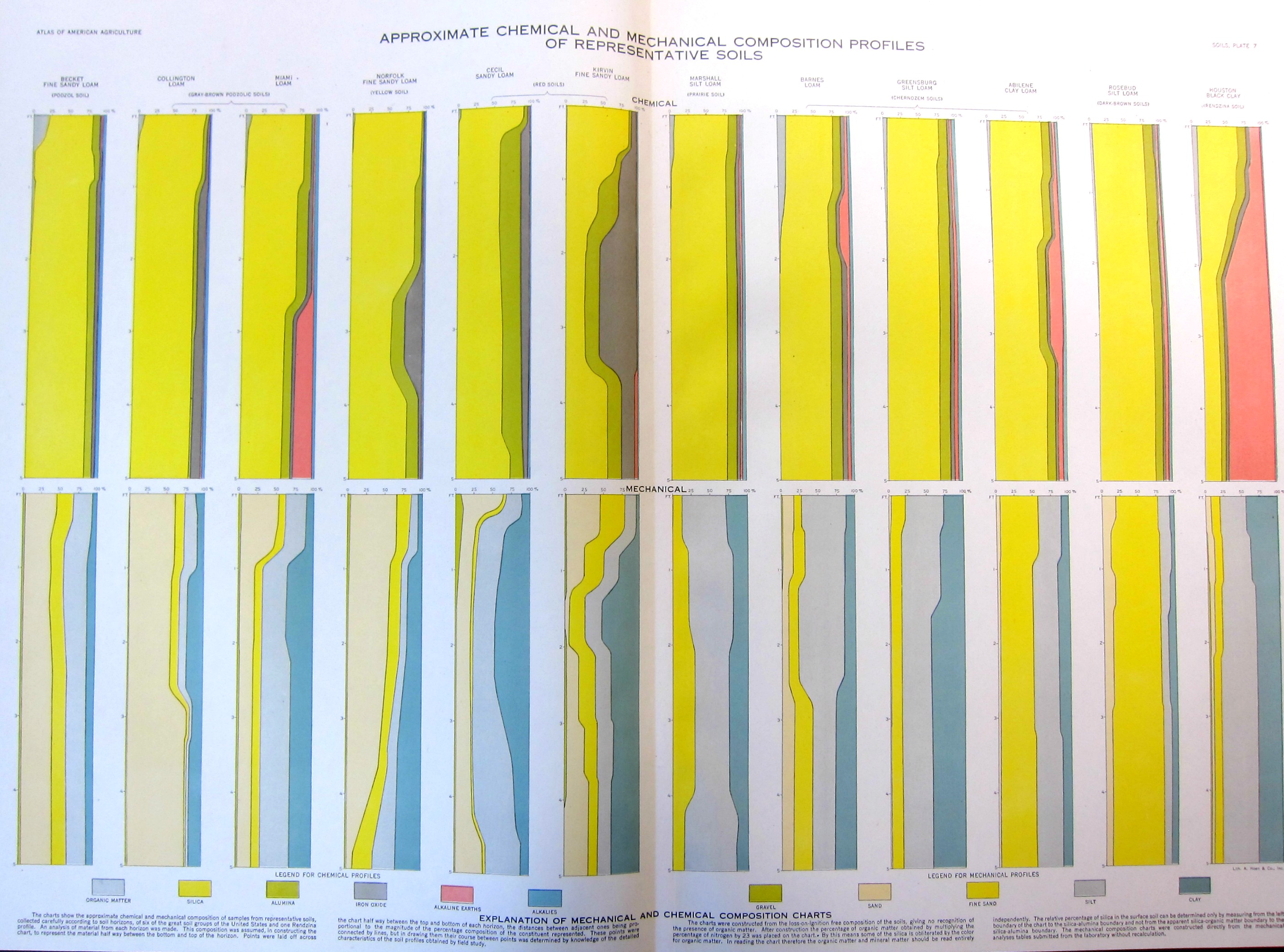
And so, yellow. The yellow here is a color of soil, and a beautiful yellow it is, the chart a piece of found-art in itself, a found-Abstraction. It actually was published in the Atlas of American Agriculture, lithographed by A. Hoen, and published in 1936–a particularly bad year for U.S. western soils.
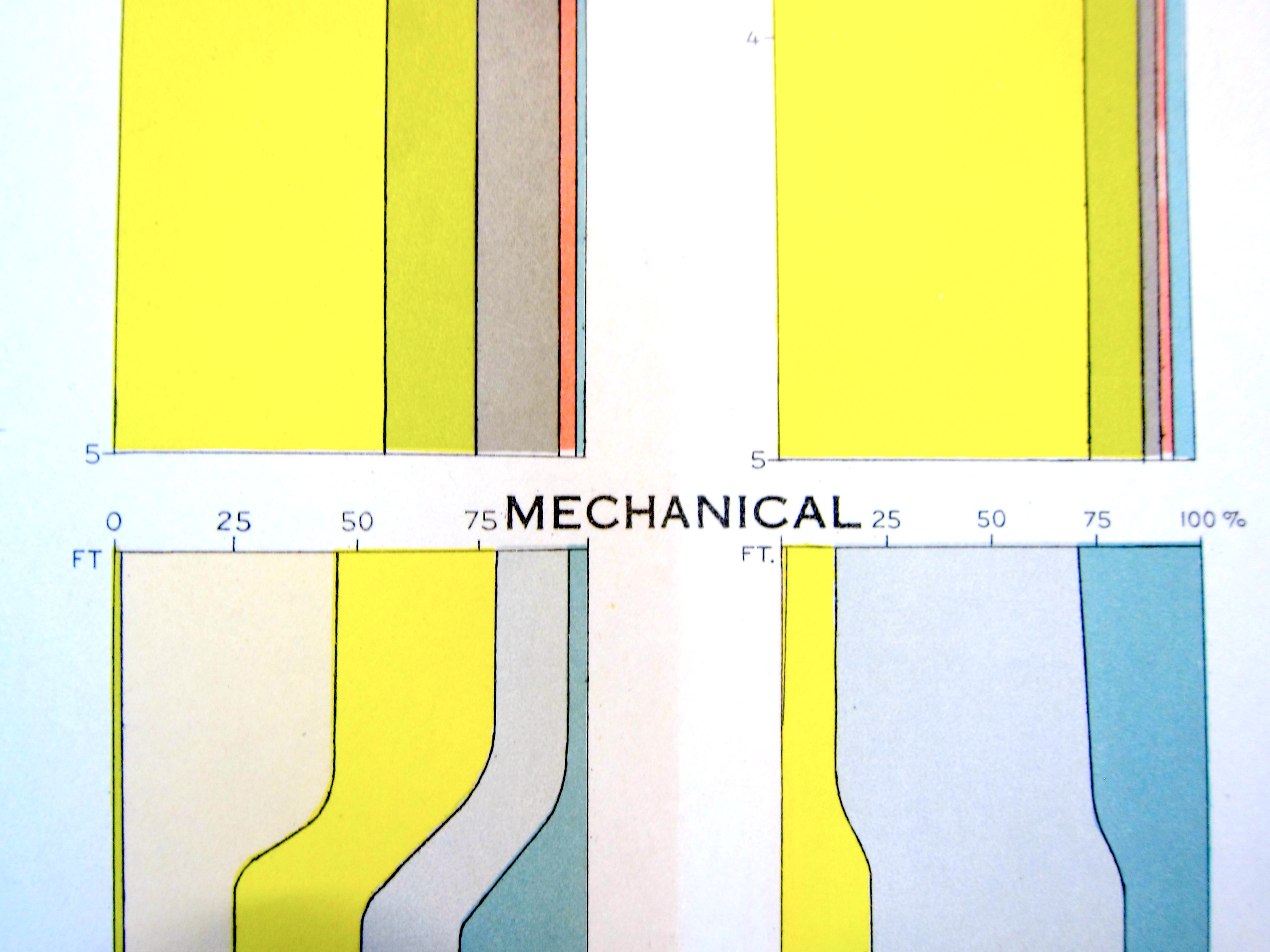
And a detail:
Notes:
1. The Van Gogh museum’s “Van Gogh Letters” is a must-visit if you are interested in his correspondence. http://vangoghletters.org/vg/ Actually the word “green” pops up about 15% more often than “yellow” as the most often mentioned color in the correspondence, though I think that the scholars say that his favorite color hands-down was yellow.