JF Ptak Science Books Post 2521
“Let us leave our old friend in one of those moments of unmixed happiness, of which, if we seek them, there are ever some, to cheer our transitory existence here. There are dark shadows on the earth, but its lights are stronger in the contrast. Some men, like bats or owls, have better eyes for the darkness than for the light. We, who have no such optical powers, are better pleased to take our last parting look at the visionary companions of many solitary hours, when the brief sunshine of the world is blazing full upon them.”–Charles Dickens, Pickwick Papers, page 518.
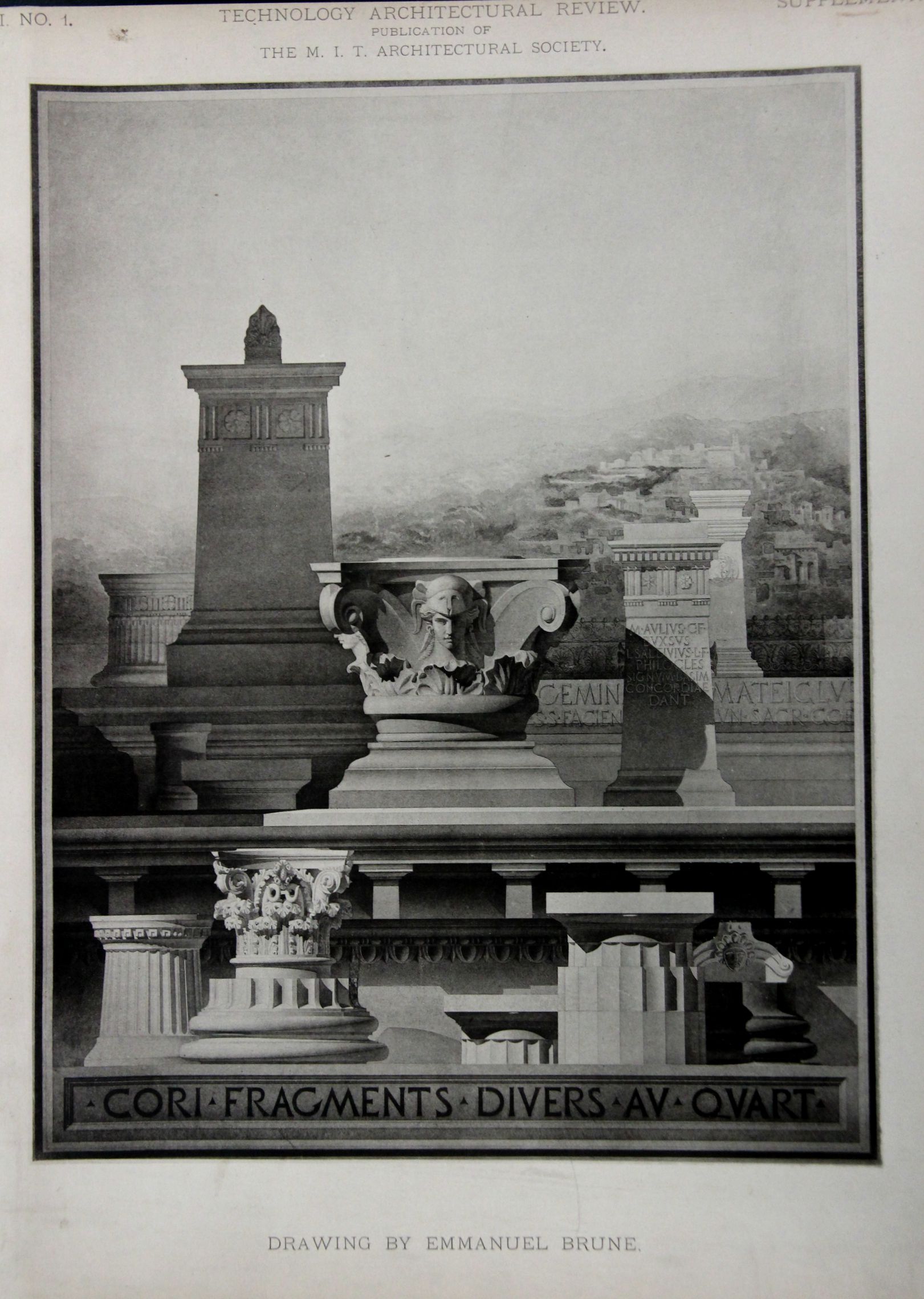
If I were on the Moon I think I would miss the obscurity of shadows–while being partially obscuring, they also enable highlight and brilliance in the place not in shadow. This is the controlled darkness of Goethe, who also found the production of color in the intersection of light and shadow. In the sciences ennumerating the optical art of shadow there is probably no one as poetic as Goethe on this subject, at least before 1900. The great master of optics, Isaac Newton, wrote on shadows (that is a pretty good title for an essay!) with seering insight but of course with no visual-literary poetry of any kind whatsoever, as a matter of fact his “‘Enumeratio linearum tertii ordinis” (“Enumeration of lines of the third order, generation of curves by shadows, organic description of curves, and construction of equations by curves) which was originally printed as an appendix to Optics (and then published in Opuscula) was like a black hole of poetry, anti-poetic–except of course for the staggering genius that went into it all.
And so these dreamy thoughts were brought out by this not-so-simple study of frammenti, found in the volume 1/1 of MIT’s first architectural journal, Technology Architectural Review, published in 1887. These shadows are excellent–there’s a lot going on in these layers of differentiated light.
- Check of other bits on this blog on shadows by entering that word int eh Google search tool.