JF Ptak Science Books Post 1891
In the world of identifying symbols–which I’ve been writing about a little over the past few days, but mainly on Renaissance and Baroque and Mannerist iconography–few are as distinctive and recognizable as modern trademarks. There’s a lot of high-voltage connecting wires between modern advertising and memory devices and Renaissance emblemata, and as I was sorting out some of the nice compatables I was stopped in my tracks by one of the modern images, mainly because I had a recollection for an older and unmentioned iteration of the symbol.
Sinoxid. It was recorded in the registry of German trademarks for 16 November 1968 as being owned by Dynamit Nobel AG.
This is what the trademark looked like in 1968:

The same trademark, a little earlier in its career, as it was being admired by a Nazi Brown Shirt S.A. member in 1933:
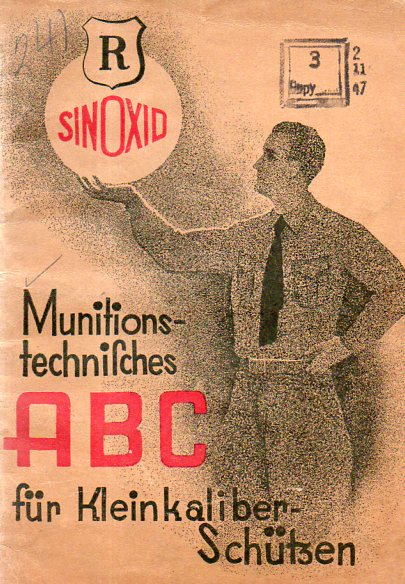 Dynamit Nobel A.G. is an old company. It is the German arm of the Swedish Nobel munitions firm (begun in 1864) by Emil and much-more famous (and longer-lived) brother Alfred.The German company was established in 1865 in Toursiburg so that the dangerous products produced by the firm wouldn’t have to travel as many miles if it was produced closer to the consumer. The Nobel firm manufactured munitions–famously so with a nitrogylcerin compound known as “blasting oil” that was notoriously unstable, and which in a fit of instability actually killed Alfred’s brother Emil in 1864. It also blew up parts of the German factory (on two occasions before 1870). The stuff was beyond lethal. But it didn’t stop Nobel from shipping their explosive goods worldwide in unmarked crates so as to not attract attention to a dangerous product. Three such cases were once sent to the Union Pacific company in San Francisco in 1866–two became unstable and blew up in the company’s headquarters, killing dozens. But no one was scared beforehand.
Alfred Nobel left no heirs and so donated some percentage of his firm’s monies to the foundation we know today by his name. The company grew into the largest munitions producer in Europe. Beginning in the mid-1920’s it began a relationship of fusions and mergers and so on with the giant cartel I.G. Farben, among many others.

They have a design much like the tossed-away bodies of their victims.