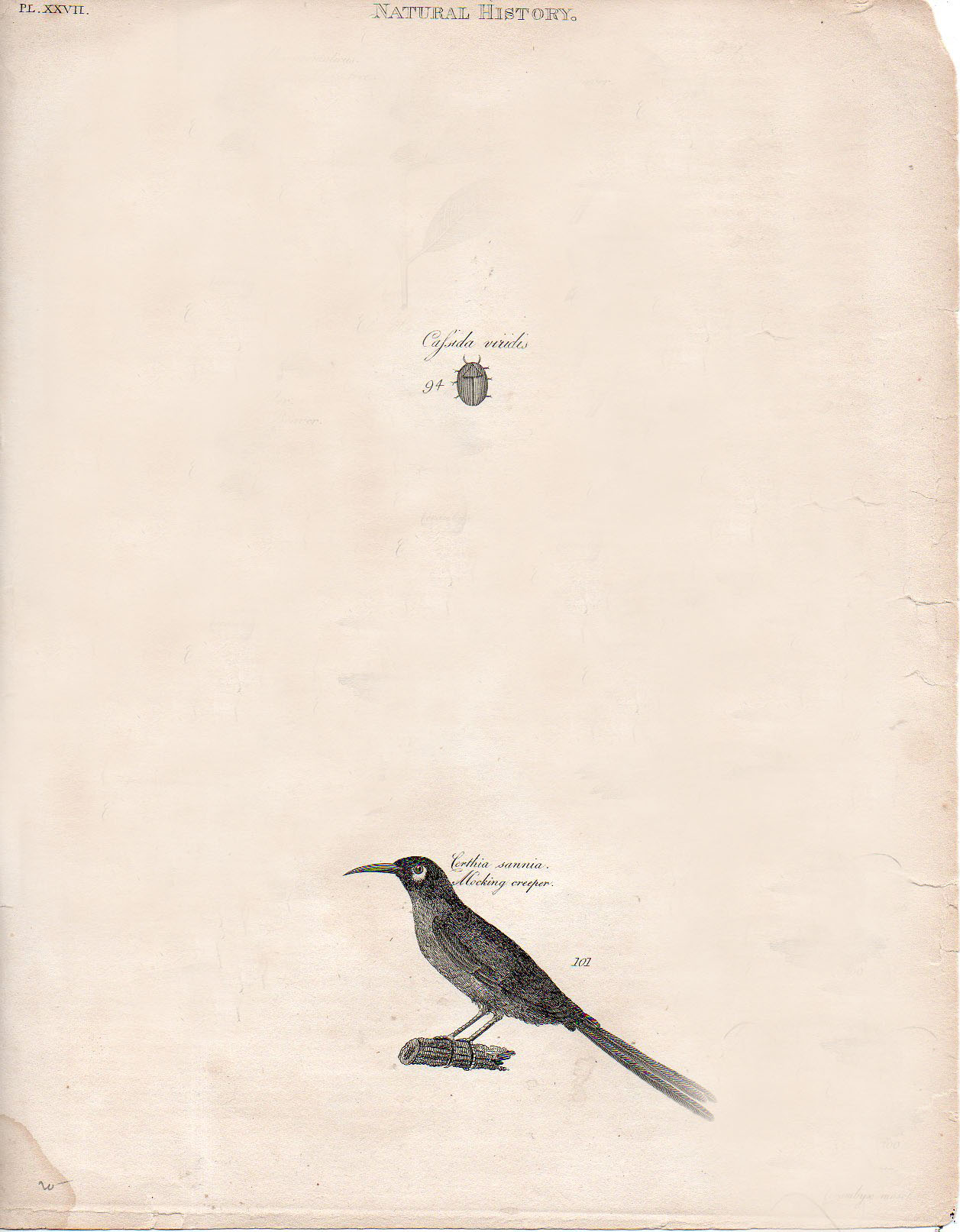
JF Ptak Science Books Post 1842 (Continuing a post on The Importance of Nothing in the History of Blank, Empty and Missing Things thread.)
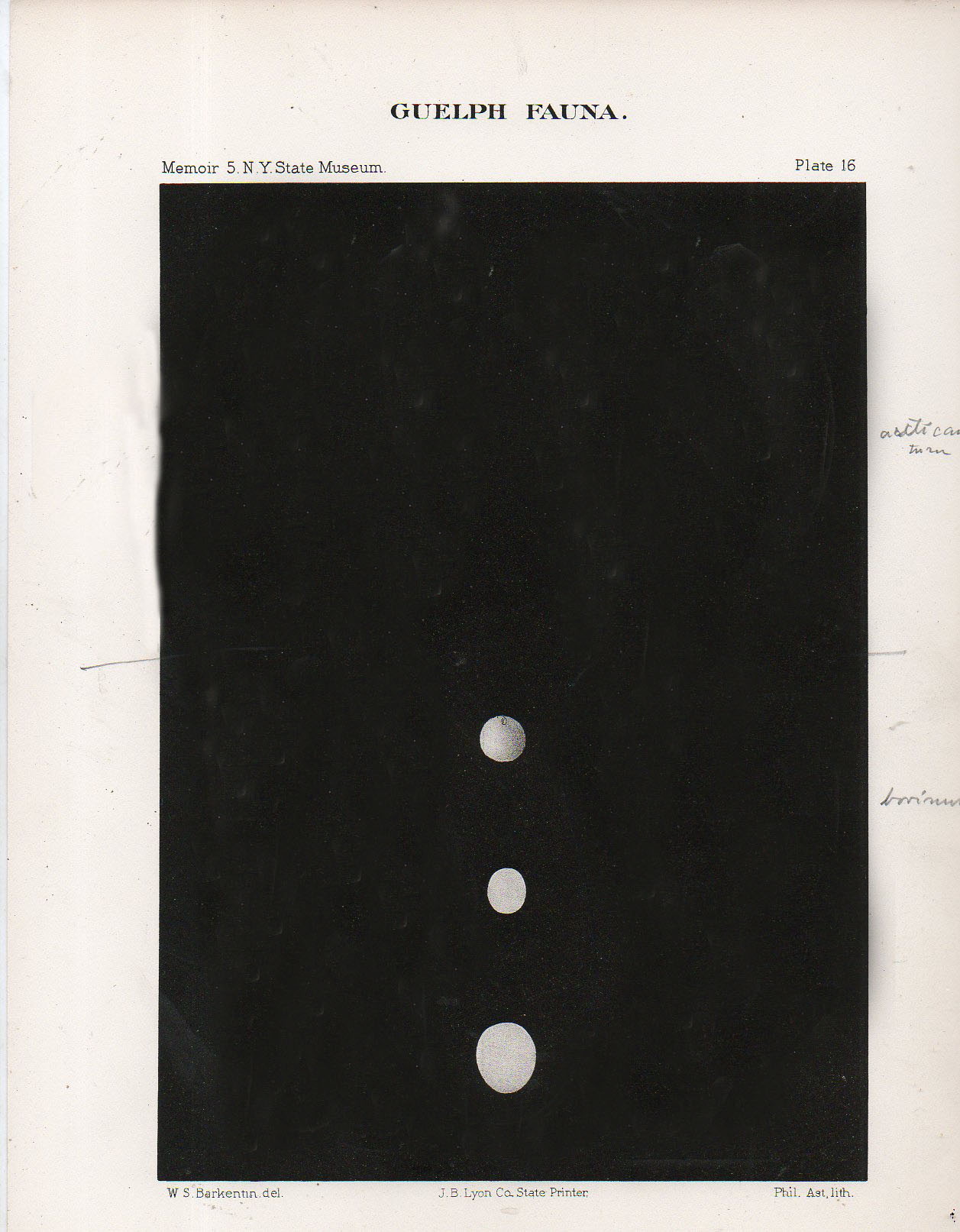
There is nothing quite so attractive sometimes as nothing. Free, unused blank, empty space that can occur on a painting or in a print or on a green or red landscape or between notes in a piece of music; the use of nothing, of blank space as an attenuator or a simple resting spot can be a critical element.
Images from natural history, physical and medical sciences and encyclopediae can be extremely full with a hundred or more sections and not be crowded at all, though very full–other attempts at designing information display like this are far less successful, and become just crowded amalgams that remind us of badly articulated cabinets of curiosity. Of course these things are not made to stand on their own and were to be used in conjunction with texts, but still, they seem to be strong enough to stand on their own.
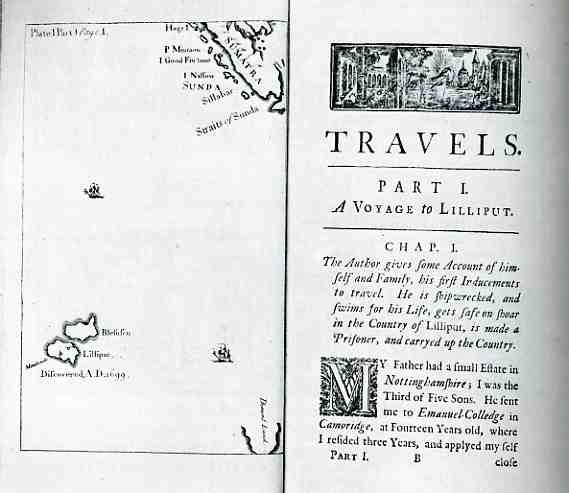
The blank spaces seem to occur more naturally on maps, in spite of the impulses of mapmakers (or at least their engravers) to fill the blank spaces with whatever might have been on hand–found or fictional or hypothesized landforms/animals/people/waves and such. But some came quite naturally to the blank and free spaces, even in fictional maps, like the following (from Jonathan Swift’s Gulliver’s Travels (1726, amended 1735), or Travels into Several Remote Nations of the World, in Four Parts. By Lemuel Gulliver, First a Surgeon, and then a Captain of several Ships):
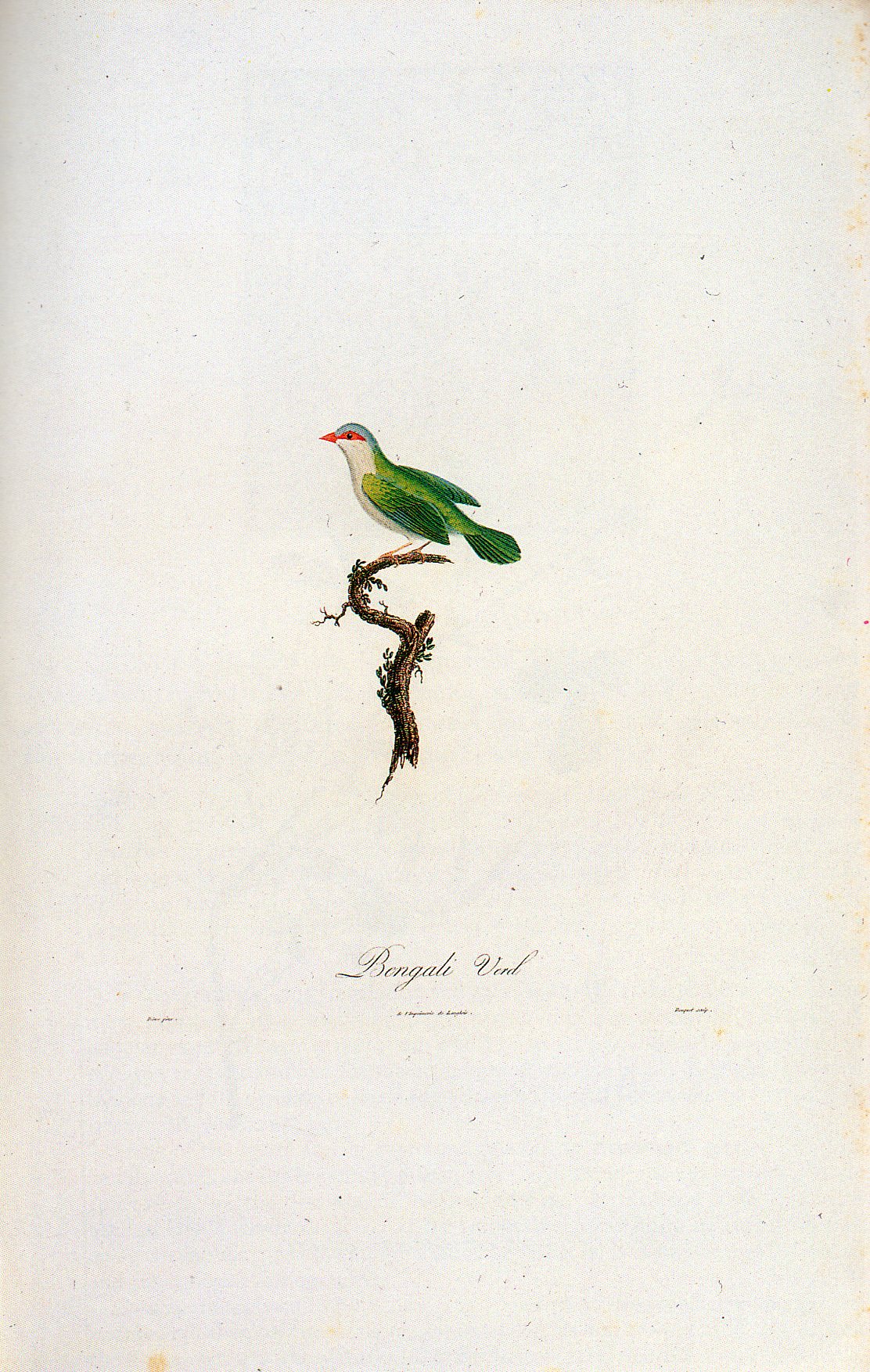
But these originally-occurring blank spaces are not why we’re here today. As much as they can be beautiful, as in the following, as in this example of not filling up space by Louis Jean Pierre Vielliot in his 1805 work on natural history:
What brings me to empty space tody is its pursuit in crowded images. For example, the following image, a lovely and very crowded thing from the gorgeous encyclopedia by Abraham Rees, is made less crowded with some slight manipulation in photoshop, removing enough to cause the engraving to have a new and scrupulous interest in its missing bits and blank space: