JF Ptak Science Books Post 1834
“There is work that profits children, and there is work that brings profit only to employers. The object of employing children is not to train them, but to get high profits from their work.” –Lewis Hine, 1908
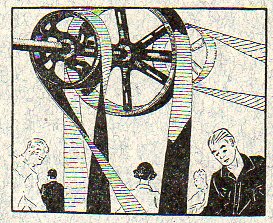
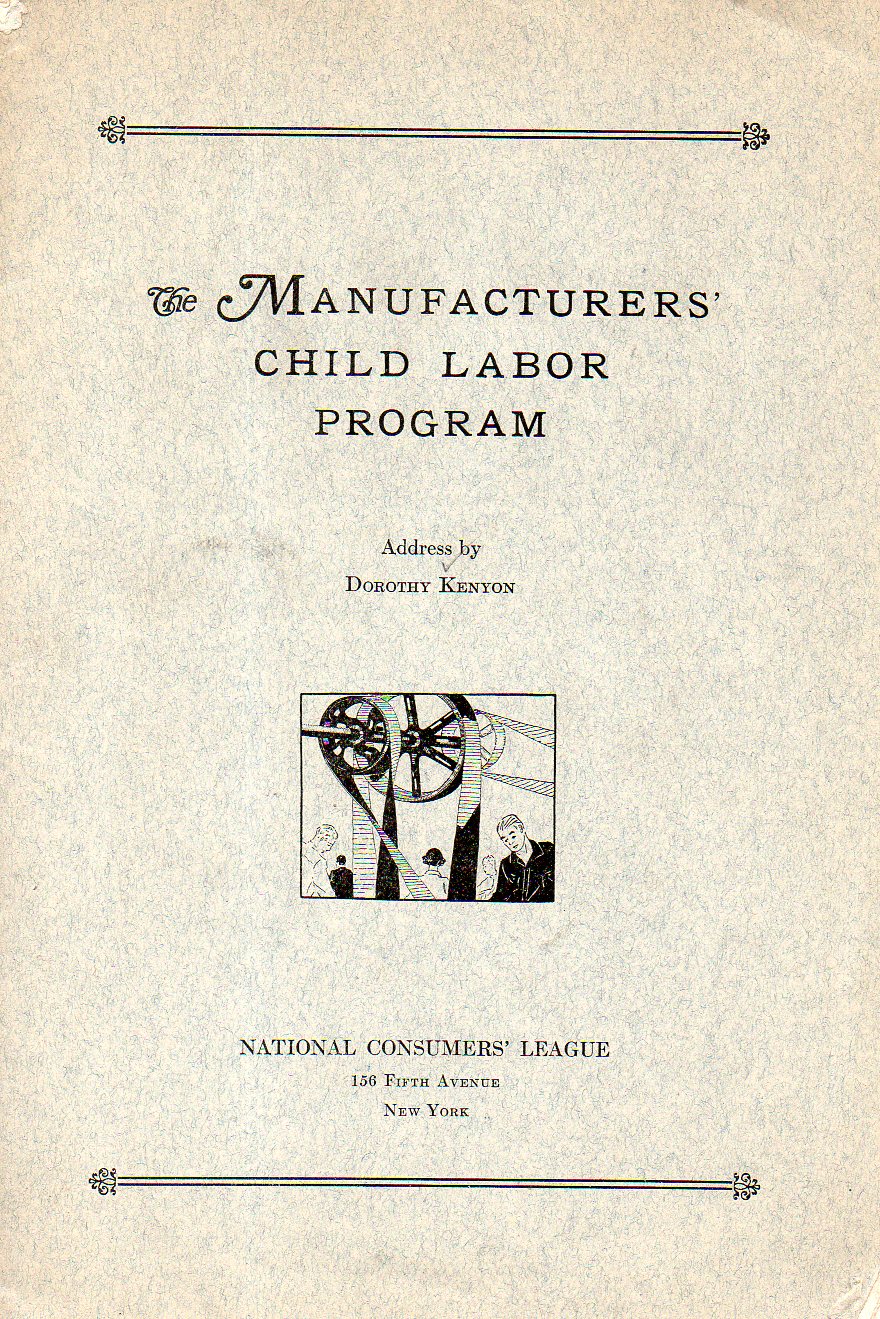 This is an appraisal of the working conditions of children in 1934–a third of the way through the century, thirty years before the ‘sixties, not horribly long ago, not of a Dickensian era, not even a Sinclair-Lewis-ian one. Recent. The author, Dorothy Kenyon–1888-1972, a feminist, civil rights lawyer, judge, maverick, speaker, activist, and all around force of nature who stood strong and firm and tall while being accused of Commie blather by Joe McCarthy–made a very strong case for people to take a close look at the still-dismal conditions of child labor in the U.S.
Exposing the conditions of children, young child, hard at work in 40-75 hour a week jobs may belong to the documentarian photographer Lewis Hine (1874-1940), whose long series of images made between 1908-1917 (and working for the National Child Labor Committee) depicted the varied working conditions of some of the 2 million kids under the age of 16 working in the U.S. He made photographs, and photographs to this generation of American newspaper and magazine reader were still relatively new-ish, half-tones coming into wide use only in the 1890’s, making short work of speculation.
Hine–who gives us the quote to lead this short post–was a school teacher and sociologist who was extremely aware of the plight of the children around him–well, children, and immigrants, and laborers; people without voices, or representation, poor working people. He was a pioneering photographer whose images of these classes of people were revolutionary, a tremendously important documentarian of a societal symptom that was pretty much misdiagnosed, or at least was chosen as something to not be seen. That was hard to do when you had actual photographs of the grim situation.