JF Ptak Science Books Post 1697
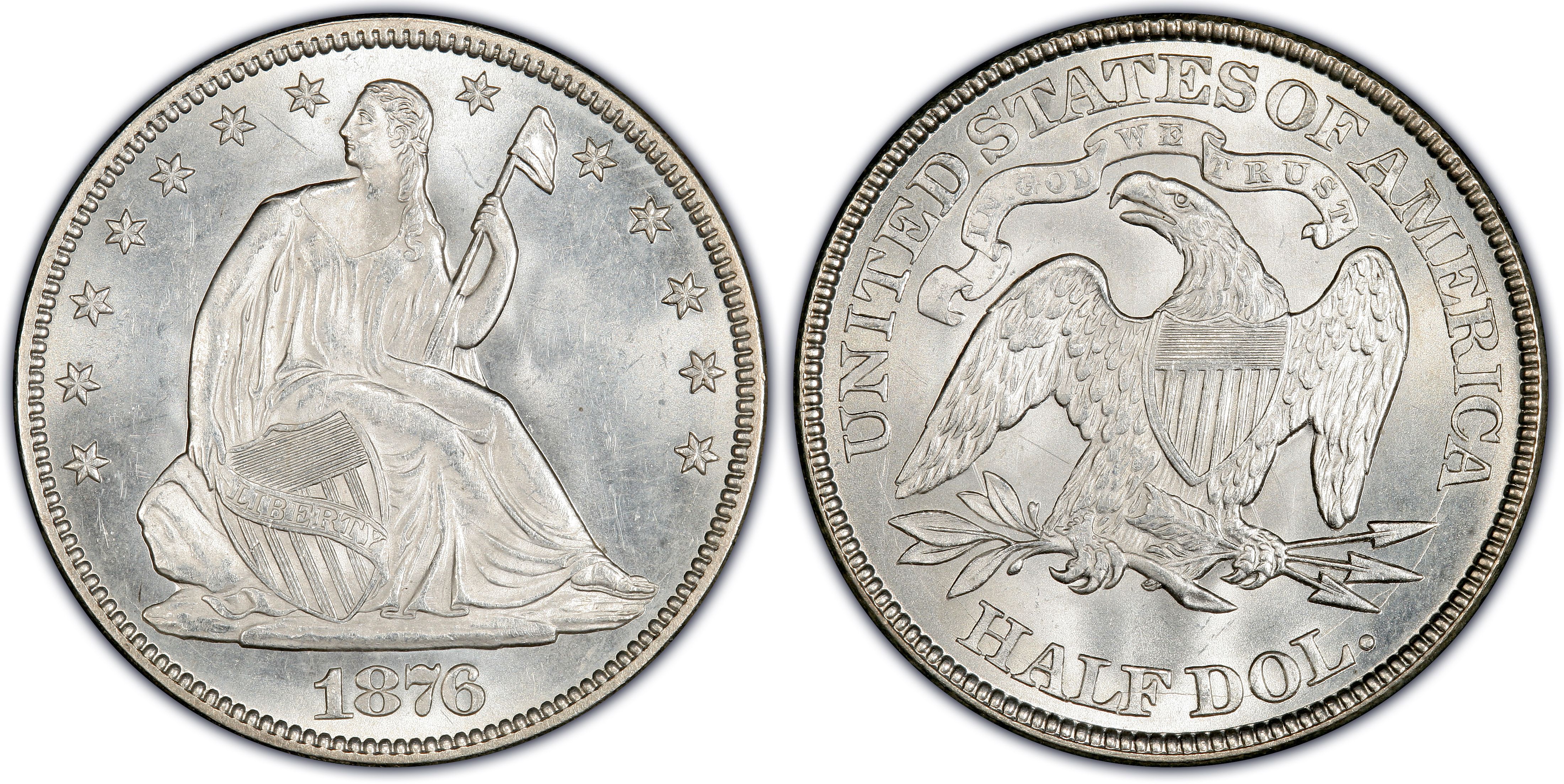
Continuing a new series of posts on big, underwritten hidden segments of the history of the American West in my current reading of Larry McMurtry’s Lonesome Dove, I come to wonder about what it meant–what was the value–for one of the cowboys to spend 50 cents. (The sum comes up here and there.) What did 50 cents mean in a working person’s life at the time this novel takes place, in 1876?
One way to look at the value of a half-dollar then is to see what portion of a week’s pay it represented. That, and of course to compare what things cost in general, compared to how much it cost to make the money needed to purchase the thing.
For example, a songsheet as advertised in Spirit of the Time, 1877) cost 30 cents. Coffee (“Gillies Old Plantation”) cost 25 cents per pound. After enjoying the coffee, a guy could get a shave for 10-25 cents, or get a pair of shoes (“Harman’s Hand Made Shoes”) for $3; a decent hotel room in a modest city could cost $1-2 per night, and a half-barrel of flour would set you back $2.50. A W + C Scott & Sons double action .45 calibre revolver would put you back $20 (according to the Spirit of the Times) in 1877, while a Remington sporting rifle #1 model (30″) would run $30. A simple-ish hat could cost $3 dollars, but a good hat for the trail would be considerably more, ranging from 5-25 dollars. (See more examples below.)
But what did 50 cents mean in terms of a paid salary to a cowboy? I think it is relatively safe to say that at this time the “average” cowboy made about $30 a month. Wranglers would pull down $20-$30; top hands, $50-$75, and the trail boss, say about $100. So, spending a half-dollar would be equal to about a half-day’s wages.
So we can see that if you made $30 a month, spending 50 cents was something.
Most workers made more than cowboys—farm hands (with board) made $35-$45 a month; store clerks made $45-$95; “superior clerks and bookkeepers” made $100-$150 monthly; “female cooks and servants” received $25-$35; carpenters ($75 and up) and masons ($75+) made more. Railroad workers building the first Texas railroad actually received a pay decrease from $2.75 to $2.00 a day. They worked 6 days a week from 7am to 6 pm, and were allowed to fish in the Pecos and Rio Grande Rivers with dynamite, “Italians on the one side and Germans on the other.”. (More examples below.)