JF Ptak Science Books Quick Post
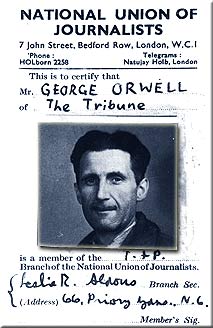 George Orwell’s description of the underground work-life of a miner is extraordinary, as were those workers and the work that they did under grave conditions and for a long period of time. The first extract from his The Road to Wigan Pier (1937), chapter three, describes the world of the miner. Another extract2 is a blistering description of how the miners got to the coal face after their 60 m.p.h. decent in their tiny elevator, walking like crabs for a half-mile or longer in hot and dusty conditions, in near blackness, with a roof four feet over the ground. I read this many years ago and the image painted by Orwell remains a vivid and haunting one. Orwell’s work was superb in describing the conditions and efforts of these outstanding men.
“When you go down a coal-mine it is important to try and get to the coal face when the ‘fillers’ are at work. This is not easy, because when the mine is working visitors are a nuisance and are not encouraged, but if you go at any other time, it is possible to come away with a totally wrong impression. On a Sunday, for instance, a mine seems almost peaceful. The time to go there is when the machines are roaring and the air is black with coal dust, and when you can actually see what the miners have to do. At those times the place is like hell, or at any rate like my own mental picture of hell. Most of the things one imagines in hell are if there– heat, noise, confusion, darkness, foul air, and, above all, unbearably cramped space. Everything except the fire, for there is no fire down there except the feeble beams of Davy Lamps and electric torches which scarcely penetrate the clouds of coal dust…1