JF Ptak Science Books Post 1305
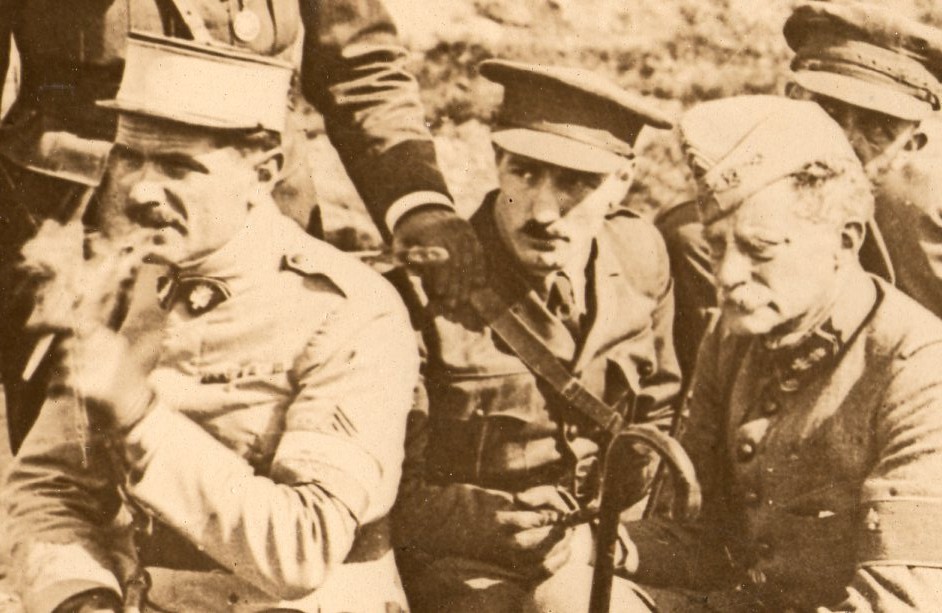
One thing that I haven’t thought about–among many–is how the lumber for lining WWI trenches was provided. This issue came about while looking at this World War I news photo service image (by Underwood & Underwood), an image showing a group of journalists accompanying a troop of Canadian soldier lumbermen, all riding on top of felled trees loaded onto railroad cars, the lumber headed towards the Front. When you think about battles along the many fronts during the war, you don’t think about all of the missing trees, some large percentage of which wound up being utterly splintered during the first stages of battle. So the lumber needed to keep the sides of the trenches intact must’ve come from somewhere, somewhere else.
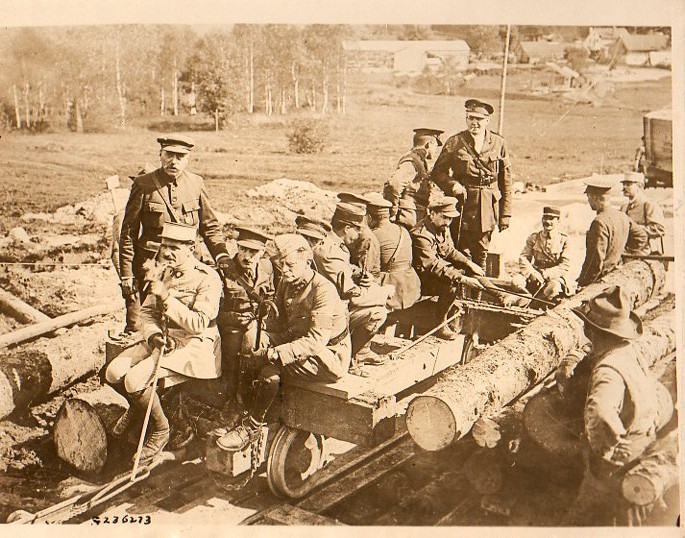
[The original photo is available from our blog bookstore, here.]
Given that there were something on the order of 12,000-25,000 miles of trenches for the war (a figure taken from the PBS site on the Great War)–that would mean that there were many miles of trees needed to shore up the ditches. This is just another one of those infrequently considered indicators of how massive the supporting efforts to the supporting efforts ( and etc.) of the war effort was on each side–that there was a corps necessary as a provider for the construction of the walls of trenches is staggering, especially when you consider the amount of lumber that was necesary to do the job.