JF Ptak Science Books Post 1089
 I guess we don’t think much of the rarity of some things. Pepper and other spices were at one point quite rare, and the source of invention and exploration, and war. Nutmeg, for example, a sought-after spice originating from the Banda Island group of Indonesia, once figured in a trade between Holland and England (the Treaty of Breda in 1667) that landed the Dutch the island of Run and control of the nutmeg trade, while the Brits got Manhattan.
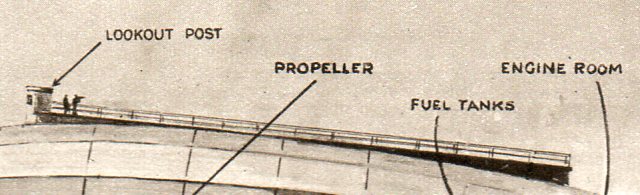
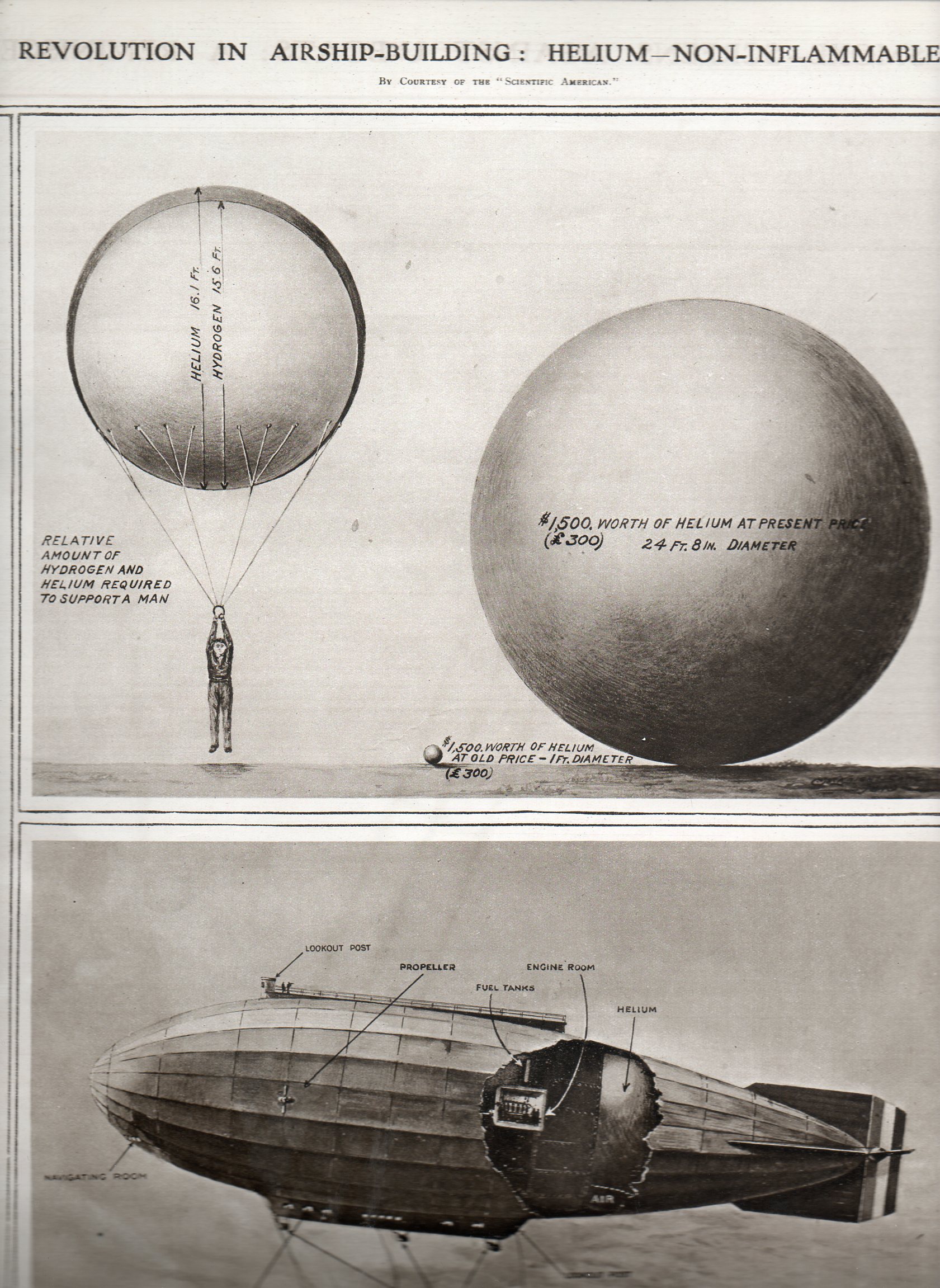
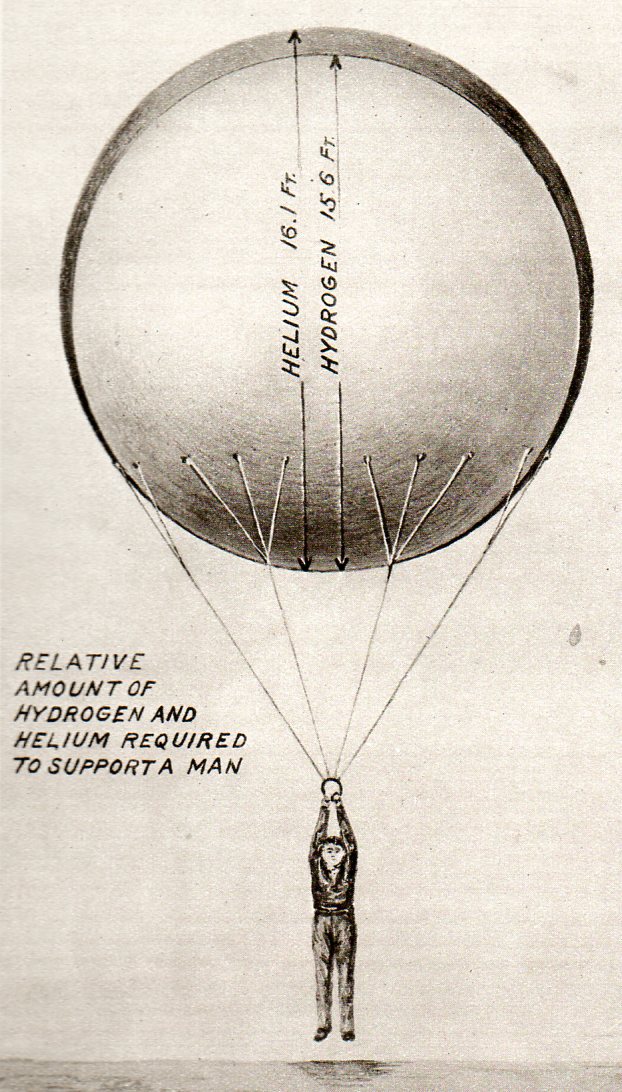
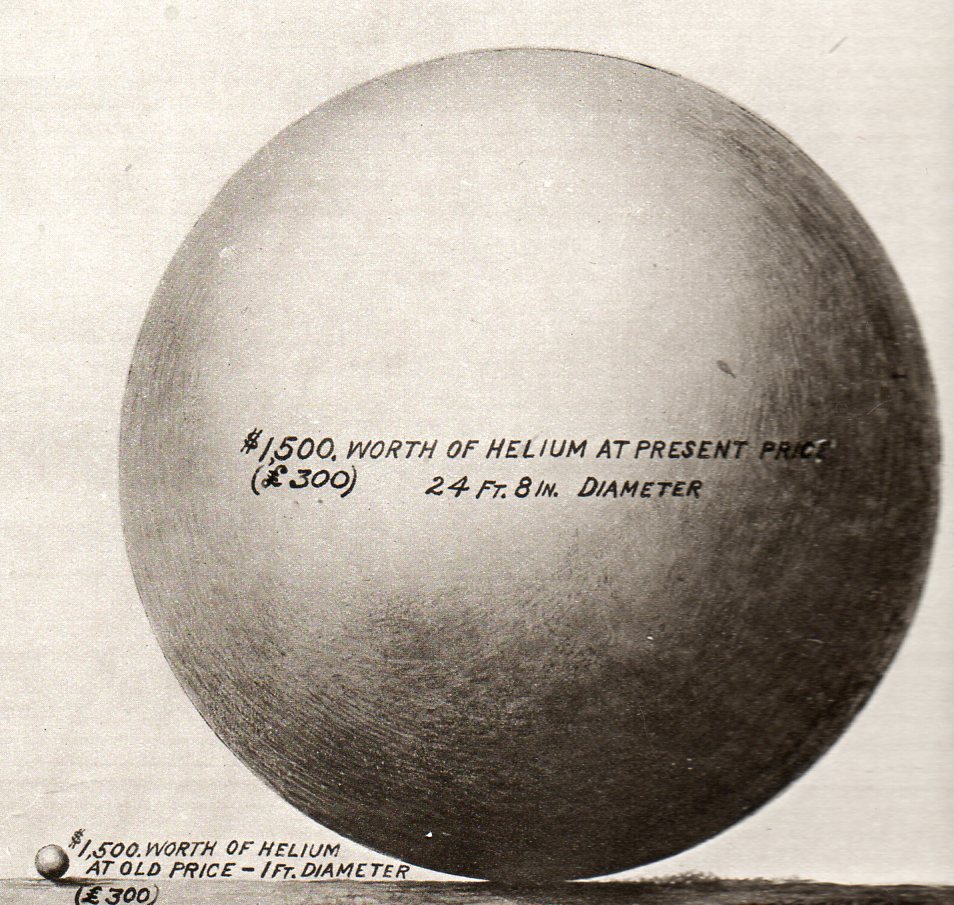
Another great example is helium. When these images were produced for The Illustrated London News of 15 March 1919, rigid airships were filled with hydrogen, an explosive, not-happy gas that was the fuel of all manner of aerostatic accidents, everywhere. Helium was still quite rare at this point, a year after the end of WWI and only 54 years after it was first observed1, and replacing hydrogen with helium was still yet a dream–basically because there wasn’t any, yet, to supply a dirigible2.
The first helium-filled airship was still two years away at this point–the U.S. Navy’s great C-7, which made its maiden flight on 1 December 1921. When the USS Shenandoah flew in 1923, it flew with most of the world’s entire supply of the noble gas helium. Its difficult today to think of pepper, nutmeg, sugar, helium and so on in terms of fabulousness and rarity, but it was so. Remember, when Capt Bligh was jettisoned from the HMS Bounty, the ship’s precious cargo was also thrown overboard. And the great treasure that sparked the Tahitian adventure that sparked the mutiny? Breadfruit.
Notes
1. Observed for the first time by astronomer and early astrophysicist Pierre Janssen, in the spectrum of the chromosphere of the sun, in 1868; separated for the first time on Earth in1895 by the British chemist Sir William Ramsay.
2. By the way, “dirigible” is from the French, “diriger” (or “to direct “), meaning steerable, pilotable. This differentiates the dirigible from the balloon, which was not by and large steerable.