JF Ptak Science Books LLC Post 869
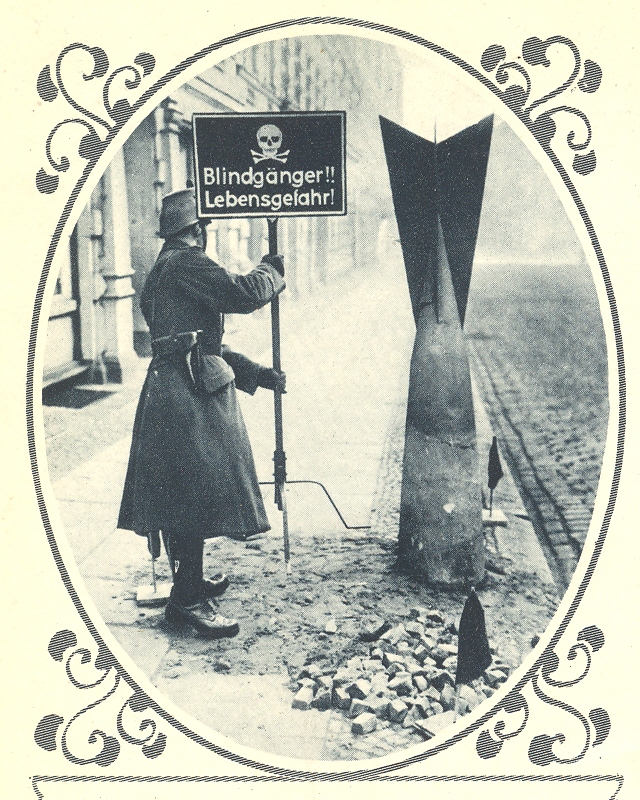
Well, it wasn’t really a battle, but the Nazi government was
getting ready for one. As reported in this 30 March 1935 issue of The
Illustrated London News. There was an
elaborate preparedness drill conducted in the Kreuzberg district of south
most realistic air raid exercises ever planned”.
The Germans attacked themselves with scores of low flying
planes that dropped “deafening” false bombs; meanwhile the streets were swirling
with gases that smelled like poison gas, cars were blaze, abandoned buildings were
lit up with pyrotechnics, and there were heaps of rubble here and there. The population not otherwise engaged in
defense measures were all sent to evacuation shelters and centers. There were drills for gas attacks and
subsequent decontamination, firefighting, saving people from collapsed
buildings, caring for children and the elderly, aid stations, medical triage,
and so on. Anti-bombing measures were also
taken for nighttime raids, with blackouts, and general light-lessening measures
on all levels and quarters—for example, streetlights and street sign lamps were
replaced with much lower wattage bulbs. It
looks like it was a pretty big event–I’ll have to check my Illustriete Zeitung/Leipzig for the
German coverage.
Without being an historian of the 1930’s preparations for
war defense, it seems to me that there was an awful lot of this going on in
and
through most of the decade.
[The illustration above is a charming overstatement of the obvious, right down to the little flaglettes on either side of the (500-pound ?) bomb. The sign reads “Closed Thoroughfare//Danger to Life” (sorta).
I doubt that there would be that much need for a sign or flags, but if I was going to use anything at all I might place it a little further away from the unexploded device. (I can just imagine people inching forward to be able to read what the relatively small print on the sign actually said…)
At this point it may be interesting to have a look at an
older post here on the creation of the false