JF Ptak Science Books LLC Post 810 Blog Bookstore
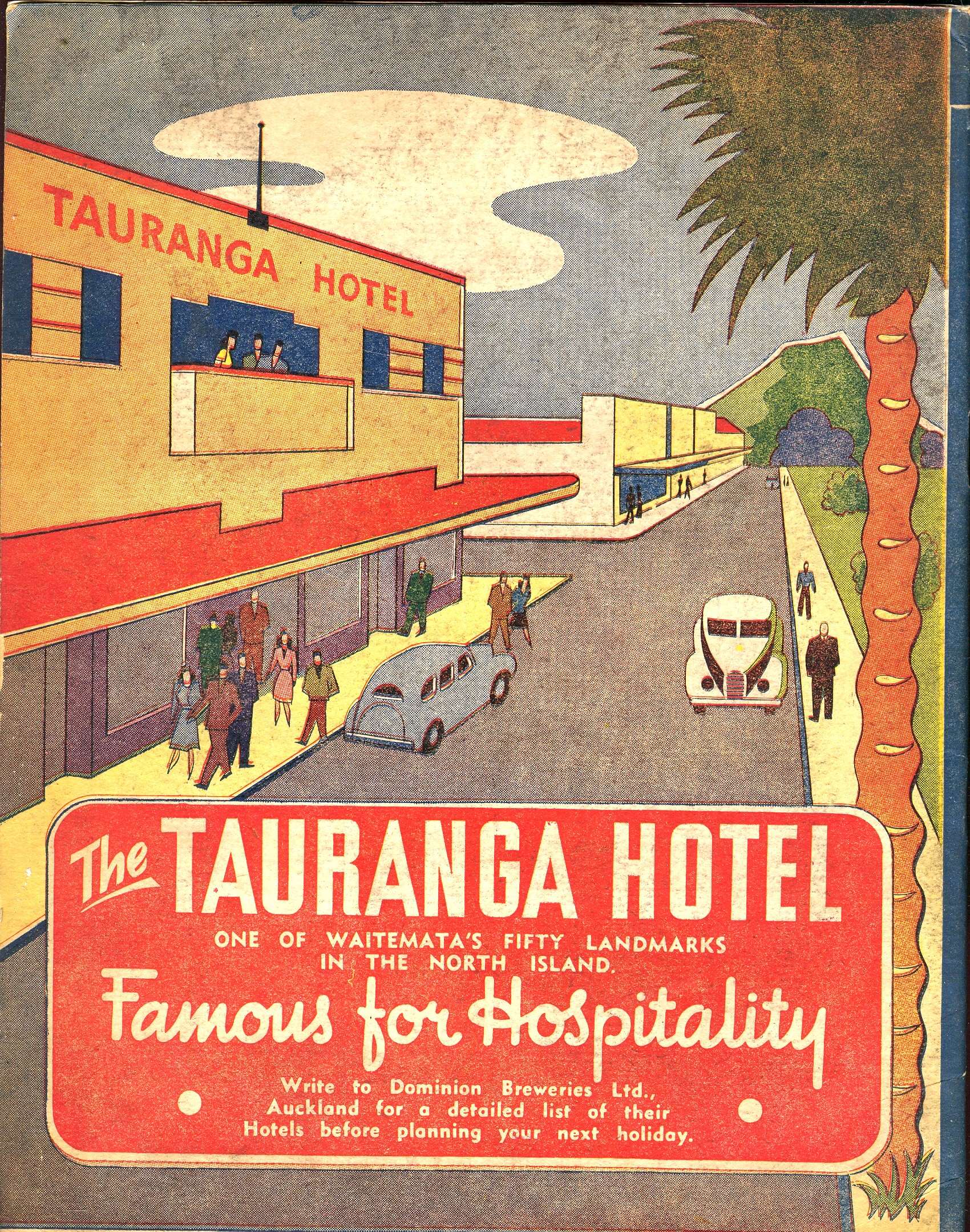
There’s not much in this illustration–the entire back page of an oversize pulbicity tourist pamphlet–to suggest any sort of professionalism, or training, or, well, ability. But there it is, badly drawn, with unusual (if not bad) coloring, trying to entice people to visit this seaside resort in New Zealand.
Maybe this is more “outsider art”
than Art Brut. Art Brut was a term used by
Jean Dubuftet to describe raw/rough art produced by non-artists (and those
mostly mental asylum residents1). Art
critic Roger Cardinal coined “outsider art” as a English-language adaptation of
the Dubuffet term2, and has since come into use to describe unusual,
technically naïve and unschooled Otherness of artworks. This cover illustration is certainly bearing
a pretty good-sized helping of otherness to it, from its pale, weird coloring
to its basic inability to draw. Somehow
though it is attractive to me, and ultra-calming when it is not troubling. It is just one of those peculiar works that
is good and bad at the same time.
Notes:
1. A spectacular and early example
of Art Brut is found in the phenomenally detailed, insightful-of-other-worlds
work of Adolf Wolfli.
2. “Those works created
from solitude and from pure and authentic creative impulses – where the worries
of competition, acclaim and social promotion do not interfere – are, because of
these very facts, more precious than the productions of professionals. After a
certain familiarity with these flourishings of an exalted feverishness, lived
so fully and so intensely by their authors, we cannot avoid the feeling that in
relation to these works, cultural art in its entirety appears to be the game of
a futile society, a fallacious parade.” – Jean Dubuffet. Place à
l’incivisme (Make way for Incivism). Art and Text no.27 (December 1987 –
February 1988).