JF Ptak Science Books LLC Post 760 Blog Bookstore
An income of $10,000 dollars a year, in the Depression year
of 1936, was a huge, fabulous fortune, controlling a major buying power for
food and cars and housing. (A fine brick
home for the solid middle class family of five would’ve cost well less than the 10K
per year—which means that this 1936 income would correlate somewhat to a 300,000/year income in 2009 dollars so far as buying power goes.) Unfortunately the author of
this pamphlet directed it at doctors who could supplement or insure their
income by selling their patients the pamphlet’s products: “Anabolic Food Products”, a quacky vitamin
supplement that evidently had really little use except to expand the
income.
This reminded me of another pamphlet from a slightly earlier
period on the over-worked working poor. Report
to the Louisiana State
of Working Women and Children… (published in 1914), chronicled the averages incomes
more so than the conditions of their work—and the statistical package was
simply not a pretty story. Reading
numbers hammered home how far away and mountainous $10,000 a year meant.
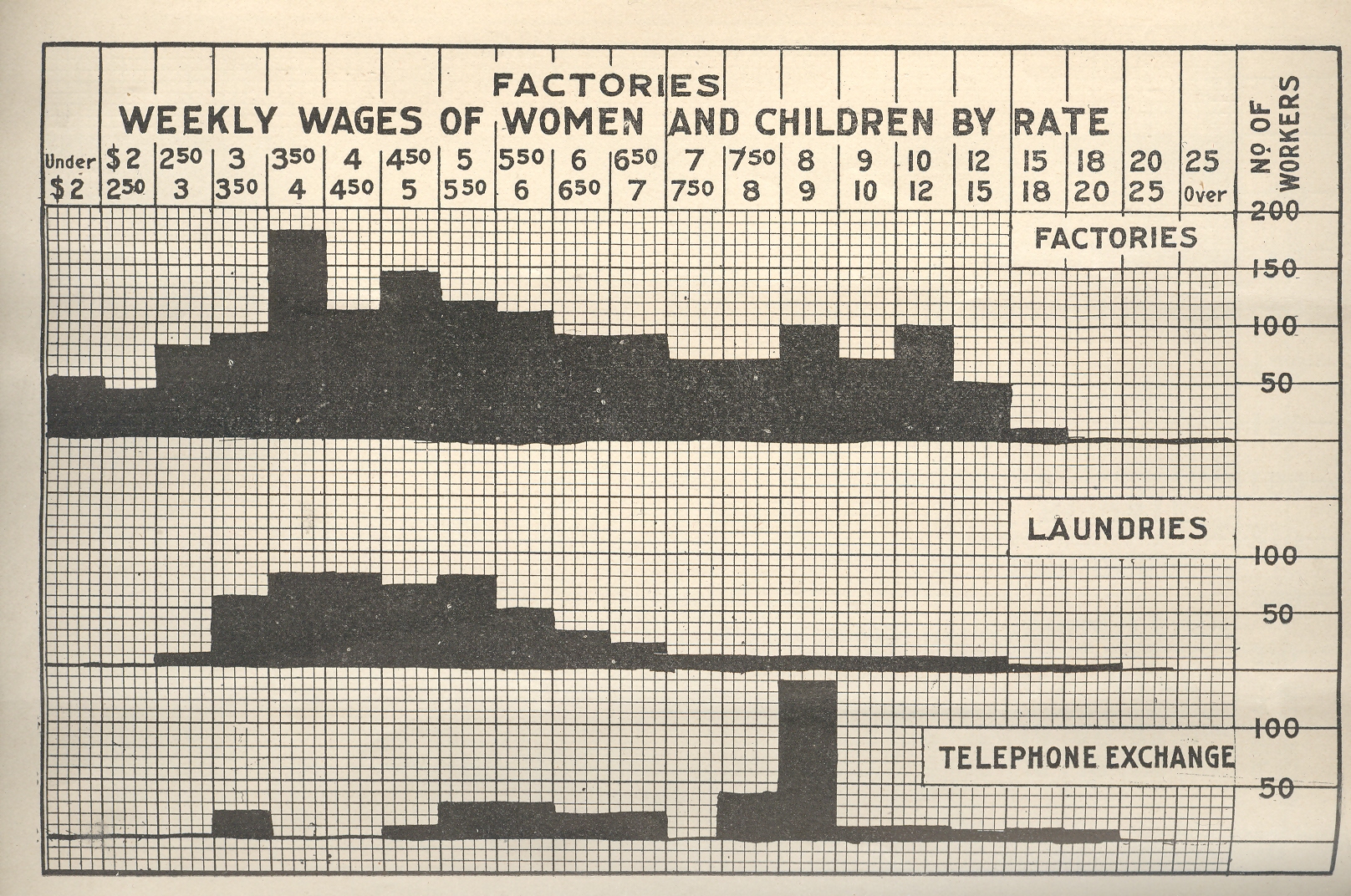
the most frequent average weekly wage for women and children was about $3.75, with about a quarter of all of those
polled workers making less than that, and about half making 5.00 a week or so.
Multiply those figures by 52 and they don’t come out to much—specifically, they
don’t really approach the average income for a worker in the U.S.
which was about $650 a year. It looks
like only 10% or so of all of these workers met this standard of $12.50 per
week. And this was for factory workers—things
get worse for most all other types of jobs—except for workers at a telephone
exchange (and that wouldn’t last for very long).
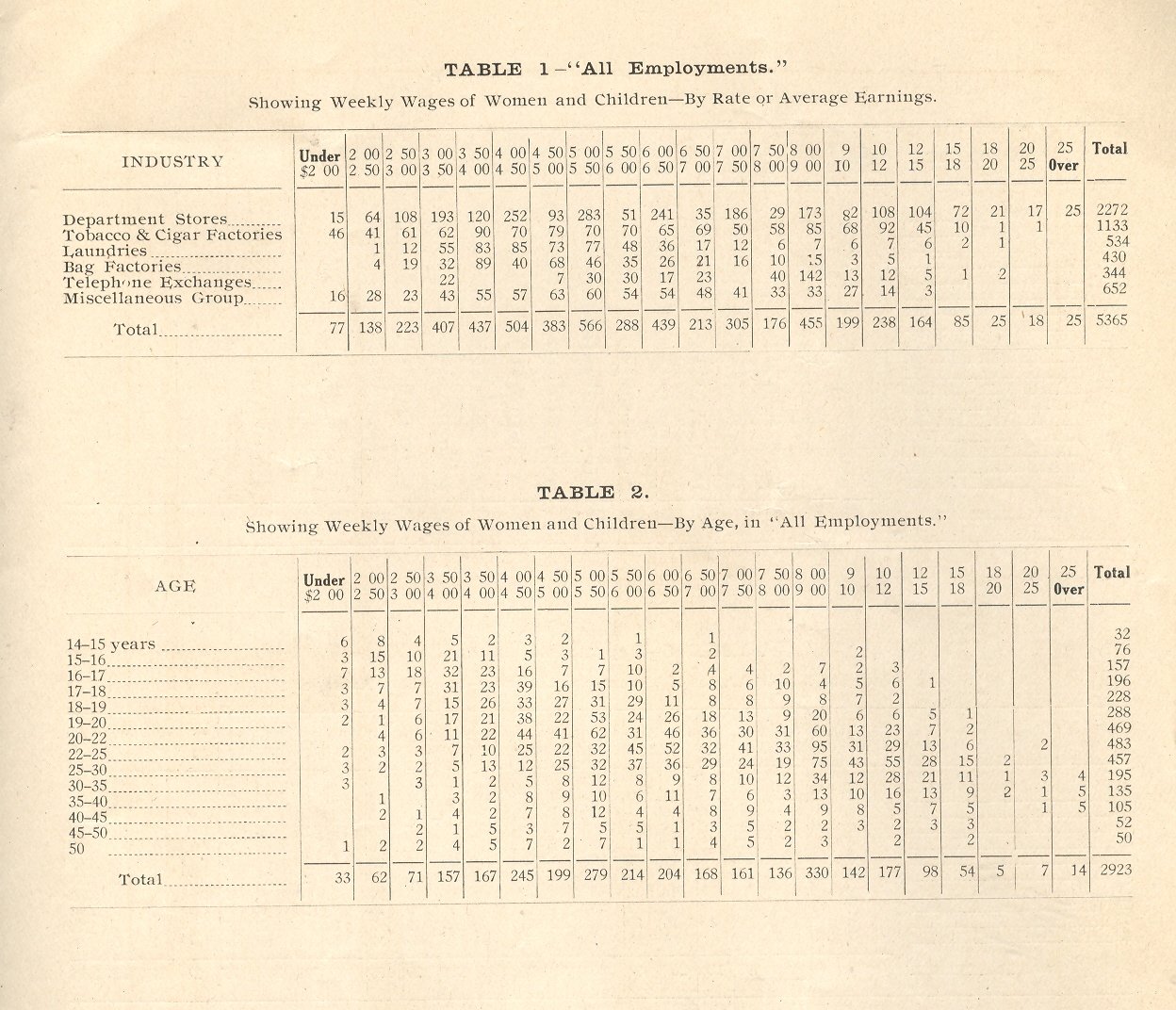
The conclusions the pamphlet reached are inescapable: “we can arrive at but one conclusion, namely:
that no matter what are the causes determining wages, the earnings of women in
industry are exceedingly low in a great many cases, and scarcely enough for
subsistence……the striking facts is that nearly three-fourths of all women in
industry are between 18 to 35 years of age, meaning that they are spending the
best years of their lives …at the lowest rate of wages…”
In 2009 women are still paid less than men–about 77-cents on the dollar less. Generally speaking the U.S. now imports most of its child labor produced goods–out of sight, out of mind.