JF Ptak Science Books LLC Post 775 Blog Bookstore
(Also part of the Blank and Missing Things series: Sex)
The classes in the Western world for the most part enjoyed
their own social amusements: the rich
had opera, theater, concert halls; the working poor and associated classes had
burlesque, minstrel and variety shows. The
invention of the motion picture began to draw a common thread between these two
classes, a place where anyone from anywhere could enjoy themselves for a nickel
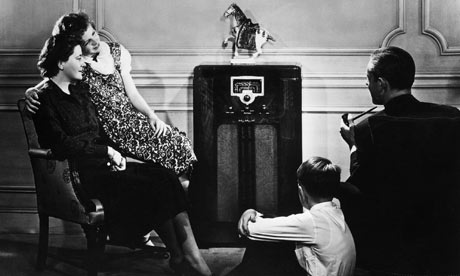
(or whatever). Commercial radio came
into being in the late 1920’s, growing enormously in the 1930’s and ‘40’s
before encountering its mortal enemy of television in the early 1950’s. Since radio was free (minus the cost of brain
rot from listening to the underwriters who commercials were interrupted by the
stuff people wanted to listen to) it became for those decades a superb democratizer
of American entertainment and (to some degree) culture.
Opera, vaudeville, minstrel shows, theater and so on enjoyed
their own segments of saucy visions and rakish stories, with sex certainly not being
necessarily prohibited. This was absolutely
not the case with radio, which in the 1930’s and ‘40’s held strict standards
against suggestive behavior that might hint of sexual meanings. There was plenty of sotto voce sexual innuendo to be found, but you really had to look
for it and pay attention. The feeling
among the broadcasters was that since radio was being invited into the very
homes of its listeners that there was a deeper responsibility to keep the shows
clean and relatively wholesome. And so sex took a holiday.
Its not that movies and television in the 1950’s were
rampant Decameron (with all of its semi-comic/tragic half eroticism) or Caligula spas, but
they certainly “showed” more skin than radio from that period ever talked about
or alluded to, even if the first TV married couples beds weren’t pushed
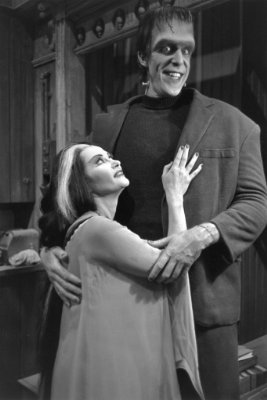
together until the Munsters shared a big double in the 1960’s.
(No,
the Ricardo’s never did push their twin beds together; it really was the mores-bending Munsters, who are pictured below. Perhaps the great “first” of a couple sharing the same bed needed to remove the human aspect of the reaching act, placing the responsibility in the attached-hands of a Frankenstein’s monster-like character and his bride. This happened too with tv’s first interracial kiss–between Capt. Kirk and his communications officer, can’t remember her name–making the encounter between humans of incredible accomplishment and remove, and of course set centuries in the future.)
Be that as it may, Lee DeForest (1873-1961), the inventor of the audion
which made the whole industry possible (after Hertz and Marconi) complained in
1947 of the enormous silliness and suggestive nature of the new medium. He loftily wrote about what could’ve been “a potent instrumentality for culture, fine music, and the uplifting of American mass inteliigence” but instead was a ‘laughing stock”, the medium addressed to what he thought was the average national intelligence of a thirteen year old. Maybe he was right, and the man simply couldn’t stand it. 61 additional years would’ve made the De Forest explode–but then again, he was already close to that hearing saxophone players; who knows what the man would’ve thought of cable television. But the one thing he really couldn’t compalin about with radio was eroticism or sexual conduct, because that really wasn’t there.