JF Ptak Science Books LLC Post 729 Blog Bookstore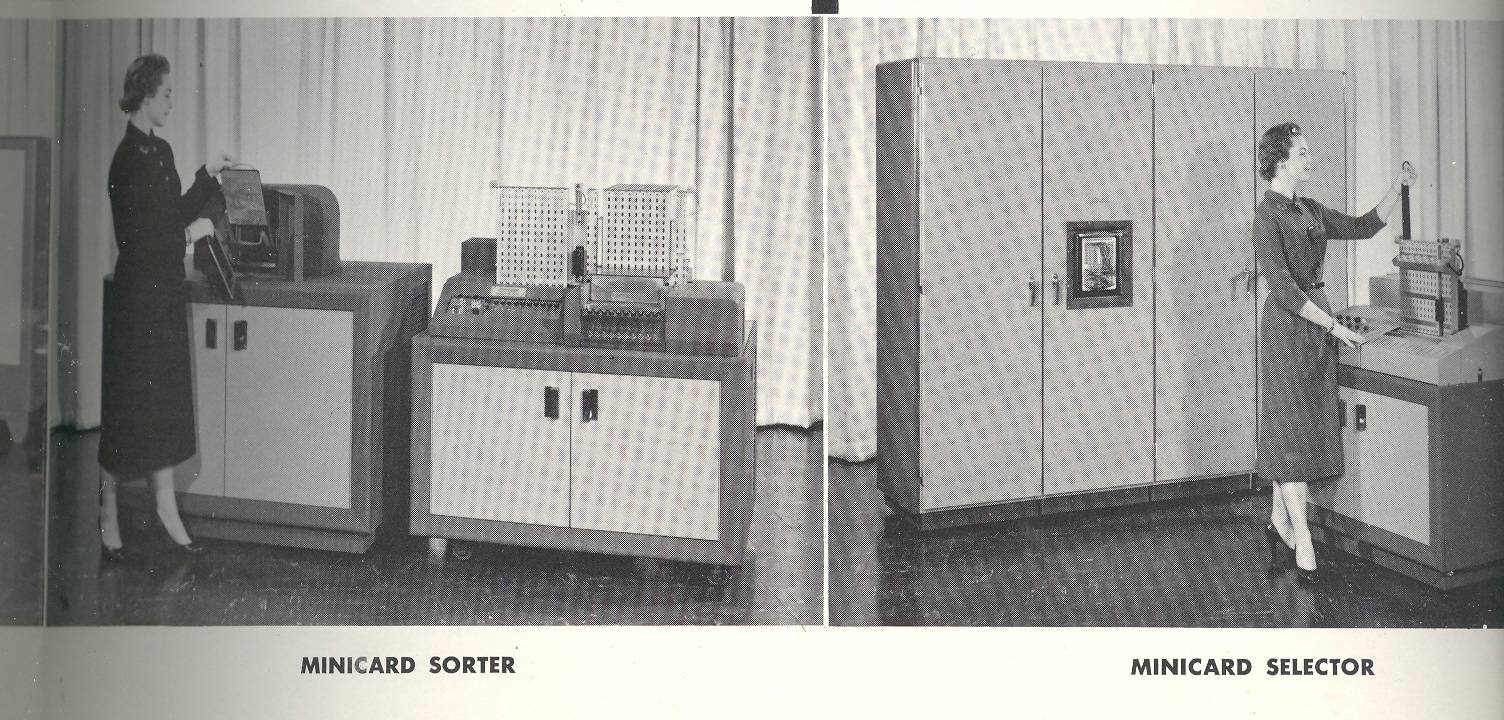
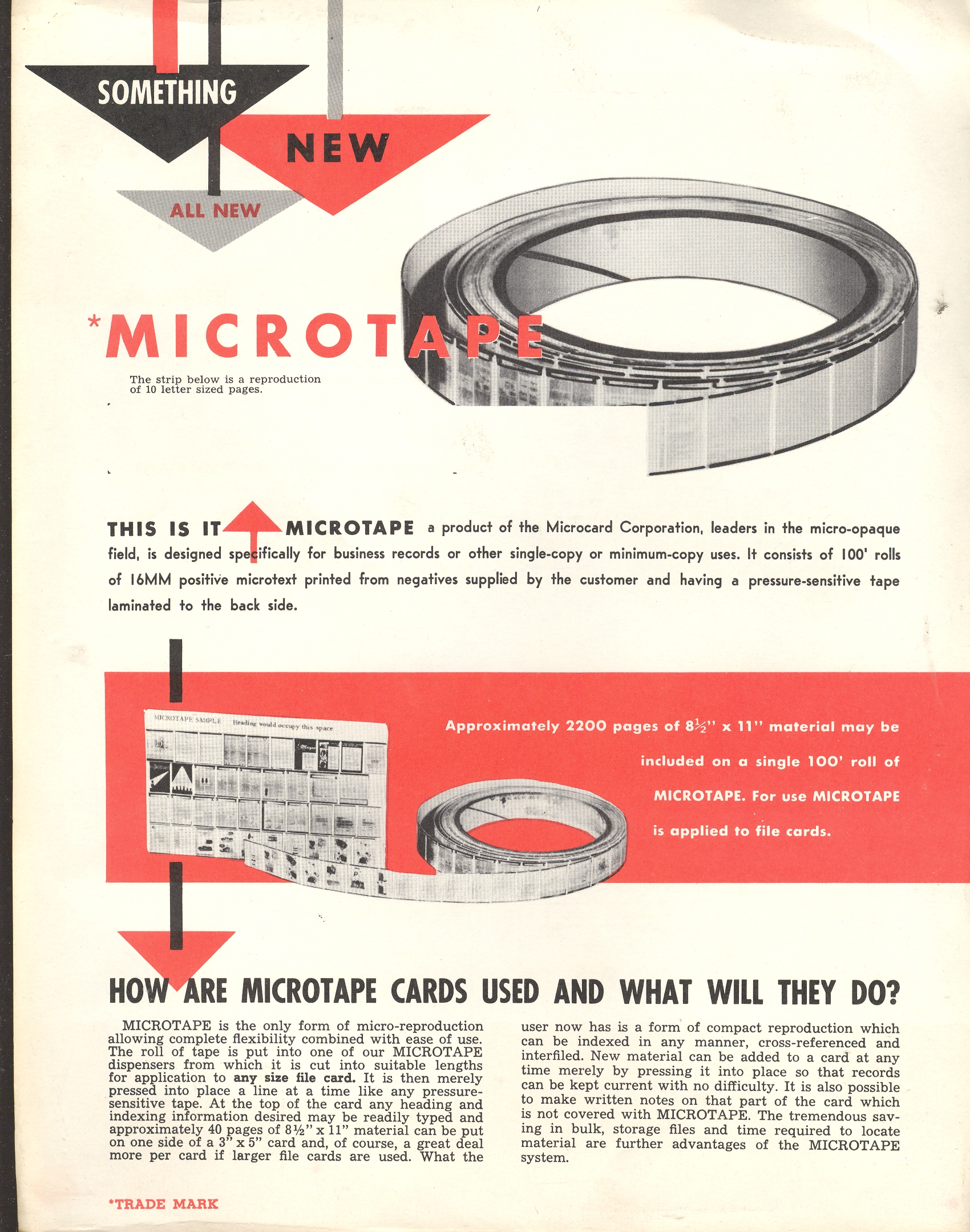
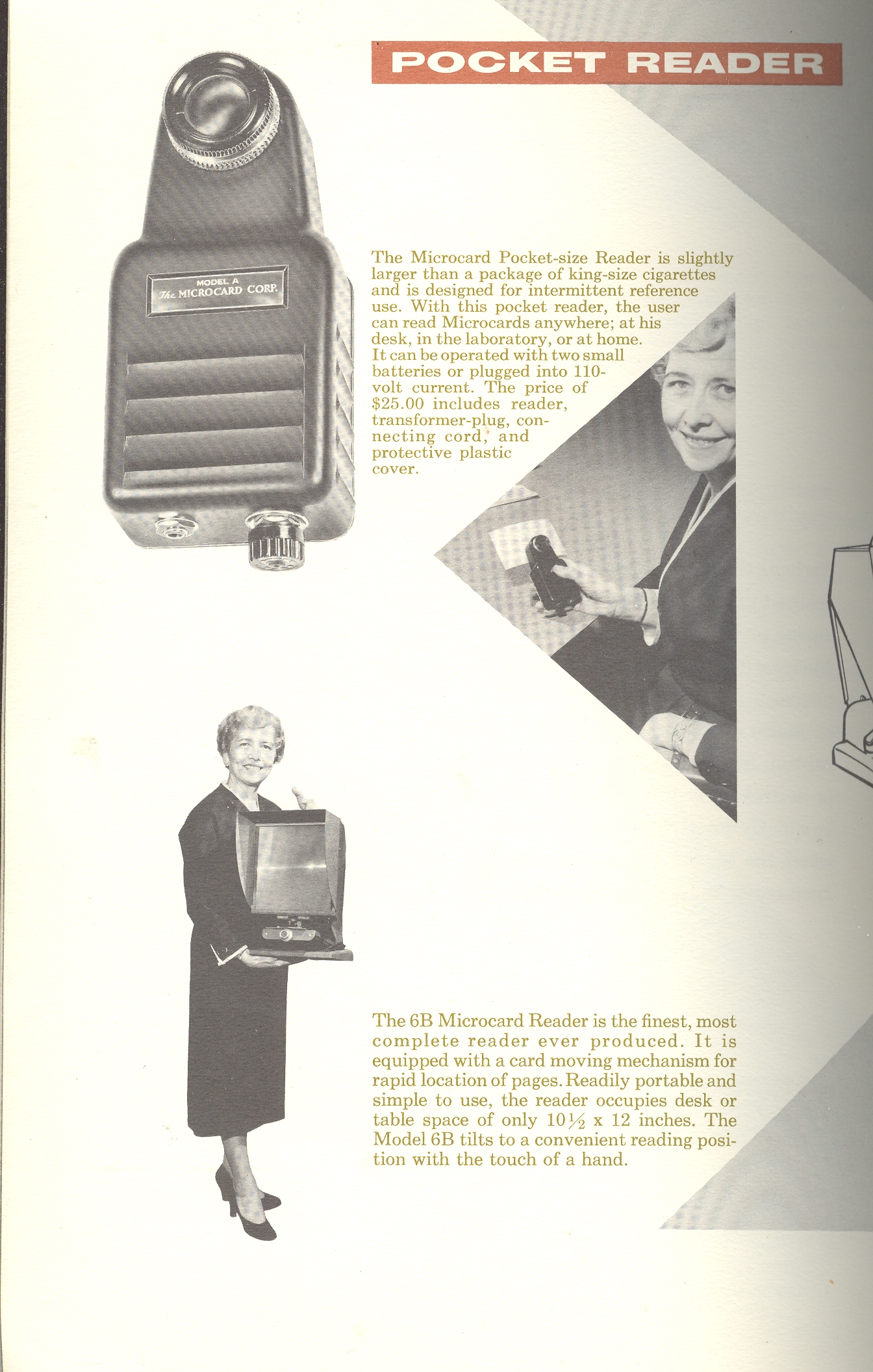
For several decades, say in the 1930’s-1970’s, microforms, microfiche, microfilm
and their related compatriots certainly looked as though they were next the
direct and epochal inheritors of printing traditions that was limited to
papyrus, paper, Gutenberg, and, well, micro-whatevers. They weren’t too terribly wrong, and were
actually getting a little close to Vannevar
Bush’s (1890-1974) Memex idea, as these processes of reproduction could reduce
bookcases worth of bound material into a pile of cards a few inches high. It
really was a sensational idea, and a major advancement in the distribution of
knowledge.
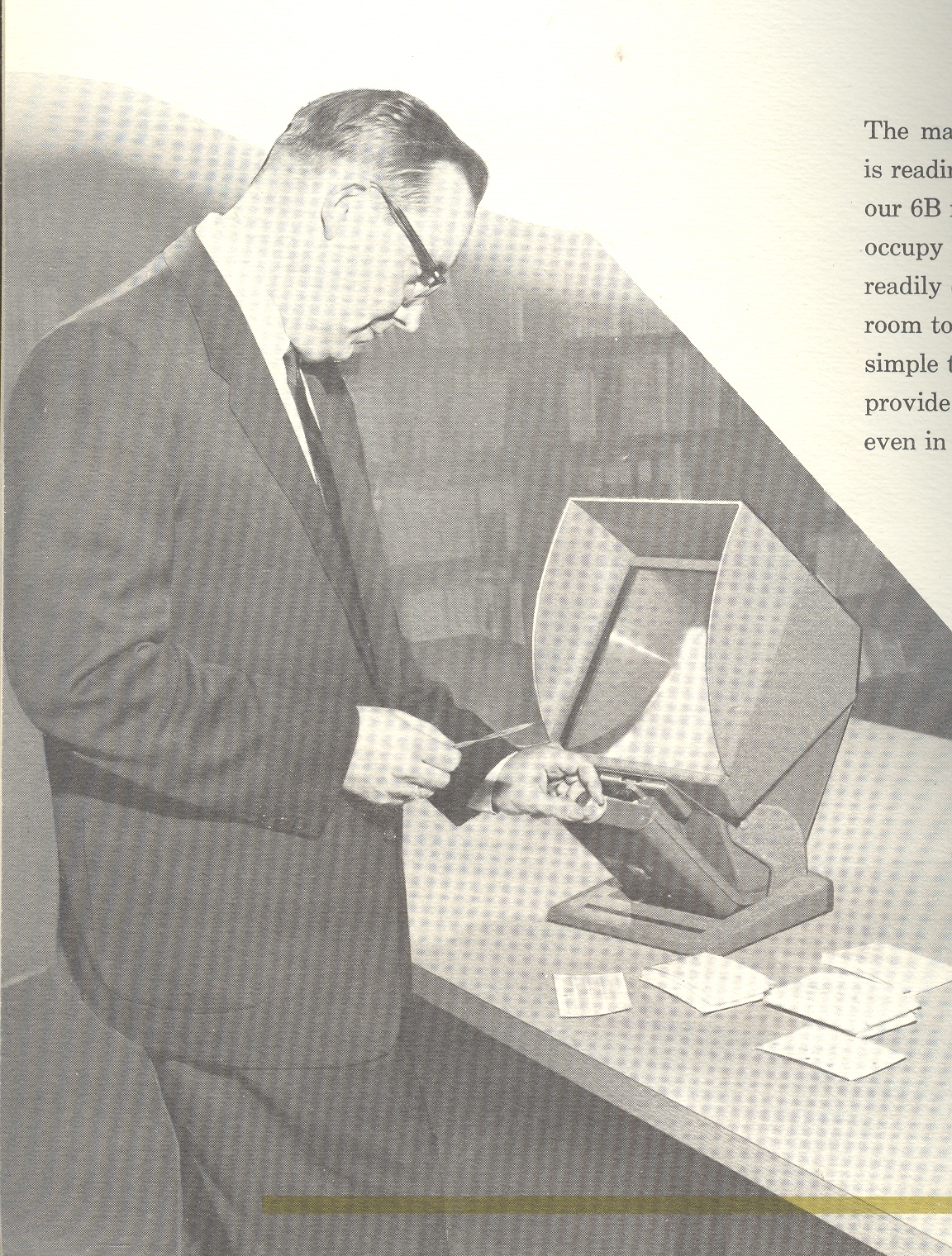
Out of all the important advancements in the history of printing, though,
the mico- division of accomplishments lasted the shortest amount of time, being
phenomenally replaced by the first real man-machine symbiosis (at least called
so by the originator, JCR Licklider), the internet.
(It is interesting to point out that at about the same time as the Memex
concept was published in 1945, another man, Murray Leinster, whose dates are
very similar to that of Bush (1890-1975) published a short story in Astounding Science Fiction magazine
called ”A Logic Named Joe”. The first sentence of the story reads: “It was on the third day of August that Joe come off the assembly line,
and on the fifth Laurine come into town, an’ that afternoon I saved
civilization.” Indeedy! Read the whole thing here.)
Leinster foretold a future in which computers would be in every household and connected
by an electrical grid. The “logic” was
the home node, or terminal; “Joe” was a logic that had developed a little past
the machine stage, gaining some human
capacity. It was an astonishing attempt,
and actually perhaps a little more prescient than the genius technoid Bush’s
idea.