JF Ptak Science Books LLC Post 734 Blog Bookstore
The History of Extreme
Writing (for communicating across an uncommon distance) is relatively recent,
given the thousands of years that humans have been communicating. The 17th century semaphore system
for relaying telegraphic messages might be one, if you consider the semaphore’s
decoration of a
building- or hill-top to be a piece of writing. Smoke signals
and forms of communication relying on interrupted transmission of a powerful
light source might look to be part of the environment, epically in regards to
smoke, it message bright and visceral, and somewhat lasting, as it message
moves and grows and dissipates (depending on the area’s climatic conditions for
the hour).Church bells might apply (reminding the faithful and the fearful to
consecrate hope and fear), as might the
Mullah’s voice, or the sound of a ram’s horn. Outside of things like mail, or
the very short-lived super-mail Pony Express system, there was precious little
that could be seen as a pre-electrical telegraphic regional internet.
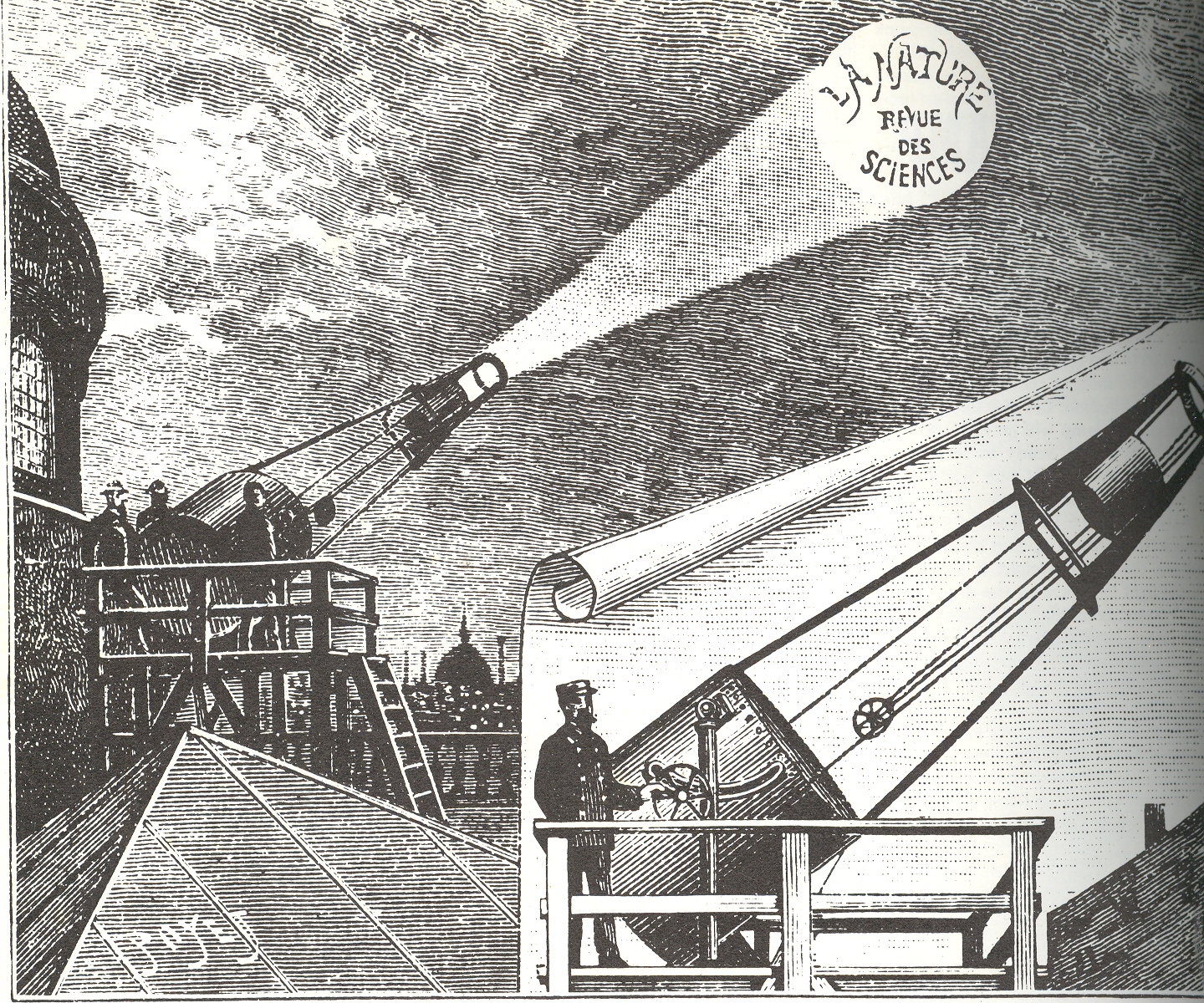
Perhaps the greatest example
of Extreme Writing came this French effort to advertise on clouds. Electrical advertising in general came a
little slowly following the invention of commercial electricity. The,
um, adventurous PT Barnum contracted the first electric bulb writing (utilizing
the Edison invention) in Manhattan
in 1892 to envious attention, resulting in less than 15 years with the Great White Way
The world’s largest electric bulb writing was on the Eiffel Tower
with Andre Citroen agreeing to light the outline of the tower if he could put
his name on the rest of it. I’m not sure how this was seen as a good
idea, but the sides of the tower were used for this purposes until somebody
wised up and put an end to it all in 1937.
But the writing-on-clouds- bit was enormous and terribly disrespectful,
and never really took any sort of hold in Europe, though it did get some amount
of play in the U.S.
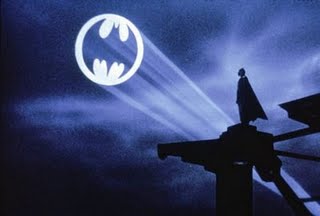
from time to time. Mostly, cloud writing
worked best in fiction, and for one particular person—and there it worked
rather well.