JF Ptak Science Books LLC Post 673 Blog Bookstore
Did Ho Chi Minh (Nguyen Tat Thahn,
1890-1969) ever wonder why the Boston Red Sox turned down a trade of Shoeless Joe
Jackson AND $60,000 for Babe Ruth and go for the Yankee’s 100k instead? No, probably not. But Ho did actually live in
NYC in 1912/13 and again, maybe, in Brooklyn in 1918/1919—he also lived in
Boston at about the same time, and also saw some of the other major American ports
during the same time, tramping as he was around the world—so at least the
physical possibility exists, if nothing else.
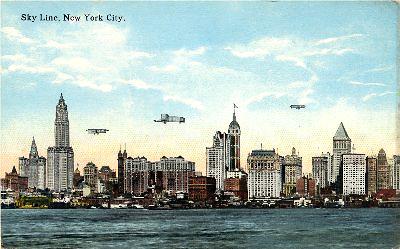
I’d like to think that he somehow
met up with George Herman Ruth, the boy from Pigtown, when he made an imaginary
stop in Balto in 1912. Ho would’ve been working
scruffy food jobs and Ruth was a 17-year old scruffy food-aholic, Ho listening
to the loud rants of the soon-to-be-great player, starting Ho’s lifetime
interest in the sport. Ruth could’ve wondered why the league leader had 36 triples
and incredulously asking to no one in particular why they “hadn’t just gone all the way for a home run?”.
He could’ve been on hand to witness pistol-packing,
money laden, socially-challenged and fantastically gifted Ty Cobb (batting
.410) attack a heckler in the stands in NY and wind up suspended (for a bit)
from the game. He could’ve marveled at how Walter Johnson achieved an impossibly
heroic 33-12 with a 1.39 era (!) record for a lazy Washington Senators team.. Ho was in fact working at the Palmer House in
World Series, the same year that Fenway way opened. So Ho was there,
at least.
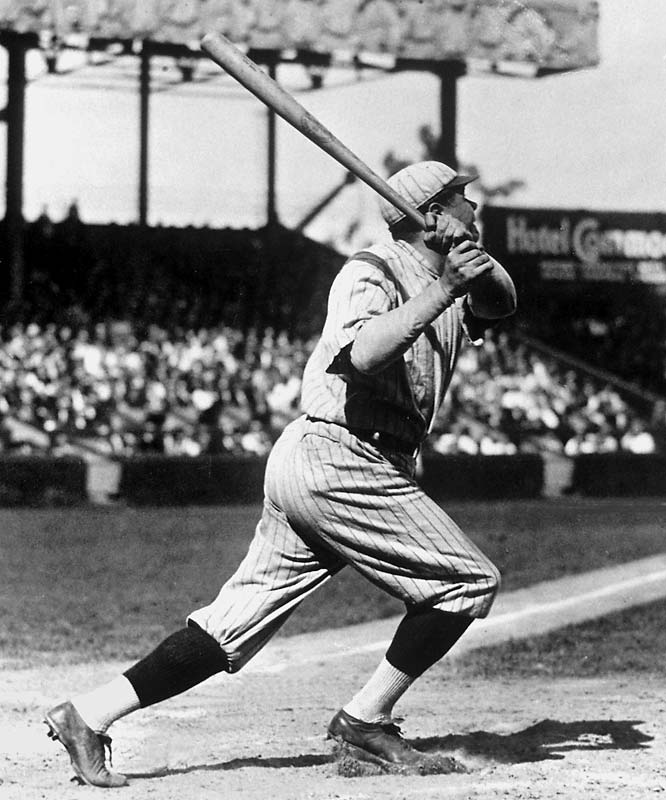
But alas I can find no evidence that Ho was interested in baseball
or had met Babe Ruth or dreamed any of this other fantastic and ephemeral stuff.—though
it would certainly make for a good story.
As a matter of fact he was tooling around the world during the birth of
most things modern in this traveling period of 1912 through the early 1930’s. In
NYC and Boston in 1912/13, back in Brooklyn (maybe) in 1918/19, in and out of London 1913-19, in France 1919-1923, then on
to the Soviet Union and China. Monumental
happenings in literature, art, music were defining the new world; there was the
World War, a revolution in Russia, the Depression, the birth of Chinese Communisum,
the Japanese war in China, and Ho was
certainly around not only when but where
all of the stuff was happening. For the
scant biographical materials at hand (albeit one is the fantastic biography by William
J. Duiker Ho Chih Minh, a Life) I can’t
see any reference to art or lit or music, not that this really matters, not
really. And this can also be said of Einstein (and most
other physicists) working during this same period—Einstein was surrounded by
newness in the arts and would’ve been approached by every last strand of it but
he remained unaffected by the great majority, preferring classical versions of
whatever, instead. Except for his
politics.)
Ho was a busy, dedicated guy during this early period, trying
as he was to come to a point where he could rid his country of the French and their
repressive colonial ways. He became a
communist but before that wasn’t—he tried in unconvincing ways to interest Woodrow
Wilson (employing the vocabulary and deep ideas of the American Constitution
and Declaration) in helping the Vietnamese loosen the grip of the French, but
to no avail. Later, as a dedicated and war-weary revolutionary he tried a
similar tactic with FDR—and this after fighting the piggish Vichy and occupying
Japanese forces in his country, waging an OSS-supported guerrilla campaign
against them for years—with similar results, getting sold out (much like the
Kurds were sold out by Bushs I and II) after the war was over.
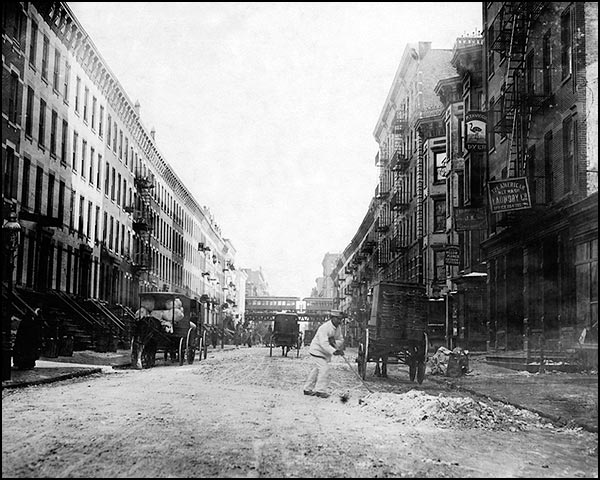 I wonder about those New York years, of working as a cook’s aide,
a pot scrubber, a photo touch-up artist, a busboy-intellectual, and wonder what
in the hell he was thinking about up there in Harlem in the summer of
1912.