JF Ptak Science Books LLC Post 667
 Looking at old prints sometimes reveals more
than just their own history, simple or not:
there are, from time to time, subtle bits of otherness that creeps into
the image, if you allow yourself the time to see it. And sometimes looking at images of the past
reveal a little of the future, or the possibility of the future. 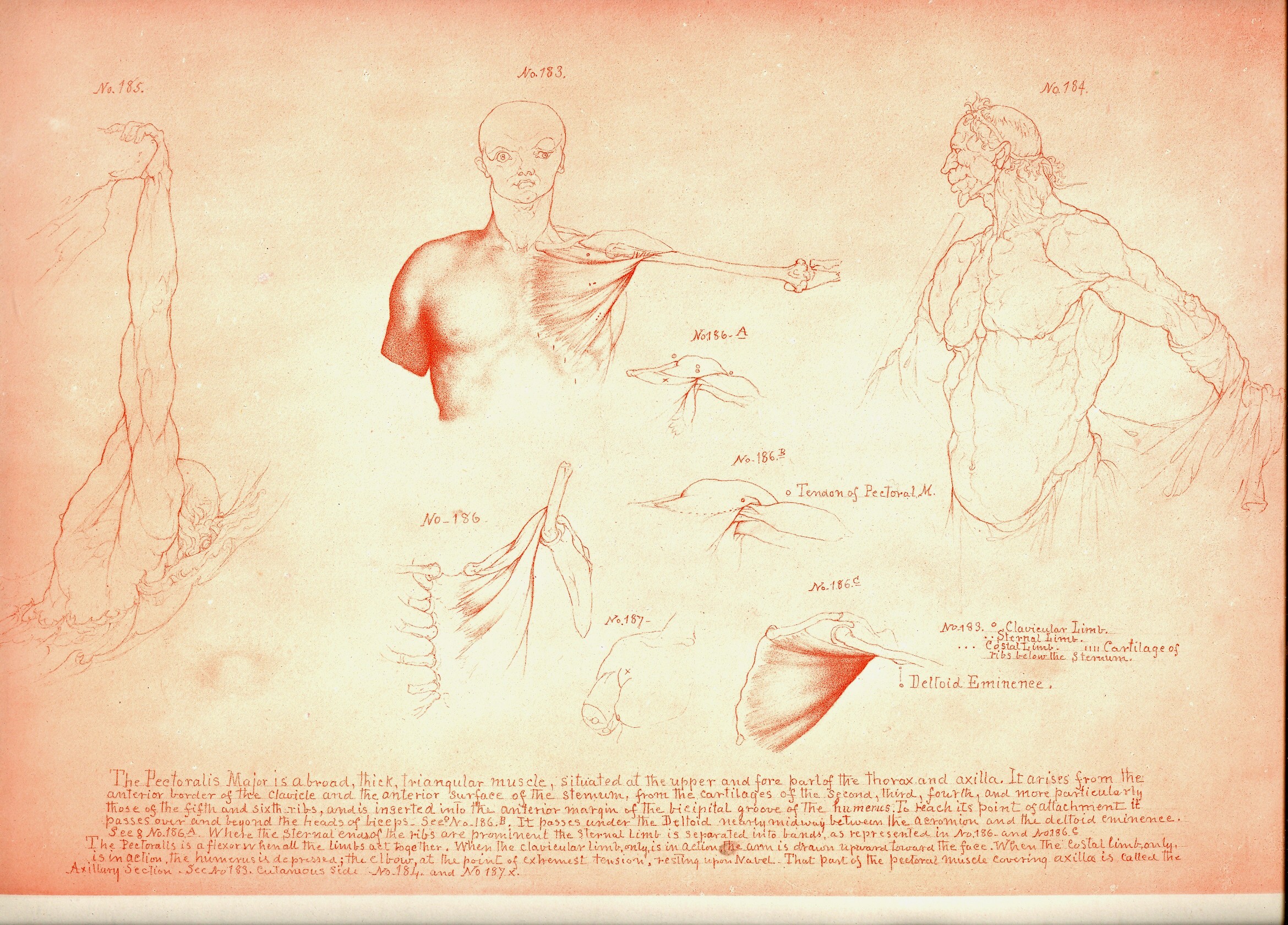
I wrote a little about this in the odd
art/color textbooks of the pre-Kandinskian Emily Vanderpoel , about whose color
theory I still understand not at all, though the images that she produced as
illustrations to these bizarre theories are stunning, pre-modernist, and unintentional
creations.
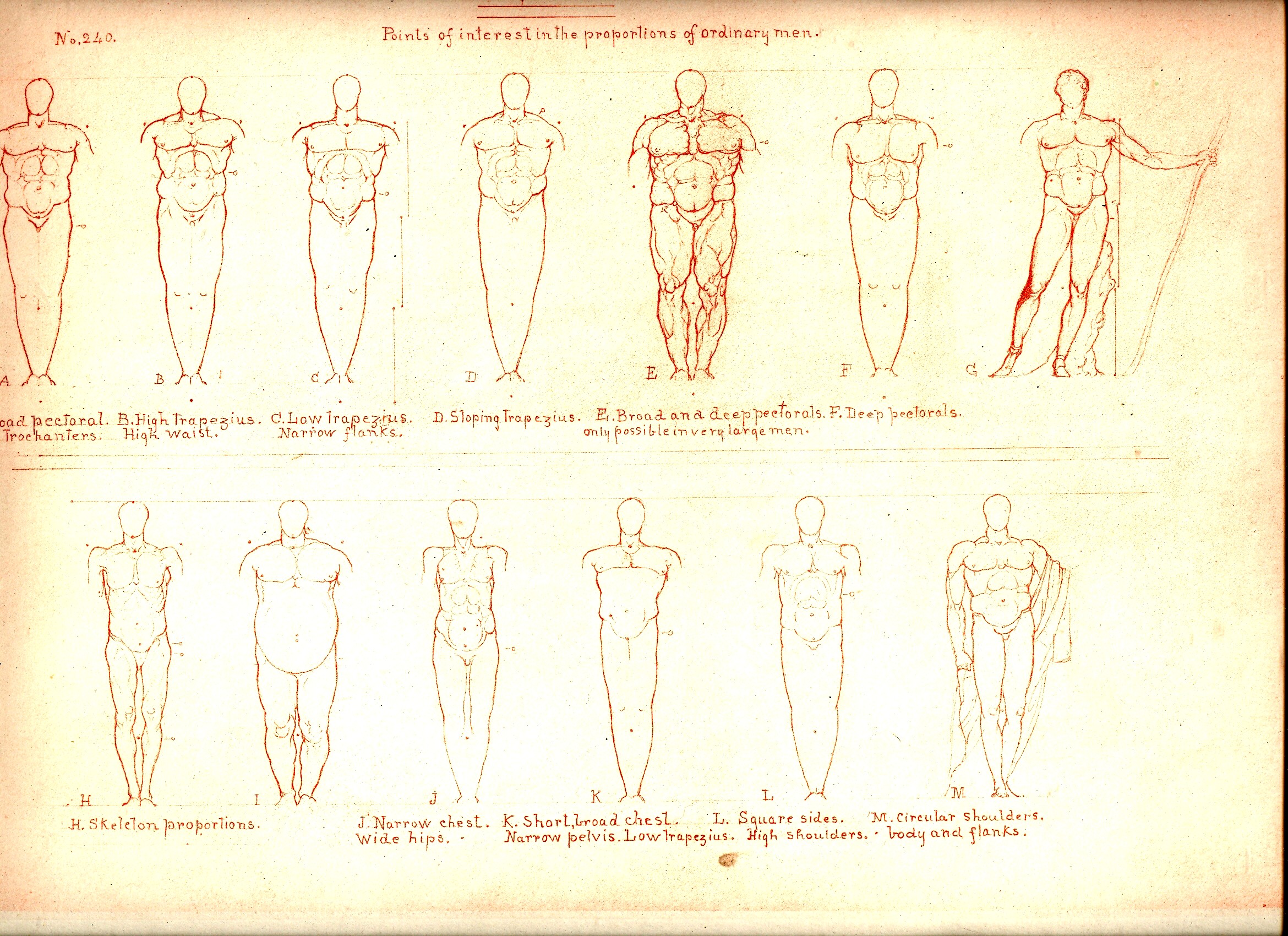
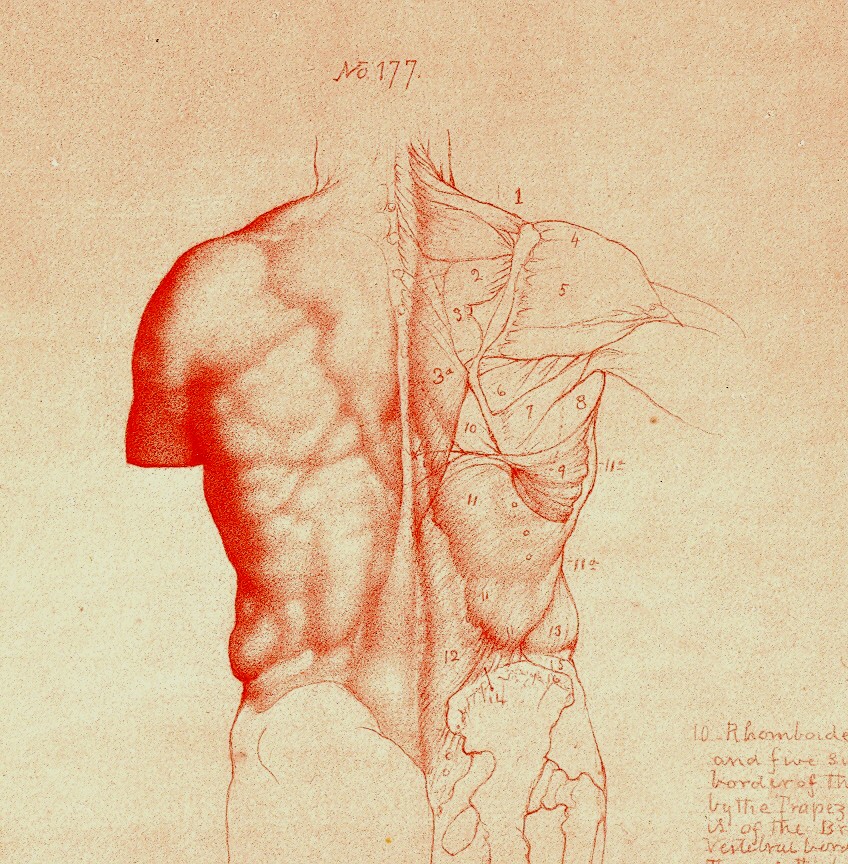
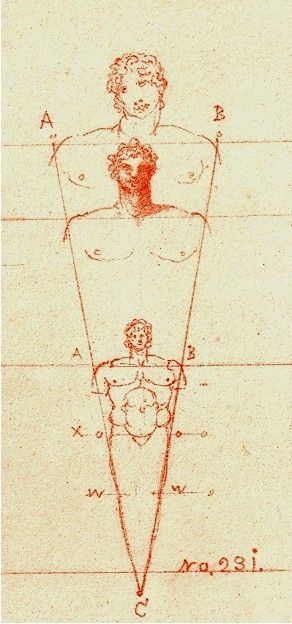
William Rimmer’s (1816-1879) Art Anatomy (1877 and subsequent
printings) is another such adventure.
Rimmer was a very accomplished artist, and was also a fine
anatomist. He was very concerned and
interested in what happens to the skin, forced into action by all of the stuff
underneath it. He pursued the movement
of muscle, and bone, and the interplay of the two, and produced a wonderful
exponent of artistic anatomy.
And inside
of these images is something else, sometimes.
There is an undoubted Leonardoesque quality to many of his drawings, the
figures appearing with deft lines and interesting shadings, many times
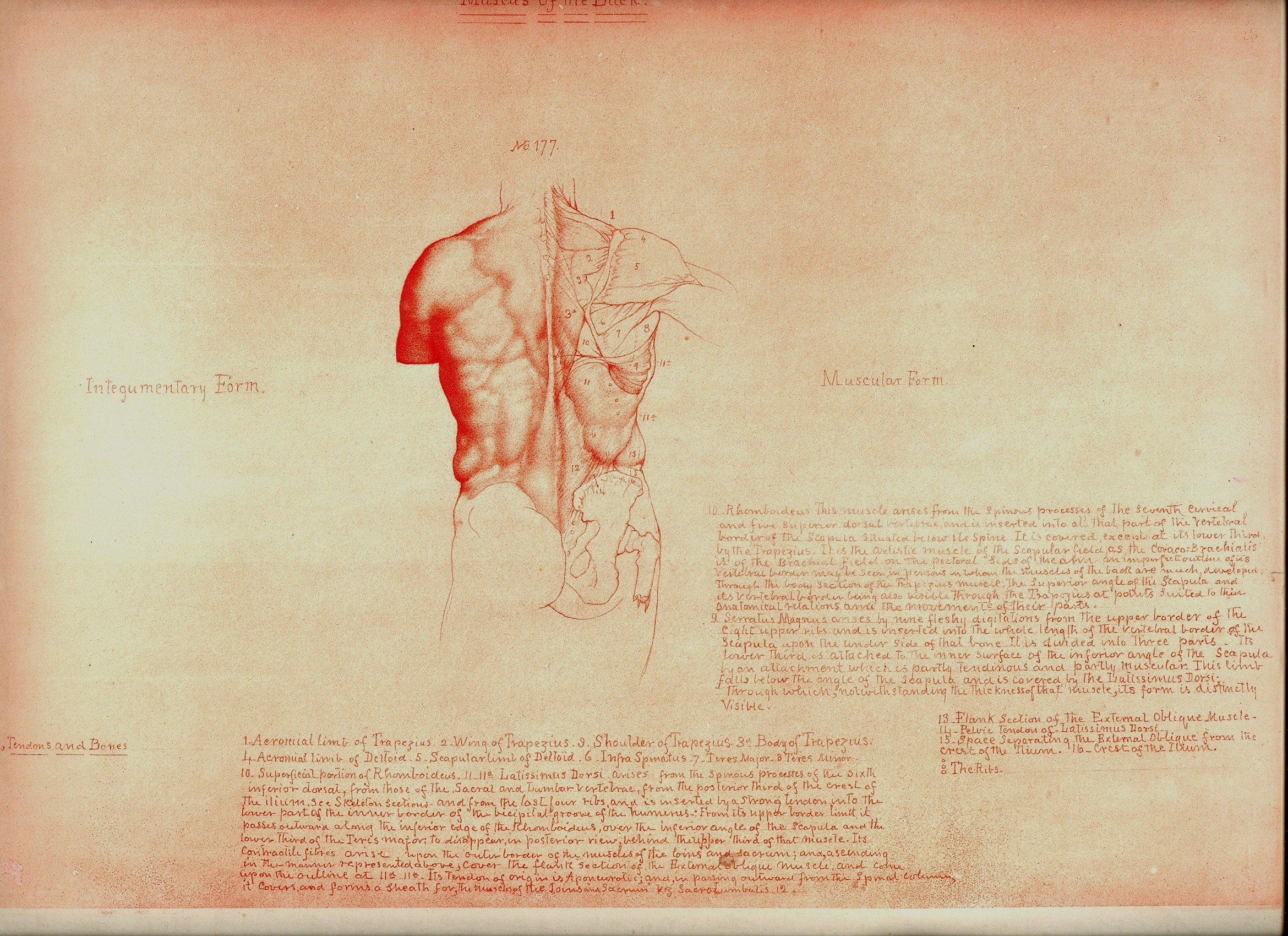
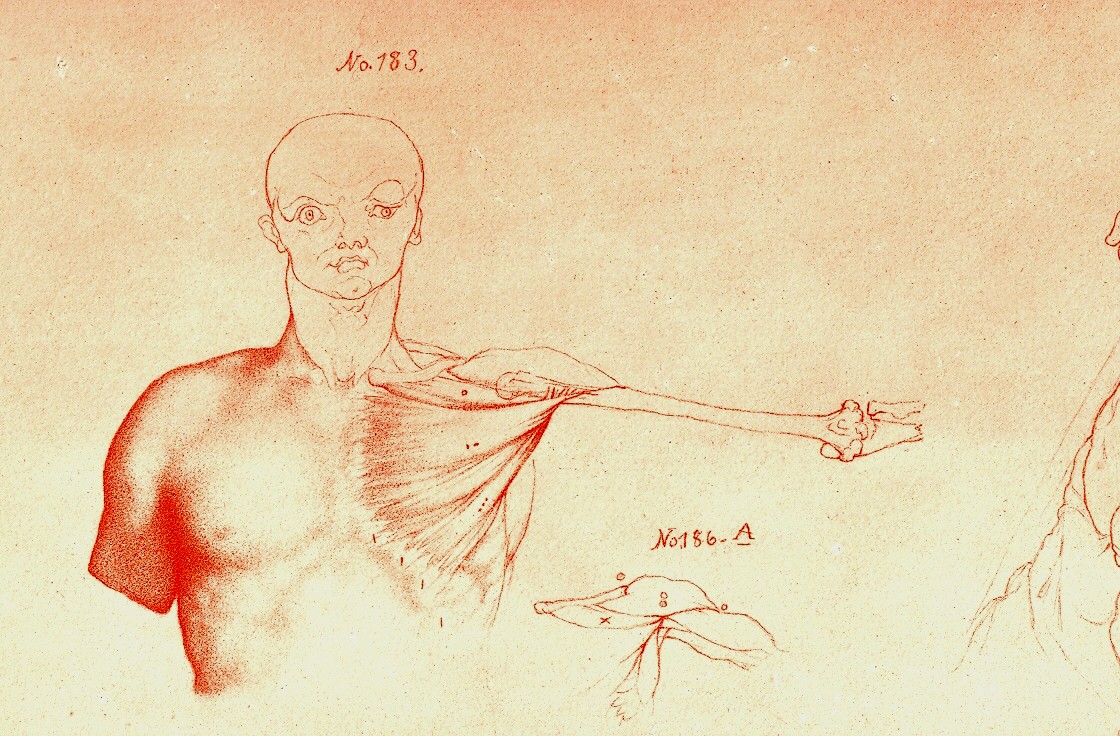
surrounded by the author’s notes and explanations But there’s also something else—some of the
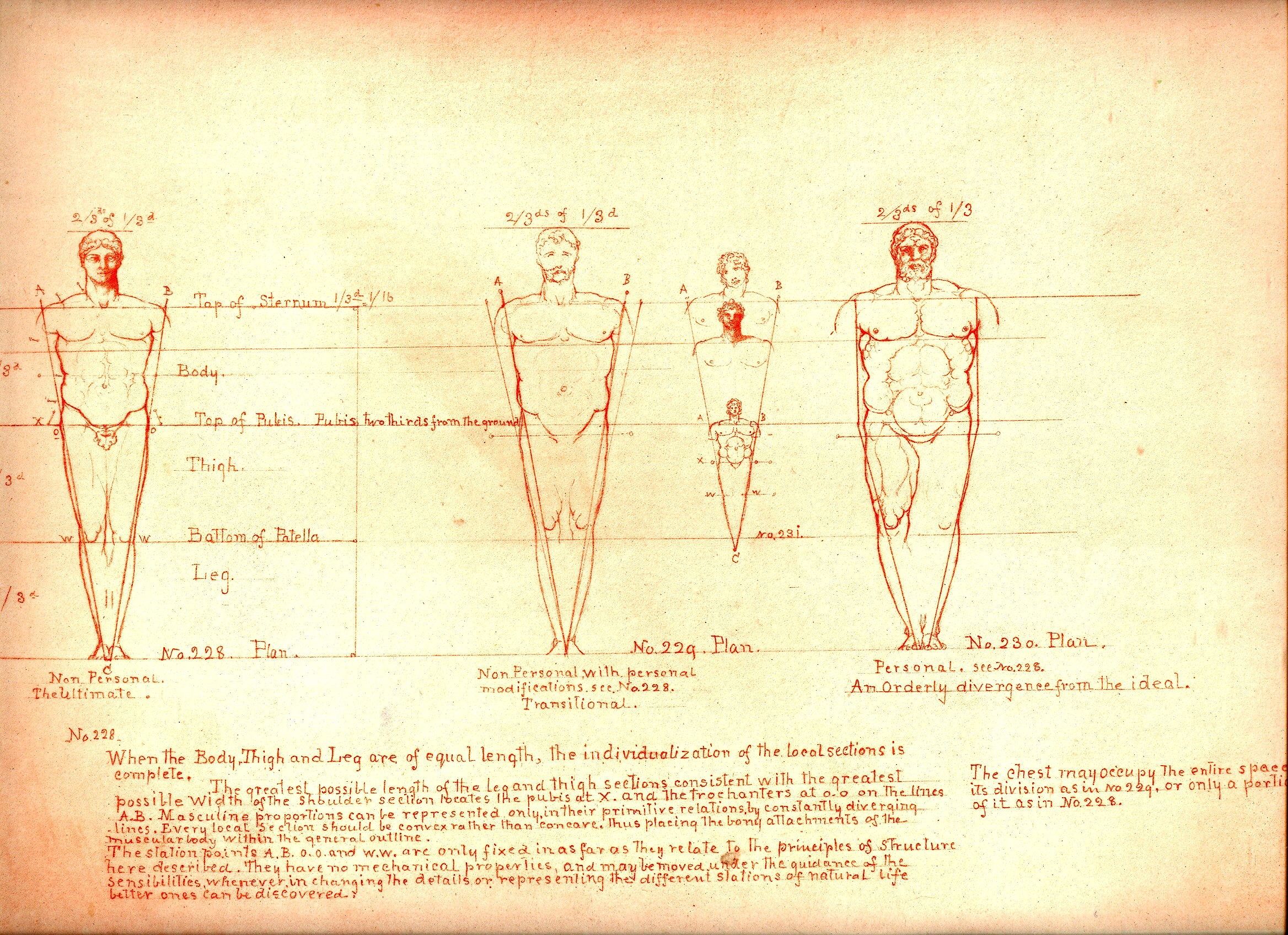
images are just, well, a little bizarre given the time in which they were
executed. Some of the details are
positively modernist, begging to be identified as a 1920’/1930’s creation, or
Dadaist, or something—just not 19th century. I’ve included some further examples below
 .
.