JF Ptak Science Books LLC Post 640 Blog Bookstore
Some Talks on Sugar, a nicely printed but thin pamphlet by Clarence
R. Bitting, published in 1937, looked like a non sequitur of non-interest—until
I flipped through the thing and found some very unexpected photographs, and then some fantastically unexpected text. As it turns out, the interior title—Florida Sugar, Past, Present and Future…an
Address Before the Florida Chemurgic Conference— provided a surprise,
first with the Florida interest, and second with the not-seen-in-my-experience
word “chemurgic”. 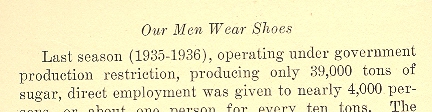
It turns out that Mr. Bitting
was the Vice President of General Motors, and was making a push to sell
chemical fertilizers and such to other growers in the state of Florida
home-base company of United States Sugar Corporation (of which Bitting was president in 1939). The USSC was purchased en masse by the exceptionally talented businessman and entrepreneur
Charles Stewart Mott, who was also the major private shareholder in GM. (Mott’s
Apple Juice came later after the company became fabulously successful—it was
one of many other concerns created when USSC began to diversify. From what I can tell, Mott’s today imports
most of its apples from China
so write on the bottle.)
Now all of this had my
attention. Following six pages or so
extolling the company’s successes and advances in cultivating (and draining)
the Everglades, they got around to talking
about the 2,500 people who worked for them. The title of that section was “Our
Men Wear Shoes”.
Really?
The Vice President of General Motors was proud of USSC’s treatment of its workers:
“Florida cane-field workers wear shoes; they
own their own hats, and their wardrobe consists of a great deal more than a
second-hand or third-hand pair of overalls, so that clothing production as well
as supplying the food requirements of those directly and indirectly employed
furnishes much additional indirect employment.”(Bold emphasis mine.)
This really does speak to the
times, when the manufacturer could be proud to announce that its workers own
their own hats and shoes. Hats? Were
hats rented?
It is also remarkable that for
all of this—the hats, the shoes, the sort of new overalls—that these “cane-field
workers” were also carrying other incomes on their backs for the people who
would sell them these few bits of owned clothing and food. It seems almost impossible that these would
be laudable traits of the employer—but they were, evidently, because the VP of
GM saw fit to mention them. And to me
this must mean that other workers, elsewhere, didn’t wear shoes and
didn’t own their hats. Staggering,
really. (My wife Patti just asked what the modern equivalent of this would be. I’m not sure; perhaps the fiction of “poverty line” income, or the wispy promise of the minimum wage? Or is it the floured-up sugar delivery systems that kids get to eat for free at” breakfast” in public school? Or the last-ditch emergency care effort that is provided for children in direneed of medical assistance, given finally only modest attention along the lines of lifetime neglect? What is it that we are proud of today that will look so stingy and mean in the coming years? Where is the capacity to help and aid so short-sighted and so under-capacity as in the hat/shoes issue? Its a great question. [See my post on the history of the minimum wage here.])
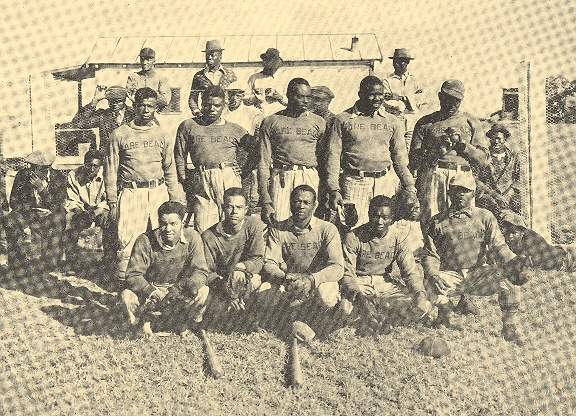 And then the photos. Pictures of Field Day festivities on acres of
cleared sugar cane, a tug of war, men working at a conveyor built. Then the school room and the baseball
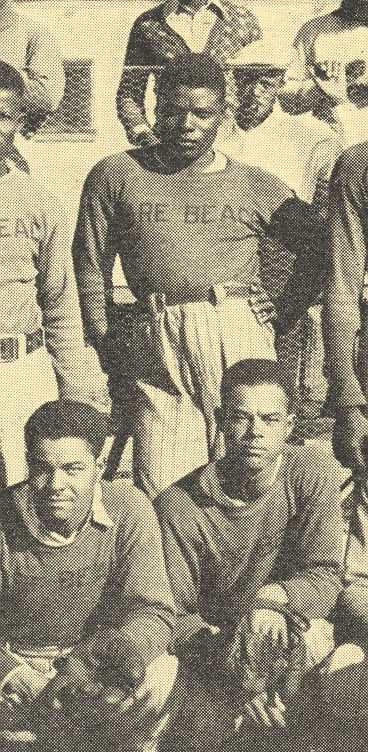
team. The men in the baseball photo look proud, and ready (and formidable, especially considering how many professional players of the day were lumpy and loose, thanking god that they were wearing form-hiding loosely-fitting wool uniforms). These men were muscular, lean, hard; I bet they could play.
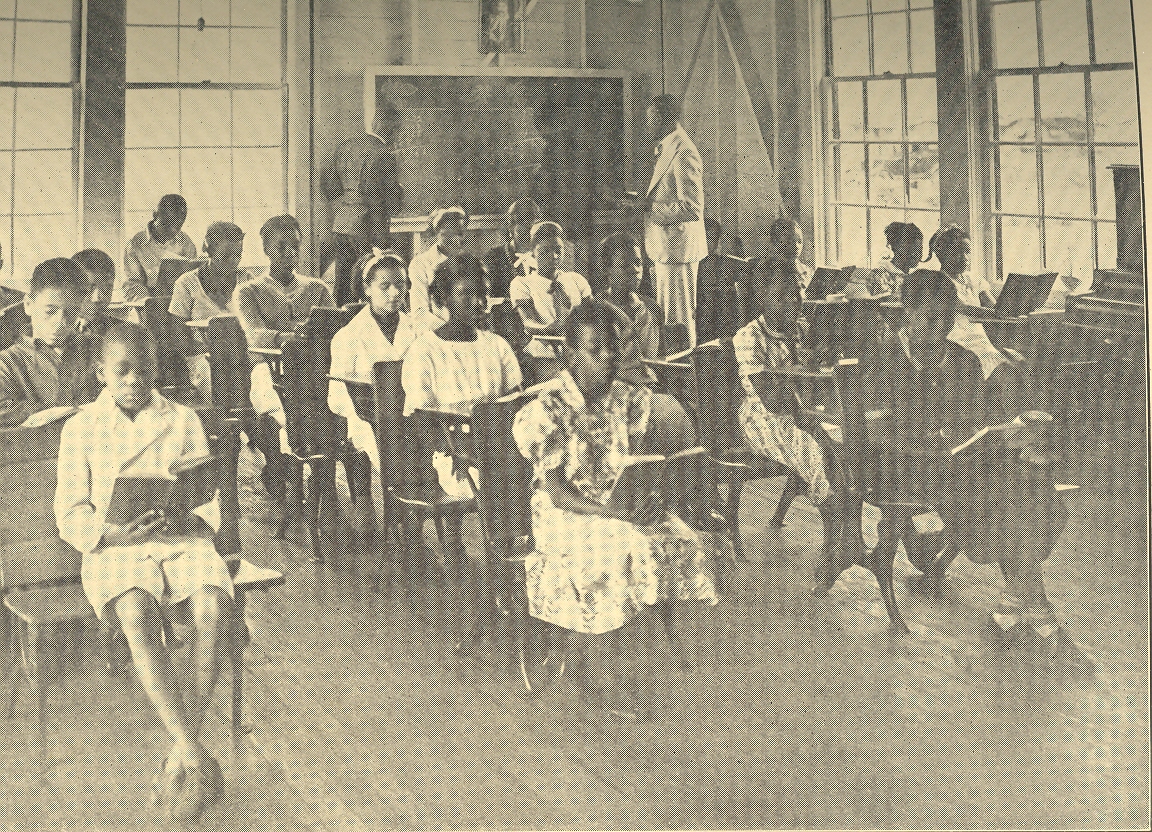
The children in the airy schoolroom are decently dressed, though the poor kids in the front row have no desk. And the walls have no interior finish. I wonder too about the tall boys in the back of the room with their bow-tied and jacketed teacher. What are they doing with the blackboard in the rear of the room? Was it placed there to show that the kids had a blackboard
and it needed to be in the picture? Or is it because this was a one-room affair, with the older children in the back, getting special attention from the teacher who was trying to give age- or capability-relative instruction under slim circumstances? My guess is that since this is 1937 and we’re talking about a company-run school in the Everglades, that the sotto voce undercurrent of thought would be that the children had a room and a teacher, and what more could they want (?)
The photographs are unintentional monuments
to the little bit that was given to these thousands of people–so little that
seemed like so much to the people who had almost nothing, and also, criminally,
it felt like so much largesse from a company that had infinitely more.
And all of this from what would seem to be a disposable piece of ephemera–and we haven’t even gotten to the chemical hardware bits and the draining of the Everglades to get to that good cane-growing topsoil….
*See below in extended reading for Mr. Bitting’s testimony before the Congressional Committee Investigating the Interstate Migration of Destitute Citizens.